Press Release

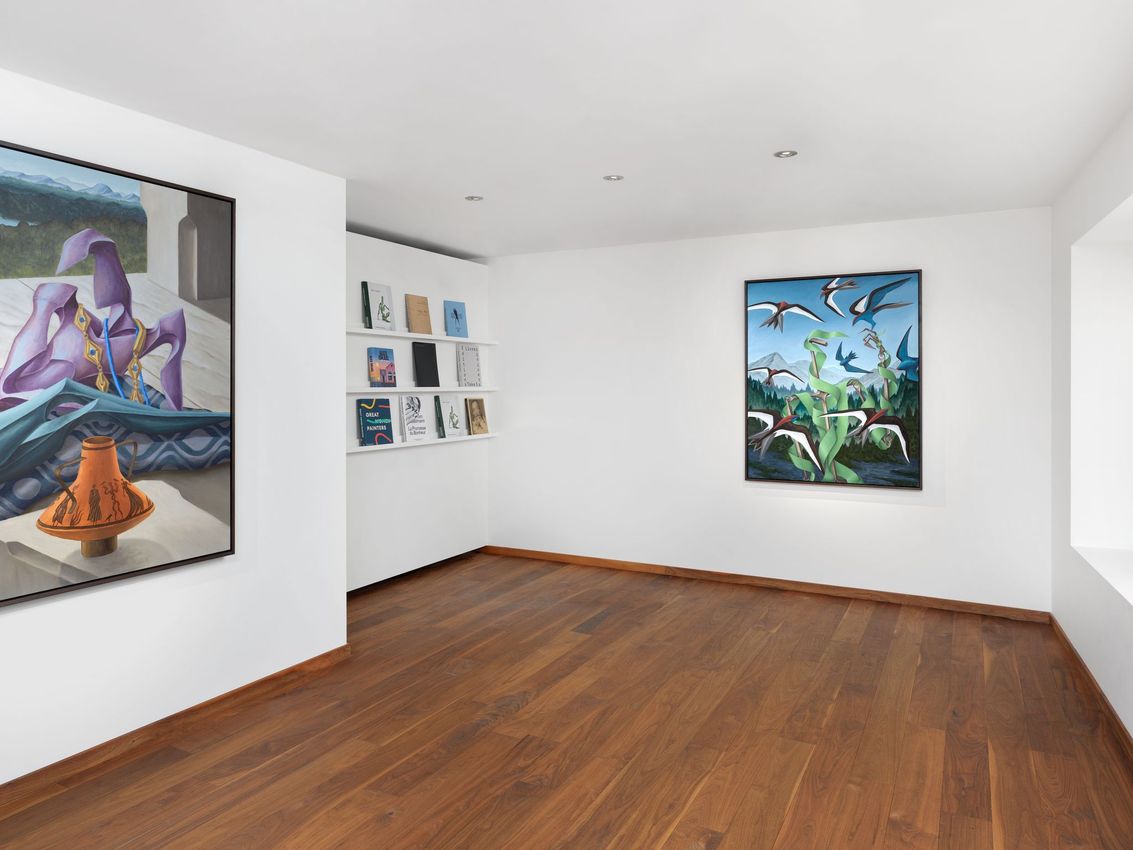
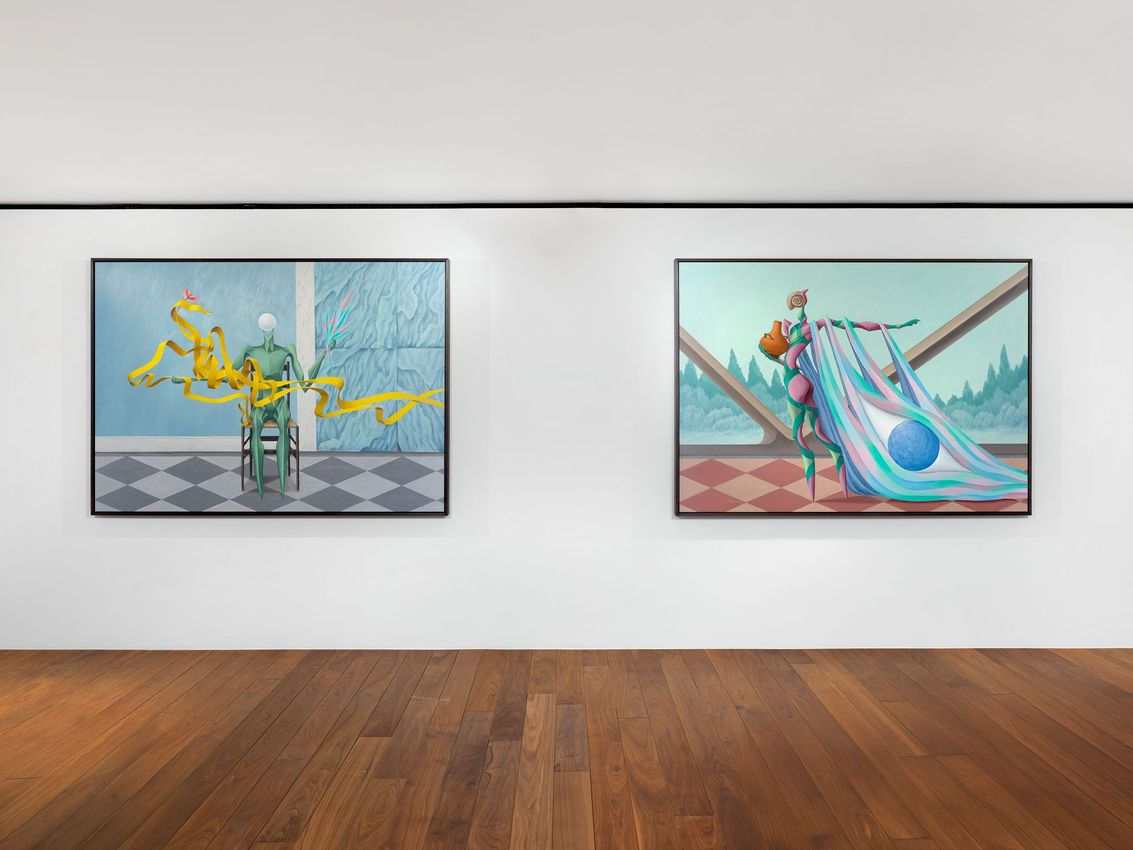
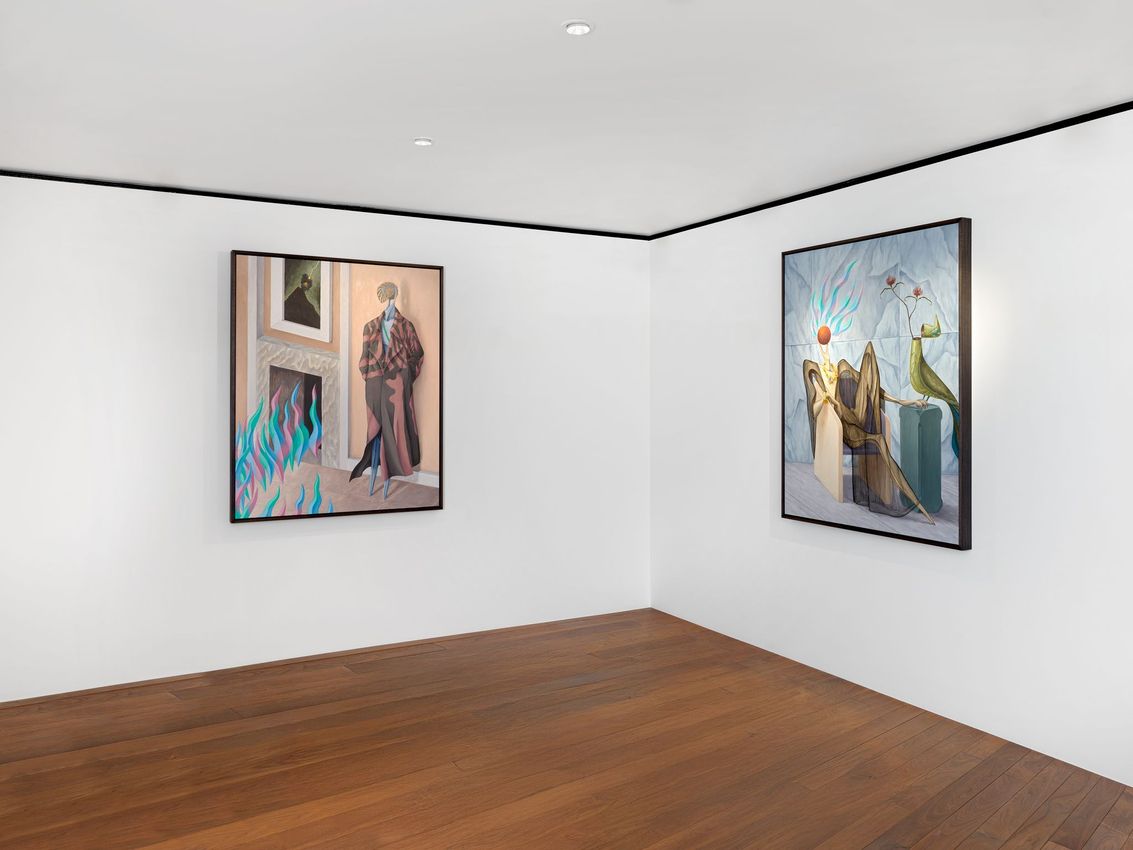
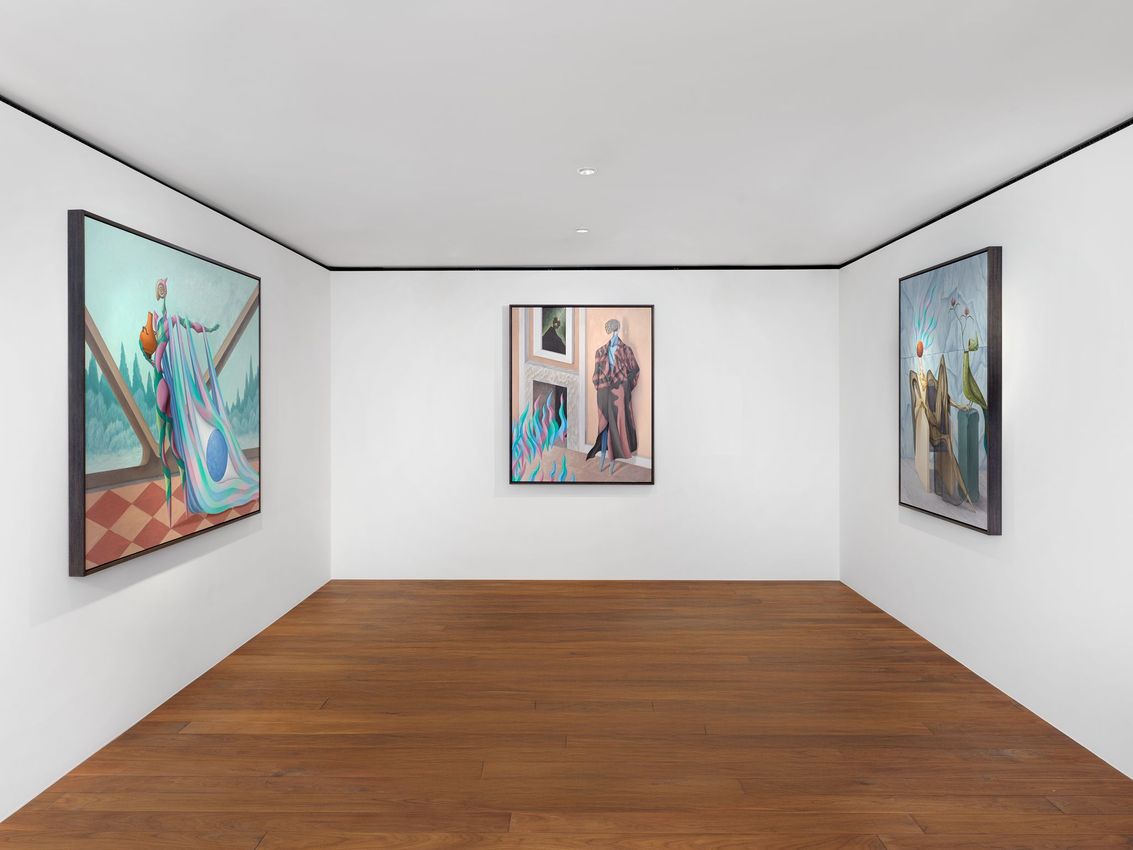
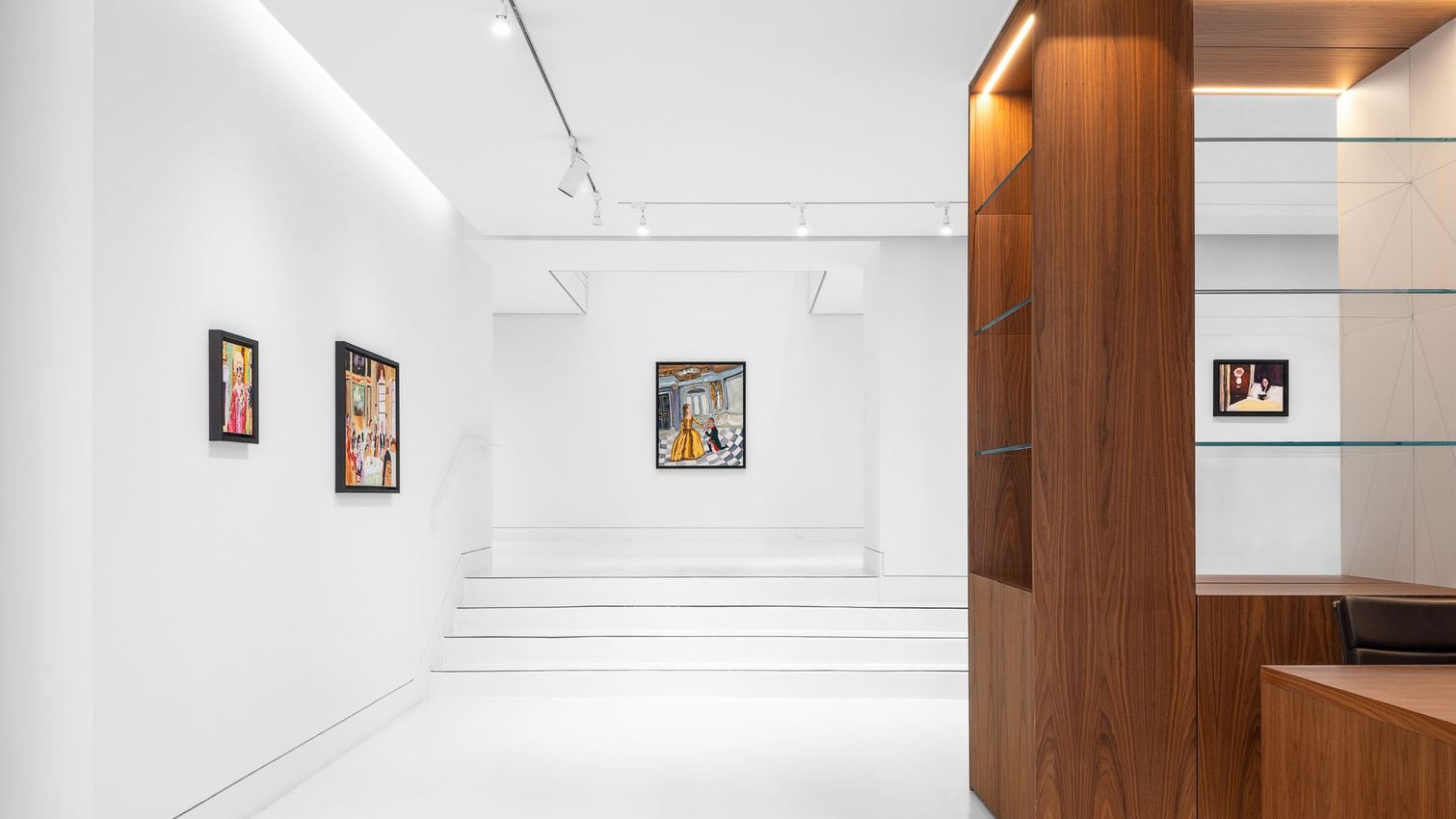
Almine Rech Gstaad is pleased to present Alejandro Cardenas’s sixth solo exhibition with the gallery, OLYMPIA, on view from December 21, 2024 to February 2, 2025.

In Ancient Greek mythology, the god Prometheus is best known for giving humanity fire and thus sparking the creation of civilisation - and in turn its downfall. For the artist Alejandro Cardenas, this archetypal starting point is also a way to discuss our contemporary relationship to culture and meaning.

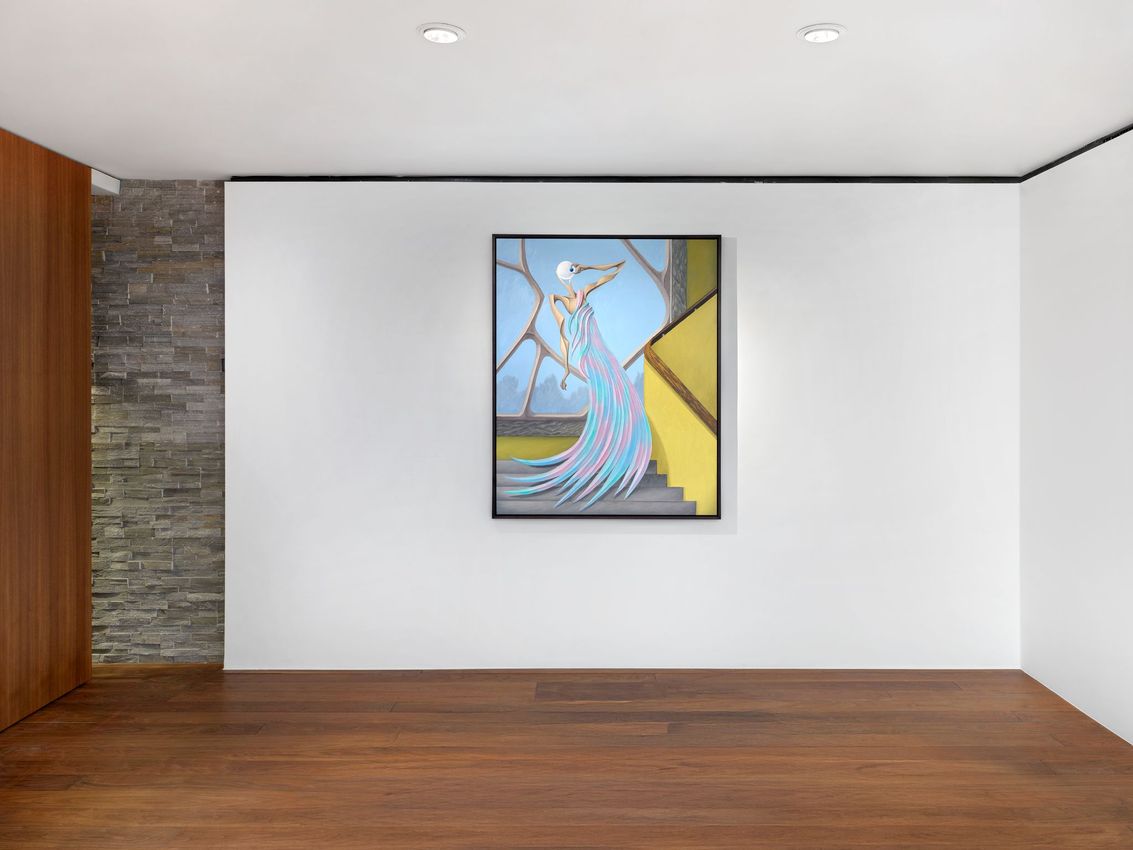
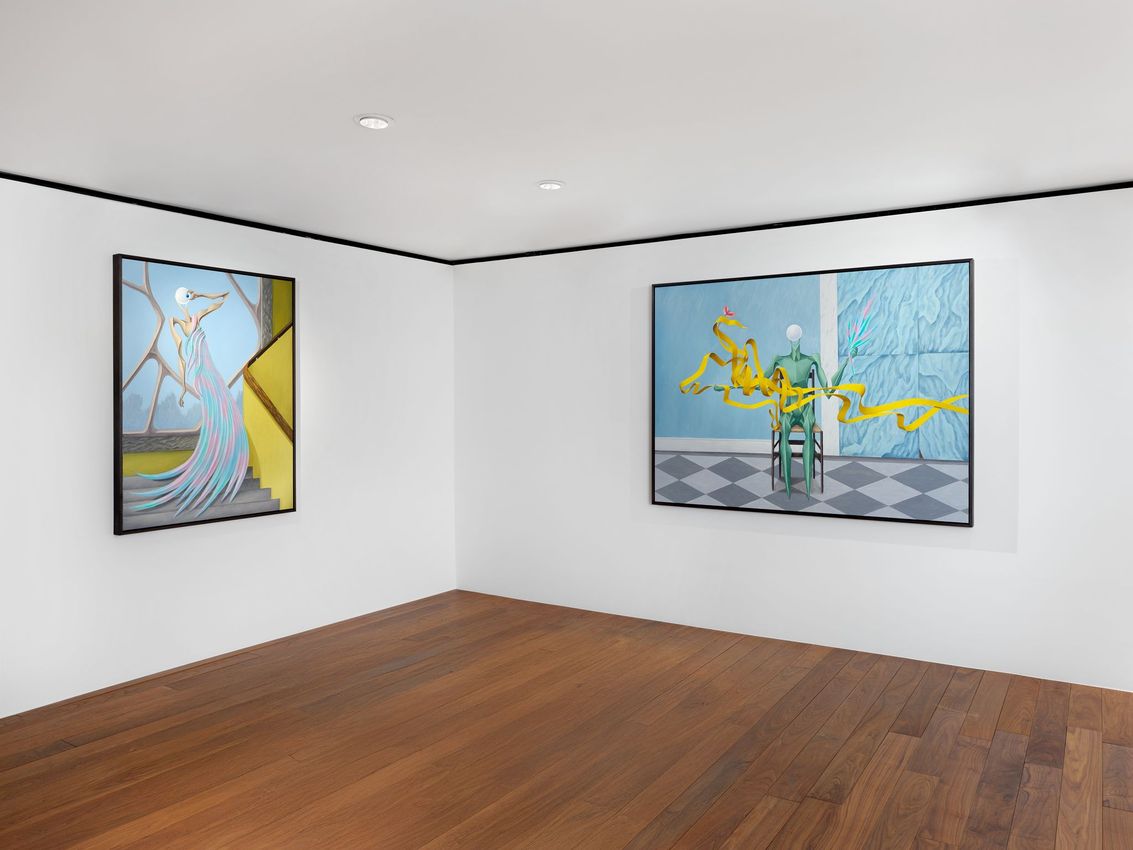
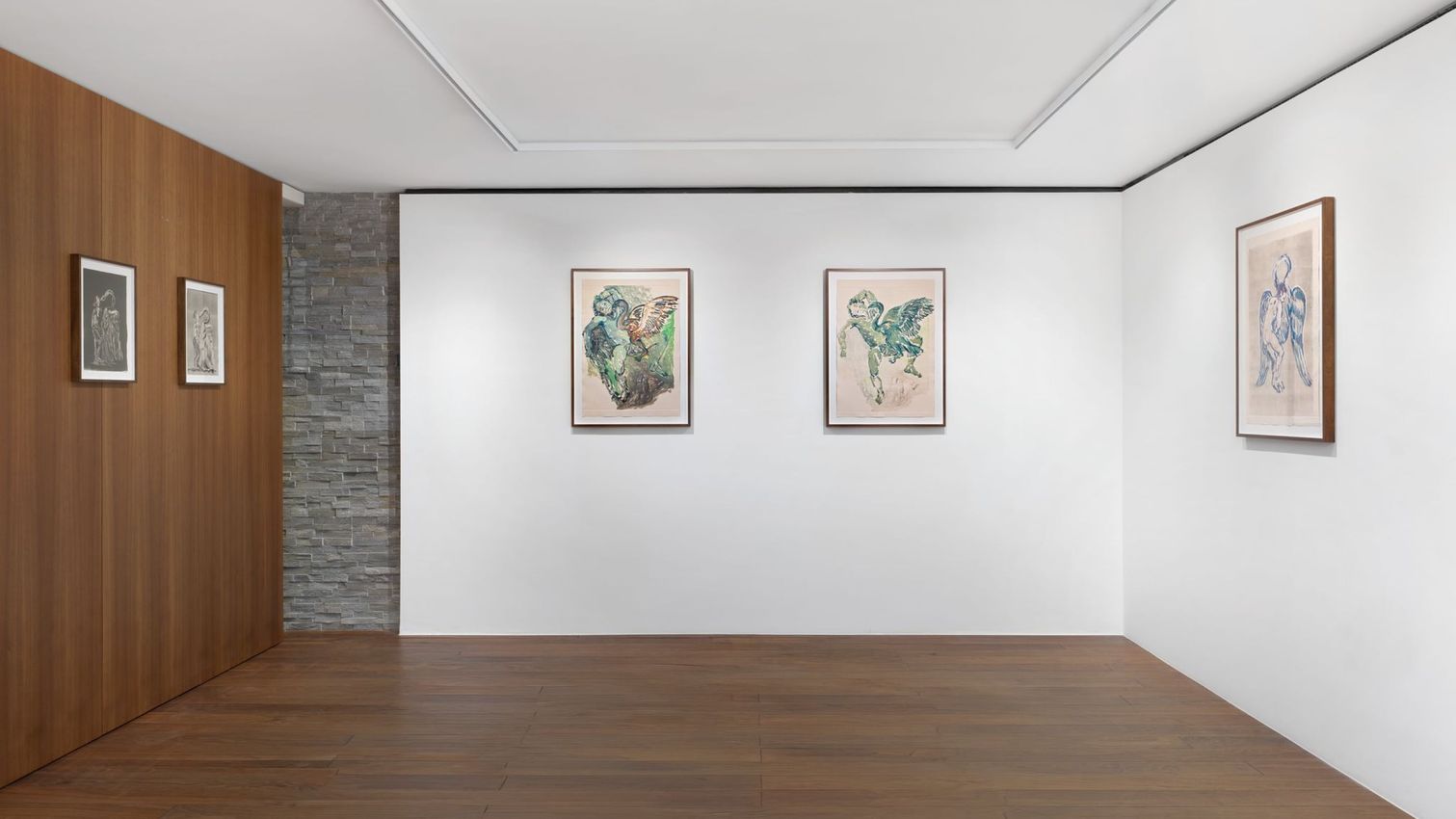
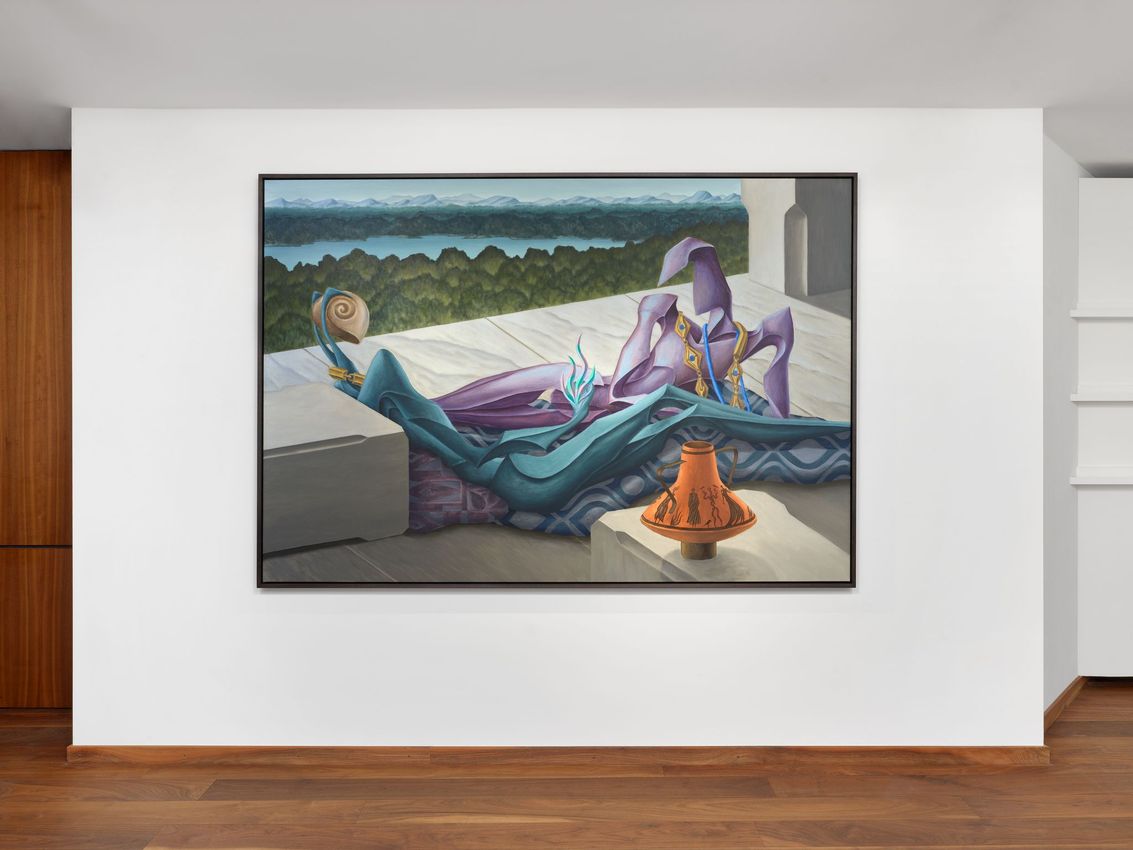
His exhibition OLYMPIA brings together a suite of artworks that questions the role of painting in context of accelerated image culture. The artist draws from the mutable nature of mythology, though in a very loose way. Instead, we see an unfolding set of narrative works where unreal characters engage and play with fire in pictorial landscape.

Art history is central to Cardenas’ work. The exhibition title brings to mind the work of Manet and Cezanne. His aesthetic and compositional influences range from the oddness of Balthus and Christian Schad, to the stylised approach to form and line in Henry Moore and Robert Matta. Yet, what makes Cardenas of the now is how it also is infused by the forms of car mechanics, post-modernist furniture, Instagram memes, and the shape and structure of insects.

He is currently fascinated by how technology, social media and our accelerated sense of hyper connectivity has put meaning itself into question. How the bombardment of images, text and ‘content’ in our lives has lessened the impact of all meaning and language. The increasingly banal experience of seeing violence or death while waiting in line to order a sandwich. His work, however, is not negative. There is hope and humour here.

Caspar David Friedrich is another current reference. The nineteenth century painter is the poster boy for the romantic ideal of humanity’s engagement with the power of nature. Cardenas questions how the sublime can exist in the now. He notes the commitment and indulgence of engaging with an artwork. The choice to engage with a slow object created over hours and contemplated over time. Interesting that his figures are often seated, paused in movement or depicted in contemplation – leaning or reclining in their environments. His paintings question belief.

Alongside high culture, Cardenas was equally as inspired for the group of compositions by a video circulated on social media of an erupting volcano in Ecuador, filmed at night, hit by lightning. The reaction of those watching broke through to the artist in a visceral way. It initiated an engagement with the symbolic. His approach to painting fire has the same sense of stylisation as his figures. The motif is depicted in different ways. Frozen in movement, psychedelically coloured, emerging from figures, walking out of a fireplace.

Cardenas’ figures exist in a non-space, an infinite context. Organic within the matrix. It gives his compositions an ambiguous oddness, but also knits together the works narrative as an exhibition. Storyboard like. There is a strong awareness of flatness and depth in the work. The volume of space or object sometime exaggerated by pattern or line. We are aware we’re looking at a painting. We are aware this is not reality. This is representation without doubt.

The artist’s paintings often play with perspective to highlight that we are engaging with a three-dimensional image on a flat plane. In some cases, in his work he plays with the diagonal view, axonometric perspective used in architectural renderings. At these moments that edge away from traditional perspective the works feel more abstract and unreal.

That abstract sense is also evident in the figure. His characters are intentionally faceless – unreal, skeletal, stylised forms that are stand-ins for the human body or relationships. They touch on the idea of pareidolia - the psychological phenomenon of perceiving pattern or meaning in random visual stimuli. Of seeing human forms in non-human things. The artist presents an imaginative take on the possible human form in a post-surgical future. This feels at its most uncanny, for example, when he has translated his works into sculptures in the past.

Cardenas studied at Cooper Union at a time when conceptualism reigned over aesthetic experimentation and painting was dead. He returned to the medium as a developed artist, after incorporating the digital, graphic and other media into his practice. His process of creating a painting goes through numerous stages. The starting point is imaginative and free. He begins with books of sketches, where he will constantly redraw an idea or composition. This is then mapped out as a digital composition. Yet this anime style version of the works develops dramatically before it is painted. The initial idea or concept Cardenas wishes to communicate shifts. The story changes as it is organised in space. In particular, the artist is conscious of negative space, where those lines intersect the figure in the background. The composition is only finalised once it creates a sense of fluidity – something imperceptible but present. For Cardenas, this is the moment when tension is resolved.

Even at this point, the artist’s take on colour and line is mutable. He has a very specific take on palette. Turquoises, sea blues and a particular orange shade of red often emerge. Aware of his subjective relationship to colour, the element comes last in his process. As the artist notes, “when it comes to mixing oil paint, it’s literally like you are collaborating with the Universe”. Pigment combinations actively shift when placed side by side. The artist’s choices can transform in a painting like magic – shifting volume, line, shape, space, meaning.

Painting is a medium unlike any other in art. It carries the weight of history on its shoulders. It is a medium referencing itself – technically and visually. Cardenas is conscious of this history while also feeling very personal and reflecting his own experience. Cardenas refers to painting as a clock – “a time keeping device for humans”, he explains. “A painting part of an unbroken chain of production. It’s literally civilization”.

— Francesca Gavin, writer and curator

Read More

Installation Views

About the Artist

Alejandro Cardenas (b. 1977, Santiago, Chile) completed his BFA at the Cooper Union School of Art in 2000. Before becoming a full-time studio painter, Cardenas had a successful career as a multimedia artist, working in illustration, graphic design, and videography. For over a decade he served as the lead textile designer and art director for the influential fashion label Proenza Schouler. He was also a founding member of Lansing-Dreiden, a New York-based transdisciplinary art collective that produced musical albums, a literary journal, and artworks. Reviews of his art and design projects have appeared in The New York Times, Vogue, and Another Magazine. Cardenas currently lives and works in Los Angeles.

View Artist Profile

Also Exhibiting at Almine Rech

About the Gallery

— Sunday, from 11 :00 to 18:00

View Gallery Profile
Address
Chalet Wilibenz
Bahnhofstrasse 1, 3780
Gstaad
Switzerland
Opening Hours
Monday — Sunday
11am - 6pm
(1)
Gstaad Chalet Wilibenz, Bahnhofstrasse 1, 3780
Almine Rech
Chalet Wilibenz, Bahnhofstrasse 1, 3780, Gstaad, Switzerland

Opening hours
Monday — Sunday
11am - 6pm
The art world in focus