



SUSAN WEIL
b. 1930, United StatesWorking across paintings, sculptures, cyanotypes, fragmented panels, and digital prints, Susan Weil oscillates between figurative and abstract elements to contemplate form, perspective, and space. Active since the 1940s, Weil is recognised as one of the most influential female artists of Abstract Expressionism, a movement dominated predominantly by men.
Weil attended the experimental Black Mountain College in 1948, taking her classes under the former Bauhaus academic and artist Josef Albers. She moved to New York a year later, where she was surrounded by early proponents of Abstract Expressionism, among them Jasper Johns, William de Kooning, and Cy Twombly, and leading pioneers in different disciplines of the arts, such as the composer John Cage.
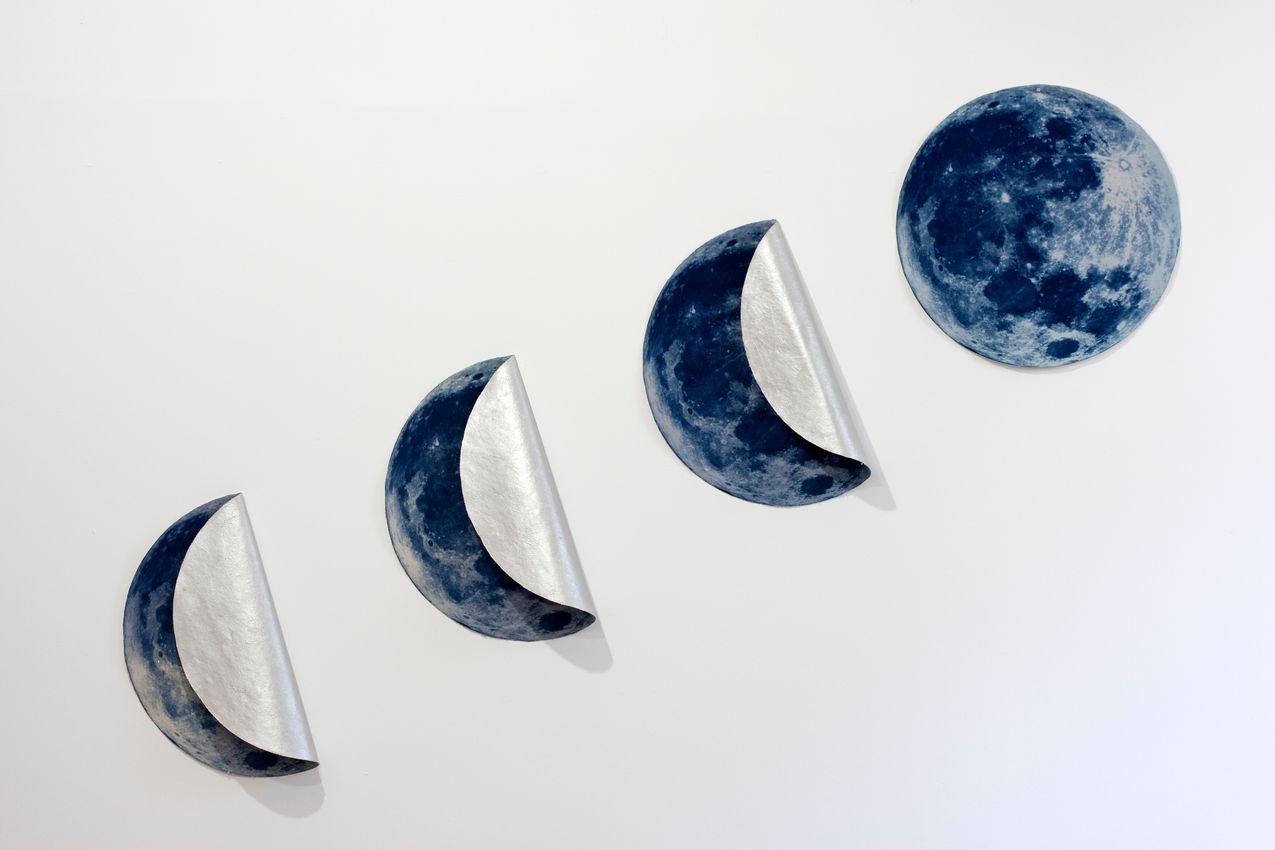
Between 1949 and 1951, Weil collaborated with her then-husband Robert Rauschenberg—also a fellow student from Black Mountain College—to create a series of large-scale blueprints. They experimented with light exposure and the imprints left behind by the human body in works such as Sue (c. 1950), which shows a full-body profile of Weil standing with a cane in her hands.
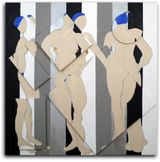
Weil’s approach to abstraction is distinct from her contemporaries in that it readily explores the figurative. Walking and standing figures appear frequently in her early works, such as the rainbow-coloured plexiglass sculpture Standing Figure (1967) or the greyscale oil painting Walking (1969). Other recurring motifs include trees, which often appear fragmented on canvases of different sizes that make up a larger plant (Baroque Tree, 2006), and the Irish novelist James Joyce and his works that inspired a series of portraits and collages.
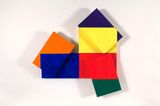
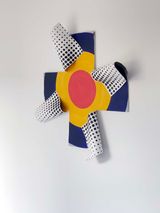
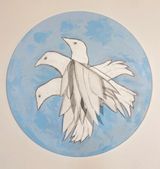
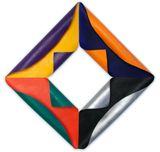
Weil is also known for her use of an eclectic range of materials that she rearranges into compositions, from metal, wood, and paper to recycled items. In Quadrille (1981), canvases are crumpled and conjoined; the colours on both their sides—black on one side and a primary colour on the other—are visible to the eye. Flexible poplar plywood forms the basis of works such as Bird (2017), where a line drawing of a bird morphs into a sculpture by rising off the surface of the wood.
Cyanotypes and collaboration continue to be key elements of Weil’s practice. In 2000, the artist began working with photographer Jose Betancourt to produce blueprints, photograms, and Van Dyke Brown prints that examines the history of photography and the ideas of space and shape. Another collaborative work, Five Generations (2019), spans across several decades, beginning as an embroidery depicting stars by Weil’s mother in 1930 and completed by the artist, her daughter, and granddaughter’s contributions of cyanotypes and metal cut-outs.
Selected solo exhibitions include Art Hysteri of Susan Weil: 70 Years of Innovation and Wit, an online retrospective exhibition at Sundaram Tagore Gallery (2020); Susan Weil’s James Joyce: Shut Your Eyes and See, The Poetry Centre, State University of New York, University of Buffalo (2016); and Poemumbles: 30 Years of Susan Weil’s Poem | Images, The Black Mountain College Museum, North Carolina (2015). Weil is the recipient of a John Simon Guggenheim Memorial Foundation Fellowship and a National Endowment for the Arts Fellowship.
Weil’s works are in the collections of the National Museum of New Zealand Te Papa Tongarewa; Metropolitan Museum of Art, New York; The Museum of Modern Art, New York; The Victoria and Albert Museum, London; and The J. Paul Getty Museum, Los Angeles, among others.

View Susan Weil's Artworks
















Explore Susan Weil's Exhibitions







Explore and Follow Artists Shaping Contemporary Art
A respected voice in contemporary art discourse.
Focusing on ambitious storytelling and insightful art-world commentary. Ocula Magazine publishes in-depth interviews, critical essays and timely analysis on the artists, exhibitions and ideas driving the global art world.
Learn more about Ocula Magazine
Showcasing the best of the art world.
Ocula partners with galleries from around the world to highlight their artists, artworks and exhibitions. Gallery membership is by application and invitation, with each member vetted by an independent panel.
Learn more about Ocula Membership
Specialises in the sale of major artworks.
Led by a team with deep ties to the world’s leading auction houses, galleries and collectors. Ocula’s advisory team offers bespoke services to high-net-worth clients from around the world who are looking to acquire the best of contemporary and modern art.
Learn more about our team and services