


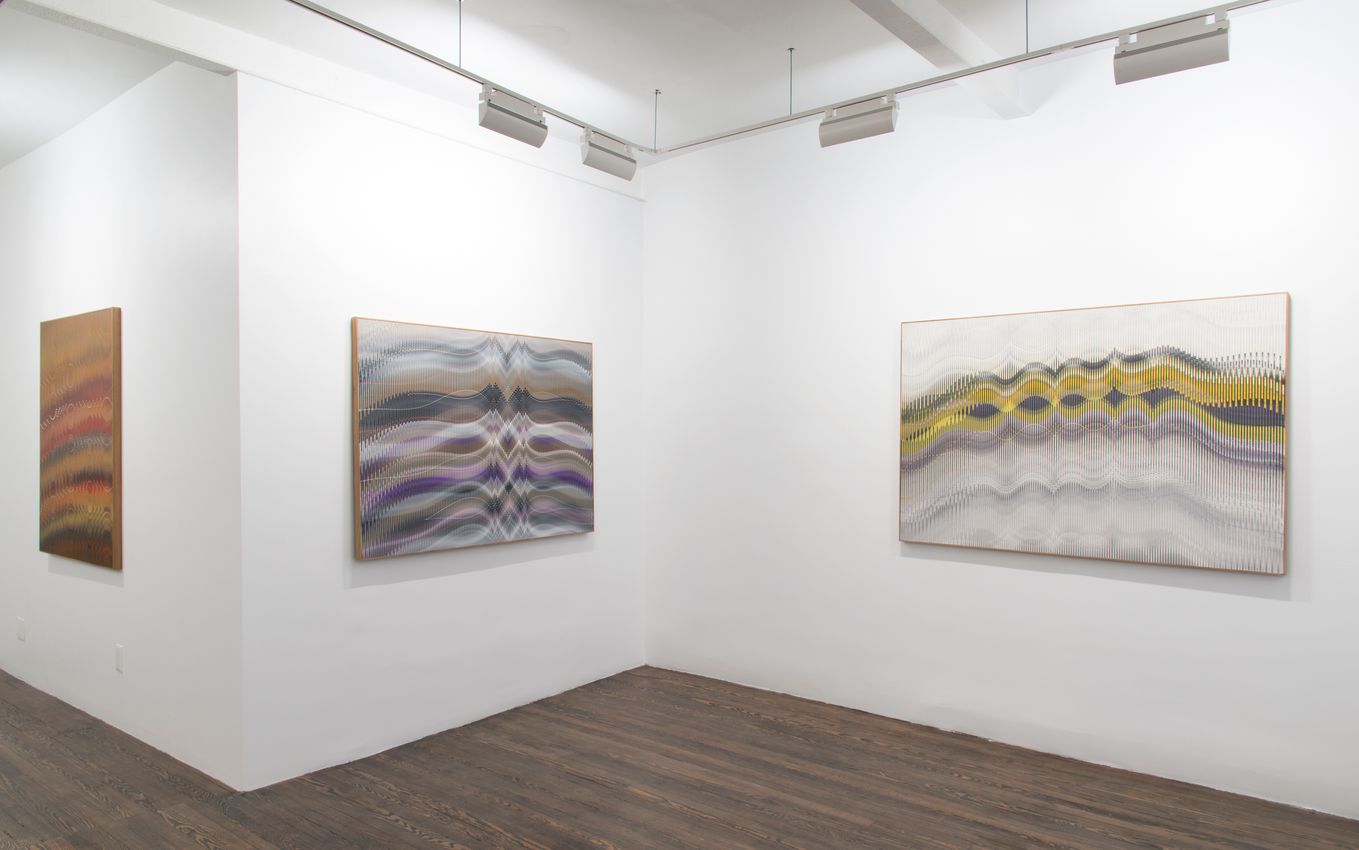
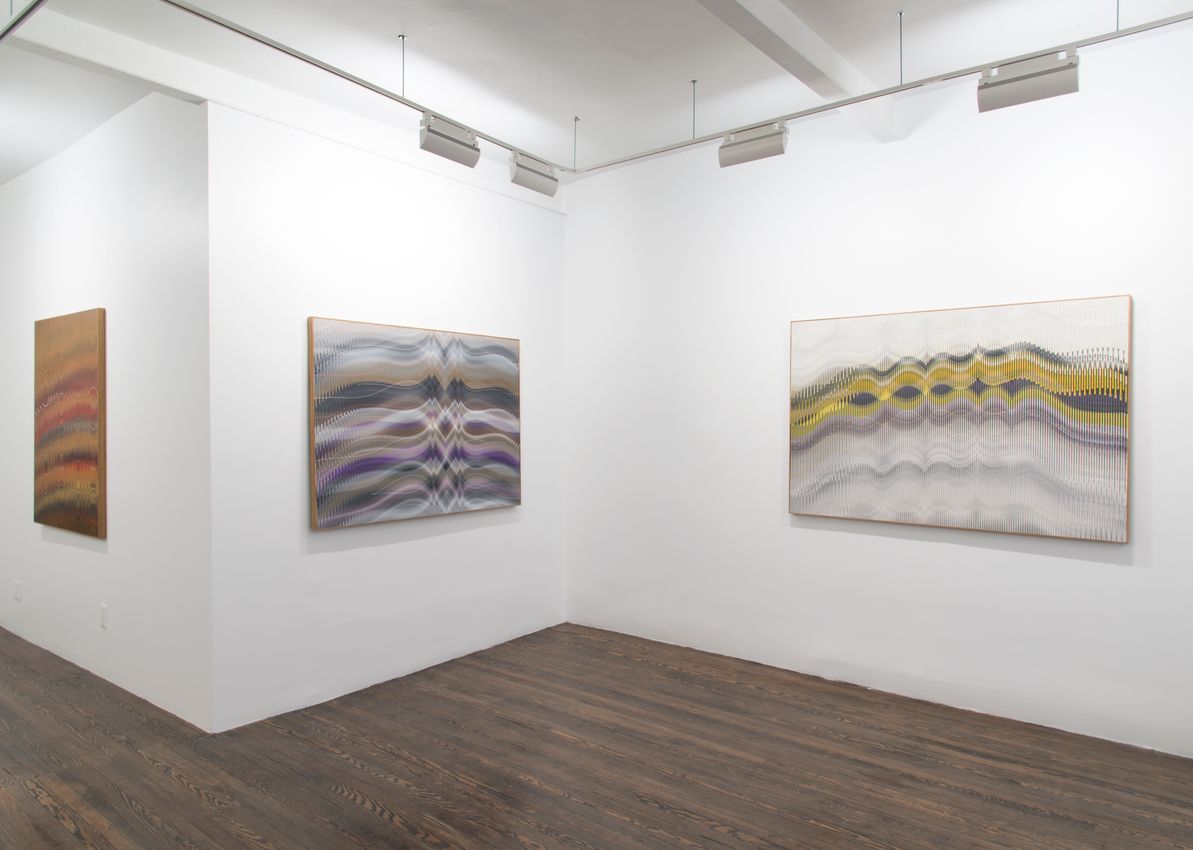
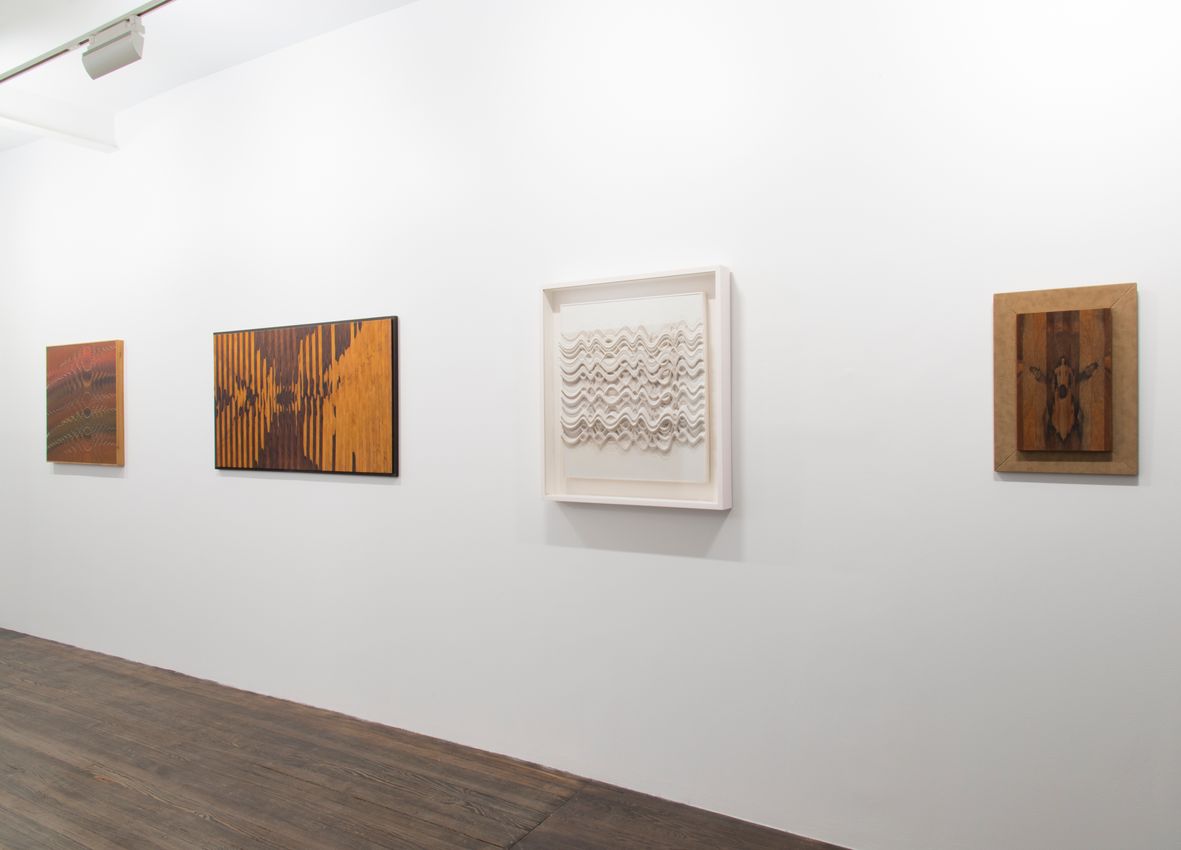
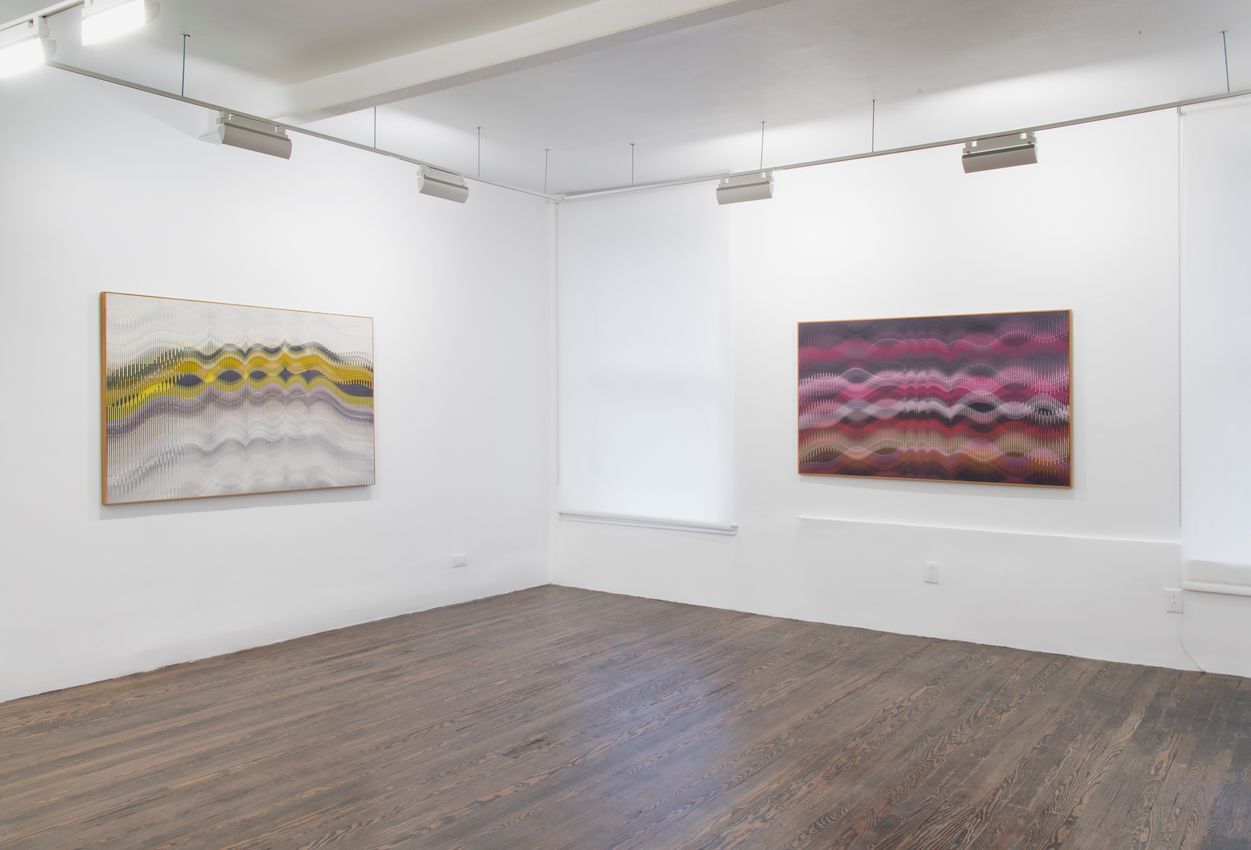
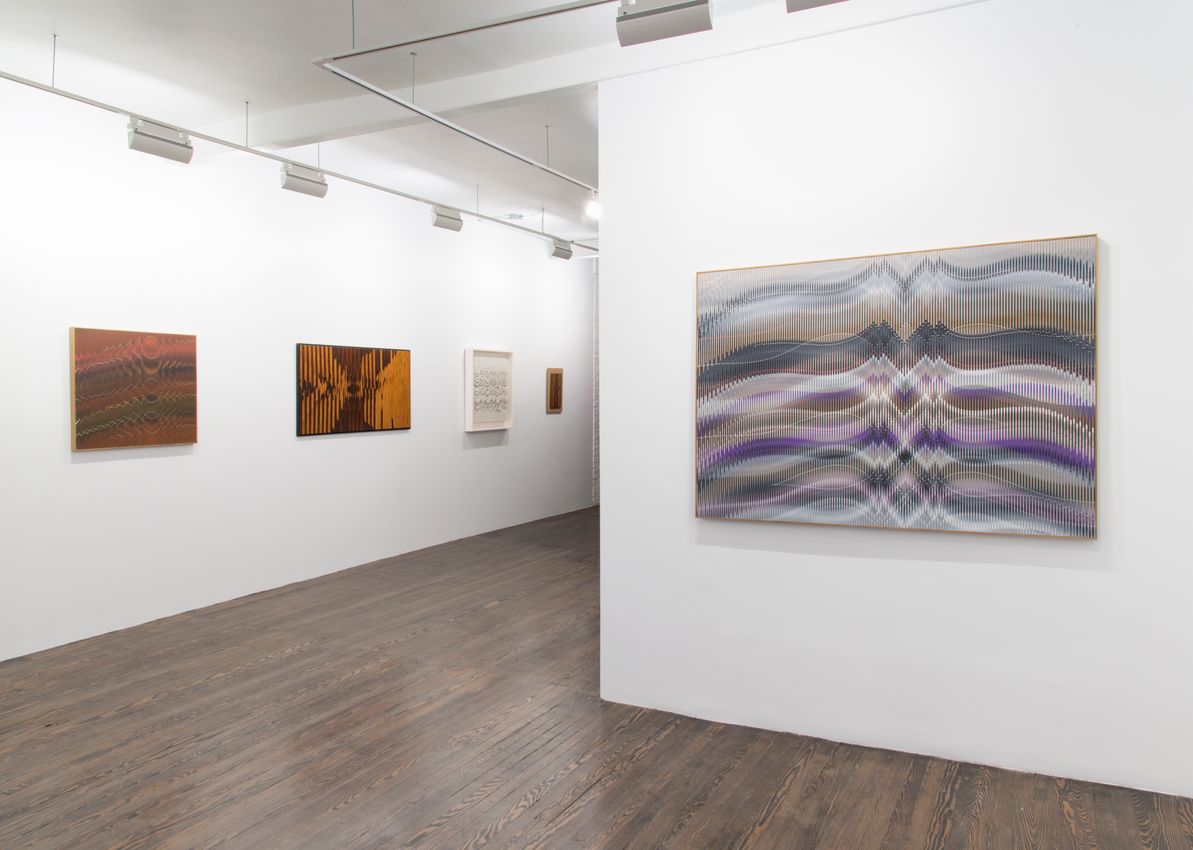
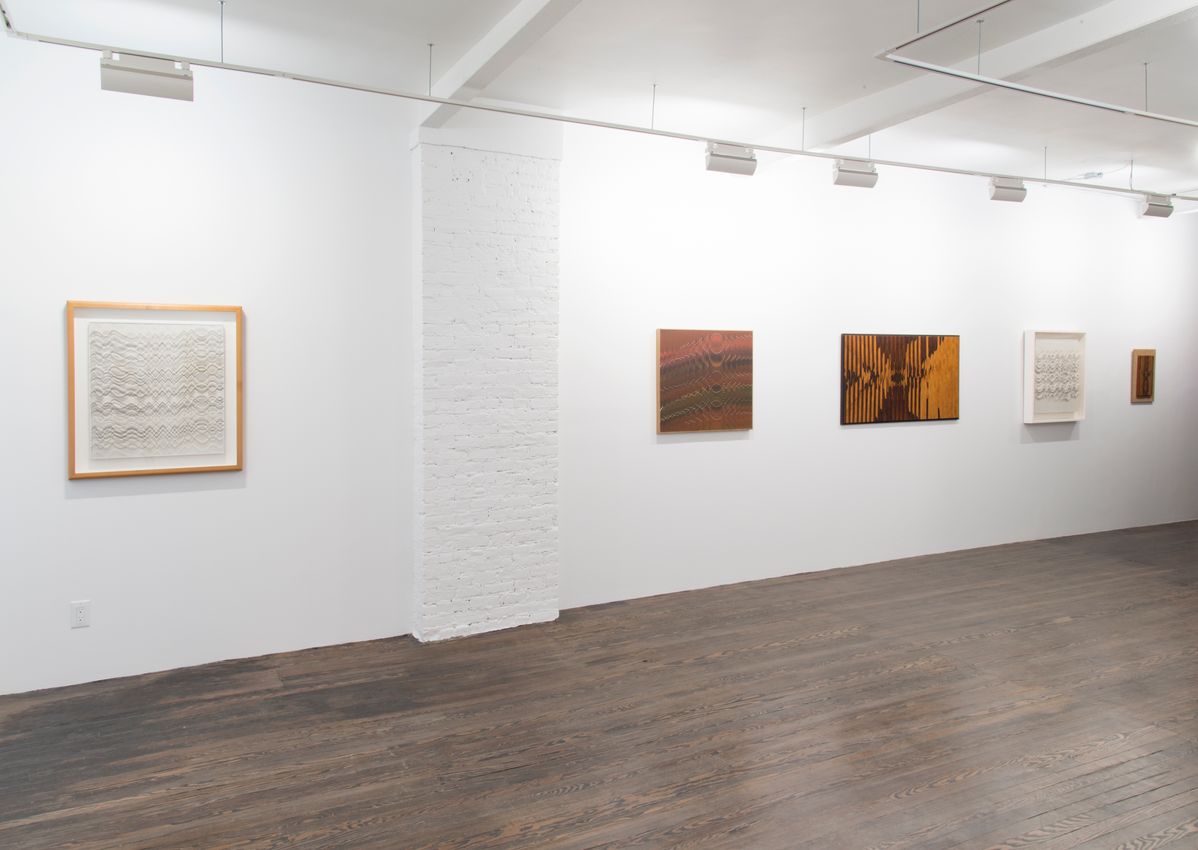
Galeria Nara Roesler announces its participation in Frieze New York’s Spotlight section with a presentation of rarely seen historical works by kinetic artist Abraham Palatnik, curated by Clara M Kim. Parallel to Frieze, the gallery showcases, in it’s newly inaugurated New York space, a panoramic solo exhibition of the artist’s works spanning from the 1970’s to present date.
A pioneer of Kinetic Art, alongside Jesús Rafael Soto, Julio Le Parc, and Carlos Cruz Diez, Abraham Palatnik’s inventiveness remains unique to his creative style. Through sculptural practices in light and space, kinetic apparatuses with fabrics, motors and lights, reliefs, and even furniture design, the artist is deserving of the title Inventor of Kinetic Art, as described by Frank Popper.
For Frieze Spotlight, Galeria Nara Roesler presents an intimately selected booth curated by Clara M Kim; which highlights different facets of the artist’s production, focusing on works dating from 1955 - 1971 as well as archival material in the form of personal sketchbooks, diaries, and historical photographs. A focal work is Untitled (1955). Thought to be one of its kind, the piece projects a series of abstract images using multi-colored bulbs and opaque panels to paint ‘with light’ color driven abstractions. It consists of a purely chromatic version of the fully motorized Kinechromatic Devices of the 1960s, also present in the booth.
The Frieze Spotlight presentation provides grounds for the artist’s simultaneous individual exhibition at Galeria Nara Roesler’s New York space. Showcasing Palatnik’s works belonging to his series Progressive Reliefs, the exhibition includes productions in Jacarandá wood, duplex paperboard, and acrylic on wood.
This is the artist’s first individual show since his 1965 solo presentation at Howard Wise Gallery: Cinecromaticos by Abraham Palatnik of Brazil (New York, October, 1965). One of Brazil’s most prolific and recognized Kinetic Artists, at 88 Palatnik continues to develop new techniques, inspiring new generations of artists worldwide. With the two parallel shows, the public has the opportunity to explore the progression of the artist’s practice, combining the technology of the past with the illusiveness of the present.
About the artist
Abraham Palatnik studied at Montefiore School in Tel Aviv, where he took a specialised course in Internal Combustion Engines, and at the Municipal Art Institute, where he studied painting, drawing, history of art and aesthetics from 1932 to 1937. He featured in eight editions of the Bienal de São Paulo, Brazil (between 1951 and 1969), and in the 32nd Venice Biennale (1964), alongside Mavignier, Volpi, and Weissmann. Currently showing in The Illusive Eye at Museo del Barrio, New York (February 3rd – May 21st, 2016), Palatnik’s most recent exhibitions include A Reinvenção da Pintura (The Reinvention of Painting, 2015), shown last year at Museu Iberê Camargo in Porto Alegre, which surveyed 65 years of his prolific career. Previous iterations were shown in Museu Oscar Niemeyer (Curitiba, 2014), Museu de Arte Moderna de São Paulo - MAM-SP (São Paulo, 2014); Centro Cultural Banco do Brasil (São Paulo, 2013). His work is included in the collections of MoMA, New York; Museu de Arte Moderna de São Paulo; Museu de Arte Contemporânea de Niterói; Museu de Arte Moderna do Rio de Janeiro; Museu de Arte Contemporânea da USP, São Paulo; Museu de Arte Contemporânea de Curitiba; Museo de Arte Latinoamericano, Buenos Aires, Argentina; Musées Royaux des Beaux-Arts de Belgique, in Brussels, Belgium, among others.
Abraham Palatnik (b. 1928, Natal, Brazil - d. 2020, Rio de Janeiro, Brazil) is an iconic figure in the optical and kinetic art movements of Brazil—a pioneer in his long-standing interest for exploring the creative possibilities embedded in crossings of art and technology. Having studied engineering, the artist became interested in investigating mechanical uses of light and movement. In 1949, he rose to prominence with the creation of his first Aparelho Cinecromático [Kinechromatic Device] effectively reinventing the idea of a painting by using different voltage bulbs moving at different speeds and directions to create kaleidoscopic images. The piece was shown at the 1st Bienal de São Paulo (1951) and received an Honorable Mention from the International Jury for its originality.

Founded in São Paulo in 1989, Galeria Nara Roesler is a leading Brazilian gallery dedicated to showing the work of contemporary Brazilian and international artists. The gallery established another branch in Rio de Janeiro in 2014, followed by its first international outpost in New York City in 2015.

A respected voice in contemporary art discourse.
Focusing on ambitious storytelling and insightful art-world commentary. Ocula Magazine publishes in-depth interviews, critical essays and timely analysis on the artists, exhibitions and ideas driving the global art world.
Learn more about Ocula Magazine
Showcasing the best of the art world.
Ocula partners with galleries from around the world to highlight their artists, artworks and exhibitions. Gallery membership is by application and invitation, with each member vetted by an independent panel.
Learn more about Ocula Membership

Specialises in the sale of major artworks.
Led by a team with deep ties to the world’s leading auction houses, galleries and collectors. Ocula’s advisory team offers bespoke services to high-net-worth clients from around the world who are looking to acquire the best of contemporary and modern art.
Learn more about our team and services