Press Release

Nolan Oswald Dennis

mounir fatmi

Haroon Gunn-Salie

William Kentridge

Kiluanji Kia Henda

Grada Kilomba

Kapwani Kiwanga

Shirin Neshat

Tabita Rezaire

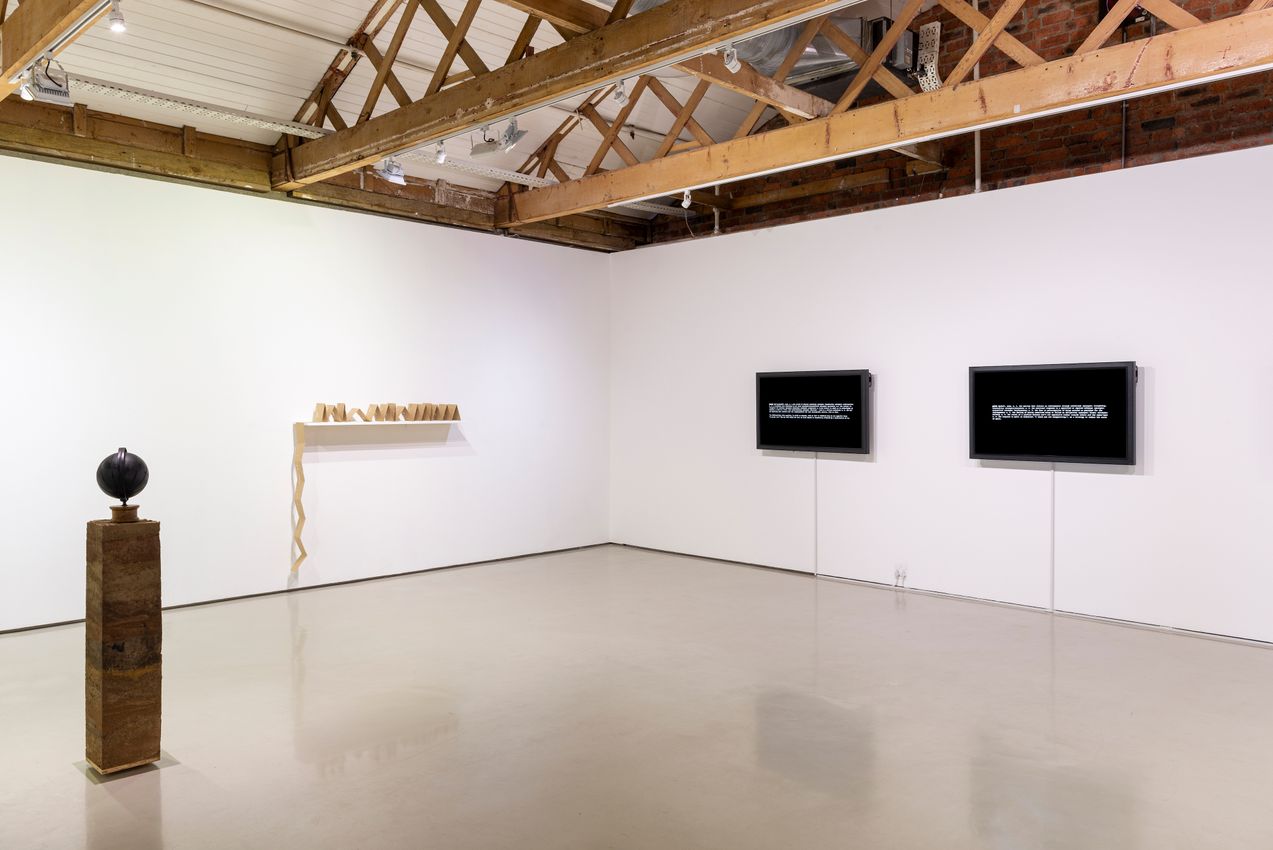
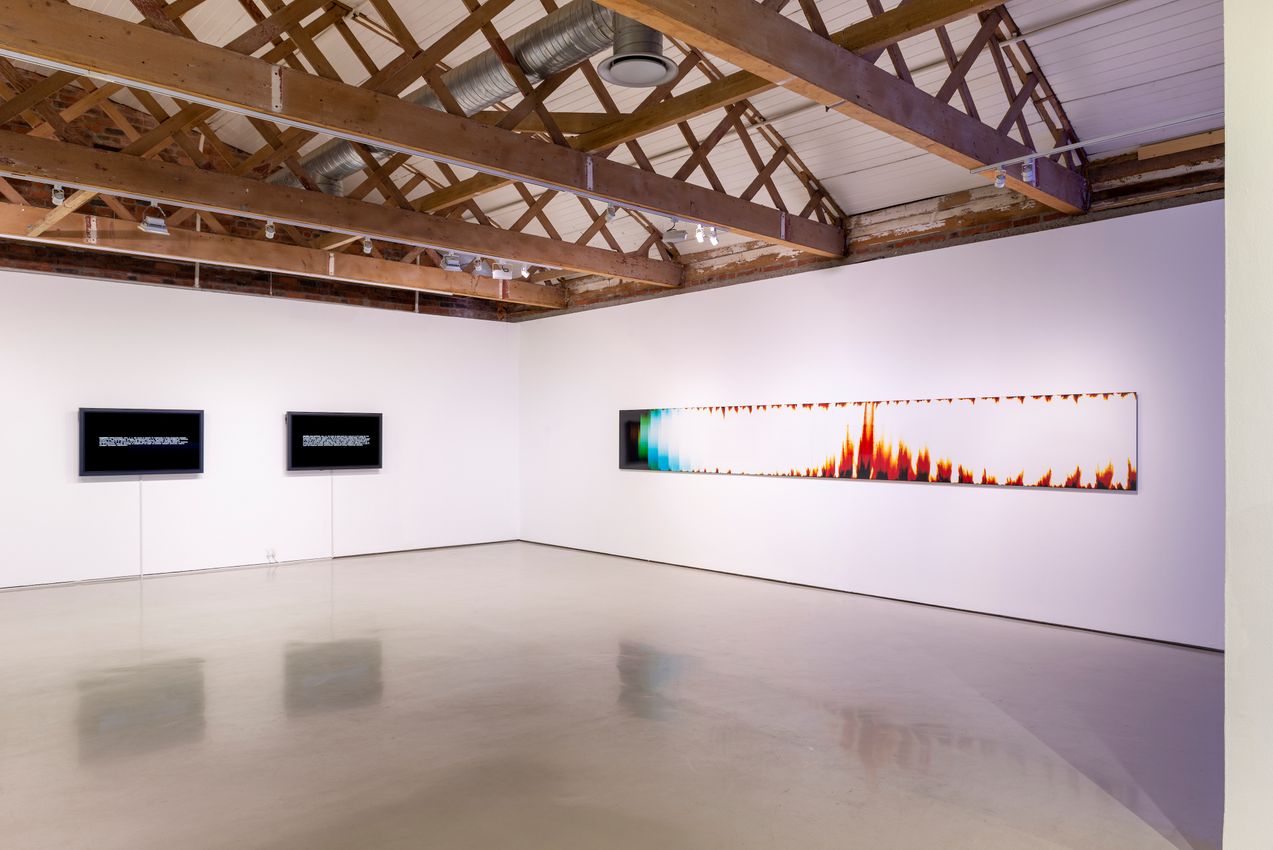
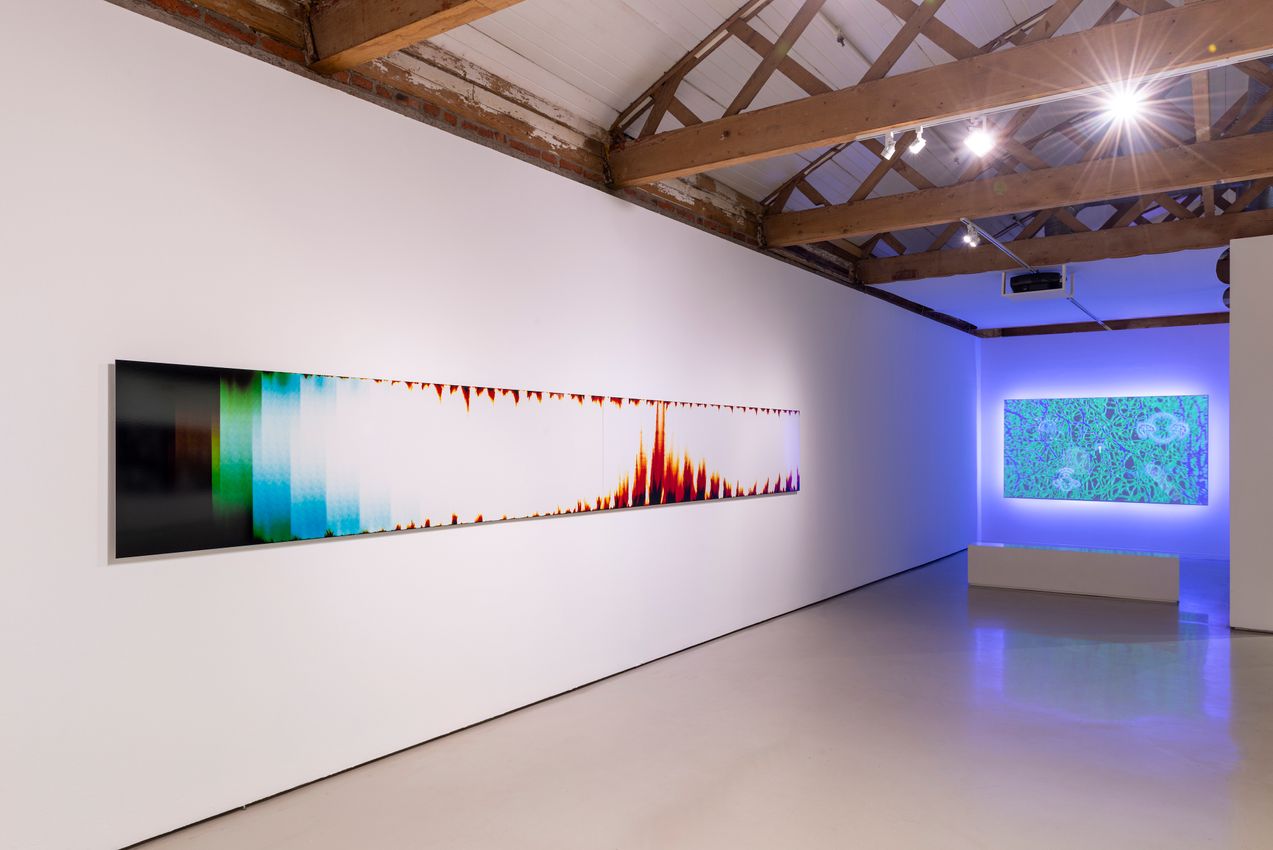
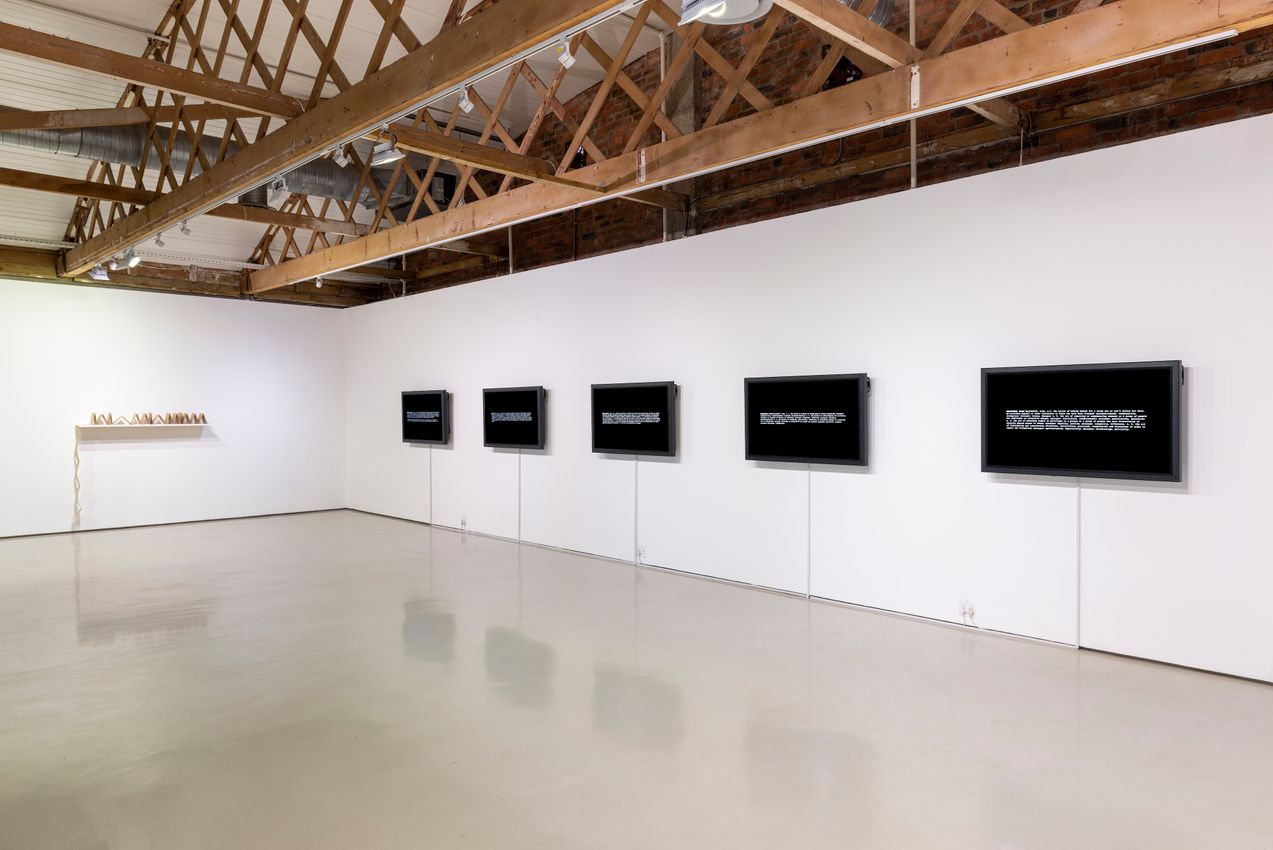
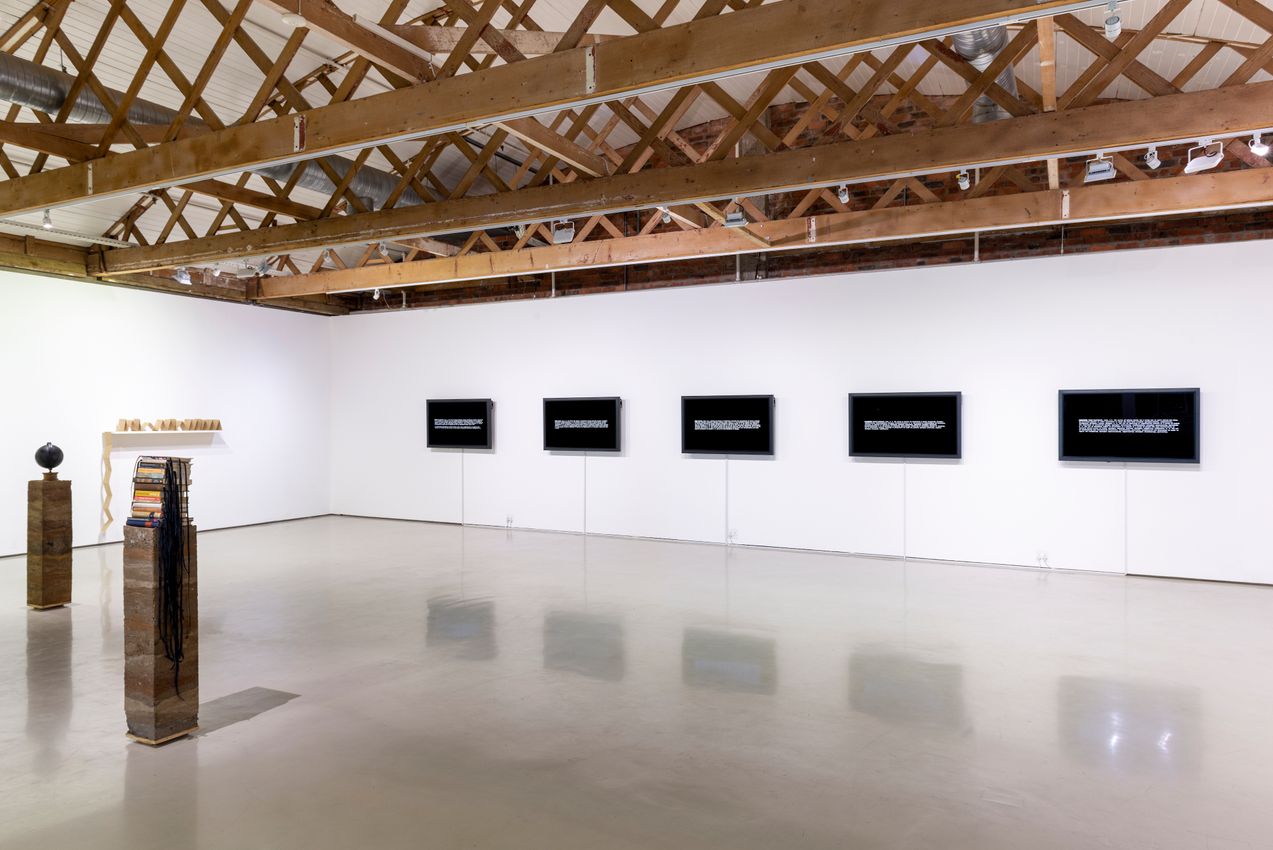
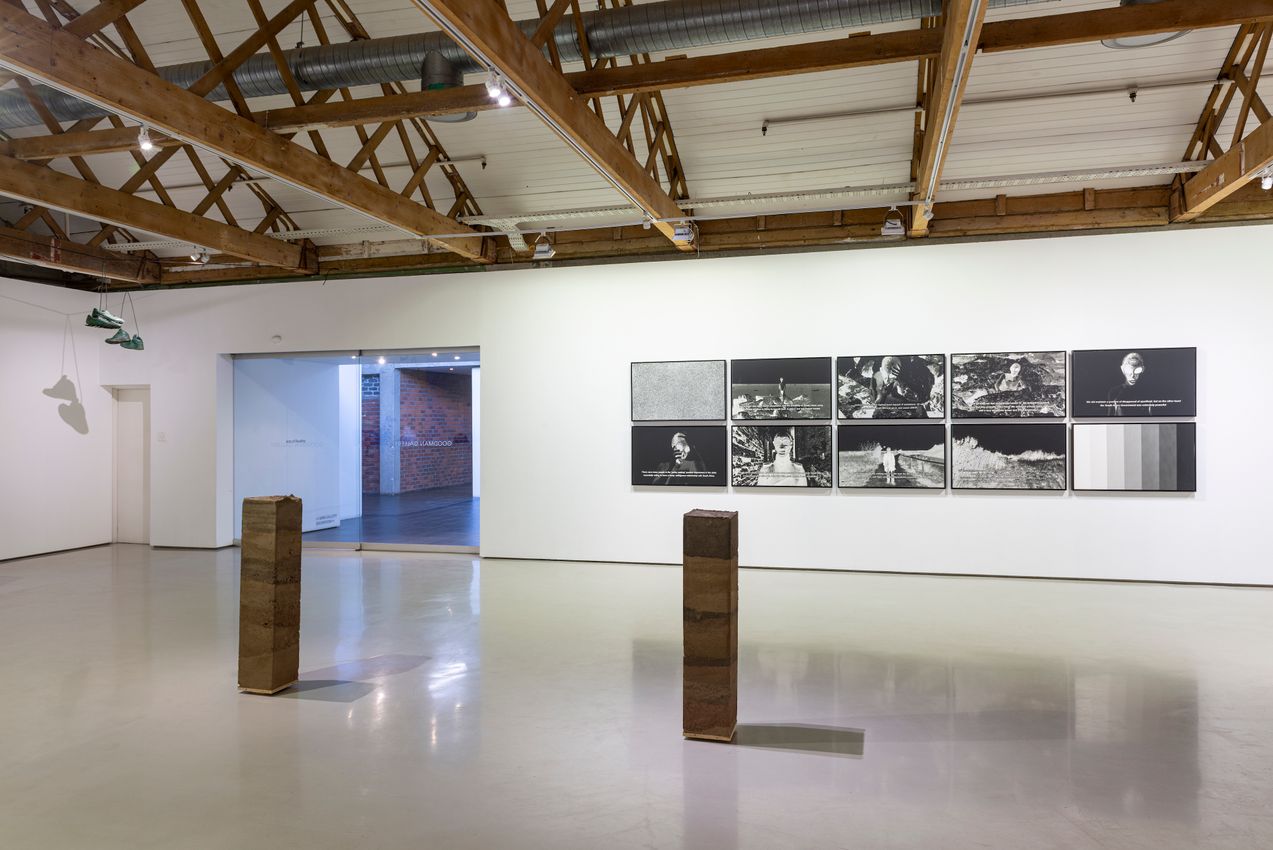
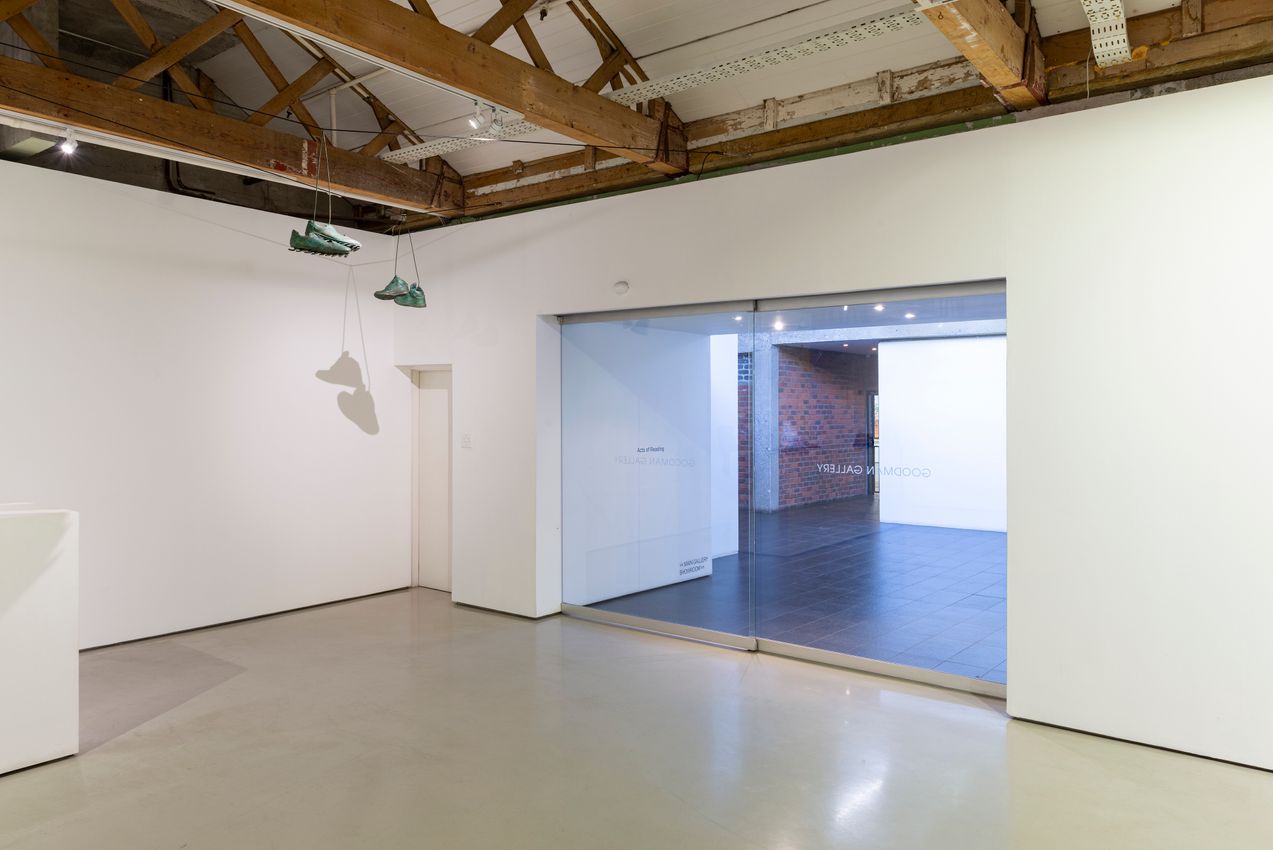
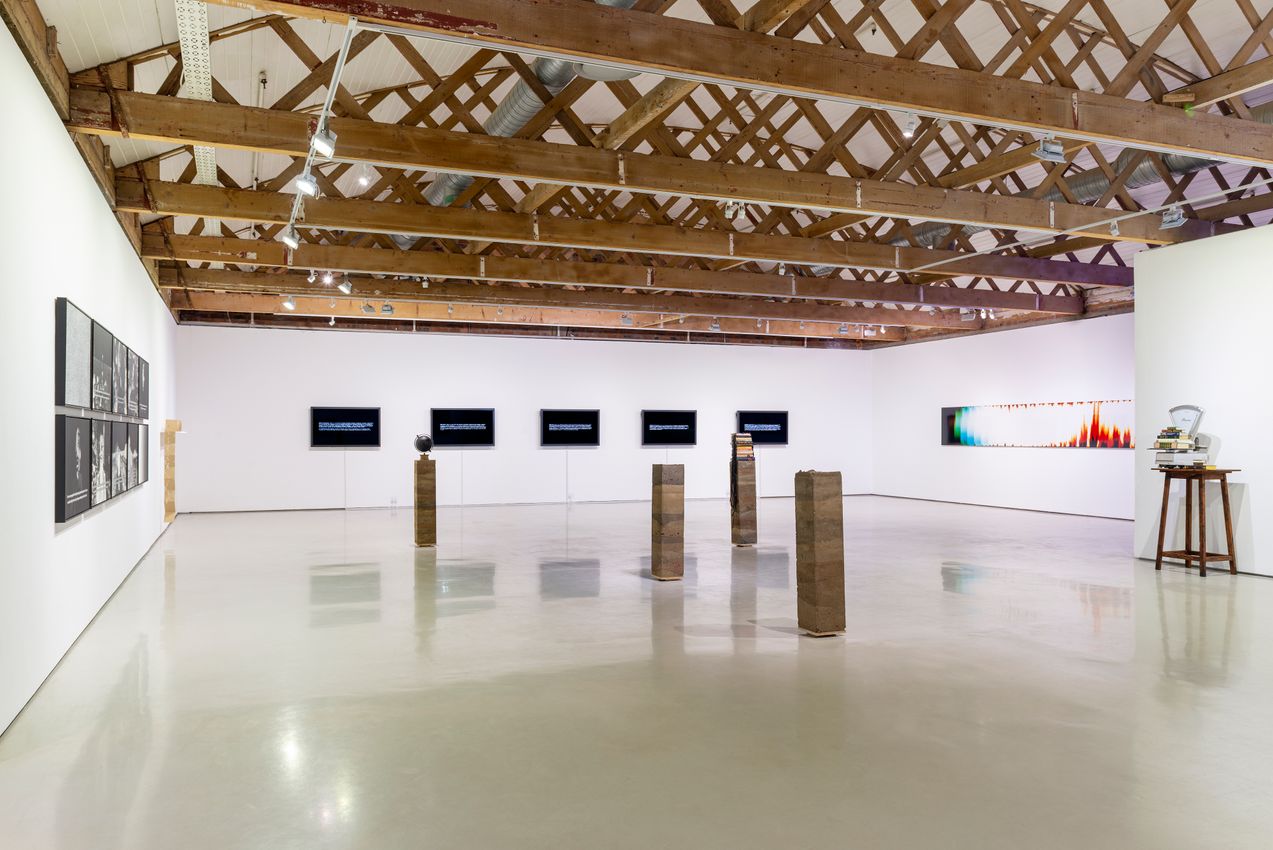
Acts of Reading takes as its starting point the ways in which information is exchanged, communicated and understood. It aims to provide a space whereby traditional, linear modes of knowledge production are disrupted and questioned, communication systems are explored and documented, or new information networks are proposed.

In an interview from 1985, Brazilian educator Paulo Freier, who wrote the seminal book Pedagogy of the Oppressed, stated that the ‘act of reading cannot be explained as merely reading words since every act of reading words implies a previous reading of the world.’

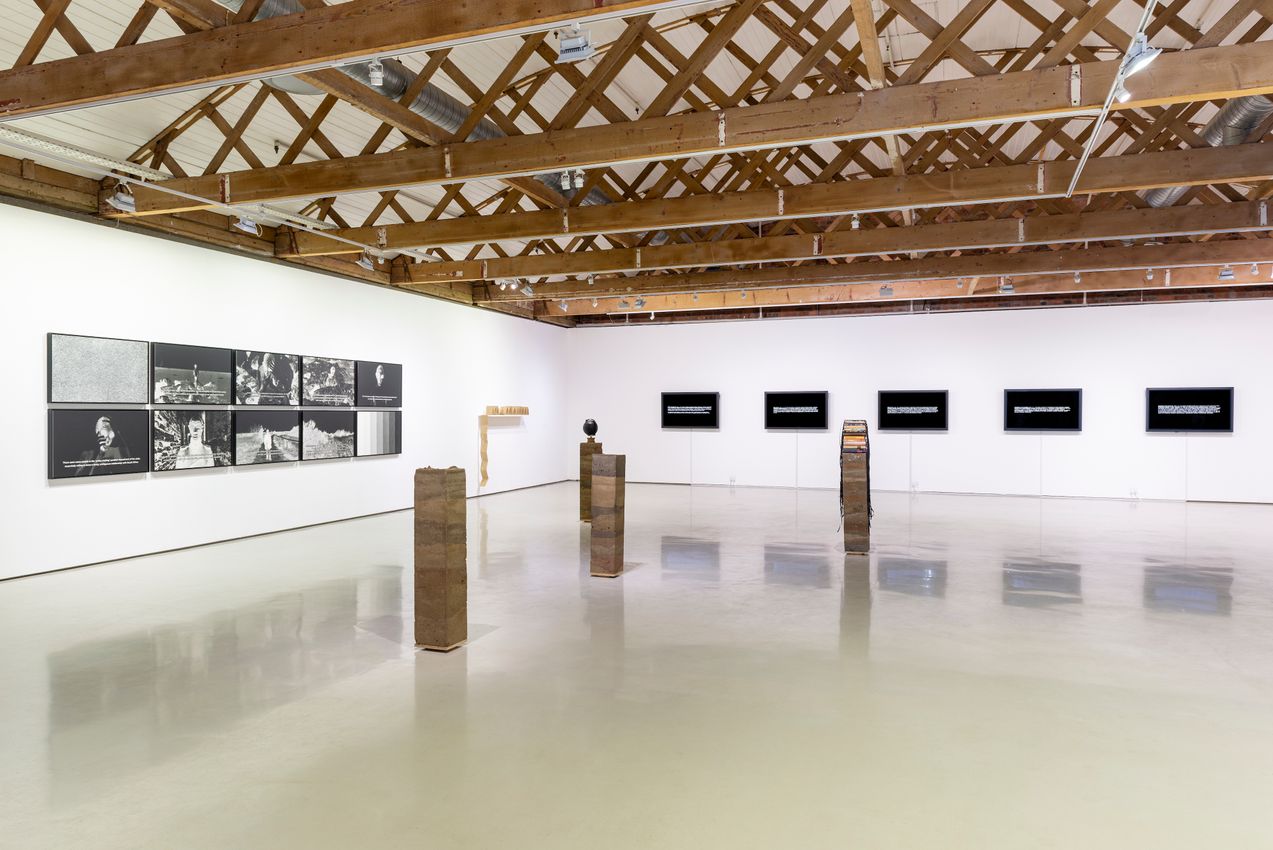
In different ways the artists featured on this exhibition grapple with different methods for reading the world. Nolan Oswald Dennis looks to archaeology and the way in which the earth is read. Referencing the political philosopher Achille Mbembe, Dennis states, ‘the task of the reader is to make the whole world speak’-a concept which he develops in the strata of his constructed xenolith sculptures.

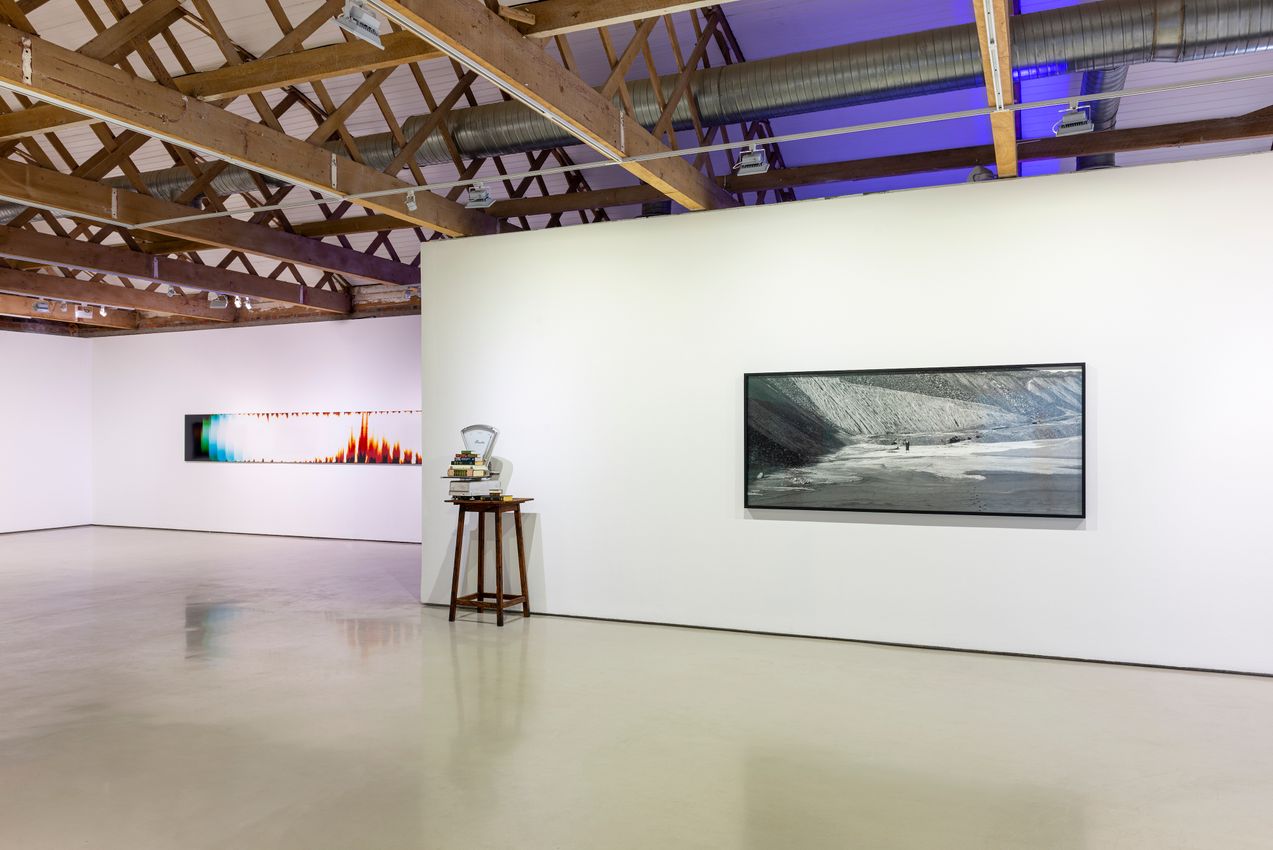
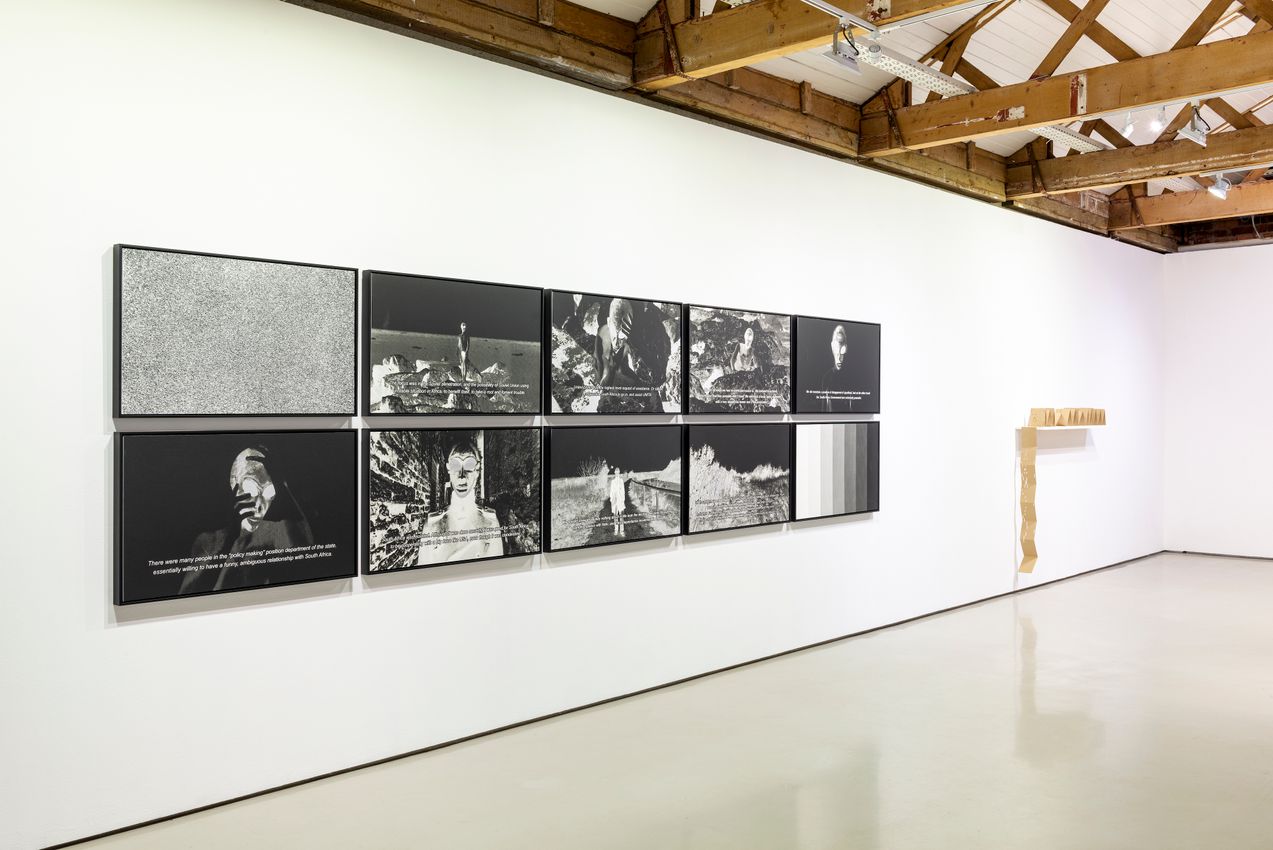
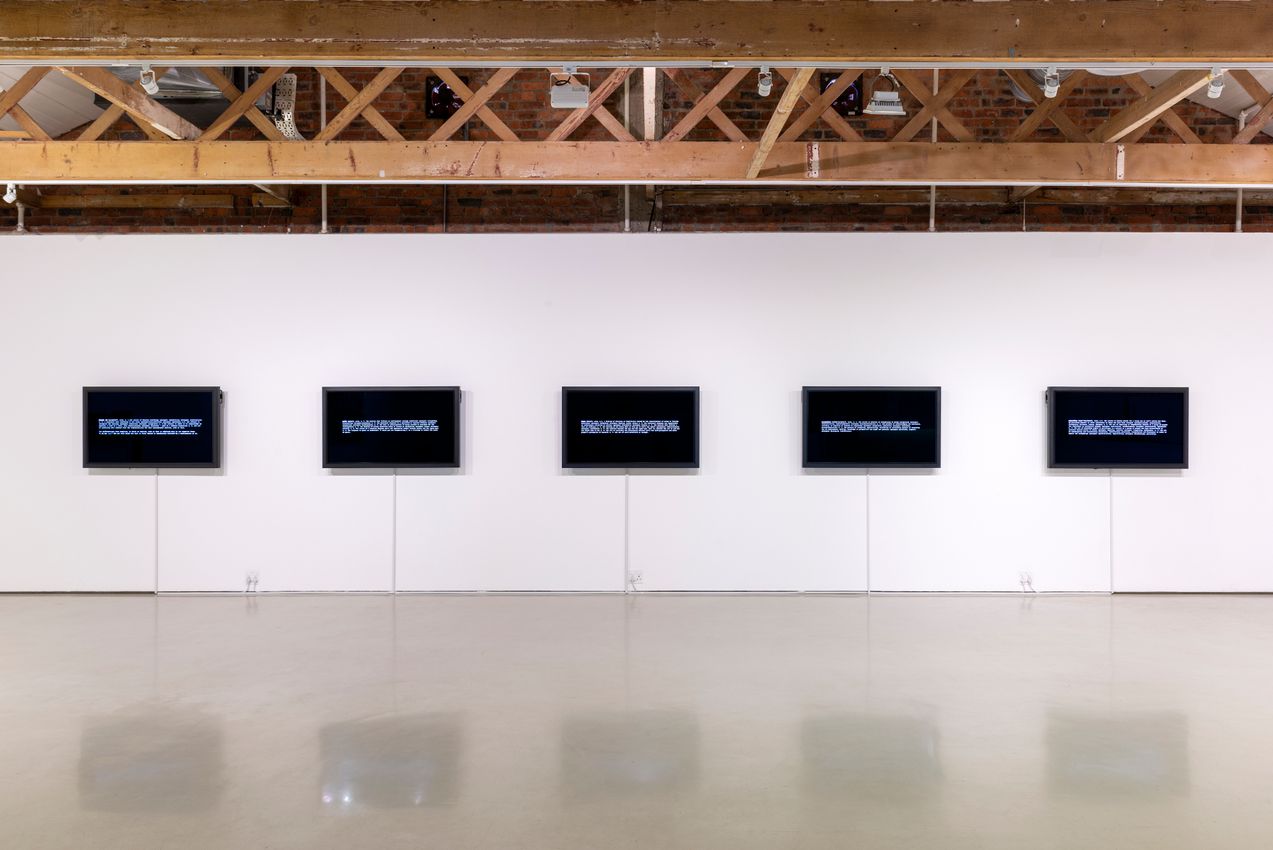
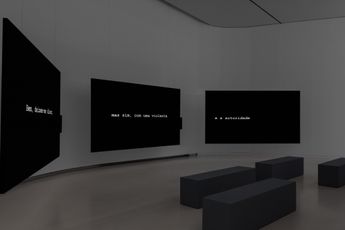
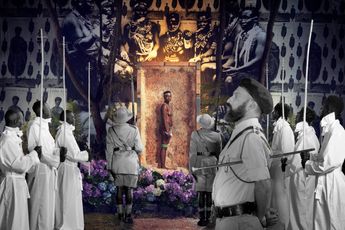
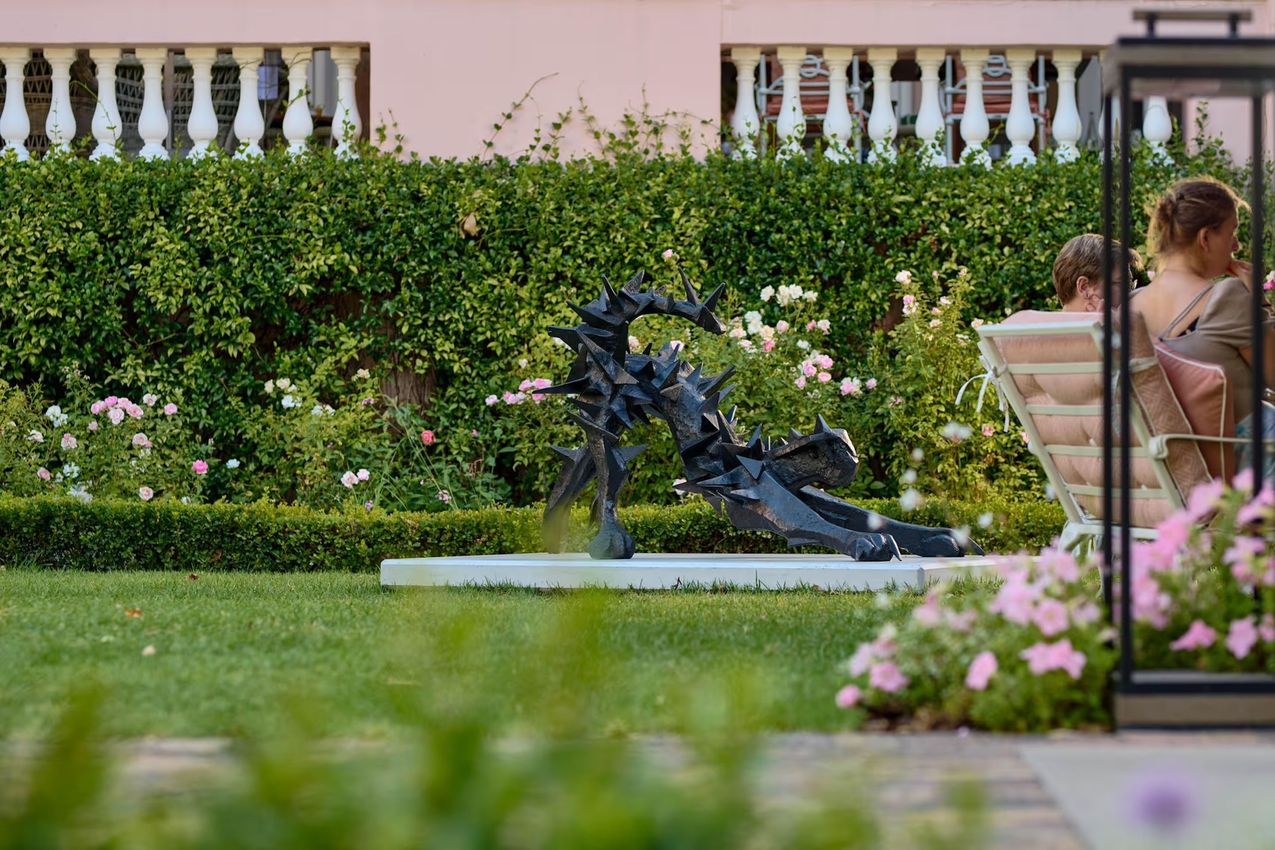
Investigating the documentary form as an information system and the role it plays in ‘history-making’, Kiluanji Kia Henda restages scenes with overlaid texts from a 1997 CNN documentary on the influence of the Cold War on Africa. Similarly, Broomberg and Chanarin’s work The Day Nobody Died critiques journalistic modes of reporting information and events by subverting ‘the conventional language of photographic responses to conflict and suffering’. Haroon Gunn-Salie considers how sneakers hanging from cables act as signifiers for informal information points, memorialising them in bronze.

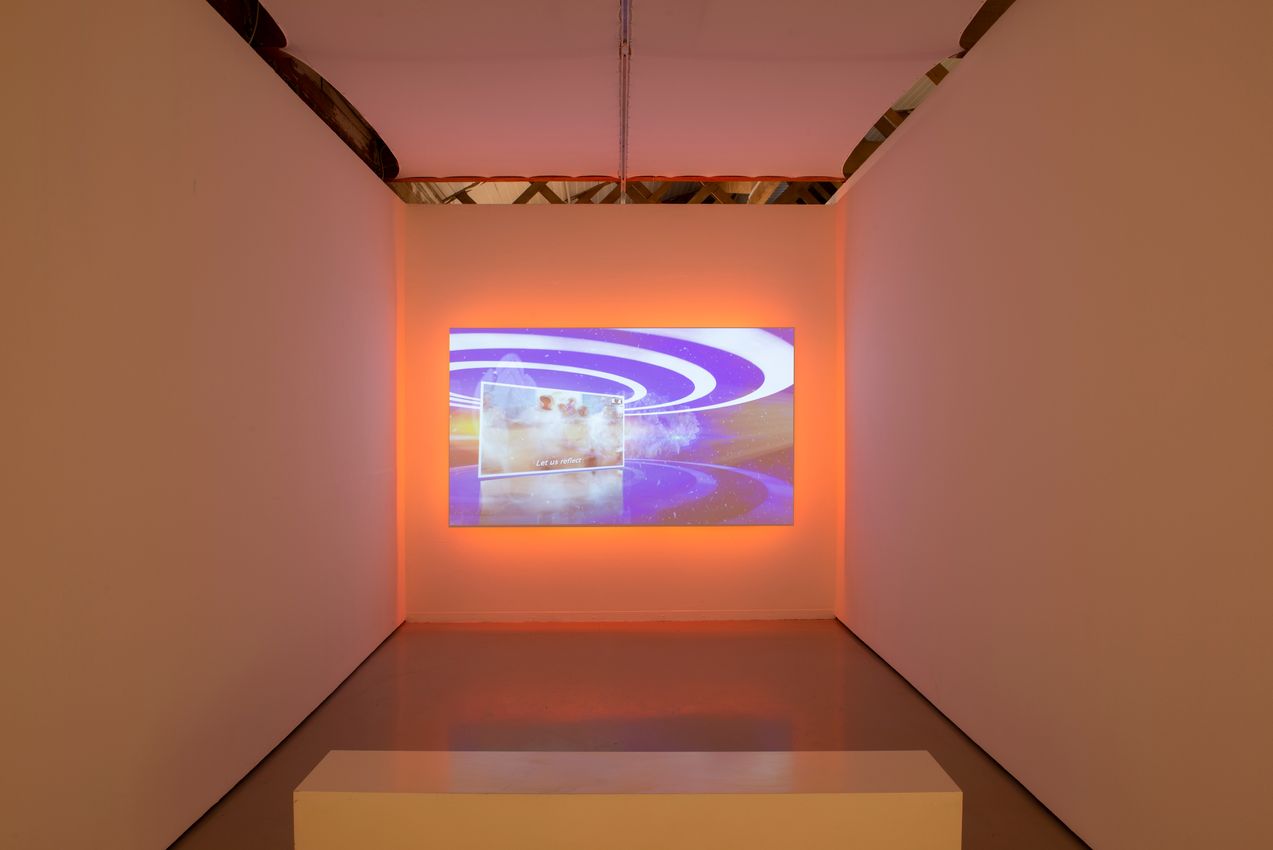
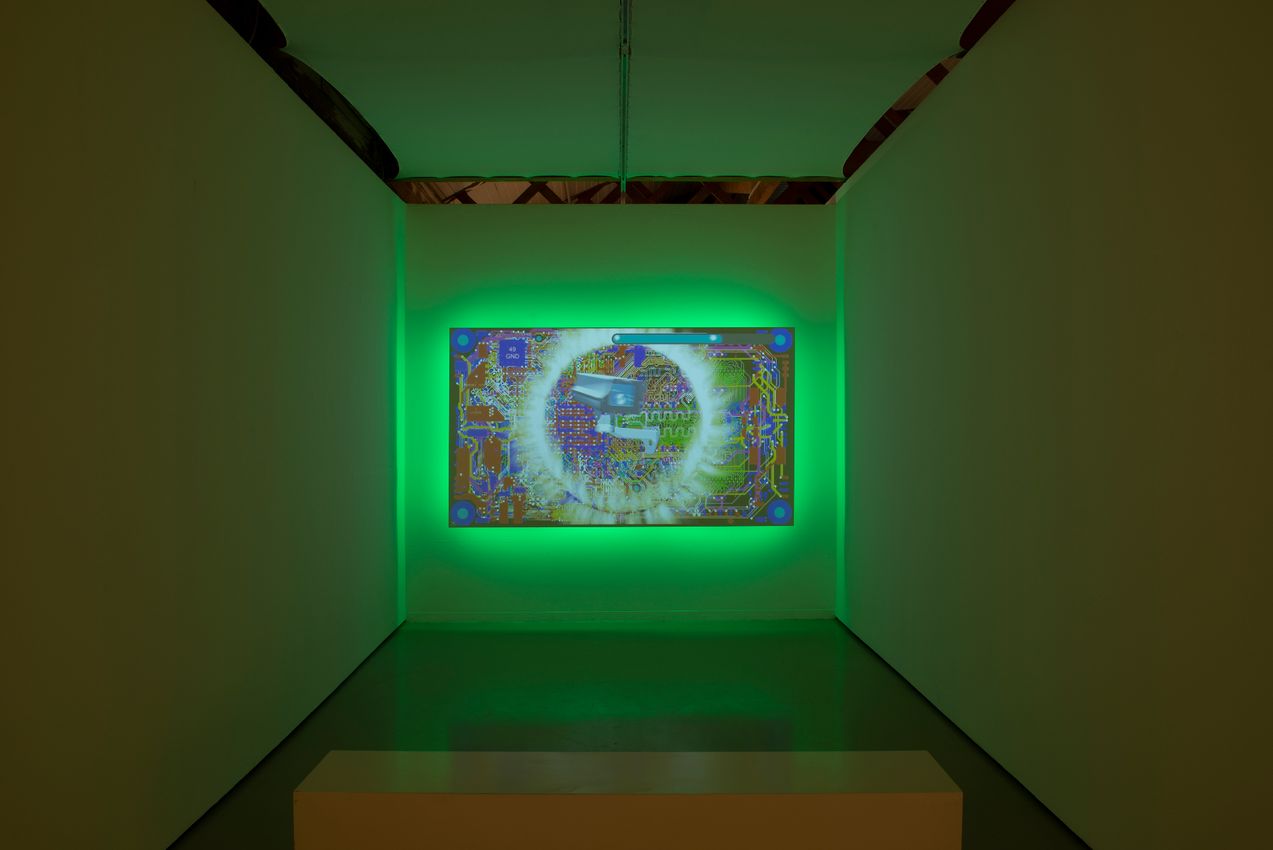
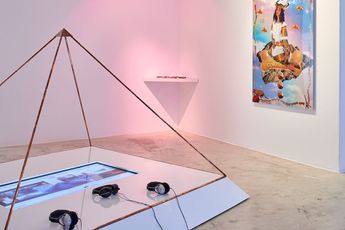
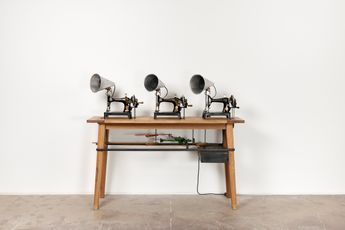
Tabita Rezaire explores the structure of Information and Communication Technologies (ICT) comparing them to ‘the organic world’. Rezaire does this by looking at ways in which we could overcome the ‘organism/spirit/device dichotomies’. Her film Premium Connect explores ‘spiritual connections as communication networks and the possibilities of de-colonial technologies’. Kapwani Kiwanga transposes a reading from an Ifa Priest onto a piece of music to be played through a barrel organ. This work looks at how information can be abstracted in different contexts.

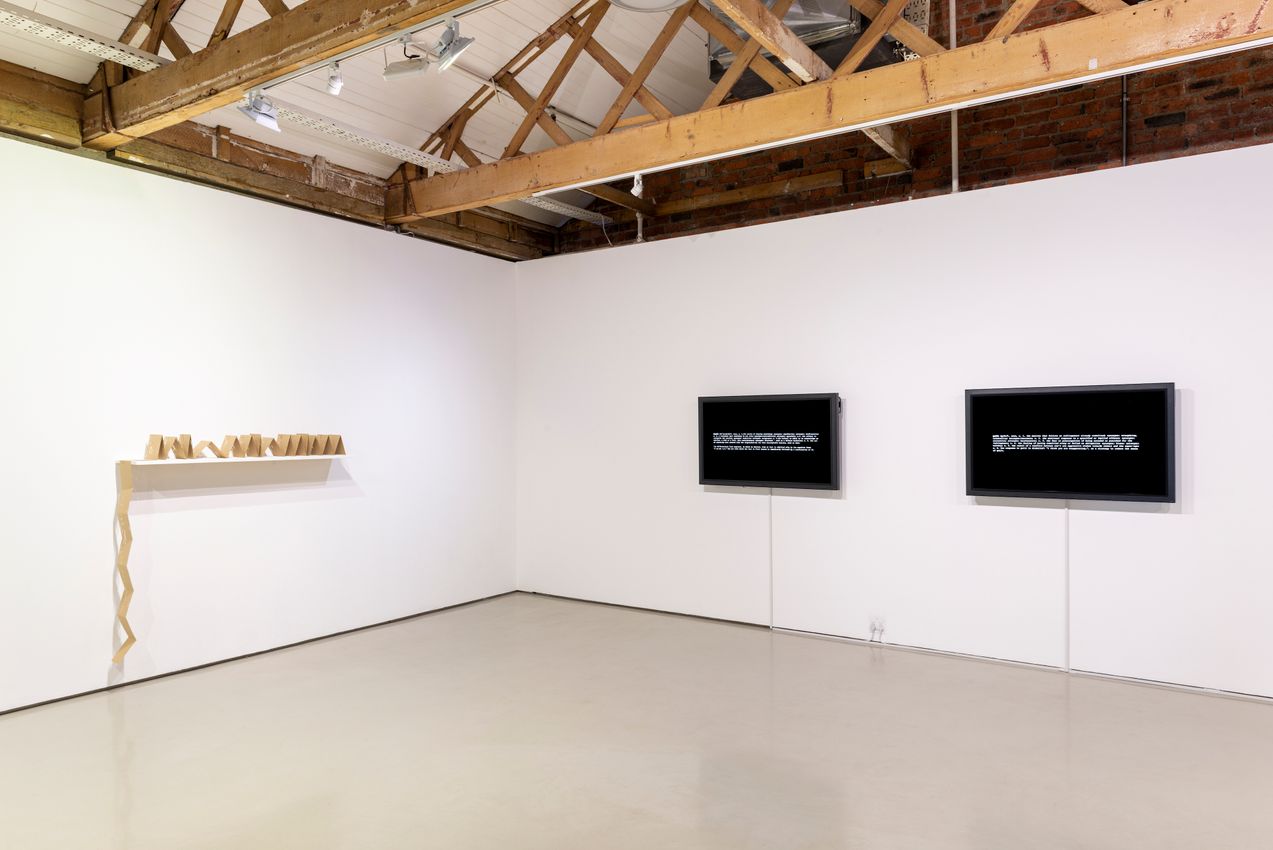
Grada Kilomba creates her ‘own vocabulary as a black female artist’ developing dictionary definitions to ‘paths of consciousness’ for the audience. Shirin Neshat similarly explores the nuances between consciousness and unconsciousness, delving into the world of dreams-where we process the information we have received while awake.

mounir fatmi’s The Weight refers to the ‘fleeting nature of language’ through an installation featuring several Koran’s in English, French and Arabic. fatmi has read verses in each of these languages and uses them to represent the effect of migration and how knowledge is physically carried through language.

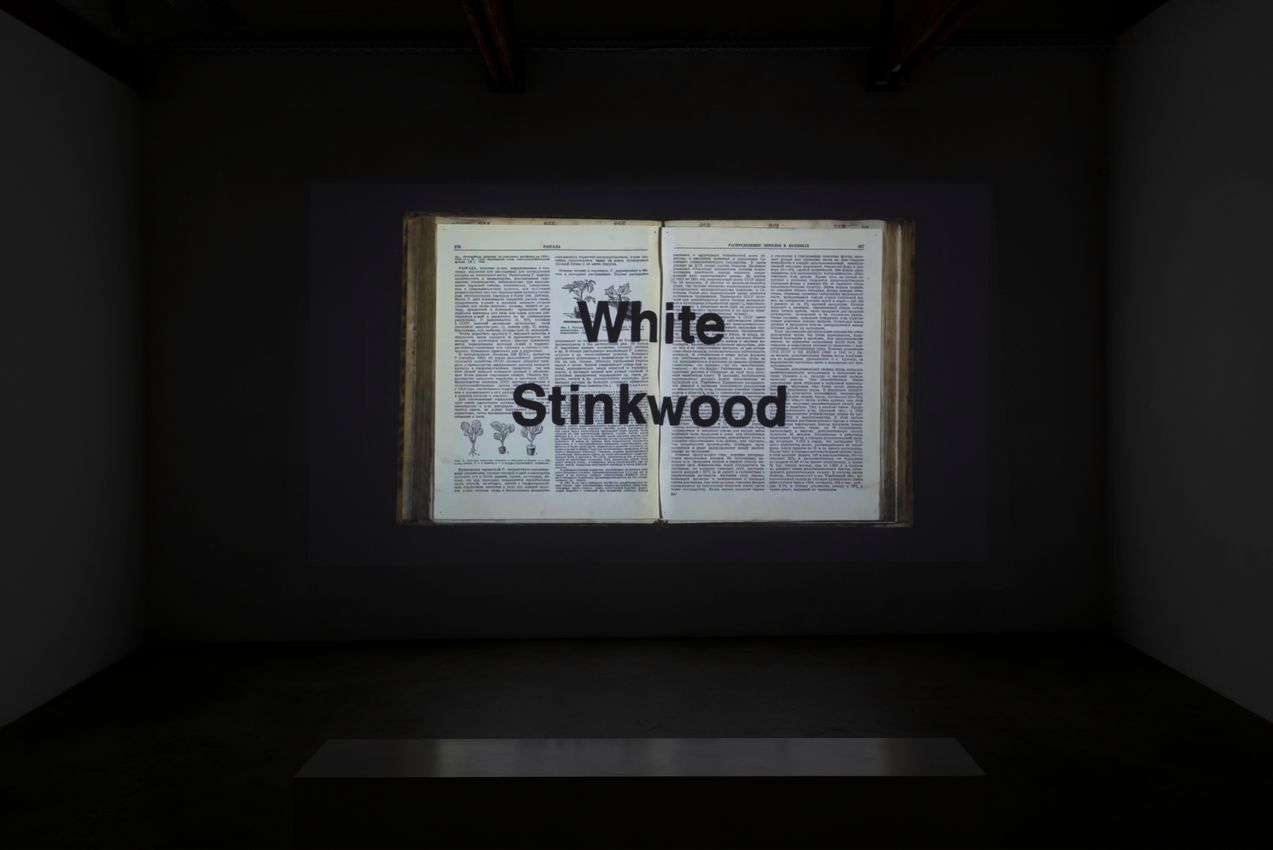
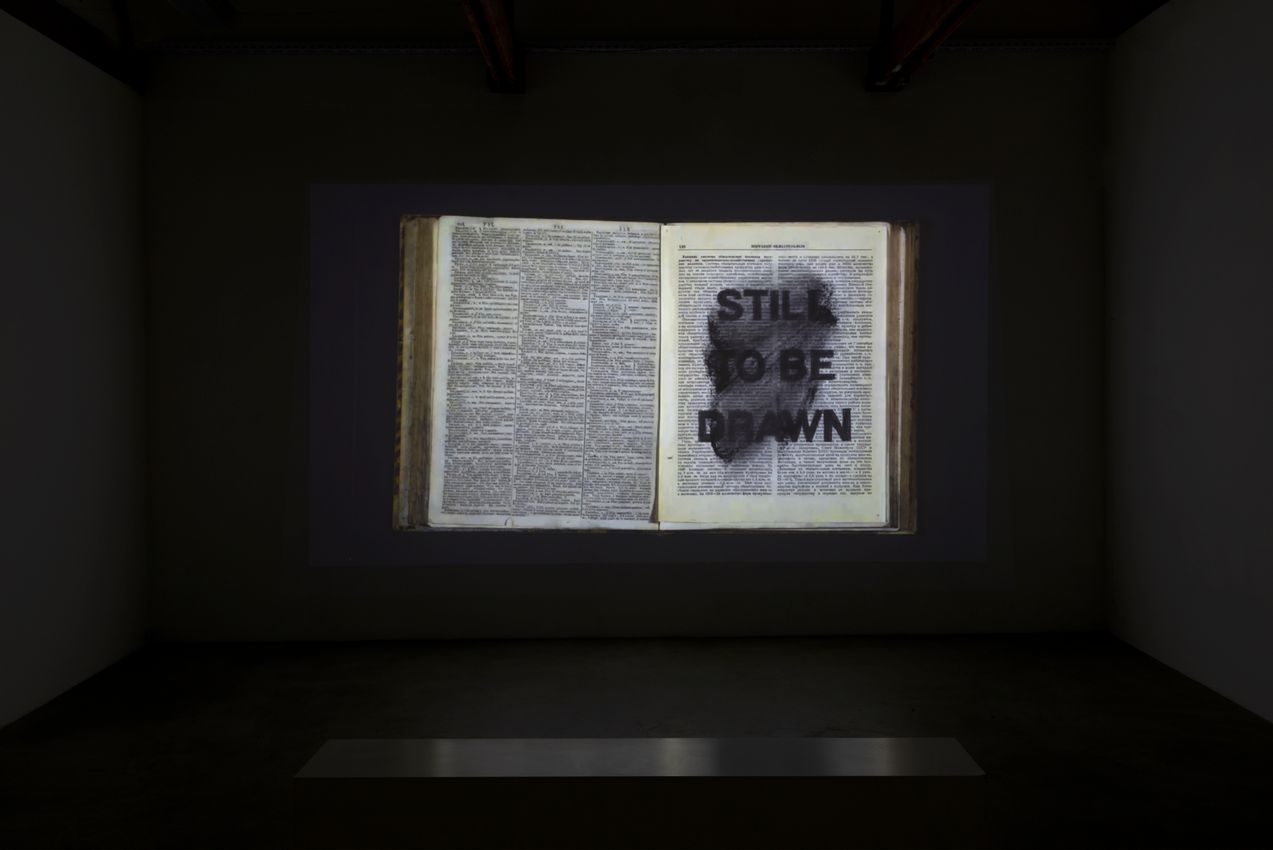
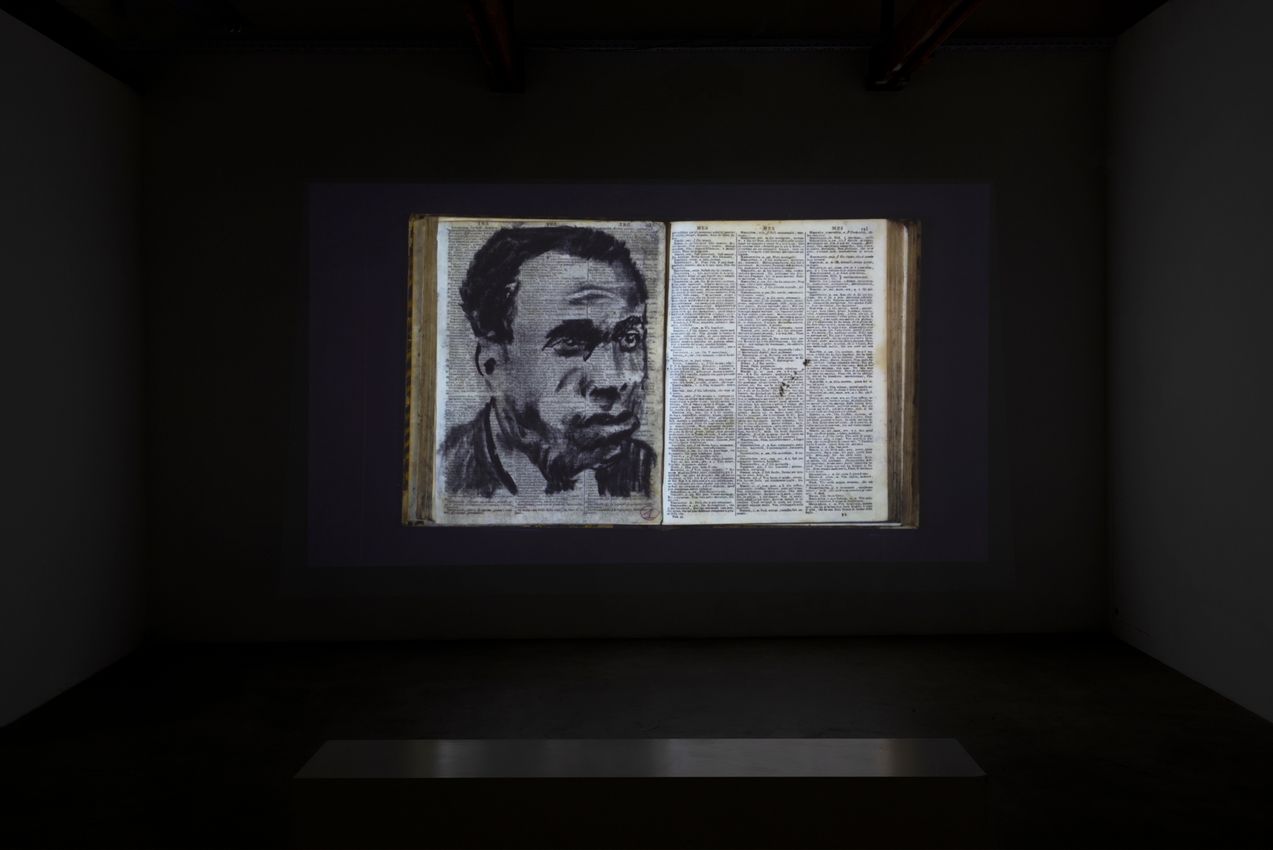
In his film Soft Dictionary, William Kentridge attempts to chronicle the fragmented nature of the thoughts and ‘non sequiturs that are lodged in our heads’. Following multiple streams of consciousness, traversing the boundary between incoherence and the arbitrary, Kentridge documents the need to make connections between images and their references in order to understand the world.

Read More

Installation Views

Artists Exhibiting

Also Exhibiting at Goodman Gallery

About the Gallery

Goodman Gallery is an international contemporary art gallery with locations in Johannesburg, Cape Town and London. The gallery represents artists whose work confronts entrenched power structures and inspires social change.

View Gallery Profile
Address
176 Sir Lowry Rd
Fairweather House
3rd Floor
Cape Town
South Africa
Opening Hours
Tues - Fri, 9am - 5pm
Sat, 9am - 4pm
(1)
Cape Town 176 Sir Lowry Rd, Fairweather House
Goodman Gallery
176 Sir Lowry Rd, Fairweather House, 3rd Floor, Cape Town, South Africa

Opening hours
Tues - Fri, 9am - 5pm
Sat, 9am - 4pm
The art world in focus