





ARSHILE GORKY
1904-1948, ArmeniaArshile Gorky emigrated from Ottoman Armenia to the United States in 1920, fleeing the Armenian genocide. In an attempt to assimilate with the new culture in which he found himself, Gorky changed his name and consciously assumed the persona of an avant-garde artist. After five years in Massachusetts, Gorky moved to New York and became absorbed into the cultural milieu of a city on the brink of Modernism. Uncommitted to the political causes that engaged many of his contemporaries, Gorky busied himself with questions of artistic theory and the pursuit of a personal vision.
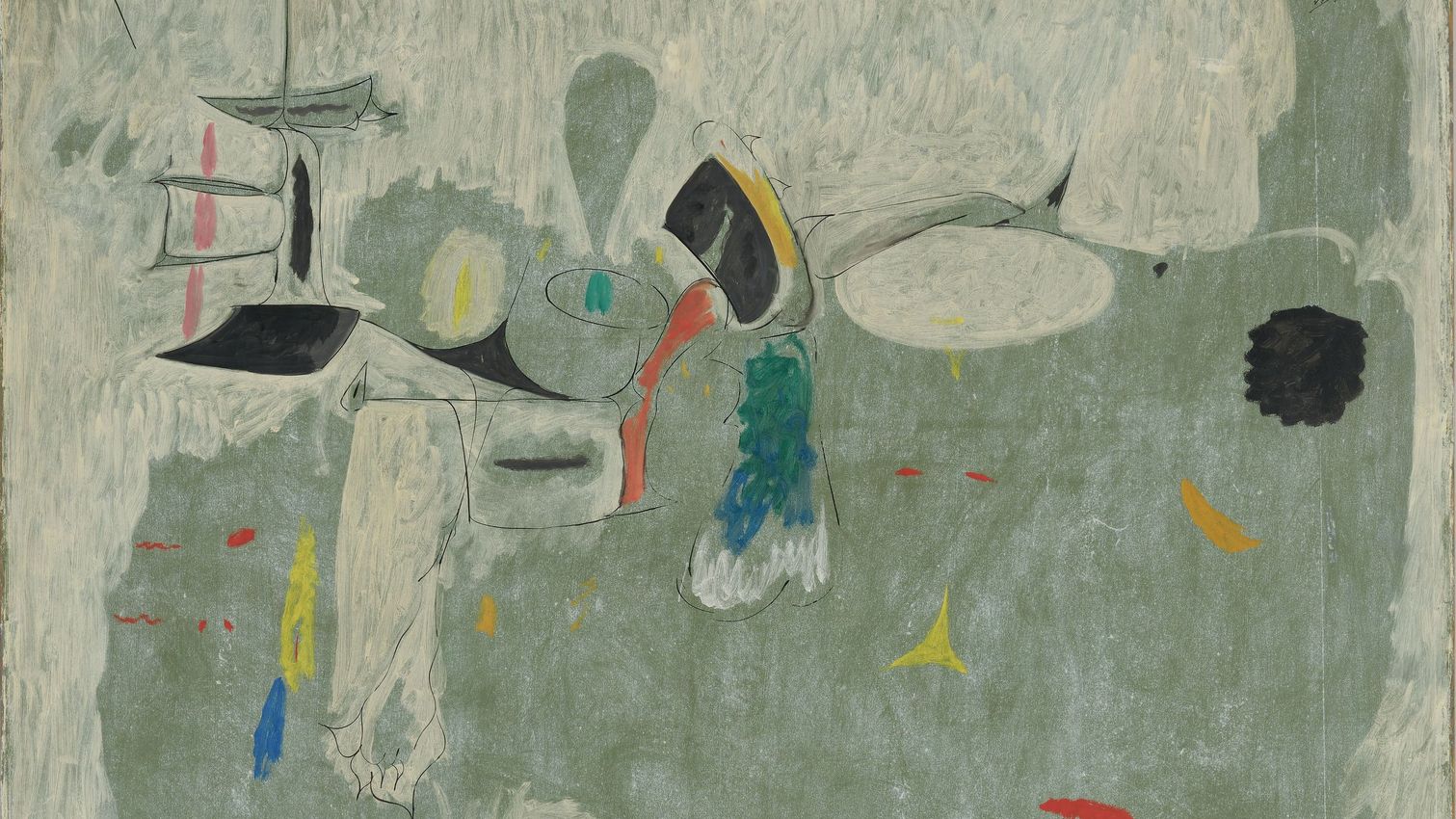
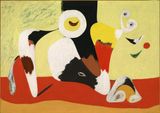
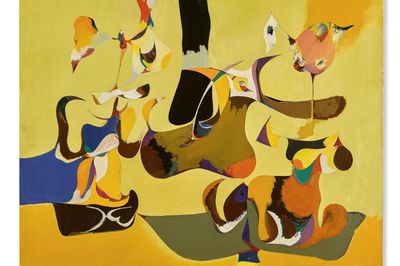
After a decade of working and a period of moderate critical success, Gorky initiated a series of studies and paintings observed from his rural environment while on holiday in Connecticut, which became a crucial intermediary step in the development of his individual style. His Waterfall series from 1942 exhibits a spontaneity and free use of paint that belies the complexity of its compositional rigour. The following year, Gorky temporarily relocated to Virginia where nature became his primary subject matter. His drawings from this period took on a new fervour, which he later translated into some of the most evocative paintings of his career, including the highly complex The Liver Is the Cock’s Comb (1944.)
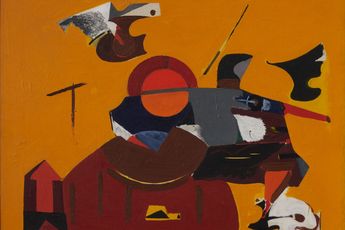
Gorky’s later works serve as primal responses to nature, where the artist granted as much presence to the relationships between the objects he observed as the objects themselves. Frequently returning to idealised memories of his early life, Gorky incorporated fabricated elements from his childhood amongst the reality of his surroundings. His compositions seemingly implode upon themselves, culminating in a sense that the paintings are being created from the centre outwards. Gorky’s highly personal vision was crystallised in these late works where, in his unswerving belief that art comes from within, his ‘otherness’ empowered him to carve his own art form guided by memory and imagination.
Courtesy Hauser & Wirth




Recently Exhibited



Exhibiting Elsewhere



Explore and Follow Artists Shaping Contemporary Art
A respected voice in contemporary art discourse.
Focusing on ambitious storytelling and insightful art-world commentary. Ocula Magazine publishes in-depth interviews, critical essays and timely analysis on the artists, exhibitions and ideas driving the global art world.
Learn more about Ocula Magazine
Showcasing the best of the art world.
Ocula partners with galleries from around the world to highlight their artists, artworks and exhibitions. Gallery membership is by application and invitation, with each member vetted by an independent panel.
Learn more about Ocula Membership
Specialises in the sale of major artworks.
Led by a team with deep ties to the world’s leading auction houses, galleries and collectors. Ocula’s advisory team offers bespoke services to high-net-worth clients from around the world who are looking to acquire the best of contemporary and modern art.
Learn more about our team and services