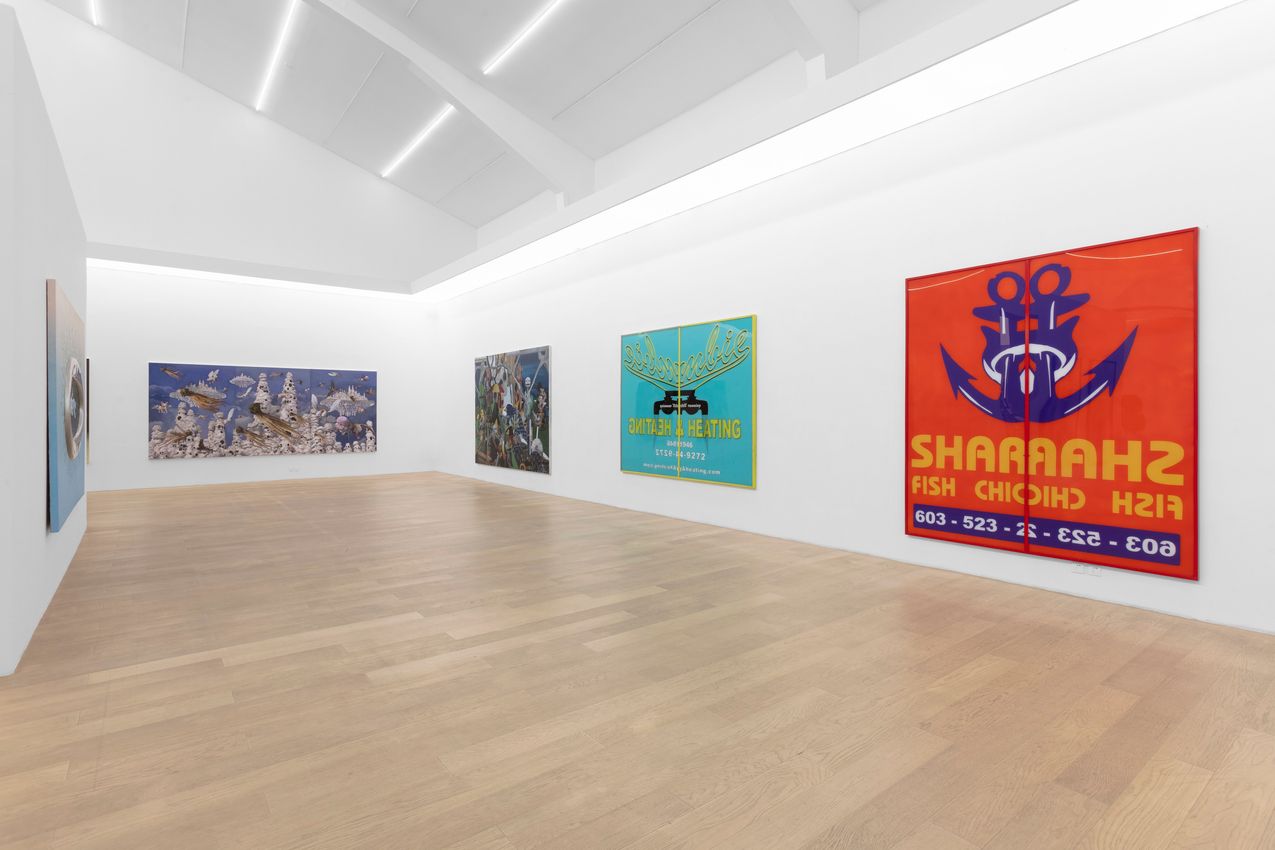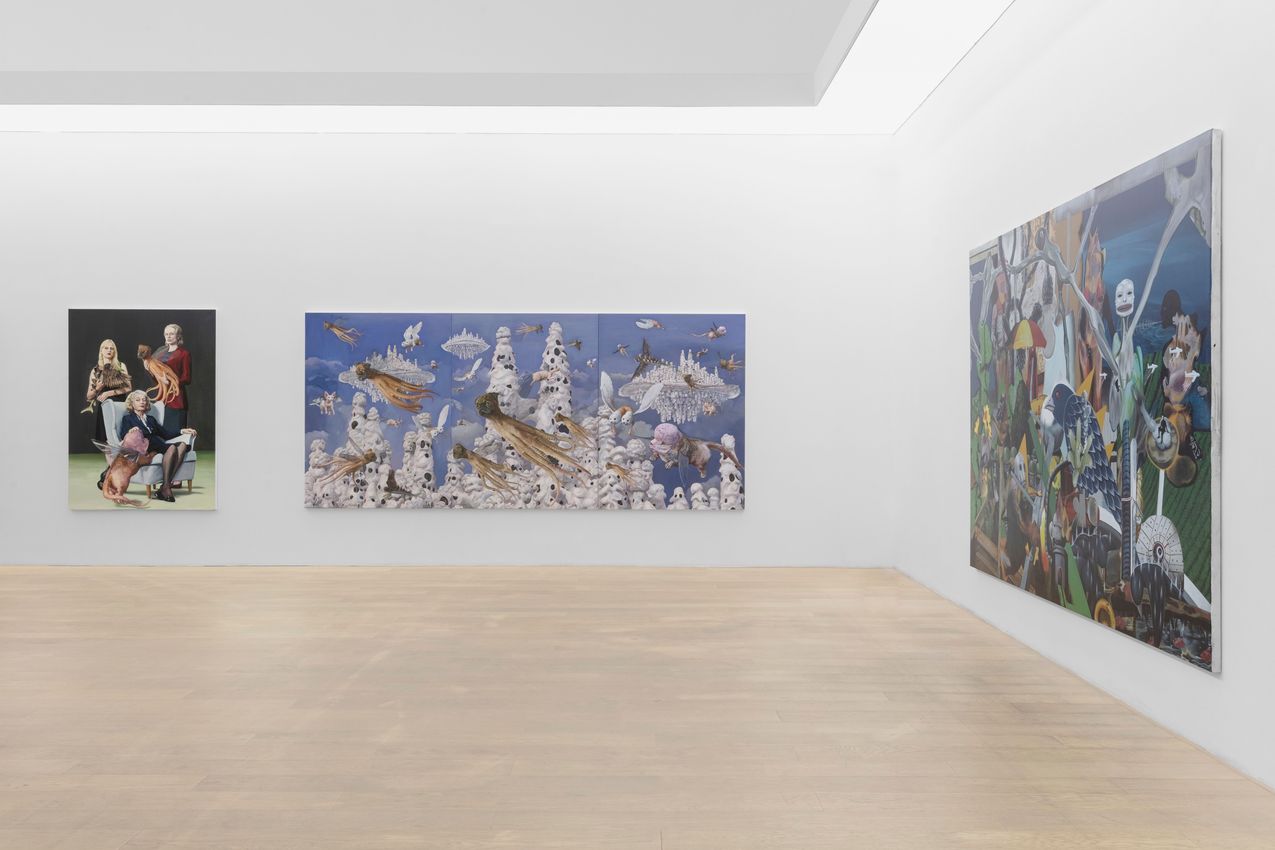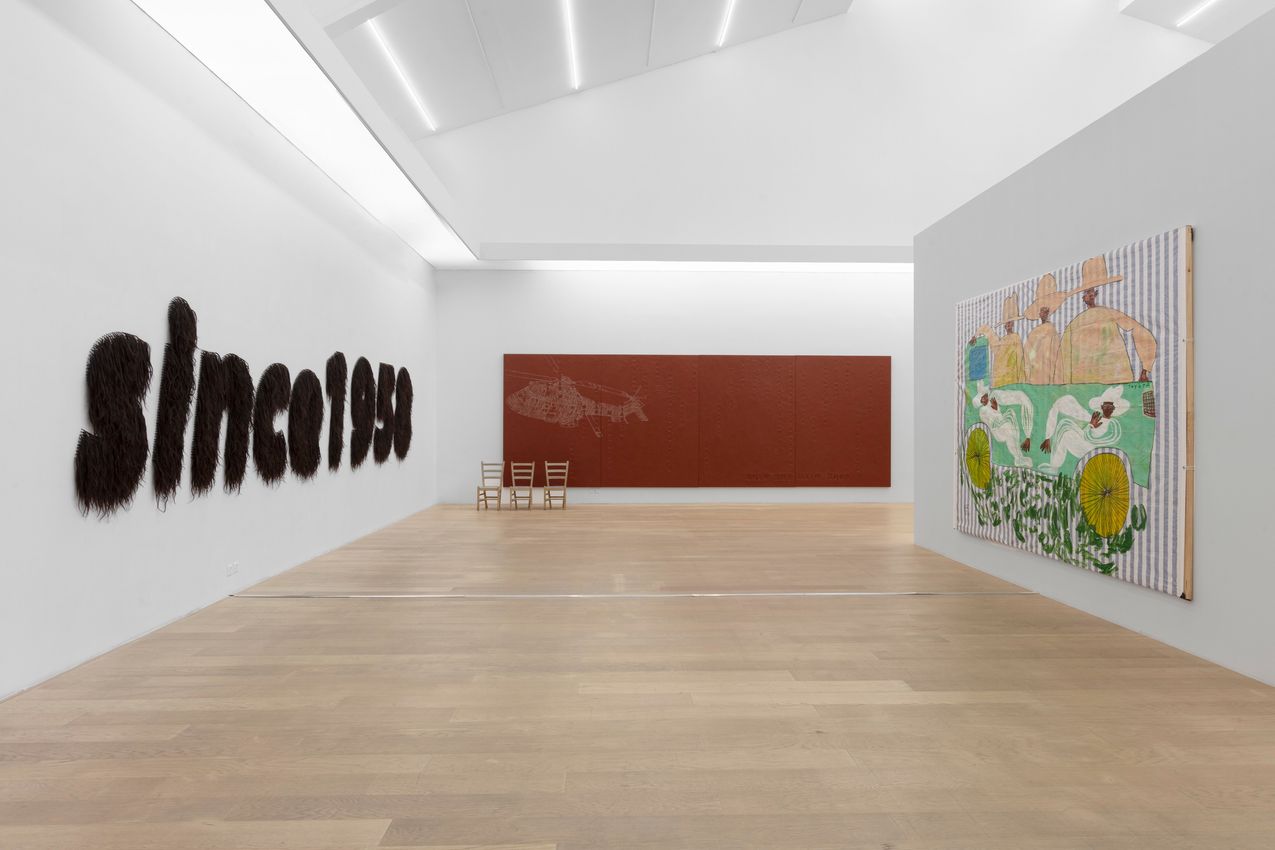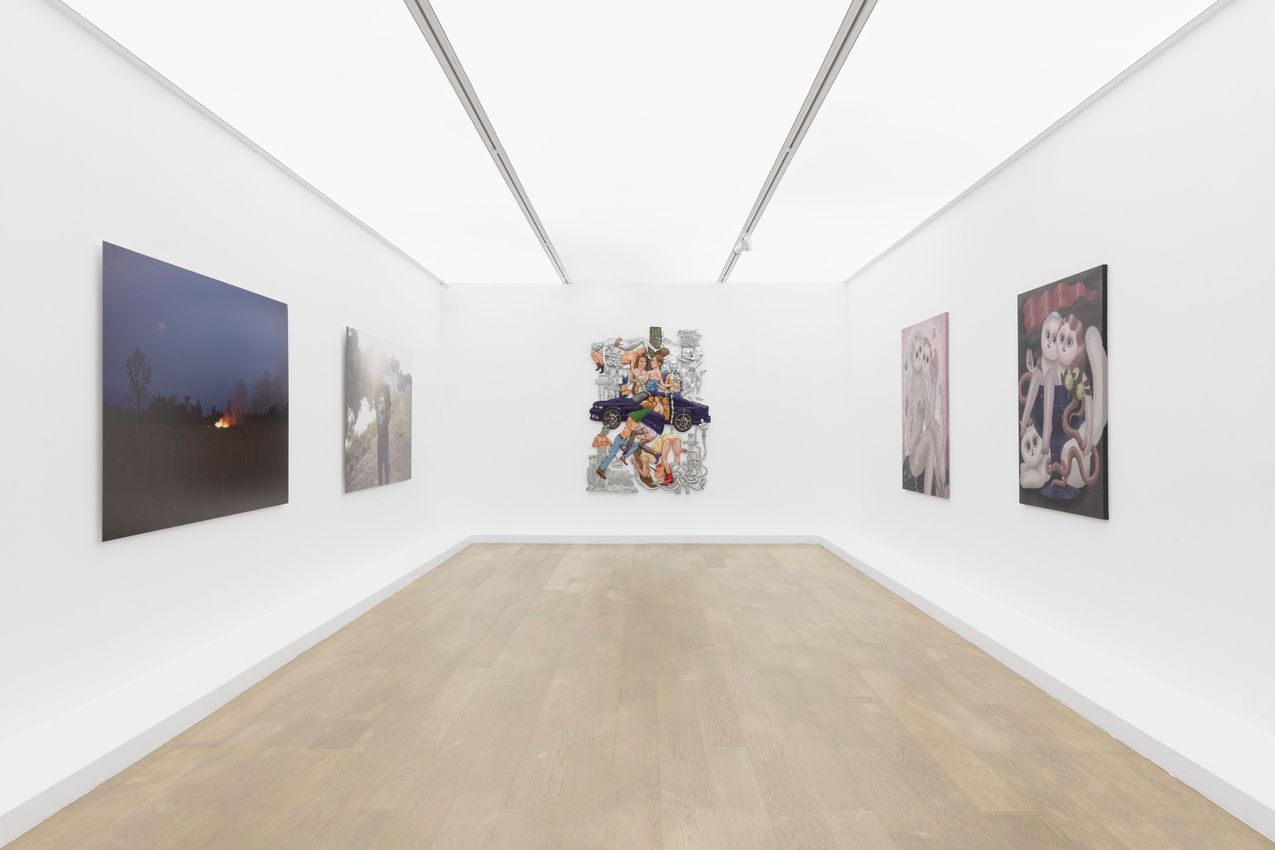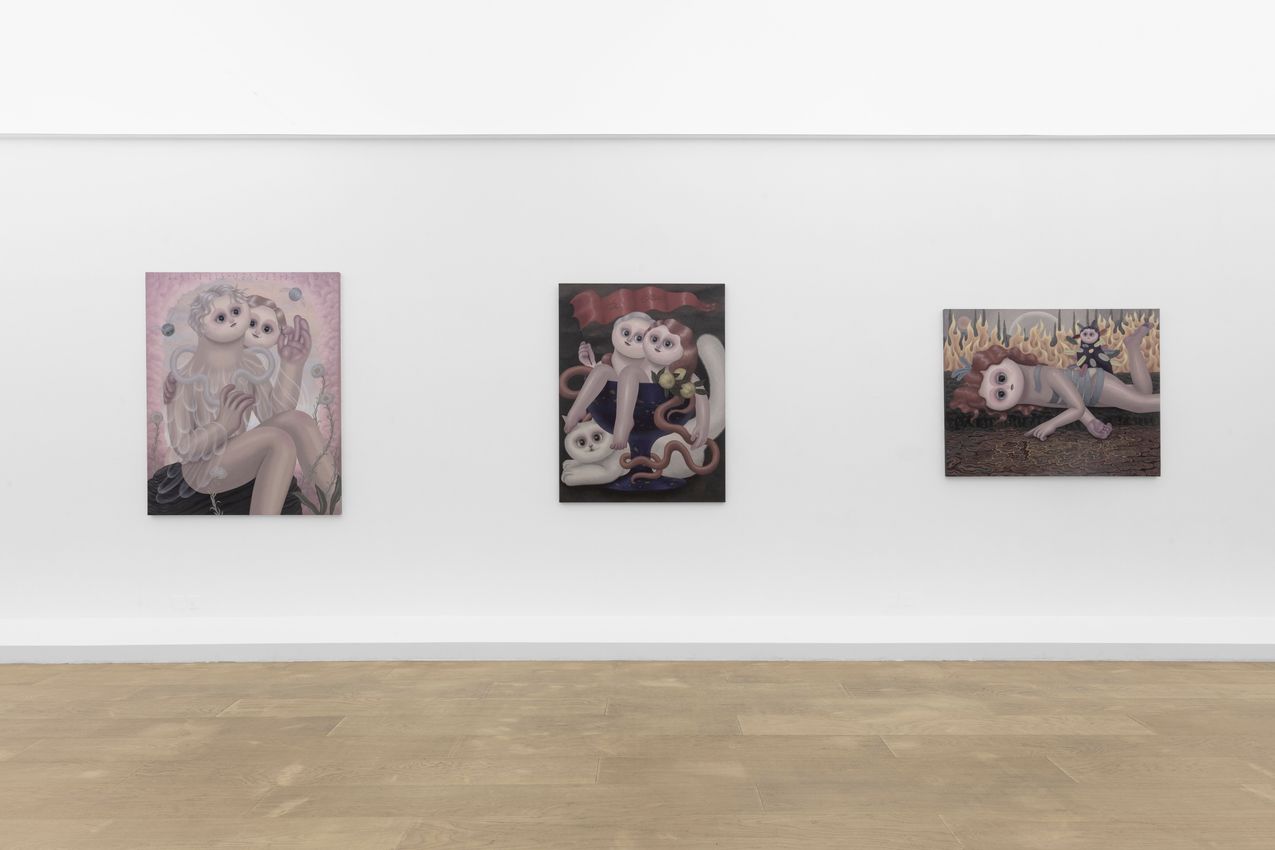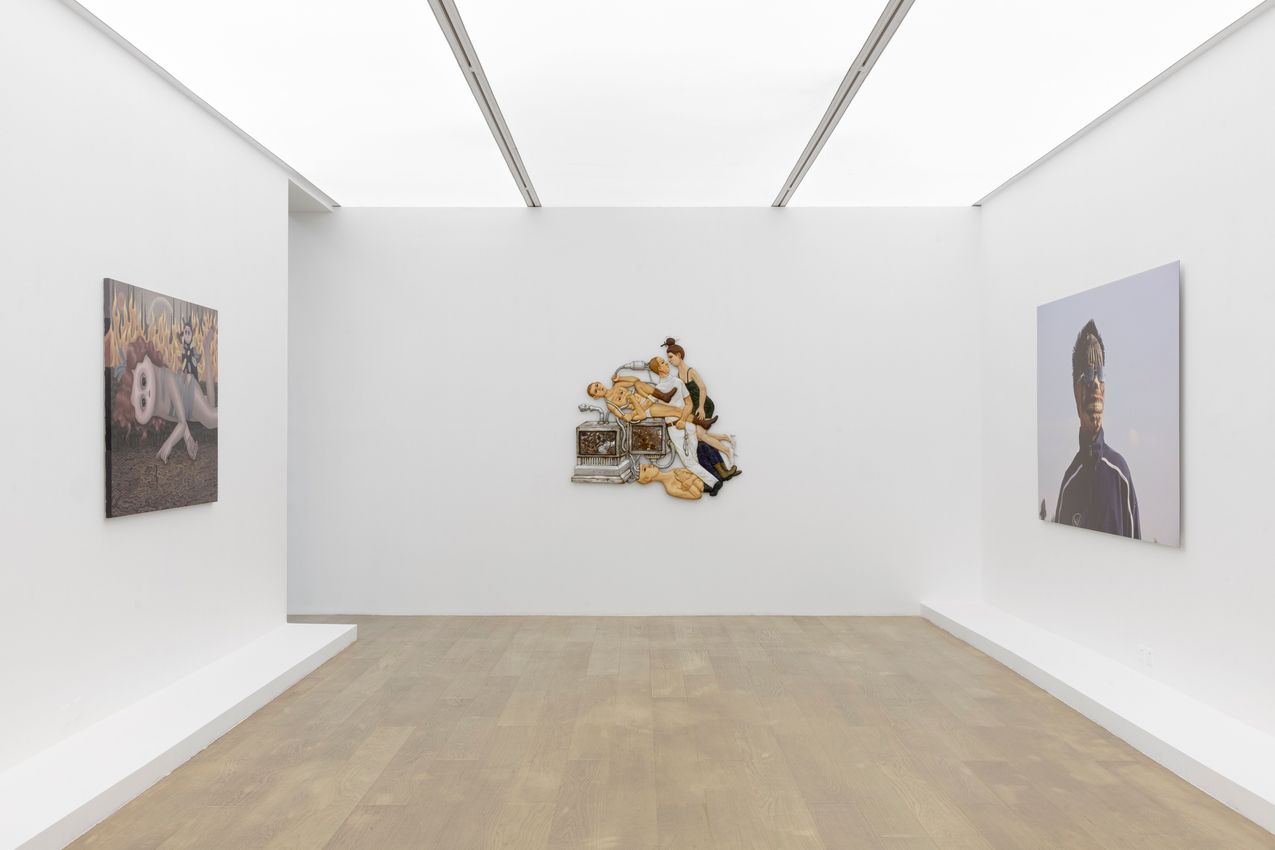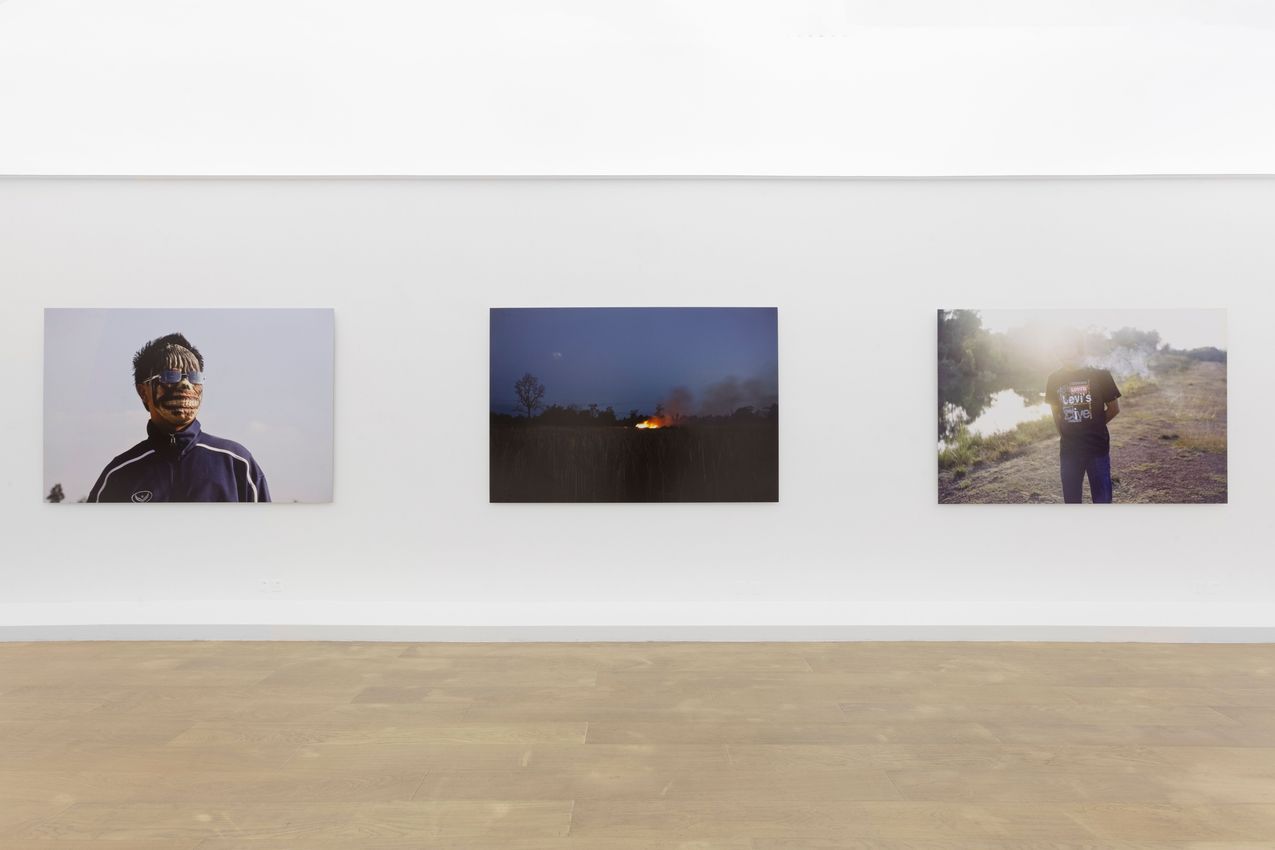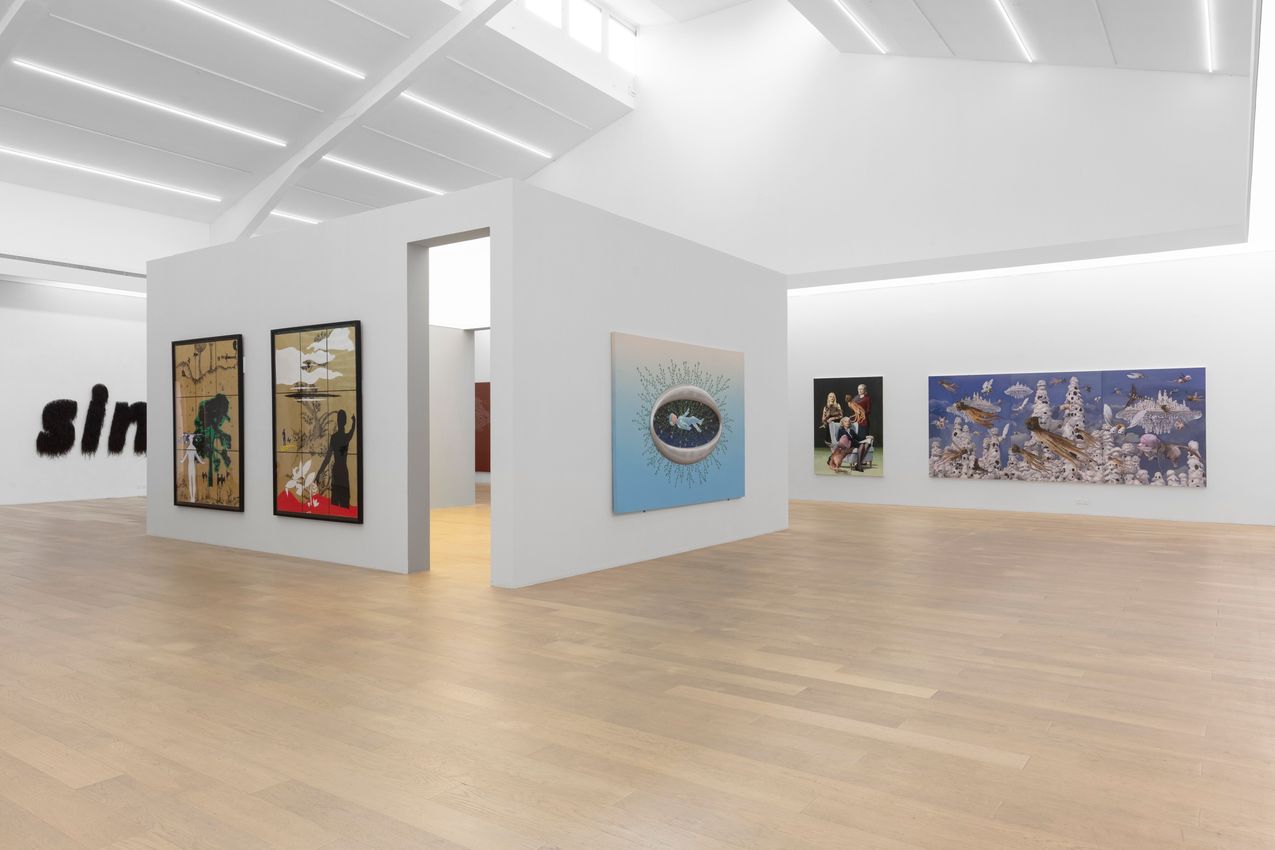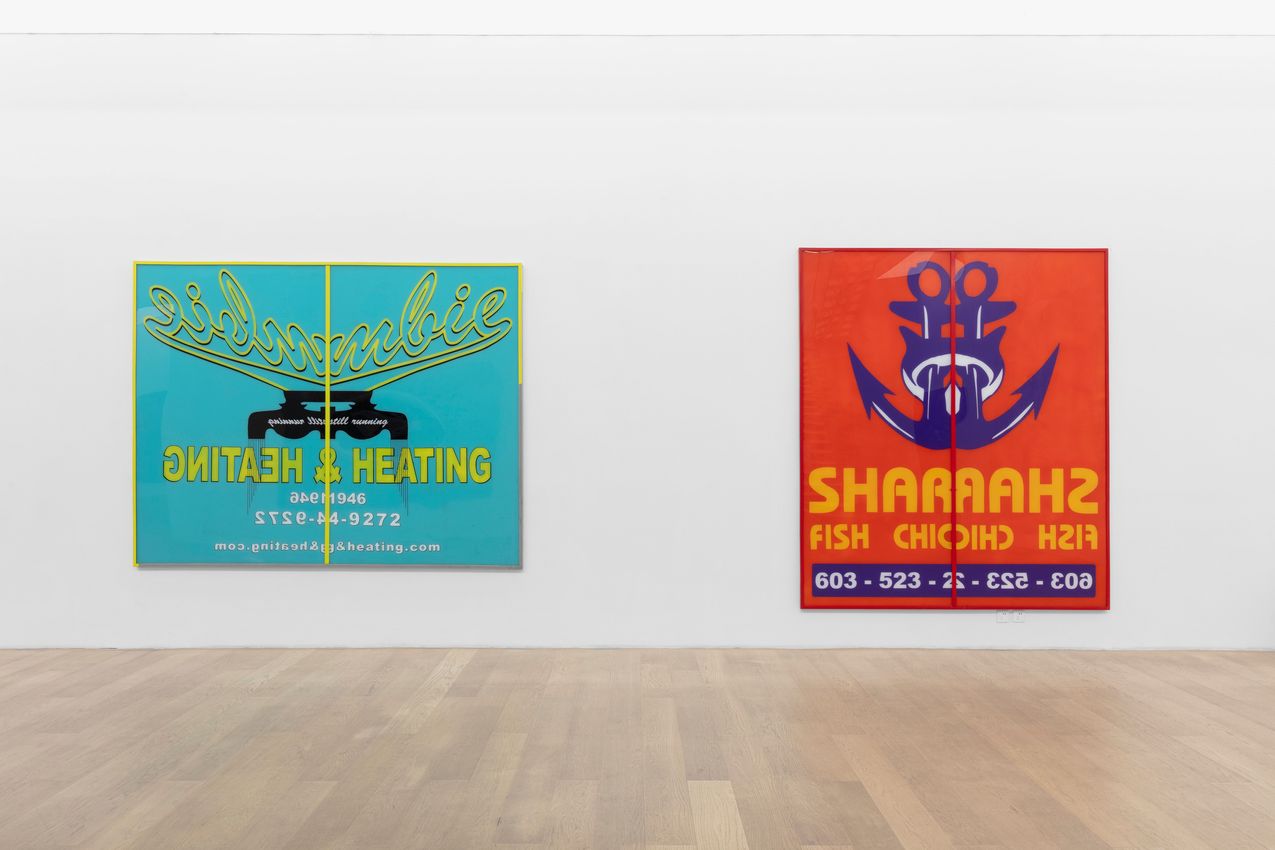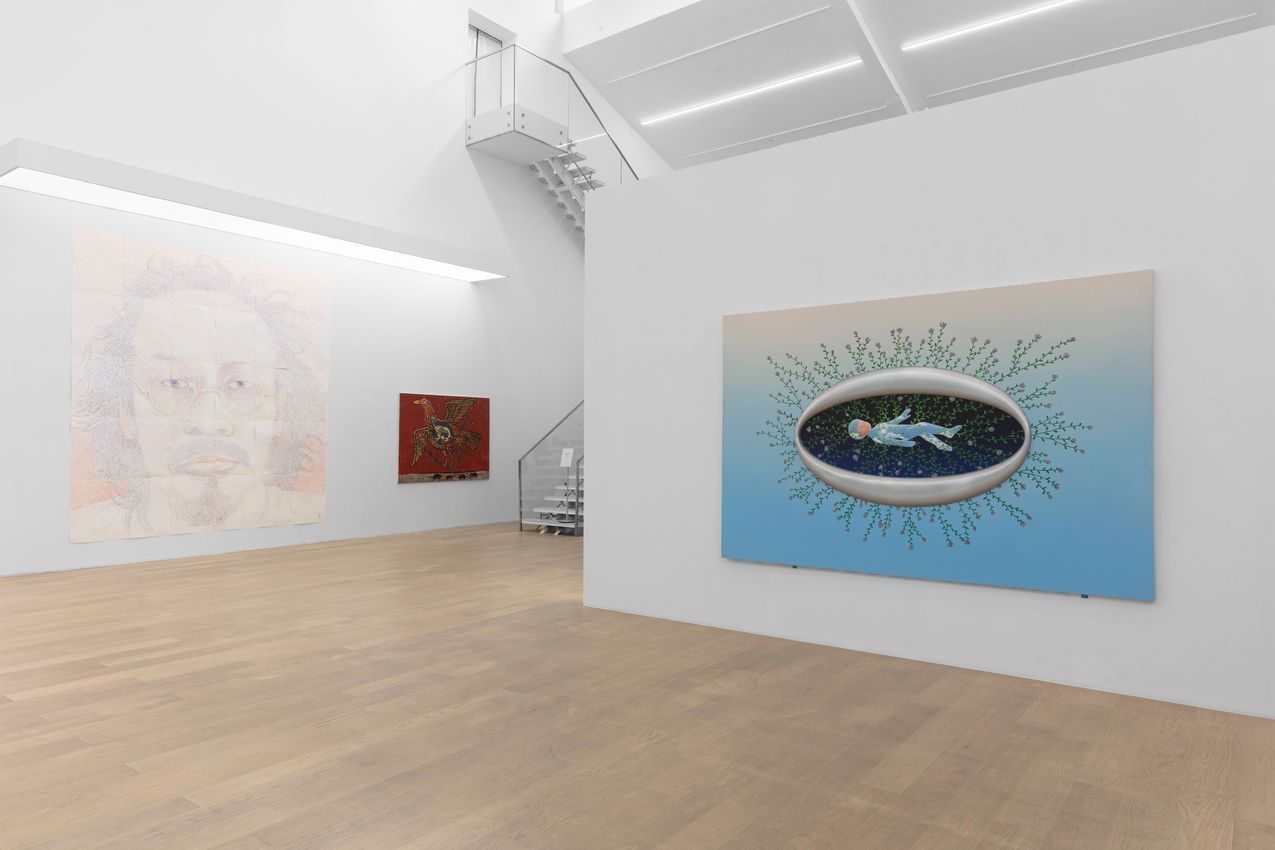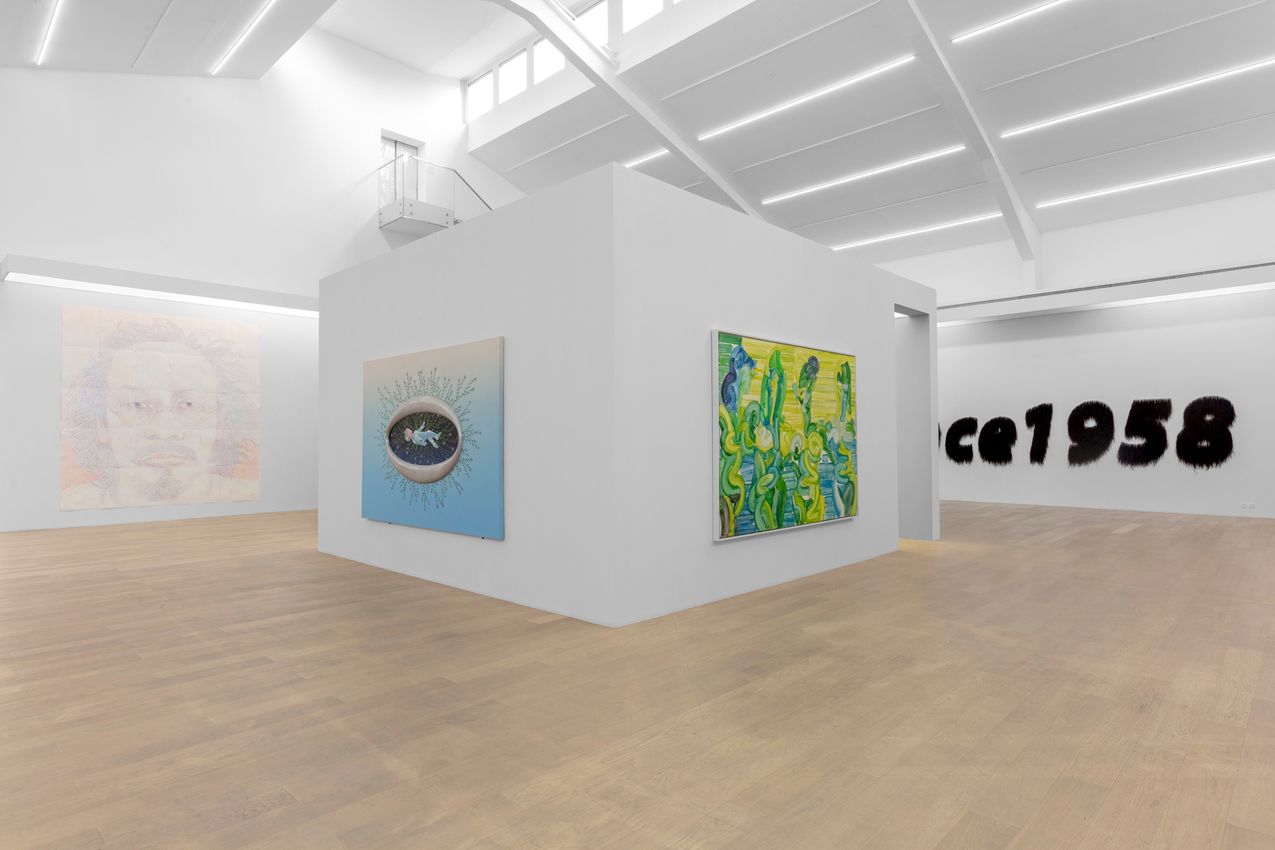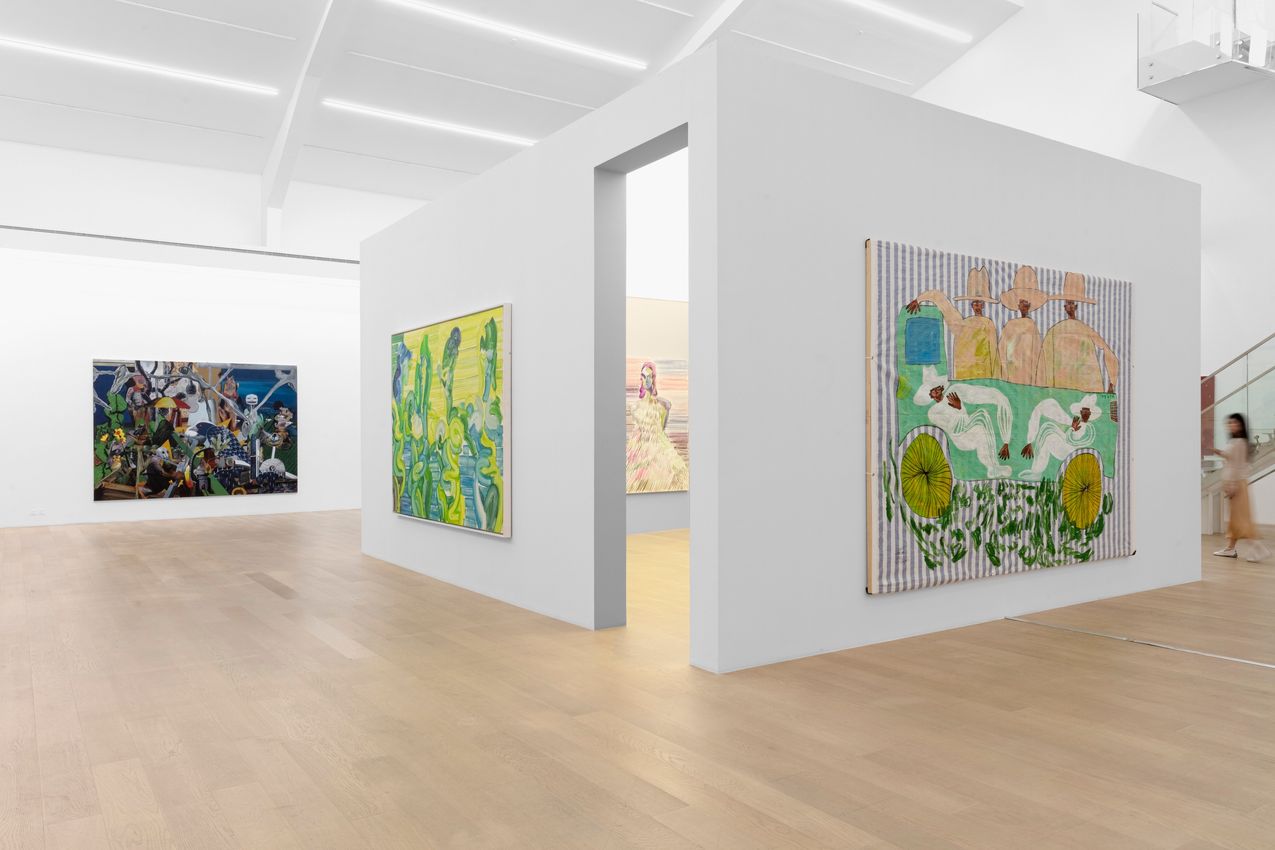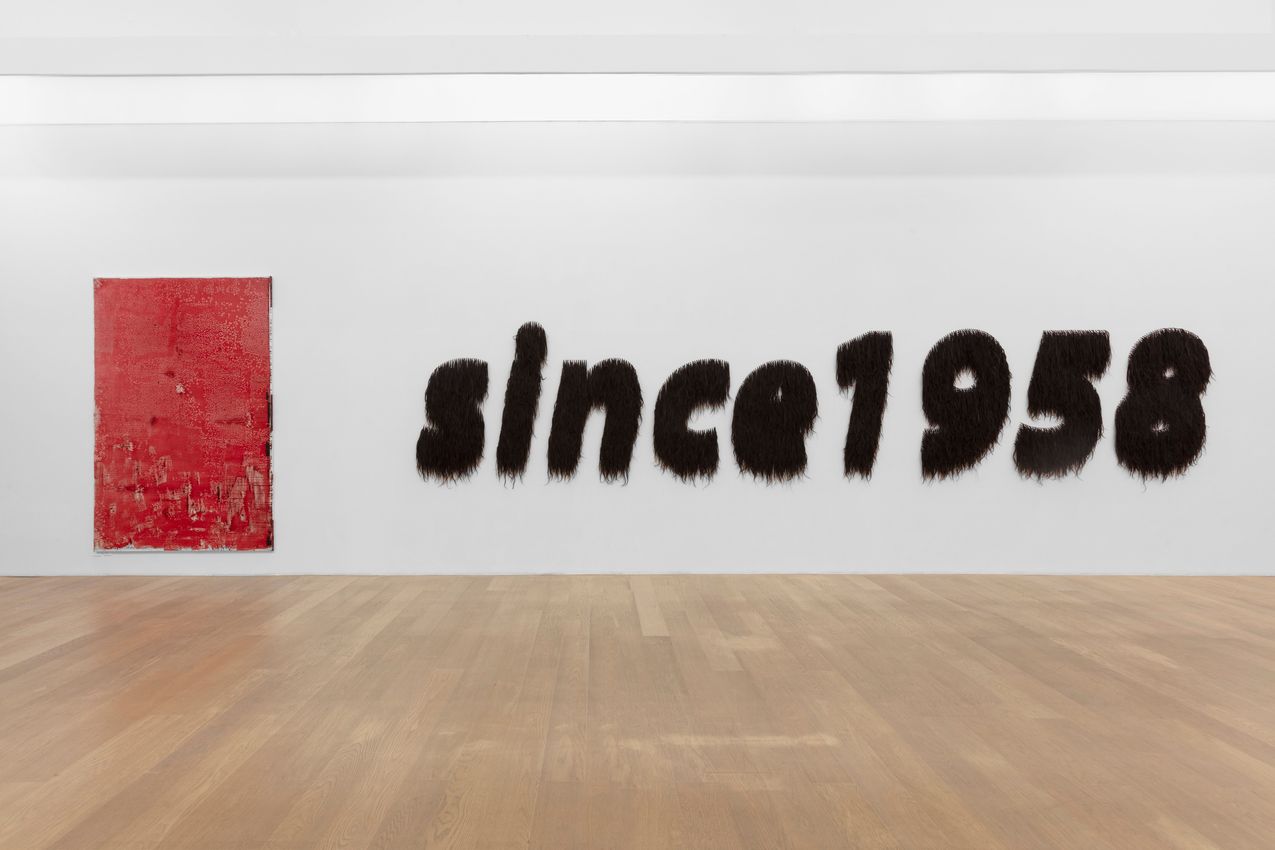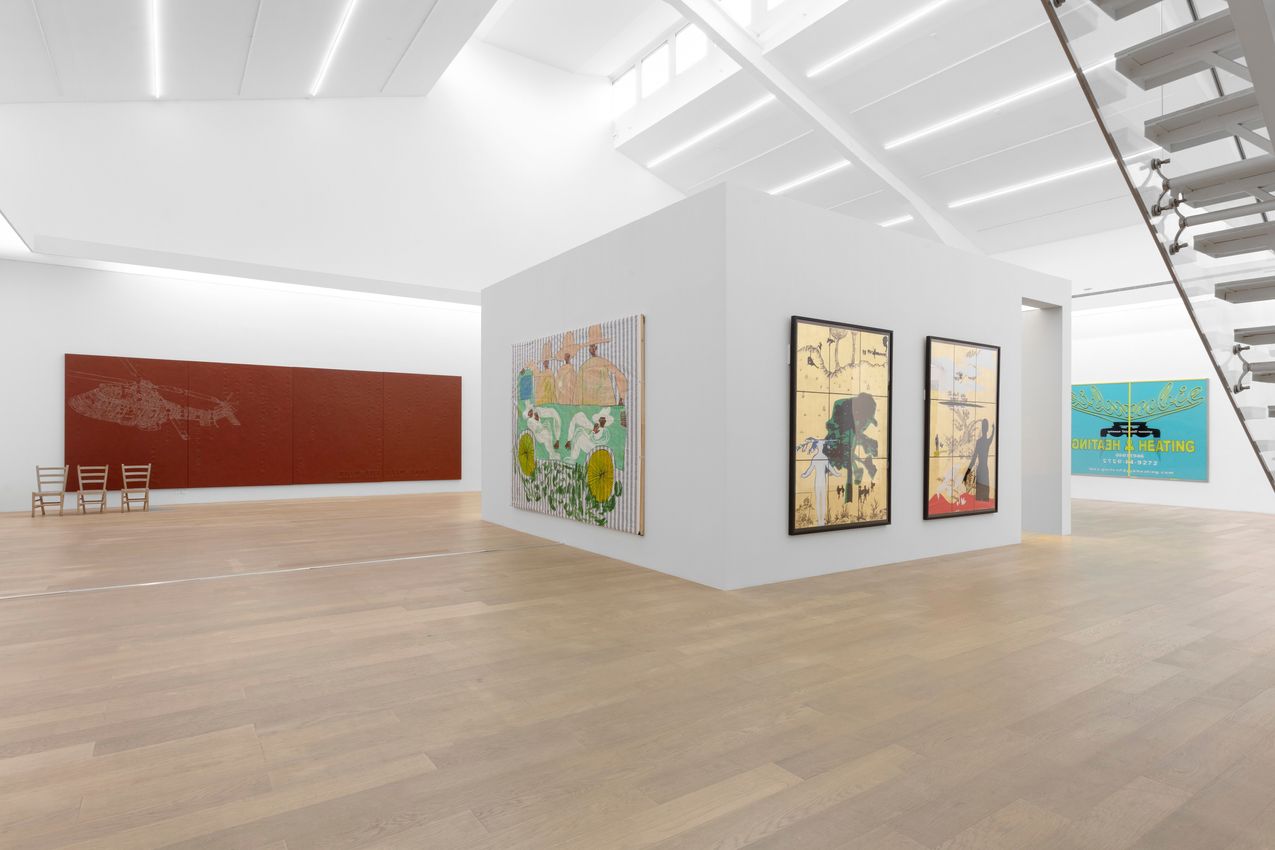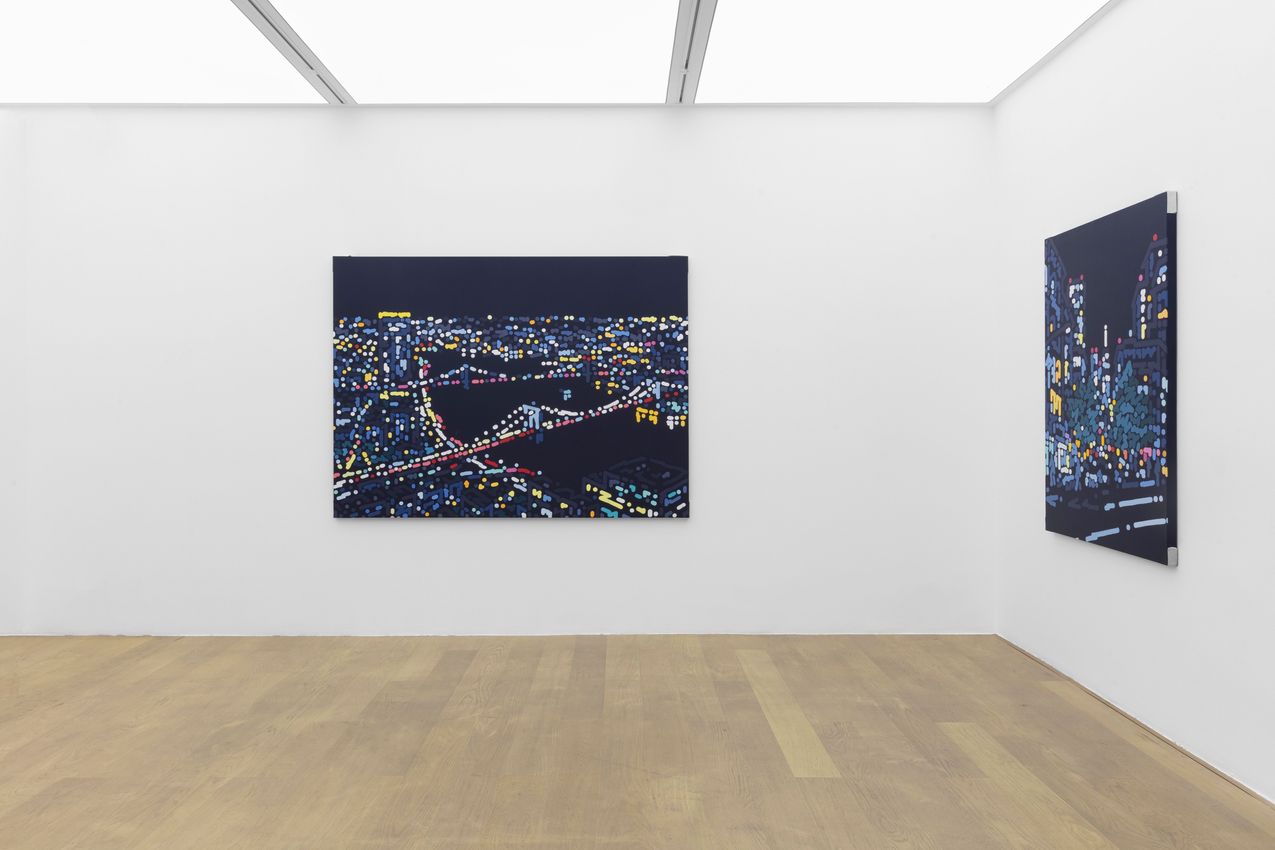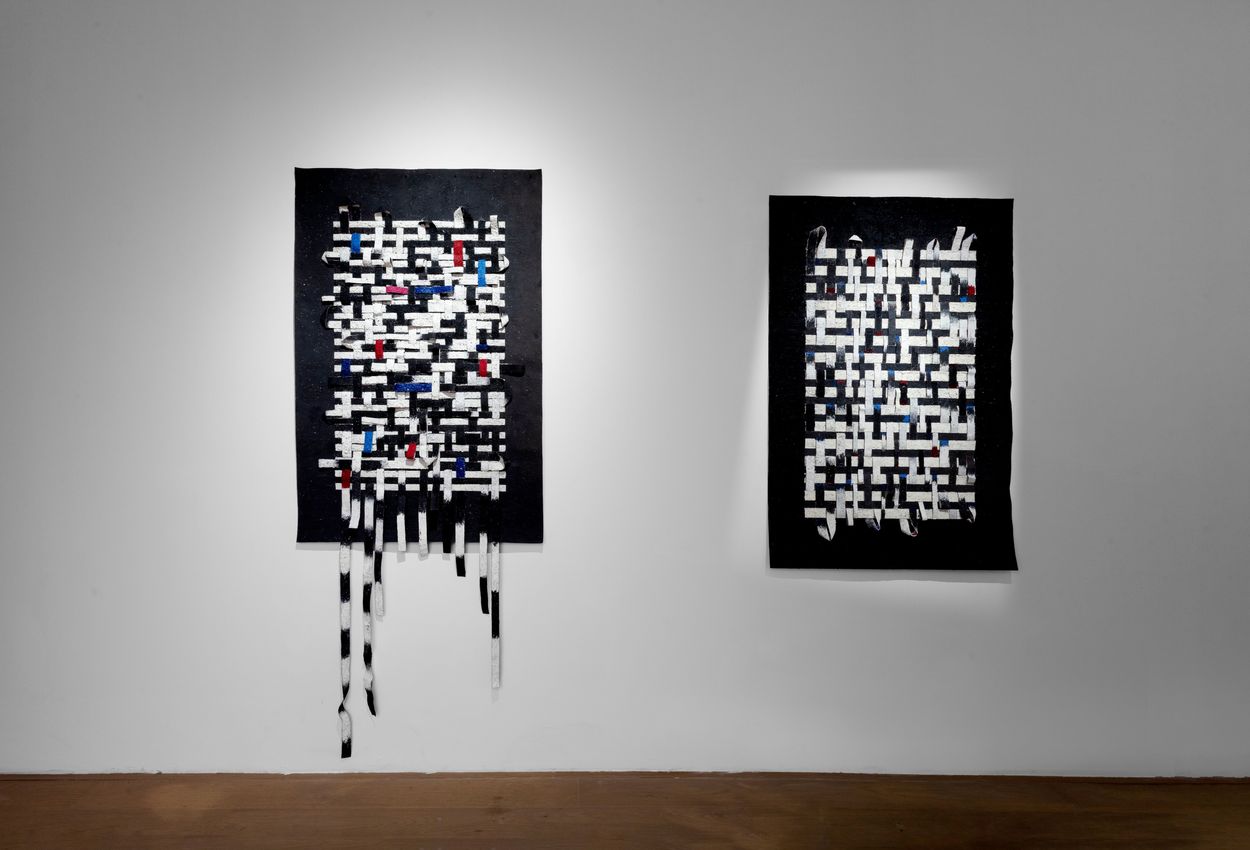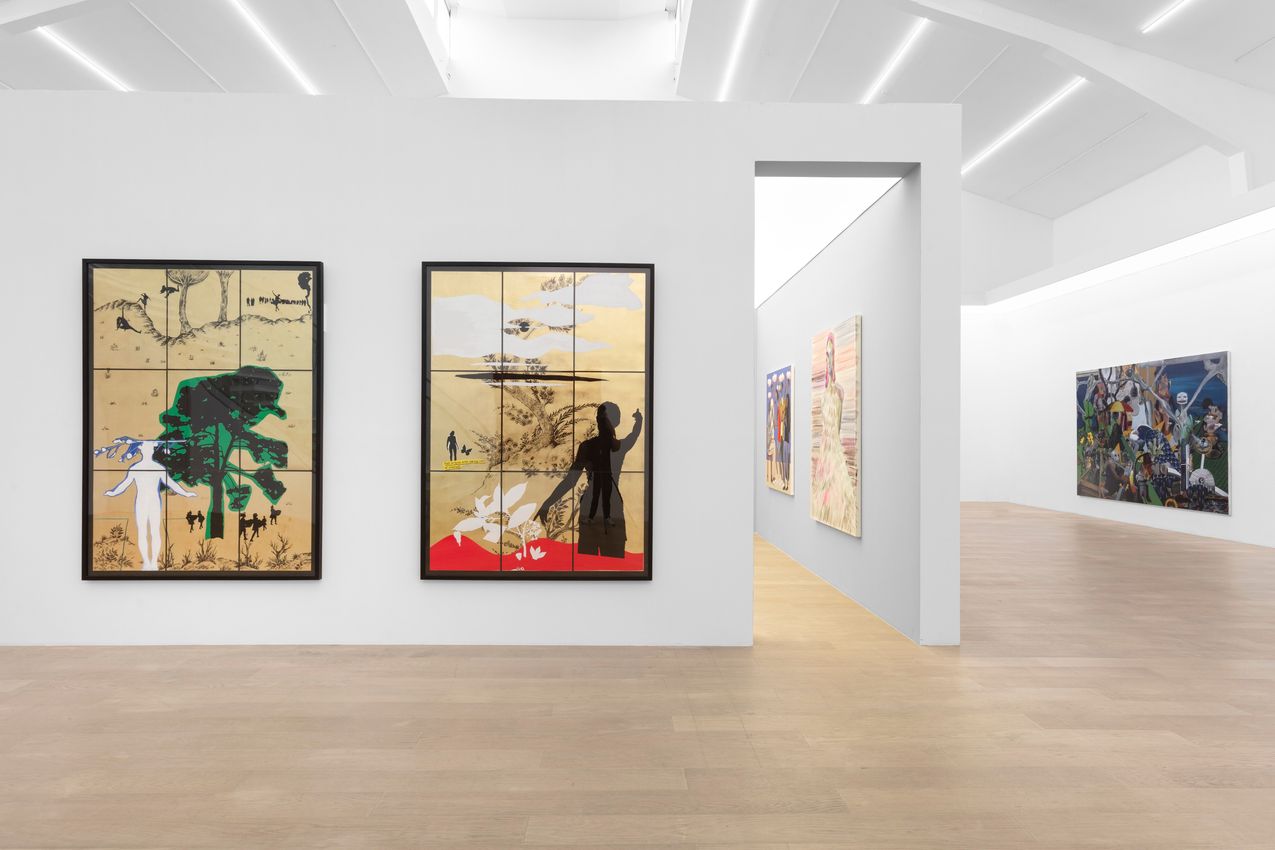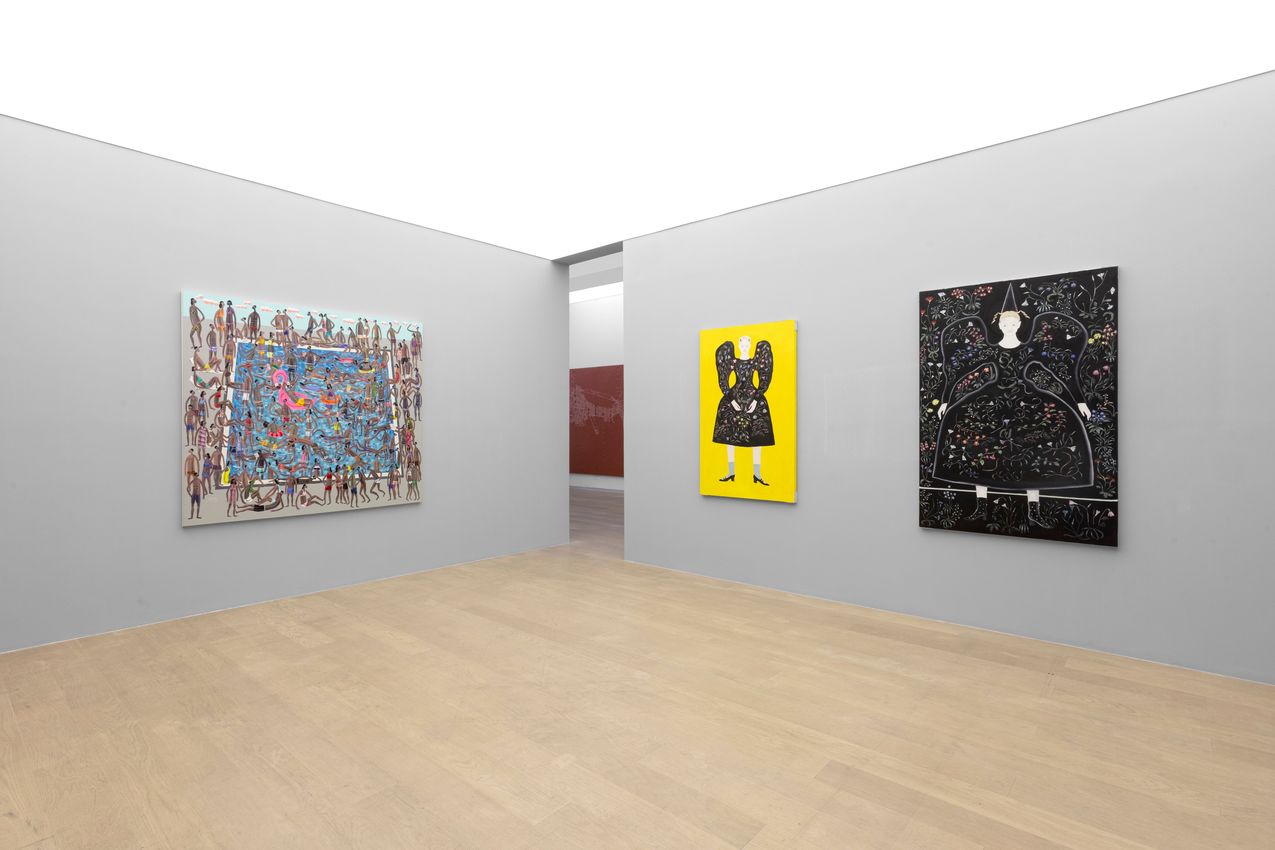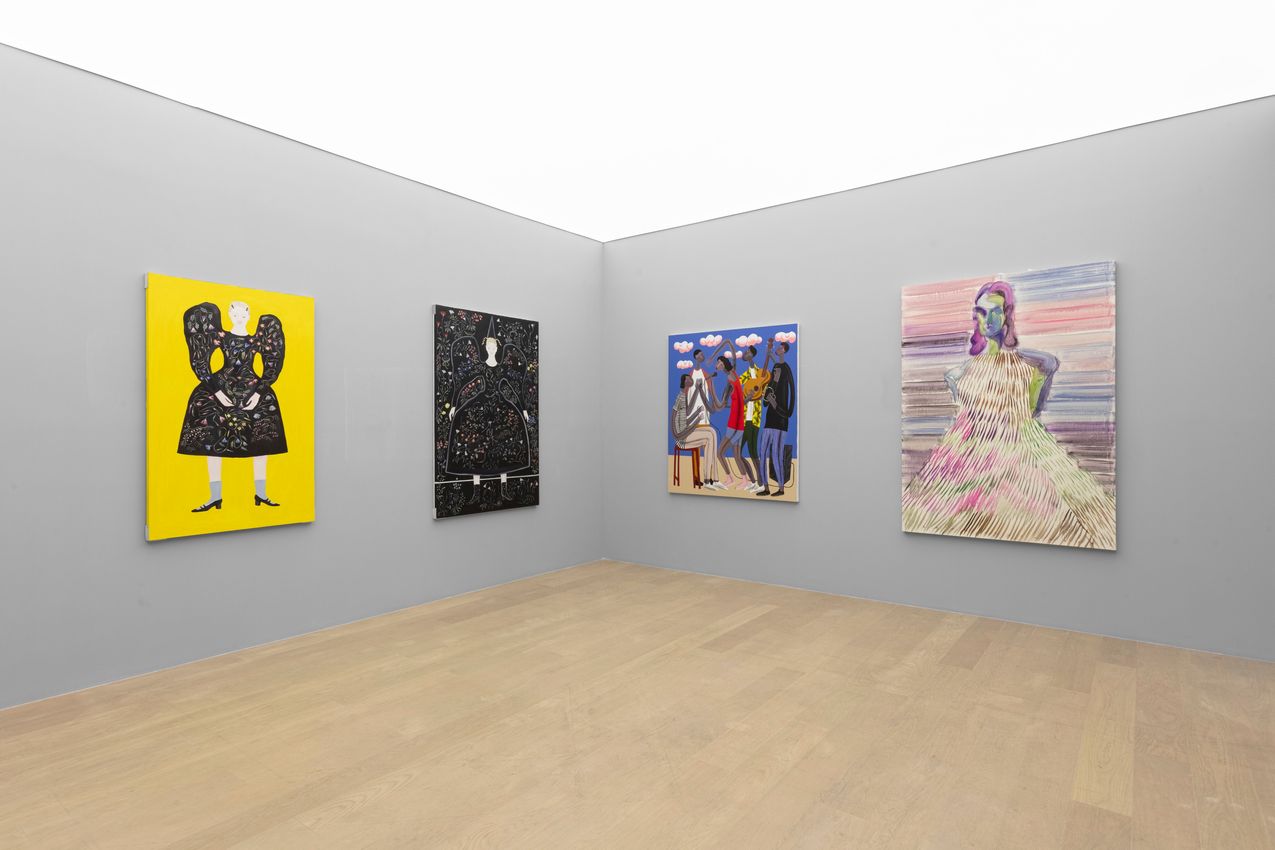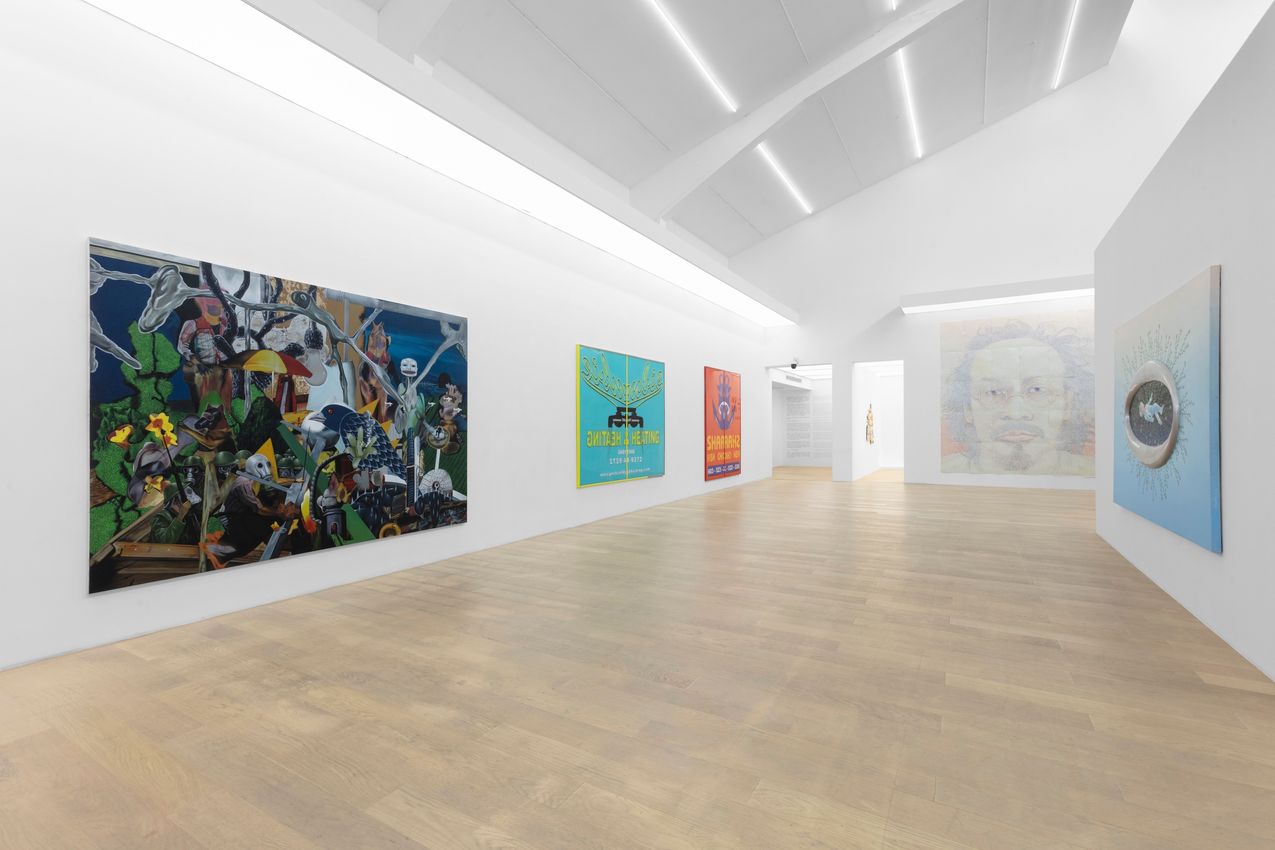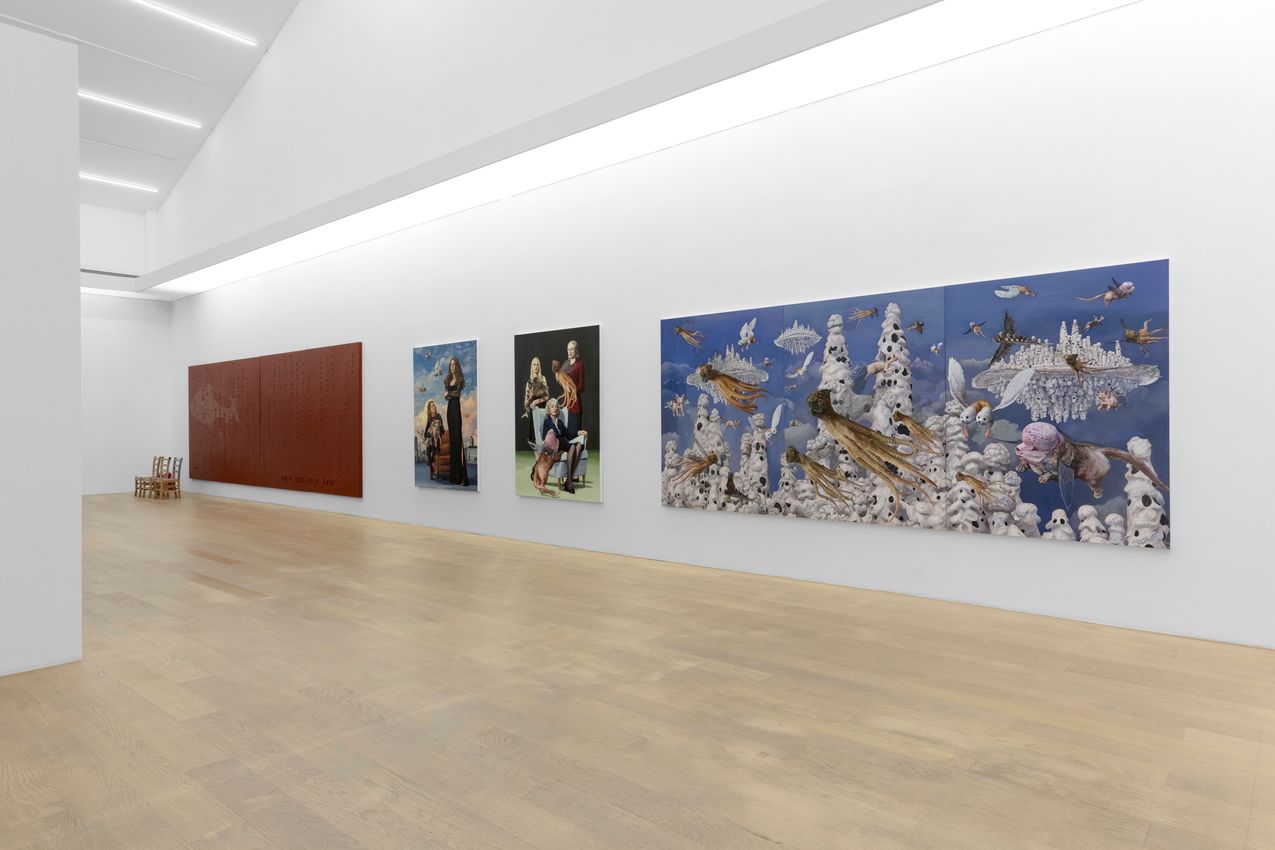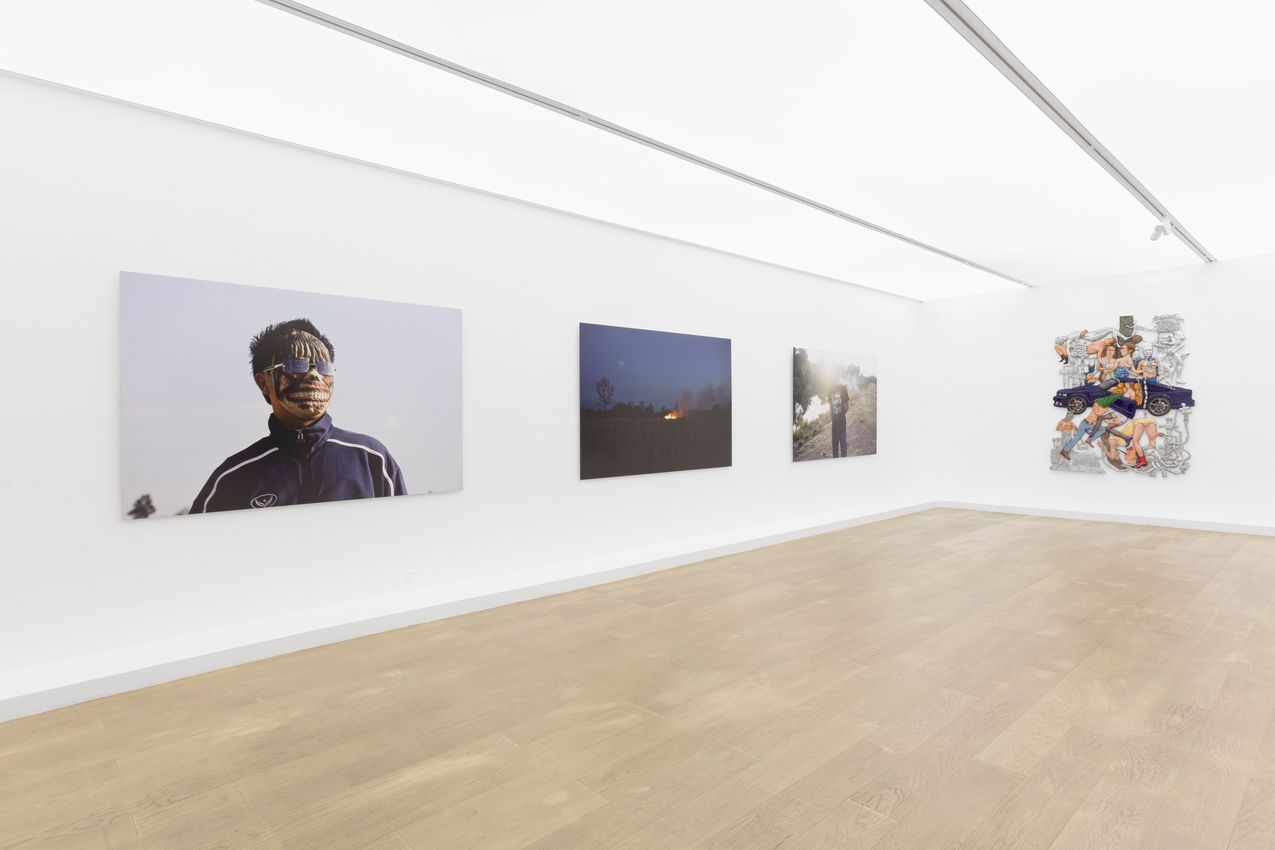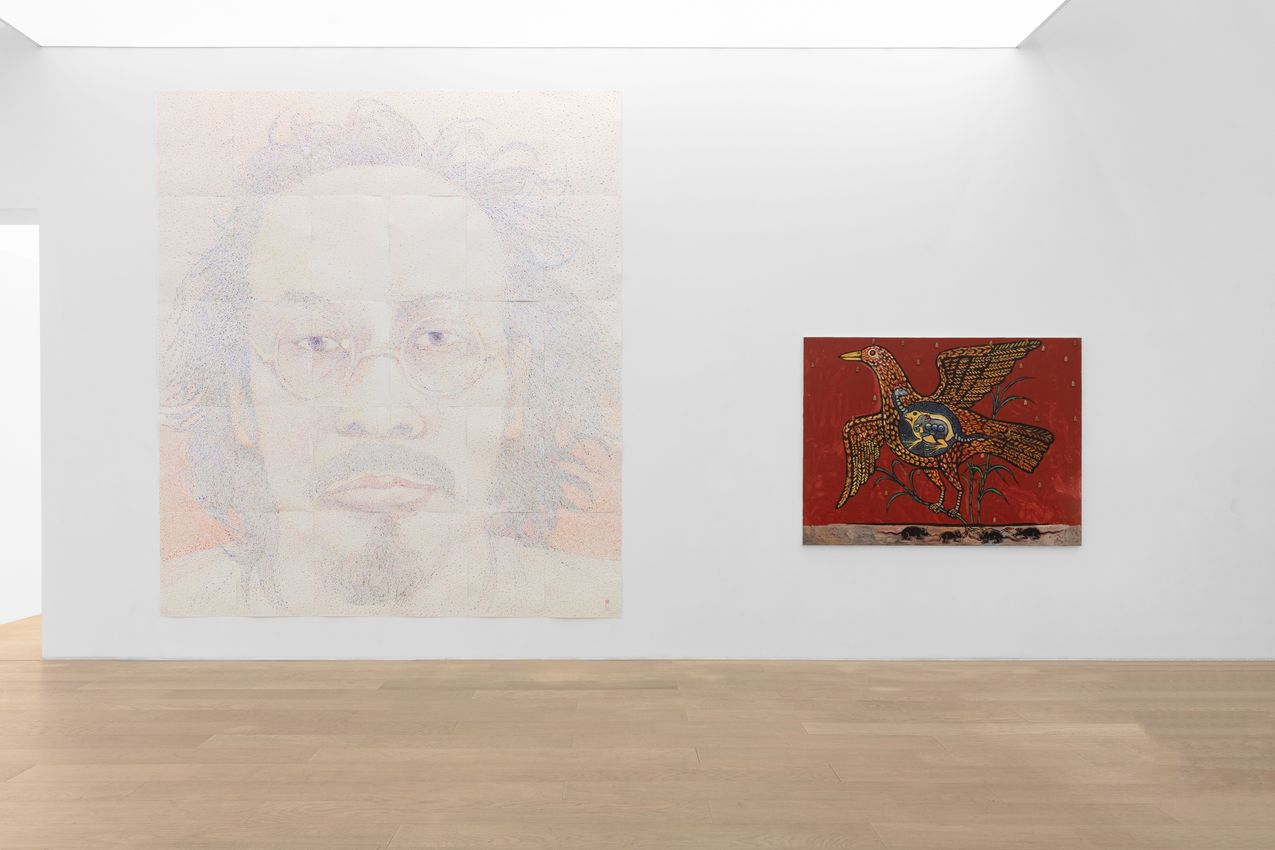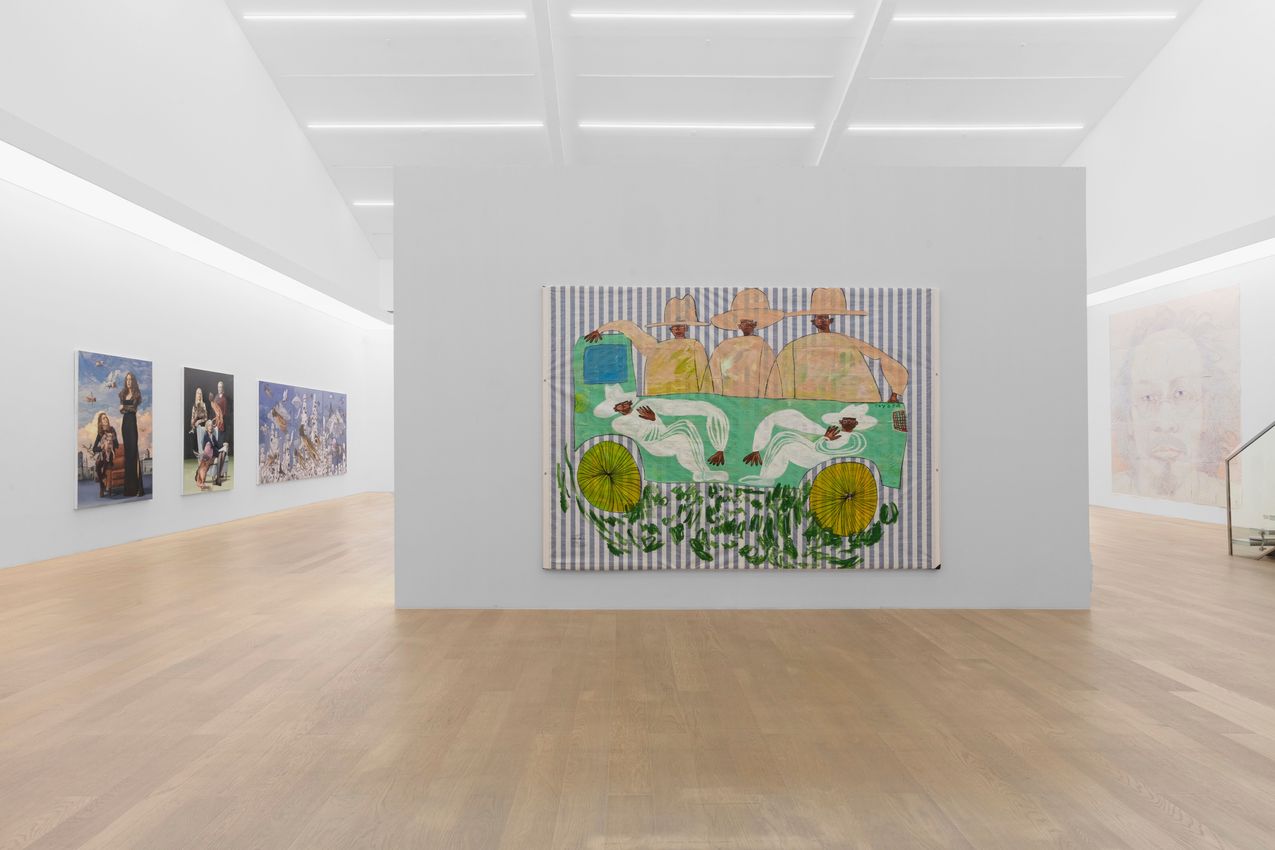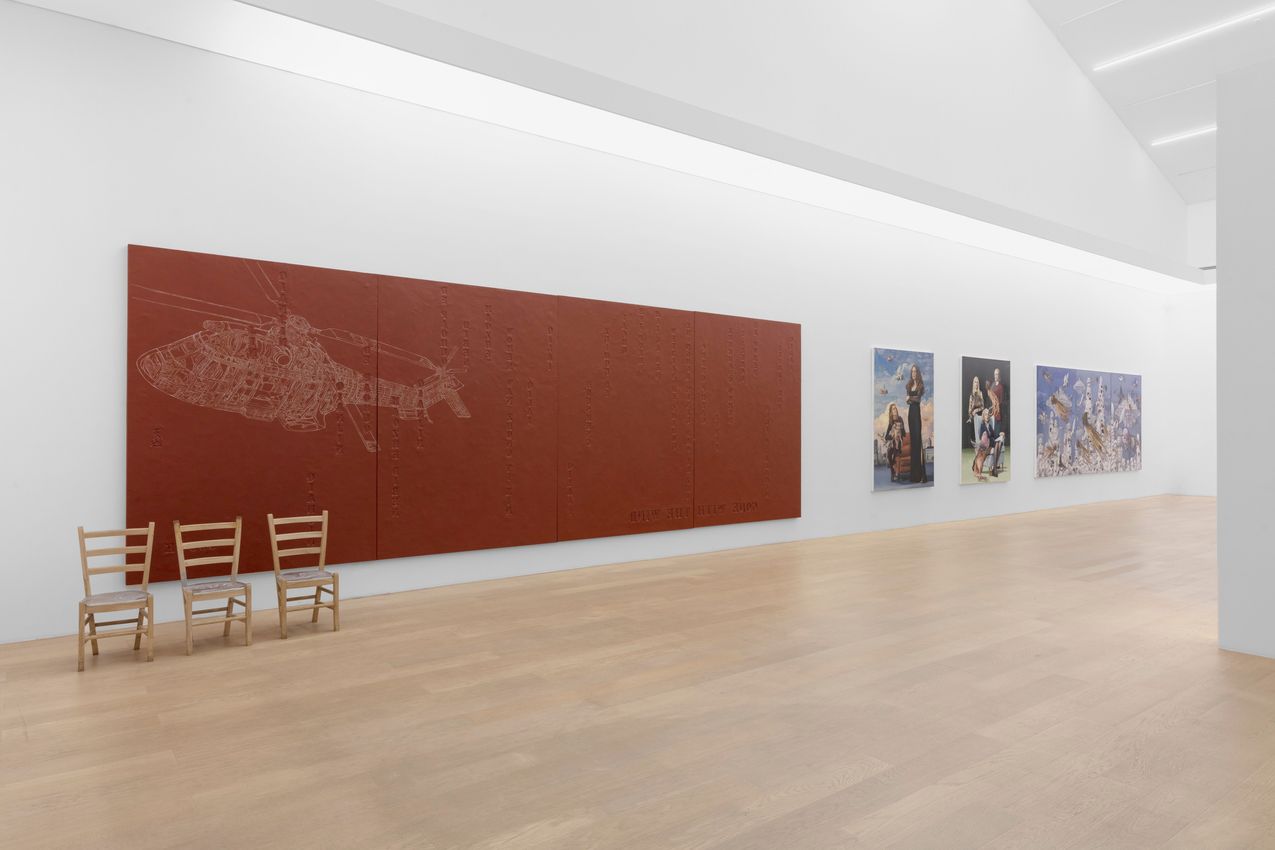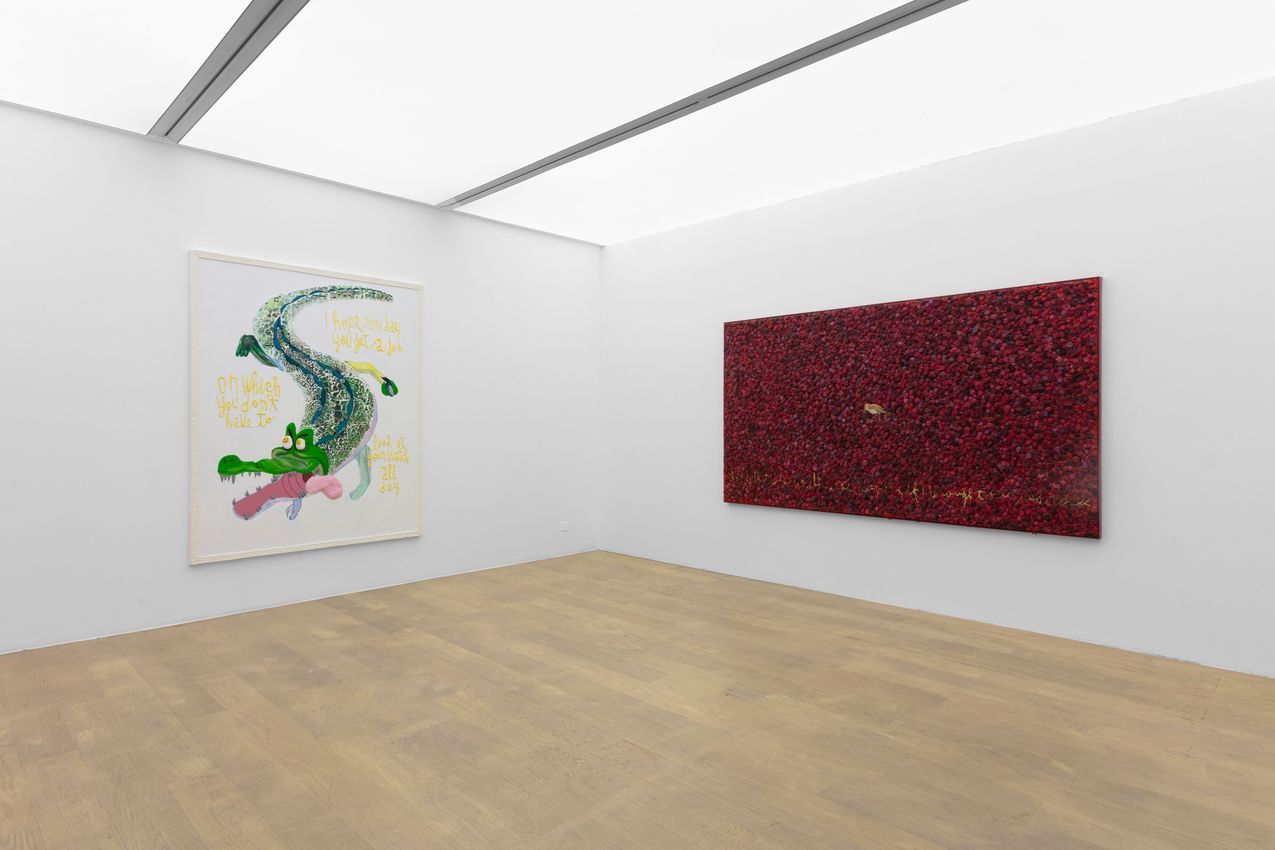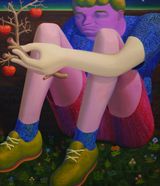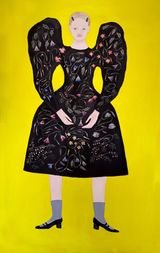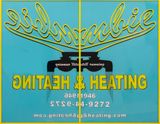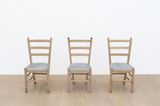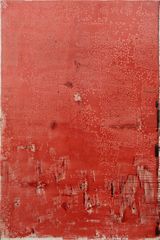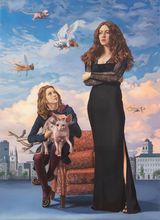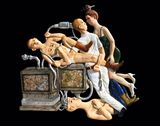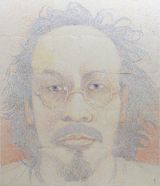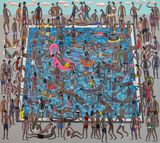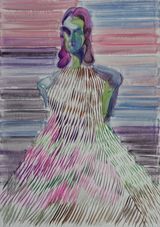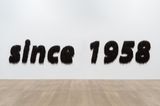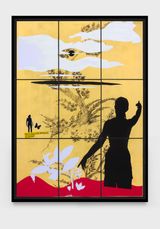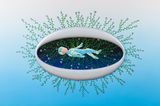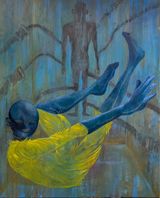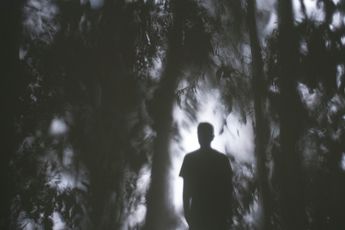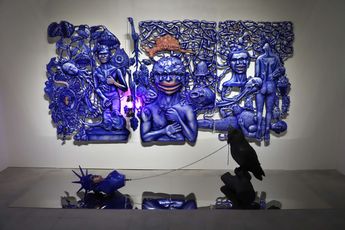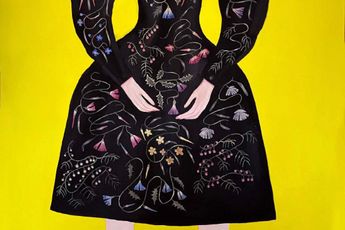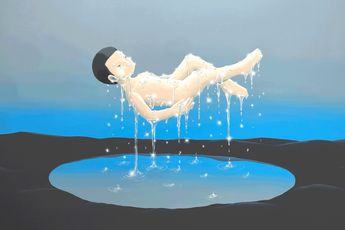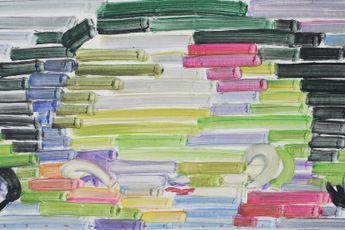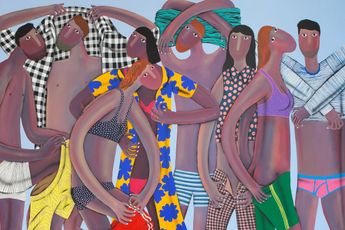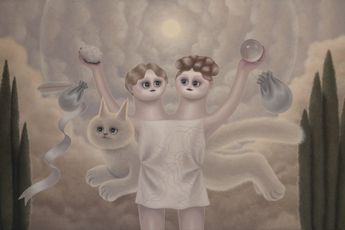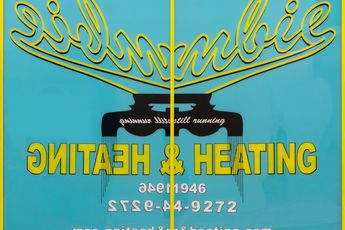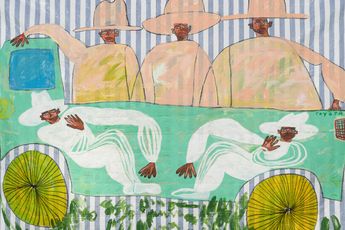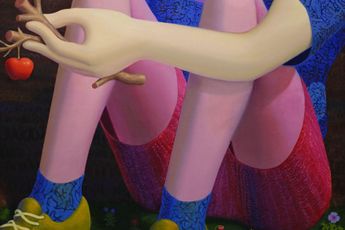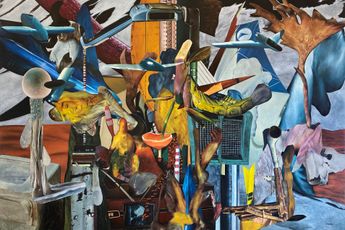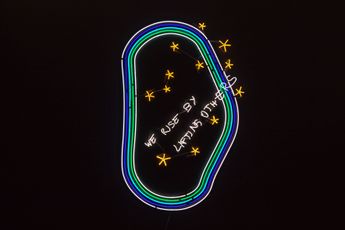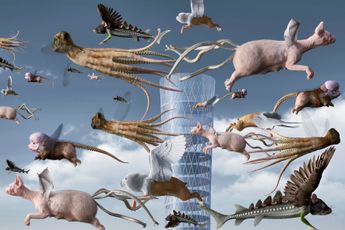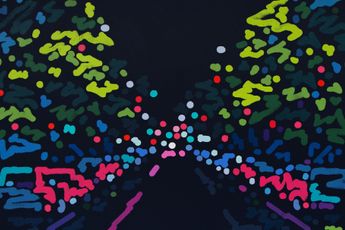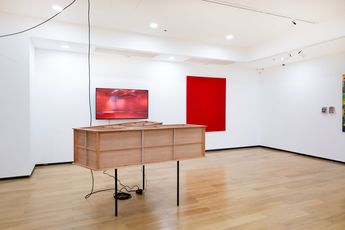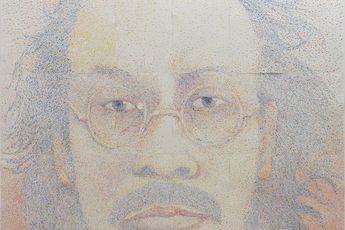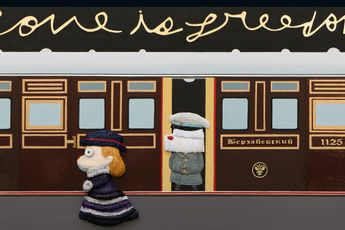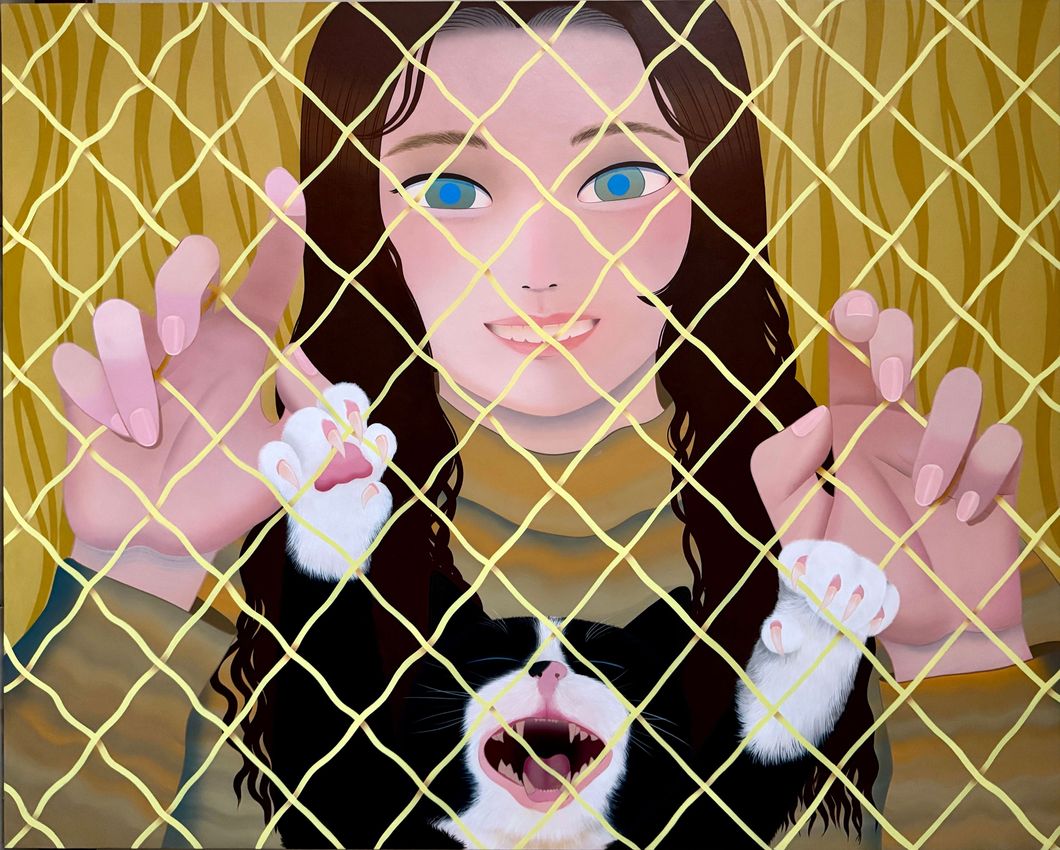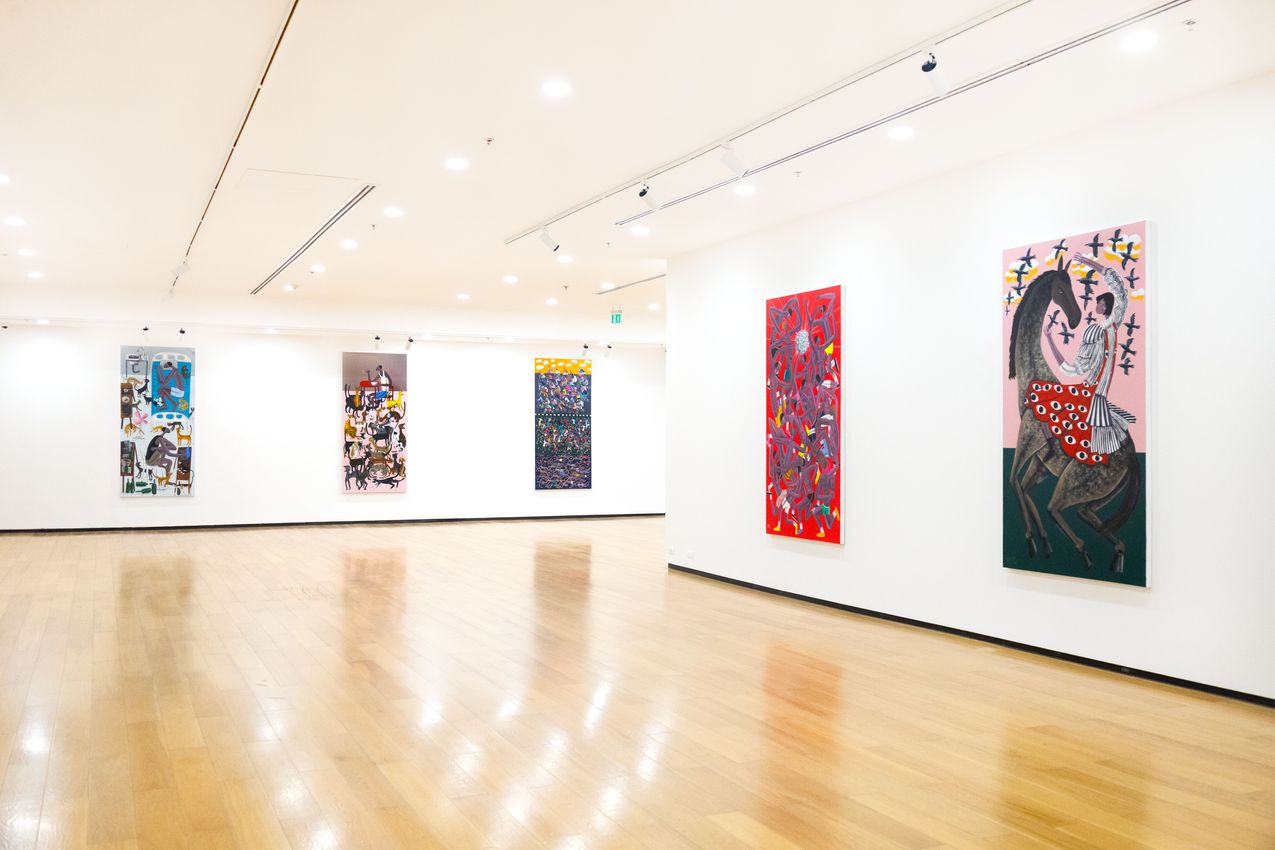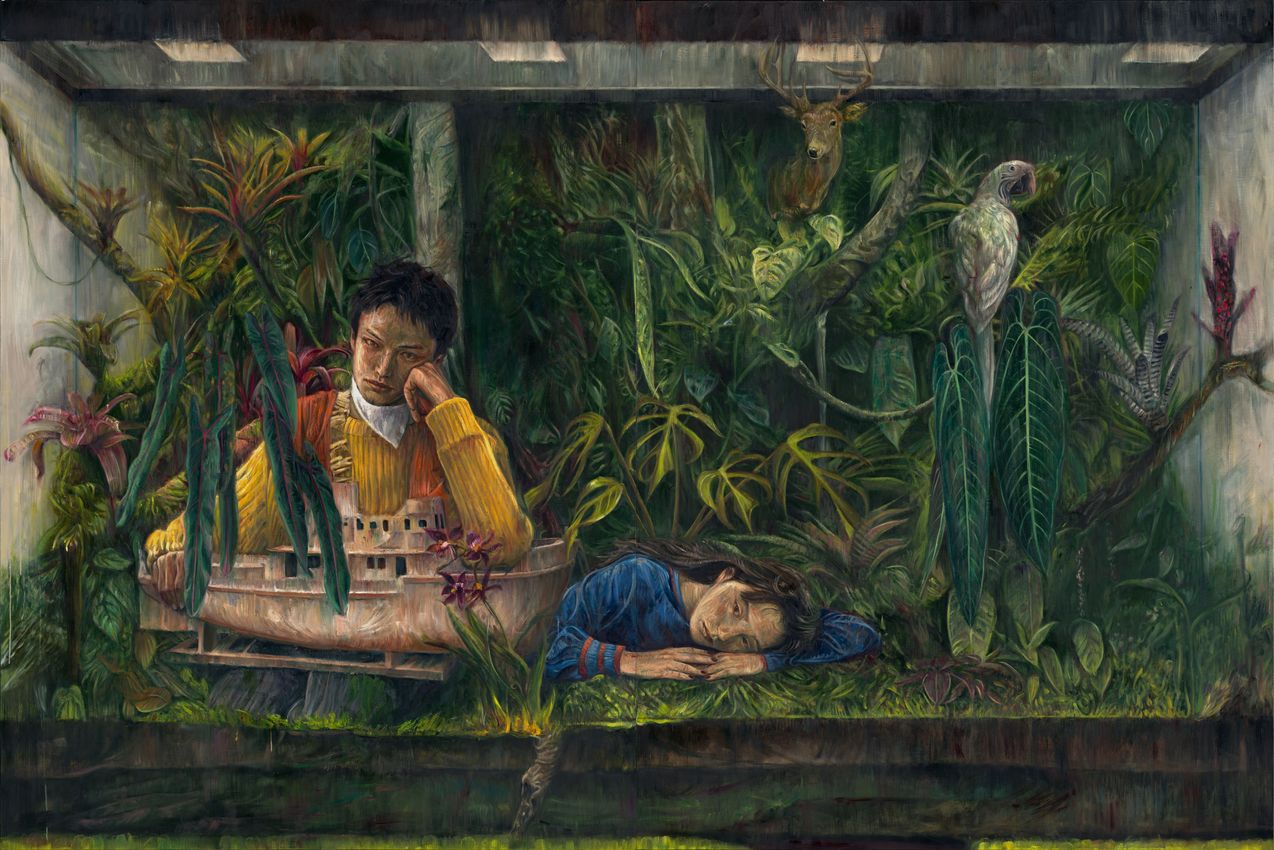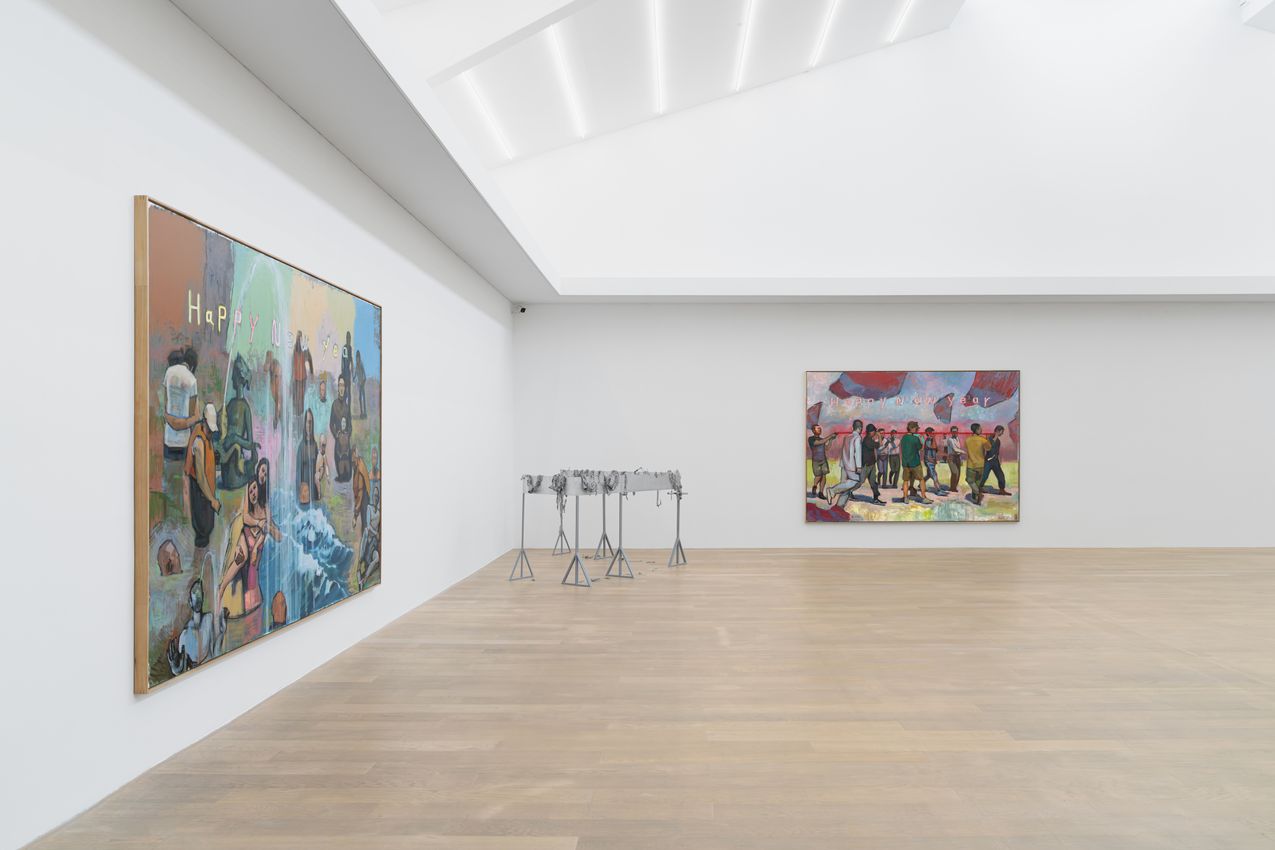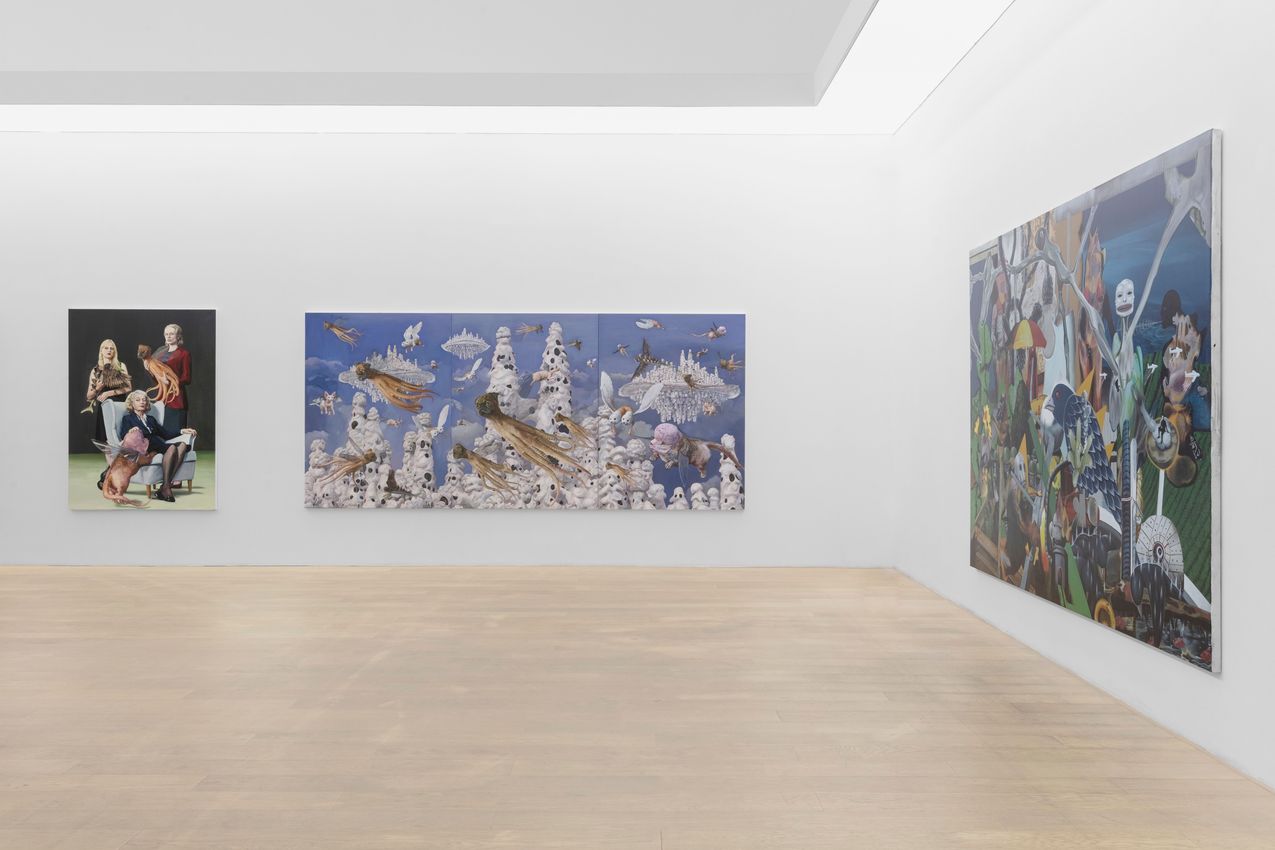
Tang Contemporary Art is pleased to announce the international group exhibition Crowds Passing Through One Another, opening on May 20, 2026 at 4:00 PM at its Beijing 1st Space. Curated by Han Yali, the exhibition brings 40 works by 23 artists from diverse cultural backgrounds across the globe.
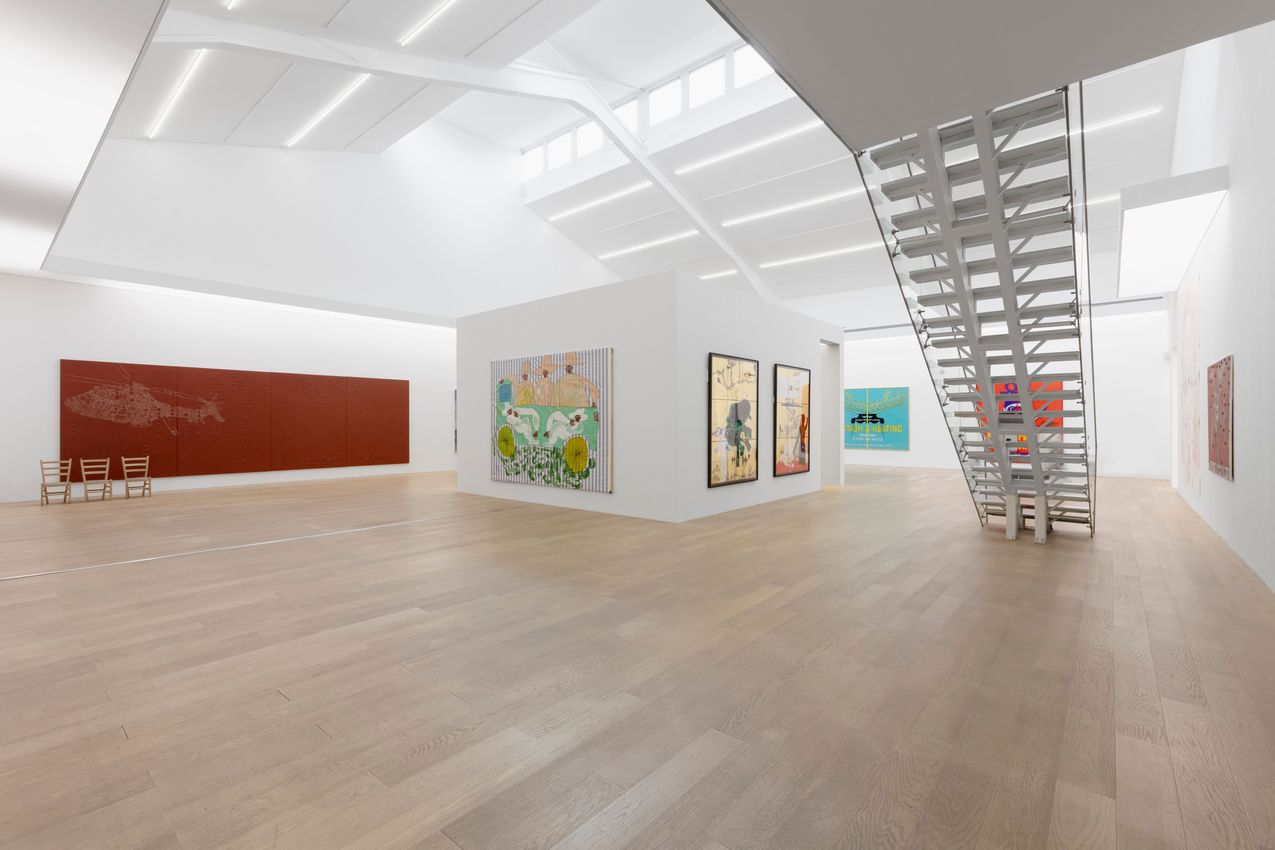
Perhaps the world is composed not of nations, borders, languages, or history, but of countless moments in which we pass through one another—fleeting gazes, mistranslations, conversations left unfinished, chance encounters, or points of light flickering to life on distant screens. Like subterranean rivers, they converge beneath the surface of the visible. We imagine ourselves inhabiting a stable reality; in truth, we move perpetually through a labyrinth of mutable landscapes.
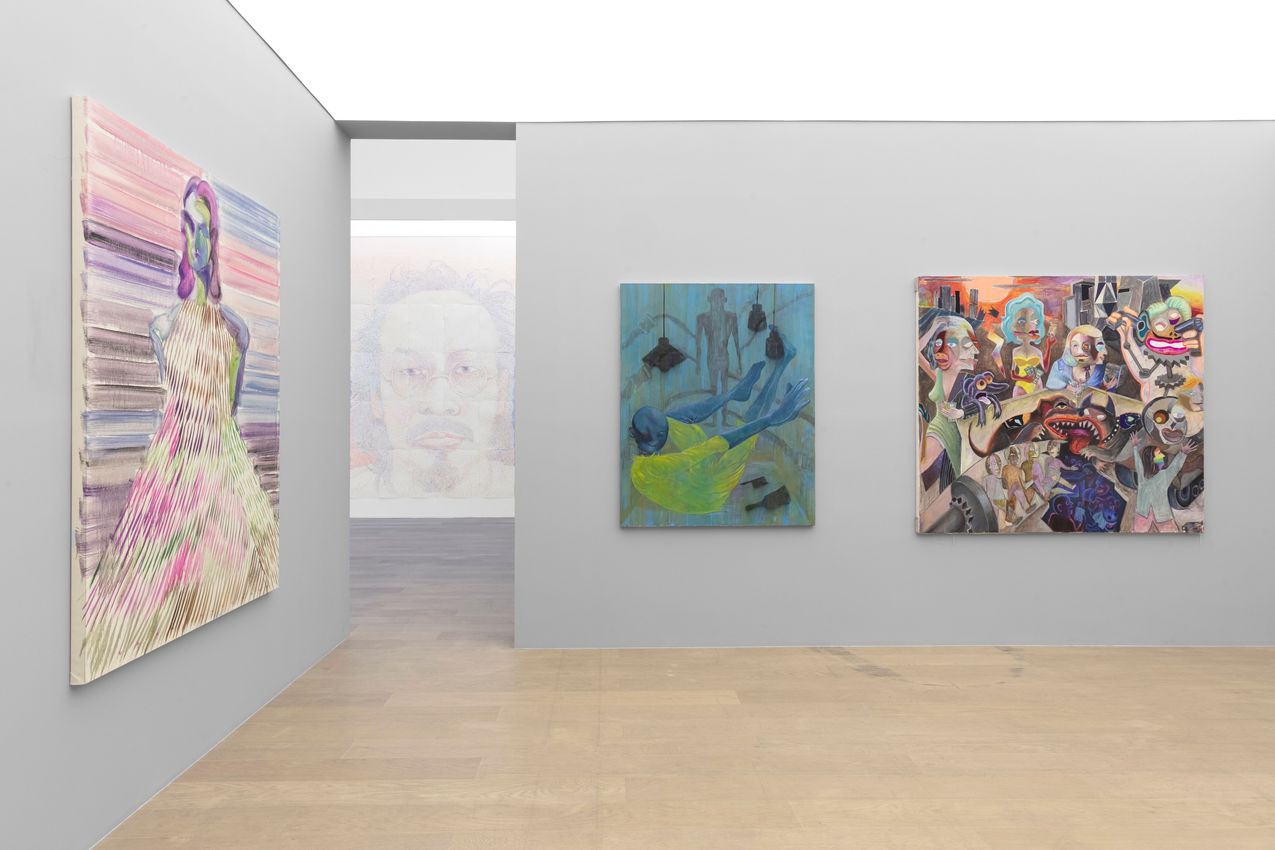
The exhibition “Crowds Passing Through One Another” brings together twenty-three artists from across the world. Each, working in their own visual language, has helped construct a labyrinth of images. There is no single point of entry; every pause marks the beginning of a new path. Interwoven and mutually dependent, the works cohere into a fluid spatial field: the oneiric dreamscapes of Apichatpong Weerasethakul, the mythological narratives of Rodel Tapaya, the digital allegories fabricated by AES+F, Etsu Egami’s paintings on the dislocation of language, Gongkan’s bodies that traverse and vanish, H. H. Lim’s sustained inscription of migratory experience, and the social memories of Southeast Asia borne in the works of Mit Jai Inn, Sakarin Krue-On, and Jarupatcha Achacasmith. Within this field, the real and the virtual, body and language, local experience and global visuality, ethnic mythology and urban memory continually penetrate and misread one another. Images are no longer mere objects of spectatorship; they have become media in constant flux, moving between crowds while slowly multiplying within them.
In a sense, this is not an exhibition of “works” so much as an exhibition of “passage.”
People pass through images, and images pass through people.
In the work of Kaito Itsuki, one discerns the trace of a soul that has lingered on; in the hybrid images and narratives of Armin Boehm and Vasan Sitthiket, one hears echoes of ancient languages that have not yet faded. In the landscapes staged by Kitti Narod, Woo Kukwon, and Yoon Hyup, the covert and intricate armature of the modern city slowly reveals itself. And in the near-autobiographical tableaux of Studio Lenca, Lucas Kaiser, and Frida Wannerberger—figures and scenes that seem projected from the self—one becomes aware of something quietly radiating from within. These images are like archipelagos adrift on the ocean: now drawing close, now drifting apart. Through their continual crossings, overlaps, and displacements, they produce a faint yet persistent resonance with the contemporary world.
These artists hail from diverse cultural backgrounds, and their artistic languages retain the particular visual experiences, psychological structures, social memories, and perceptual modes native to each. Where these elements overlap and interpenetrate, they continually generate subtle yet complex deviations. It is precisely for this reason that the exhibition does not aspire to a stable, unified act of viewing; instead, through continual refraction, displacement, and misreading, it gradually undoes its own original structures of meaning. Every viewer who moves through it is thus invited to draw upon personal experience, memory, and perception, and to discover, within the images, a translation of their own.
The works in this exhibition resist easy categorization. They drift between local experience and global visuality, preserving the intricate historical structures embedded in their respective cultures even as they are continually rewritten by new relations of viewing. In the work of Entang Wiharso, body, desire, and power remain in tight entanglement; Adel Abdessemed constructs allegories of violence in vivid red; Marinella Senatore assembles visual energies of collective action through collage; while Lin Yin Ting and Diren Lee render the minute textures of individual experience.
Thus, “passing through” emerges as a condition of fundamental importance.
It is not arrival, possession, or understanding, but a fleeting convergence—like the flow of bodies through a subway, like languages endlessly modulating in an airport terminal, like message windows flickering on late-night screens, or like a single line from a film that suddenly takes on new meaning in a particular setting. People pass through one another and become, in each other’s worlds, translations; and every translation, in turn, continues its infinite passage through the crowd.


Tang Contemporary Art was established in 1997 in Bangkok, later establishing galleries in Beijing and most recently Hong Kong. Tang Contemporary Art is fully committed to producing critical projects and exhibitions to promote Contemporary Chinese art regionally and worldwide and encourage a dynamic exchange between Chinese artists and those abroad.

A respected voice in contemporary art discourse.
Focusing on ambitious storytelling and insightful art-world commentary. Ocula Magazine publishes in-depth interviews, critical essays and timely analysis on the artists, exhibitions and ideas driving the global art world.
Learn more about Ocula Magazine
Showcasing the best of the art world.
Ocula partners with galleries from around the world to highlight their artists, artworks and exhibitions. Gallery membership is by application and invitation, with each member vetted by an independent panel.
Learn more about Ocula Membership
Specialises in the sale of major artworks.
Led by a team with deep ties to the world’s leading auction houses, galleries and collectors. Ocula’s advisory team offers bespoke services to high-net-worth clients from around the world who are looking to acquire the best of contemporary and modern art.
Learn more about our team and services