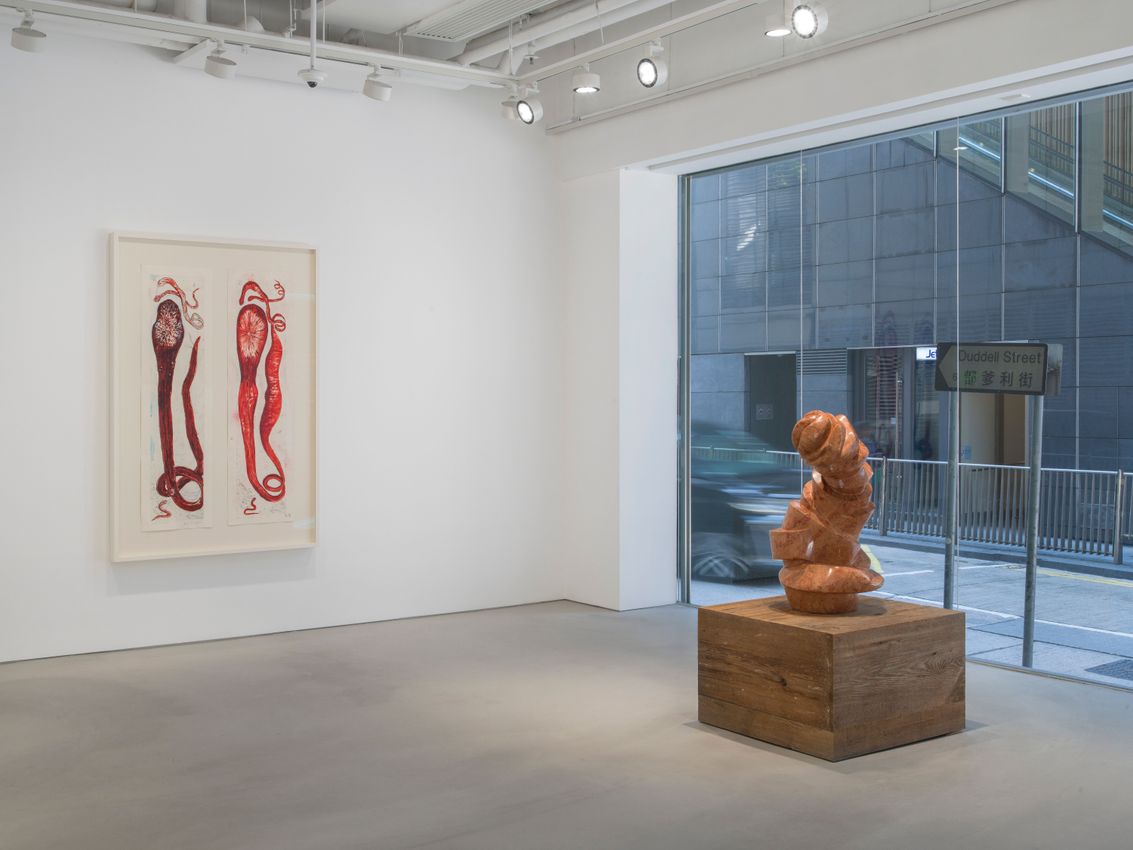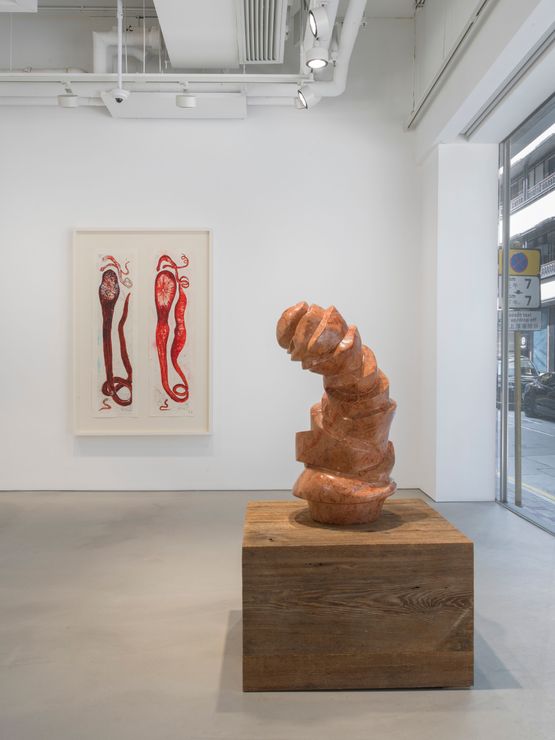
Widely recognized as one of the most important and influential artists of the past century, French-American artist Louise Bourgeois’s work expresses a variety of emotions through a visual vocabulary of formal and symbolic equivalents, ranging from intimate drawings to large-scale installations. Opening on 25 March, Louise Bourgeois. Soft Landscape explores the dynamic relationship between landscape and the human body in Bourgeois’s work.Curated by Philip Larratt-Smith, this is her second show at Hauser & Wirth Hong Kong, and coincides with the ongoing tour of a major survey exhibition organized by the Mori Art Museum, Tokyo, which will be on view at the Fubon Art Museum, Taipei, from 15 March to 30 June 2025.
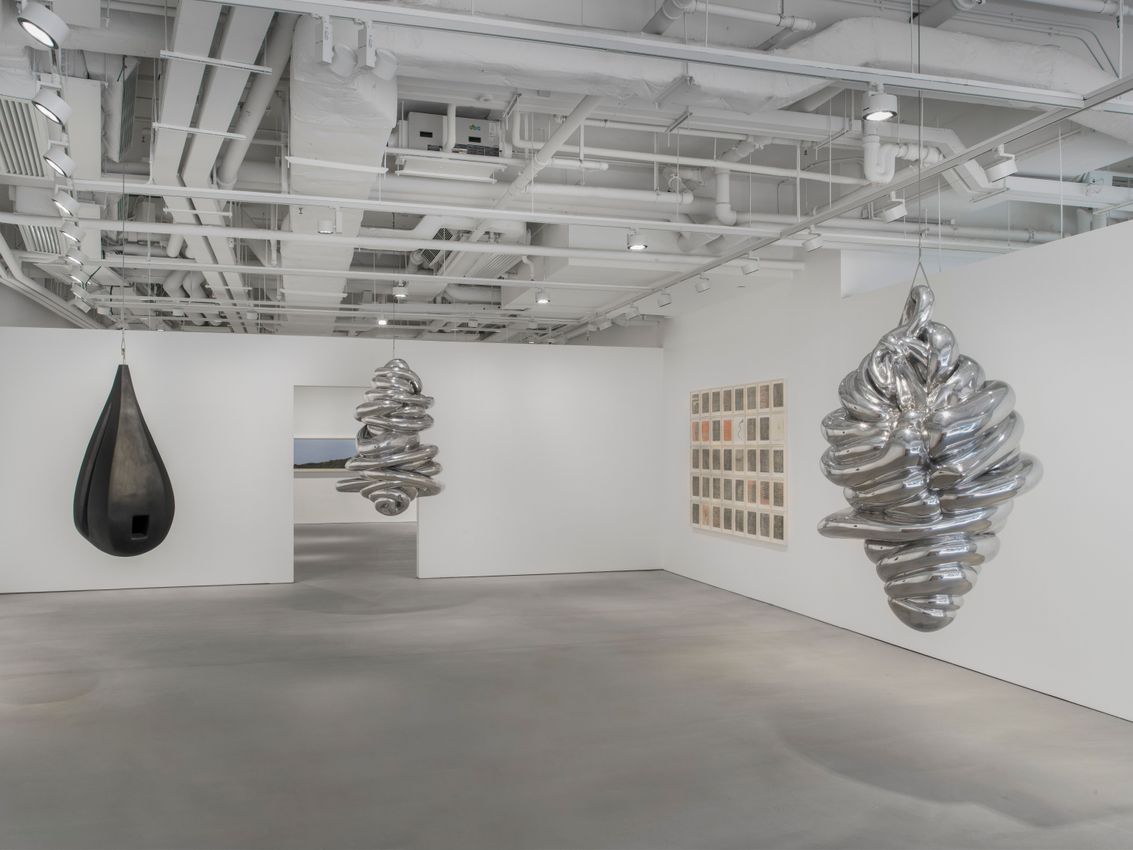
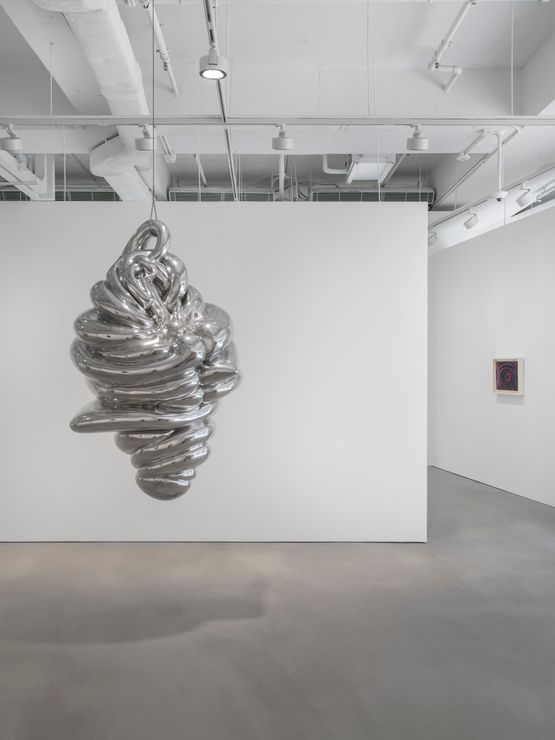
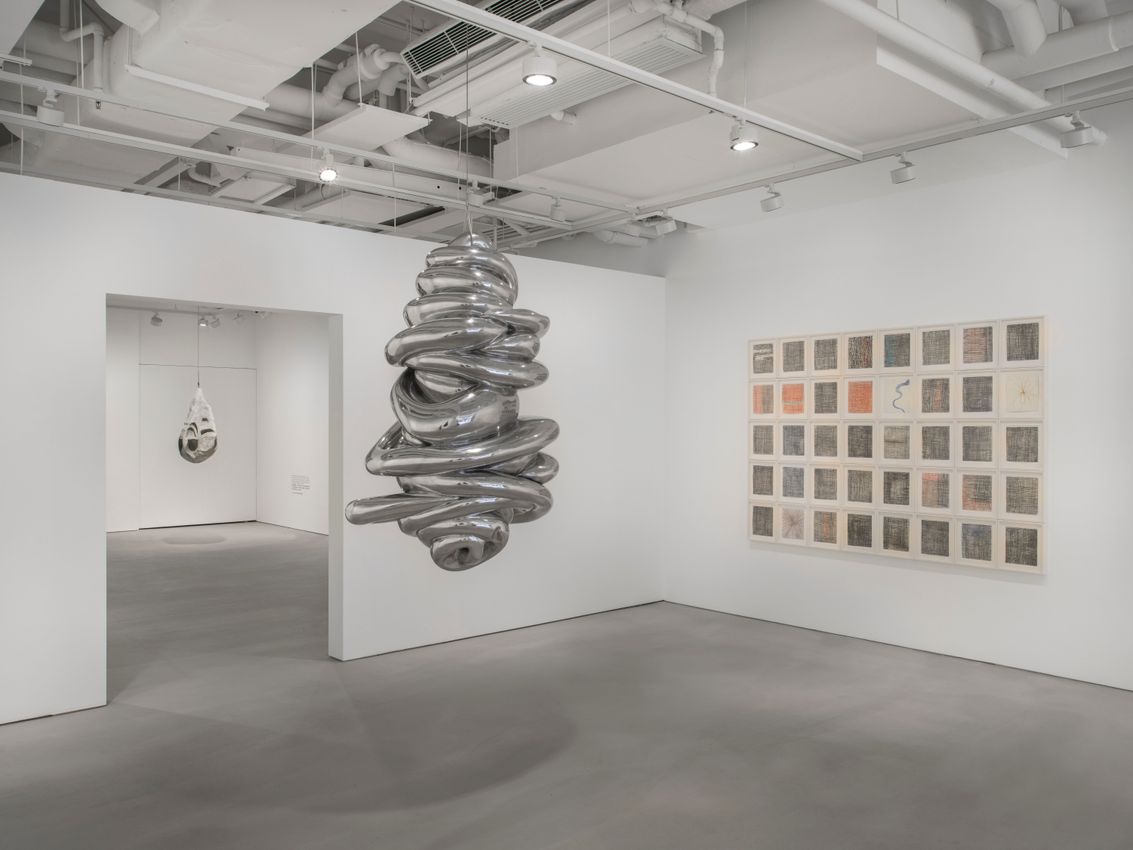
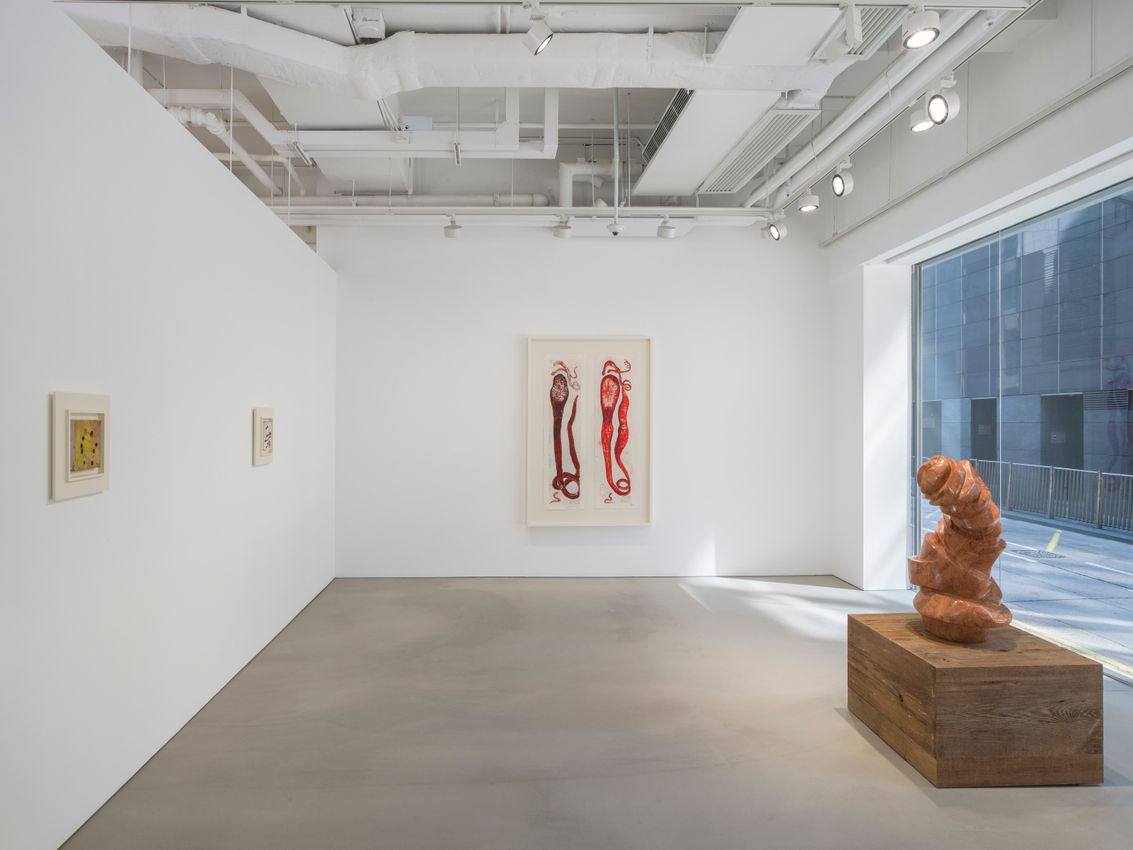
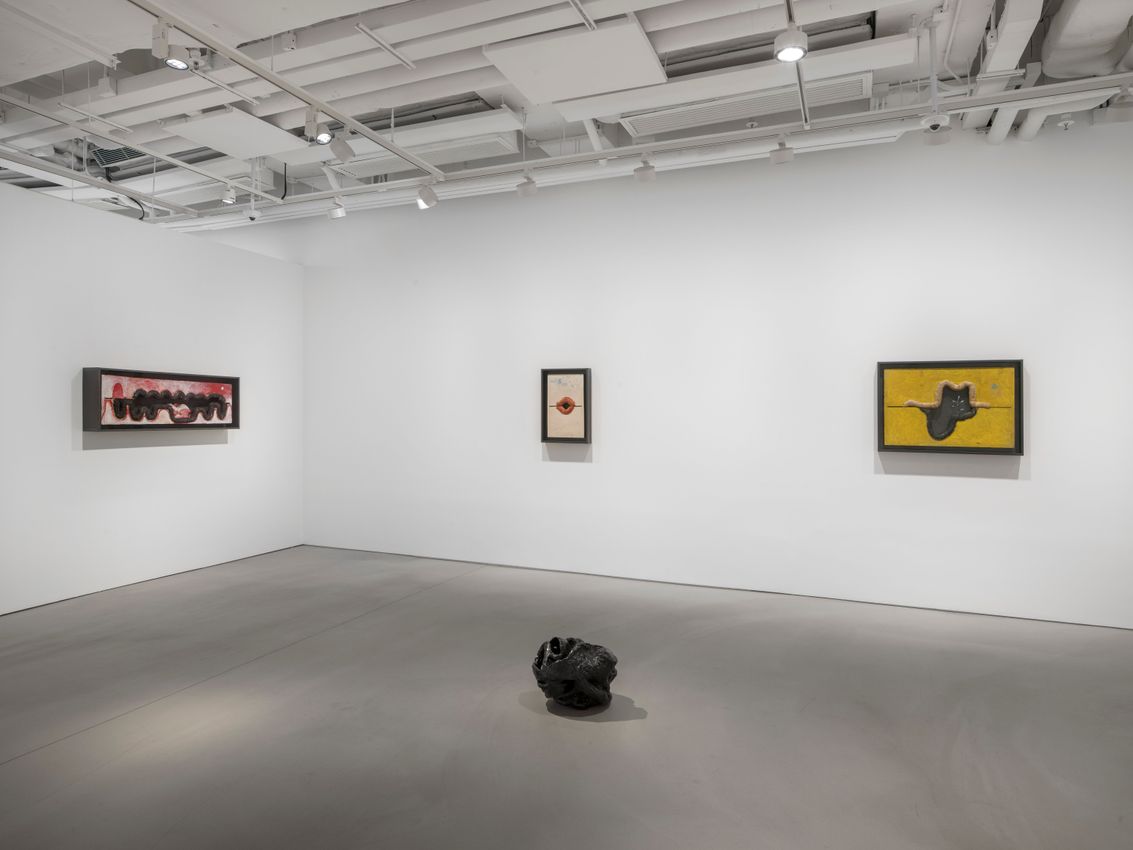
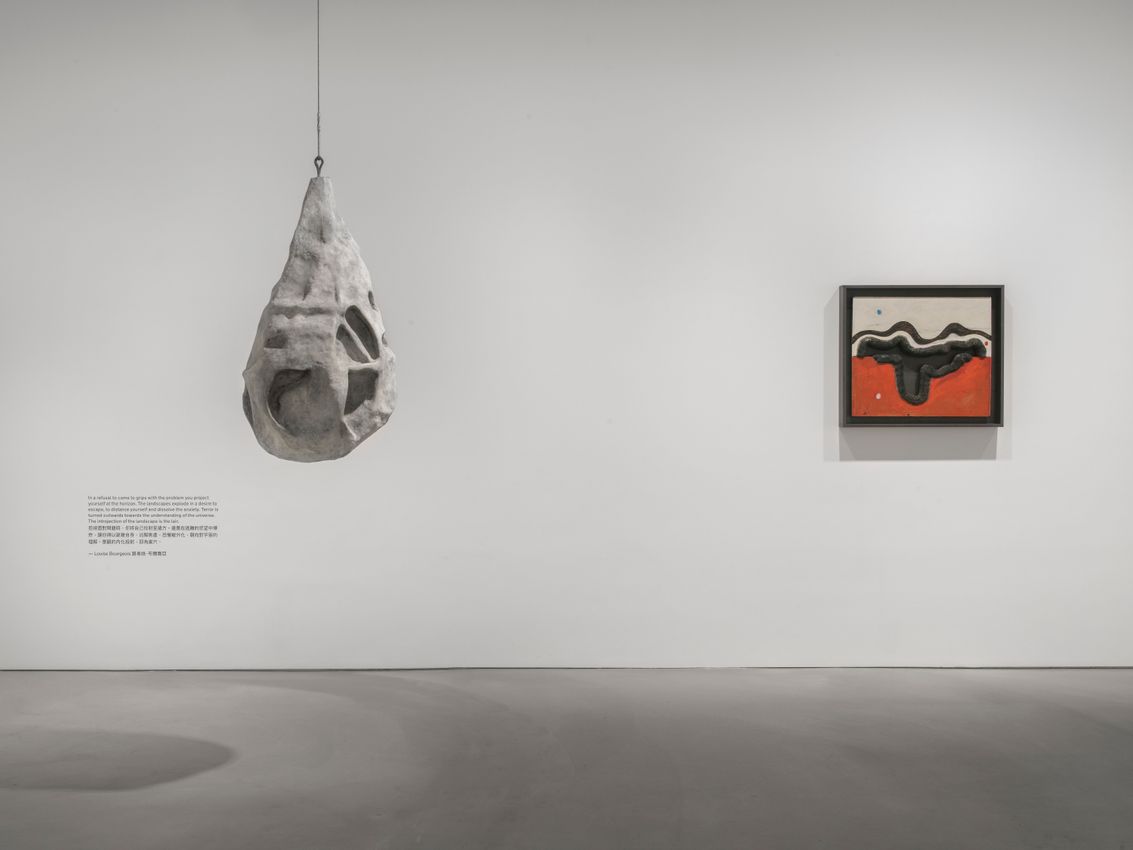
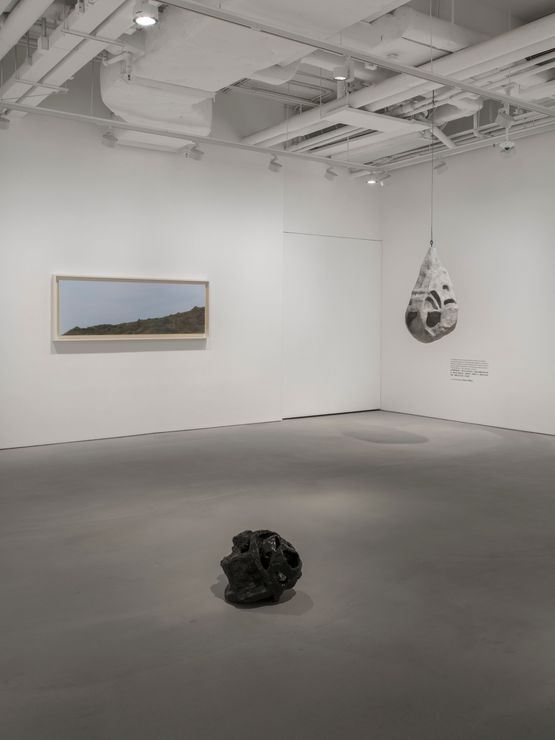
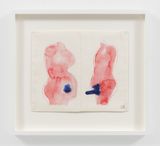
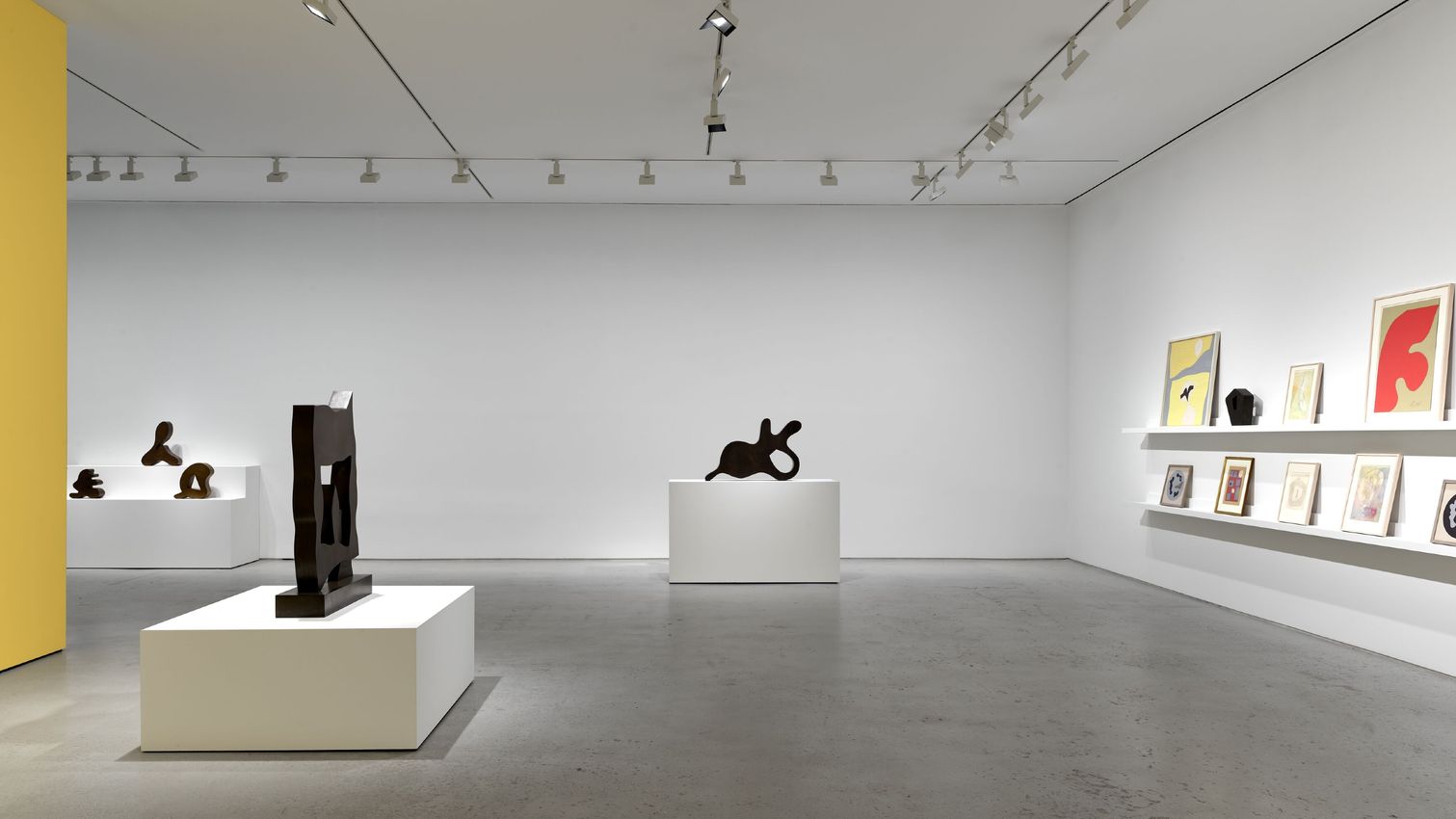
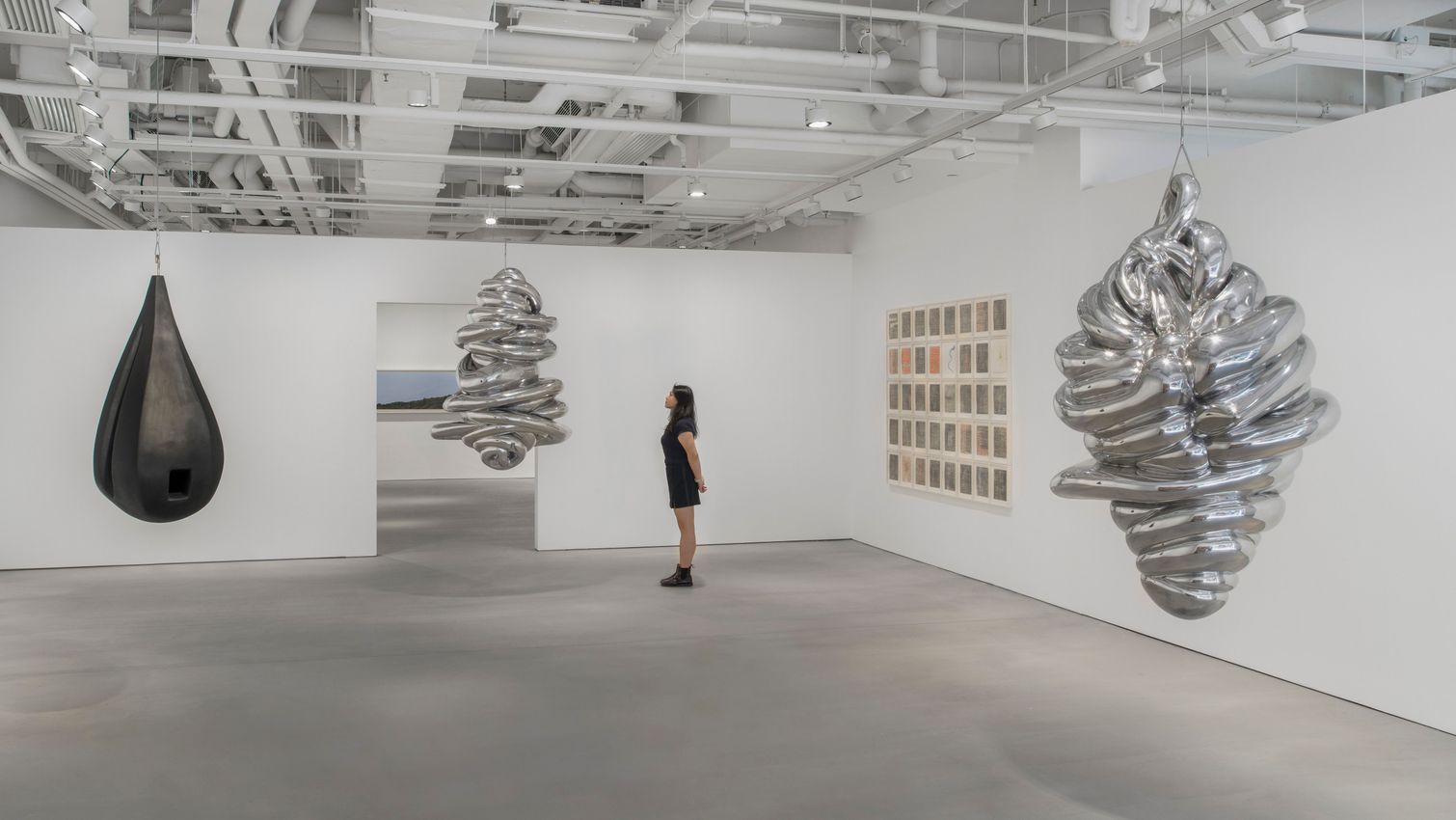
Consisting of a selection of works from the 1960s up until her death in 2010, ‘Louise Bourgeois. Soft Landscape’ sets up a series of five interlocking dialogues that revolve around an iconography of nests, holes, cavities, mounds, breasts, spirals, snakes and water. This imagery corresponds to the themes and preoccupations that Bourgeois explored over the course of her career: the good mother, fecundity and growth, retreat and protection, vulnerability and dependency, and the passage of time. Her forms are expressed using such diverse materials as bronze, rubber, lead, aluminium, wood and marble. The exhibition foregrounds certain formal devices developed by Bourgeois, such as the hanging form, the spiral and the relief. As always in her work, there is an oscillation between abstraction and figuration.
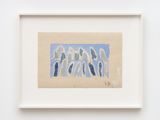
A pair of late works on paper similarly express the passage of time through flowing calligraphic gestures on music paper that hover between an abstracted landscape and wave-like forms.
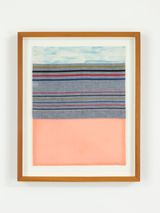
‘Time’ (2004) belongs to a series of suites of double-sided drawings which Bourgeois made in 2003-04. The repetitive mark-making has a meditative quality, and perhaps exerted a calming effect on the artist. The richness emerges in the slight inflections and differences in line and texture among the sheets (there is an affinity to weaving), and the occasional appearance of words, names and phrases that seem to surface from the unconscious. ‘Time’ (2004) has a diaristic quality, as if the artist’s pen were an instrument for registering the most minute shifts in the artist’s thought and mood.
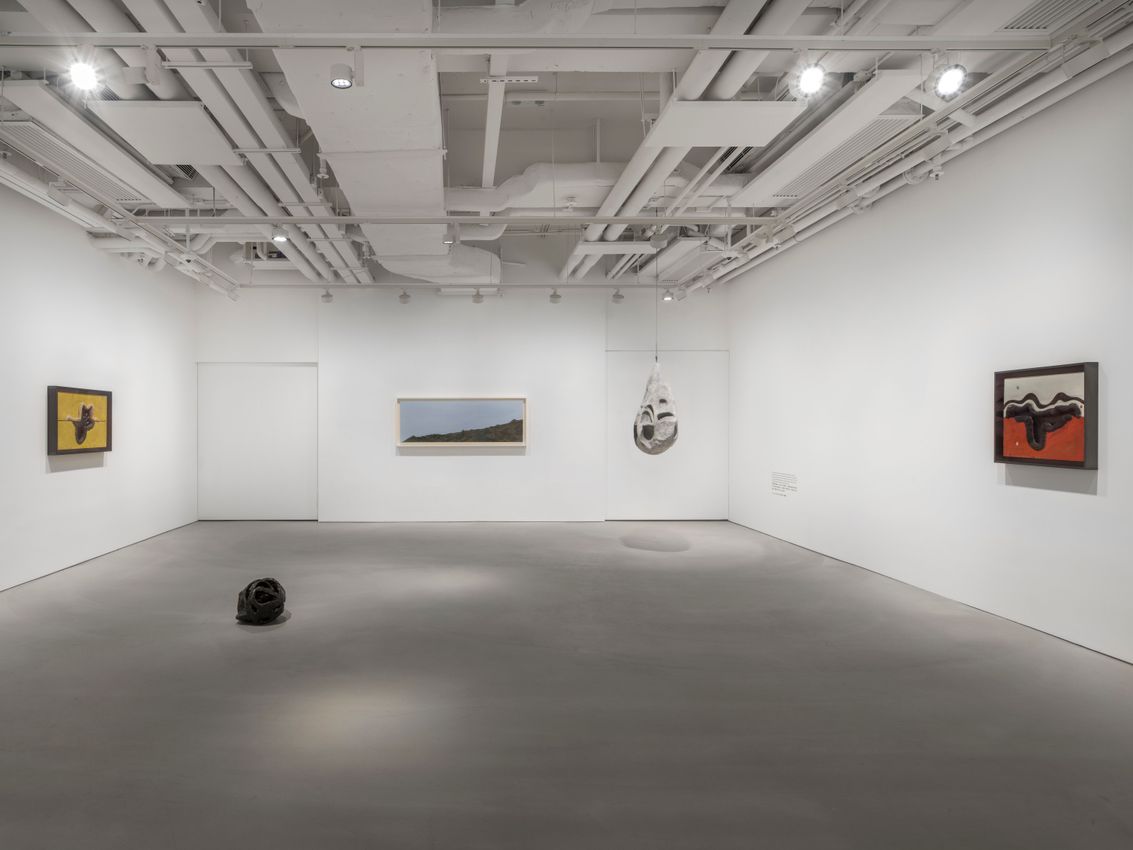
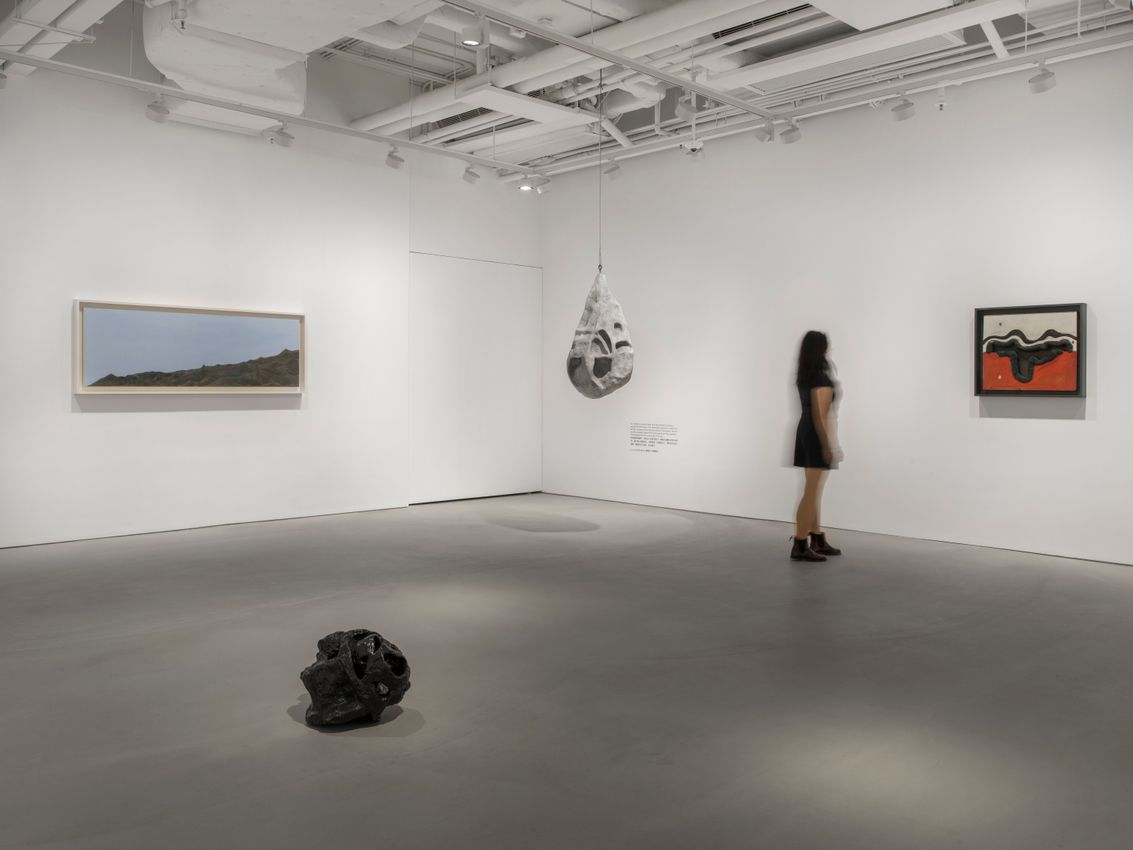
On view throughout the exhibition space are works from Bourgeois’s Lair series, first created by the artist in the early 1960s as she emerged from a deep depression and a long immersion in psychoanalysis, which all but replaced her artmaking for the better part of a decade. The Lair sculptures are protective places of retreat, like a home, and convey a mood of interiority, introspection and withdrawal.
Making its debut in Asia, the sculpture ‘Spider’ (2000) was loosely inspired by an ostrich egg given to the artist. The large scale of the egg, relative to the spider that it contains, expresses the burdensome responsibilities of motherhood. Bourgeois’s iconic spiders were conceived as an ode to her mother, yet the spider is also a self-portrait; Bourgeois felt that her art came directly from her body, just as a spider spins its own web.
A number of works that have never been exhibited before are on view in this exhibition. In one gallery, four wall reliefs of painted wood merge landscape and biomorphic form. Bourgeois fashioned these reliefs out of the interiors of old crates once used to transport her Personage sculptures. The way she put these wooden pieces together created a central opening that she would sometimes populate with internal elements. The metal frames that house these reliefs serve to make them feel more sculptural and object-like. This series of painted landscape reliefs is complemented by a long horizontal scratchboard landscape. Here the mark making is achieved through patiently scratching the dark-painted surface to make a delicate white line. The resulting image is a portrait of isolation, of a world without other people.
Also exhibited for the first time is the bronze fountain ‘Mamelles’ (1991 [cast 2005]), which consists of a long frieze of multiple breast-like forms, with water spilling from five of the nipples into a basin below. Bourgeois – who liked seeing how different materials could alter the meaning of her forms – also realized this sculpture in marble and pink rubber. The endless flow and splashing of the water symbolize the passage of time, but it also represents the good mother who provides nourishment for her children.
A pair of late works on paper similarly express the passage of time through flowing calligraphic gestures on music paper that hover between an abstracted landscape and wave-like forms.
‘Time’ (2004) belongs to a series of suites of double-sided drawings which Bourgeois made in 2003-04. The repetitive mark-making has a meditative quality, and perhaps exerted a calming effect on the artist. The richness emerges in the slight inflections and differences in line and texture among the sheets (there is an affinity to weaving), and the occasional appearance of words, names and phrases that seem to surface from the unconscious. ‘Time’ (2004) has a diaristic quality, as if the artist’s pen were an instrument for registering the most minute shifts in the artist’s thought and mood.


Born in France in 1911, and working in America from 1938 until her death in 2010, Louise Bourgeois is recognised as one of the most important and influential artists of the twentieth century. For over seven decades, Bourgeois’s creative process was fuelled by an introspective reality, often rooted in cathartic re-visitations of early childhood trauma and frank examinations of female sexuality. Articulated by recurrent motifs (including body parts, houses and spiders), personal symbolism and psychological release, the conceptual and stylistic complexity of Bourgeois’s oeuvre–employing a variety of genres, media and materials–plays upon the powers of association, memory, fantasy, and fear.


Hauser & Wirth was founded in 1992 in Zurich by Iwan Wirth, Manuela Wirth and Ursula Hauser, who were joined in 2000 by Partner and Vice President Marc Payot. A family business with a global outlook, Hauser & Wirth has expanded over the past 26 years to include outposts in Hong Kong, London, New York, Los Angeles, Somerset and Gstaad. The gallery represents over 70 artists and estates who have been instrumental in shaping its identity over the past quarter century, and who are the inspiration for Hauser & Wirth’s diverse range of activities that engage with art, education, conservation and sustainability.
A respected voice in contemporary art discourse.
Focusing on ambitious storytelling and insightful art-world commentary. Ocula Magazine publishes in-depth interviews, critical essays and timely analysis on the artists, exhibitions and ideas driving the global art world.
Learn more about Ocula Magazine
Showcasing the best of the art world.
Ocula partners with galleries from around the world to highlight their artists, artworks and exhibitions. Gallery membership is by application and invitation, with each member vetted by an independent panel.
Learn more about Ocula Membership

Specialises in the sale of major artworks.
Led by a team with deep ties to the world’s leading auction houses, galleries and collectors. Ocula’s advisory team offers bespoke services to high-net-worth clients from around the world who are looking to acquire the best of contemporary and modern art.
Learn more about our team and services