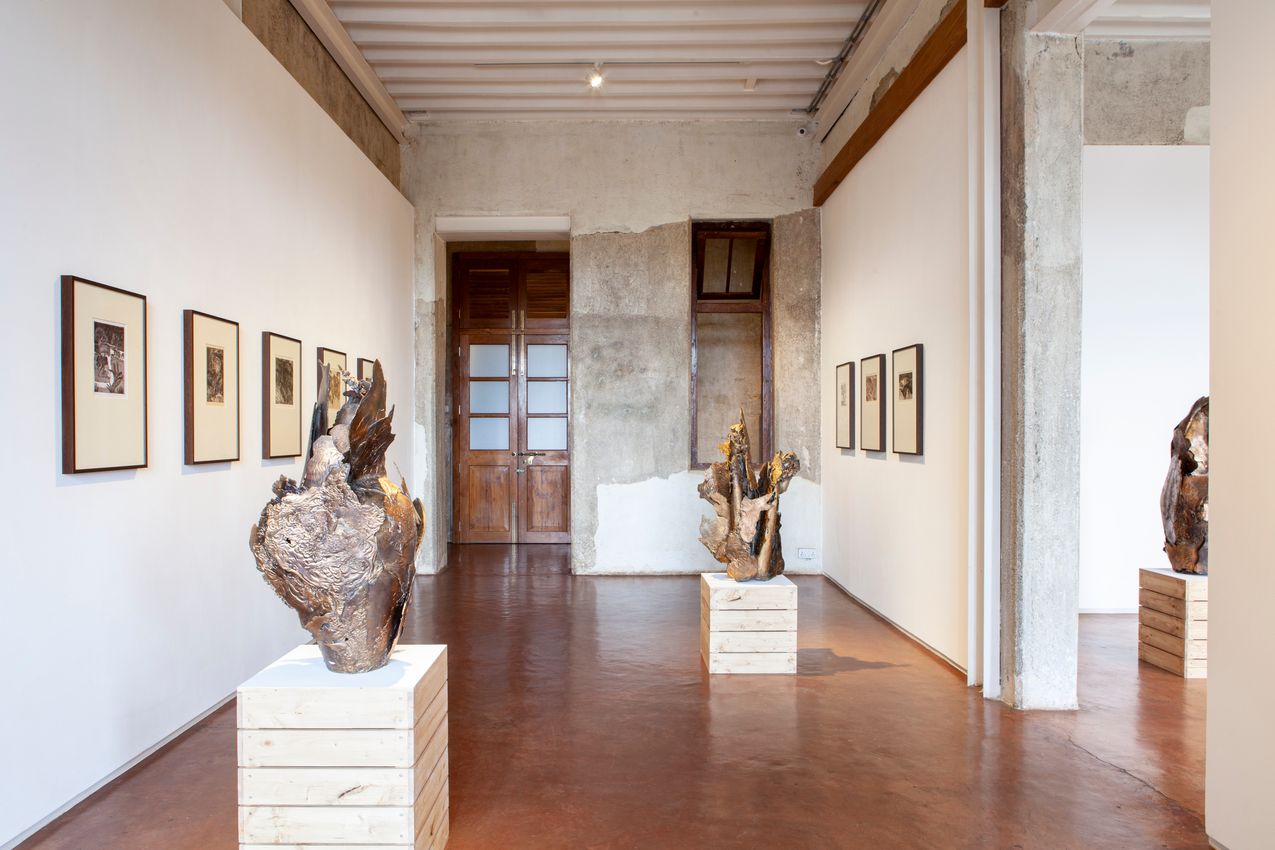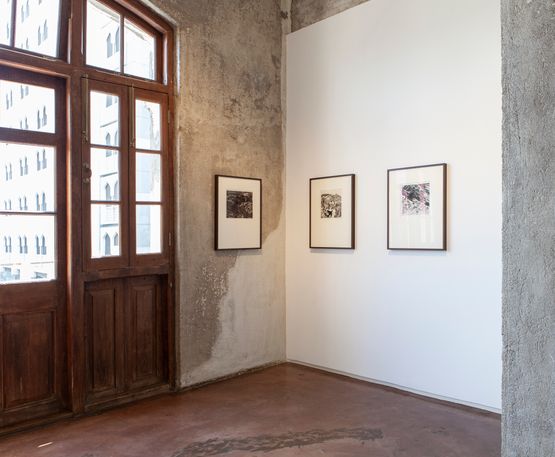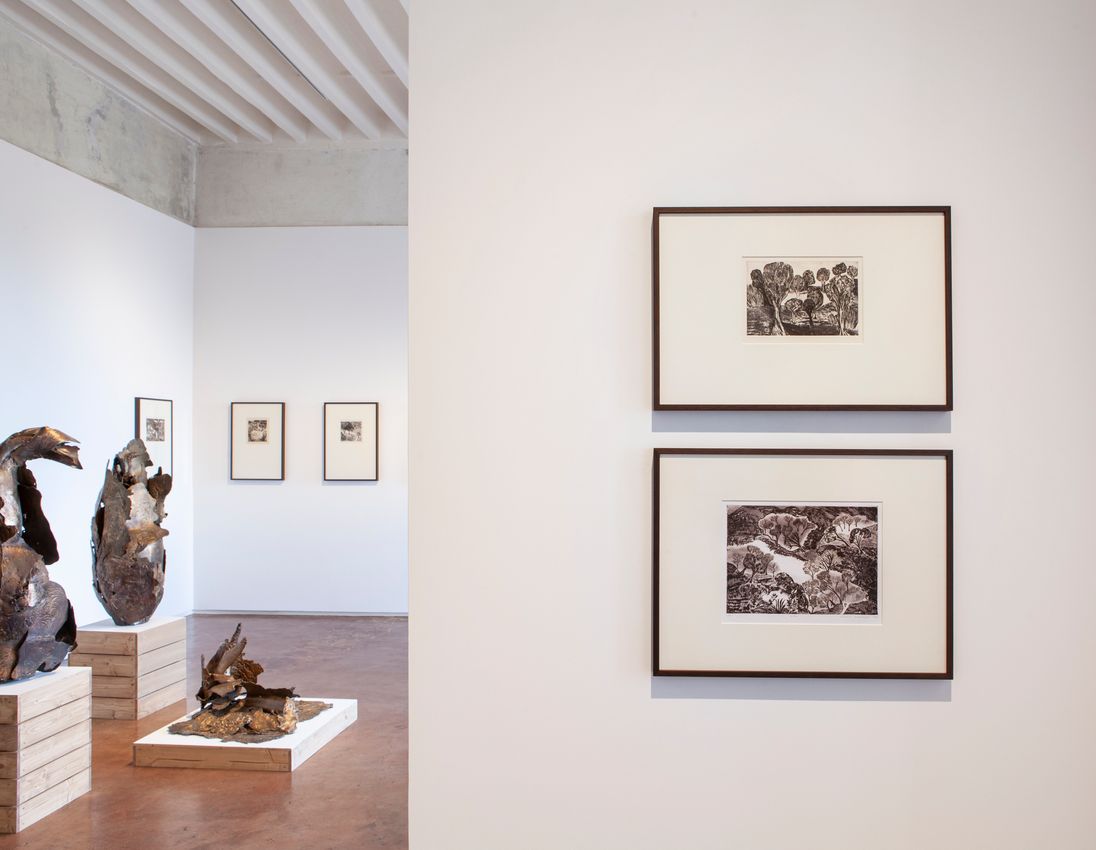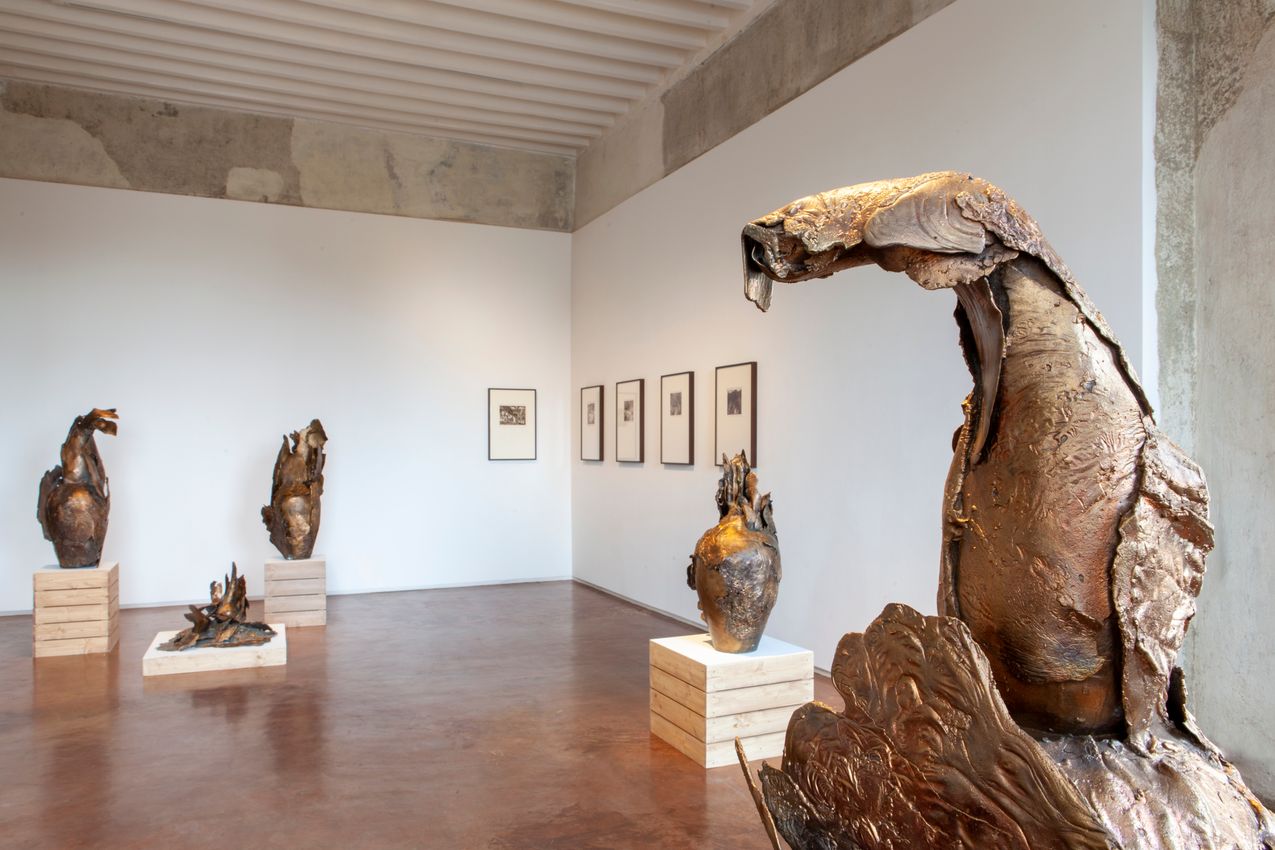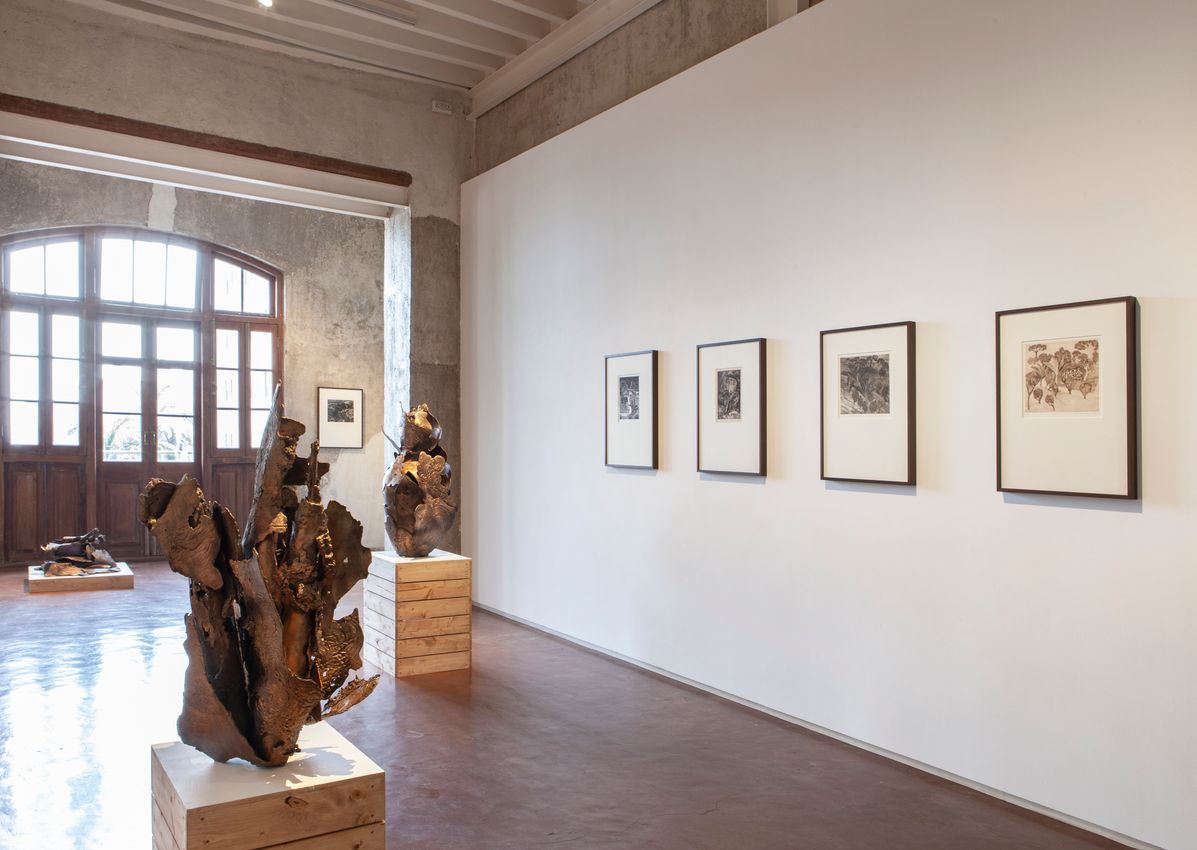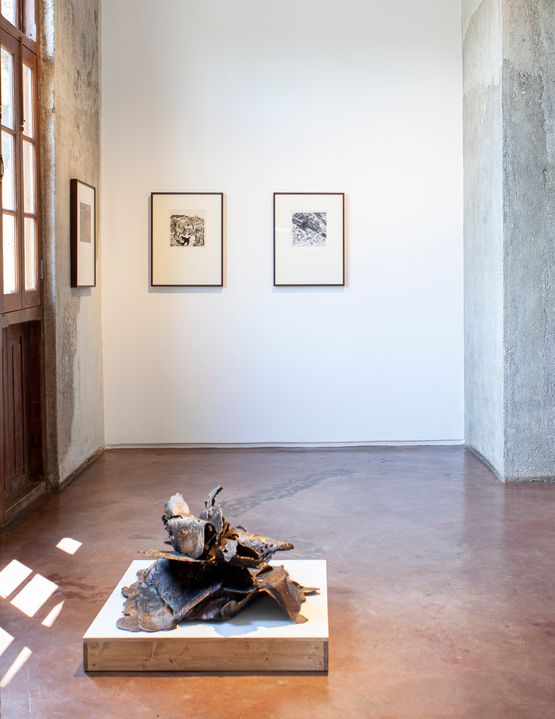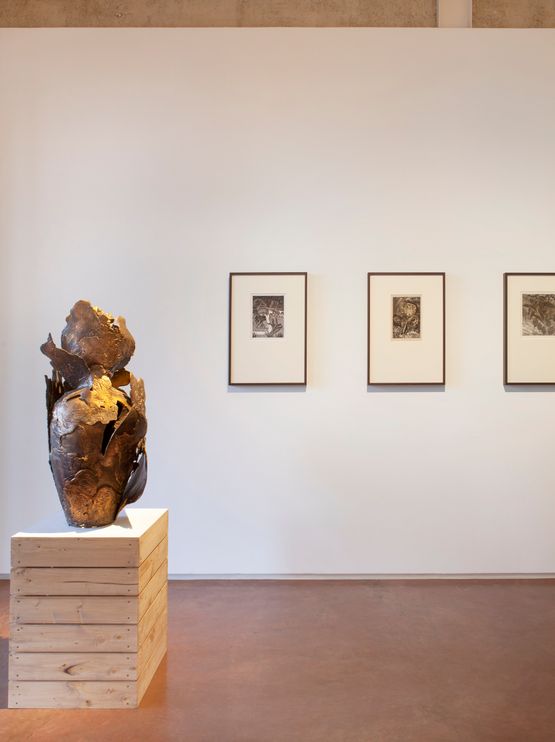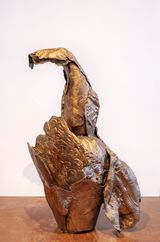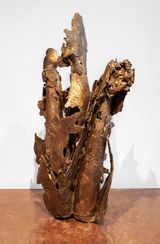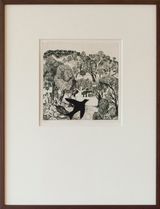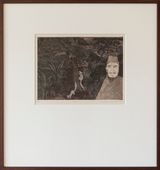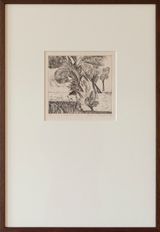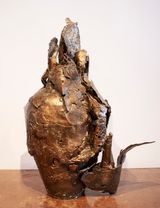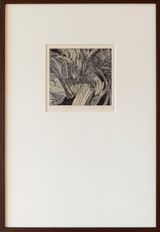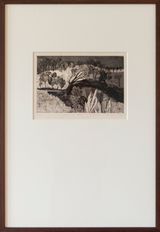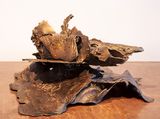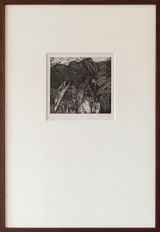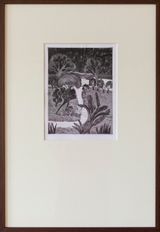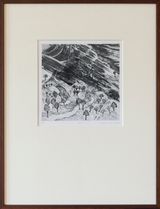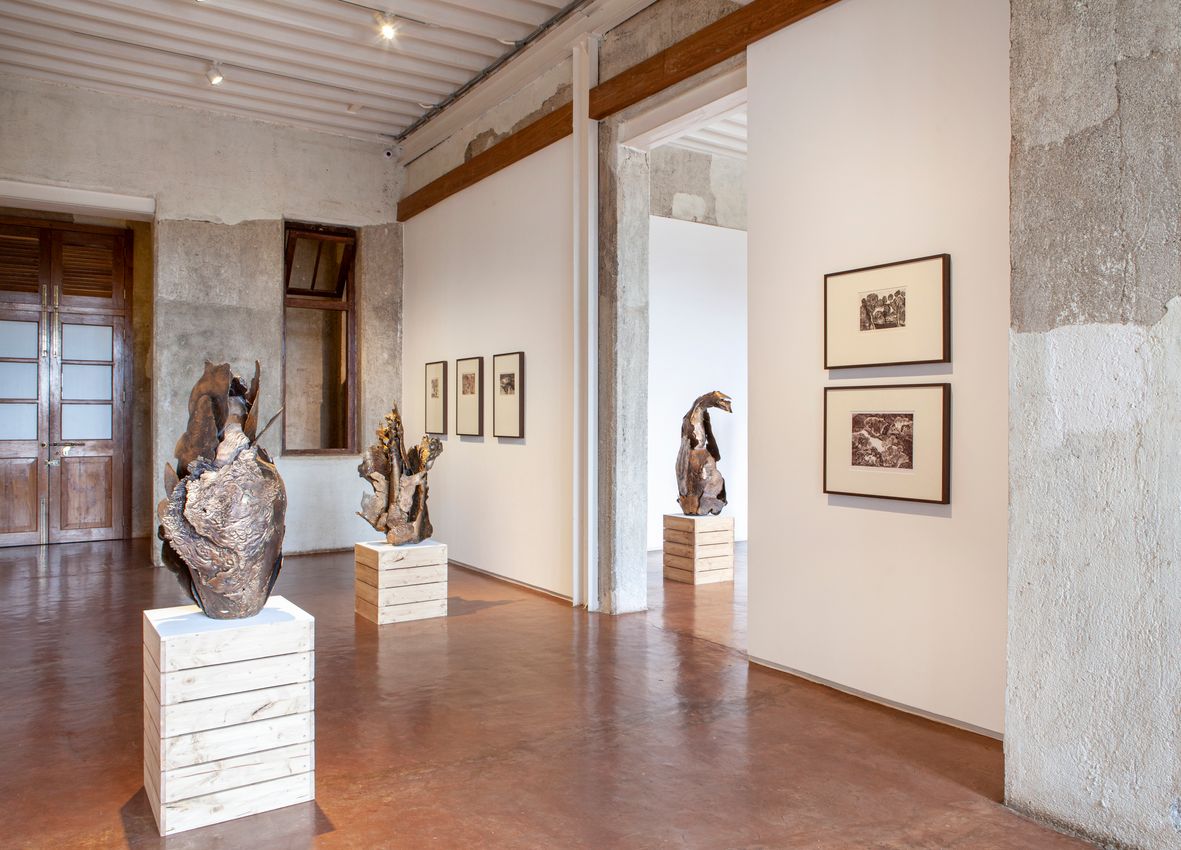
Jhaveri Contemporary is very proud to present Bagh, an exhibition of bronze sculptures and etchings by Mrinalini Mukherjee (b. 1949 Bombay—d. 2015, New Delhi), India’s pre-eminent sculptor of the post-Independence era. On view at the gallery for four weeks, the works in this display will subsequently be shown at Art Basel, Basel in June, marking the gallery’s first participation at the leading art fair.
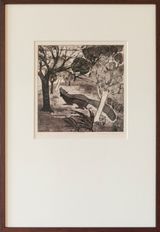
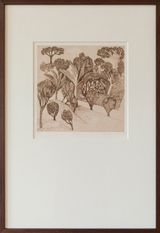
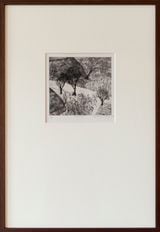
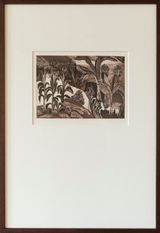
Mukherjee was a singular figure—an iconoclast—whose practice stood apart from the dominant commitments of figurative painting in India. Her work displays a continued interest in reworking traditional sculptural materials, while dismantling the ways in which art, craft, and modernism are discussed and appreciated both within and outside India. Celebrated for her labour-intensive sculptures made with hemp, which could take her the better part of a year to complete, Mukherjee would experiment with works on paper to keep her hands nimble1. She painted landscapes using watercolour and took advantage of the printmaking facilities at Garhi studios (in New Delhi) where master printmakers like Krishna Reddy held workshops. With titles such as Moon-Lit Walk, Midnight Lily, Rain, and Storm, these wonderfully delicate and detailed works, made between the late 70s and early 80s, take the natural environment as their main subject. “The primary inspiration has been and still is nature,” Mukherjee has said. “Nothing else can furnish my imagination in the same way.”
Mukherjee’s etchings were unknown until more recently, when they were shown at the Kochi-Muziris Biennale for the first time in 2018. A group of etchings is also currently on view at Kiran Nadar Museum of Art in New Delhi.
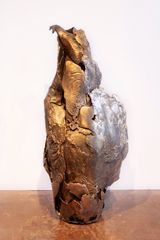
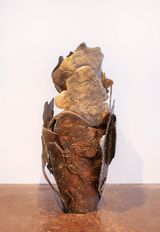
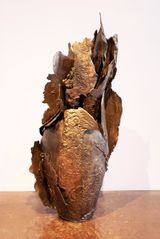
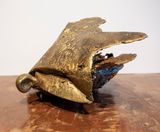
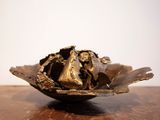
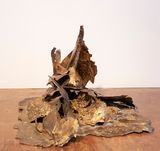
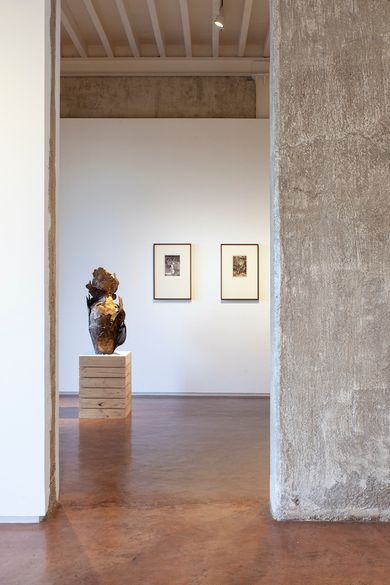
After a sustained period of working with dyed and woven fibre and a brief period experimenting with ceramic, in 2001 Mukherjee turned her attention to bronze. Here, she committed herself to the traditional lost-wax technique, initially moulding directly in wax, and using foraged tools from a neighbourhood dental practice to finish the surface of her cast forms. Included in this exhibition are eight sculptures made between 2006 and 2008, six of which were recently exhibited at the Met Breuer in New York as part of the retrospective exhibition, Phenomenal Nature: Mrinalini Mukherjee. Bearing titles such as Outcrop, Cluster, and Matrix, these organic forms seem to belong to a prehistoric past - they are mysterious, sensual, and often unsettlingly grotesque.
Mukherjee’s etchings and bronze sculptures are presented together for the first time in a dialogue that probes the divide between figuration and abstraction in the artist’s work. Unlike her work in fibre and clay, the bronzes never assumed a figural aspect, likely because of the unexpected transmogrifications in the process of their making. Mukherjee’s etchings are also far from realistic, with a naïvete and charm that refers back to folk art, children’s books, and the work of her contemporaries, for instance Bhupen Khakhar.
Mrinalini Mukherjee’s work has been the subject of two major retrospective exhibitions since her death in 2015: Transfigurations: The Sculpture of Mrinalini Mukherjee’ at theNational Gallery of Modern Art in New Delhi (2015), and Phenomenal Nature: Mrinalini Mukherjee at The Met Breuer, New York (2019). Her work has been included in seminal group exhibitions over this short period as well, including at the Jewish Museum, New York (2015), Camden Art Centre, London (2016), Dhaka Art Summit, Para Site Hong Kong, MoMA Warsaw (2018), and collection displays at Tate Modern and the British Museum in London. Public collections that hold Mrinalini’s work include the Museum of Modern Art, New York; The MetropolitanMuseum of Art, New York; Cleveland Museum of Art, Ohio; Tate Modern, London; The British Museum, London; Yorkshire Sculpture Park, Yorkshire; National Gallery of Modern Art and Kiran Nadar Museum of Art, New Delhi.
1Shanay Jhaveri, ‘Phenomenal Forces of Nature’ in Mrinalini Mukherjee edited by Shanay Jhaveri(Mumbai, The Shoestring Publisher, 2019), pg. 34

Working intuitively, sculptor Mrinalini Mukherjee combines elements drawn from mythology and nature to create her large-scale sculptures known for their evocation of sensuality and fecundity, and movement and vitality.

Jhaveri Contemporary was formed in 2010 by sisters Amrita and Priya with an eye towards representing artists, across generations and nationalities, whose work is informed by South Asian connections and traditions. The gallery’s dedication to original scholarship, engendered through its carefully crafted shows, is one of the many ways it distinguishes itself. Entwined with this philosophy is another guiding principle: showcasing the heterogeneous practices of long-celebrated luminaries as well as emerging talents, often in generously interrogative conversations. With a focus on mining lesser-known art histories, Jhaveri Contemporary facilitates dialogue between artists, curators and historians to add to the wider field of art. Estates served by the gallery include Mrinalini Mukherjee and Anwar Jalal Shemza.

A respected voice in contemporary art discourse.
Focusing on ambitious storytelling and insightful art-world commentary. Ocula Magazine publishes in-depth interviews, critical essays and timely analysis on the artists, exhibitions and ideas driving the global art world.
Learn more about Ocula Magazine
Showcasing the best of the art world.
Ocula partners with galleries from around the world to highlight their artists, artworks and exhibitions. Gallery membership is by application and invitation, with each member vetted by an independent panel.
Learn more about Ocula Membership

Specialises in the sale of major artworks.
Led by a team with deep ties to the world’s leading auction houses, galleries and collectors. Ocula’s advisory team offers bespoke services to high-net-worth clients from around the world who are looking to acquire the best of contemporary and modern art.
Learn more about our team and services