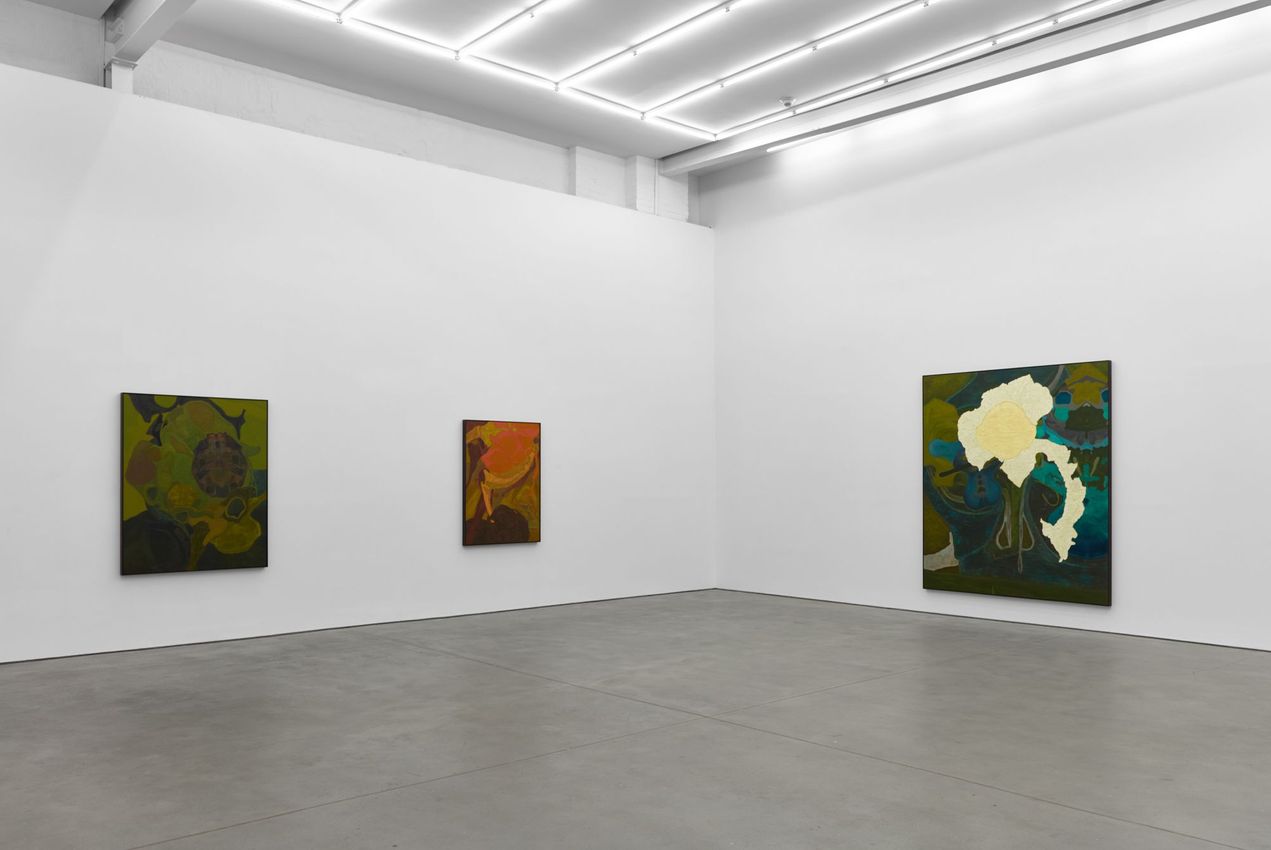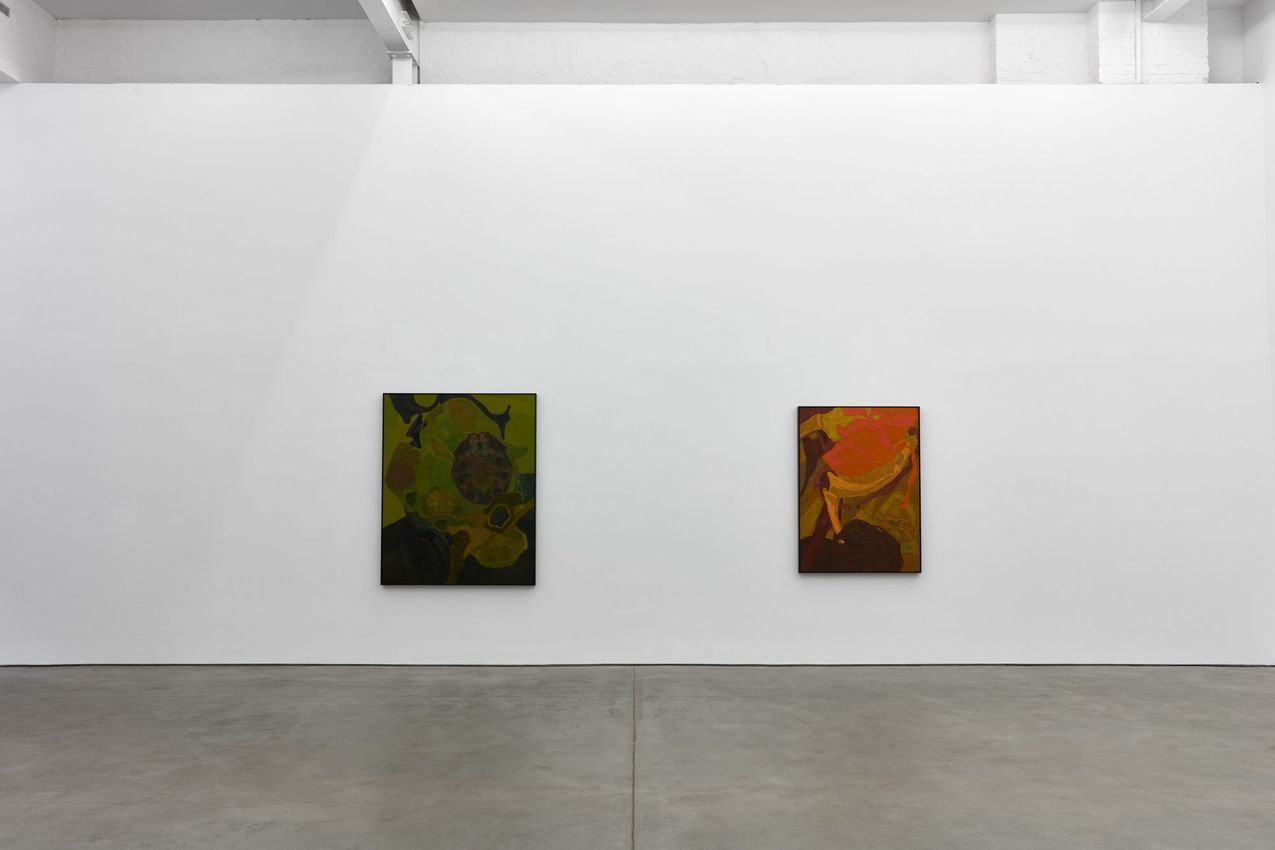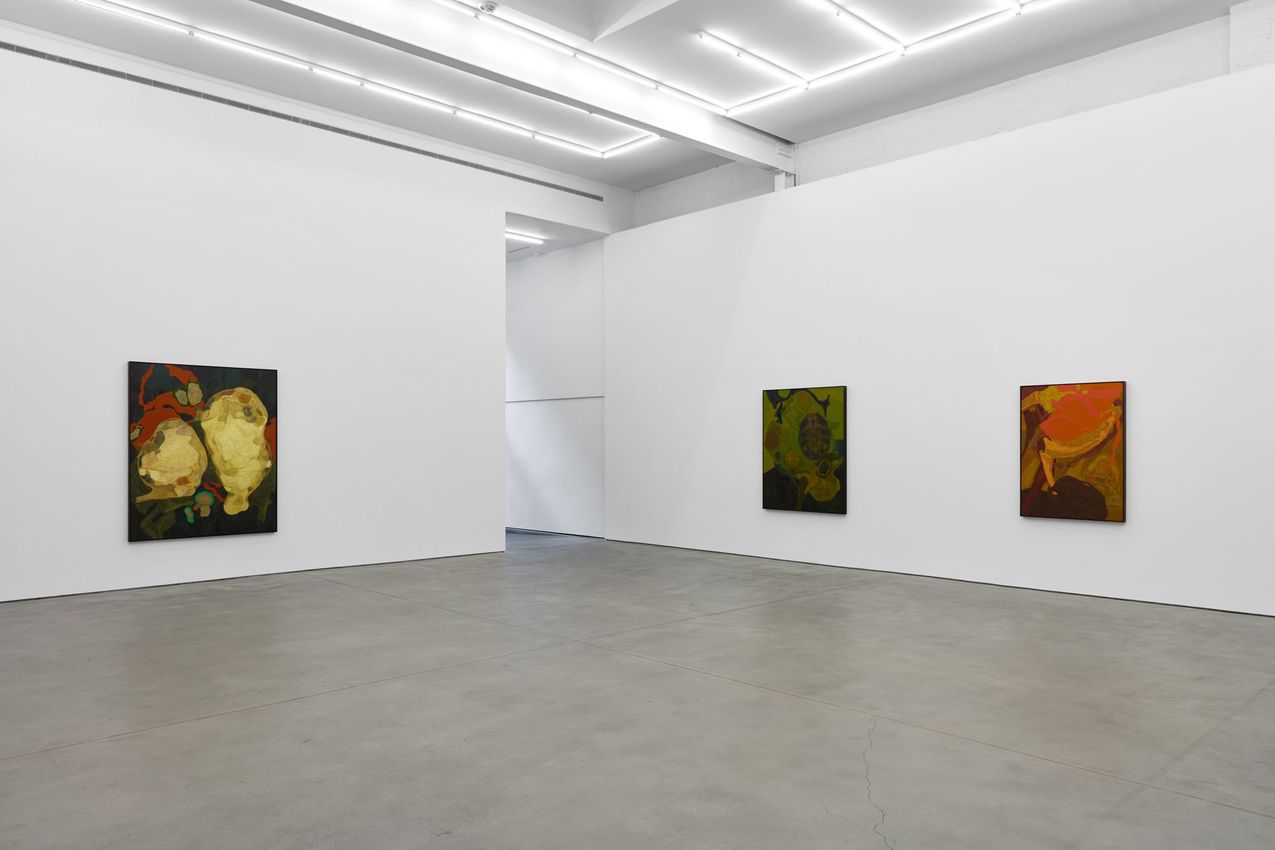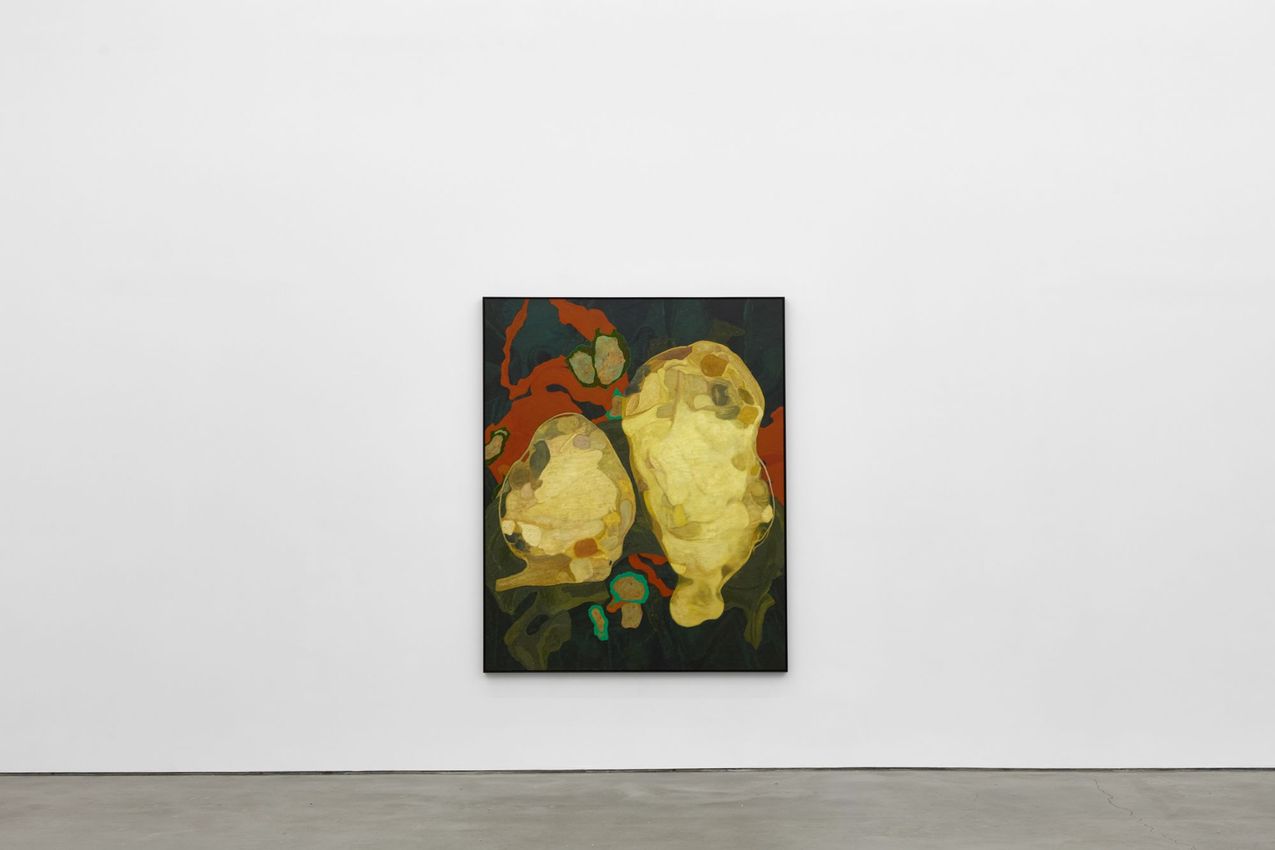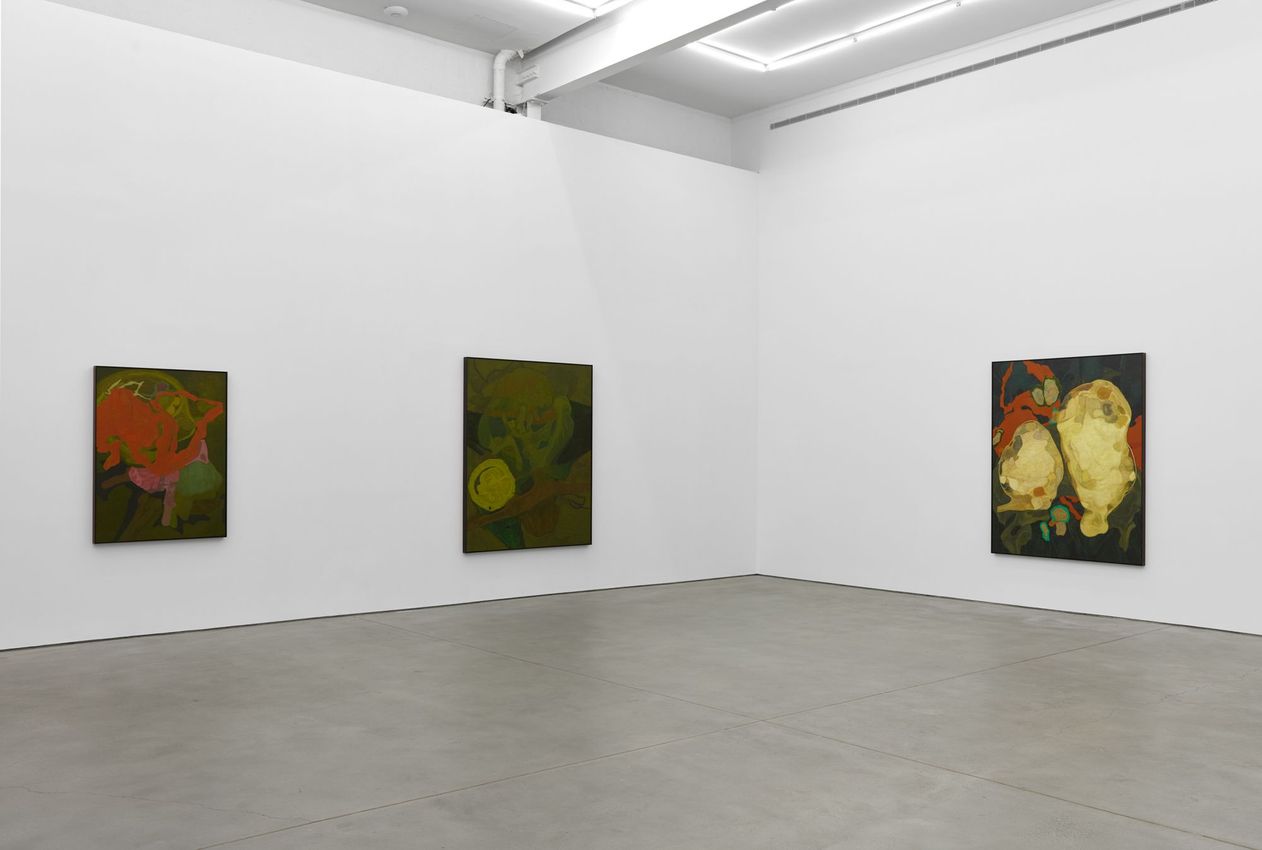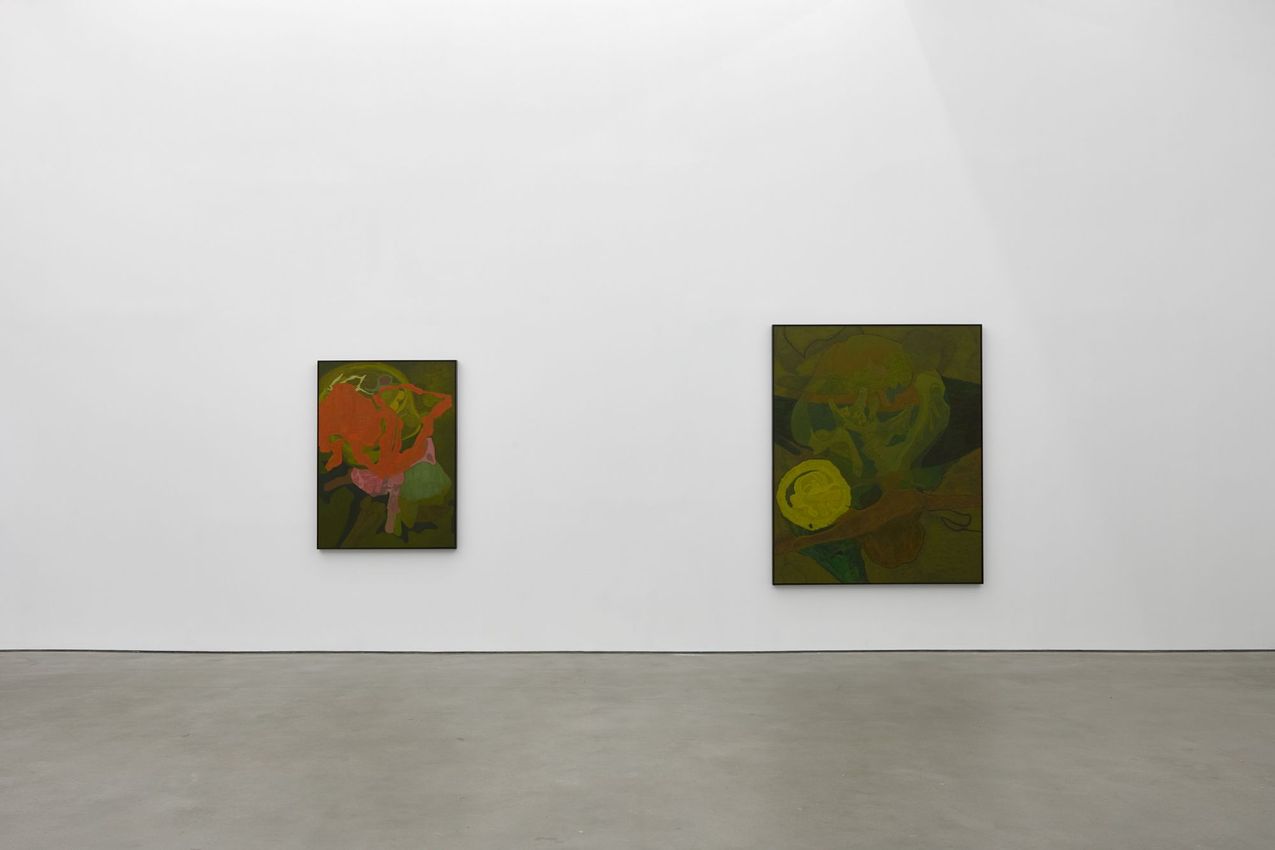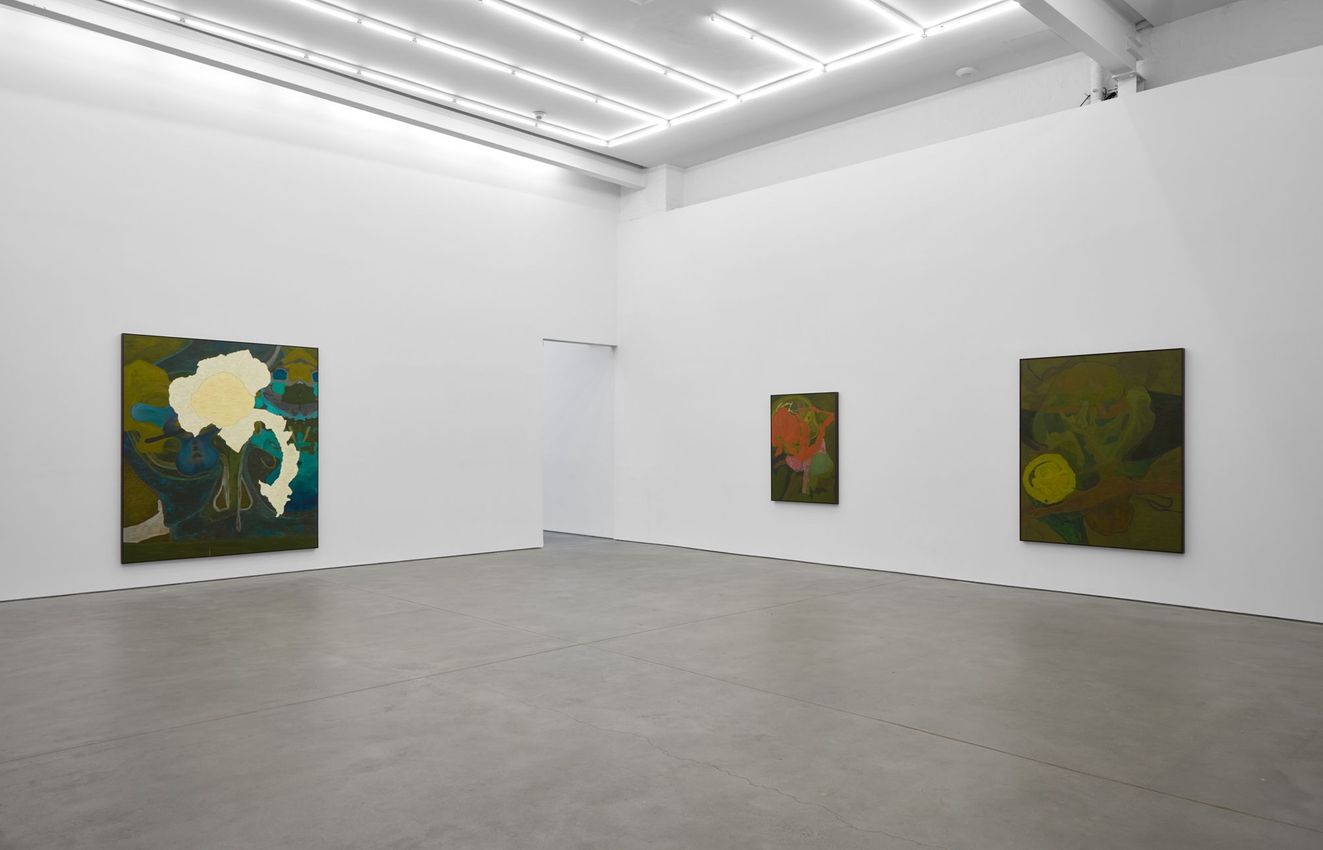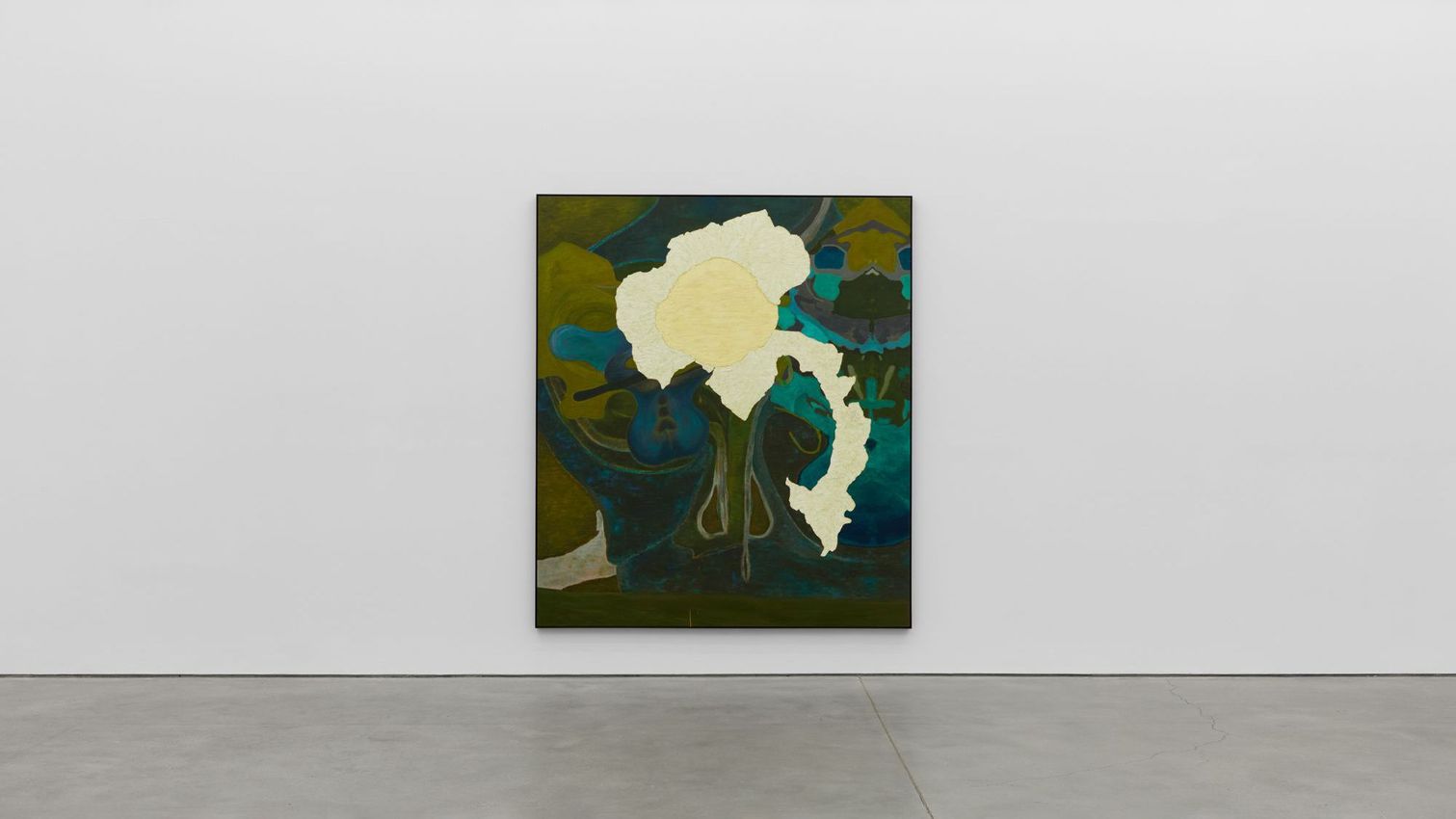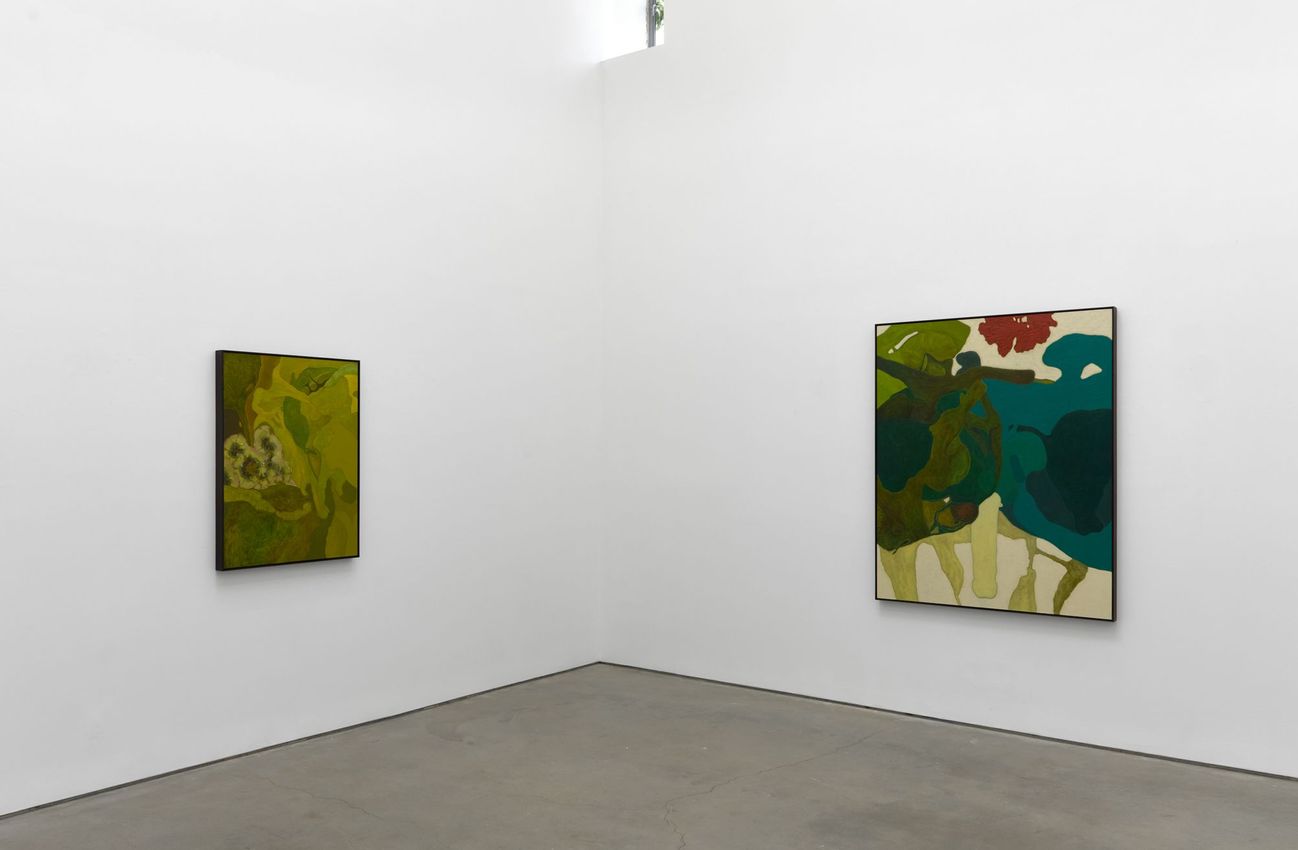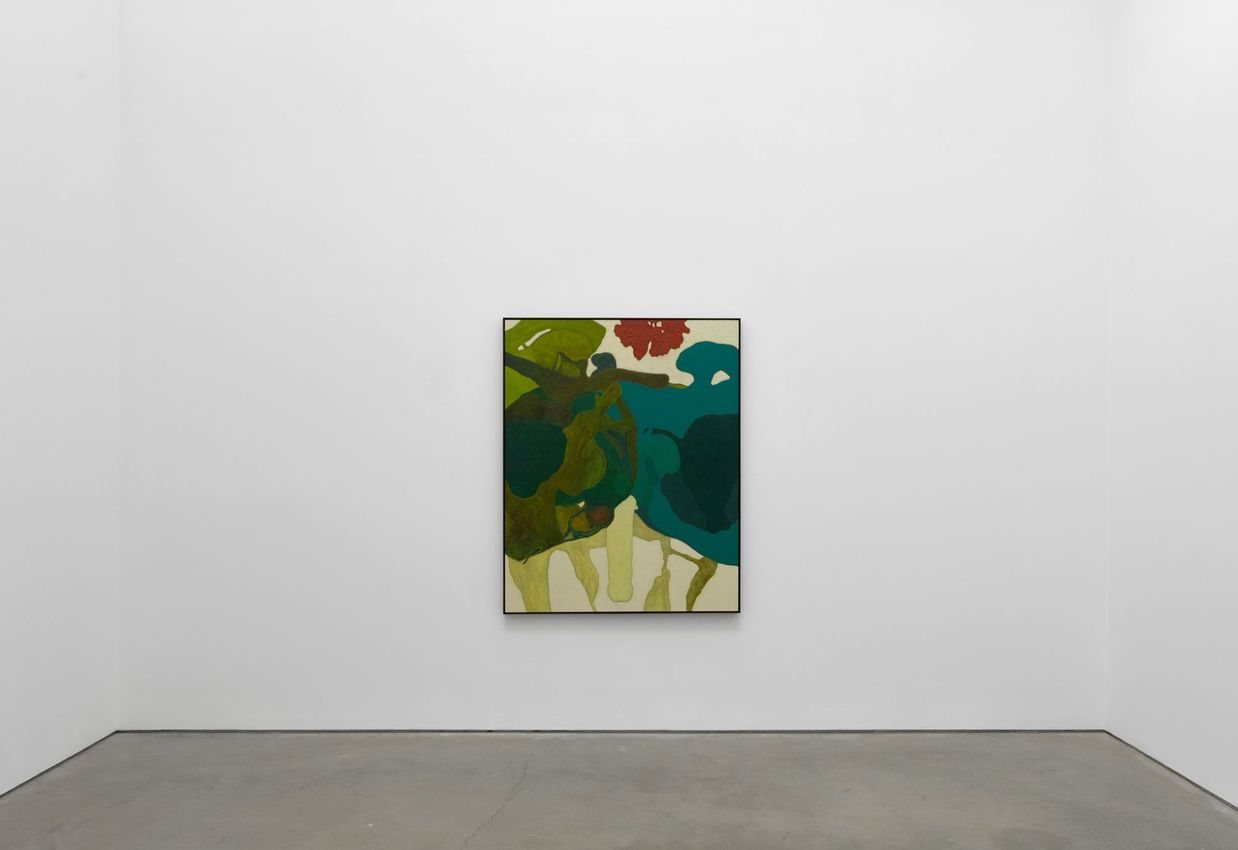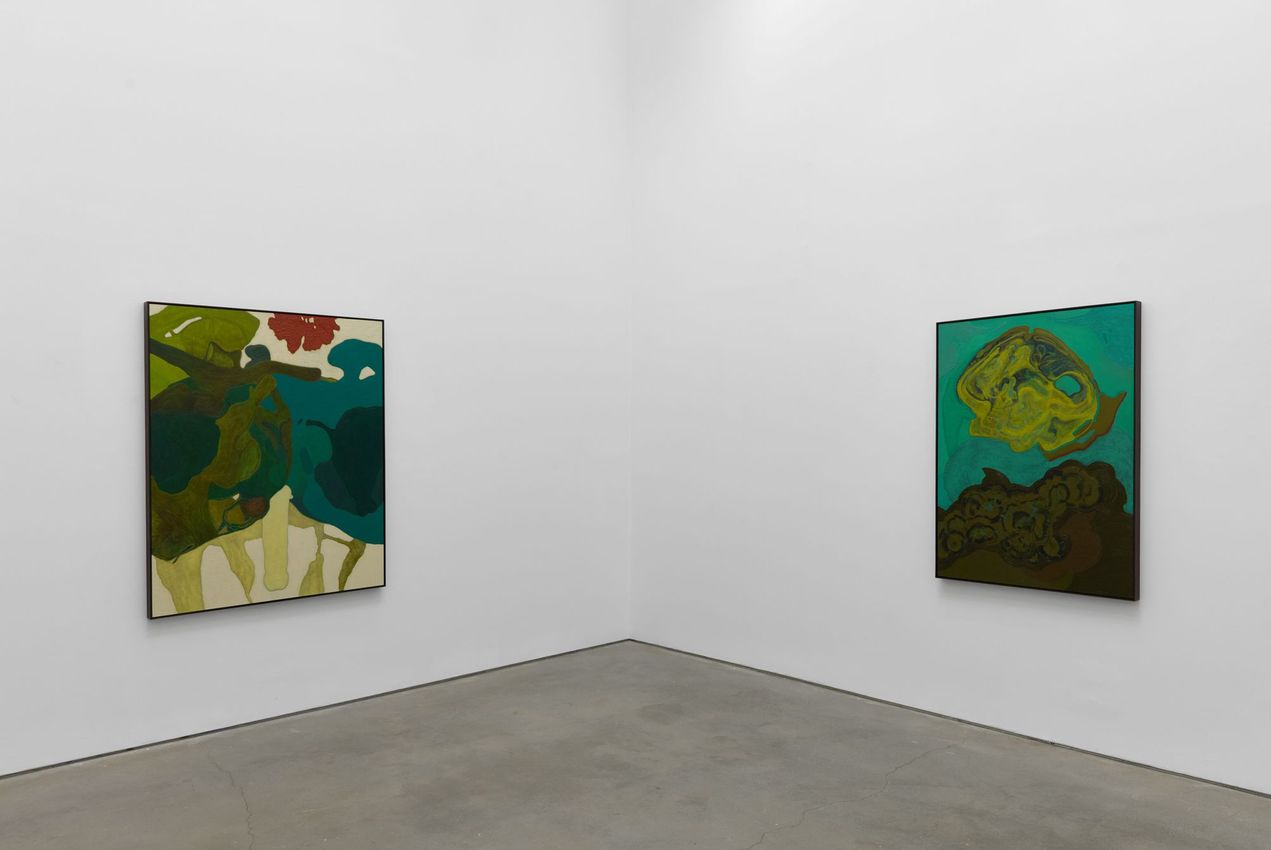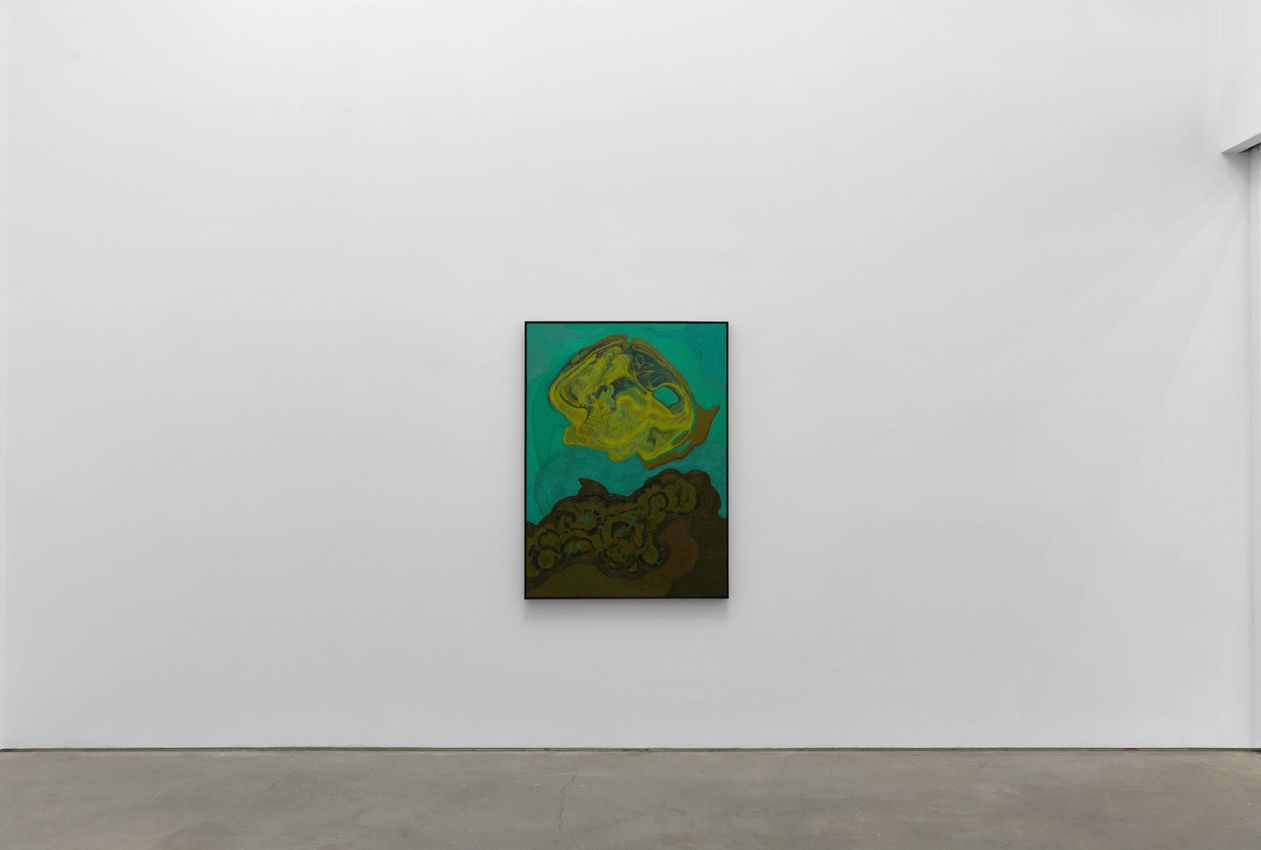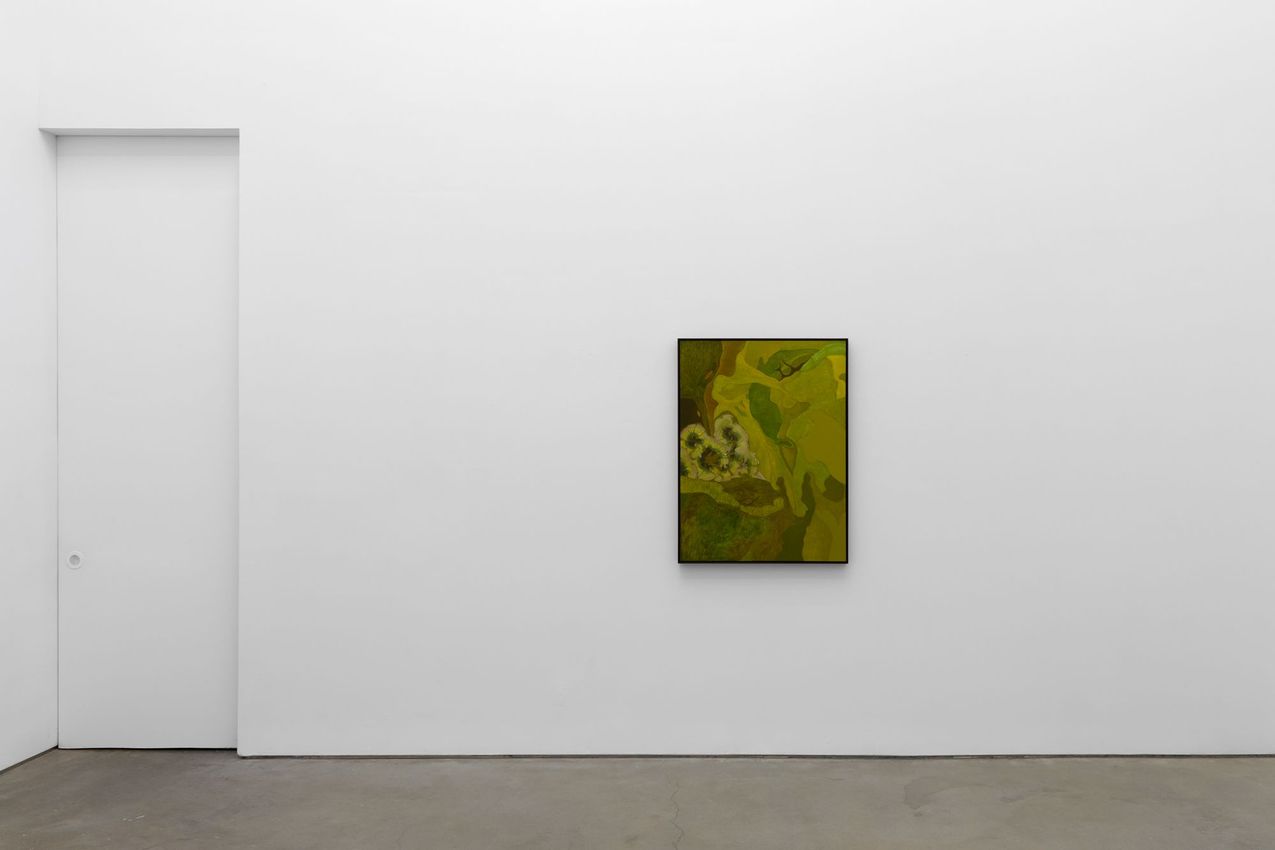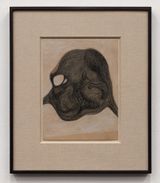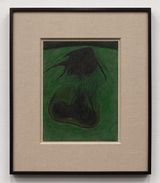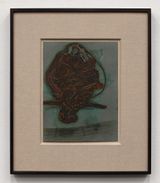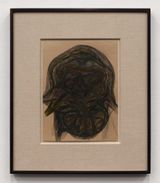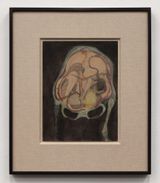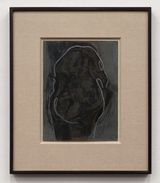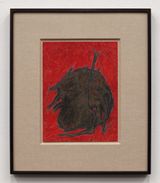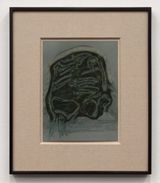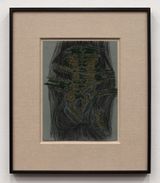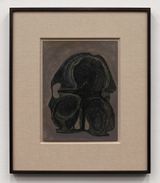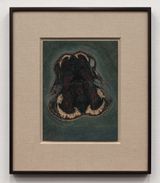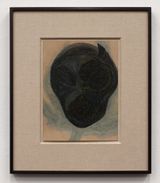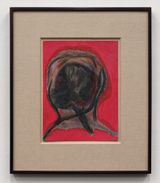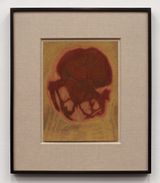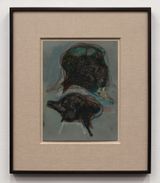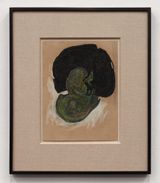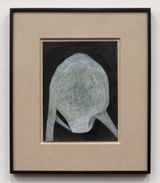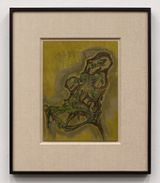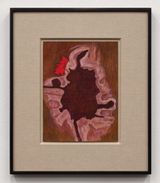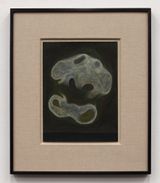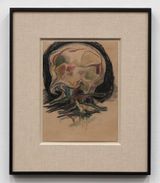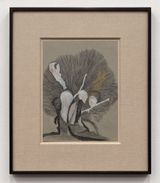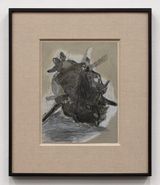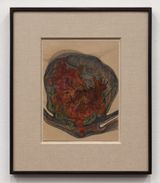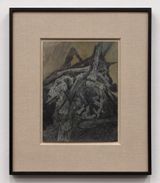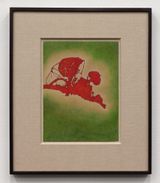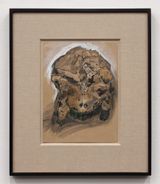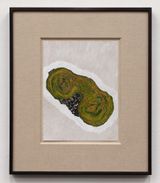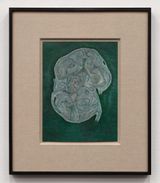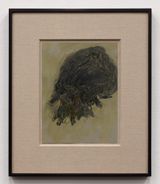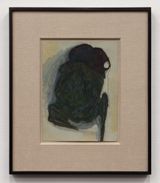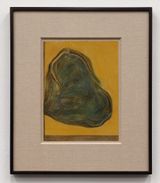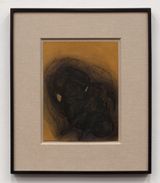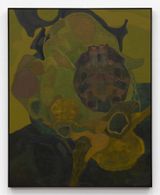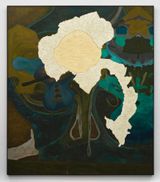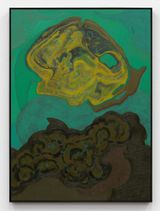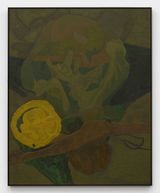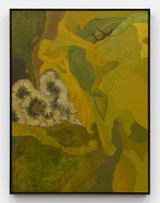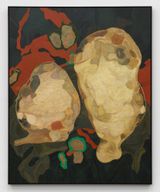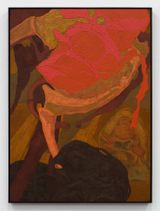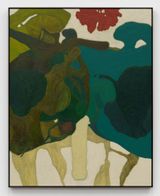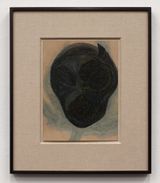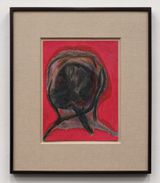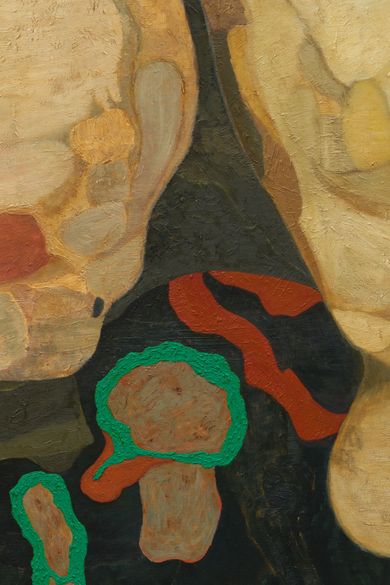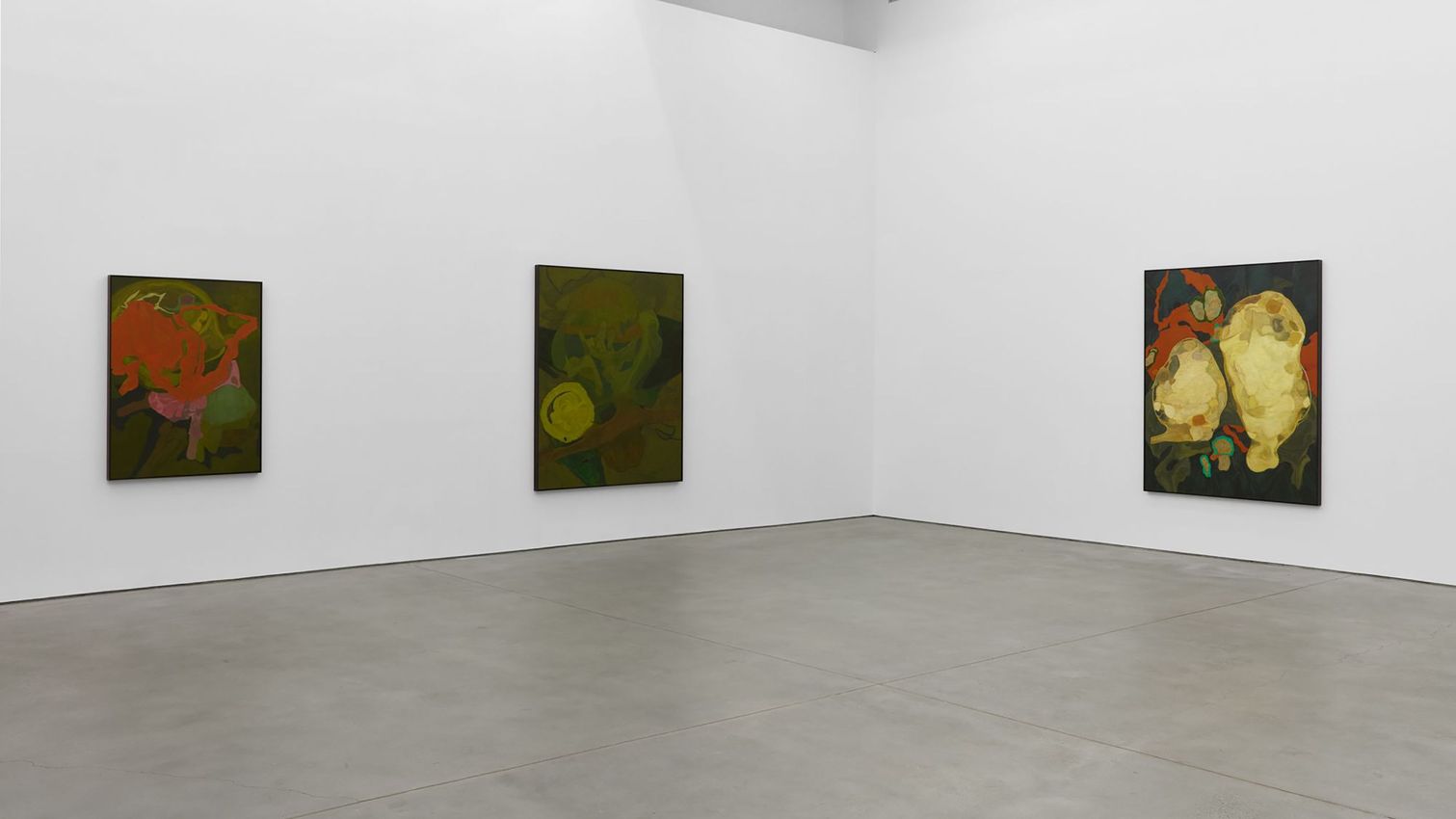
Randy Wray’s paintings and works on paper in Prehistory evoke a primordial time, before humans made written records and imposed rigid categories on the world. The artist builds his oil-on-linen paintings, examples of which are on view at 22 East 2nd Street, and his works on paper, at 188 East 2nd Street, from this space of radical undetermination. Each painting, an extension of a decades-long practice, grows spontaneously and morphs into being over the course of years; his current body of work has its origins in nearly ten years of undisturbed experimentation in the studio. Wray’s forms appear to multiply and mutate as he follows a logic akin to that of the natural world. Transplanting shapes evocative of anatomical fragments, cellular transformations, mossy growths, and other biological phenomena from canvas to canvas, Wray notes: ‘The paintings have to be like living organisms . . . they have to be alive and change.’
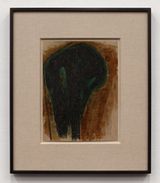
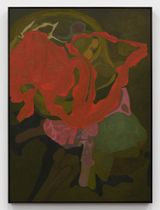
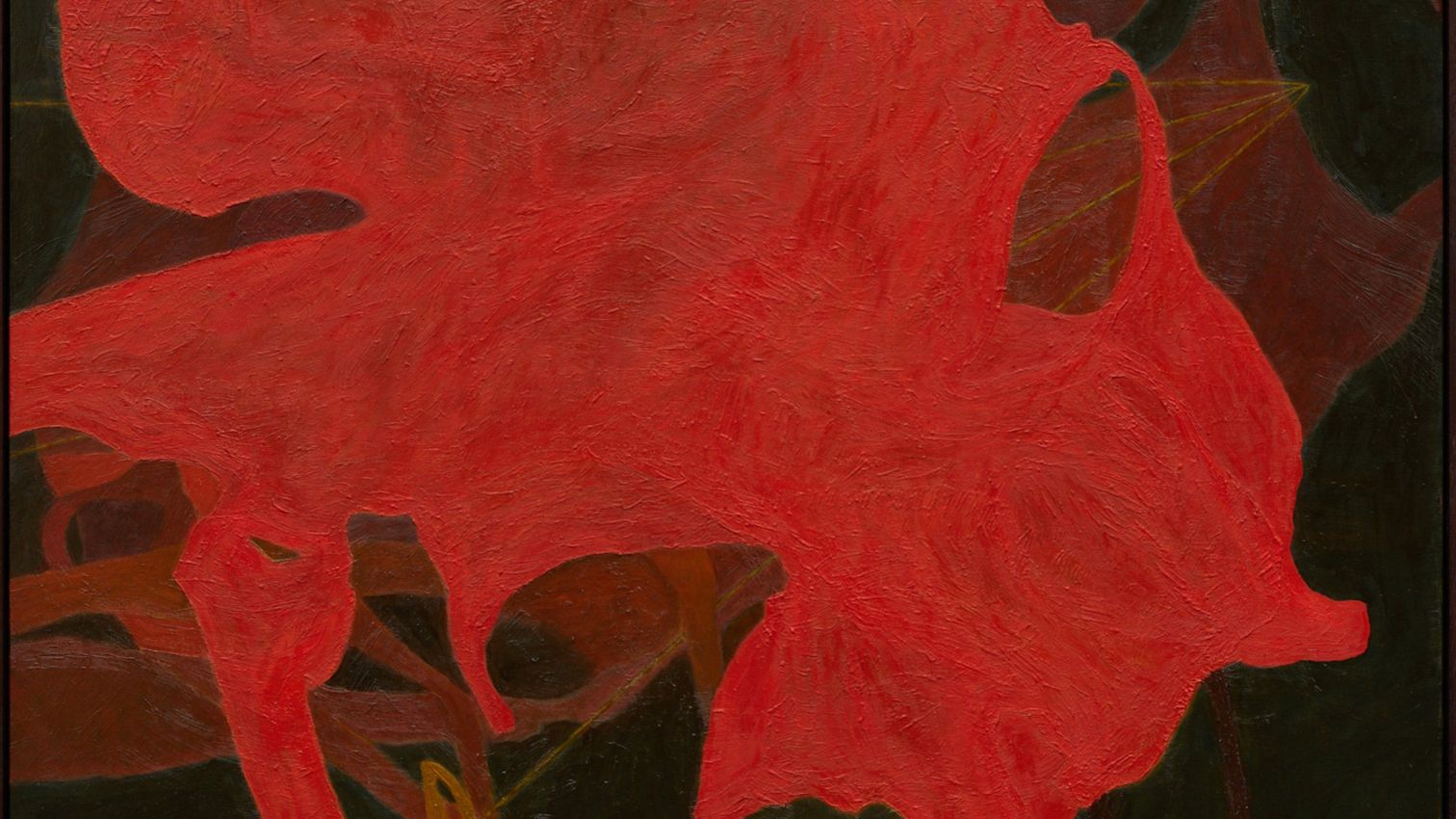
Early passes of oil are buried beneath or partially obscured by later applications—these initial gestures are integral to the painting’s development and final appearance. The resulting works are laced with the material evidence of their becoming. In u (2023–25), prior color choices become halos around new shapes; as in Sign (2023–25), ridged contours of underpaintings become texture on the surface of the final layer of oil. Indeed, the medium, thickened with alkyd or left to behave as it wants, always conveys a haptic palpability on Wray’s canvases. A red, coral-like entity at the top of Bilateral (2023–25) approaches three-dimensionality, built up as it was through numerous layers. One can imagine the sensitive touch of the palette knife used to make the sharply-defined radii in Tincture (2023–25), evocative of “turkey tail” mushrooms. With his works on paper, all titled Prehistory (2020), Wray translates his process of layering oil into other media—graphite, crayon, gouache, charcoal, colored pencil, ink, pastel, and more—to achieve complex depth on these more delicate supports.
Wray’s arresting images bridge the anatomical, the terrestrial, and the formal; as Bob Nickas writes in Karma’s forthcoming monograph, “painting and botanical procedures may be thought to merge in a studio-arboretum where cross-pollination is at the heart of the artist’s practice.” In Nest (2022–25), a form inspired by an MRI of the artist’s brain could be a turtle shell, its halves mirroring each other. The function of the brain is an enduring interest of Wray’s—Mind-body (2023–25) translates the problem of dualism into an optical fight between searingly hot reds and pinks and muted, umber surrounds. The intensely saturated hues that recur across his paintings disrupt and activate his otherwise subdued, neutral palette, suggesting a collision of the modern and the ancient.

Randy Wray is an American contemporary artist known for his layered paintings and sculptures that often transform found and recycled materials into evocative, ambiguous forms, earning accolades, including the John Simon Guggenheim Memorial Fellowship and the inaugural Irving Sandler Prize.


A respected voice in contemporary art discourse.
Focusing on ambitious storytelling and insightful art-world commentary. Ocula Magazine publishes in-depth interviews, critical essays and timely analysis on the artists, exhibitions and ideas driving the global art world.
Learn more about Ocula Magazine
Showcasing the best of the art world.
Ocula partners with galleries from around the world to highlight their artists, artworks and exhibitions. Gallery membership is by application and invitation, with each member vetted by an independent panel.
Learn more about Ocula Membership

Specialises in the sale of major artworks.
Led by a team with deep ties to the world’s leading auction houses, galleries and collectors. Ocula’s advisory team offers bespoke services to high-net-worth clients from around the world who are looking to acquire the best of contemporary and modern art.
Learn more about our team and services