




WILLIAM KENTRIDGE
b. 1955, South AfricaWilliam Kentridge is a globally acclaimed South African artist whose animated films, drawings, and multimedia works have profoundly shaped contemporary art. As Ocula Magazine notes, Kentridge’s practice ‘examines the struggles and emotions of post-Apartheid South Africa’, making him a key figure in the international art world.
Early Years
Born in Johannesburg in 1955 to prominent anti-apartheid lawyers, Kentridge grew up in a politically charged environment that would profoundly influence his art. He studied Politics and African Studies at the University of the Witwatersrand, followed by Fine Arts at the Johannesburg Art Foundation. In the early 1980s, he trained in mime and theatre at L’École Internationale de Théâtre Jacques Lecoq in Paris, experiences that shaped his multidisciplinary approach. Kentridge continues to live and work in Johannesburg.
William Kentridge Artworks
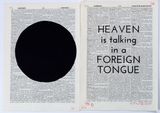
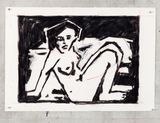
Kentridge’s art is renowned for its expressionist charcoal drawings, animated films, and cross-disciplinary projects that explore memory, trauma, and the shifting landscapes of South Africa. His process-based practice often involves erasure and redrawing, reflecting the instability of history and the act of remembering.
Animated Films and Drawing
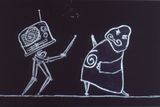
In the late 1980s and 1990s, Kentridge pioneered a unique animation technique using charcoal drawings that are repeatedly altered and photographed frame by frame. Seminal works include Johannesburg, 2nd Greatest City After Paris (1989) and Felix in Exile (1994), which feature recurring characters like Soho Eckstein and Felix Teitelbaum, and address the complexities of South African identity and history.
Opera, Theatre, and Multimedia
Kentridge’s passion for theatre led to acclaimed opera productions such as The Nose (2010, Metropolitan Opera), Lulu (2015), and Wozzeck (2017, Salzburg Festival), celebrated for their innovative use of projected drawings and animation. His interdisciplinary works, including Black Box / Chambre Noire (2005), blend theatre, puppetry, and visual art to interrogate colonial histories and collective memory.
More Projects of Note
Kentridge remains prolific, with projects like the nine-episode video series Self-Portrait as a Coffee-Pot (2024, Venice) and the opera The Great Yes, The Great No (2024, LUMA Arles). His monumental public frieze Triumphs and Laments (2016) along Rome’s Tiber River exemplifies his engagement with public art and historical narrative.
Public Commissions
- Triumphs and Laments, Tiber River, Rome (2016)
- The Head and the Load, performance work honouring African soldiers in World War I (2018)
Awards and Accolades
- Kyoto Prize (2010)
- Commandeur dans l’ordre des Arts et des Lettres, France (2012)
- Princesa de Asturias Award for the Arts (2017)
- Praemium Imperiale, Painting, Tokyo (2019)
- Queen Sonja Lifetime Achievement Award for Printmaking (2022)
- Olivier Award for Outstanding Achievement in Opera (2023)
Exhibitions
William Kentridge has been the subject of both solo and group exhibitions at leading institutions worldwide.
Solo Exhibitions
- Museum of Modern Art, New York (1999, 2005, 2010)
- Royal Academy of Arts, London (2022)
- The Broad, Los Angeles (2024)
- Taipei Fine Arts Museum (2024)
Group Exhibitions
- Documenta, Kassel (1997, 2002, 2012)
- Venice Biennale (1993, 1999, 2005, 2013, 2015)
- Musée du Louvre, Paris (2010)
- Kunstmuseum Basel (2019)
Critical Reception
Kentridge’s work has been widely covered in leading publications, including Ocula Magazine, The Guardian, and The New York Times.
William Kentridge FAQs
What is William Kentridge best known for?
He is best known for his animated films and charcoal drawings that explore South Africa’s social and political history.
What materials does William Kentridge use?
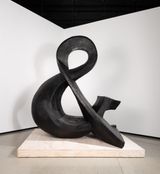
Kentridge often works with charcoal, pastel, paper, and integrates film, sculpture, and performance in his art.
Where can I see William Kentridge’s work?
His works are in major collections such as MoMA, Tate Modern, Centre Pompidou, and Zeitz MOCAA.
What are recurring themes in William Kentridge’s art?
Memory, trauma, history, and the complexities of post-apartheid South Africa are central to his practice.
Ocula | 2025

Explore William Kentridge's Exhibitions On Now

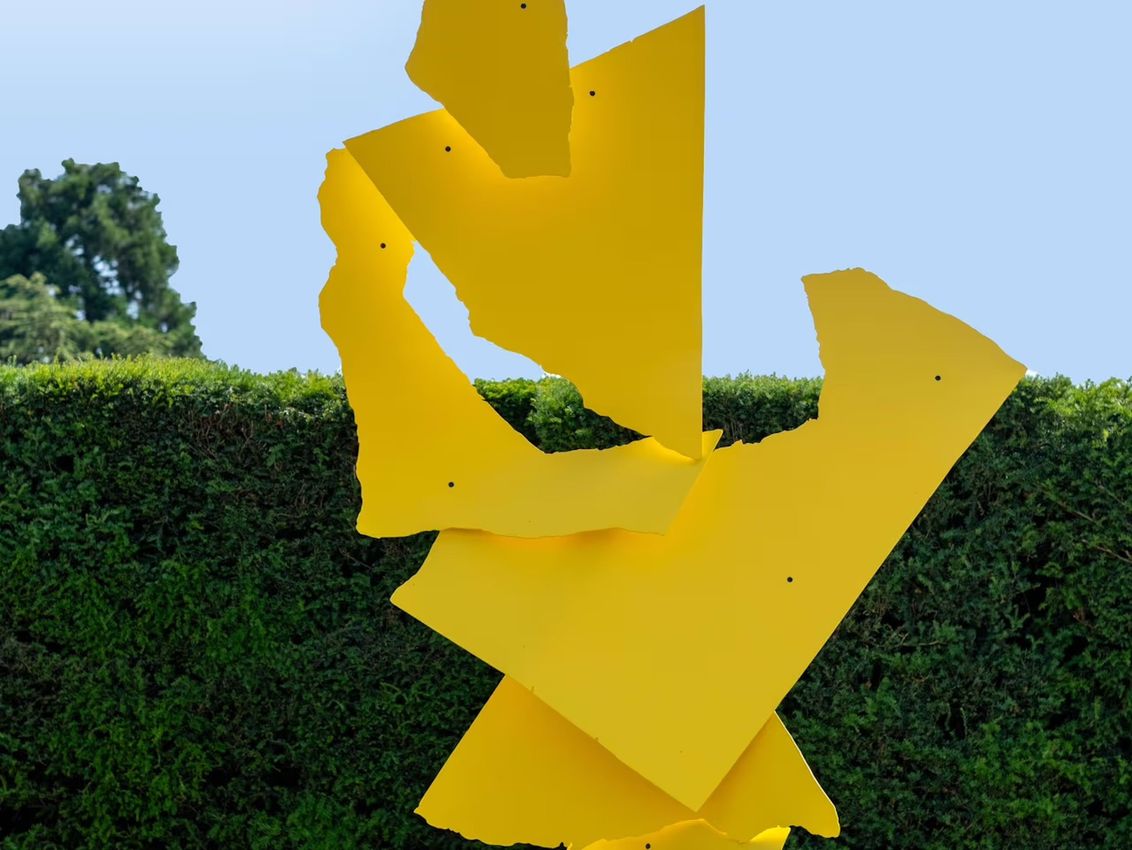
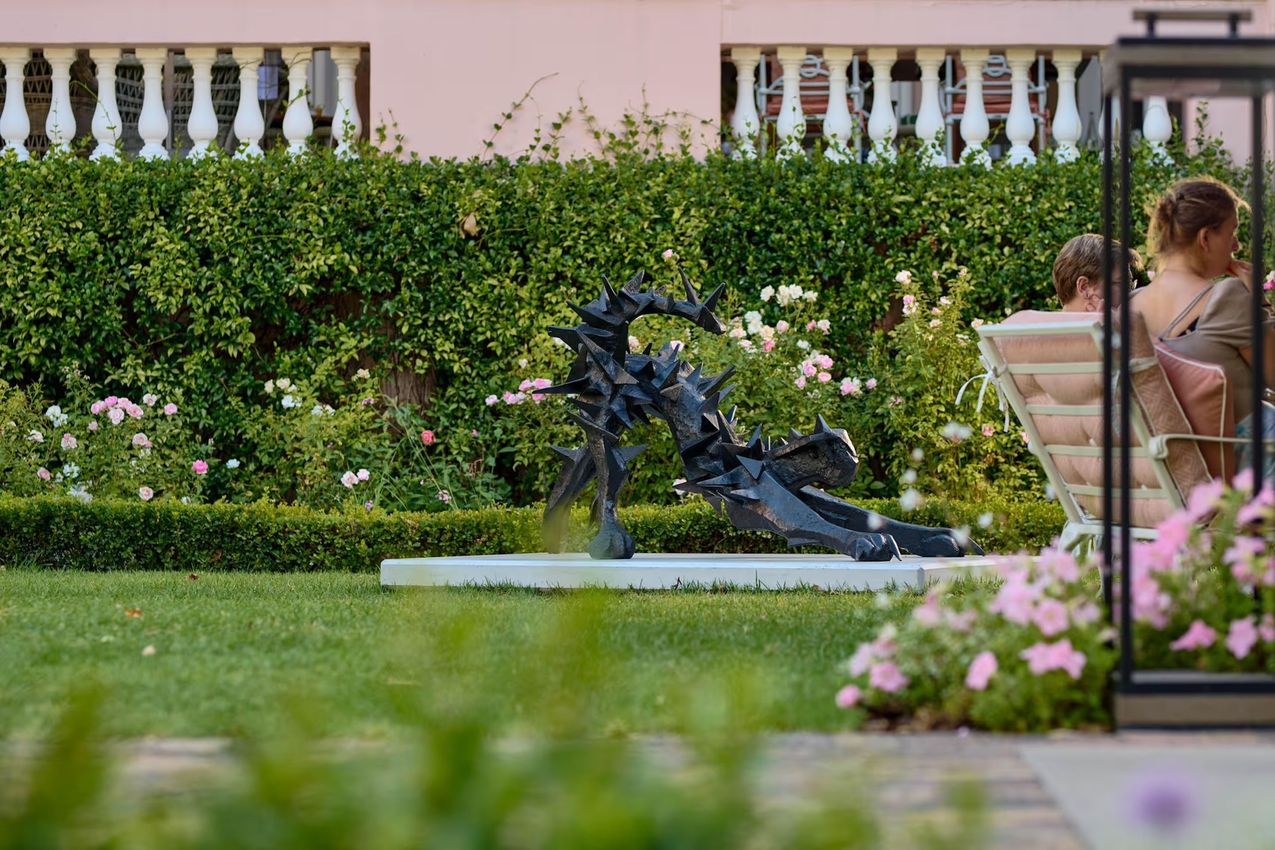
Hotel du Cap-Eden-Roc, Antibes Cedex 20 April–18 October 2026

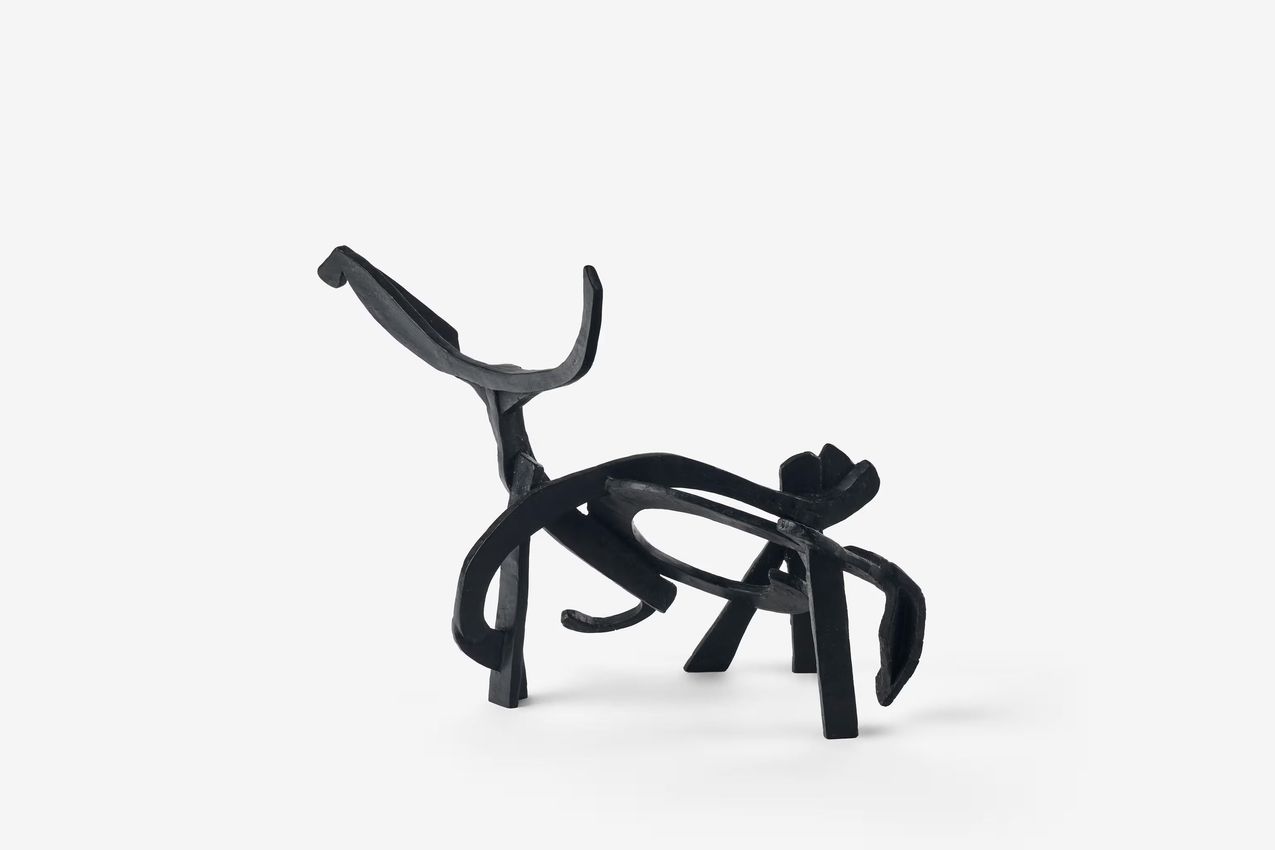









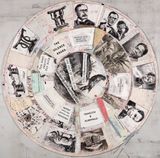


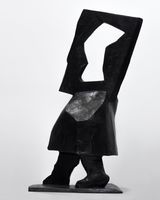

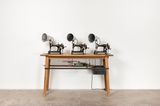




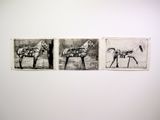


William Kentridge in Ocula Magazine








Explore and Follow Artists Shaping Contemporary Art
A respected voice in contemporary art discourse.
Focusing on ambitious storytelling and insightful art-world commentary. Ocula Magazine publishes in-depth interviews, critical essays and timely analysis on the artists, exhibitions and ideas driving the global art world.
Learn more about Ocula Magazine
Showcasing the best of the art world.
Ocula partners with galleries from around the world to highlight their artists, artworks and exhibitions. Gallery membership is by application and invitation, with each member vetted by an independent panel.
Learn more about Ocula Membership
Specialises in the sale of major artworks.
Led by a team with deep ties to the world’s leading auction houses, galleries and collectors. Ocula’s advisory team offers bespoke services to high-net-worth clients from around the world who are looking to acquire the best of contemporary and modern art.
Learn more about our team and services