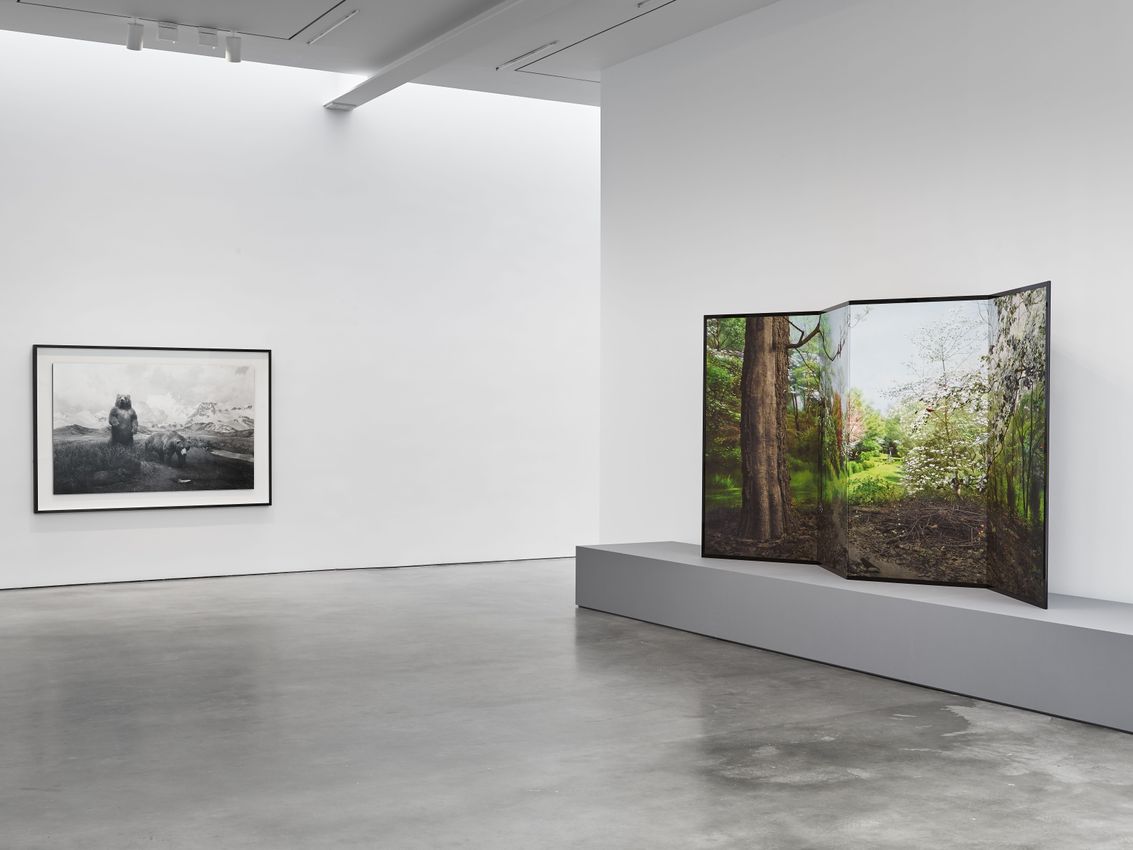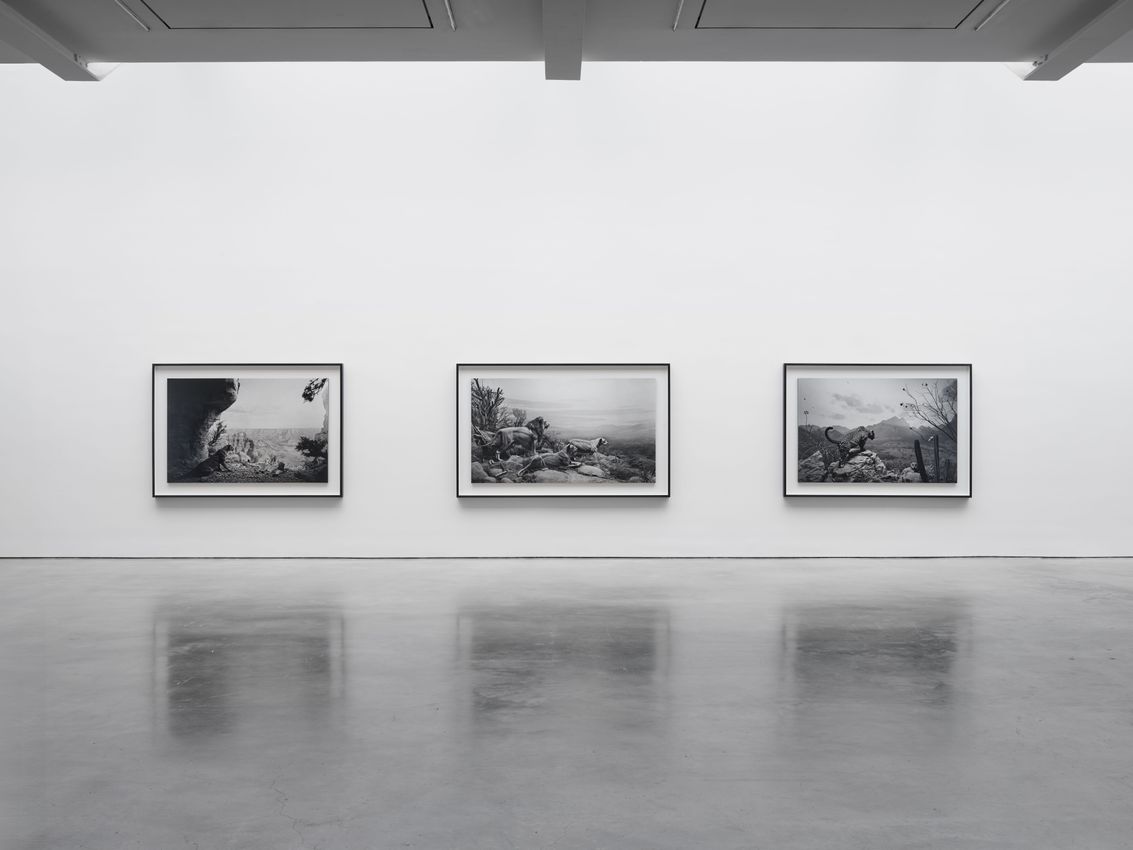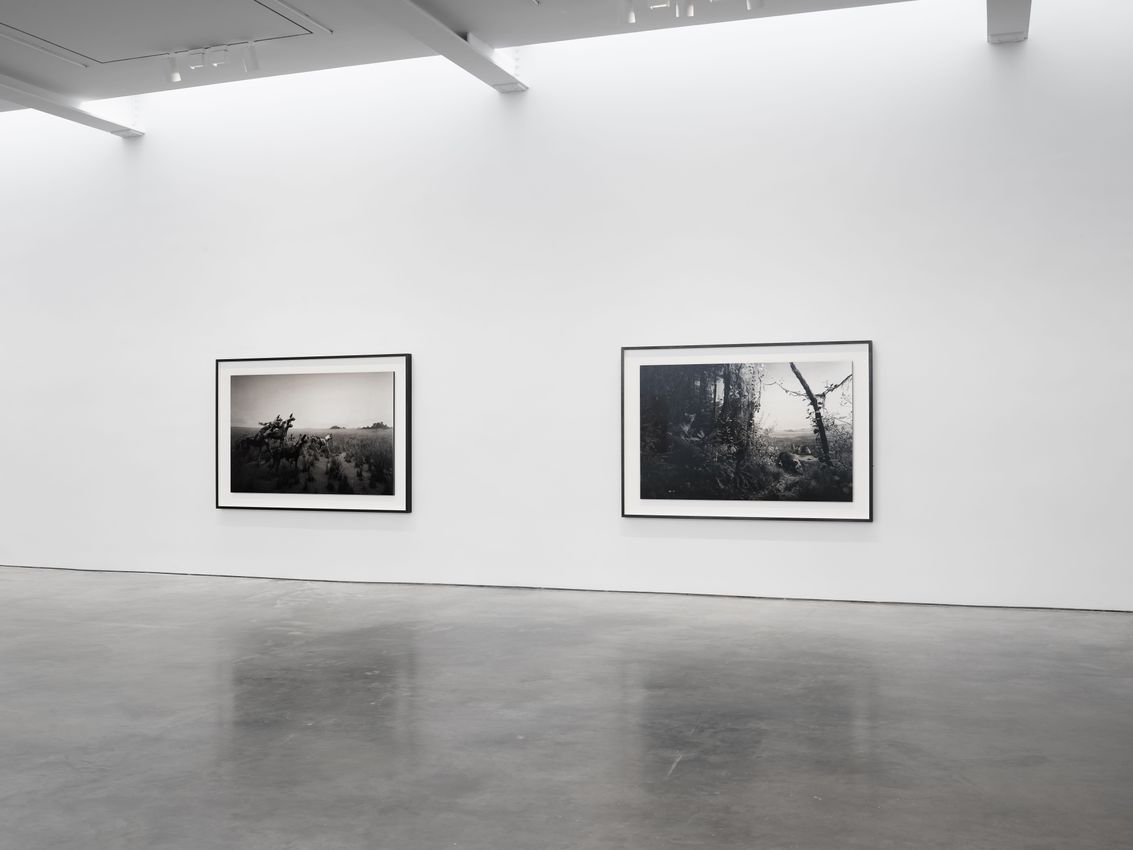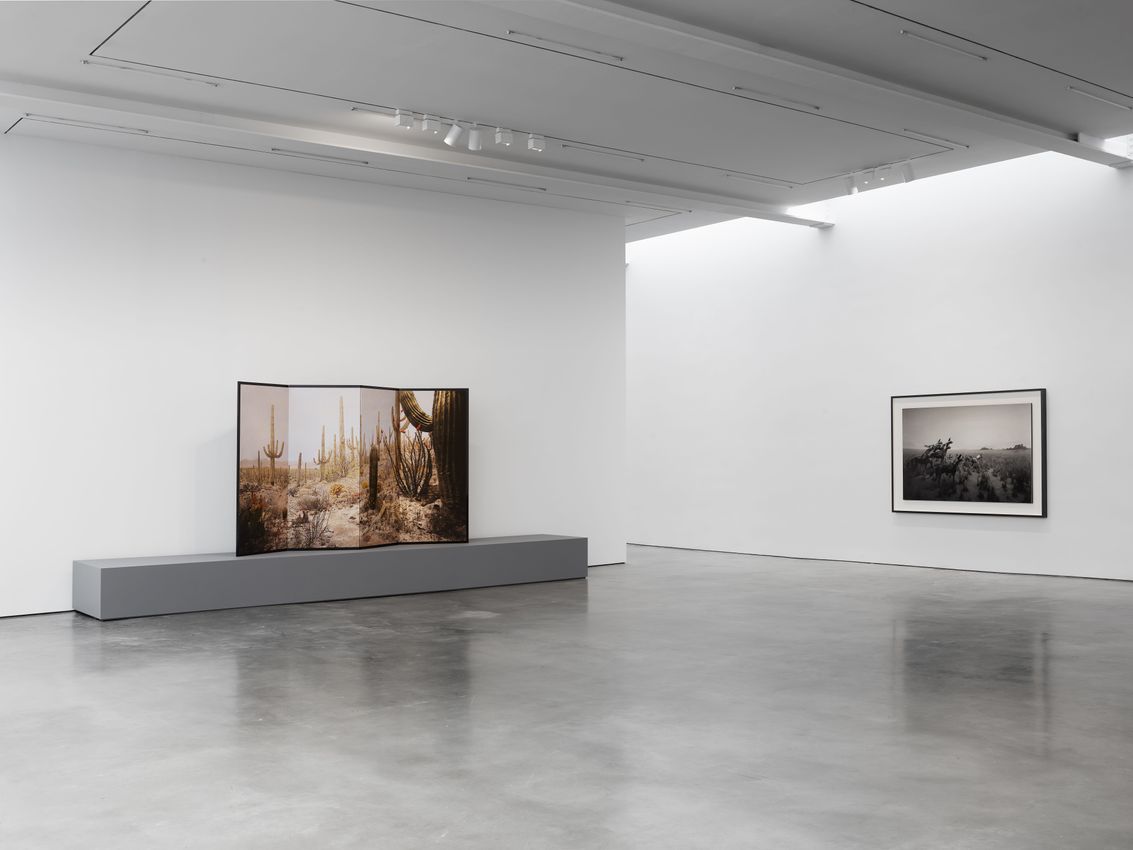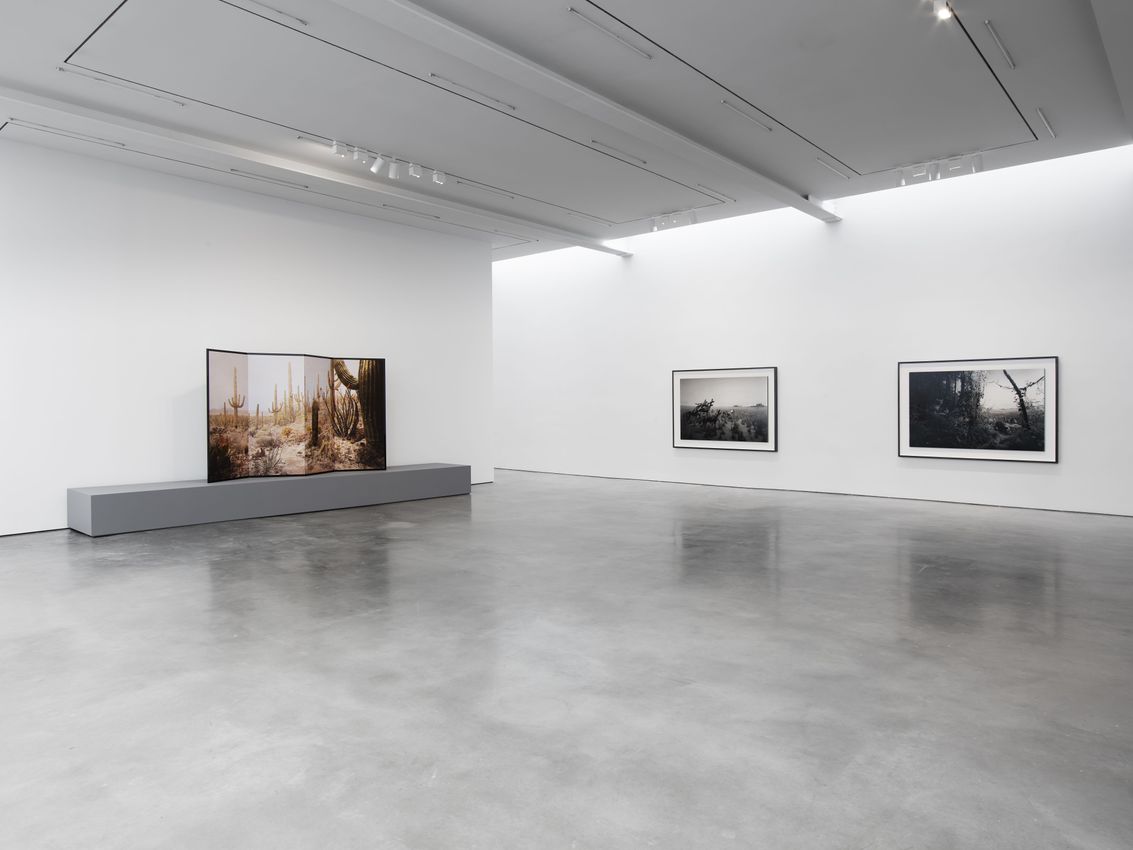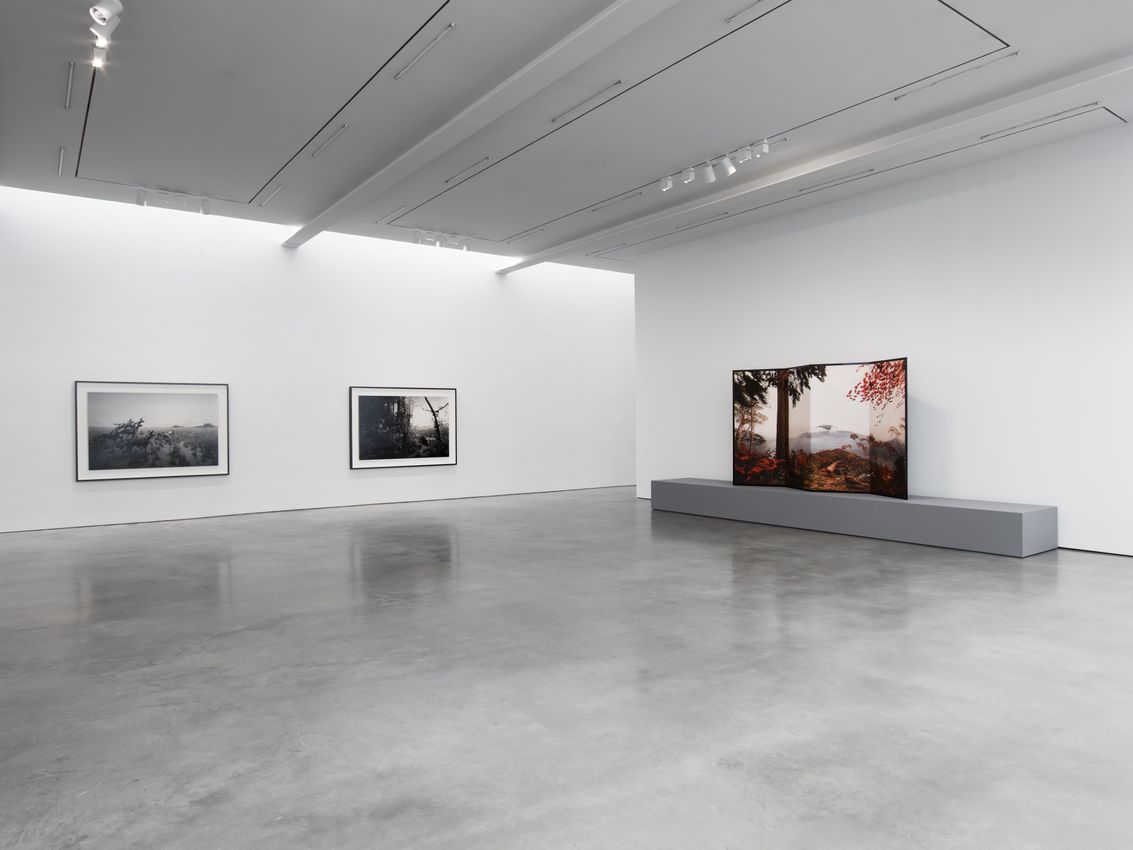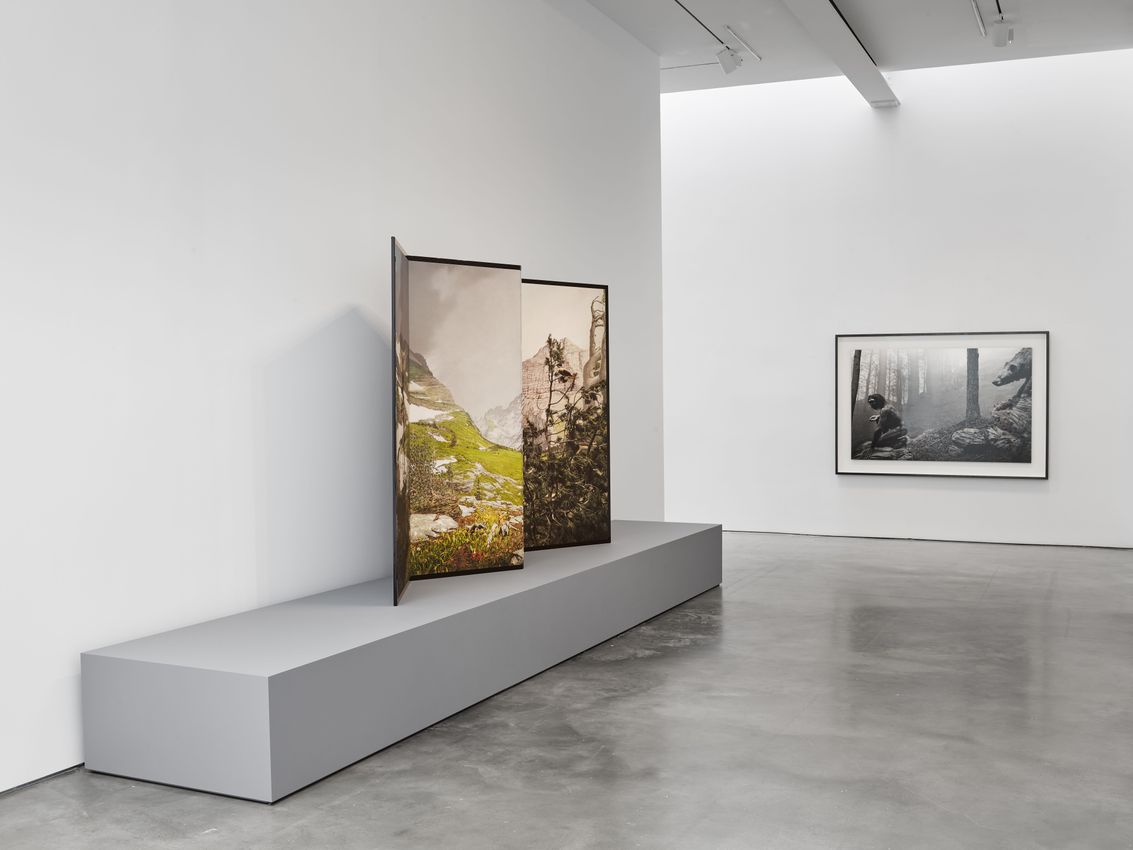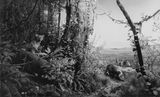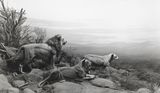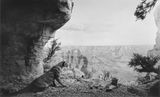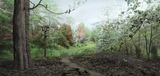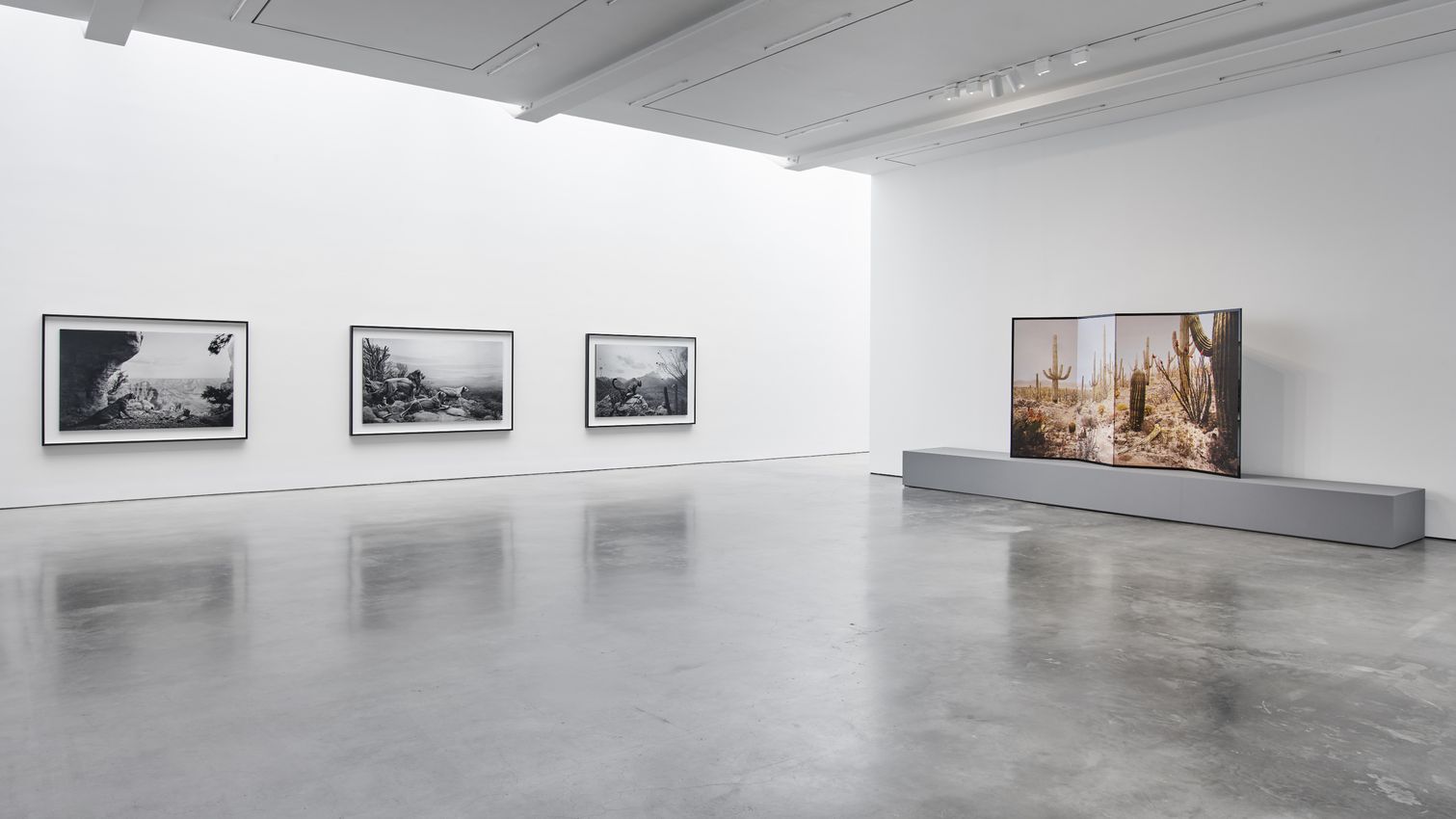
Hiroshi Sugimoto’s third solo exhibition at Lisson marks a resonant return to New York, tracing a fifty-year dialogue between the artist and the city that helped shape his vision. In Unnatural Habitat, Sugimoto revisits the body of work that first revealed his extraordinary ability to suspend both time and reality. Featuring photographs from the artist’s Diorama series, some of which were created this past year through access to dioramas at the American Museum of Natural History, recently rediscovered negatives enlarged for the first time, and new washi paper screens that transform his images into luminous byōbu, this exhibition unites photographic and sculptural forms to explore perception, artifice and immersive pictorial depth. Together, these bodies of work affirm Sugimoto’s enduring investigation into the poetic boundaries of lens-based media.
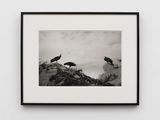
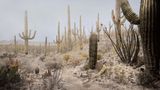
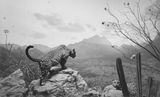
While visiting the American Museum of Natural History in 1975, two years after moving to New York, Sugimoto was struck by the lifelike qualities of its dioramas. Combining painted environments with taxidermied animals, these constructed habitats offered a means of representing nature through an inherently artificial form. The Diorama series emerged from this encounter and has remained an ongoing body of work since the mid-1970s. Sugimoto’s return to the museum in 2025, fifty years after he first photographed there, extends this longstanding engagement, bringing together works spanning the history of the series. The dioramas on view at Lisson depict a range of subjects from lions, condors, jaguars and Homo erectus to expansive landscapes like the Rocky Mountains and a giant cactus forest. Among the earliest are Polar Bear (1975), the first image Sugimoto made as an artist, and Hunting Dogs, first photographed in 1980 and revisited in 2025 when Sugimoto adjusted an uneven area of sky caused by a burnt-out bulb within the original display. Collectively, these works demonstrate the enduring tension within the Diorama series between the preservation of a constructed reality and its transformation through photography.
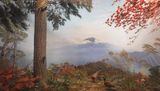
The exhibition also introduces a further development through four new colour diorama photographs presented as folding screens, or byōbu. Printed on washi paper and produced through traditional Kyoto craftsmanship, these screens constitute only the second major use of colour in Sugimoto’s photographic practice, following his Opticks series. The folding-screen format extends the photograph beyond the conventions of the framed image, giving the works a sculptural and spatial presence while recalling the painted surfaces and constructed perspectives of the dioramas themselves. Their use of colour introduces a distinct visual register to a body of work historically defined by Sugimoto’s precise black-and-white photography.
Unnatural Habitat is presented at a significant moment in Sugimoto’s wider practice. In 2026, the exhibition coincides with a major solo presentation at the Singapore Art Museum and precedes the reopening of the Hirshhorn Sculpture Garden in Washington, D.C., designed by the artist.
Courtesy Lisson Gallery.


Through photography, sculpture, architecture and performance, Hiroshi Sugimoto manipulates the inexorable march of time and the vast mysteries of space, stalling the clock in order to create monumental forms from historically significant or fleetingly poetic moments. By approaching the artificial with an eye for the natural, in his realistic photographs of museum dioramas or waxworks, and vice versa, in his images of buildings or interiors that seem to melt all that is solid, Sugimoto proves his mastery as one of the world’s greatest artists and innovators of lens-based media. This concept-driven approach begins with the ideation of an image and is only completed upon the work’s execution, usually employing a large-format camera as his primary tool.
Established in 1967 in London, Lisson Gallery is one of the most well-known galleries operating globally. Boasting an influential and continuing legacy, including playing a pivotal role in the careers of many pioneers of historically important art movements, the gallery works with some of the most significant contemporary artists today.

A respected voice in contemporary art discourse.
Focusing on ambitious storytelling and insightful art-world commentary. Ocula Magazine publishes in-depth interviews, critical essays and timely analysis on the artists, exhibitions and ideas driving the global art world.
Learn more about Ocula Magazine
Showcasing the best of the art world.
Ocula partners with galleries from around the world to highlight their artists, artworks and exhibitions. Gallery membership is by application and invitation, with each member vetted by an independent panel.
Learn more about Ocula Membership

Specialises in the sale of major artworks.
Led by a team with deep ties to the world’s leading auction houses, galleries and collectors. Ocula’s advisory team offers bespoke services to high-net-worth clients from around the world who are looking to acquire the best of contemporary and modern art.
Learn more about our team and services