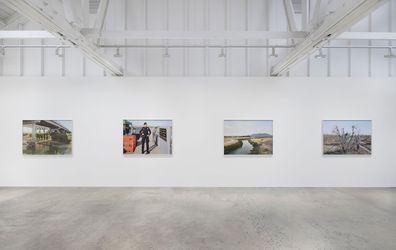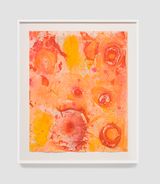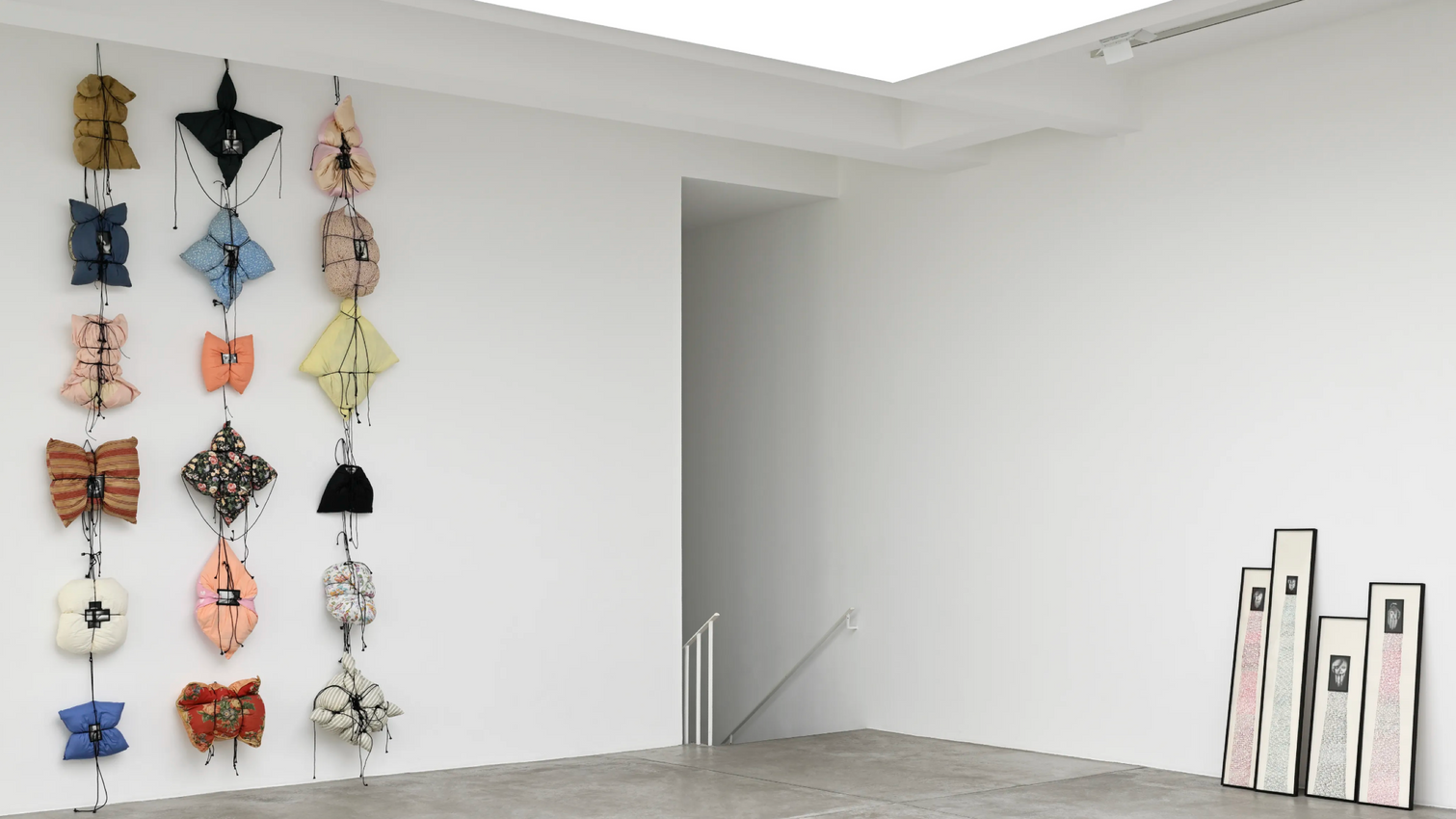
Marian Goodman Gallery Los Angeles is pleased to present Interconnected Landscapes, a group show that features new and historical works by Lothar Baumgarten, James Coleman, An-My Lê, and Oscar Tuazon. In conversation with _Yellow May _by Jongsuk Yoon in our Main Gallery, this exhibition observes a broad and conceptual look at the notion of land and landscape.
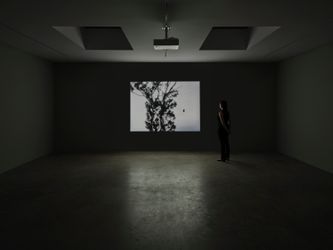
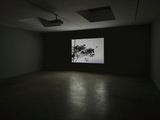
Opening with James Coleman’s _Fly _(1970) in the Hudson Gallery, the viewer acts as the “camera-observer” of the erratic movements of a fly along the interior pane of a window. In the background, a tree blows in the wind, at times becoming the subject when the fly is out of frame. Throughout the continuous loop where the start and end of the film become difficult to discern, the fly superficially interacts with or climbs along the tree, and the frame of the window appears to be a built form in the outside world, blurring our perception of the boundary between interior and exterior. Coleman intimated the work as an “interconnected landscape” of ecology and the relationship of organisms to their environment.
The show continues in the Seward Gallery with a suite of photographs by
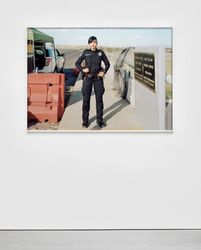
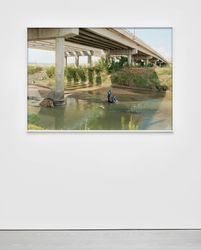
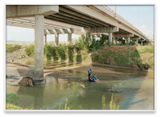
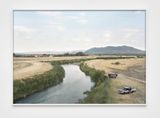
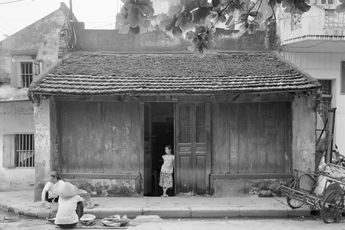
series, an ongoing, nearly decade-long project where Lê travels throughout the United States to document what she has described as “a war on the homefront,” or the political and ideological battleground between conservatives and liberals. In 1975, Lê fled Vietnam with her family and resettled in the United States as a political refugee, informing her present work that reflects on how geopolitics can define our identities and communities. For this exhibition, works from 2018-2019 that were shot on the US-Mexico border, as well as the farmlands of central California, speak to the political conflict that foregrounds the humanitarian crisis of immigrants and migrant workers. Lê captures the politicized and militarized nature of land use, borders, and territories, while simultaneously if not subconsciously referring to the genre of
An-My Lê from her Silent General
traditional landscape painting in several works.
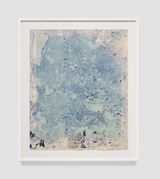
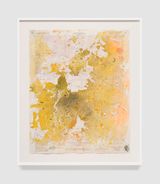
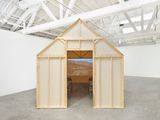
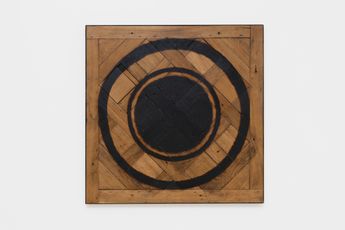
Nearby, Oscar Tuazon has constructed a nomadic architectural structure titled _Words for Water _(2024) especially for this exhibition that considers water use, land rights, ecology, and the politics of the built environment—topics the artist has focused on since establishing his own experimental Water School in 2016. Inside of Words for Water, viewers are invited to watch a video about Tuazon’s Cedar Spring Water School project, which observes the effects of a proposal to build a pipeline from the Spring Valley region of eastern Nevada to Las Vegas. An ambitious, utopian, land art-like project, the Water School is a long-term practice in activism and a generative source for a wide range of works surrounding this critical natural resource. Just beside the structure is a painting made from the transference of paint and pigments floating upon the surface
of water, as well as works produced on found topographical maps of water features in Southern California.
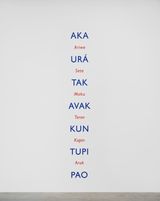
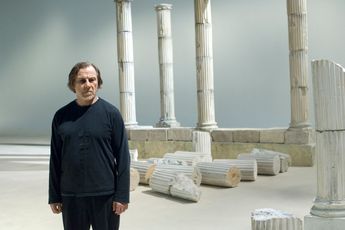
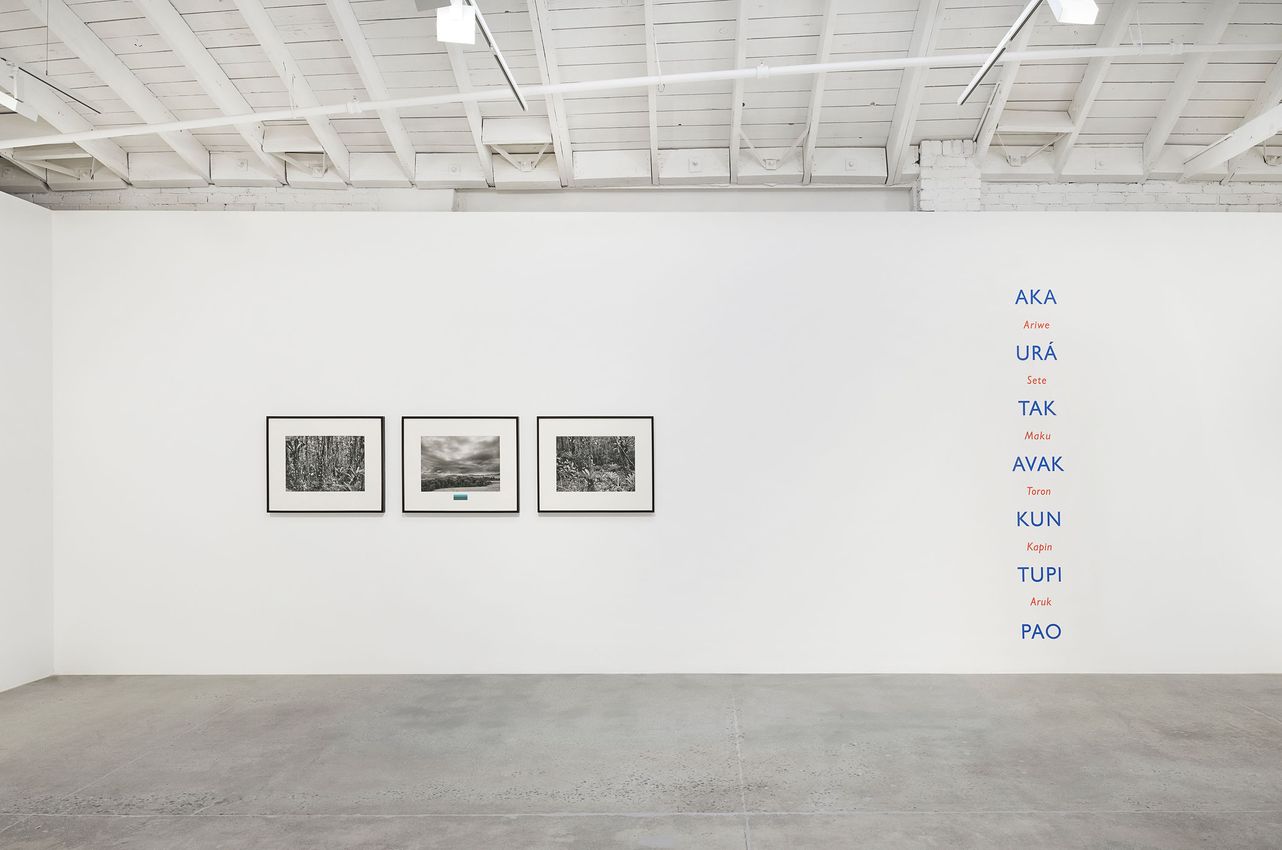
On an adjacent wall of the Seward Gallery, two works by by Lothar Baumgarten survey the Western history of linguistic rule. The wall drawing _Salto Pemon (Rios La Gran Sabana), Venezuela _(1985) and silver gelatin print triptych _Color Bar _(1977-1985) explore how the simple act of renaming has served as a longstanding tool of colonization that both asserts dominance and mythologizes Indigenous populations. In 1977, Baumgarten took a now legendary first journey to Venezuela to live with the Yanomami people, which critically shaped his understanding of ethnography, authenticity, and the economy of representation. In Salto Pemon, the native names of rivers in Venezuela are listed, which are some of the last traces of Indigenous languages that are no longer spoken. The artist considers these partial sound works, hoping the viewer will try to recite the text and enliven this obsolete language for a brief moment. As shown in the works on view, Baumgarten visualizes an awareness of the other and continues to question our core ideas and systems of representation.


A respected voice in contemporary art discourse.
Focusing on ambitious storytelling and insightful art-world commentary. Ocula Magazine publishes in-depth interviews, critical essays and timely analysis on the artists, exhibitions and ideas driving the global art world.
Learn more about Ocula Magazine
Showcasing the best of the art world.
Ocula partners with galleries from around the world to highlight their artists, artworks and exhibitions. Gallery membership is by application and invitation, with each member vetted by an independent panel.
Learn more about Ocula Membership

Specialises in the sale of major artworks.
Led by a team with deep ties to the world’s leading auction houses, galleries and collectors. Ocula’s advisory team offers bespoke services to high-net-worth clients from around the world who are looking to acquire the best of contemporary and modern art.
Learn more about our team and services