Perrotin Seoul is pleased to present Memory Architecture, a solo exhibition by American artist Daniel Arsham (b.1980). This exhibition follows his first presentation in Korea at Perrotin Seoul in 2017 and his large-scale solo exhibition at the Lotte Museum in 2024, and marks his second exhibition with Perrotin Seoul.
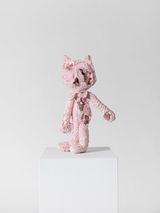
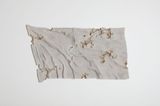
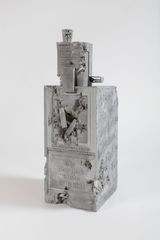
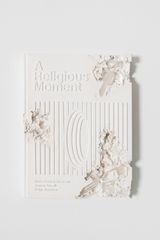
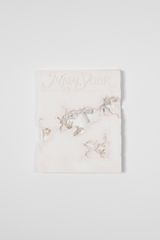
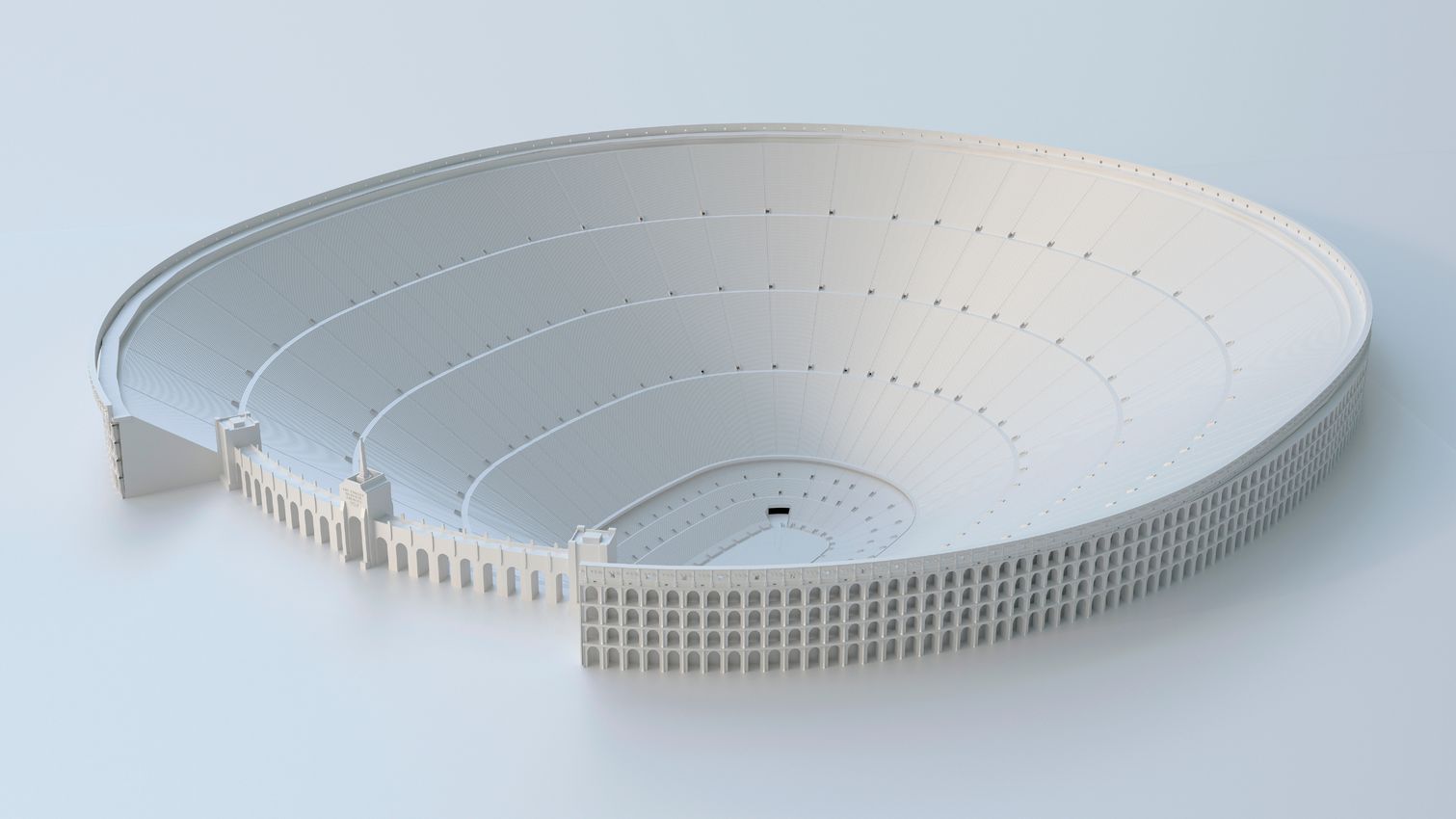
Memory Architecture centres on Arsham’s distinctive concept of Fictional Archaeology, which symbolises the core of his artistic universe. The exhibition explores the artist’s interpretation of time and material, presenting works in which forms reminiscent of classical sculpture coexist with artefacts of contemporary civilisation. These works evoke the appearance of relics excavated by future archaeologists, visualizing stratified layers of time that exist between the past and the future.
Featuring paintings, drawings, and sculptures, the exhibition showcases Arsham’s unique sculptural language that traverses the boundaries of reality and imagination, history and contemporaneity. Through this presentation, viewers are invited to encounter the possibilities of a visual archaeology that seeks to interpret and reconstruct the world anew.
Amalgamated Venus of Arles (2023) is the result of a multi-year residency at the Louvre in Paris where he had unlimited access to the museum’s collection of plaster casts. The casts are 1:1 copies of famous sculptures from antiquity that the museum used for teaching purposes as well as symbols of national might that could be deployed to colonial outposts. The original in this case was a Greek sculpture from the 1st Century BC depicting Aphrodite of Thespiae, unearthed in the French city of Arles in the 17th century. Arsham was able to make a full-scale replica from the Louvre’s plaster cast of this figure, introducing a blend of materials that would have been impossible to achieve in antiquity and which even tests the boundaries of today’s technical capabilities.
Like a three-dimensional collage, the artist rendered the sculpture in three distinct, contrasting materials—high sheen stainless steel, patinated bronze, and a warm, polished bronze—that simultaneously conjures relics pulled from the Mediterranean and the flash of modernity. Meticulously and near-invisibly joined, the three materials cohere visually when viewed from the front, but become complicated as viewers circle the work. The same effect happens in the exquisite Amalgamized Crouching Venus (2022) where two clashing materials, rich turquoise-patinaed bronze and cold, shiny stainless steel come together to fascinating effect.
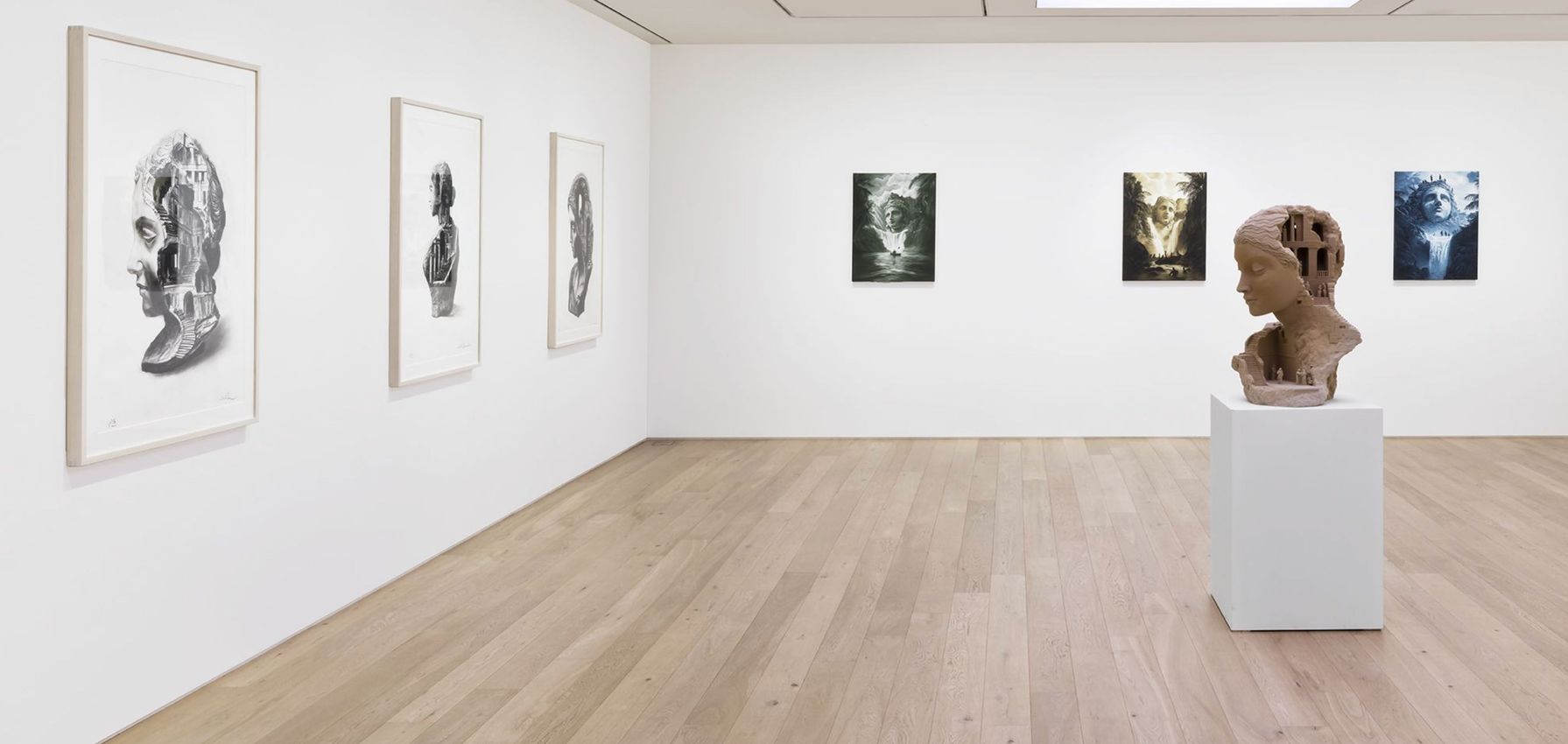
Arsham is debuting another body of sculpture in this exhibition, cast-sand busts that likewise tap into historical precedent but introduce elements that evince contemporary ideas and digital-era manufacturing process. Based on drawings by hand that are also on view here, the artist develops digital renderings and three-dimensional moulds with some elements made with computer-aided 3D printing. The resulting products hint at the gentility of classical statuary but quickly unravel into perceptual puzzles informed by Rene Magritte and M.C. Escher. Human forms are provocatively pierced by architectural details that disorientingly shift scale and invite a rewarding level of scrutiny. These Labyrinth sculpture seem destined to be a major area of exploration in the artist’s practice for years to come, packed with potential.
The same busts take on new life and significance in the accompanying paintings and drawings from 2025 that similarly represent a new avenue of inquiry for the artist. Across numerous canvases rendered in cool, monochromatic hues, monumental sculpted heads emerge from jungle and wooded landscapes, ruins in the process of being discovered by the solitary figures and groups happening upon them. In many of the compositions, a single explorer is silhouetted from behind, gazing upon these archaeological revelations, inviting us to project ourselves into their boots to experience the same moment of awe.
In typical Arsham fashion, the idea is steeped in art historical precedent, recalling the iconic figures in Caspar David Friedrich’s romantic tableaux from the early 19th century, or the exotic and expansive landscapes of Albert Bierstadt and Frederic Edwin Church in the later half of the 1800s. But just as resonant are memories of Indiana Jones and other cinematic heroes stumbling upon equally thrilling discoveries in faraway lands, mirroring other iconic bodies of work from the artist’s repertoire that conflate contemporary and ancient cultures. As with all of the artist’s confections, they are designed to draw us in to savor their details as they simultaneously stimulate our imagination.
Daniel Arsham’s uchronic aesthetics revolve around his concept of fictional archaeology. Working in sculpture, architecture, drawing and film, he creates and crystallises ambiguous in-between spaces or situations, and further stages what he refers to as future relics of the present. They are eroded casts of modern artifacts and contemporary human figures, which he expertly makes out of some geological material such as sand, selenite or volcanic ash for them to appear as if they had just been unearthed after being buried for ages. Always iconic, most of the objects that he turns into stone refer to the late 20th century or millennial era, when technological obsolescence unprecedentedly accelerated along with the digital dematerialisation of our world. While the present, the future and the past poetically collide in his haunted yet playful visions between romanticism and pop art, Daniel Arsham also experiments with the timelessness of certain symbols and gestures across cultures.
A respected voice in contemporary art discourse.
Focusing on ambitious storytelling and insightful art-world commentary. Ocula Magazine publishes in-depth interviews, critical essays and timely analysis on the artists, exhibitions and ideas driving the global art world.
Learn more about Ocula Magazine
Showcasing the best of the art world.
Ocula partners with galleries from around the world to highlight their artists, artworks and exhibitions. Gallery membership is by application and invitation, with each member vetted by an independent panel.
Learn more about Ocula Membership

Specialises in the sale of major artworks.
Led by a team with deep ties to the world’s leading auction houses, galleries and collectors. Ocula’s advisory team offers bespoke services to high-net-worth clients from around the world who are looking to acquire the best of contemporary and modern art.
Learn more about our team and services