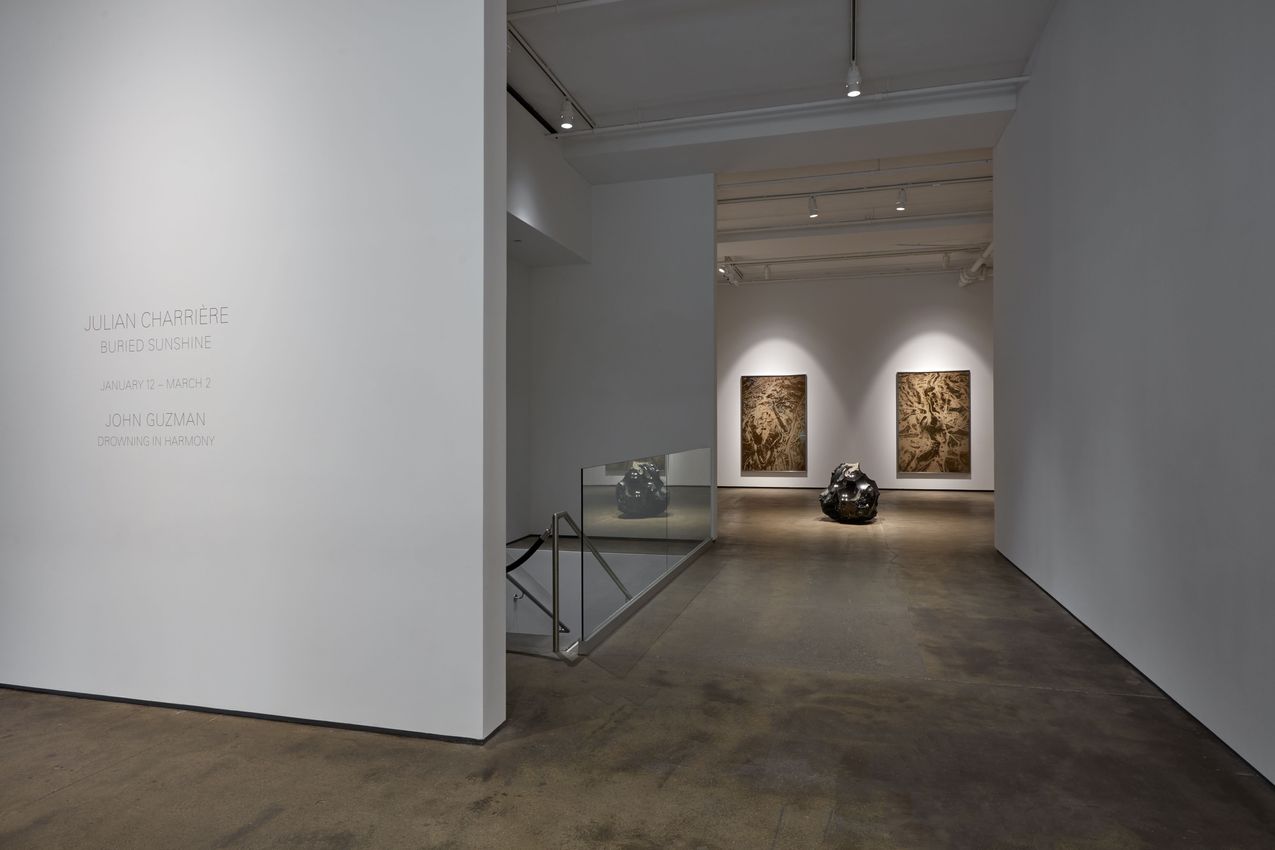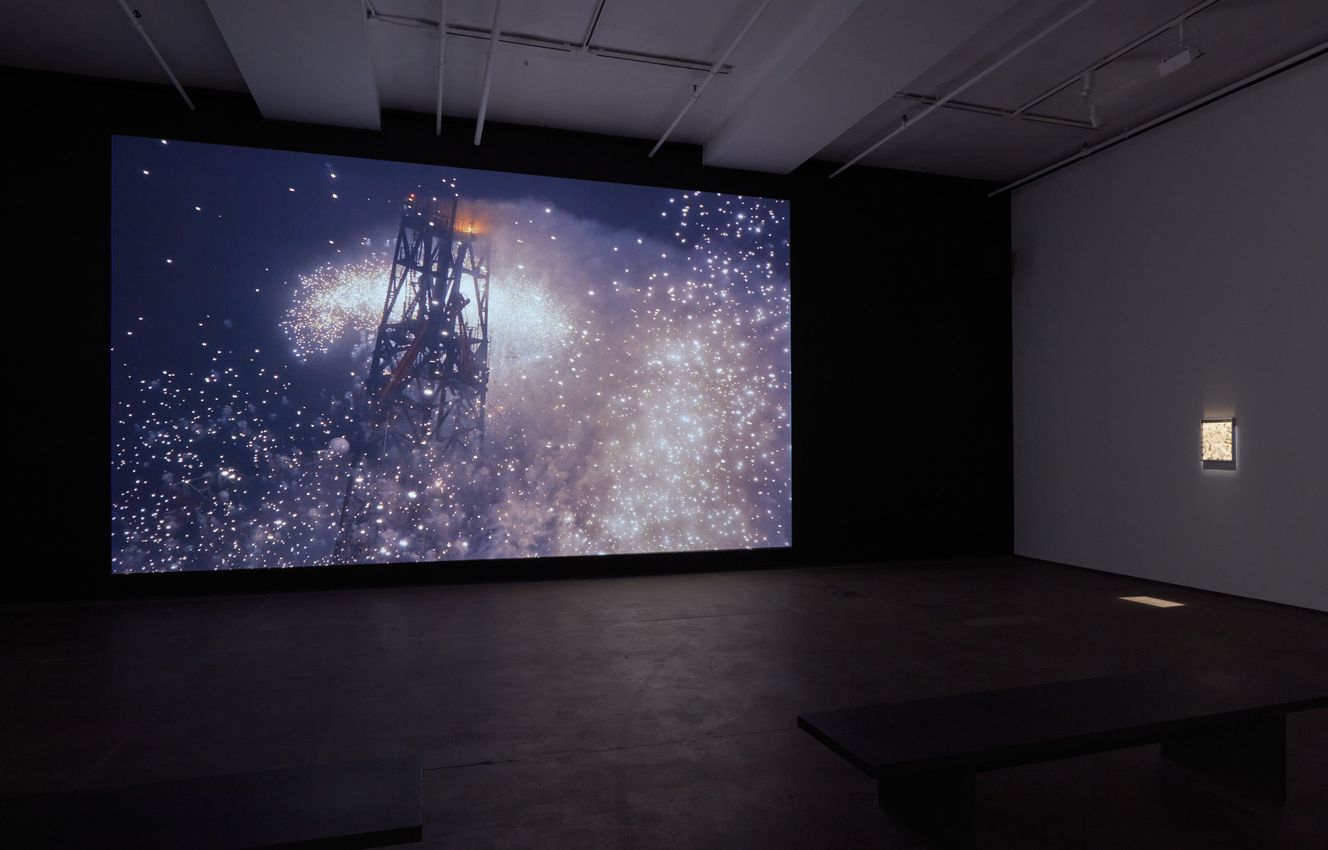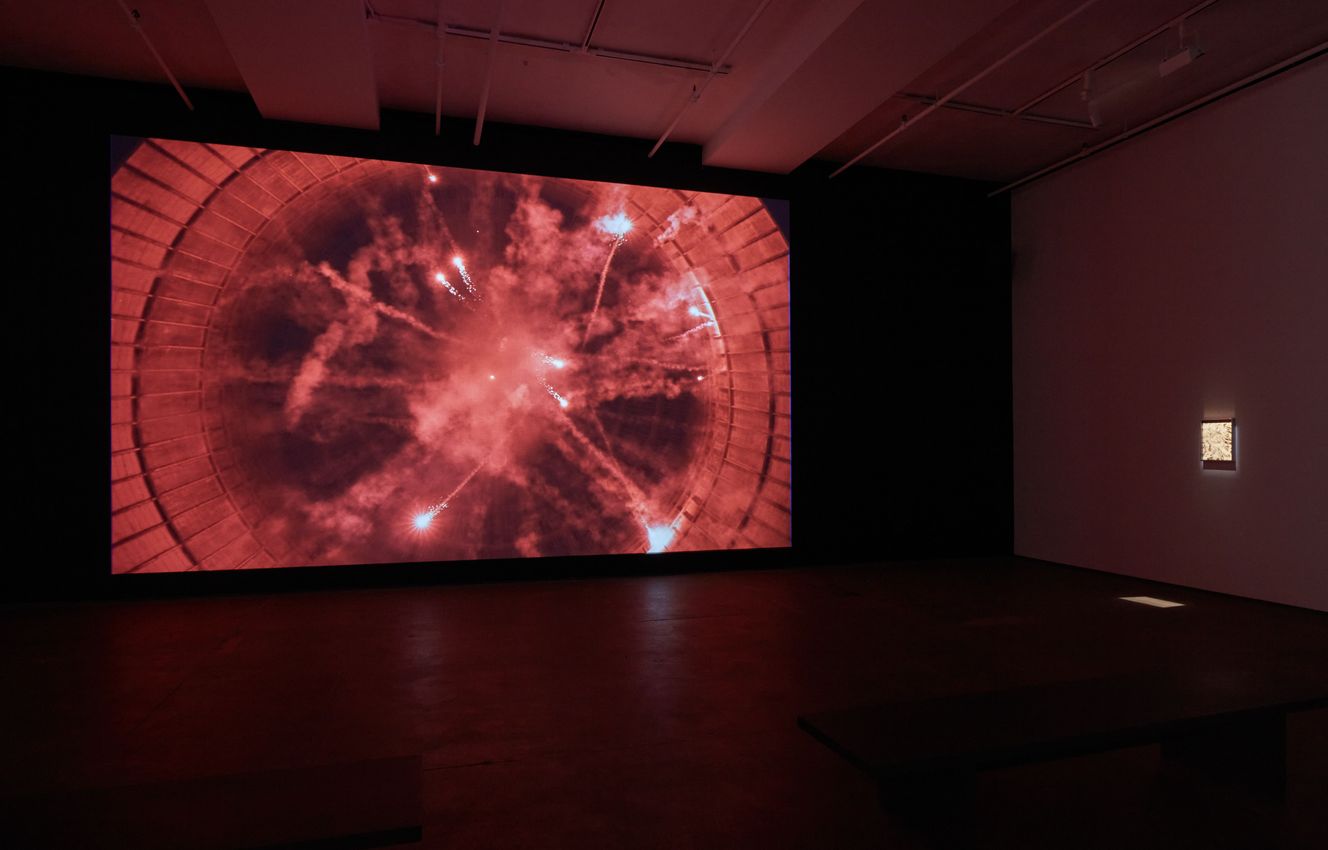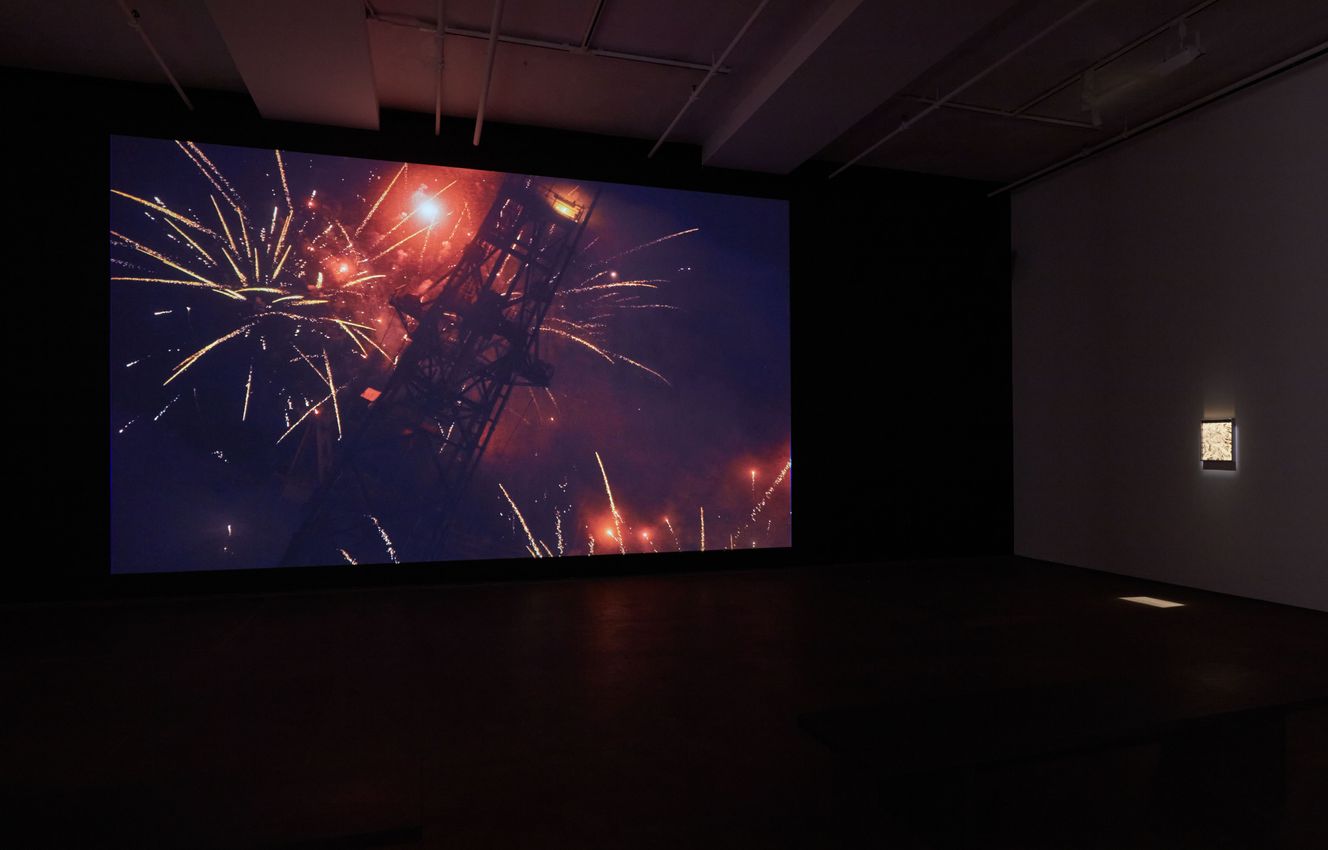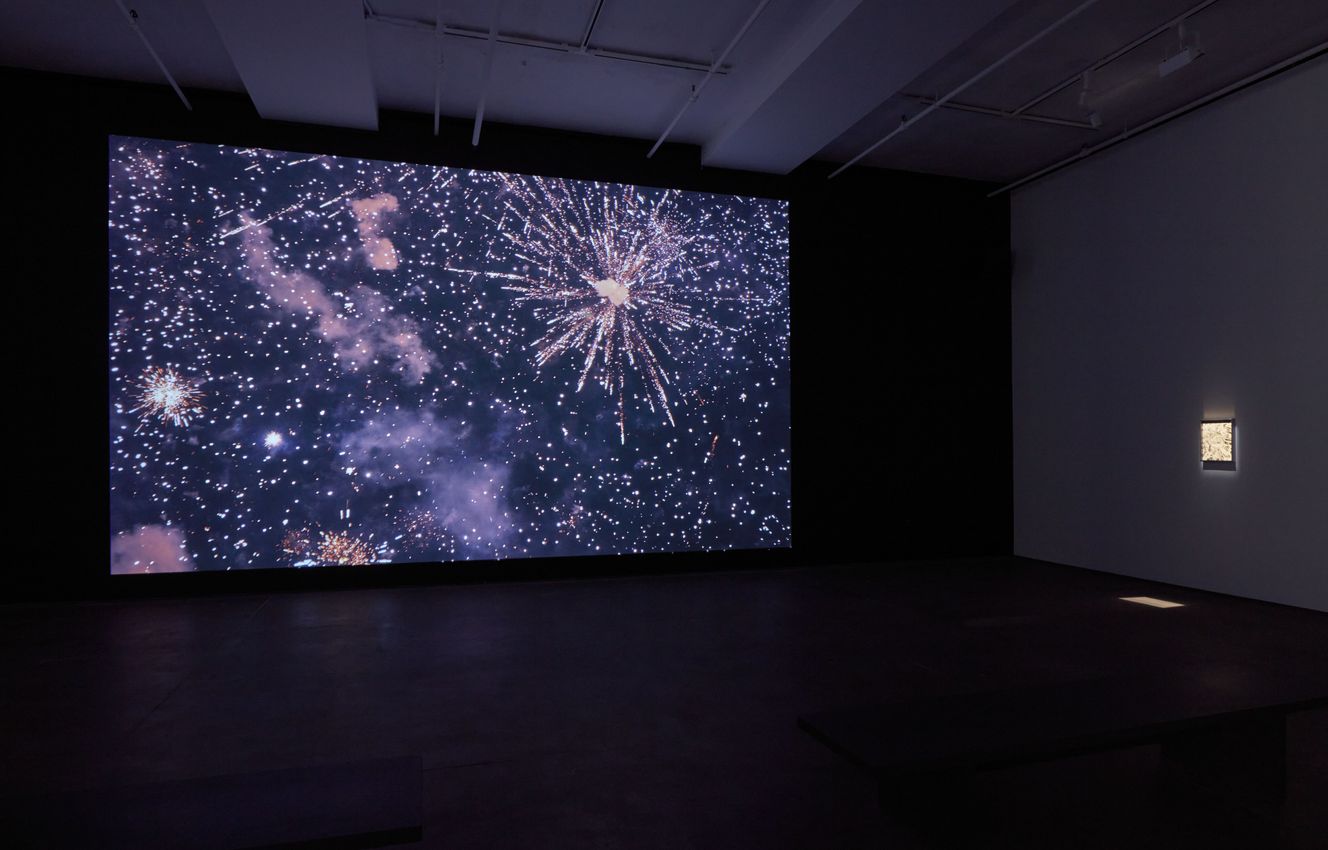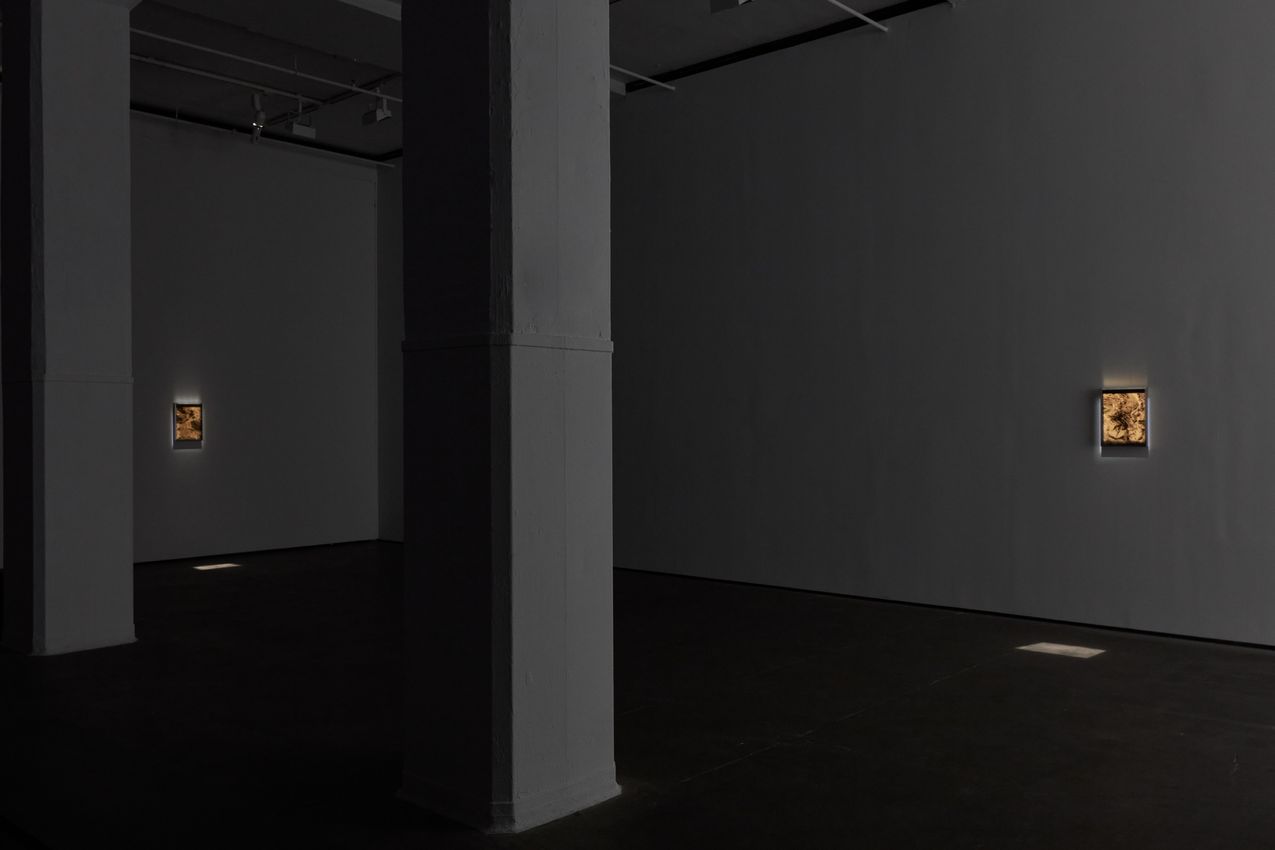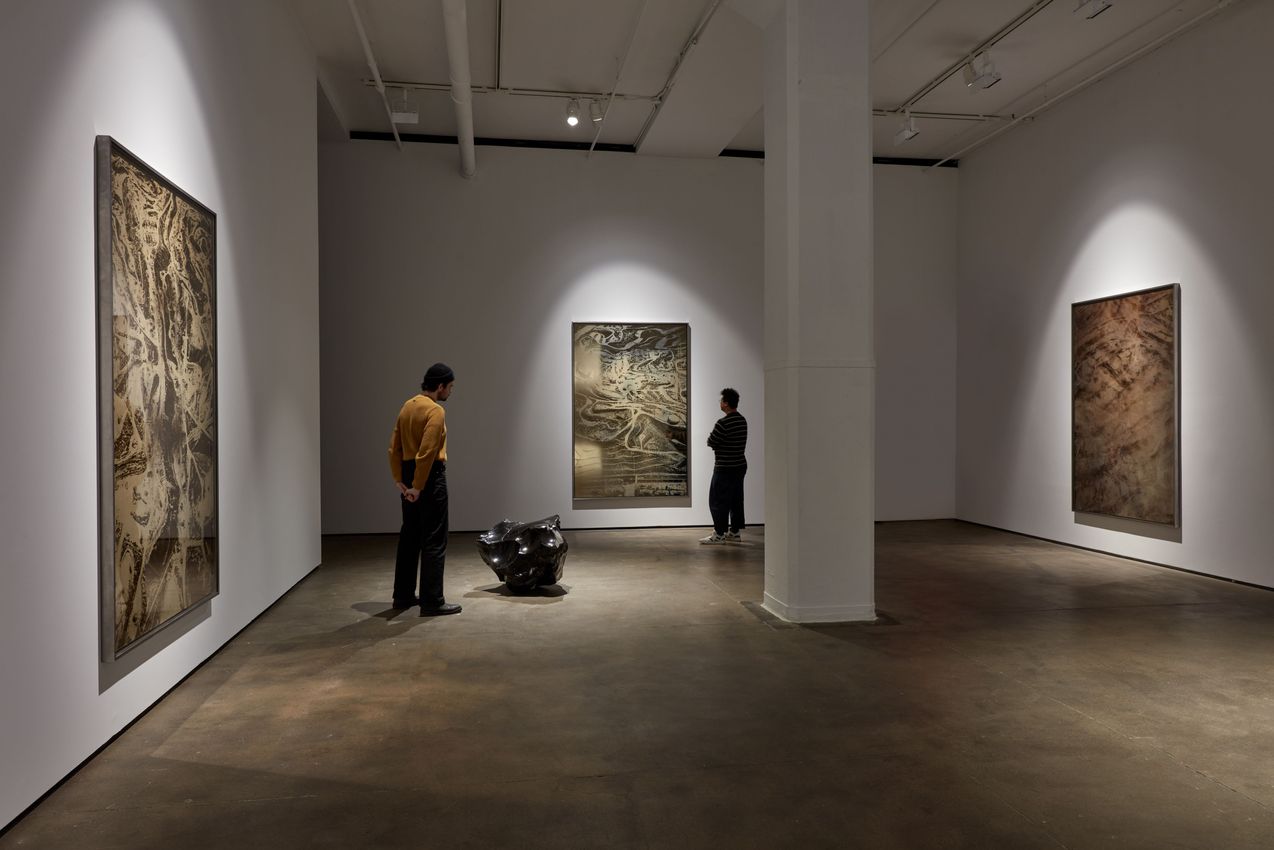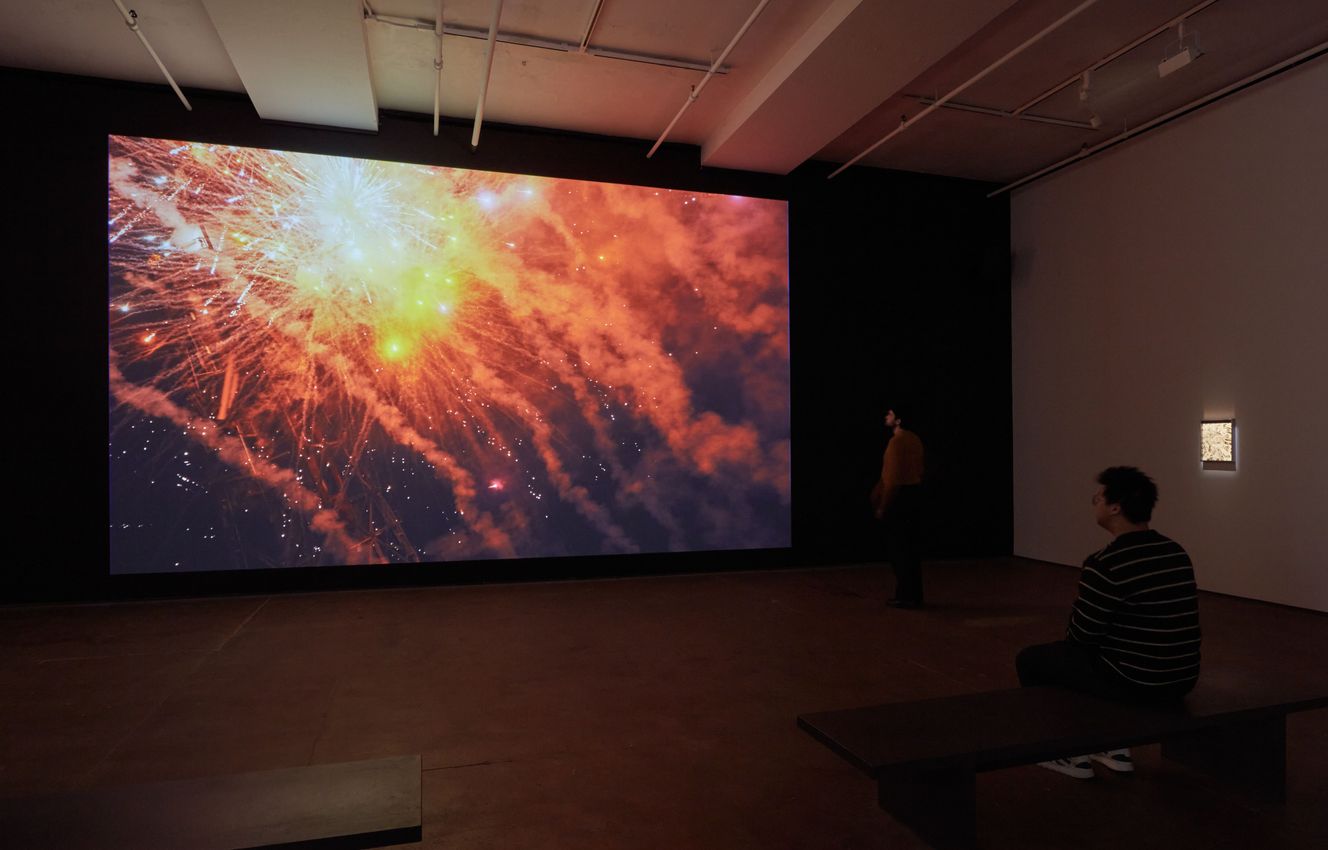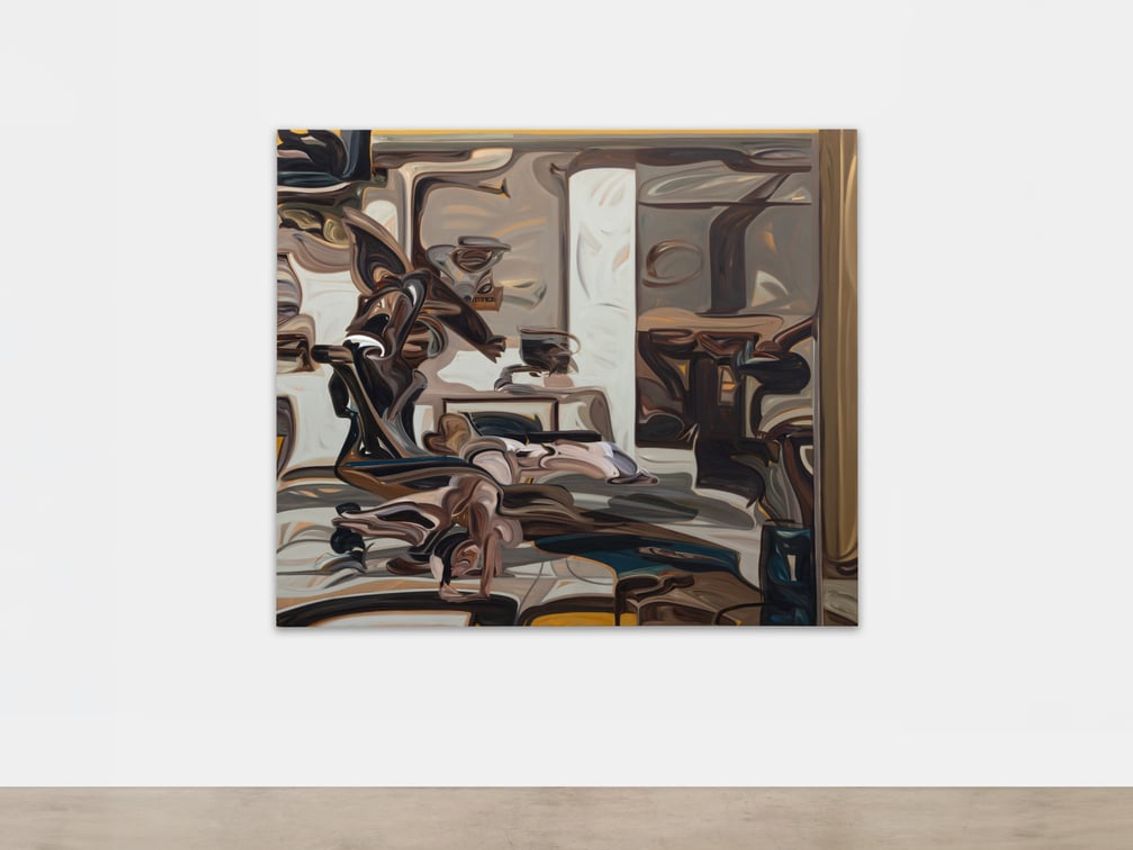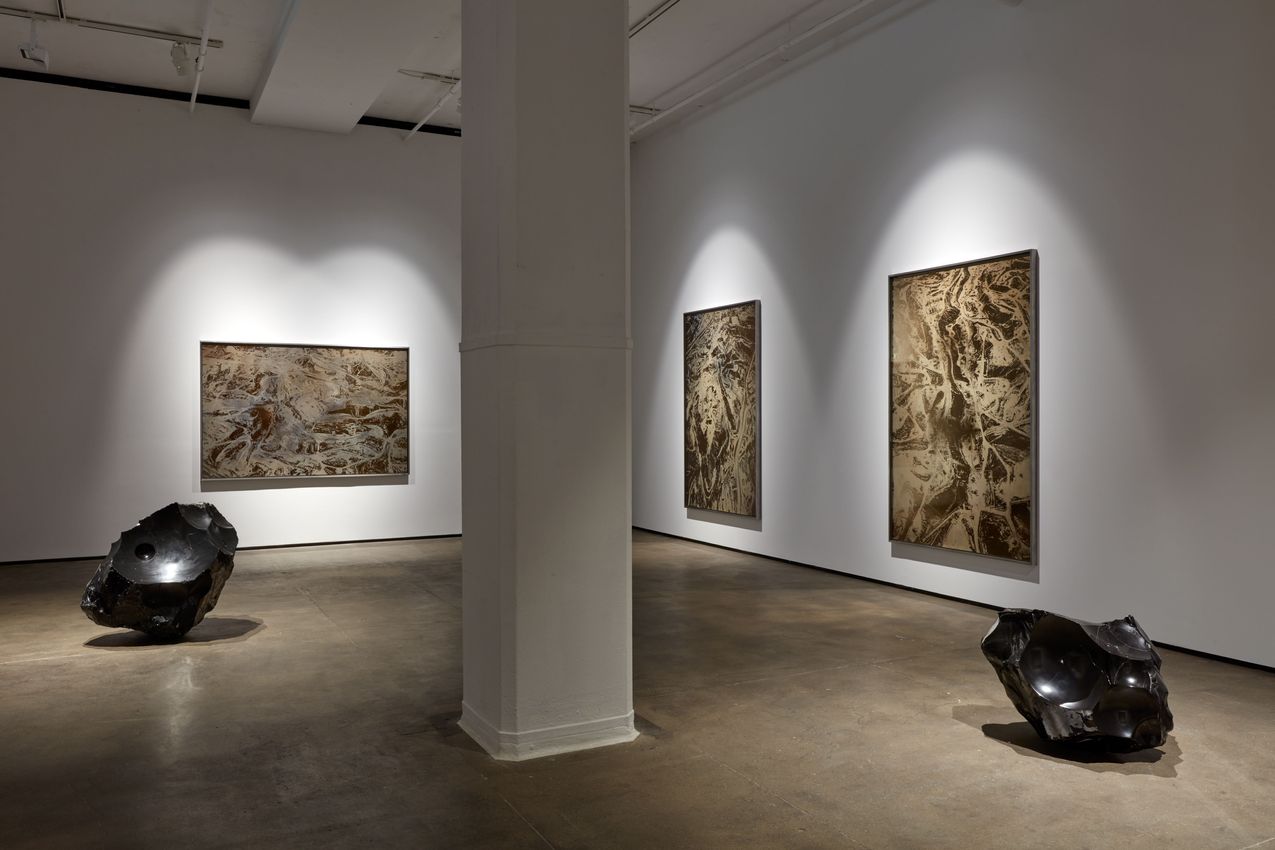
Sean Kelly is delighted to present Julian Charrière’s Buried Sunshine, the artist’s third solo exhibition with the gallery in New York. Capturing the delirium of the petroleum industry and the burning of lithic landscapes, Charrière brings his film Controlled Burn together with sculptures and a new series of heliographic photographs to unearth the ‘fossilized sunshine’ upon which the mythos of Los Angeles was built. Examining the material reality of hydrocarbons and how our modern world is organized around the energy they provide, the exhibition draws parallels between the image-making machine of Hollywood and our dependence on fossil fuels, both of which exert gravitational forces that bend our perception of reality. There will be an opening reception on Thursday, January 11, from 6-8pm. The artist will be present.
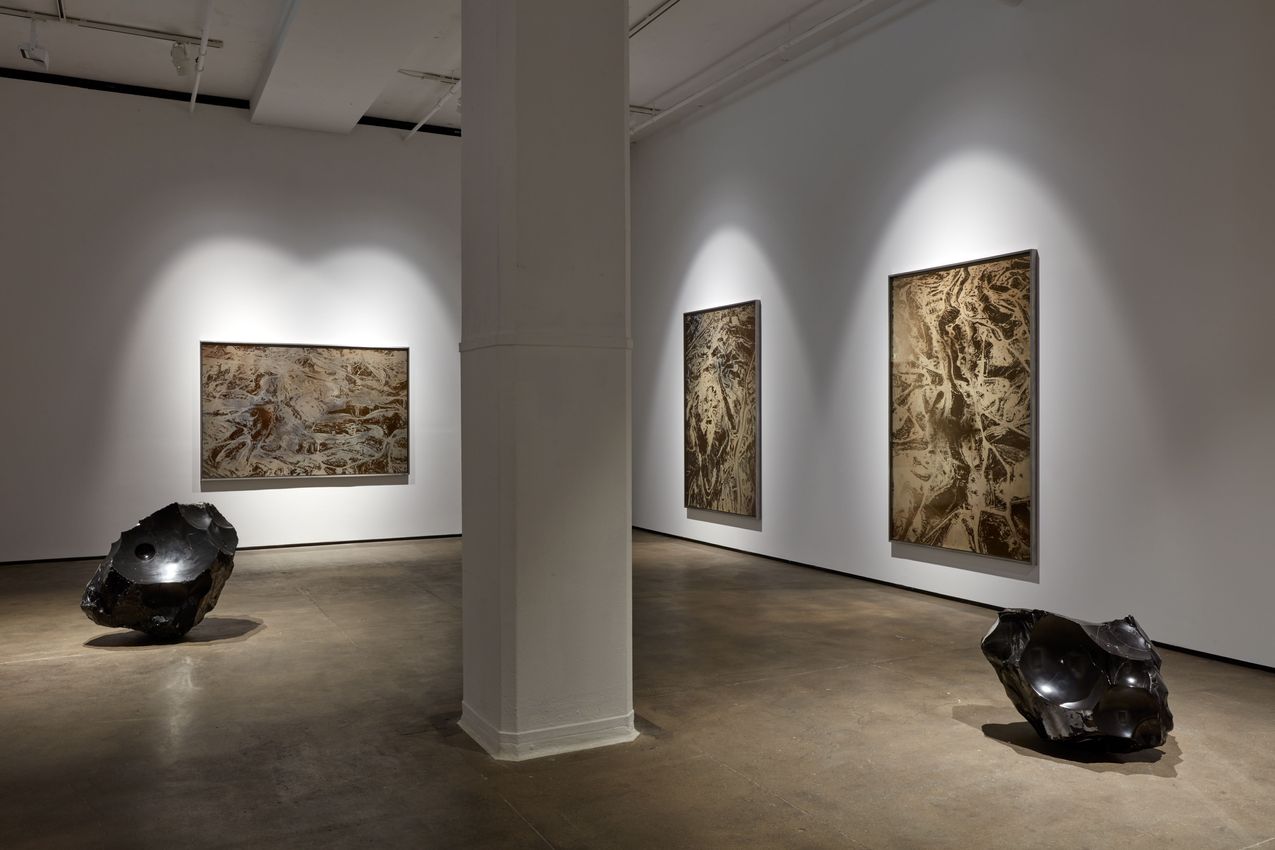
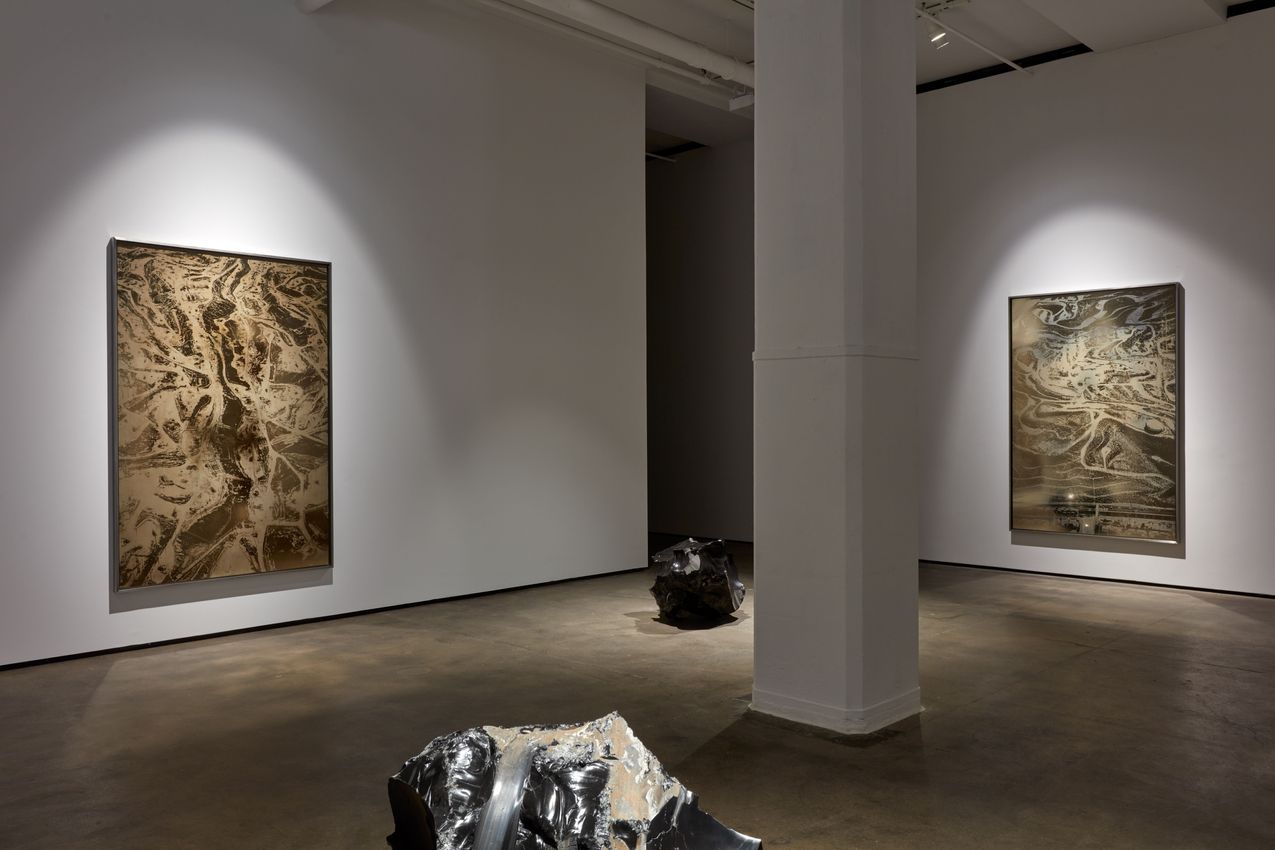
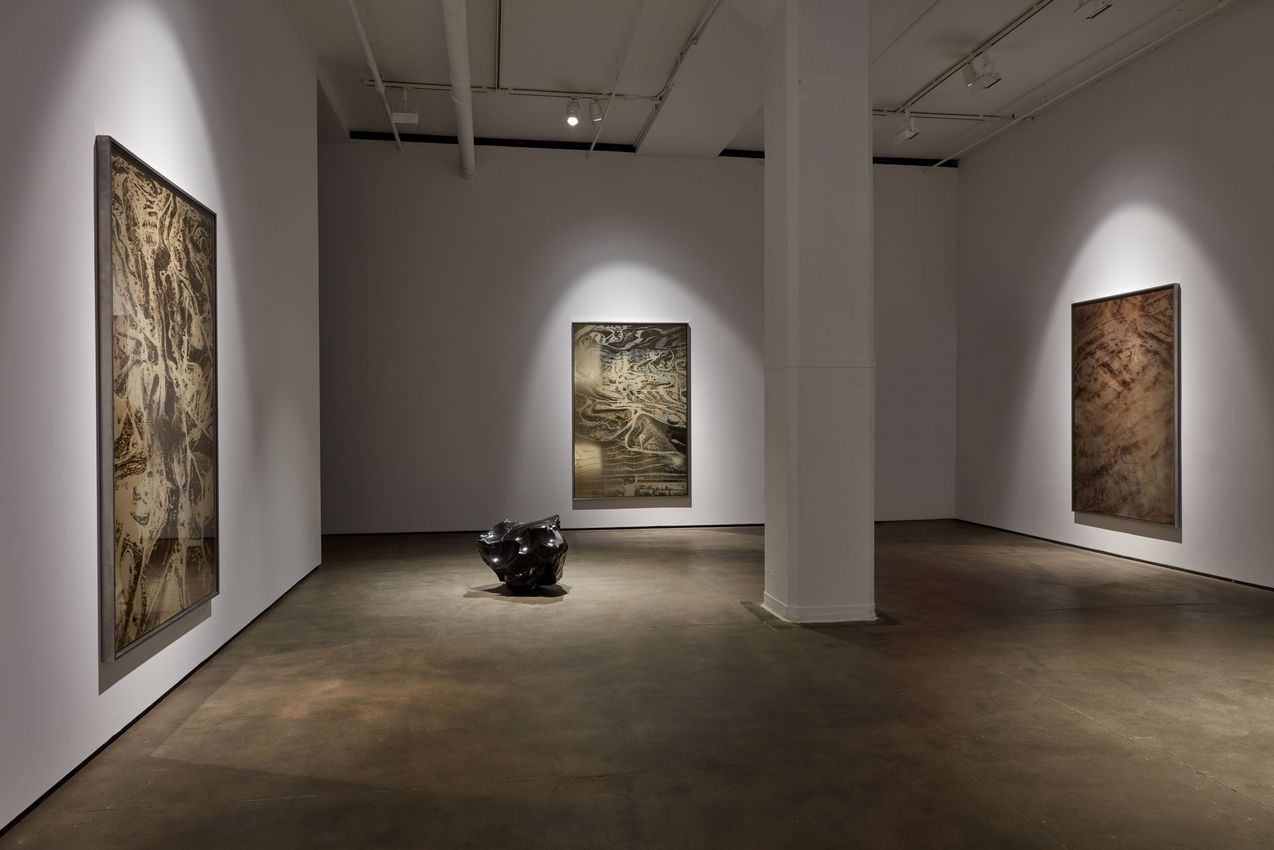
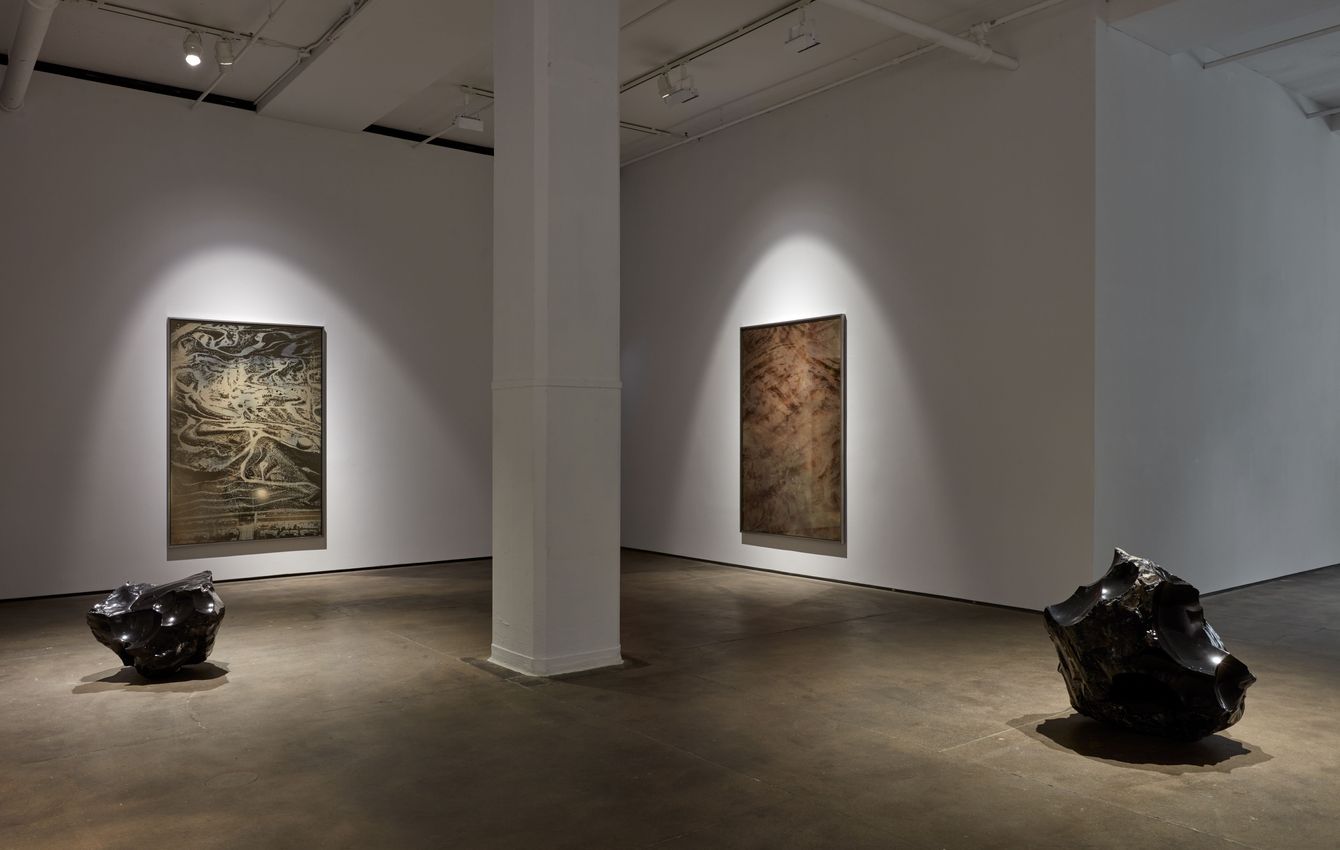
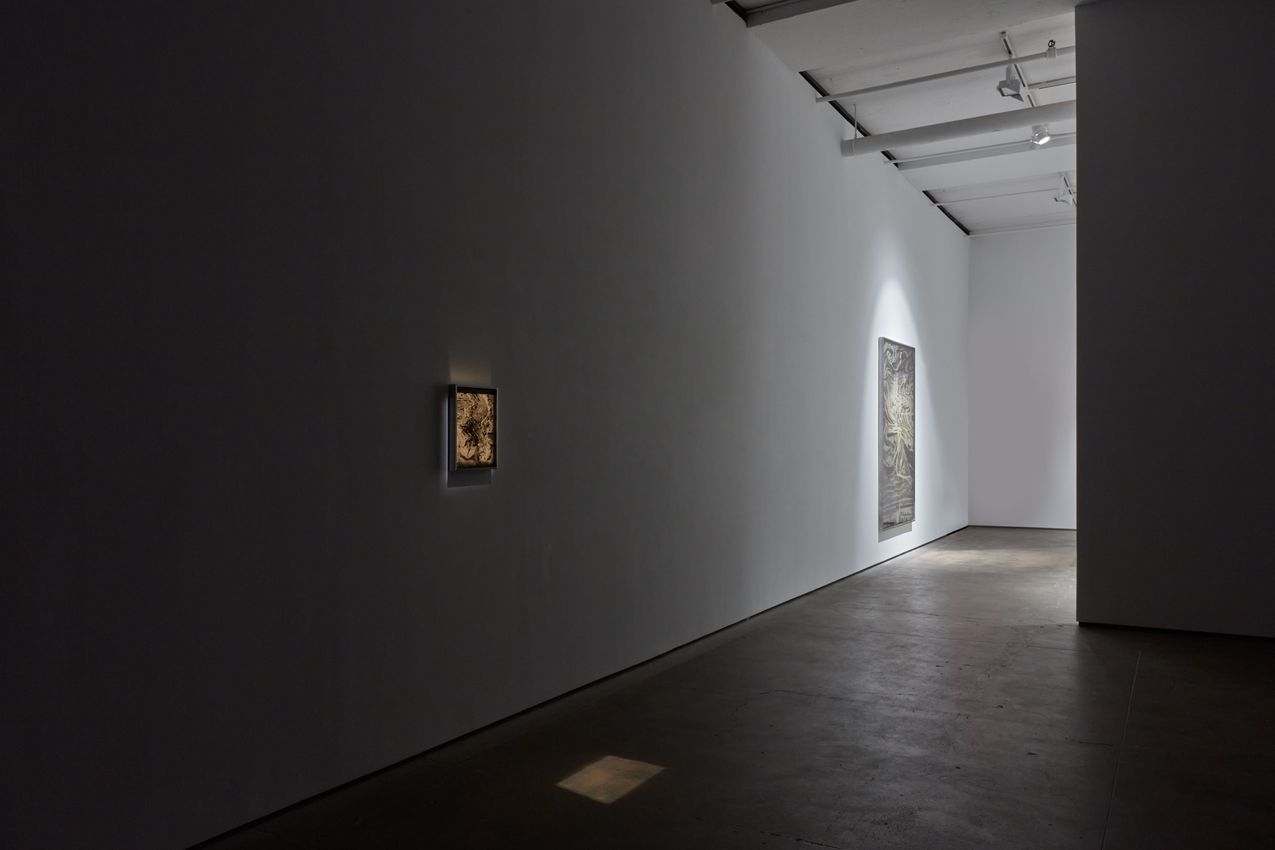
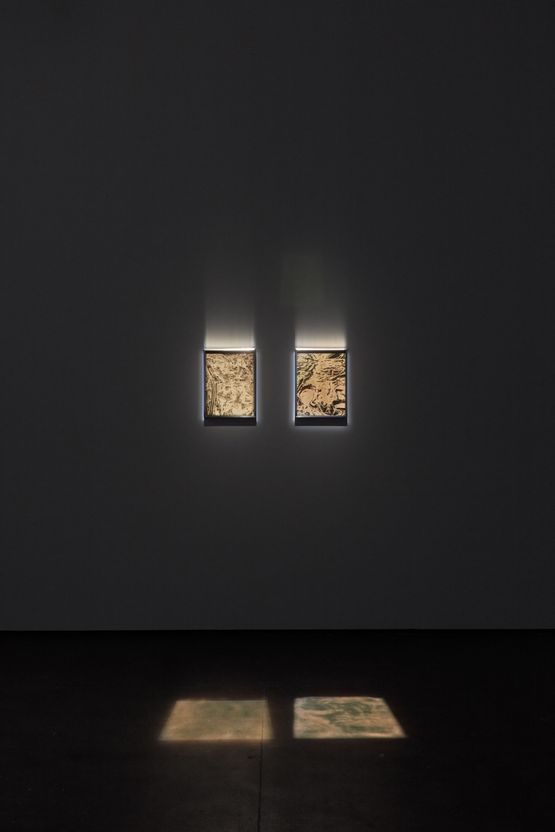
In his new photographic series Buried Sunshines Burn, Charrière reveals the City of Angels as a special anomaly: a place built not only by hydrocarbons, but on top of them, with 5,000 active oil wells beneath the second largest city in the United States. Employing heliography, one of photography’s oldest techniques, first developed by French inventor Nicéphore Niépce in 1822, Charrière uses a light-sensative emulsion incorporating naturally occurring tar collected from the La Brea, McKittrick, and Carpinteria Tar Pits in California to create photographic imprints of local oil fields. Shot from a bird’s eye perspective, the images–printed on highly polished stainless-steel plates–survey some of the state’s largest reserves, including the immense Kern River Oil Field in the San Joanquin Valley, the Placerita and Aliso Canyon Oil Fields in Santa Clarita, and the giant Inglewood Oil Field situated in the heart of the city.
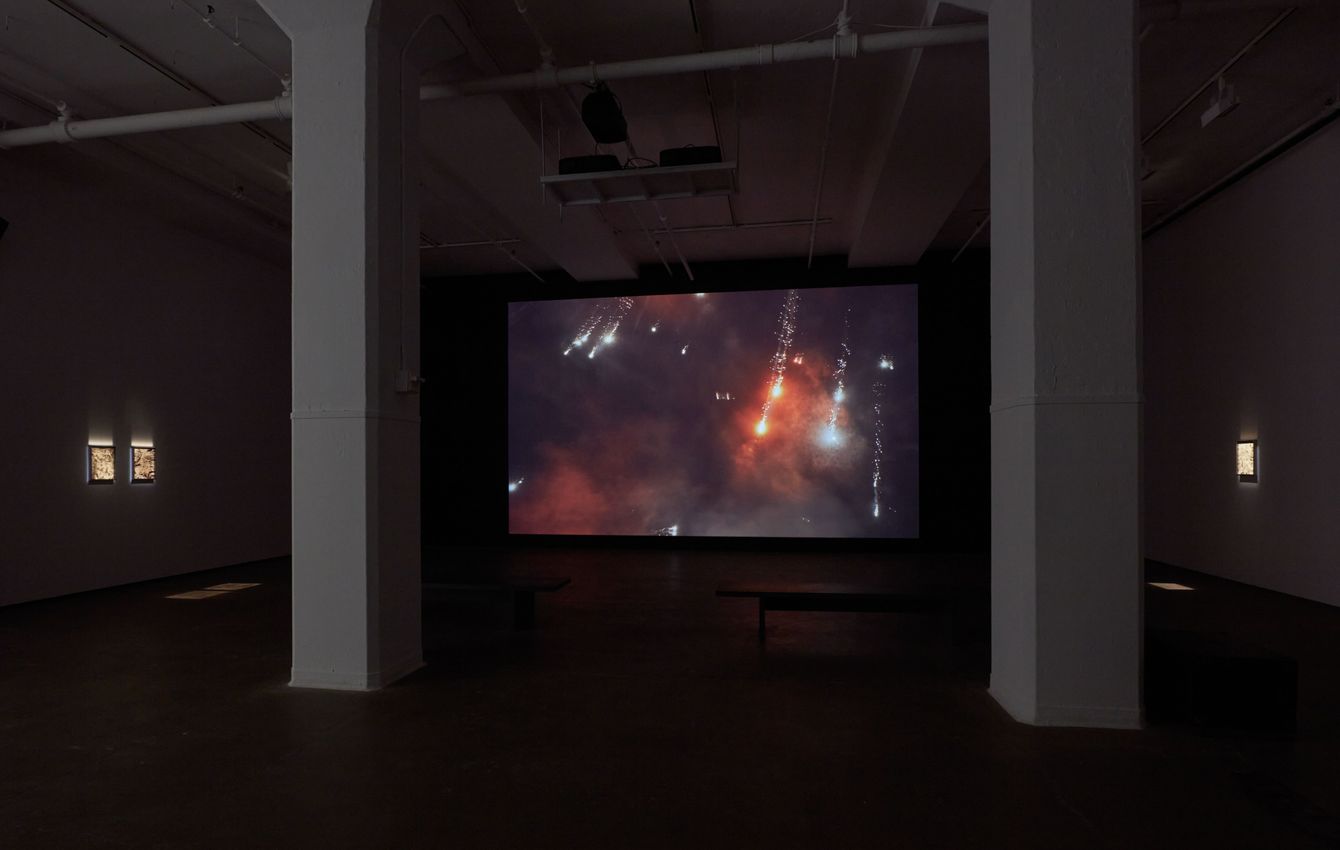
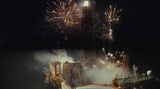
Charrière’s film Controlled Burn invites viewers on a cosmic journey, soaring through an aerial landscape of imploding fireworks. Filmes using a drone, this disorienting voyage takes place in open pit coal mines, discommissioned oil rigs, and rusting cooling towers. Amid whirling smoke and fire, implosions are intercut by flashing images of primordial ferns and fluttering moths–beings that evolved during the carboniferous geological period. Charrière cites these organisms as spirit guides and living tokens for the vitality of fossil fuels, and markers for how the agency of coal, oil, and tar has come to haunt our contemporary imagination. Linking celebratory pyrotechnics with architectures of extraction, explosive momentum, and technological obsolescence, Controlled Burn stages the fantasy of a dramatic return to sources of energy via implosion.
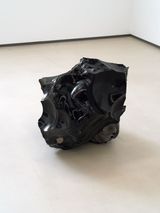
Also featured in the exhibition are two obsidian sculptures, Thickens, pools, flows, rushes, slows. Made from large pieces of polished volcanic glass–colled magma which has erupted from the Earth’s core. Charrière draws on this material as an ancient means of divination. A readily available resource in Mesoamerica, both Mayan and Aztec civilizations believed obsidian to unlock doors to other times and realms; the hardness of the glass made it one of the earliest materials to be traded across vast distances. In the present, the dark vitality of obsidian is eerily reminiscent of our technological black mirrors, themselves questionable portals beyond the present.
As an exhibition, Buried Sunshine expands upon Julian Charrière’s ongoing inquiry into how our species inhabits the world, and how it in turn inhabits us. Charrière combines a unique industrial history with a historic form of image-making, creating an immersive landscape where our most urgent ecological concerns can be addressed. Utilizing photography, film and sculpture, Buried Sunshine investigates sense of place through the lens of geological time, in the process urging viewers to reflect on how our relationship with the materials we appropriate as fuel comes to inform how we perceive the world around us.
Julian Charrière’s work has been the subject of solo presentations at major international institutions, including SFMOMA, San Francisco; Langen Foundation, Neuss; Dallas Museum of Art, Dallas; MAMbo, Bologna; Berlinische Galerie, Berlin; Parasol Unit Foundation, London; Musée des Beaux-Arts, Lausanne; and Centre Culturel Suisse, Paris. Charrière has also been prominently featured at the 59th Biennale di Venezia; 57th Biennale di Venezia; the Antarctic Biennale; the Taipei Biennial; the 12th and 16th Biennale de Lyon; Centre Pompidou, Paris; Sprengel Museum, Hannover; Aarhus Kunstmuseum, Aarhus; SCHIRN Kunsthalle, Frankfurt; Hayward Gallery, Southbank Centre, London; and Palais de Tokyo, Paris. Julian Charrière is a former participant of the Institute for Spatial Experiments, an experimental education and research project at the Berlin University of the Arts led by Olafur Eliasson. A nominee for the Prix Marcel Duchamp in 2021, in 2022 Charrière received the 14th SAM Prize for Contemporary Art.
For additional information on Julian Charrière, please visit skny.com
For media inquiries, please email Adair Lentini at Adair@skny.com
For all other inquiries, please email Lauren Kelly at Lauren@skny.com


One of the most exciting young artists working today, Charrière is known for a research-based practice rooted in geology, biology, physics, history and archaeology. He frequently travels to some of the most remote regions of the planet to explore how human civilization and the natural landscape are inextricably linked. Drawing on ideas about ephemerality, the passage of time, and humankind’s attempts to dominate the environment, his oeuvre incorporates extensive techniques and media, including photography, sculpture, video, intervention and installation.


Sean Kelly Gallery was founded by its British-born owner in 1991 and operated privately in SoHo until 1995 when its first public space opened at 43 Mercer Street. During these formative years, it established a reputation for diverse, intellectually driven, unconventional exhibitions. The original list of artists represented included Marina Abramović, James Casebere, Callum Innes, Joseph Kosuth and Julião Sarmento – exemplifying the Gallery’s commitment to presenting important, challenging contemporary art.

A respected voice in contemporary art discourse.
Focusing on ambitious storytelling and insightful art-world commentary. Ocula Magazine publishes in-depth interviews, critical essays and timely analysis on the artists, exhibitions and ideas driving the global art world.
Learn more about Ocula Magazine
Showcasing the best of the art world.
Ocula partners with galleries from around the world to highlight their artists, artworks and exhibitions. Gallery membership is by application and invitation, with each member vetted by an independent panel.
Learn more about Ocula Membership

Specialises in the sale of major artworks.
Led by a team with deep ties to the world’s leading auction houses, galleries and collectors. Ocula’s advisory team offers bespoke services to high-net-worth clients from around the world who are looking to acquire the best of contemporary and modern art.
Learn more about our team and services