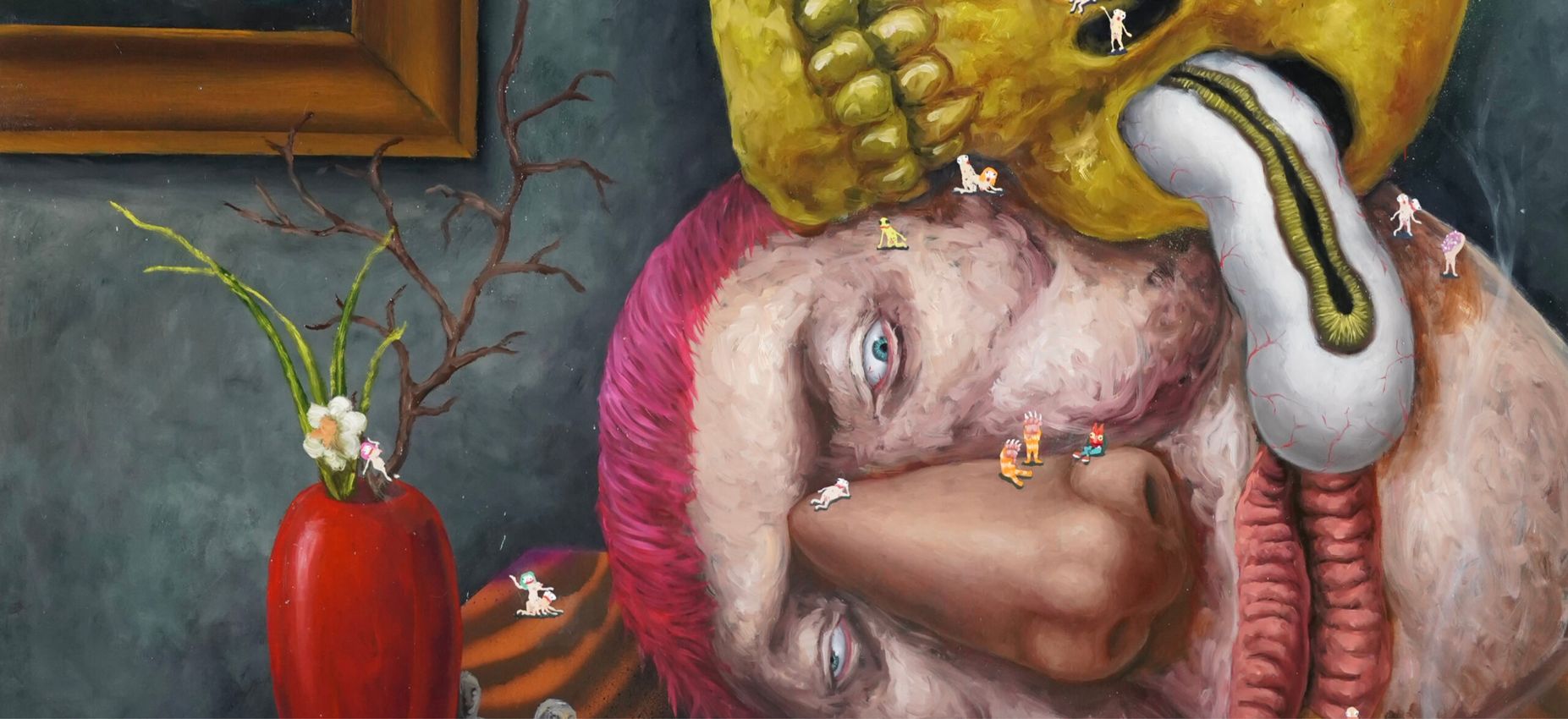
Ames Yavuz is pleased to present the first solo exhibition of Mónica de Miranda with the gallery, Meu nome é terra [My Name Is Earth]. Bringing together film, photography and archival research, the exhibition takes inspiration from the terrestrial theory of the Cameroonian philosopher and political theorist Achille Mbembe, which considers the interwoven relationship between humans and the natural environment. Informed by this idea, de Miranda reflects on environmental change and the fragile systems that sustain life on Earth.
Set against a backdrop of environmental unbalances, the exhibition invites us to rethink our relationship with the Earth. Drawing on African cosmologies that value interconnectedness, spirituality and intuition, de Miranda proposes other ways of understanding the world, ones that challenge extractive approaches to land and nature. Her work points towards a planetary kinship grounded in reciprocity, care and regeneration.
Soil and body, memory and seed, geology and kindship: throughout the exhibition, these poetics speak to the urgency of historical reparations, to ecological futures beyond enclosure and to imaginaries in which survival is shaped by ancestral knowledge and a refusal to forget. Nature here is not simply landscape; it is an agent of resistance, a place of possibility and a pulse of freedom.
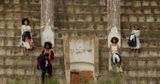
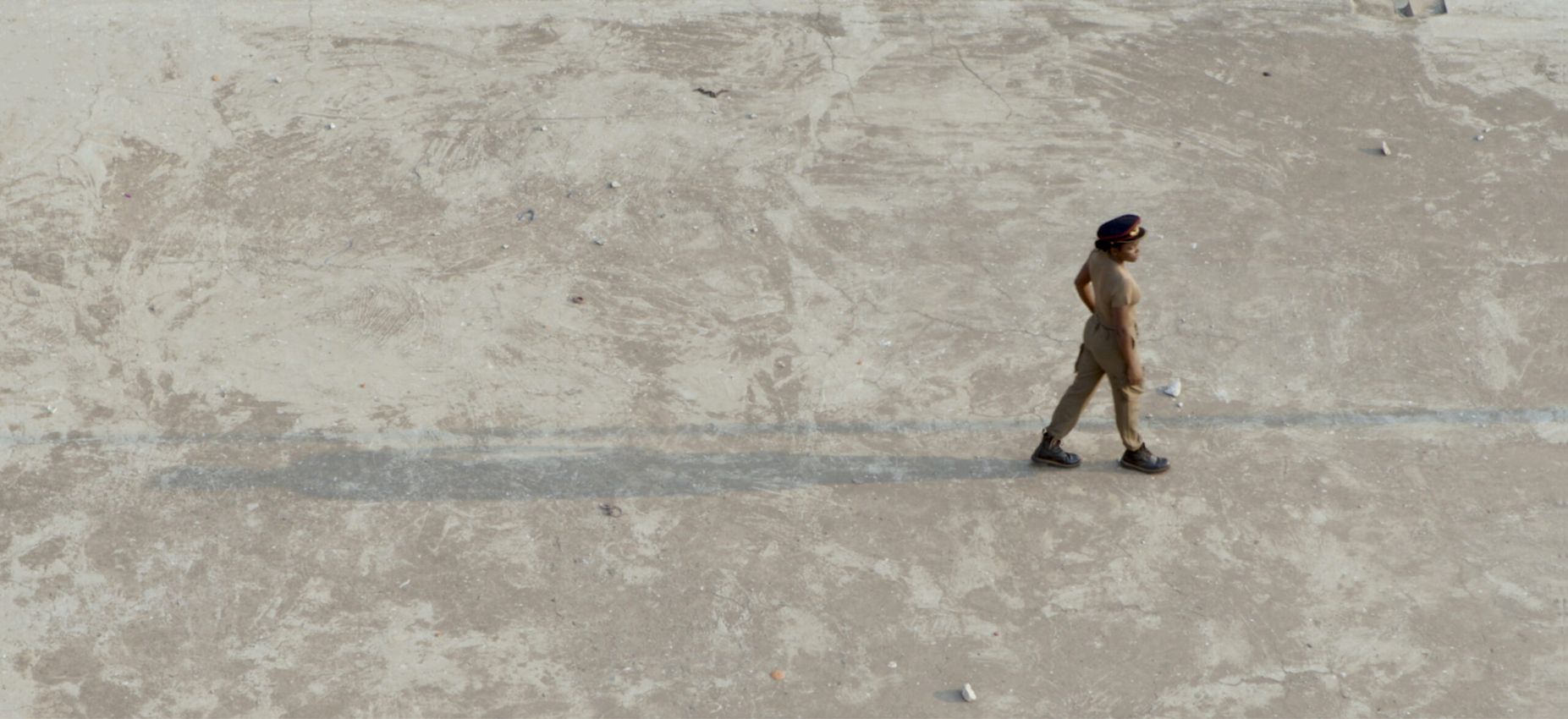
At the centre of the exhibition is The Spell Stone, a 12-minute film that reimagines African liberation through layered, research-based storytelling. It brings together memory, resistance and the reclamation of voices long silenced by official histories. The work takes its name from a sacred stone at the mouth of the Zaire River, in Angola’s Zaire Province, a site long associated with healing, spiritual protection and anti-colonial resistance. According to local belief, the stone gave liberation fighters strength and supernatural protection during Angola’s struggle for independence, reflecting the broader role that ritual, ancestral invocation and faith in spiritual power played in the resistance movement.
The film is based on the stories of freedom fighters who took part in the armed struggle against Portuguese colonial rule and in the civil war that followed, interweaving personal histories with collective memory and myth. The region around the Spell Stone is also linked to some of the earliest acts of resistance to colonial rule, including the War of the Marias, tied to the 1961 Baixa de Cassange Revolt, which was led by peasant women and associated with Soba [queen] Nguriakama, a traditional ruler who challenged colonial authority.
These histories of female leadership, care and resistance echo throughout the exhibition, continuing particularly in the full-length embroidered photographic portrait, Plant Women comprised of four panels. It reflects the body as a living archive of ecological knowledge, memory and ancestral wisdom across generations, sustained by everyday acts of care and cultural transmission.
In Mask Woman, a series of embroidered photographic portraits, de Miranda extends this exploration of interconnectedness through hybrid figures in which branches and leaves merge with the human form. The works evoke a process of metamorphosis, challenging the distinction between body and landscape.
Meu nome é terra [My Name Is Earth] suggests how preserving plant knowledge is deeply tied to community wellbeing, cultural identity and ecological survival. By foregrounding these relationships, de Miranda proposes an expanded understanding of planetary kinship, in which the body, the land and the seed become interconnected sites of memory, belonging and possibility. Nature emerges not simply as landscape or resource, but as an active agent of resistance and a repository of ancestral knowledge, underlining their importance in shaping more sustainable futures.
Mónica de Miranda is an artist, filmmaker, and researcher known for examining the complex notions of identity and belonging with a hybrid approach that blurs the distinction between fiction and reality. Born in Porto to Angolan parents, de Miranda discusses the tensions posed by her diasporic Angolan heritage and the postcolonial histories they imply in artworks encompassing film, photography, video and sound, installation, and drawing.
A respected voice in contemporary art discourse.
Focusing on ambitious storytelling and insightful art-world commentary. Ocula Magazine publishes in-depth interviews, critical essays and timely analysis on the artists, exhibitions and ideas driving the global art world.
Learn more about Ocula Magazine
Showcasing the best of the art world.
Ocula partners with galleries from around the world to highlight their artists, artworks and exhibitions. Gallery membership is by application and invitation, with each member vetted by an independent panel.
Learn more about Ocula Membership

Specialises in the sale of major artworks.
Led by a team with deep ties to the world’s leading auction houses, galleries and collectors. Ocula’s advisory team offers bespoke services to high-net-worth clients from around the world who are looking to acquire the best of contemporary and modern art.
Learn more about our team and services