Textiles are vital to our lives. We are swaddled in them when we’re born, we wrap our bodies in them every day, and we’re shrouded in them when we die.
What does it mean to imagine a needle, a loom or a garment as a tool of resistance? How can textiles unpack, question, unspool, unravel and therefore reimagine the world around us?
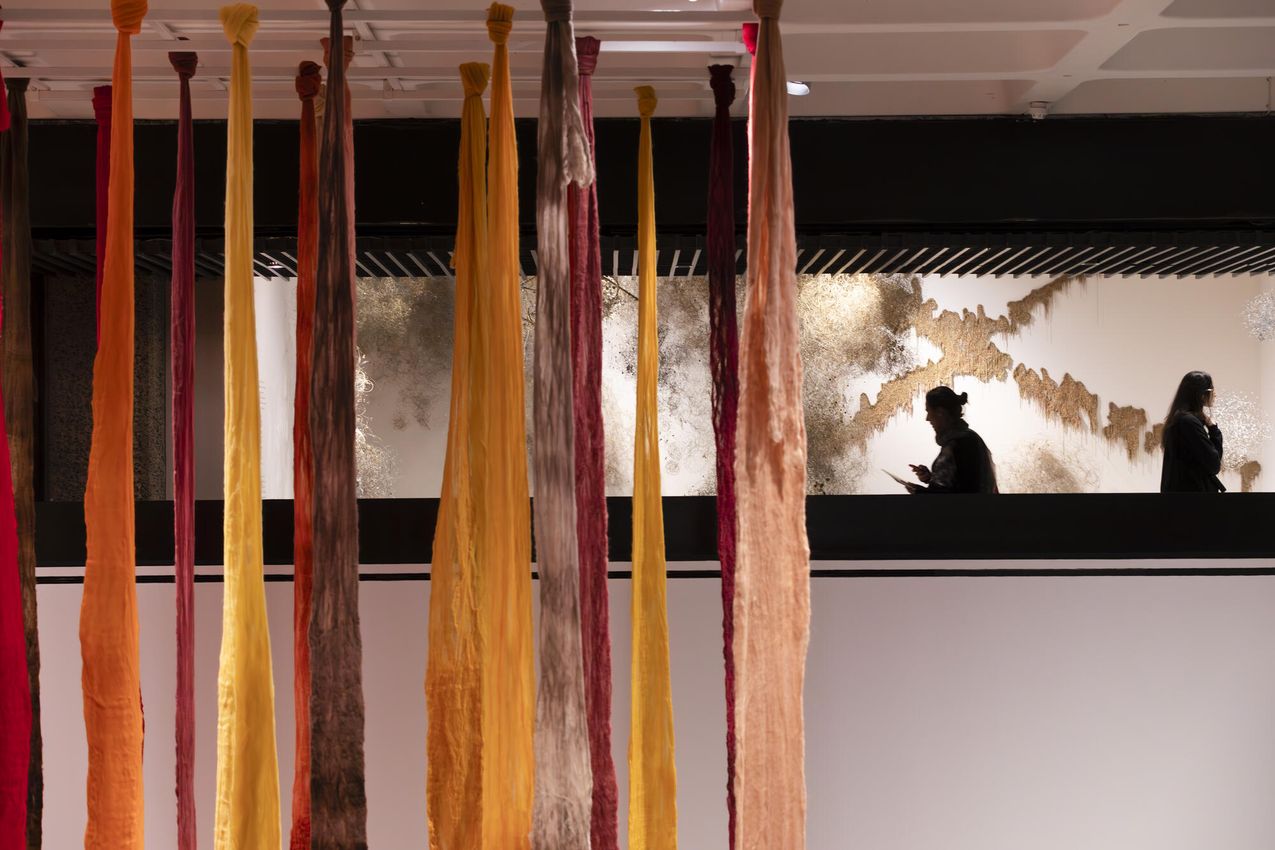
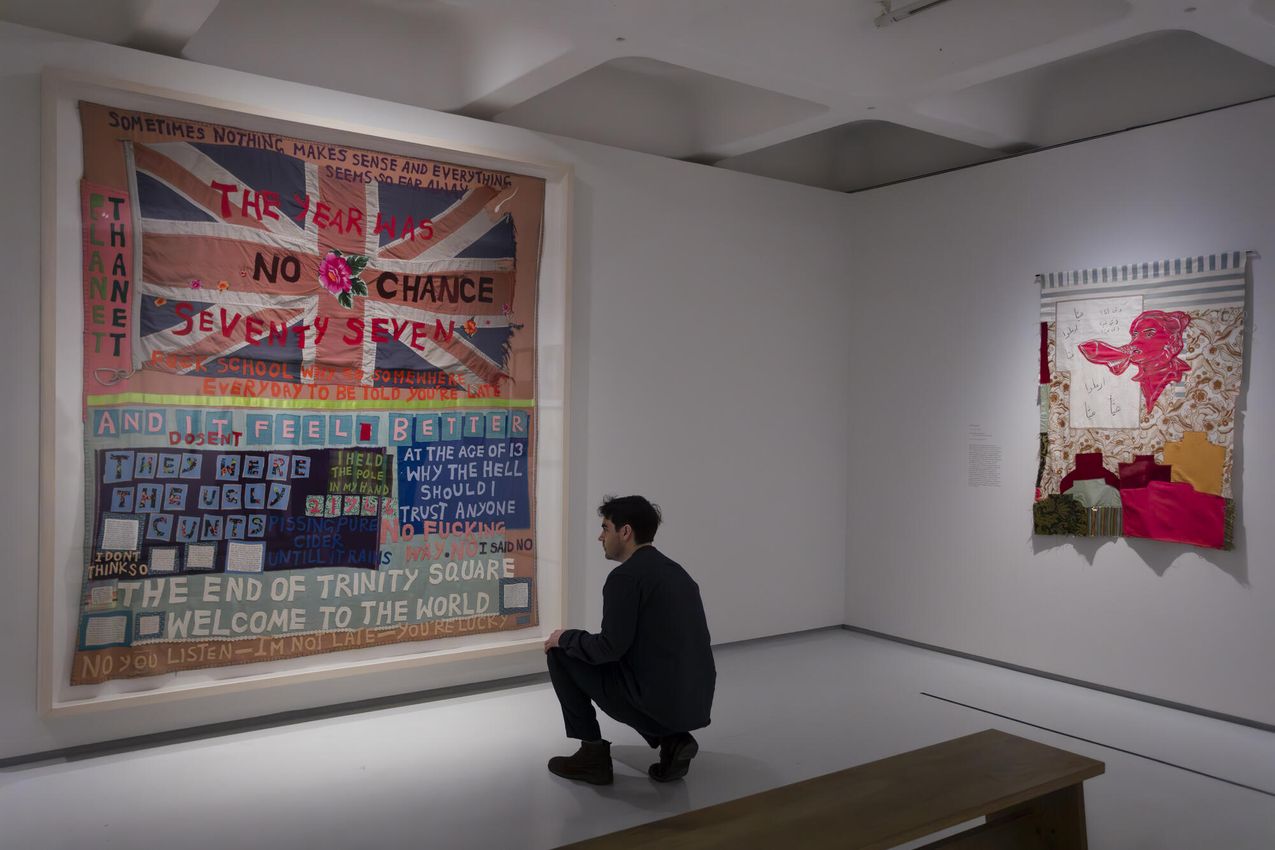
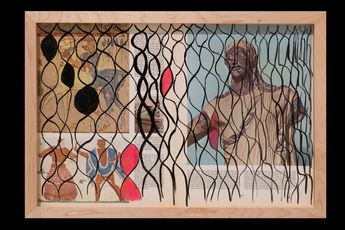
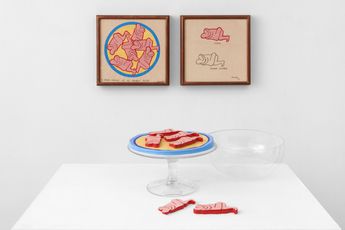
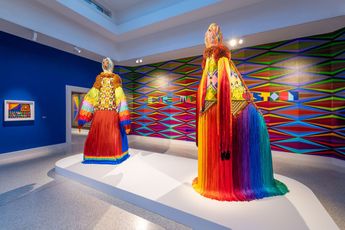
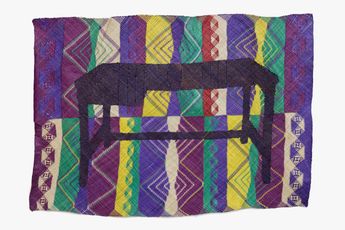
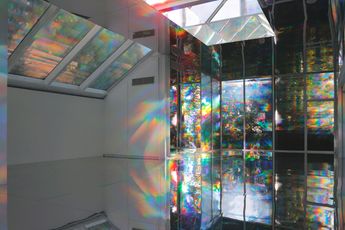
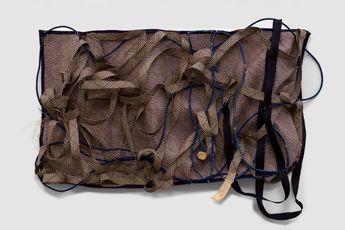
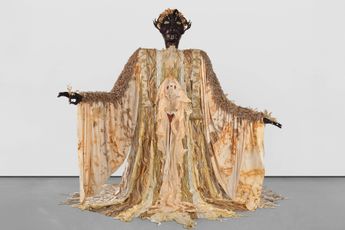
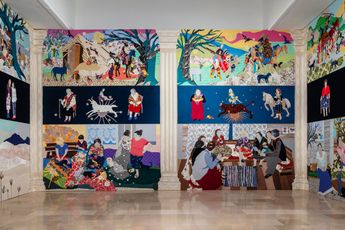
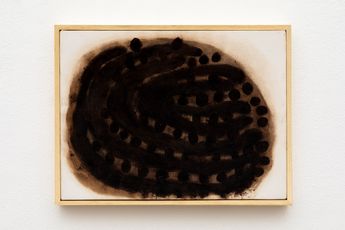
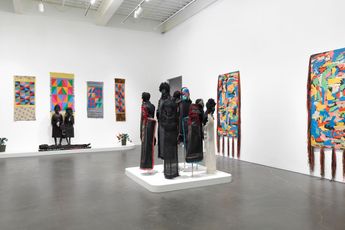
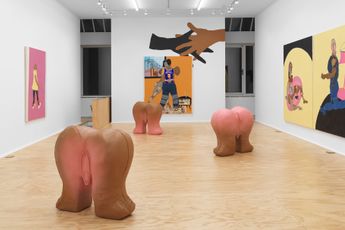
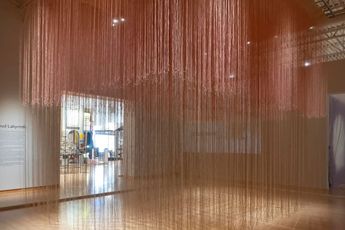
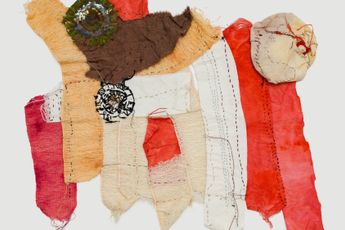
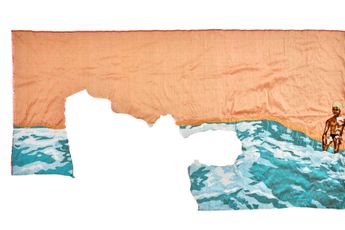
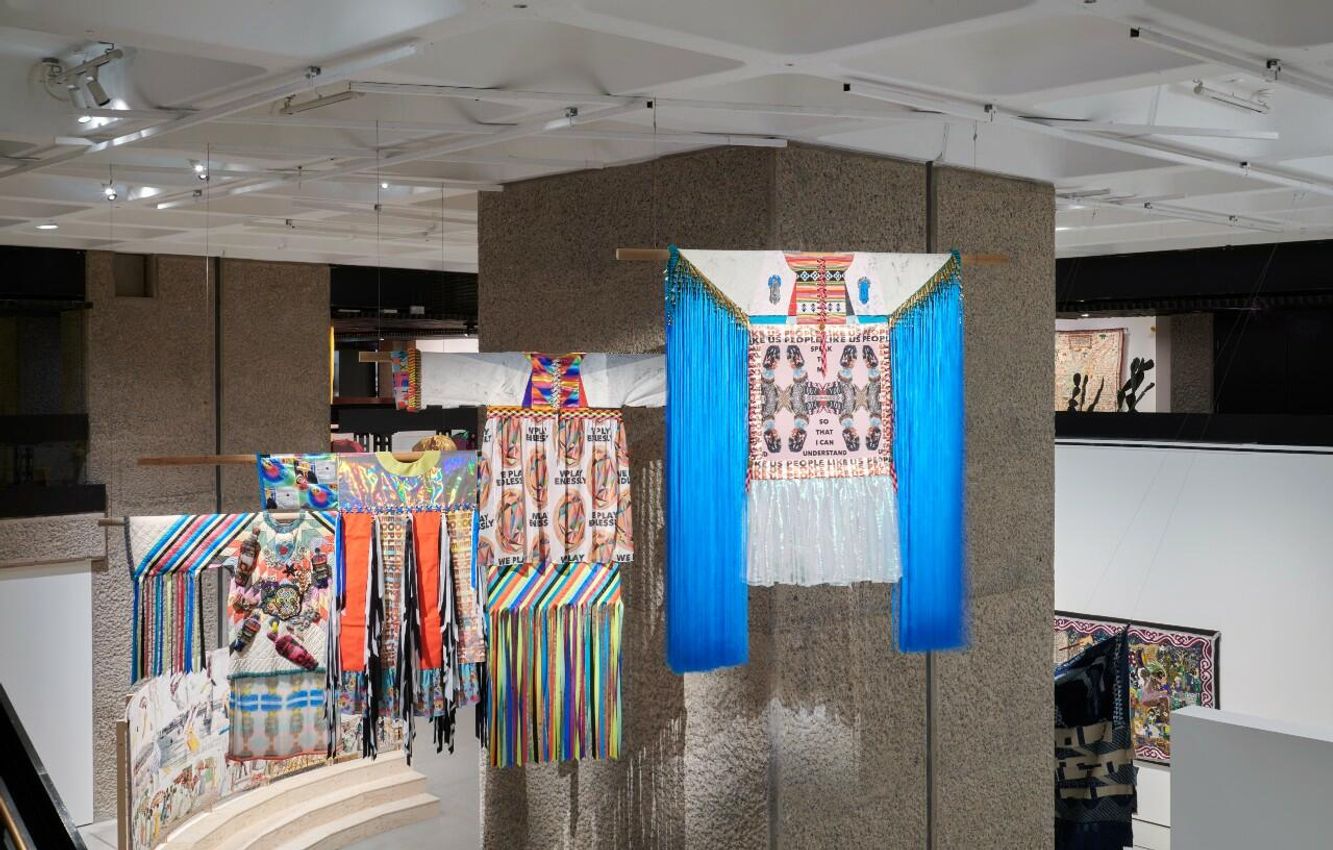
Since the 1960s, textiles have become increasingly present in artistic practices for subversive ends. This is significant as the medium has been historically undervalued within the hierarchies of Western art history. Textiles have been considered ‘craft’ in opposition to definitions of ‘fine art’, gendered as feminine and marginalised by scholars and the art market. The 50 international artists in this show challenge these classifications, harnessing the medium to speak powerfully about intimate, everyday stories as well as wider socio-political narratives, teasing out these entangled concerns through a stitch, a knot, a braid, through the warp and the weft. These artists defy traditional expectations of textiles, embracing abstraction or figuration to push the boundaries of the medium. They draw on its material history to reveal ideas relating to gender, labour, value, ecology, ancestral knowledge, and histories of oppression, extraction and trade.
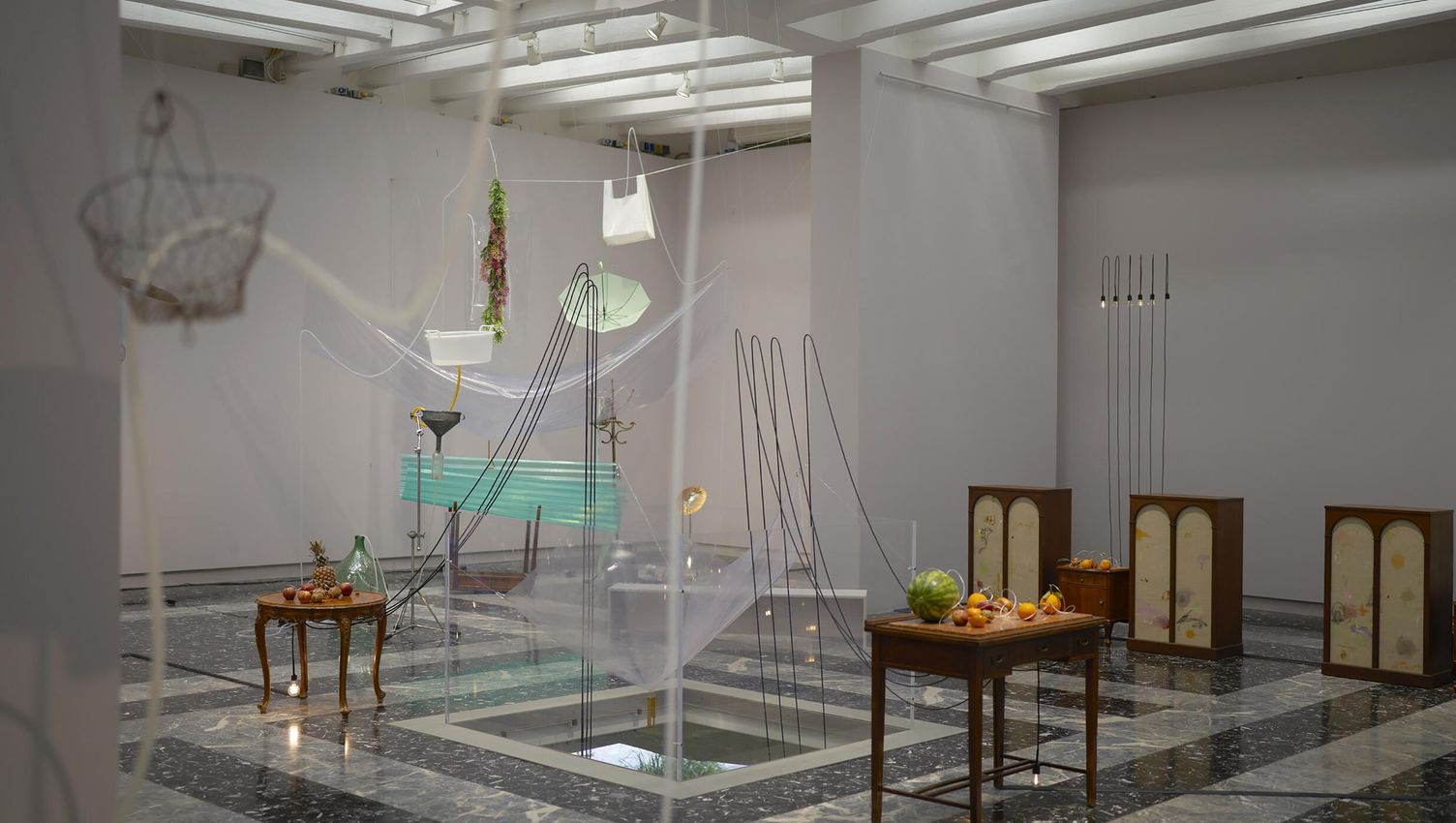
Rather than dictating a chronological history of fibre art, the exhibition is organised in thematic dialogues between artists — across both generations and geographies — to explore how artists have embraced textiles to critique or push up against regimes of power. Some artists work alone with solitary, near-meditative practices, while others reflect the shared approach that the medium often invites, working with collaborators in acts of community and solidarity. Spanning intimate hand-crafted pieces to large-scale sculptural installations, these artworks communicate multi-layered stories about lived experience, invoking the vital issues embedded in fibre and thread.


The Barbican is a world-renowned arts and learning hub in the City of London, celebrated for its striking Brutalist architecture and multidisciplinary programming. Opened in 1982 as part of the larger Barbican Estate, it has become a cultural landmark, bringing together visual arts, music, theatre, dance, film, and education under one roof.
A respected voice in contemporary art discourse.
Focusing on ambitious storytelling and insightful art-world commentary. Ocula Magazine publishes in-depth interviews, critical essays and timely analysis on the artists, exhibitions and ideas driving the global art world.
Learn more about Ocula Magazine
Showcasing the best of the art world.
Ocula partners with galleries from around the world to highlight their artists, artworks and exhibitions. Gallery membership is by application and invitation, with each member vetted by an independent panel.
Learn more about Ocula Membership

Specialises in the sale of major artworks.
Led by a team with deep ties to the world’s leading auction houses, galleries and collectors. Ocula’s advisory team offers bespoke services to high-net-worth clients from around the world who are looking to acquire the best of contemporary and modern art.
Learn more about our team and services