Press Release

Huang Hua-Cheng was born in 1935 in Nanjing, China, and died in 1996 in Taipei, Taiwan. He graduated from the Department of Fine Arts at Taiwan Provincial Normal University in 1958 and soon after was recognized as a representative figure in Taiwan’s 1960s modern art movement. His practice crossed multiple domains, including literature, advertising, design, theater, film, and visual art forms such as painting, ready-mades, installation, and conceptual art. In addition to being a core member of Theatre Quarterly, Huang was the sole and founding member of ‘École de Great Taipei’, which along with his pioneering concepts and uncompromising attitude, propelled him to a leading position in postwar avant-gardism in Taiwan.

Lack of formal research and the artist’s untimely death have contributed to the enigmatic aura that surrounds Huang’s legacy today. He had always maintained a certain distance from others, acting as if he did not want to be understood. He had changed jobs more than thirty times in his lifetime and presented work at many exhibitions and events under countless pseudonyms. He ultimately left a historical record with a good deal of loose ends complemented by a large archive of manuscripts detailing his ideas, yet most of his legendary original works remain lost.

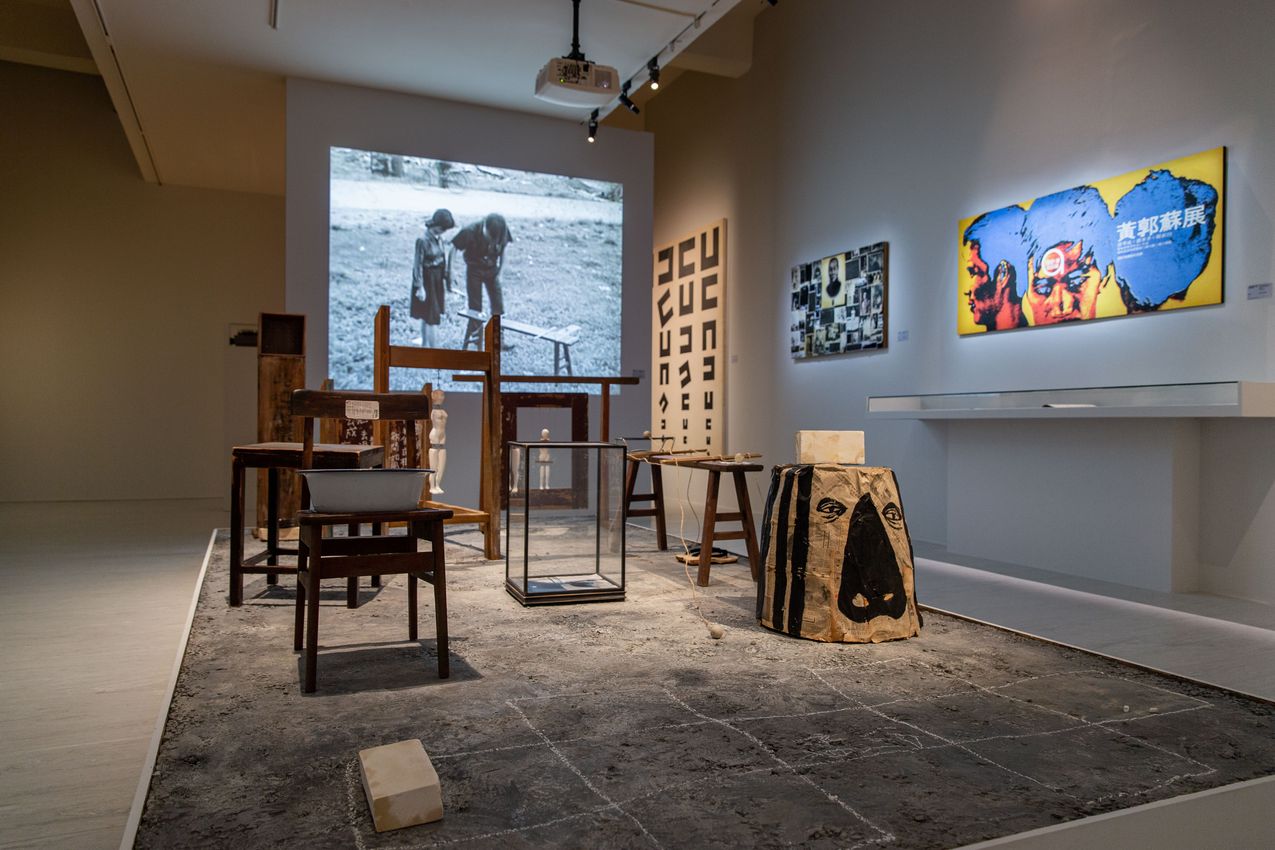
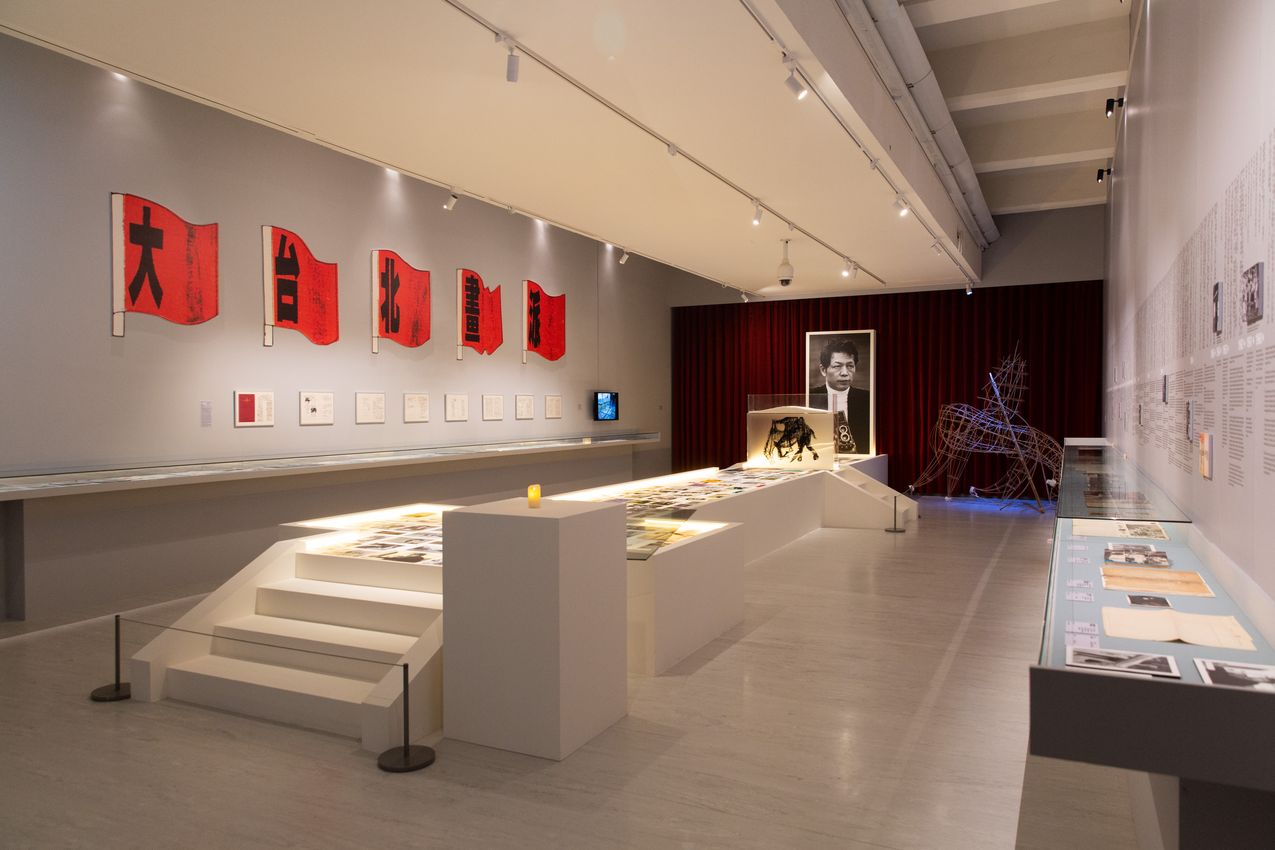
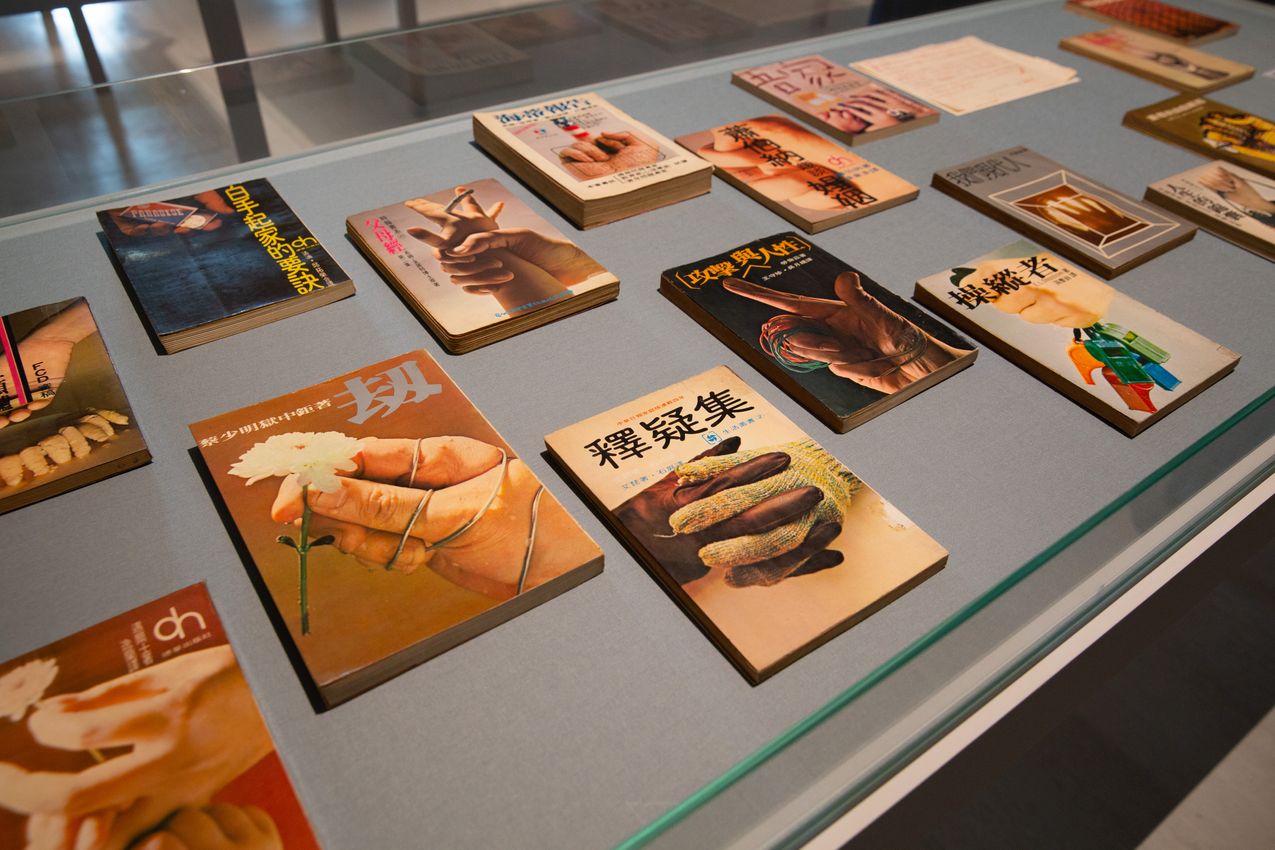
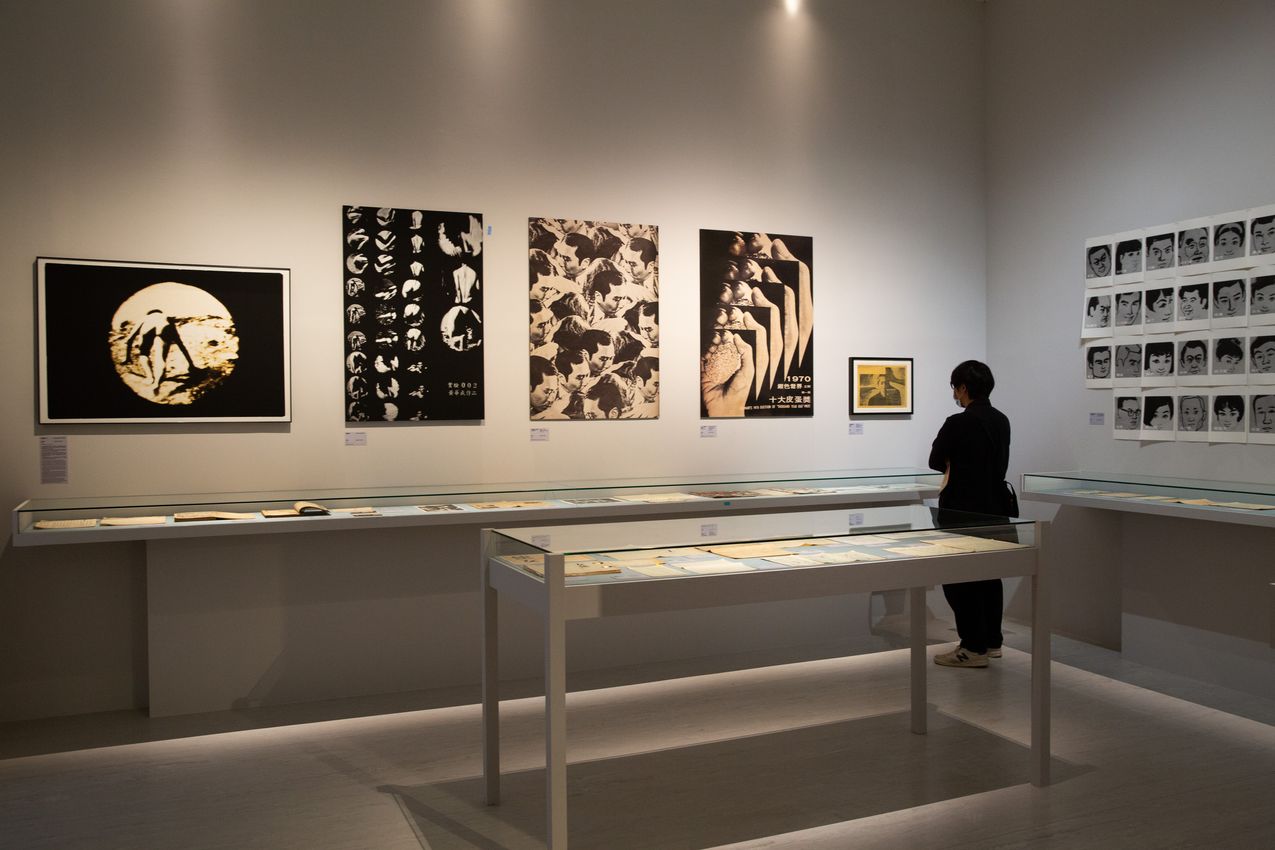
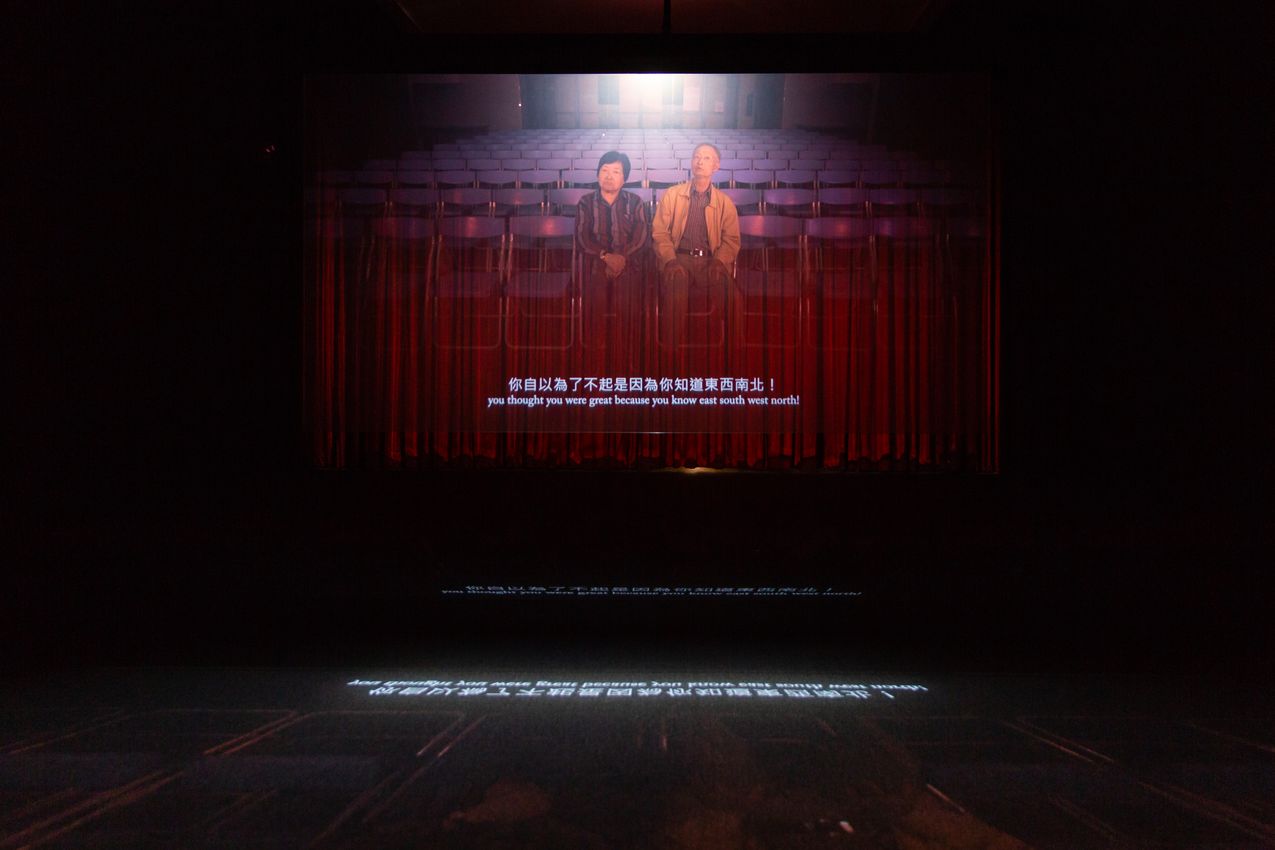
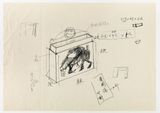
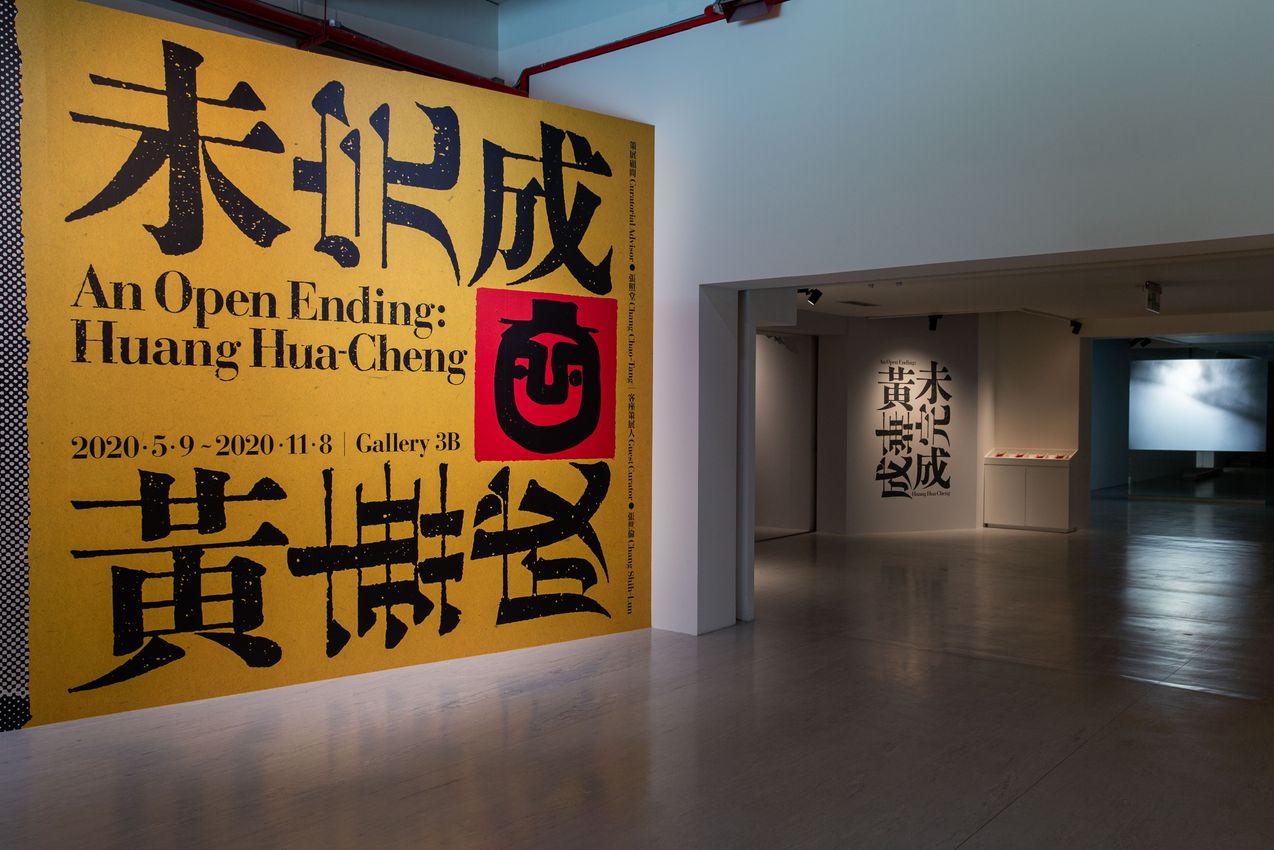
The exhibition An Open Ending: Huang Hua-Cheng mainly presents manuscripts, documentation of art works, and research on historical materials. Furthermore, these materials have been organised into archives and recreations of the artist’s imagery, and published in a special edition catalog. The exhibition’s goal is to seek out and imagine important connections in Huang’s artistic trajectory. An Open Ending was chosen for the exhibition title to highlight Huang’s potential, which was unrealized due to the restrictions of the era in which he lived, and the fact that his position in the art historical context is still not clearly understood today. Art historians have admittedly been hampered by certain subjective limitations and lack of data, and their continual revisiting, reconstruction, and reevaluation of his oeuvre has left it, from an art historical perspective, in a state of perpetual incompletion that will likely continue into the future.

In terms of avant-garde art in Taiwan during the 1960s, Huang was far ahead of his time, and therefore stood out. He was both progressive and untimely, such that trying to understand his life and work, as well as speculating about the modern imagination that he pursued and caused him inevitable frustration, is like trying to locate a discourse with scant context or precedence. In this long overdue retrospect, we reflect on what these things mean for us today.

Curatorial Advisor: Chang Chao-Tang

Guest Curator: Chang Shih-Lun

Press release Taipei Fine Arts Museum.

Read More

Installation Views

About the Gallery

The mission of the Taipei Fine Arts Museum is to promote the preservation, research, development and popularization of Taiwanese modern and contemporary art; to keep abreast of global trends and establish a variety of channels for exchange; to raise the general public’s understanding of and participation in modern art; to help Taiwanese modern and contemporary art to thrive; and to cultivate fuller artistic attainment in the people, in the hope of forming a contemporary society with aesthetic sense and cultural perception.

View Gallery Profile
Address
181 Zhong Shan North Road Section 3
Taipei
Taiwan
Opening Hours
Tuesday – Sunday
9:30am – 5:30pm

Open until 8:30pm on Saturdays
(1)
Taipei 181 Zhong Shan North Road Section 3
Taipei Fine Arts Museum
181 Zhong Shan North Road Section 3, Taipei, Taiwan
+886 2 2595 7656
http://www.tfam.museum

Opening hours
Tuesday – Sunday
9:30am – 5:30pm

Open until 8:30pm on Saturdays
The art world in focus