





Australian Pavilion at Venice Faces Cancellation Over Controversy

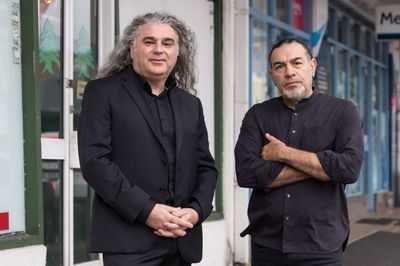
Michael Dagostino (left) and Khaled Sabsabi in Granville. Photo: Anna Kucera.
Australia is facing the prospect of an empty pavilion at the 2026 Venice Biennale after its federally appointed organising body, Creative Australia, dropped representing artist Khaled Sabsabi last Thursday, citing concern for public perception.
The decision follows criticisms of Sabsabi for featuring the late Lebanese militia leader Hassan Nasrallah in previous work. Nasrallah was a leader of the Shia Muslim party Hezbollah, which over 21 countries have designated as a terrorist organisation.
An article in The Australian, a conservative newspaper owned by media mogul Rupert Murdoch, first raised issue with Sabsabi’s ‘questionable and ambiguous’ depiction of Nasrallah in a 2007 video installation titled You.
The organisation’s board convened shortly after, and on 13 February they released a statement revoking the nomination of Sabsabi and his longtime collaborator, curator Michael Dagostino, whom an independent selection committee had appointed the week prior.
The next day, a senator brought the issue before the Federal Parliament, citing a work by Sabsabi titled Thank You Very Much that features images of 9/11.
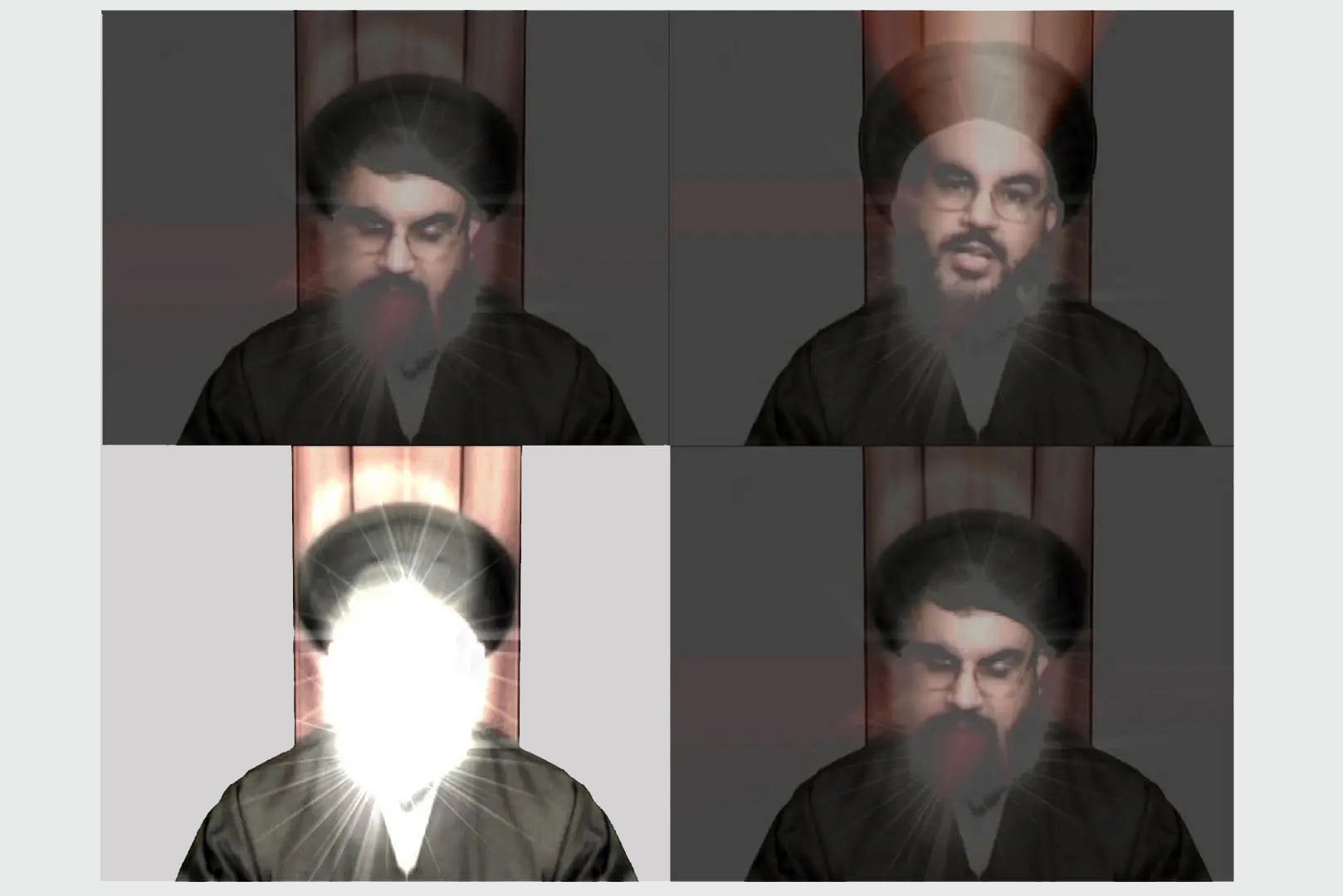
Sabsabi fled the war in Lebanon as a child. His work engages with topics related to the Middle East, Islam, and Arab identity, and confronts associated stereotypes. Commenting on his nomination, Sabsabi told The Guardian: ‘I felt this wouldn’t happen because of who I am.’
Creative Australia’s decision to revoke Sabsabi has sparked outrage within the arts community in Australia and globally, raising questions around artistic freedom and institutional decision-making.
All five teams originally shortlisted for the Australian Pavilion released an open letter demanding the pair’s reinstatement on 14 February, calling the reversal ‘antithetical to the goodwill and hard-fought artistic independence, freedom of speech and moral courage that is at the core of arts in Australia’. Among them are Serpentine curator Tamsin Hong and artists Tony Albert, Hayley Millar Baker and James Nguyen.
Members of Creative Australia have resigned following the reversal, including the organising body’s visual arts department head, Mikala Tai, and board member and artist, Lindy Lee.
Patron and former Venice Biennale commissioner Simon Mordant withdrew financial support for the pavilion and resigned from his position as international ambassador for the 2026 edition. ‘It is a very dark day for Australia and the arts,’ Mordant told The Guardian, reiterating his support for Sabsabi.
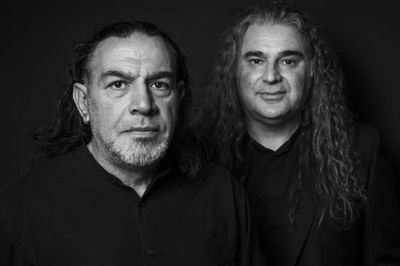
Sabsabi and Dagostino told Ocula they were selected through a ‘rigorous process’ and had already started ‘meaningful work’ on the project.
‘Government interference in the expert panel’s selection process undermines the very principle of independence,’ Australia’s National Association for the Visual Arts said in a statement in support of Sabsabi and Dagostino. —[O]




A respected voice in contemporary art discourse.
Focusing on ambitious storytelling and insightful art-world commentary. Ocula Magazine publishes in-depth interviews, critical essays and timely analysis on the artists, exhibitions and ideas driving the global art world.
Learn more about Ocula Magazine
Showcasing the best of the art world.
Ocula partners with galleries from around the world to highlight their artists, artworks and exhibitions. Gallery membership is by application and invitation, with each member vetted by an independent panel.
Learn more about Ocula Membership
Specialises in the sale of major artworks.
Led by a team with deep ties to the world’s leading auction houses, galleries and collectors. Ocula’s advisory team offers bespoke services to high-net-worth clients from around the world who are looking to acquire the best of contemporary and modern art.
Learn more about our team and services