The art world in focus
Subscribe to our newsletter for news and insights on artists, galleries and exhibitions.


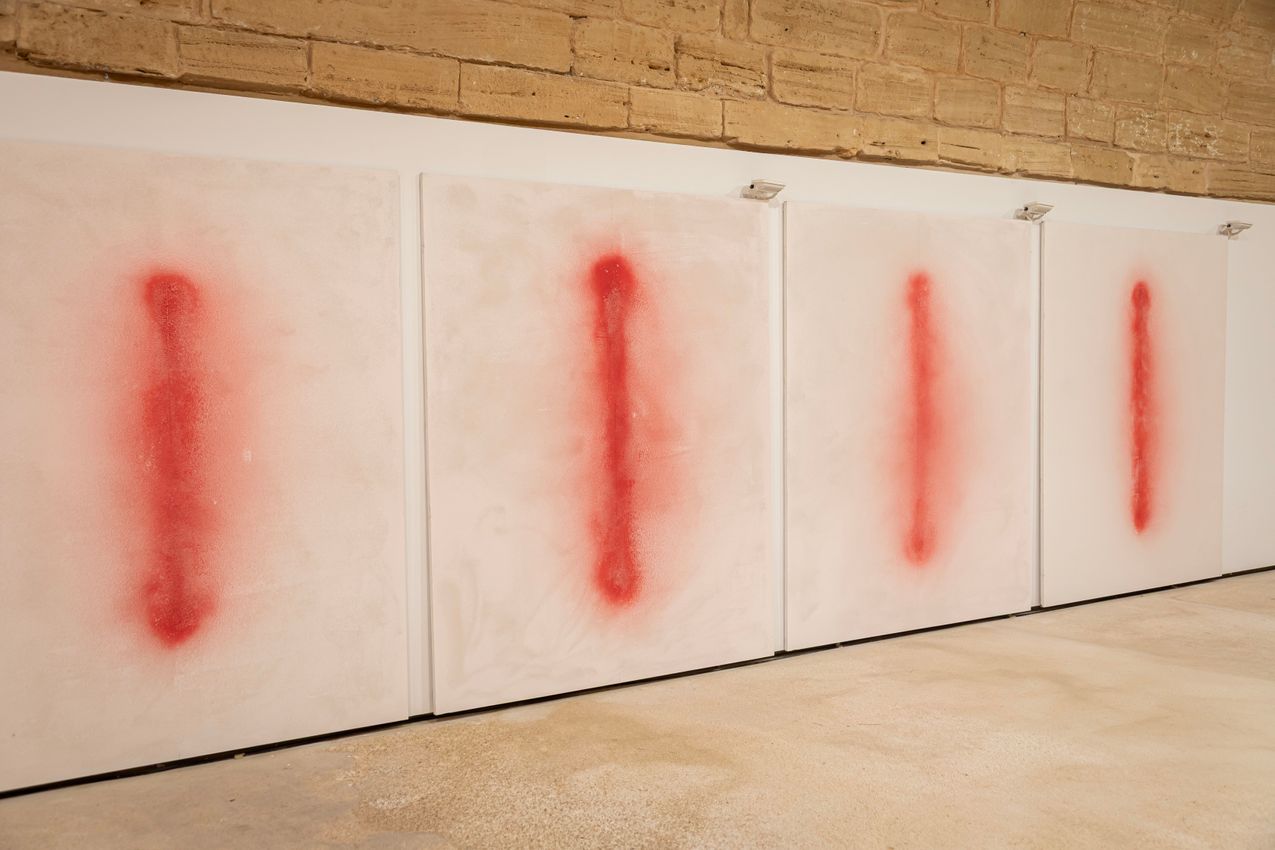
As major art fairs in Basel, Paris, and New York continue to dominate the global calendar, a smaller but increasingly visible event is establishing itself from an unexpected base in the Balearics.
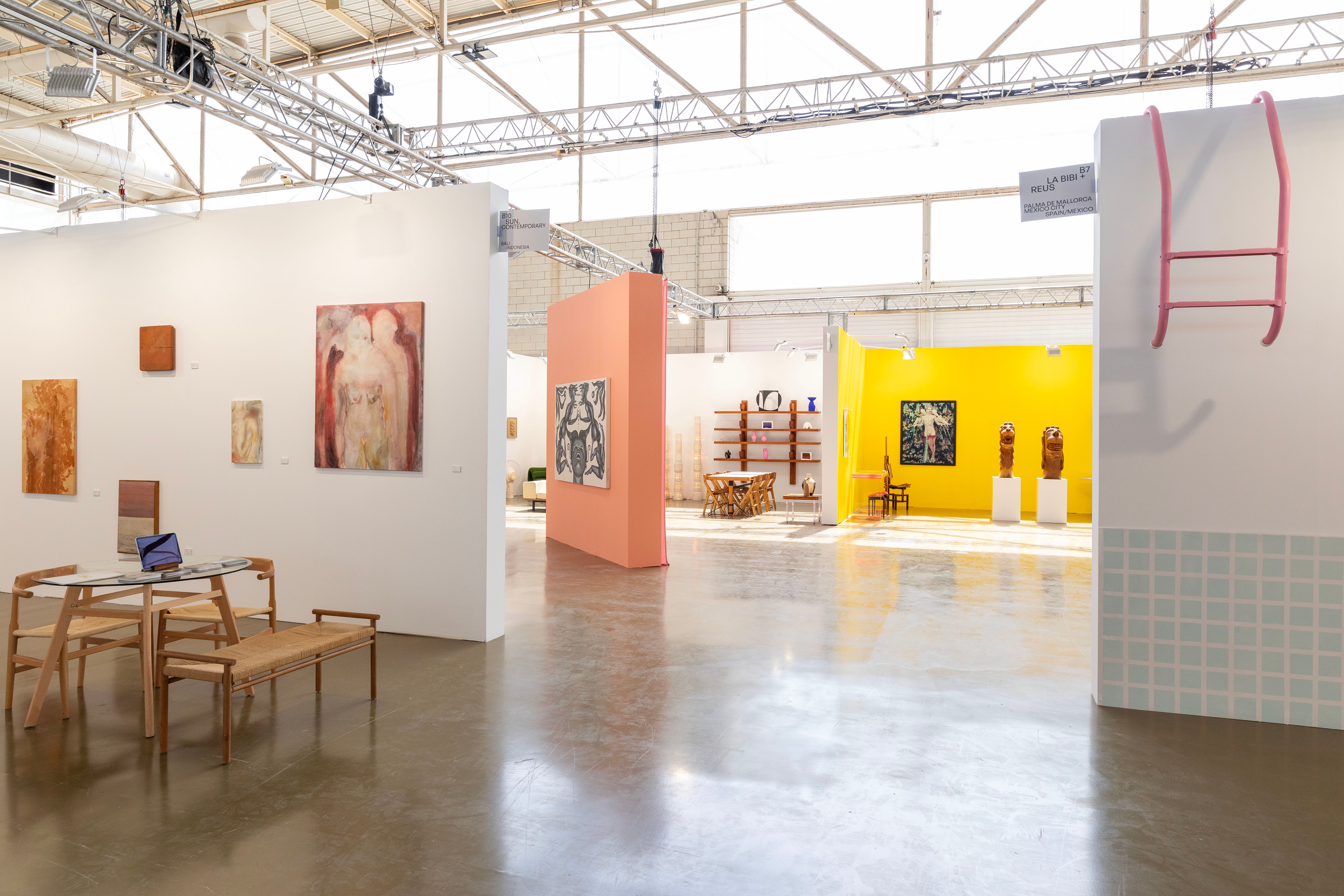
Now in its fourth edition, CAN Ibiza (Contemporary Art Now) is developing a reputation as a mid-scale fair, defined by the collaborative ethos of 40 participating galleries and significantly lower booth costs than events like Art Basel or Frieze.
For mid-scale galleries exploring their fair strategy, CAN offers international reach, curatorial focus and reduced operational pressures compared with its larger counterparts.
Running from 25 to 29 June at the FECOEV fairgrounds near Ibiza’s old town, the fair is curated by Saša Bogojev, a Croatian writer and editor for Juxtapoz magazine. Bogojev, who has worked with the fair since its inception, explains that the idea came from founder Sergio Sancho, who recognised a gap for a curated art fair on the island that could appeal to both locals and international visitors.
As Bogojev told Ocula: ‘There’s a place for it, and there’s a time for it, and there’s also a crowd for it.’
Since its launch in 2022, CAN has gradually expanded its exhibitor base. Alongside galleries from Europe and America, this year’s edition includes gallerists as far flung as Denpasar, Bali and Moscow, Russia.
This year’s participants include first-time attendees from Paris (193 Gallery), Berlin (Future Gallery), and Copenhagen (KANT), alongside returning galleries from London, Cologne, New York, and several Spanish cities.
For Michael Ruiz of Future Gallery, the decision to take part came down to the fair’s scale and setting: ‘Fairs can be really hustling and full-on,’ he told Ocula. ‘It’s really attractive for us to do a small boutique fair with a more concentrated audience.’
London galleries regard the fair as a means to maintain European exposure post-Brexit while engaging with emerging collector bases outside the high-intensity environments of Basel or Frieze.
Josephine May-Bailey of Gallery Rosenfeld highlighted the fair’s logistical and commercial advantages.
‘We have a very European roster,’ she said. ‘So for us, having that European base is very important—especially post-Brexit.We can bring works in and out easily without the costs involved in showing in London.’
Manageable costs and European reach were key attractions. ‘This booth was relatively inexpensive,’ says May-Bailey. ‘You can take a bigger risk when the costs are lower.’
In recent years, Rosenfeld has maintained a presence at major U.S. fairs like The Armory in New York, while Secteur Privé had a booth at San Francisco Art Fair in April this year. But both have prioritised their attendance at a smaller European fair. ‘It’s a sustainable way for us to diversify our reach,’ May-Bailey says. ‘There’s less of a feeling of it being a commercial market. There’s a younger collector base here.’
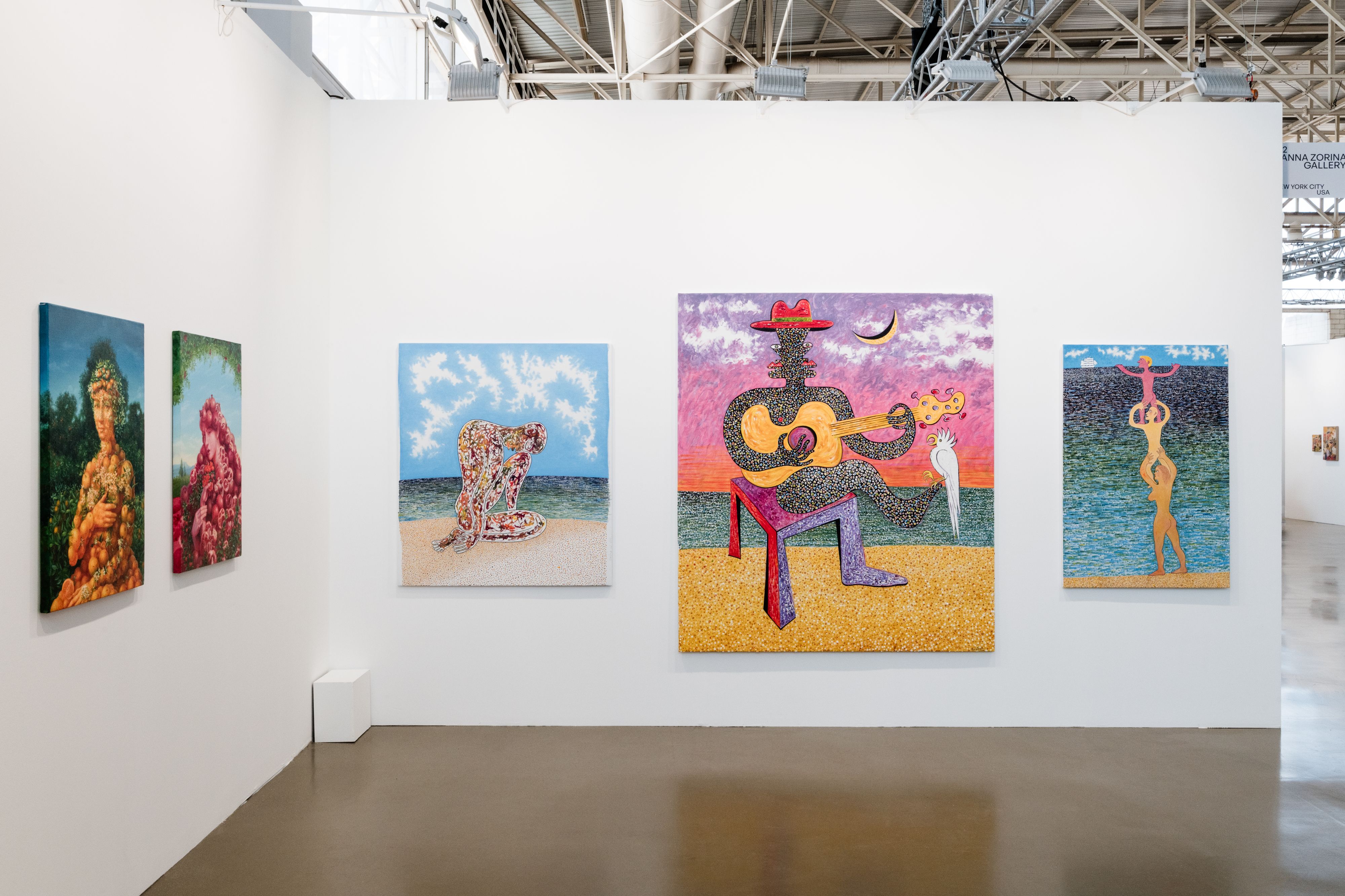
The New York-based Anna Zorina Gallery returned this year after taking part in the inaugural edition. ‘Summer is usually a slow season in New York, so it makes sense to connect with the European base,’ says Zorina. ‘It’s a compact, manageable fair—very focused, well curated.’
The accessibility of the fair is an attraction. ‘Doing art fairs is costly, no matter if it’s in the U.S. or abroad,’ Zorina said. ‘Of course there’s a point where you have to recover your investment. But it is more encouraging that you don’t have the overhead you would at a fair like Basel.’
Meanwhile, Future Gallery’s Ruiz spoke of how the scale of the fair allows more room for relationship-building.
‘When you do a really big fair, you’re just one of many, and you’re not really sure—you’re throwing the dice, right?’ he said. ‘You can make more intimate relationships with people, see what they like, talk to them, or meet them for dinner—rather than just have two minutes of their time.’
Bogojev explained that intimacy is central to CAN’s ethos: ‘The selection is quite tight—30 to 35 galleries, give or take. It’s just more relaxed,’ he says. ‘People tend to engage more, ask questions, and have conversations—something that’s harder to do at a major fair where you’re overwhelmed within 45 minutes.’
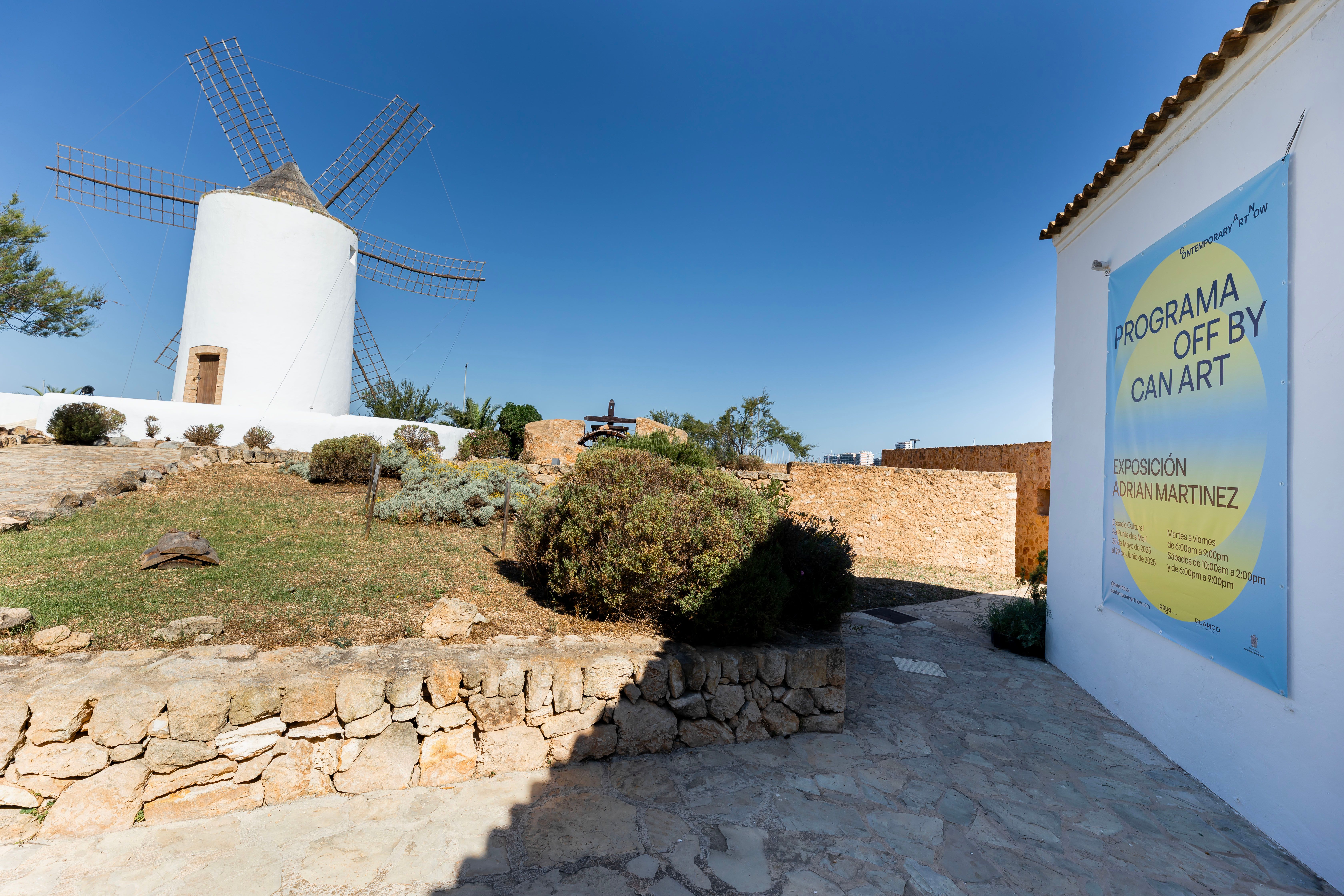
The fair anchors Ibiza Art Week, a local-government-backed initiative to rebrand Ibiza as a cultural destination, rather than one defined by nightlife.
The OFF Program further decentralises the fair with site-specific exhibitions in a lighthouse in Sant Antoni, a restored mill in Sa Punta des Molí, and other unusual venues.
Meanwhile, new section CAN Design focuses on collectible design, with contributions from Galería También and Eclectico Studio.
Ibiza’s reputation as a cultural destination is also evolving. Since the 1990s, a parallel scene of independent spaces and private initiatives has taken shape. La Nave Salinas, a salt warehouse turned exhibition hall, was founded by New York-based Colombian collector and hotelier Lio Malca and has hosted major installations by artists such as Bill Viola and Kenny Scharf.
Over in Ibiza’s old town, the Museu d’Art Contemporani d’Eivissa (MACE) shows Spanish and international contemporary art inside a converted fortress. And in the north of the island, gallerist Sarah Suco Torres has transformed a fisherman’s hut into Can Garita, an off-grid space for contemporary art.
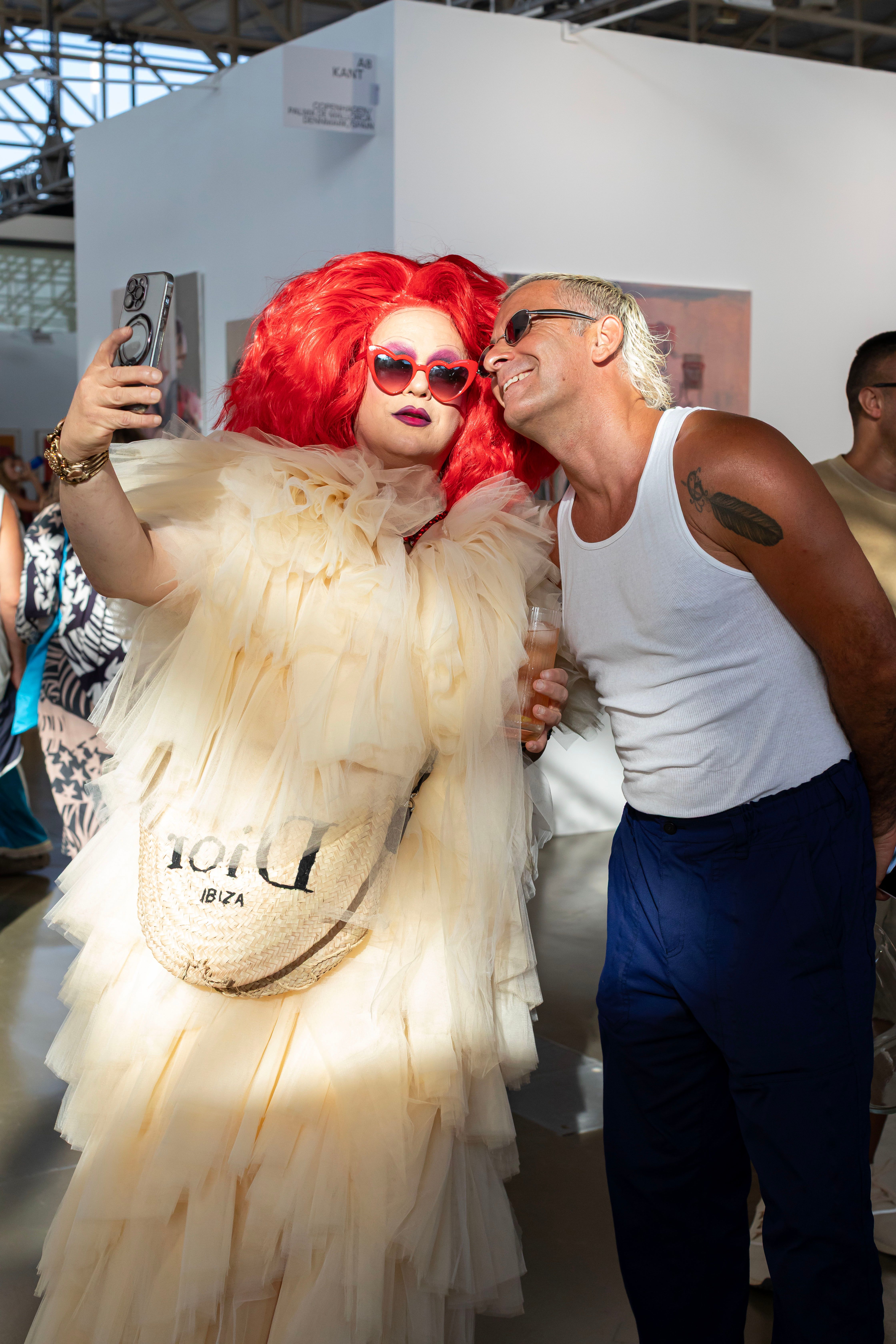
CAN’s strengths lie in its distinct location, curatorial vision and the kind of collector it attracts. Ibiza offers a level of escapism and cultural cachet few destinations can match, while the fair’s compact format and rigorous selection process appeal to younger, internationally mobile collectors. There is growing engagement from Spanish institutions, with signs of increasing interest from European museum directors.
Still, challenges remain. Ibiza lacks the sales infrastructure and year-round gallery ecosystem of cities like Paris or Berlin. While the island attracts holidaymakers and art enthusiasts, its collector base can be transient. The fair also risks being perceived as seasonal or recreational, more lifestyle than cultural core.
Sancho, who also runs the UVNT fair in Madrid, sees CAN’s model as blending the social with the professional: ‘We encourage people to go out and party together,’ he said. ‘A friendship that lasts a lifetime can take place in a night in one of the clubs in Ibiza. Ibiza has this status as a place for creativity and expression without having a strong presence in visual art. We wanted to bring those identities together through the fair.’
‘There’s a lot of connection happening between galleries, exchanging artists, opening up opportunities,’ Bogojev says. ‘It’s not just about selling to collectors—it’s also about professional networks forming.’
While logistics and shipping remain challenges for island-based events, most exhibitors find the balance of exposure and accessibility favourable. ‘It presents certain difficulties,’ Zorina said. ‘But there are more positives than drawbacks.’
As the global art fair landscape evolves, CAN Ibiza offers a compelling model. Its scale, high-summer timing, and curatorial rigour present a viable alternative to the high-stakes atmosphere of Basel or Frieze.
‘CAN is still young, but that’s our advantage,’ Bogojev said. ‘We’re building something with care, not formula. Ibiza gives us that freedom.’ —[O]
A respected voice in contemporary art discourse.
Focusing on ambitious storytelling and insightful art-world commentary. Ocula Magazine publishes in-depth interviews, critical essays and timely analysis on the artists, exhibitions and ideas driving the global art world.
Learn more about Ocula Magazine
Showcasing the best of the art world.
Ocula partners with galleries from around the world to highlight their artists, artworks and exhibitions. Gallery membership is by application and invitation, with each member vetted by an independent panel.
Learn more about Ocula Membership
Specialises in the sale of major artworks.
Led by a team with deep ties to the world’s leading auction houses, galleries and collectors. Ocula’s advisory team offers bespoke services to high-net-worth clients from around the world who are looking to acquire the best of contemporary and modern art.
Learn more about our team and services