





South Africa’s Future at Venice Biennale Uncertain Amid Censorship Row
Artist Gabrielle Goliath described her rescinded exhibition as ‘a work of love and repair’ and asserted that ‘it will not be cancelled’. Save to My Ocula
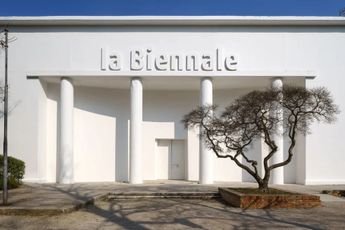
South Africa faces the possibility of an empty pavilion at the 61st Venice Biennale this May, after an operatic performance piece by artist Gabrielle Goliath was pulled by the nation’s culture minister last week.
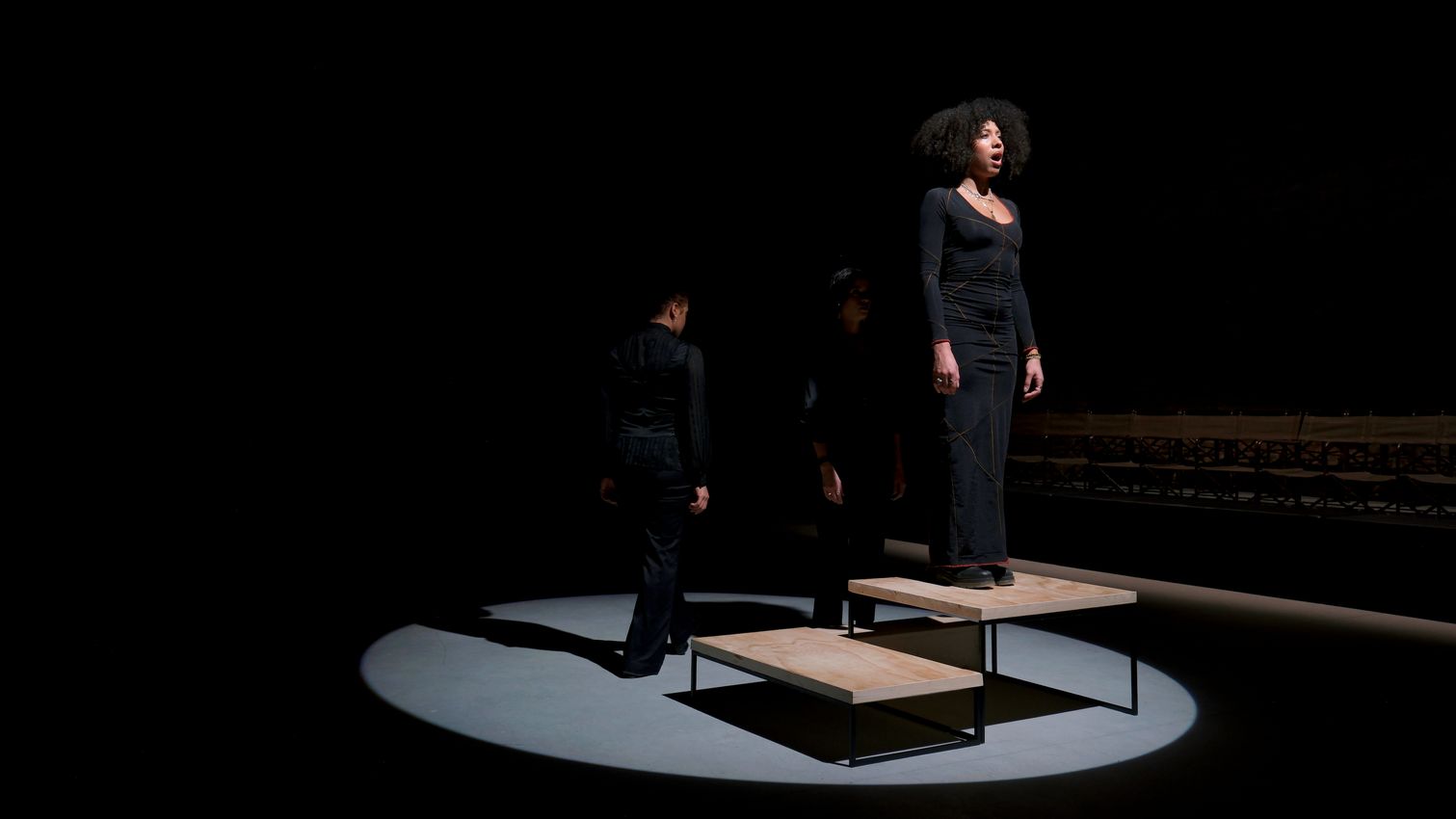
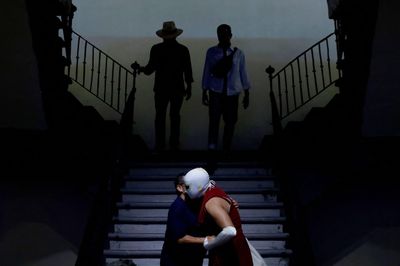
The rescinded work, Elegy, is an ongoing series featuring seven singers who collectively enact a mourning ritual, sustaining a single tone over the course of an hour, initiated by Goliath in 2015. The exhibition, organised with curator Ingrid Masondo, would have featured three video and sound installations made between 2024 and 2026, mourning South African teenager Ipeleng Christine Moholane, who was murdered in 2015; Nama women killed during Germany’s colonisation of Namibia; and Palestinian poet Hiba Abu Nada, who was killed in Gaza during an Israeli airstrike in October 2023.
It was this last edition of Elegy concerning Hiba Abu Nada that reportedly prompted South African culture minister Gayton McKenzie to terminate his department’s relationship with non-profit organisation Art Periodic on 2 January, a week before the Biennale’s national participation deadline.
Art Periodic was originally commissioned by the state Department of Sport, Arts and Culture to produce the pavilion in a ‘new model for cultural collaboration… intended to offer transparency, inclusivity and shared ownership’, according to the partnership announcement from November.
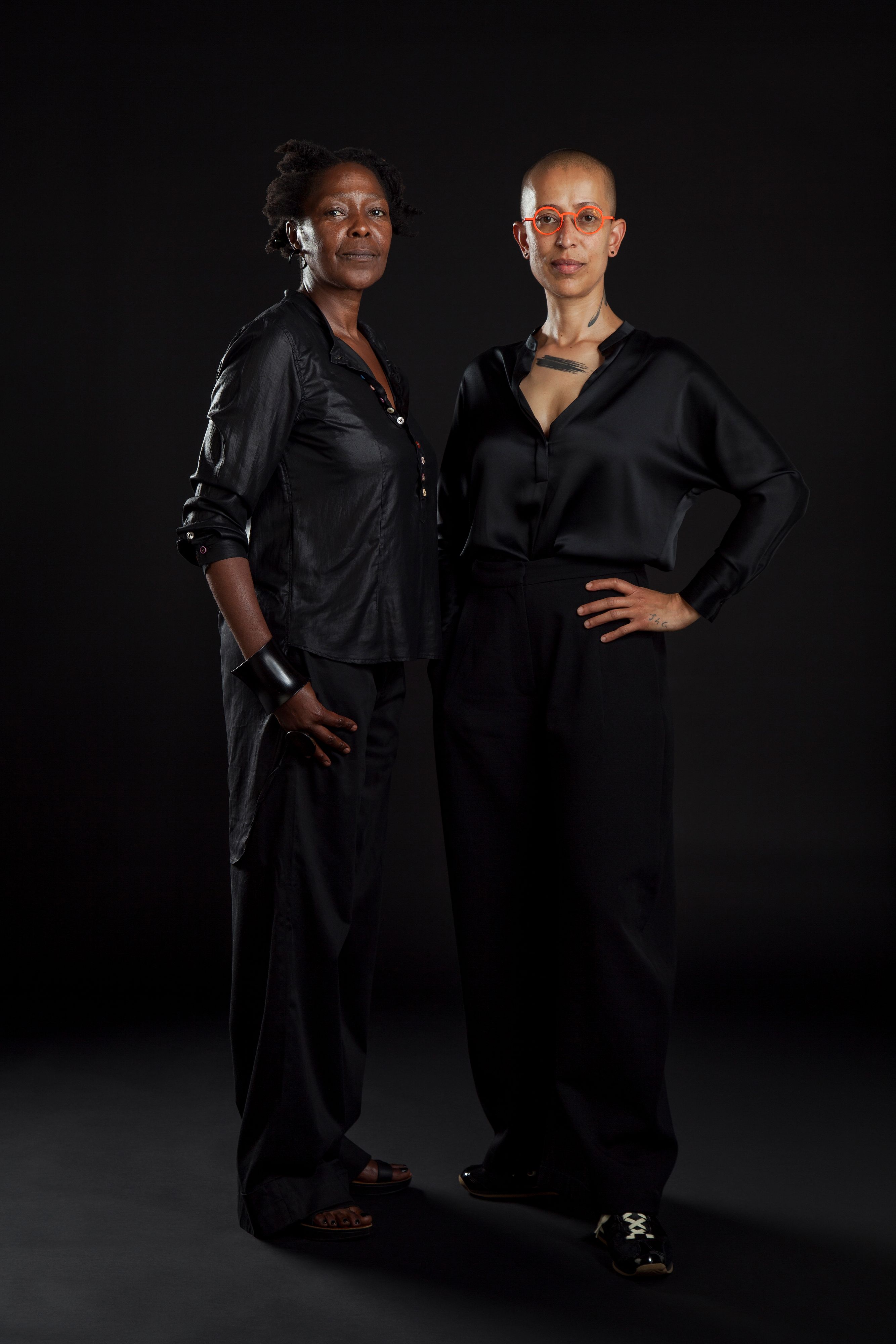
In response to accusations of censorship, McKenzie released a statement on Saturday accusing Art Periodic of accepting funds for the exhibition from an unspecified country, expressing his ‘alarm’ at the possibility that the pavilion ‘was being used as a proxy by a foreign power to endorse a geopolitical message about the actions of Israel in Gaza’.
Nevertheless, Goliath and Masondo have described being ‘overwhelmed’ by the solidarity and support from the artistic community in the wake of the cancellation.
‘[Elegy] is a work of love and repair, and it will not be cancelled,’ Goliath told Ocula. ‘As the selected artist-curator team, we stand in community, calling for the reinstatement of Elegy and the legitimate South African Pavilion at the Venice Biennale.’
Meanwhile, artist Mohau Modisakeng, who co-represented South Africa with Candice Breitz at the 2017 Biennale, called the cancellation ‘unfortunate’ but unsurprising, citing censorship around the racism he experienced during his own Venice exhibition.
‘I cannot be sure if South Africa will be represented,’ Modisakeng said. —[O]
Main image: Gabrielle Goliath, Elegy - for two ancestors (2024). Performed at La Biennale di Venezia, Sale d’Armi, Venice (21 November 2024). Courtesy the artist. Photo: J Macdonald.





A respected voice in contemporary art discourse.
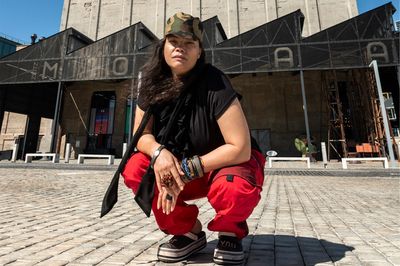
Focusing on ambitious storytelling and insightful art-world commentary. Ocula Magazine publishes in-depth interviews, critical essays and timely analysis on the artists, exhibitions and ideas driving the global art world.
Learn more about Ocula Magazine
Showcasing the best of the art world.
Ocula partners with galleries from around the world to highlight their artists, artworks and exhibitions. Gallery membership is by application and invitation, with each member vetted by an independent panel.
Learn more about Ocula Membership
Specialises in the sale of major artworks.
Led by a team with deep ties to the world’s leading auction houses, galleries and collectors. Ocula’s advisory team offers bespoke services to high-net-worth clients from around the world who are looking to acquire the best of contemporary and modern art.
Learn more about our team and services