The art world in focus
Subscribe to our newsletter for news and insights on artists, galleries and exhibitions.

What role do we play in systems, and how might the world depend on them to function? Polish conceptual artist Agnieszka Kurant challenges us to think against notions of Western individualism towards interdependence in Recursion, her latest exhibition at Marian Goodman in New York. Spanning language, financial risk models, predictive markets, and molecular processes that involve bacteria and copper, the sculptural works on show exist in a state of perpetual transformation. Recursion (a term in mathematics and computer science, describing a concept or process which depends on a simpler or previous version of itself, like the infinite loop of two mirrors facing each other), sees Kurant exploring both human and non-human systems of collective intelligence in the exhibition—principles that have been at the core of her work during the past decade.
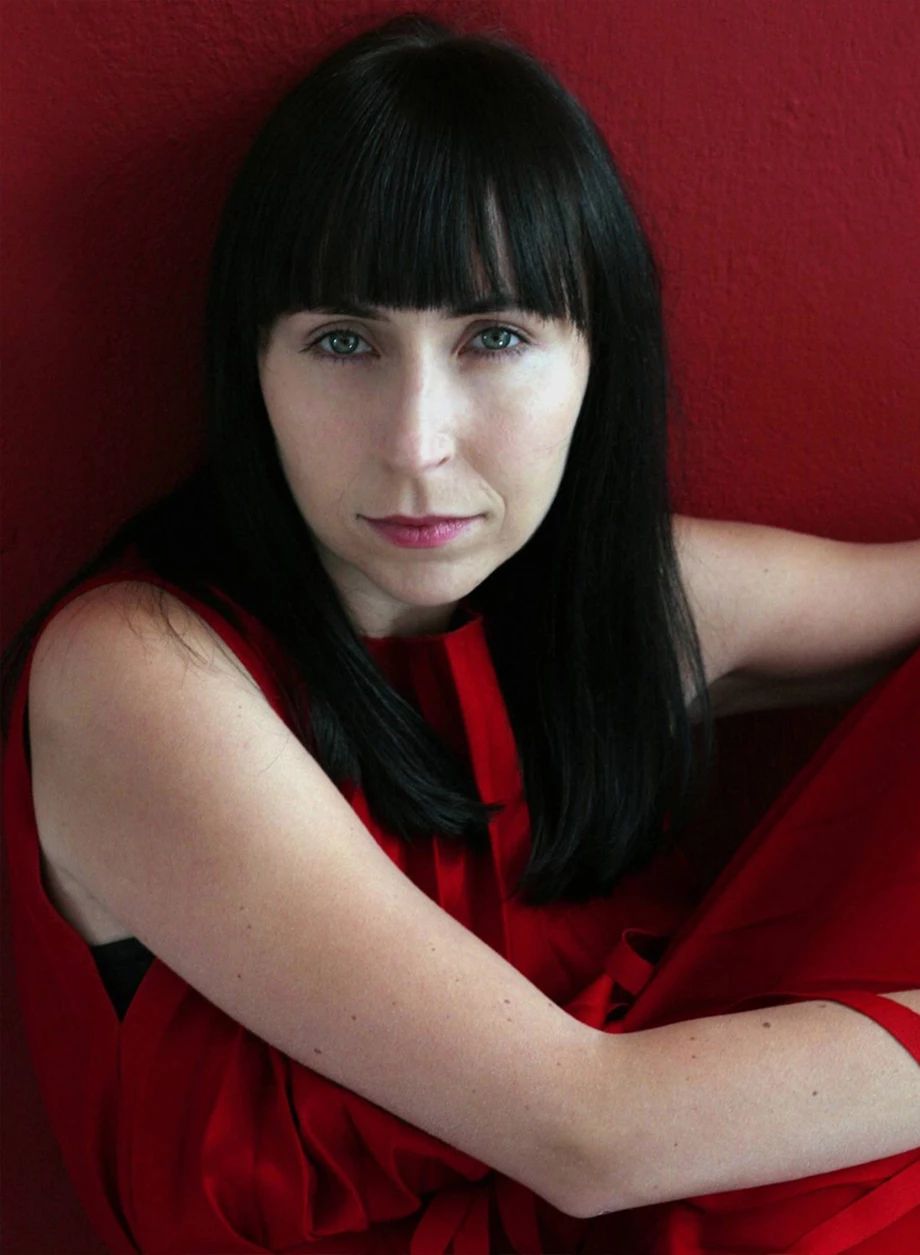
Kurant’s background is in philosophy. She studied art history as well as photography at the cinematography department of a prestigious film school in her hometown of Łódź. She then traveled on a fellowship to earn a second degree in curation at Goldsmiths College in London, initially thinking she would work as a curator. In some respects, Kurant’s artistic practice still contains aspects of curation. True to her longstanding interest in collective labour, much of her work—across installation, sculpture, film and painting—has been developed through interdisciplinary collaborations with scientists and researchers.
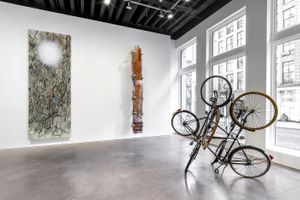
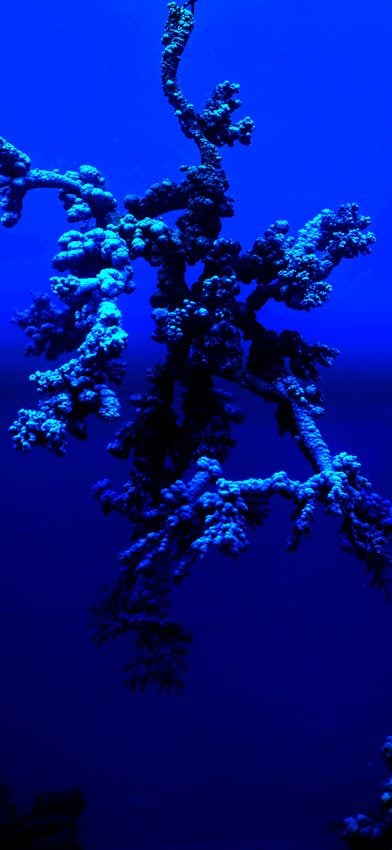
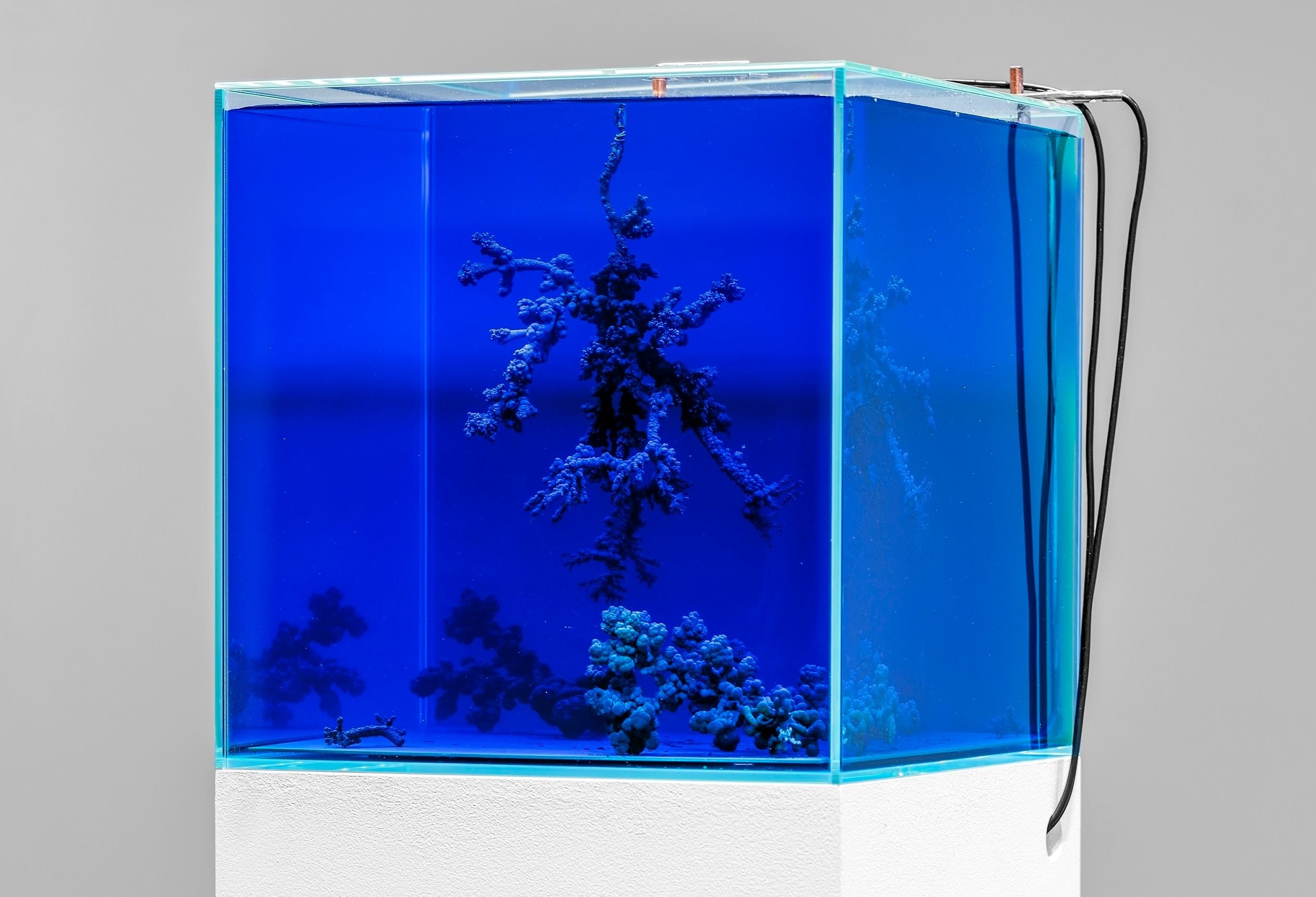
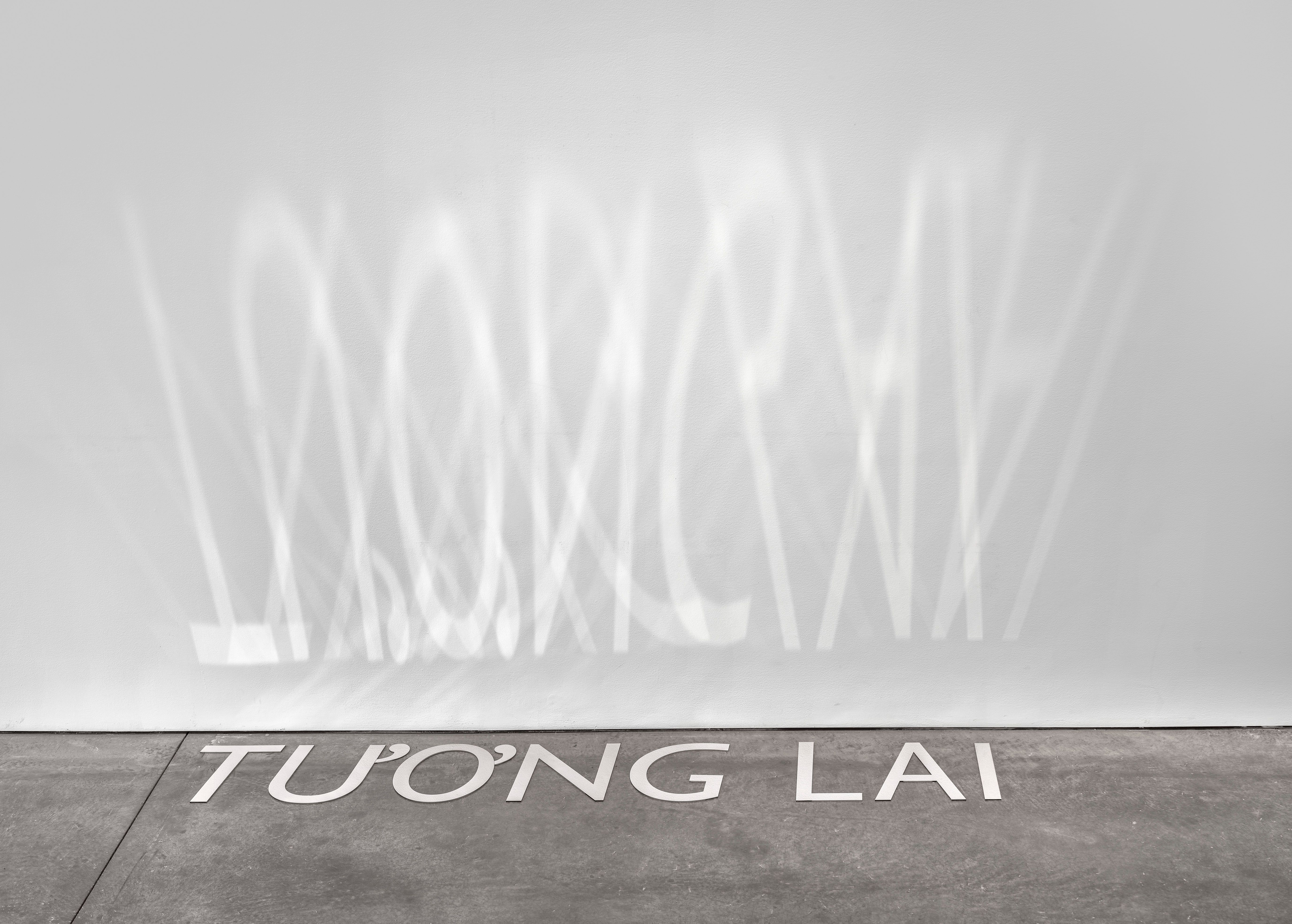
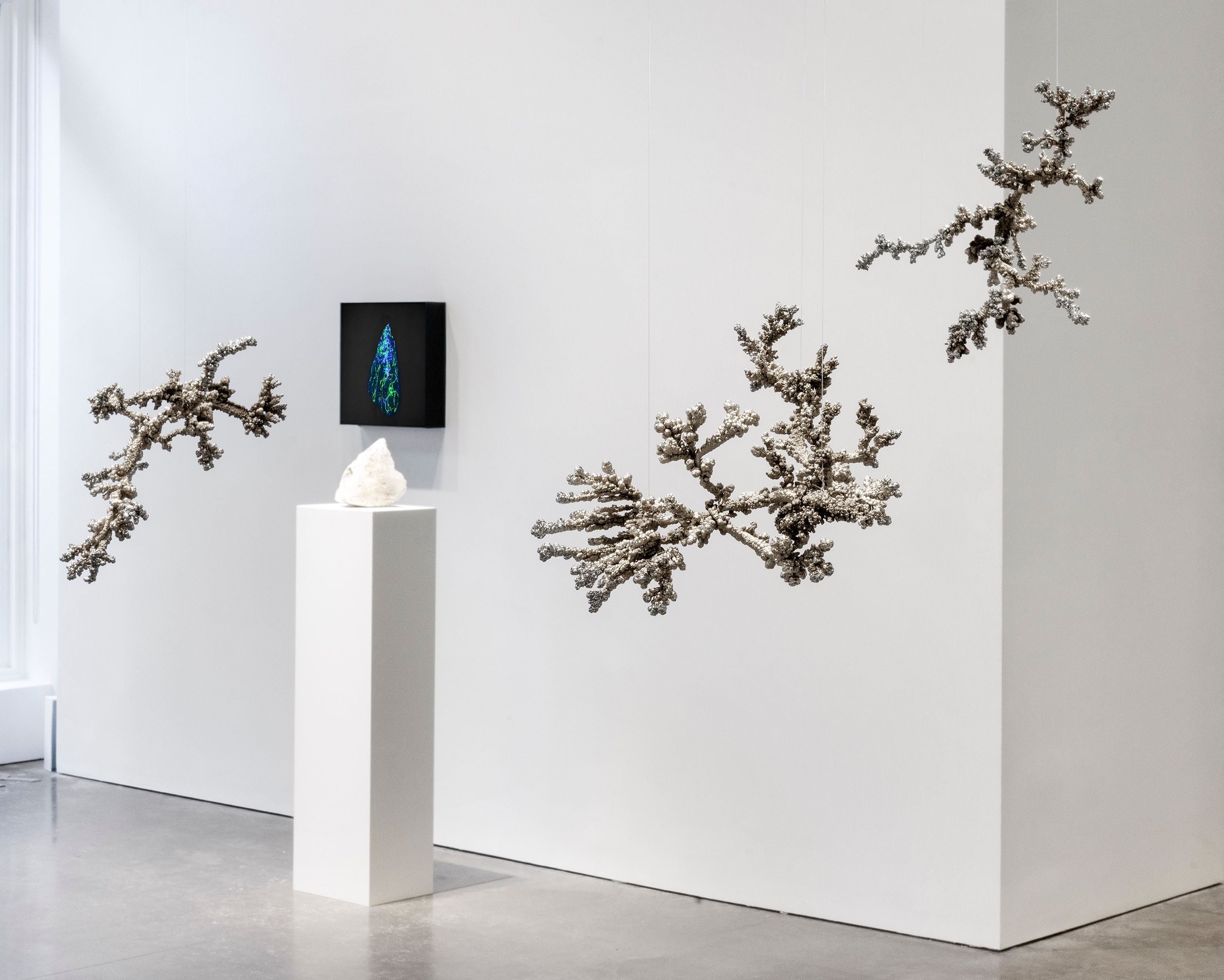
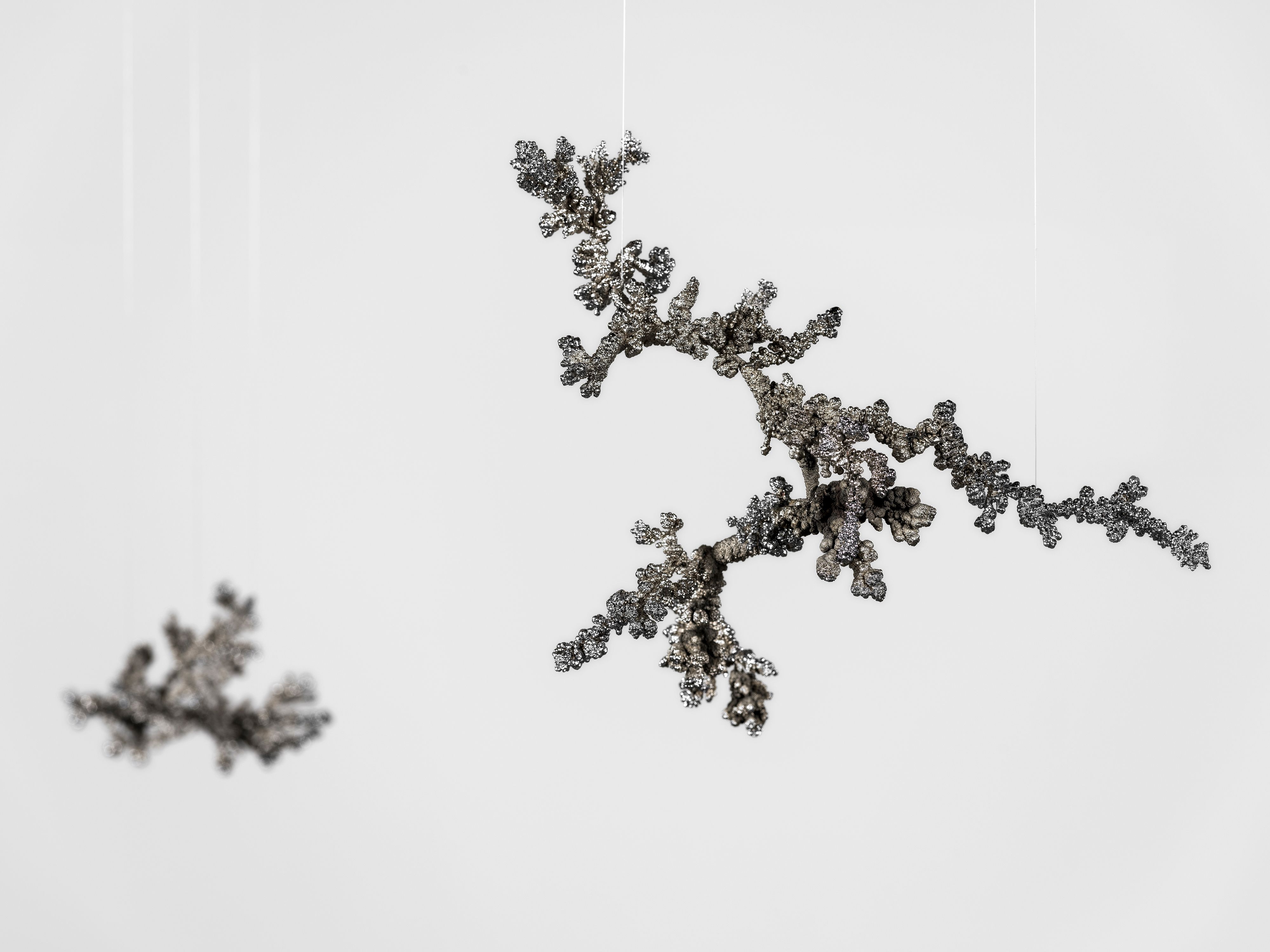
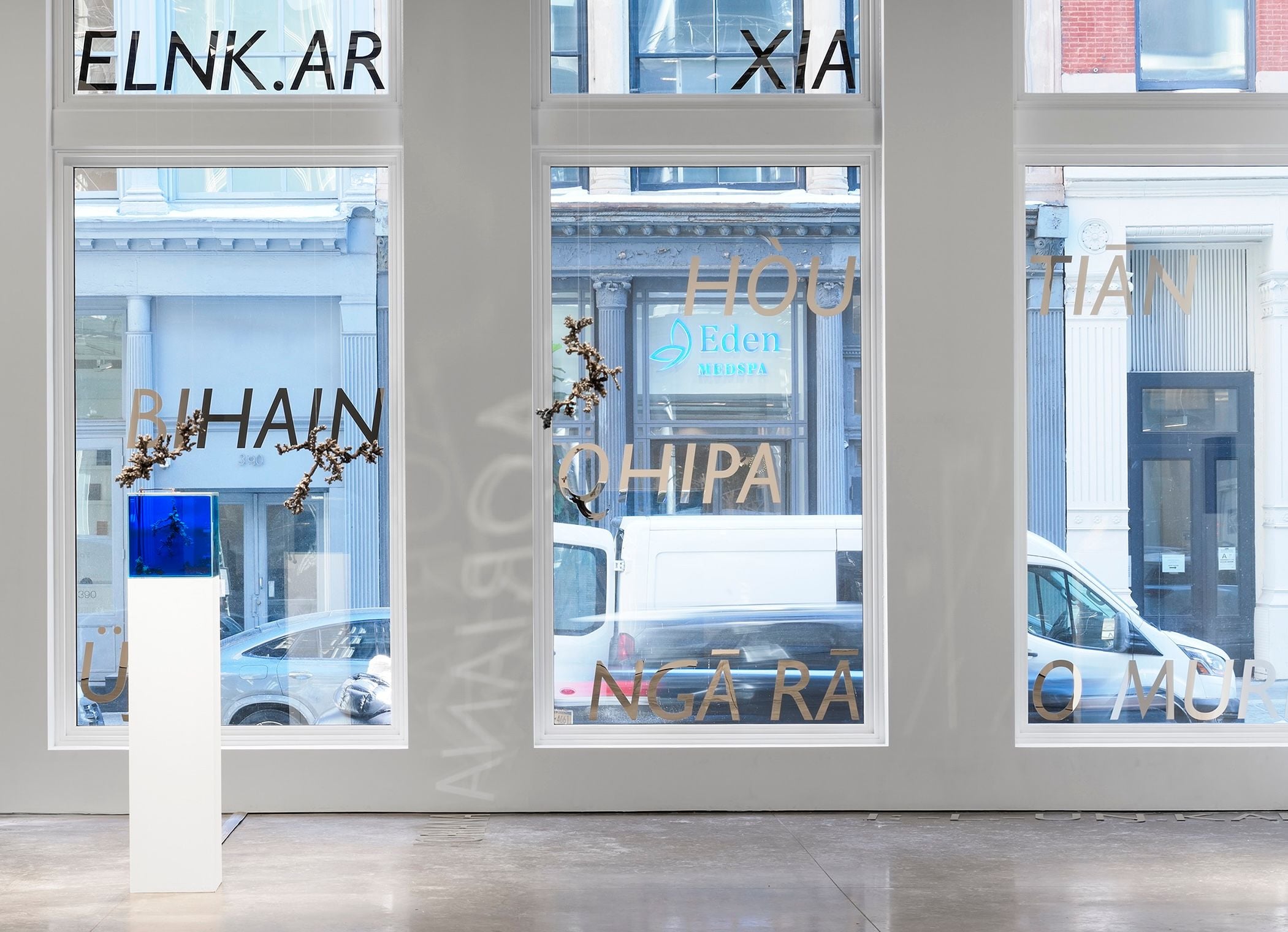
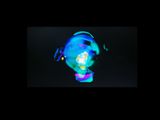
In Uncomputables (2026), a coral-like copper crystal is being incubated inside a blue-tinted tank. Over the course of the exhibition, the crystal slowly develops branching dendrites that resemble neural or computational networks. Its growth is modulated in real time by online data: Kurant worked with a software engineer to program AI to parse various news sites and social media platforms for discussion of “unsolvable” problems. This stream of data is translated into electric currents and sound waves passing through the copper sulphate solution, which subtly shapes the forms. Over time, these crystalline structures are removed from the tank, plated in nickel and chrome, and suspended as the otherworldly sculptures of Unthoughtforms (2026), although their growth has been deliberately slowed for the six-week duration of the exhibition. Surrounding these works are Kurant’s more speculative experiments with language. Rendered in mirrored stencil across the gallery’s street-level window, the word “future” is displayed in 14 different languages in Future (Invention) (2026).
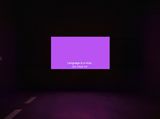
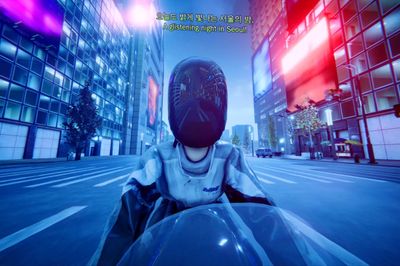
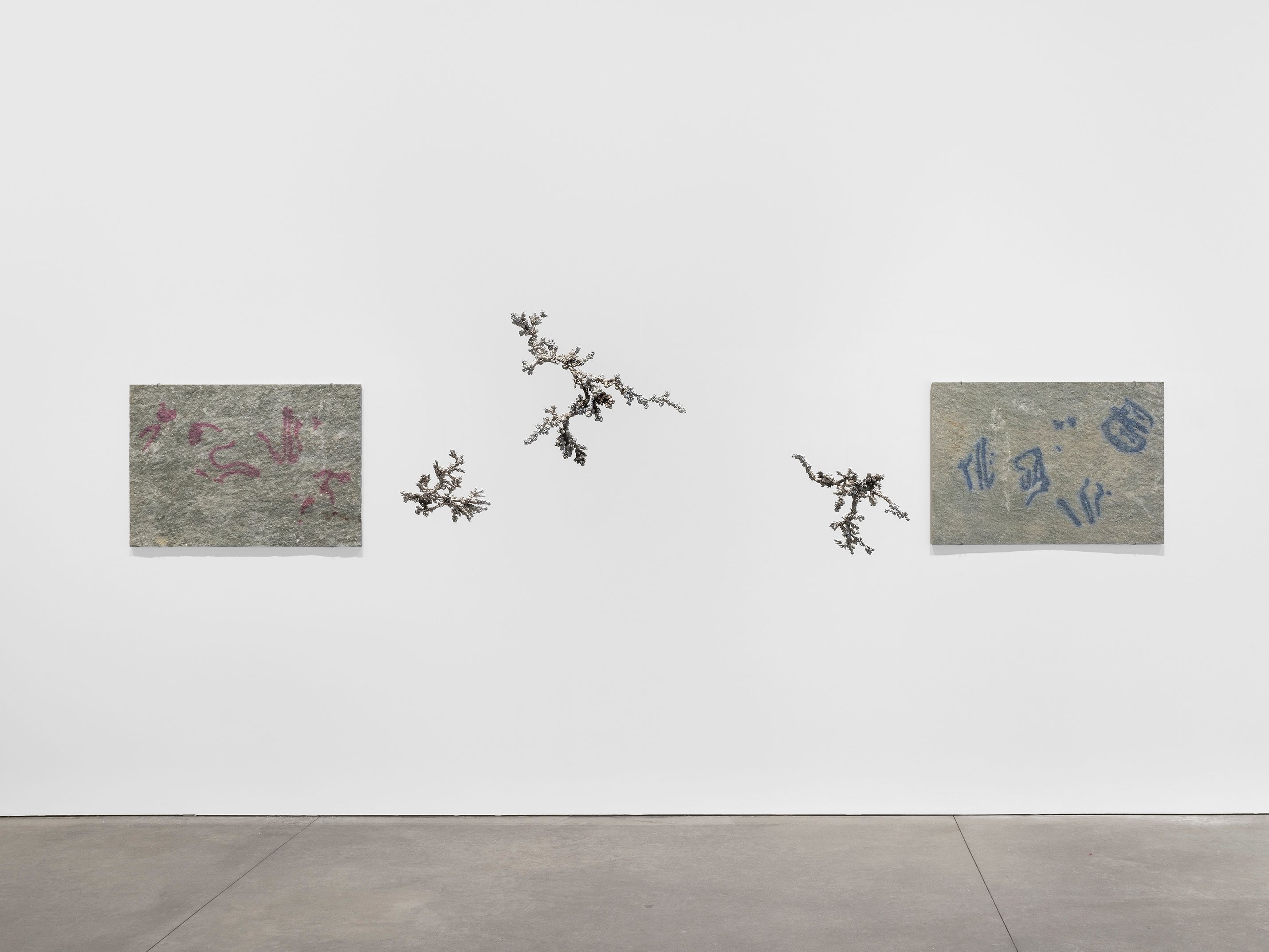
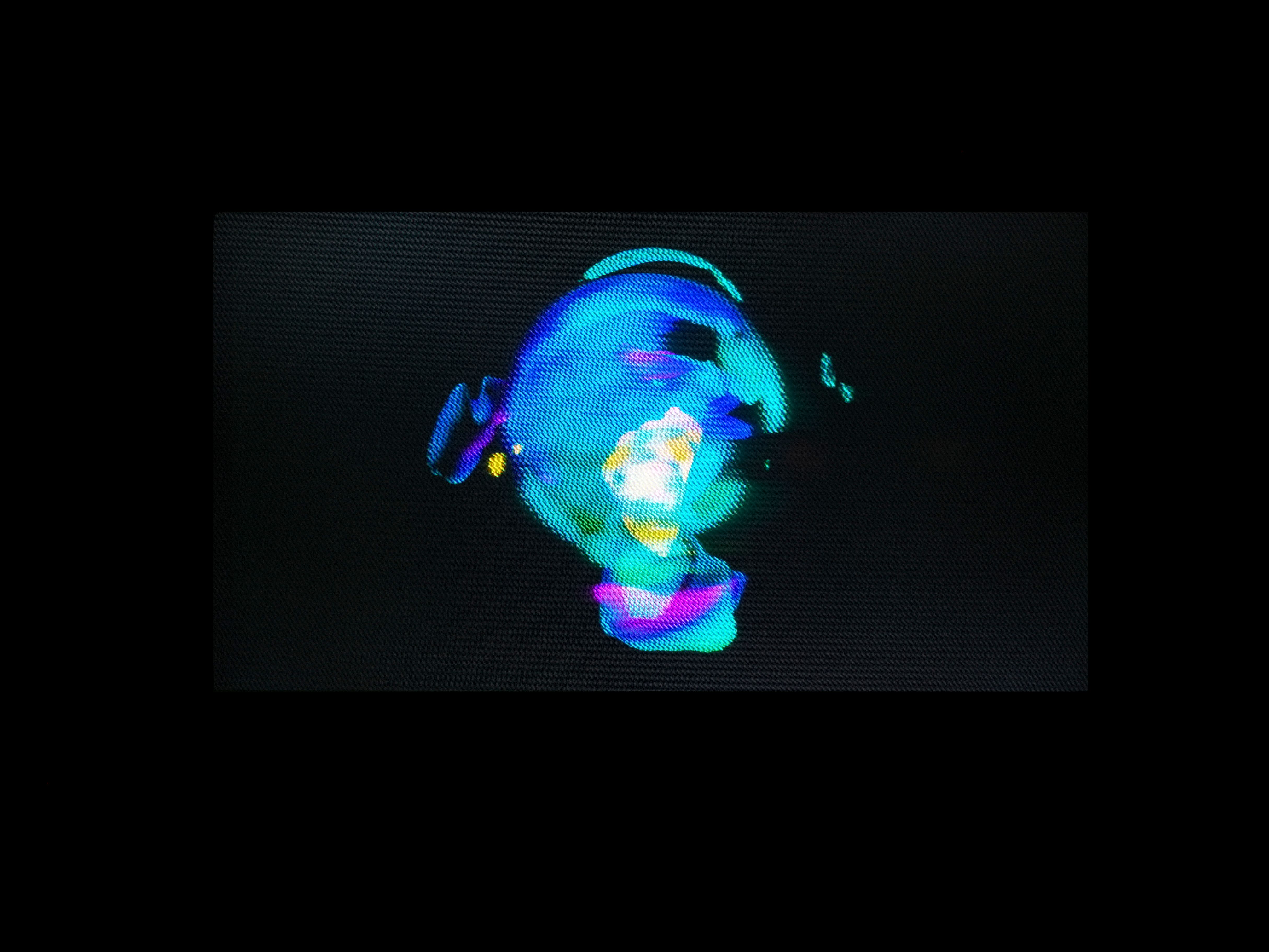
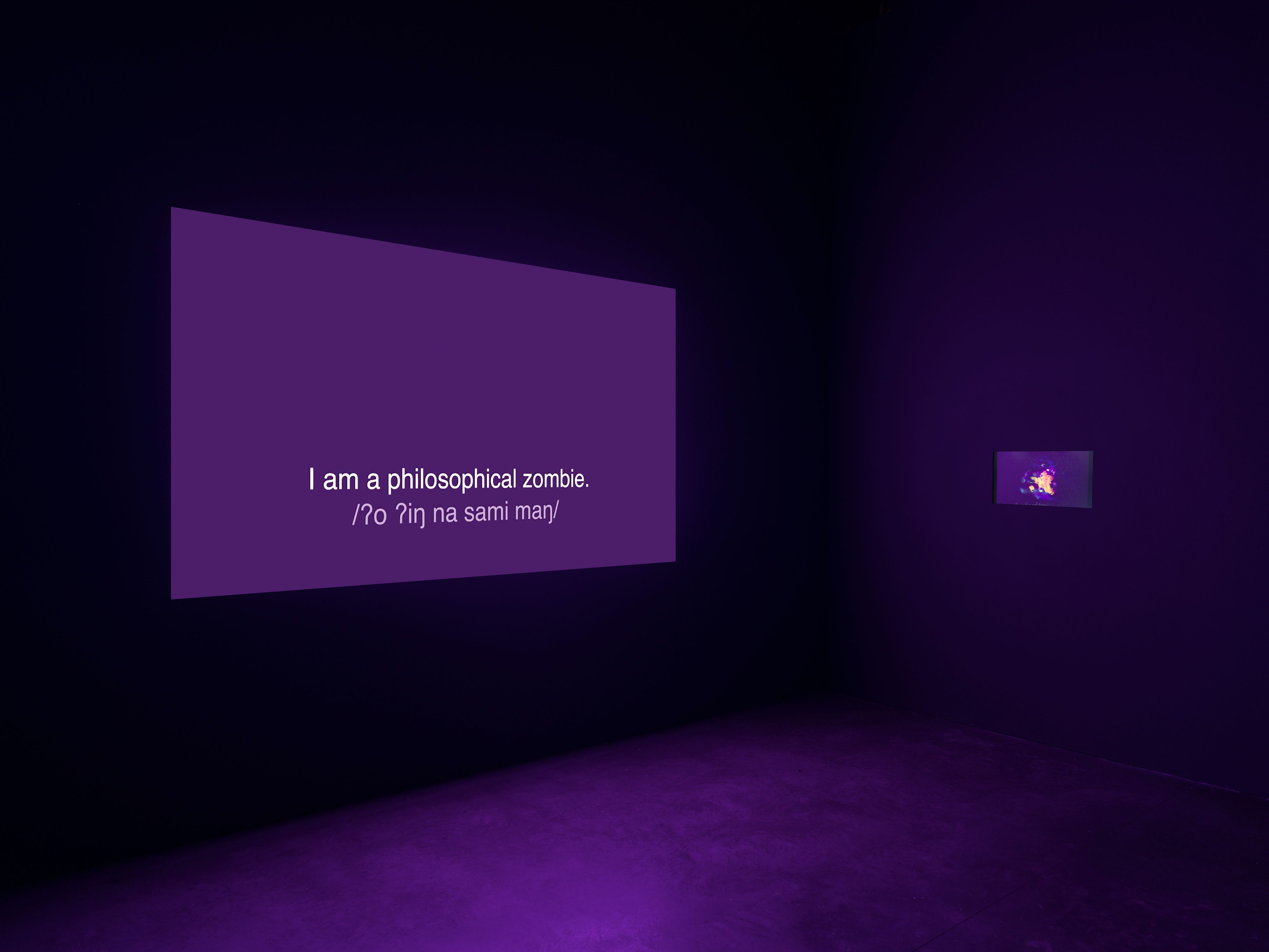
For Adjacent Possible (2021), an AI system was trained by the artist on images of Palaeolithic signs, catalogued by the paleoanthropologist Genevieve von Petzinger across thousands of caves, to produce alternative signs in this earliest human attempt to create a system of symbolic communication. These symbols were later traced by Kurant on to Luserna stone using colours derived from E. coli bacteria, genetically engineered with DNA from coral and jellyfish to produce pigments in colours such as blue and pink. Whereas these speculative “cave paintings” look to the past, Phantomatics (2026) projects into the future. In collaboration with computational linguist Gašper Beguš and his lab at Berkeley University, Kurant generated a hundred “phantom” languages voiced by synthetic speakers, presented as disembodied speech alongside subtitles on a coloured screen. The uncanny essence of Phantomatics emphasises language’s technological construction and manipulation, while also posing an evolutionary question: could one of these AI-generated languages continue to develop artificially without any human intervention at all?
AK: I was interested in language early on, partly because I’m closely related to Ludwik Zamenhof, the inventor of Esperanto, who lived and worked in Poland, and whose great granddaughters, my aunts, continued his work. He’s Polish Jewish from Warsaw and a part of my extended family, so I grew up with the idea that someone had invented an artificial language. Esperanto was this 19th-century utopian project—a neutral lingua franca that wouldn’t be politically or colonially biased, and everyone would speak it. To this day, there are around a hundred thousand speakers of Esperanto around the globe. People learn it because they believe in the idea.
For me, this sparked an interest in synthetic and artificial languages. In 2008, I made a piece titled Ready Unmade as my commission for Frieze Projects in London. I hired a bird trainer to teach three parrots to bark like dogs—to “speak” the language of another species. Parrots repeat sounds they hear, so we arranged for them to listen only to barking for two months. As a result, they began barking, creating a simulation of communication in this borrowed language. Over the course of the exhibition, the parrots’ “language” began to fall apart. As visitors spoke around them, the birds picked up new sounds. The piece was not only about the nonhuman communication systems, mutation of species and the blurring boundary between nature and culture, but also about the fragility of language systems and their susceptibility to external influence—an illusion of communication that dissolves over time. This led me to think about the limits of logic in any system, and how a system might evolve differently under other conditions.
In Phantomatics, I collaborated with a linguist to evolve new synthetic languages based on existing ones, but without human presence. Language normally emerges through bodies, emotion, social relations—pain, love, death, economies, power structures, wars. These synthetic speakers lack all of that. They’re like philosophical zombies: they may seem identical to us, but they don’t have the lived experience that enables language to truly emerge.
“I grew up with the idea that someone had invented an artificial language”
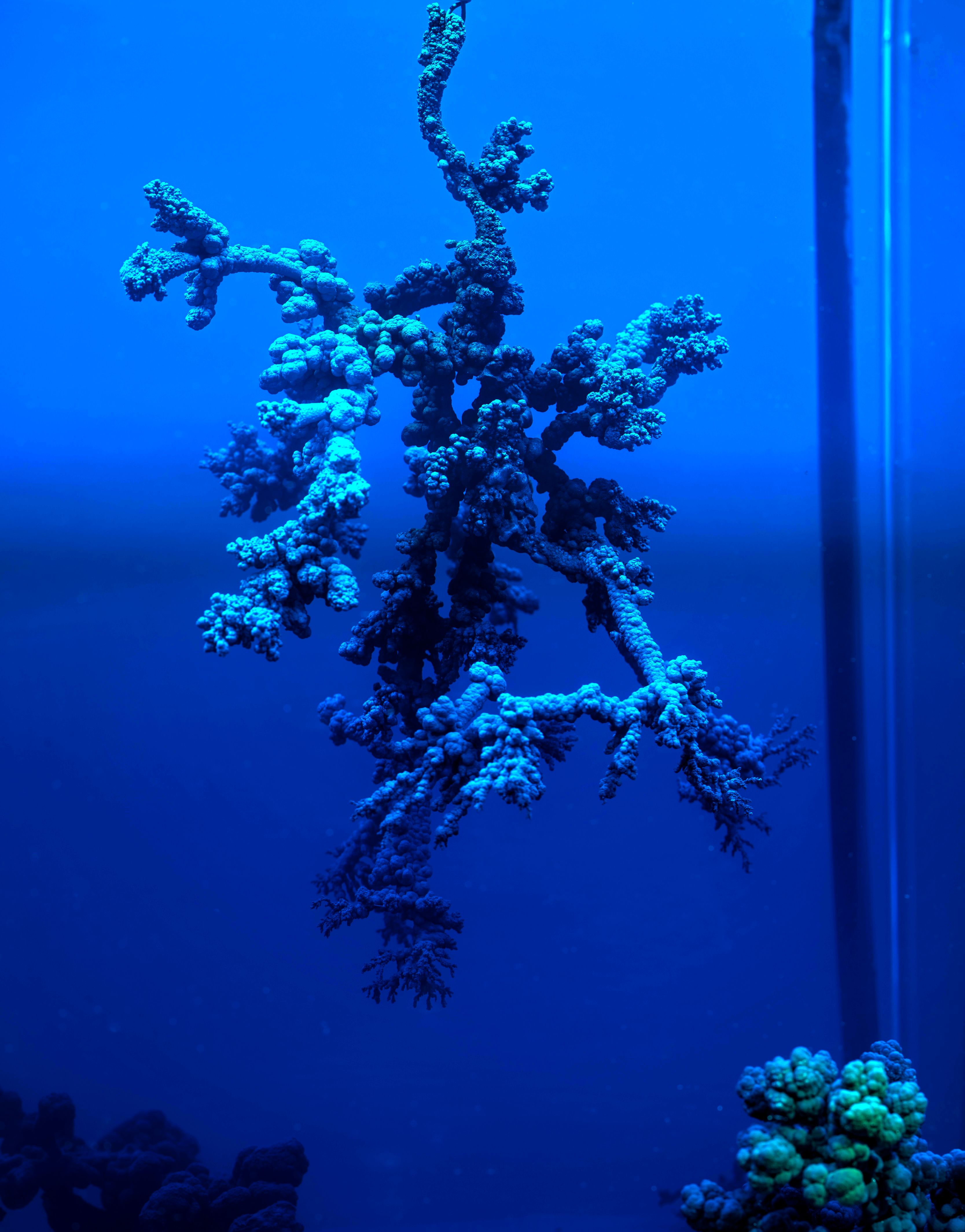
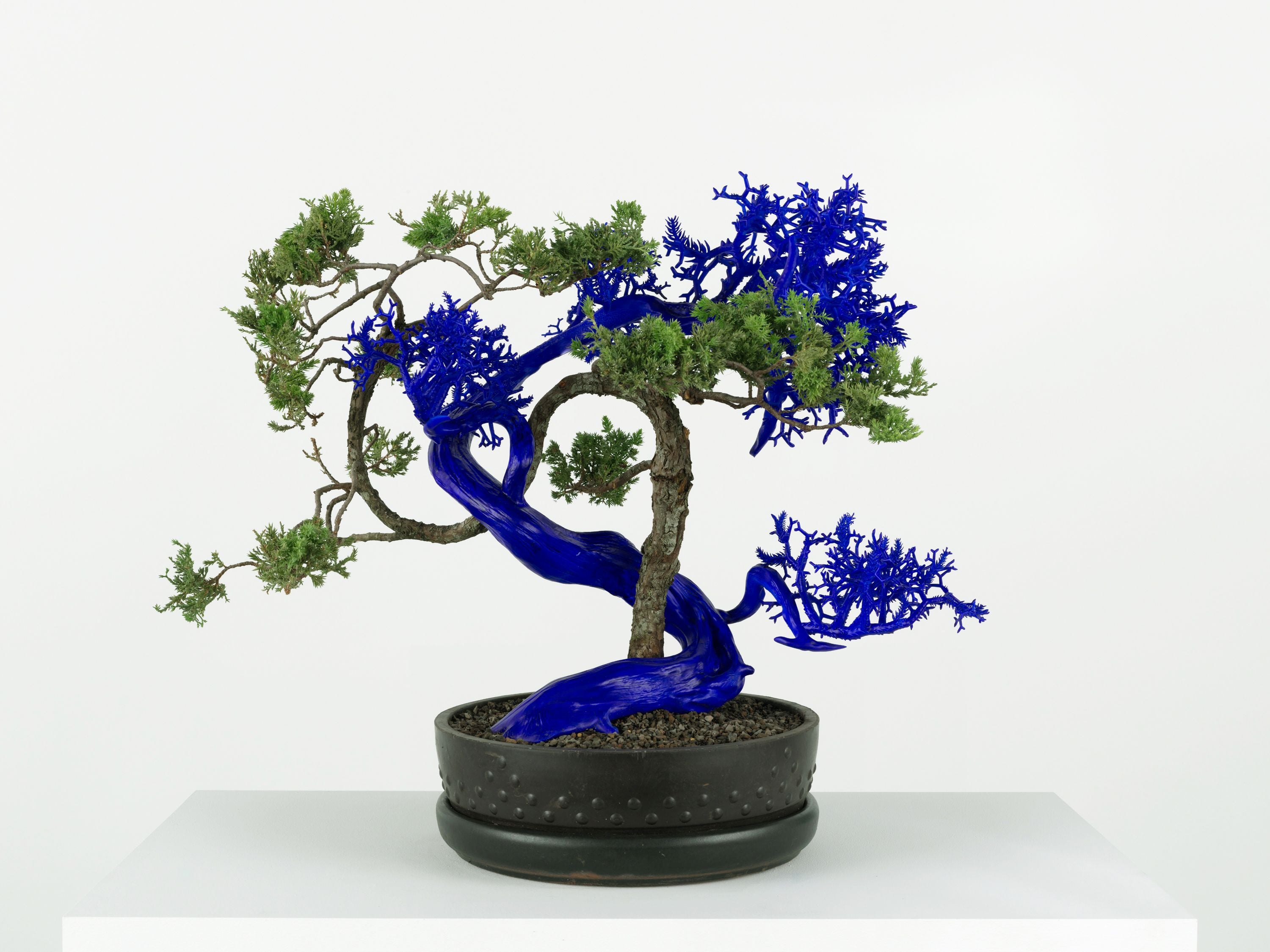
AK: My works are created by setting up systems or environments with parameters and rules, rather than directly sculpting forms. The piece Uncomputables is an example: I poured this blue liquid—copper sulphite—into the aquarium, into the cube, added a tiny amount of copper, then I flow electric current and sound waves through this environment, and let the system grow the rest. I control the parameters, but not the resulting form. Setting up the system allows the work to emerge on its own terms, without me making formal aesthetic decisions that have no meaning beyond appearance. The piece is connected to Wifi, so it’s constantly patrolling the internet for currently “unsolvable problems”: what’s being debated on any given day, for example, about the war in Iran and its impact on the global economy, the genocide in Gaza and the Israeli-Palestinian conflict, or the Russian invasion of Ukraine. The system I set up doesn’t solve these problems but encourages thinking beyond human limitations, which is what was imagined by Gordon Pask, the British cybernetician who worked for the British military and whose experiments from the early 1950s inspired this work.
AK: Exactly. Alien Internet takes live behavioural data—such as migrations from millions of wild animals, tracked globally through digital technologies to predict earthquakes, tsunamis, and volcanic eruptions—and uses ferrofluid and electromagnets to generate forms shaped and controlled by that data. This work conceives of millions of nonhuman organisms mutating into a single, collective biological computer-mind.
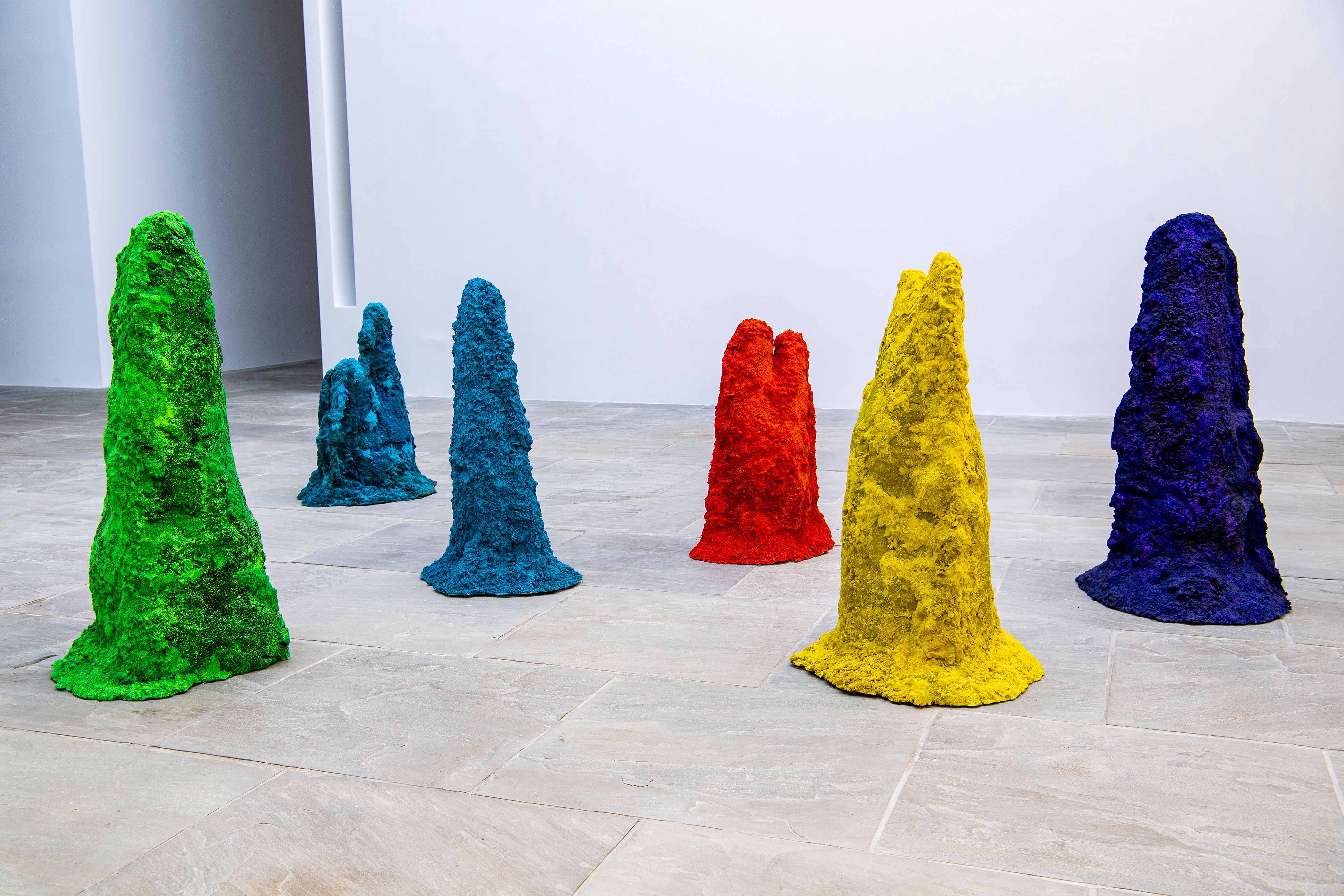
A lot of the systems I land on come out of research. A curiosity. I was looking for classic examples of emergent systems when I learned about termites. They produce complex structures without central control. I experimented by giving termites different coloured materials, and they continued building, largely because they’re almost blind. Watching this, I saw a parallel to human society: we unknowingly participate in data-capturing systems. Our aggregated data creates profit for corporations, even if the data of a single person brings only a fraction of a dollar.
I thought the termites also embodied the exploitation, outsourcing and offshoring of the labour of entire societies. The A.A.I. series pushes this exploitation to the point of absurd by outsourcing the sculptures to a quasi-factory or a quasi-monument-building activity, performed by a non-human species: termites.
“I want to remind people that we are all part of this feedback loop”
AK: I see it as a modest and hopeful attempt to experiment in the territory that spans between the work of someone like Pierre Huyghe, a French conceptual artist, and Hito Steyerl, a German artist who’s written so much about AI, exploitation and control. I’m also interested in finding ways to go beyond direct critique. There’s always an element of political critique in my work, but coupled with philosophical questions and formal experiments that go beyond human thinking and try to catalyse the viewers to ask their own questions and to not only think but also experience and feel. I am deeply against didacticism in art. The forms I create are always ambiguous, without one prescribed meaning. They also change and evolve all the time.
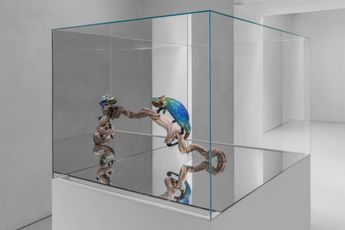
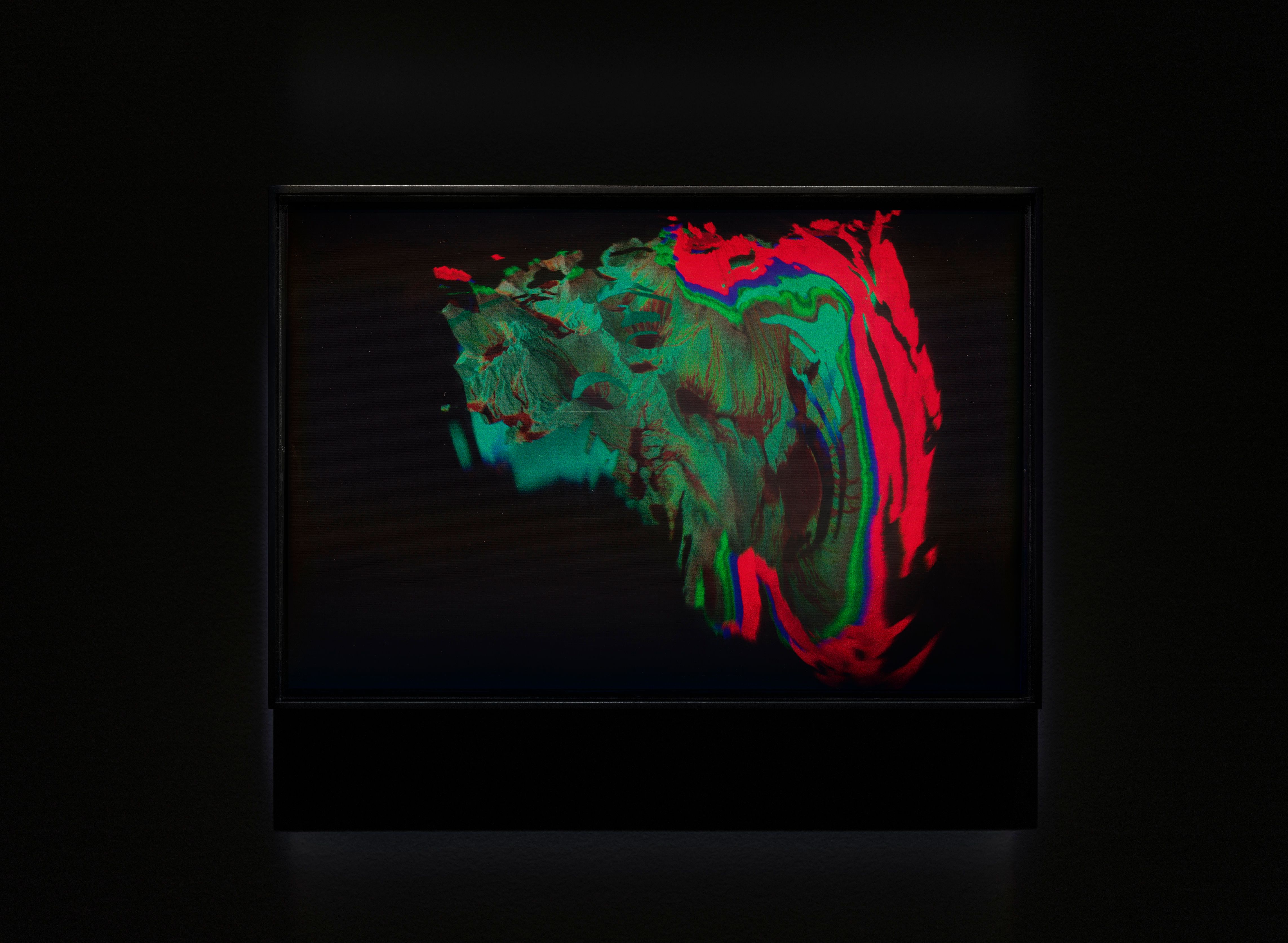
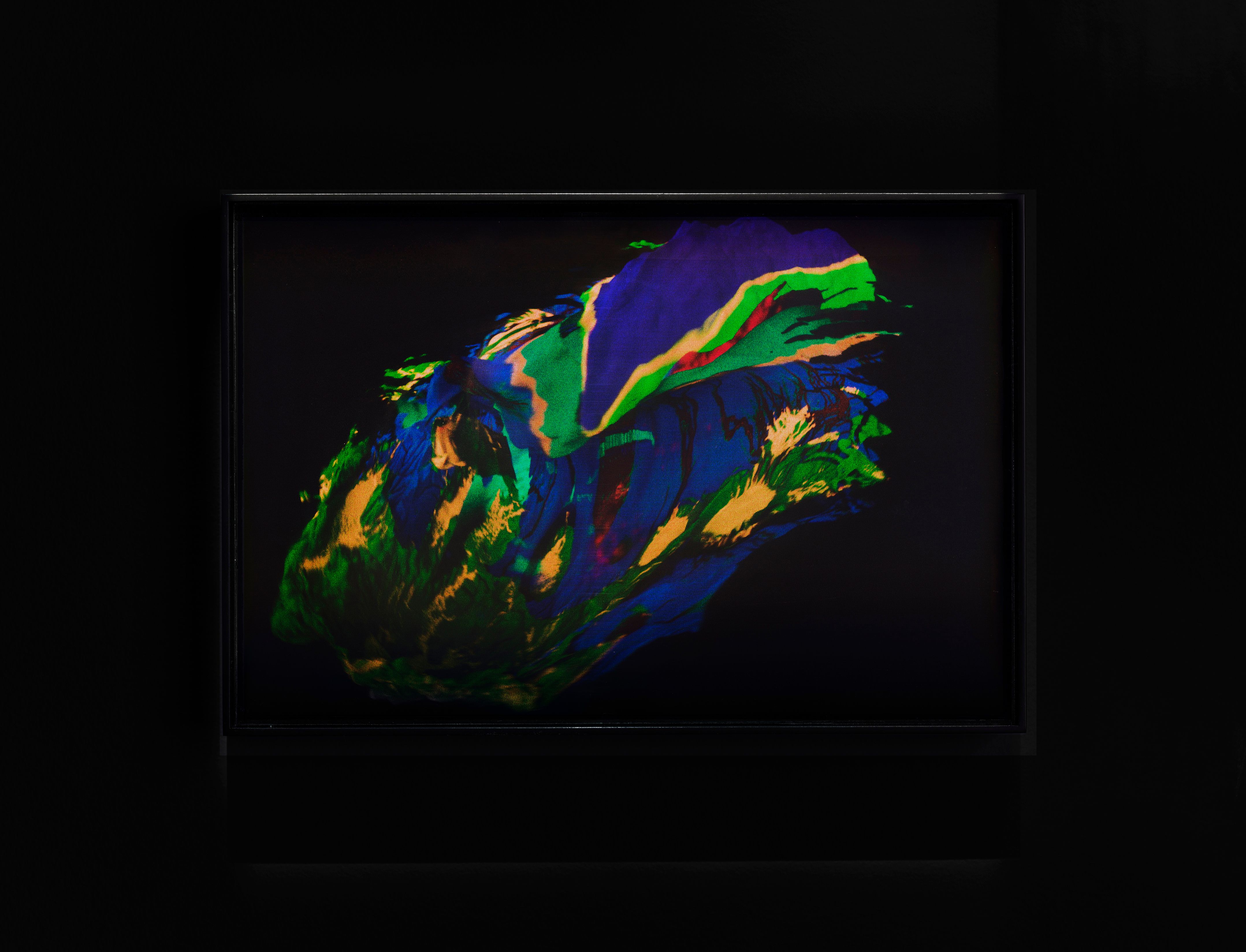
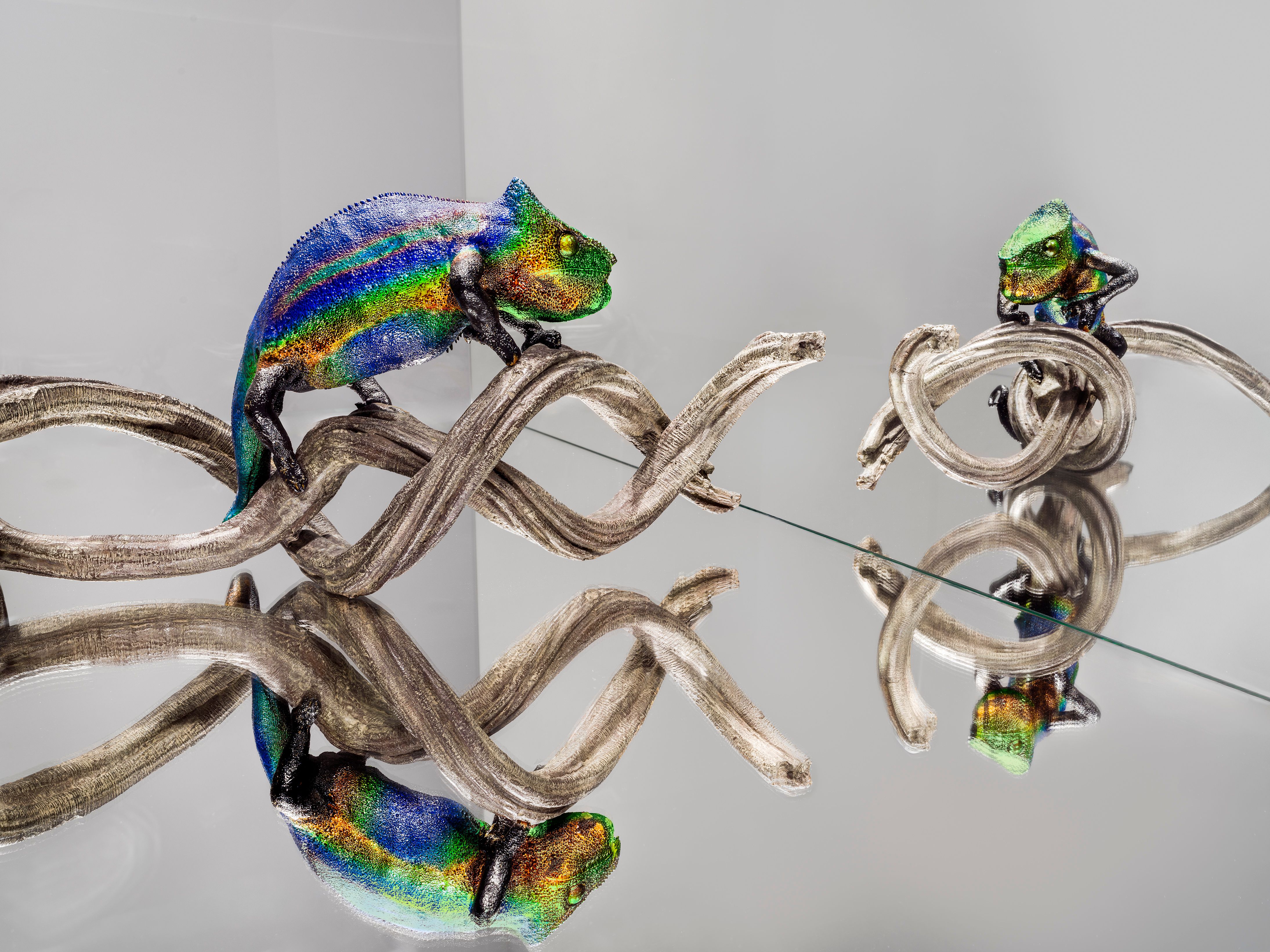
Many of the technologies I use—like the holographic screens in Risk Landscape (2024)—were originally developed for the military. Of course, with Wordoid (2026), questions about mind control and power are inherent. I want to emphasise soft exploitation too. In Recursivity I (2024), we are looking at the sculpture of the chameleon but there is a mirror there with a computer in it to capture our expressions, while the changes in the pigmentation of the chameleon’s skin are controlled by AI-captured data from the speculations of millions of people about the future of the world. I want to remind people that we are all part of this feedback loop. No one is exempt from it. What philosophical, ethical, or aesthetic questions can arise from that?
At its core, much of my work reflects the infrastructures, exploitations and horrors of capitalism, but it also opens space to ask broader questions about humanity and culture. I am inspired by thinkers like David Graeber, whose ideas about alternative forms of governance and more equitable societies have deeply influenced me. My work often traces back to these questions. What does it mean to be human, and how might different cosmologies or social frameworks offer new ways of imagining society beyond exploitation and individualism?
“What is it going to change in our subjectivity, to be surrounded by synthetic beings?”
AK: I made Phantomatics just a few months ago. And it was horrifying to see these discussions about Open AI and other platforms providing tools for autonomous weapons deployed by the US government to bomb primary schools and innocent civilians in Iran and other places, but it was also perfect context and timing for the exhibition. My latest work coincided also with the discussions around Anthropic’ s AI assistant Claude, and questions about its alleged selfhood and consciousness. On the eve of my exhibition opening, we witnessed the emergence of the social network Moltbook, which resembles Reddit but is accessible exclusively to AI agents, like Claude. On the one hand, you can say that my work speculates about the future, but on the other, it’s already here: armies of chatbots and synthetic entities surround us.
The language in Phantomatics comes partly from language-learning books. There are no images and the voices are abstract, often describe states or feelings. In the film, sentences range from banal statements, like “I see the colour red” or “I have a ball”, to phrases that, out of context, can seem philosophical. I was thinking about Robert Kirk’s and David Chalmers’ so-called philosophical zombies: entities that behave like humans but lack consciousness. It’s interesting to think about it because we’re becoming increasingly surrounded by these types of beings. What is it going to change in our subjectivity, to be surrounded by synthetic beings? My work is inspired by the writings of, and by my conversations with, the philosopher Franco “Bifo” Berrardi who talks about the mutations of the collective social brain in response to digital technologies.
AK: Today with computational tools and AI we are able to analyse written language, music, paintings, chess, and source code, and to identify authors by measuring their habits—such as word choice, or syntax. This methodology draws on the idea that, for example, every writer has a kind of unconscious “fingerprint” in their writing that can be measured and identified. With massive amounts of data, patterns emerge that even we don’t notice. Simple behaviours, like what we eat or how we vote, can correlate with beliefs or preferences in ways that are invisible to ourselves. We’re often black boxes, even to ourselves. Some of this is imprecise or invented by corporations to manipulate and exploit the internet users, but as these tools refine, they might one day reveal meaningful patterns and insights that are otherwise hidden and that might contribute to our understanding what it means to be human in the twenty-first century.
We think we understand ourselves, but algorithms can see beyond our bodies and minds. Of course, they exploit our data and predict behaviour, but they also reveal things we couldn’t perceive on our own. I’m curious what that data reveals. —[O]




A respected voice in contemporary art discourse.
Focusing on ambitious storytelling and insightful art-world commentary. Ocula Magazine publishes in-depth interviews, critical essays and timely analysis on the artists, exhibitions and ideas driving the global art world.
Learn more about Ocula Magazine
Showcasing the best of the art world.
Ocula partners with galleries from around the world to highlight their artists, artworks and exhibitions. Gallery membership is by application and invitation, with each member vetted by an independent panel.
Learn more about Ocula Membership
Specialises in the sale of major artworks.
Led by a team with deep ties to the world’s leading auction houses, galleries and collectors. Ocula’s advisory team offers bespoke services to high-net-worth clients from around the world who are looking to acquire the best of contemporary and modern art.
Learn more about our team and services