




Under the Influence


In a viral Substack post published earlier this year, the musician Eliza McLamb wrote about the marketing agency Chaotic Good Projects’ strategy of manufacturing virality for its clients using techniques including fake fan accounts. Wired picked up the story under the headline “The Fanfare Around the Band Geese Actually Was a Psyop” and the Guardian revealed other agencies employing similar tactics to give their musical clients—including Oklou, Charli xcx and Doechii—the appearance of greater popularity. One of the Chaotic Good founders called it “trend simulation”.
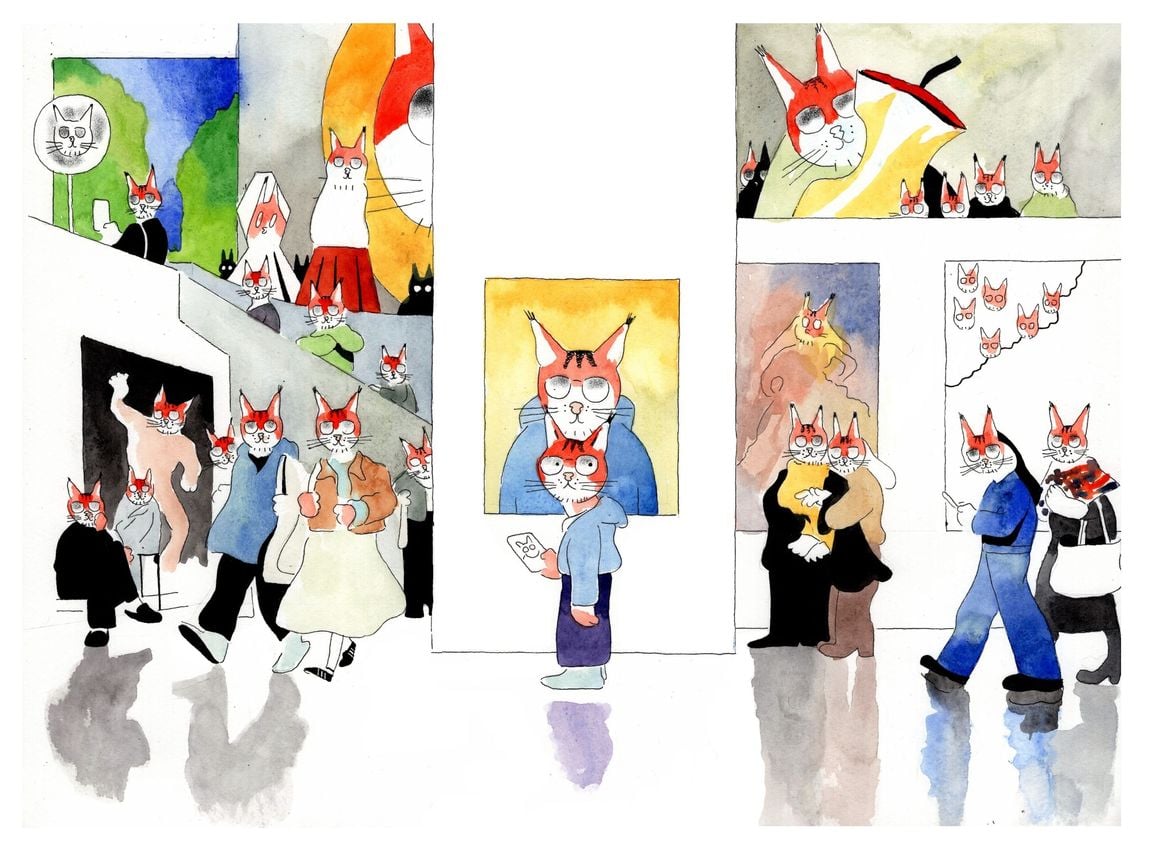
Versions of this dynamic exist in every aspect of public life, but nowhere it is as vivid as in visual art. To my knowledge, galleries and museums aren’t employing content farms to make their artists and exhibitions go viral. But the art world runs on hidden mechanisms designed to influence perceptions of what art is worth our time, money and reverence. And when markers of an artist’s significance turn out to have been concocted by people and companies with a vested interest in their success, it muddies the question of which artists are seen to be most important.
“I understand who, culturally, we agree is important in this moment,” says Molly Jean Taylor, a senior partner at Olney Gleason gallery in New York City. “That comes from a constellation of things: museum exhibitions, in-depth coverage in major publications, catalogues and scholarly texts, museum collections, significant private collections, et cetera.” But the system by which these accolades are distributed has become increasingly subject to influence. The artists who are given this recognition, she says, “can be quite different to the artists who I find significant and hope will be significant in the future”.
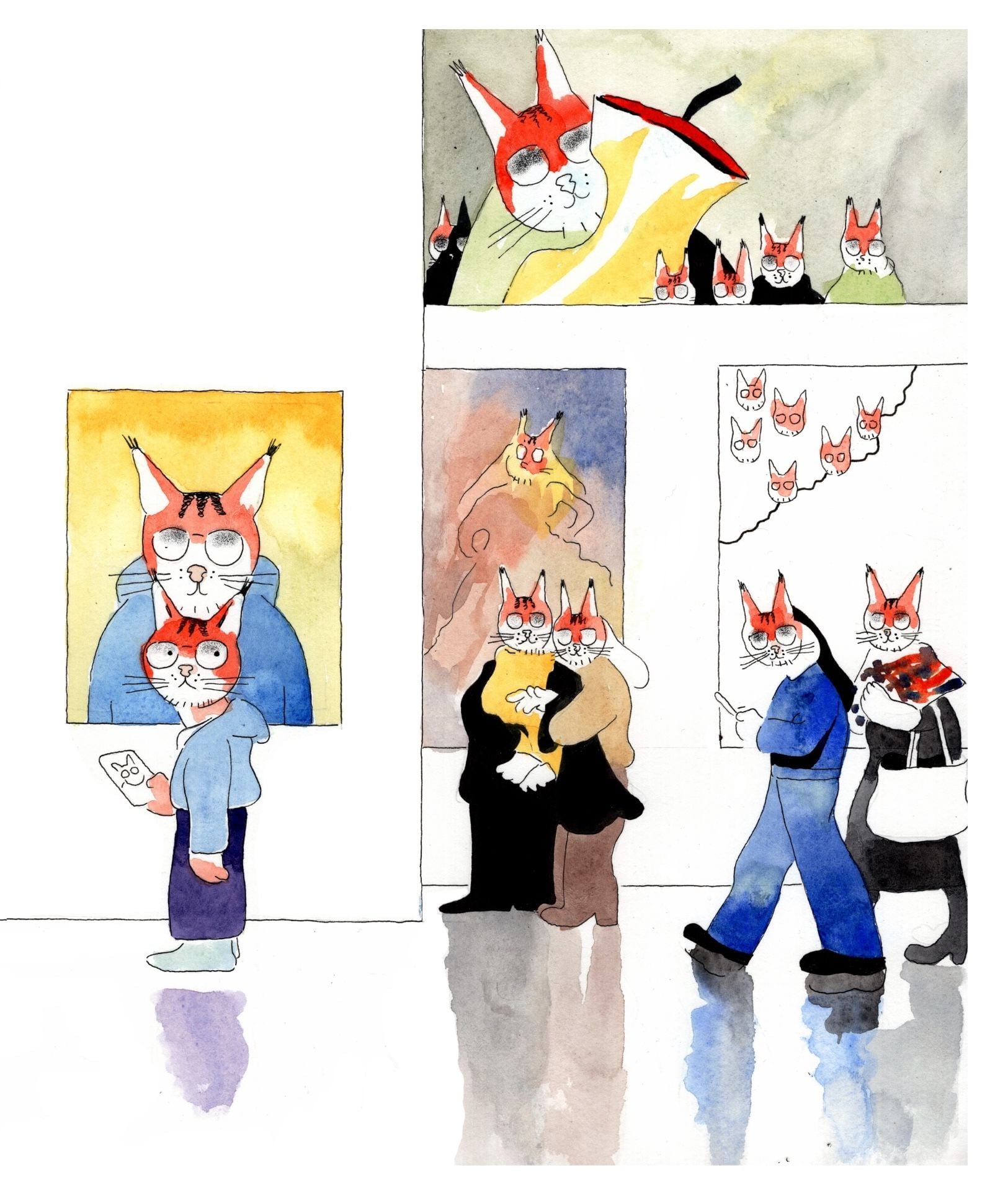
Alongside auction results and institutional representation, press coverage is one of the key metrics that people look to in order to learn about the importance of a given artist. Though all three can be manipulated, press coverage is probably the most susceptible to strategic influence by people and organisations whose goal, like that of the record labels employing agencies like Chaotic Good, is financial gain.
One editor at a respected art magazine says that they see first-hand how some aspects of the public relations ecosystem—including the opportunities for free travel and networking offered by expenses-paid press trips—can tempt critics and journalists to write about their clients favourably. “It’s just paying for coverage,” they say. “I get this every week, these suspicious clusters of writers going: ‘Would you be interested in a show from so and so?’ and you can feel the machinations behind it.”
“The art world runs on hidden mechanisms designed to influence perceptions of what art is worth our time, money and reverence”
They try to keep their distance from PRs. “I’m pretty rigid with my relationships with publicists,” they say. “We can’t be friends, essentially.” They don’t lament the intel that they might miss with this approach: “Often, the shows that they’re really pushing are not the best ones. My instinctive approach is ‘Leave me alone, because this is the fifth press release about this kind of thing.’”
Despite publicists’ invisibility, one veteran art journalist told me: “They wield a lot of power. They persuade us that certain artists are important.” The journalist also reflected on the changing nature of PR (which is now worth $107 billion USD as a global industry, and is projected to grow to $165.11 billion USD by 2034, according to Fortune Business Insights): “It’s professionalised a lot and they’ve become much pushier—even the English ones. A few decades ago, they weren’t nearly as tough as they are now.” Historically, the art publicist’s job was to facilitate press coverage; now, PR is often pitched to galleries as a way of setting the critical agenda. Ocula reached out to several PRs for comment but all declined. One explained the decision not to speak publicly, saying “we’re the ghosts in the machine”.
The expansion of PR’s remit in the past decade has been exacerbated by the contraction of editorial teams. Overstretched editors and staff writers with less time to do their own research are increasingly incentivised to rely on press releases and publicists to tell them what to cover. If independent thinking is a marker of good journalism and criticism, the pervasive presence of publicists makes it very easy for editors and writers to do their jobs badly.
If publicists play a role in steering the art press, they have a more visible counterpart in advertisers. As John Coplans, a founding editor of Artforum, put it in an oral history interview held by the Archives of American Art: “So long as you have a magazine that is contingent upon advertising for its life, there will always be the voracious pressure to make good remarks about the products that are being advertised.”
How much does it really matter that publicists and advertisers shape the art press? After all, you’ll be hard-pressed to find an industry where this isn’t the case and, as Taylor points out, “The media doesn’t make a market; it’s so much more complicated than that.”
But there is a ripple effect. The positive impacts of press coverage tend to get compounded: clippings are sent to prospective collectors as sales tools and used by institutions to demonstrate an artist’s importance to funders. If we’re to believe the adage that journalism is the first rough draft of history, the art media also has a role in deciding which artists find a place in the canon.
“Historically, the art publicist’s job was to facilitate press coverage; now, PR is often pitched to galleries as a way of setting the critical agenda”
Is this the only way? Parinaz Mogadassi’s itinerant gallery Tramps has existed for more than a decade almost entirely outside of the machinery of PR. Public relations teams are useful “if you feel that you need the mainstream exposure and the perceived sense of legitimacy that goes along with it”, she tells me in a text message. “But then of course the question is: who is your audience? The audience I like engaging with is not interested in being told by others what is good and relevant.”
She isn’t interested in fluffy reviews, nor is she engaged in the pursuit of growth that defines the modern mega-gallery. Despite working with big-name artists including Alex Katz, Kai Althoff and Mogadassi’s husband Peter Doig, Tramps has remained a modest operation by design: “I keep my business model concise and sustainable. Less is always more, quality always over quantity.”
For Mogadassi, art dealing doesn’t need to involve courting a wide audience: “If other people are into it and want to participate, that’s great, but if they don’t, that’s fine too.” She is an advocate of following our own noses to the exhibitions and galleries that feel significant to us. “If you go and feel something, then it is meaningful to you, at least,” says Mogadassi. Perhaps, that alone is enough. —[O]









A respected voice in contemporary art discourse.
Focusing on ambitious storytelling and insightful art-world commentary. Ocula Magazine publishes in-depth interviews, critical essays and timely analysis on the artists, exhibitions and ideas driving the global art world.
Learn more about Ocula Magazine
Showcasing the best of the art world.
Ocula partners with galleries from around the world to highlight their artists, artworks and exhibitions. Gallery membership is by application and invitation, with each member vetted by an independent panel.
Learn more about Ocula Membership
Specialises in the sale of major artworks.
Led by a team with deep ties to the world’s leading auction houses, galleries and collectors. Ocula’s advisory team offers bespoke services to high-net-worth clients from around the world who are looking to acquire the best of contemporary and modern art.
Learn more about our team and services