





Emma McIntyre Leads You Part of the Way There
Ocula sat down with artist Emma McIntyre in her L.A. studio in anticipation of her solo show opening at David Zwirner in Hong Kong. Save to My Ocula
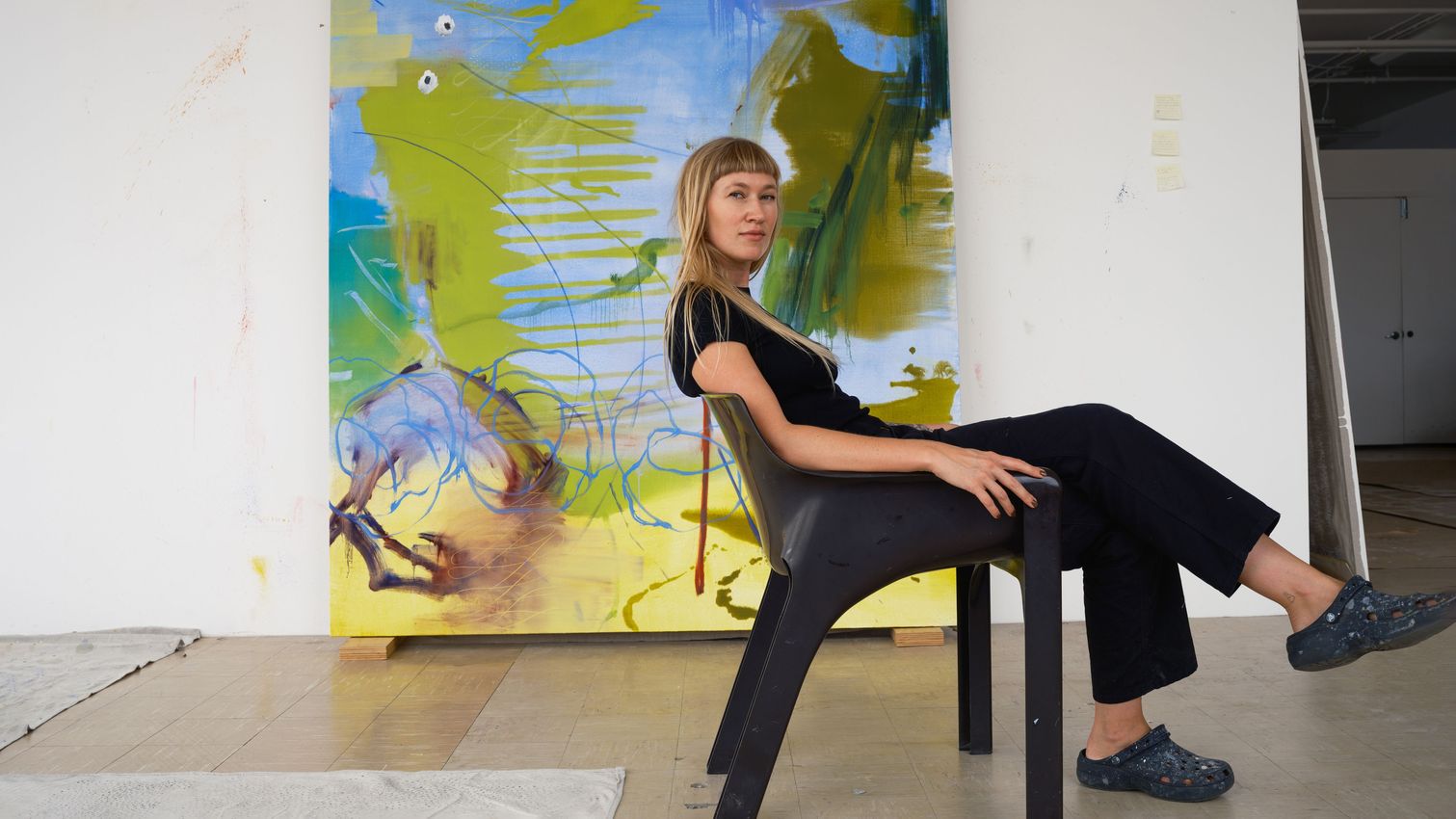
Beyond the wide, panoramic windows in New Zealand-born painter Emma McIntyre‘s studio, downtown Los Angeles spreads out in all its inelegant, sunbaked disarray. Inside the studio, McIntyre’s paintings—some small, but many more than two metres tall—are drenched in light.
McIntyre, who relocated from her native New Zealand in 2019, belongs to a generation of abstract painters, a significant number of whom are women and based in L.A., that has risen to market prominence in the last few years. She began her career showing with Hopkinson Mossman, in Wellington and Auckland, and subsequently with the gallery it evolved into, Coastal Signs—an alternative-model, artist-run cooperative. While McIntyre is now represented by David Zwirner, alongside Château Shatto and Air de Paris, she remains on the board of Coastal Signs.
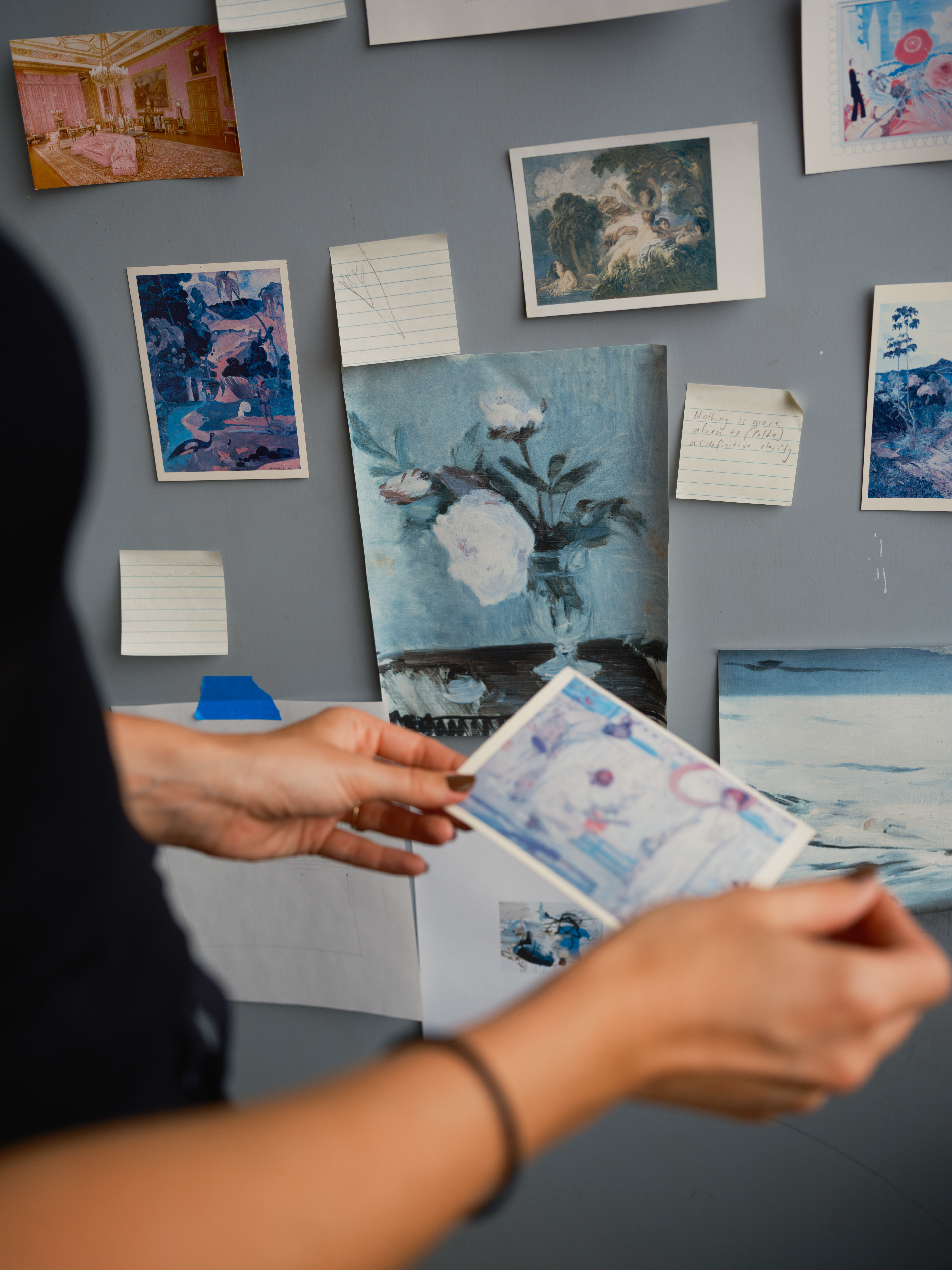
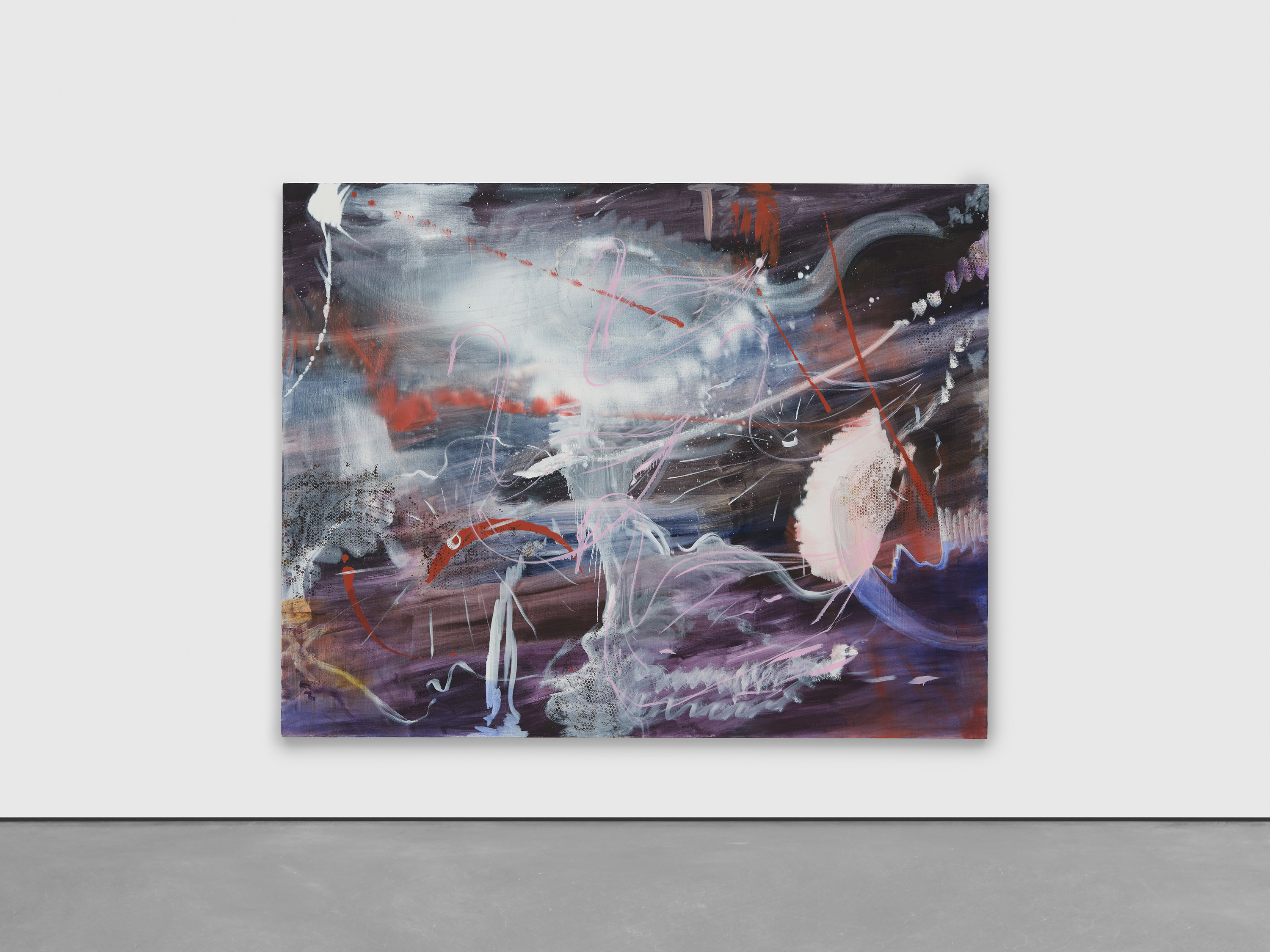
McIntyre is deeply invested in the history of painting, especially in abstract expressionism and those subsequent artists who combined abstraction with elements of figuration: Robert Rauschenberg, for example, or Cy Twombly, or Sigmar Polke. In her own canvases, McIntyre synthesises areas of poured colour with brushed or oil stick-drawn forms, as well as readily identifiable motifs, such as swans, cranes, and flowers. Calligraphic flourishes nod towards the specificity of language, even though meaning in her finished paintings remains elusive and diffuse.
A day before McIntyre flew to Hong Kong to install her second exhibition with David Zwirner, Among my swan, (25 March–10 May 2025) Ocula sat down with the artist in her L.A. studio.
JG: How much of a painting do you already know when you begin working on it?
EM: Every piece is different. Sometimes, I have a clear picture in my head of what the painting might be; in other cases, I’ll just start laying down colour and seeing what happens. They always take unpredictable directions. I think that’s important because it’s in that space between what you thought the work was going to be and what it became that the next work is created.
JG: You use unconventional materials, like iron oxide, in your paintings. The list of media for one recent painting includes ‘guano’.
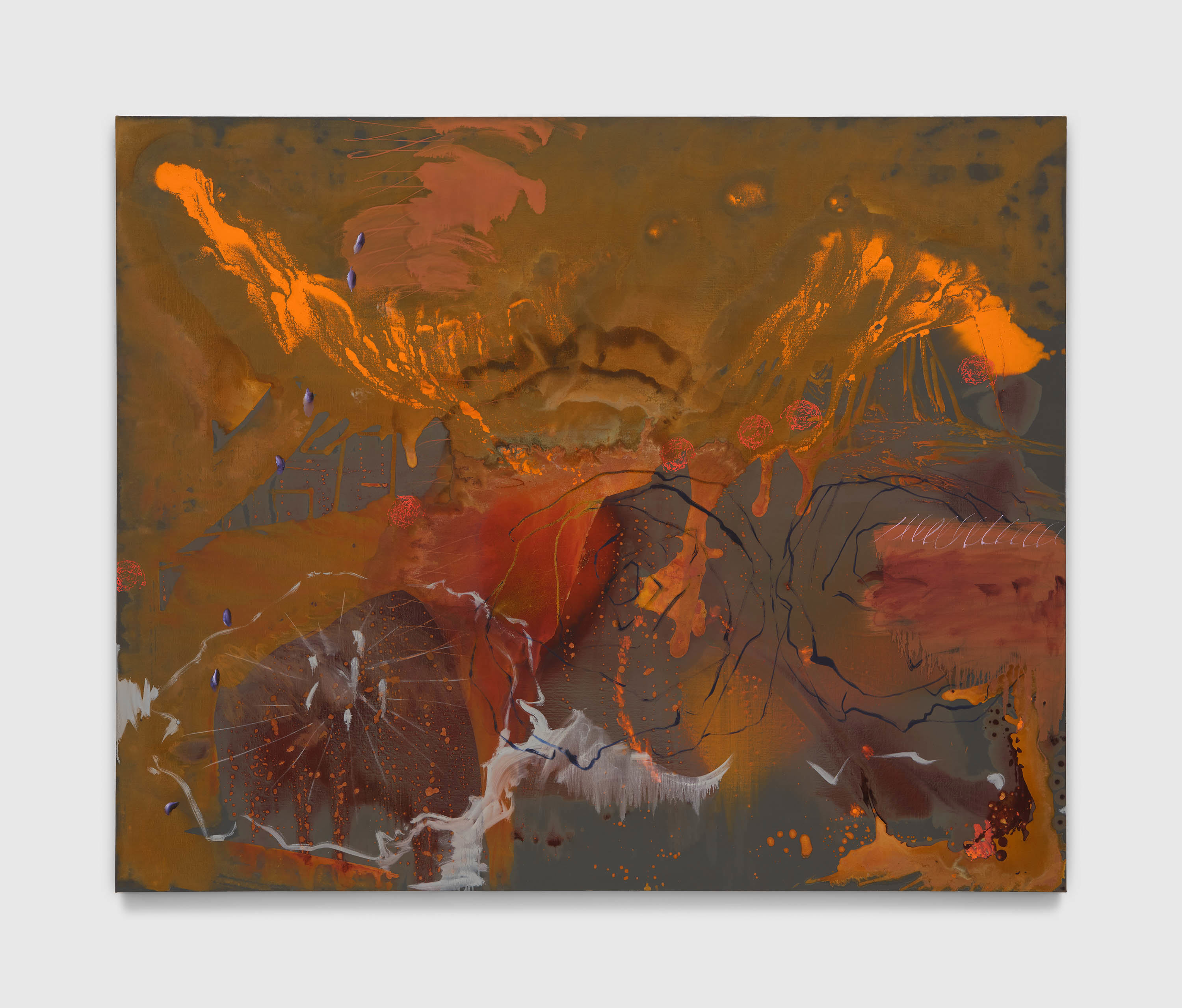
EM: I came back to my studio one day and a bird had got in. The bird was gone, but there was poo inside the scale model I had been using of David Zwirner’s Hong Kong gallery and on one painting, Remanence (2024). At first I was like, ‘Oh what do I do about this?’ But then I found it interesting. First, because it dropped from above, it’s a drip, so it has a formal relationship to some of the other things going on in that painting. Also, guano is quite corrosive, so I was interested in the instability of it, and just rolled with it.
JG: What else goes into the works?
EM: A lot of poured oil paint. I like that it’s so unpredictable. Every pigment reacts differently. Every pigment is already really interesting. They’re made of beetle wings, crushed bones, dirt, chemicals, metals. There’s already so much alchemy involved.
“I like the line that goes towards writing, because it’s leading you part of the way there, but not taking you all the way.”
JG: Alchemy implies some kind of transformation, but a lot of the time your paintings are about showing paint as paint.
EM: Yeah, that’s true. There’s a contradiction there, for sure.
JG: Where would you say the transformation happens?
EM: Well, with iron oxide, for instance, the transformation when you add the rusting catalyst is into something glowing and alive. With paint, it feels like you’re working through stages where it’s like mud, and then you’re turning it back into something meaningful. I think of how something two dimensional can take on a three dimensionality. I think of all these things as alchemy.
JG: When you say ‘meaningful’, what kind of meaning are you thinking of? Is it something outside the reality of the painting, or something that’s just there on the canvas?
EM: For me, it’s both. What’s exciting for me is the way materials sit on a surface and interact. But I also think of painting as world-building. Some paintings evoke landscapes, vistas or weather systems. It’s a different type of depth. You can fall into my paintings, be taken elsewhere, then be brought back to the reality that they’re abstract paintings.
JG: What about the calligraphic marks, or the gestures that look somewhat like writing? Why break up the abstraction with marks like that?
EM: I like the feeling they give that everything’s becoming, that the painting hasn’t quite coalesced into something recognisable, but there’s a sense that it’s alive and on the move. And I like the line that goes towards writing, because it’s leading you part of the way there, but not taking you all the way.
“If I feel like I’ve made a painting that’s flying too close to one of my influences, then it’s not right.”
JG: In the text for your exhibition at David Zwirner, you express your interest in the connection between painting and the theatre. To me, theatre can often feel very contrived, but when done well it has this astonishing sense of visceral reality.
EM: I see that as related to painting, because there are so many steps you go through as a painter, adding layers and trying to problem-solve, when all you’re seeing is the mechanisms of the work you’re doing. Then, suddenly, you get this sense that it’s alive as its own entity, doing its own thing. That’s when the painting feels finished. The other reason theatre is interesting to me is because of the nature of the set itself. The layers: the stage, the painted set, the actors, the drama, the lights, the curtains—all these elements relate to my practice.
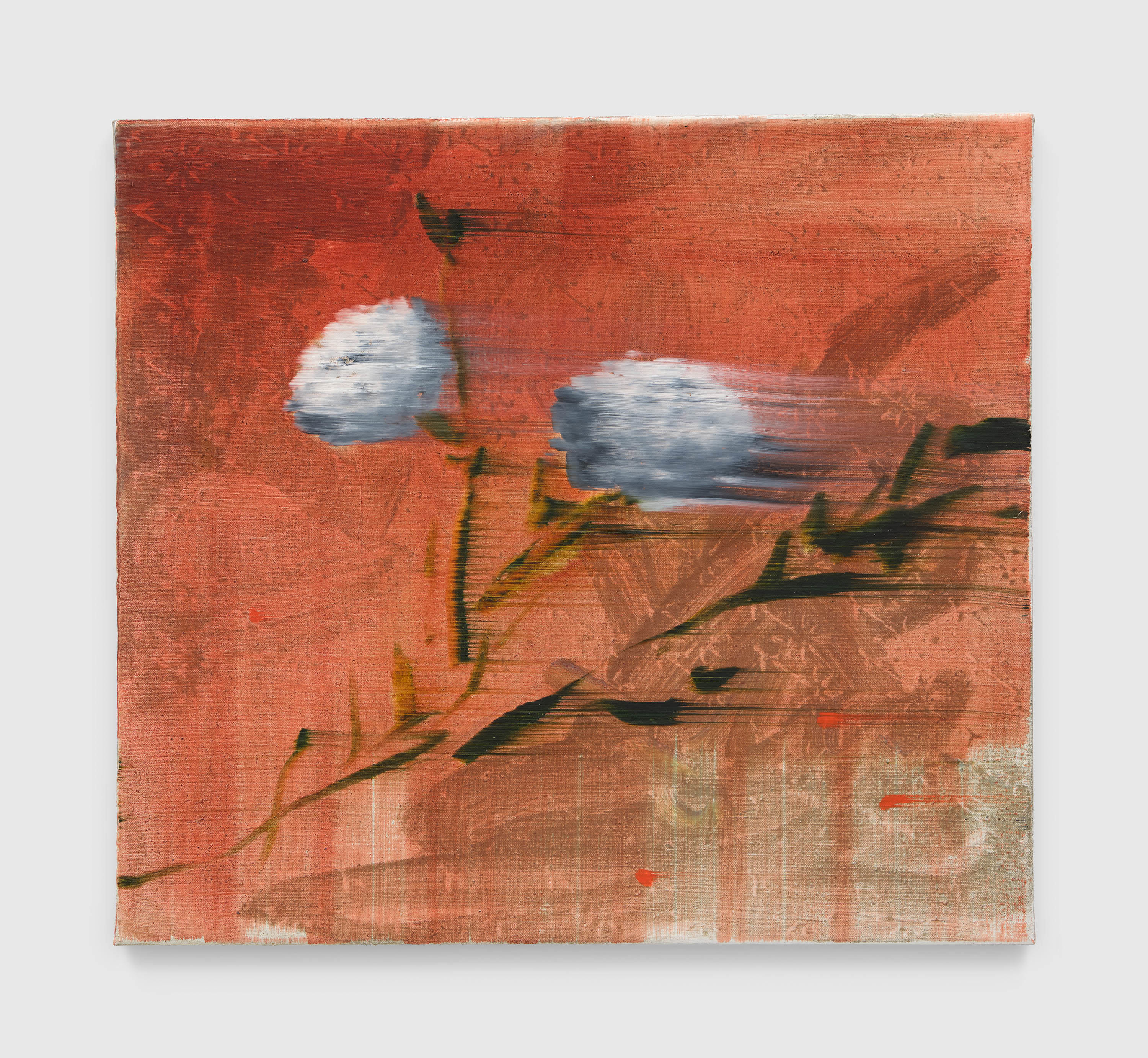
JG: You’re influenced by certain painters—Polke, Rauschenberg, Twombly—who had quite appropriationist practices. Do you think of your work in similar terms?
EM: I use history as a springboard. I may be a magpie, but I’m not an appropriationist. I learn things about painting that I can apply to my own practice. It’s often just about formal or compositional decisions—like whether I need a certain shape or not—but it can also be about wanting my work to push towards an idea of a landscape, or an organic space. I like the floral form and it’s so ubiquitous throughout art history that I don’t think it has to mean too much. It’s just a placeholder for some other kind of representational form.
JG: Do you ever experience anxiety of influence?
EM: I’m happy for influences to be visible in the finished painting. But if I feel like I’ve made a painting that’s flying too close to one of my influences, then it’s not right.
“I use history as a springboard. I may be a magpie, but I’m not an appropriationist.”
JG: Is newness possible, today?
EM: I’m pretty skeptical. I mean, I think it’s possible, but it’s a slippery slope to care about it too much because, if you try too hard to pursue newness, you often end up being distracted from making good work. Within my own experience of my work, however, newness is essential. I don’t feel like a painting is done until there is something new about it, until there’s something I’ve learned from it. But I don’t have some grand idea of the world never having seen this particular thing before!
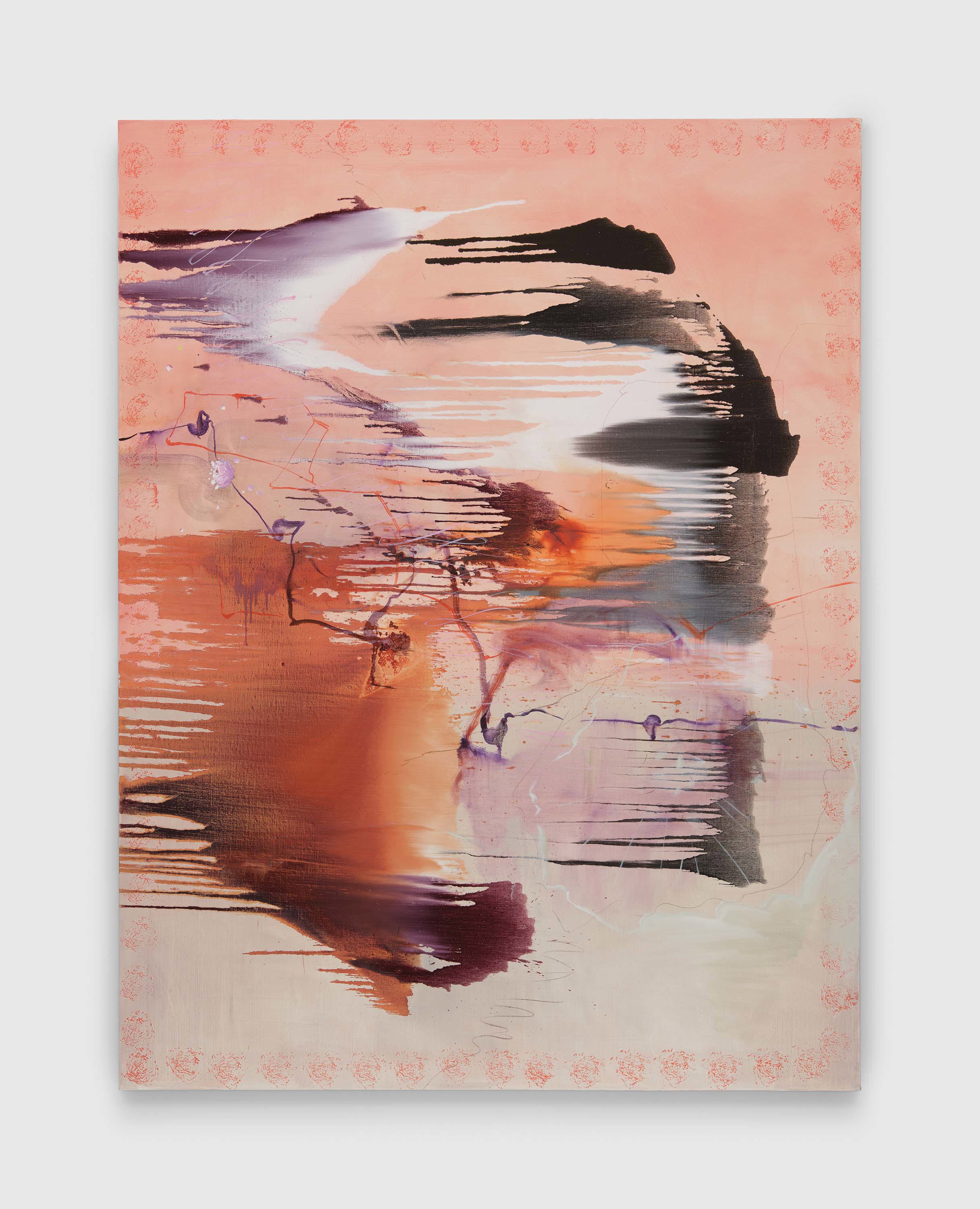
JG: Your father is a painter, isn’t he?
EM: My dad, my granddad, and my great granddad, too! My granddad, Peter McIntyre, was a hugely commercially successful landscape painter in New Zealand. When my dad was at art school, every tutor remarked on who his father was. It was difficult for him. But it hasn’t been for me. My dad was always very encouraging about me being an artist. I grew up surrounded by art and art books; I was always going to galleries and museums and openings as a toddler. It was just my world.
JG: How do you feel about being in L.A. at this crazy moment in environmental and political history?
EM: It’s pretty weird. I mean, I love L.A., I’ll always love L.A., but it feels disconcerting. I don’t feel as anchored as I did even a year ago. I know I’m not in danger of being deported, but it’s very destabilising. I go home quite a lot to New Zealand. It’s my favourite place on Earth. But I cannot think in the same way I can when I’m here. My brain switches on the moment I get back to L.A. and get into the studio. L.A. is always such a wild place to live. I guess I’m just hoping that this particular breed of wildness is liveable. —[O]
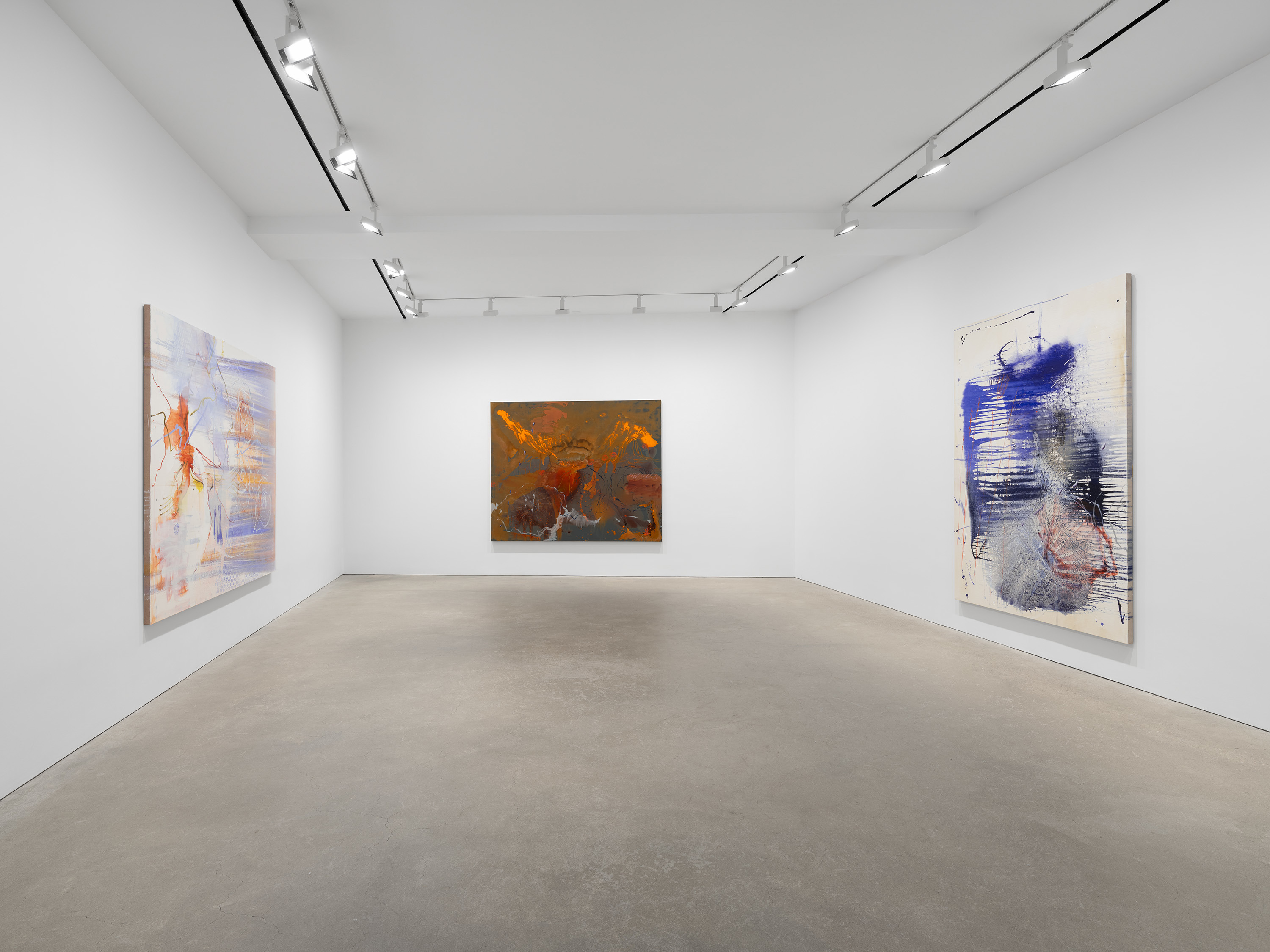
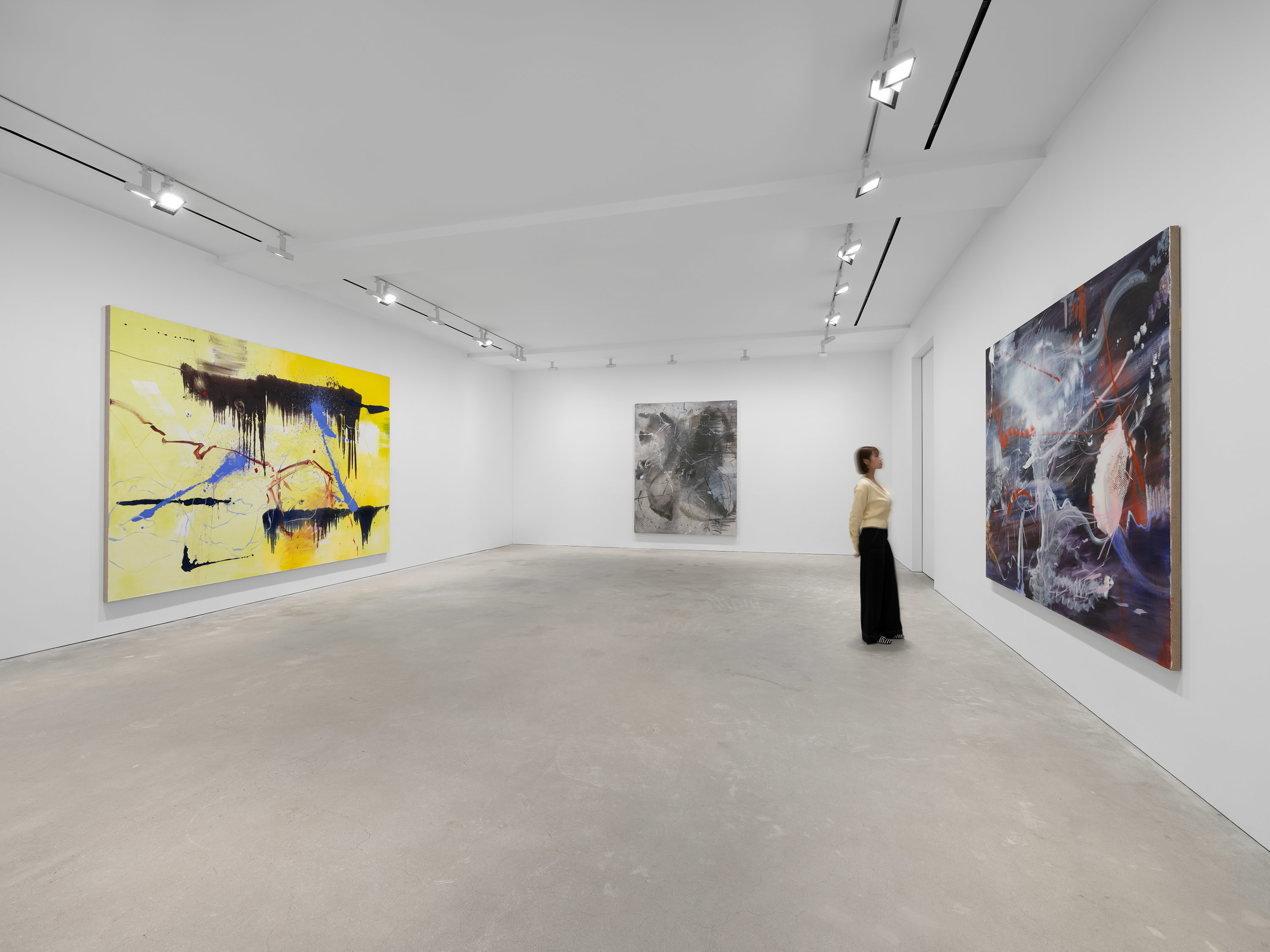
Emma McIntyre: Among my swan is on view at David Zwirner, Hong Kong, from 25 March to 10 May 2025.
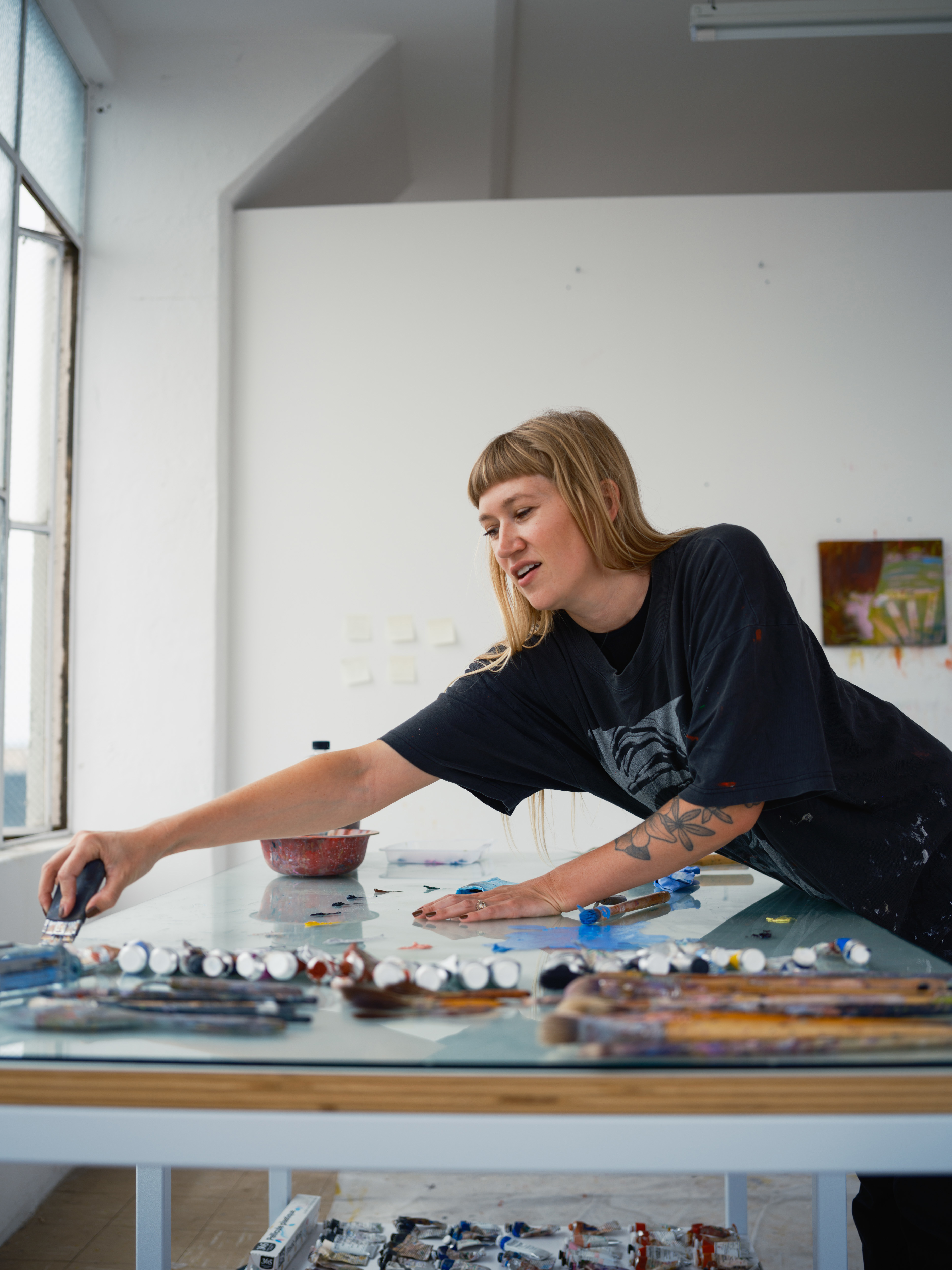
Main image: Emma McIntyre in her Los Angeles studio. Courtesy David Zwirner. Photo: Chantal Anderson.





A respected voice in contemporary art discourse.
Focusing on ambitious storytelling and insightful art-world commentary. Ocula Magazine publishes in-depth interviews, critical essays and timely analysis on the artists, exhibitions and ideas driving the global art world.
Learn more about Ocula Magazine
Showcasing the best of the art world.
Ocula partners with galleries from around the world to highlight their artists, artworks and exhibitions. Gallery membership is by application and invitation, with each member vetted by an independent panel.
Learn more about Ocula Membership
Specialises in the sale of major artworks.
Led by a team with deep ties to the world’s leading auction houses, galleries and collectors. Ocula’s advisory team offers bespoke services to high-net-worth clients from around the world who are looking to acquire the best of contemporary and modern art.
Learn more about our team and services