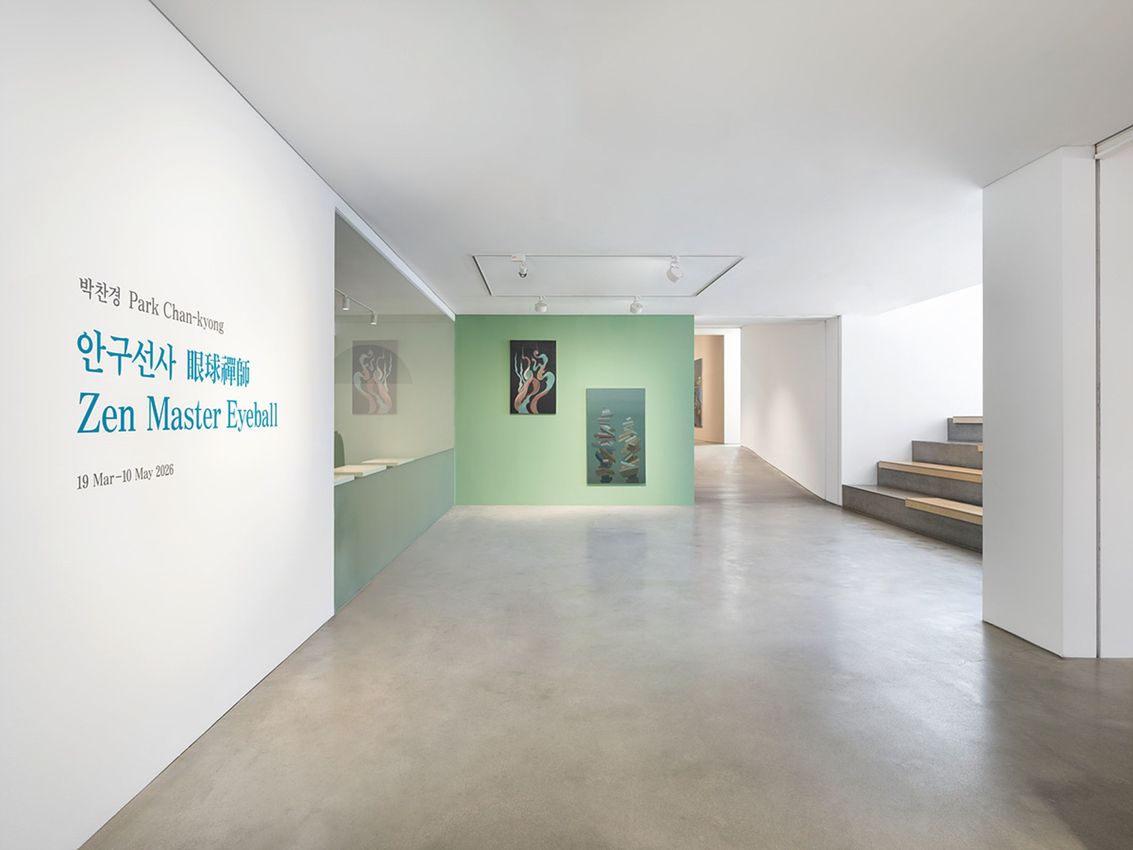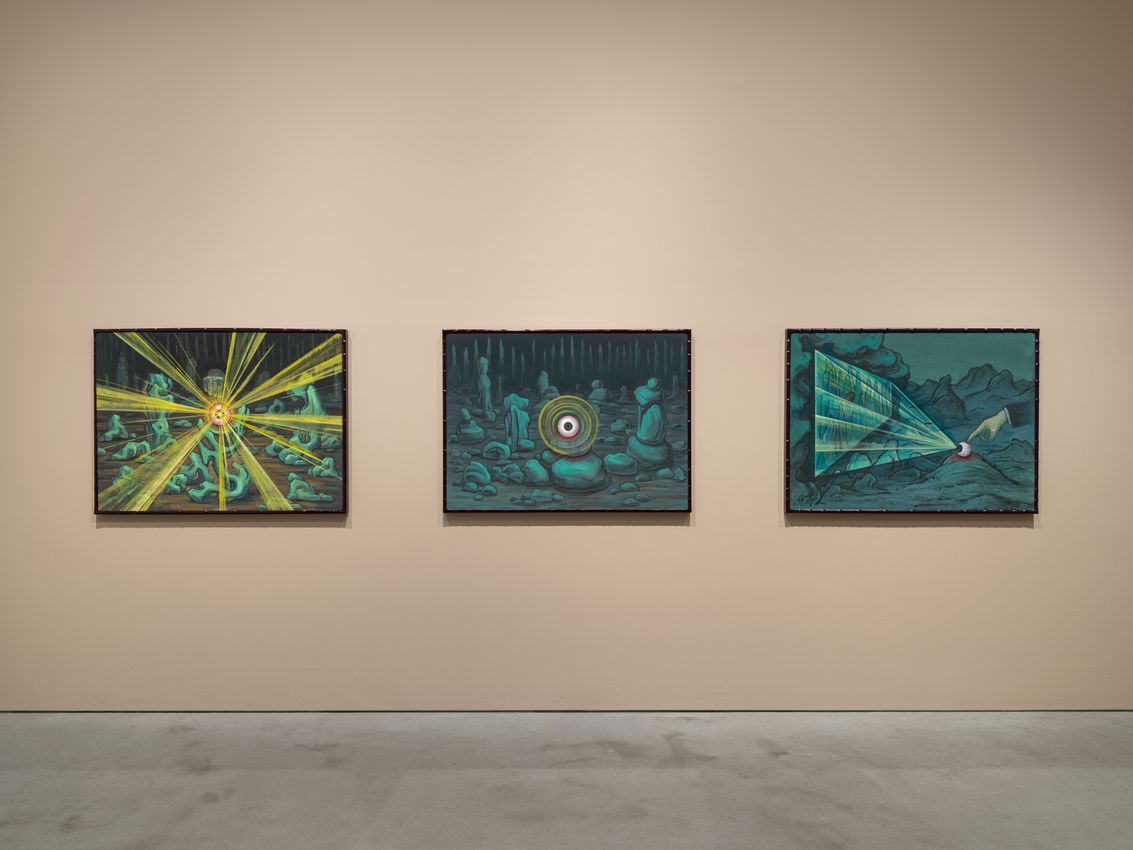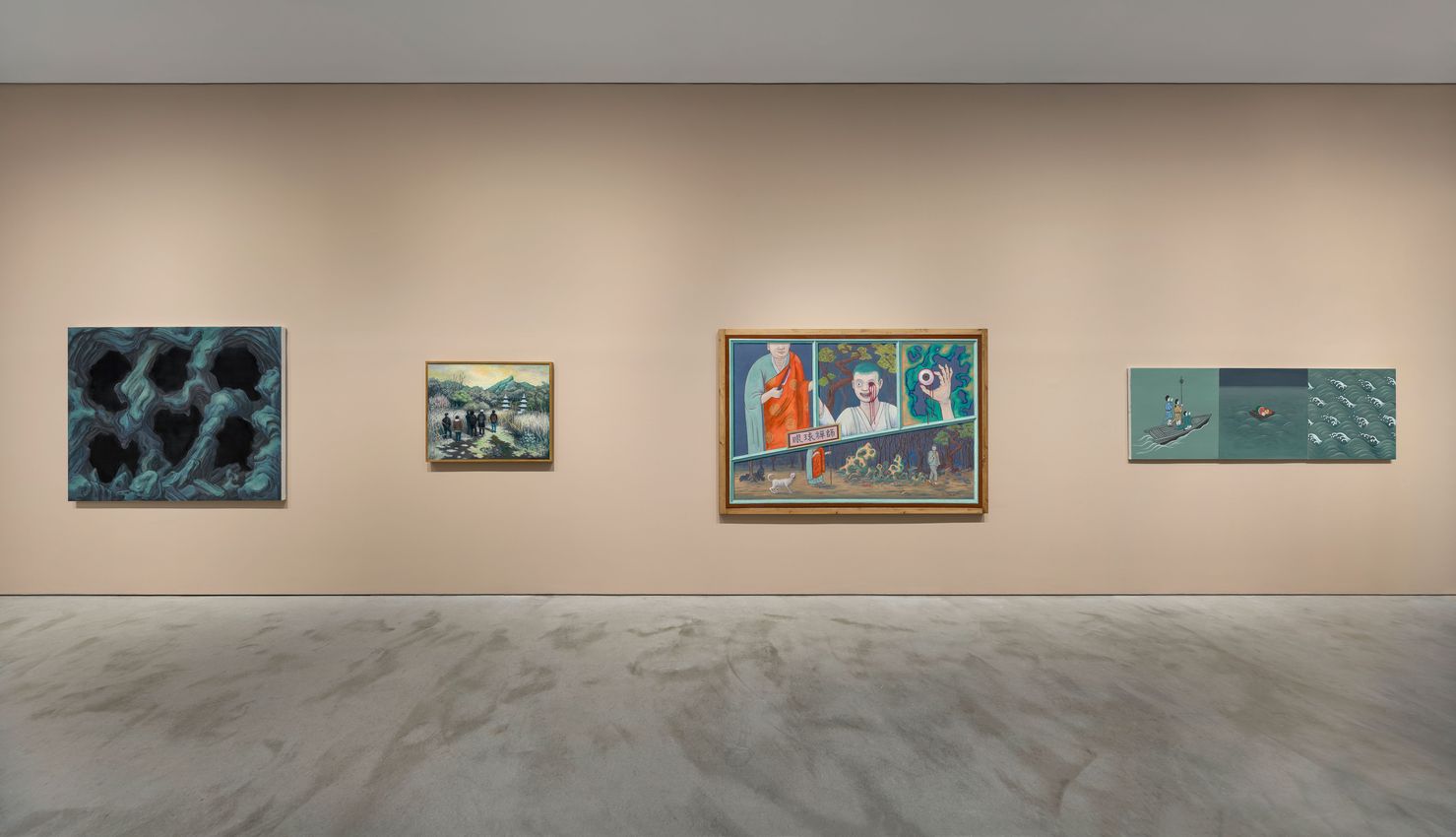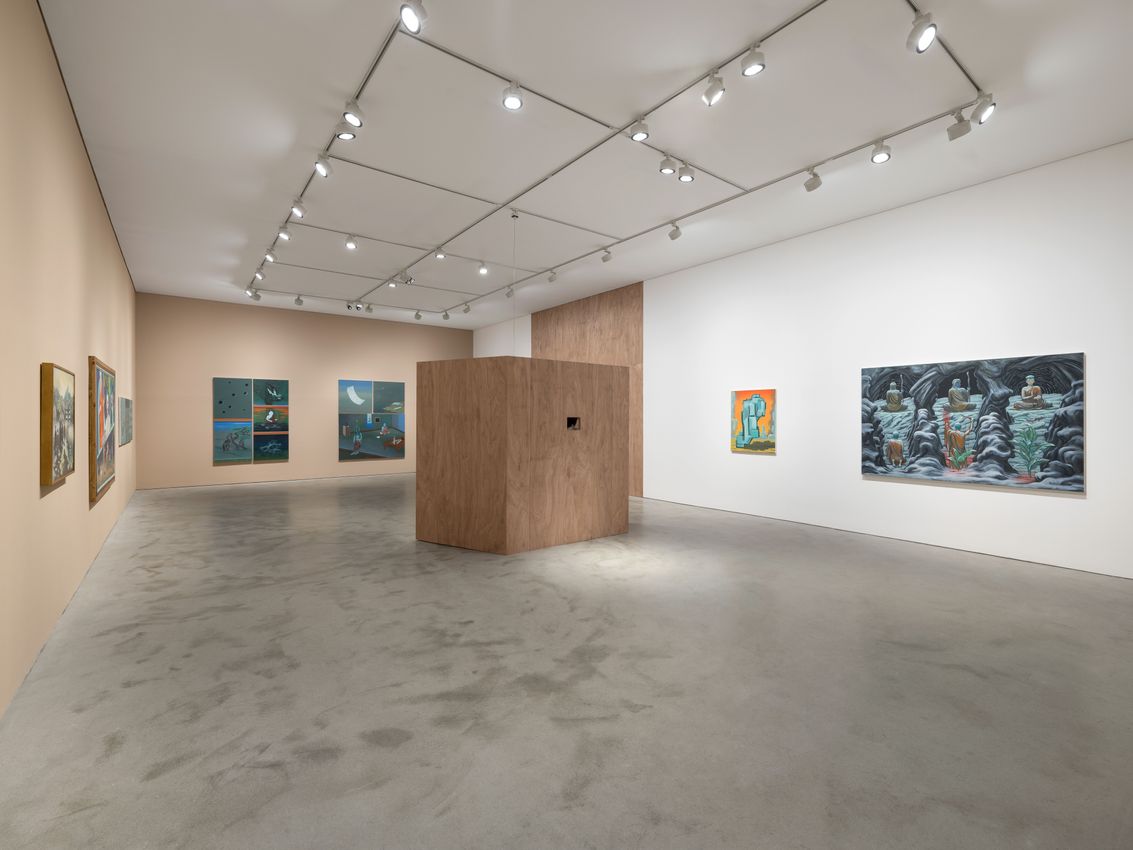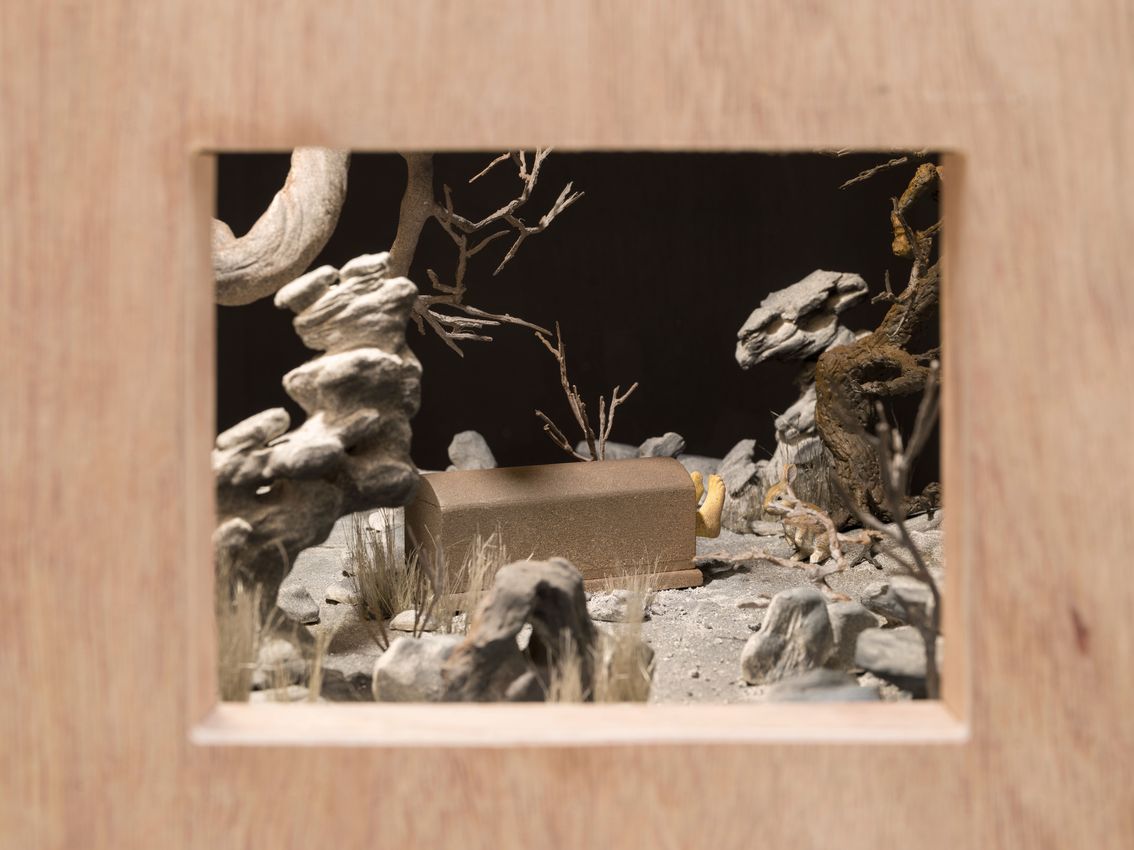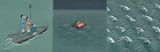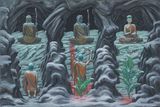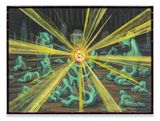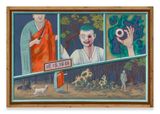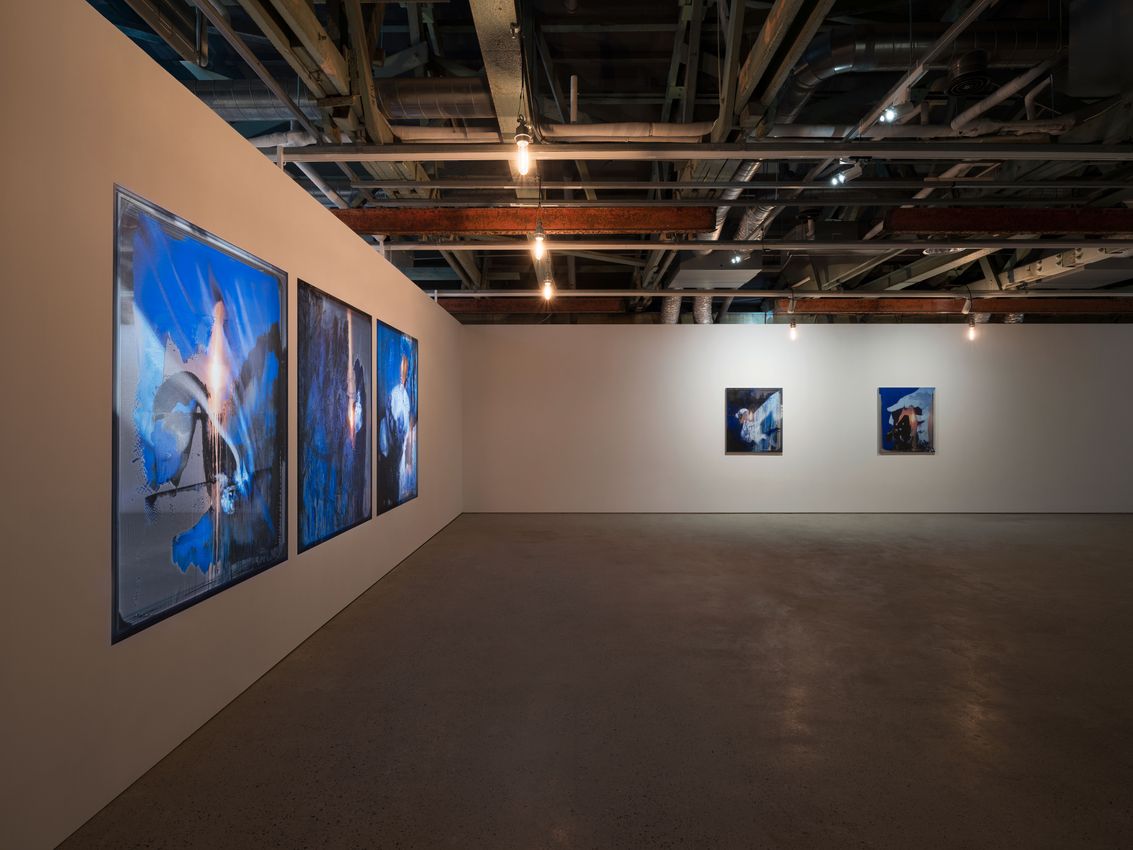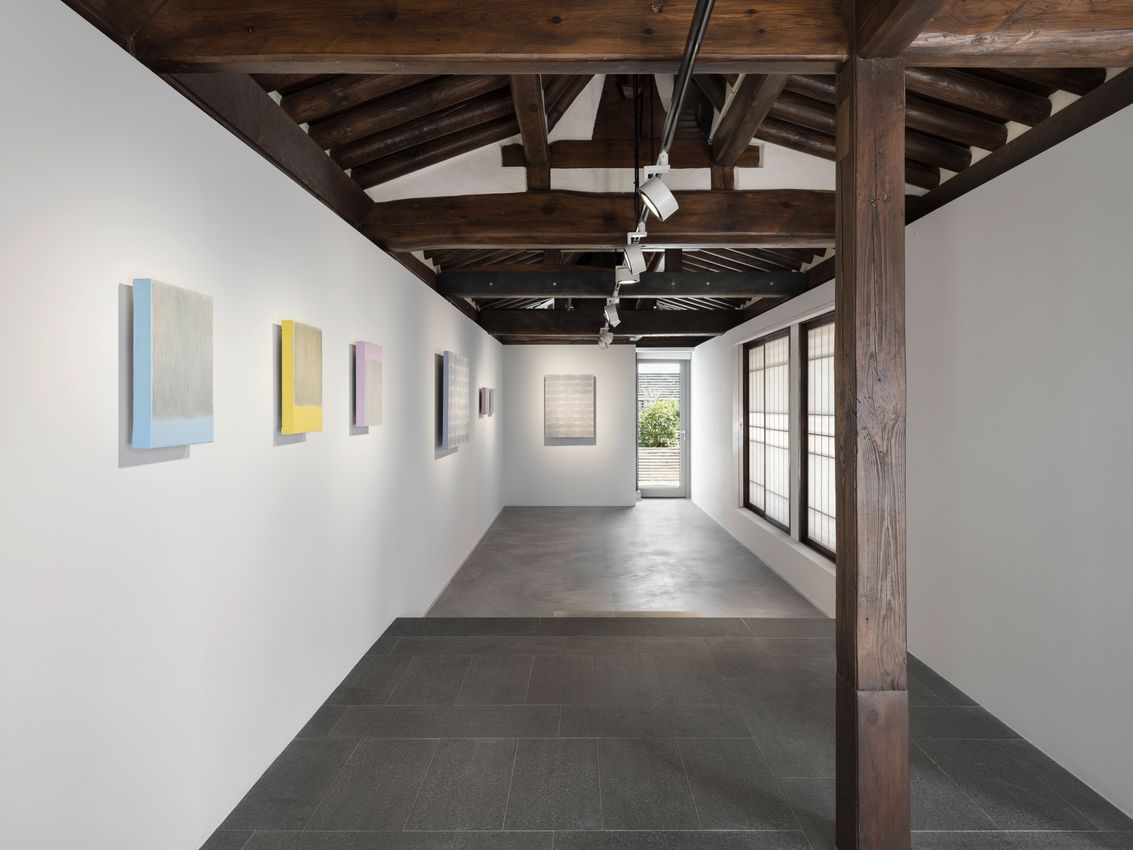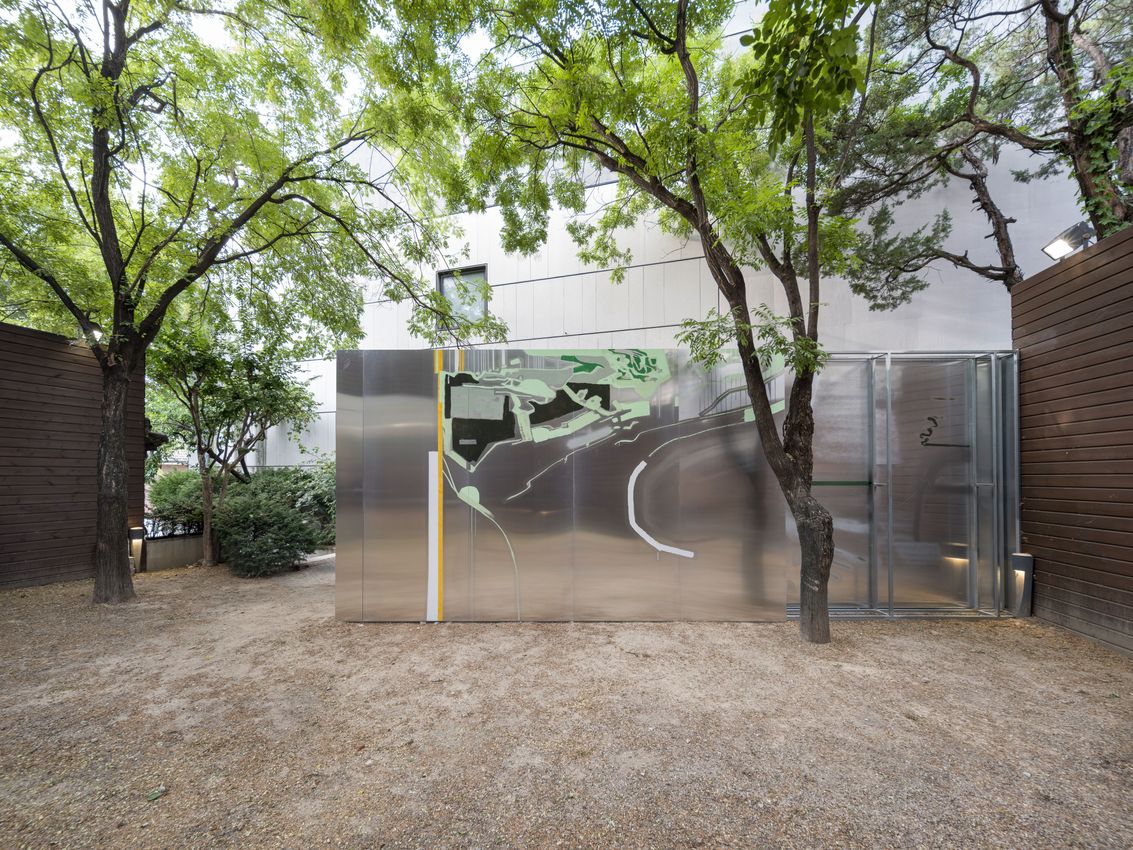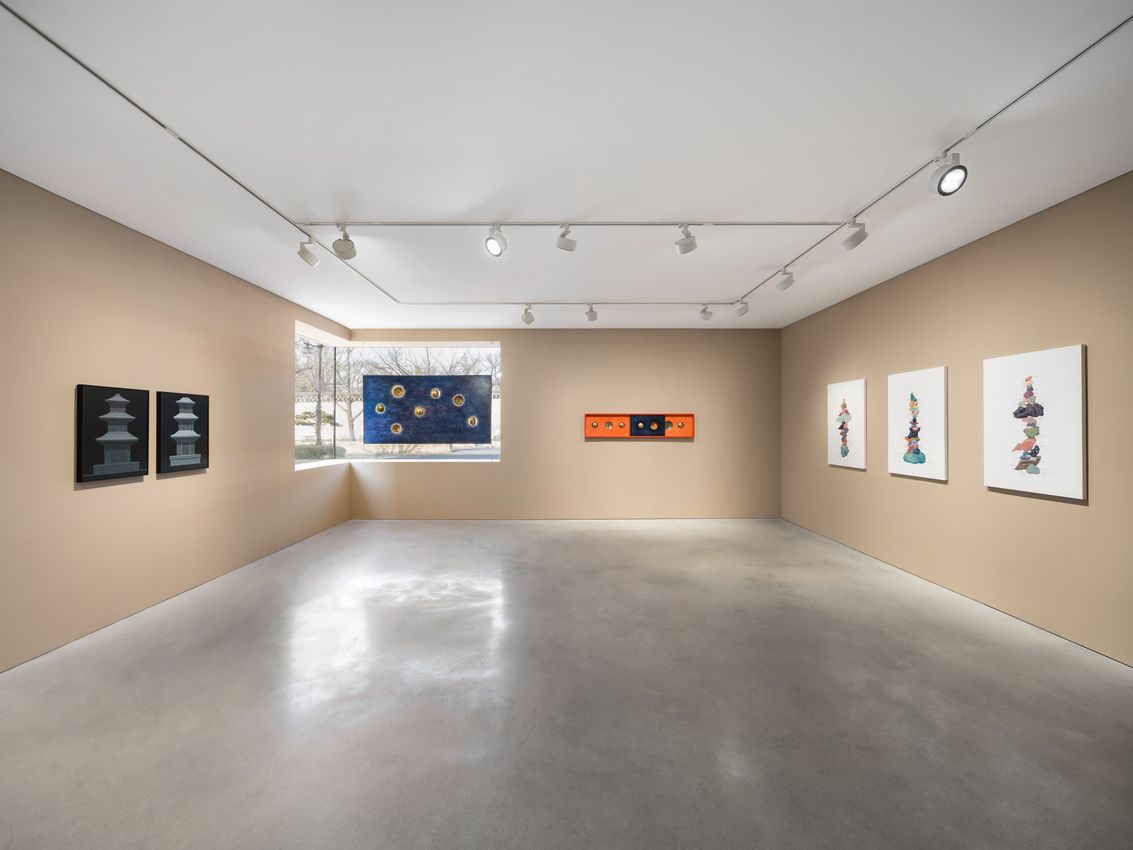
Kukje Gallery is pleased to present Park Chan-kyong’s solo exhibition Zen Master Eyeball, on view at K1 from 19 March to 10 May 2026. Following the artist’s last solo presentation at the gallery nine years ago, this exhibition features approximately twenty recent paintings. Over the past three decades, Park has examined the modernity of Korea and East Asia through a lens shaped by the division of Korea, the Cold War, tradition, and folk belief. Rather than treating tradition as a choice between repression and celebration, or rupture and continuity, he understands it as something that persistently reemerges within the processes of modernization and Westernization—appearing as symptoms, doubts, energies, and resources.
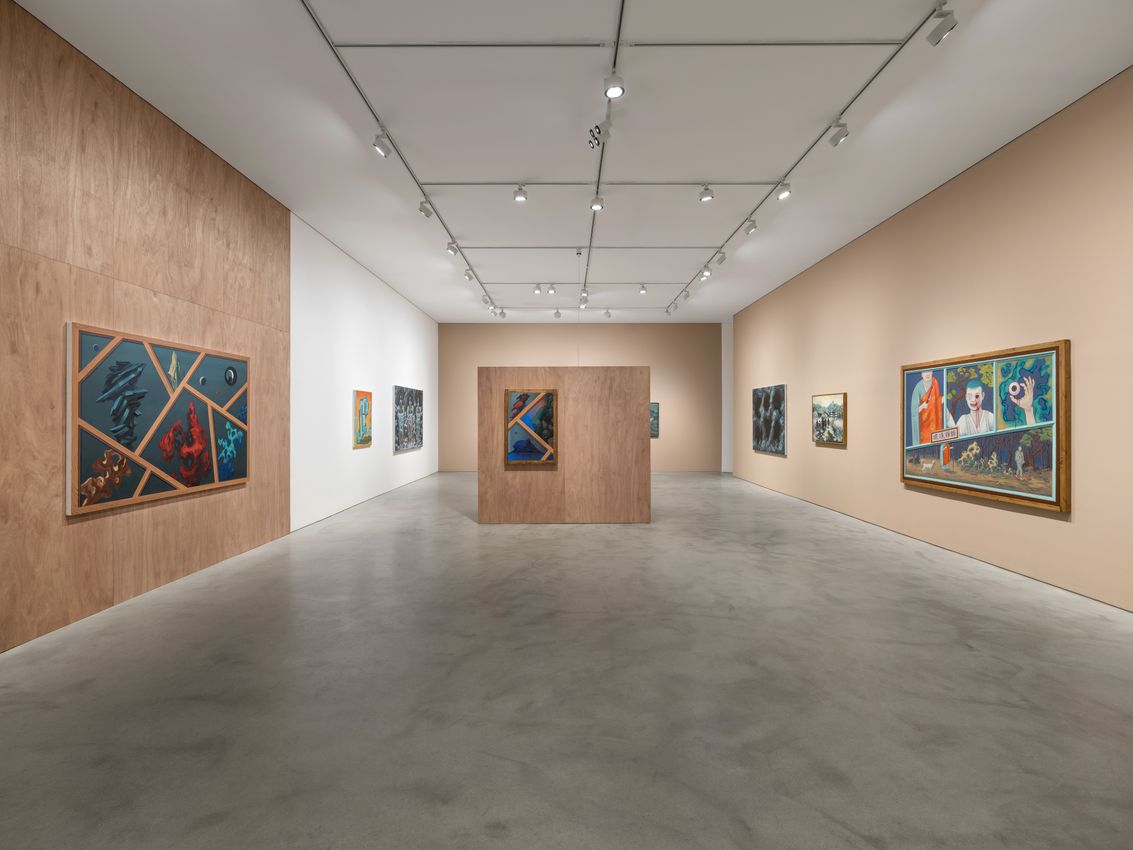
In this exhibition, Park draws upon temple murals and Joseon-dynasty folk paintings, reinterpreting vernacular aesthetics to foreground elements of the grotesque, the sublime, fantasy, and humor. By interweaving, condensing, and exaggerating the visual languages of Buddhist hanging scrolls (known in Korea as taenghwa), folk paintings, and even comics, he seeks not to preserve tradition as a fixed and domesticated notion of “cultural heritage,” but, in his own words, to “awaken those concepts and images of tradition that have been dozing off.” The work Zen Master Eyeball (2025), which shares its title with the exhibition, reimagines a well-known Zen story about the monk Juzhi (known in Korea as Guji), which frequently appears in Korean temple paintings. Zen Master Juzhi is known for the anecdote in which he cut off the finger of a young novice who imitated his gesture of raising a single finger to signify enlightenment without truly understanding it. Temple paintings often depict this episode with the novice shown in shock upon losing his finger. As in this example, temple paintings frequently combine expressions of earnest devotion or transcendence with mischievous humor and even cartoon-like exaggeration. In Park’s painting, the novice may be read as a metaphor for a painter—or even for the artist himself. The scene can thus be understood as a somewhat self-deprecating question posed by a visual artist, who endlessly imitates others and only arrives at true insight after losing his eyes.
Other paintings on view at the exhibition similarly transform episodes from Buddhist lore into what might be described as a kind of grotesque, Zen-inspired science fiction. Huike Offering His Arm to Bodhidharma (2026) depicts the well-known story of the monk Huike (known in Korea as Hyega), who cut off his arm to seek the Dharma, while Zen Master Hyetong (2025) reinterprets the story of the monk Hyetong carrying a brazier on his head to demonstrate his determination to learn the Buddha’s teachings. On a similar note, Park further reflects on impressions gathered during his visits to temples across Korea in his paintings including Goransa Temple (2024), Fall (2025), and Baekyangsa Temple (2025).
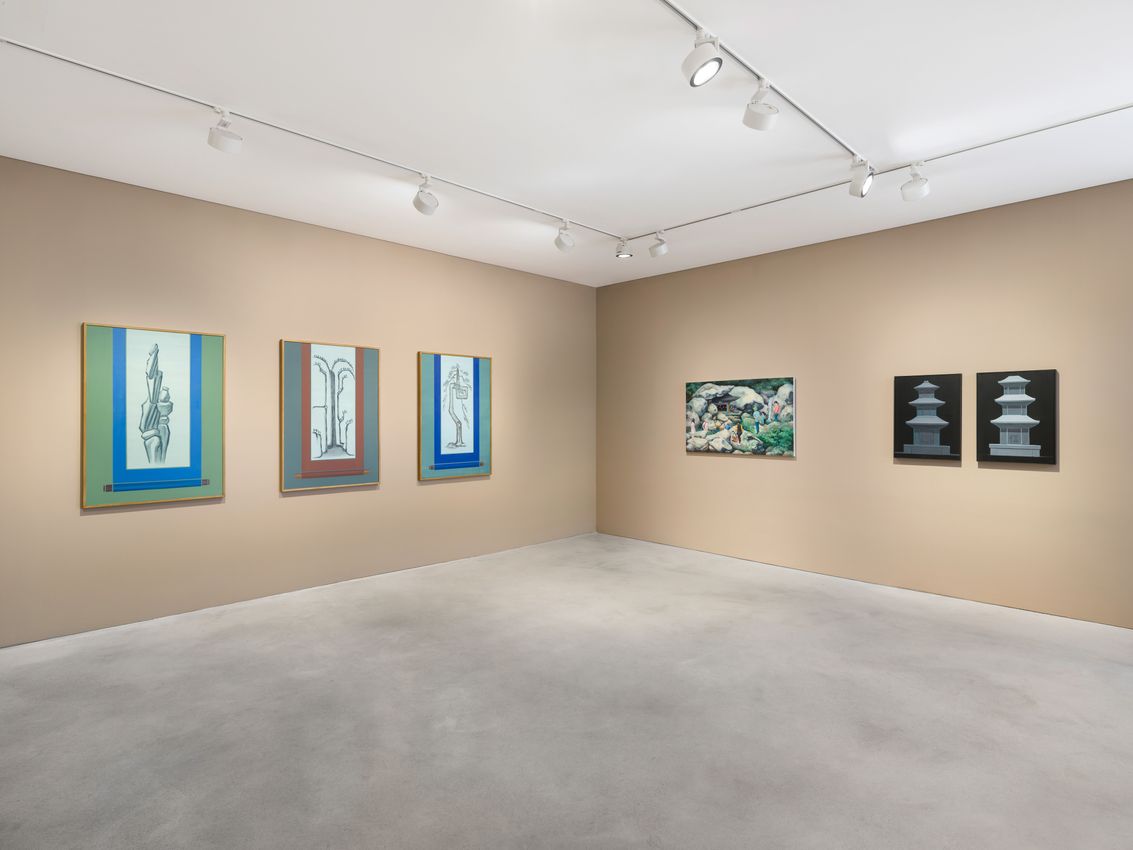
Meanwhile, the Scroll series plays with the formal conventions of the Western canvas and the traditional East Asian hanging scroll, like walking on a tightrope between East and West. Strange Rock 1 (2025), Strange Rocks (2025), and the Projection series function as pictorial riddles, raising questions about hyeonhak (玄學)—a concept in Daoist thought referring to the mysterious underlying order of the cosmos. Park suggests that historical paintings of strange rocks had already imagined a “universe without humans,” and in this sense, they share a profound affinity with contemporary attempts to move beyond anthropocentric ways of thinking. In Zen Master Eyeball, Park shifts from the film and photographic media that have long formed the core of his practice to the medium of painting. Yet, scenes referencing painting—such as Buddhist murals and folk paintings—have appeared repeatedly in his earlier works, and the artist has also consistently expressed his views on painting through his exhibitions and writings. Through this exhibition, Park conveys his latest reflections on painting, focusing less on individual originality or personal expression than on a form of anonymous creativity that emerges through processes of repetition and transmission accumulated over time within a community. In East Asian folk and landscape paintings, images have often placed other images within themselves, while echoing, borrowing from, and imitating well-known precedents, ultimately to continuously renew themselves. What emerges is not the assertion of singular authorship, but a form of collective originality—a theme that runs throughout the works in this exhibition.
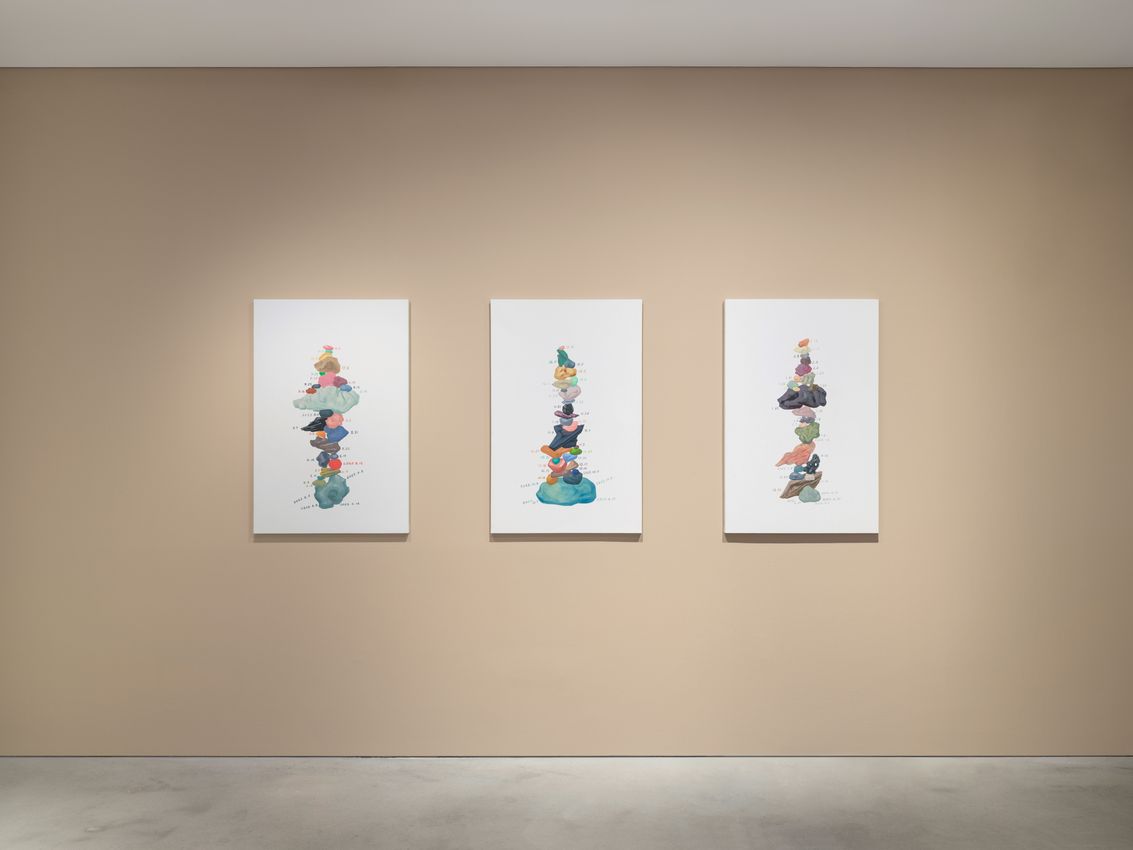
Another of Park’s idea about painting appears in the series Futile Effort. The artist paints a single stone each day and marks it with the date. Much like the humble act of stacking stones as a simple gesture of prayer or wish-making—an act with no practical function yet one that acquires an intimate and precious meaning precisely for that reason—the act of painting may likewise be understood as a form of “meaningful futility,” or as a suggestion that futility itself may hold meaning. If the countless “eyeballs” staring at smartphones and monitors throughout contemporary society are driven to exhaustion, this “meaningful futility” instead evokes a ritualistic image that stands in contrast to the meaningless overwork of the nervous system.


Born in Seoul in 1965, Park Chan-kyong is one of Korea’s foremost interdisciplinary and multimedia artists.


Established in the heart of Seoul in 1982, Kukje Gallery is a leading Korean gallery dedicated to showcasing works by Korean and international artists and promoting modern and contemporary art. At 54 Samcheong-ro, Jongno-gu, the gallery has 3 key exhibition spaces, respectively named K1, K2, and K3. In 2018, the gallery opened a second location in F1963, a cultural complex housed in a former wire factory in Suyeong-gu, Busan.

A respected voice in contemporary art discourse.
Focusing on ambitious storytelling and insightful art-world commentary. Ocula Magazine publishes in-depth interviews, critical essays and timely analysis on the artists, exhibitions and ideas driving the global art world.
Learn more about Ocula Magazine
Showcasing the best of the art world.
Ocula partners with galleries from around the world to highlight their artists, artworks and exhibitions. Gallery membership is by application and invitation, with each member vetted by an independent panel.
Learn more about Ocula Membership

Specialises in the sale of major artworks.
Led by a team with deep ties to the world’s leading auction houses, galleries and collectors. Ocula’s advisory team offers bespoke services to high-net-worth clients from around the world who are looking to acquire the best of contemporary and modern art.
Learn more about our team and services