





SHIRIN NESHAT
b. 1957, IranShirin Neshat is an Iranian-born visual artist and filmmaker whose photographs, video installations, and films examine the entwined politics of gender, religion, and power across Iran, the wider Islamic world, and the West.
Based in New York since the late 1970s, Neshat first came to international attention with the photographic series Women of Allah (1993–97), followed by landmark video installations such as Turbulent (1998) and Rapture (1999), and later feature films including Women Without Men (2009) and Looking for Oum Kulthum (2017). She has exhibited widely at museums and biennials worldwide and continues to present ambitious new projects. In 2026, she is presenting the film trilogy Do U Dare! at Palazzo Marin in Venice, staged during the city’s biennale.
Early Life and Background
Born in 1957 in Qazvin, Iran, Neshat left for the United States in the mid-1970s to study art at the University of California, Berkeley, where she completed her BA, MA, and MFA. She subsequently moved to New York, where she became involved with the experimental space Storefront for Art and Architecture, dedicating a decade to its operations and programming alongside its director, whom she married.
The 1979 Islamic Revolution cut off her return to Iran for many years, leaving her to experience the upheaval of her home country from afar and consolidating the sense of dislocation that would later animate her work. When she finally returned in 1990, she encountered a society transformed by strict Islamic codes, including the mandatory veiling of women in public, a shock that catalyzed her long-term engagement with questions of female empowerment, political resistance, and the emotional terrain of exile.
Women of Allah and the 1990s
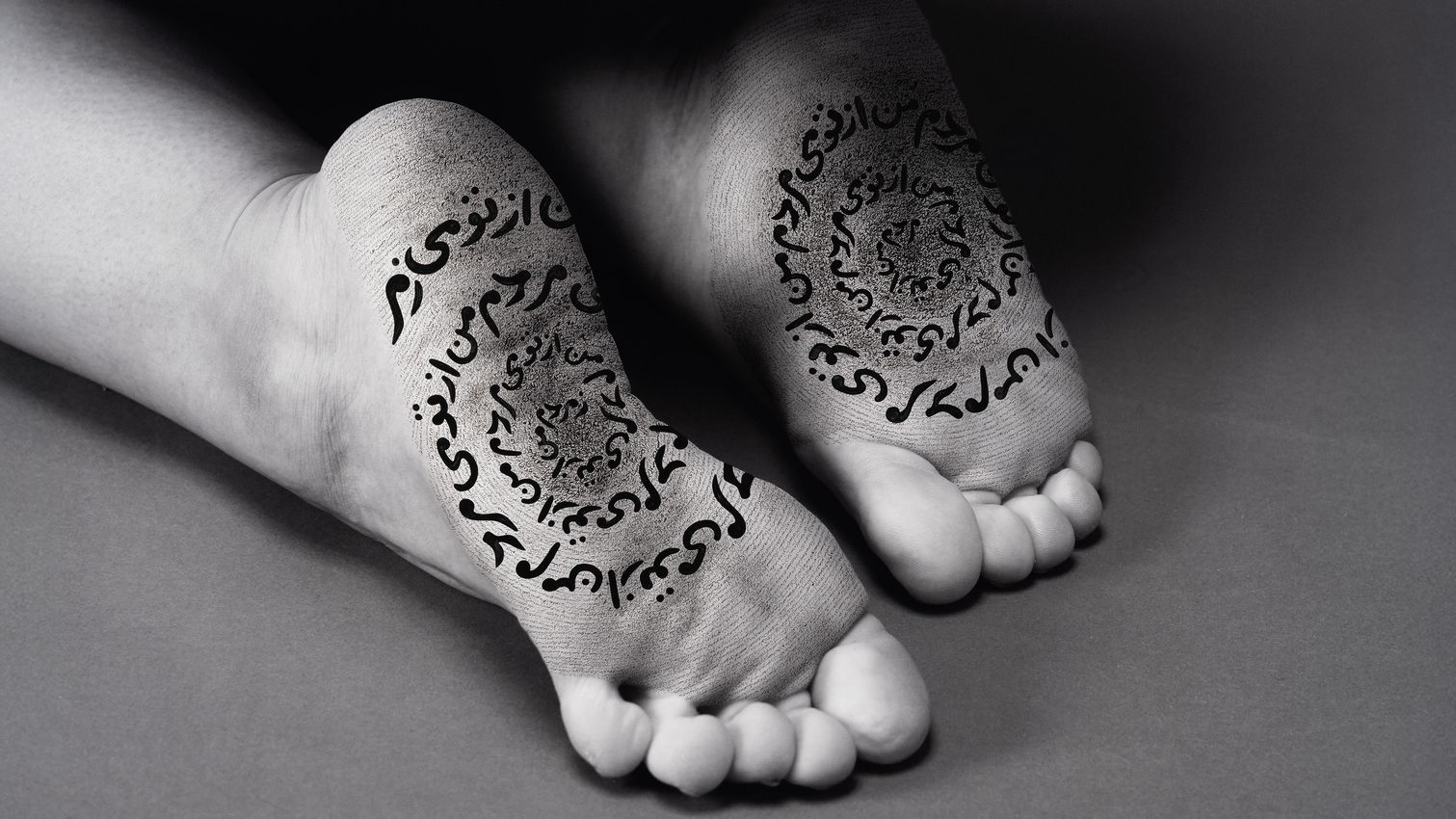
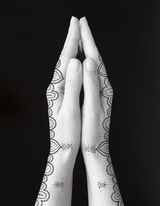
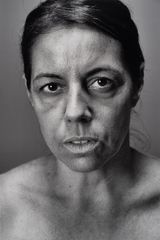
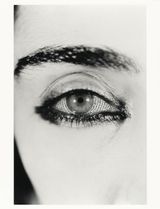
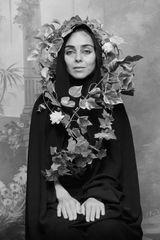
In the 1990s, Neshat developed her acclaimed photographic series Women of Allah (1993–97), including Unveiling (1993) and Rebellious Silence (1994). These black-and-white portraits of veiled women layer Farsi calligraphy with guns, hands, and faces to probe martyrdom, militancy, and sensuality in post-revolutionary Iran.
Created after the Islamic Revolution and Iran–Iraq War, Women of Allah counters Western stereotypes of Muslim women as passive or fanatical, casting the female figure as a site of belief, desire, and political agency. Its stark compositions established the visual vocabulary Neshat extended into moving image, where she examined tensions between public and private, male and female, East and West.
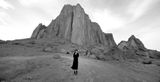
From the late 1990s, she made multi-channel video installations that position viewers between split projections of male and female performers. Works such as Turbulent (1998) and Rapture (1999) stage choreographed actions in contrasting spaces—men in interiors, women in open landscapes—to examine how gender segregation and ritual organise social life.
These works feature meticulously composed black-and-white cinematography and soundtracks that move between traditional music, silence, and experimental vocalisations. In Possessed (2001), a woman without a chador roams an Iranian city until her public outcry draws a crowd whose behaviour mirrors her apparent madness, turning private anguish into collective unrest. Neshat’s practice opens out from her identities as an Iranian and as a woman but ultimately addresses broader questions of freedom, oppression, and exile.
Across series, from The Book of Kings (2012), invoking Persian epic poetry to reflect on uprisings, to The Fury (2022–23), addressing sexualised violence against female political prisoners, Neshat continues to draw on literature, poetry, and music to craft allegorical narratives rooted in contemporary politics. Her images often juxtapose closely framed faces and hands with deserts or monumental architecture, emphasising the gap between individual vulnerability and the weight of history.
Feature films and recent projects
In the 2000s and 2010s, Neshat expanded into longer narratives, often with collaborators from the Iranian diaspora. Her debut feature, Women Without Men (2009), adapted from Shahrnush Parsipur’s novel, interweaves four women’s lives during the 1953 coup in Iran, using magical realism to link personal emancipation with national crisis; it received the Silver Lion for Best Director at the Venice Film Festival.
She later co-directed Looking for Oum Kulthum (2017), a film about a director struggling to portray the legendary Egyptian singer within patriarchal constraints. Her third feature, Land of Dreams (2021), set in a near-future United States, follows Simin, an Iranian immigrant who records Americans’ dreams for a mysterious surveillance project; the film premiered in the Orizzonti Extra programme at the Venice Film Festival. The accompanying Land of Dreams series presents surreal portraits of American subjects, mapping a national subconscious while reflecting on migration, bureaucracy, and image culture.
Recent projects such as The Fury continue her focus on women’s bodies as targets of institutional and sexual violence, using stark staging and expressionistic lighting to visualise trauma and defiance. Her practice also extends to opera and stage direction, underscoring an interest in performance, voice, and political spectacle.
Do U Dare! (2026)
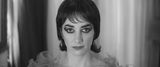
Most recently, Neshat has created the film trilogy Do U Dare! (2026), premiering at Palazzo Marin in Venice during the Venice Biennale. Curated by Ilaria Bernardi and Bartolomeo Pietromarchi and presented by Lia Rumma Gallery and Gladstone Gallery, the trilogy is explores the life of Nasim Aghdam, an Iranian-born media personality.
Shot across three socioeconomic settings in New York, the films examine frictions between women’s inner and outer worlds, reality and performance, and American culture as seen through an Iranian female lens.
Exhibitions, Collections and Recognition
Neshat has presented solo exhibitions at major institutions including:
- Hirshhorn Museum and Sculpture Garden, Washington, D.C.;
- Serpentine Gallery, London;
- Hamburger Bahnhof, Berlin;
- Stedelijk Museum, Amsterdam;
- National Gallery of Victoria, Melbourne;
- Musée d’art contemporain de Montréal; and
- Museo Correr in Venice.
In 2022, Neshat was the subject of a comprehensive installation of her photographs and video works, Land of Dreams at The Museum of Contemporary Art Toronto, Toronto, which travelled to SITE Santa Fe, New Mexico. In 2019, her retrospective exhibition, Shirin Neshat: I Will Greet the Sun Again was presented at The Broad, Los Angeles, and traveled to The Modern Art Museum of Fort Worth. A major retrospective of her work was exhibited at the Detroit Institute of Arts in 2013.
She received the Golden Lion prize at the 48th Venice Biennale in 1999 and Silver Lion Award for Best Director at the 66th Venice International Film Festival in 2009 for Women Without Men., followed by the Praemium Imperiale Prize in 2017 and a Lifetime Achievement award from the International Center of Photography in New York in 2024. Her work is held in major collections including the Museum of Modern Art, the Solomon R. Guggenheim Museum, the Whitney Museum of American Art, and Tate Modern, and she is represented by Gladstone Gallery, Goodman Gallery, and Lia Rumma Gallery, which continue to support and present her ambitious new projects worldwide.
Shirin Neshat FAQs
What is Shirin Neshat best known for?
Shirin Neshat is best known for her black-and-white photographs, video installations, and films that explore the lives of Muslim women and the politics of gender, religion, exile, and power between Iran and the West. Her early series Women of Allah and videos such as Turbulent and Rapture established her as a leading voice in contemporary art.
What themes does Shirin Neshat explore in her work?
Shirin Neshat’s work examines tensions between East and West, femininity and masculinity, public and private life, and spirituality and violence. She often focuses on how women navigate restrictive social and religious systems, using veiling, calligraphy, and choreographed collective actions as metaphors for control and resistance.
Where can I see Shirin Neshat’s work?
Shirin Neshat’s photographs and videos are held in major collections including the Museum of Modern Art, the Guggenheim, the Whitney Museum in New York, and Tate Modern in London. Her work is also regularly shown in exhibitions at Gladstone Gallery, Goodman Gallery, and Lia Rumma Gallery, alongside museum surveys and biennial presentations.
Which awards has Shirin Neshat received?
Shirin Neshat has received several major international honours, including the Golden Lion at the 48th Venice Biennale in 1999, the Silver Lion for Best Director at the 2009 Venice Film Festival for Women Without Men, and the Praemium Imperiale in 2017. These awards highlight her influence across contemporary art, photography, and cinema.
What is Shirin Neshat’s Venice exhibition Do U Dare! about?
Shirin Neshat’s Venice exhibition Do U Dare! is a three-part film project premiering in 2026 at Palazzo Marin in Venice during the Venice Biennale. Inspired by the life and online persona of Nasim Aghdam, the trilogy explores an artist’s gaze upon another, tracing connections between women’s inner psychological worlds, their public performances, and the dynamics between American society and an Iranian female perspective.
Anna Dickie | 2026











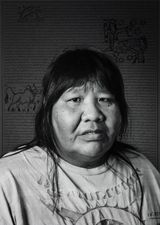



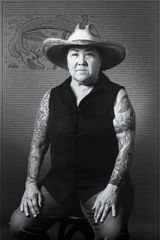
Explore Shirin Neshat's Exhibitions


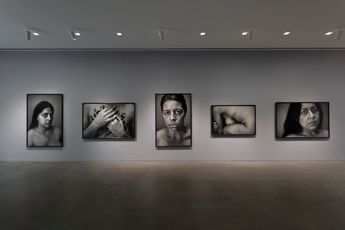









Explore and Follow Artists Shaping Contemporary Art
A respected voice in contemporary art discourse.
Focusing on ambitious storytelling and insightful art-world commentary. Ocula Magazine publishes in-depth interviews, critical essays and timely analysis on the artists, exhibitions and ideas driving the global art world.
Learn more about Ocula Magazine
Showcasing the best of the art world.
Ocula partners with galleries from around the world to highlight their artists, artworks and exhibitions. Gallery membership is by application and invitation, with each member vetted by an independent panel.
Learn more about Ocula Membership
Specialises in the sale of major artworks.
Led by a team with deep ties to the world’s leading auction houses, galleries and collectors. Ocula’s advisory team offers bespoke services to high-net-worth clients from around the world who are looking to acquire the best of contemporary and modern art.
Learn more about our team and services