Press Release

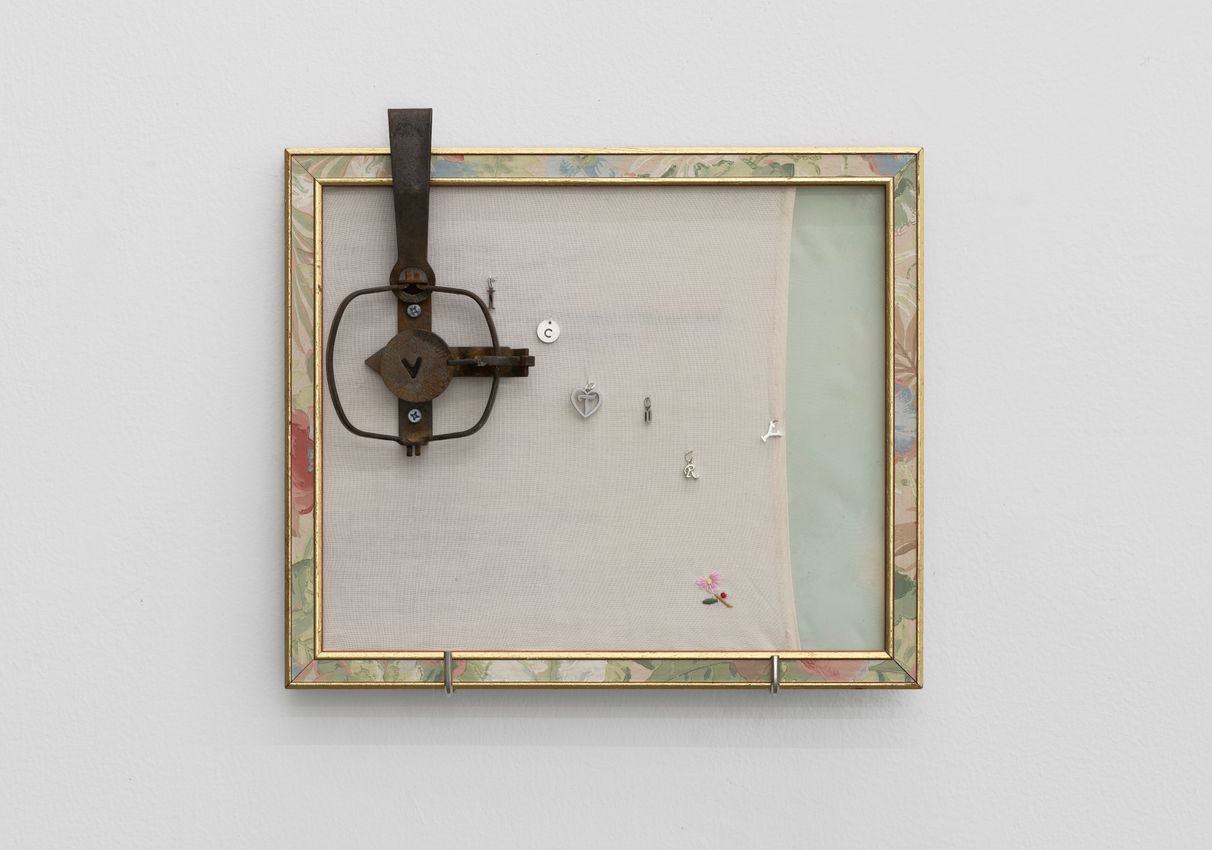
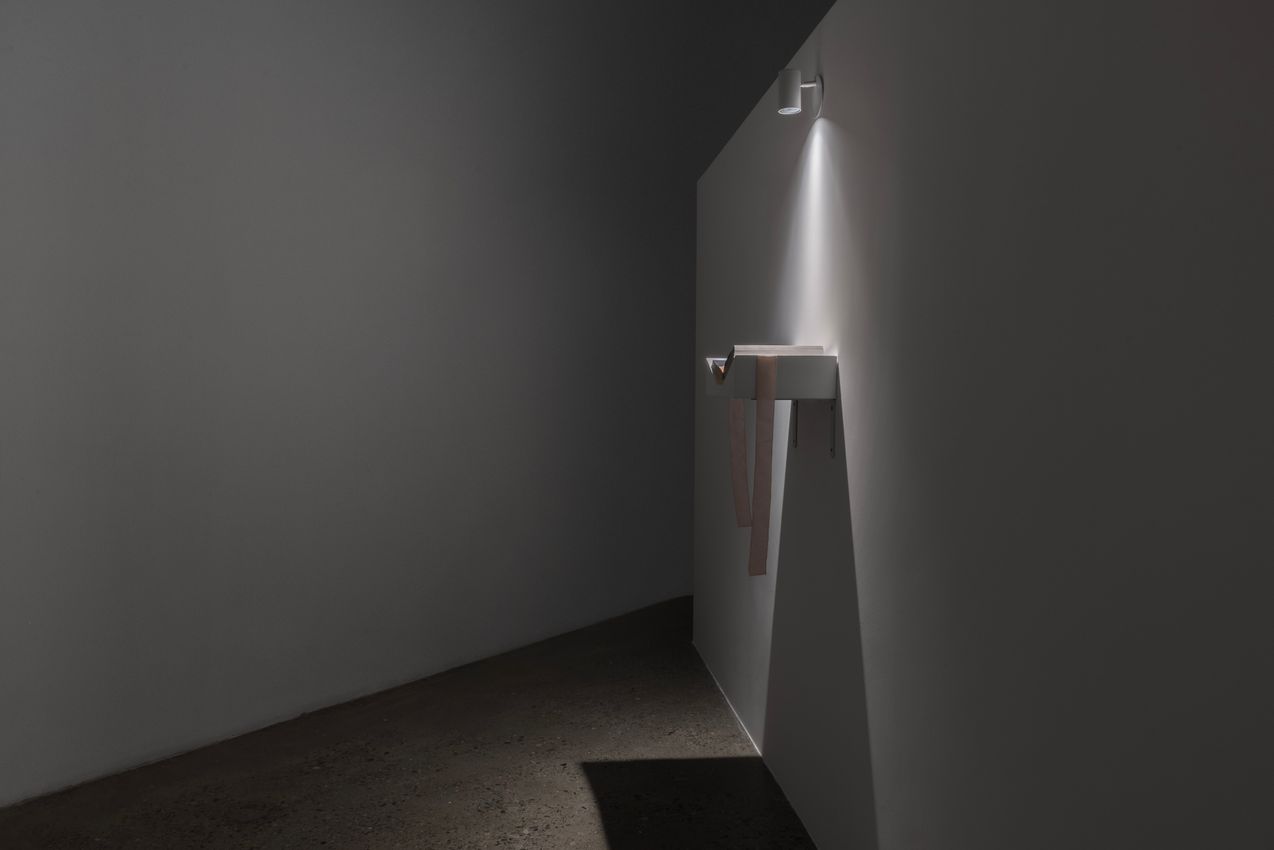
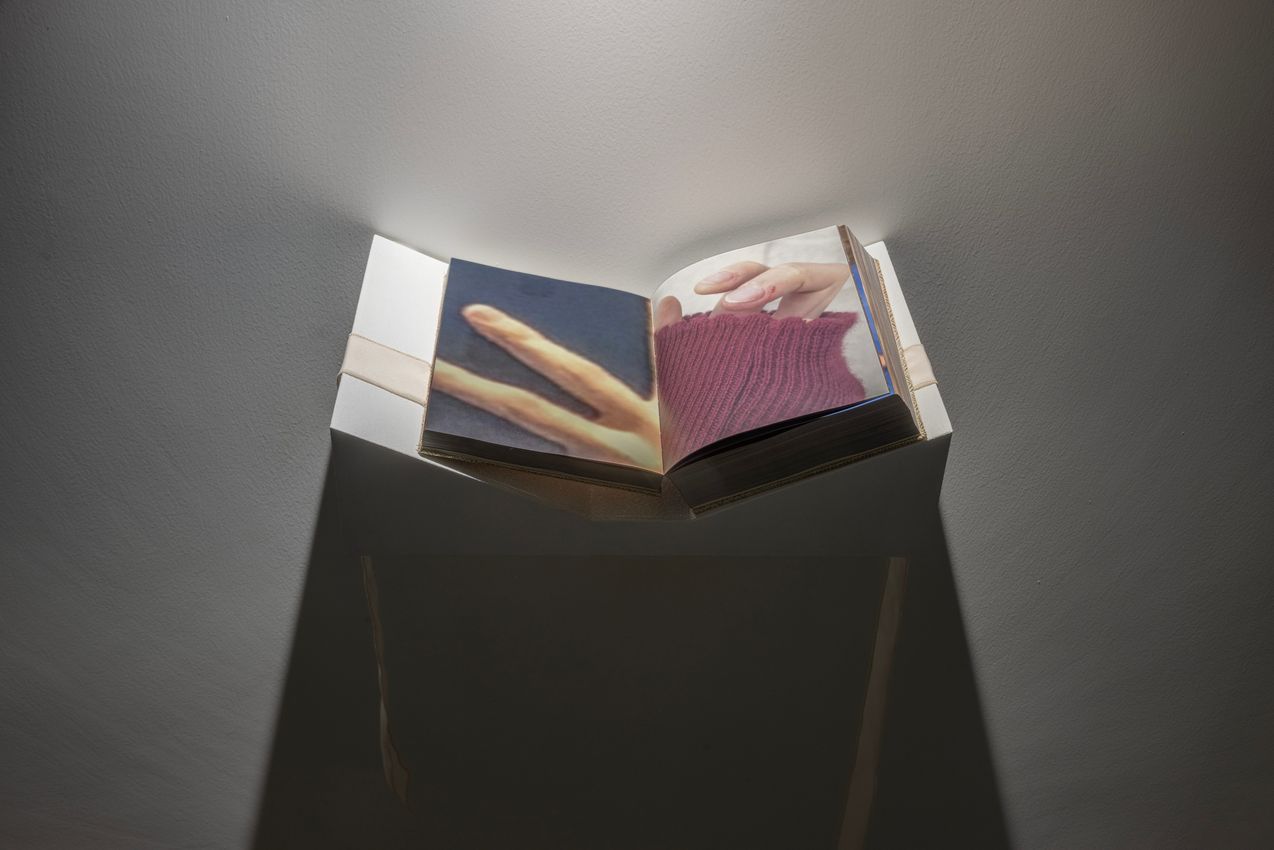
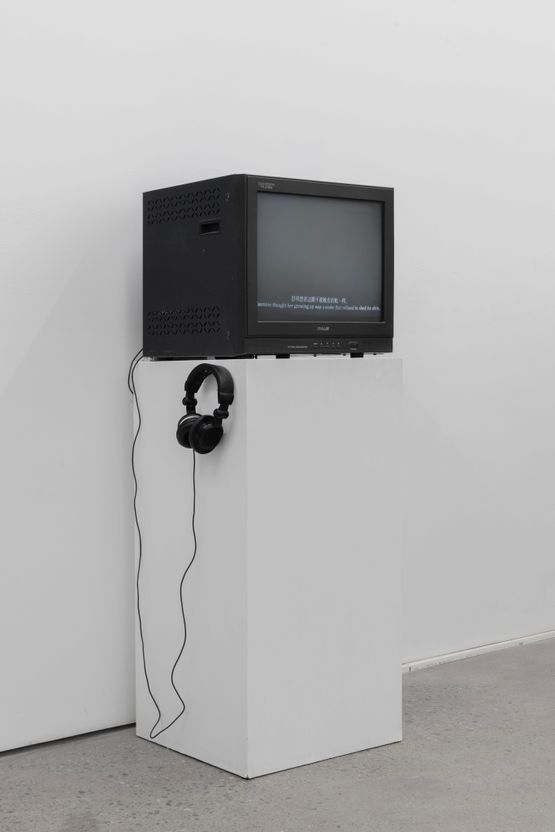
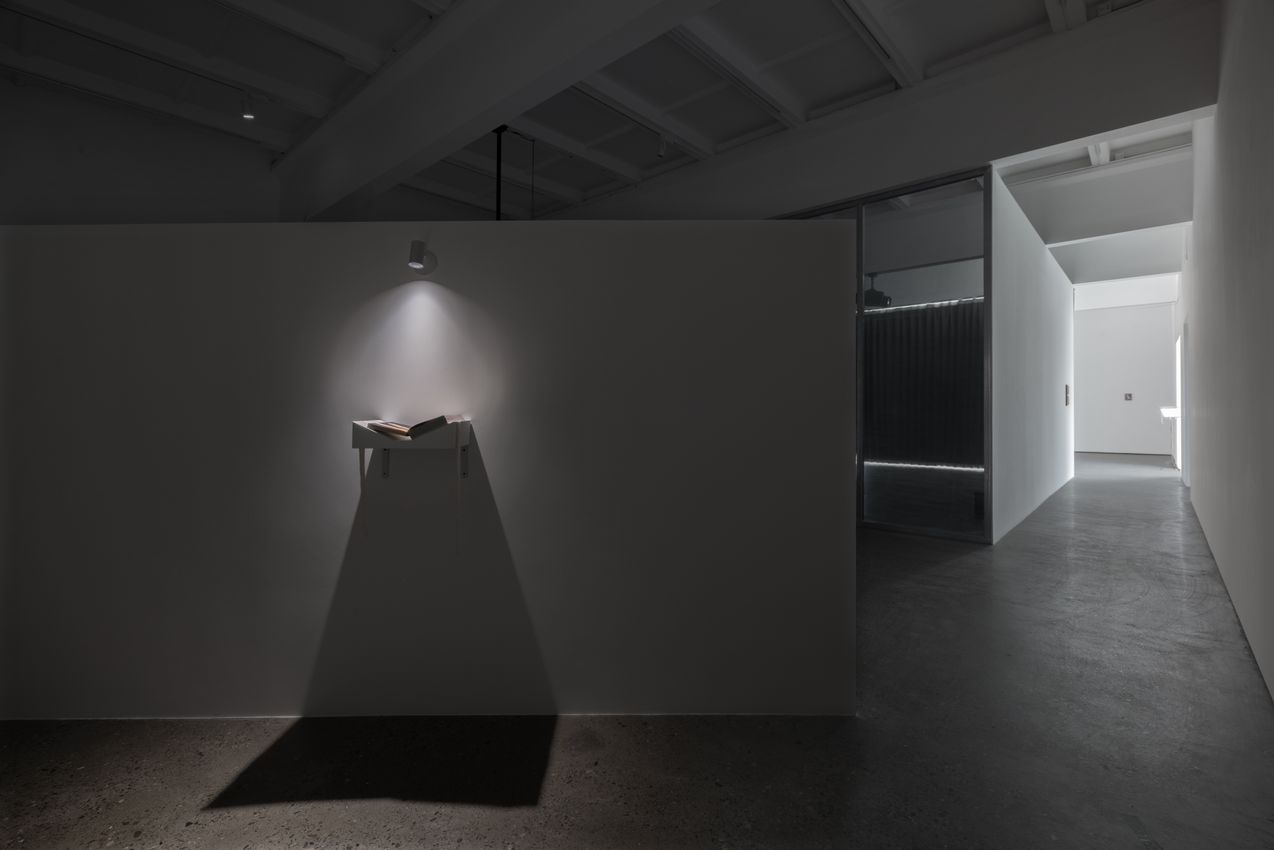
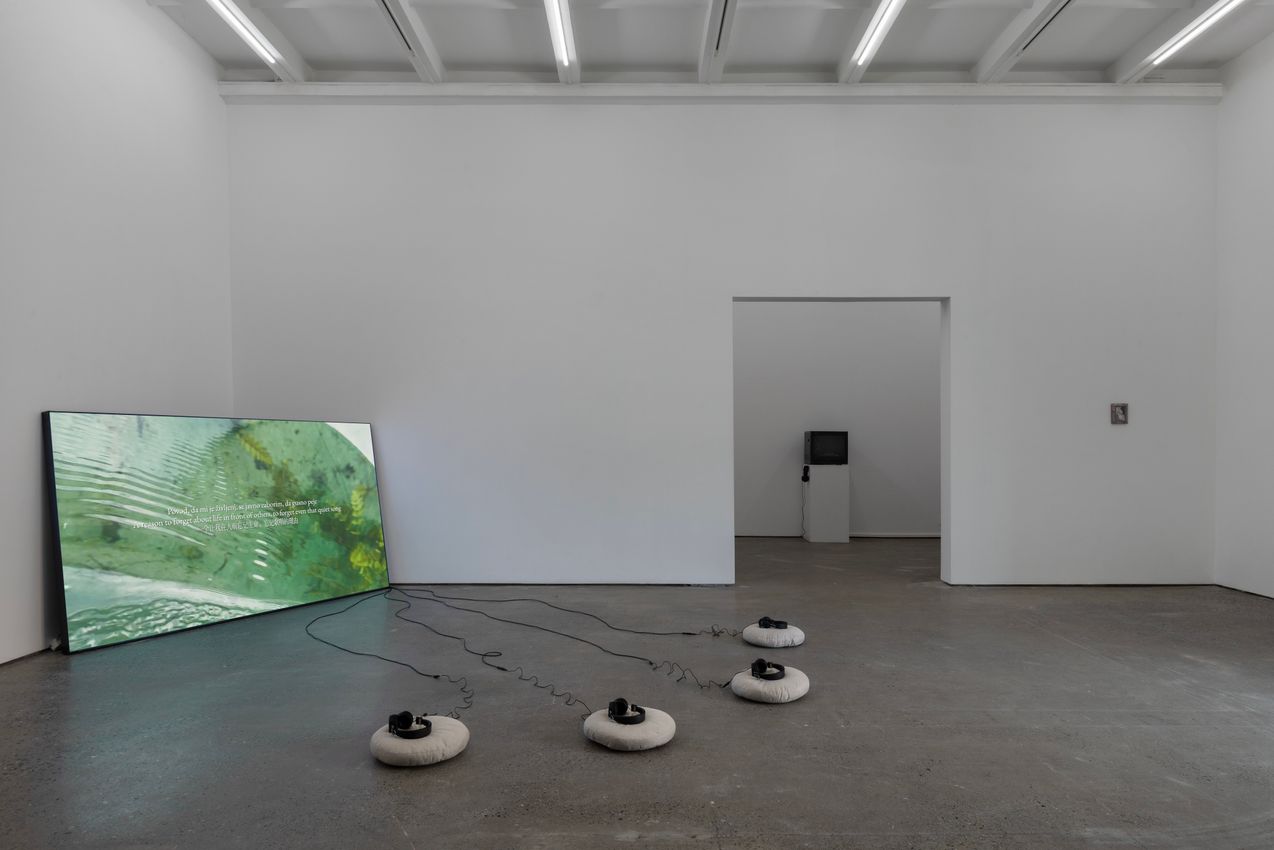
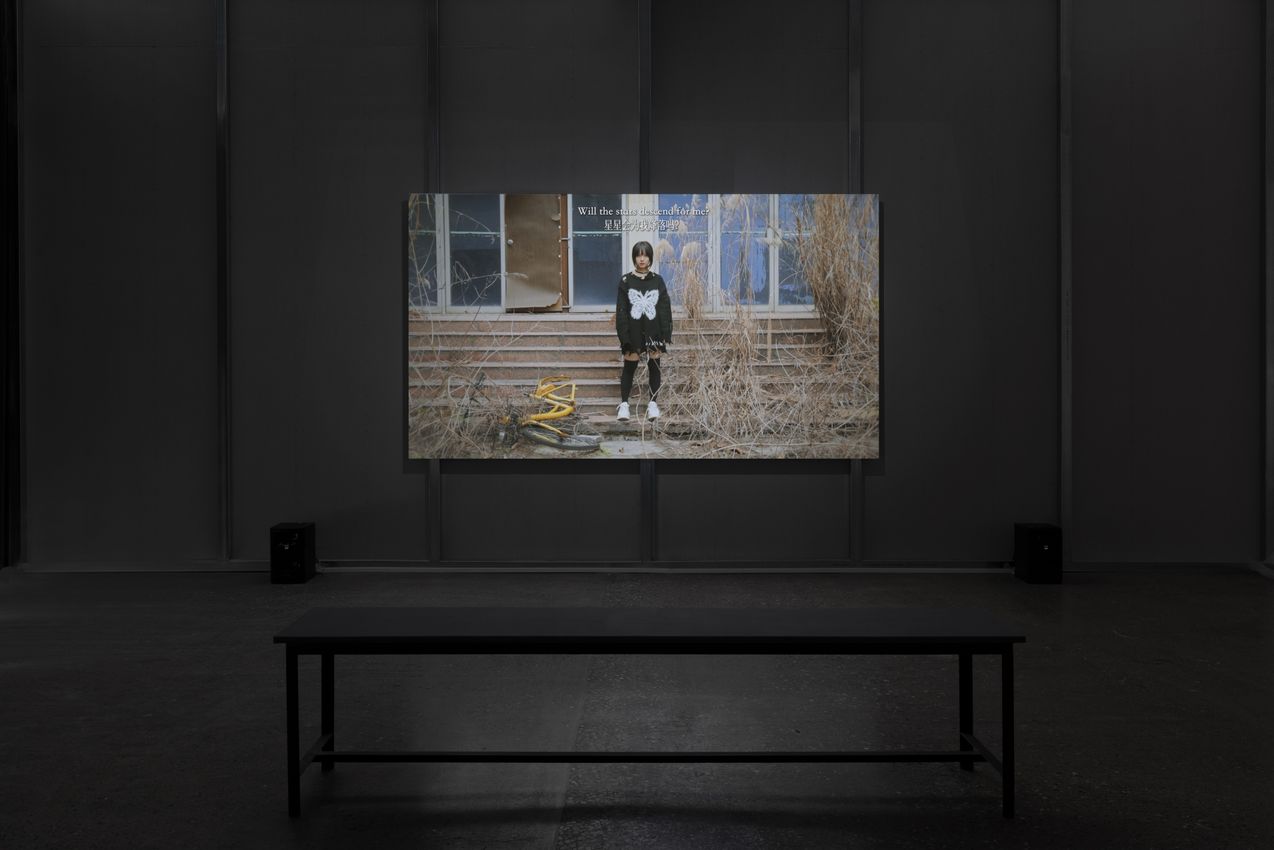
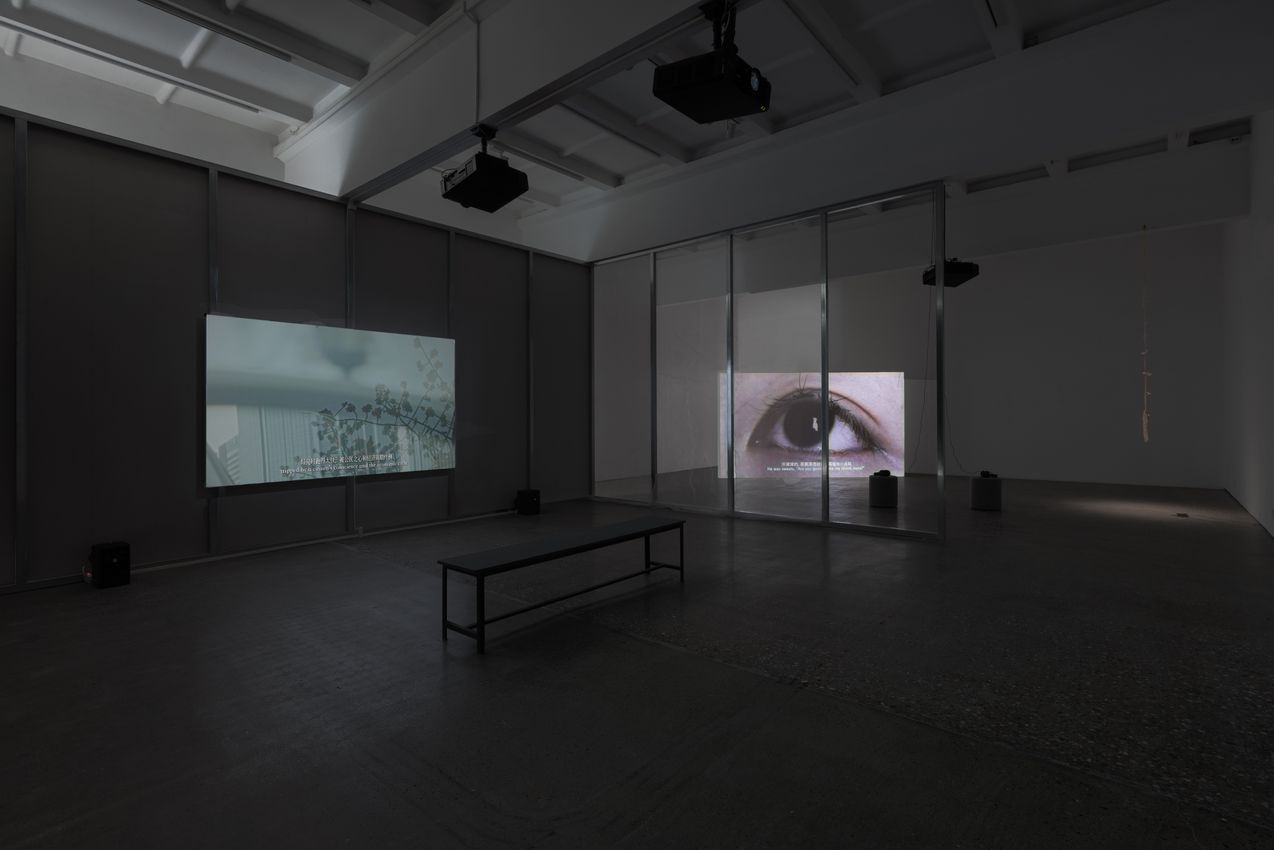
Soon after I moved to New York, I installed this Chrome extension, Just Not Sorry. As its name suggests, this software flags speculative phrases like just, sorry, and I am afraid, reminding the writer to speak in a firm voice. Only later did I understand, to move through the world without being diminished, one must remain unapologetic and affirmative. Perhaps this is the missing piece in my sense of professionalism. So I keep asking, have I truly grown up? Why does my confidence waver like a frightened girl’s? A friend called it regression1. Yet he added: It is not yours alone, but the shared experience of an entire generation. And not only in China, but across the world, we zillennials are all held in the same uneasy suspension.

From early childhood into adolescence, I was always apologetic—an adjective more decent than timid or craven. I navigated the adult world as vulnerable prey; in the face of time and grandeur I felt insignificant, turning even my loudest questions inward. From classrooms and books, I learned the vocabulary of monuments, revolution, and leftist theories. “You must address the nexus of ideologies and power,” they said. Yet these stories belonged to others. To tell the stories of others requires courage, ethics, and the audacity to place oneself appropriately. I was left with nothing but a heart heavy with introspection, a secret longing for a future where I could become a proper adult.

In the midst of struggles, I could only turn to my own story as an outlet. The teenage version of me remained passive in the face of cruelty, simply gazing upward at the imagined, ideal self—one who, after constant failures, would successfully become an idol, finding a place to pour out unreciprocated love. Yet to fixate on reenactments feels too self-indulgent and narcissistic. It risks the cementing of a prison of time within a narrative of self-victimisation, keeping me from the sublime I longed for. My sense of the sublime existed in language, in the illusions of ideological premises, in the almost divine tranquility with which I scrutinised words and death, and in the ruins and dismantled symbols of globalisation, where I examined promises that had never been fulfilled. At some point, perhaps driven by the anxieties of aging, my persistent numbness in the endless cycle of fight-or-flight2 proved not innocence but careless folly. It was then that I resolved to become the grown-up girl capable of chronicling all stories. Before I can stand with full confidence in my actions, with enough leniency and discipline to tell others’ stories within ethical boundaries, or even to become an unreliable narrator3, I can at least be a witness, a spectator.

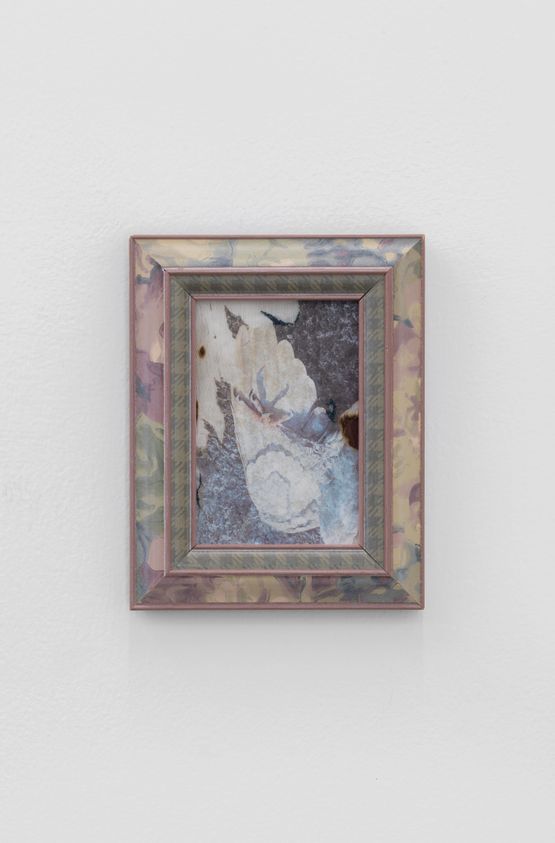
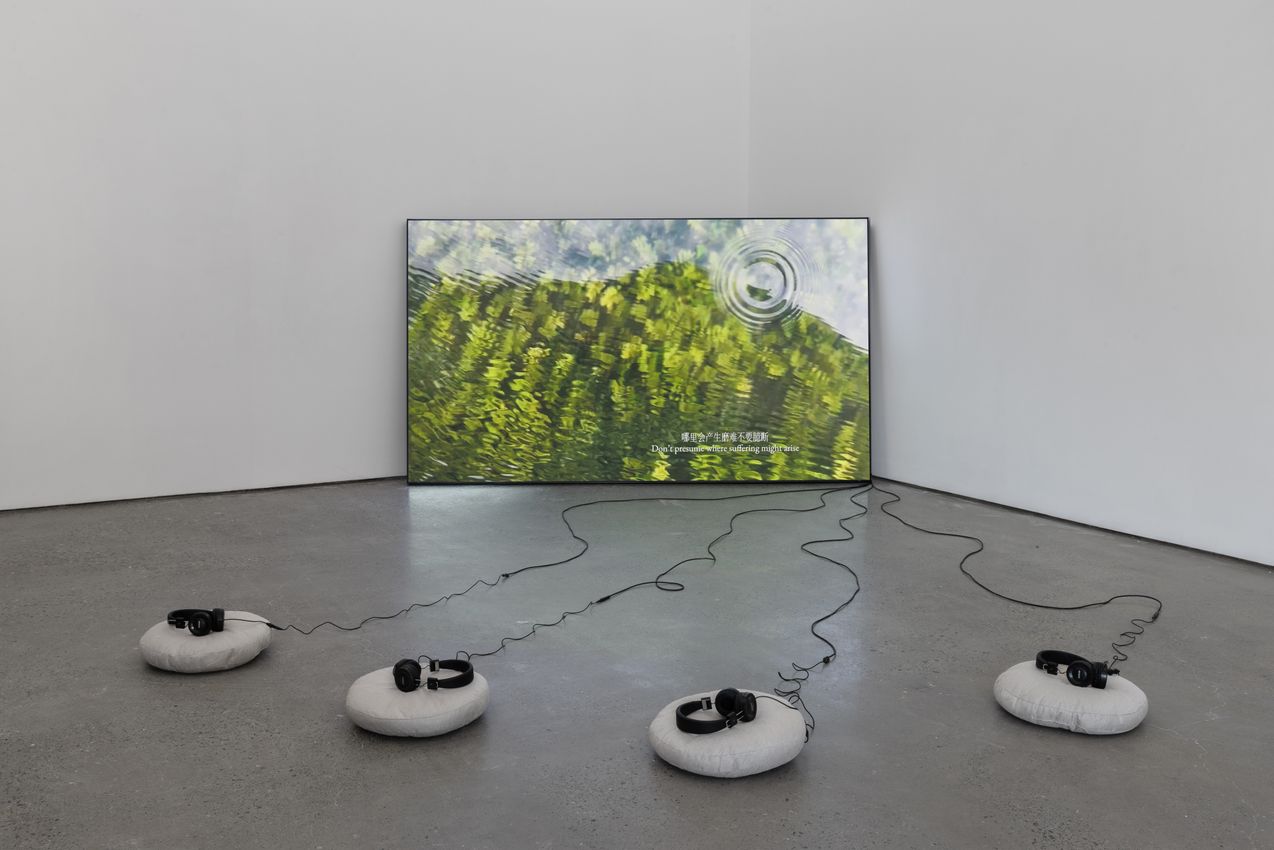
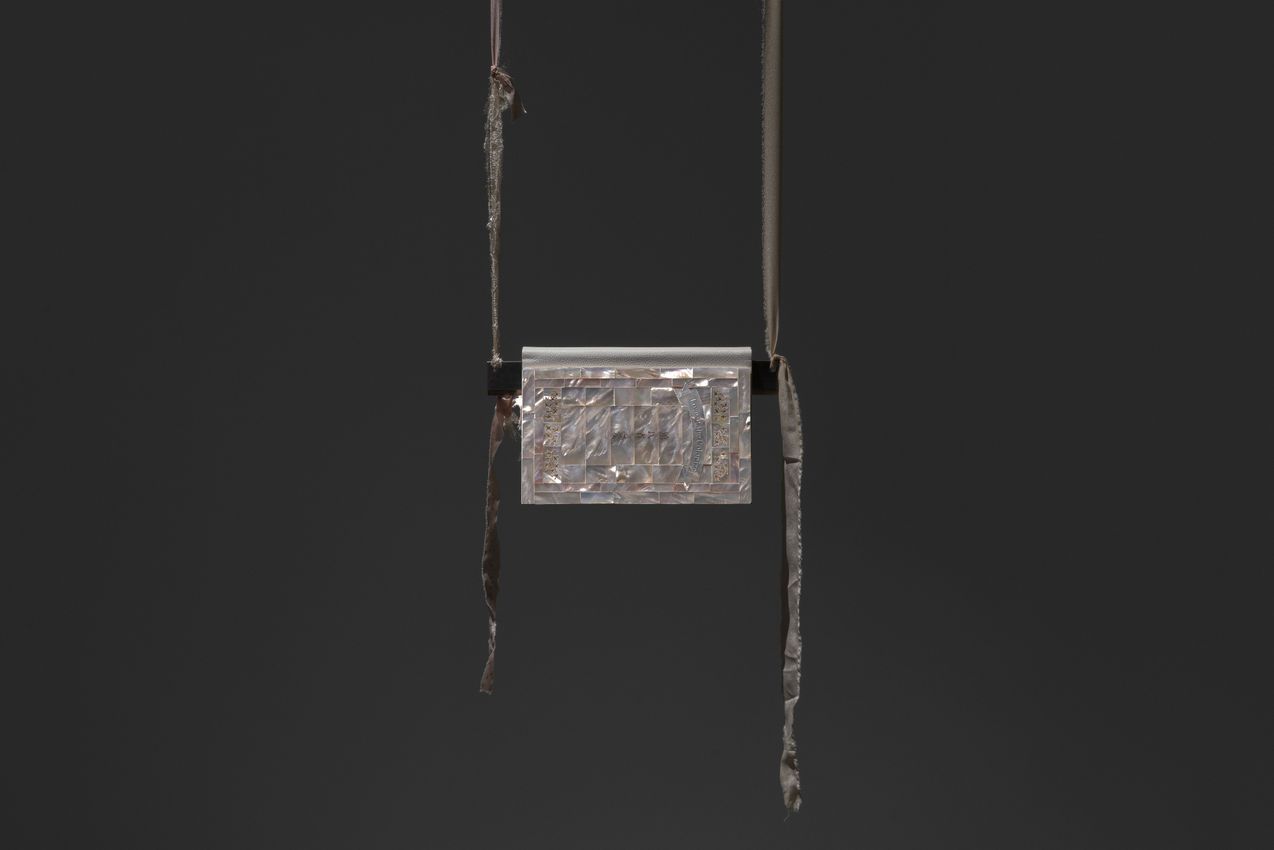
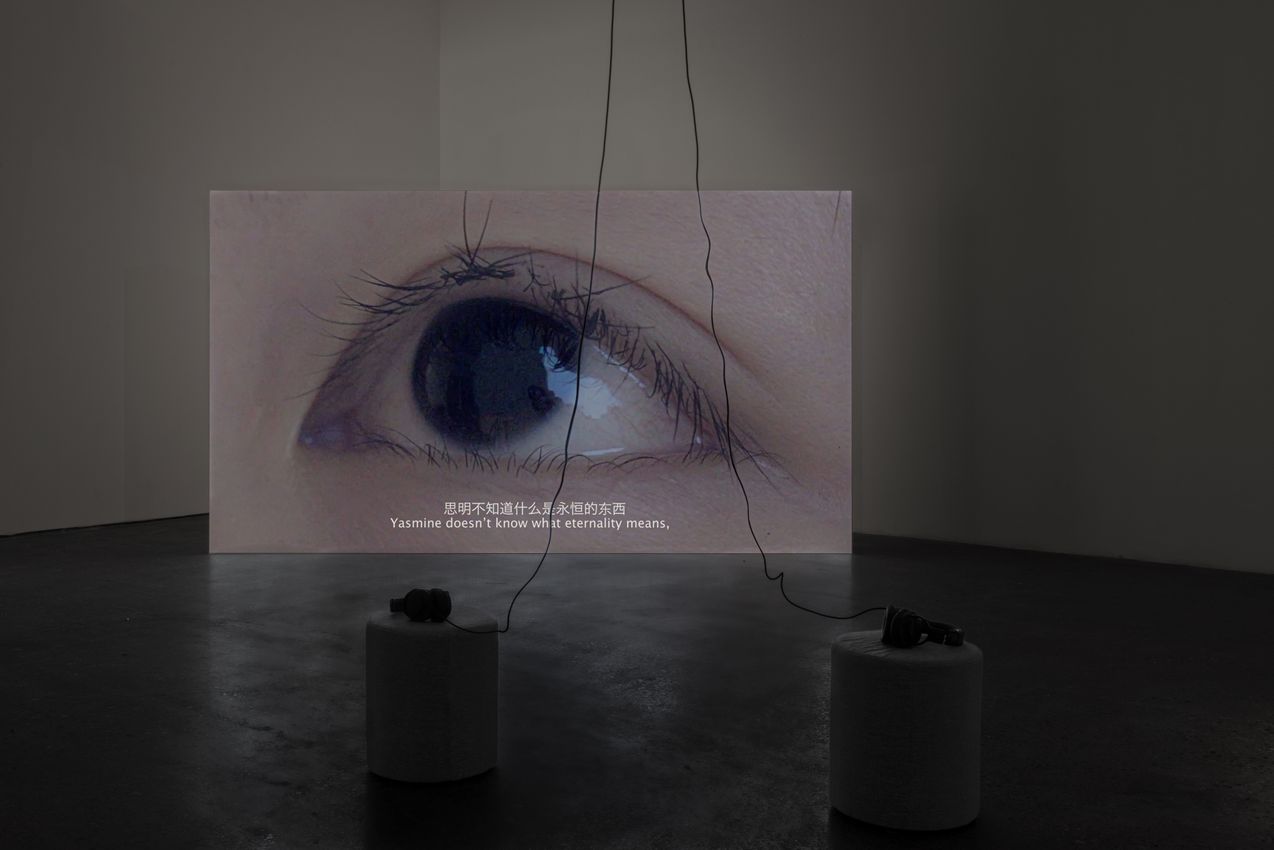
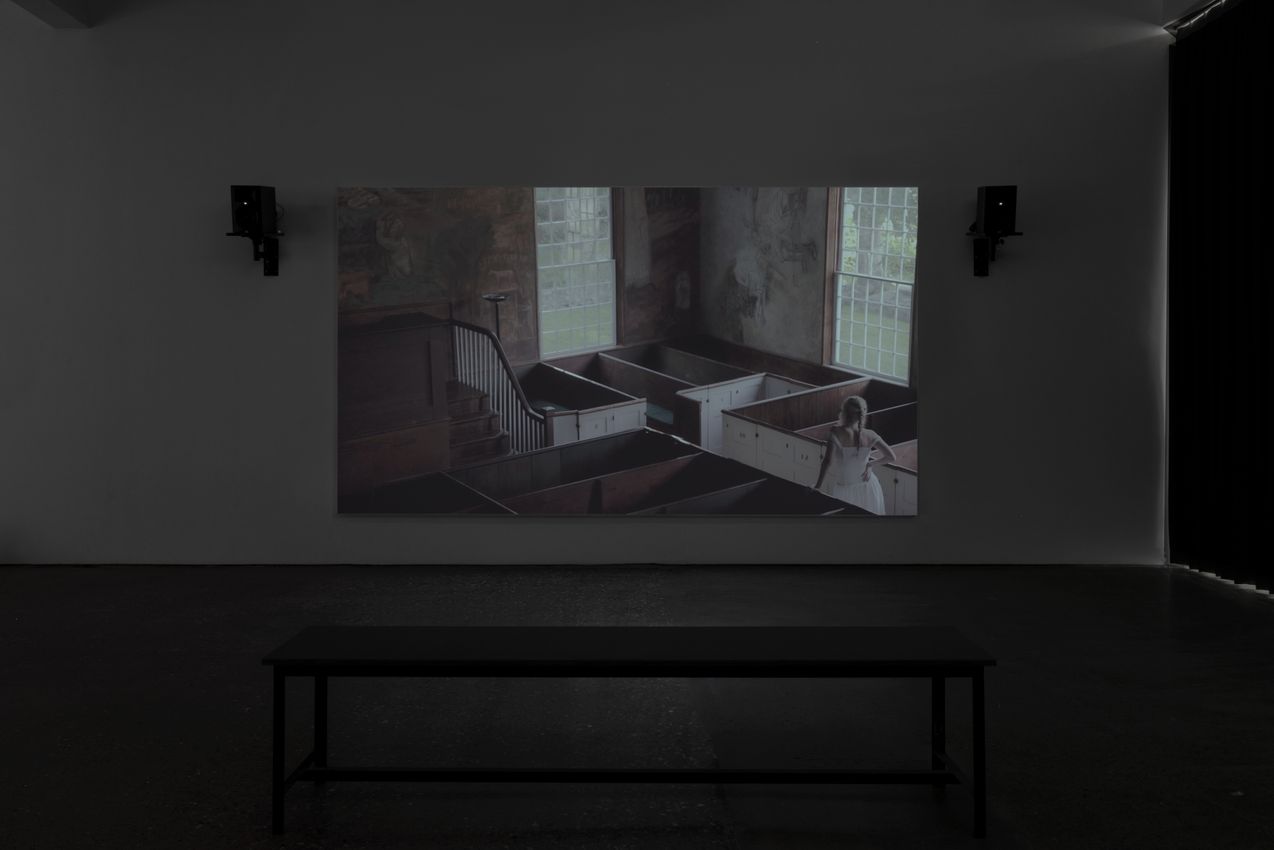
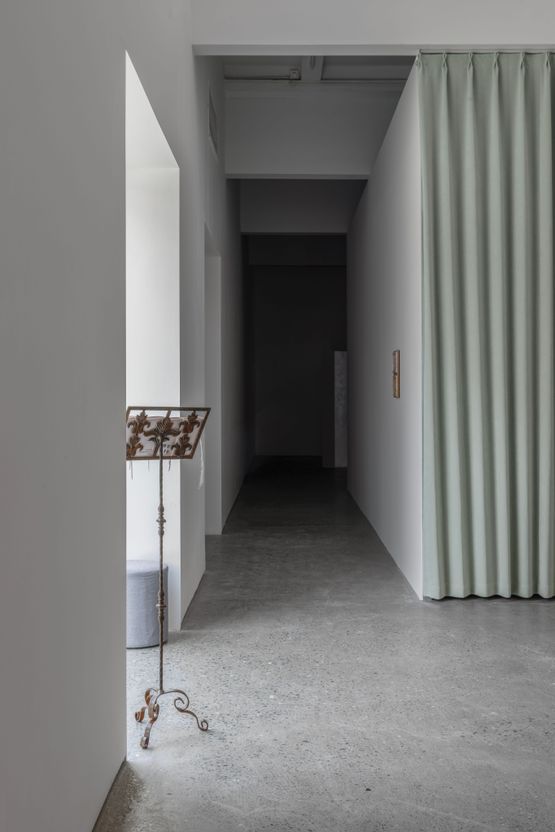
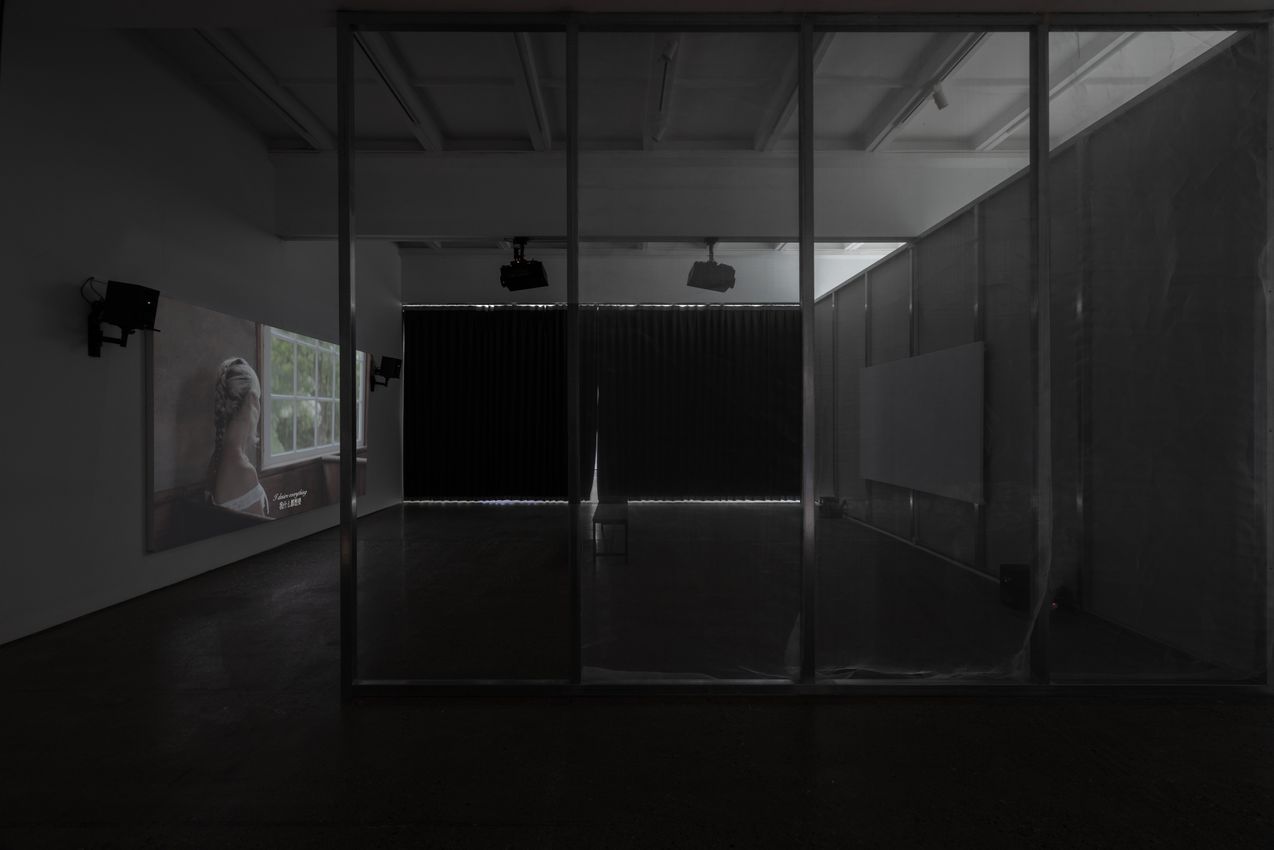
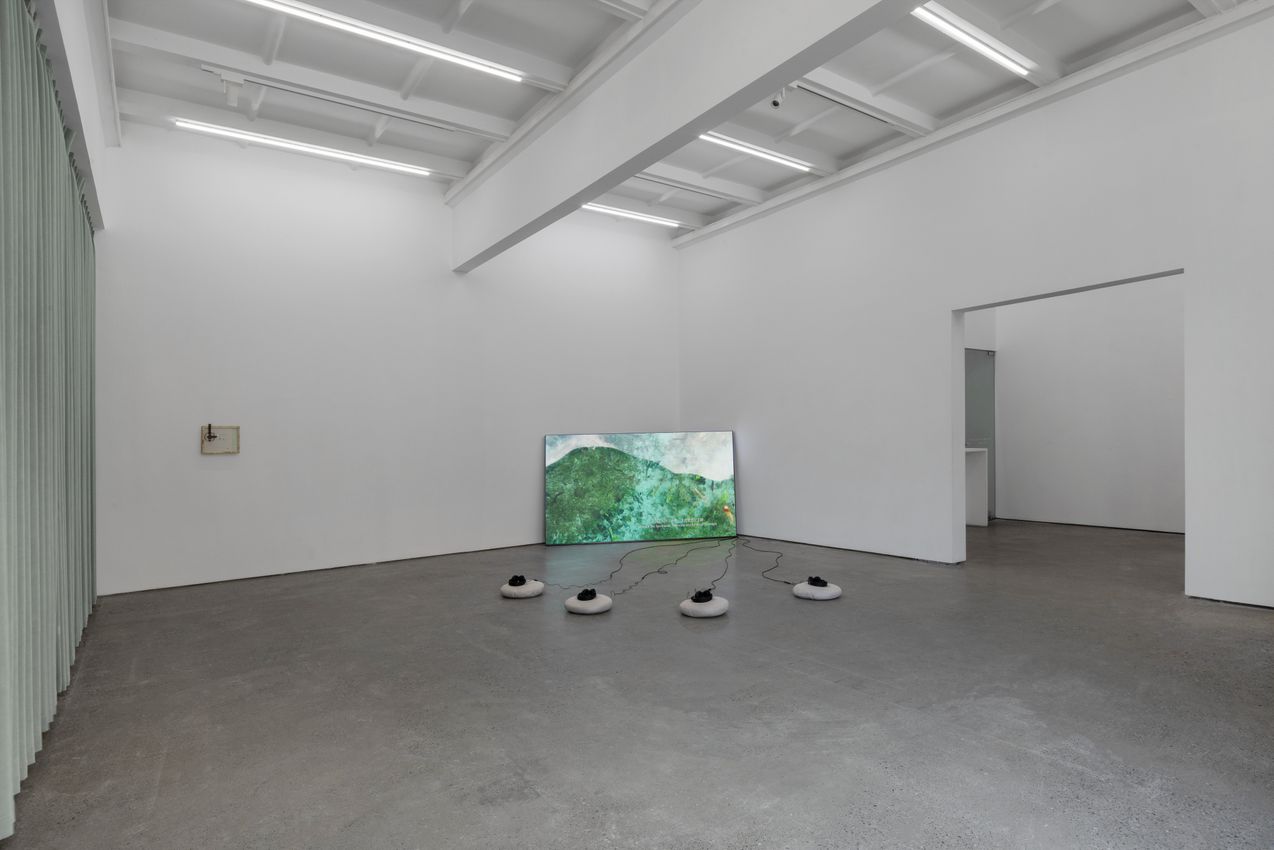
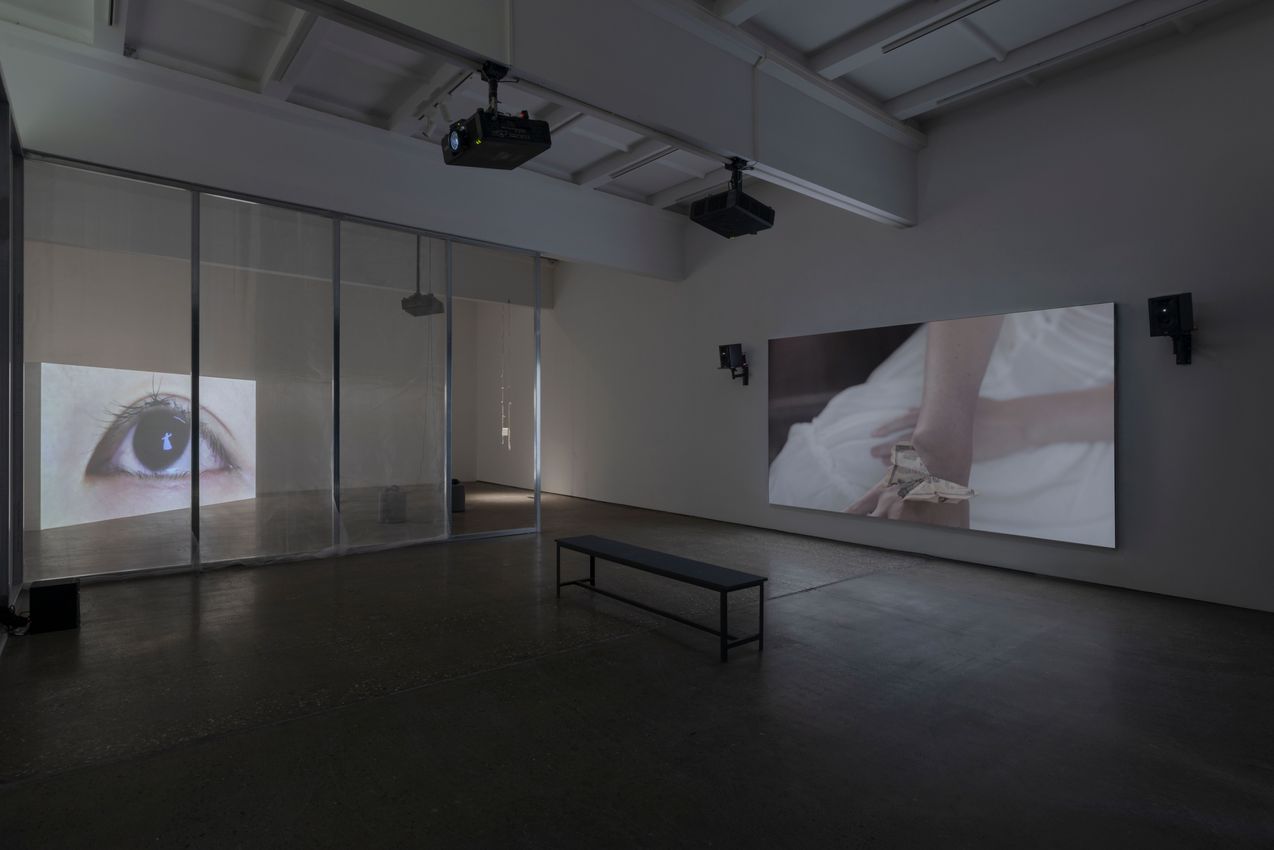
At some point I realised, the narratives of this exhibition coalesce into a single tale of becoming, the story of coming-of-age: from self-indulgence to an embrace of the other; from surrendering to frailty to a quiet resilience in the face of what cannot be changed. To present this show at twenty-nine, I may still, however unjustifiably, inhabit the role of a girl. A year ago I wrote: Will I grow from a good girl into a good adult? And here I remain, still a girl, but one who no longer flinches in the face of cruelty. But then, what kind of adult will rise from her?

[1] In psychology, regression refers to the defense mechanism where an individual reverts to behaviors and emotional responses characteristic of an earlier stage of development

[2] Fight, flight, (freeze, and fawn) are a broader collection of natural bodily reactions to stressful, frightening, or dangerous events.

[3] An unreliable narrator is a storytelling technique where the narrator’s account of events is not entirely trustworthy, either due to intentional deception or unintentional biases. This can manifest as lying, withholding information, or having a skewed perspective, making the reader question the accuracy of the narrative.

Read More

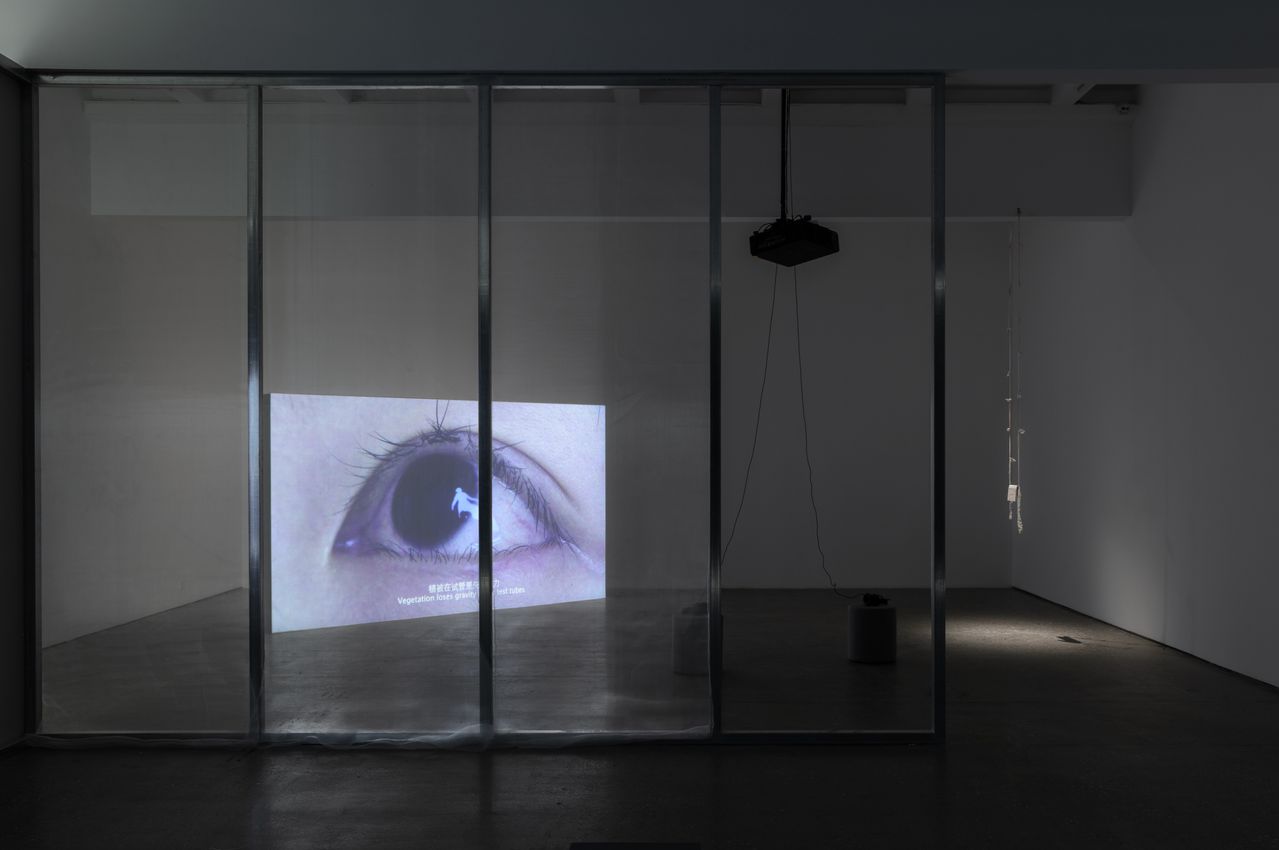
Installation Views

The Top 10 Exhibitions to See Around the World This November Spotlight The Top 10 Exhibitions to See Around the World This November Our editors select the shows not to miss this month, from Karolina Jabłońska’s severed limbs suspended in pickle brine to Sylvie Fleury’s take on a male‑centric motoring club. Read the story
About the Gallery

The Chinese transliteration for magician – ‘mó jīn shí’ has the meaning of sharpening and refining, suggests a kind of reflection and introspection, while the English word ‘magician’ itself means something fantastical and unpredictable, implying further possibilities.

View Gallery Profile
Address
798 Art Zone, No.2 Jiuxianqiao Road
Chaoyang District
Beijing
China
Opening Hours
Tuesday - Saturday
10.30am - 6.30pm
(1)
Beijing Magician Space, 798 Art Zone, No.2 Jiuxianqiao Road
Magician Space
798 Art Zone, No.2 Jiuxianqiao Road, Chaoyang District, Beijing, China

Opening hours
Tuesday - Saturday
10.30am - 6.30pm
The art world in focus