Press Release

Matutar: to ponder, to reflect, to consider, to express care

The inspiration for this text dates back to a year ago when I had the opportunity to spend a few days with Marcos Siqueira in Serra do Cipó, a national park in the state of Minas Gerais, Brazil. On that occasion, he and I set out one afternoon to walk through the Serra. Perhaps those reading this text now do not know how impactful this part of the State of Minas Gerais is. In its presence, one is constantly faced with its vast scale. The mountains, the vegetation, and the entire environment calls for perspectives that capture the monumental.

Marcos is one of the greatest connoisseurs of this region and its nature. From a very young age, he has lived many days and years in those mountains in the most diverse of ways: As a boy who, from an early age, worked the land with his family and as a man who acts as a fire brigade member, putting out fires that take over the Serra periodically during the year, mostly due to human actions.

Well, it was with this Marcos Siqueira that I encountered something unexpected on that outing. As we walked, he called me to step away from the immensity of the setting and turn my gaze to its intricate details: A plant that closes at the touch of a hand, another plush-textured one that he calls ‘rabbit’s ear,’ and to the different qualities of soils we encountered. Details that are only perceived when one’s gaze extends and lingers on the tiny forms of life that may not reveal themselves unless you possess a special type of attention.

I have evoked this experience at the start of this text because, back in Siqueira’s home studio, I adopted a new way of seeing his paintings. There, where I became familiar with Marcos Siqueira’s pace and tempo, I was able to get to know his pigments, the wood that supports his work, and his process, which is nothing less than an act of delicacy, a search for the world’s minute intricacies.

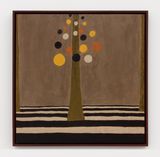
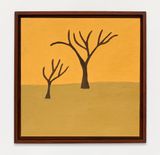
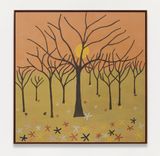
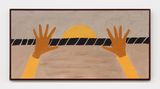
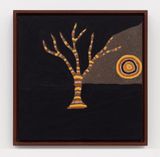
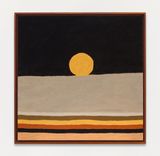
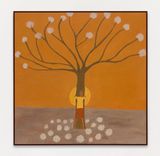
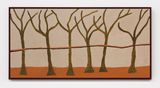
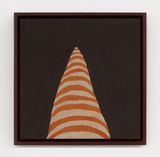
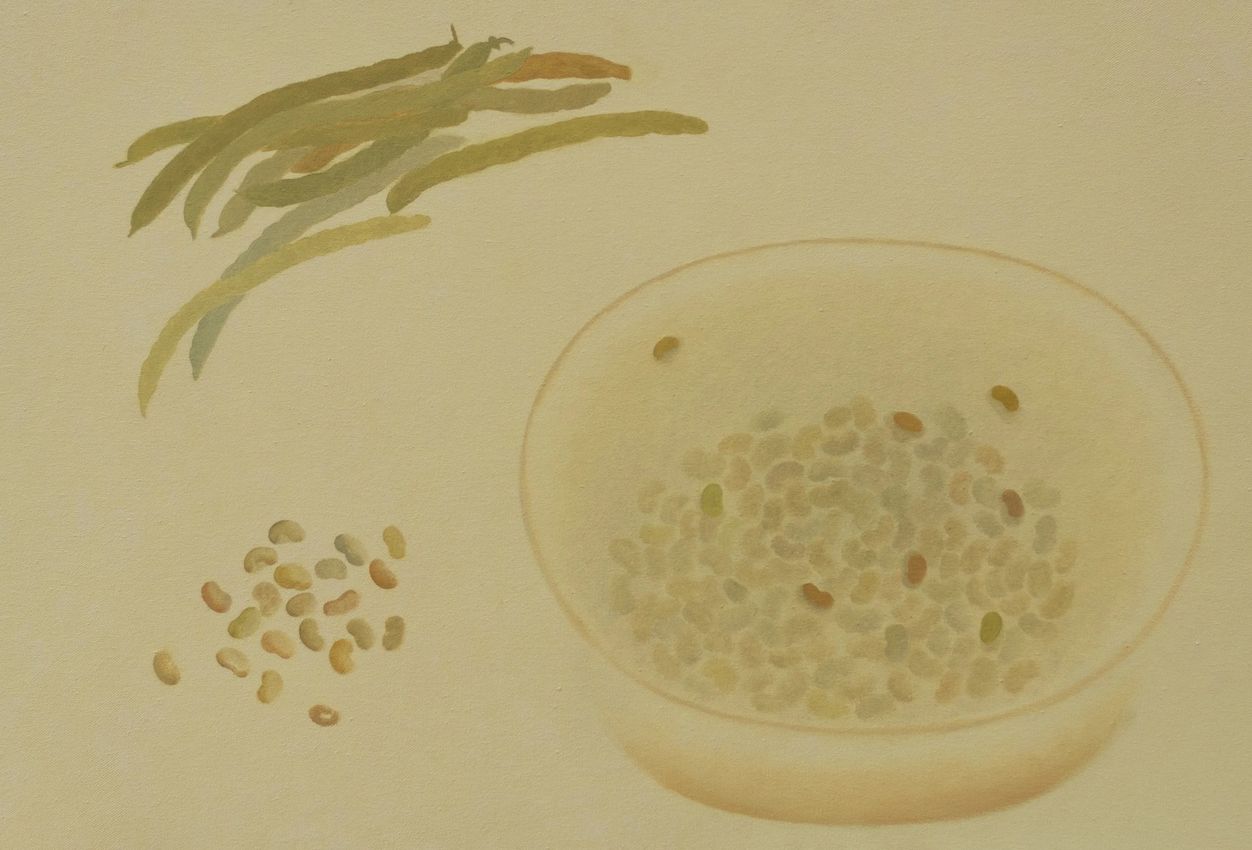
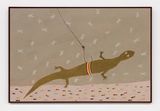
The ochre chromaticism of Marcos Siqueira’s paintings emerges from a variety of soils found in the Serra do Cipó. Mixing soil with water and acrylic glue, colours are carefully collected, sieved, and prepared. At a time when debates about nature and the Anthropocene are increasingly prominent in artistic discourse, it is impossible to overlook new meanings within Siqueira’s process.

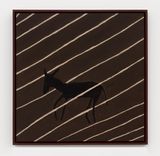
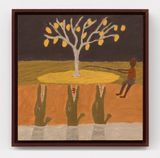
His images, which arise from a dreamlike environment, are not only illustrations of landscapes, nor grand treatises on life in a world with submerging cities, rising temperatures, and fracturing glaciers. Instead, the artist’s works create alternative ways of thinking about our relationship to the natural world.

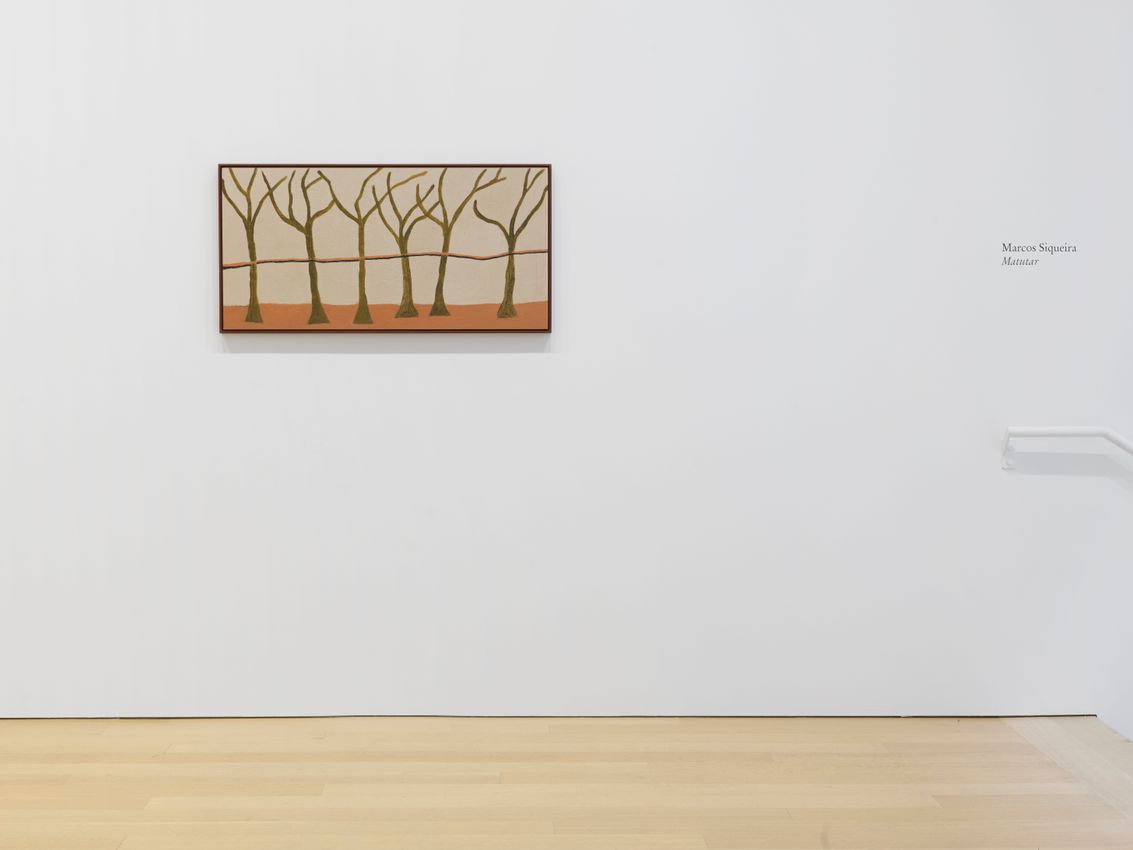
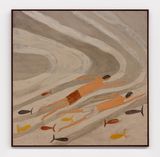
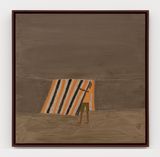
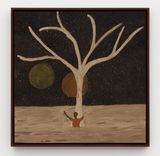
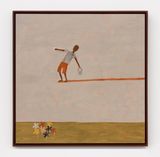
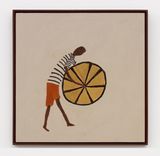
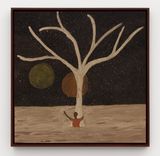
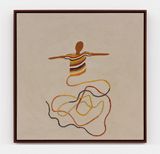
Siqueira’s figures often appear in states of solitude, alone before nature. These environments result when the artist casts his lingering gaze upon everyday landscapes. We are called by this introspection of his surroundings, his pondering of the world.

In Brazil, the expression matutar implies a withdrawal from the moment to dedicate extended time to contemplation and pondering. The word appears in phrases such as eu estou matutando (I am considering it) or deixa eu matutar antes de responder (let me consider before I answer). Matutar is to retreat from the dizzying immediacy of the world, to pause in time before proceeding with a decision.

This may be one of the first entry points into this body of work. Nothing in the exhibition refers to spontaneity or naïveté, perspectives that are often used to distance Black artists from less affluent strata of Brazilian society. Here, let us remember that this exhibition takes place in the United States, where terms such as primitive, naïve, popular, and spontaneous are familiar descriptors of Afro-Brazilian work in a purported search for some kind of ‘authenticity.’

The pondering of the world, which appears in these paintings, sets in motion a sophisticated thought not ‘about’ nature but with nature. There is no naïveté in this process but rather knowledge about art and the world that is realised in the materiality of the works.

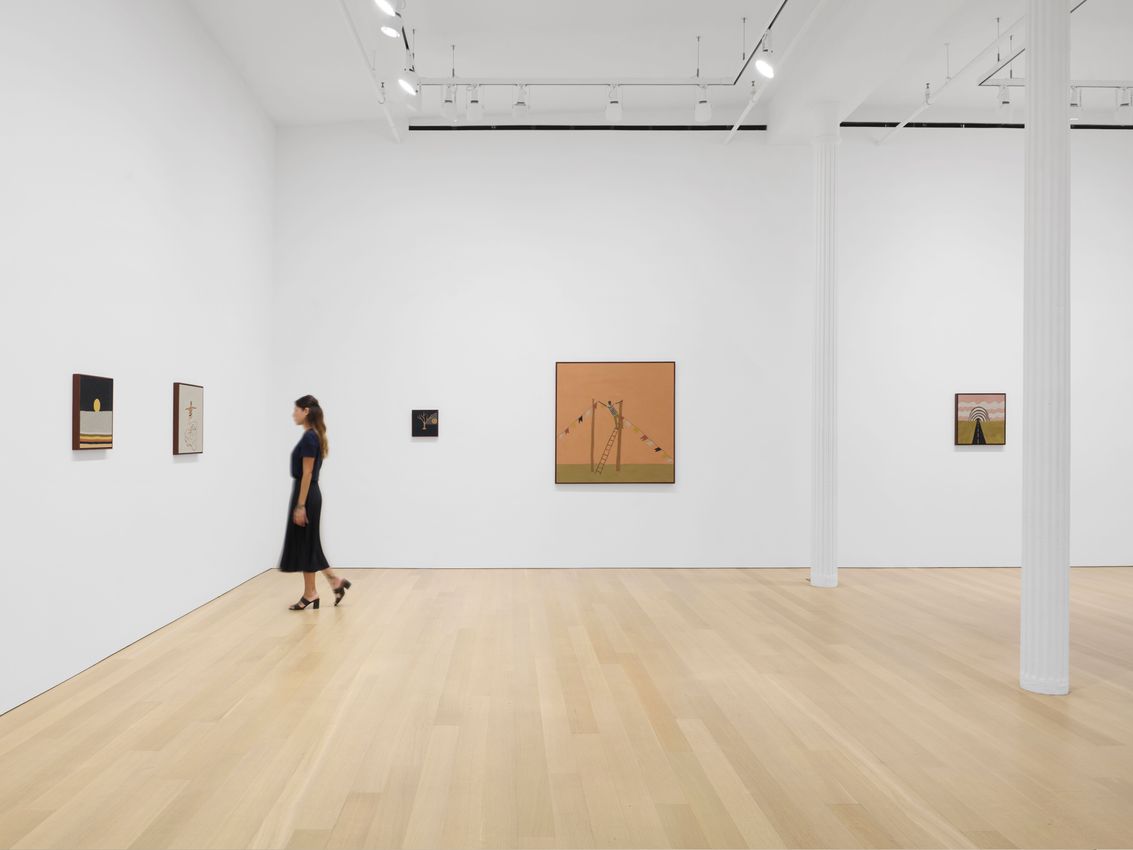
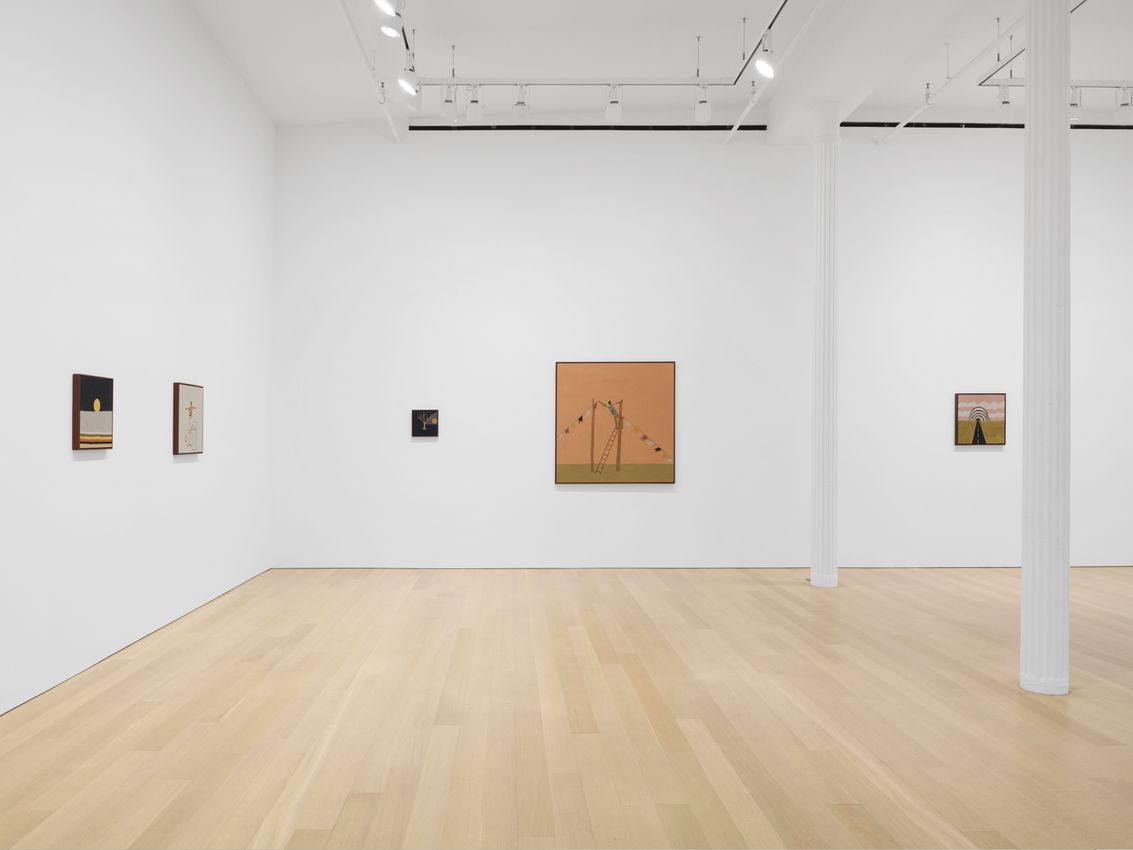
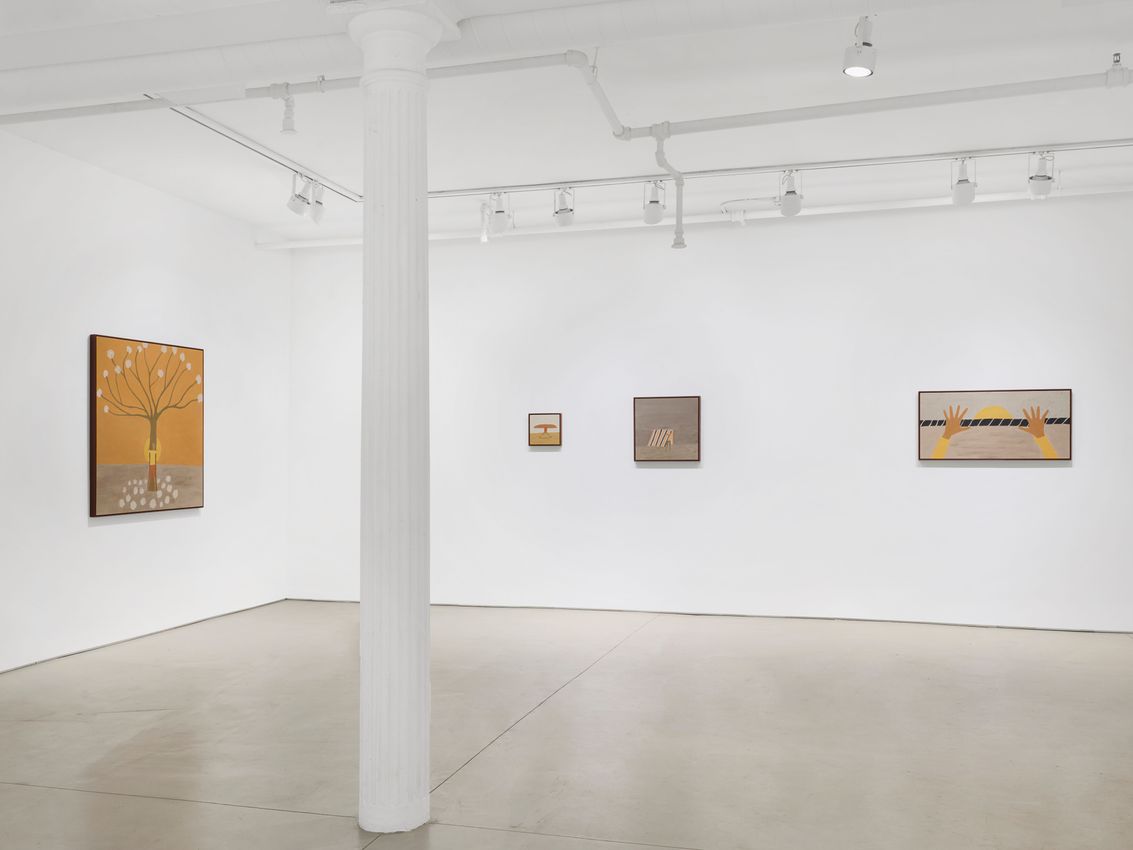
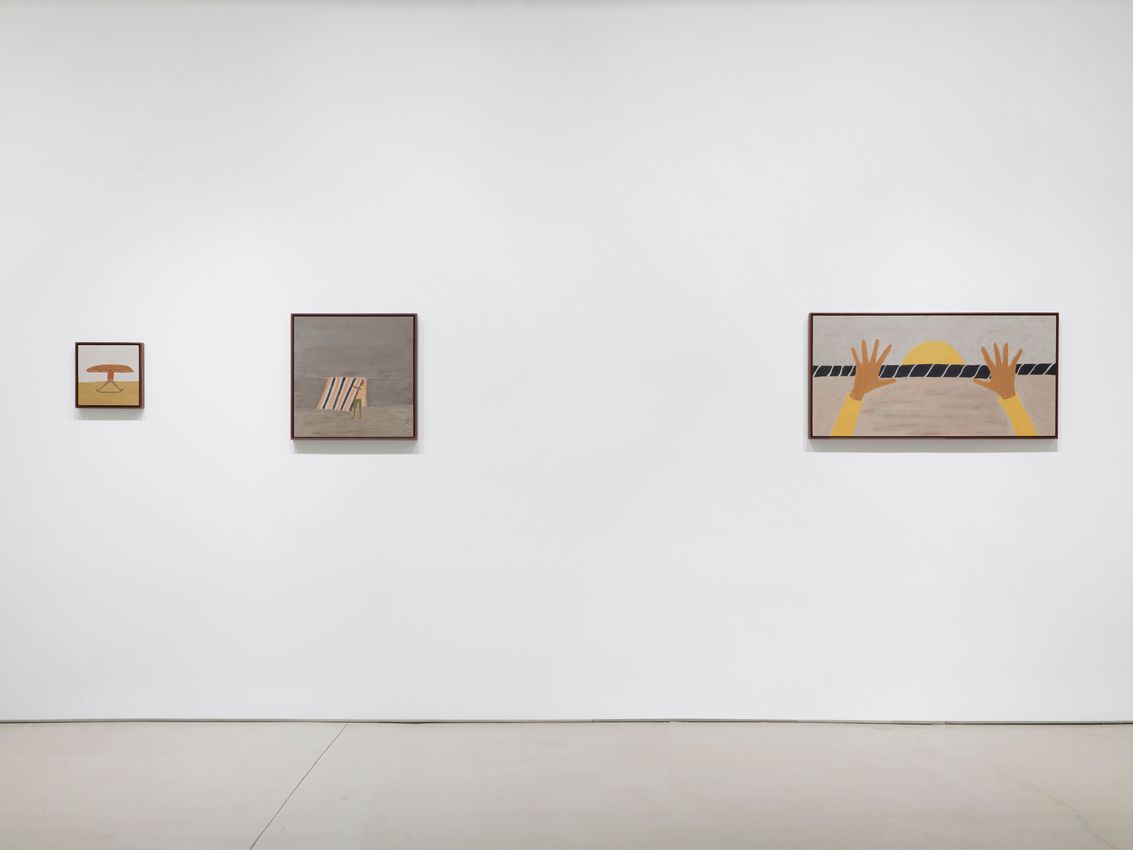
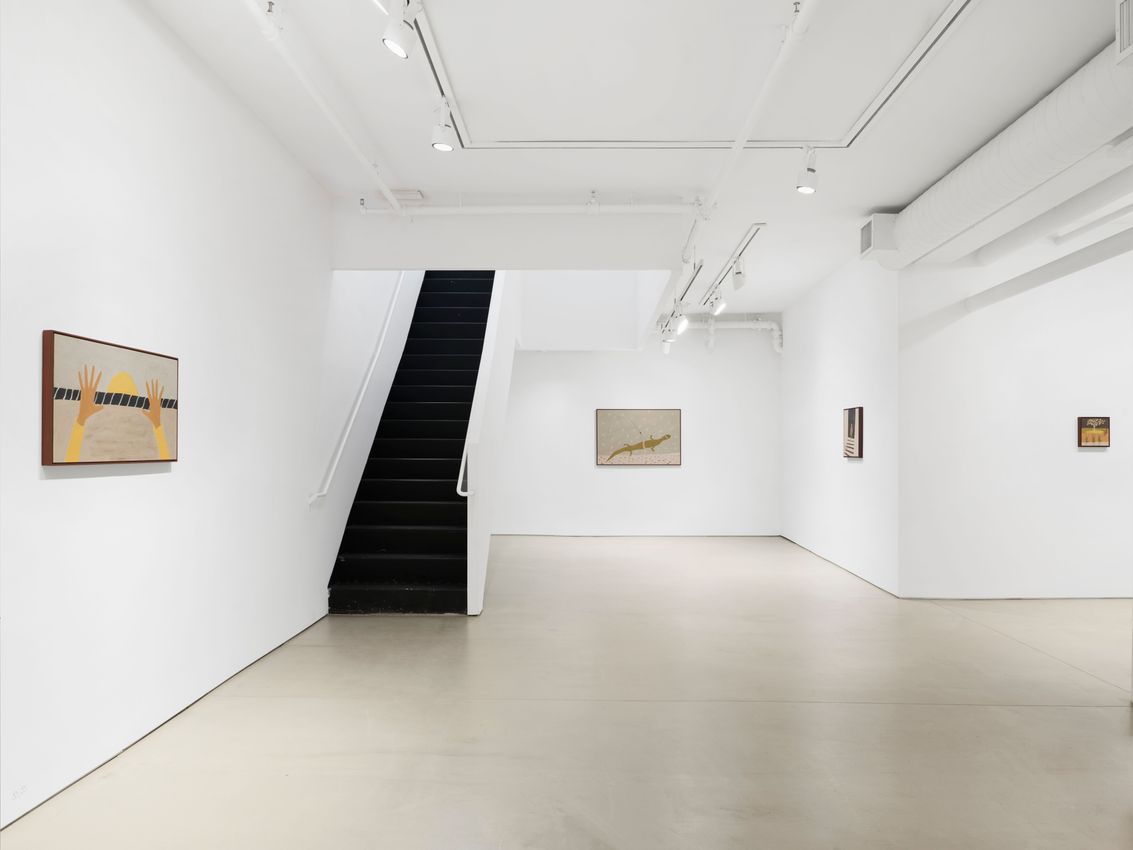
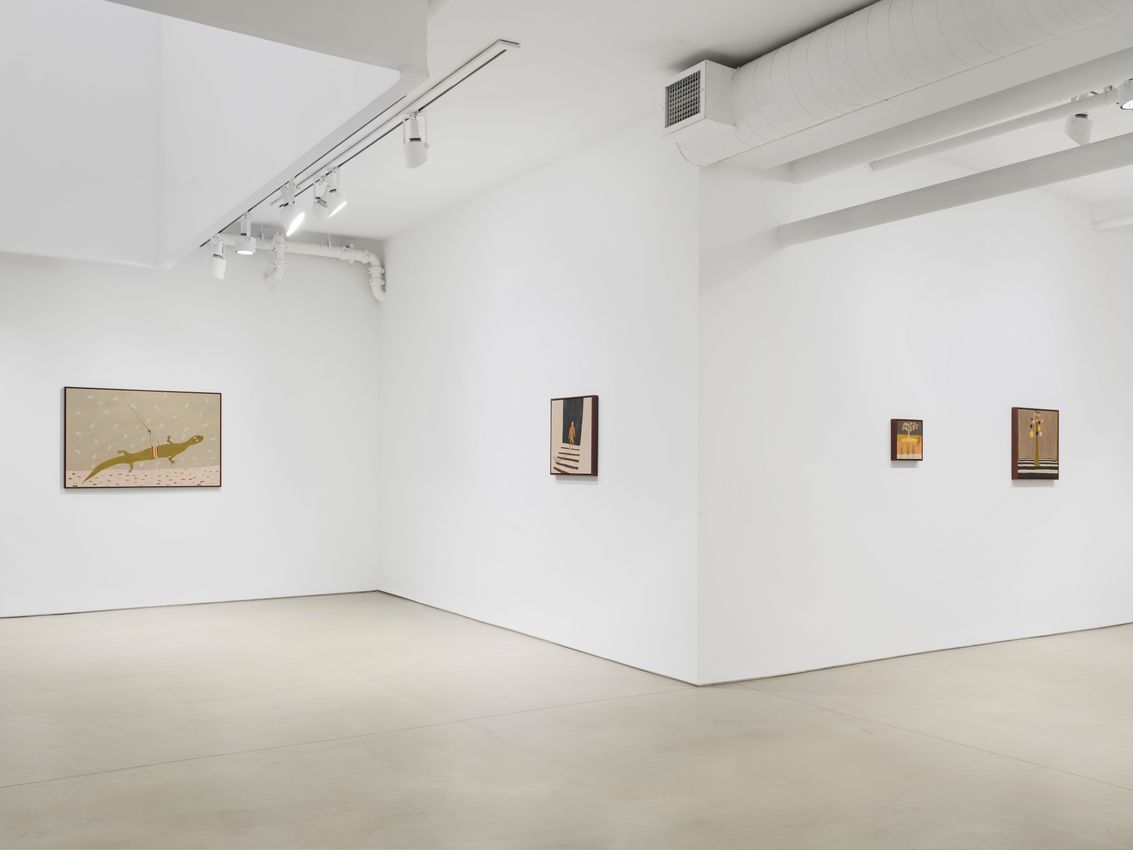
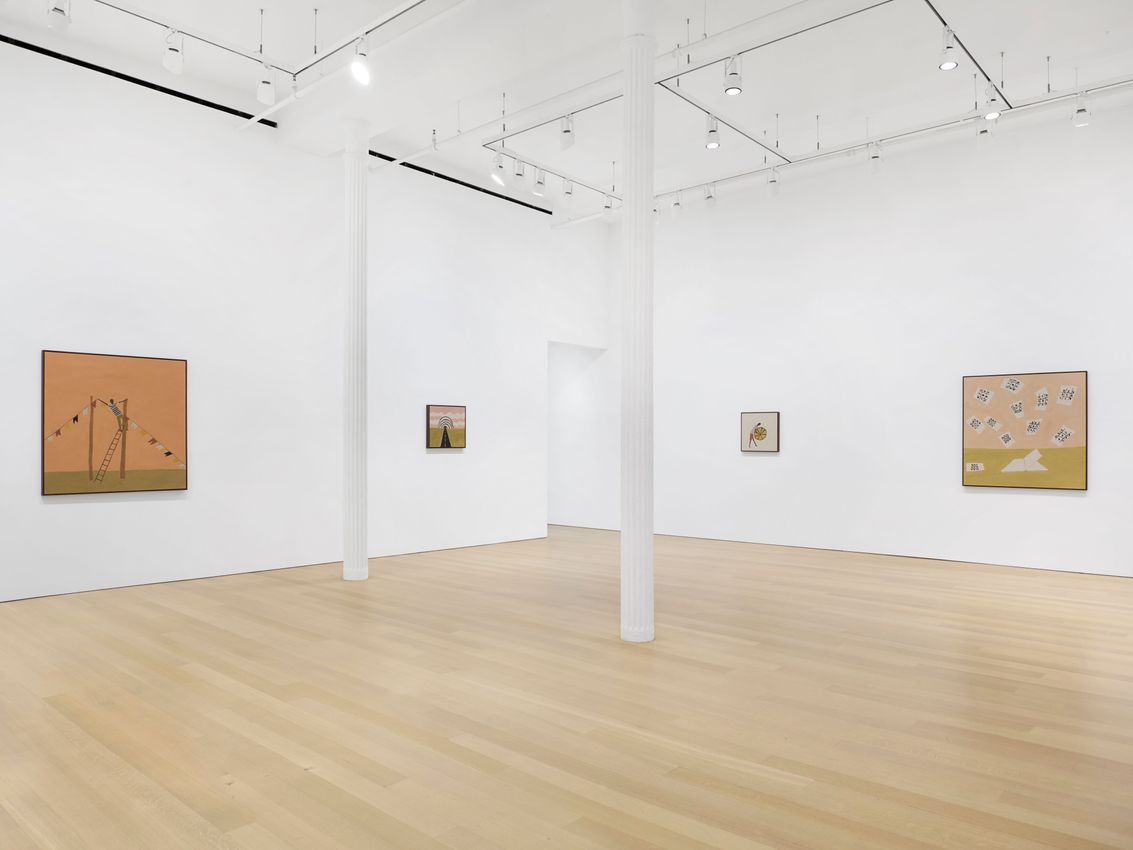
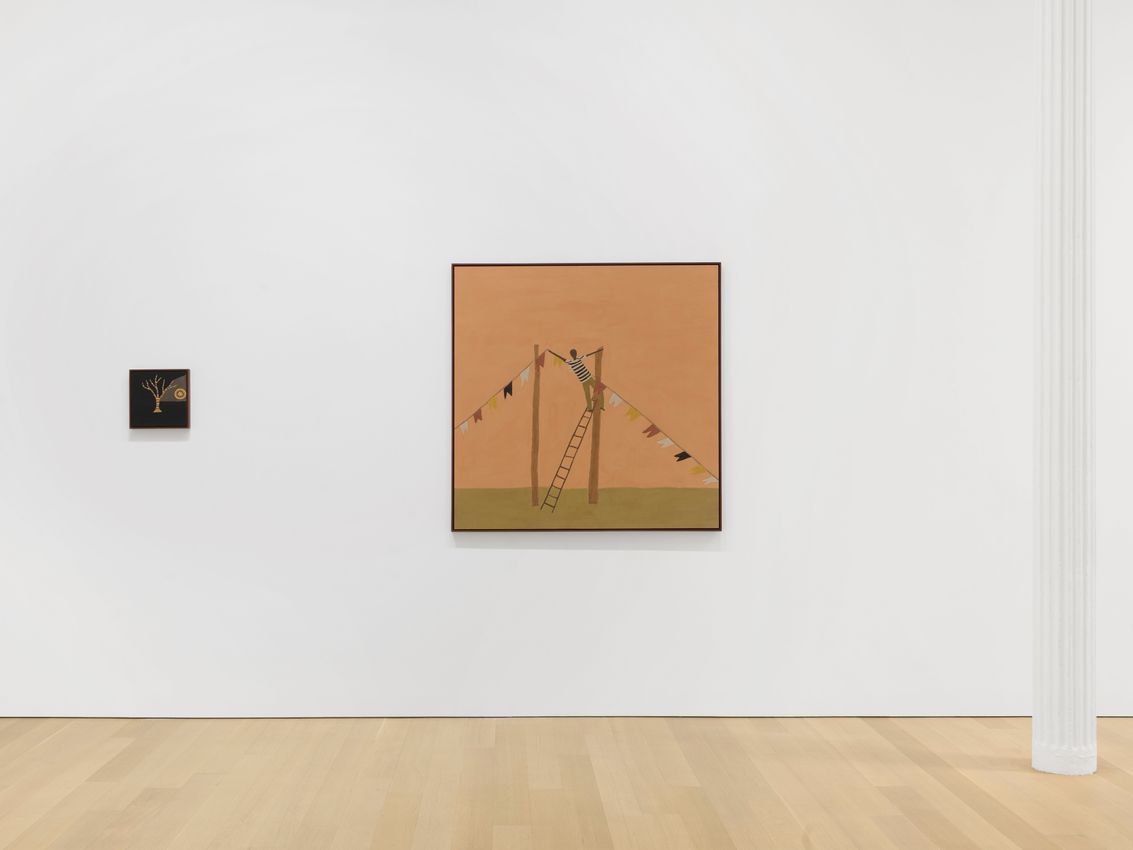
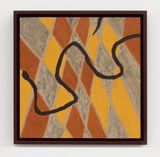
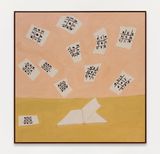
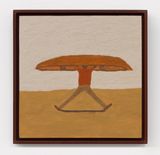
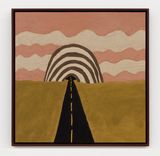
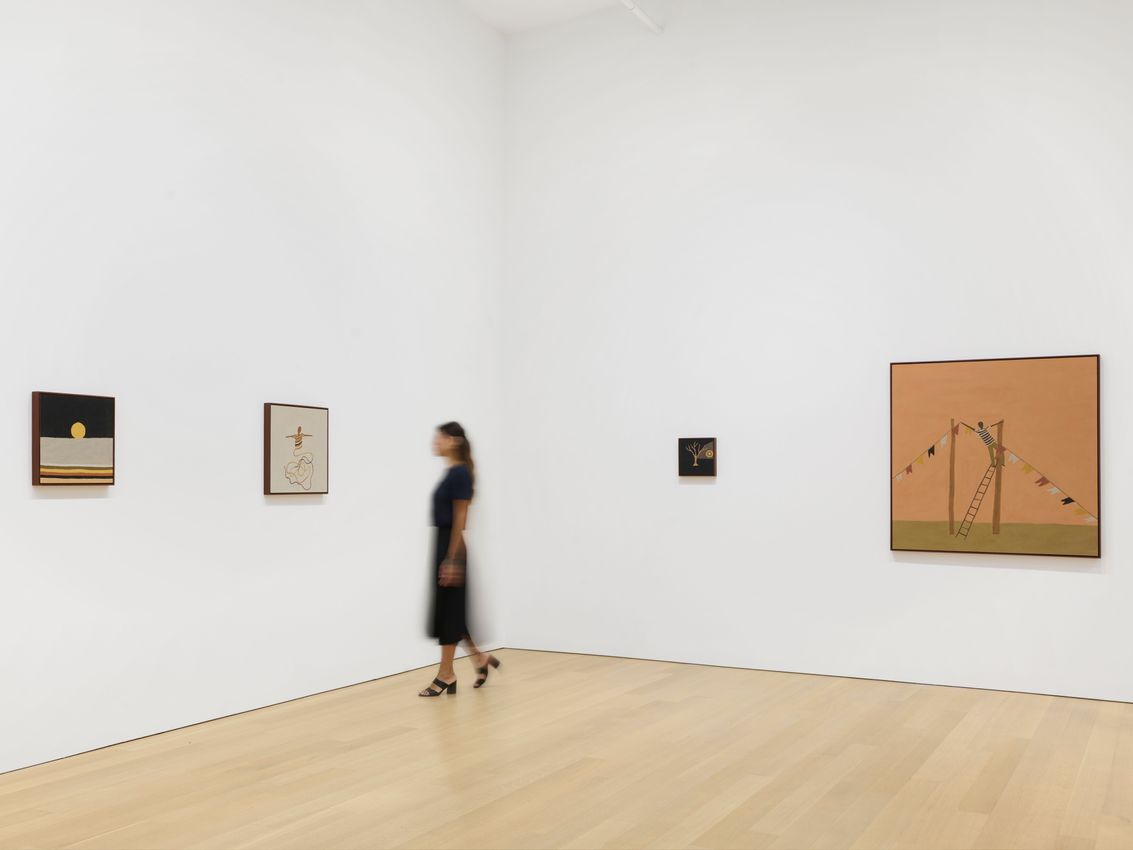
In the exhibition, we take note of Siqueira’s formal gestures within the paintings. In many cases, the artist creates pictorial space with bands of colour that change the relationship between figure and ground. In others, organic forms and geometries are most present. When I asked the artist about these geometries, he replied, ‘Just pay attention to the fittings that are found in the landscapes. The colours emerge through the encounter of different types of soil-made pigments. Here, form and material are inseparable.’

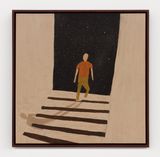
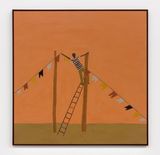
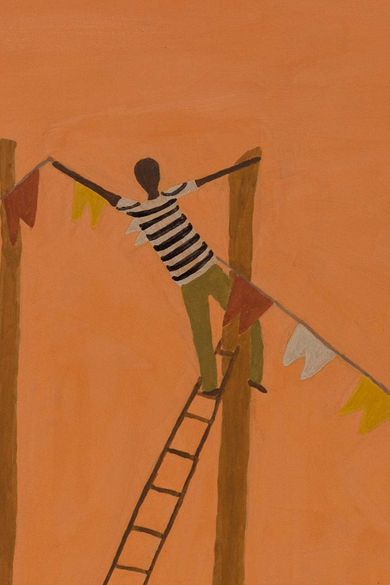
In many of Siqueira’s works, we see the figure of what seems to be a boy occupying the canvas, sometimes balancing on a thin line, carrying a ball, or launching balloons into the sky. Among all that these representations may suggest, we must attend to the silence that surrounds the figure; the works do not lend themselves to a single glance. Just as when learning the details of an unfamiliar landscape, one must leave behind their sense of the whole image.

One connection strikes me while seeing these figures alone in their environments. In the relationship between art, nature, and human presence, it is impossible not to think of the paintings of Caspar David Friedrich, especially the most celebrated of them all, Wanderer above the Sea of Fog(1818). In it, the figure of a man stands with his back turned to the viewer, gazing through the fog across a mountain range that extends to the limits of the canvas. He is engulfed before a world he only observes, with nature as a place that envelops and challenges humans.

In the past, wild nature seemed to exist only to be dominated by rational knowledge. We see the results of this understanding every day. Now, two centuries later, we are faced with an urgency to create another way of relating with the world.

If art is to take part in this, the poetics of Marcos Siqueira must be considered along the way.

– Igor Simões

Read More

Installation Views

Selected Works

Loading...
Marcos Siqueira Connects Earth and Environment Spotlight Marcos Siqueira Connects Earth and Environment The Brazilian artist shares how his connection to the land manifests in his first international solo show at Mendes Wood DM, New York. Read the story
About the Artist

Marcos Siqueira is formed by his intimacy with the cerrado, the grasslands of eastern Brazil. A guardian of Serra do Cipó, an environmentally protected area in Minas Gerais, the autodidact Siqueira has many understandings of the richness present in the earth beneath his feet. Against the ethics of exploitation, he respectfully gathers the natural pigments of his paintings from the ground itself, from the paths and routes that he knows so well.

View Artist Profile

Also Exhibiting at Mendes Wood DM

About the Gallery
Mendes Wood DM was founded in 2010 by partners Felipe Dmab, Matthew Wood and Pedro Mendes with the intent to exhibit international and Brazilian artists in a context conducive to critical dialogue and cross-pollination. Central to the gallery’s program is a concern for regional difference and individuation while fostering cosmopolitanism and collaboration. Inspired by a belief that artistic practices broaden the scope of human agency and have the power to both touch and change the world, Mendes Wood DM cultivates a program premised on conceptualism, political resistance and intellectual rigor.
View Gallery Profile
Address
47 Walker Street
New York
United States
Opening Hours
Tuesday - Saturday
10am - 6pm
(1)
New York 47 Walker Street
Mendes Wood DM
47 Walker Street, New York, United States
+1 212 220 9943
http://www.mendeswooddm.com

Opening hours
Tuesday - Saturday
10am - 6pm
The art world in focus