Press Release

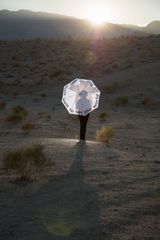
Pippy Houldsworth Gallery is proud to present pioneering conceptual artist Mary Kelly’s fourth solo exhibition with the gallery,We don’t want to set the world on fire, which explores the role of protest in her work and its power to effect change. In the face of the current political landscape and the rise in authoritarian populism in Europe as well as the US, Kelly continues to analyse the past’s impact in shaping our understanding of the present. The title of the exhibition refers to Kelly’s 2019 site-specific project, Peace is the Only Shelter, a tribute to Women Strike for Peace, an activist group founded in 1961 to mobilise women against nuclear weapons testing. Their innovative slogans, including _We don’t want to set the world on fir_e, were reenacted by Kelly in the desert region near the test sites where former protests took place.

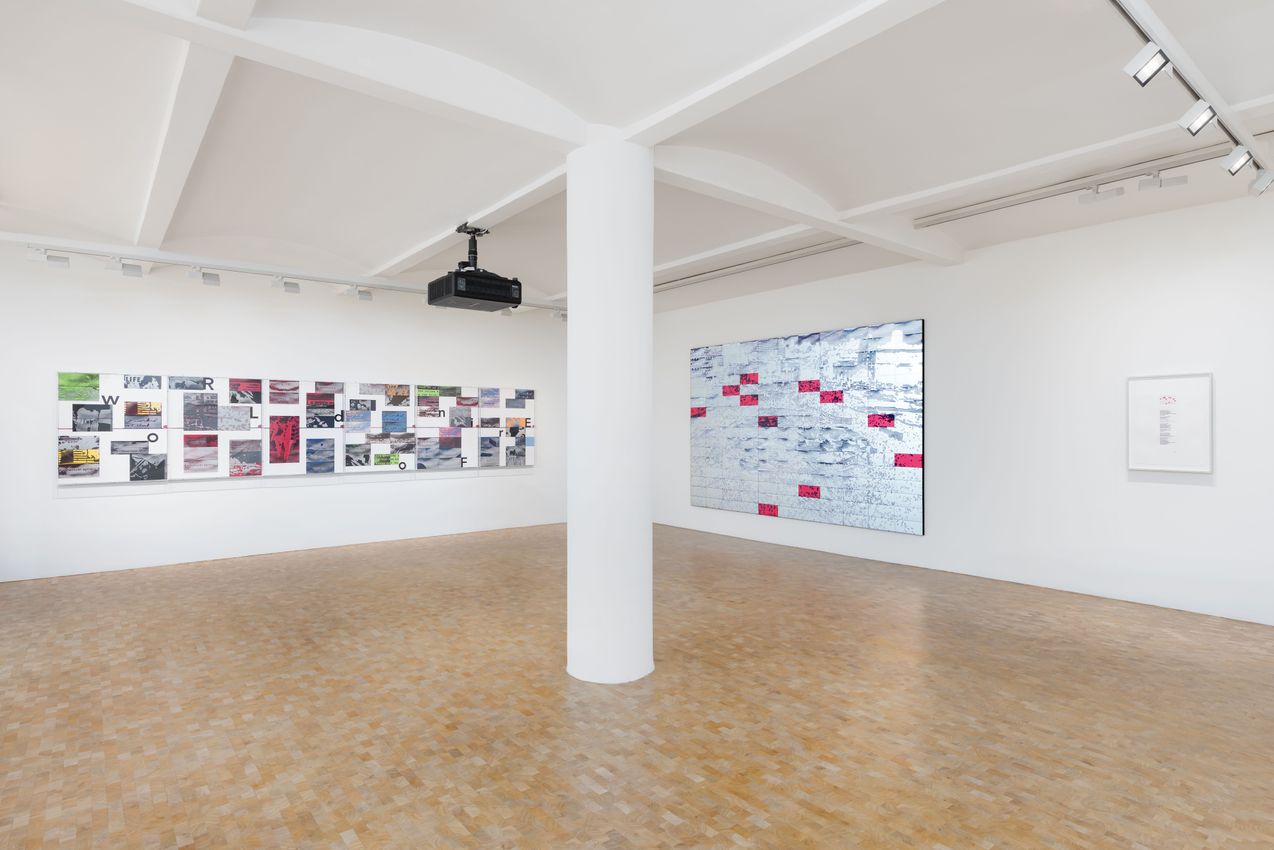
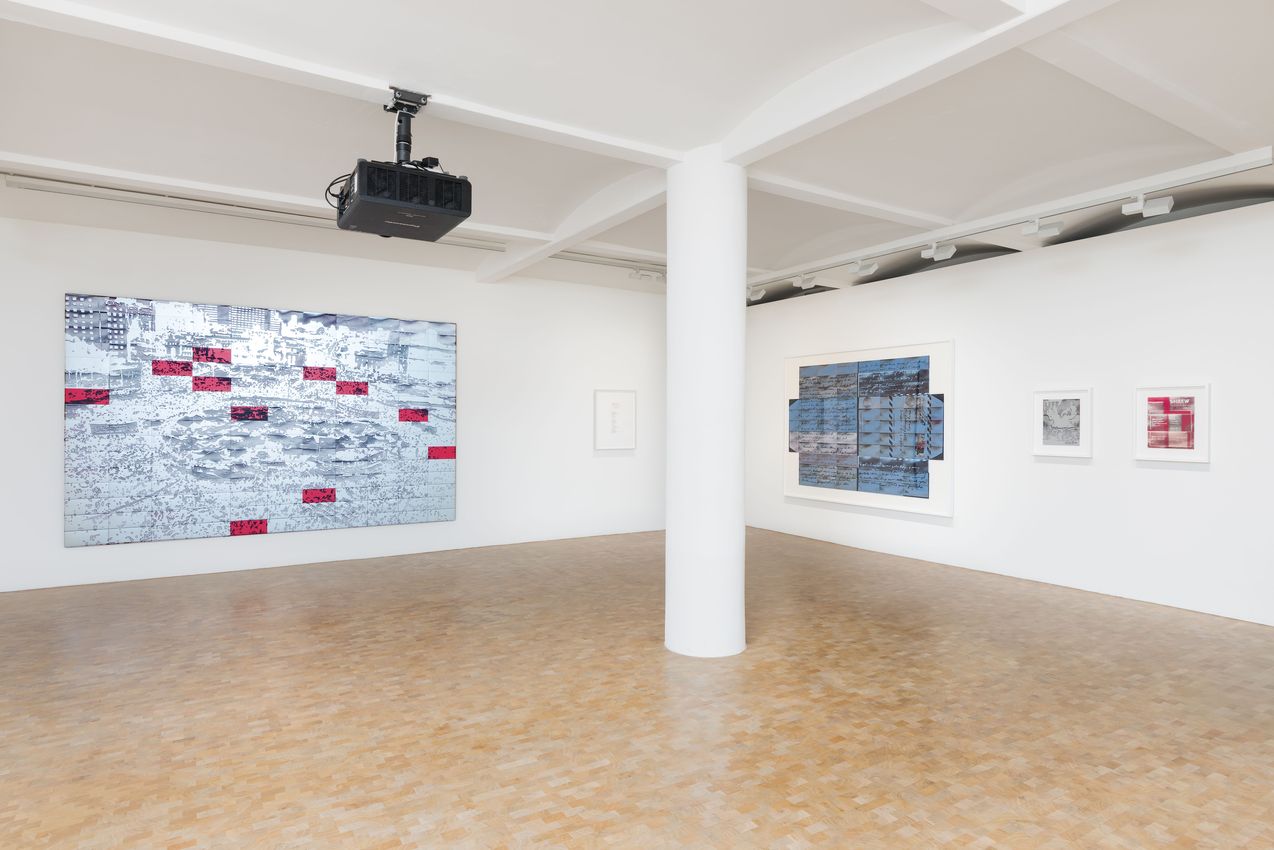
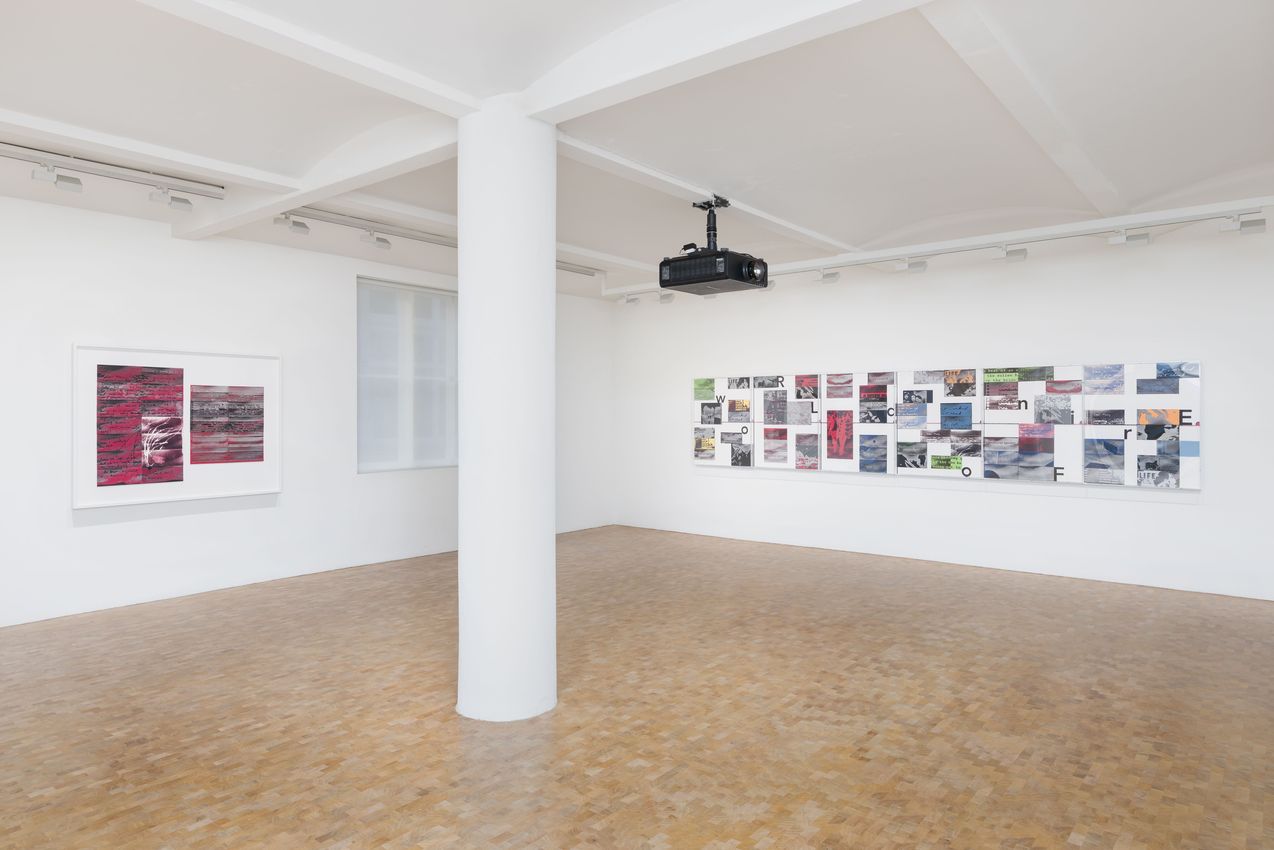
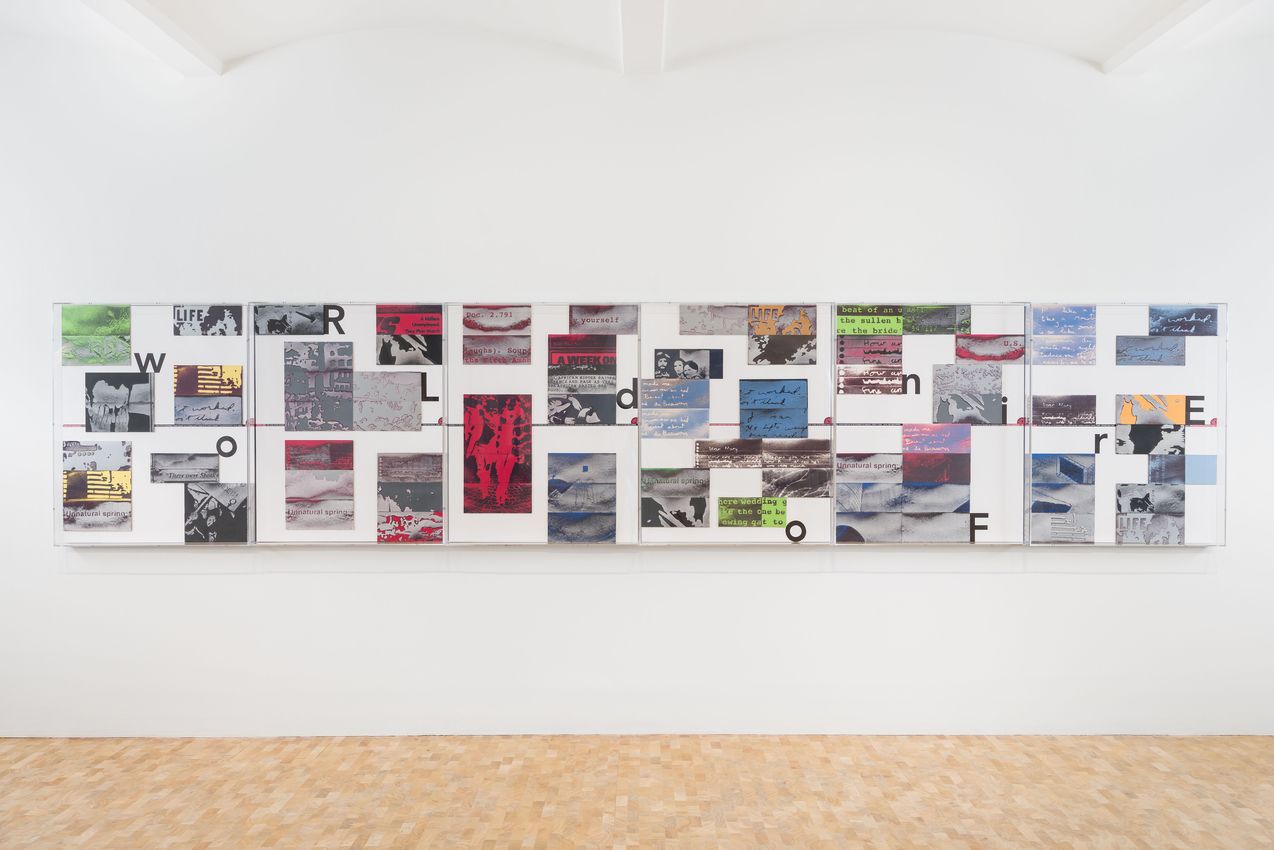
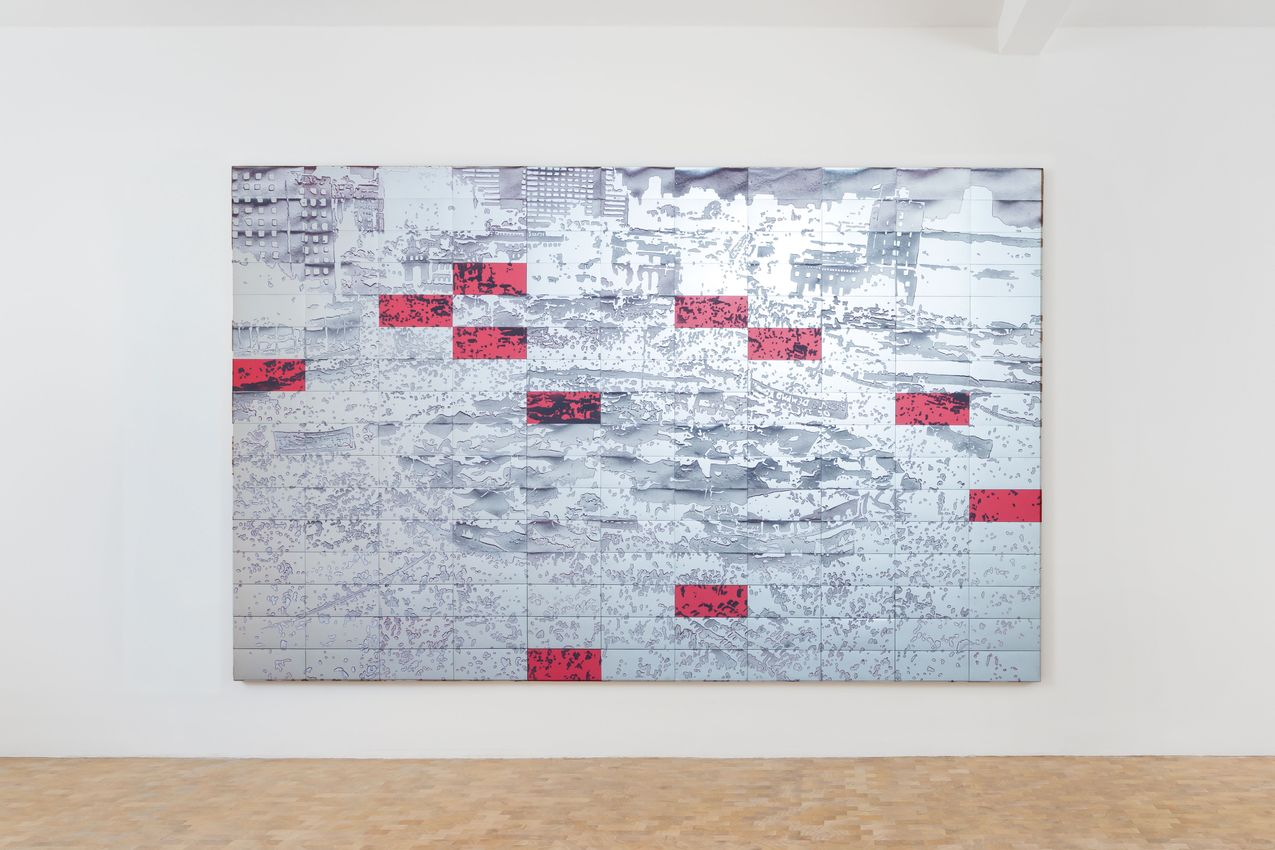
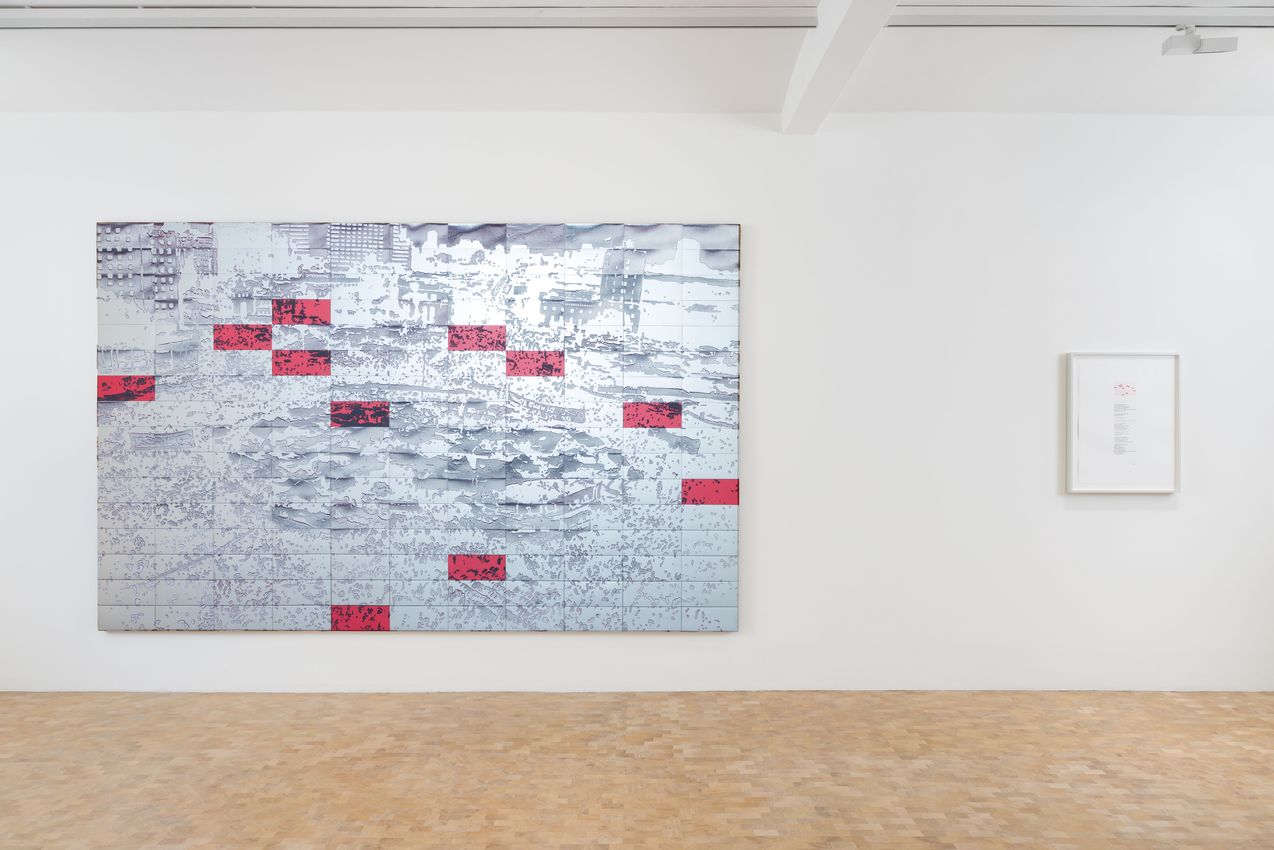
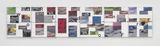
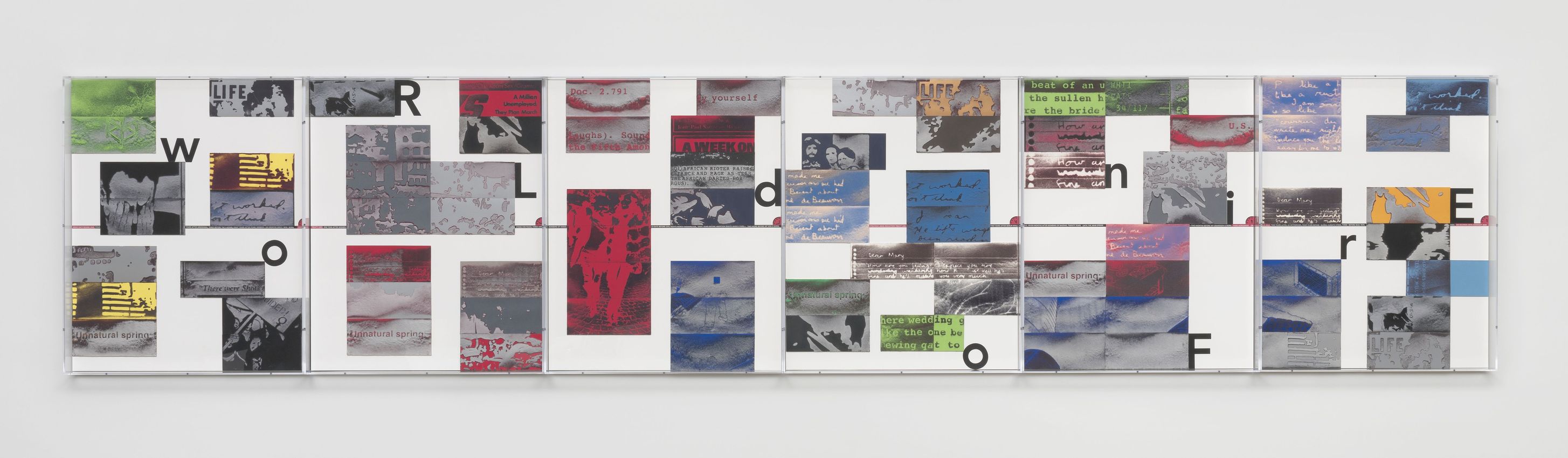
The exhibition opens with the first European presentation of World on Fire Timeline (2020), representing a coda to three decades of Kelly’s work exploring global conflict and its connection with personal experience. The central narrative – beginning with the arms race in 1949, through to civil rights and anti-war protests in the aftermath of 1968, and ending with the climate crisis in the present – is interspersed with generation-defining events from Kelly’s life, such as the births of her son and her grandson. The work registers the effect of protest on the hypothetical midnight of the Doomsday Clock. Despite traversing 71 years, the timeline is non-linear; remixed and recycled elements serve to emphasise the reappearance of the past in our present moment. The assembled fragments within the Timeline reflect Kelly’s interests and the themes she has developed in the last twenty years of her project-based work, including extracts from_News from Home_ (2017),7 Days (2012-2016), and the Circa Trilogy (2004-2017).

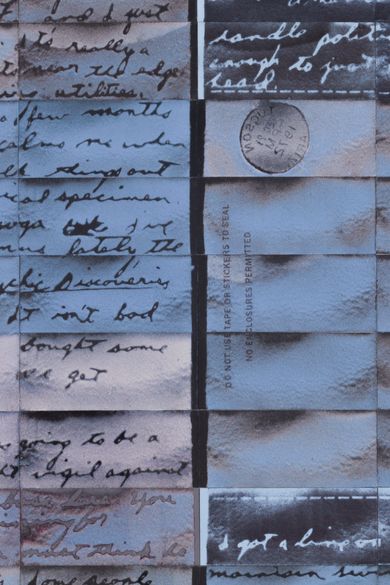
Formally, Timeline marks the first time that Kelly has combined collage with her signature compressed lint medium. A technique inaugurated by the artist in 1999, it offers a compelling means of representing the ways in which the traumatic residue of historical events is filtered through the everyday. Kelly’s reworking of archival texts and images is intensely involved with both material process and duration. Individual units of compressed lint are cast in the filter screen of a domestic dryer over several months and hundreds of washing cycles, then assembled as large panels of low relief. For the artist, repetition is a performative act of remembering and potentially working through the personal and political meanings of those events.

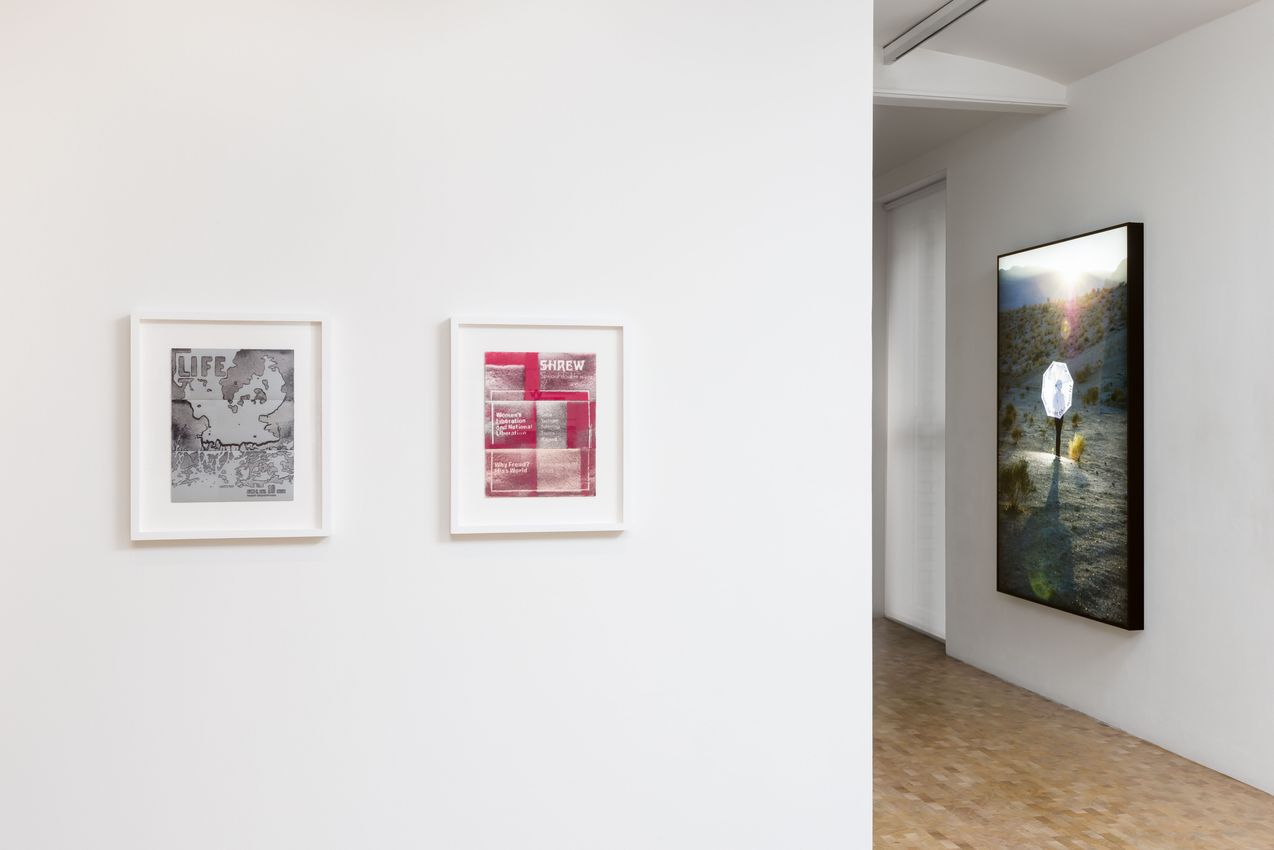
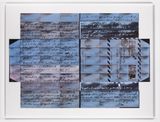
Presented alongside Timeline are examples from the three bodies of work it references_. Circa 2011_ (2016) is a major work in compressed lint and the final part of Kelly’s Circa trilogy, which explores the documentation of events in Western history via mediated imagery. It draws on the prolific, and often anonymous, internet images of the Arab Spring pro-democracy demonstrations, specifically in Tahrir Square in Cairo before the military takeover in 2011. Revealing an aesthetic shift from the curated images that shape our recollection of 20th century events, the work explores the advent of ‘citizen journalism’: vast networks of photographs taken with mobile phones that proliferate across the internet. Light noise projected onto the lint recalls the glare of a computer screen. Like memory, the image often slips into illegibility, highlighting and obscuring the inaccessible zones of the past. And, true to the trilogy’s title, the combination of lint and noise suggests imprecision, blurring, and an inescapable ambiguity.

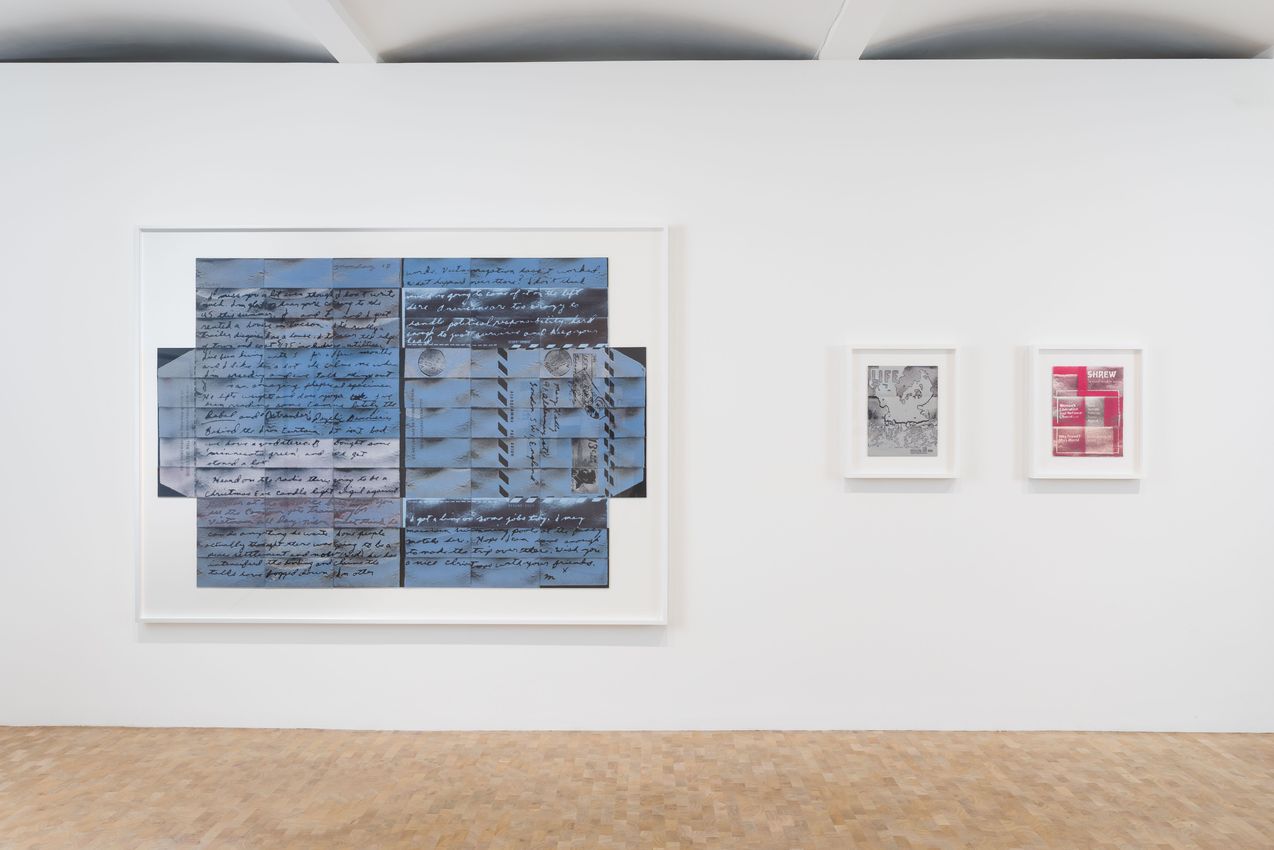
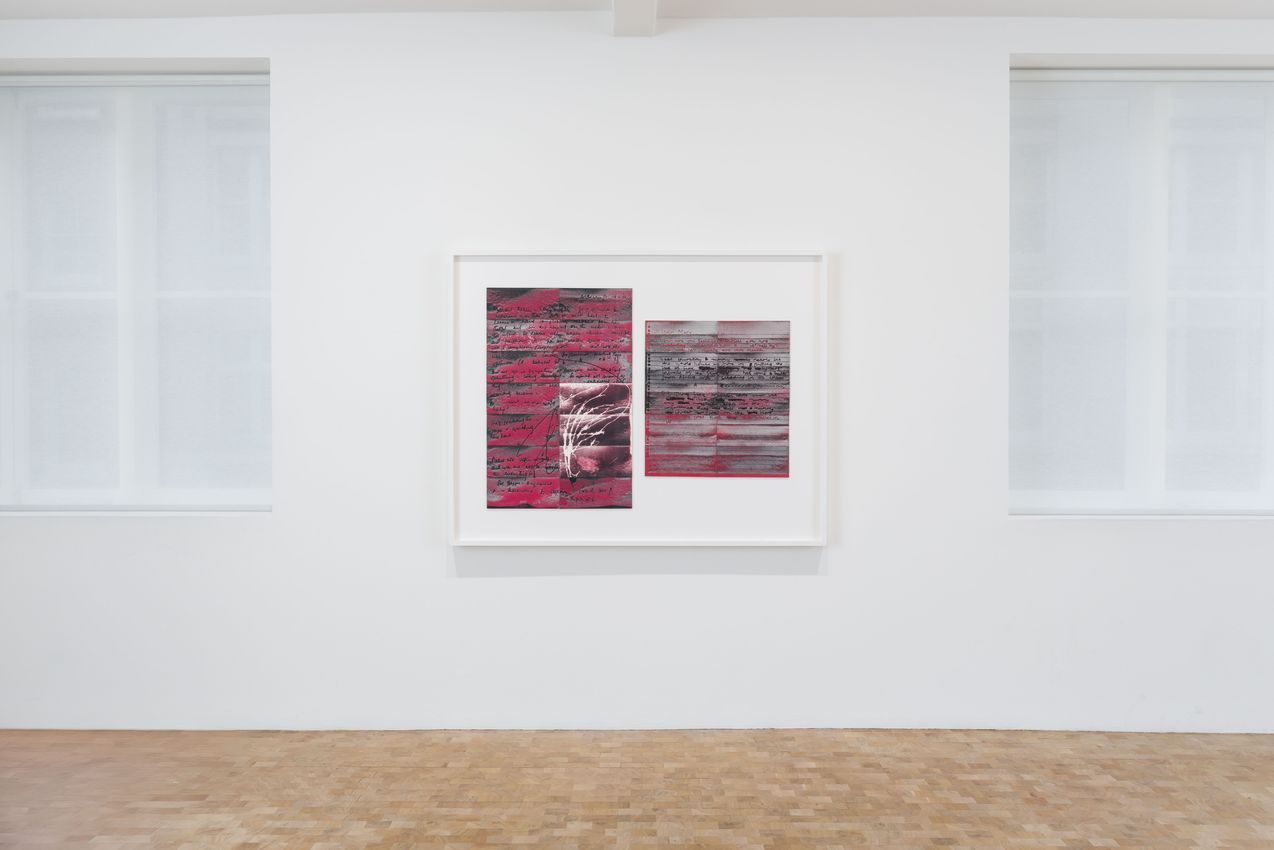
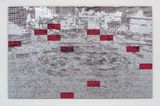
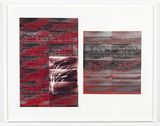
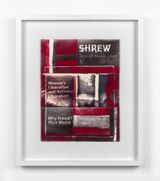
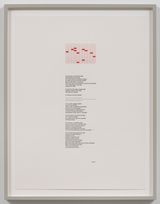
In her work, Kelly asks what defines an era, and for whom, not only as political discourse, but also as trace or residue of the personal lives that were defined by it. News from Home comprises three letters from Kelly’s archive, dating from her time living in London in the 1970s. Two examples from the series are on view: London 1974 gives a fleeting glimpse of communal living – women negotiating their commitment to activism with childcare, illness, accidents and domesticity – while Tucson 1972 addresses economic survival, alternative ways of living and political protest in the context of an escalating war in Vietnam. Likewise, two intimately scaled works, the covers of Life, April 1945 (2014), documenting the aftermath of the atomic bomb, and Shrew, December, 1970 (2017), connecting global conflict and feminist action, are subjects that still resonate today.
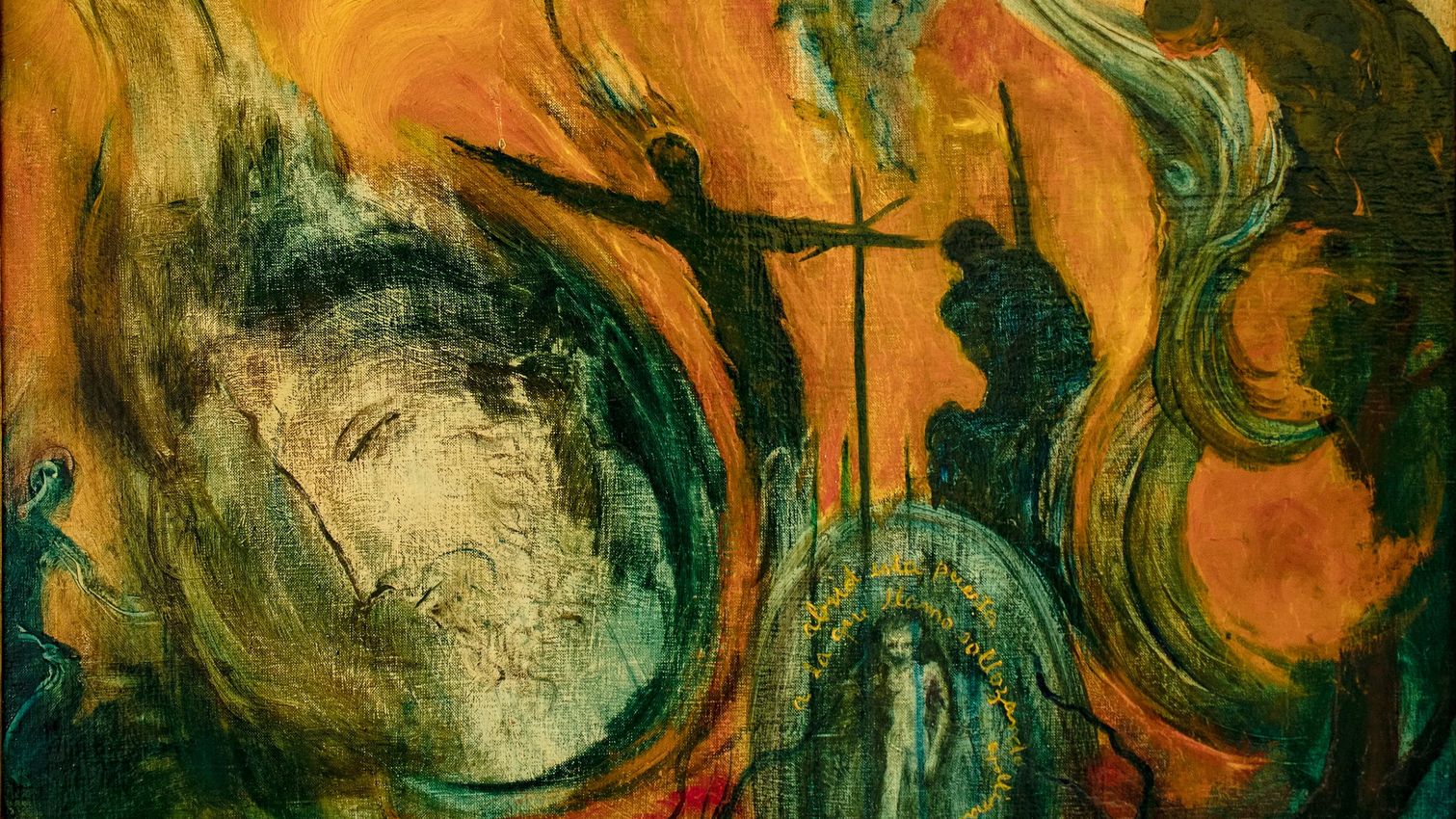
Courtesy Pippy Houldsworth Gallery.

Read More

Installation Views

The Top 10 Exhibitions to See Around the World This December Spotlight The Top 10 Exhibitions to See Around the World This December Our editors select the shows not to miss this month, including Nancy Lupo’s latest Bench, the 6th Kochi‑Muziris Biennale and Tala Madani’s re‑examination of the mother‑daughter relationship. Read the story
About the Artist

Regarded as one of the most significant figures in feminist art, Mary Kelly has had a profound influence on postmodernism and cultural politics, as well as the development and critique of conceptual art. Predominantly interested in the way language __mediates between the social and the psychic, Kelly’s working process blurs the boundaries between the personal and the political in order to address the impact of historical events on everyday life.

View Artist Profile

Also Exhibiting at Pippy Houldsworth Gallery

About the Gallery
Pippy Houldsworth Gallery is a leading contemporary art gallery committed to championing diverse voices and creating long-term institutional visibility for its artists. Since relocating to its current premises in 2011, the gallery has focused on increasing the representation of female and non-binary artists, and fostering intergenerational dialogue across its programme.

The gallery has presented the first UK solo exhibitions of significant artist such as Jacqueline de Jong, Faith Ringgold, Dindga McCannon, and Carrie Mae Weems, while also providing early and sustained support to a new generation of artists, including Jadé Fadojutimi, Wangari Mathenge, Nengi Omuku, Sophia Loeb, and Shaqúelle Whyte. This commitment extends to The Box, the gallery’s micro-project space, which has hosted ambitious commissions by influential voices such as Susan Hiller, Martha Rosler, Yinka Shonibare CBE, Ai Weiwei, Alina Szapocznikow, and Woody De Othello.

A defining pillar of the gallery’s ethos is to build enduring institutional recognition for its artists. To that end, Pippy Houldsworth Gallery places significant emphasis on relationships with museums and public collections, facilitating major acquisitions internationally. Recent placements include Tate, London; Centre Pompidou, Paris; The Metropolitan Museum of Art and The Museum of Modern Art, New York; Solomon R. Guggenheim Museum, New York; Hirshhorn Museum and Sculpture Garden, Washington D.C.; Walker Art Center, Minneapolis; LACMA and Hammer Museum, Los Angeles; The Studio Museum in Harlem; Columbus Museum of Art; Nasher Museum of Art, Durham; The Whitworth, Manchester; The Hepworth Wakefield; Carnegie Museum of Art, Pittsburgh; Baltimore Museum of Art; and New Orleans Museum of Art, among others.
View Gallery Profile
Address
6 Heddon Street
London
United Kingdom
Opening Hours
Tuesday – Friday, 10am – 6pm

Saturday, 11am – 6pm

Closed Sunday and Monday
(1)
London 6 Heddon Street
Pippy Houldsworth Gallery
6 Heddon Street, London, United Kingdom
+44 20 7734 7760

Opening hours
Tuesday – Friday, 10am – 6pm

Saturday, 11am – 6pm

Closed Sunday and Monday
The art world in focus