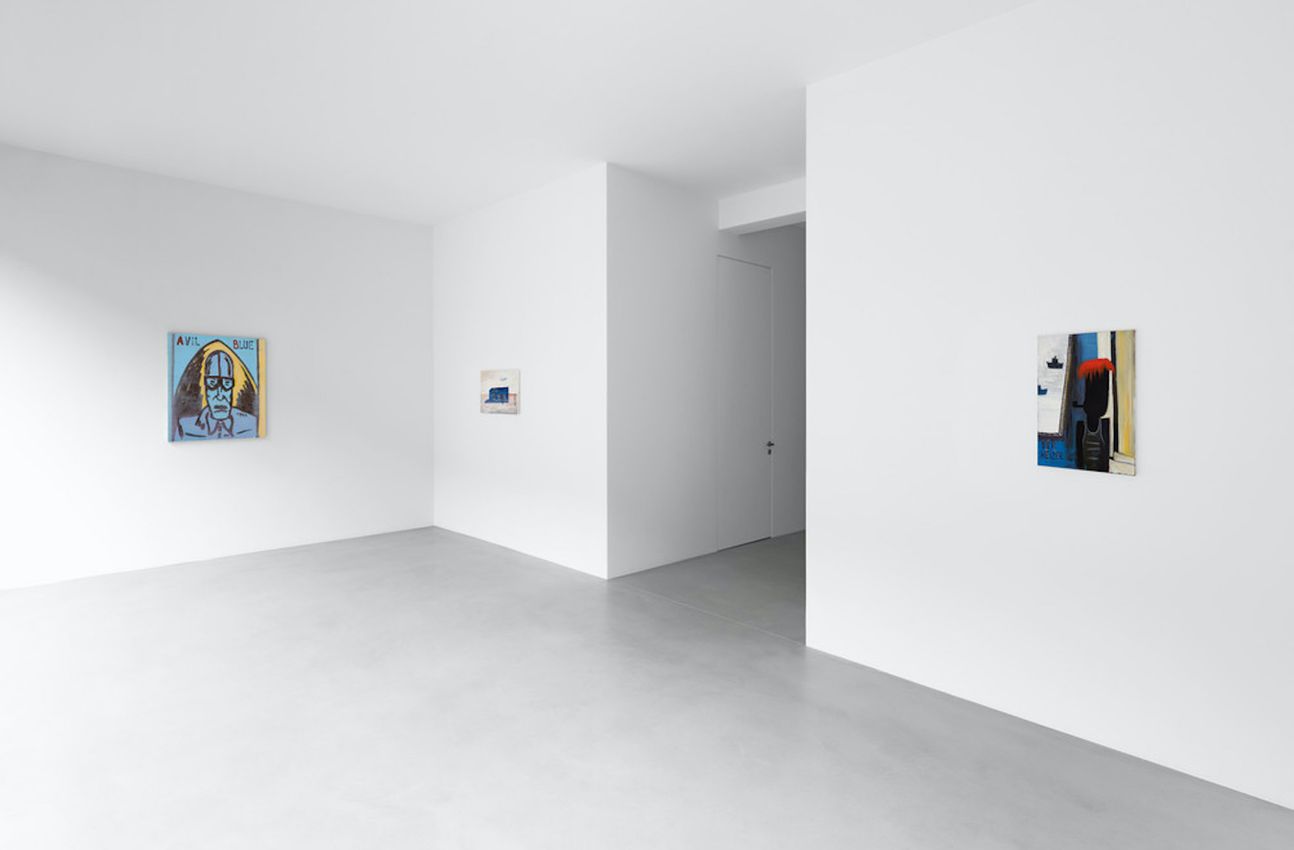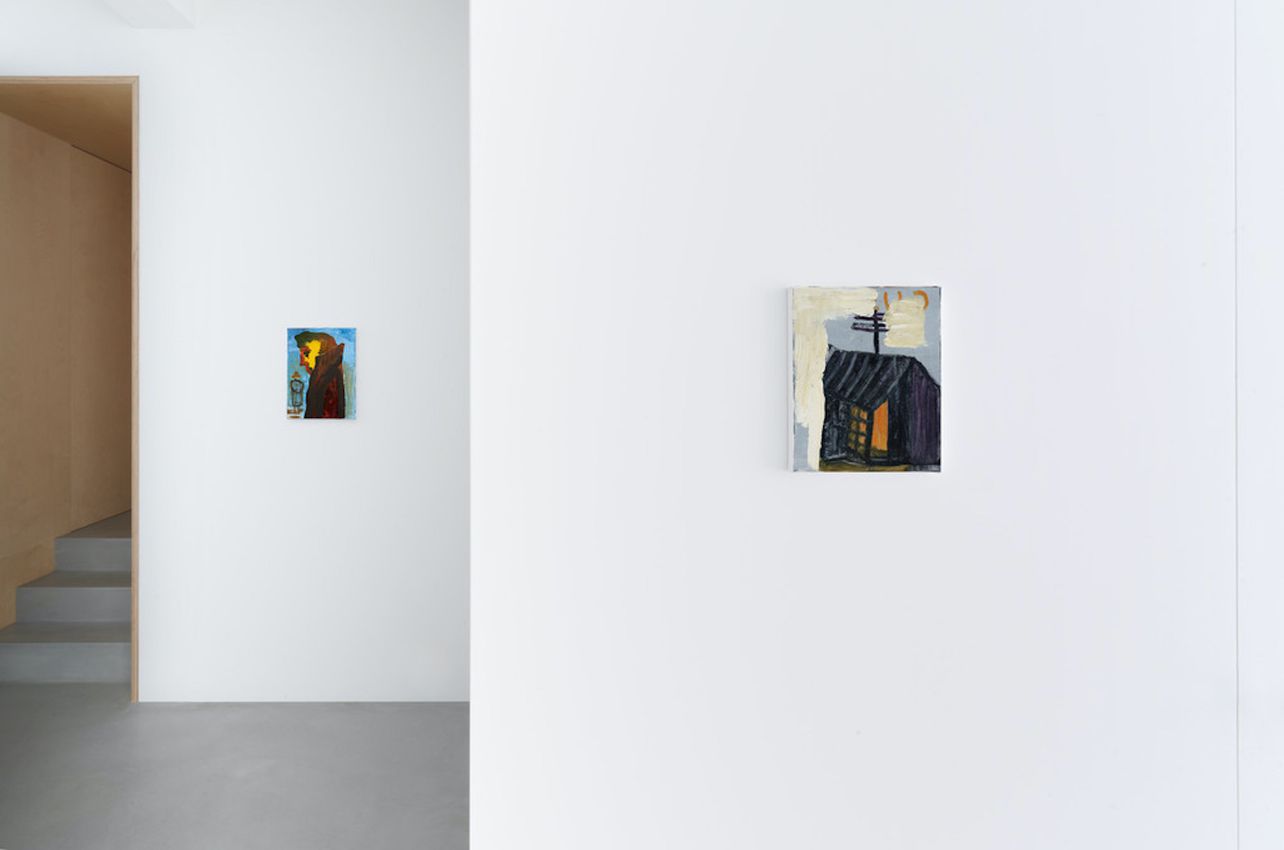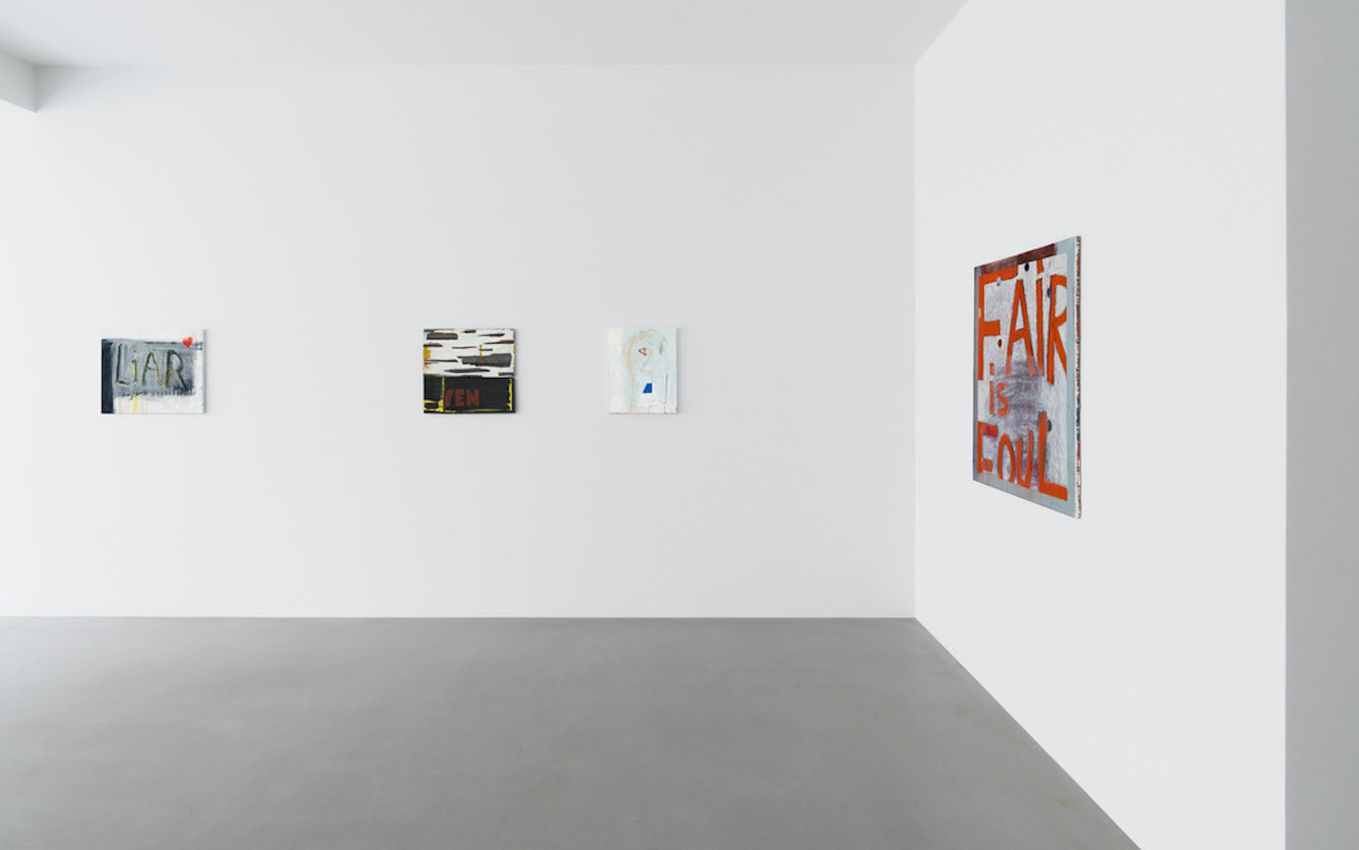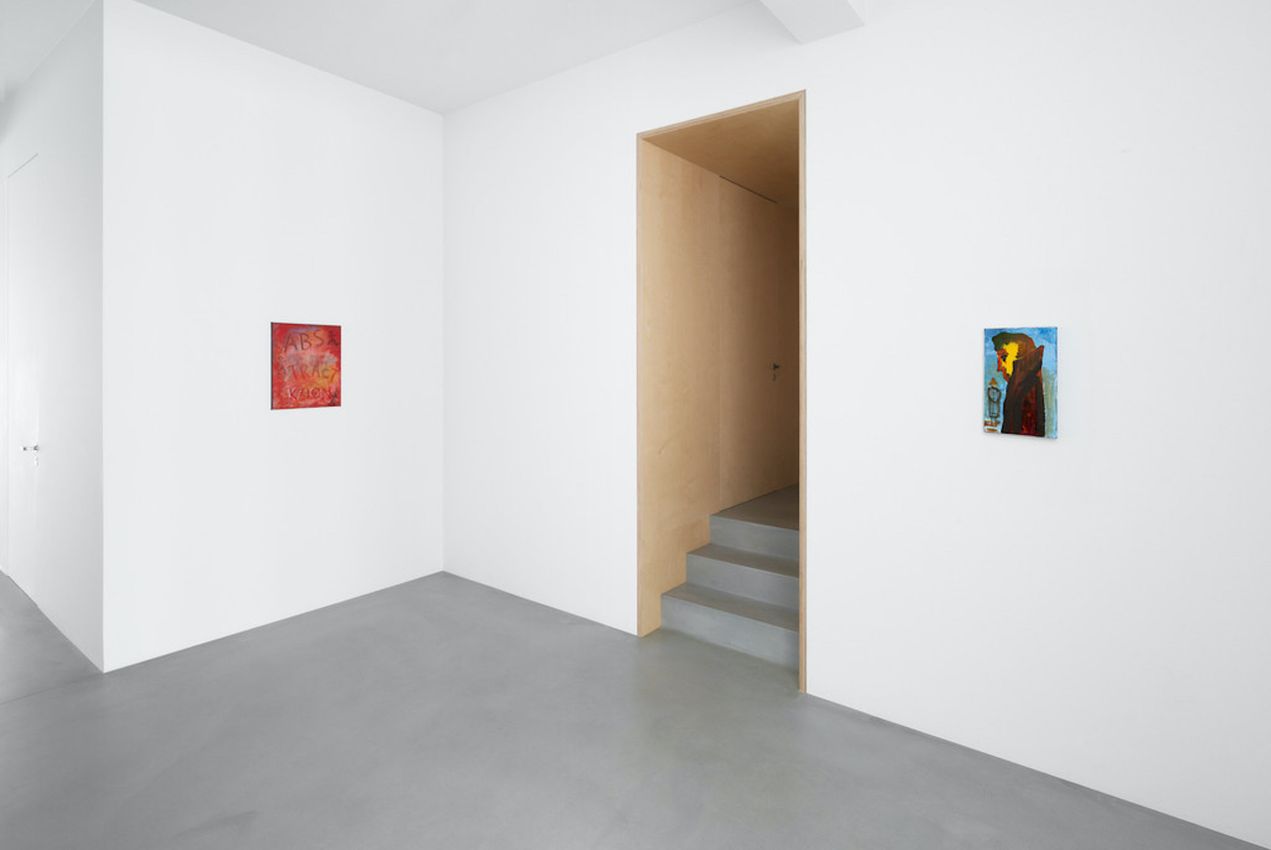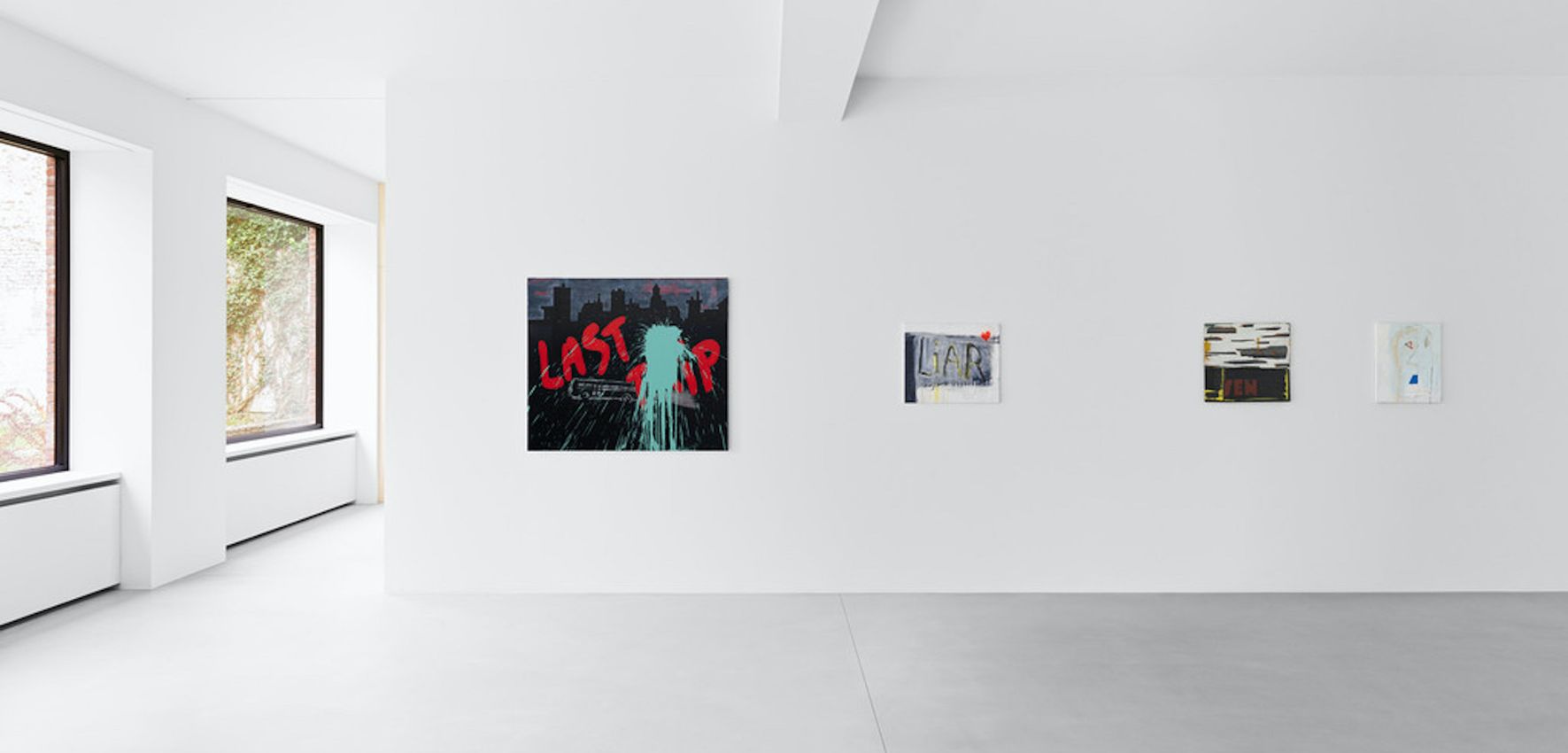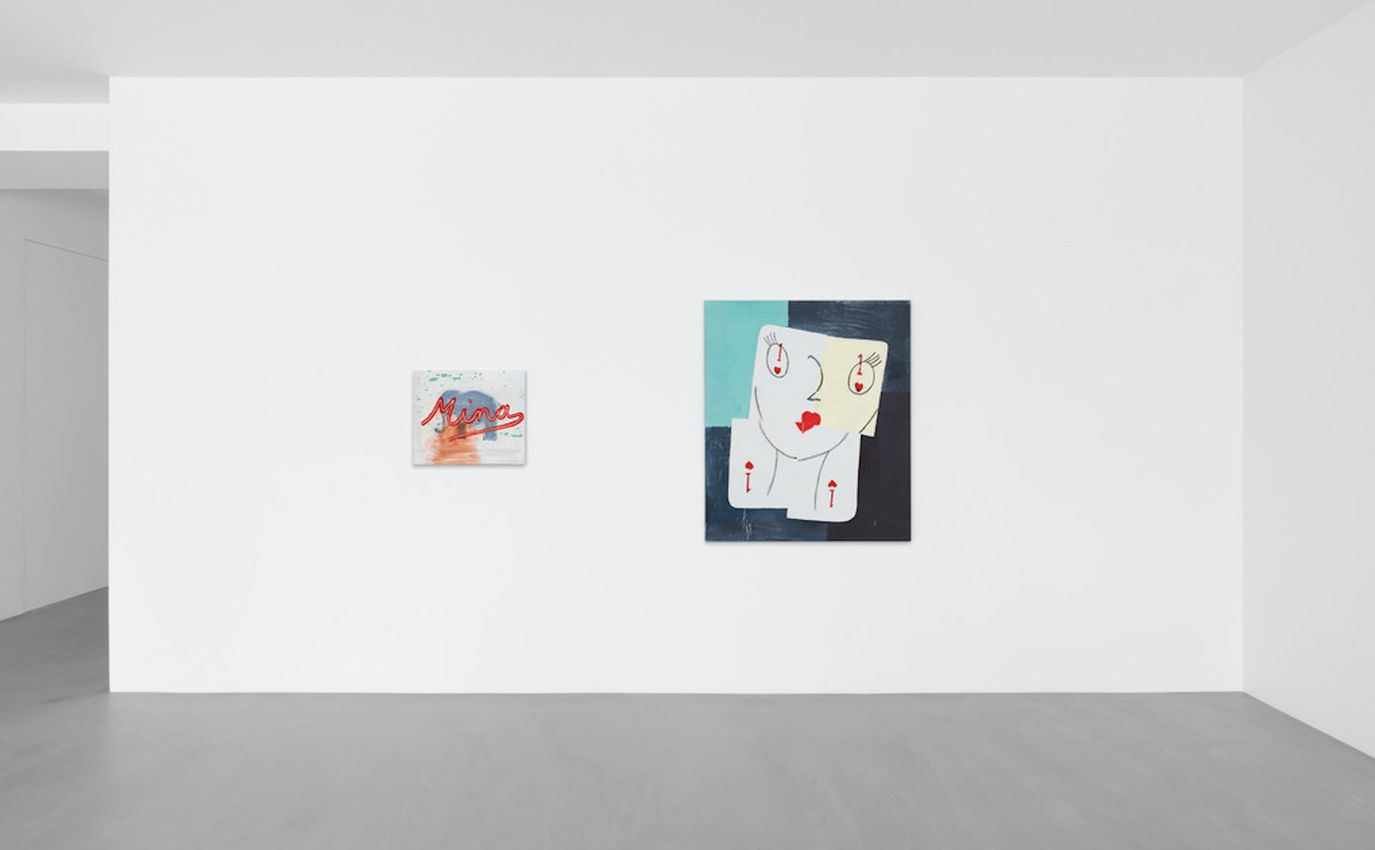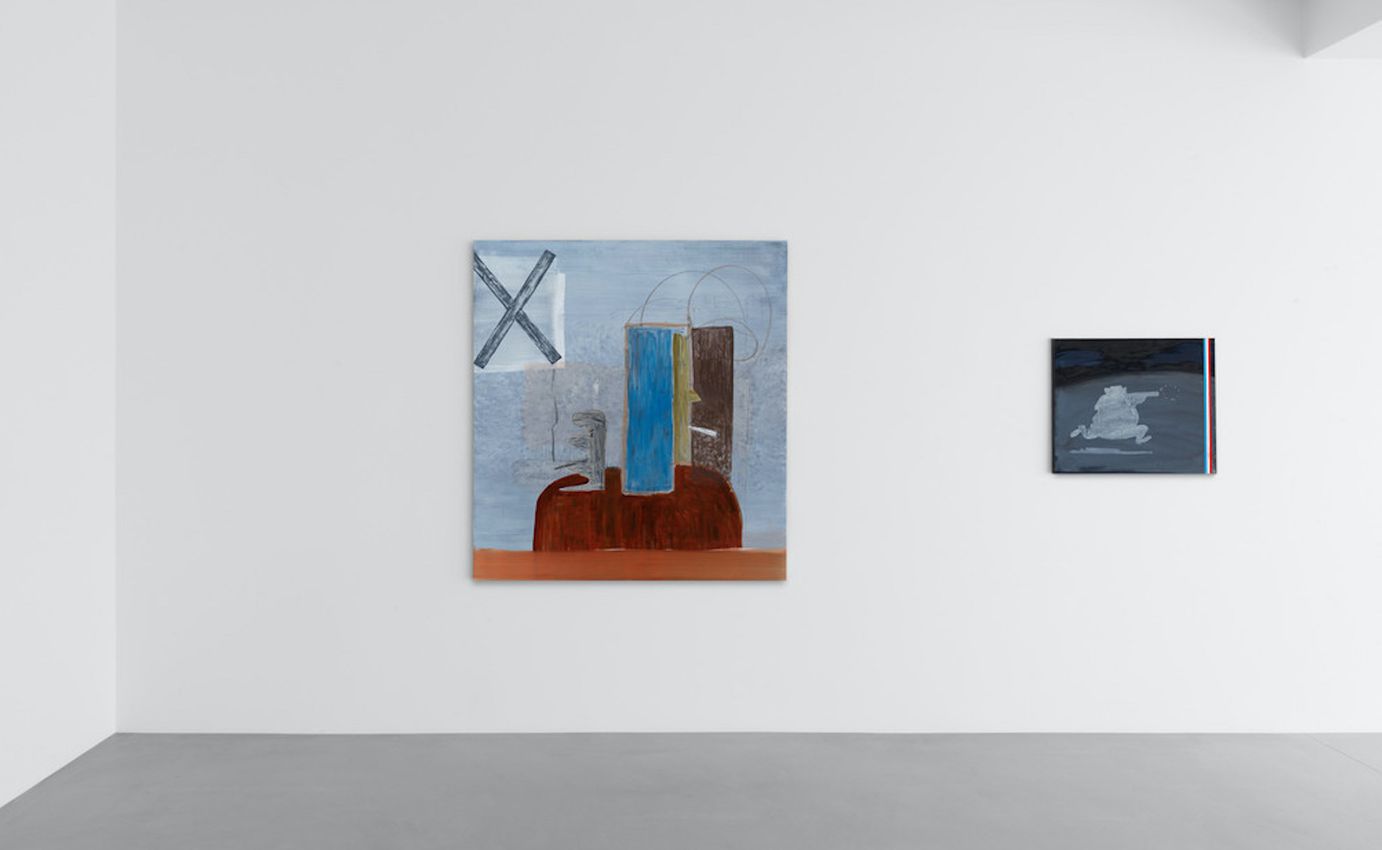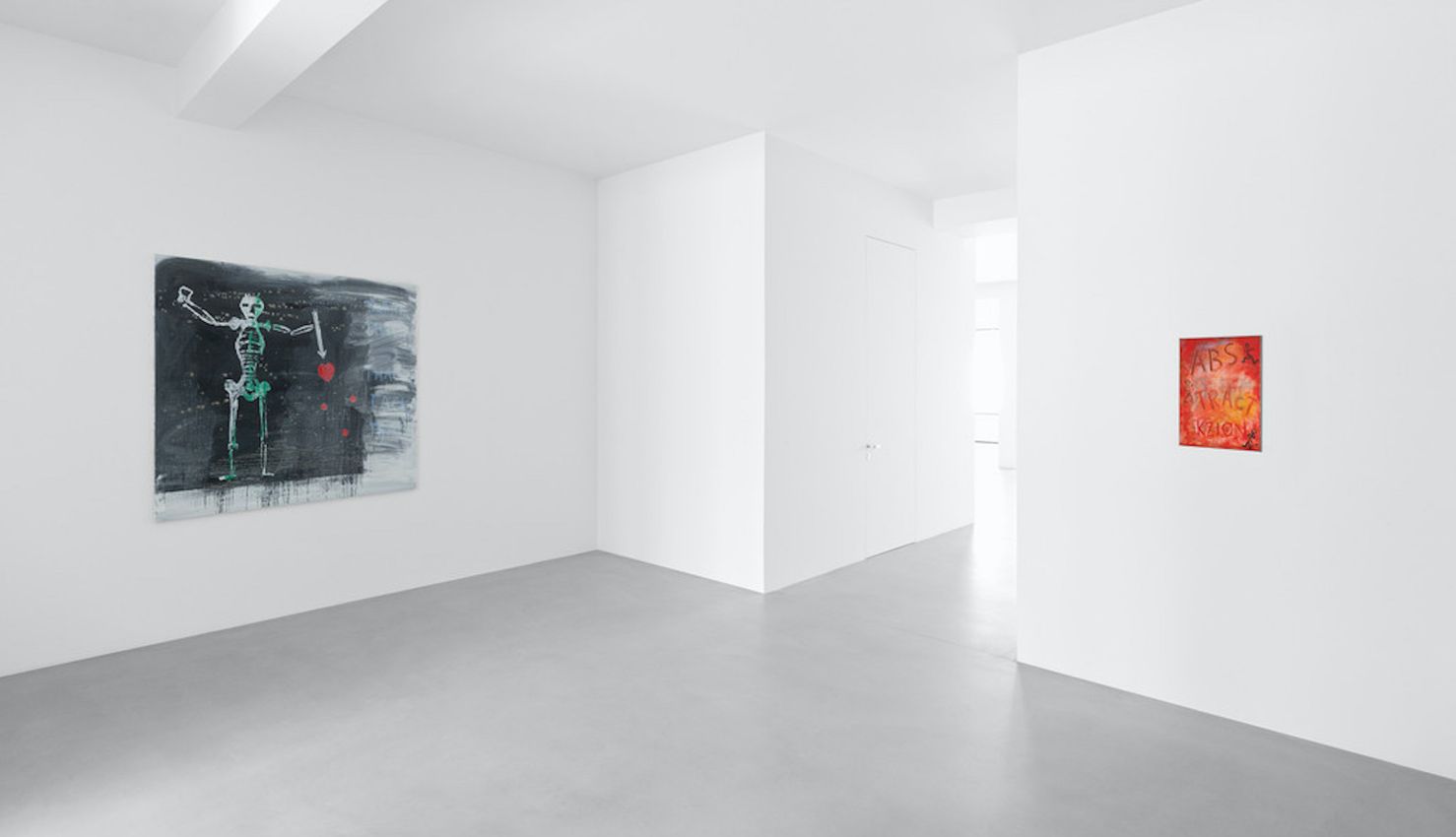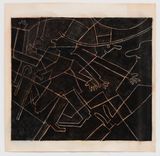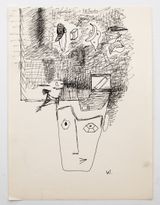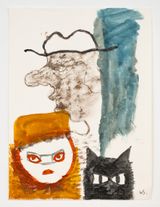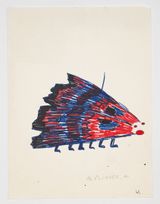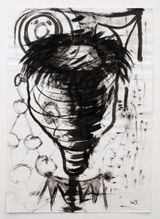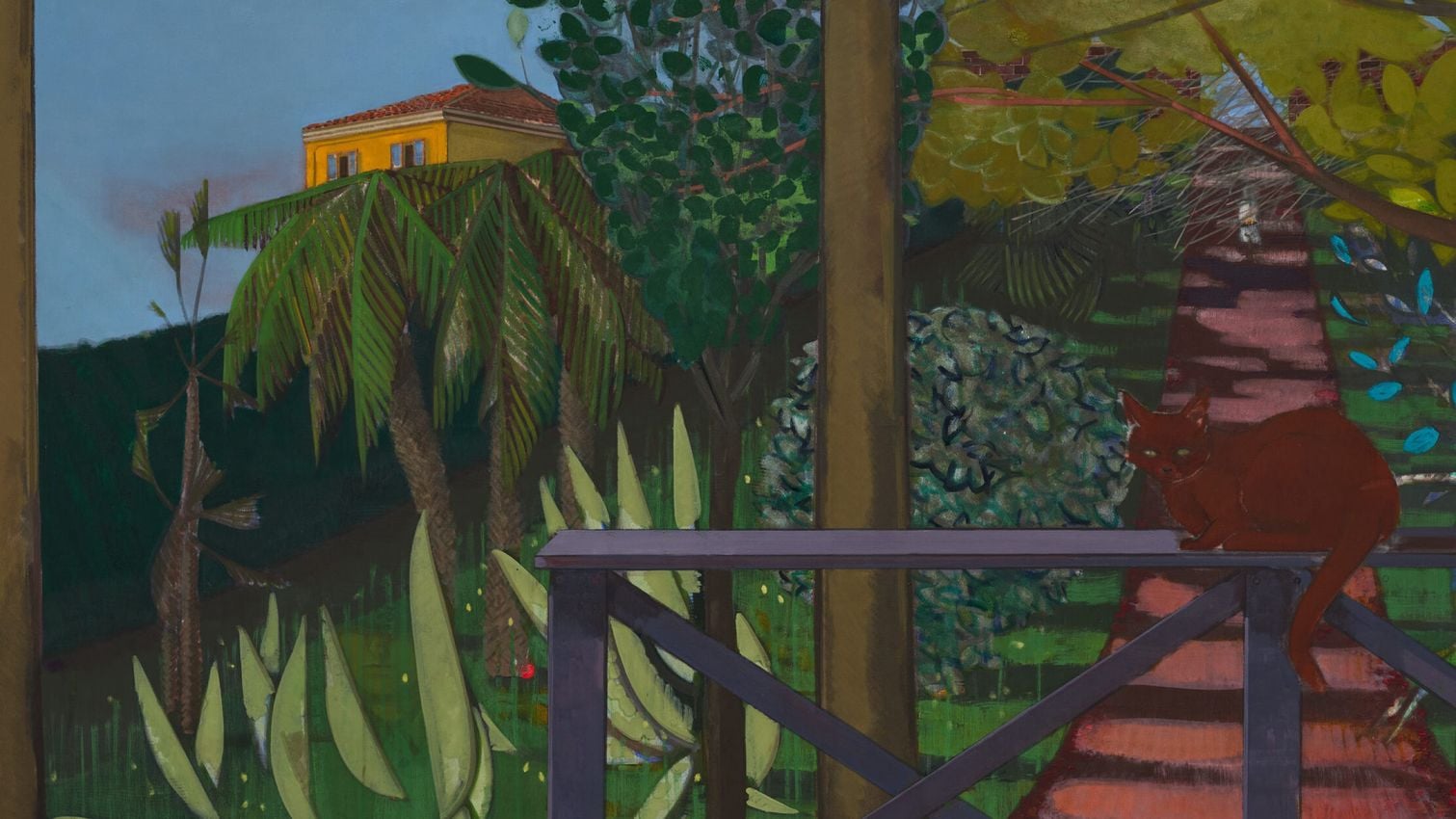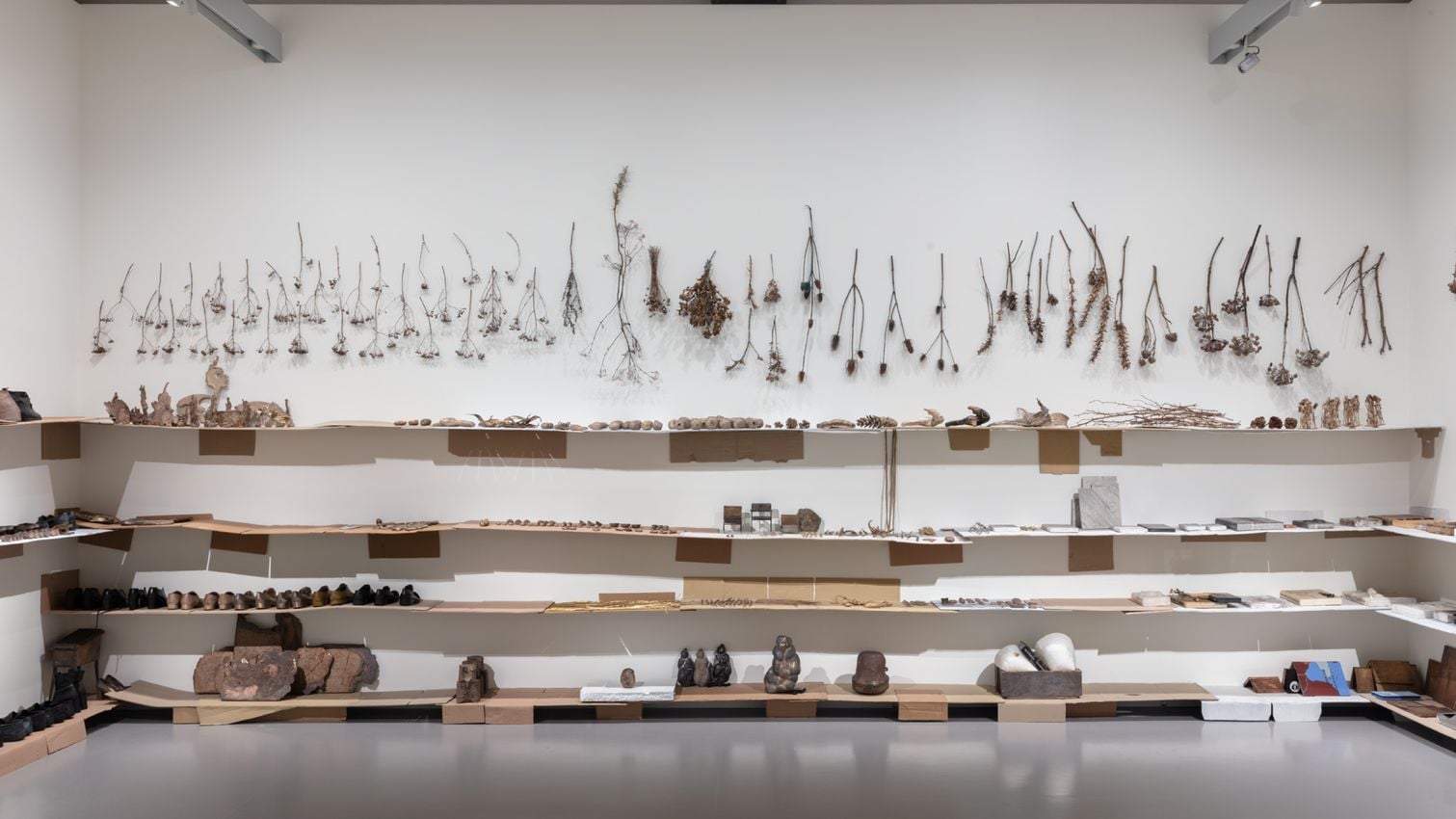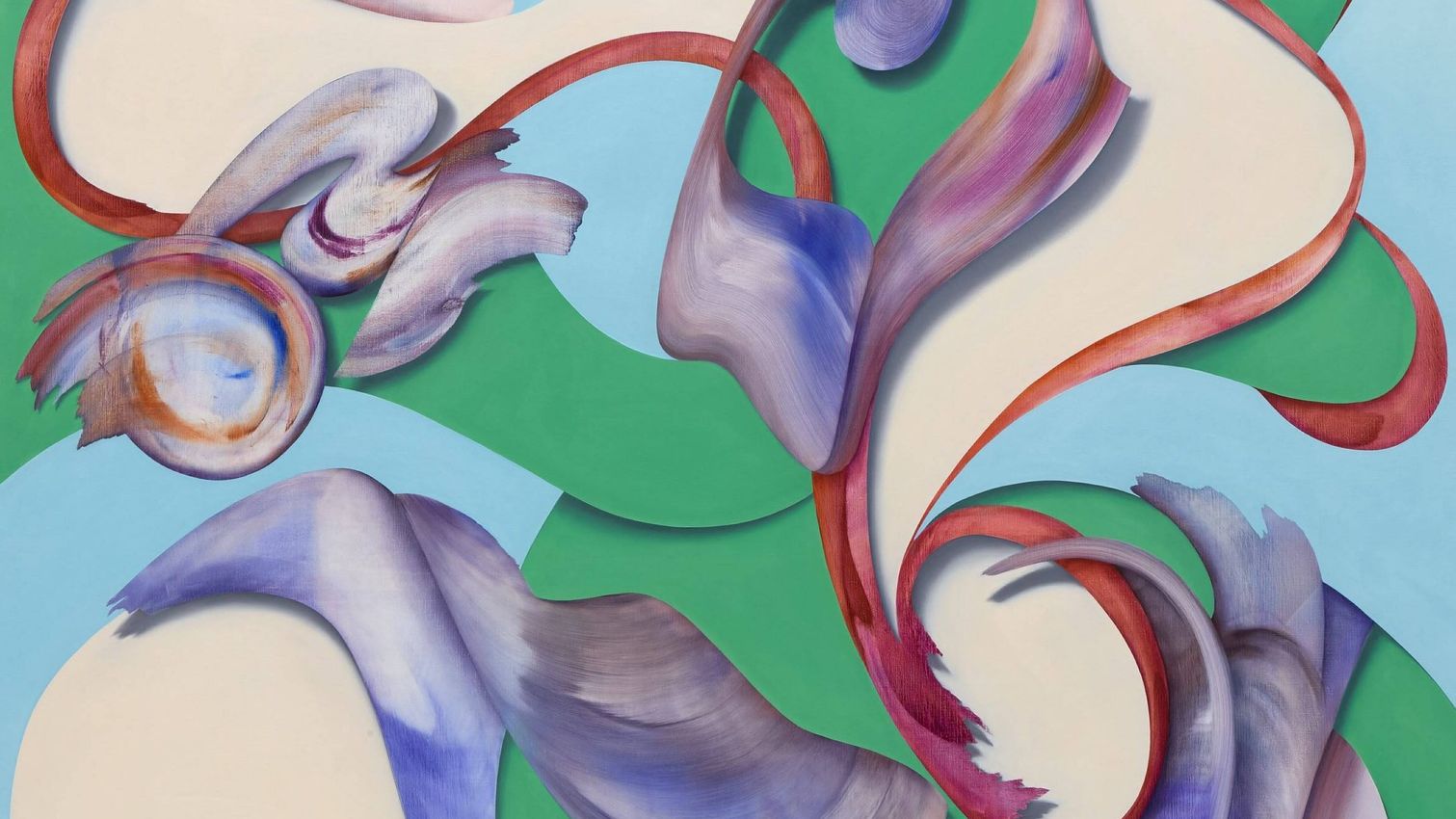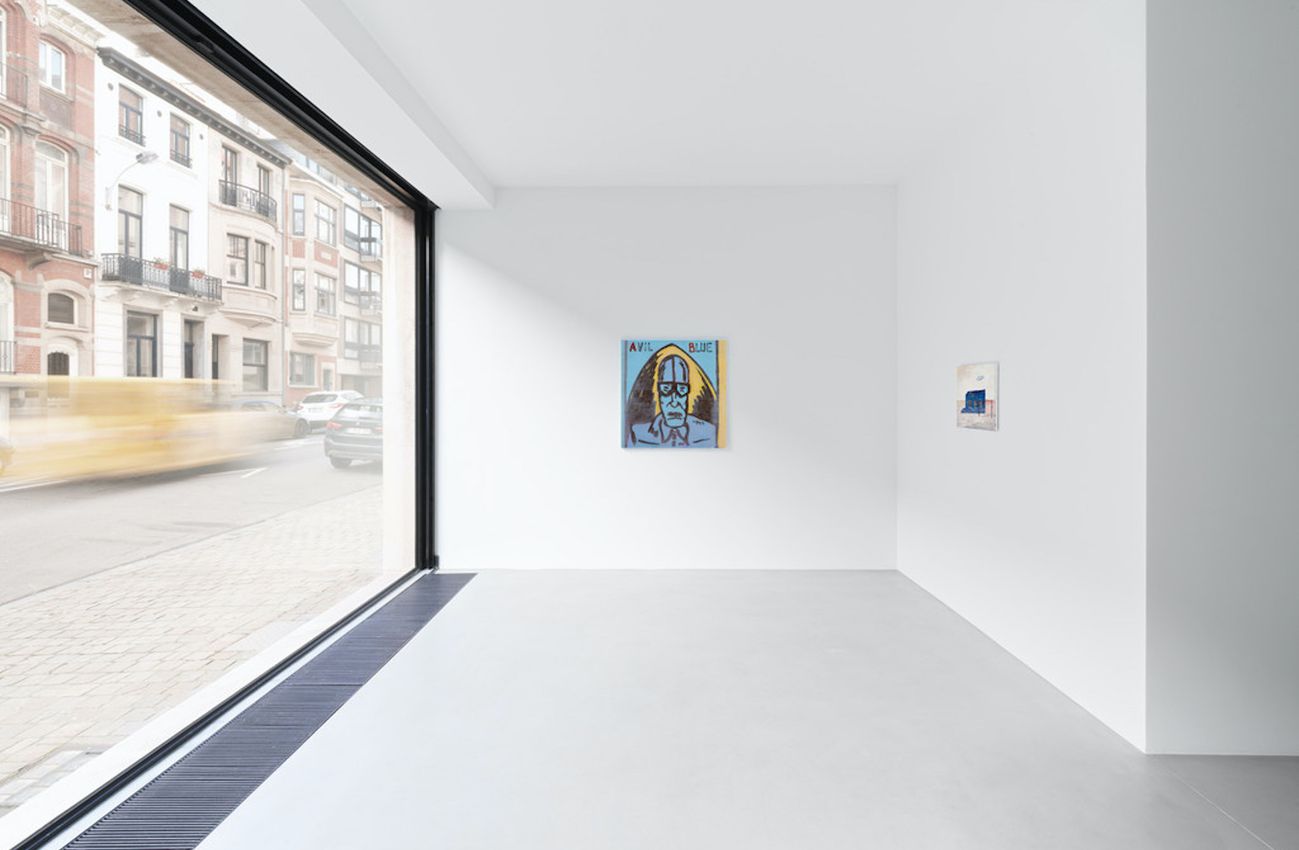
Xavier Hufkens is delighted to announce an exhibition of new paintings by Walter Swennen (b. 1946). Created throughout 2020, the works have a diary-like quality and are informed as much by contemporary events as by episodes of reflection and recollection. But as is typical of Swennen’s oeuvre, a deeper undercurrent is at play, with each canvas also exploring some of the central issues at the heart of any creative discipline: what to make, how to make it, and why.
To step inside Swennen’s universe is to enter a colourful and apparently illogical world, one in which enigmatic combinations of texts and images seem to beg for decipherment. Intrigued by the unusual juxtapositions, we instinctively want to know what the paintings mean, or are trying to say. While not all of the works transmit their secrets easily, a number of insights are offered in the new publication that accompanies the exhibition. The painting, LIAR (2020), which spells out the title’s words on canvas, alludes to Swennen’s insight: ‘When we talk about painting, we stand outside of it. Turning it into a narrative is a mental construct which can only find support in what, in the painting, is not inexpressible, thus forgetting the process. So what I am saying is that I have the impression that I am lying, and that truth is always elusive.’ Another painting,Avil Blue (2020) is based on a freehand ink drawing from a Brick Bradford adventure, one of the comics Swennen would pour over as a boy in the 1950s. As he explains, ‘Avil Blue is his opponent, the bad guy. When I was an altar boy, in a rather ugly church, I was surrounded by mosaics representing saints. The saints and their respective attributes were all depicted in gold-coloured, ogive-shaped niches. Their names were recorded above the arches. The ogive shape in the painting comes from the original drawing, which depicts Avil Blue in the pointed cockpit of his aeroplane. When I saw the formal resemblance with the saintly mosaics of my youth, I was able to complete the painting by adding Avil Blue’s name.’
Jazz, and more specifically the art of improvisation, is an interesting lens through which to consider Swennen’s work. Like the best extemporiser, the artist never makes the same painting twice. He works without premeditation, eschews convention and has no interest in mimesis, let alone style. His paintings are created, instead, through a process of intuitive unfolding: one thing leads to another, there are encounters and accidents, spur of the moment decisions, the exploration of unusual effects, reflections and interactions, the use of ‘errors’ to create new possibilities and, ultimately, an irrepressible energy and rawness to the end result. As Swennen himself has said: ‘the work starts on the canvas, is made on the canvas, and it’s on the canvas that it’s finished’. His sources are the visual references at his disposal – advertisements, logos, signs, old paintings, photos and random objects that happen to catch his eye – as well as language, and the medium itself, the paint.
But take note: an image might be the catalyst for a work but is not always its subject. Nor are the paintings rapidly executed as many take months to complete. They are also incredibly multi-layered. Firstly, there is a material layering which, if one looks closely enough, might be discernible on the surface or edges of the canvas. Secondly, there is the question of time. Not only is there a durational aspect to the making of the works, but they evoke, and often juxtapose, elements borrowed from different eras. Finally, there is a conceptual layering that is harder to pin down. In Swennen’s paintings, letters and images become detached from their typical contexts and enter into fresh visual and linguistic relationships. Words conjure up images, just as images possess linguistic connotations. It is this interface – between text and image, on the one hand, and the act of painting on the other – that fascinates Swennen. What becomes visible in these paintings, therefore, is less of a knowable reality and more of a cognitive process, a unique way of thinking about the world and making sense of its myriad wonders, sorrows and, above all, absurdities. In other words, these paintings are manifestations of the way in which Walter Swennen thinks.
Walter Swennen (b. 1946) lives and works in Brussels. His work will be the subject of a major exhibition this year, Das Phantom der Malerei, that opens in the Kunstmuseum Bonn, Germany, and travels to the Kunstmuseum Den Haag, the Netherlands (2022). Other solo exhibitions include: La pittura farà da sé, La Triennale di Milano, Milan, Italy (2018), Ein perfektes Alibi, Kunstverein für die Rheinlande und Westfalen, Düsseldorf, Germany (2015) and So Far So Good, WIELS, Brussels, Belgium (2013).
Walter Swennen is known for his radical, experimental and associative approach to painting, which is perhaps best summarised as a belief in the total autonomy of the artwork. For Swennen, a painting does not need to be ‘emotive’ or ‘understood’: the primary goal of painting is, quite simply, painting. Everything – form, colour, subject – comes from the outside. A poet before he became a painter, it is perhaps no coincidence that Swennen perceives painting to be an act of translation and that language plays a vital role in his practice. In the early 1980s, Swennen stopped writing poetry and switched to painting as his primary means of expression. Although his oeuvre varies greatly in scale, style and materials, it can be construed as an on-going exploration into the nature and problems of painting (its potential and limitations), the fundamental question of what to paint (subject matter), and how (technique). Often working on supports made from found objects, such as sheets of old plastic or salvaged wood, Swennen allows his chosen imagery to float loosely atop a background made up of more allusive elements, such as blocks of colour, dripped paint or unusual textures. The images he deploys are often derived from popular culture, advertising and magazines, or take the shape of everyday objects such as wine bottles or bicycles. The way that he handles motifs – he takes them as he finds them, high or low, and manipulates them at will – is akin to a kind of visual poetry that harks back to his early career as a writer. Freely associative, and above all humorous, Swennen’s paintings explore the relationship between symbols, legibility, meaning and pictorial treatment.


A respected voice in contemporary art discourse.
Focusing on ambitious storytelling and insightful art-world commentary. Ocula Magazine publishes in-depth interviews, critical essays and timely analysis on the artists, exhibitions and ideas driving the global art world.
Learn more about Ocula Magazine
Showcasing the best of the art world.
Ocula partners with galleries from around the world to highlight their artists, artworks and exhibitions. Gallery membership is by application and invitation, with each member vetted by an independent panel.
Learn more about Ocula Membership

Specialises in the sale of major artworks.
Led by a team with deep ties to the world’s leading auction houses, galleries and collectors. Ocula’s advisory team offers bespoke services to high-net-worth clients from around the world who are looking to acquire the best of contemporary and modern art.
Learn more about our team and services