



Press Release

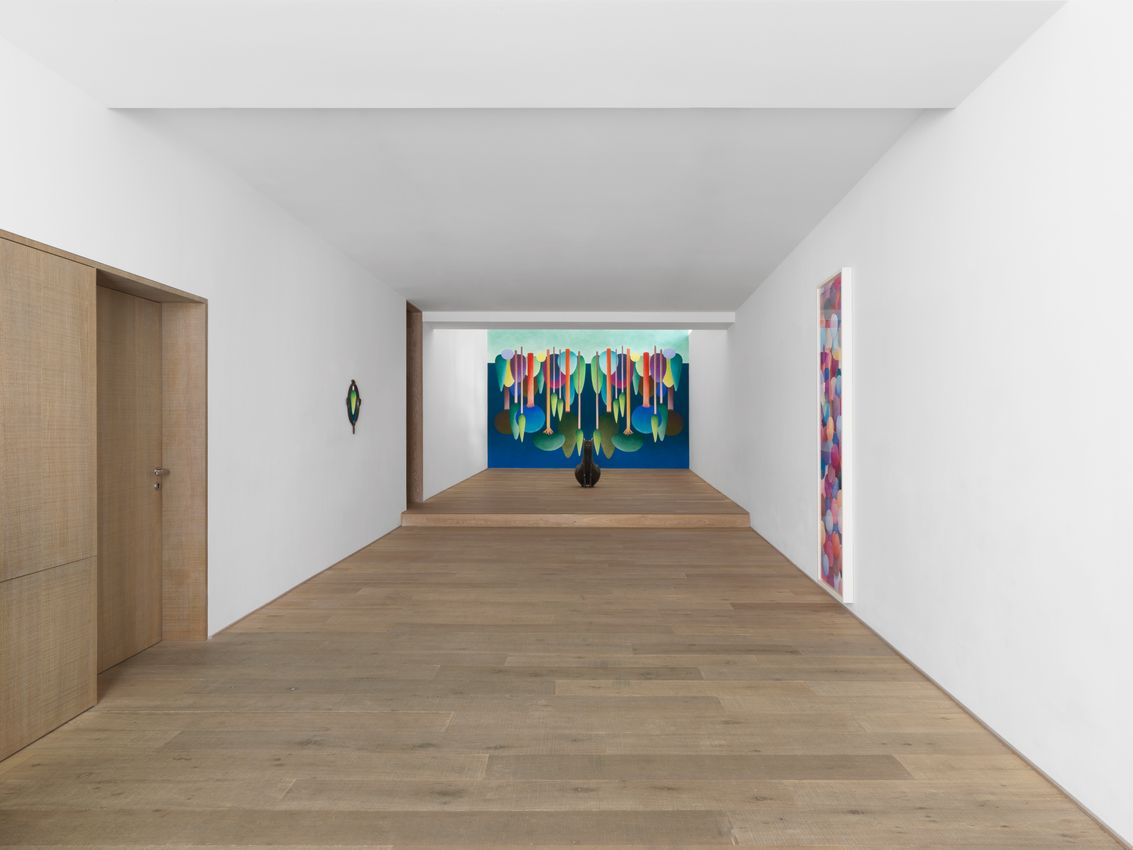
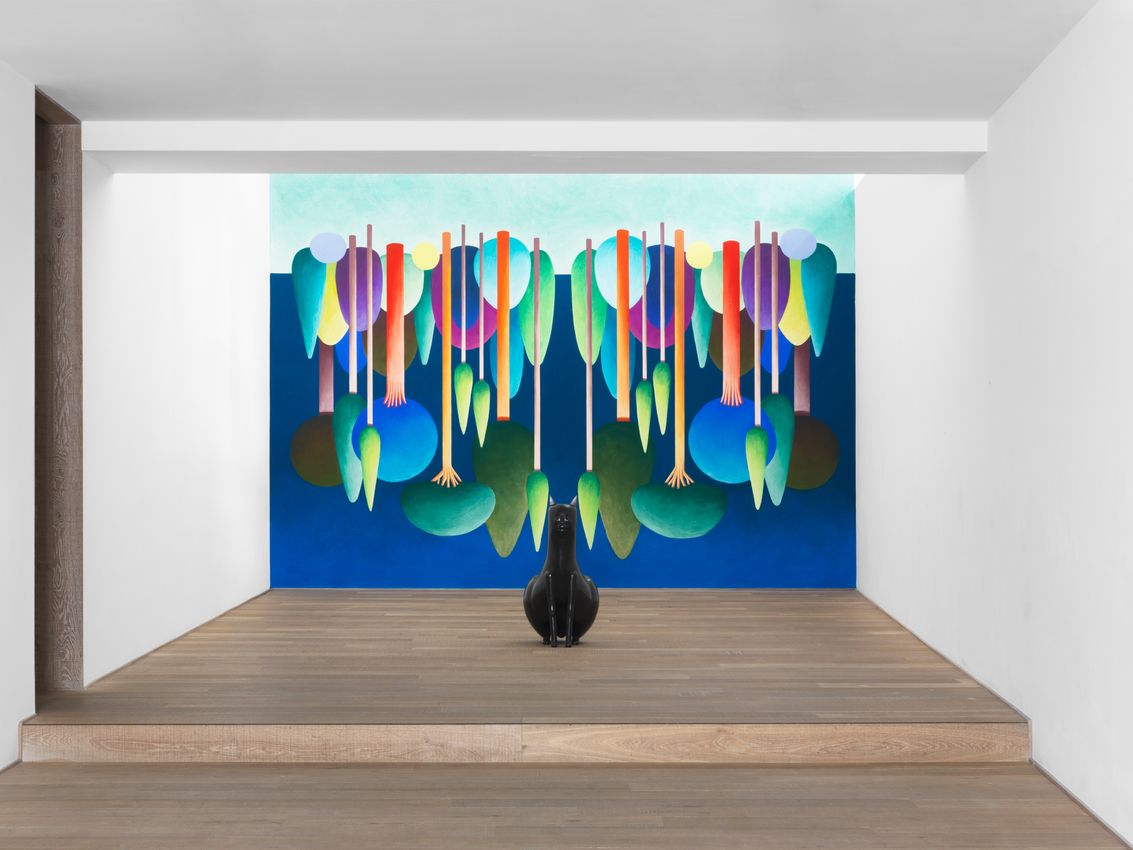
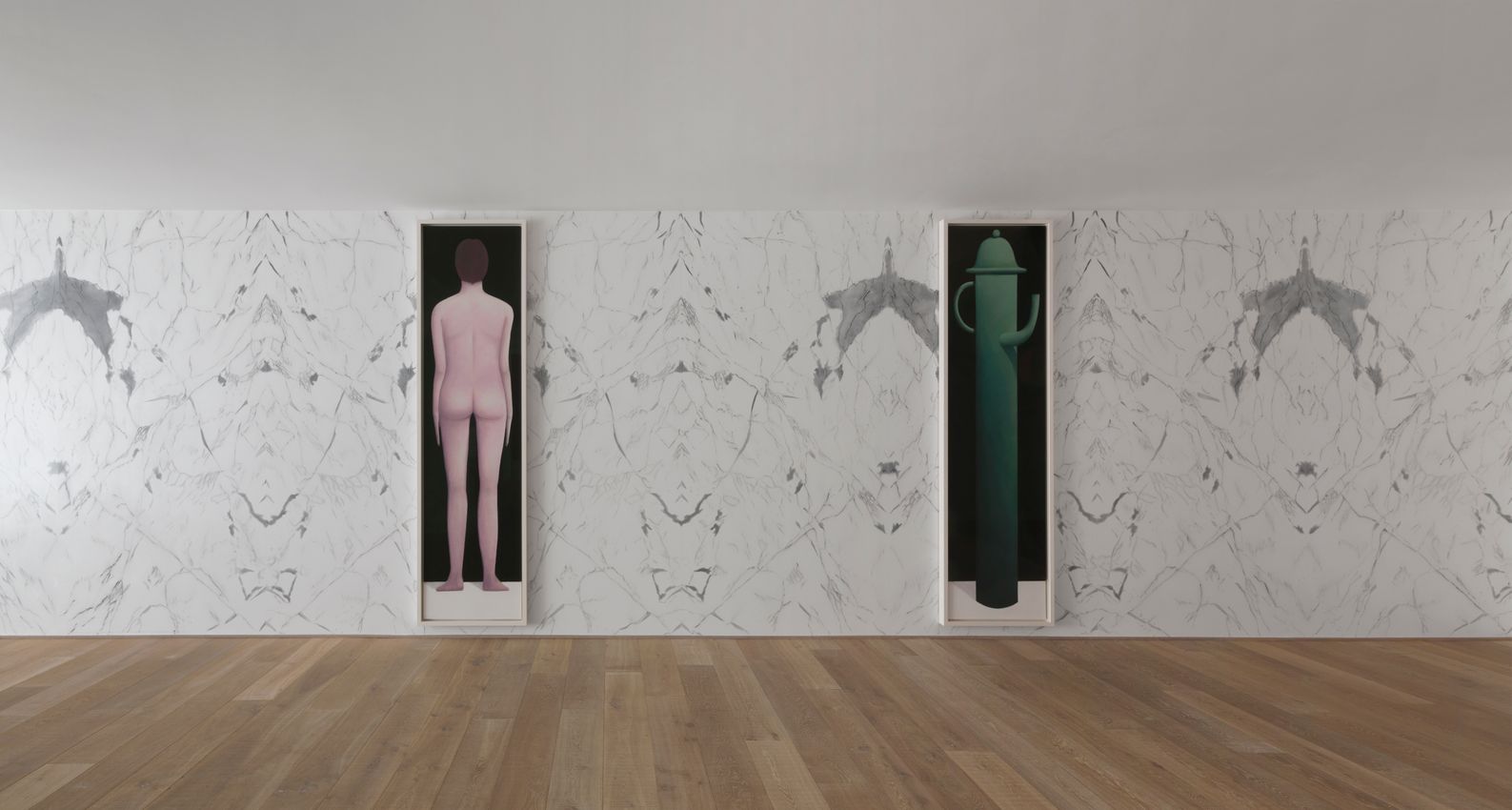
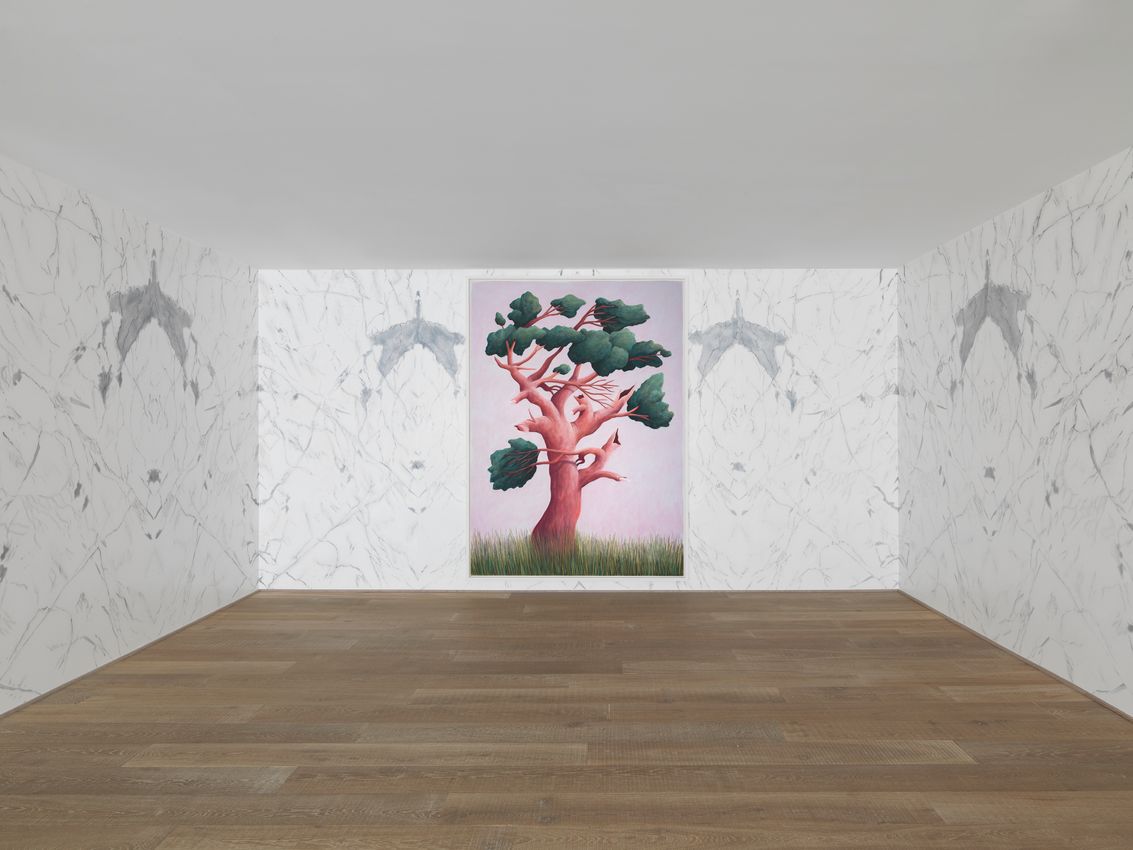
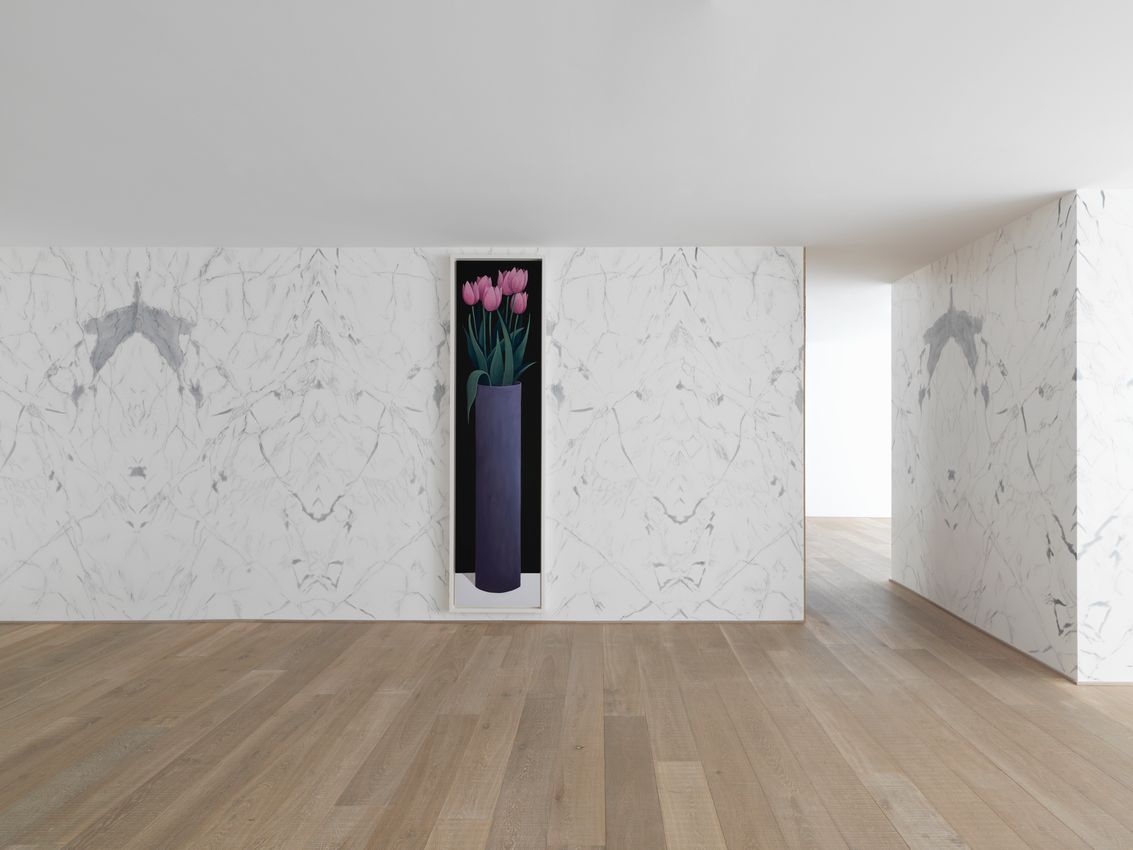
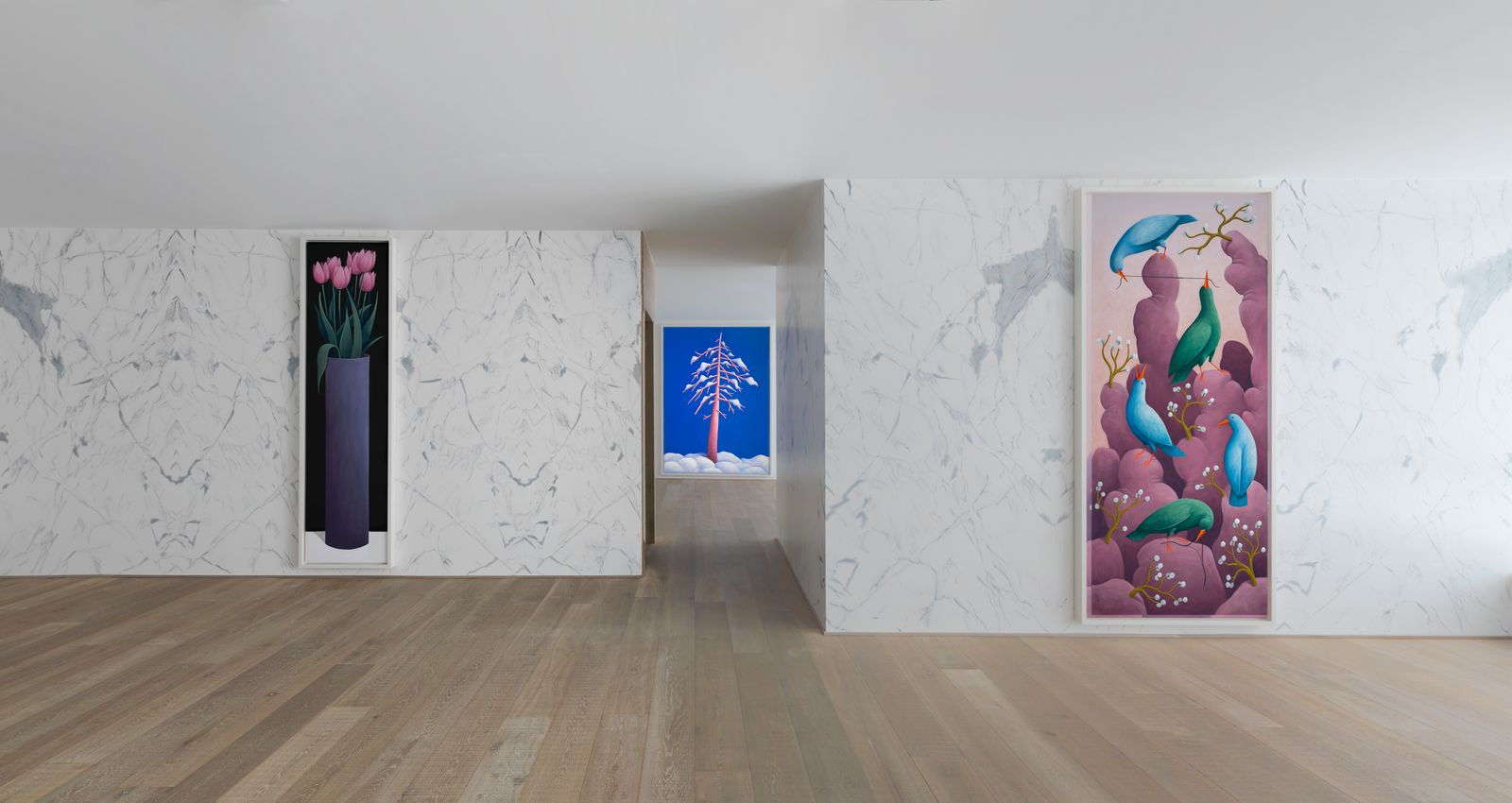
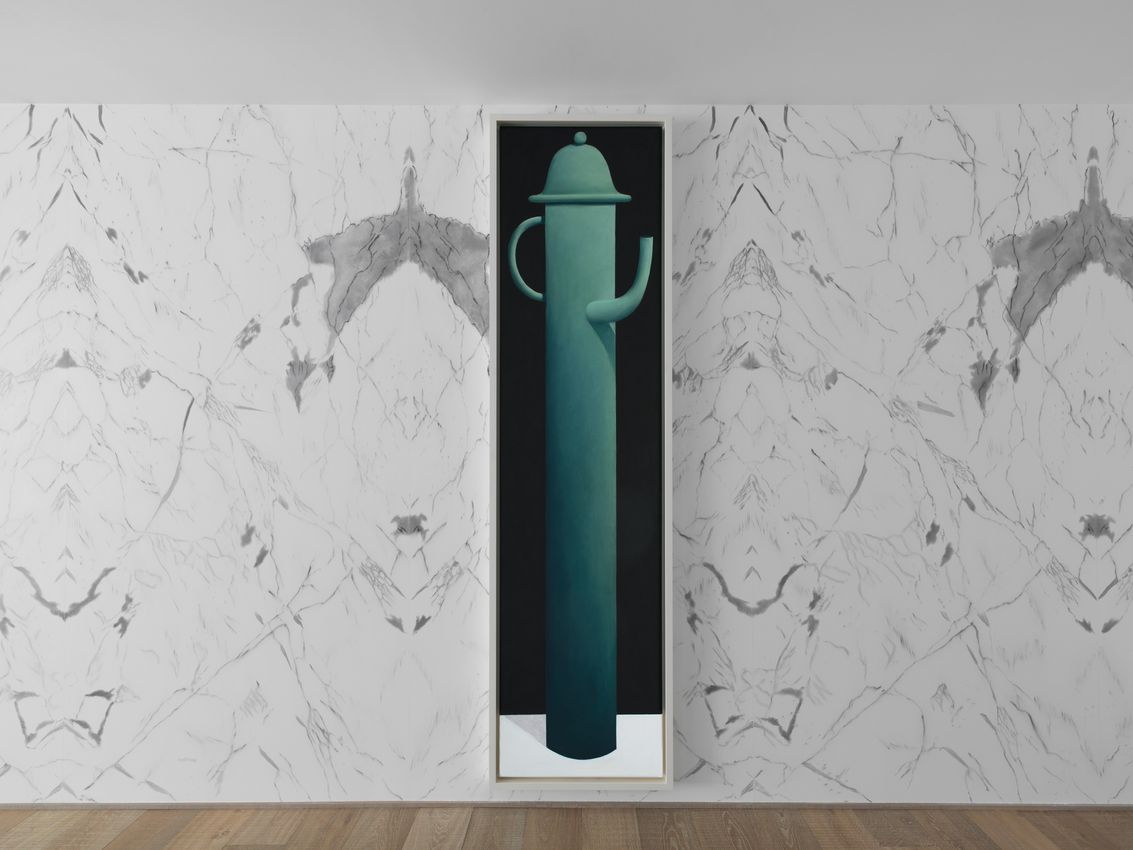
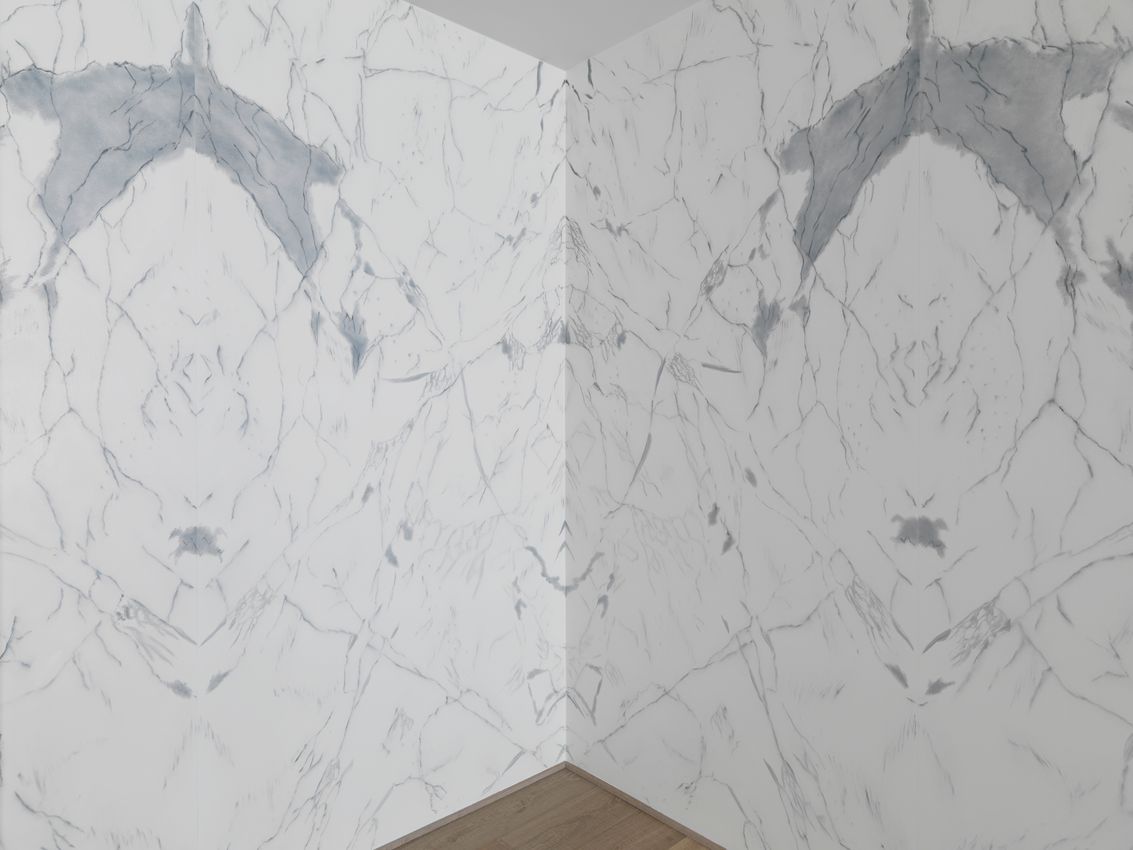
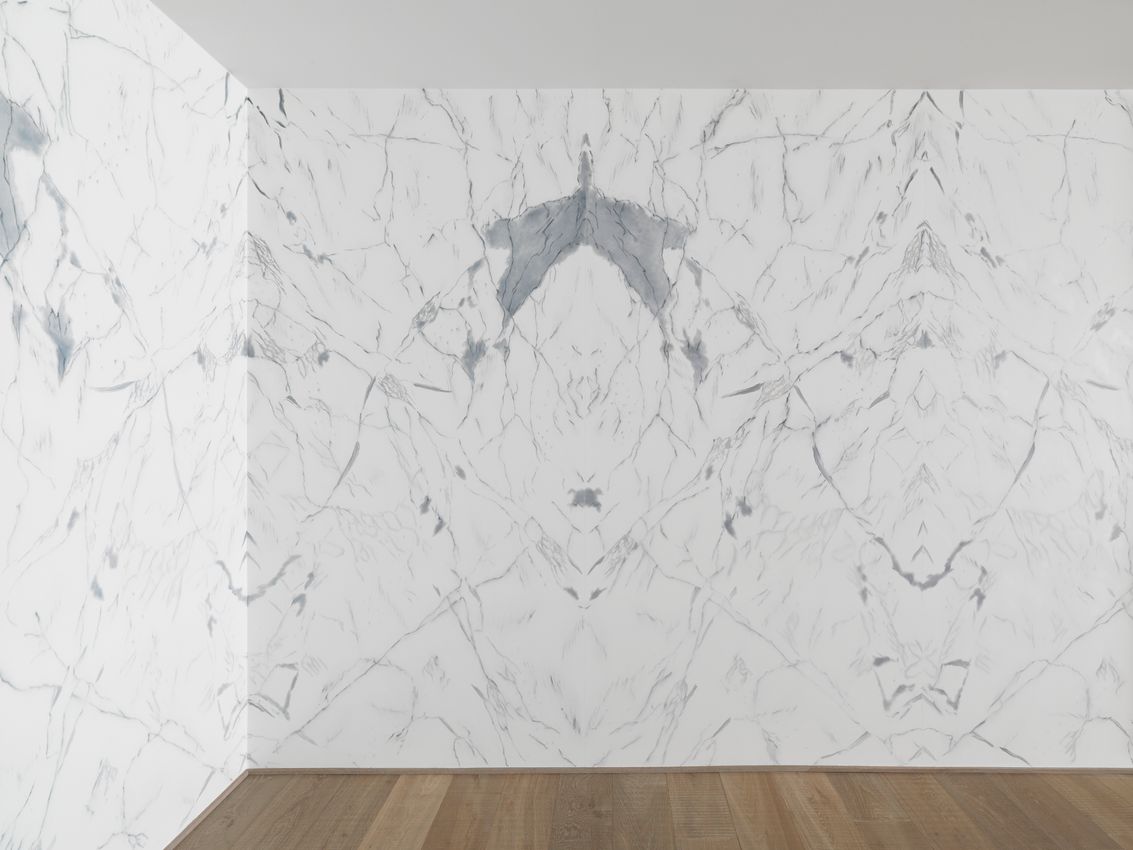
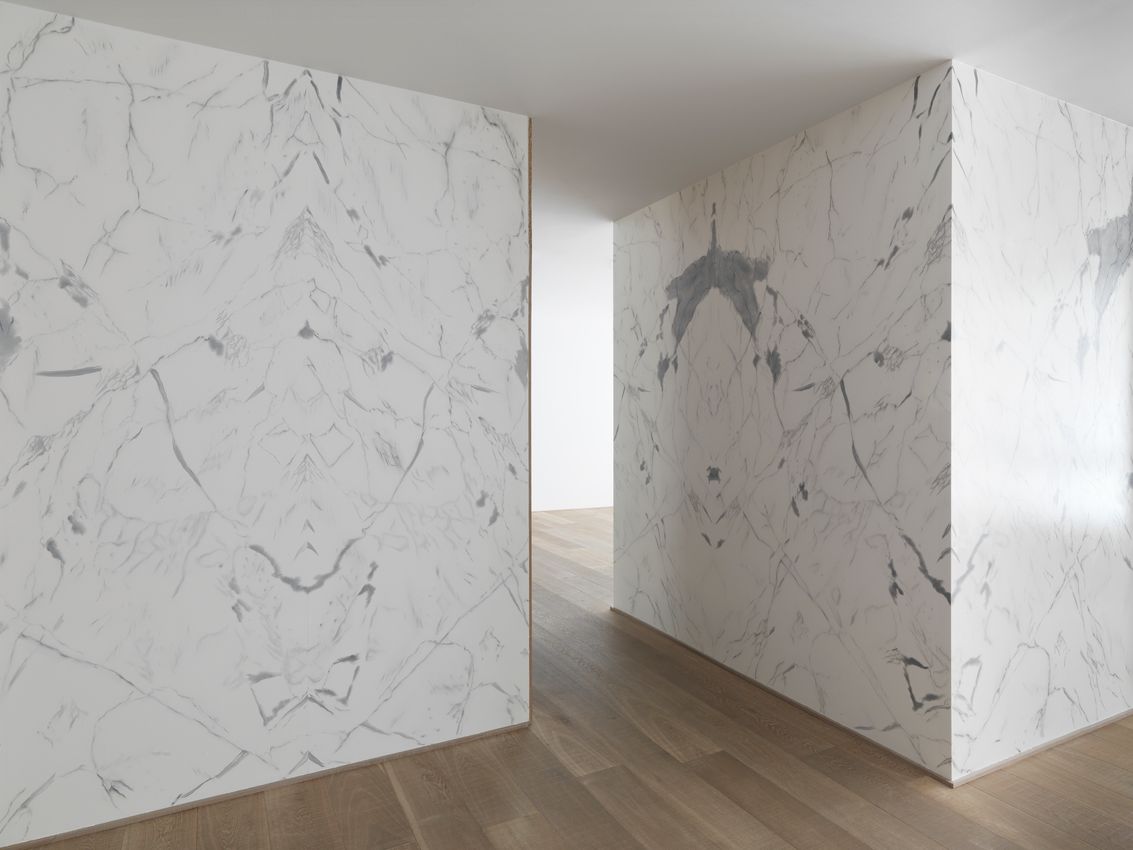
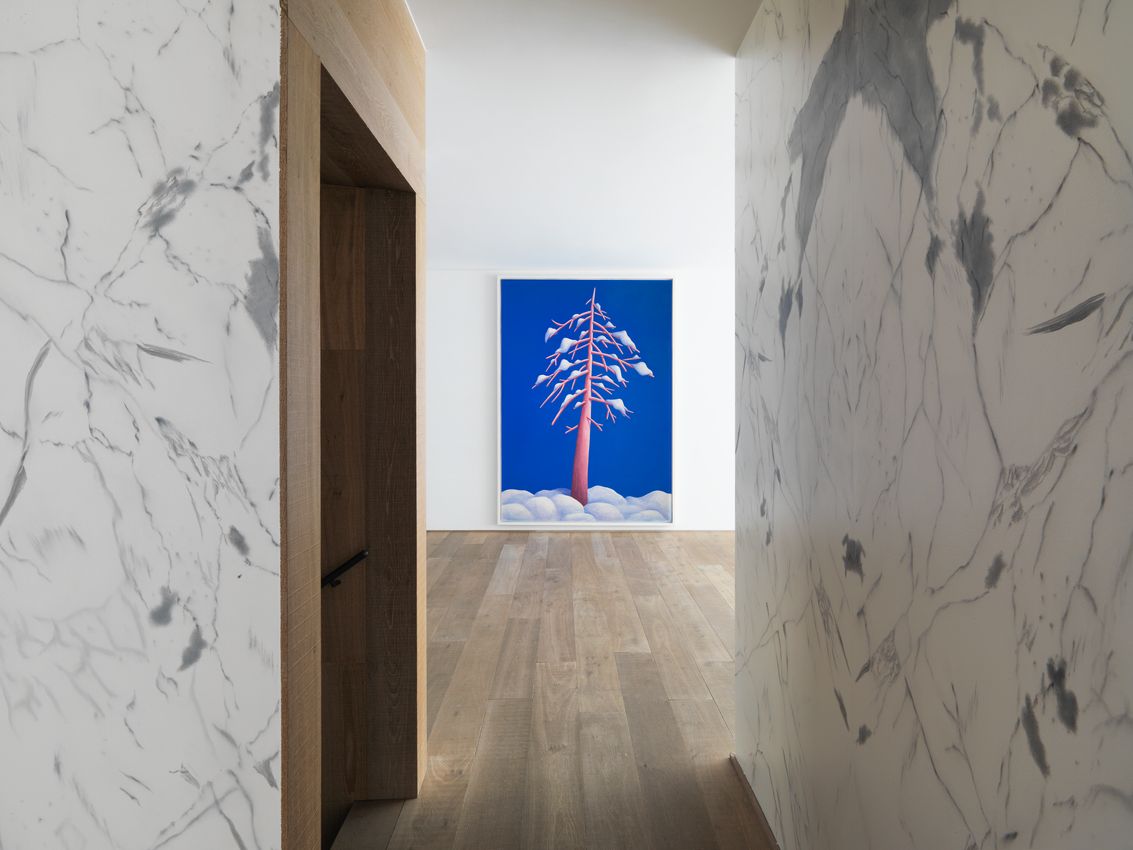
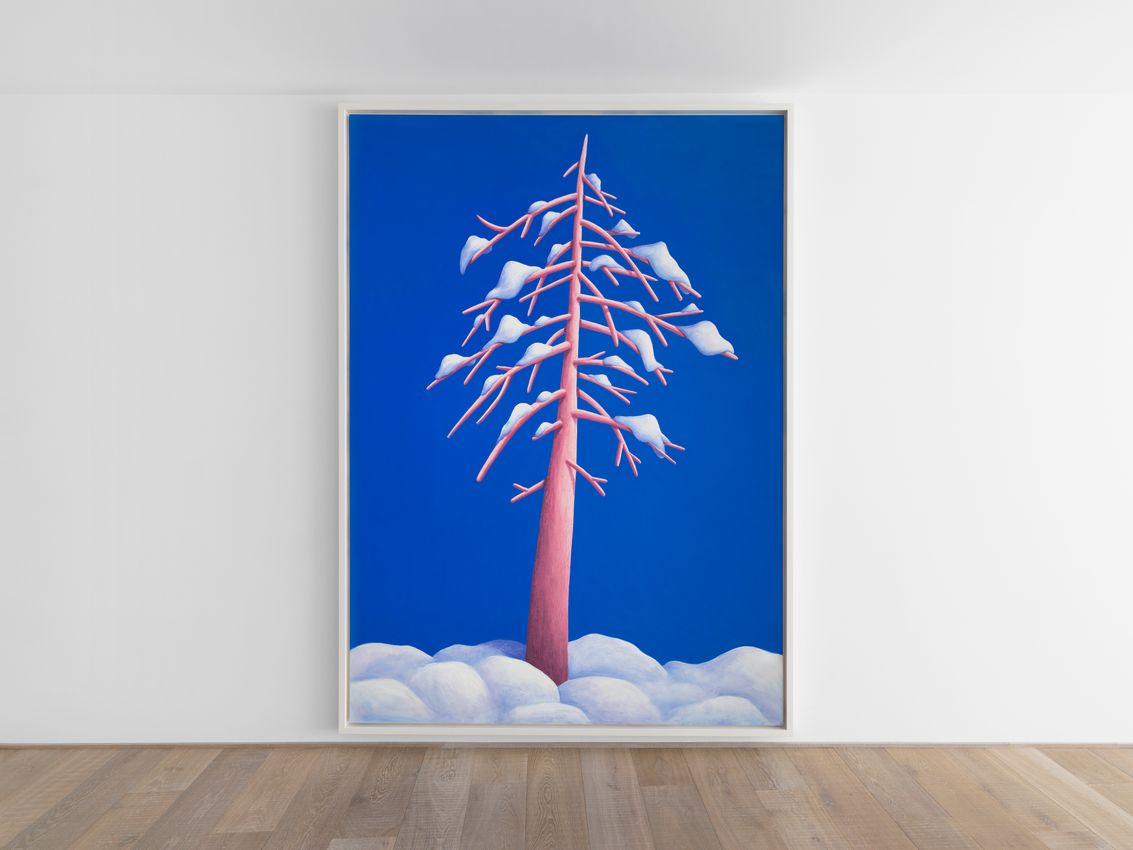
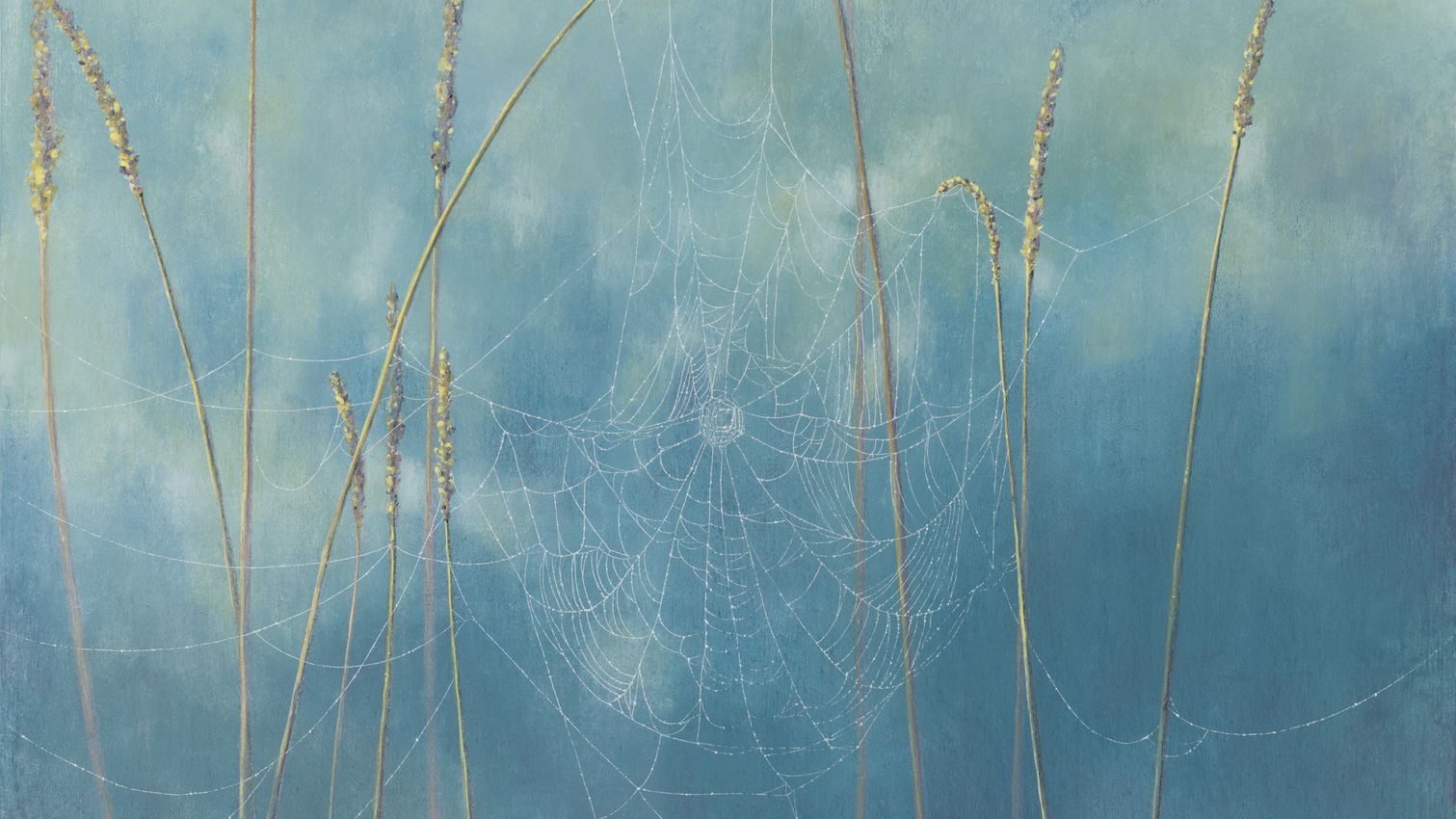
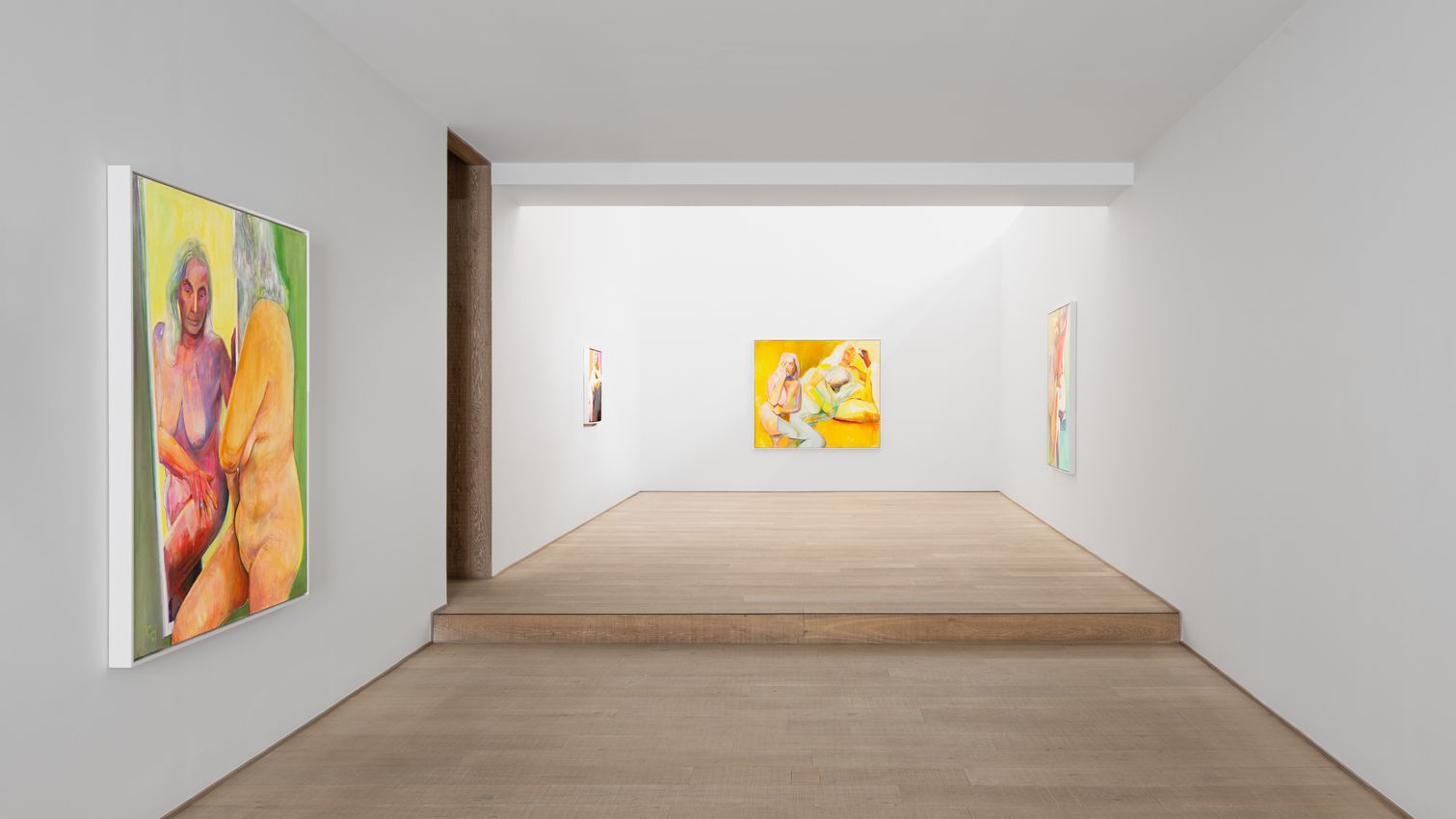
For his inaugural exhibition at the gallery, Swiss artist Nicolas Party has executed two site-specific murals that transform the interior while creating a singular environment for a recent group of large-scale pictures and bronze sculptures. Working exclusively in vivid, highly-pigmented chalk pastels – either directly on the walls or primed canvases – Party invites us to rediscover this once popular but now often neglected medium. Respectful of the traditions that precede him on the one hand, but radically extending them on the other, the artist’s handling of the medium is anything but academic. Here, all associations with drawing, delicacy and fragility have been supplanted by a fresh, graphic sensibility and a technique more akin to painting. Unlike paint, however, pastels are blended directly upon the support: a task that requires great exactitude and foresight.

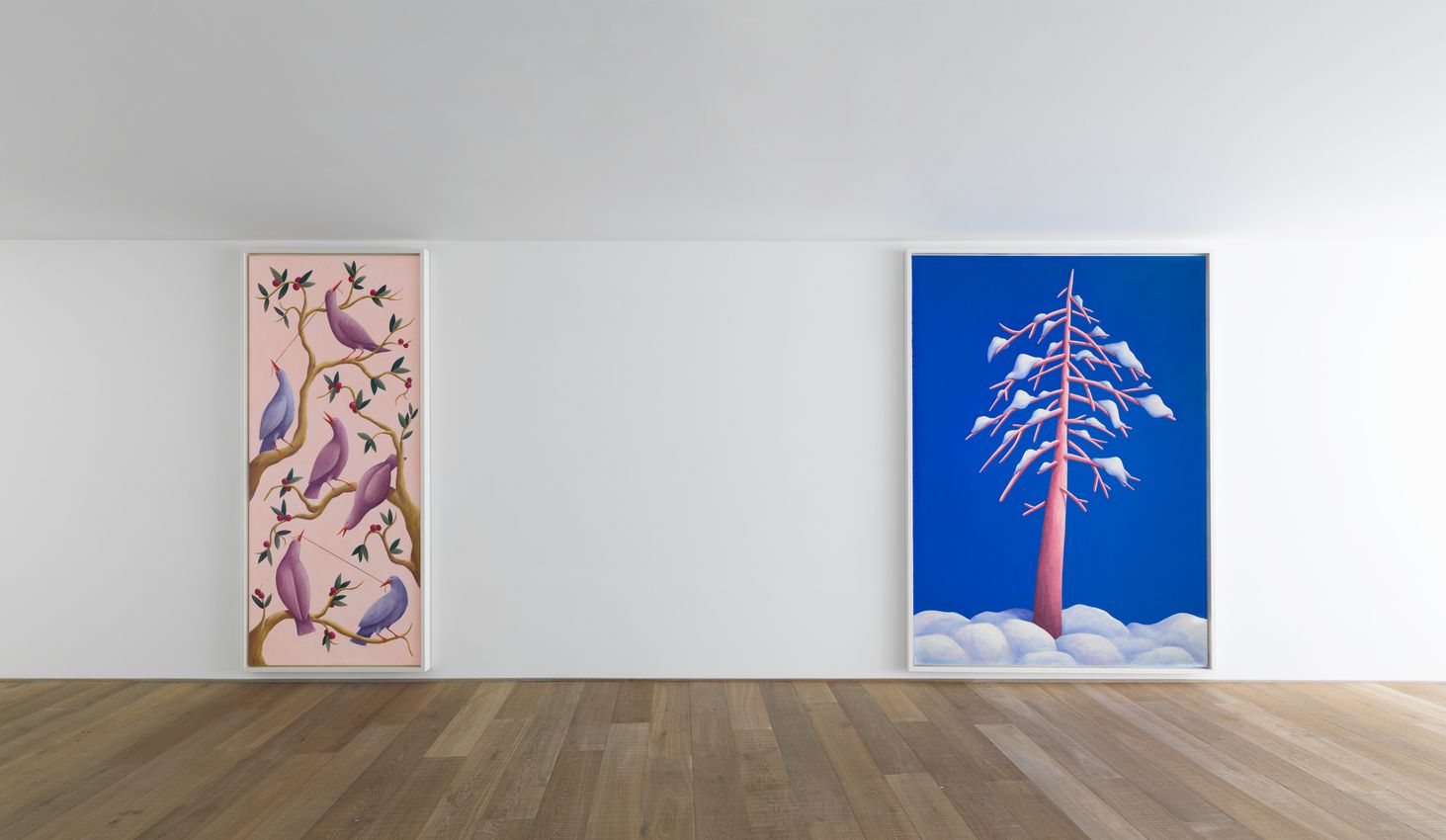
While the popularity of pastels has waxed and waned over the centuries, their physical properties remain unchanged. From a seventeenth-century portrait to an Impressionist landscape, up to and including Party’s contemporary iterations, works in pastel are distinguished by a single unique quality: their luminosity. The velvety, seductive glow is caused by the myriad facets of loosely bound mineral powder scattering and diffusing light across the surface of the work. But whereas pastels were historically prized for the life-like flush they lent to portraits, or utilised for their ability to convey atmosphere and mood, Party veers in completely the opposite direction and uses them to create a coruscating artificiality. The intense colours are also specific to the medium, which is manufactured from a surprisingly small range of pigments (typically those used for oil paints) and different amounts of filler. This allows the production of innumerable tints with only the subtlest of variations. Party can consequently work in gradations of tone rather than in colour mixtures, thereby attaining a dazzling brilliance. The tools of the trade? Little more than the artist’s fingertips.

The simple, classical and almost generic subjects (the still life, the landscape, the nude) coupled with the artist’s distinctive style (inexpressive, reductive, devoid of anecdote) gives rise to images of great visual immediacy and a profound, almost unsettling, stillness. Yet despite the absence of a narrative, the works inevitably trigger a flicker of recognition, or a sense of déjà vu. But of what do they remind us? With one eye on art history, the other fixed resolutely on the here and now, Party looks at his subjects through the lens of past oeuvres, techniques and genres and submits them to a contemporary reappraisal that is uniquely his own. Thus, we might discern, just below the surface, the faint echo of the classical sculptures that once inspired the pioneers of modernism, the fluid linearity of early Chinese art, or the angular forms of ancient Egyptian funerary sculptures.

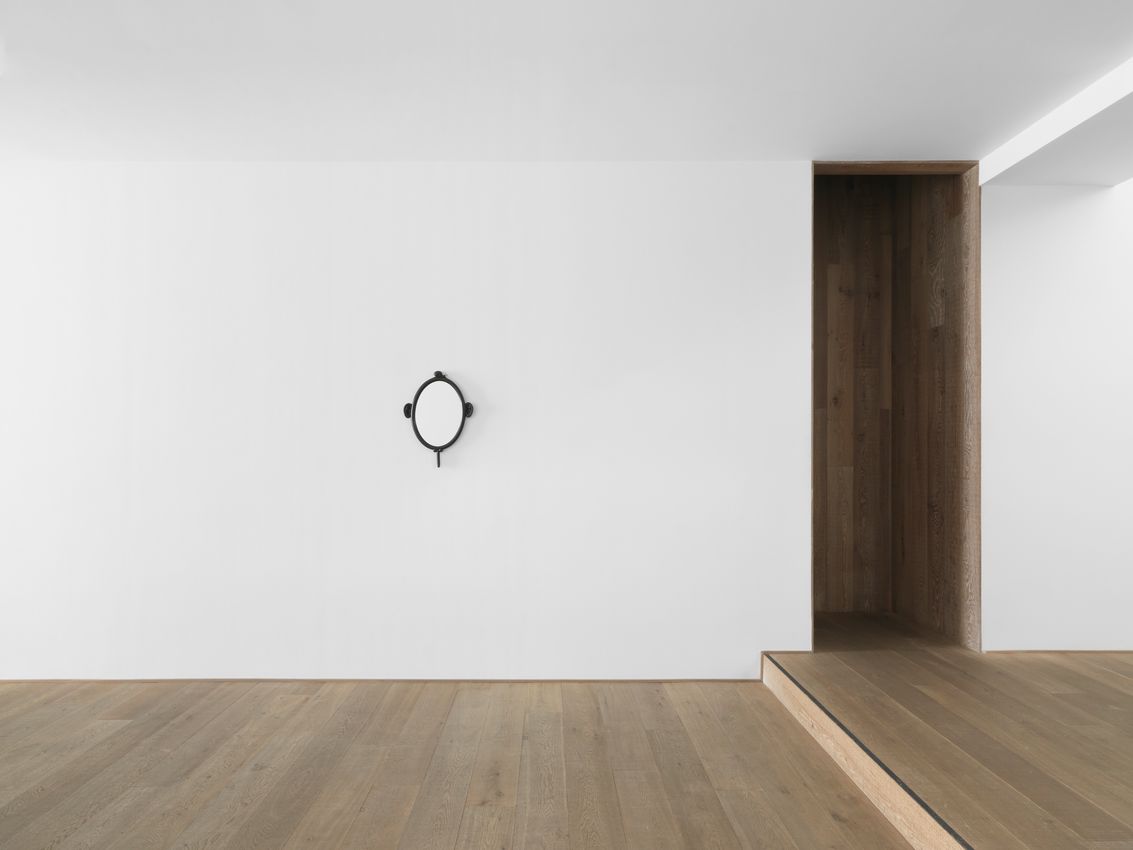
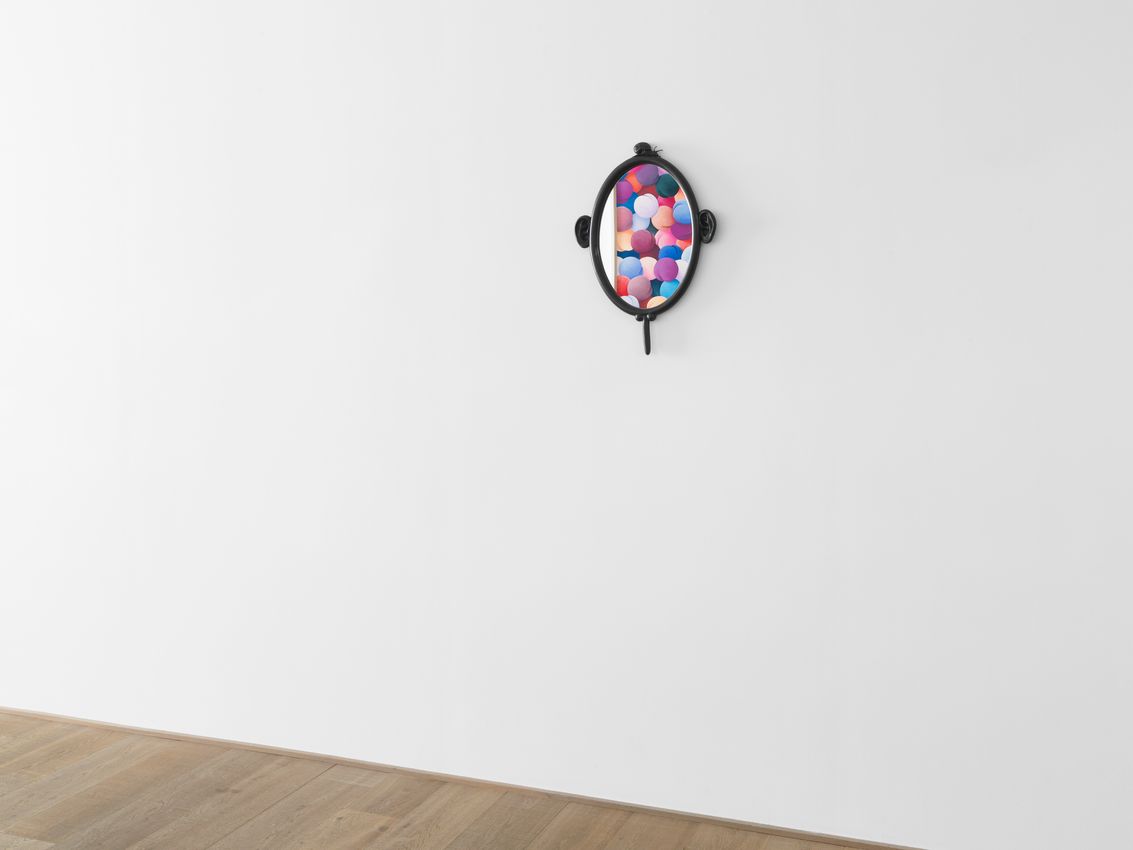
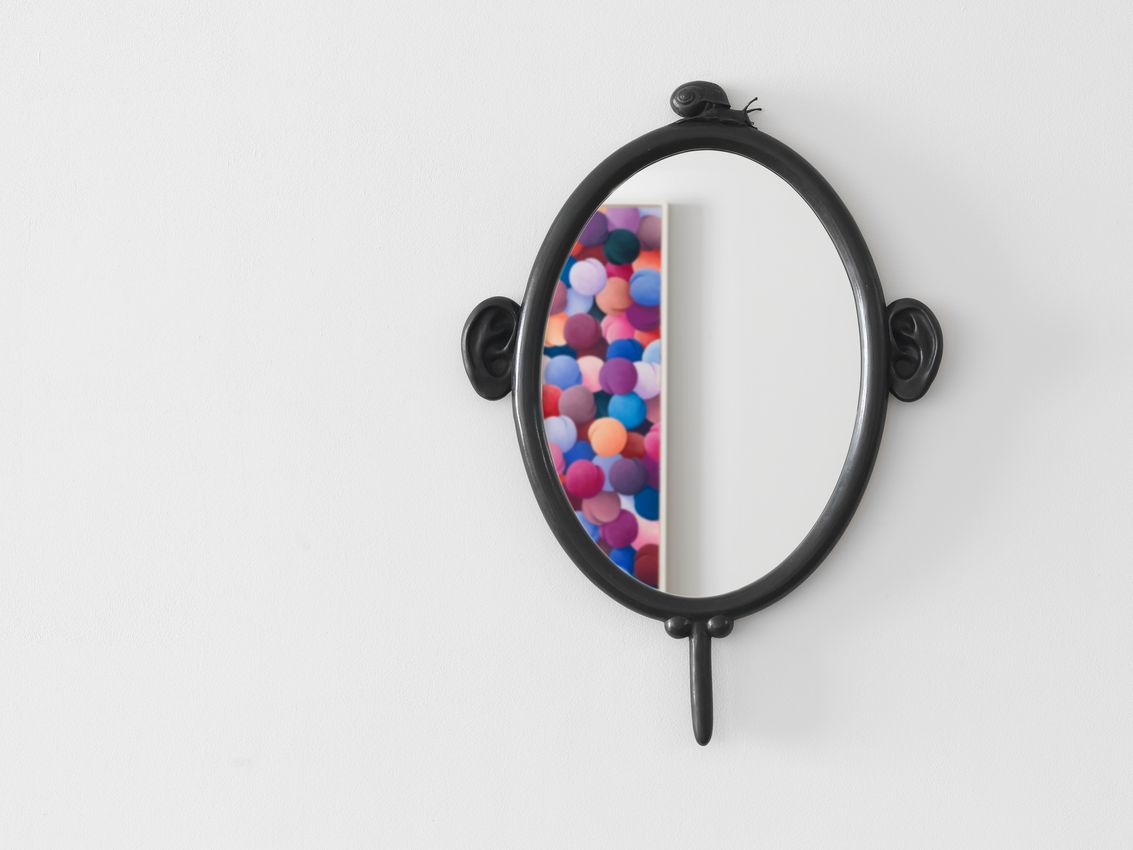
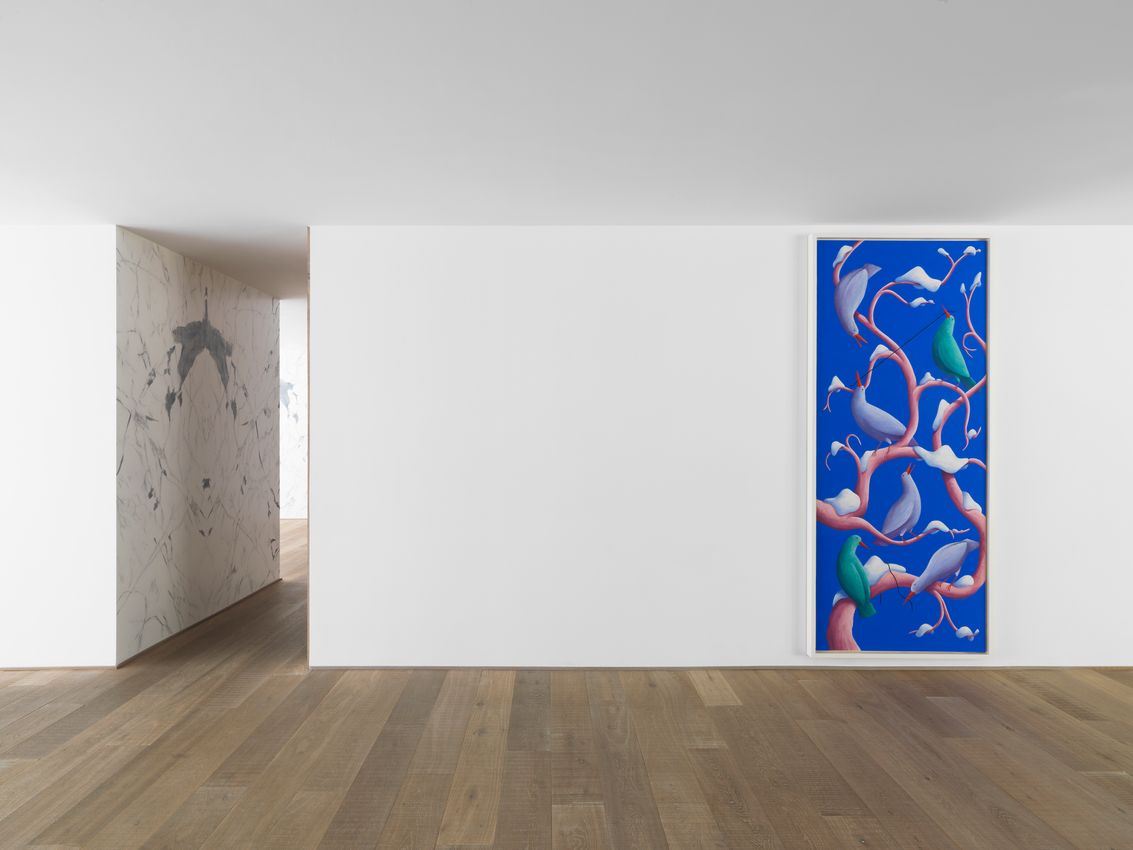
The title of the exhibition refers to the seasons that form a connecting thread throughout the exhibition, in which trees in full bloom are shown alongside those in the depths of winter. While trees and animals are a recurrent theme in the artist’s oeuvre, the works depicting birds on branches represent a new departure in terms of movement and composition, with the latter expanding to fill, and even exceed, the picture plane. By staging his pastels within a setting both defined and transformed by wall drawings, Party creates an intriguing mise-en-scène in which the works establish a dialogue with both the space and each other. Spend long enough with them and their ‘personalities’, or ‘voices’, become evident. This is especially true of the stylised bronze cat: an ambiguous feline presence that looks both primitive and contemporary. And what of the snail inching along the top of Party’s unique bronze mirror? A creature that, despite having ‘eyes’ on horns, is almost sightless. Might it be akin to the incongruous presence of a similar gastropod in a painting of the Annunciation by Francesco del Cossa (c. 1430-c.1477)? Of this last example, the French art historian Daniel Arasse noted: ‘the anomaly of the snail reaches out to you; it appeals to you to see differently, and makes you understand that you are seeing nothing in what you are looking at… the snail stands for the blind gaze.’

Nicolas Party (b. 1980 in Lausanne, Switzerland) has just completed a large-scale commission entitled Café Party for Jupiter Artland, Edinburgh, UK (opened 6 May 2017). Recent solo exhibitions include: Hammer Projects: Nicolas Party, Hammer Museum, Los Angeles (2016); Pathway, Dallas Museum of Art, Dallas (2016); Cimaise, Centre d’art Neuchâtel, Neuchâtel, Switzerland (2016); Panorama, SALTS, Birsfelden, Switzerland (2015); Boys and Pastel, Inverleith House, Edinburgh, UK (2015); Pastel et nu, Centre Culturel Suisse, Paris, France (2015); Trunks and Faces, Westfälischer Kunstverein, Münster, Germany (2014); Three Elephant’s Day, Bonner Kunstverein, Bonn, Germany (2014).

Read More

Installation Views

Also Exhibiting at Xavier Hufkens

About the Gallery
Xavier Hufkens is one of Europe’s leading galleries for contemporary art. Located in Brussels, the gallery maintains a diverse exhibition programme with solo exhibitions of the gallery artists as well as group exhibitions and special projects. The gallery deals in a distinctive combination of painting, drawing, sculpture, photography, video and installation-based work.

The origins of the gallery date back to 1987, when Xavier Hufkens opened a gallery space in an un-refurbished warehouse in the neighbourhood of the South Station (Midi) in Brussels. During the early years, the focus of the gallery was upon mid-career and emerging artists and the gallery is known for having introduced some of the most influential contemporary artists to Brussels at a time when they were still relatively unknown. British sculptor Antony Gormley, who is still affiliated with the gallery, Felix Gonzalez-Torres and Rosemarie Trockel all showed in Belgium for the first time with Xavier Hufkens (Gormley in 1987; Gonzalez-Torres in 1991 and Trockel in 1993).

In 1992, the gallery moved to a 19th-century townhouse at 6 rue Saint-Georges, close to the Avenue Louise. Completely renovated by Belgian architects Paul Robbrecht, Hilde Daem and Marie-José Van Hee, the house quickly gained a reputation for being not just one of the most beautiful contemporary art spaces in the Belgian capital, but also one of the most interesting. The expanded exhibition programme coincided with the additional representation of a number of established artists from Belgium and abroad, including Richard Artschwager, Thierry De Cordier and Jan Vercruysse. In 1997, Hufkens expanded the gallery further by annexing the adjacent building and a number of new artists joined the gallery, including Louise Bourgeois, Roni Horn and Thomas Houseago.

A second space in the same street, at 107 rue Saint-Georges, opened in spring 2013. Located in the Galerie Rivoli, a mixed-use commercial development from the 1970s, the new gallery space was designed by Swiss architect Harry Gugger, who was previously in partnership with Herzog and De Meuron. Slegten & Toegemann, Brussels, managed the project.

An eclectic but very clear vision underpins all of the gallery’s activities: ‘The definition of the gallery was established from the start. The common thread, then and now, is quality over and above everything else, which I find more intellectually challenging than a forced definition. From the early days I juxtaposed established artists such as Michelangelo Pistoletto with someone like Felix Gonzalez-Torres when he was totally unknown. Today I still mix my work: I have no problem showing Malcolm Morley … alongside Robert Ryman, or Willem de Kooning.’ [Xavier Hufkens in The Art Newspaper, Issue 220, January 2011, published online: 20 January 2011]

Xavier Hufkens represents some thirty artists from different generations. He was part of the six-member selection committee for Art Basel during seven years and also participates in up to five international Arts Fairs annually. The gallery has partnerships with the estates of Louise Bourgeois, Willem de Kooning, Robert Mapplethorpe and Alice Neel.
View Gallery Profile
Address
107 rue St-Georges
St-Jorisstraat
Brussels
Belgium
Opening Hours
Tuesday – Saturday
11am – 6pm
(1)
Brussels 107 rue St-Georges
Xavier Hufkens
107 rue St-Georges, St-Jorisstraat, Brussels, Belgium

Opening hours
Tuesday – Saturday
11am – 6pm
The art world in focus