Press Release

In Summer 2026, the Barbican presents Project a Black Planet: The Art and Culture of Panafrica, a major international exhibition examining the influence of Pan-Africanism on artistic and cultural production. The undertaking, a highlight of the Barbican’s Summer season, reaches beyond the exhibition itself to encompass a Centre-wide programme of more than thirty events across art, cinema, music, performance, talks, and more, bringing together artists, thinkers, and communities from across the African continent and its global diasporas.

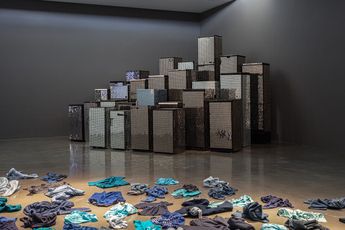
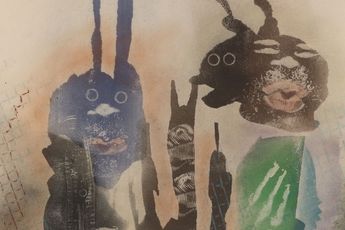
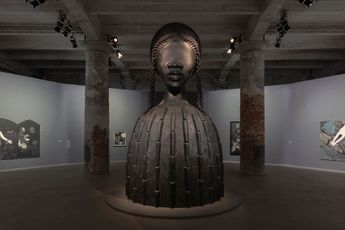
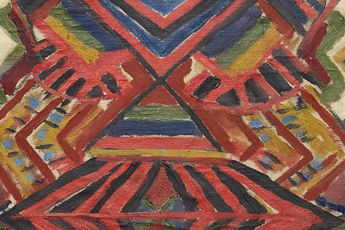
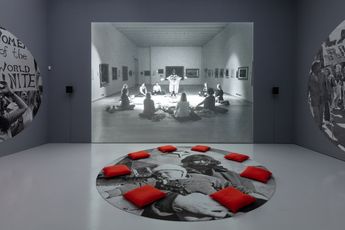
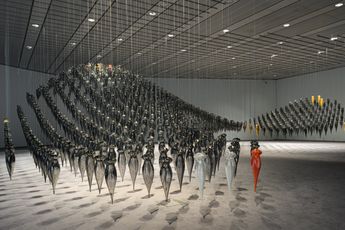
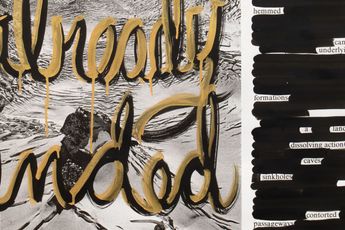
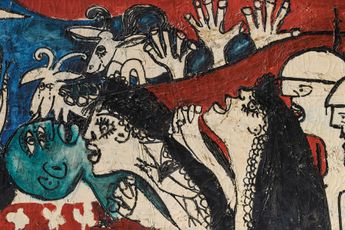
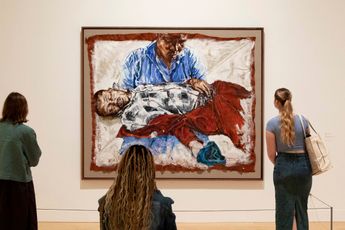
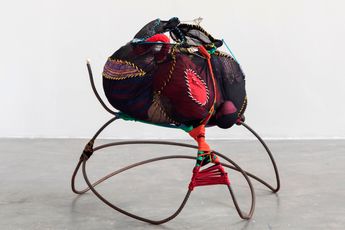
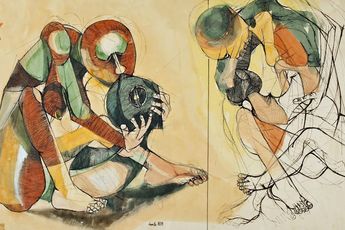
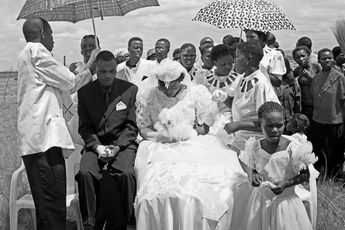
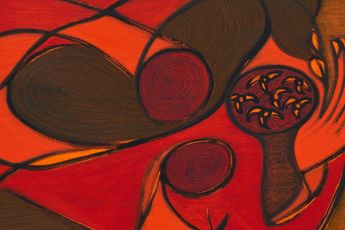
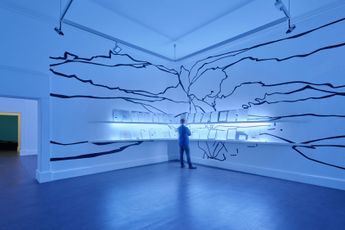
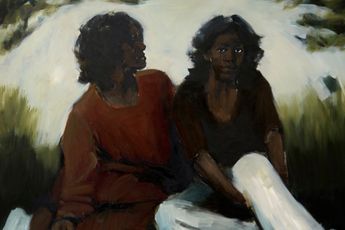
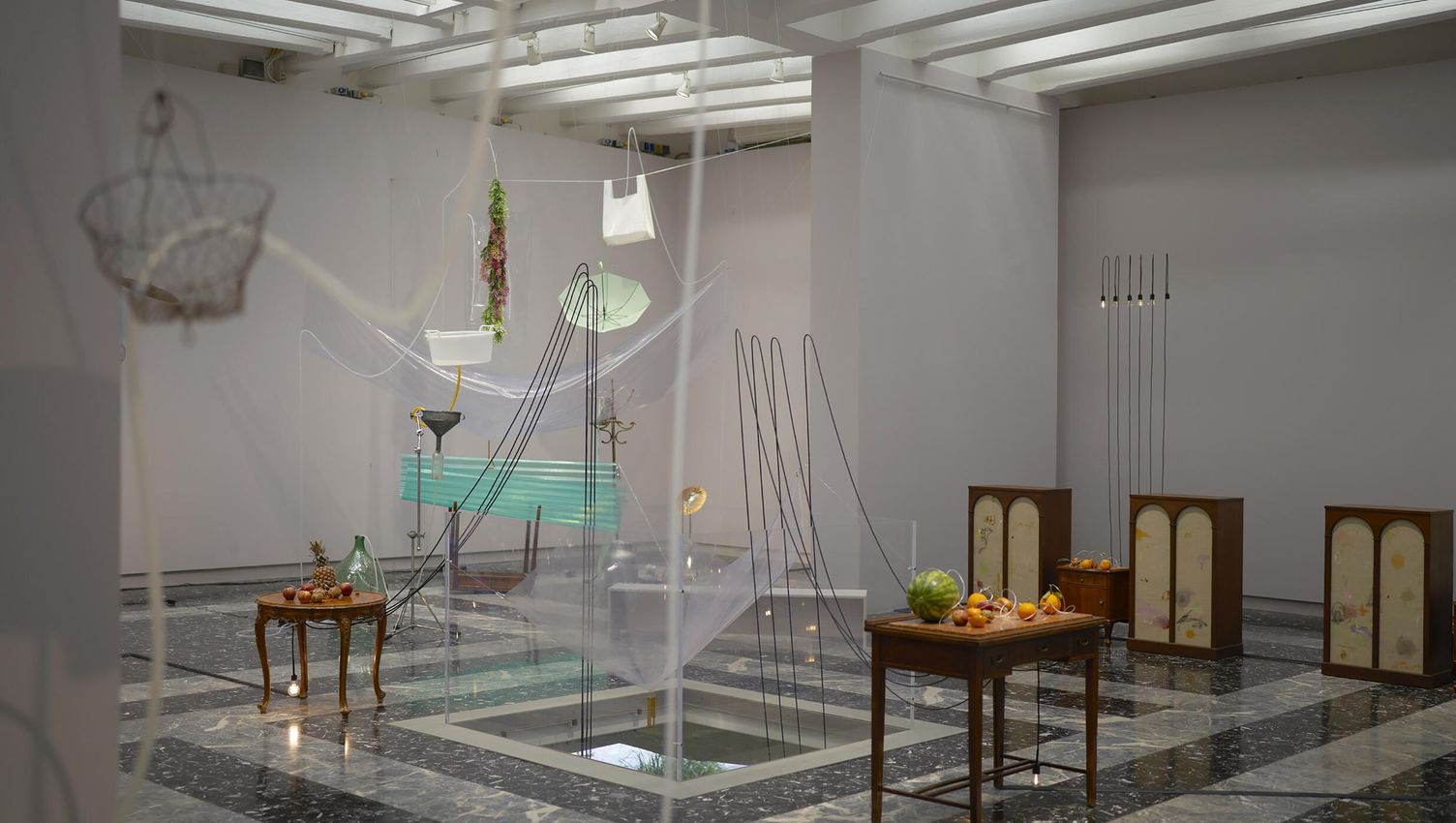
While Pan-Africanism has long been recognised as a galvanising force in twentieth-century sociopolitical history, Project a Black Planet is the first exhibition to consider both its impact on visual art and culture, and the critical role of artists in shaping Pan-African visions. Spanning over a century to the present day, the exhibition brings together more than 300 works – ranging from paintings and installations to posters, journals, and film – produced across Africa, Brazil, the Caribbean, North America and Western Europe.

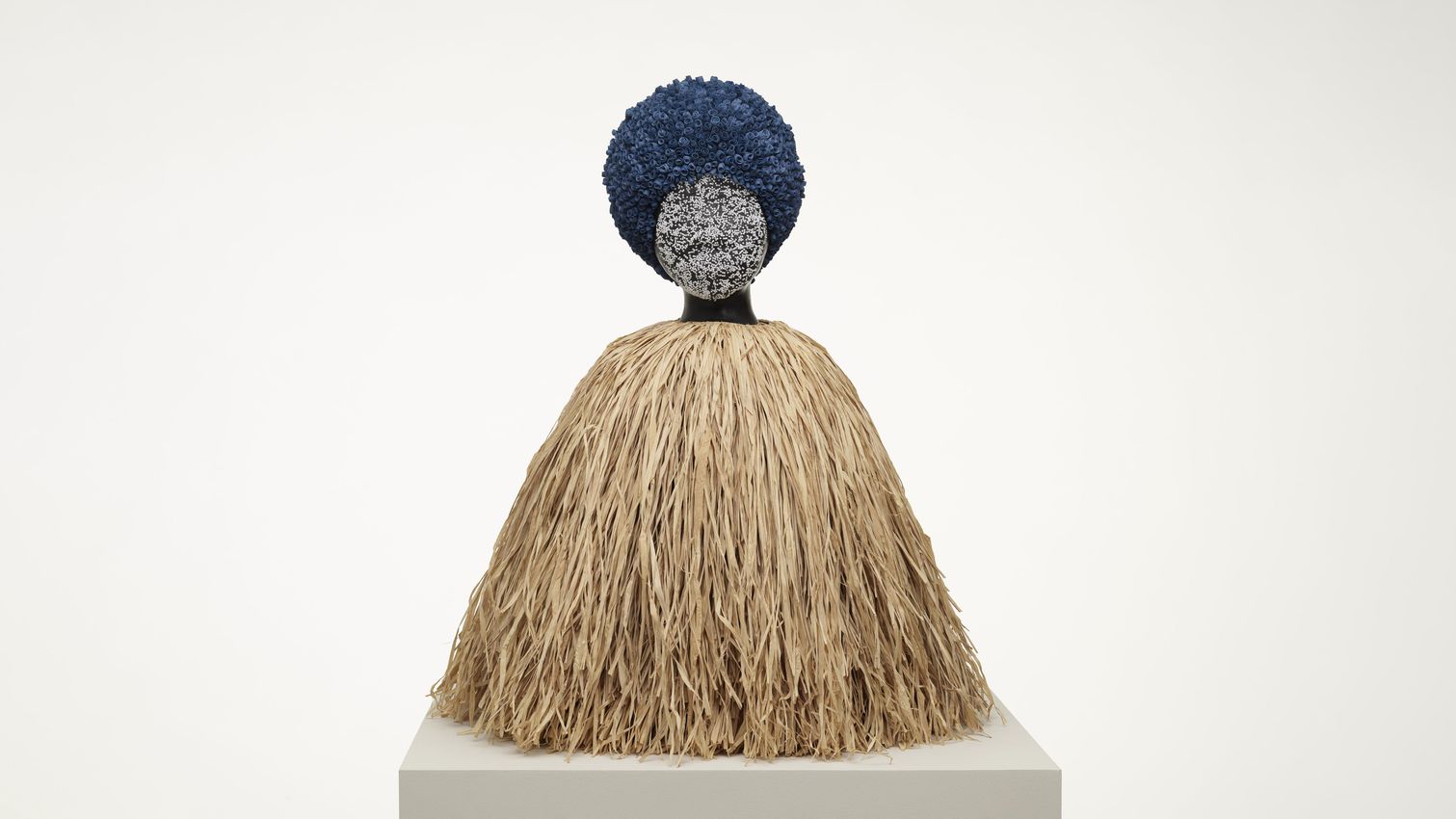
Participating artists include Fatma Aragi, Liz Johnson Artur, Kader Attia, Farid Belkahia, Marlene Dumas, Inji Efflatoun, Ibrahim El-Salhi, Benedict Enwonwu, Dumile Feni, Samuel Fosso, Abdel Hadi Al Gazzar, Sonia Gomes, David Hammons, Nicholas Hlobo, Claudette Johnson, William Kentridge, Wifredo Lam, Simone Leigh, Bertina Lopes, Ernest Mancoba, Sabelo Mlangeni, Ronald Moody, Azikiwe Mohammed, Kawira Mwirichia, Abdias do Nascimento, Iba N’Diaye, Grace Ndiritu, Malangatana Ngwenya, Everlyn Nicodemus, Magdalene Odundo, Chris Ofili, Colette Omogbai, Ingrid Pollard, Samir Rafi, Ibrahima Sanlé Sory, Gerard Sekoto, Cauleen Smith, Tavares Strachan, Papa Ibra Tall, The Otolith Group, Clara Etso Ugbodaga-Ngu and Lynette Yiadom-Boakye.

Coined around 1900, Pan-Africanism can be understood as an umbrella term for political and philosophical movements advocating for self-determination, anti-colonial resistance, and transnational solidarity among peoples of African descent. In Project a Black Planet, Panafrica, the symbolic site invoked in the title, appears not as a fixed territory but as a conceptual terrain where rupture, dissent, and collective imagination converge toward emancipatory futures. Instead of mapping a defined geography, the exhibition casts Panafrica as a shifting constellation that reimagines standard representations of the planet.

Project a Black Planet showcases how artists and cultural producers responded to world-affecting histories of conflict and rupture, acting on desires for unity and solidarity throughout the twentieth and twenty-first centuries. Bringing a vast range of cultural outputs into conversation, the exhibition presents works by academically trained and self-taught artists, popular music and avant-garde experiments, political and poetic speech and printed materials and ephemera, from posters and magazines to pamphlets and newspapers, all of which formed a key role in the distribution and formation of Pan Africanist ideas.

While Pan-Africanism aspires to transnational solidarity and an overarching consensus, the exhibition also articulates diverse experiences and dissenting trajectories. Starting in the Upper Galleries, works ranging from painting and sculpture to film expand upon pivotal movements that have shaped the history of Pan-Africanism. These include Garveyism, Marcus Garvey’s projection of a symbolic return to Africa and the creation of a parallel Black world grounded in autonomy, dignity, and political equality; Quilombismo,a philosophy of resistance centred on self-determination and Indigenous knowledges; and Négritude, a movement arguing for the centrality to universalist modernism of African art and culture and Afro-Caribbean intellectual tradition.

Large-scale installations in the Lower Galleries reflect and build on these guiding ideas to bring into focus further themes that include protest and memory, subjectivity and interiority. Artworks created in response to specific post-independence, revolutionary contexts across the African continent and the wider Atlantic world are assembled in chorus, reflecting the intertwined histories in Pan-Africanism of political struggle and cultural expression. A further section considers ancestry and homage, reflecting how Pan-Africanism has drawn strength from intergenerational ties and collective remembrance.

Read More

Artists Exhibiting

Also Exhibiting at Barbican

About the Gallery

The Barbican is a world-renowned arts and learning hub in the City of London, celebrated for its striking Brutalist architecture and multidisciplinary programming. Opened in 1982 as part of the larger Barbican Estate, it has become a cultural landmark, bringing together visual arts, music, theatre, dance, film, and education under one roof.

View Gallery Profile
Address
Silk Street
London
United Kingdom
Opening Hours
Monday – Sunday, 9.30am – 11pm
Bank Holidays, 12 – 11pm
(1)
London Barbican Centre, Silk Street
Barbican
Silk Street, London, United Kingdom

Opening hours
Monday – Sunday, 9.30am – 11pm
Bank Holidays, 12 – 11pm
The art world in focus