





‘A City Genuinely Built for Art’: Turin Hosts Artissima, Alice Neel and Fondazione Sandretto’s ‘News from the Future’
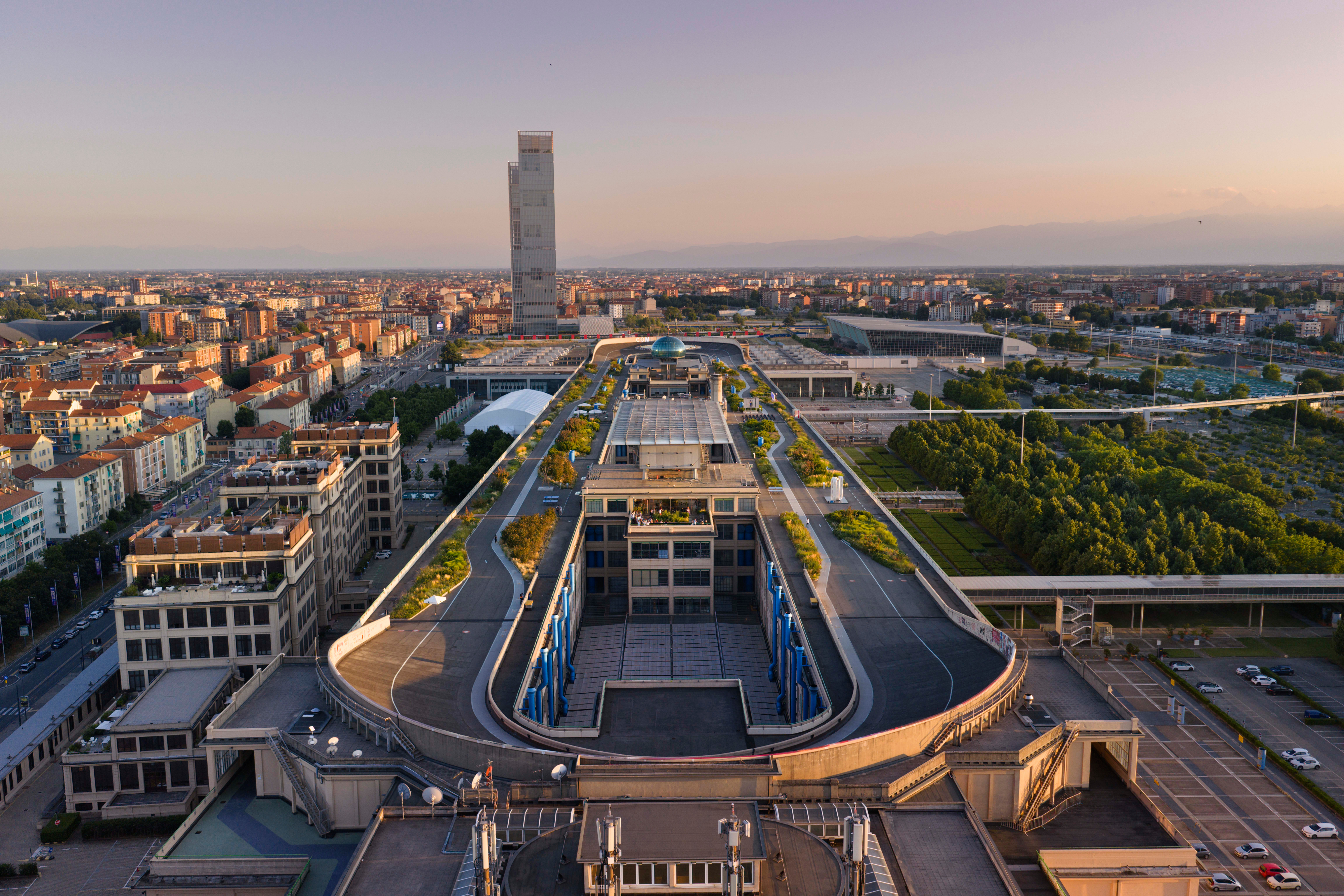
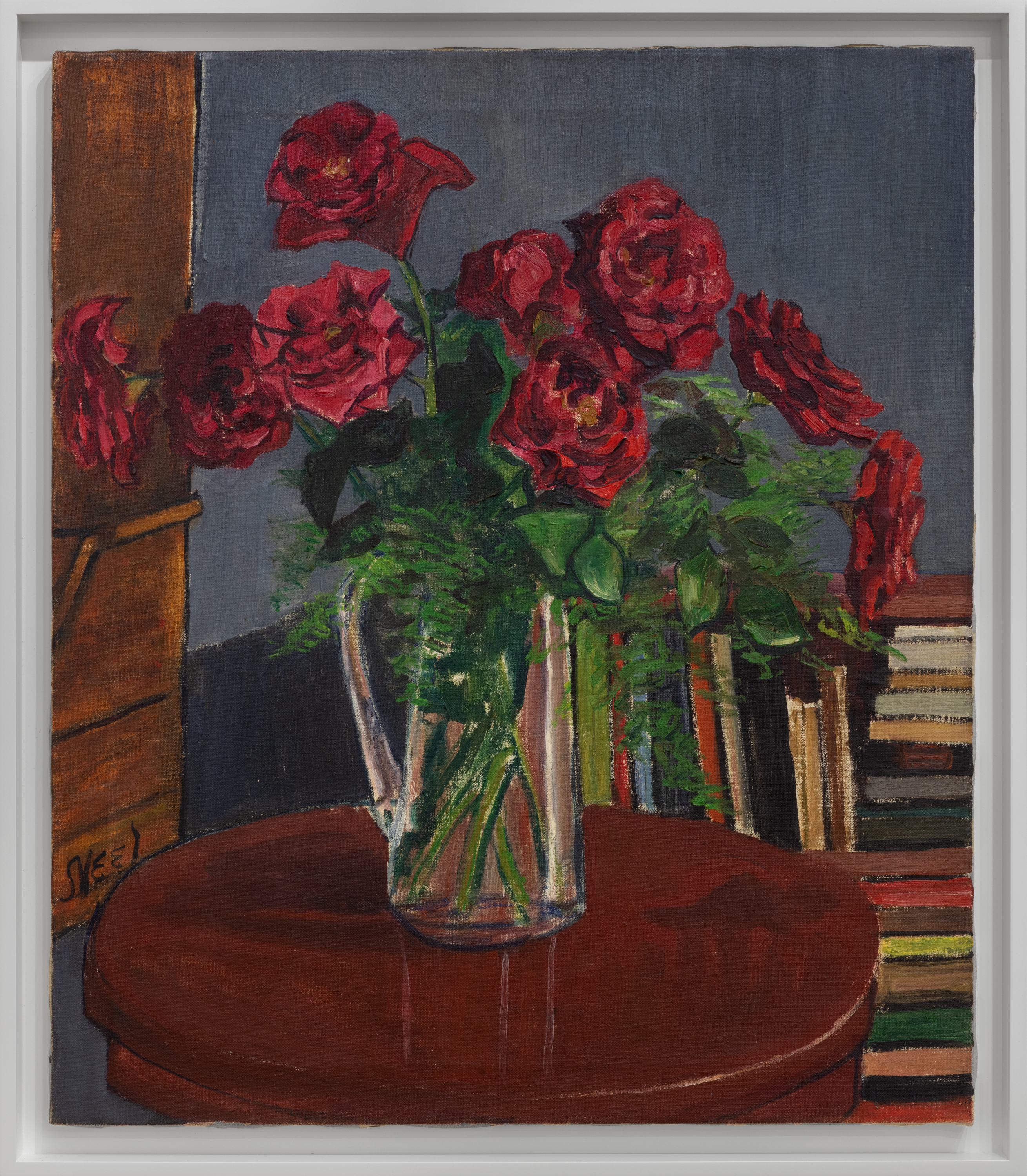
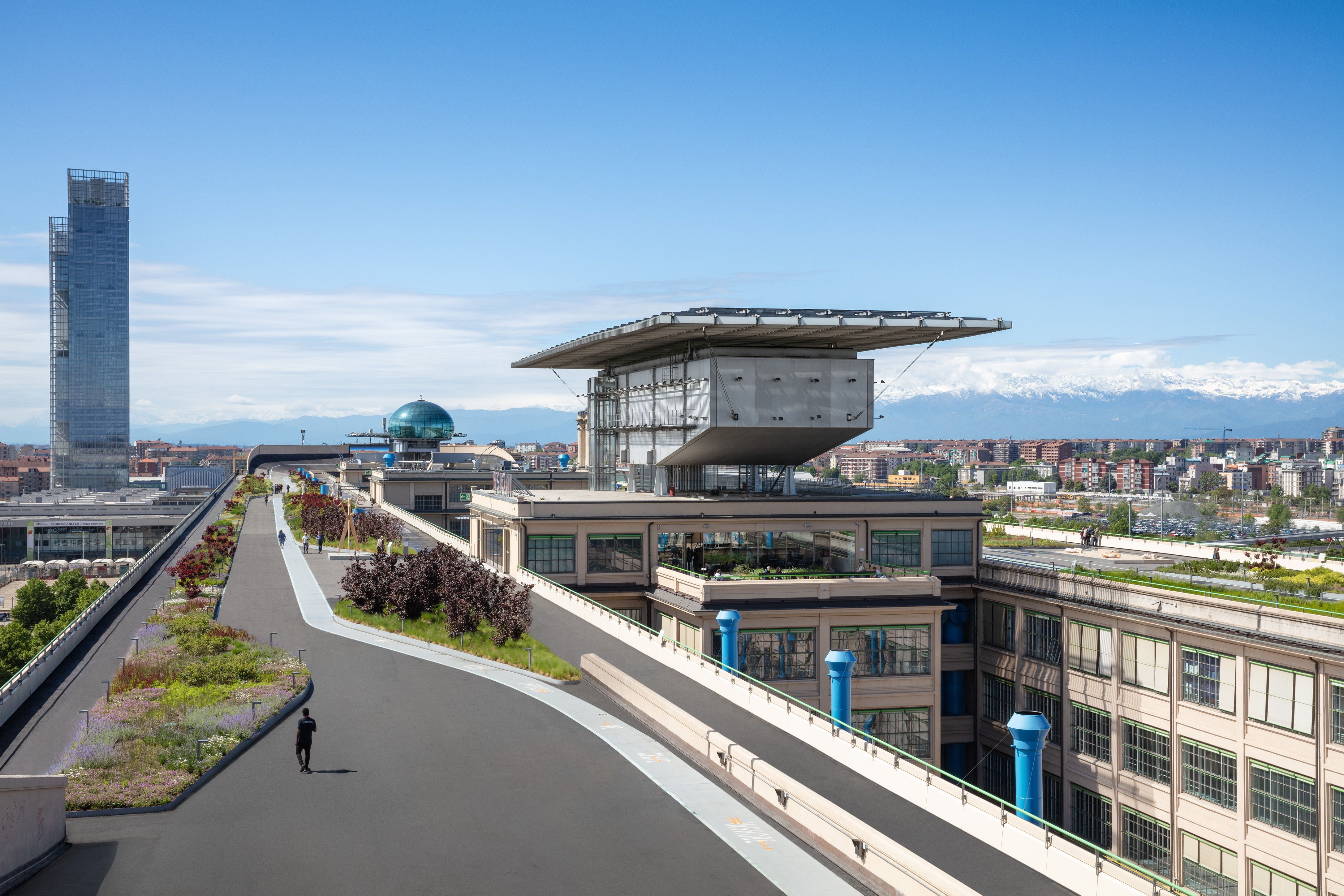
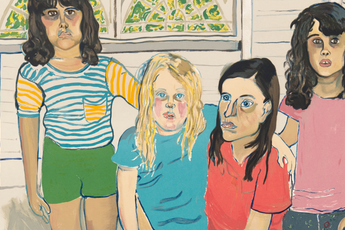
Turin has a unique relationship with art, and three significant openings this week exemplify the city’s special combination of innovation, technology and recognition of the contemporary art market. Save to My OculaAmerican portraitist Alice Neel’s first retrospective in Italy opens today at the Pinacoteca Agnelli, a museum built to extend from the heart of the Lingotto complex into an ethereal glass shell above. This was once the flagship factory of the Italian automobile giant Fiat, and is now a cultural centre redesigned by Renzo Piano. Encircling the museum, on the rooftop of the complex, was the car factory’s test track, immortalised in The Italian Job (1969). It is now also Europe’s tallest urban garden, installed on the roof alongside the former track, replete with installations by artists including VALIE EXPORT, Paul Pfeiffer, SUPERFLEX and Alicja Kwade.
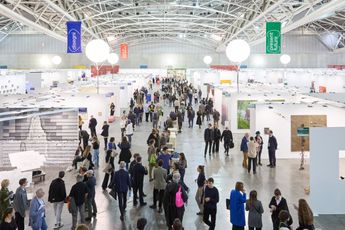
The unique setting of the museum captures Turin’s unique relationship with art: its industrial legacy, its embrace of innovation, and a sense of its seriousness in participating in the high-speed race that is the contemporary art market. That spirit of invention has given birth to one of Europe’s more interesting art fairs. In the city’s Oval pavilion, Artissima is opening its 32nd edition with a programme orientated around the future. The fair, directed by Luigi Fassi since 2022, has never aspired to rival the spectacle of Milan, with its sheen of fashion, finance and design, or Venice, the home of the world’s most significant art biennial. Instead, it remains a kind of mirror for the city itself: understated and serious, but also liberal and progressive.
‘This year we have galleries coming from 36 countries,’ says Fassi. ‘Artissima has become a truly international fair. We’re attracting an overlap of major players from Paris and Frieze, but also a new generation of mid-career and emerging galleries. The chemistry between these participants is what gives the fair its energy.’ He adds that the fair’s draw extends beyond exhibitors: ‘Artissima has a reputation as a fair that curators come to. This year we’ve seen figures such as Hans Ulrich Obrist and curators from major institutions across Europe and Asia—this is what makes the event as much a cultural platform as a marketplace.’
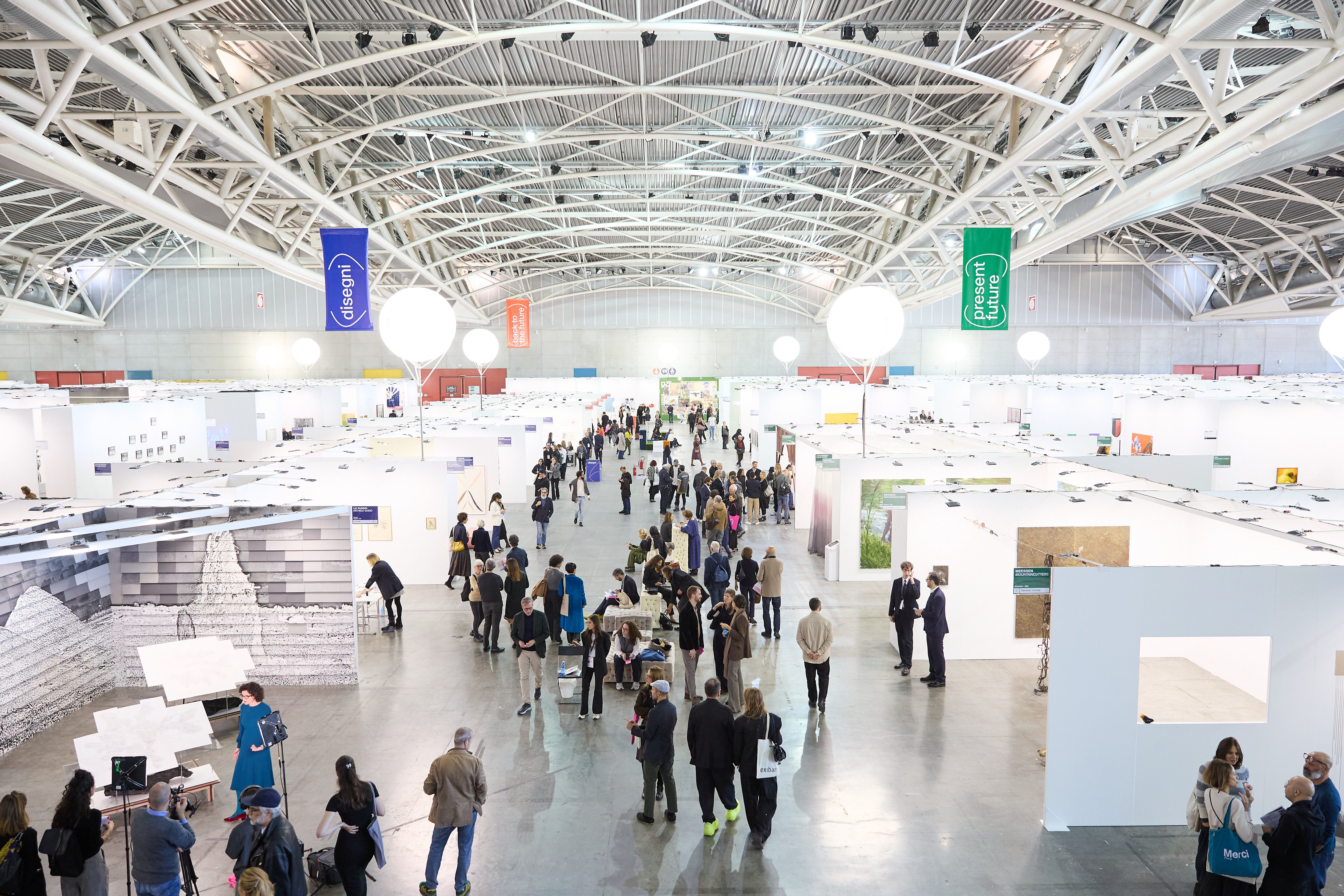
Held from 31 October to 2 November 2025, Artissima combines its four flagship sections—titled Main Section, New Entries, Monologue/Dialogue and Art Spaces & Editions—with three curated sections: Present Future, Back to the Future and Disegni. Featuring 176 Italian and international galleries, including 62 solo booths, the fair is driven by a unifying theme, ‘Operating Manual for Spaceship Earth’, a phrase taken from American architect and inventor Richard Buckminster Fuller’s 1969 book (published in Italy by Il Saggiatore).
This sort of brave programming has afforded the fair an enviable reputation among curators. As well as Ulrich Obrist, curator Simon Castets, gallerist Victoria Miro and artist Jeremy Deller were among the bigger names present on the opening day. There’s also representation from some of the leading contemporary art galleries of the new generation to emerge in recent years in London: names such as Rose Easton, Arcade, Alma Pearl and Alice Amati, a gallerist who grew up in Rome before making London her home.
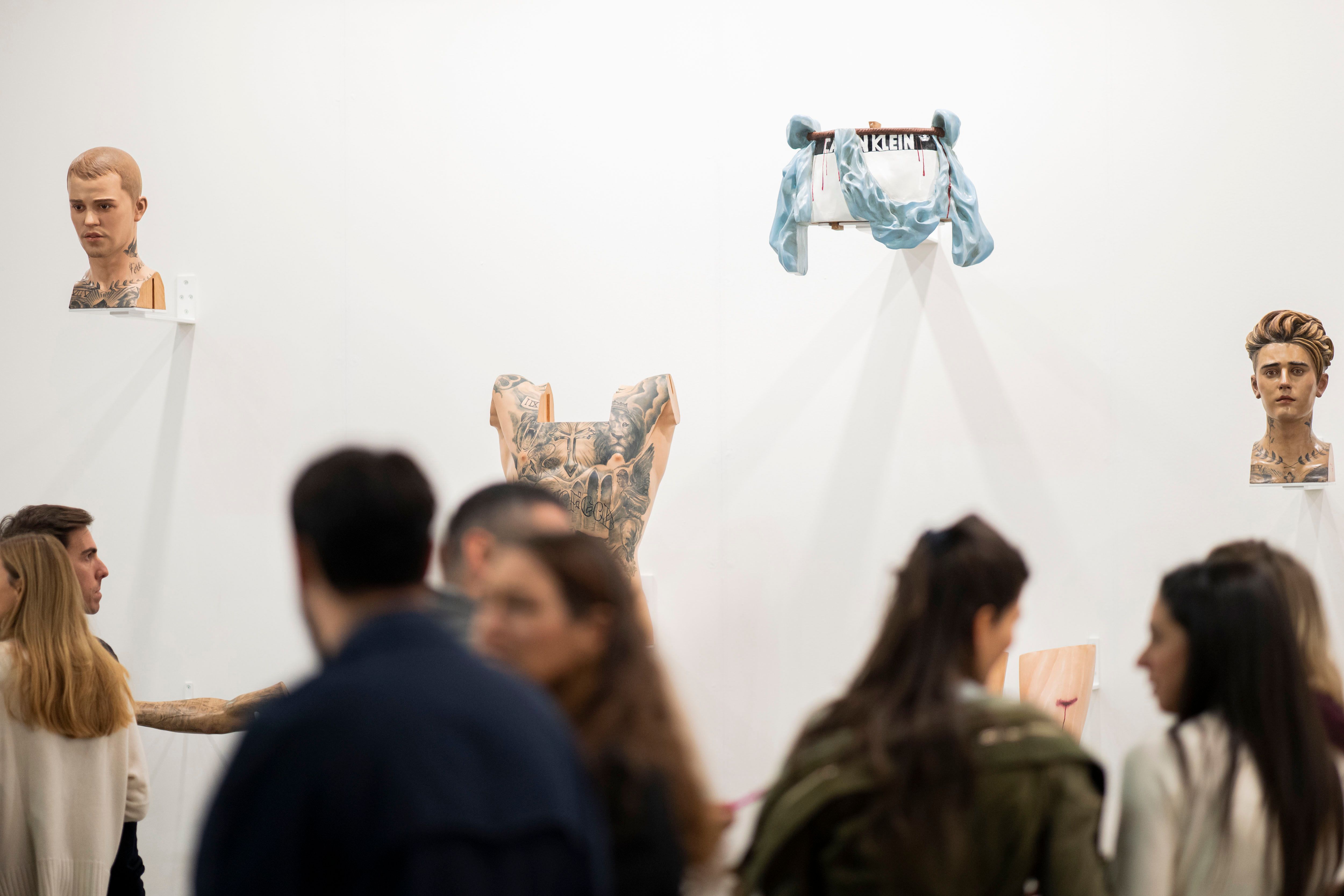
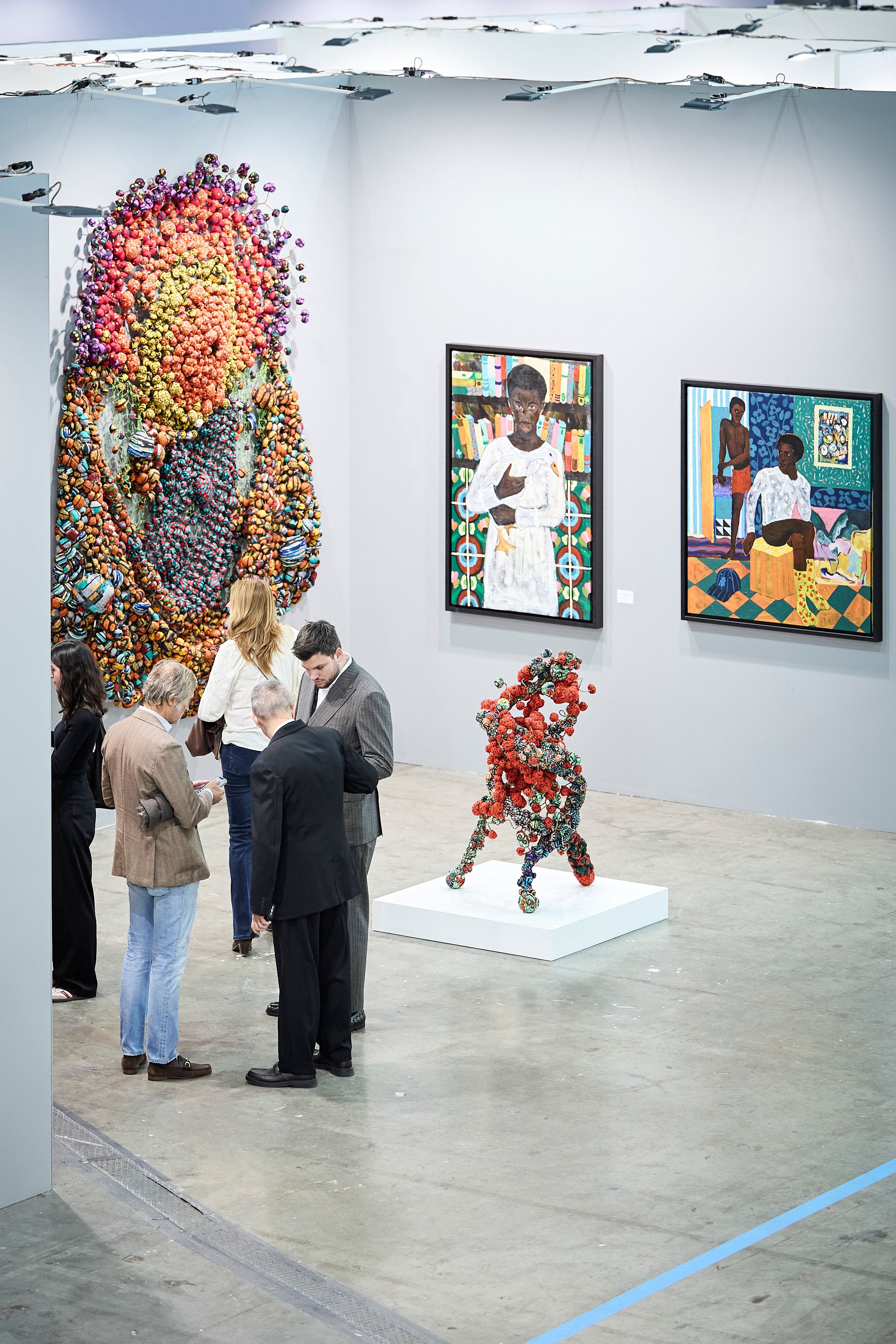
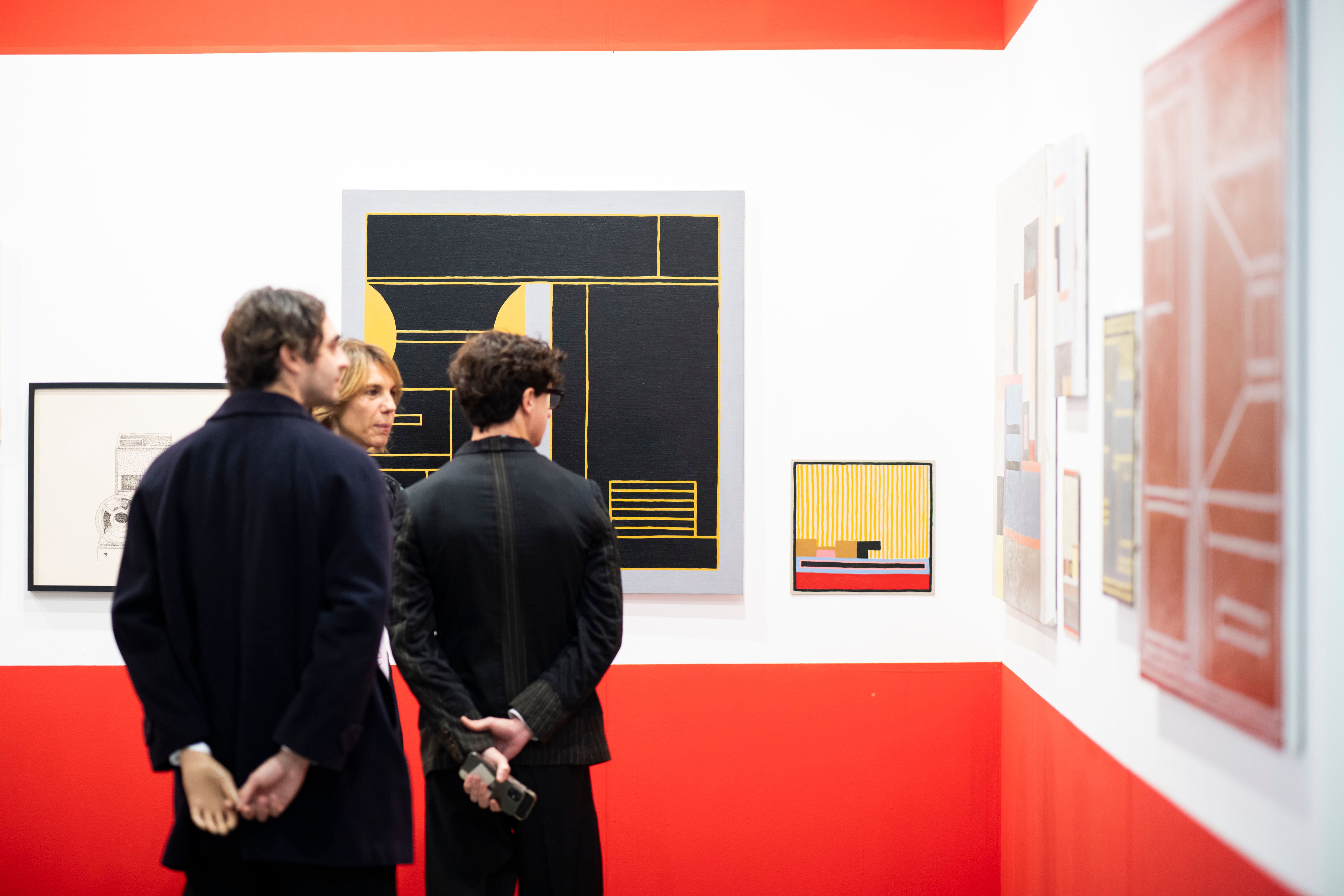
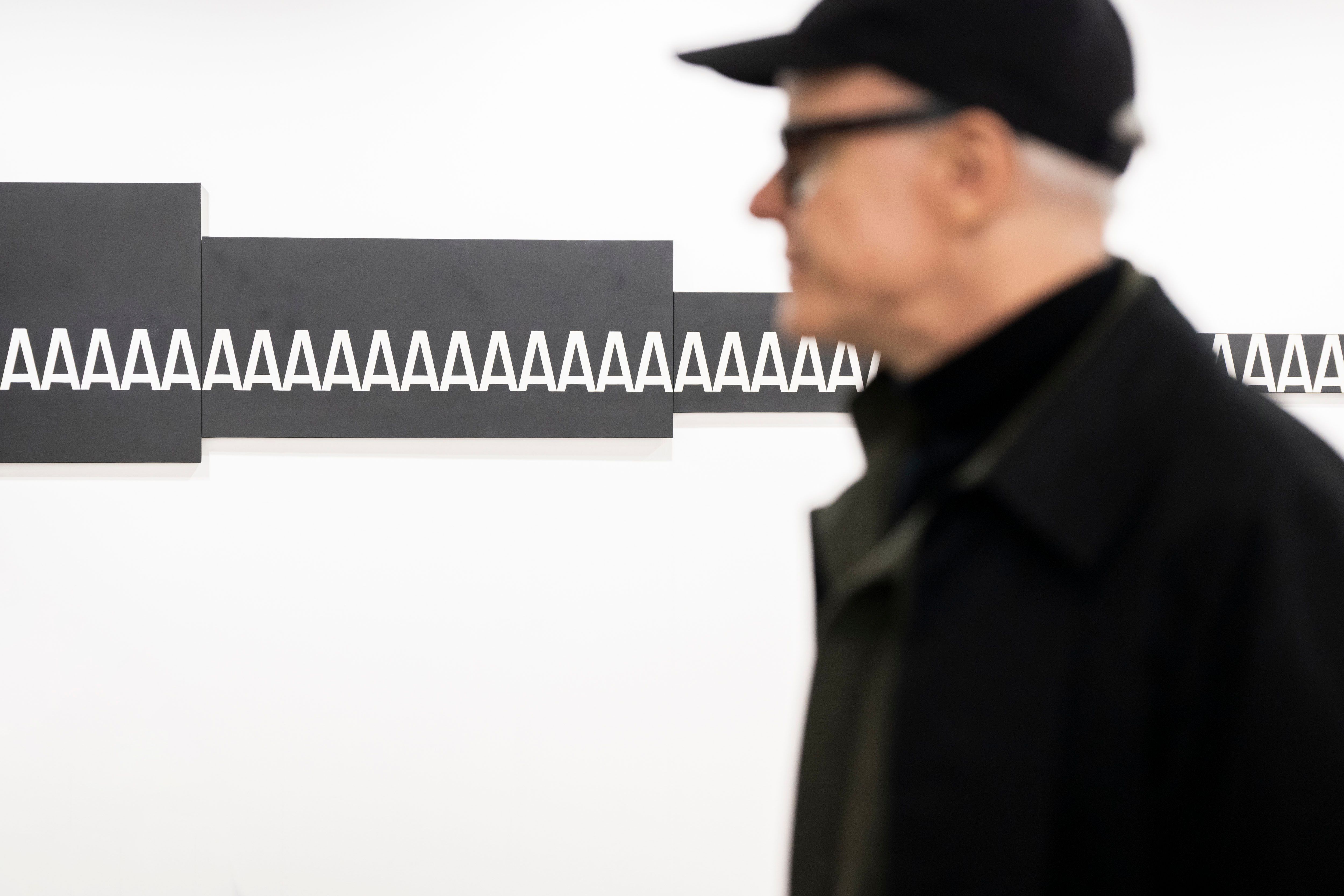
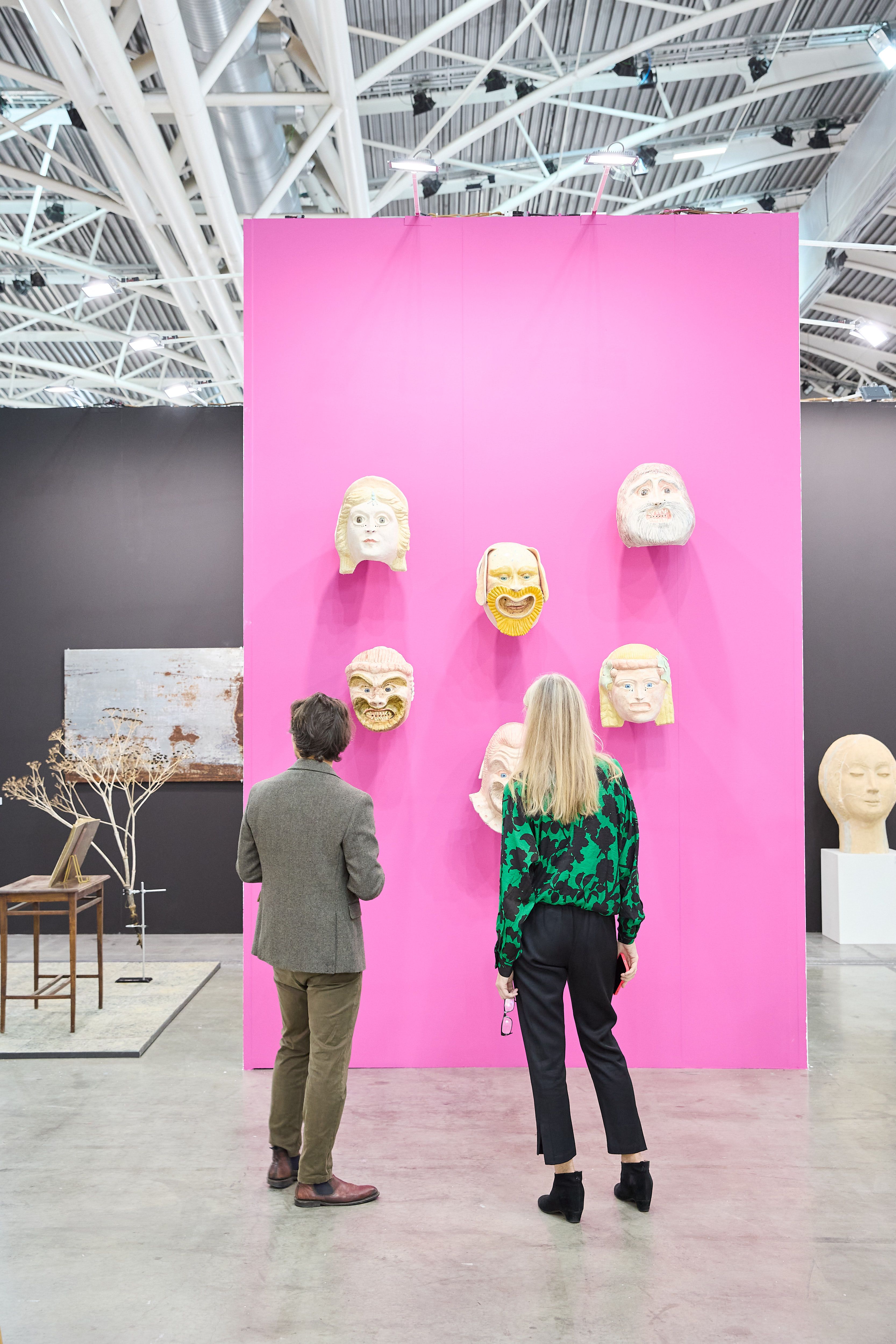
The fair opens at a moment when mid-size European galleries are seeking lower-cost alternatives to the overhead pressures of London, Paris and Basel. The fair’s proximity to institutions including Castello di Rivoli, Fondazione Merz, OGR Torino and Museo d’Arte Orientale —alongside a collector base led by the Agnelli and Re Rebaudengo families—makes Turin a compelling case study in how regional ecosystems can develop global relevance in the art market.
‘The fair in itself is not expensive,’ Amati says. ‘They really try to support younger galleries financially, which feels generous and makes you want to return. The overheads are nowhere near what you’d face in Paris, London or New York.’ She adds that Turin’s layout and atmosphere also add to its appeal: ‘The booths are spacious, the experience is calm, and the whole system works very well here compared to other Italian cities. You have great museums and foundations all within reach—it makes it feel like a city genuinely built for art.’
Turin’s contemporary scene has evolved deliberately since the 1990s, when its longstanding manufacturing and engineering economy began yielding to culture, education and technology. The factories and warehouses that once produced Fiats and textiles are now home to studios, galleries, museums and foundations. The city’s scale—green, handsome, post-industrial and slightly austere—also gives it a tone unlike any other in Italy.
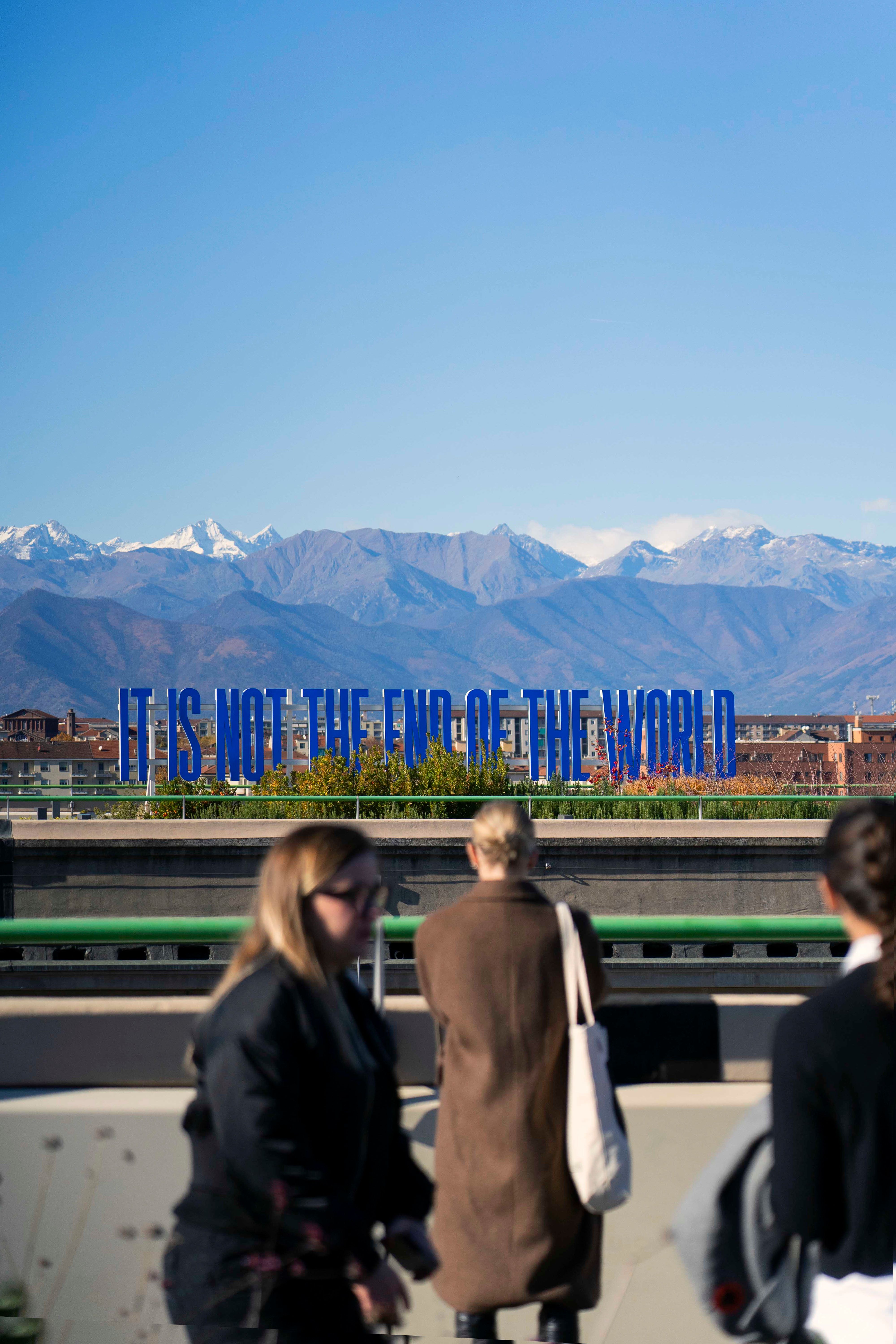
‘For me, Artissima is the only Italian fair I return to every year,’ says Carla Chiarchiaro, director of ADA Gallery in Rome. ‘Turin has this unusual mix—it’s a city of factories and industry, but also one with great food and elegant streets. During art week, you can walk from place to place, meet friends, and the atmosphere feels genuinely connected.’
Despite its slender size and understated character, Turin was once the capital of Italy (before reunification). It remains a place where art and architecture fold naturally into daily life: baroque façades, marble pavements and a rationalist grid system that allow views of the snow-capped Alps beyond.
‘There is a continuity between Turin’s industrial culture and its cultural vision,’ Fassi says. ‘Collecting and creating have always been part of the same impulse here—an instinct to engineer the future. That’s why contemporary art feels so natural in this city; it’s embedded in its DNA.’
Much of the city’s cultural transformation can be traced to the leadership and influence of Patrizia Sandretto Re Rebaudengo, whose foundation, established in 1995, effectively redefined what a private institution could mean for Italian contemporary art. Long before corporate philanthropy became fashionable, Sandretto cultivated relationships with young artists and curators, inviting them to Turin and building residencies, education programmes and an international collection that generated international attention before the city had a noted gallery scene.
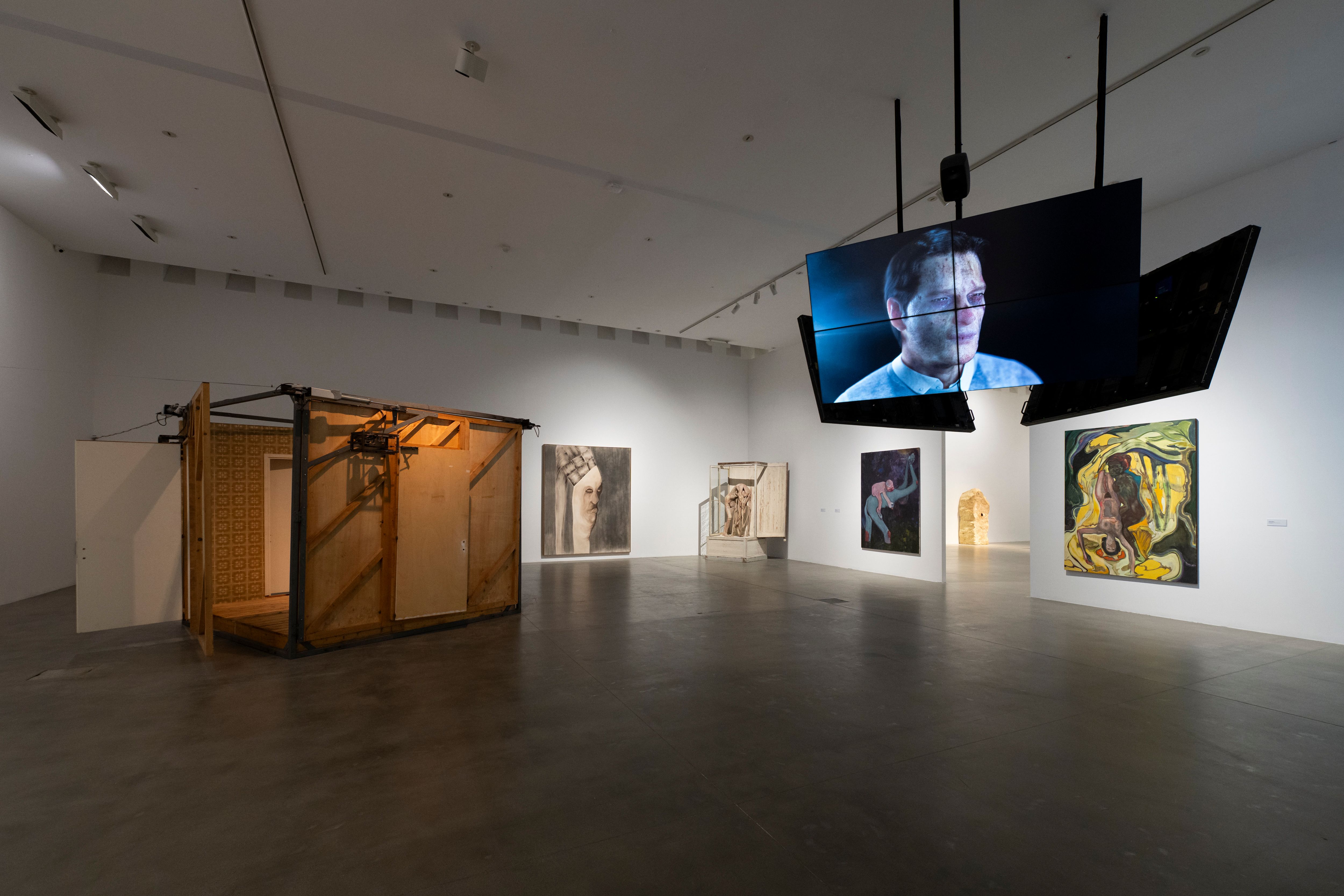
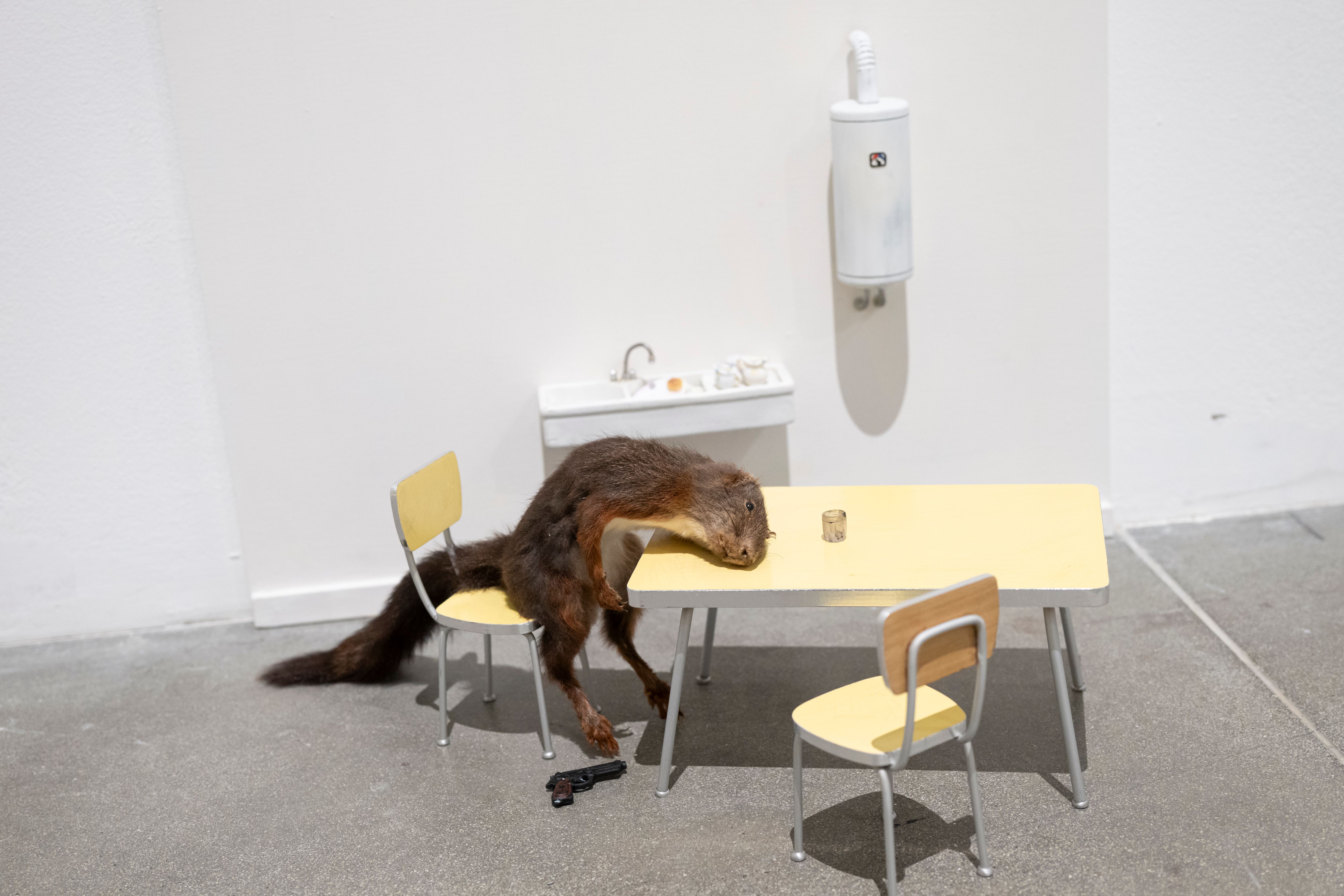
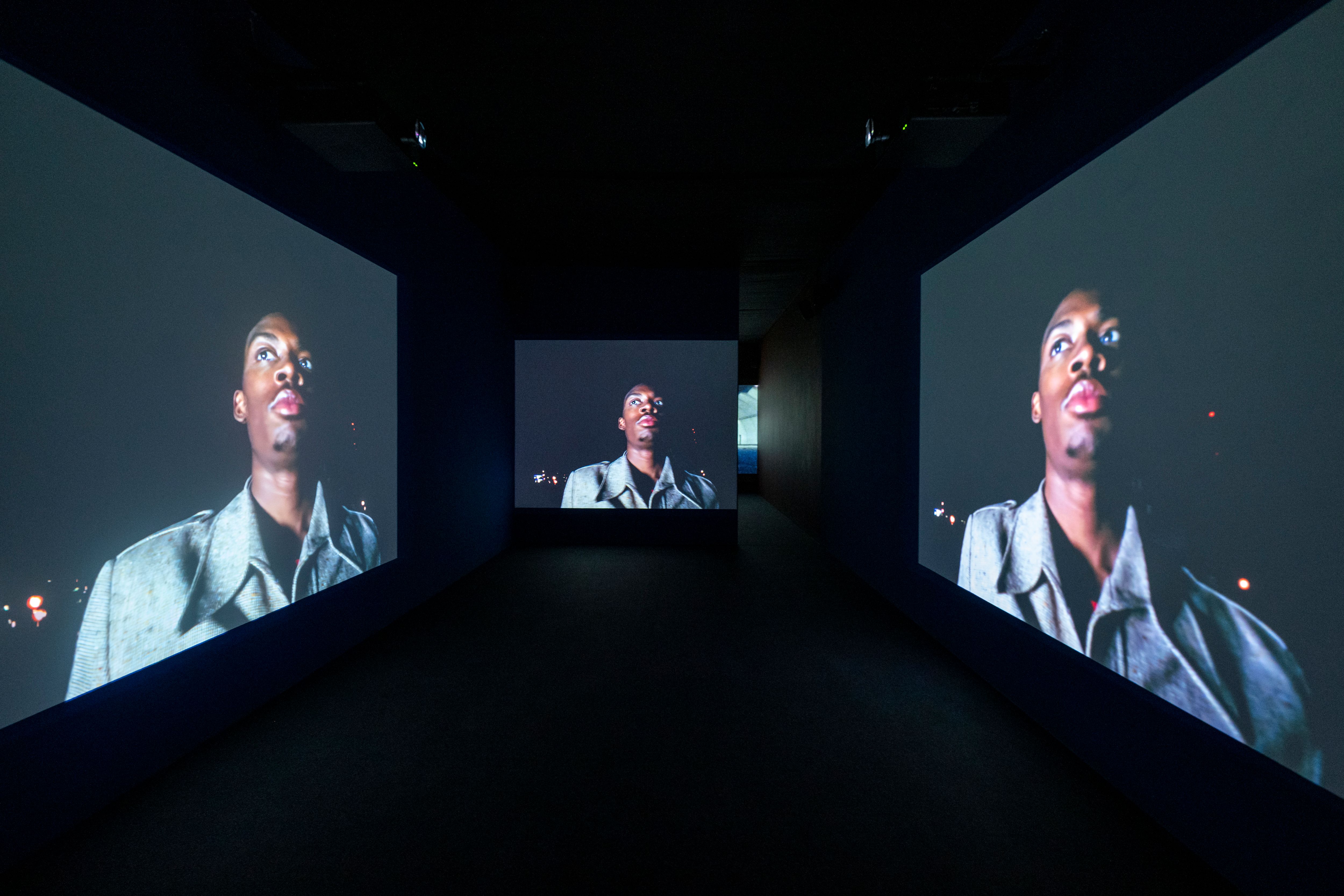
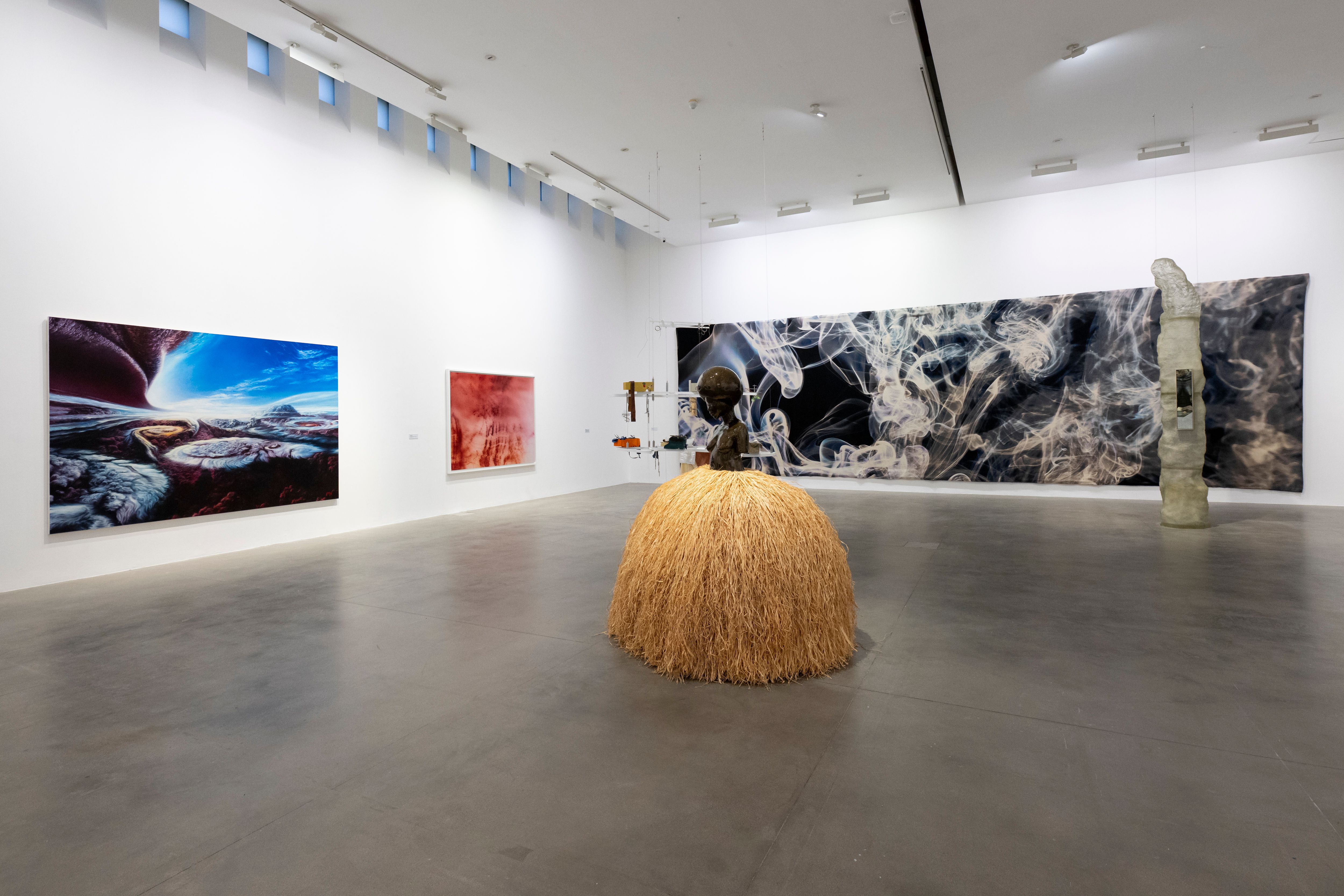
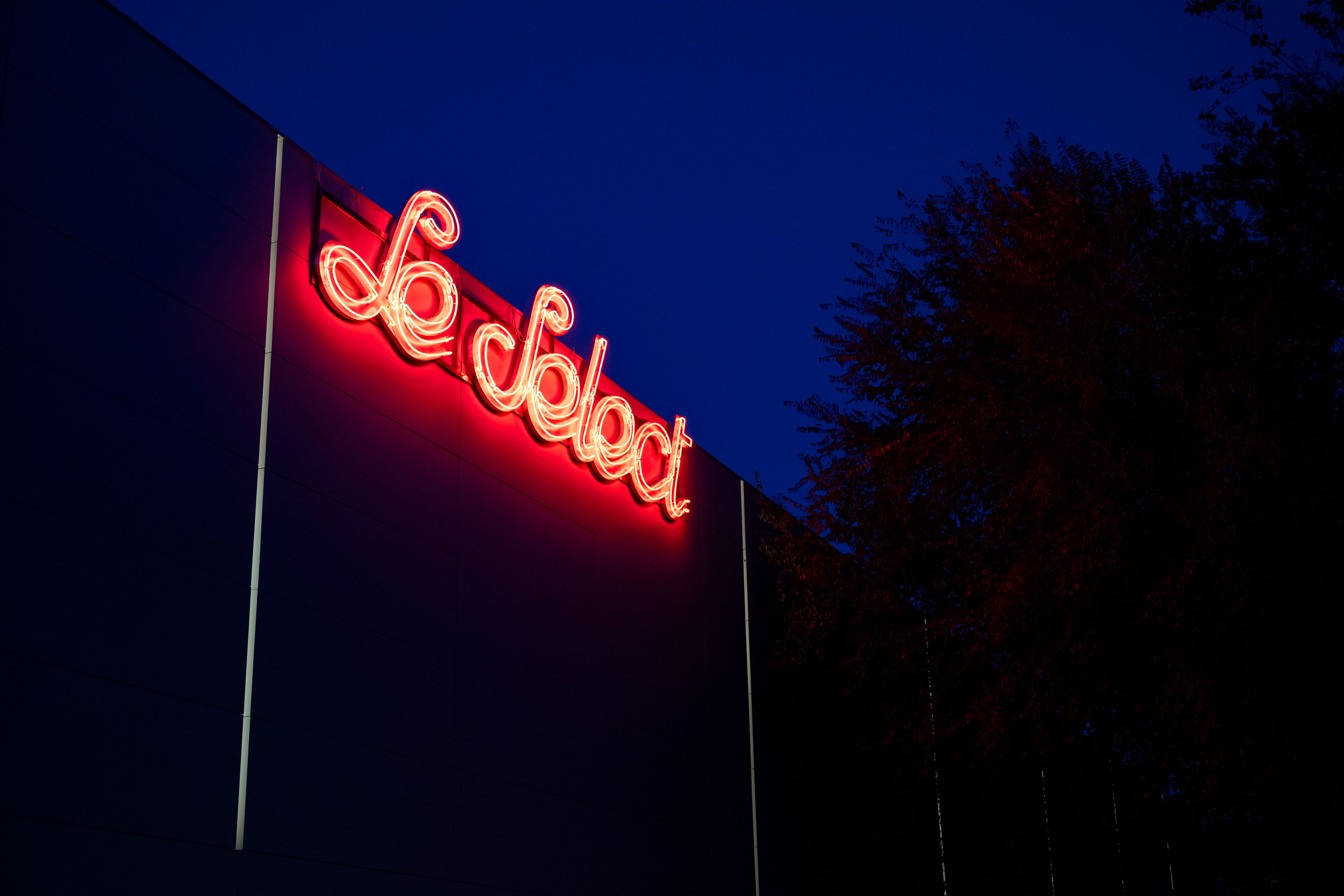
Today, visitors to the city can find established commercial gallerists such as Franco Noero, Tucci Russo and Norma Mangione, and younger spaces including Simondi, Almanac Inn and Burning Galleria. This week, Sandretto’s foundation marks its 30th anniversary with a group show that has plenty of thematic overlap with Artissima: displaced across the Museo Nazionale dell’Automobile and the Fondazione Sandretto Re Rebaudengo, it is titled News from the Near Future.
Programming at both the fair and across the city also attest to Turin’s changing demographics. Recent figures suggest there are almost 10,000 Chinese immigrants in the city, largely concentrated in the Barriera di Milano neighbourhood. Historically, the vast majority of Turin’s Chinese community has originated from the city of Wenzhou in Zhejiang province. The city also boasts a smaller Japanese community.
‘We have a lot of Chinese clients and friends on the booth,’ says a spokesperson for the London-based Thomas Dane Gallery, who opened an additional gallery in Naples in 2018. ‘There’s a huge community here—mostly from Wenzhou. About 80 percent of the Chinese expats in Turin come from there. It’s a reminder that this is a truly international city, one that draws energy from its communities as much as from its institutions.’ He adds: ‘Turin feels cosmopolitan in a very grounded way—you have these deep local ties but also people flying in from Asia and across Europe. It’s not just a fair; it’s a crossroads.’
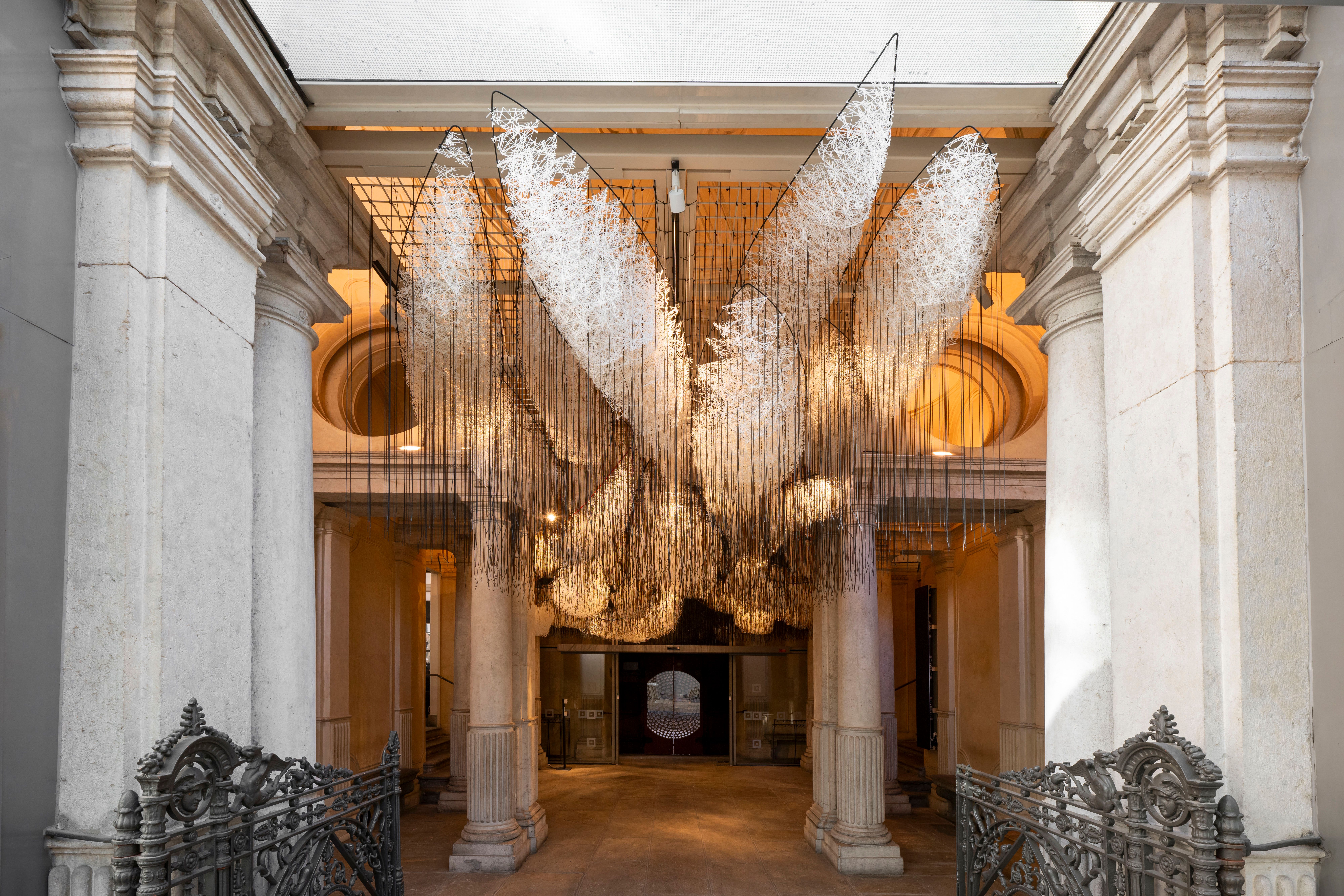
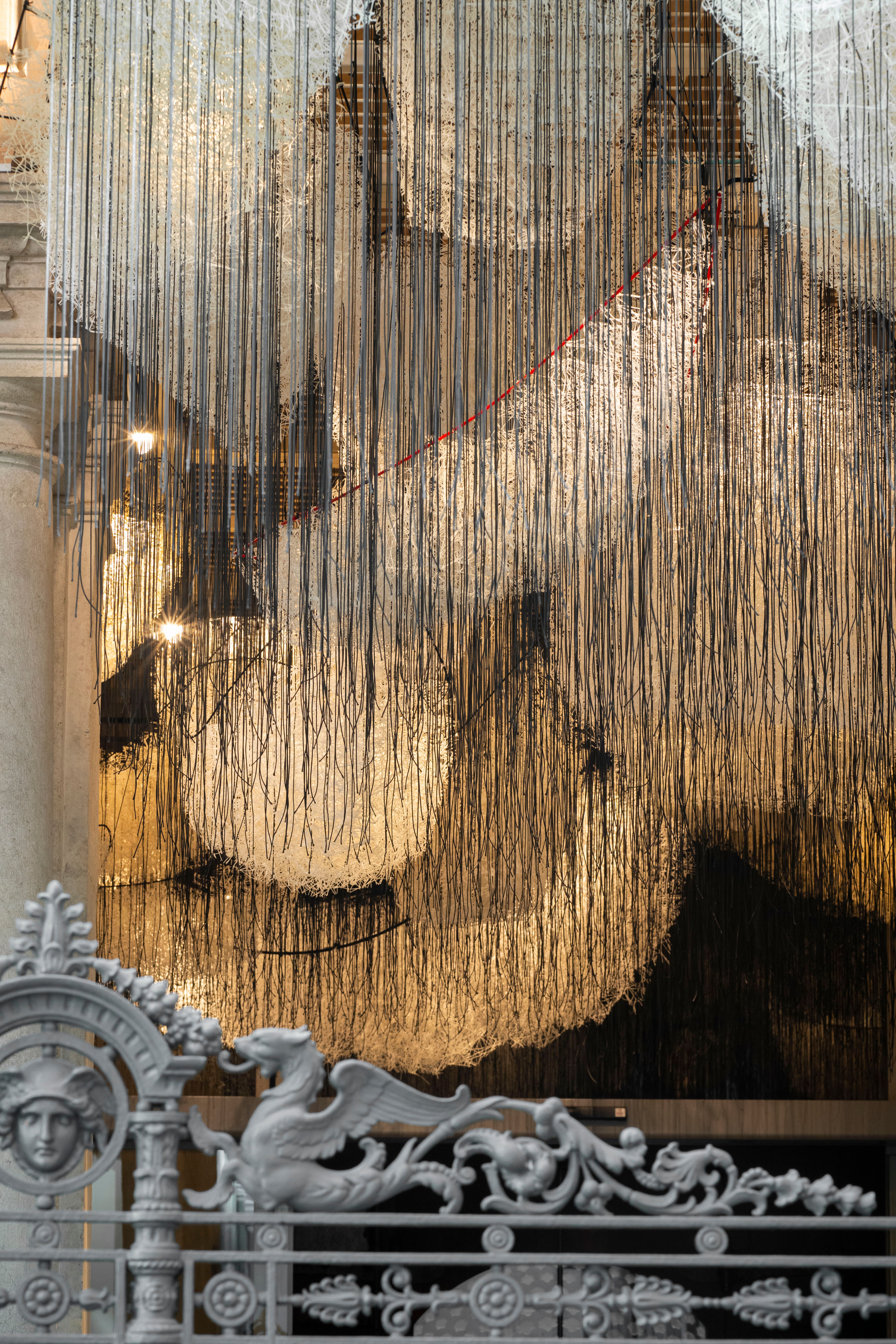
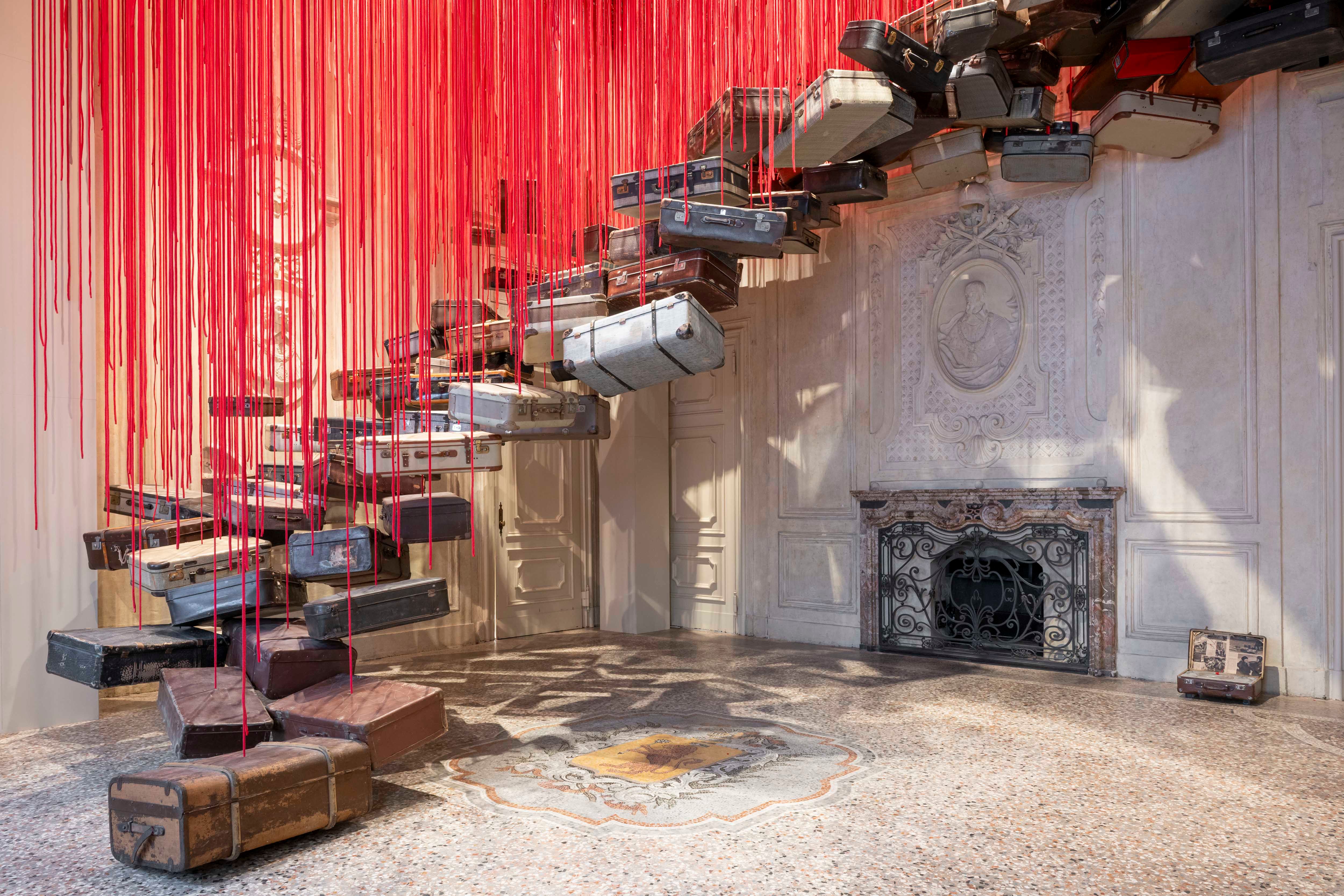
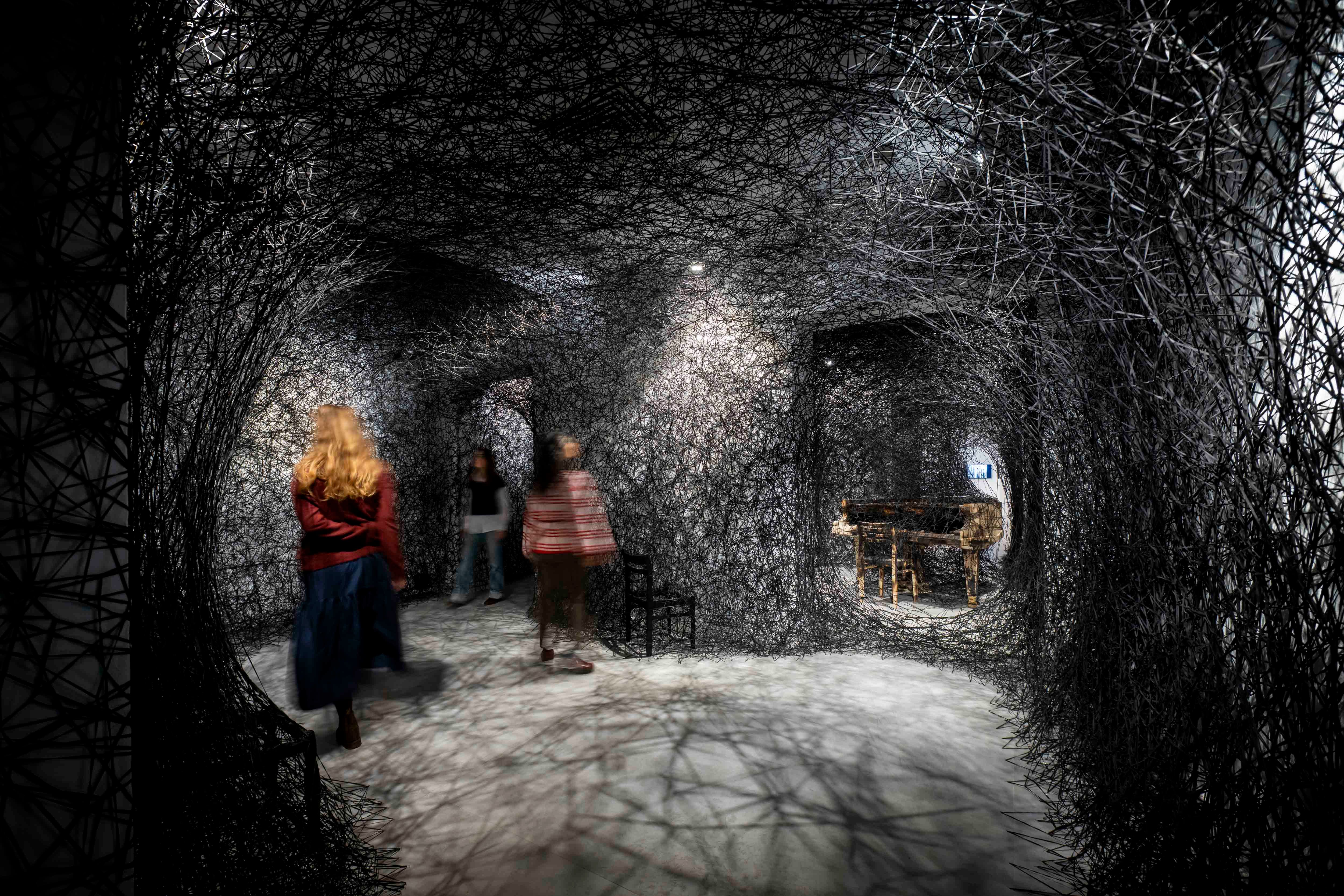
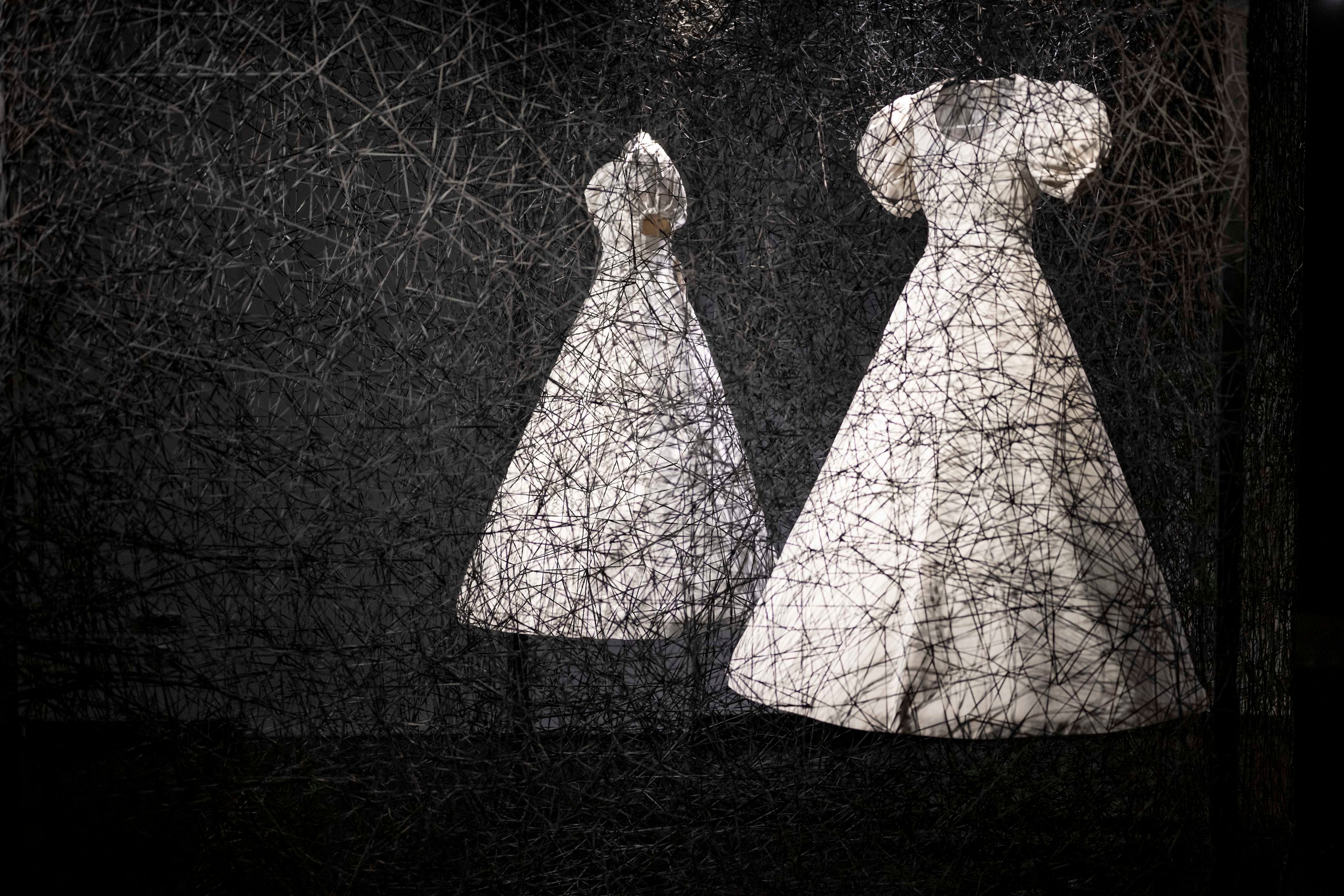
Across town, Fondazione Merz, a museum founded in a 1930s power station that used to serve the Lancia car factory, pairs Mario Merz’s Arte Povera legacy with new commissions from the Vietnamese artist Danh Võ, while MAO—the Museo d’Arte Orientale—is expanding beyond archaeology to explore Asian diaspora and contemporary cross-cultural narratives, most notably with the first Italian retrospective of the Japanese artist Chiharu Shiota.
While Artissima continues to be the moment when international attention converges on Turin, it’s the city’s year-round network that sustains it: its art schools, its collectors, and its institutions willing to take risks without chasing headlines. For all the talk of market cycles and global competition, Turin’s model remains refreshingly civic, rooted in the belief that contemporary art can act as a city’s engine, ready to power ahead. —[O]
Main image: Pista 500, Pinacoteca Agnelli, Turin. Courtesy Pinacoteca Agnelli. Photo: Andrea Guermani.






A respected voice in contemporary art discourse.
Focusing on ambitious storytelling and insightful art-world commentary. Ocula Magazine publishes in-depth interviews, critical essays and timely analysis on the artists, exhibitions and ideas driving the global art world.
Learn more about Ocula Magazine
Showcasing the best of the art world.
Ocula partners with galleries from around the world to highlight their artists, artworks and exhibitions. Gallery membership is by application and invitation, with each member vetted by an independent panel.
Learn more about Ocula Membership
Specialises in the sale of major artworks.
Led by a team with deep ties to the world’s leading auction houses, galleries and collectors. Ocula’s advisory team offers bespoke services to high-net-worth clients from around the world who are looking to acquire the best of contemporary and modern art.
Learn more about our team and services