






How Fashion Pushed Back Against AI to Re-Embrace ‘Analogue’ Art
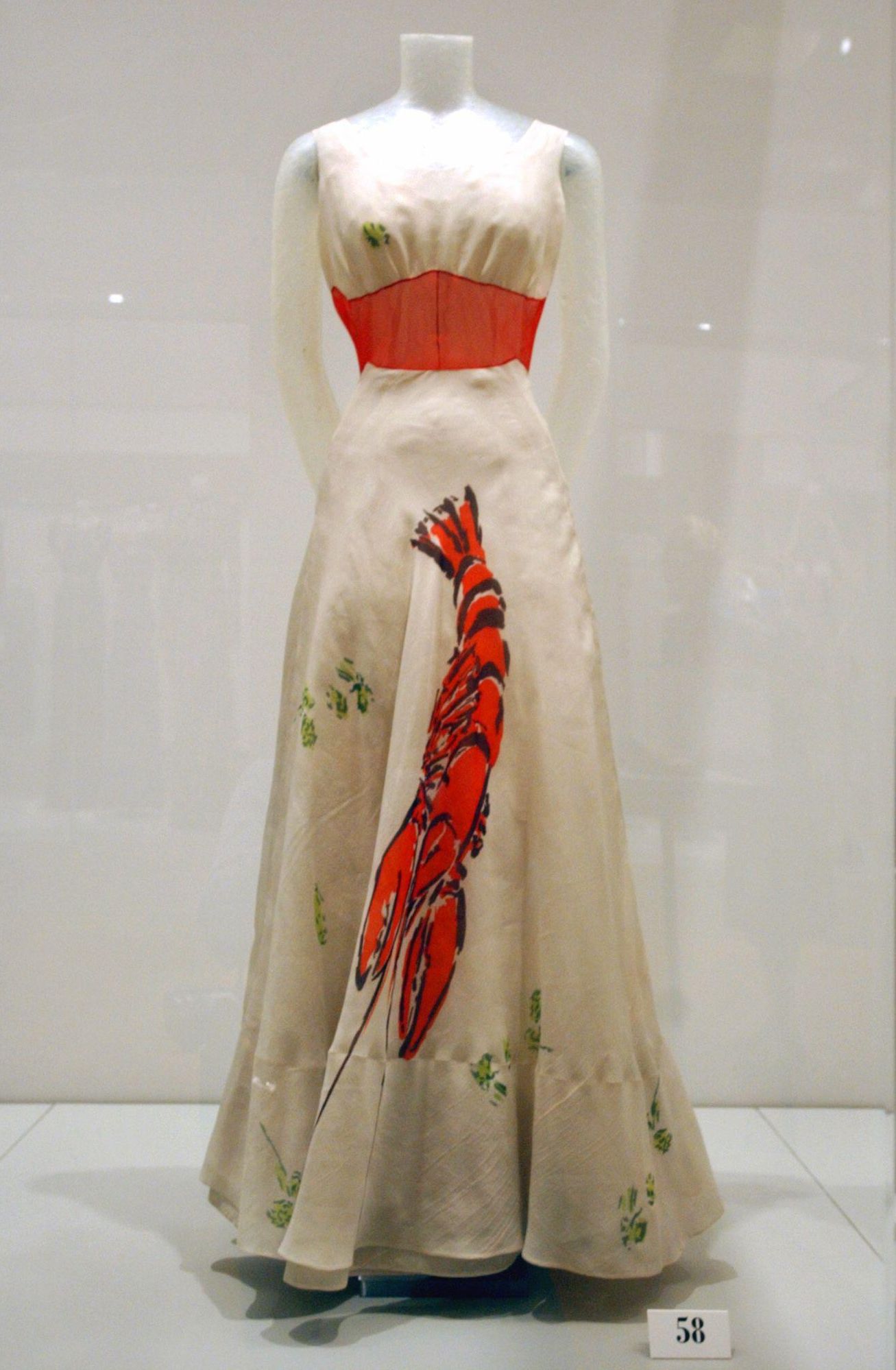
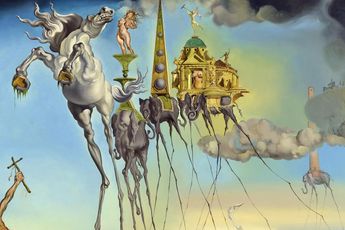
The year in fashion: 15 creative directors debuted inaugural collections for S/S 2026, but ‘Fashion’s Great Reset’ also marked a change in the industry’s longstanding collaboration with artists. Save to My OculaIn 1935, Maison Schiaparelli produced a face powder compact in the shape of a Gallic rotary telephone dial. Part of the avant-garde couture house’s winter 1936–1937 collection, Stop, Look and Listen, presented at its new Paris boutique at 21 Place Vendôme, this outré objet wrought in metal and enamel was designed by founder Elsa Schiaparelli together with Salvador Dalí. Widely considered the first popularised collaboration between a fashion designer and an artist—Schiap’ and Dalí would go on to create pieces including the Lobster Dress and the Shoe Hat—it was a partnership that declared both disciplines as natural bedfellows. (From Yves Saint Laurent’s Mondrian-inspired shift dress to Louis Vuitton’s collaborations with the likes of Takashi Murakami, Stephen Sprouse and Richard Prince, now it’s nigh-on impossible to count the many instances across the 20th and 21st centuries where fashion and art have joined forces to shape contemporary culture.)

Almost a century on from Stop, Look and Listen, 2025 saw another watershed moment for fashion at large via the biggest creative director reshuffling in history. Over the spring/summer 2026 show season in September and October, an unprecedented 15 designers presented their inaugural collections, including at French and Italian legacy houses such as Chanel, Dior, Balenciaga, Celine, Gucci and Bottega Veneta, leading to a colloquial dubbing of S/S 2026 as ‘Fashion’s Great Reset’. This sartorial turning of tides took place during the midway point of the 2020s—a decade that began with a global pandemic, leading to the accelerated rise of Big Tech, and saw the visual arts reach a crisis point with more questions than answers posited over what will become of them in the AI age. In December 2025, AI even took over the English language, with chosen ‘words of the year’ all based around the contentious technology. For Collins Dictionary, ‘vibe coding’ was its phrase of choice, coined by Andrej Karpathy, founding engineer at OpenAI, to describe ‘how AI enables creative output’; Merriam-Webster opted for ‘slop’, meaning ‘digital content of low quality that is produced usually in quantity by means of artificial intelligence’.

While a growing number of artists and commentators grapple with AI as both subject matter and medium, the runways of ‘Fashion’s Great Reset’ presented a refreshing riposte to the accelerationist narrative around digital technology, with designers in both new and existing roles choosing instead to look through the lens of analogue and craft-based art, including painting and sculpture. At Loewe, new creative directors Jack McCollough and Lazaro Hernandez (the founders of New York label Proenza Schouler) continued to build on the craft-led foundations laid by Jonathan Anderson during his tenure. Anderson, who is now creative director at Dior, joined Loewe in 2013, transforming the once-sleepy LVMH-owned Spanish leather house into a lucrative and zeitgeisty force to be reckoned with. ‘We are so dependent on digital media that we need to counteract that with something more human,’ Anderson said in a 2018 interview on the occasion of the annual Loewe Craft Prize. ‘We see so much online two-dimensional imagery, and craft is a three-dimensional antidote to that.’ Launched by Anderson a decade ago, the jurors for the €50,000 prize sift through thousands of applications from craftspeople around the world each year, elevating what has often been seen as a lesser art to one on an equal footing with the fashion world.
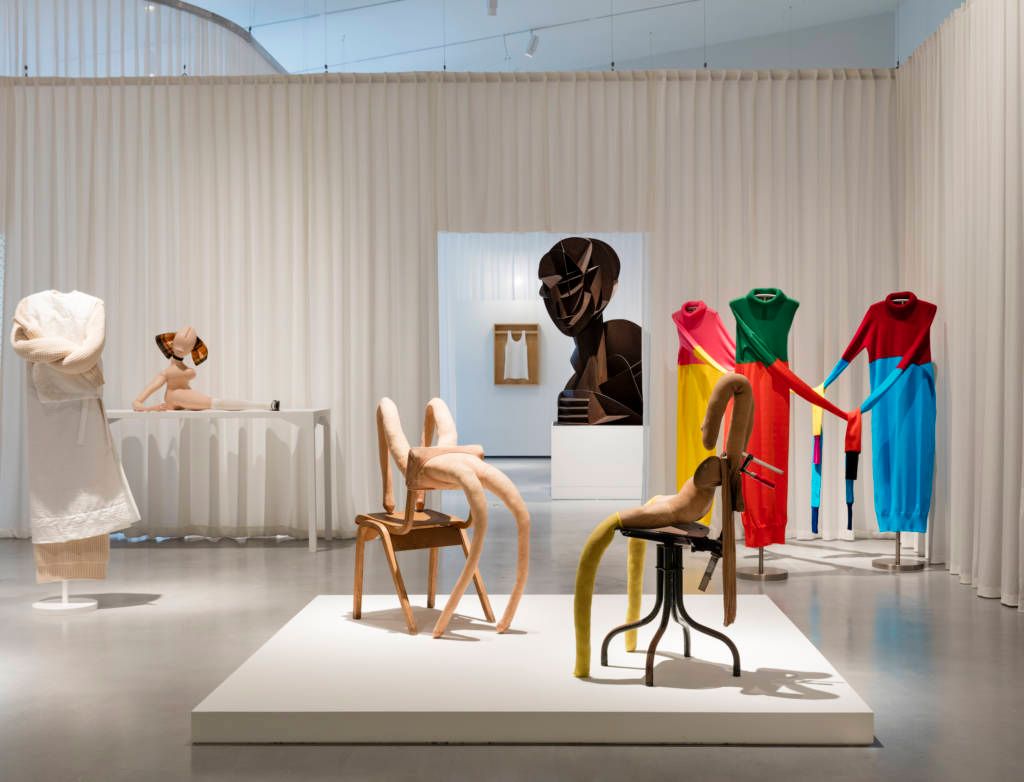
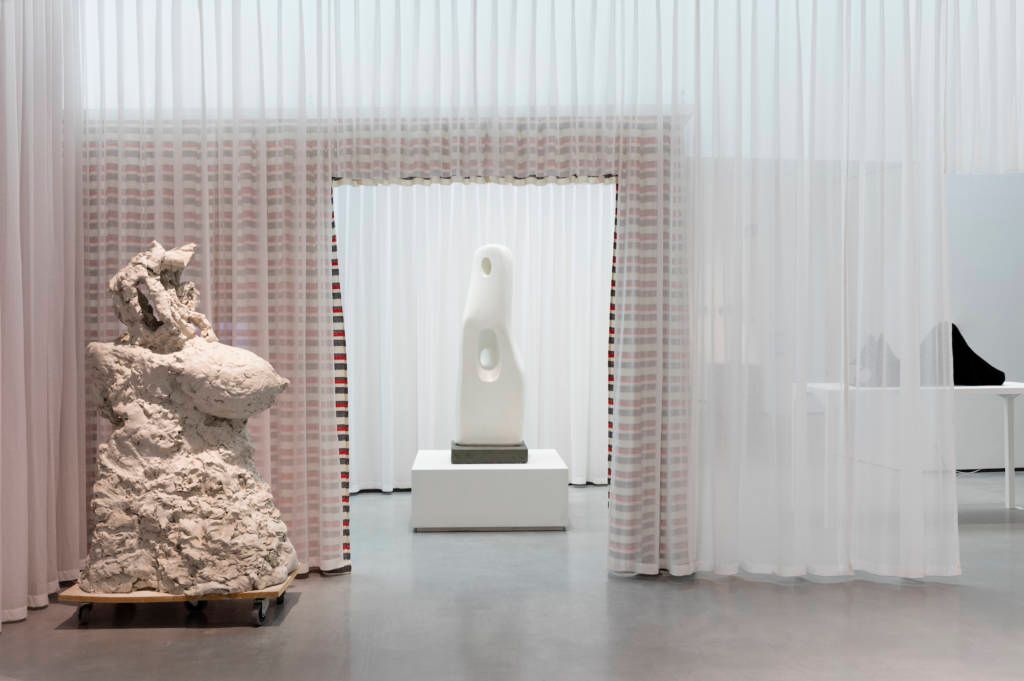

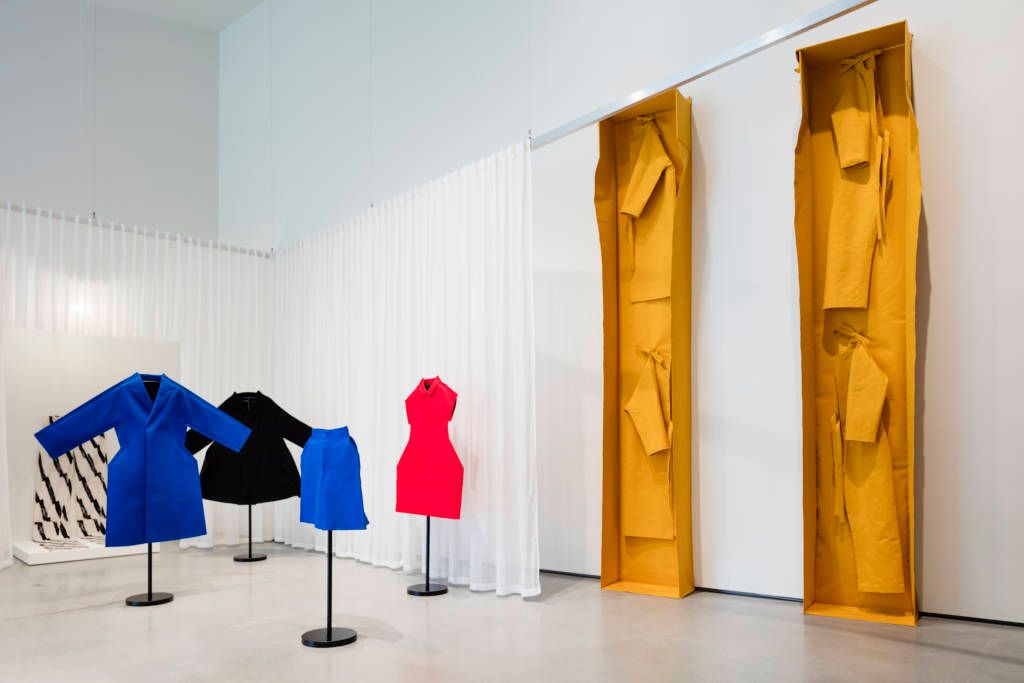

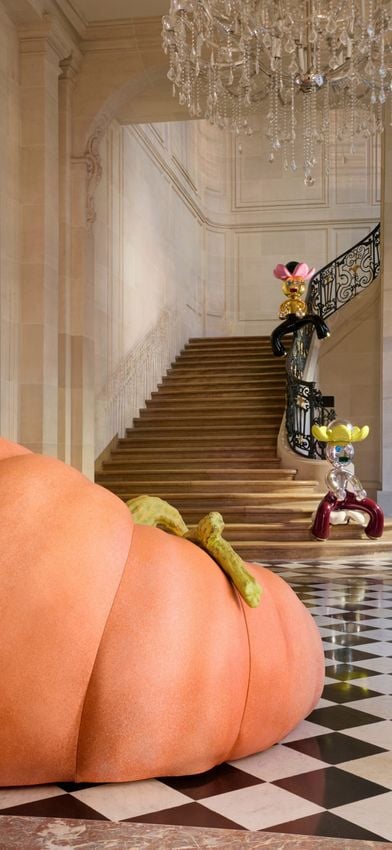
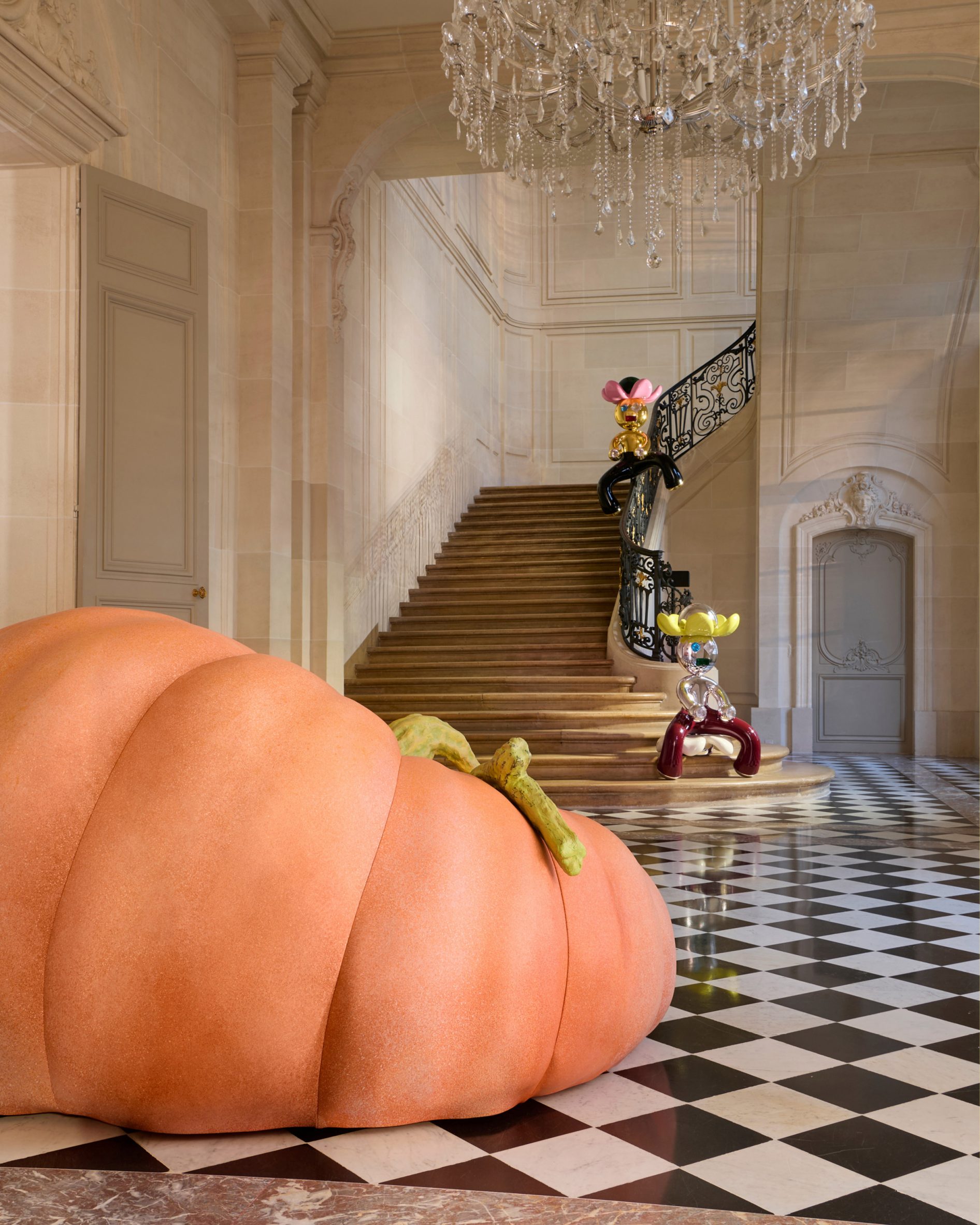
Anderson has long chosen to collaborate with artists working with tactile materials, both in exhibitions including Disobedient Bodies at The Hepworth Wakefield in 2017 and in runway collections for Loewe. The lumpen, mutating ceramics of Californian artist Ken Price became the impetus for a 2022 capsule collection; British artist Anthea Hamilton has been a longtime collaborator, making several giant pumpkins for Loewe’s A/W 2022 show set that made direct reference to The Squash, her former Duveen commission at Tate Britain in 2018; and American artist Lynda Benglis, whose bronze sculptures punctuated the S/S 2024 runway, designed a limited run of jewellery for the brand—to name just three examples.
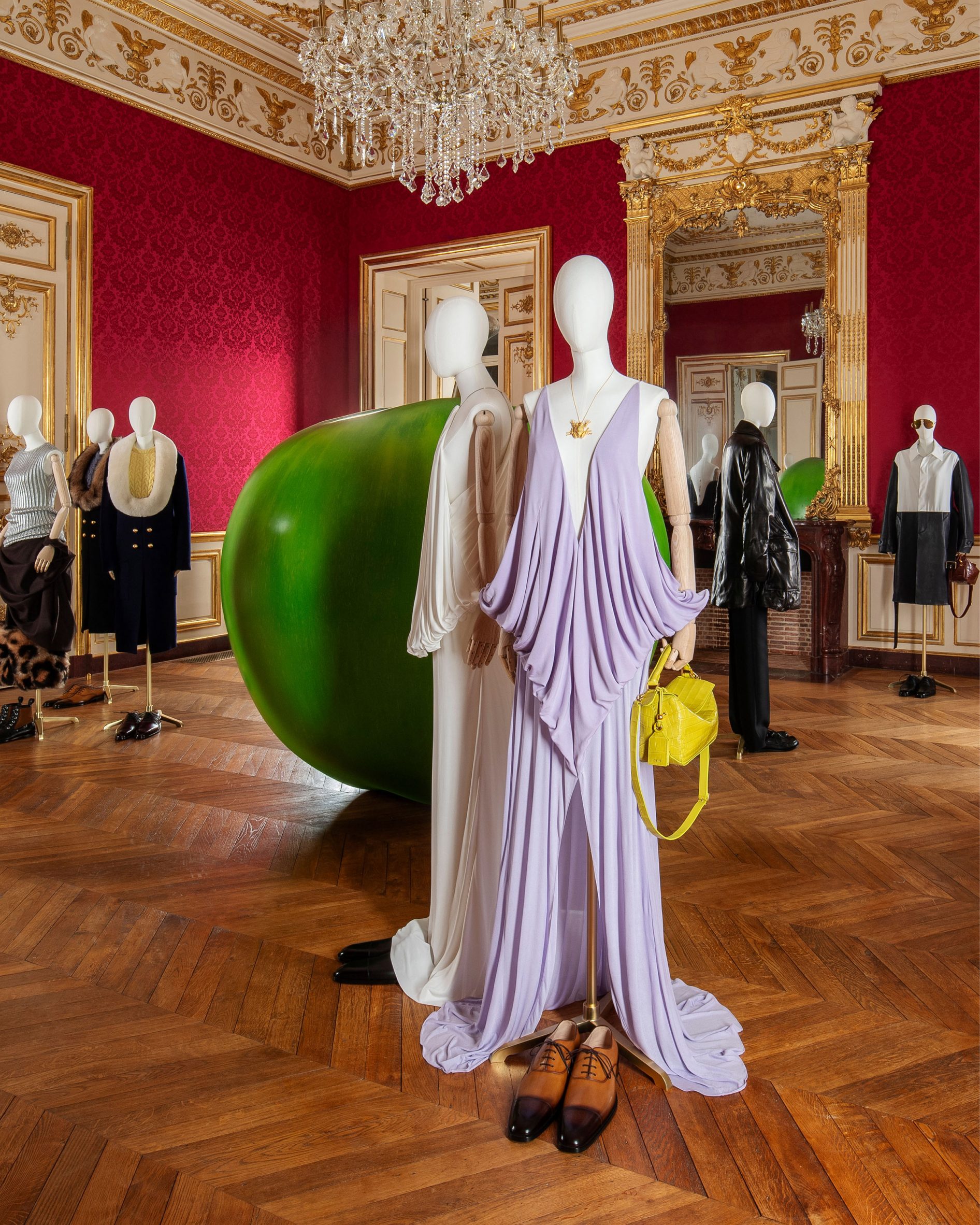
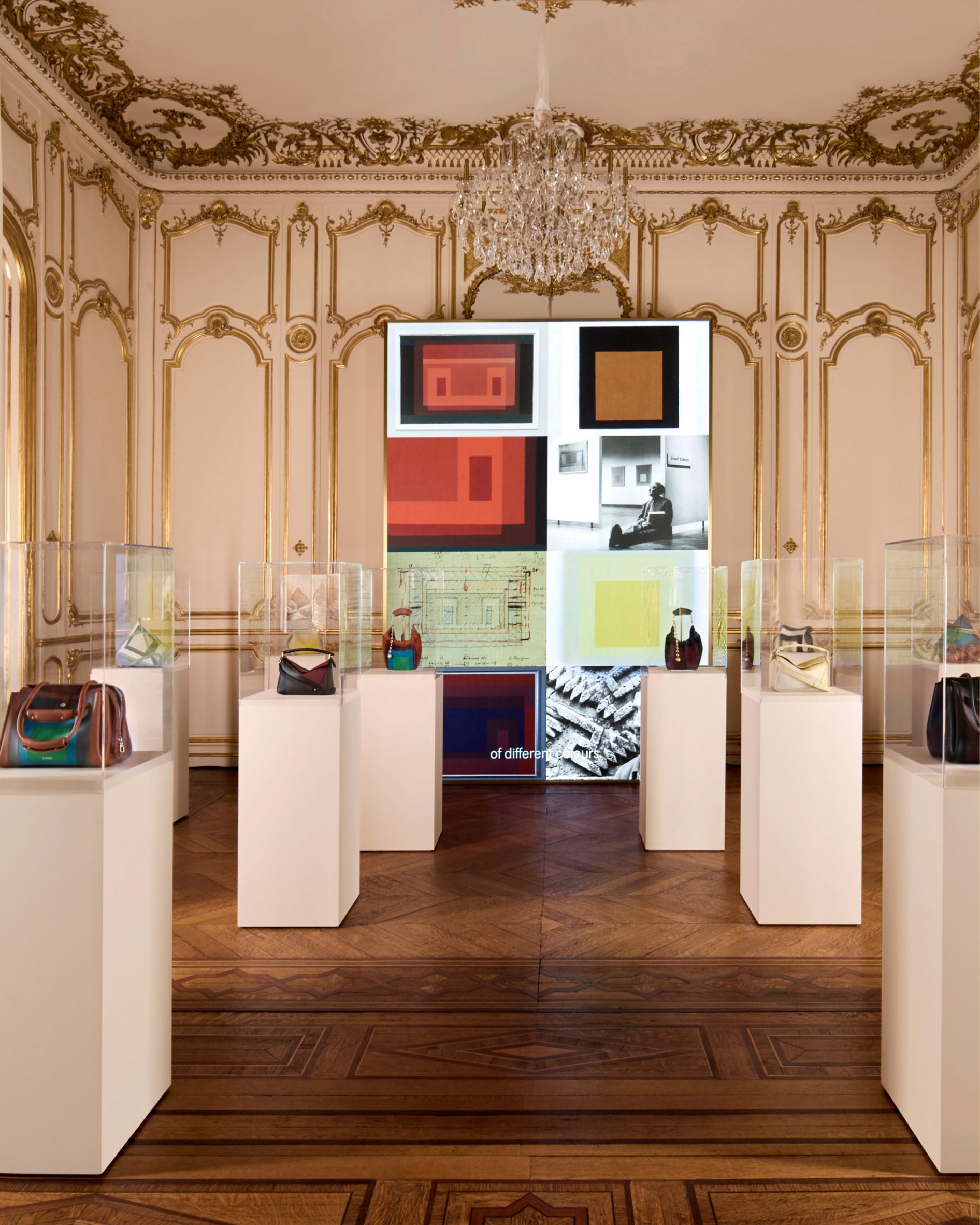
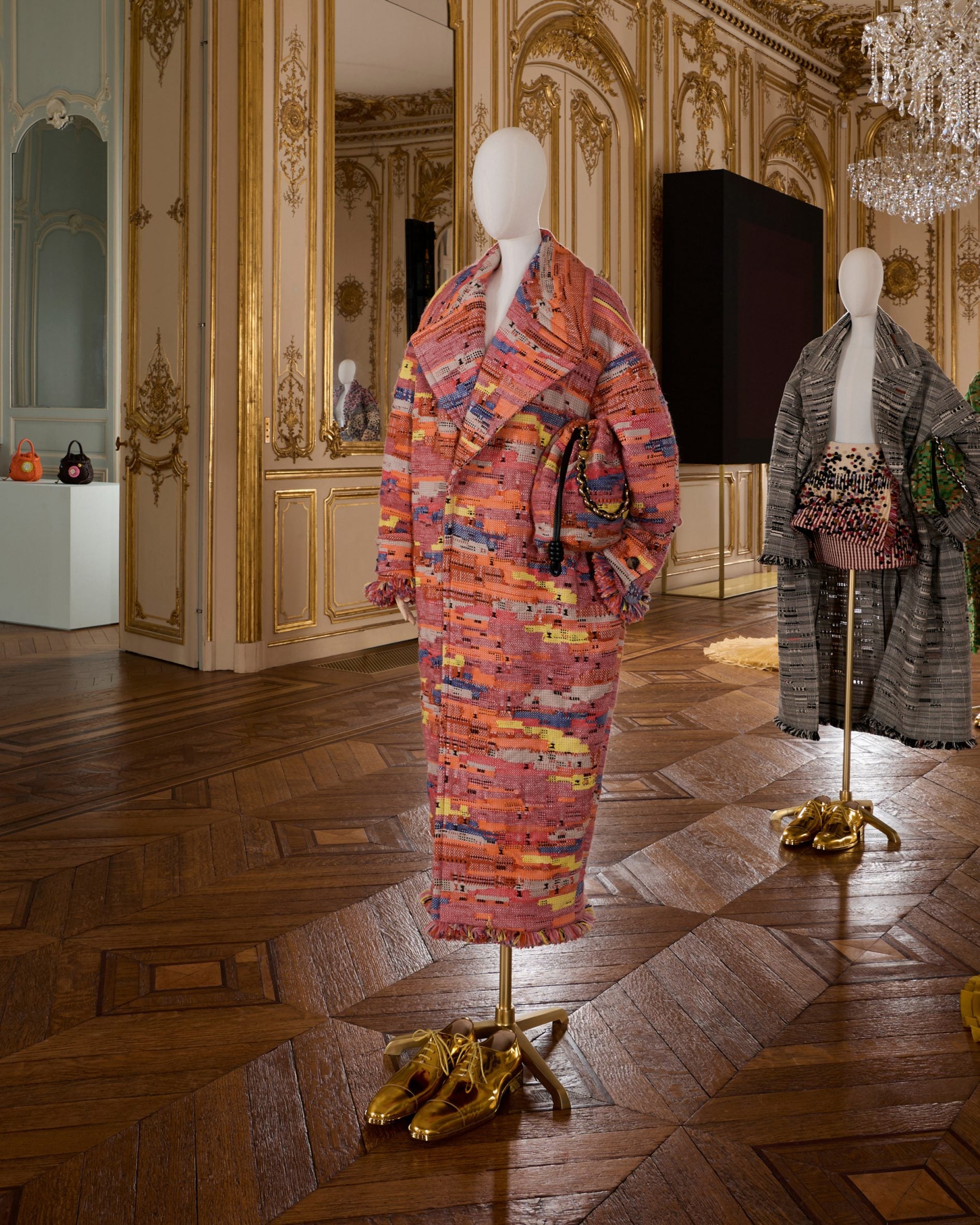
In Paris during autumn 2025, for their first show under the auspices of Loewe following Anderson’s departure, McCollough and Hernandez hung Yellow Panel with Red Curve (1989) by Ellsworth Kelly, an oil painting on two joined, shaped canvases, in the showspace at Cité internationale universitaire de Paris, as they presented ‘a collection seen through the lens of clarity, colour and sensual physicality’. This included what Loewe’s own website describes as ‘clutch bags made from hand-blown glass, shoes constructed with origami-like folds and panelled leather dresses finished with spray-painting techniques’. In an interview with Business of Fashion, Hernandez explained: ‘We’re not yarn-y, we’re not ceramic-y. […] We need to take the codes of Loewe and interpret them in our own vernacular.’ Elsewhere in the article, McCollough and Hernandez described the collection as putting a ‘new lens on craft’.

Painting also influenced a second designer duo, Laura and Deanna Fanning, creative directors of the young London-based label Kiko Kostadinov’s womenswear line, with the work of the late artist Christina Ramberg partly forming the inspiration behind its S/S 2026 collection. A member of the figurative Chicago Imagists movement, a group that emerged from the School of the Art Institute of Chicago during the 1960s, Ramberg’s estate permitted the use of two of her untitled works from the mid-1970s, which depict hulking female bodies with stiff brassieres and jagged corsetry, to be translated into garments. ‘This season, it is not just the clothes we made that matter, but how we made them,’ said the siblings in the S/S 2026 show notes. ‘We aim to strip away artifice and expectation, returning to the practices that defined our beginnings in fashion: engaging in a joyful exploration of material, composition, proportion, and construction.’
Like Loewe, the history of Italian house Bottega Veneta is rooted in artisanal leather-making, renowned for its signature intrecciato weaving technique. French-Belgian designer Matthieu Blazy, who left the house in 2024 for the top job at Chanel, celebrated this to its fullest, with a number of ‘trompe l’œil’ leather pieces printed to look like denim, flannel and cotton—as well as collaborations with artists including playful, pioneering Italian architect and designer Gaetano Pesce. (Pesce created a small collection of hand-painted bags presented over Milan Design Week 2023, and a series of one-of-a-kind resin chairs for Bottega Veneta’s S/S 2023 runway set.)
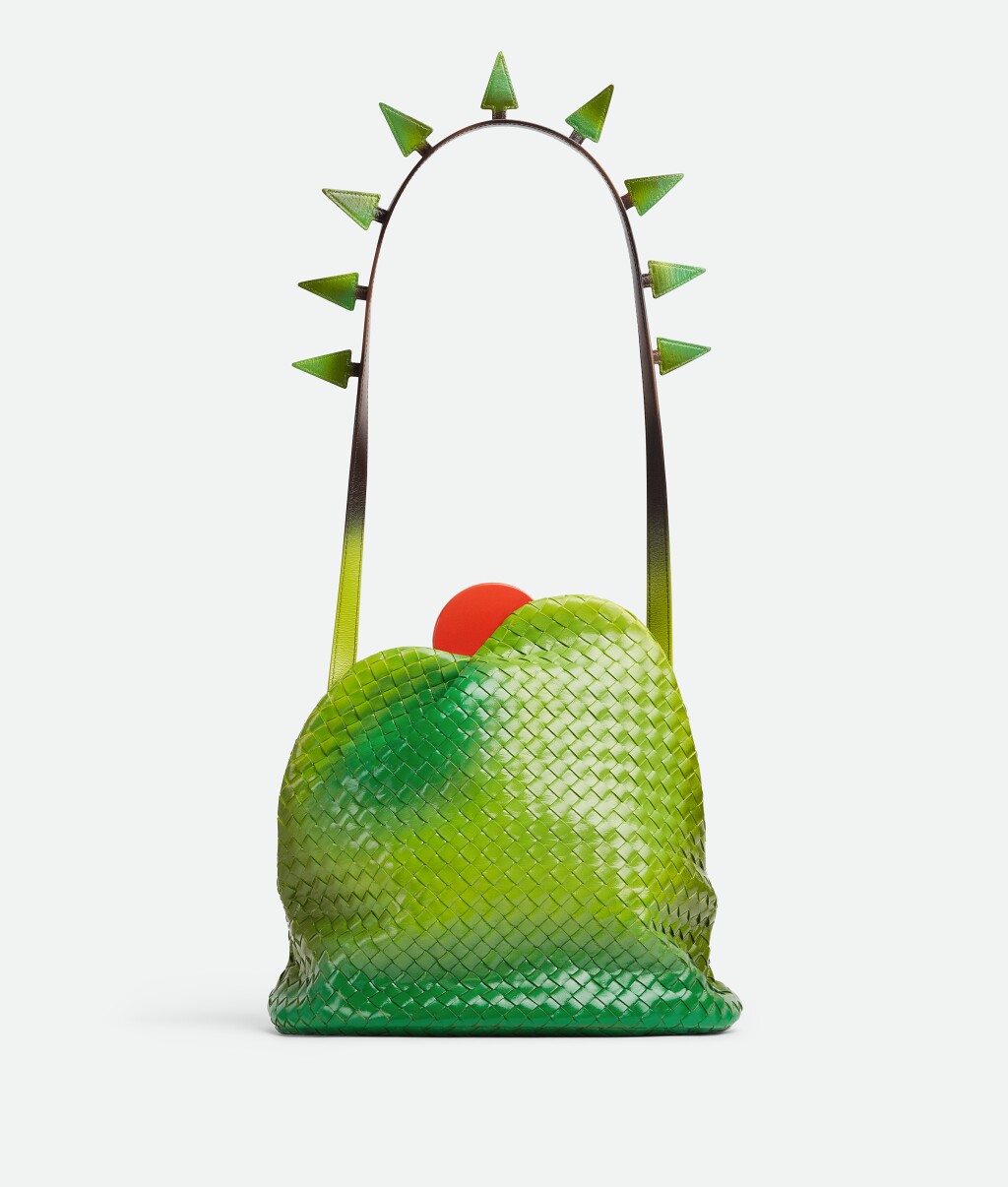
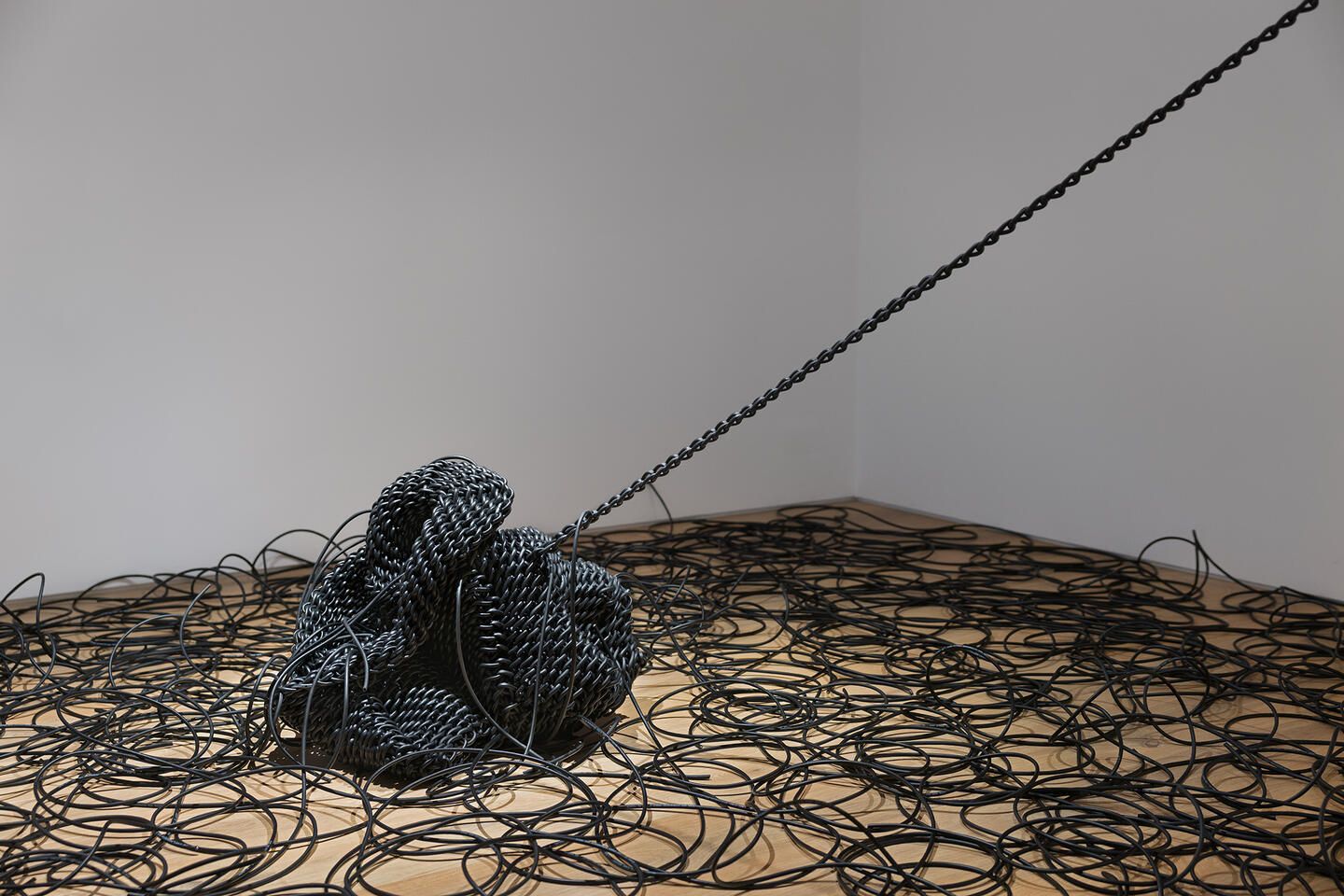
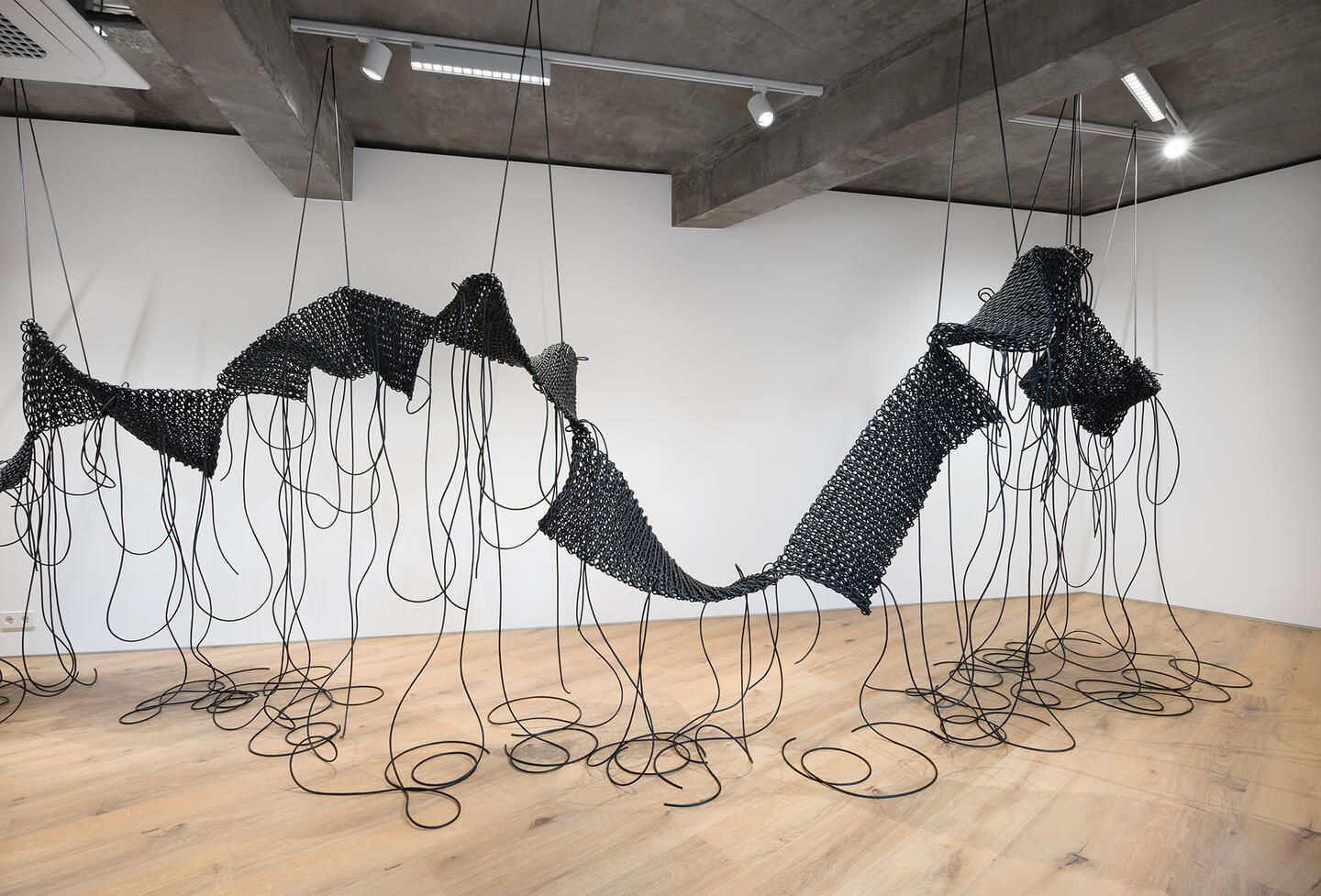
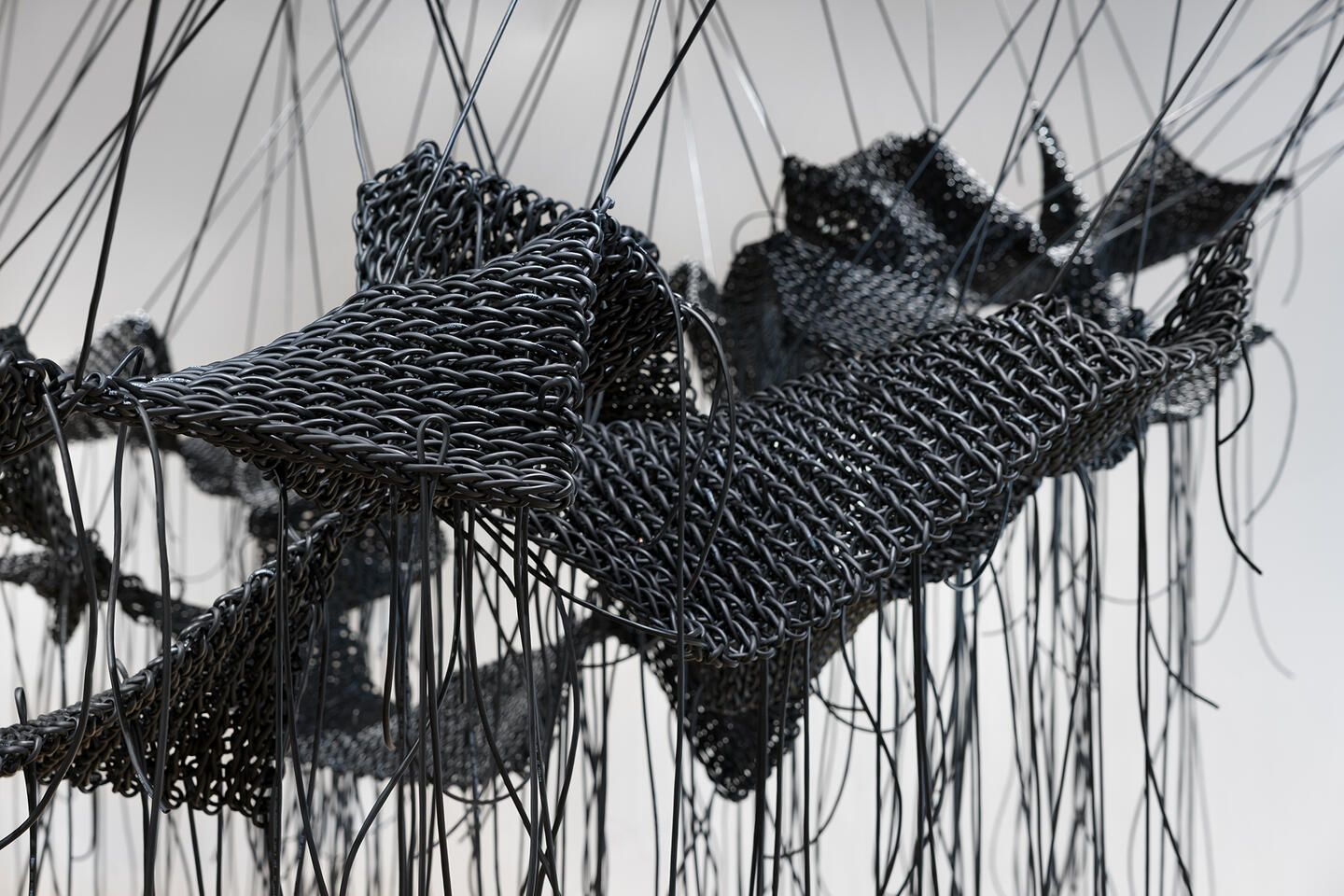
While the annual philanthropic venture ‘Bottega for Bottegas’ spotlights the craft of small Venetian artisans—a project that will continue under the direction of Blazy’s successor Louise Trotter, who staged her first Bottega Veneta collection for S/S 2026 under a woven canopy designed by Korean artist Kwangho Lee, as guests sat on chairs constructed from hand-blown Murano glass. Lee’s sculptures are ‘endless’, Trotter reflected, handwoven forms constructed from repurposed industrial materials. The notes for The Severance of the Serpent’s Neck, the recent exhibition of Lee’s work at Frieze House Presents in Seoul, suggested that his sculptures ‘propose a counter-model of interdependence’ in ‘an era defined by disconnection and material detachment’.

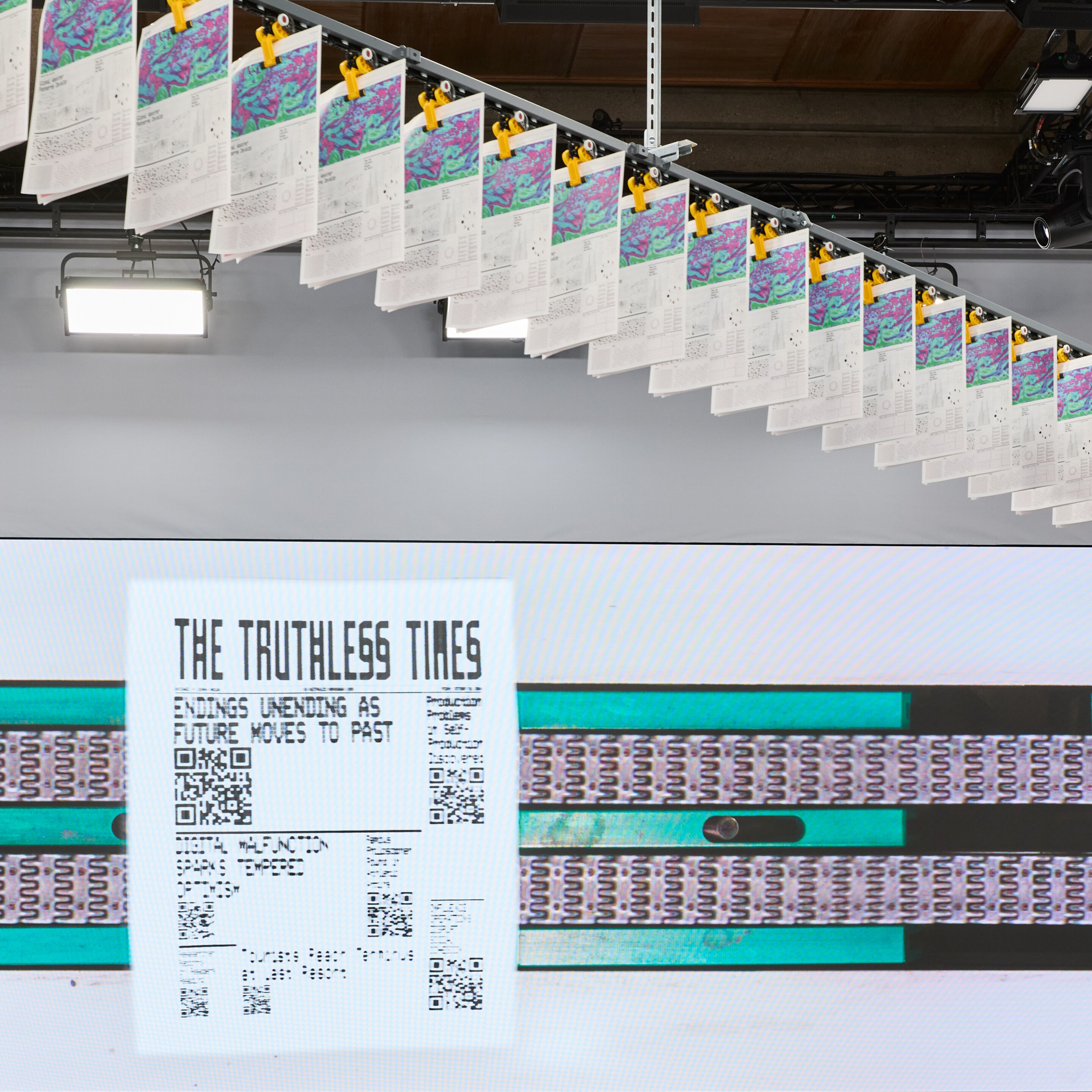
Miu Miu, Prada’s so-called ‘little sister’ brand, has collaborated with the art world for many seasons. In recent years, the likes of a new generation of artists including Sophia Al-Maria, Cecile B. Evans and Goshka Macuga have worked with its founder Miuccia Prada on installations for the brand’s shows. Macuga’s commission for A/W 2025 (titled Salt Looks Like Sugar) explored, the artist said, ‘the human experience of reality in today’s world where the truth has to be found by individual investigation rather than available in commonly distributed sources’. Here, the set was constructed in the image of a news-printing plant, and an accompanying newspaper, titled The Truthless Times, was handed out to audience members.
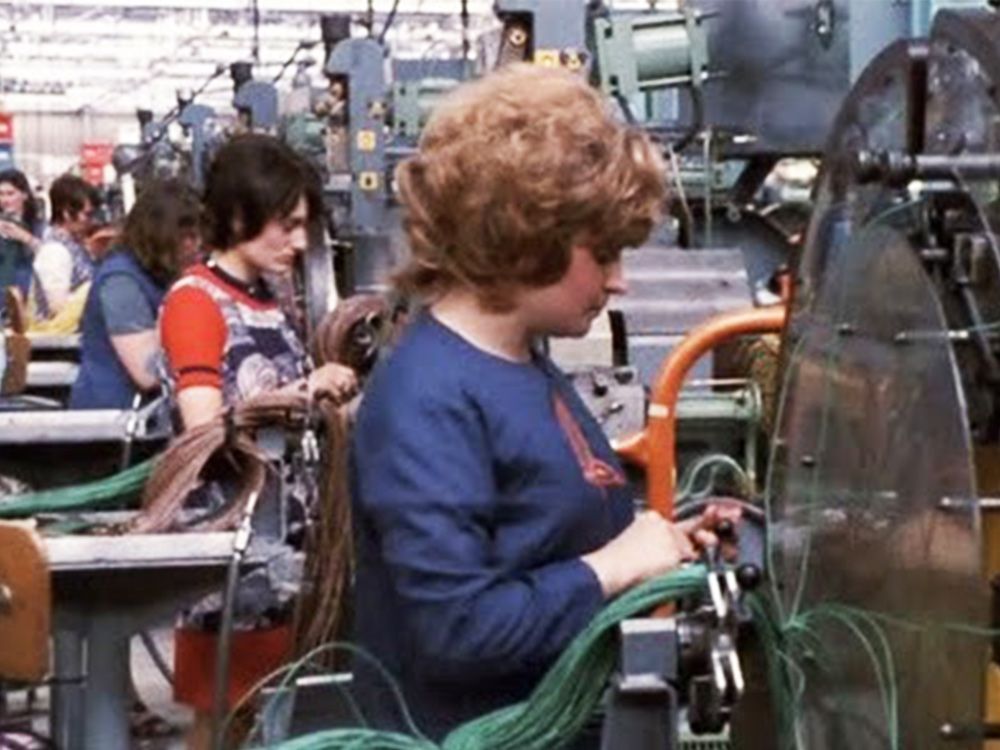
For Prada’s most recent S/S 2026 collection, however, Mrs Prada looked to the documentary photography of Helga Paris and Dorathea Lange, alongside Luis Buñuel’s 1964 film Le journal d’une femme de chambre and Louis Malle’s 1973 documentary Humain, trop Humain. The latter takes the viewer inside the mundane workings of a Citroën car factory, exploring what it means to be human in a machine-dominated world. The collection itself used leather gloves and aprons as motifs, suggestive of the physical, messy and human nature of work, from domiciliary to clinical to industrial, physical labour to caregiving, primary and tertiary industries and the domestic sphere. Though Miuccia (who holds a PhD in political science from the Piccioli Teatro) is supposedly cryptic in her messaging, political themes cannot help but permeate all that she does. And here, by referencing these particular works by artists, photographers and filmmakers, it seems she is calling us to reexamine not just the ways in which we make art but the very means of production in an age of AI.
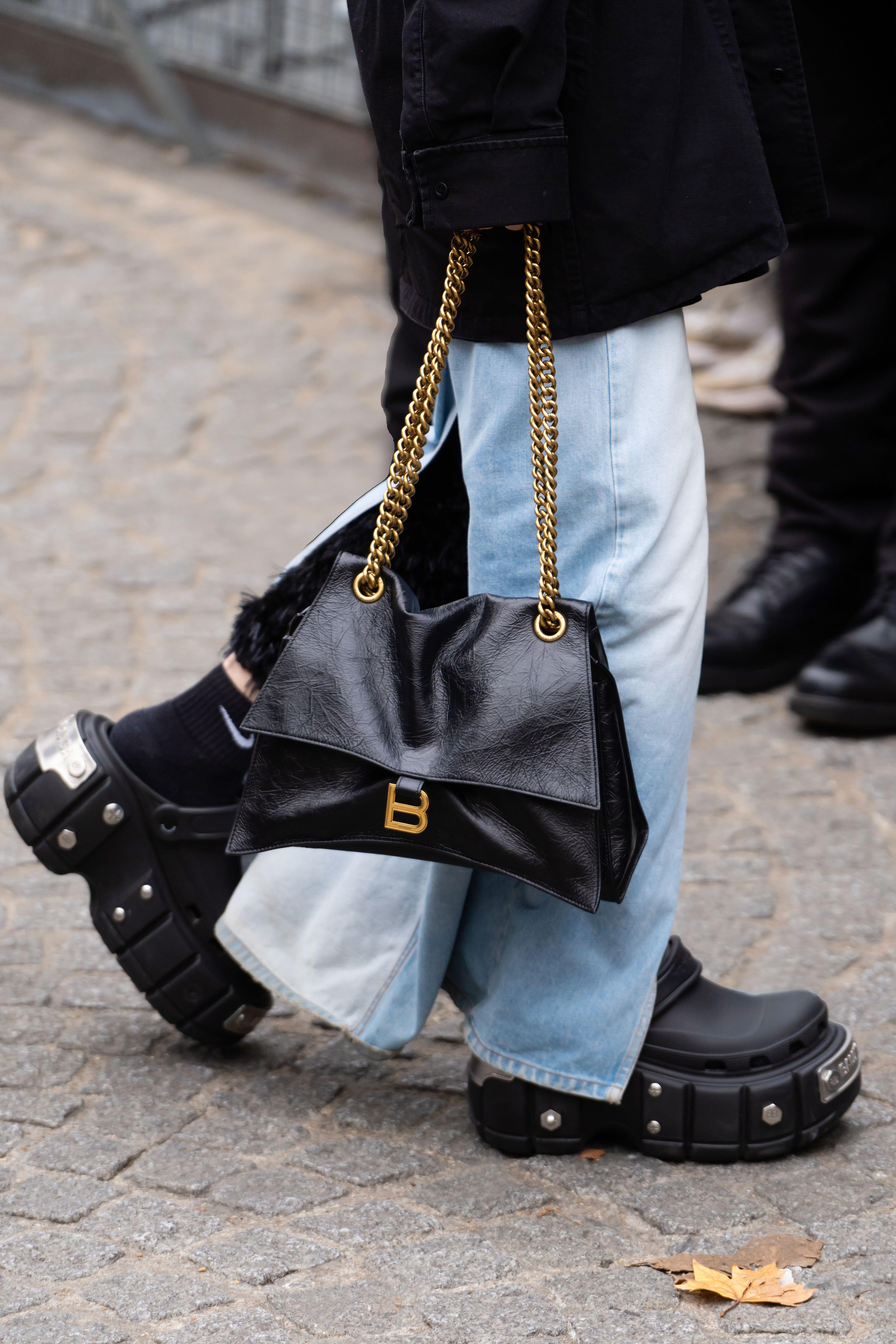
During the past five years, fashion has predominantly concerned itself with making noise on social media. This is largely thanks to renegade, mononymously-named Georgian designer Demna, whose work at Balenciaga from 2015 to 2025 cleverly toyed with the endless loop of viral meme culture. There were skirts made from towels, trash bags rendered in leather, and high-heeled Balenciaga-branded Crocs, all seemingly cynically created with the very purpose to create traction on social media. The more ludicrous, the better. (Demna is now at the helm of Gucci, and his S/S 2026 collection was presented in the form of a lookbook and short film The Tiger, directed by Spike Jonze and Halina Reijn, instead of on the runway.) Teaming up with artists is an undeniably reliable way to double your cultural credentials. But in ‘Fashion’s Great Reset’, there was a palpable shift in the kind of artist that is: a quieter, more contemplative one, where tactility and the presence of human touch can be seen and felt. Fashion in 2025 seemed to say that when facing down the barrel of an AI-generated gun, returning to the craft of making clothes might be the most radical thing you can do. —[O]
Main image: A pumpkin by Anthea Hamilton, presented at Loewe’s F/W 2025 collection presented at Hôtel de Maisons as part of Paris Fashion Week (2025). Photo: Loewe.








A respected voice in contemporary art discourse.
Focusing on ambitious storytelling and insightful art-world commentary. Ocula Magazine publishes in-depth interviews, critical essays and timely analysis on the artists, exhibitions and ideas driving the global art world.
Learn more about Ocula Magazine
Showcasing the best of the art world.
Ocula partners with galleries from around the world to highlight their artists, artworks and exhibitions. Gallery membership is by application and invitation, with each member vetted by an independent panel.
Learn more about Ocula Membership
Specialises in the sale of major artworks.
Led by a team with deep ties to the world’s leading auction houses, galleries and collectors. Ocula’s advisory team offers bespoke services to high-net-worth clients from around the world who are looking to acquire the best of contemporary and modern art.
Learn more about our team and services