




Art Is Good for You. But Who Will Fund It?
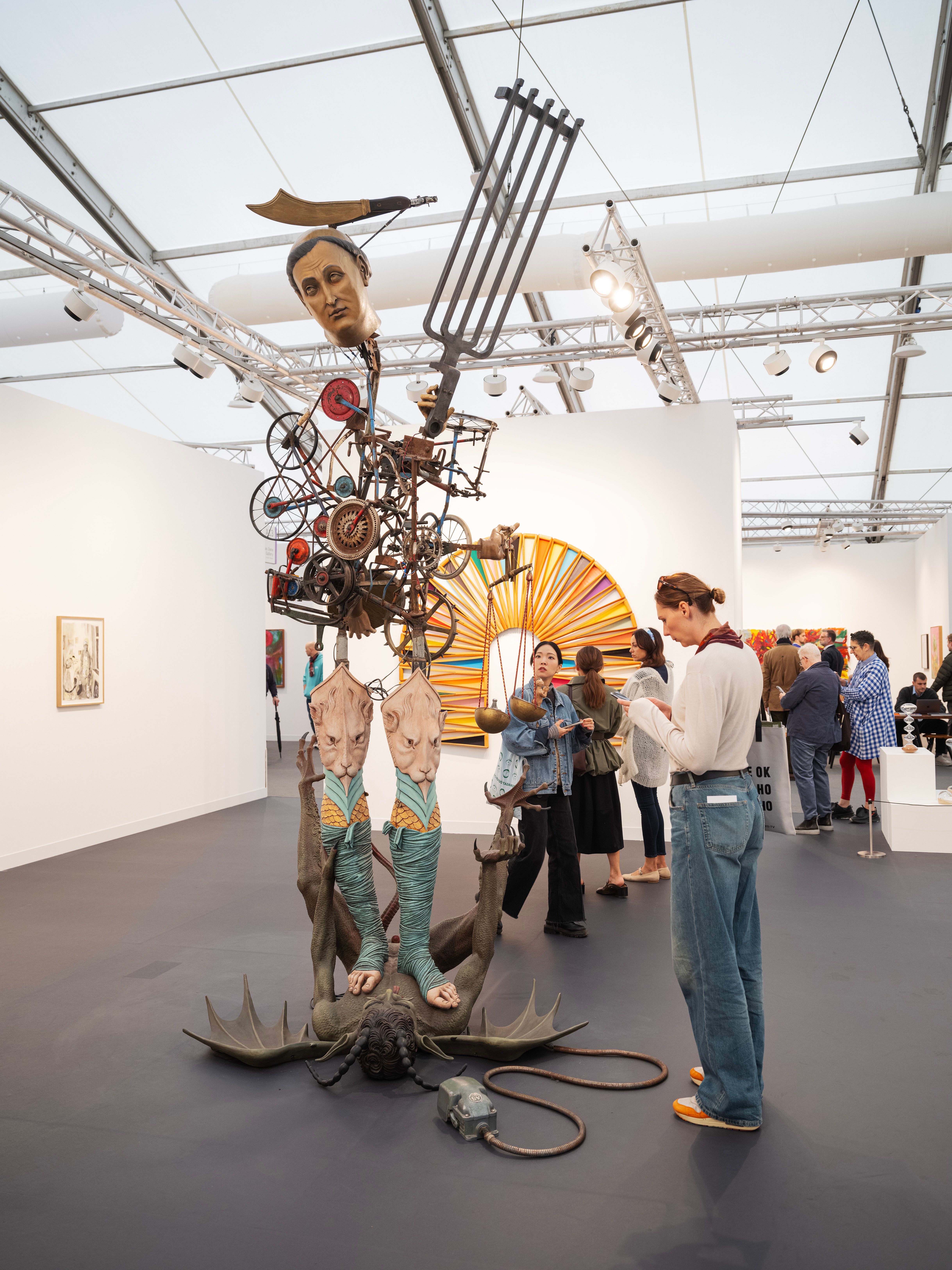
A new study claims that experiencing art can reduce stress—but public funding for the arts is being outstripped by a growing number of privately backed galleries. Save to My OculaArt is good for your wellbeing. At least, that’s what a new study claims. Apparently, enjoying original works in a gallery can cut stress, reduce heart disease and support your immune system. Try telling that to the skeletal hordes of panicked art world insiders who champagned their way through London last month during Frieze, their veins bulging with antidepressants as they tried to make it through another week of exhibition openings without having a nervous breakdown or catching bronchitis. Hell, try telling that to me or any number of art critics (not that there are many of us around any more).
I’ve dedicated my whole life to looking at and writing about art. If it really was that good for you, I would be a picture of health—a placid, perpetually happy, green-juiced, bronzed Adonis. But I’m not. I’m a neurotic mess with early onset glaucoma (a blind art critic!), a debilitating and ludicrous allergy to goddamn dust, and an immune system that’s locked in an abusive relationship with countless forms of the flu. And I’m bald.
But frazzled art casualties apparently contradict the science. Though not peer-reviewed, and not especially rigorous in its scientific approach, the study saw researchers from King’s College London take one group of test subjects to the Courtauld Gallery to look at paintings IRL, and leave another group of subjects behind to look at reproductions of those same paintings in a non-gallery environment. They took saliva swabs, measured heart rates, did all sorts of science, and were staggered by the results. Art—at least, good art by big names such as Van Gogh and Gauguin (I’m not sure this would work with KAWS)—activated the immune, endocrine and autonomic nervous systems all at once.
The study is a little confusing. What if instead of an original Van Gogh painting, subjects saw a reproduction of it but in the same gallery setting? Is there something intrinsically ‘better’ about an original work on canvas over a good-quality reproduction of that same work? What if it was something more contemporary? What if you were looking at work by an artist who uses reproductions—or modern printing techniques—as their medium? Does a work by Wolfgang Tillmans not activate the endocrine system?
Realistically, I think what we’re actually talking about here is the calming power of visiting a quiet, meditative space dedicated to contemplative concentration, rather than the innate goodness of art. But the main takeaway from this study, regardless of its contradictions and flaws, is that art isn’t just beautiful but a positive force for real change, in both the mind and the body. Art can make you feel good.
The elephant in the room here is that the institution used for this study is one based on private finance, not state backing. And that isn’t coincidental. Samuel Courtauld founded The Courtauld Gallery in 1932 off the back of his vast textile empire. He wasn’t the first to do something like that, and nowhere near the last. In more recent philanthropy news, the gallery revealed last month that it had received a £30m donation from the Reuben Foundation, the charitable arm of the family of billionaire brothers David and Simon Reuben. This followed the announcement from London’s National Gallery of a record-breaking £375m in donations this September, including £150m each from Michael Moritz’s Crankstart foundation and the Hans and Julia Rausing Trust.
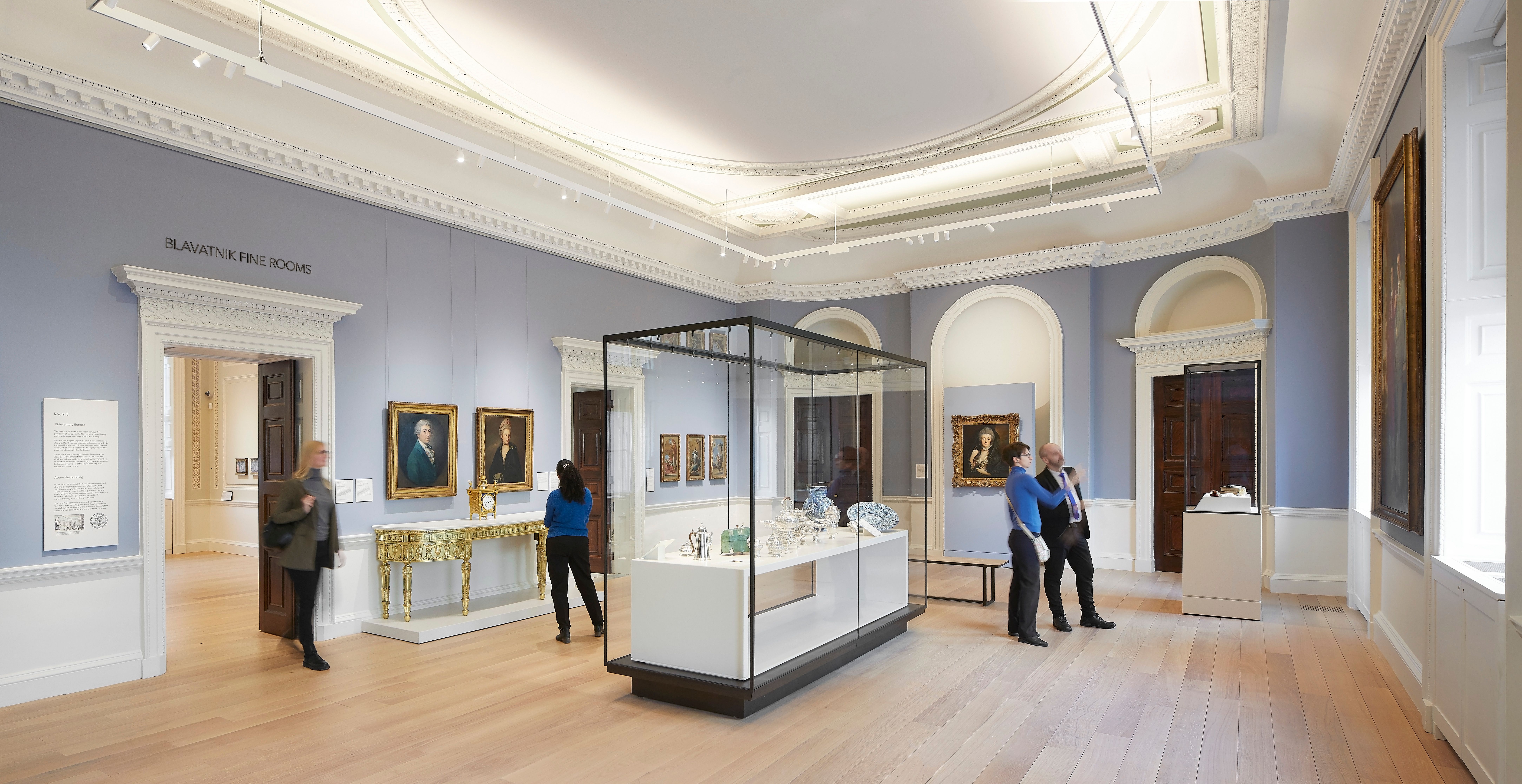
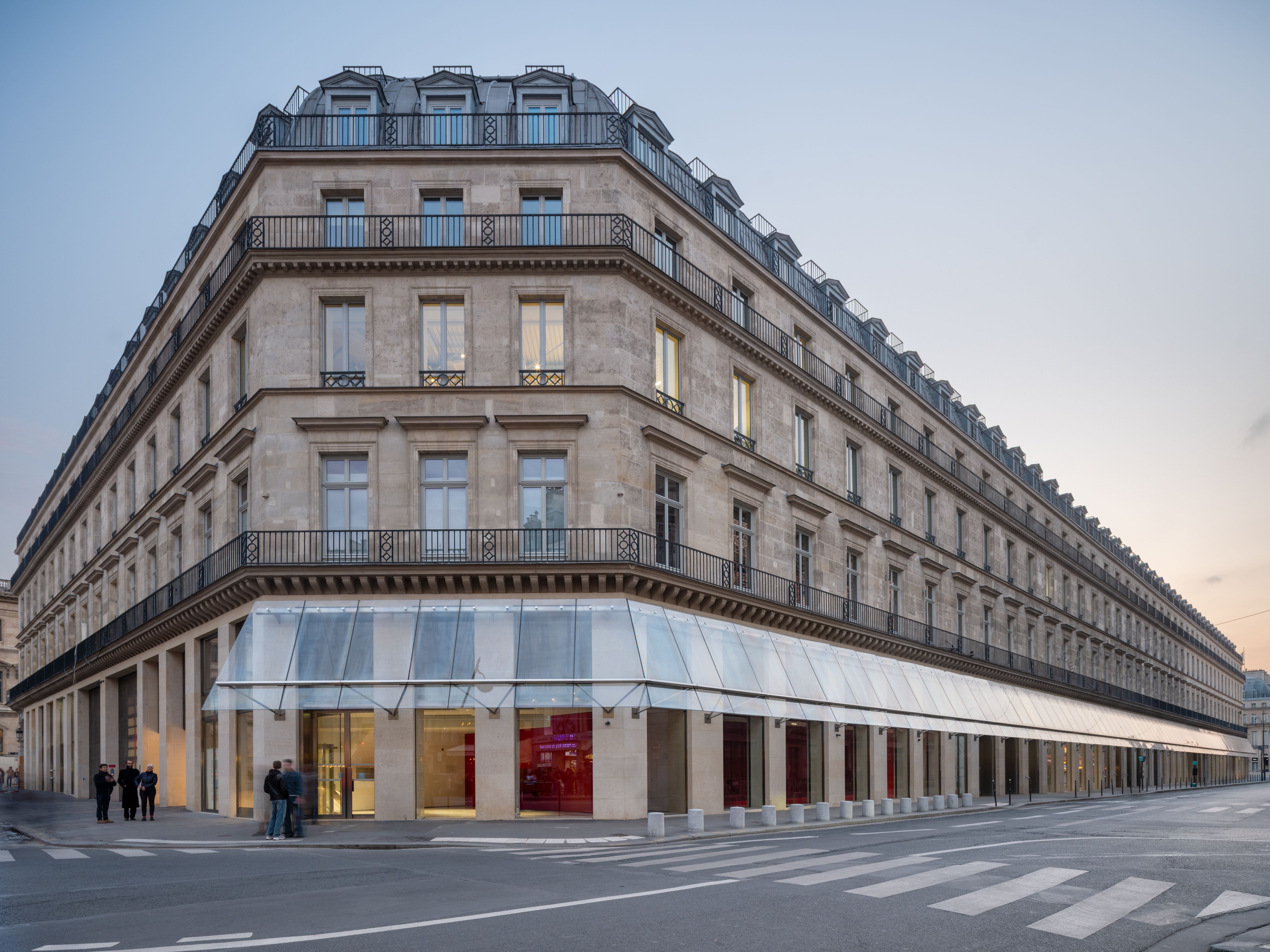
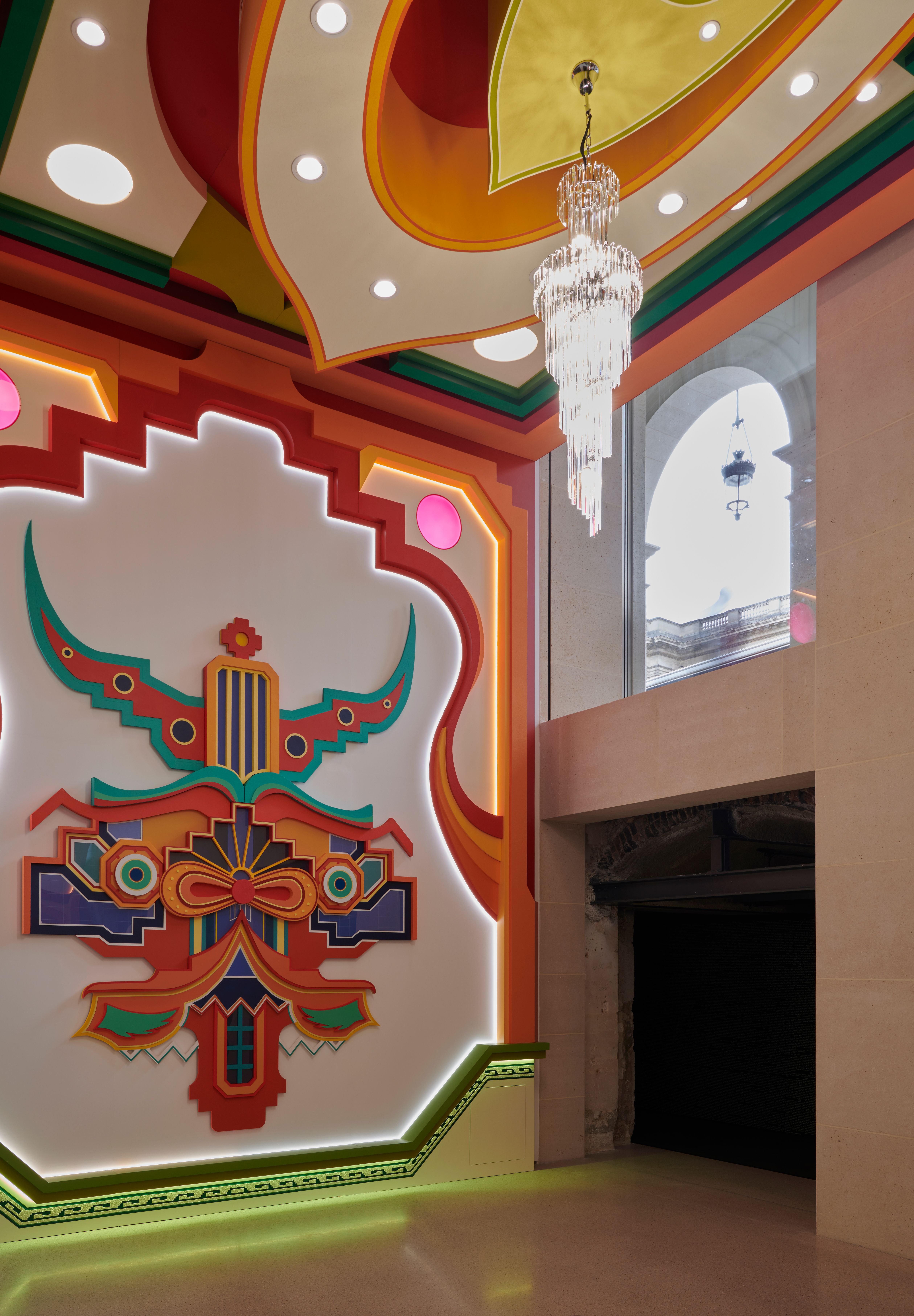
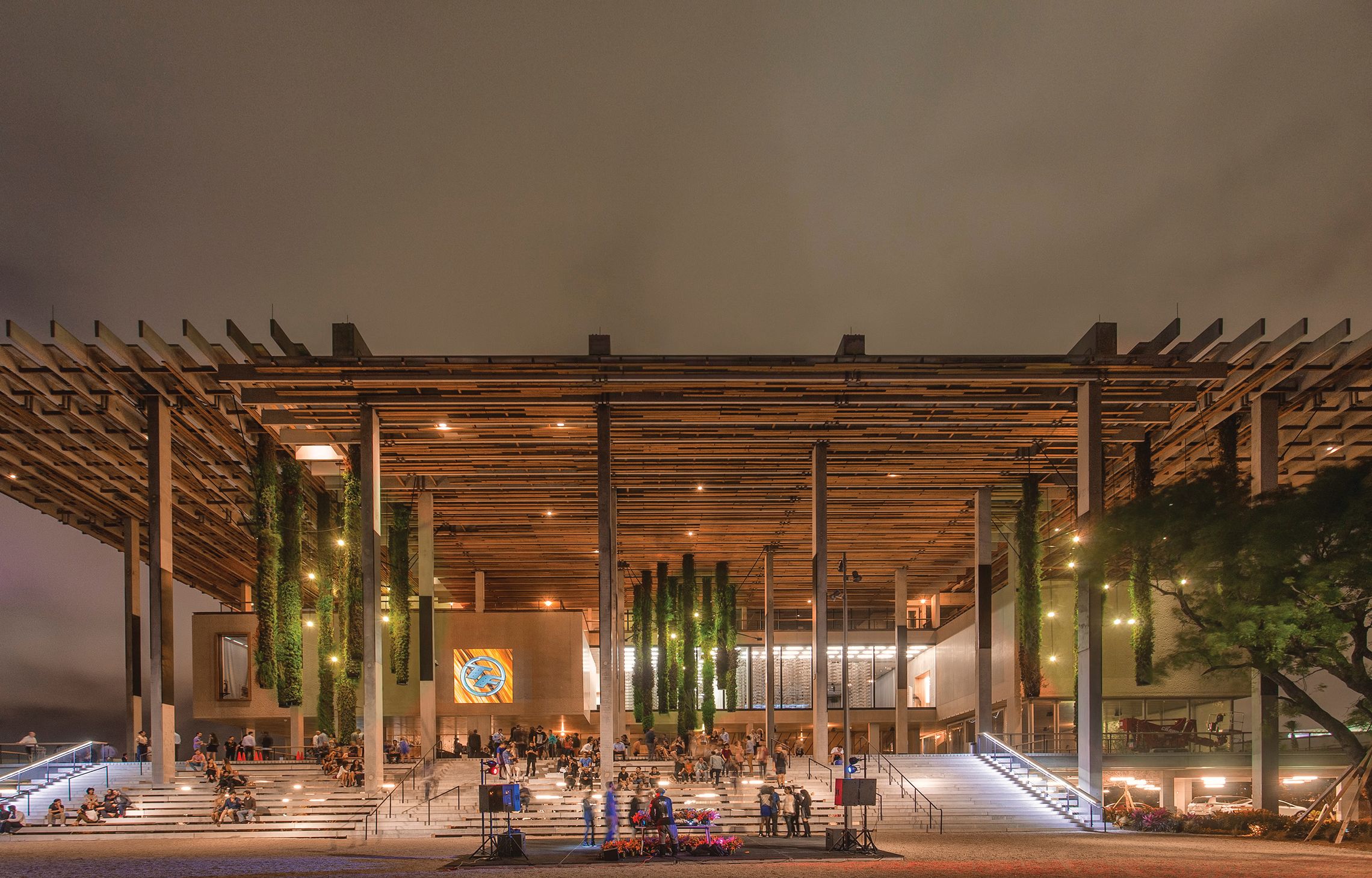
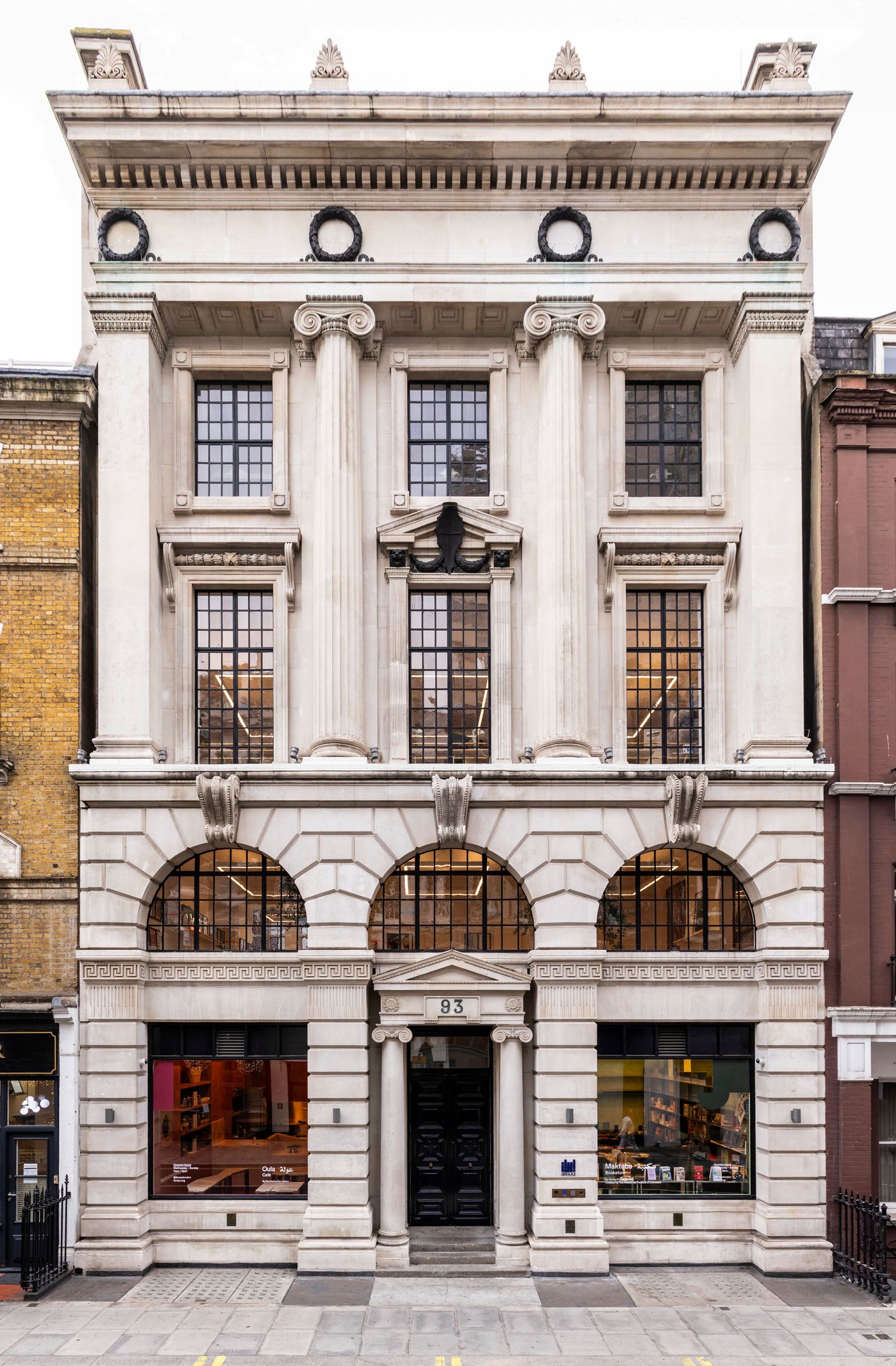
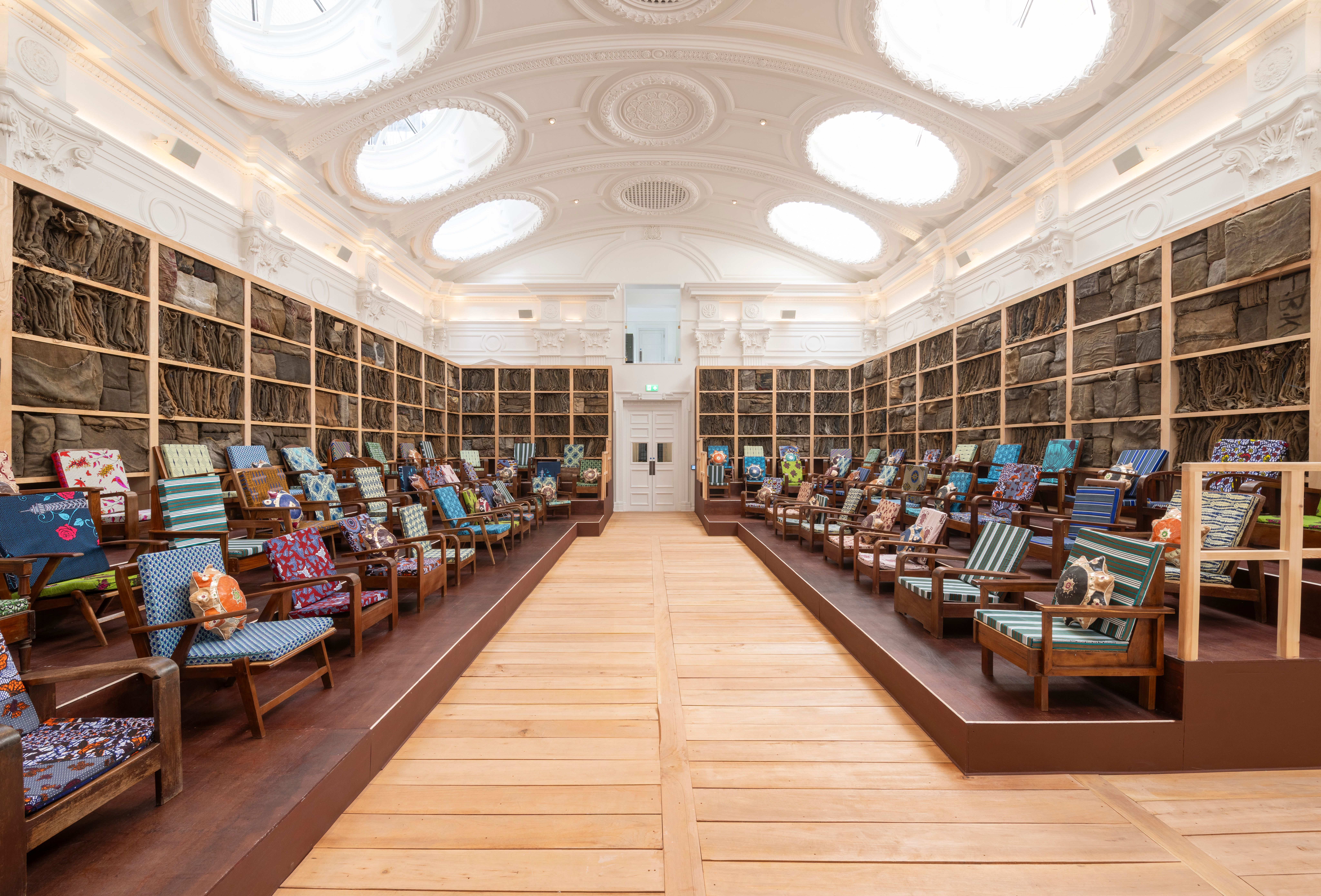
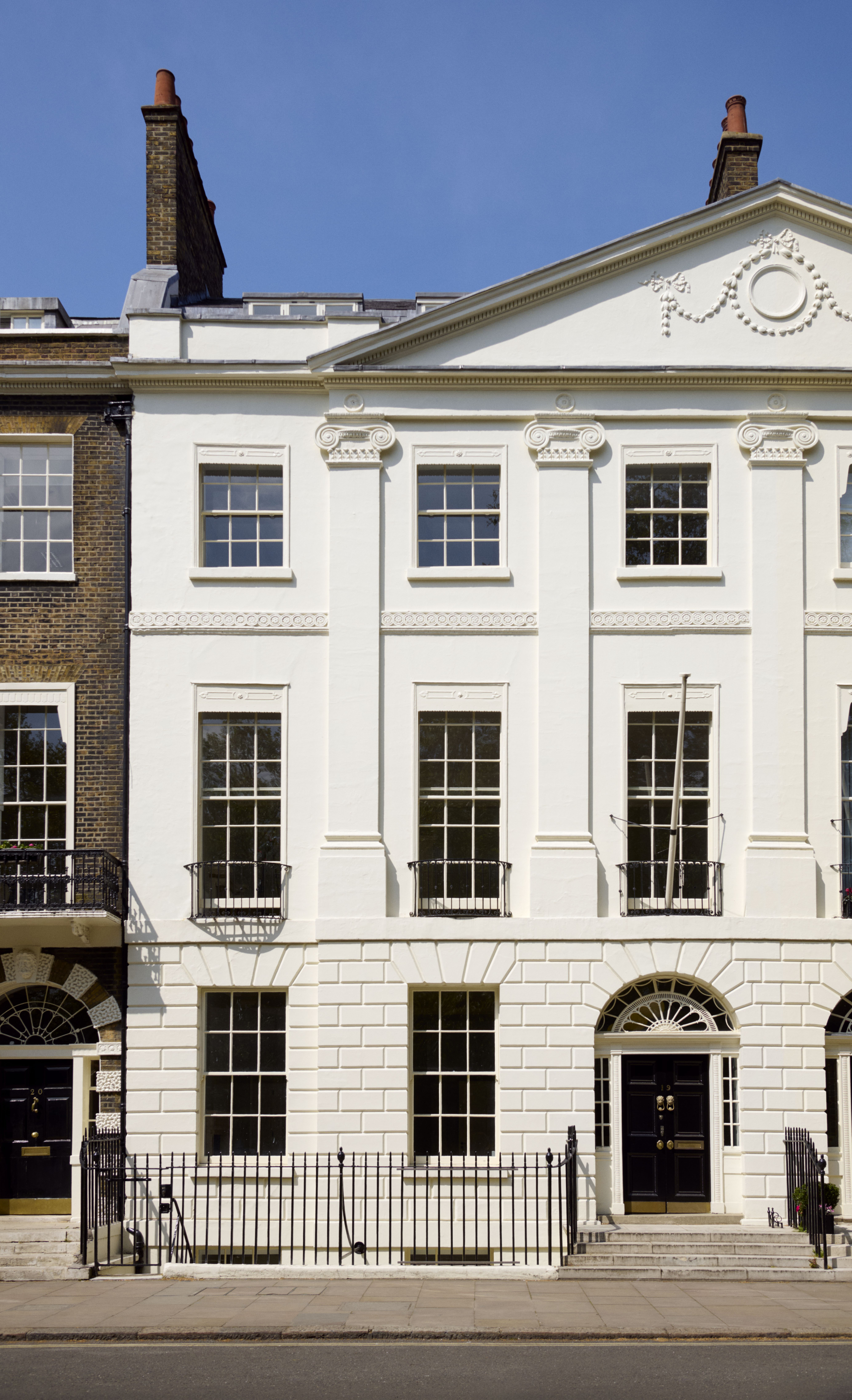
The number of private, philanthropic art institutions is huge, and growing. Fondation Cartier in Paris, The Broad in Los Angeles, Turin’s Fondazione Sandretto Re Rebaudengo, Pérez Art Museum in Miami, Kyiv’s Pinchuk Art Centre. In the British capital alone, two of the splashiest new openings this autumn are funded entirely by private capital. Ibraaz, financed by the Kamel Lazaar Foundation (Lazaar is a Tunisian-Swiss investment banker) and housed in a Grade II-listed building in London’s Fitzrovia, has a focus on art and culture from the Global majority. Yan Du Projects (YDP), a project space focused on artists from Asia and the Asian diaspora that opened in a Grade I-listed Georgian townhouse in Bloomsbury this October, is founded by Chinese-born, U.K.-based art collector and philanthropist Yan Du.

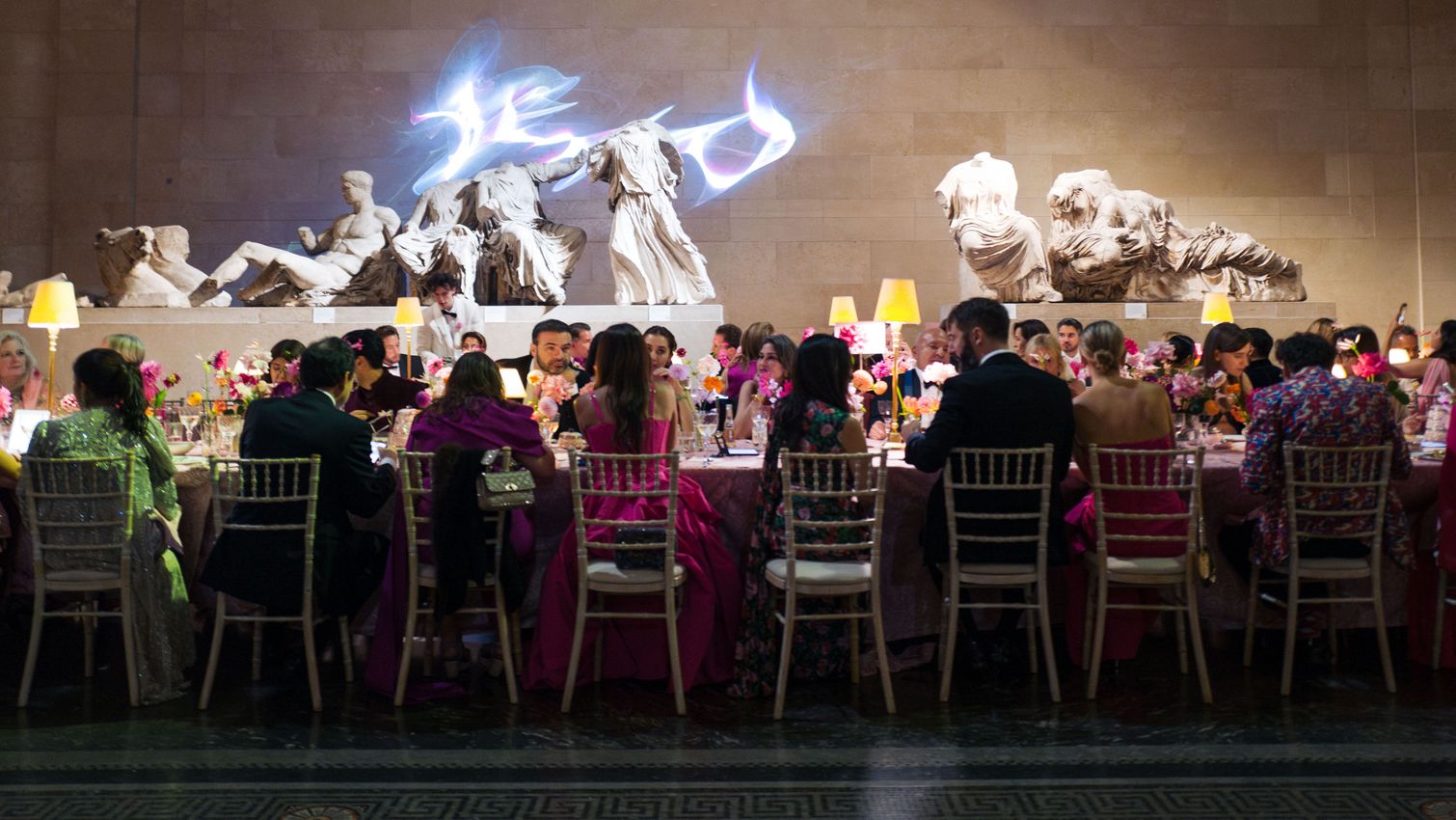
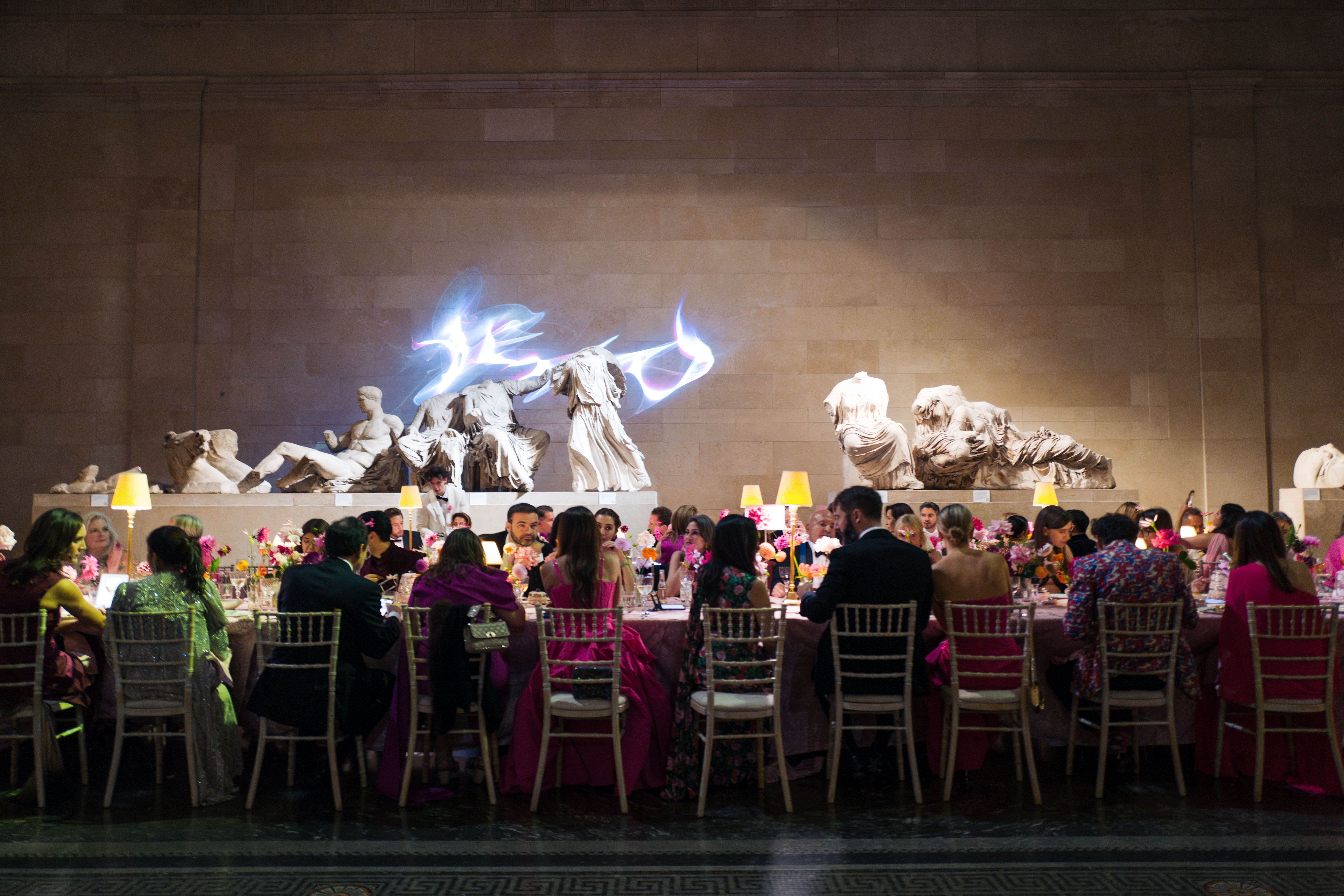
It’s an unsurprising shift as government-backed galleries across the U.K. and Europe increasingly see their funding cut (Amsterdam’s Van Gogh Museum claims it might be forced to close over a funding dispute). In their place, private foundations are stepping in to fill in the gap. Private money is propping up the wider art economy and keeping art afloat. Not just in blue-chip galleries and international art fairs but in the wider public sphere, where real people encounter art, not just collectors and people with Art History degrees who shop in COS. In the United States, numerous arts institutions have long been bankrolled by private philanthropy, with flashy fundraising galas and auctions—a model recently rolled out by the British Museum with its controversial ‘Pink Ball’, which raised £2.5m. The recorded revenue of $41 billion for the arts from private sources in the U.S. in the 2021 tax year dwarfs the government’s 2024 budget of $207m for the National Endowment for the Arts.
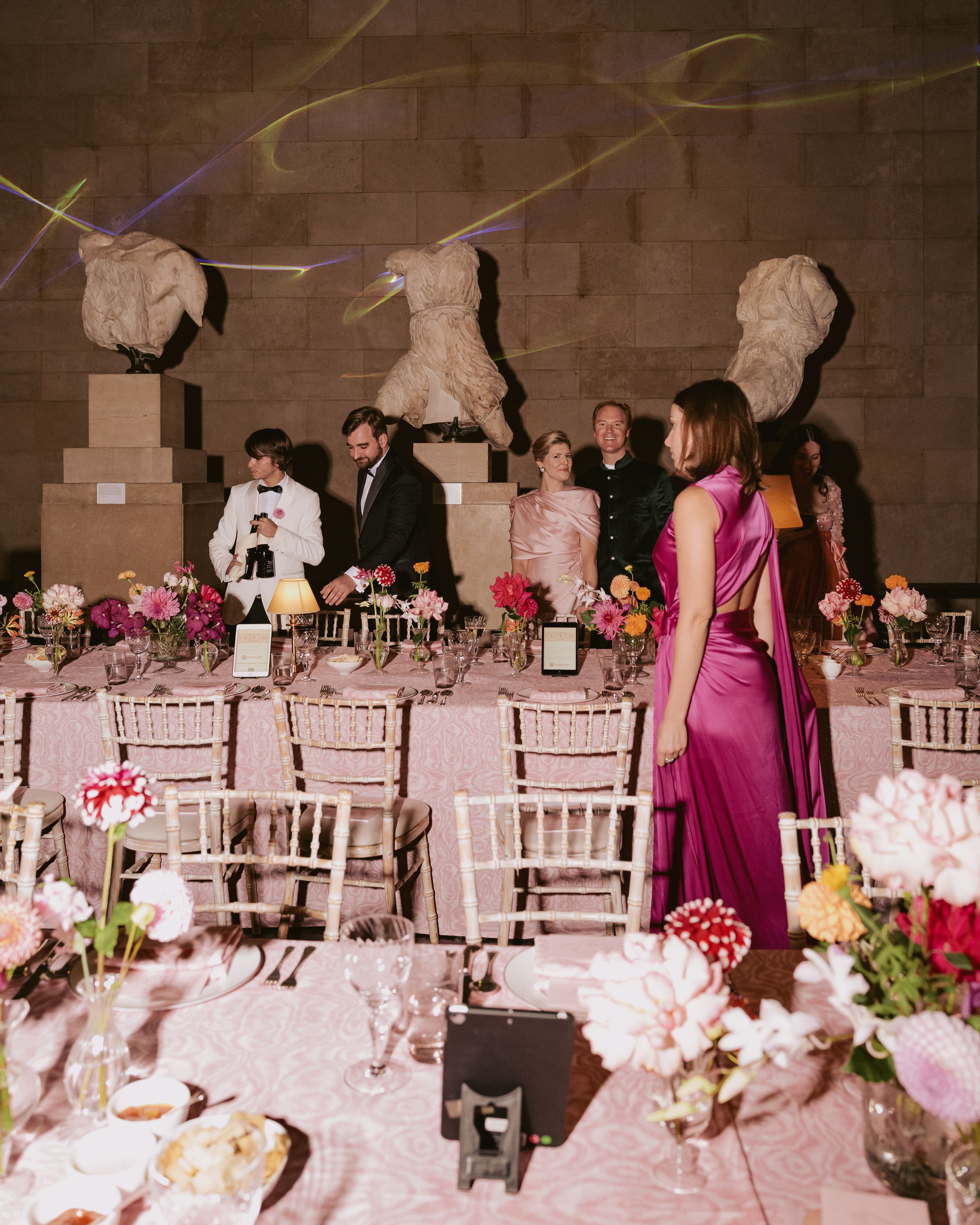
Some commentators have advocated doing away with state funding entirely, arguing that art would flourish without the red tape and painfully restrictive guidelines of overbearing masters of tedium and paperwork such as Arts Council England—not to mention the risk of interference from public sector ideologues with a political agenda. Just look at the Trump administration’s executive orders, one of which targeted the publicly funded Smithsonian Institution for their ‘race-centred ideology’ and suspended all DEI-related programming, to see just how this can unfold.
Not all venues have the luxury of seeking alternative sources of funding. This May, London concert venue Wigmore Hall announced that it no longer wanted the £344,000 annual subsidy it received from Arts Council England. Its director explained that accepting the funding simply came with too much ‘onerous’ bureaucracy, and that the funding body placed too heavy a burden on institutions, in too annoying a way, to be worth bothering with any longer. Instead, Wigmore Hall has raised a £10m endowment fund, which Arts Council England attributed to the venue being located ‘in a wealthy part of central London’, with a focus on classical music. Would a venue located in a rural part of the country, dedicated to experimental music or contemporary art, find donors with such deep pockets?
But the so-called ‘onerous’ bureaucracy involved in state funding is an attempt (if, admittedly, an incredibly misguided, tedious attempt) to level the art playing field. Public funding bodies such as Arts Council England are trying (again, often very badly) to make art accessible to everyone, not a select few. They continue (unlike Trump in the U.S.) to use ‘inclusivity and relevance’ as a key metric when deciding where funding should be awarded, as well as ‘environmental responsibility’, as they try to hold institutions accountable.

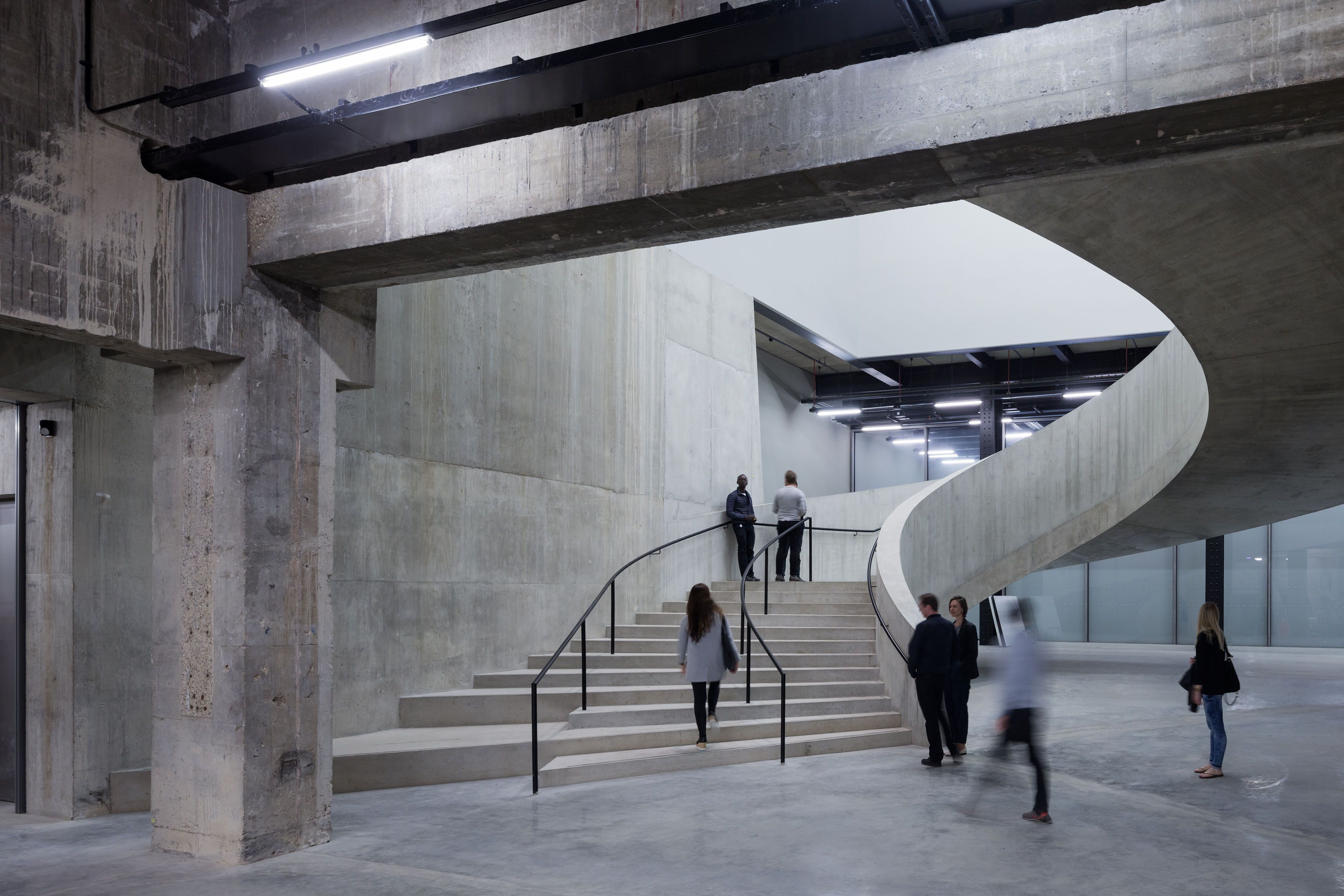
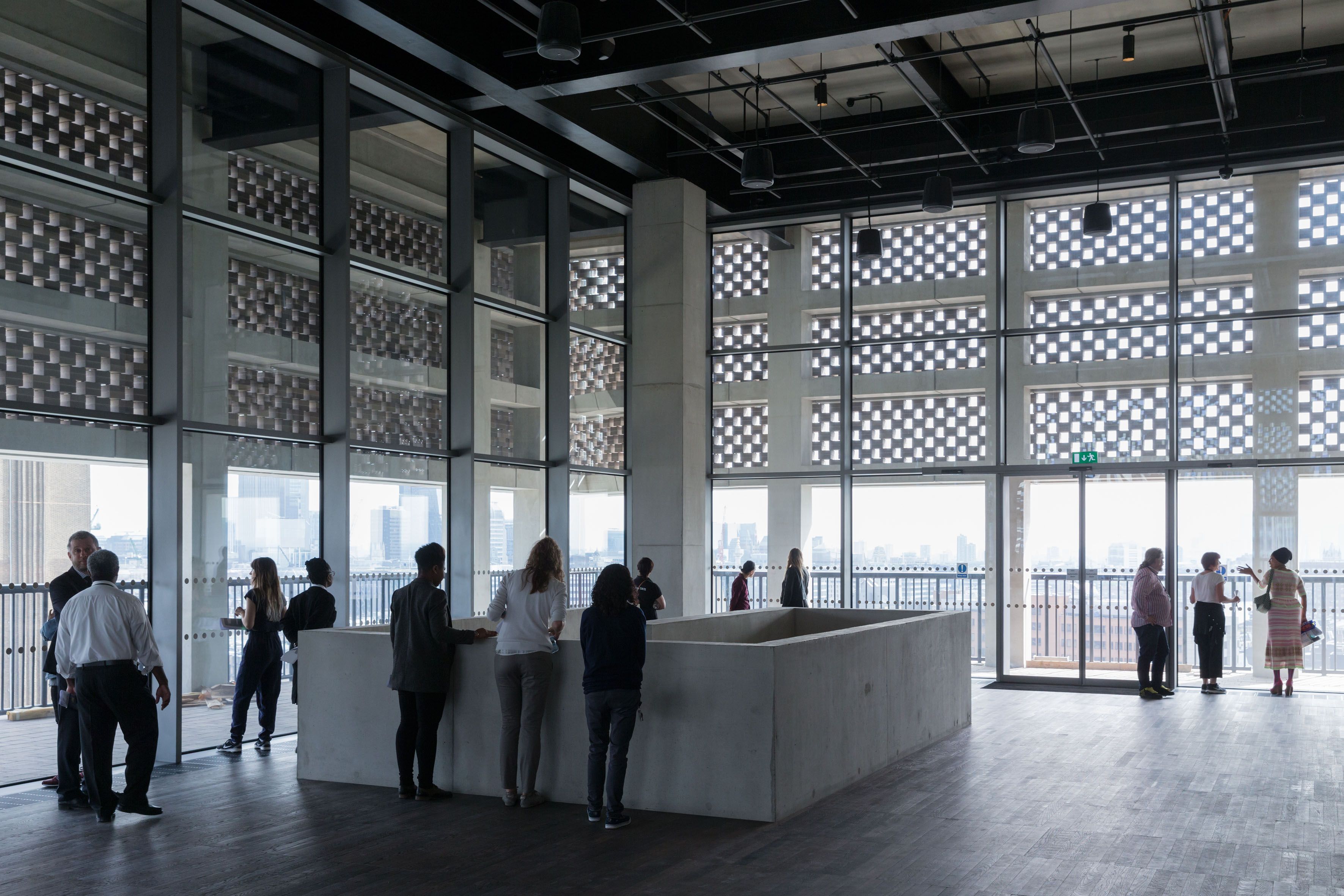
Philanthropy has its own problems. Questions have been raised about the alleged links of Leonard Blavatnik—who gave £50m to a new Tate Modern building in his name—to a Russian tycoon who was later sanctioned in the context of the Ukraine war. While Candida Gertler—the co-founder and co-director of Outset Contemporary Art Fund, which raised more than £16m for hundreds of artistic projects through the contributions of philanthropists around the world—last year had her name removed from a gallery and donor board at Goldsmiths CCA in London, following a prolonged protest over the alleged personal friendship of Gertler and her husband with Israeli prime minister Benjamin Netanyahu, as well as alleged donations made by the couple to his political campaign. And we all know how the story went with the Sacklers. The art world’s readiness to get into bed with private backers can backfire, while the eagerness of these funders to plaster their names all over familiar institutions can taint the reputations of artists and galleries alike.
State funding has issues, but wouldn’t we rather fix a shitty system than rely on a shittier one to replace it? There’s endless data out there about how the creative industries are a huge economic boon for a nation. But is financial value the only thing worth protecting? The emotional, physical, societal and communal value of art is being left to oligarchs and corporations to fund. And if they’re the ones looking after your wellbeing, you’re in trouble. What the King’s College study tells us is that art matters. What governments around the world are telling us is that art doesn’t matter enough to be worth funding. A compromise must be reached, otherwise our immune, endocrine and nervous systems are in for a rough ride. —[O]
Editor’s Note: This article was updated on 11 November 2025 to reflect that Candida Gertler is the co-founder and co-director of Outset Contemporary Art Fund, which has raised £16m for artistic projects through the contributions of philanthropists around the world. A previous version did not make reference to Gertler’s title or the contributions of these philanthropists to Outset.
Main image: The inaugural British Museum Ball, 18 October 2025. Courtesy British Museum. Photo: © German Larkin.






A respected voice in contemporary art discourse.
Focusing on ambitious storytelling and insightful art-world commentary. Ocula Magazine publishes in-depth interviews, critical essays and timely analysis on the artists, exhibitions and ideas driving the global art world.
Learn more about Ocula Magazine
Showcasing the best of the art world.
Ocula partners with galleries from around the world to highlight their artists, artworks and exhibitions. Gallery membership is by application and invitation, with each member vetted by an independent panel.
Learn more about Ocula Membership
Specialises in the sale of major artworks.
Led by a team with deep ties to the world’s leading auction houses, galleries and collectors. Ocula’s advisory team offers bespoke services to high-net-worth clients from around the world who are looking to acquire the best of contemporary and modern art.
Learn more about our team and services