The art world in focus
Subscribe to our newsletter for news and insights on artists, galleries and exhibitions.


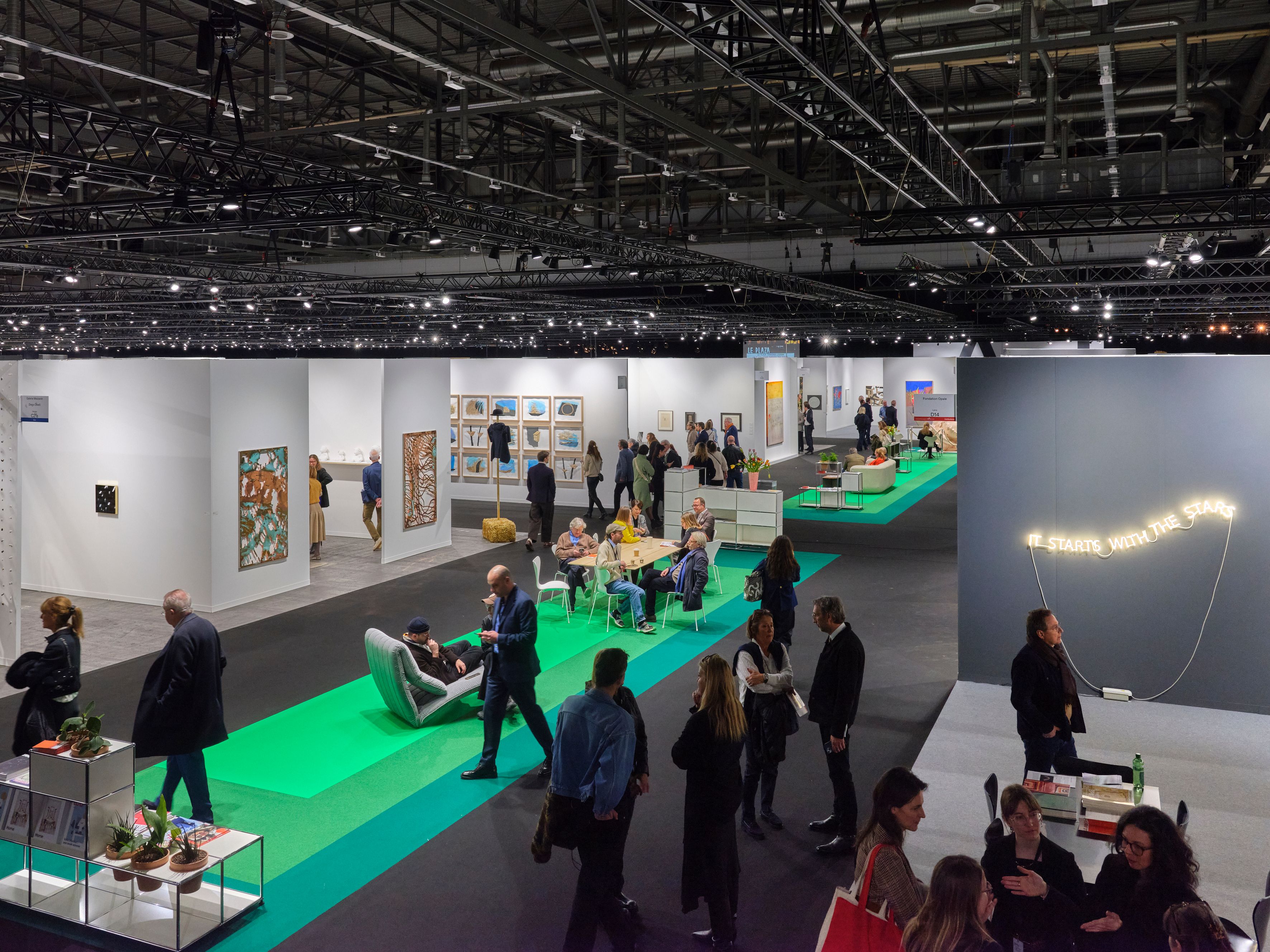
Art fairs are designed for looking. Their architecture privileges immediacy and circulation, their economies reward visibility and speed. Sound, by contrast, is unruly. It unfolds over time, resists containment, and refuses to be skimmed. For more than a decade, the Swiss-founded art fair Art Genève has operated within this contradiction with its presentation of an extensive musical programme, staging a sustained experiment each winter in whether listening can exist meaningfully inside an inherently temporary format more typically built for a passing glance.
Since the fair’s inception in 2012, the Art Genève / Music offering has framed sound not as a genre but as a condition. ‘The function of this platform is first of all to make audible projects visible that could not be made within the fair or a gallery,’ Augustin Maurs, curator of the segment since its beginning, explained on the chilly opening night of the programme at the end of January. His phrasing was telling. These works were not accommodated by the fair so much as displaced from it, occupying a space of exception. That displacement has always been part of the musical offering’s logic. ‘A fair in general doesn’t offer an ideal space for music,’ Maurs admitted. ‘That could seem contradictory at first glance, and it is in a way—but it’s therefore also interesting.’
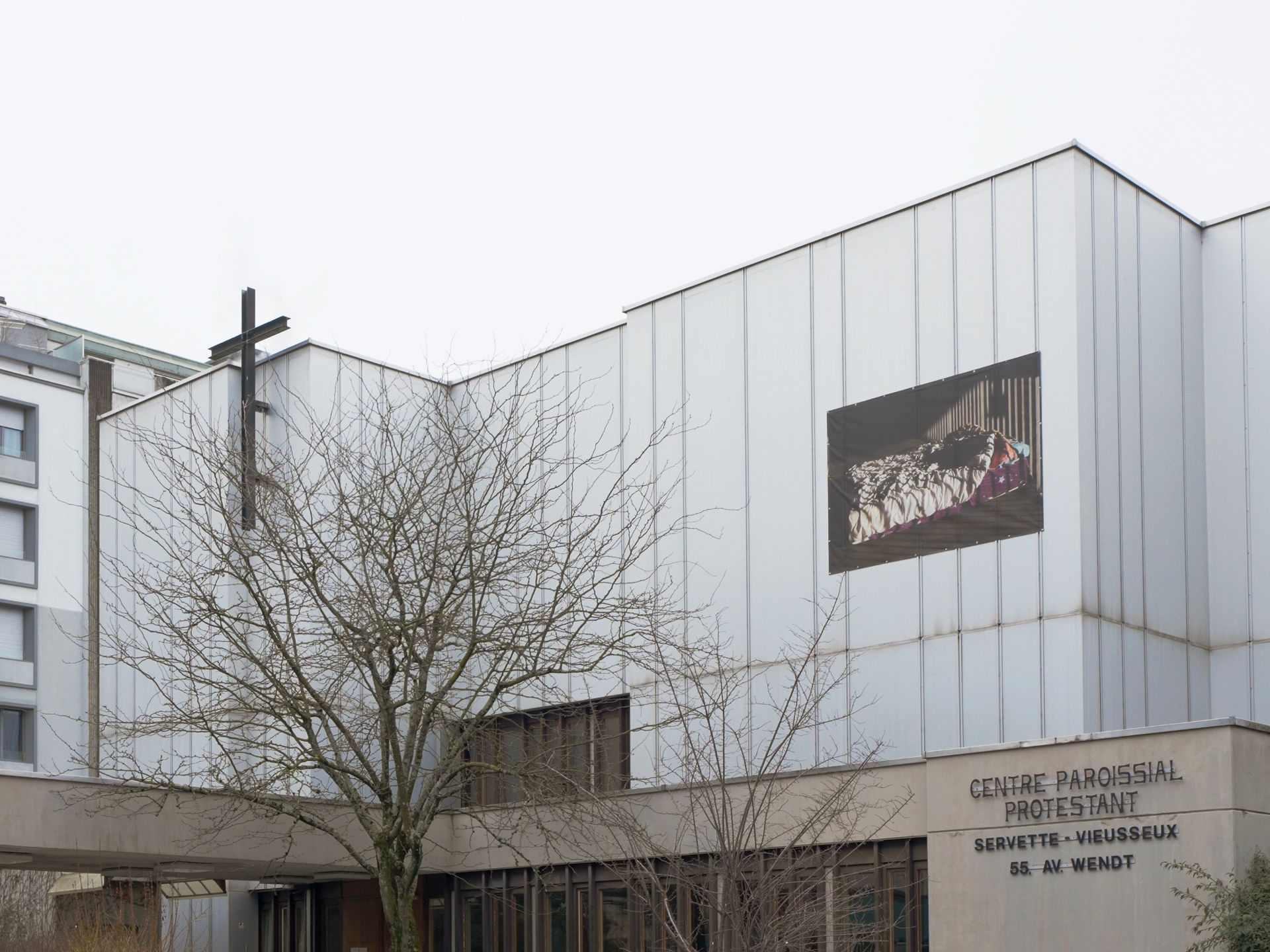
This year, the contradiction became architectural. Live performances were removed almost entirely from the fair floor at the Palexpo convention centre and relocated to the Temple de la Servette, a brutalist Protestant church built in 1970 and scheduled for demolition weeks after Art Genève closes. The site was not incidental. A live programme titled Before Demolition, curated by Maurs with Catherine Othenin-Girard in collaboration with Geneva’s Museum of Modern and Contemporary Art (MAMCO), took the building’s imminent destruction as both premise and pressure point. Sound here is not decorative or immersive; it is confrontational and historically charged.
‘The starting point was really this place,’ said Maurs, speaking at the venue moments before the evening’s performances were scheduled to begin. ‘We heard this fully functioning building was going to be demolished… and that’s where this idea of Before Demolition came from—and the relationship between sound and architecture and destruction.’ He traced this lineage back to the ‘Jericho’ trumpets used in WWII, whose ear-piercing wails terrified civilians on the ground, and forward to contemporary sonic warfare, particularly the use of sound as a weapon by the U.S. military. Sound, in other words, has long been an agent of force. It breaks, destabilises, overwhelms. To stage a music programme in a building awaiting erasure is to foreground that violence rather than aestheticise it away.
“Art Genève / Music positions itself each year not as performance but as counter-performance”
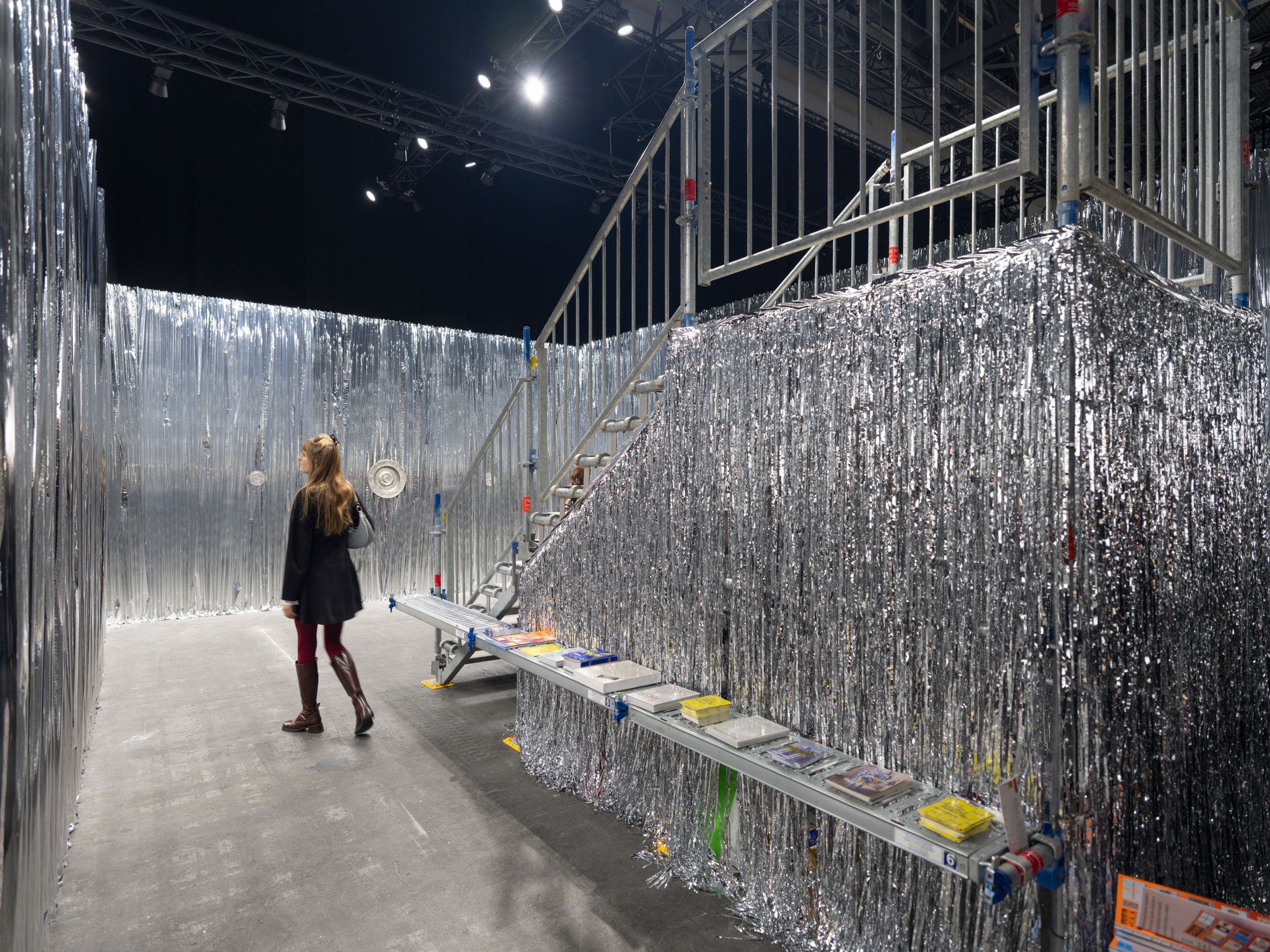
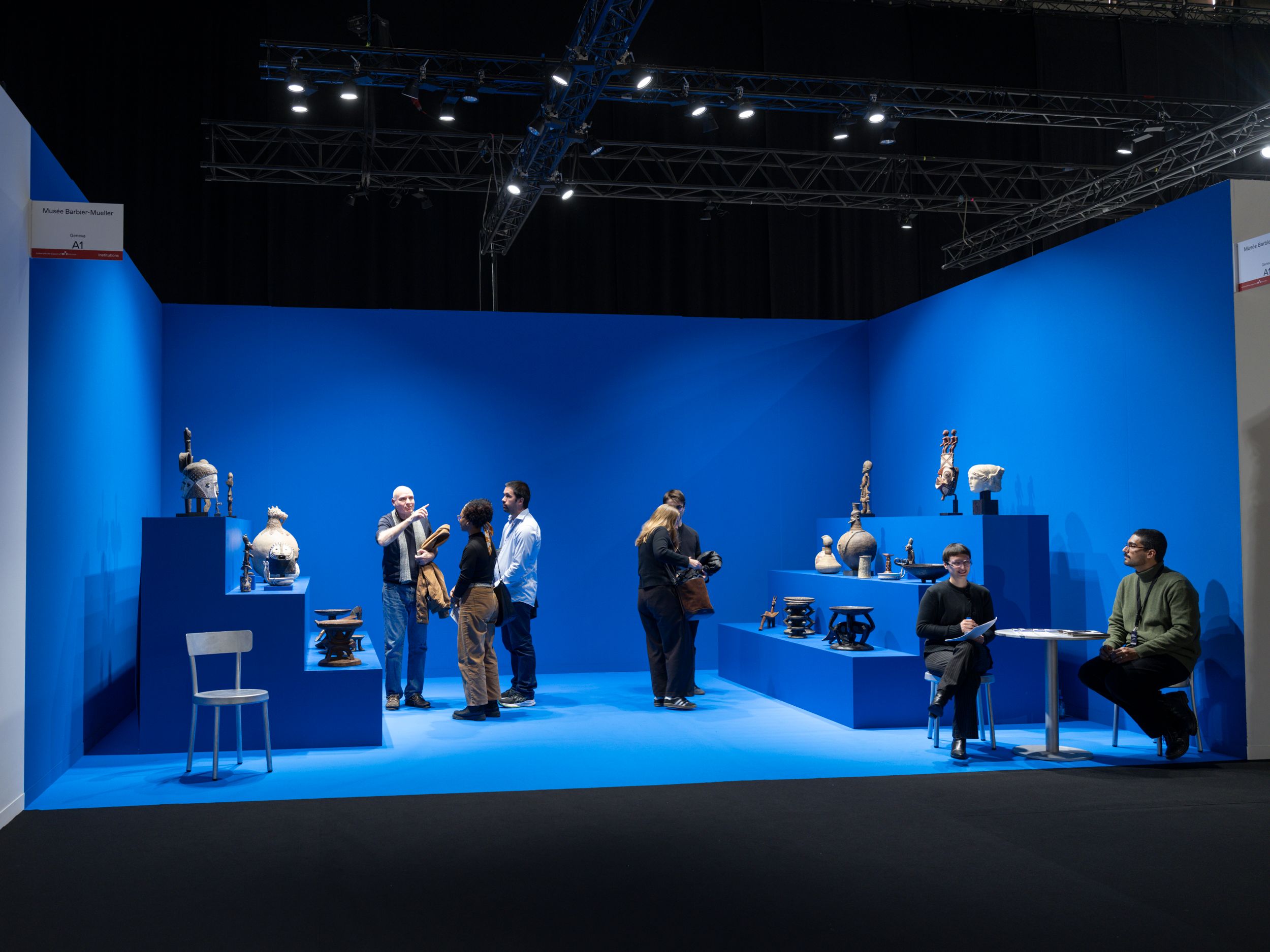
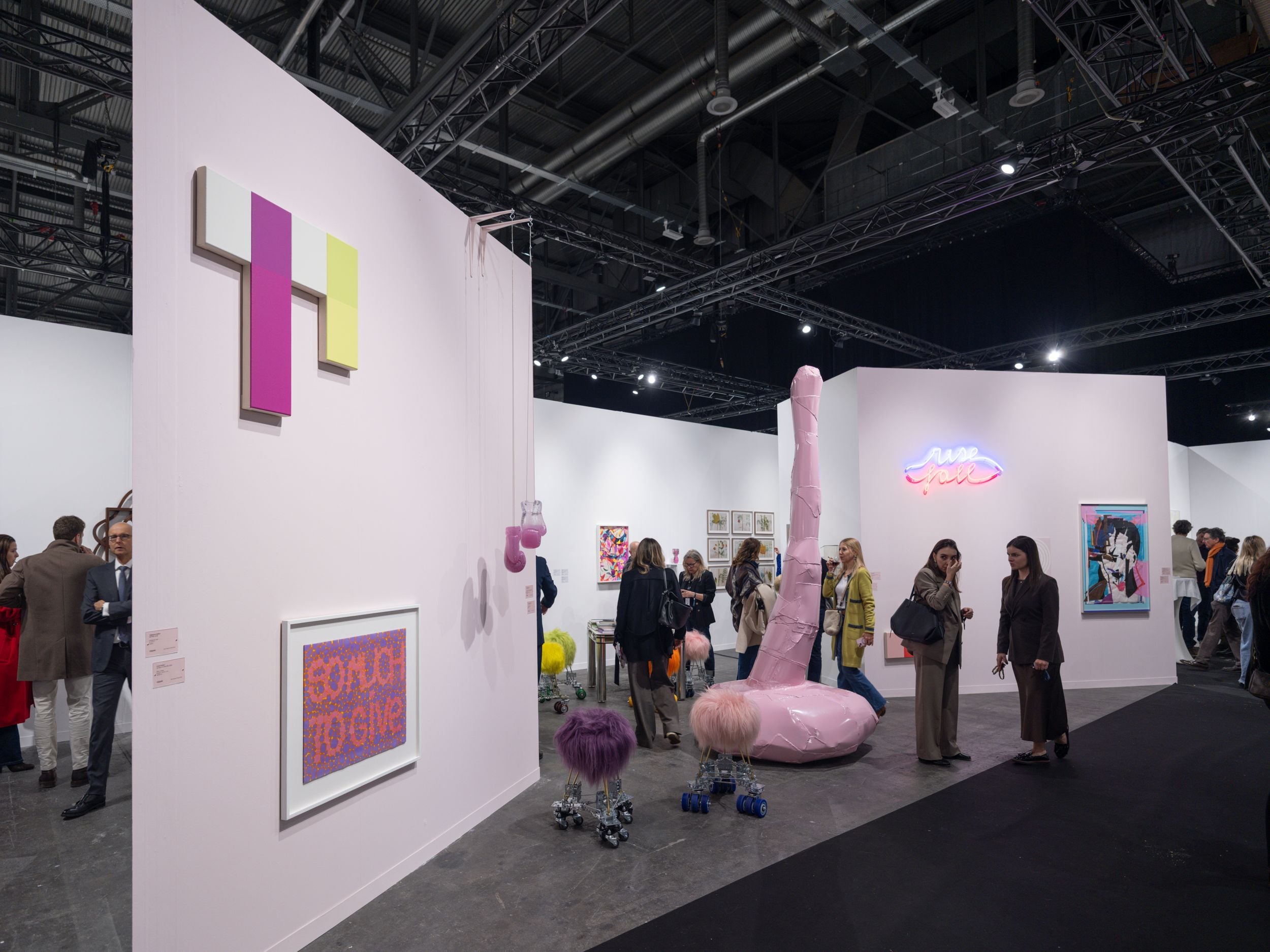
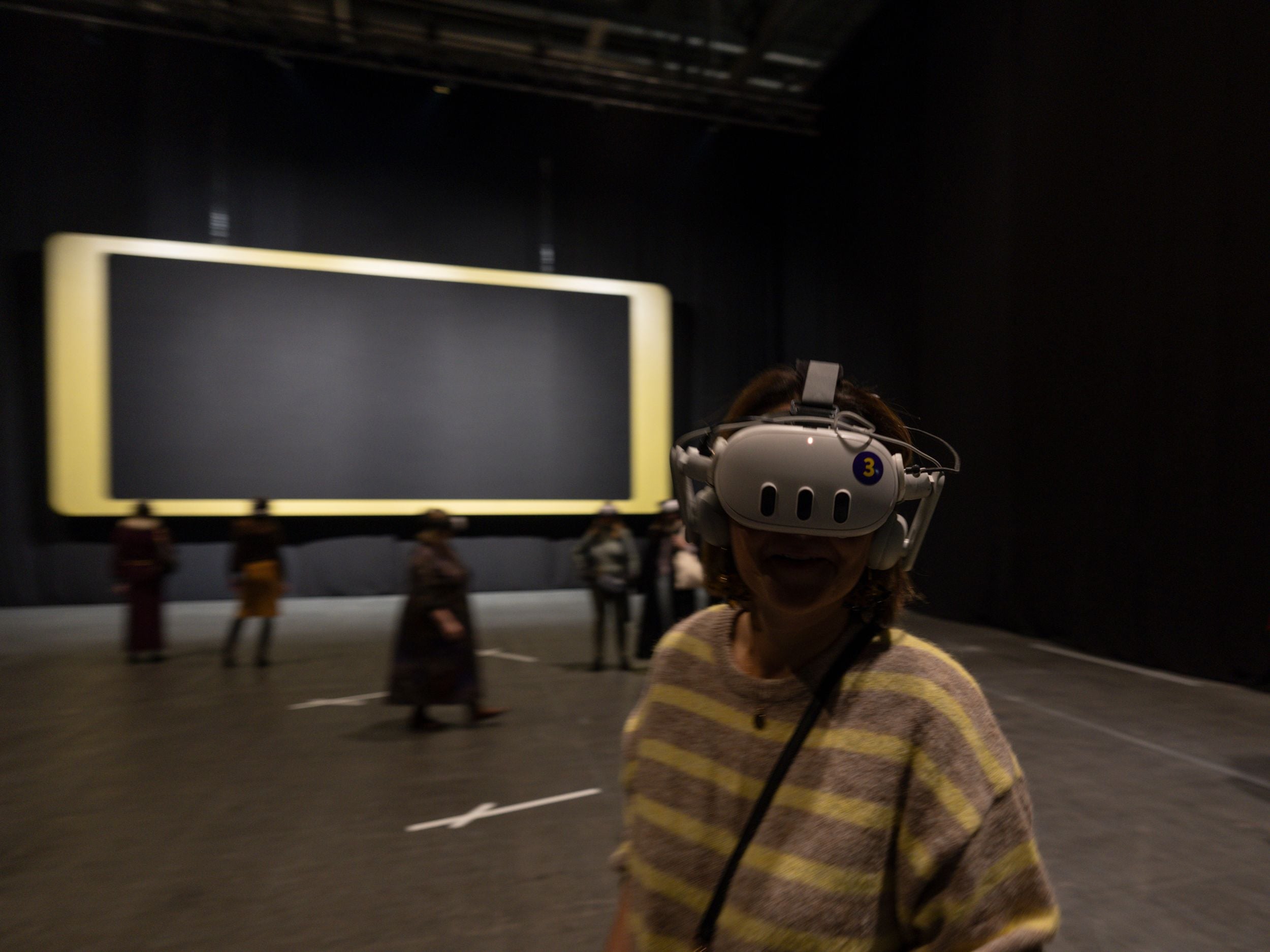
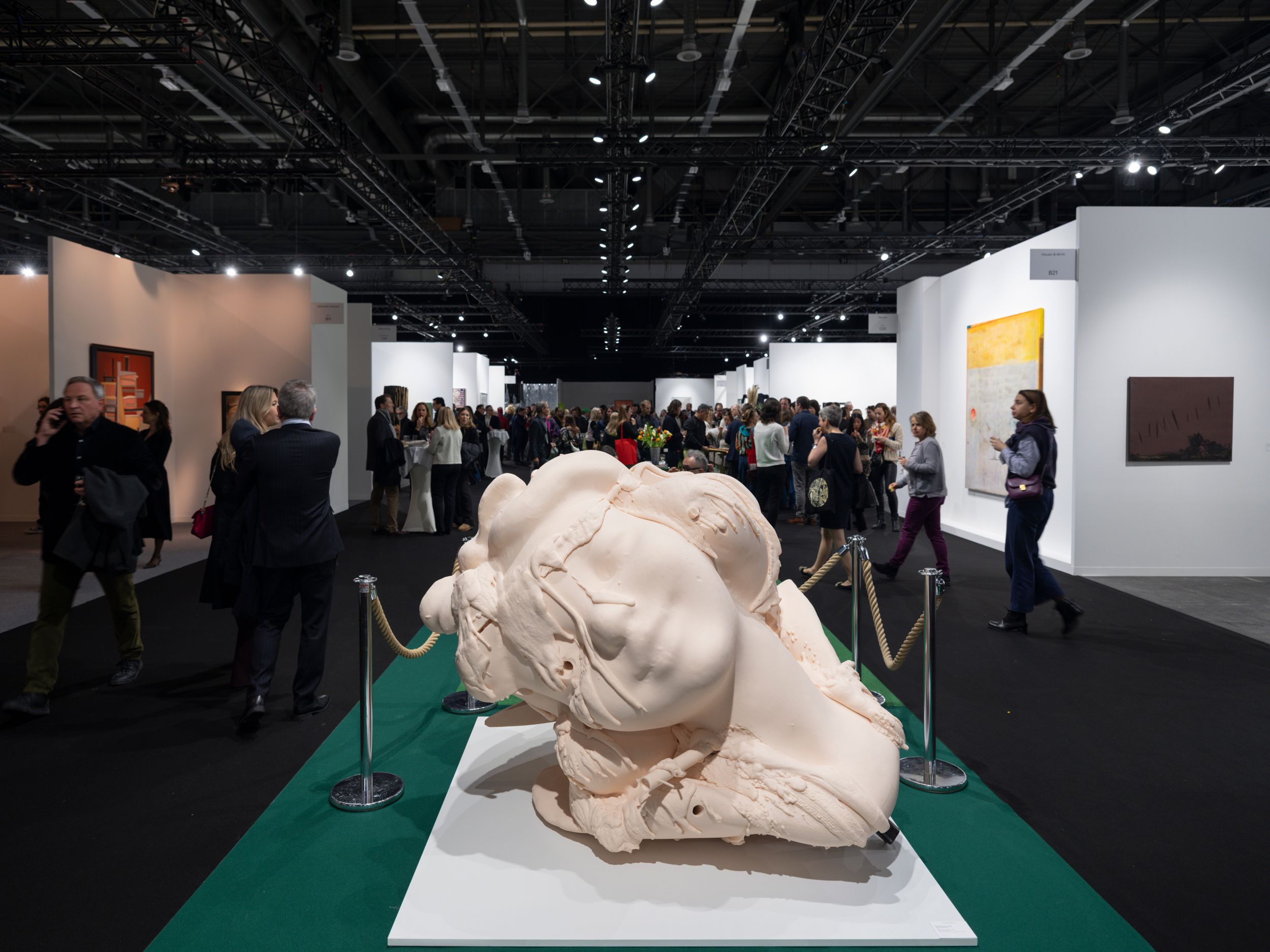
This understanding of sound as territorial and coercive is not incidental to Maurs’ practice. In 2018, he curated the project Sonic Territories on Taiwan’s Kinmen Islands, in which he examined how sound had been weaponised during decades of cross-strait conflict, when loudspeakers broadcast anti-communist propaganda across the water to mainland China during the Cold War. There, sound functioned less as communication than as pressure: an invisible force capable of crossing borders, claiming space, and shaping behaviour long after physical hostilities had ceased. The project underscored listening itself as a political condition—something imposed as much as chosen. Read through this lens, Before Demolition is less a poetic response to architectural loss than part of a longer curatorial inquiry into how sound operates when it collides with power, territory and control.
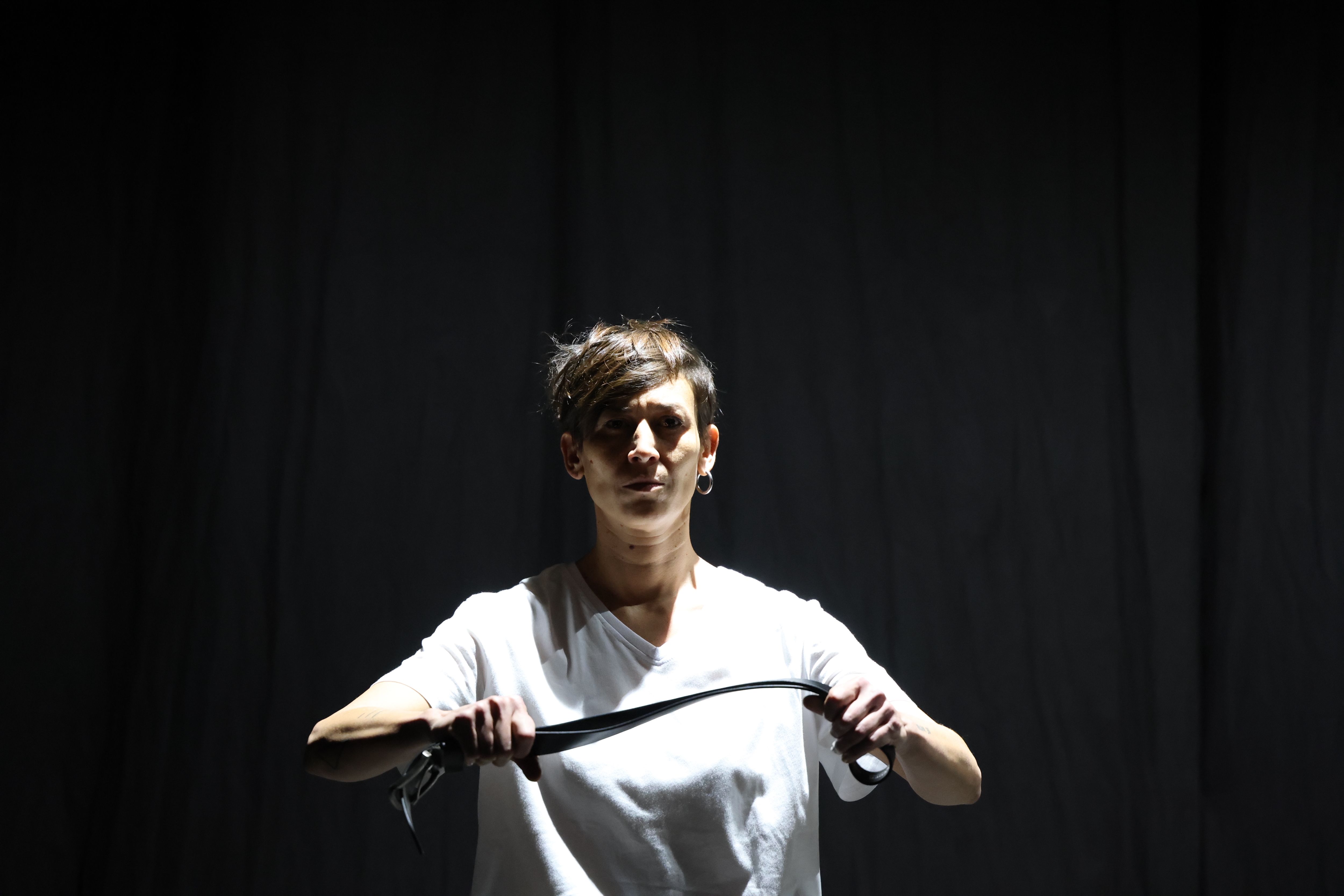
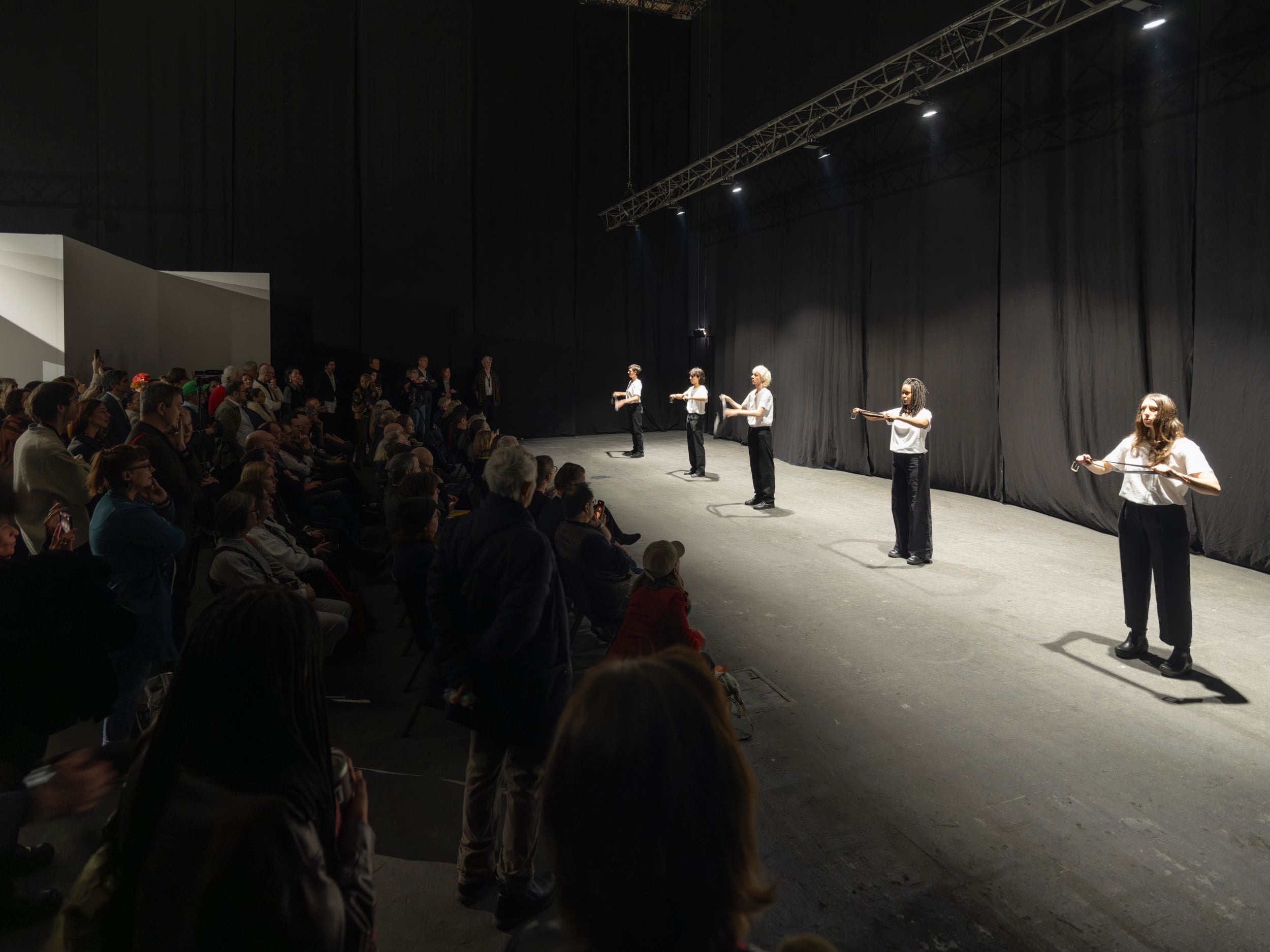
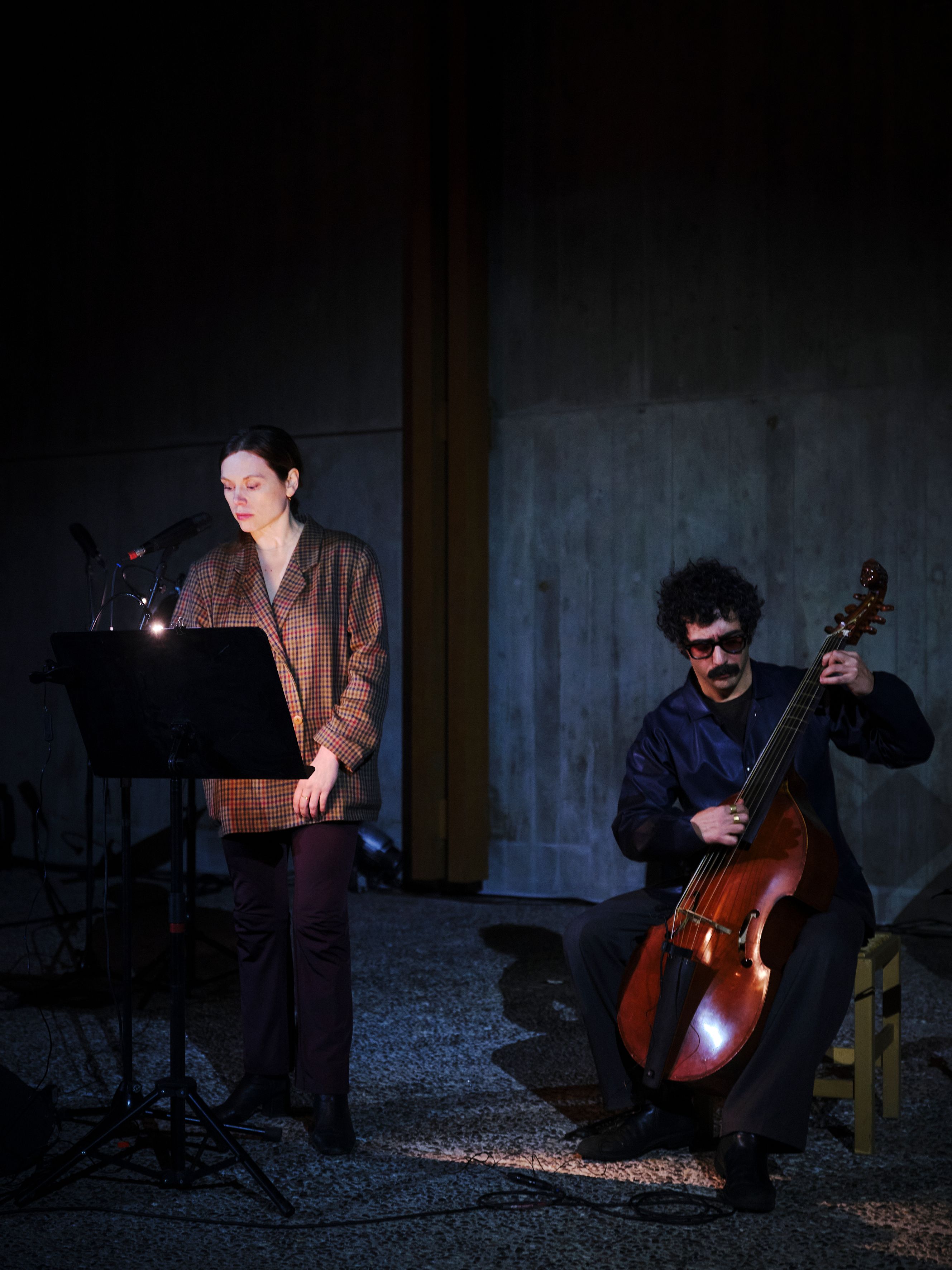
In Geneva, the performances themselves sharpened this argument. German Italian artist Monica Bonvicini’s A Choir of Five (2017), restaged for the occasion, featured five women wielding leather belts that crack sharply through the air. The sound was produced through bodily force and repetition, hovering between ritual, discipline and threat. Alicia Frankovich’s The Opportune Spectator (2012–ongoing) operated at the opposite extreme, unfolding almost imperceptibly, its climax registered only retrospectively through shared breathlessness and delayed awareness: a group of performers, dressed for a run, silently occupied the stage, breathing heavily as they peeled off layers of clothing, collapsing the distinction between action and aftermath. In doing so, the work dissolved the boundary between performer and viewer, exposing the vagueness of ‘performance’ itself in an era shaped by imperatives to be constantly active, visible and self-regulating. The duo of Hanne Lippard and Renato Grieco brought together a baroque tune played on a viola da gamba and a live reading of a written text shaped by internet culture, probing how language, sound and authority are reshaped by digital mediation.
These were not spectacles to be consumed but situations that insist on presence, patience and concentration. In this sense, Art Genève / Music positions itself each year not as performance but as counter-performance. ‘We’re all caught in this conflict,’ Maurs reflected, ‘when we speak about performance in a society that is all about performing.’ Music, for him, offers another way through. ‘What we can do is look for other temporalities. And that is music, basically.’ Against the fair’s relentless forward motion—its imperative to produce, circulate and sell—sound introduces delay and duration. It generates space rather than objects.
“Sound has long been an agent of force”
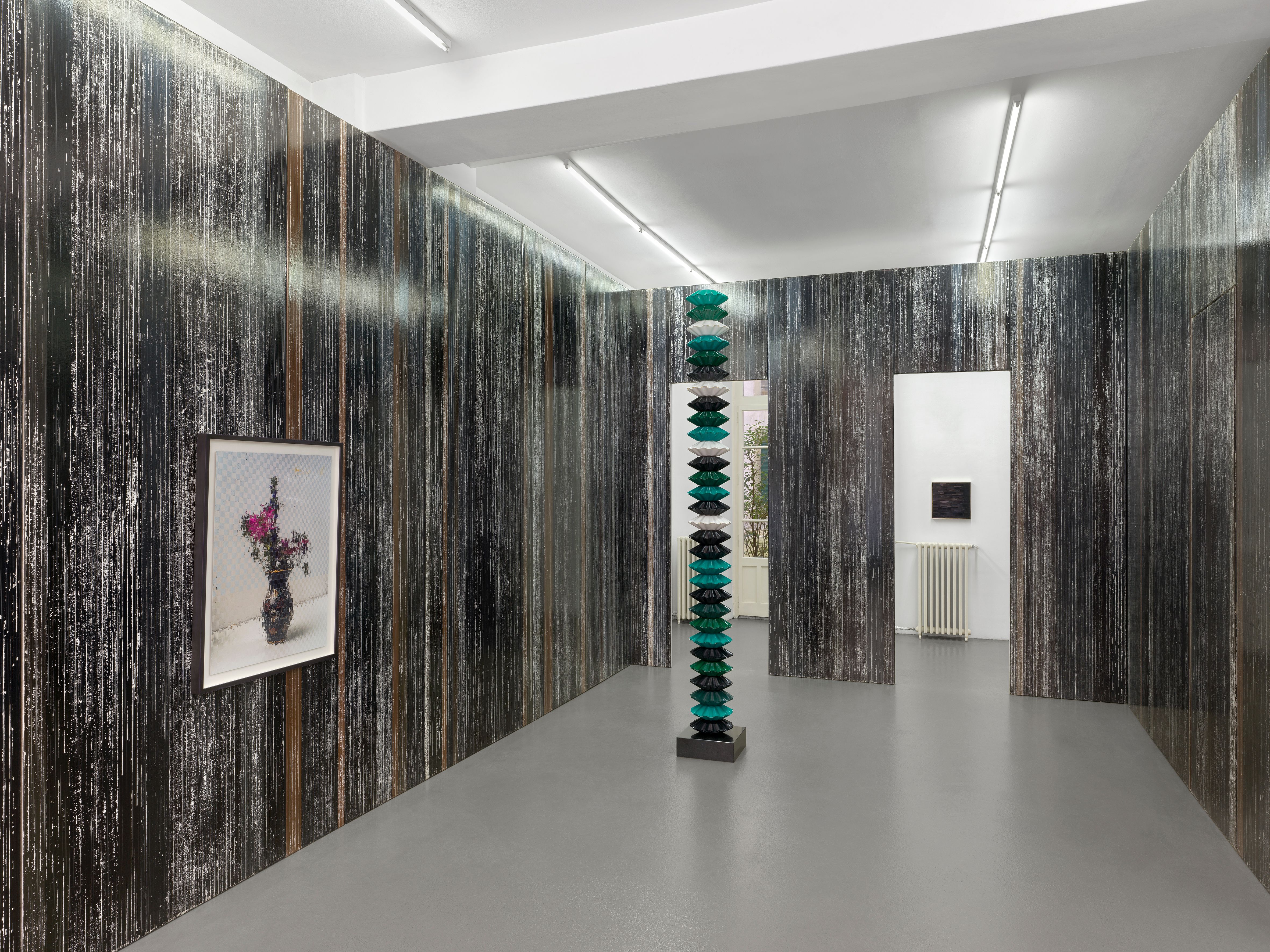
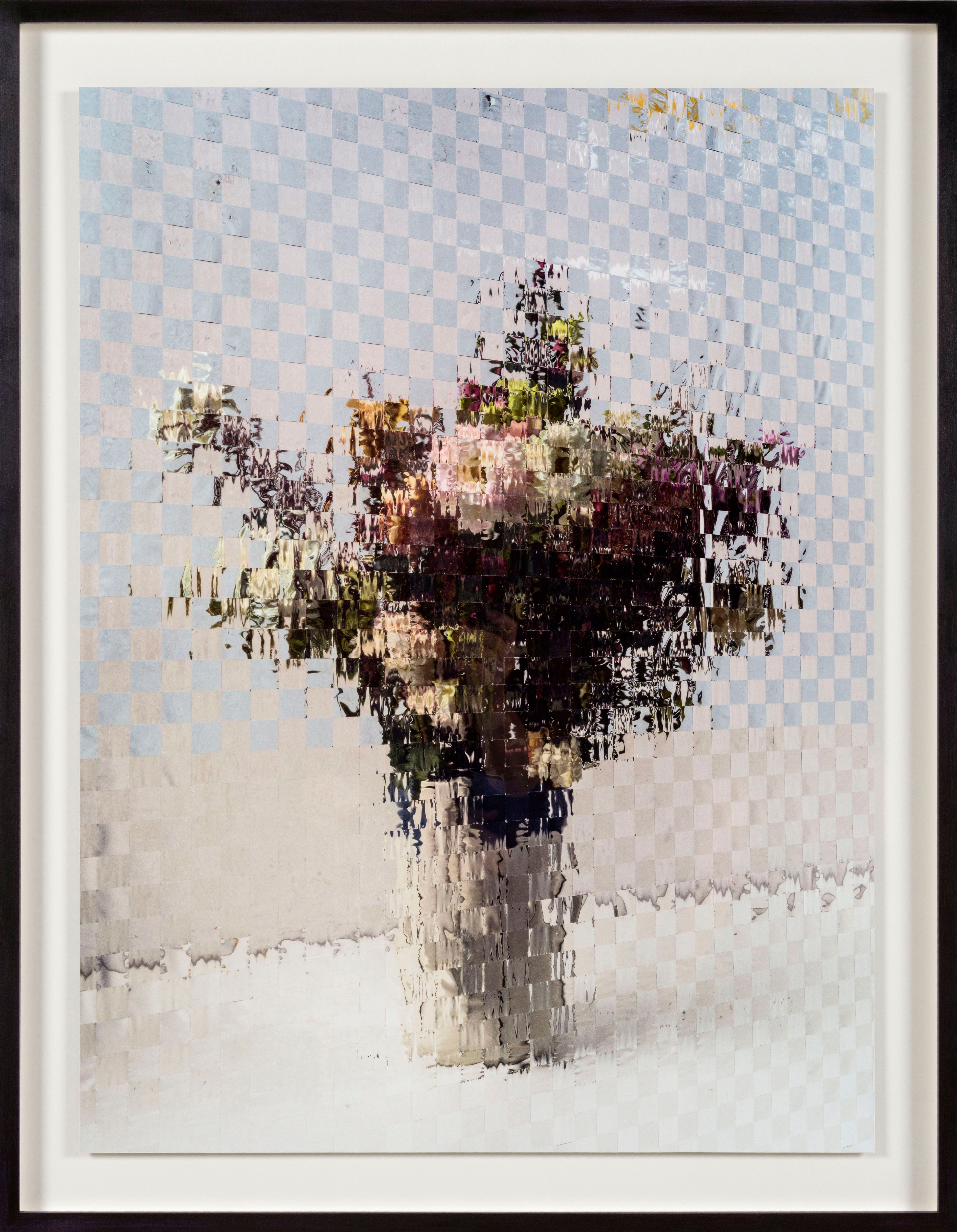
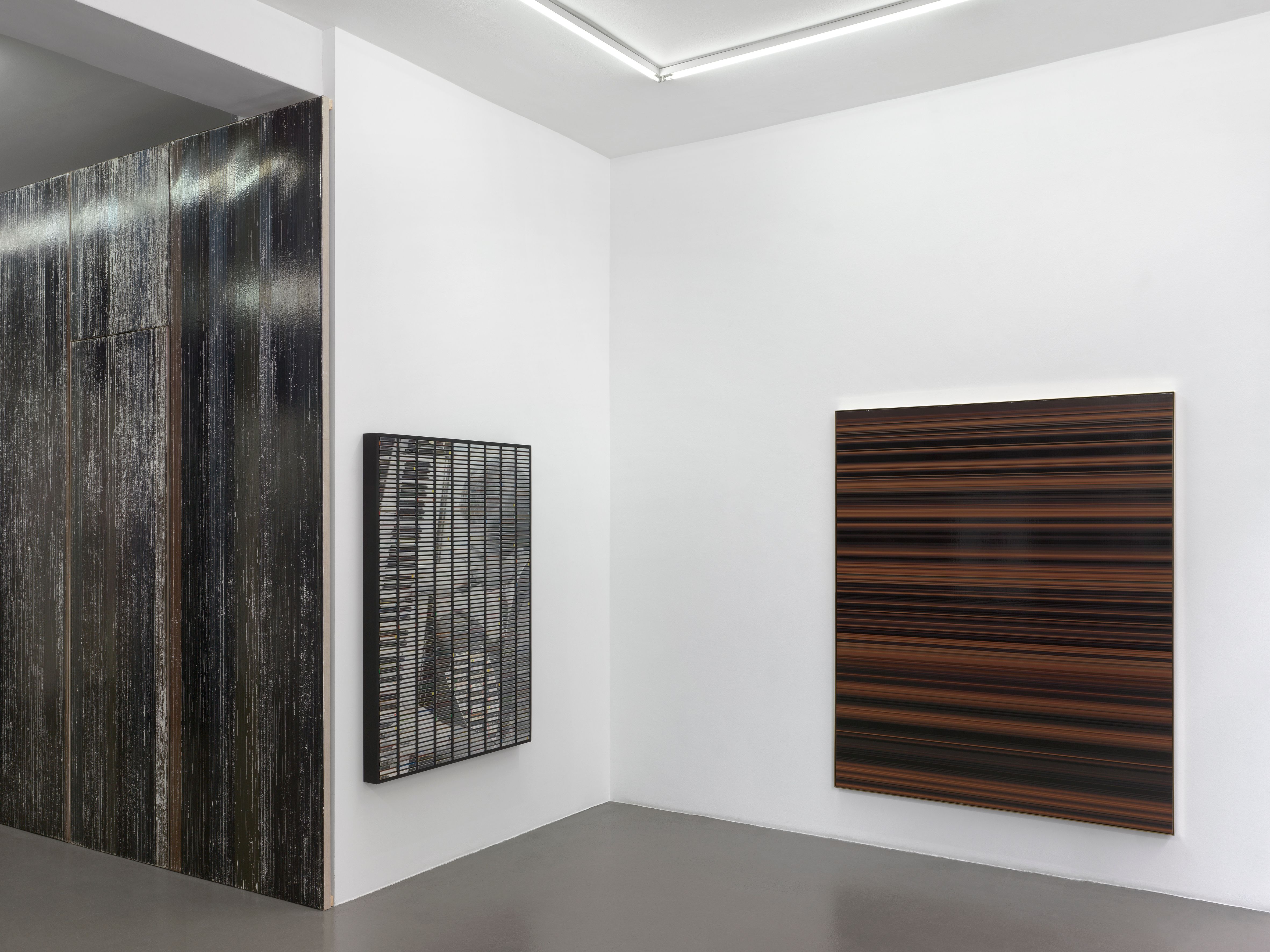

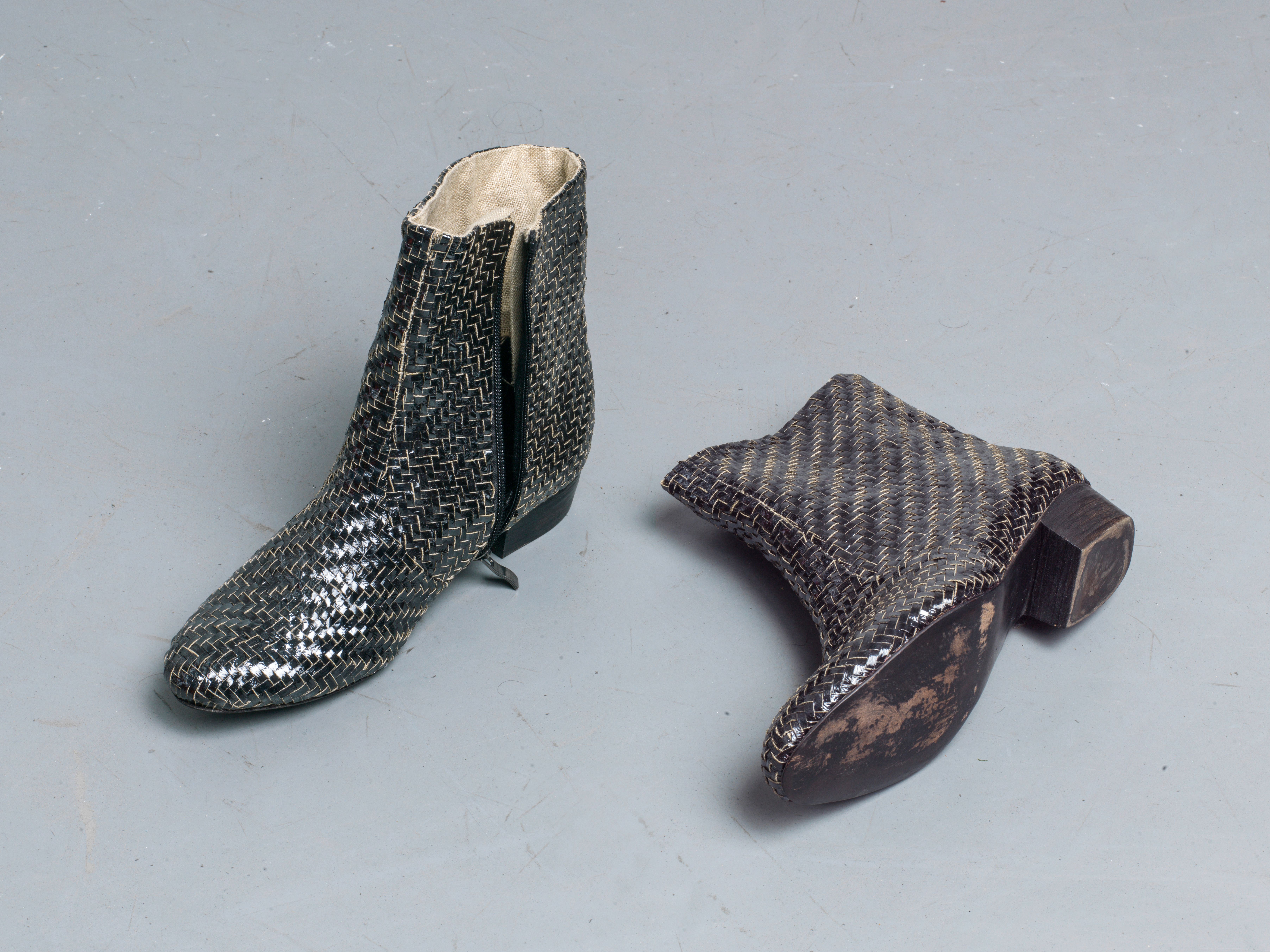
That reorientation toward time rather than visibility found an echo across the city at Galerie Mezzanin, where German artist Gregor Hildebrandt’s first solo exhibition in Geneva, Sometimes I long for a stranger’s life, approached sound from the opposite direction. Throughout his conceptual practice, Hildebrandt does not stage performances. Instead, he materialises the afterlife of sound: its storage, saturation and decay. In Geneva, magnetic tape, vinyl records and cassette spines, once designed to carry audio, could be found repurposed into architectural partitions, sculptural columns and quasi-monochromes. Memory here was not transmitted, but layered within objects that became dense with recollection.
Hildebrandt’s work reminds us that sound once had a material body that demanded care. In an essentially digital world, he insists on the fragility of analogue memory, on formats that could degrade, snap, or be erased. His installations do not invite listening so much as confront viewers with its absence. Sound becomes something we remember rather than hear, a residue rather than an event. In doing so, Hildebrandt was able to subtly invert the fair’s logic: instead of accelerating consumption, he saturated these objects with memory until meaning slowed to a standstill.
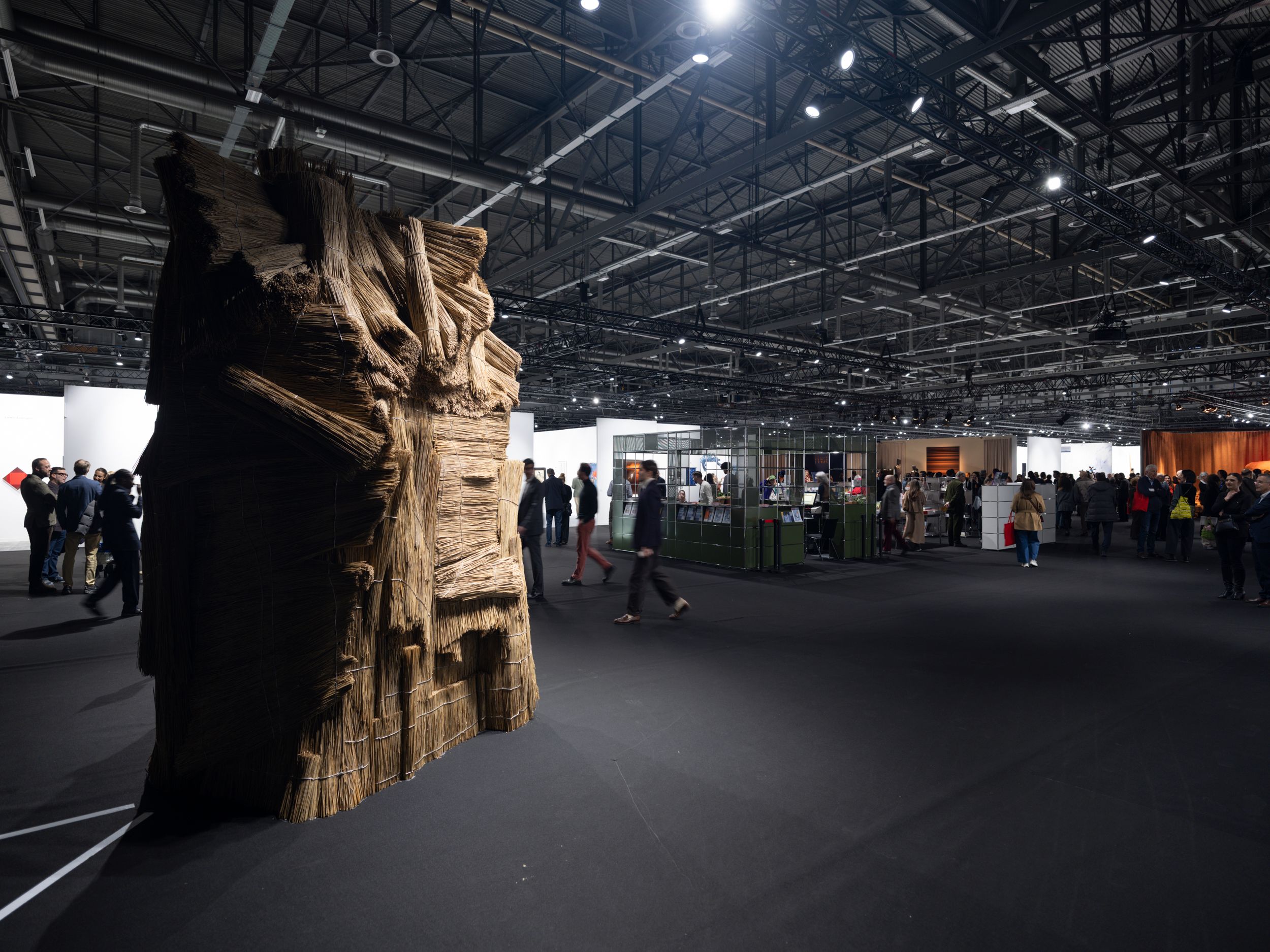
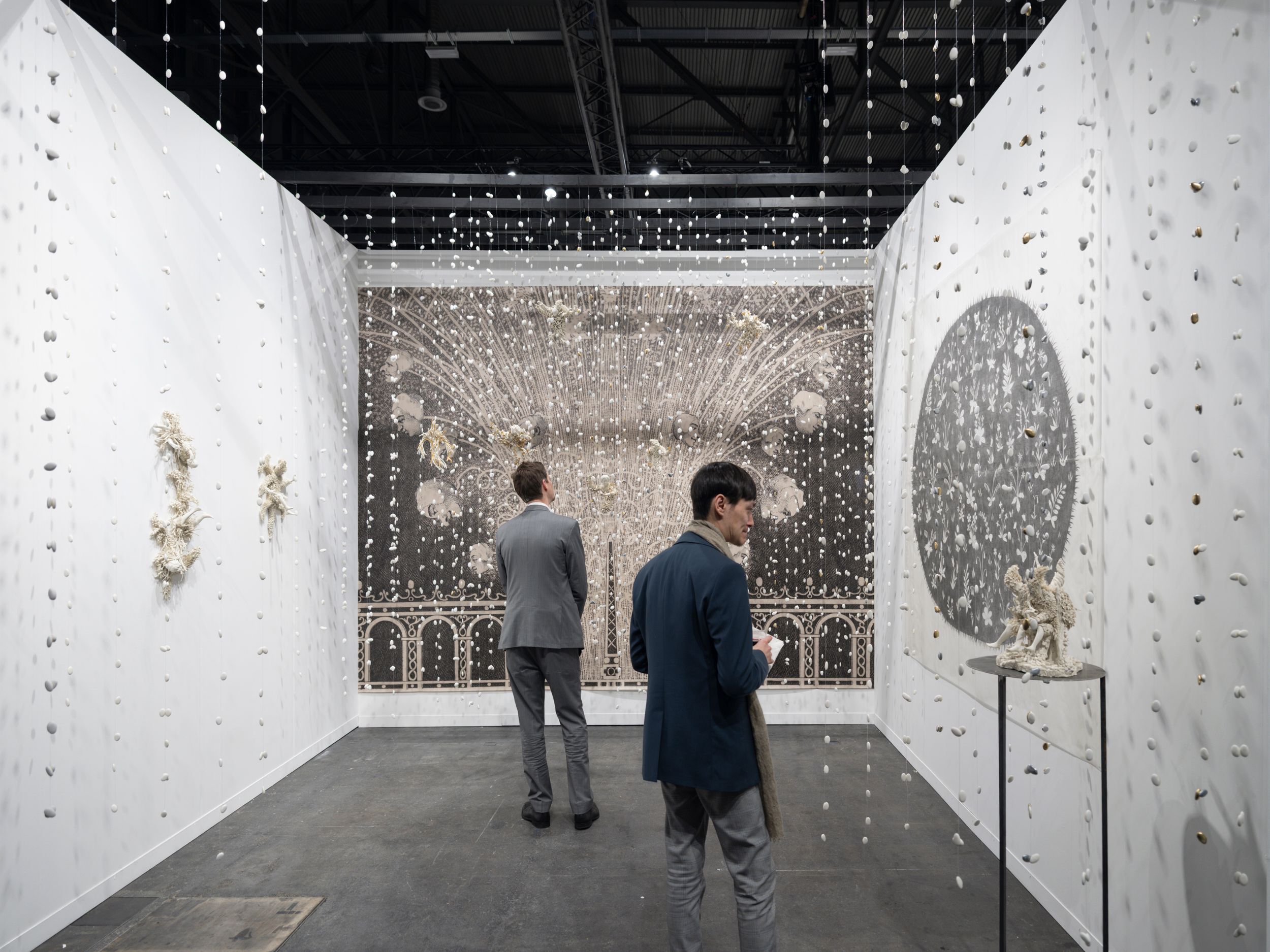
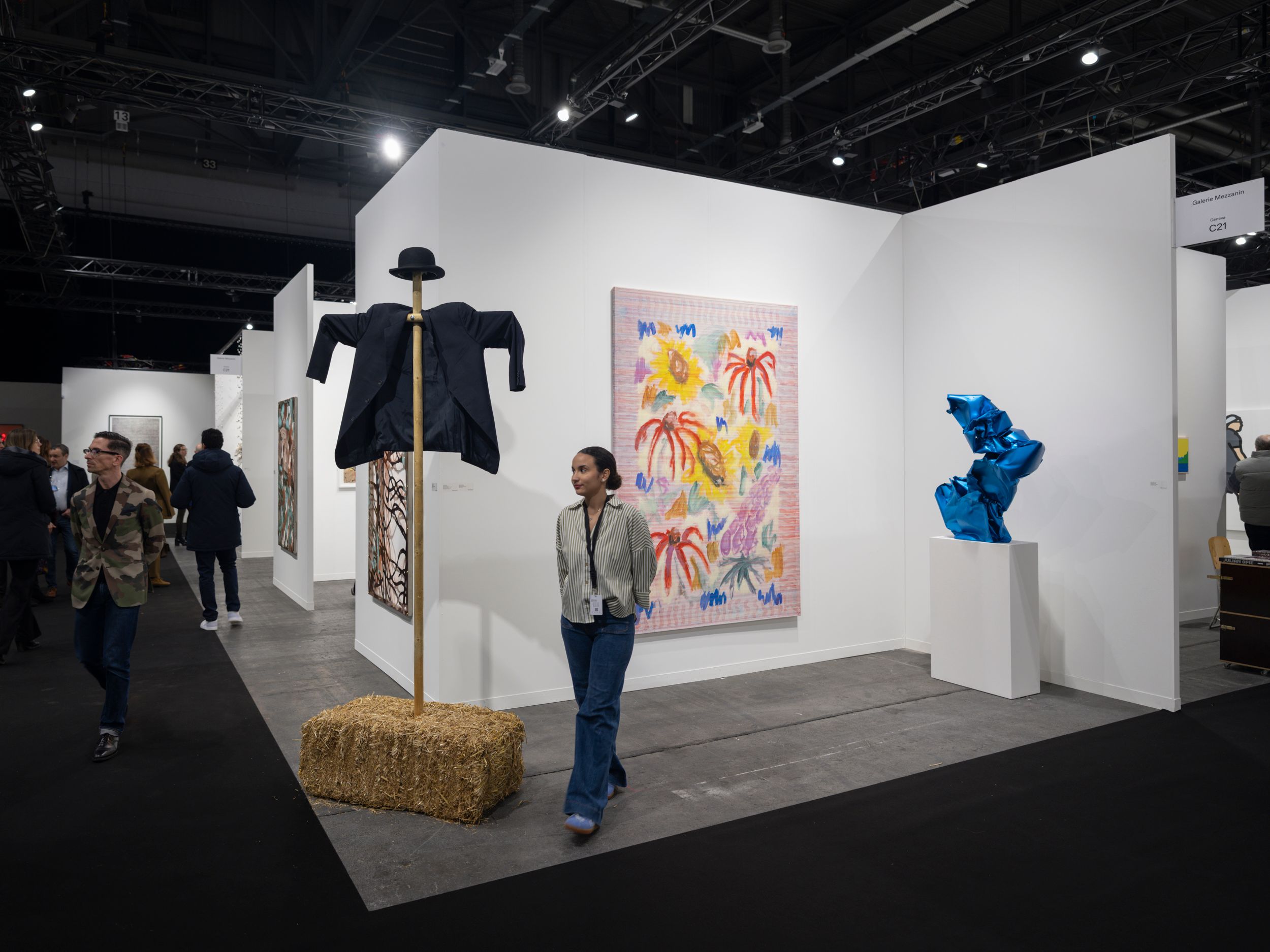
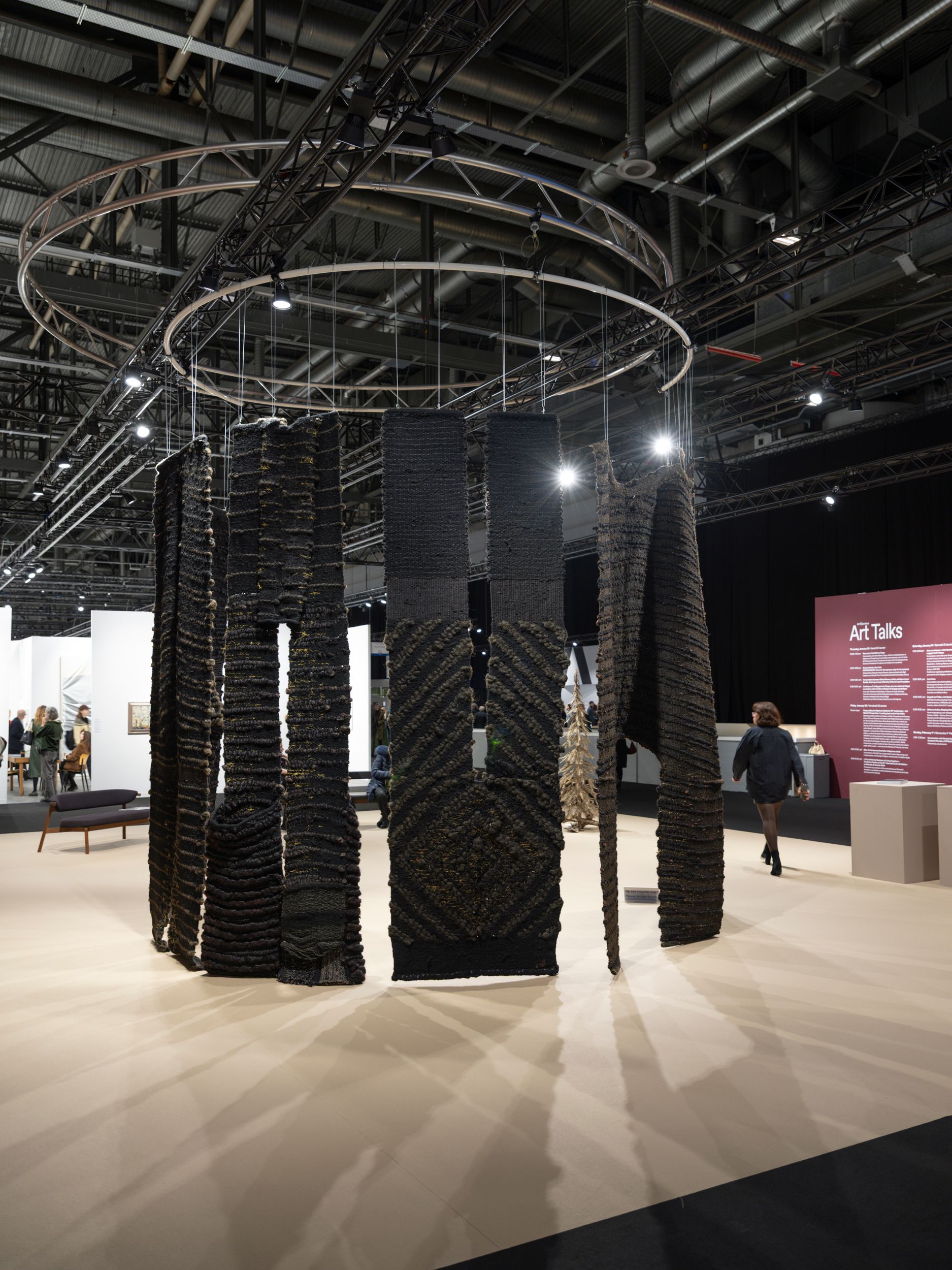
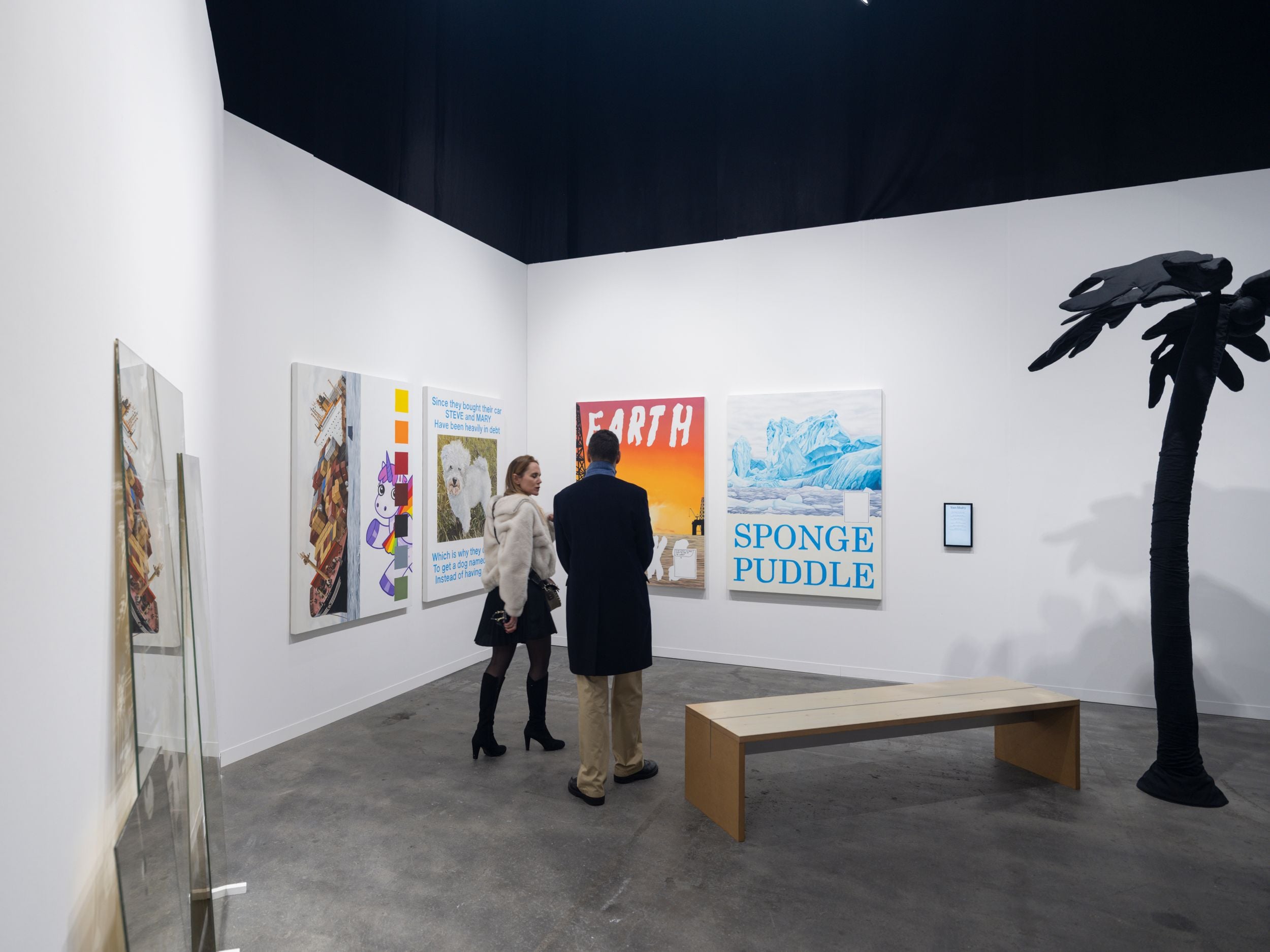
Read together, Before Demolition and Hildebrandt’s exhibition re-tuned Geneva during the week of Art Genève, when museums and galleries around the city threw open their doors. At one end, sound acted as force, capable of breaking structures, mobilising bodies, and marking endings. On the other, it lingered as memory and desire, imbuing objects with traces of what can no longer be replayed. Between them, the art fair appeared increasingly ill-equipped to accommodate either condition. An art fair can archive sound, gesture toward it, reference it… but it cannot sustain its temporal demands.
Art Genève / Music does not resolve this tension. Nor does it pretend to. Instead, it staged listening as a test case—of attention, of architecture, of what contemporary art can still do within market-driven formats. If the fair is a machine for producing visibility, sound remains what slips through its cracks: destructive, durational, and impossible to hold. —[O]
A respected voice in contemporary art discourse.
Focusing on ambitious storytelling and insightful art-world commentary. Ocula Magazine publishes in-depth interviews, critical essays and timely analysis on the artists, exhibitions and ideas driving the global art world.
Learn more about Ocula Magazine
Showcasing the best of the art world.
Ocula partners with galleries from around the world to highlight their artists, artworks and exhibitions. Gallery membership is by application and invitation, with each member vetted by an independent panel.
Learn more about Ocula Membership
Specialises in the sale of major artworks.
Led by a team with deep ties to the world’s leading auction houses, galleries and collectors. Ocula’s advisory team offers bespoke services to high-net-worth clients from around the world who are looking to acquire the best of contemporary and modern art.
Learn more about our team and services