





A Magnet for the Aspirational ‘Creative Class’: Inside Marseille's Art Season
Two end‑of‑summer art fairs in the south of France offered rival takes on the exhibition experience but, as George Macbeth reflects, the atmosphere was at the beach, not in the art spaces. Save to My OculaOne of Marseille’s infamous sons, Antonin Artaud, found himself back in his hometown in July 1922, after some time in Paris. Already in the throes of his opiate addiction (and suffering from a bad crush), the French dramatist and artist attended a performance by King Sisowath’s Cambodian Royal Ballet at the Colonial Exposition, an event designed to showcase the plundered culture of France’s imperial territories. This encounter with Khmer dance’s “fiery projection of all the objective… gestures” was decisive for Artaud. The memory of this spectacle would percolate into his subsequent writing on the Theatre of Cruelty a decade later, inspiring his assault on the preoccupations of Western theatre.
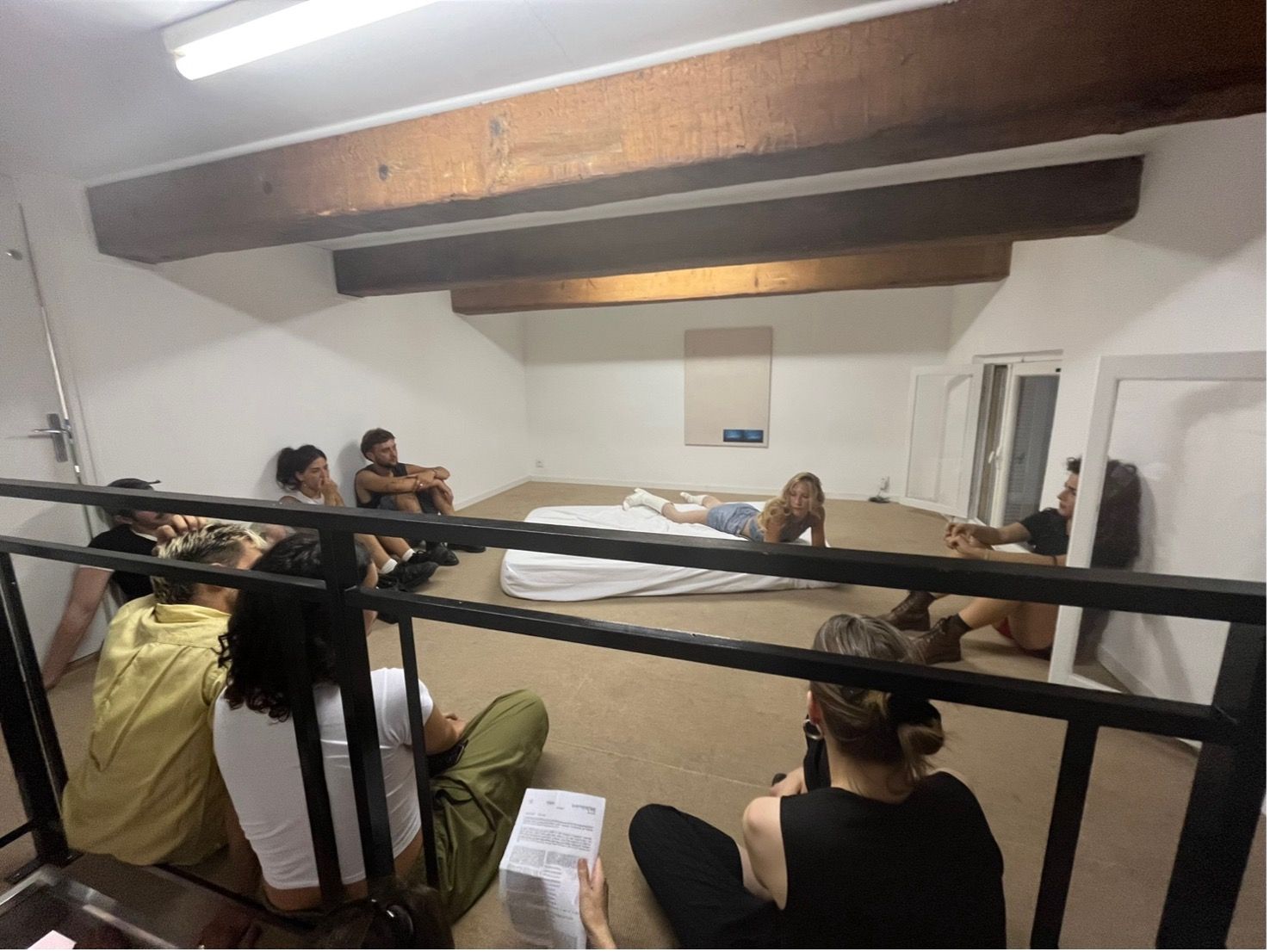
Just over a century later, I found myself wandering through the heat towards an opening at a project space called SPF50 in the first arrondissement of Marseille. Glancing down one of the streets that suddenly yank your gaze towards the Mediterranean Sea throughout the inner city, I saw a seagull shaking the bloodied corpse of a pigeon in its mouth like a labrador with a ragdoll, maniacally Pollocking the pavement in blood. With only sour box wine on offer outside the gallery, I had no choice but to head into the show. Upstairs, a performer lay on her front on a mattress in a denim doublet and white cowboy boots, locking eyes with audience members one after the other with a smiling, silent gaze (a work by Aguila Leite called Waiting Room).
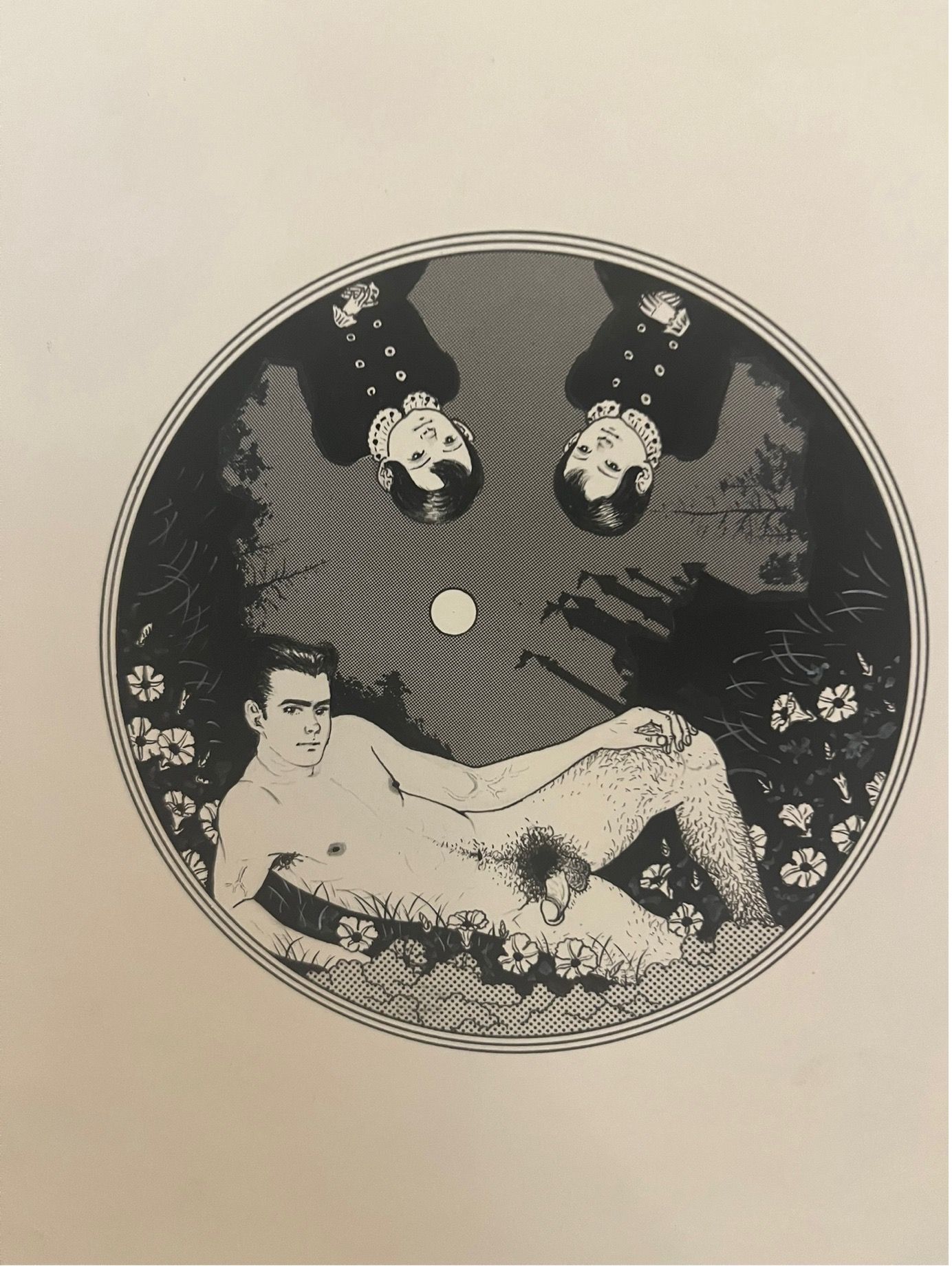
At nearby Giselle’s Books the same evening, a reading by artists Héloïse Chassepot and Kristina Stallvik drew from a melánge of texts by American writer Samuel Delany, Burchard of Worms (an 11th-century French priest and author of a taxonomy of sexual misdemeanours), and Belle Époque lesbian poet Renée Vivien. A sulky pale girl in a képi French Foreign Legion hat sat and nodded at strange intervals throughout. The reading accompanied a superb selection of etchings on the walls from the elusive Japanese graphic illustrator of homoerotic fetish art Sadeo Hasugawa, who conjured a typology of queer motifs between East and West. Later, I headed to a central square for moules-frites and pastis.
Since its inauguration as 2013’s European Capital of Culture, the enmeshing of France’s second city into the circuitry of the annual cycle of summer art tourism for Europeans and Americans alike has continued apace. In 2020, Marseille hosted the Manifesta 13 biennale, while in 2022 the first edition of Systema, a weekend of exhibitions by visiting international galleries, run in collaboration with an assortment of artist-run and low- (or no-) budget galleries, followed on its tail. The attraction which the city seemingly presents for the downwardly mobile, cash-strapped but socially aspirant “creative class” to take their holidays (and in some instances take up residence), resembles an earlier fascination in the 2010s with those other anarchic, ancient Mediterranean metropolises of Athens or Naples, both of which also magnetised an international art crowd in the wake of hosting major biennales.
“The presence of an art fair in the city doesn’t magically birth the presence of a collector class”
The Marseillais crime writer Jean-Claude Izzo has rhapsodised about how, in his city: “Wherever you are from, you feel at home in Marseilles. You see familiar faces on the streets; you smell familiar smells. Marseille is familiar”. The same logic of open hospitality and intimate familiarity is evident in the self-presentation of Systema, which is guided by the directive not of a single curator but an unusual system of personal invitation, whereby each gallery participant is permitted to invite another space to participate, and so on. Yet the encounters the art crowd seemed to savour over the long weekend of goings-on appeared to be centred not in the local but in the retrofitted, flattening products of the gentrification process: the small-plates restaurants that wouldn’t look out of place in Berlin or Los Angeles; performances by young artist cliques from Berlin or Zurich or Frankfurt; and cocktails at the suspiciously Parisian-feeling Café la Muse.
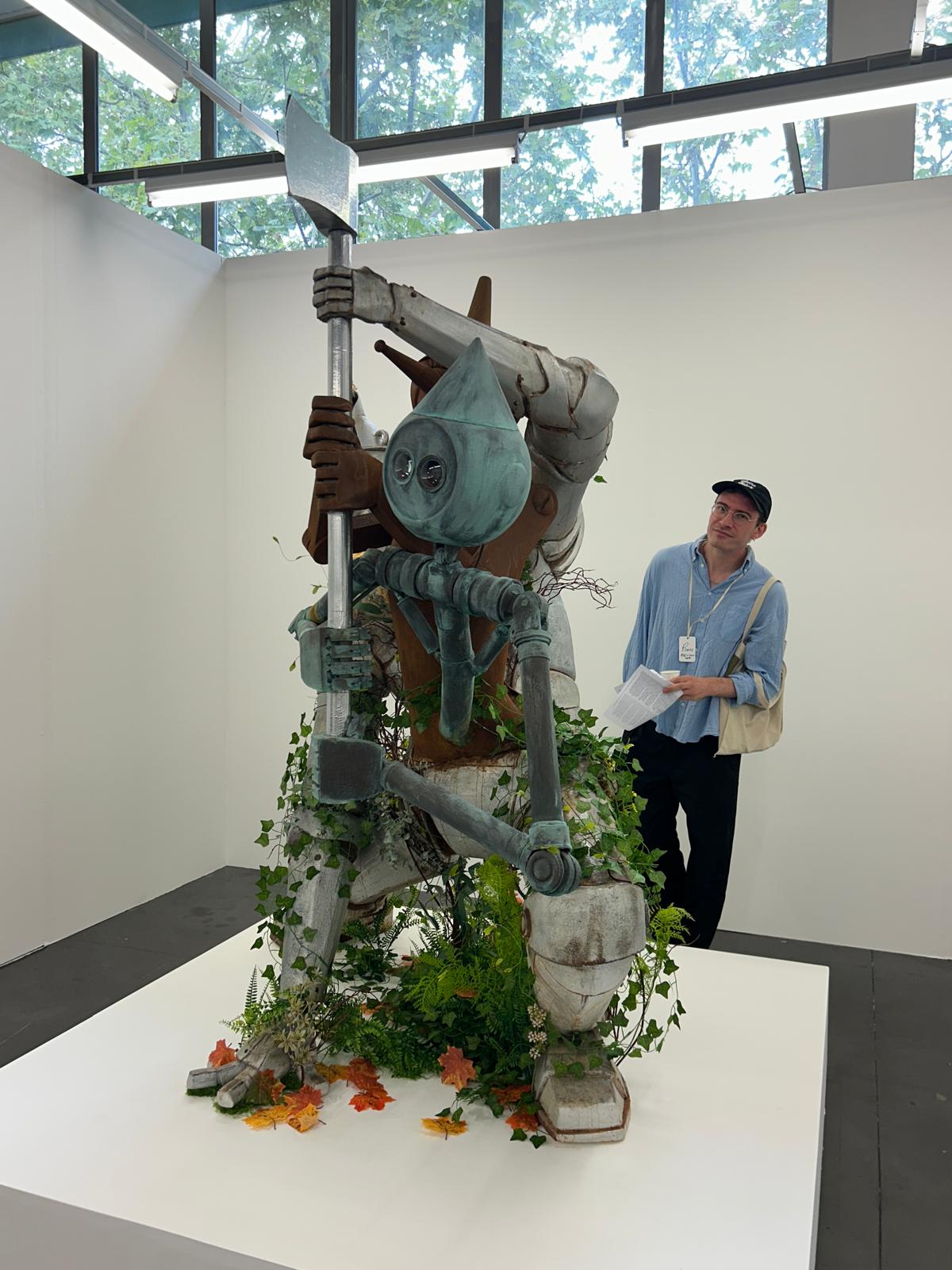
Art-o-rama, an international art fair housed in former-tobacco-factory-turned-cultural centre Friche la Belle de Mai, has for the past 20 years enticed young and emerging galleries through its comparatively low stand fees (€3,500 for galleries under seven years old). Yet the equally low returns for participating galleries in recent years (the presence of an art fair in the city doesn’t magically birth the presence of a collector class) seemed this year to have largely discouraged much risk-taking. I enjoyed American artist Raque Ford’s 1990s-inflected acrylic text assemblage, For some reason I can taste what you taste hands on my mouth trace my lips (2026), presented by Chicago gallery Good Weather. Striking, too, were Dale Lawrence’s epoxy-resin-encased text sculptures congealing together impoverished fragments of formulaic clickbait (“beneath the sun’s bright journey/beneath a relentless sun”) in Paris’s The Bridge Gallery booth. There was otherwise a great deal of faddish and forgettable painting.
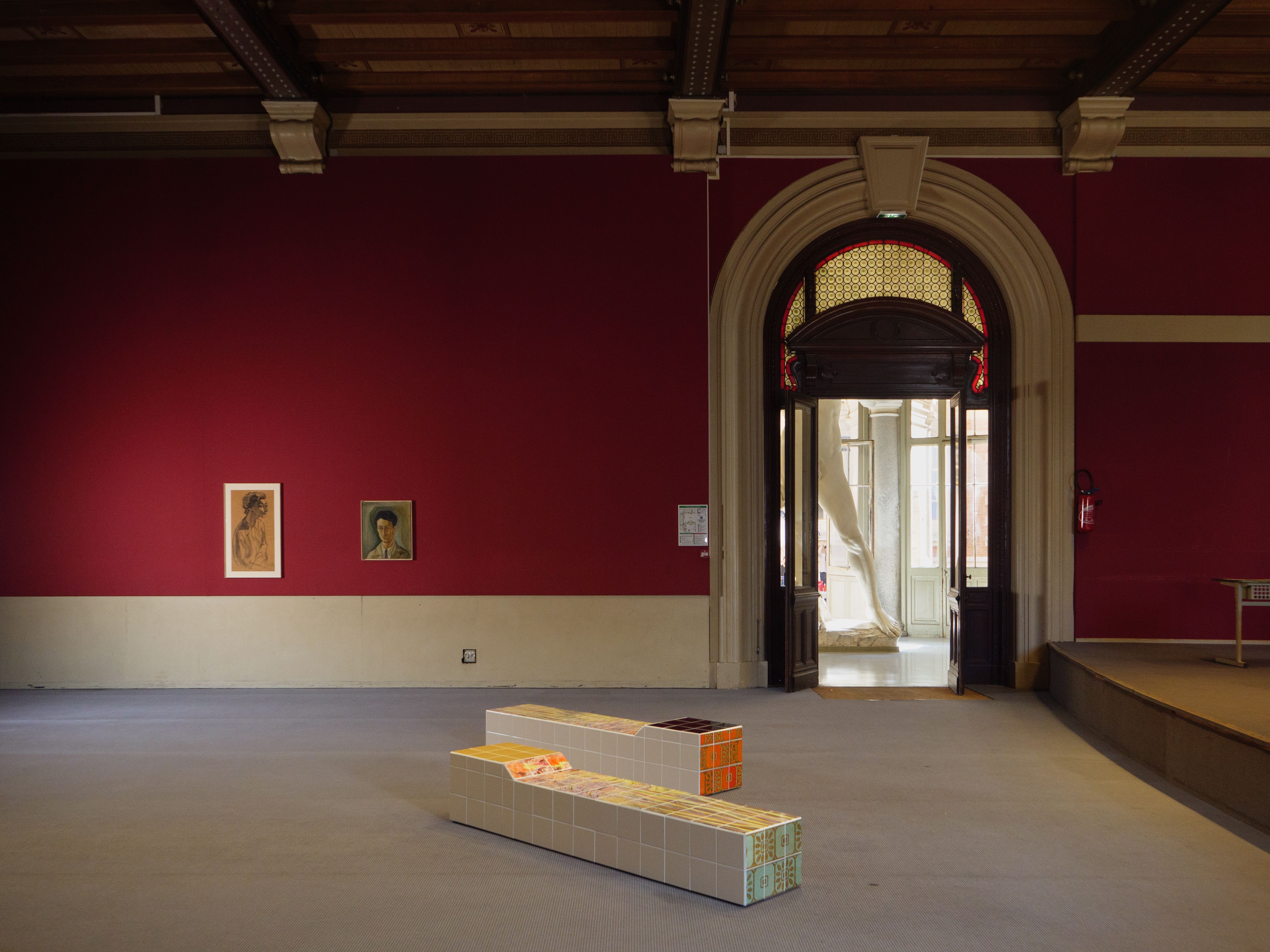
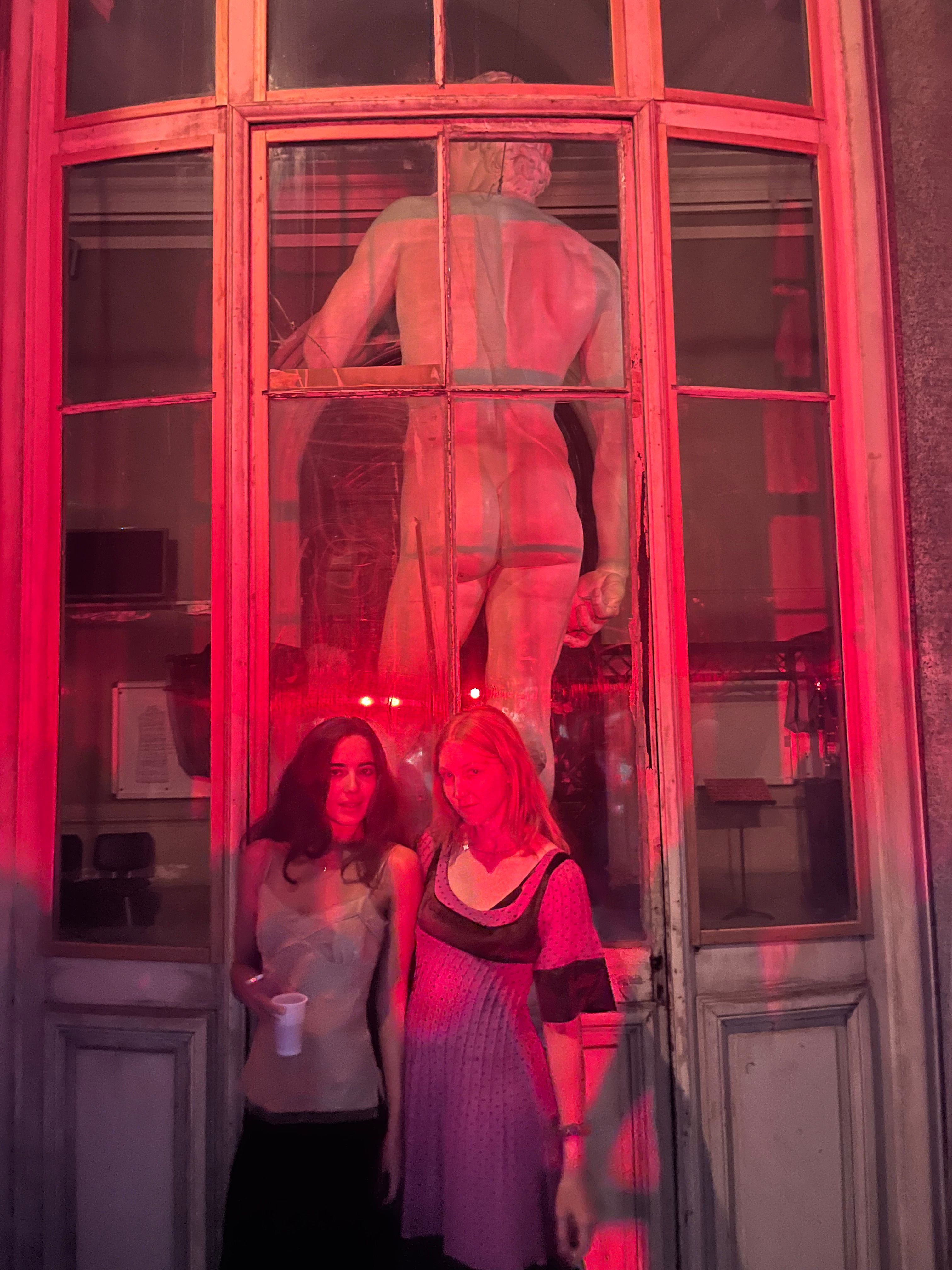
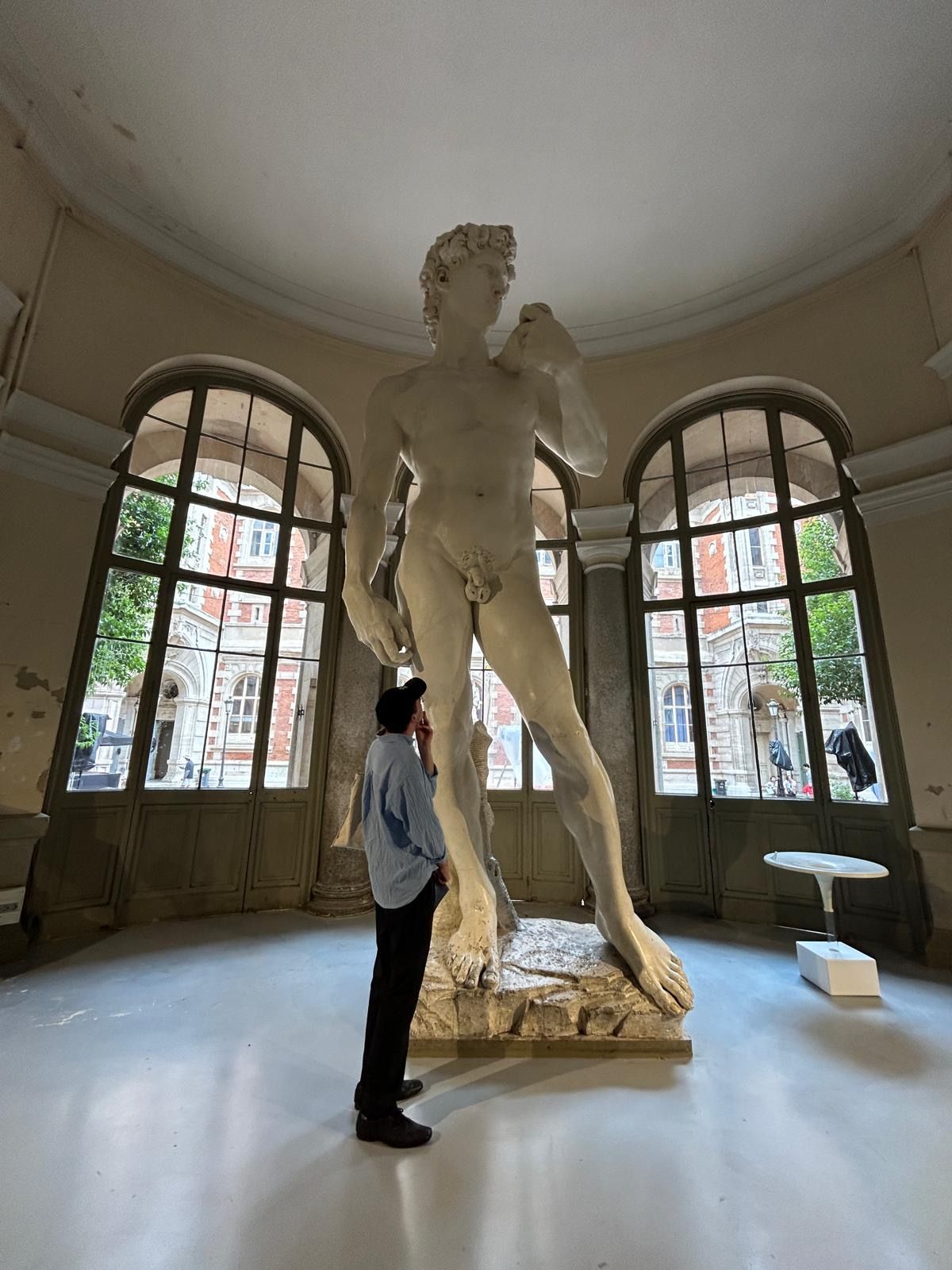
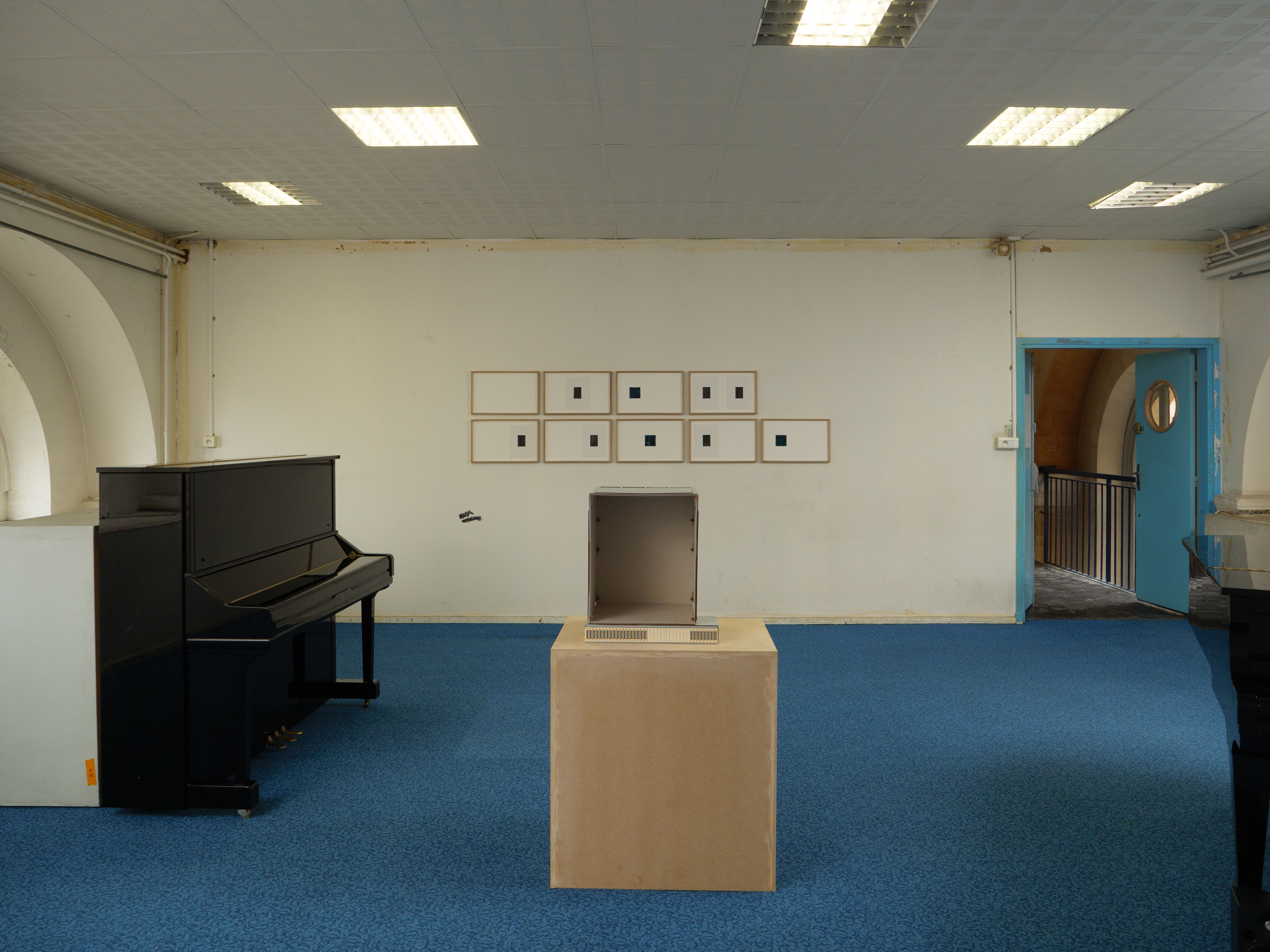
Where most of the work on show at Art-o-rama was large, loud and, at times, abrasive, Systema’s approach favoured the inverse: muted, often inscrutable, and petite. 23 project spaces, artist-led galleries, collectives, and (in one case) a self-described “nomadic curatorial project for freaks and lovers” had works spread throughout the monumental 19th-century Palais des Arts (which currently houses a music school). Accordingly, most of the exhibition spaces in the building also included at least one piano, while in the entrance hall a to-scale plaster replica of Michelangelo’s David scowled down on visitors. Pleasingly little effort was made to retrofit or disguise the scrappy, temporary nature of the exhibition’s residence of the building, nor was there any map to help navigate the presentations on show.
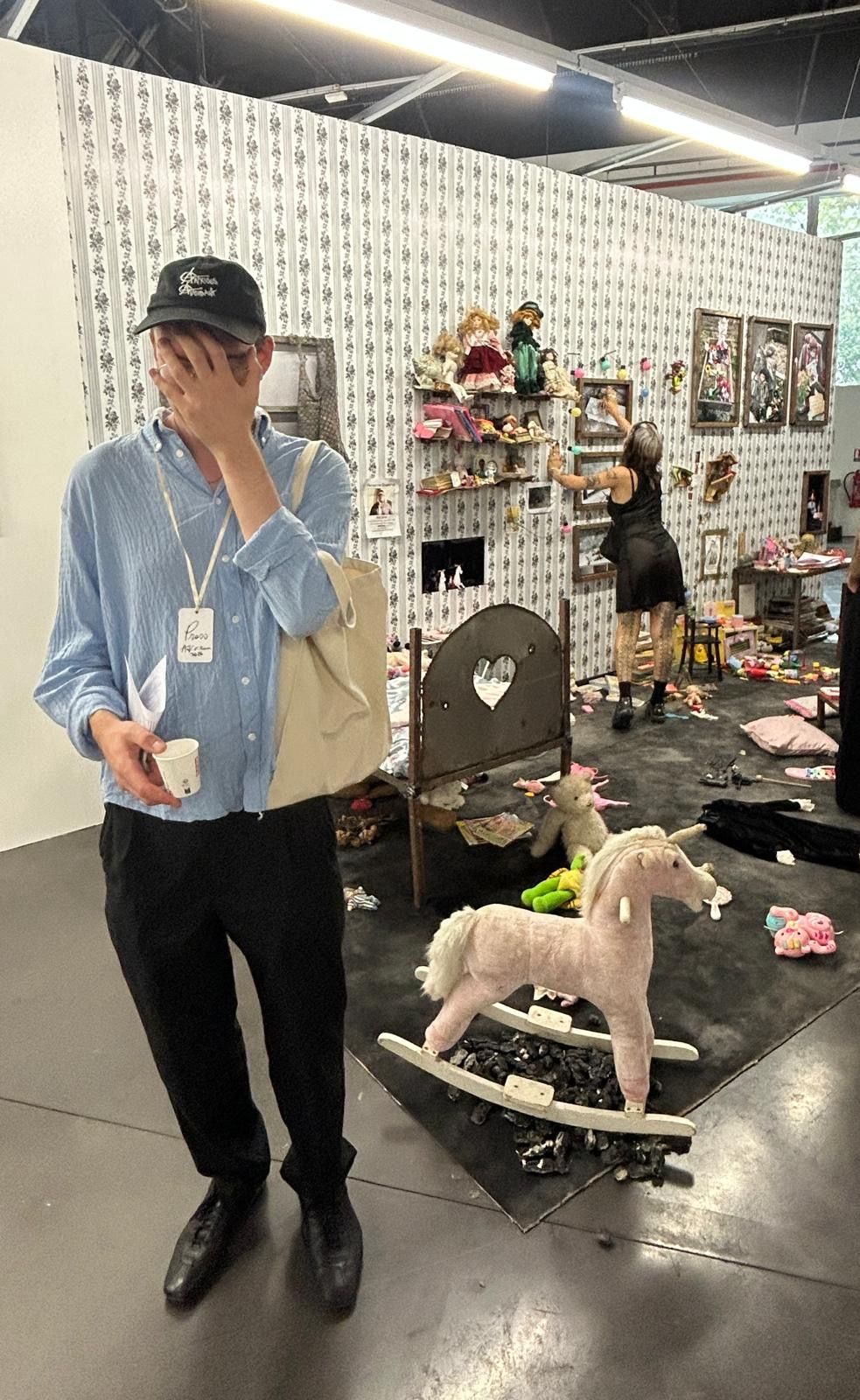
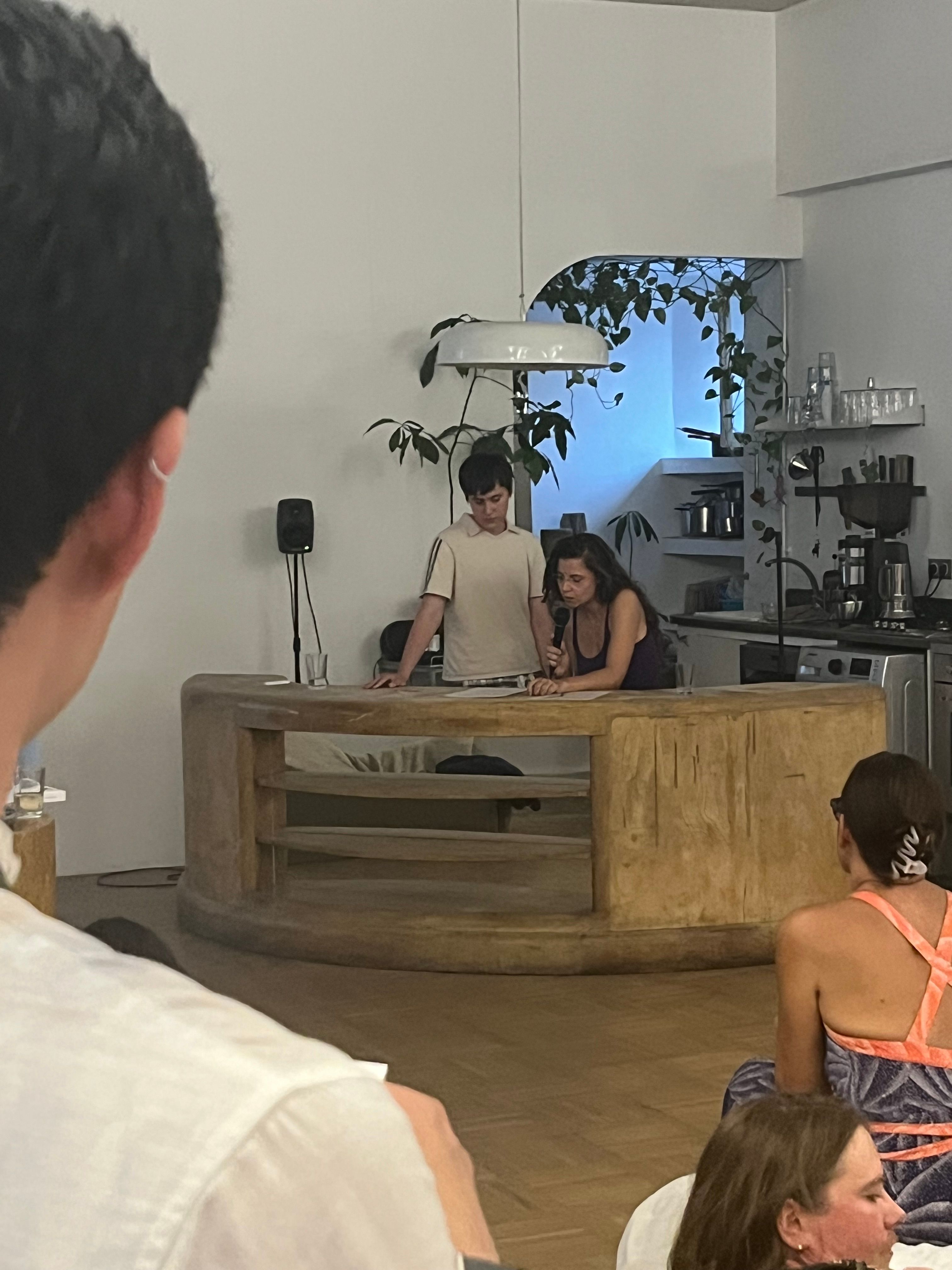
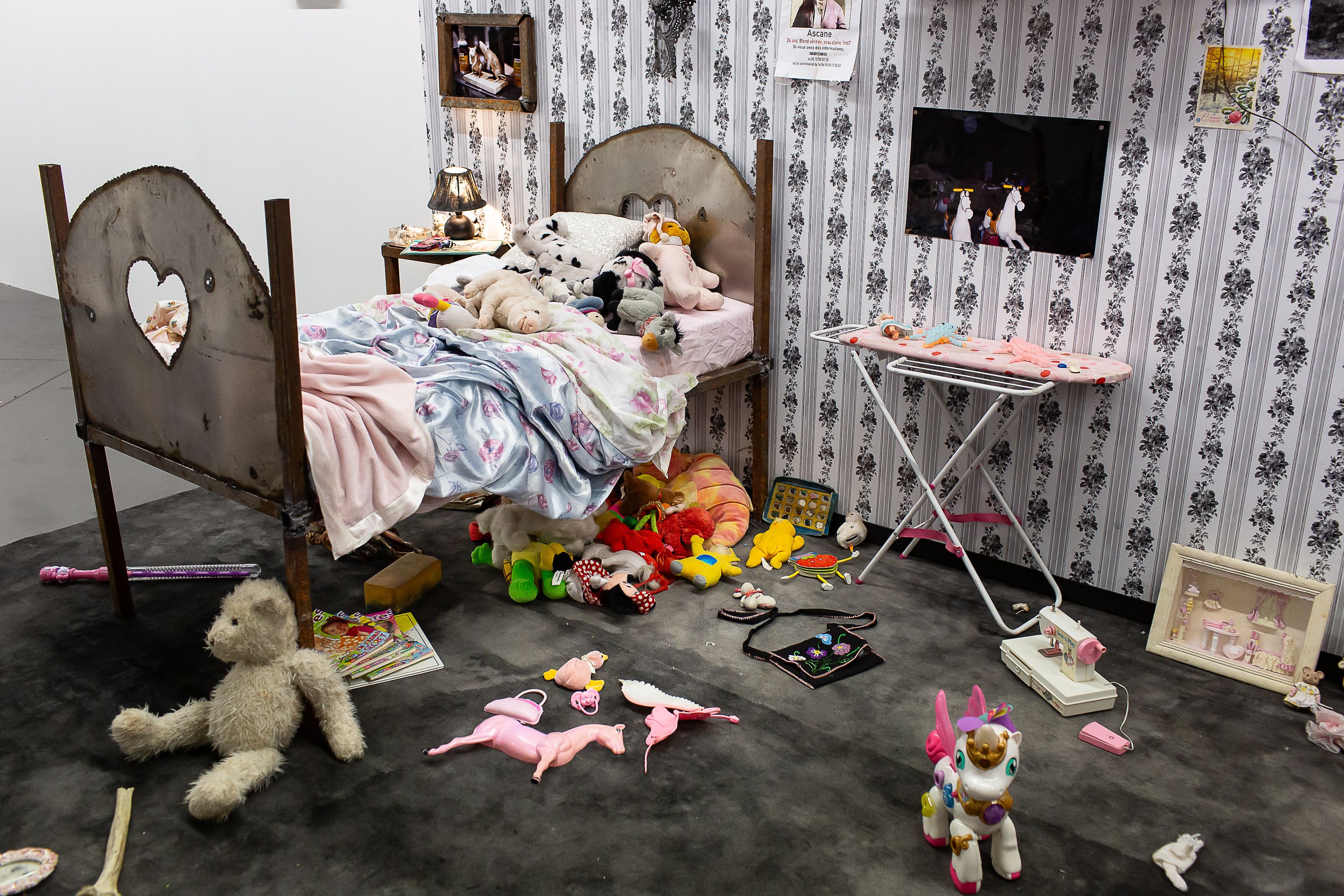
The first thing that jumped out to me as I wandered, disorientated, through the space, was the almost hyperbolic aversion to monumentality and showboating of all kinds. Pieces were tucked away in crannies, awkward spots in vestibules, corridor display cases, and the building’s conservatoire rehearsal rooms, complete with student graffiti. Pushing against the Palais’ grandeur, it skewed towards the experimental and non-commercial (a friend called this the “small plates approach to group shows”.)
If you looked carefully enough you could find Portuguese artist Rui Calçada Bastos’ charming rotating business card stand (on one side “OUI” and the other “NON”), nestled on a shelf, and Rotterdam-based artist Wyatt Niehaus’ sumptuous C-Print photograph of a Rolex seeming to dissolve in a tumbler of carbonated water. Elsewhere, Austrian artist Kathi Hofer’s cardboard diorama of the California Federal Bank continued the miniaturist tendency. My favourite (and seemingly everyone else’s) work in this vein was French artist Adrien Genty’s delightful installation, featuring a dancing puppet suspended between a backpack and a Sony Walkman playing a scratch demo.
There was also a strong selection of video work, including a strangely hypnotic film from nomadic Berlin collective DOOM SPA, which orbited around a nondescript Berlin hotel and a melancholic polar bear looking out at it from his balcony. Richard Sides and Nico Kleist (fka DJ Courtesy)’s MIX 2026 again took Berlin as its setting, albeit in a more exultant fashion, following a group of solitary dancers immersed in their own Walkman workouts around the city. My favourite moving-image piece was American artist Joy Episalla’s grainy black and white travelogue As Long as There’s You, As Long As There’s Me (2023), in which a narrator journeys across continents over 18 years through a series of chance encounters, from buskers to restaurant bands to friends singing in their cars, in a moving paean to the strength of community ties and friendships over time.
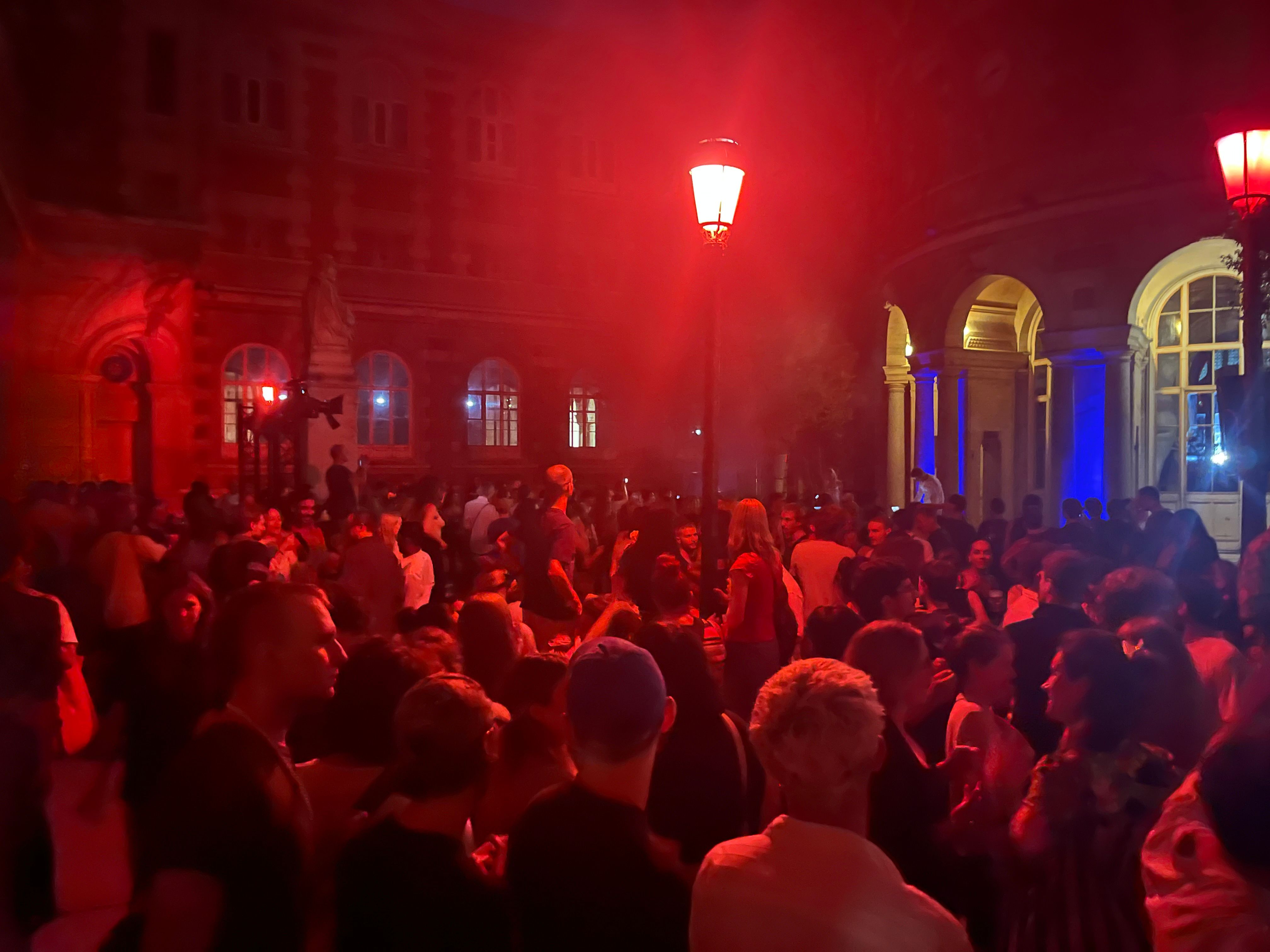
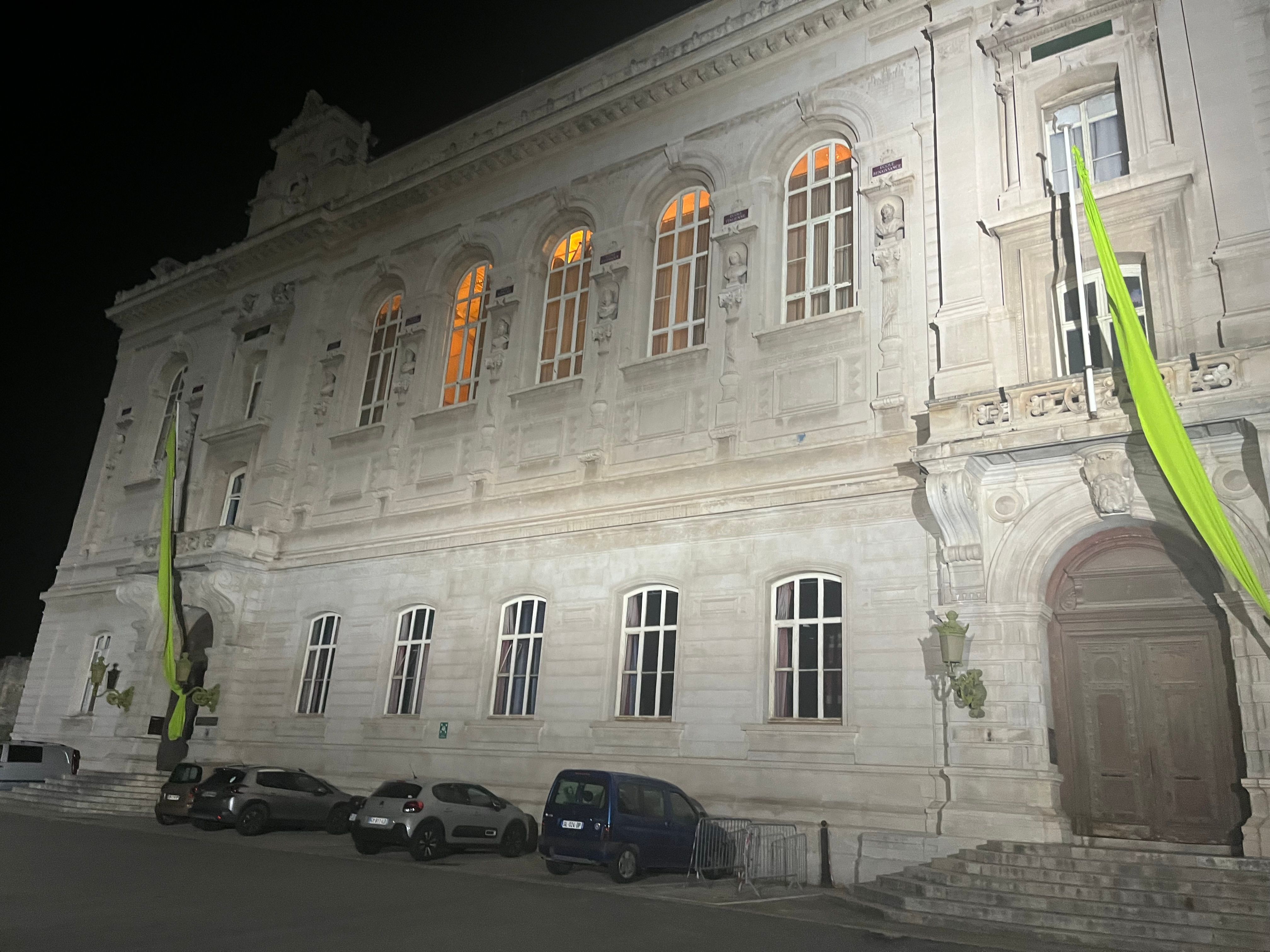
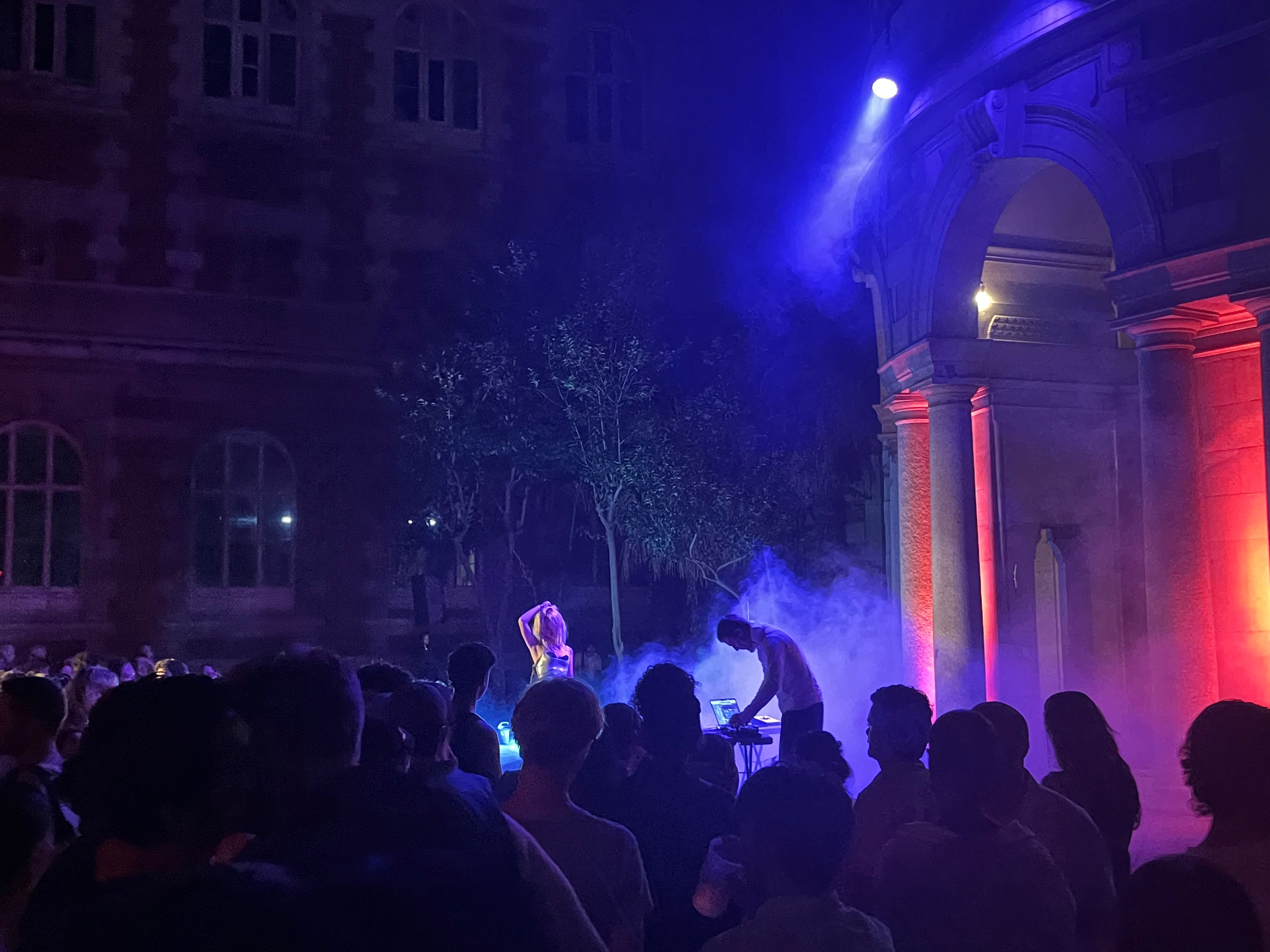
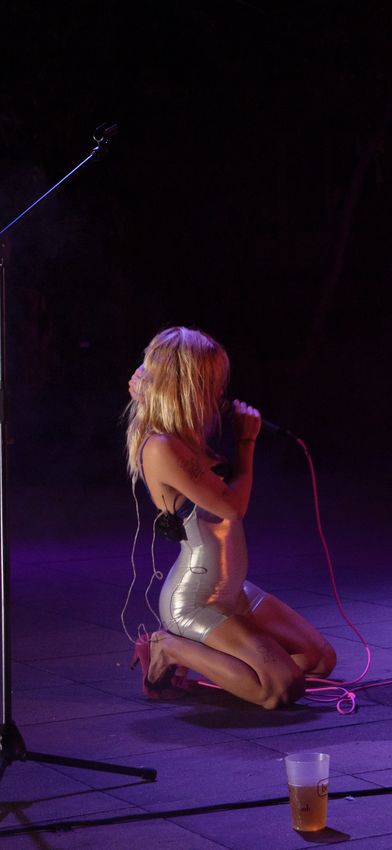
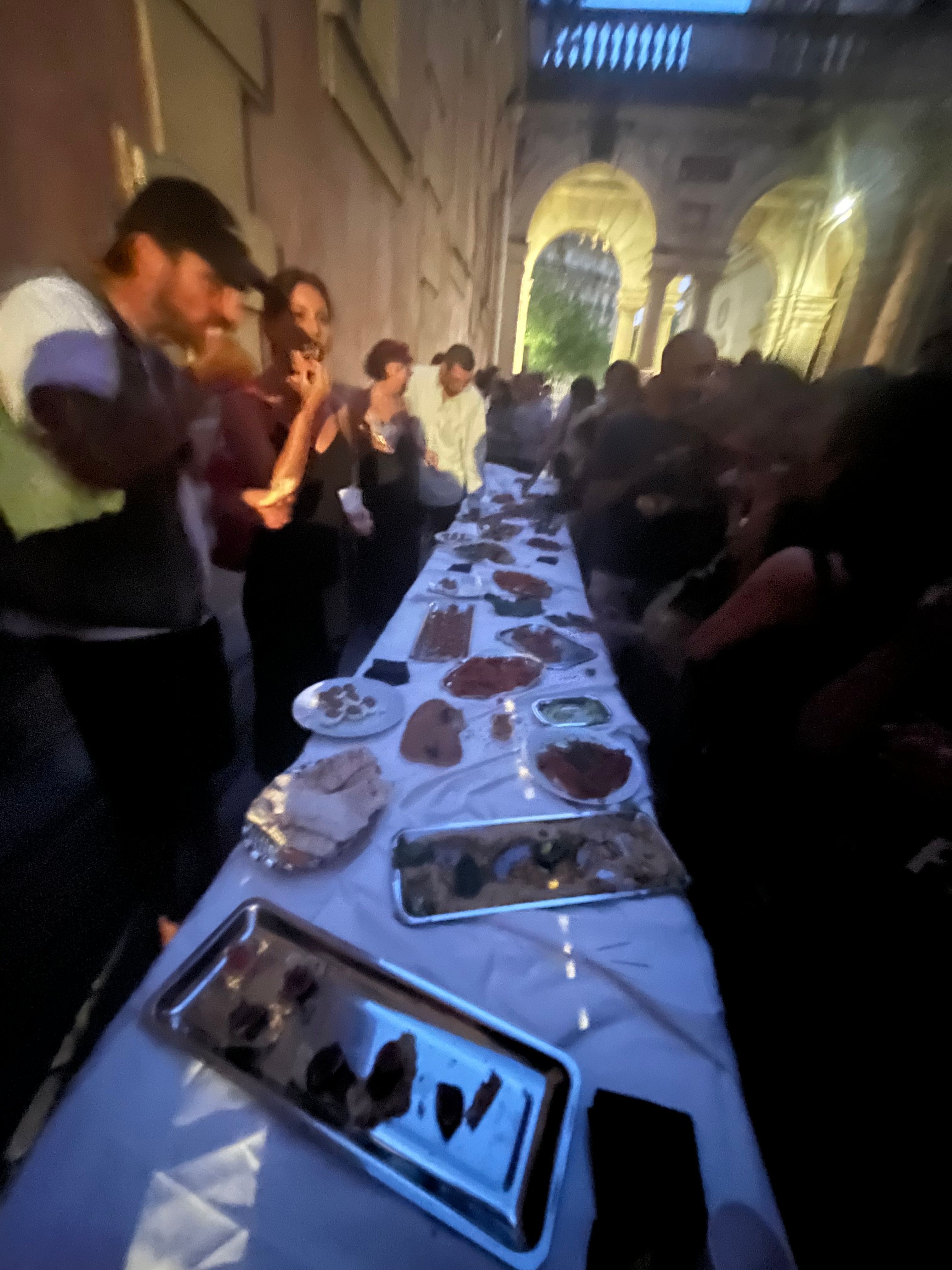
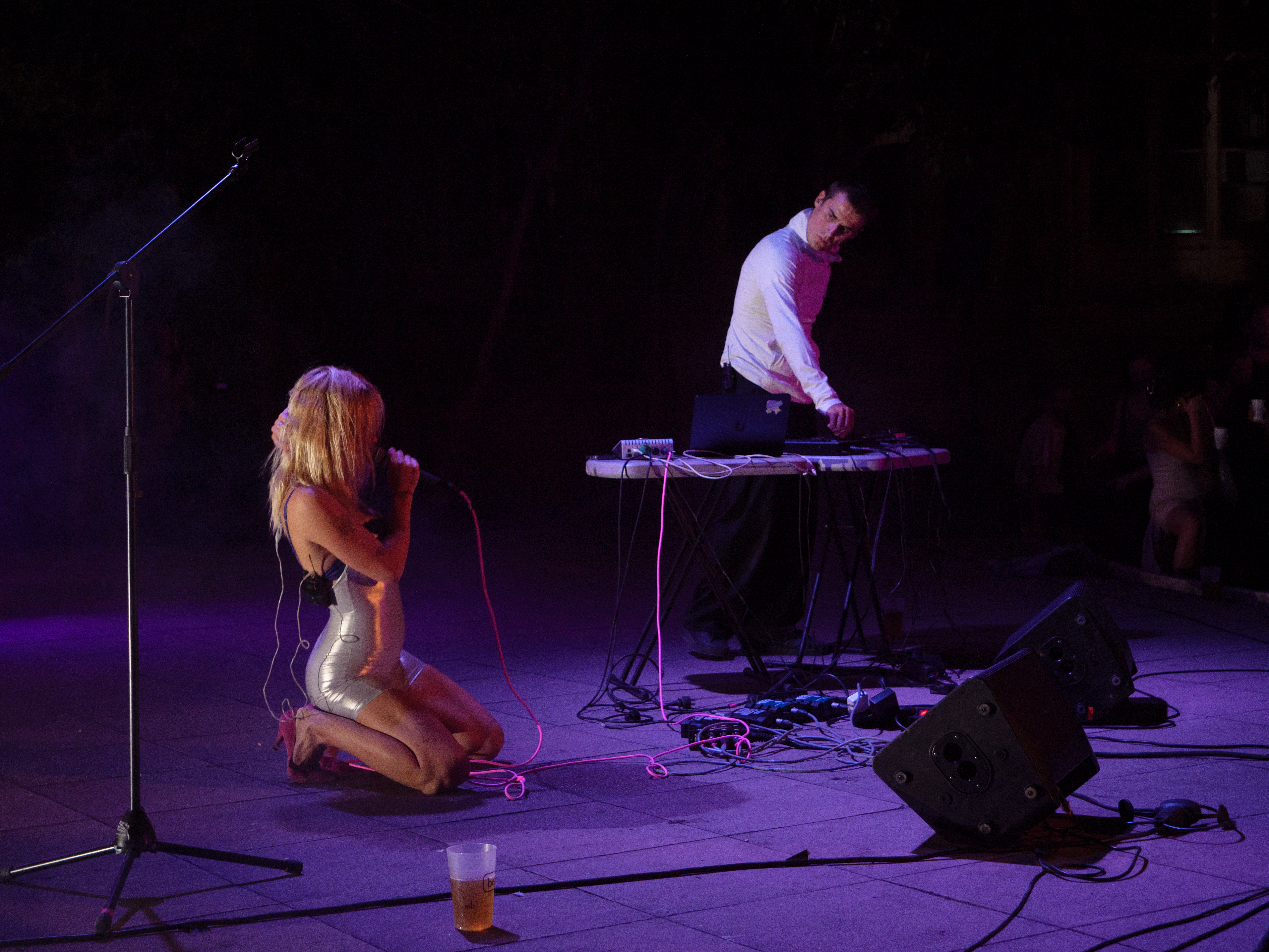
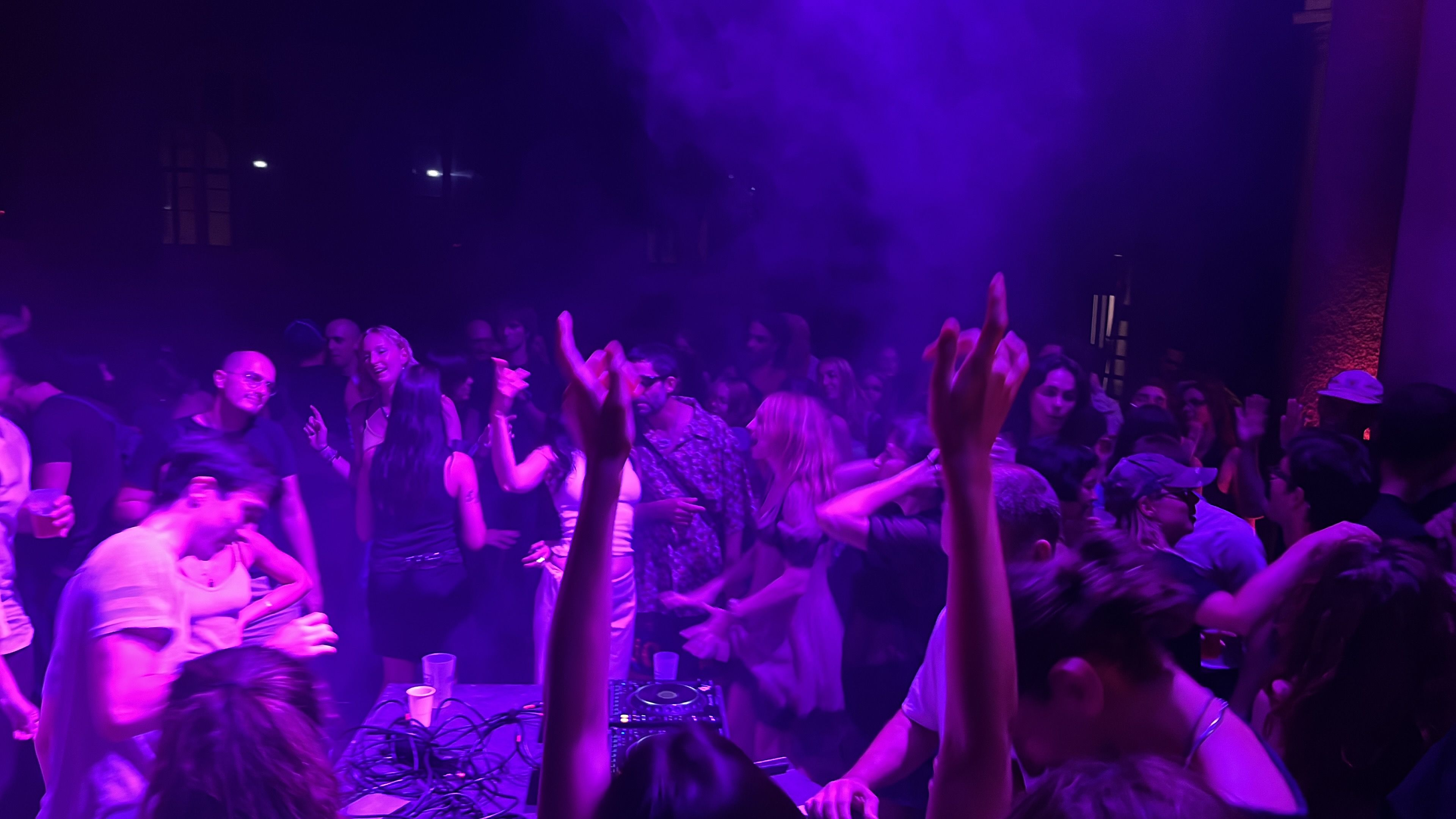
The opening-night party for Systema began unspectacularly with a vegan “banquet” in the colonnade behind the Palais. Yet the social stiffness had dissipated by the evening, when I found the courtyard packed with a buoyant crowd as a deliriously fun Snow Strippers clone act called Lipstick Music sang “Do you know how lucky you are?”. DJ Vodka (Berlin-based artist Richard Sides’ musical alias) next mixed Zombie Nation into Natasha Bedingfield into Underworld. He had his Tiësto moment as the crowd swarmed the DJ booth, the full moon overhead.
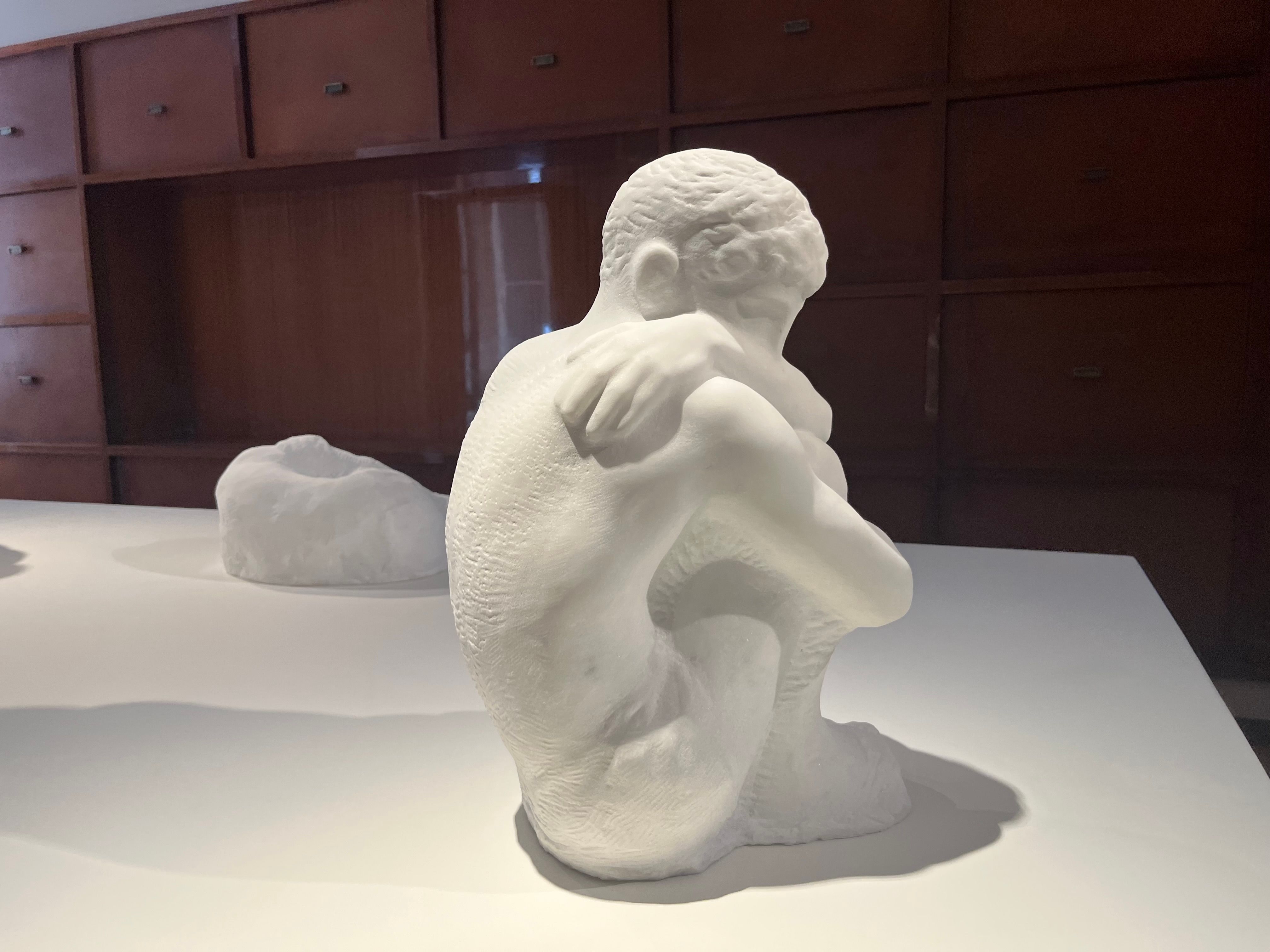
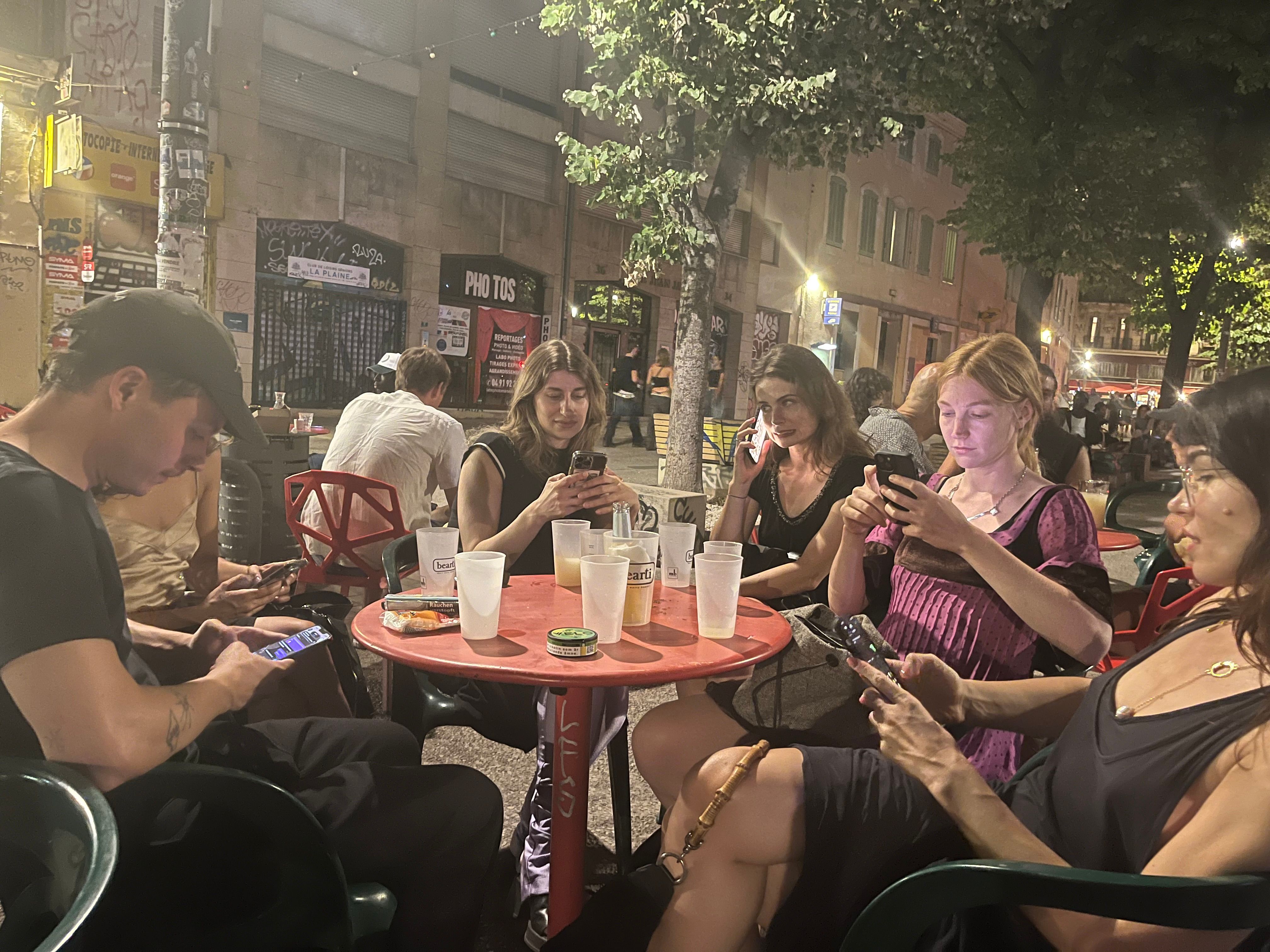
I spent the next days at the Plage Malmousque beach, reading to a soundtrack of splashing, as teenagers divebombed into the water, sampling Tunisian tagines and the salty chickpea cakes known as panisses sold from a food truck in Endoume. Having stepped ever-so-briefly off the art conveyor belt, on my penultimate day I attempted to redeem myself by visiting Madmax, a new gallery set up in a former Art Deco bank. The show, titled Unfinished, brought together a suite of beautifully installed marble figures from the young Czech sculptor Matouš Háša. Though evidently in conversation with an established repertoire of classical forms, the referential directness of Háša’s sculptures was offset by their eagerness to display the conditions of their own making. Figures emerged and then just as soon retreated from slabs of marble in bushy thickets of chisel-marks. His tightly huddled, pensive figures suggested to me the holidaymakers crouched on the rocks at Malmousque in the dog days of August, staring at the horizon and reckoning with the summer’s end. —[O]
Main image: “Lipstick Music”, Afterparty at SYSTEMA (2026) Palais Carli, Marseille. Courtesy of the artists and SYSTEMA © SYSTEMA, 2026. Photo: Raphaël Massart.




A respected voice in contemporary art discourse.
Focusing on ambitious storytelling and insightful art-world commentary. Ocula Magazine publishes in-depth interviews, critical essays and timely analysis on the artists, exhibitions and ideas driving the global art world.
Learn more about Ocula Magazine
Showcasing the best of the art world.
Ocula partners with galleries from around the world to highlight their artists, artworks and exhibitions. Gallery membership is by application and invitation, with each member vetted by an independent panel.
Learn more about Ocula Membership
Specialises in the sale of major artworks.
Led by a team with deep ties to the world’s leading auction houses, galleries and collectors. Ocula’s advisory team offers bespoke services to high-net-worth clients from around the world who are looking to acquire the best of contemporary and modern art.
Learn more about our team and services