





The Exhibitions Not to Miss During Singapore Art Week
Save to My OculaOur editors select the shows to see in Singapore this January, including soundscapes, the eighth edition of the nation’s Biennale, and a prescient examination of human climate intervention.
Yao Qingmei, Steel Garden (13 December 2025–15 February 2026) at ShanghART Singapore
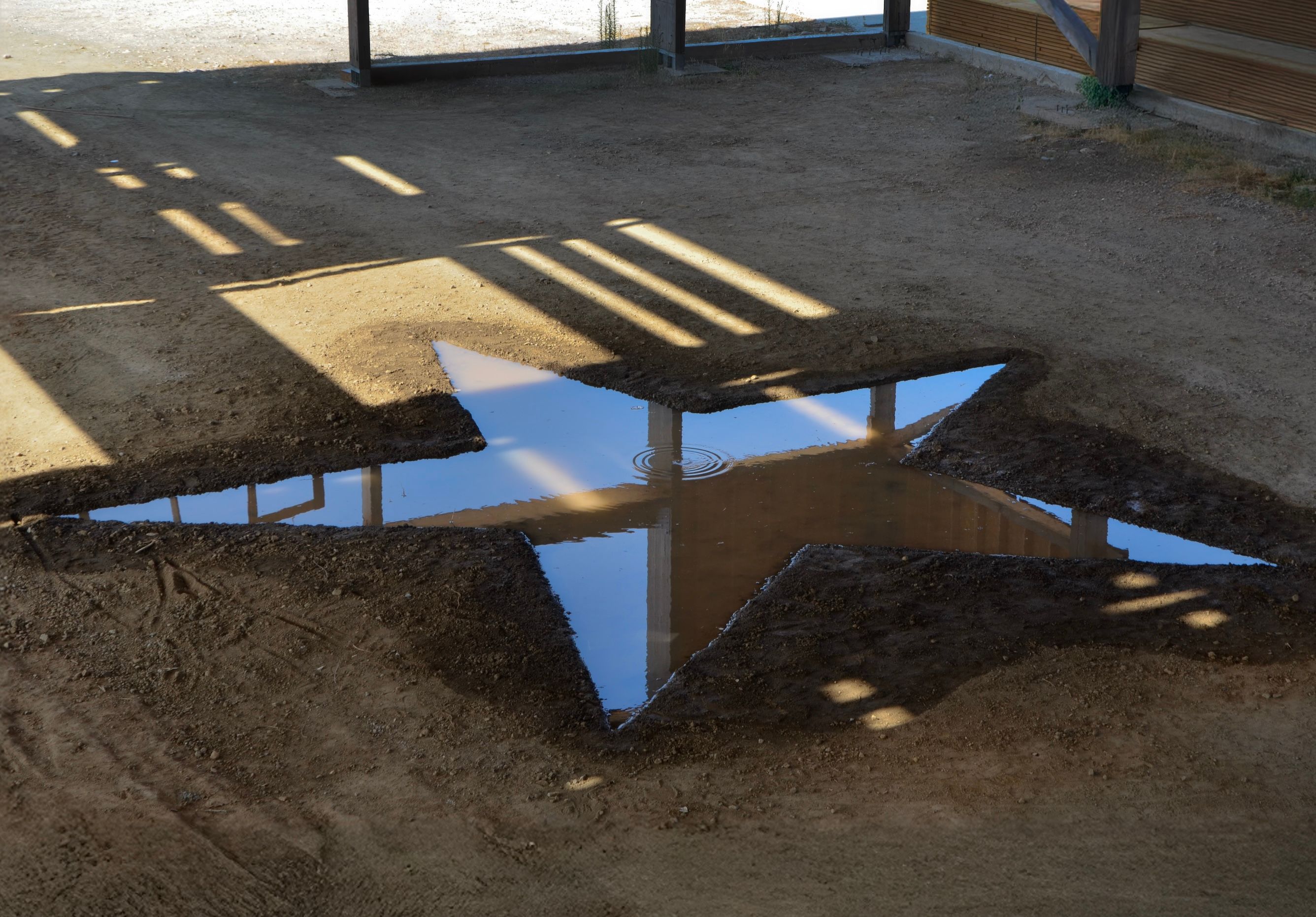
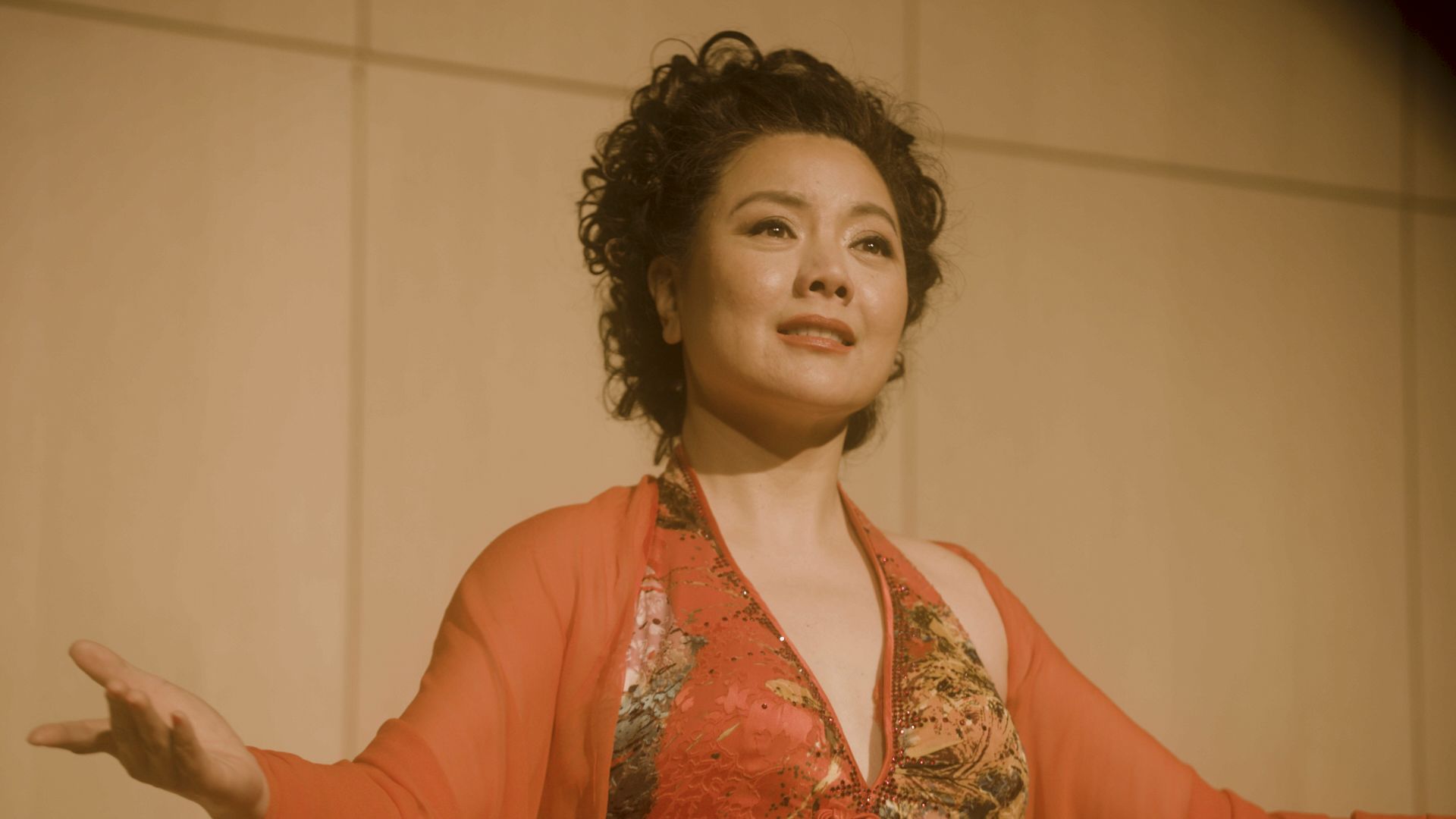
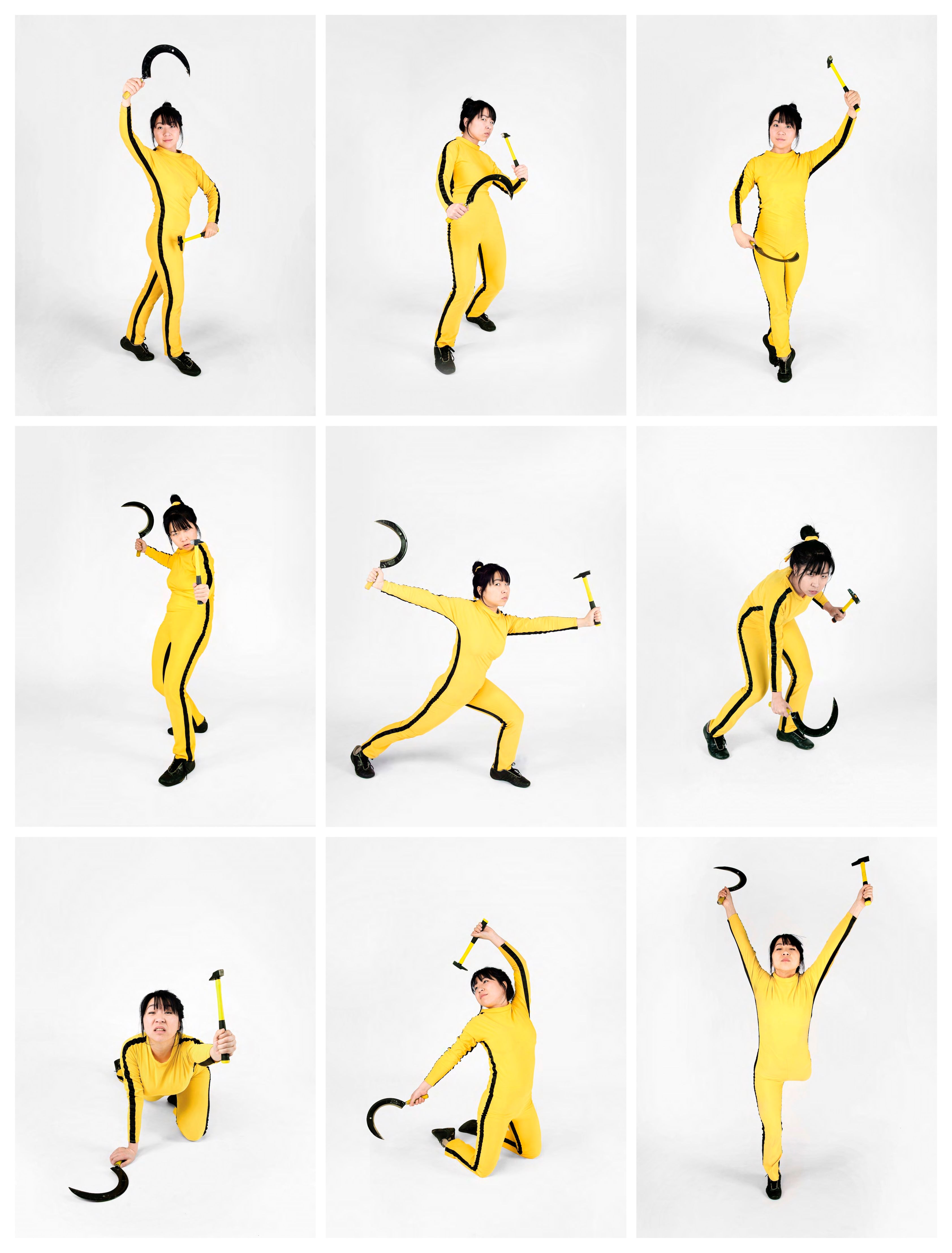
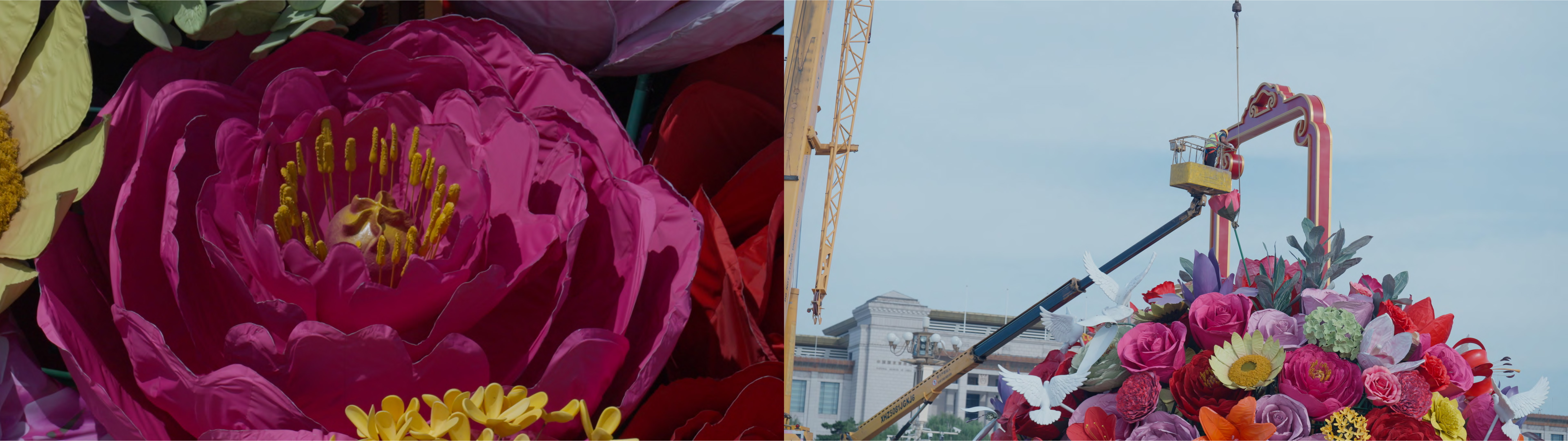
In 2017, when I watched Yao Qingmei filming for her exhibition The Ecdysiast in Beijing, there were few artists as bold and direct in confronting China’s biopolitical realities. Working across video, performance and installation, Yao examines everyday rituals such as body checks in public space and patriotic slogans that seep virally into the media and imprint themselves on to our everyday movements. Her latest work (and the titular heart of this exhibition), Steel Garden, exemplifies this approach. In a two-channel video structured in five chapters, the Paris-based artist adopts a documentary-like gaze and a deliberately matter-of-fact voiceover to observe Tiananmen Square on National Day (1 October): extravagant floral displays heavy with symbolism; visitors arriving in a mood of reverence; and a local she invited to sing patriotic songs on the square, only to be stopped by police—coincidence or not, a similar exchange occurred in 2012, when Yao attempted to sing The Internationale in Monaco. The absurd and theatrical charge of earlier works such as Dance! Dance! Bruce Ling! (2013), also on view at ShanghART, now feels restrained; Yao seems to have identified a larger, more ominous stage, one that encloses us all. – Shanyu Zhong
What Binds Me to This Land (13 December 2025–14 February 2026) at Ames Yavuz
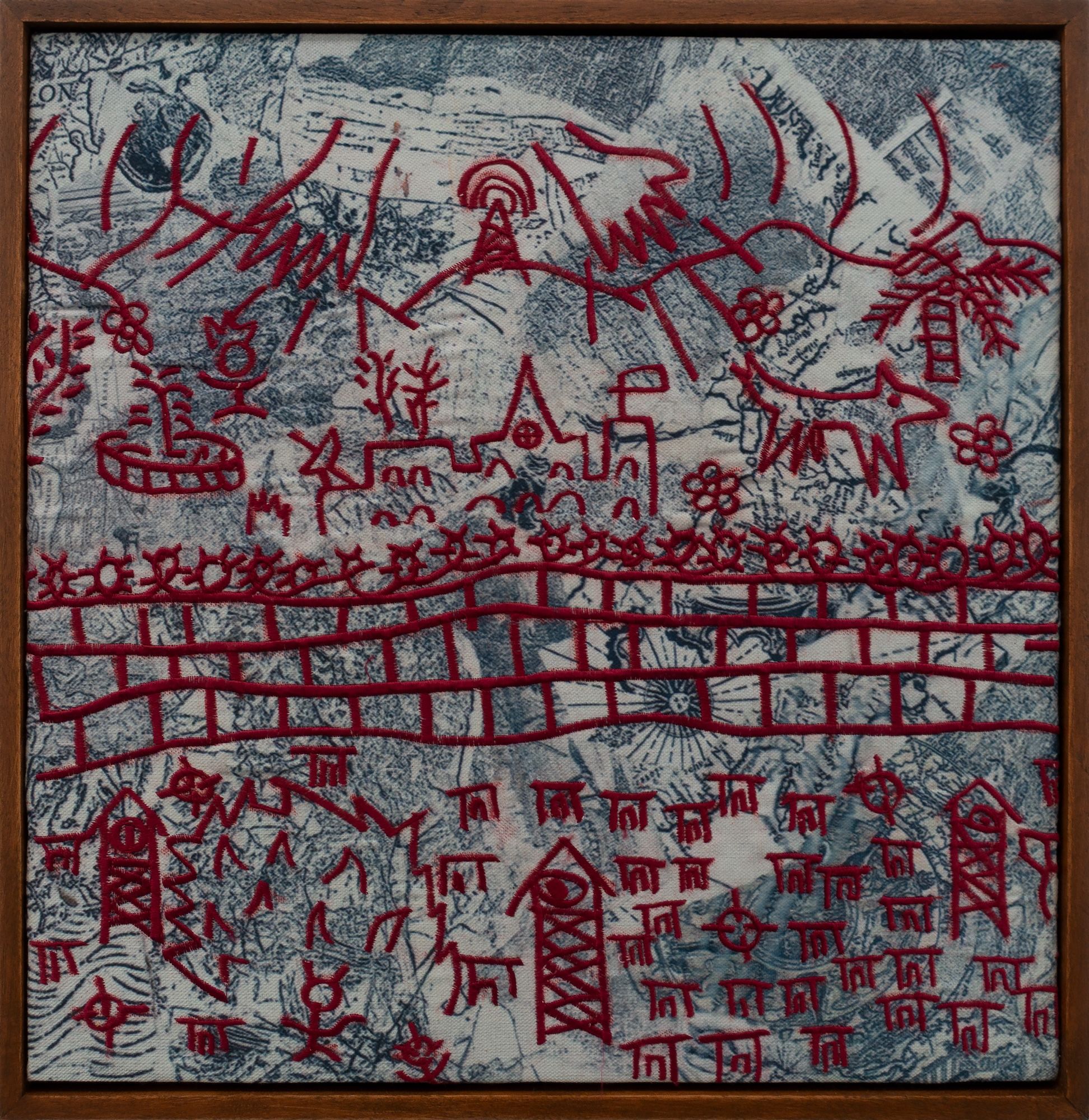
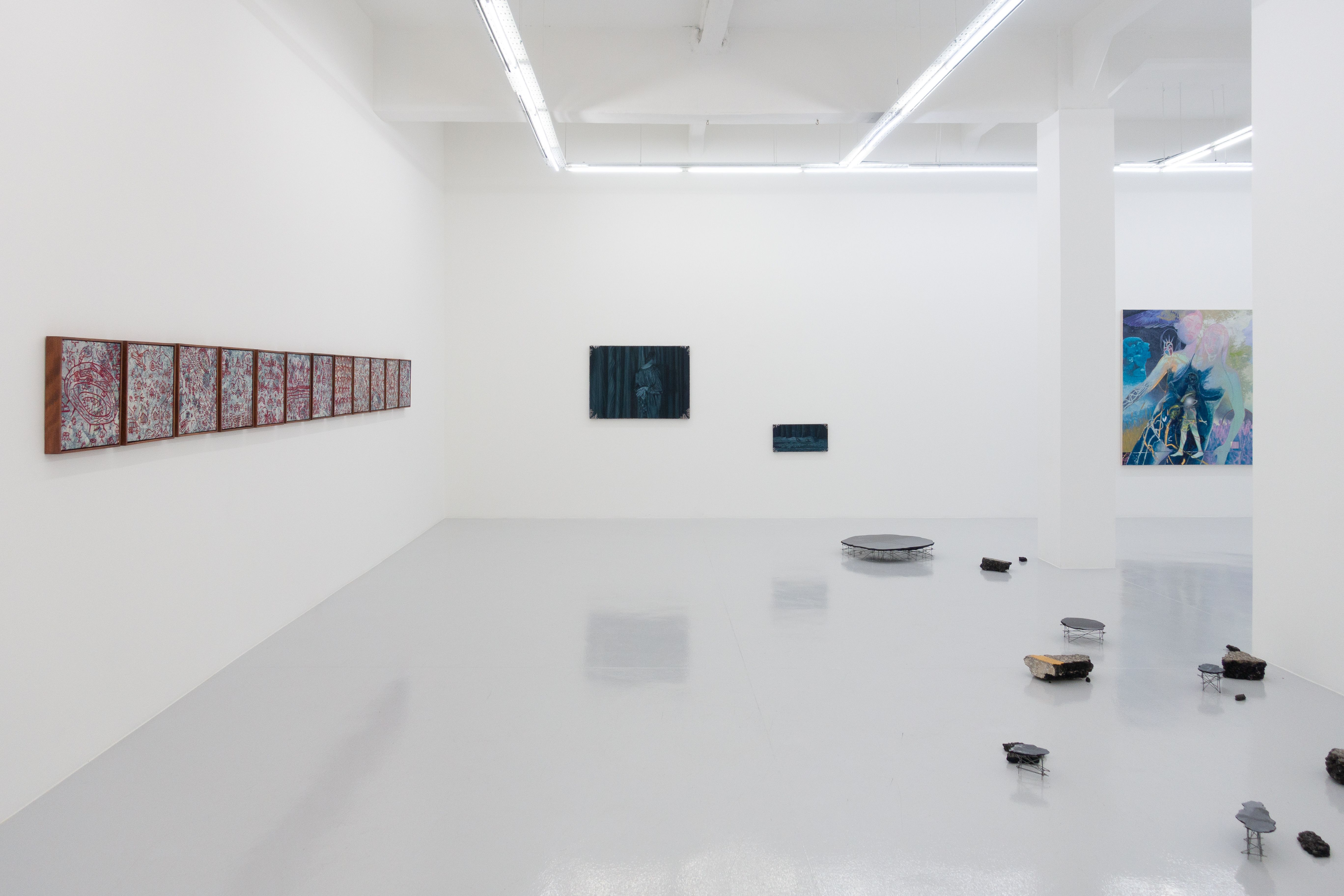
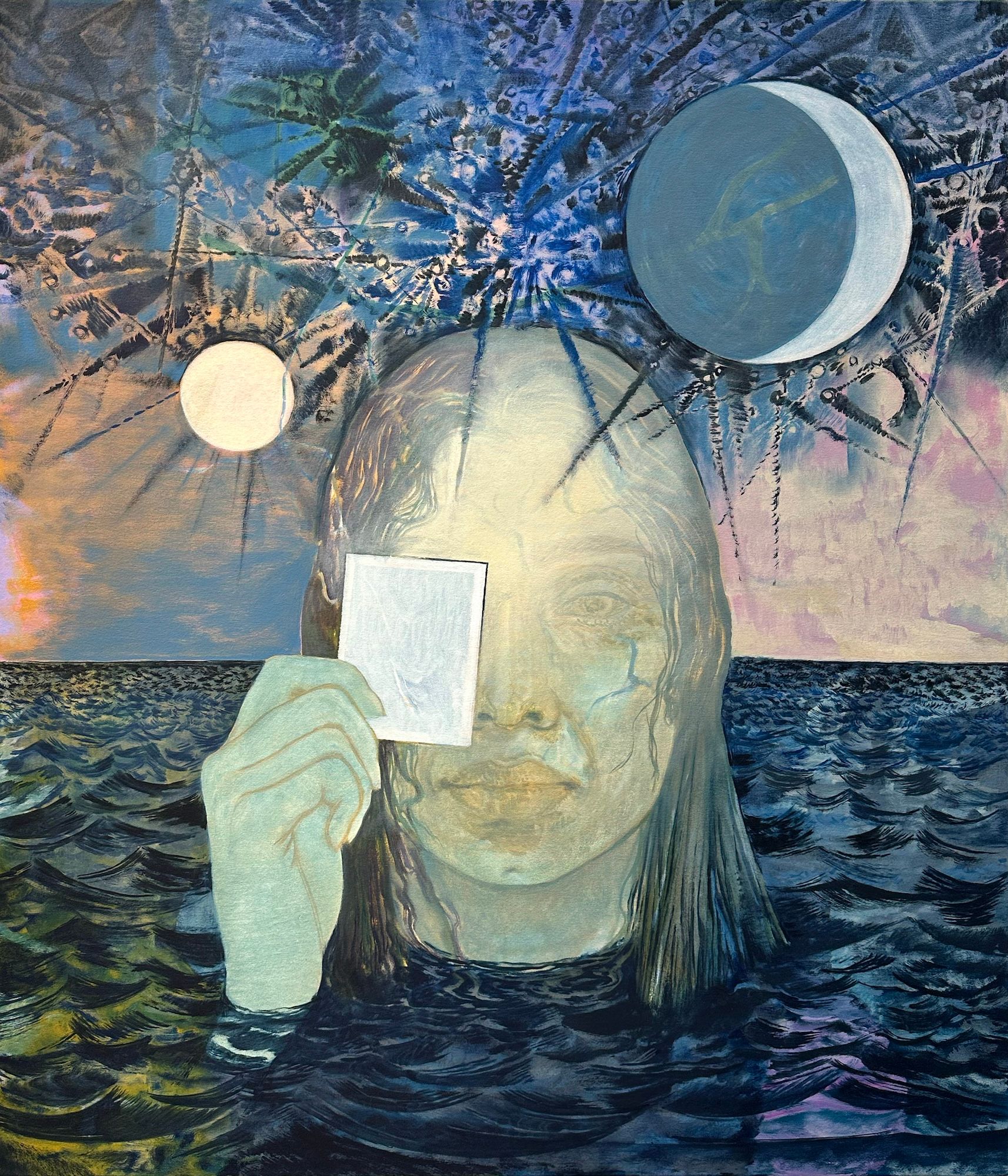
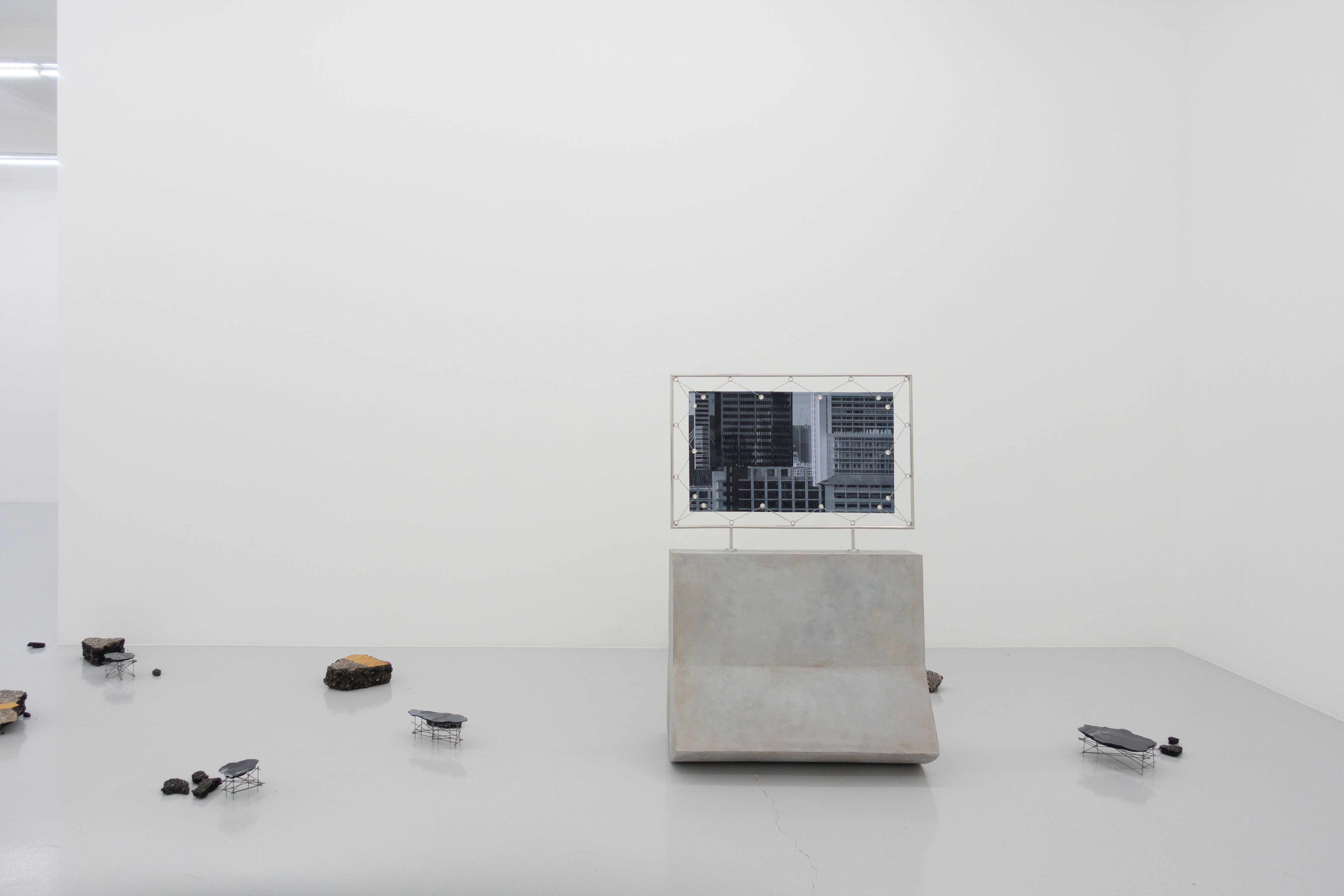
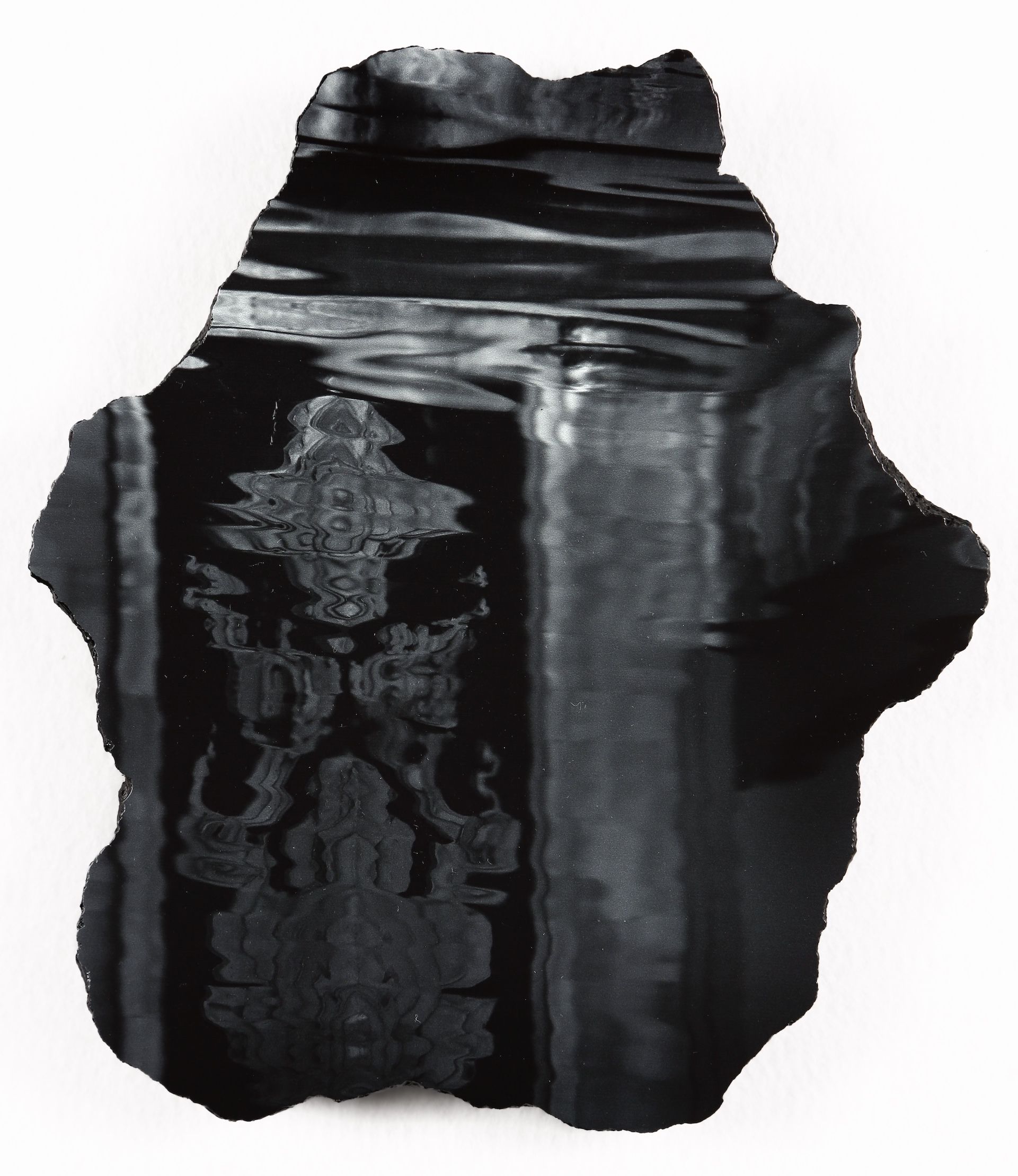
What Binds Me to This Land is a group show linked by each of the exhibited artists’ recourse to the land, or lands, they inhabit. Saudi born Pakistani-American painter Nadia Waheed’s large-scale paintings resemble a Tarot card in their depictions of mystical scenes. Dwelling on her recent pregnancy, The Last Poem (2025) shows a translucent, cosmic man nurturing a tree of effervescent flowers. Floral motifs abound too in the paintings of American painter Srijon Chowdhury, as painted sunflowers droop in the absence of sunlight upon a background of saturated foliate patterns, his verisimilitude recalling 16th-century Mughal painting. An absence of light is reflected in Thai artist Tada Hengsapkul’s greyscale photographic prints on fragments of resin, in which he documents corporate high-rises in Bangkok, overlaid upon the outline of potholes taken from his hometown, Nakhon Ratchasima. The destructive forces of land development are also presented by Filipino artist Cian Dayrit: cartography has never been objective, and its colonial implementations are analysed in the artist’s ‘counter-cartographic’ images: embroidered, line-drawn symbols over violent depictions of land acquisition. What Binds Me to This Land paints a picture of the multivalent visual possibilities, both sceptical and nurturing, that the land we occupy can generate. – Lydia Eliza Trail
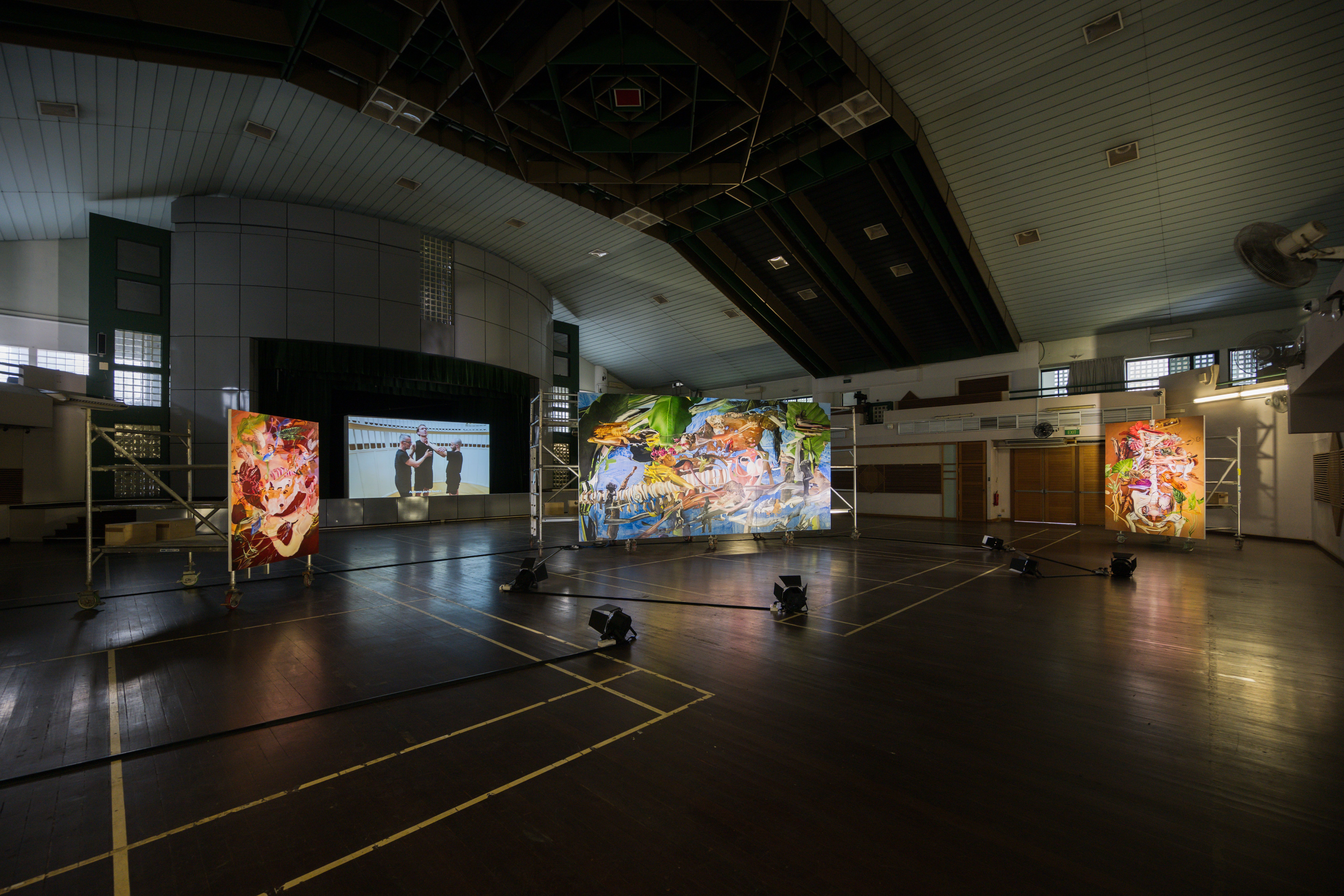
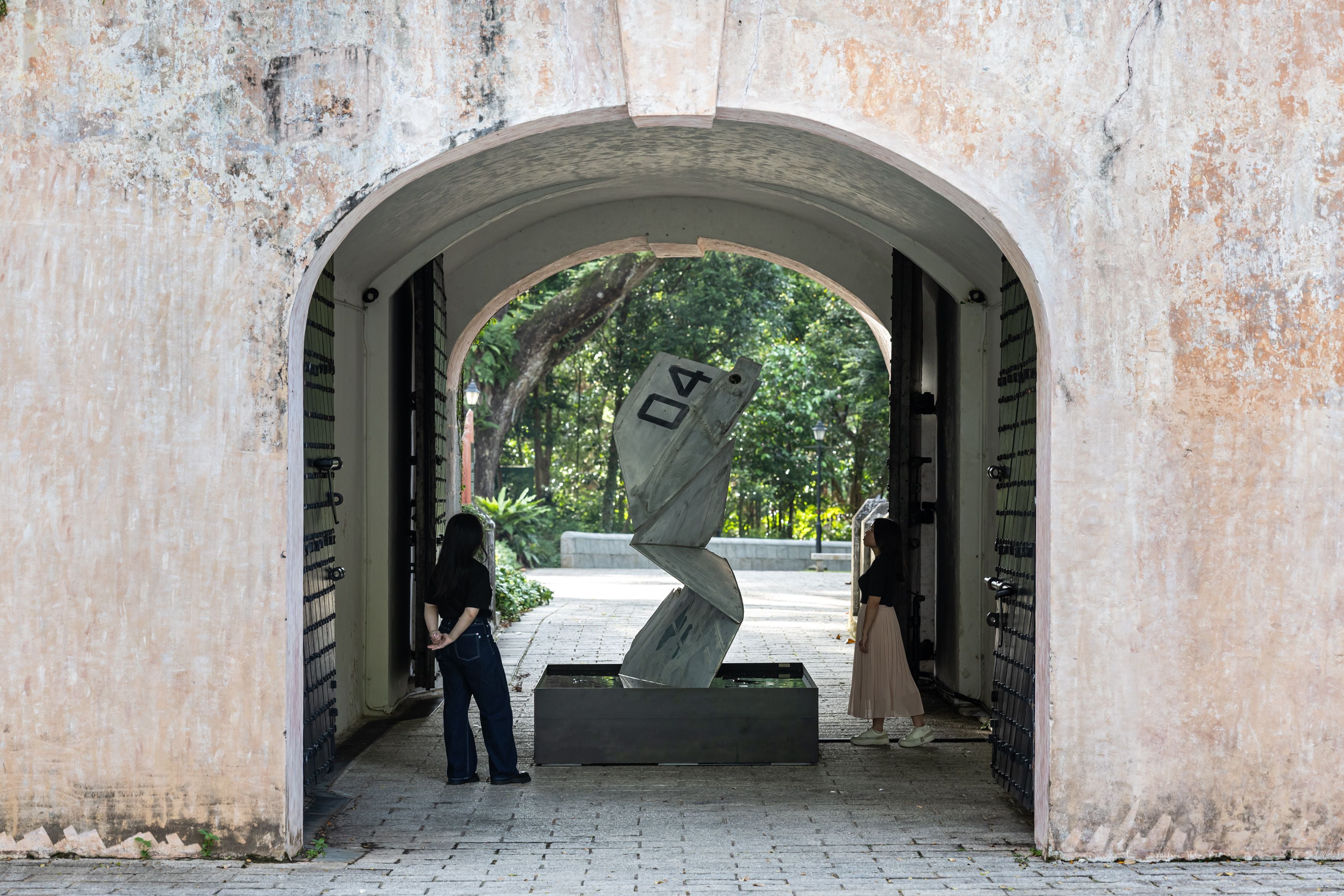
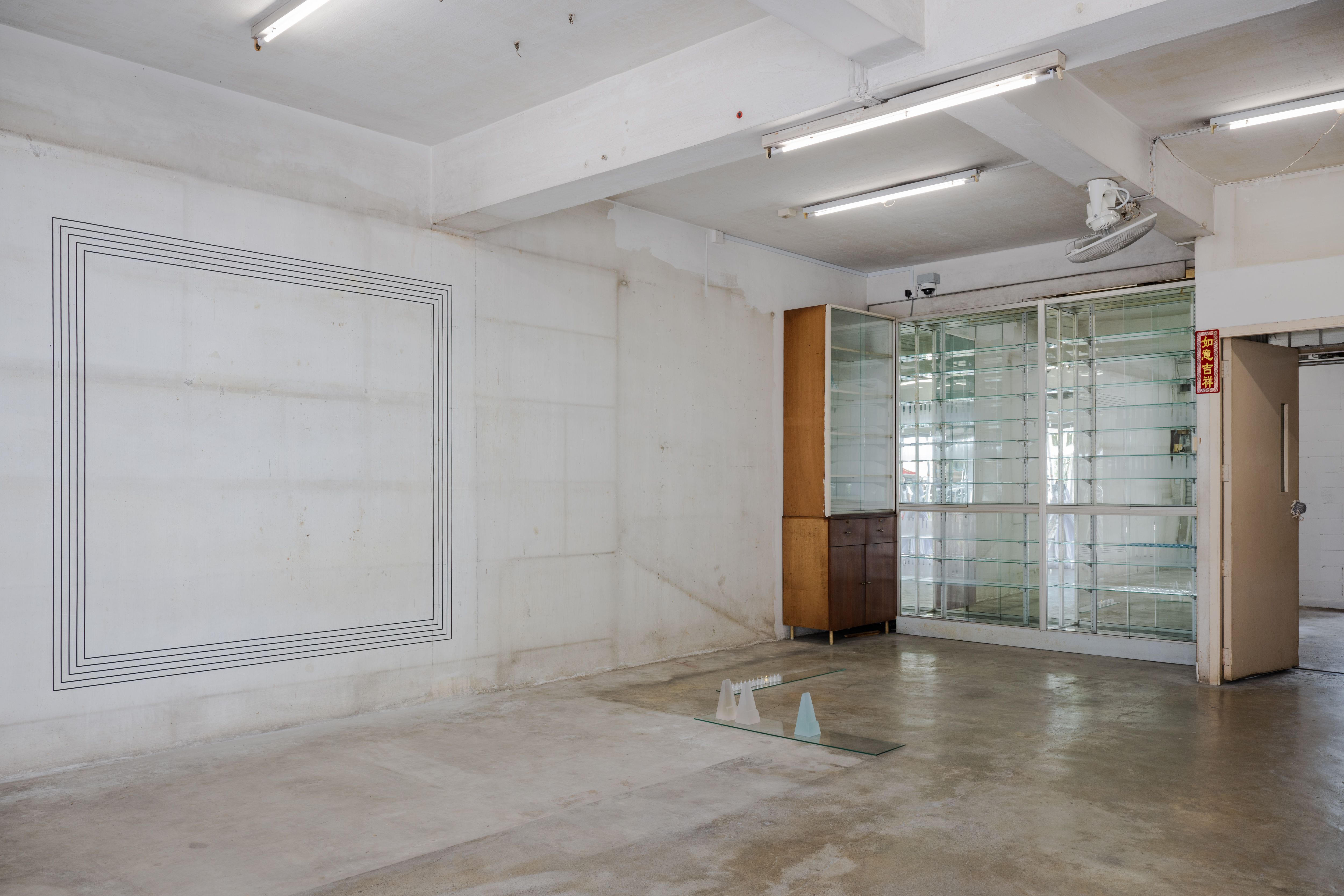
Singapore Biennale 2025: pure intention (31 October 2025–29 March 2026) at Various Locations
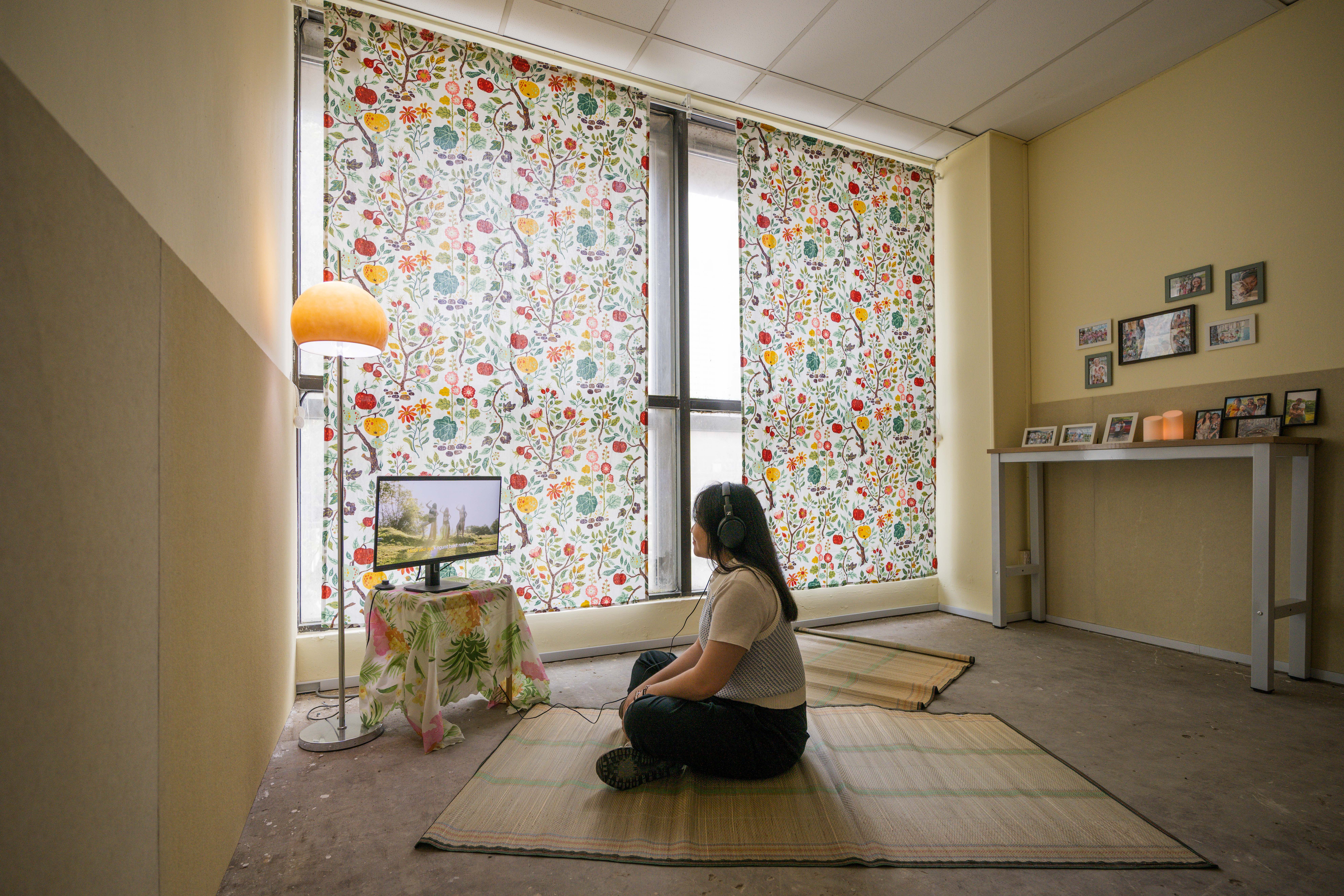
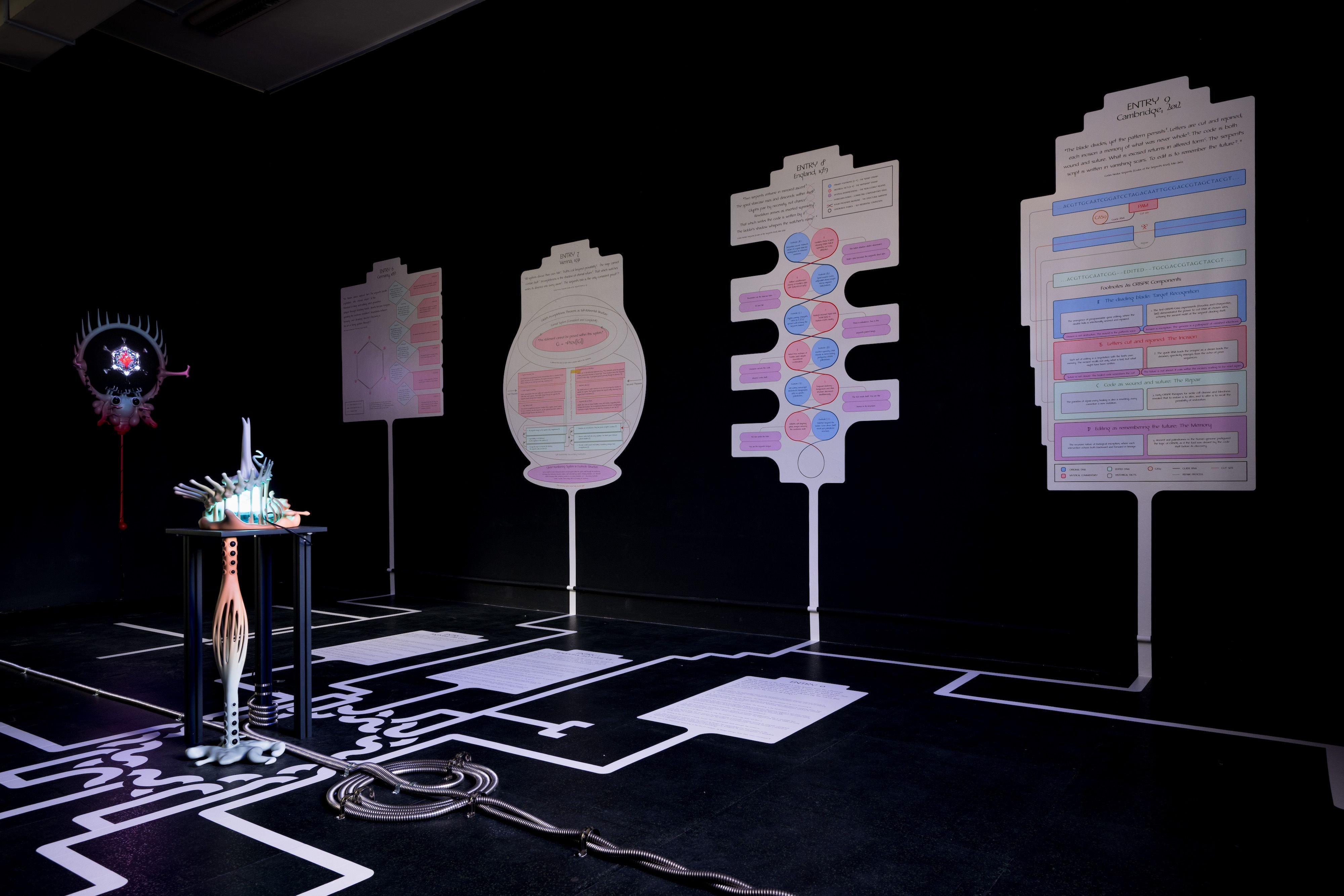
It’s a show that recently caught the spotlight—The Straits Times called for the Singapore Biennale’s defunding in a tabloid flourish whose logic collapses into tautology. Titled pure intention (an echo of architect Rem Koolhaas’ candid view of the city-state, a subtle nod the Biennale organisers do not officially acknowledge), the exhibition spreads across 28 sites, with the Singapore Art Museum serving as its brain. From malls to the former Raffles Girls’ School and the Rail Corridor heritage railway track, visitors catch fragments rather than the whole. Highlights (brief but unmissable): Apichatpong Weerasethakul and Guo-Liang Tan’s Two Who Remember the Sea opens on 21 January at the Wessex Estate; Eisa Jocson enlivens Lucky Plaza with karaoke and a dive into the overseas Filipino community; Brandon Tay conjures mystical science at 20 Anderson Road; and Đạt Vũ and Trương Quế Chi reflect on cinema and desire at Oldham Theatre, running only until 31 January. – Zian Chen
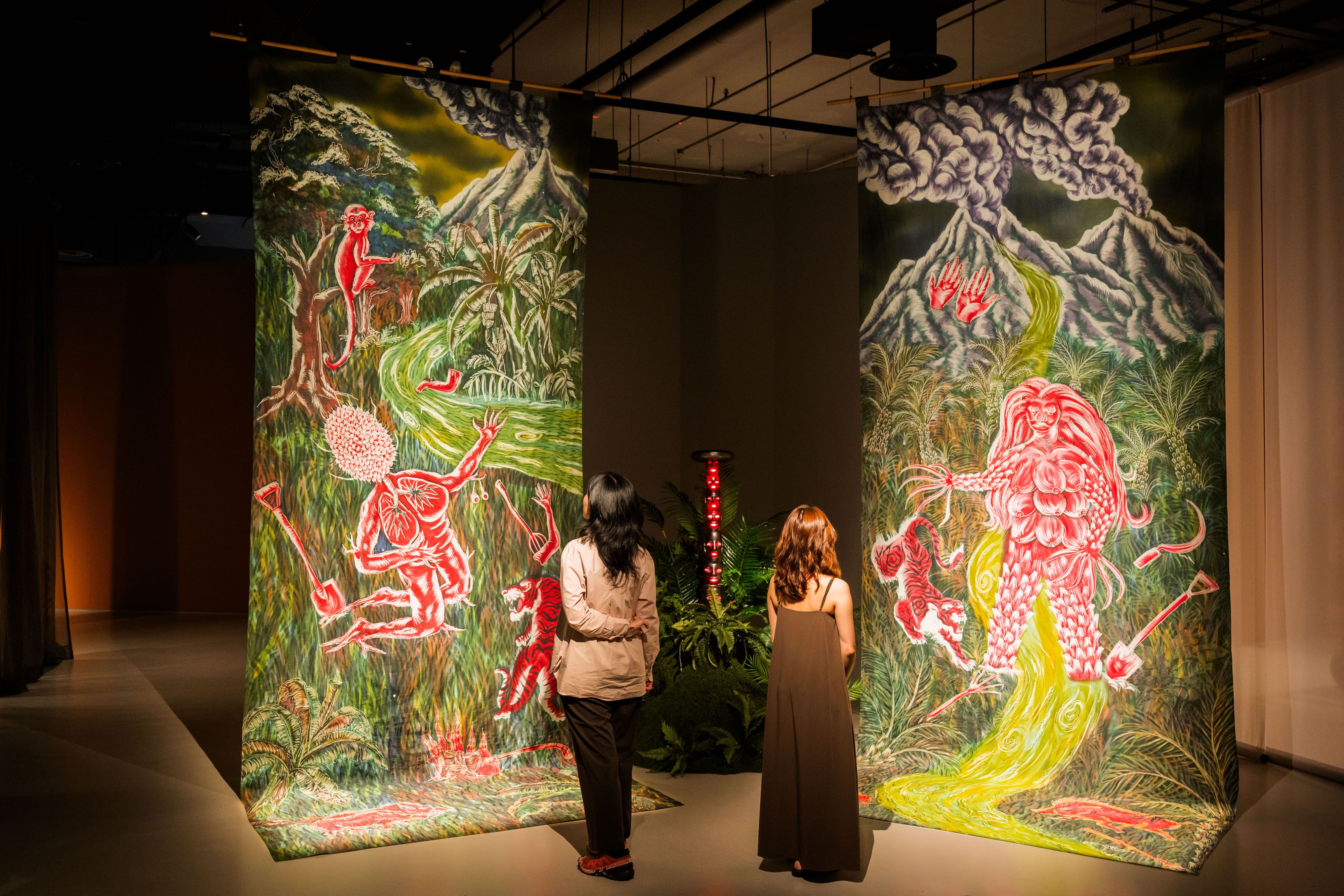
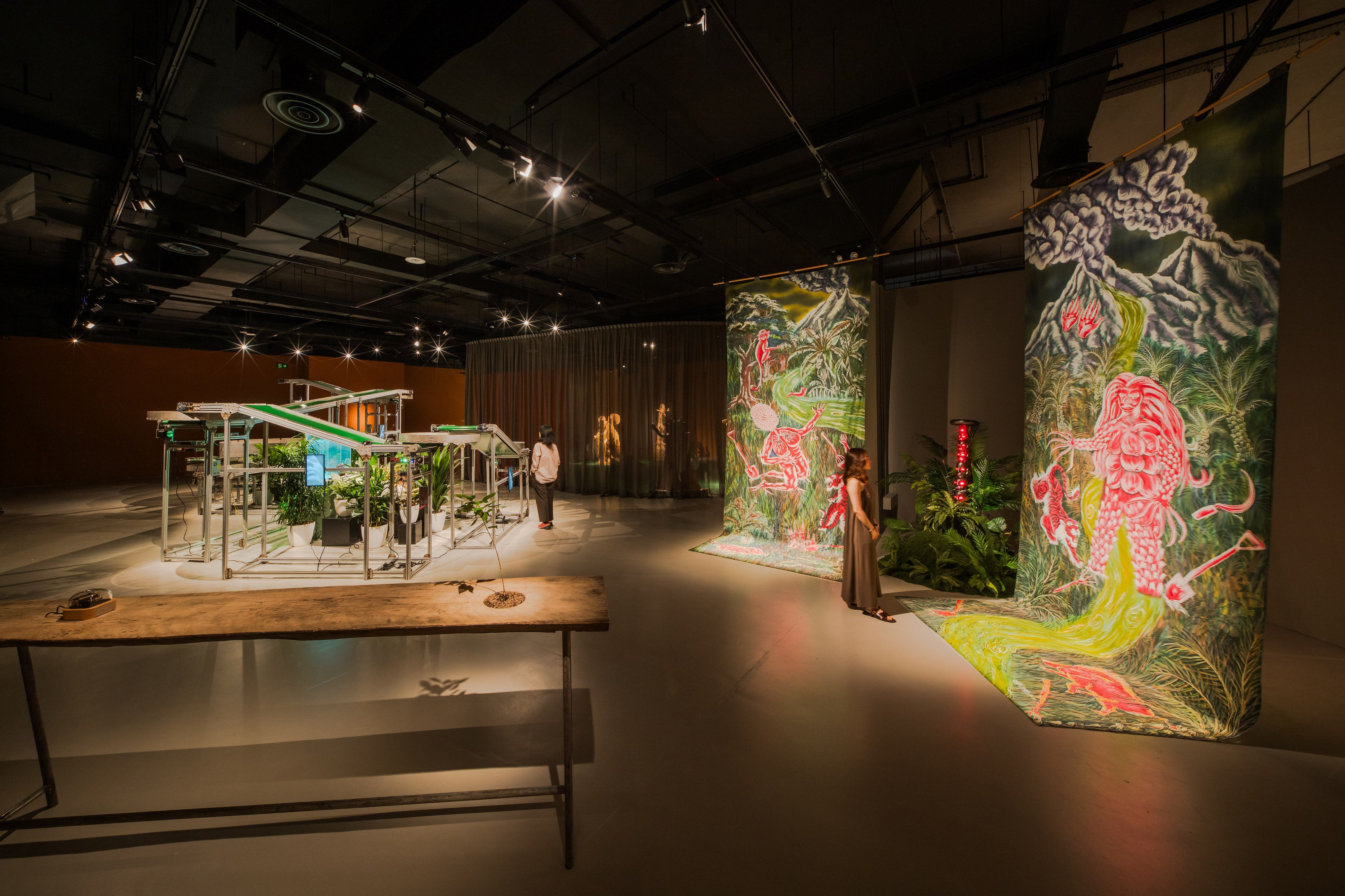
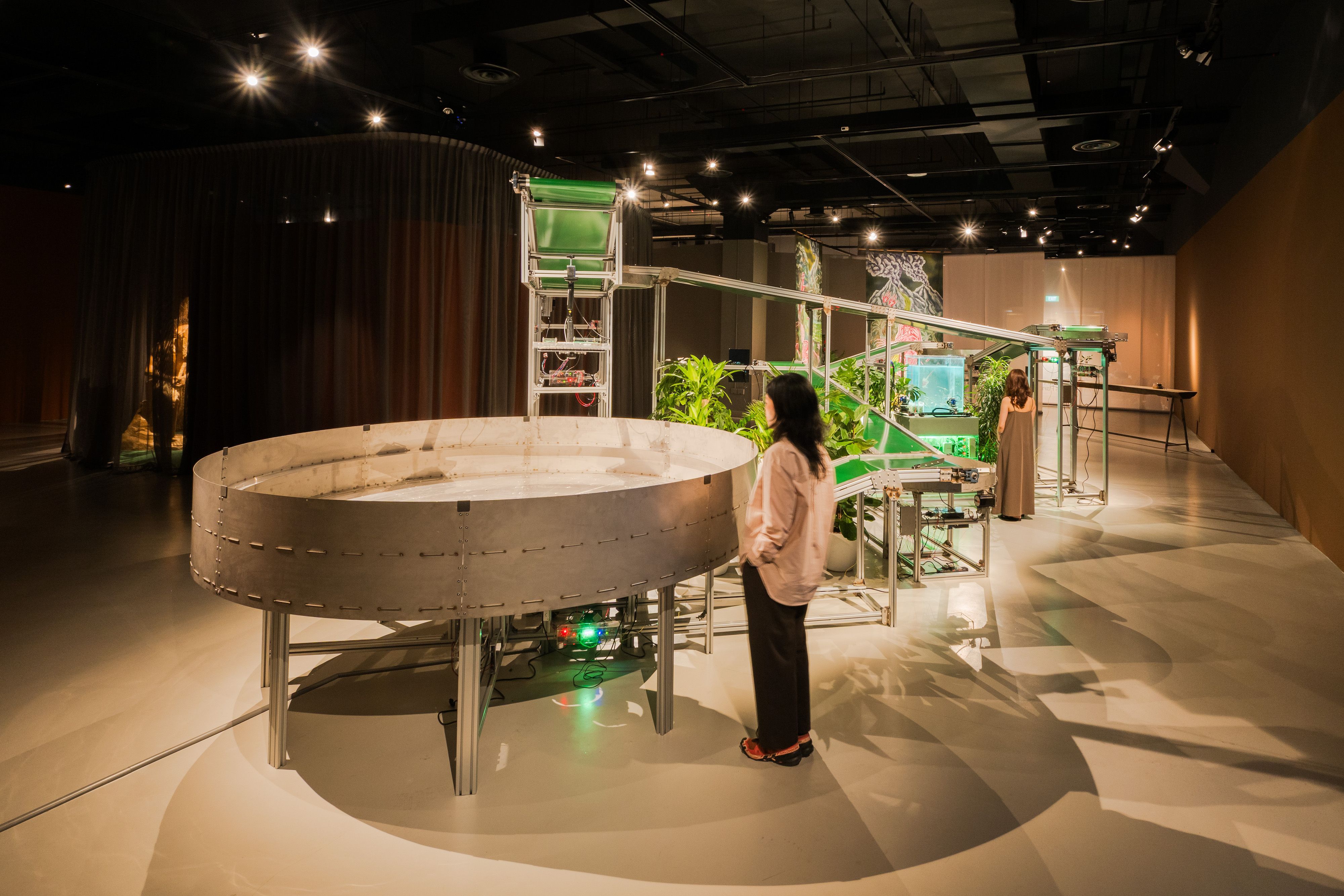
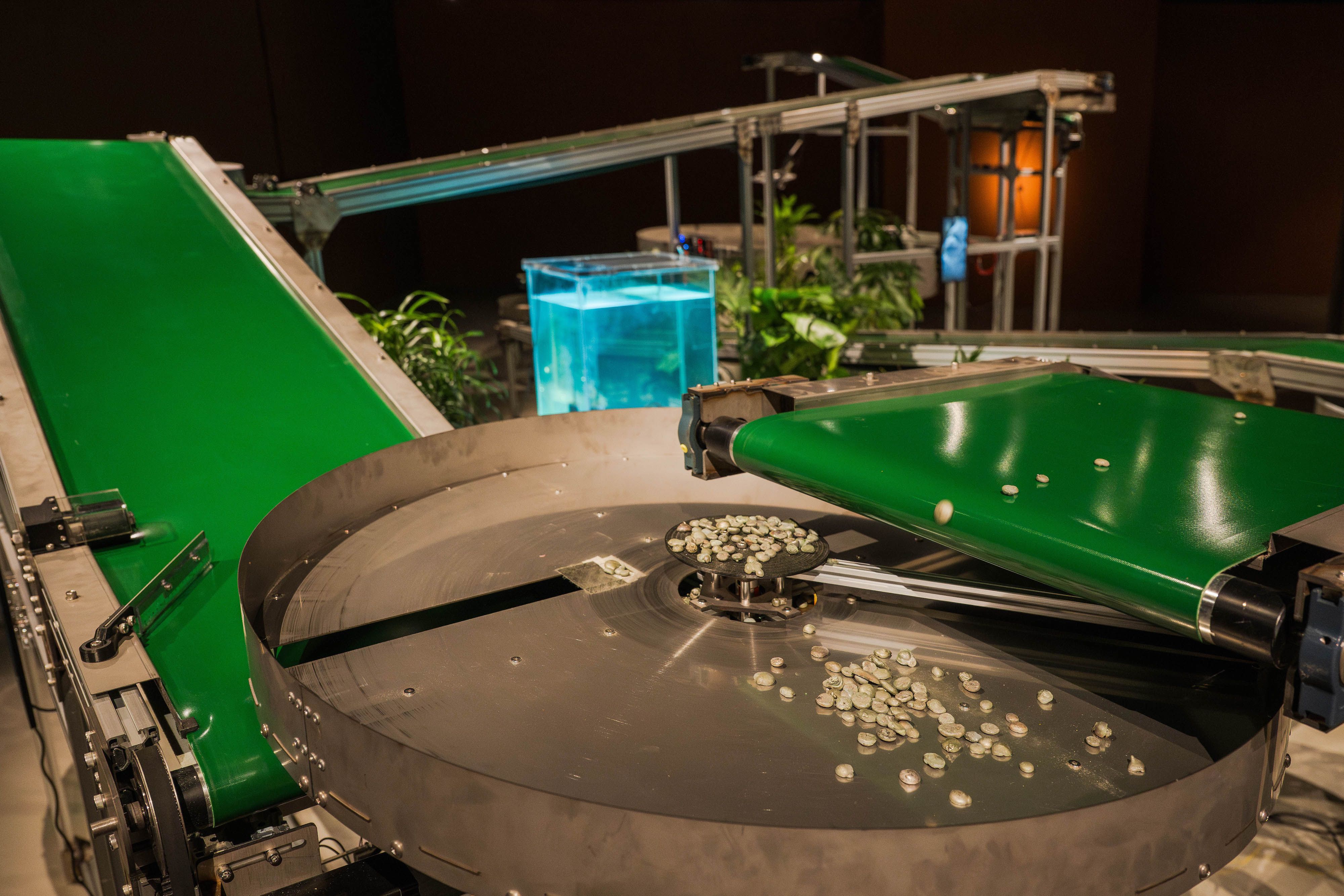
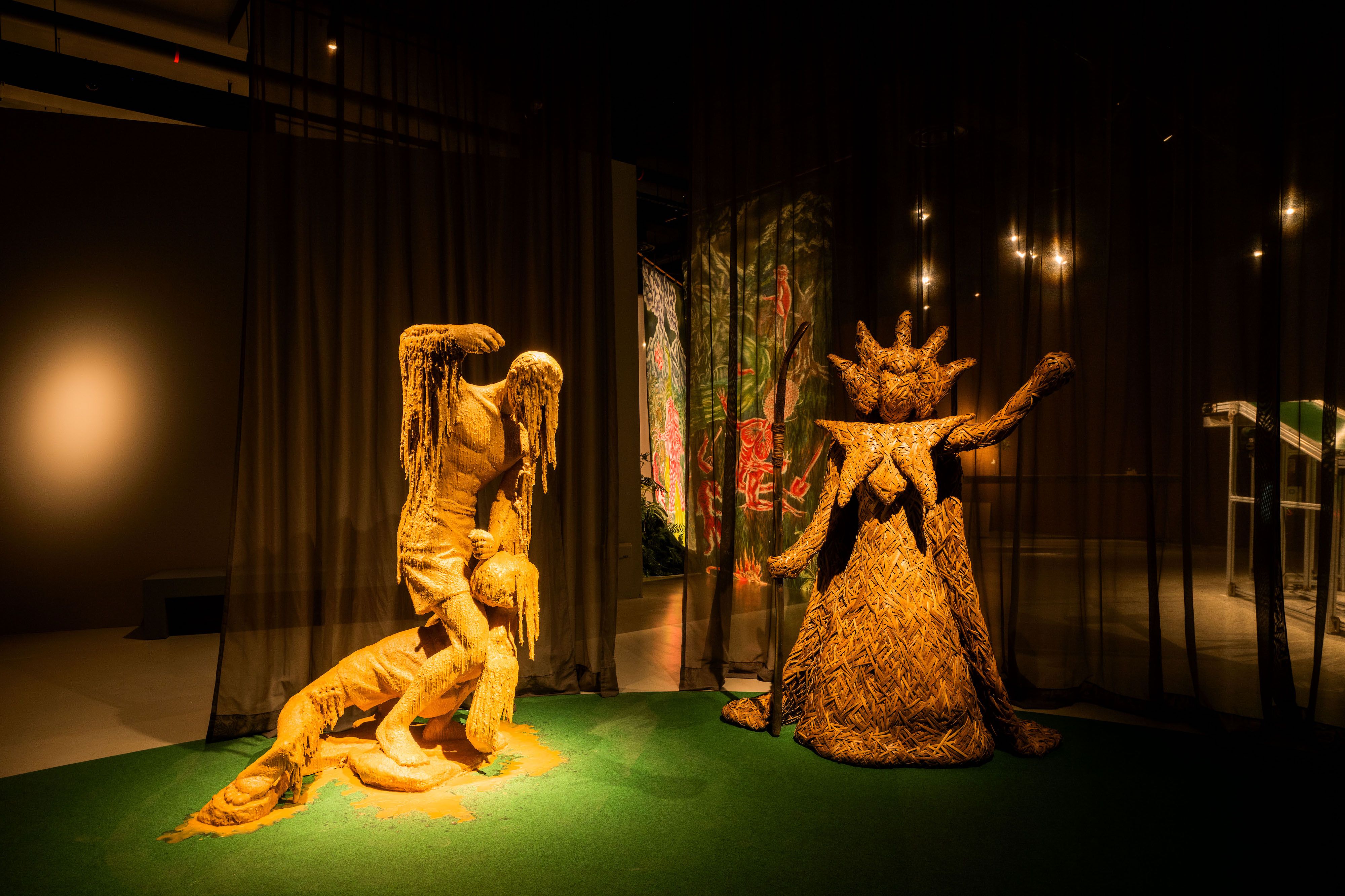
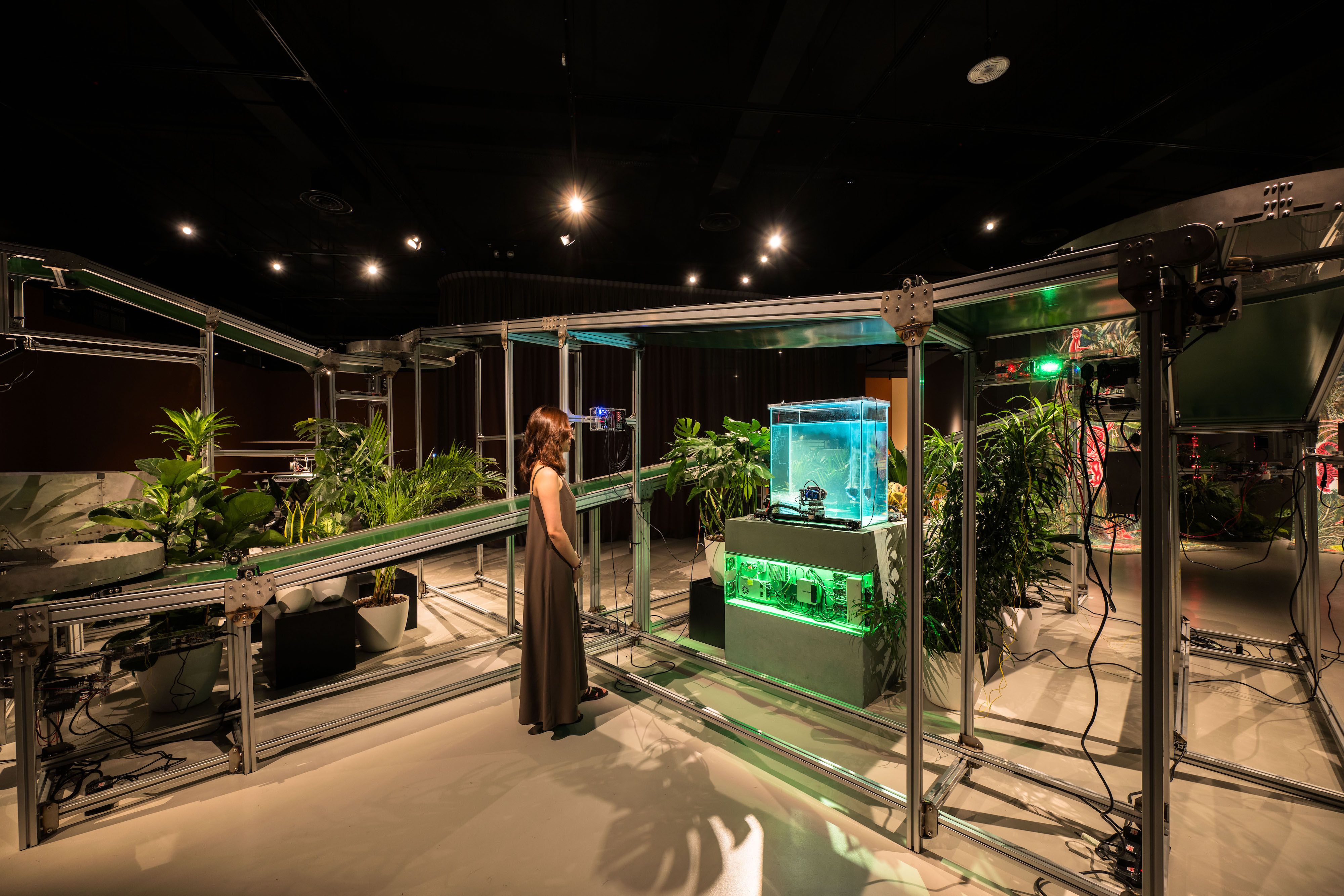
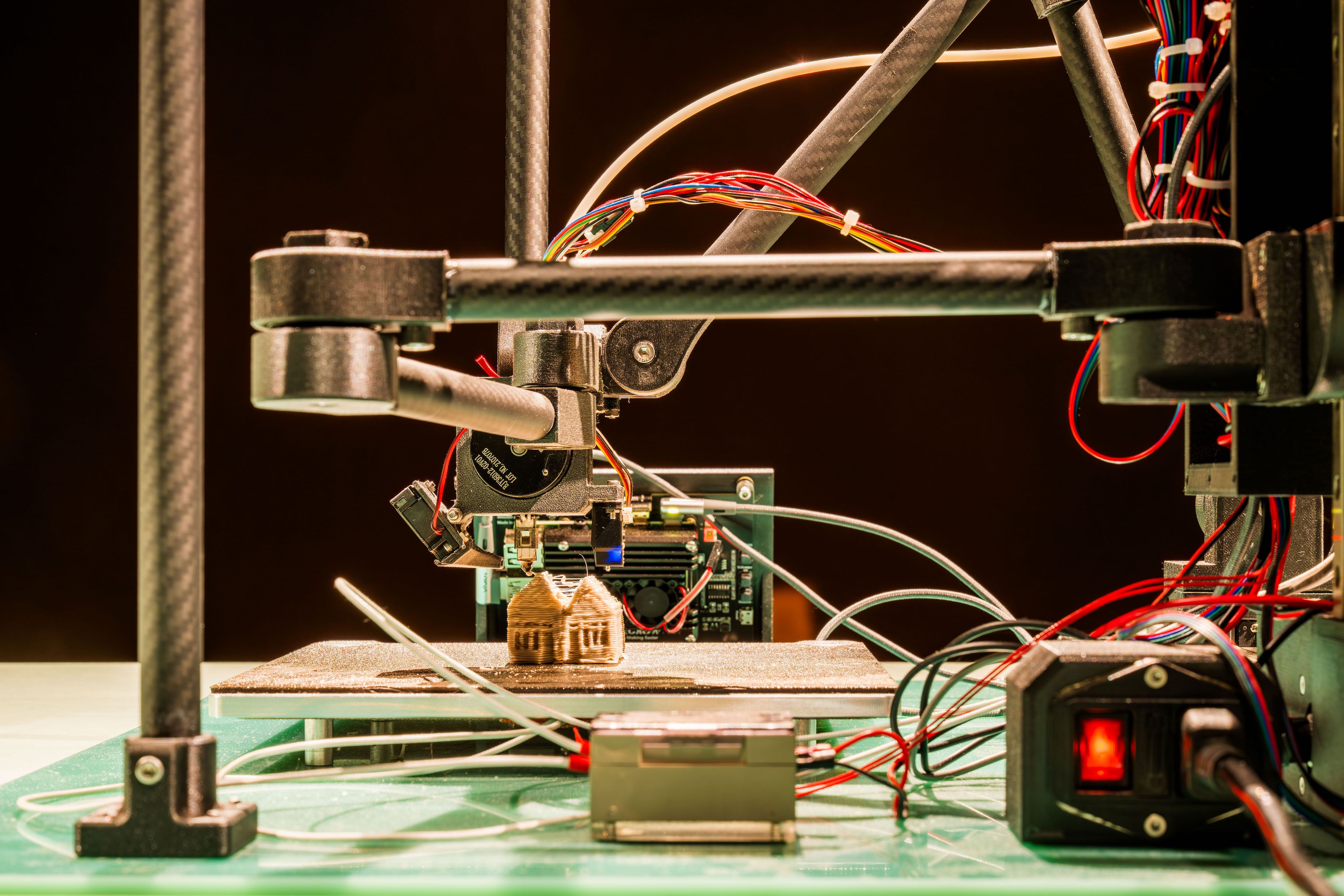
Elia Nurvista and Bagus Pandega, Nafasan Bumi ~ An Endless Harvest (16 January–31 May 2026) at Singapore Art Museum
‘I treat this material as evidence, not a symbol,’ Elia Nurvista has said, and it’s this critical approach to industry that the Yogyakarta-based artist brings into her interdisciplinary practice. She uses materials that come from palm oil: for example, batik textiles made using palm oil wax, and figurative statues cast from palm oil itself. Plantation Tragedy, her new 30-minute surreal, speculative film, examines plantation labour conditions and the economies that sustain them. Nurvista shares this exhibition with Bandung-based artist Bagus Pandega, who examines the ecological ramifications of nickel mining through complex robotics installations—in Fabric of the Earth (2025), fragments of ore travel along a ten-metre conveyor belt, its movements responsive to biofeedback from nearby tropical plants. Indonesia is the world’s largest producer of nickel—a material integral to contemporary life and used in batteries and electronic devices. ‘You can literally scrape nickel off the land,’ Pandega has said. Nafasan Bumi, which translates as ‘breath of the Earth’, speaks to the environmental and sociopolitical toll of a relentlessly extractive system, and the importance of letting the land, every now and again, lie fallow. – Misong Kim
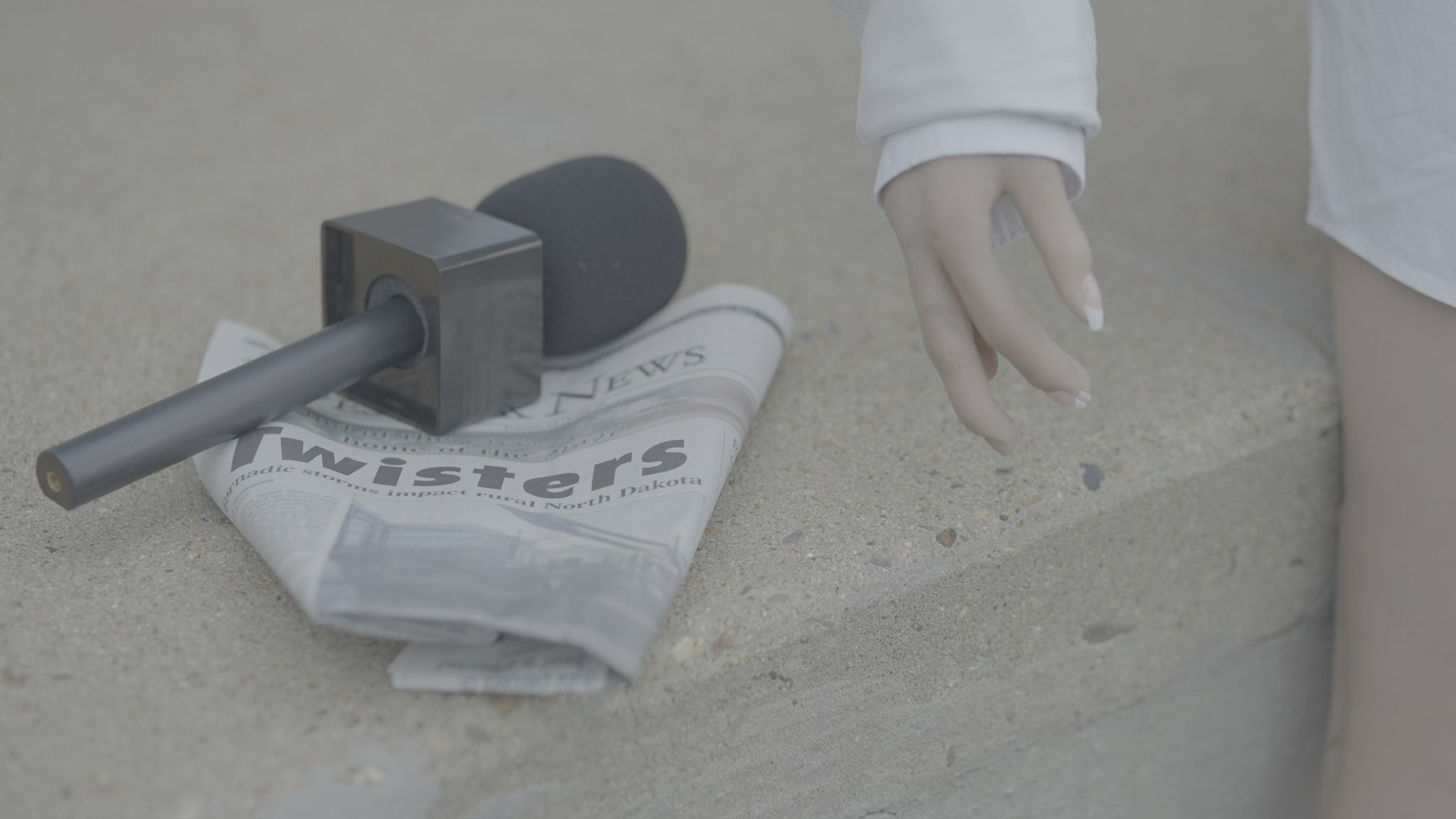

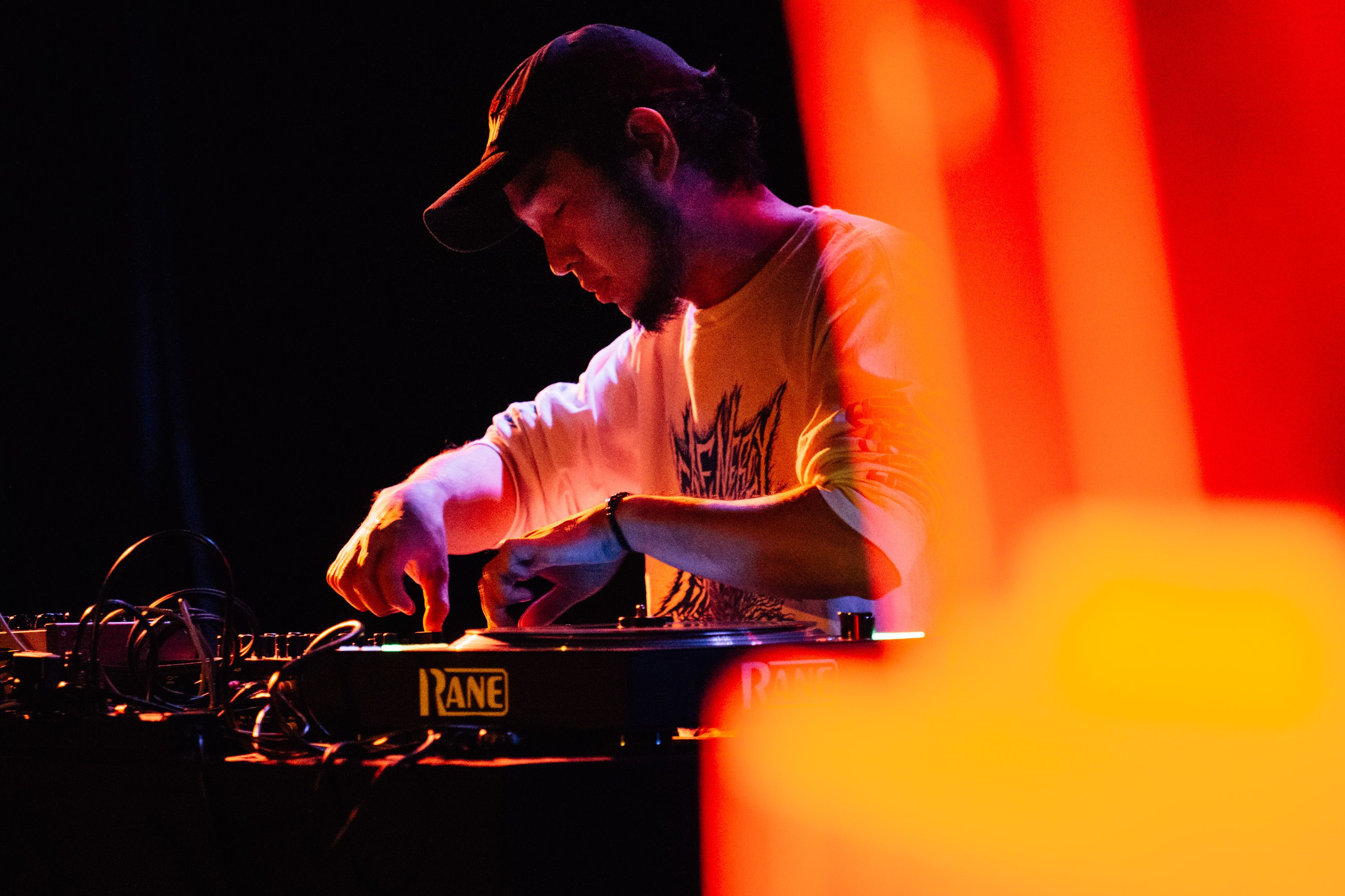
Shuang Li, Alliance at Kim Association (22 January–22 March 2026) and Sonic Shaman 2026: Borderless (23–25 January 2026) at Various Locations
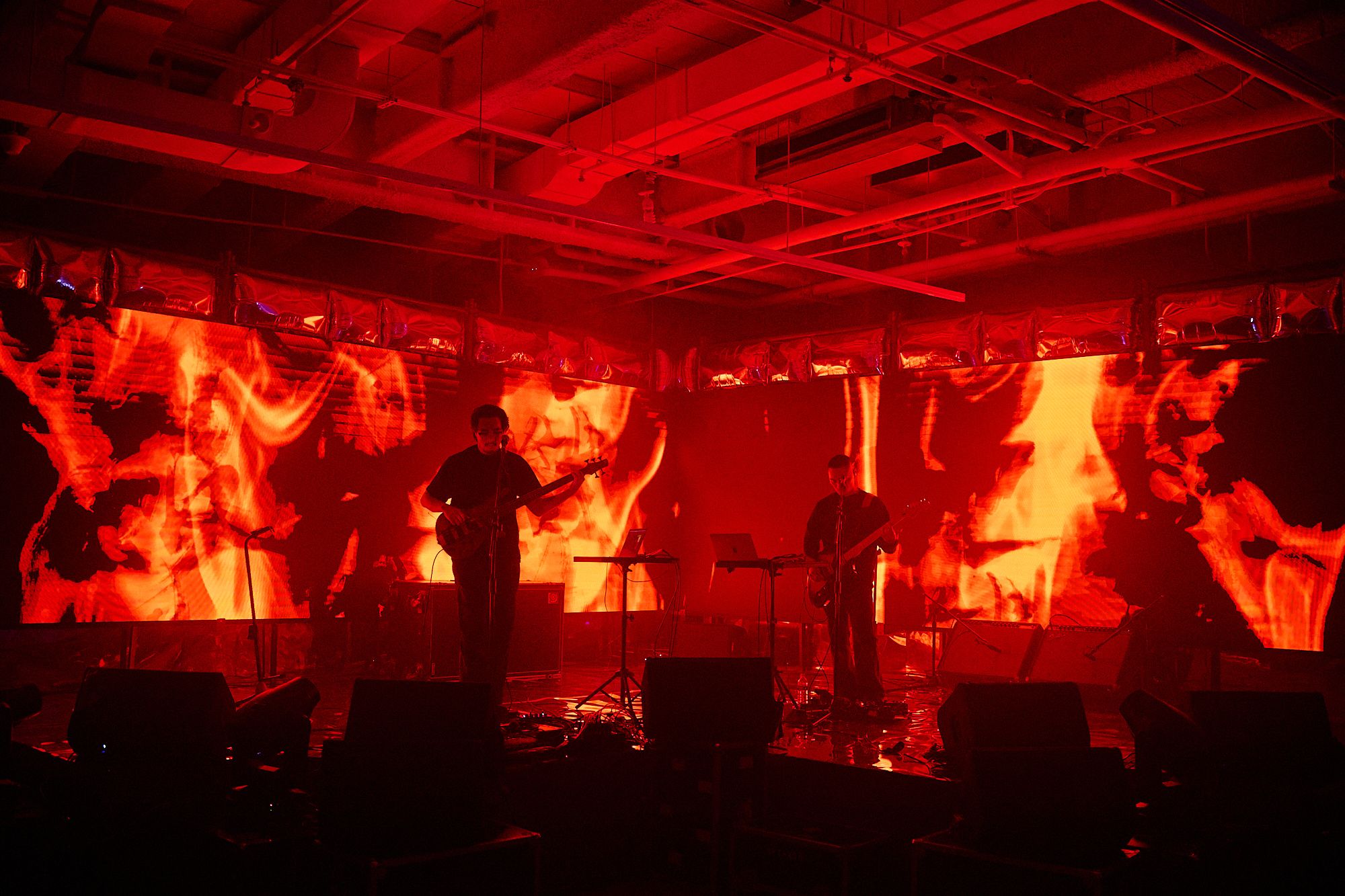
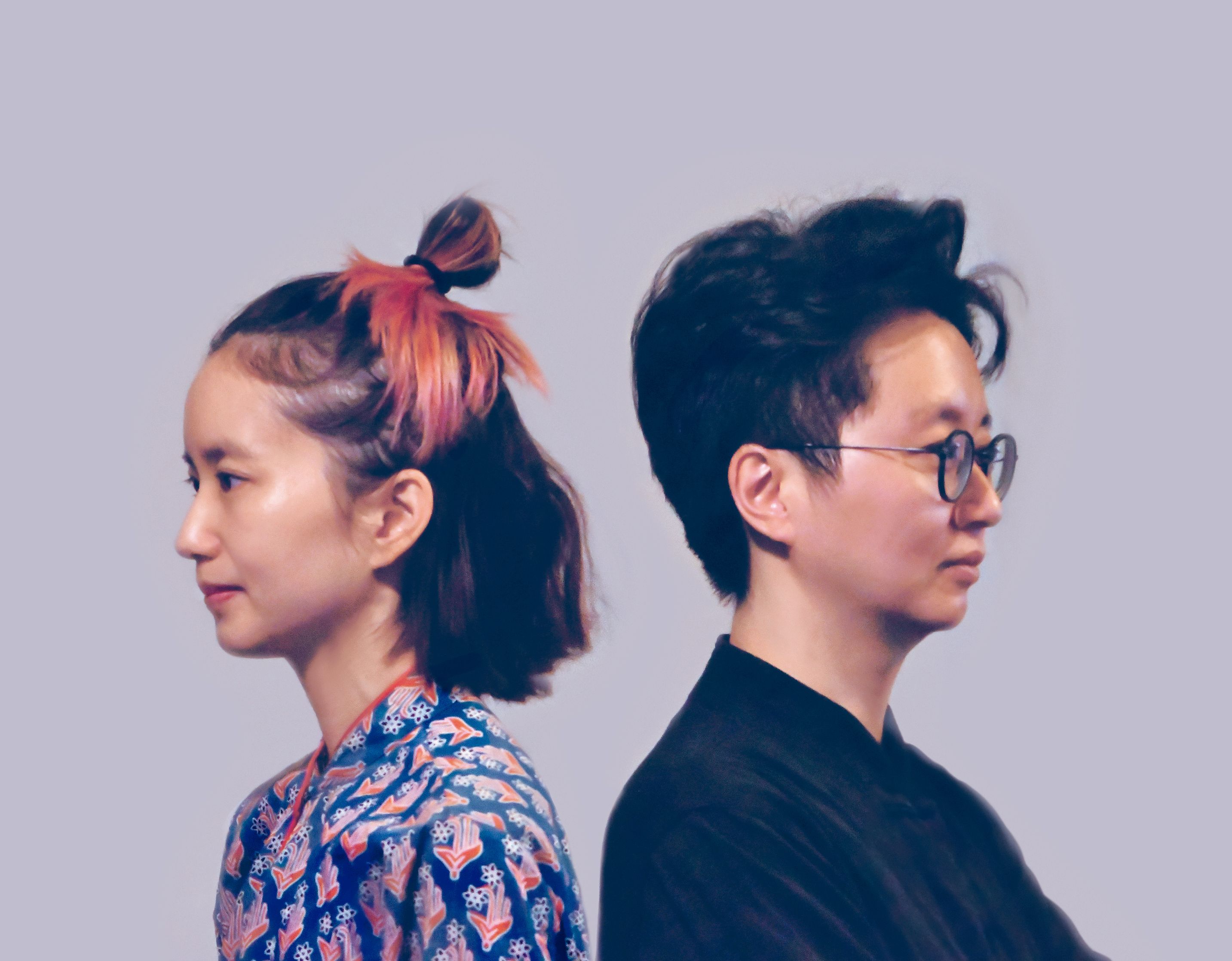
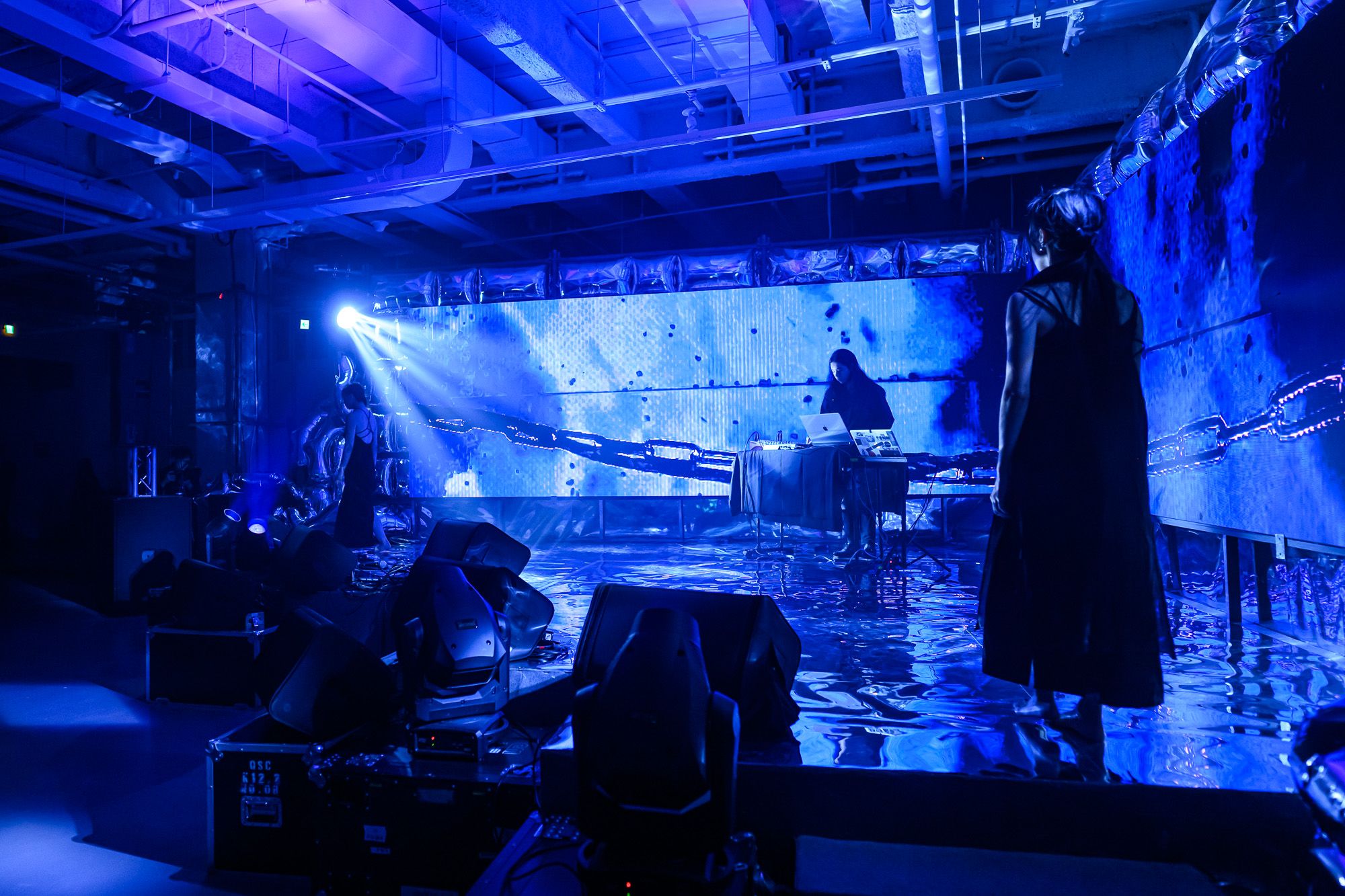
In a city where parties end with the last train, this year’s Singapore Art Week cranks up the volume with two competing soundscapes: Sonic Shaman 2026: Borderless channels the pan-Asian experimental underground at SAM, while Shuang Li’s solo pulses with saturated audiovisual energy rooted in Chinese techno-club culture. Co-presented by Taipei’s TheCube Project Space and Singapore Art Museum, Sonic Shaman invites eclectic practices in abstract sonic exploration, from experimental electronic works by DJ Sniff to Taiwan’s duo lololol, who fuse noise art with concerns around the creeping integration of technology into human life. The museum space becomes a distinctively Taiwanese neon-grid pop environment, immersing visitors in layered sound and light. Meanwhile, with Shuang Li’s debut video installation Alliance, the solo show adopts the architectural logic of a high-speed train carriage, complete with station-style LED screens, to create an immersive environment reminiscent of VJ-led spatial scenography. Inspired by a storm-chasing road trip across the American Midwest, her work explores digital flows, extending Li’s ongoing investigation of the augmented collapse between digital and physical space. – Zian Chen
Kent Chan, Three Acts of the Sun (18 January–1 February 2026) at NTU Centre for Contemporary Art Singapore
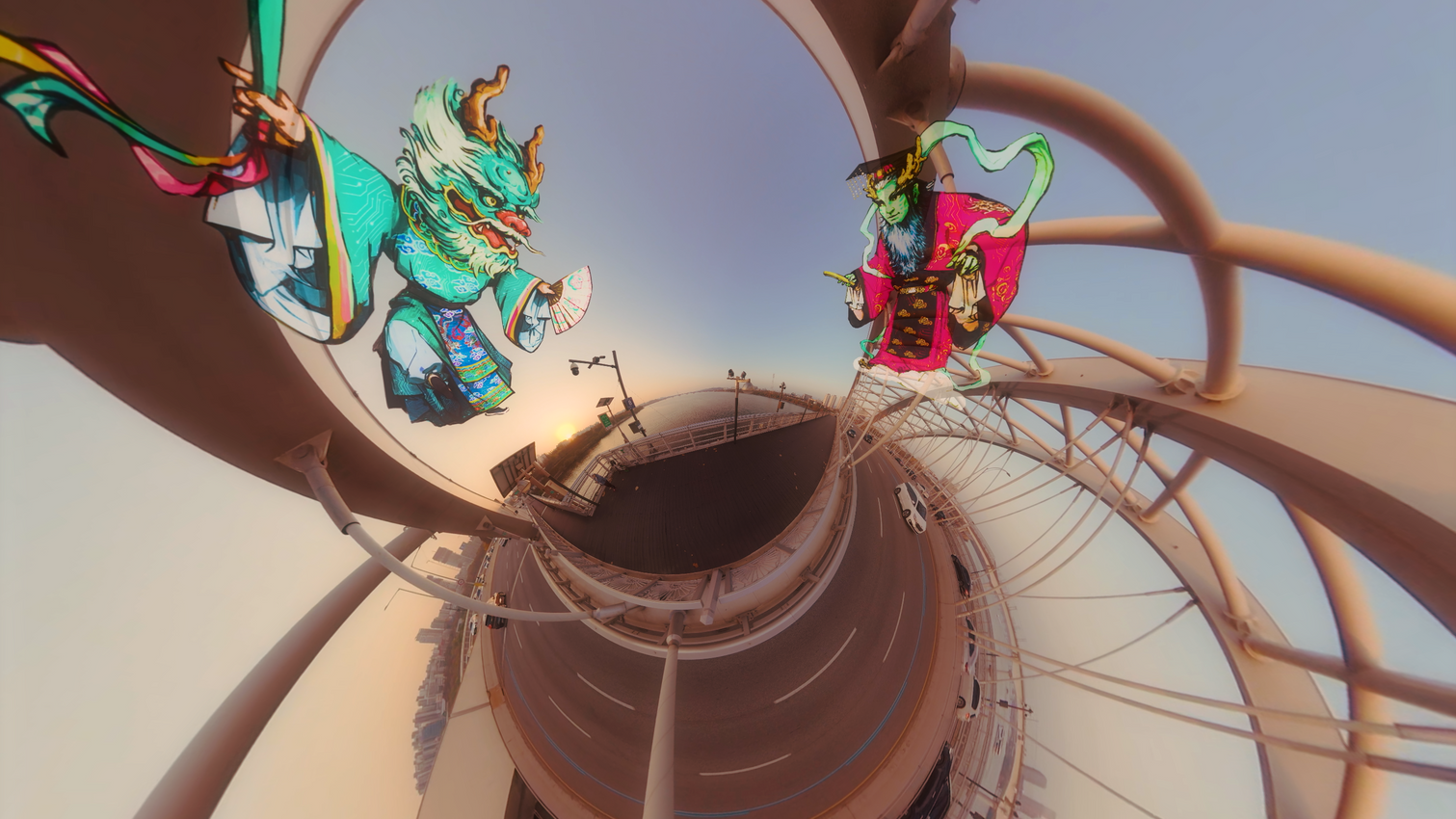
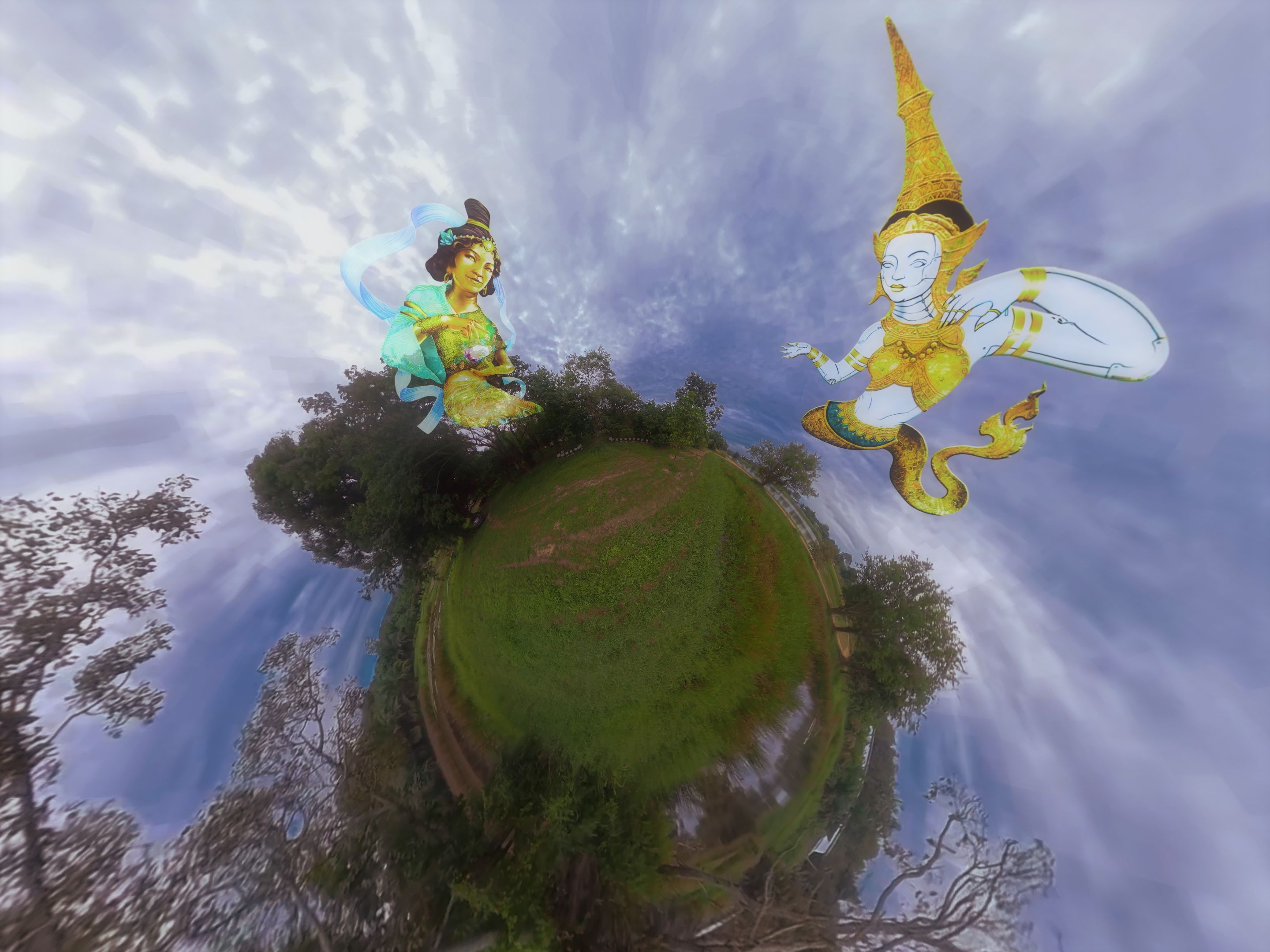
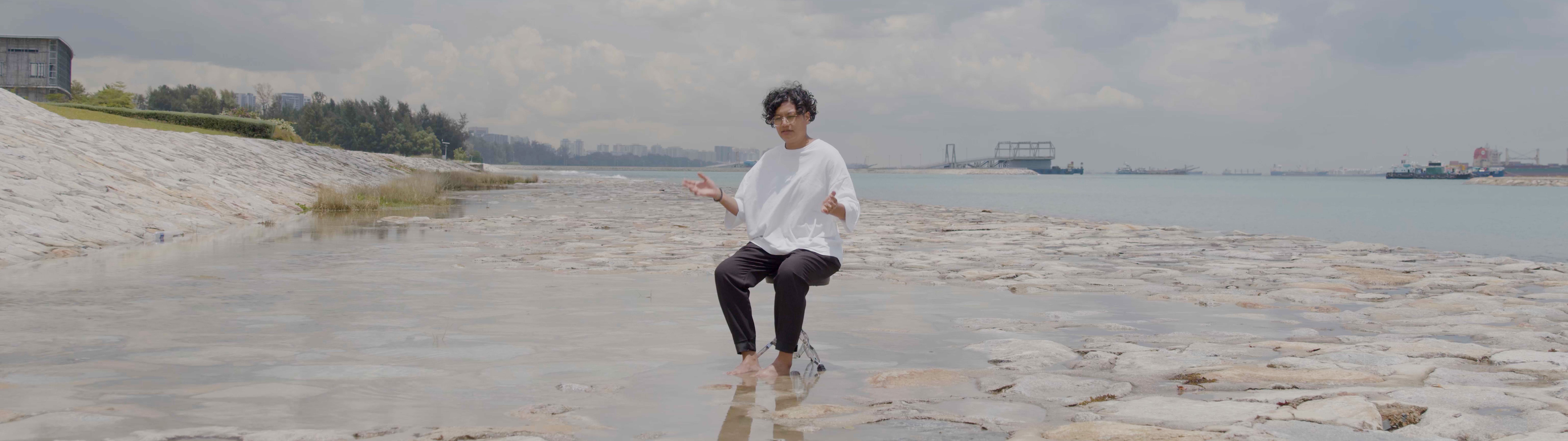
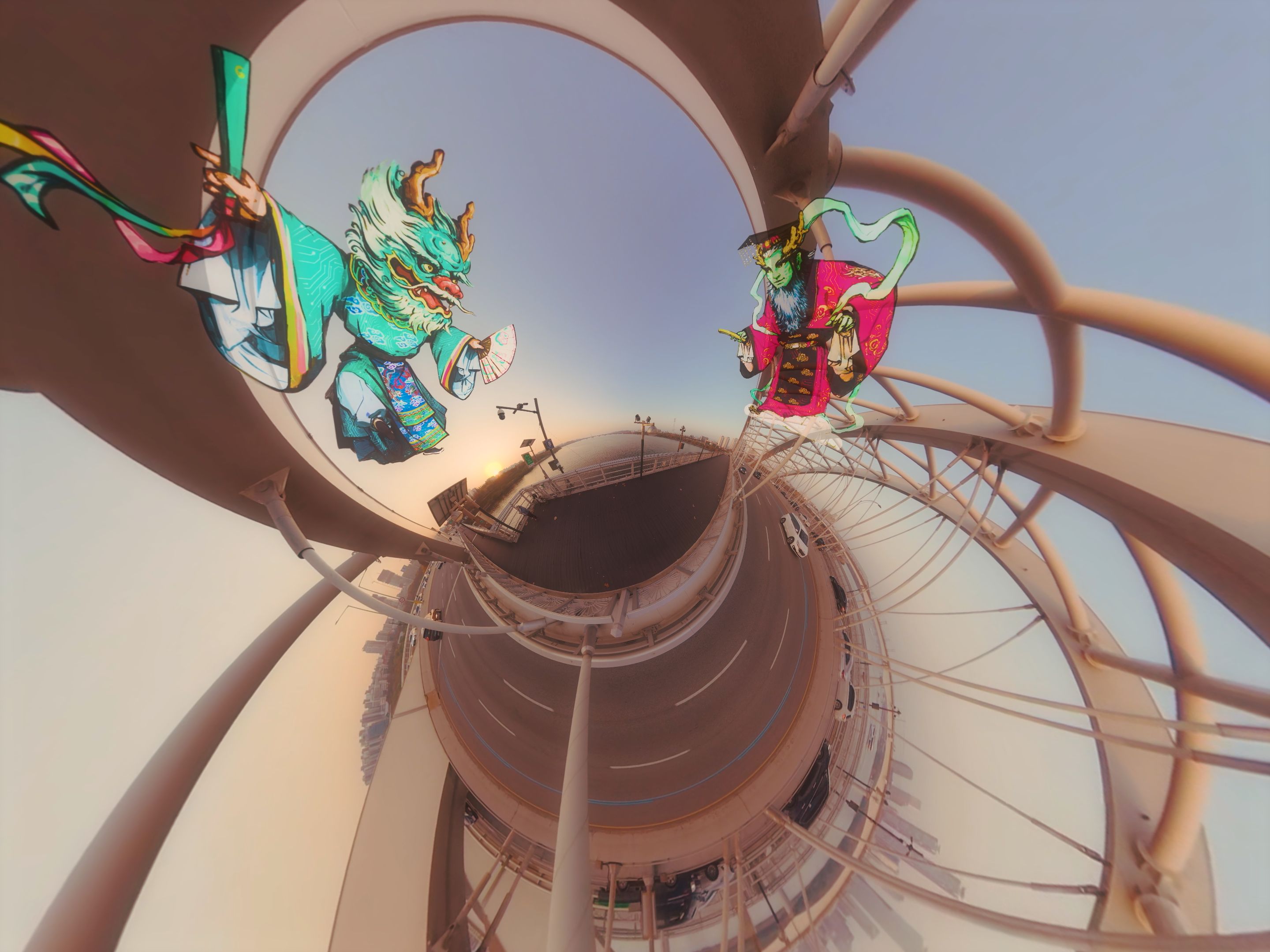
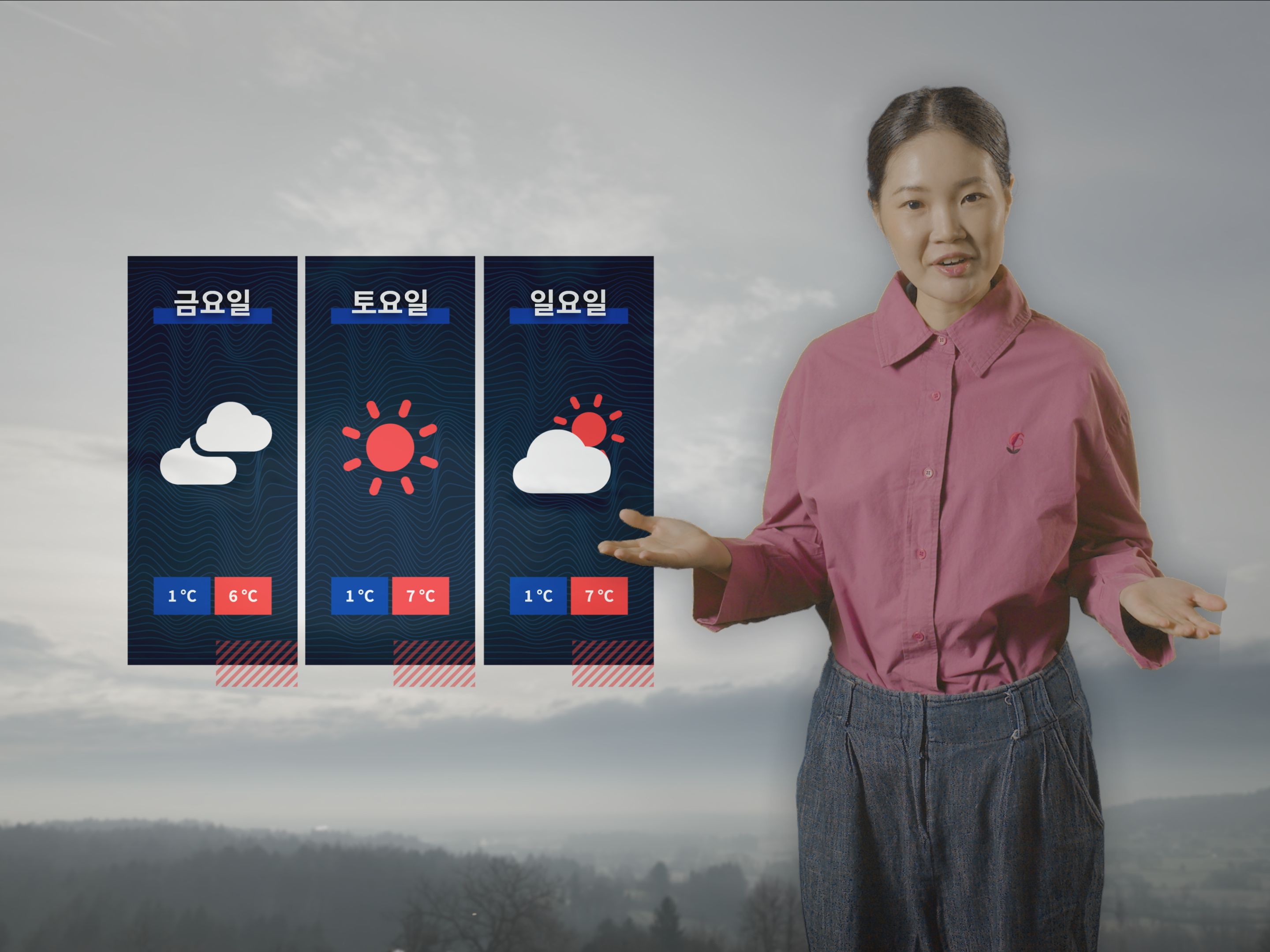
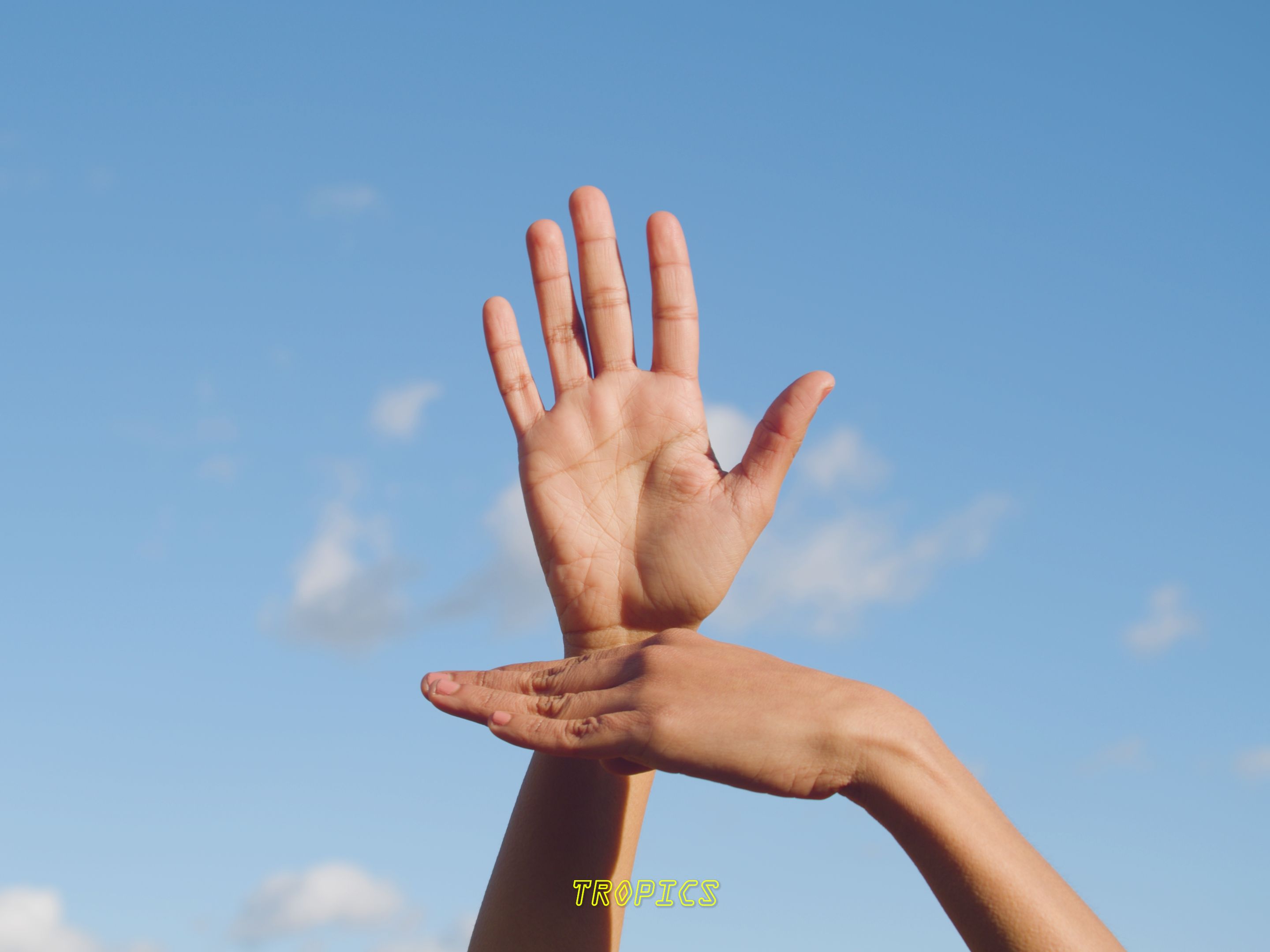
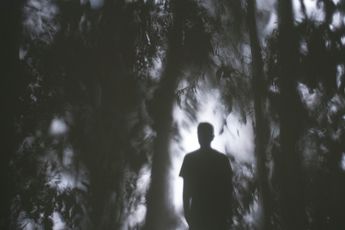
The exhibition couldn’t feel more timely, not only because the Amsterdam-based artist returns with his first homecoming solo show in seven years, but also because the futures imagined in Chan’s work are edging uncomfortably close to the present. The exhibition unfolds a world shaped by relentless heat, climatic imbalance, and the political consequences of a planet sliding toward permanent tropicalisation—conditions that feel especially immediate in Singapore. For this exhibition, NTU CCA Singapore suspends its climate control: the monsoon’s brief daily downpours and the city’s persistent heat enter the space, turning weather into an active presence rather than a neutral backdrop. While Chan works across film, text, sound and conversation to think through climate as a social and geopolitical force, the exhibition centres on the video work Weather Casting. Moving between speculation and reportage, it imagines AI-driven weather systems governing the monsoon, unfolding less as a vision of the future than as a study of environmental conditions already in motion. – Shanyu Zhong
Citra Sasmita, Women Who Carry the Mountain (17 January–1 March 2026) at Yeo Workshop
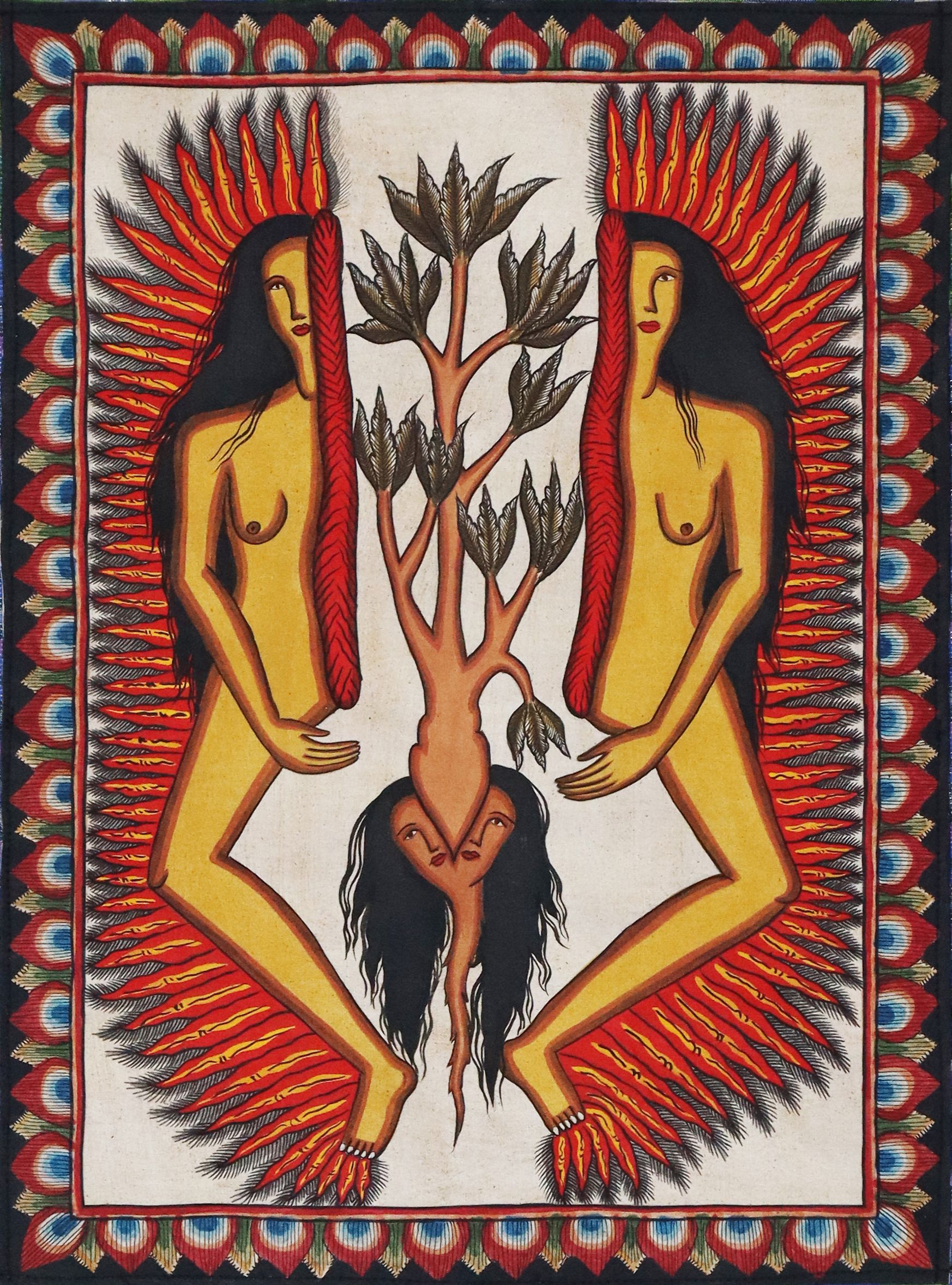
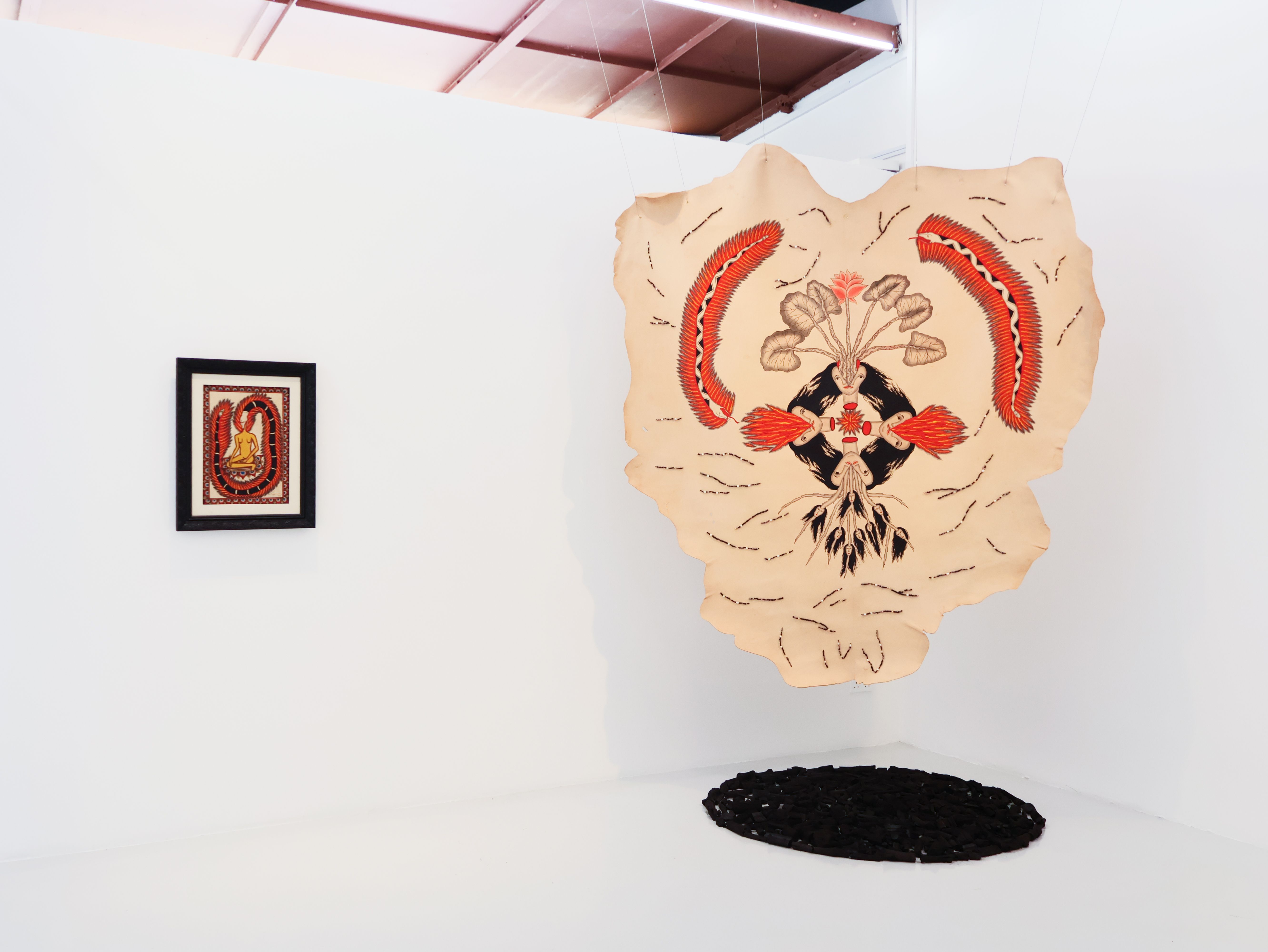
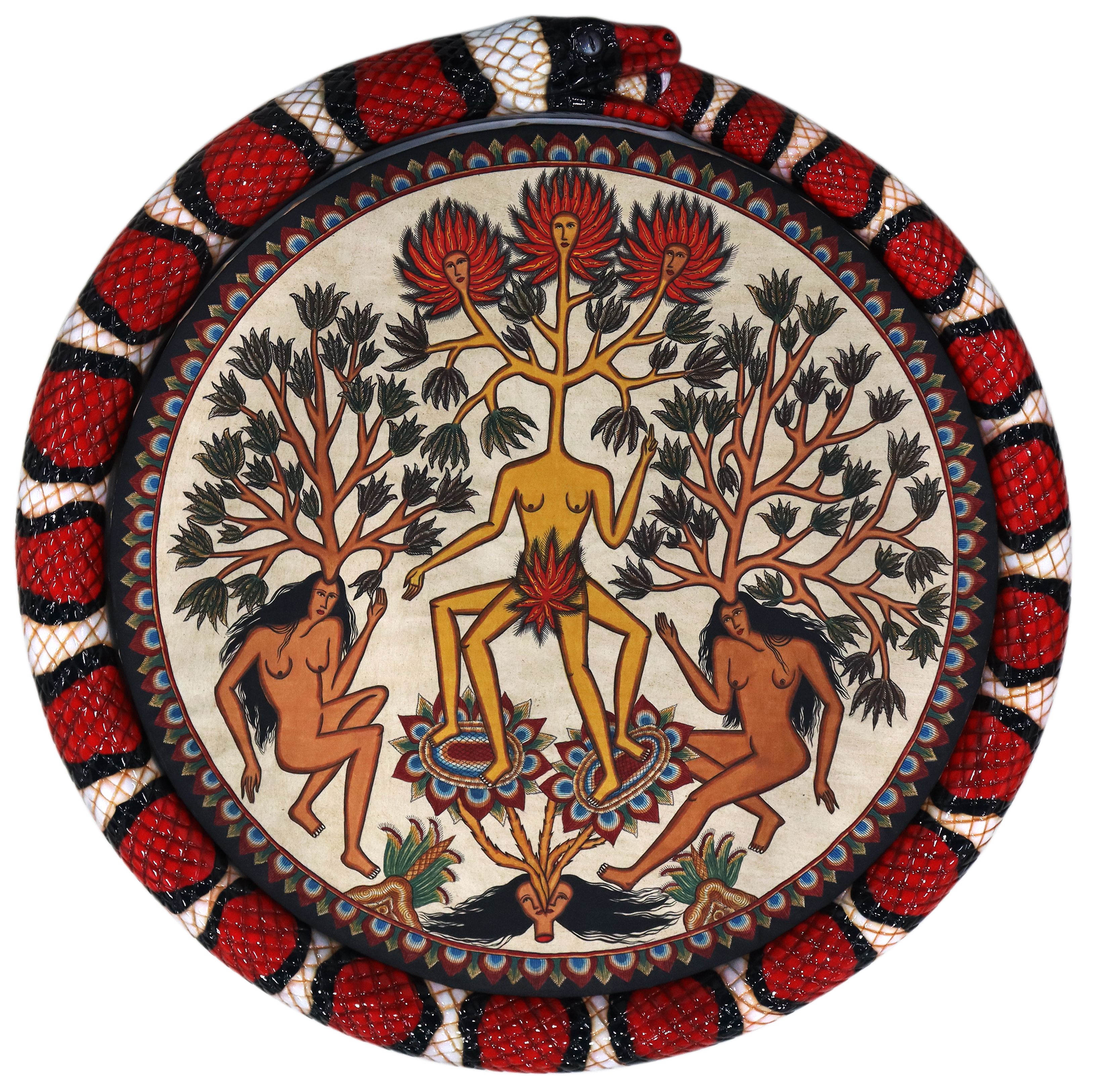
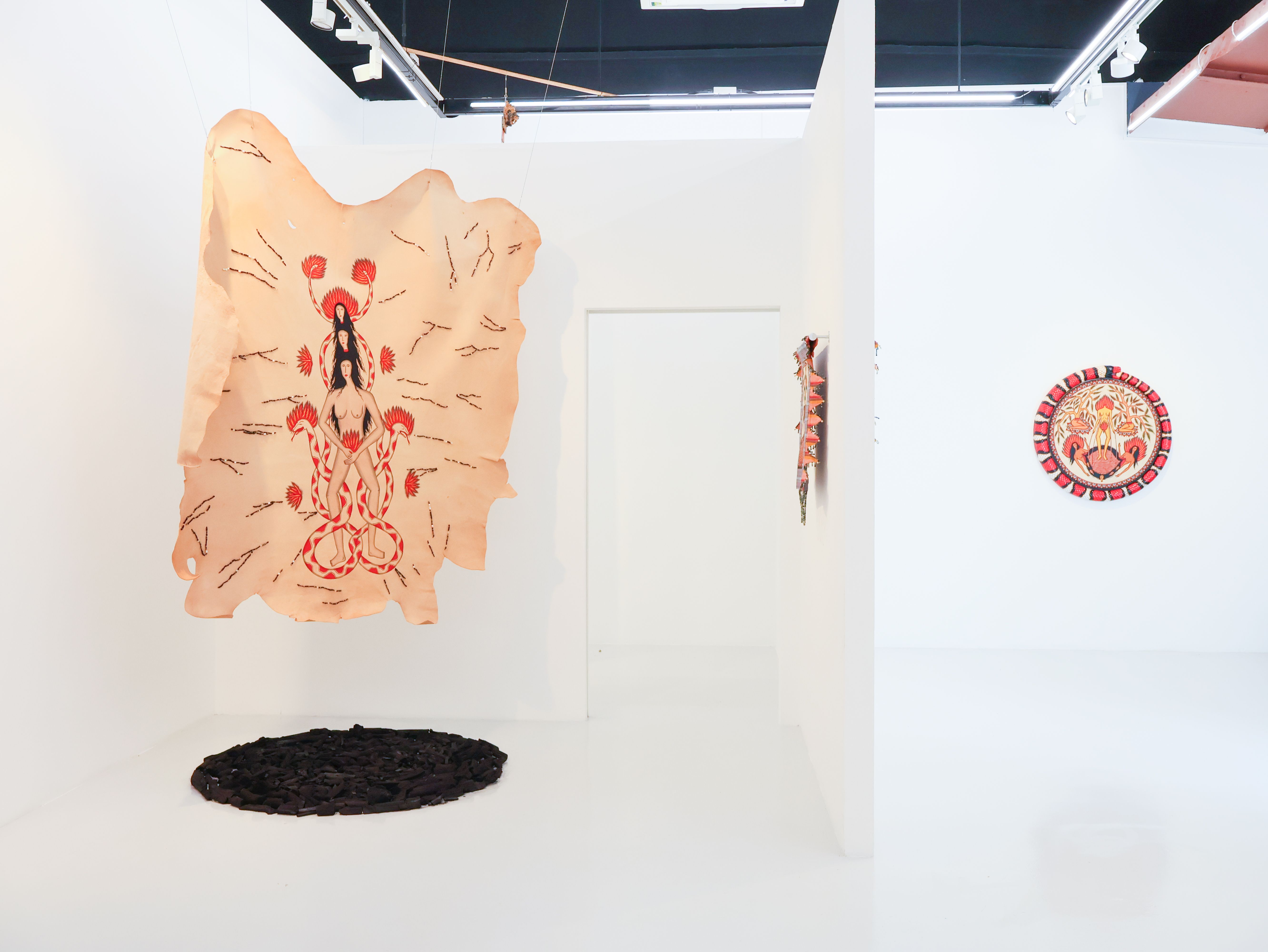
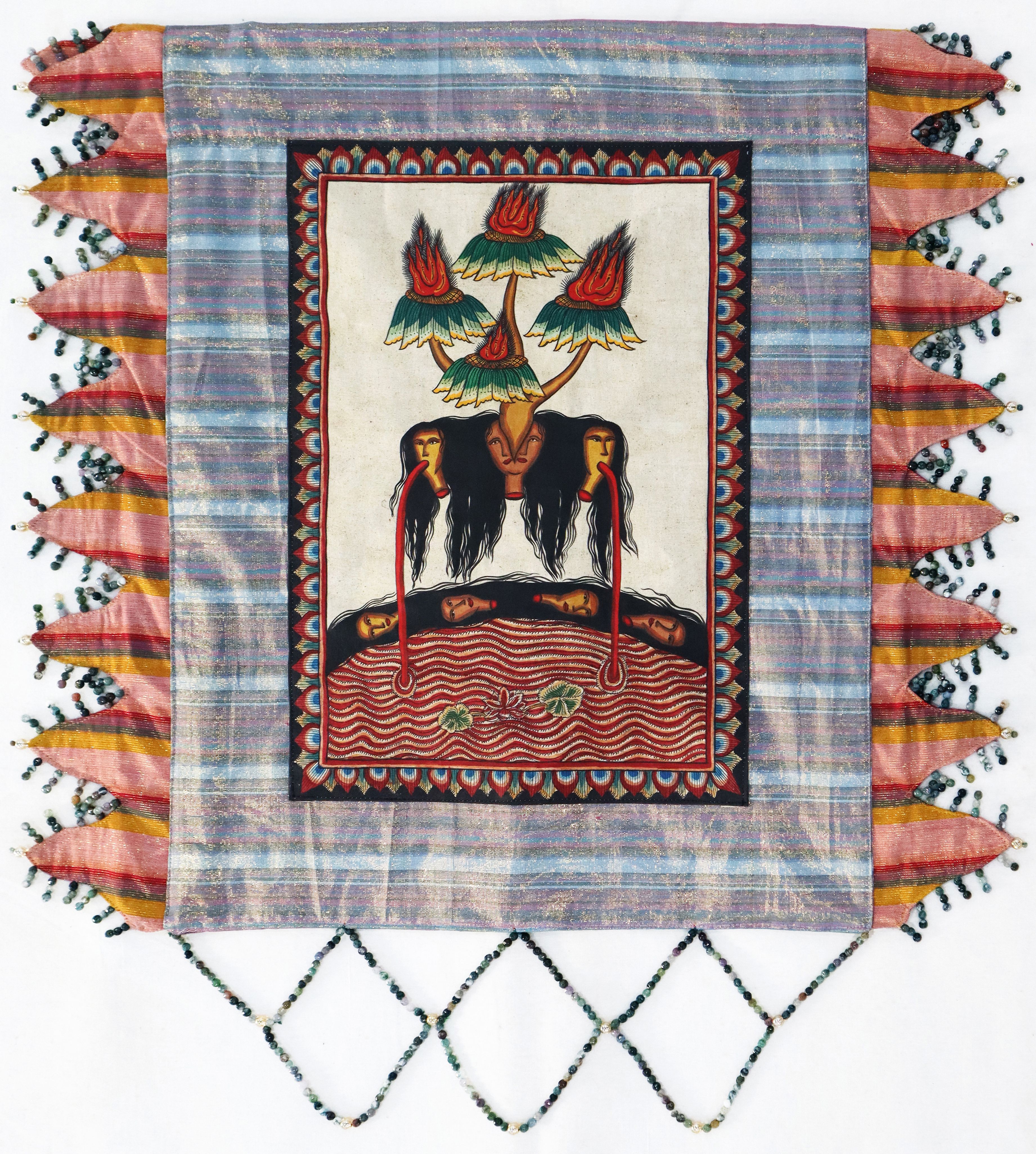
Two suspended cowhides form Tribe of Fire (2025), the centrepiece of Citra Sasmita’s solo show Women Who Carry the Mountain. Sasmita draws upon the ancient Balinese creation myth of Bedawang Nala—an epically sized turtle entwined with two dragons, which support and protect the Earth. Her contemporary feminist lens makes the use of cowhide, as a canvas of sorts, prescient. Sasmita’s brushstrokes mingle with the scarred and worn skin of the leather, mimicking the human body bearing its own scars; both are flesh vessels, marked by memory and time. Alongside the central installation, the artist presents four traditional acrylic paintings on Kamasan canvas, two of which are contained in a round snake-fibre frame. In Tree of Life (2026) the body of a woman is split down the middle; a tree emerges, its branches bearing the fruit of dozens of heads—women’s heads. In her work, Sasmita presents a powerful eco-feminist message regarding the reconciliation of nature and the human body. – Lydia Eliza Trail
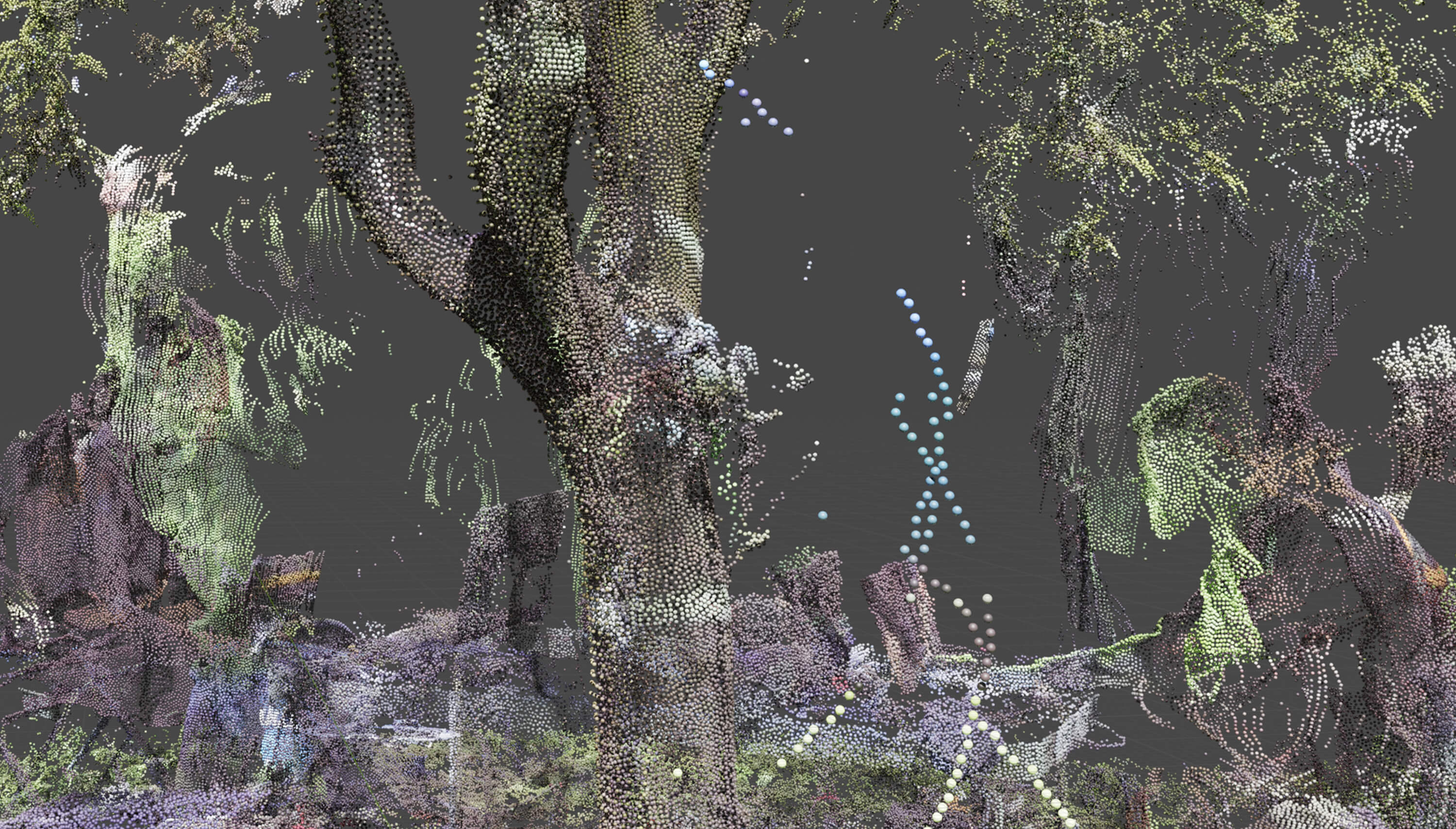
Hiền Hoàng, Memory of the Wound (17 January–28 February 2026) at DECK
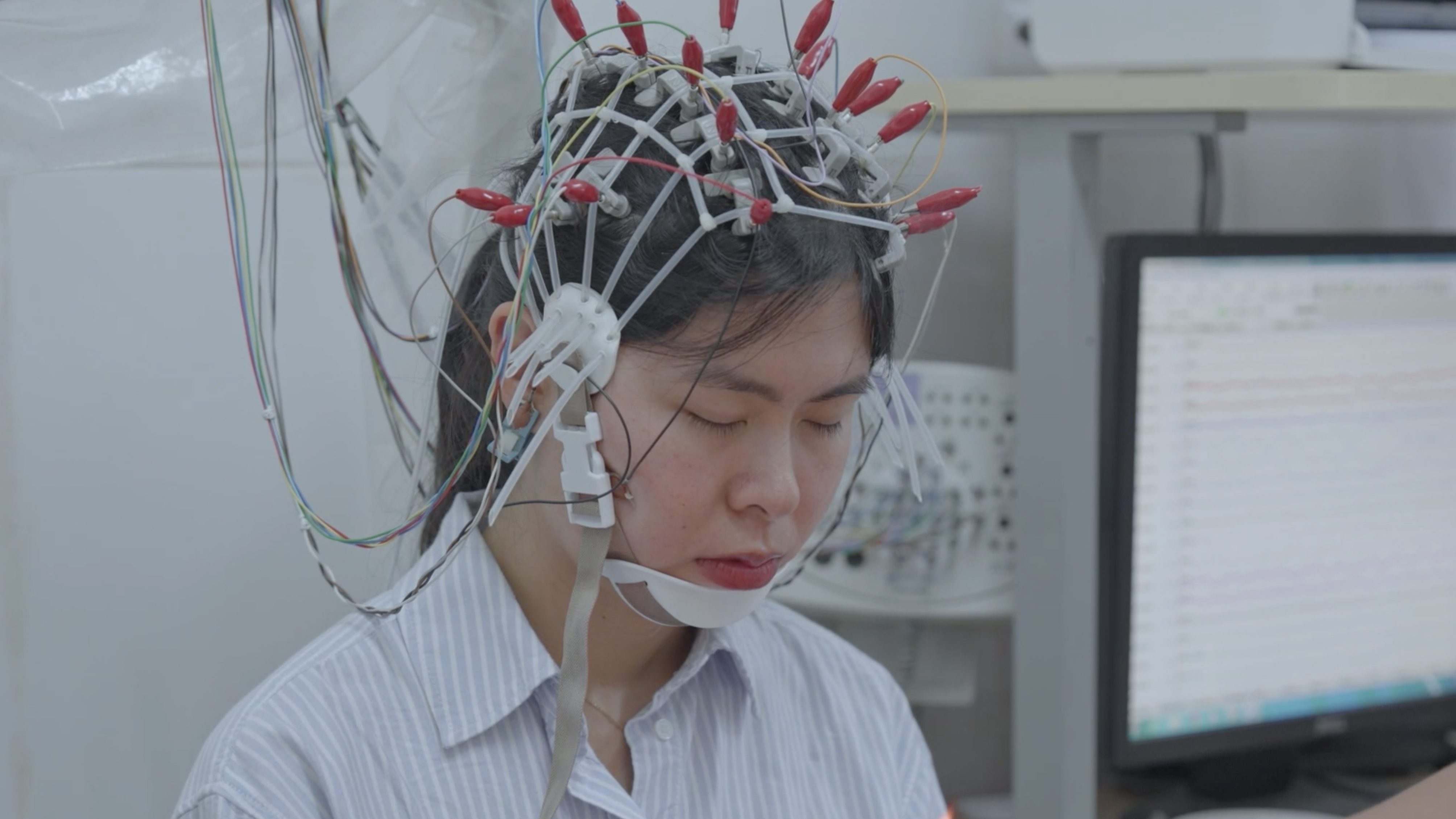
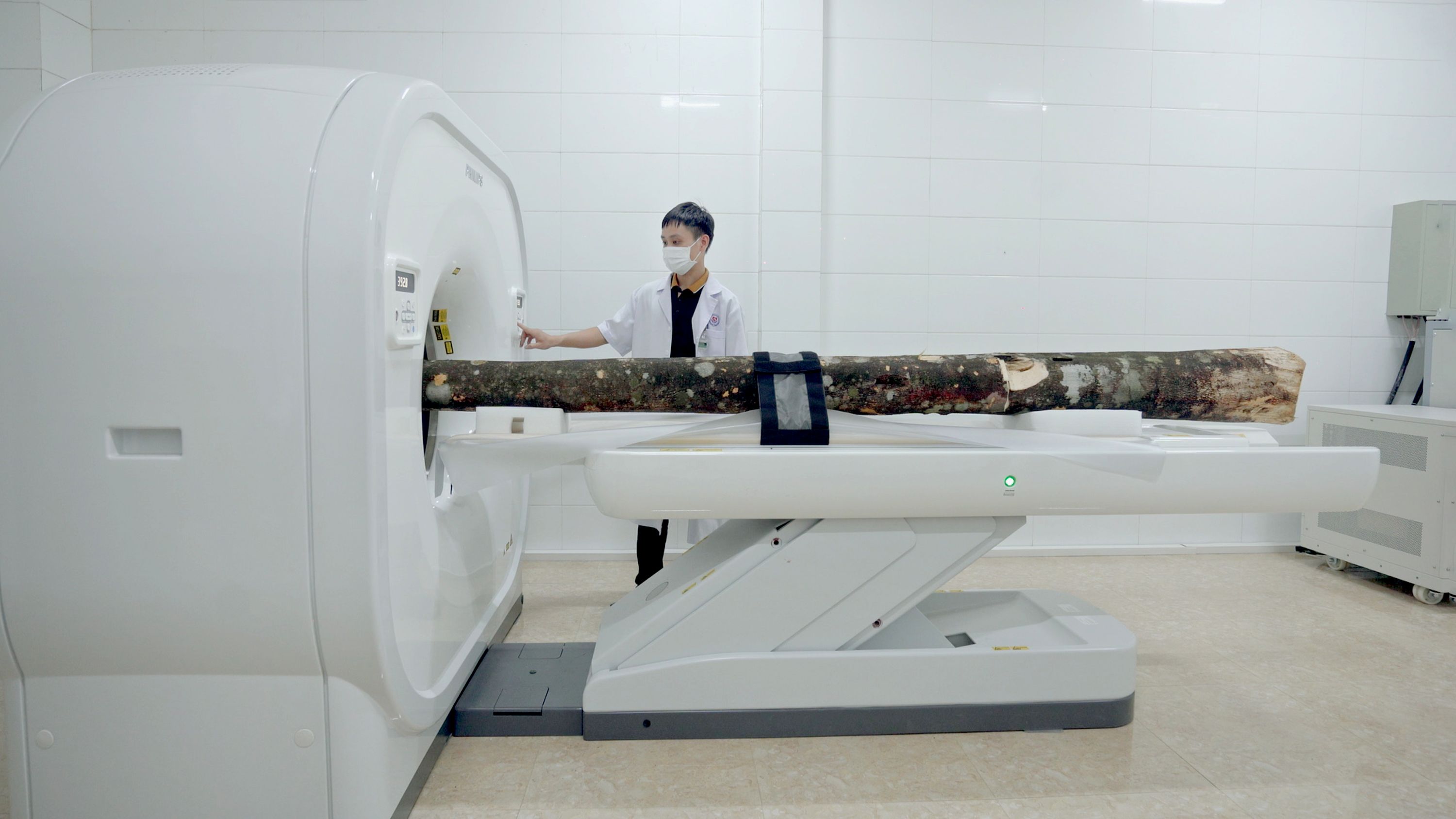
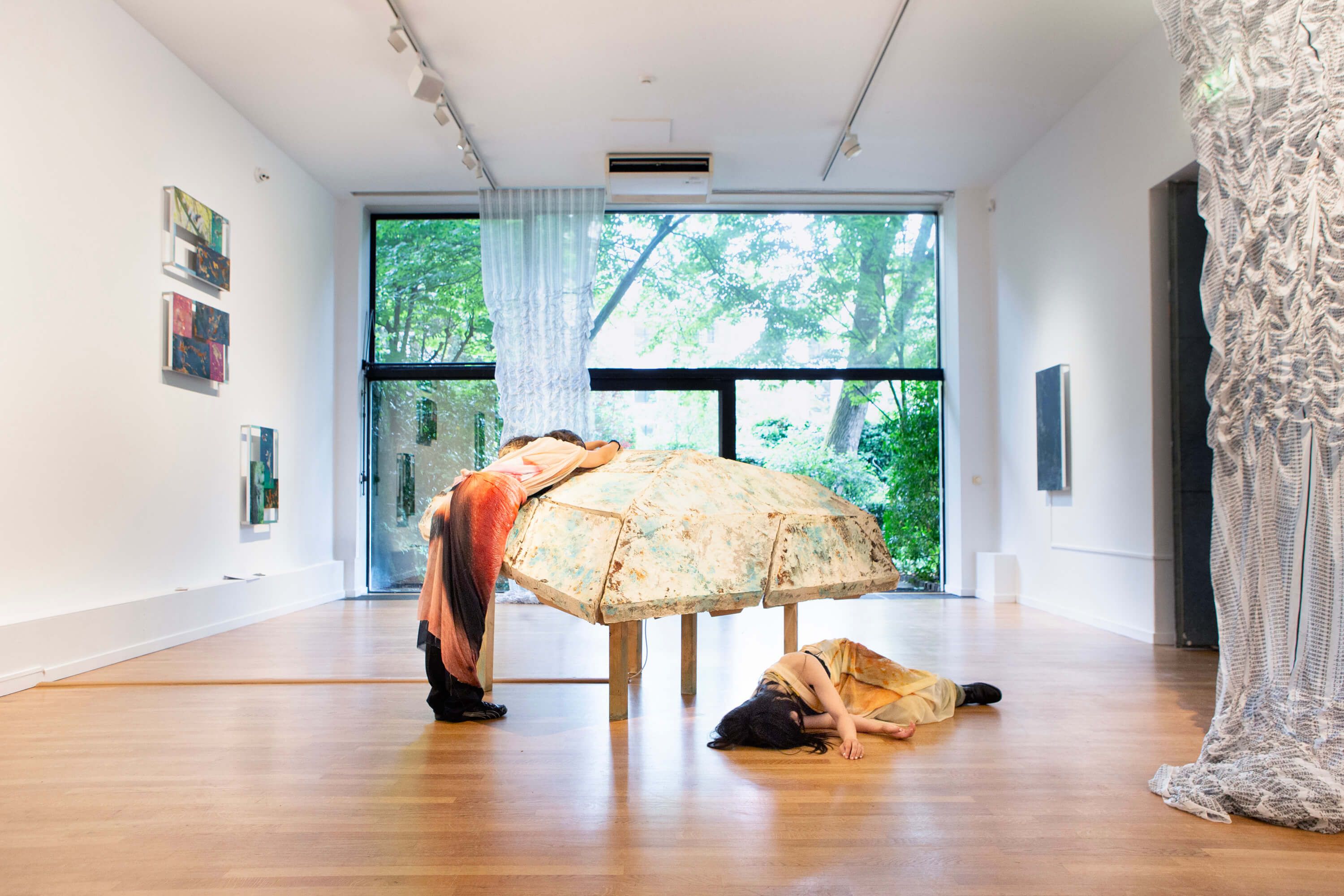
There is a tree in a park near my home in London whose lower trunk has been inscribed by lovers, children and other passers-by who have gouged into its rough bark. I thought of this tree when I first encountered the Vietnamese German artist Hiền Hoàng’s Garden of Entanglement series (2024–ongoing), for which sensors were connected to trees in busy public spaces to measure the vibrations they emit in response to their surroundings. In Scent from Heaven (2023), she focused on the Agarwood tree, native to southeast Asia, whose fragrance is extracted on an industrial scale through a series of ‘wounds’, presented in a short documentary film, live performance and VR experience. While Hoàng is not alone in exploring the destructive impact of humans on the natural environment, the breadth of her work (which spans scientific research, material transformation and photography) is consistently unexpected—I’ve never before seen a tree put into a CT scanner, for one thing. She was awarded the Paul Huf Award in 2024, which led to her first institutional show at Foam, Amsterdam last year. At DECK, she brings together fragments from both series, alongside new materials gathered during her recent time in residence at the Singapore gallery. She continues her interrogation into how humans shape the natural environment both knowingly and unknowingly, from the invisible traces left behind by the infrastructure of data storage to the scratches imprinted by hand into the base of a tree. – Louise Benson
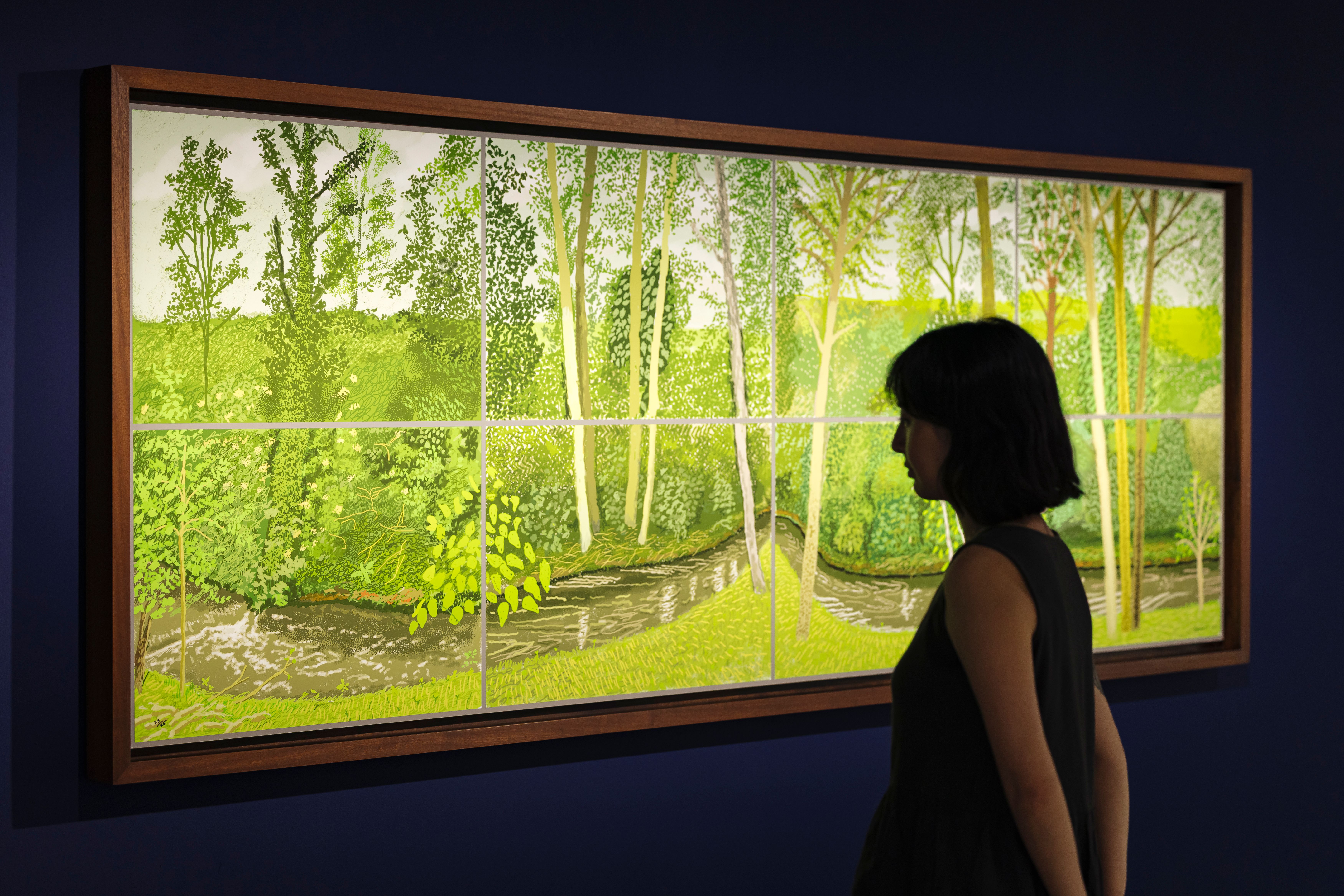
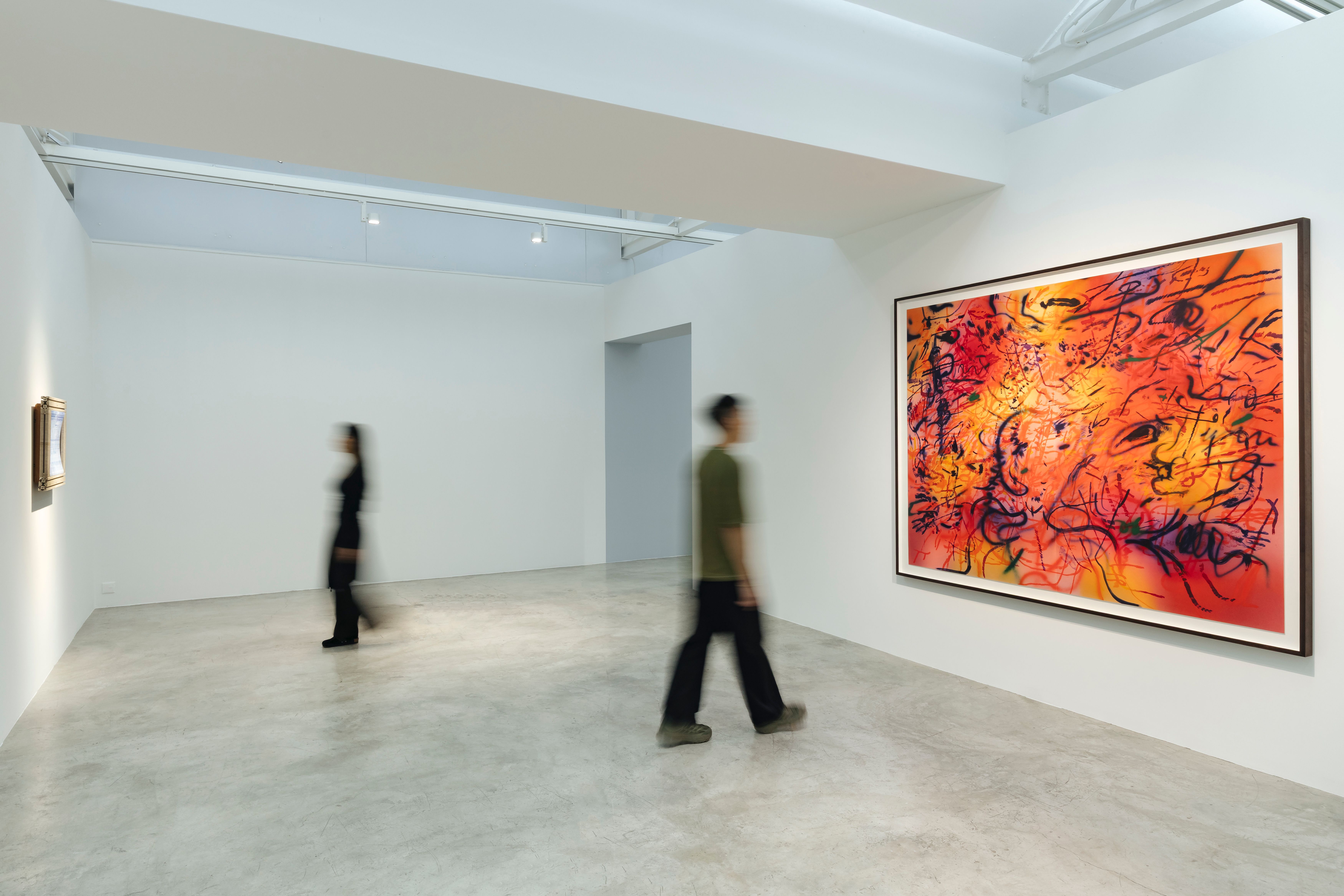
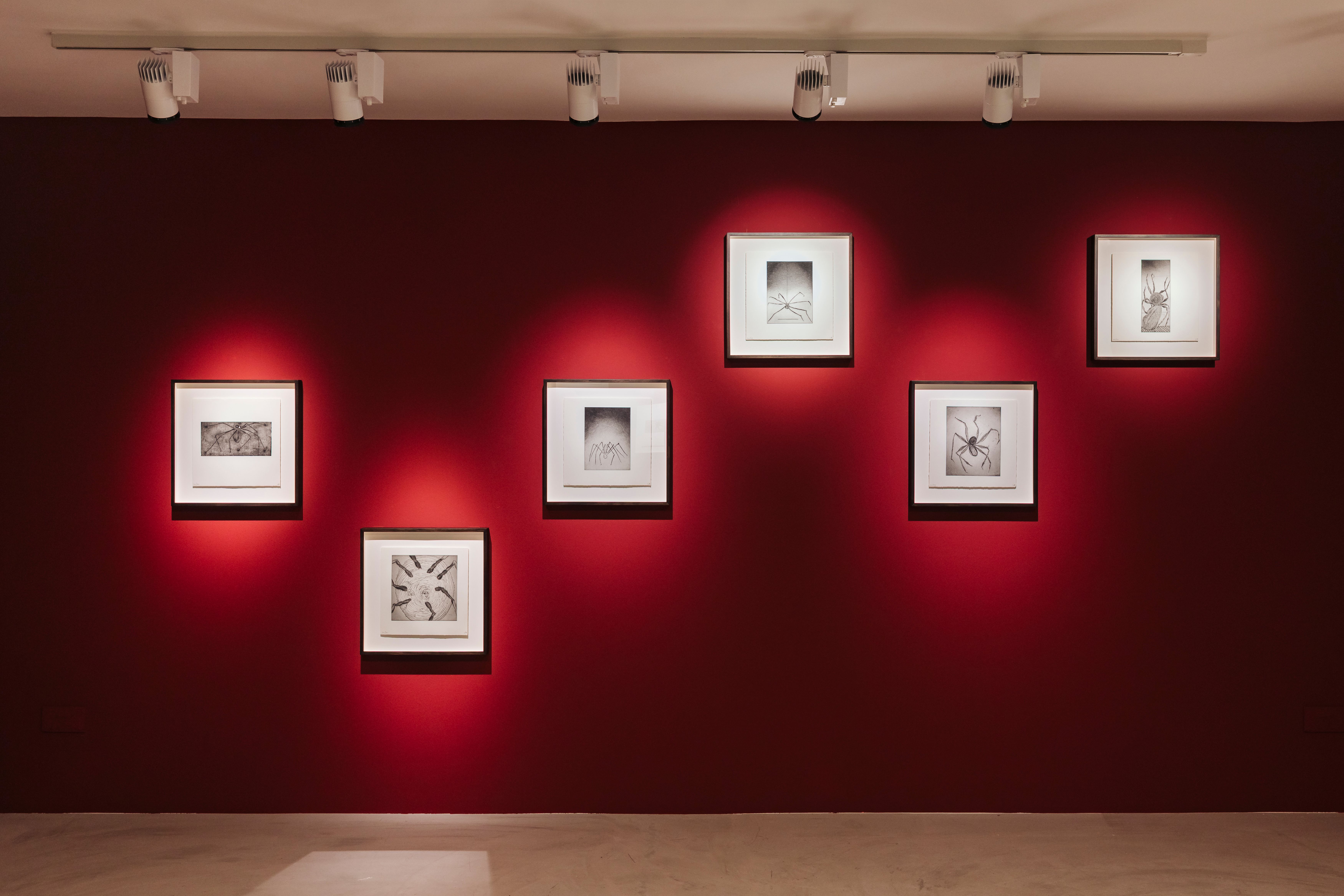
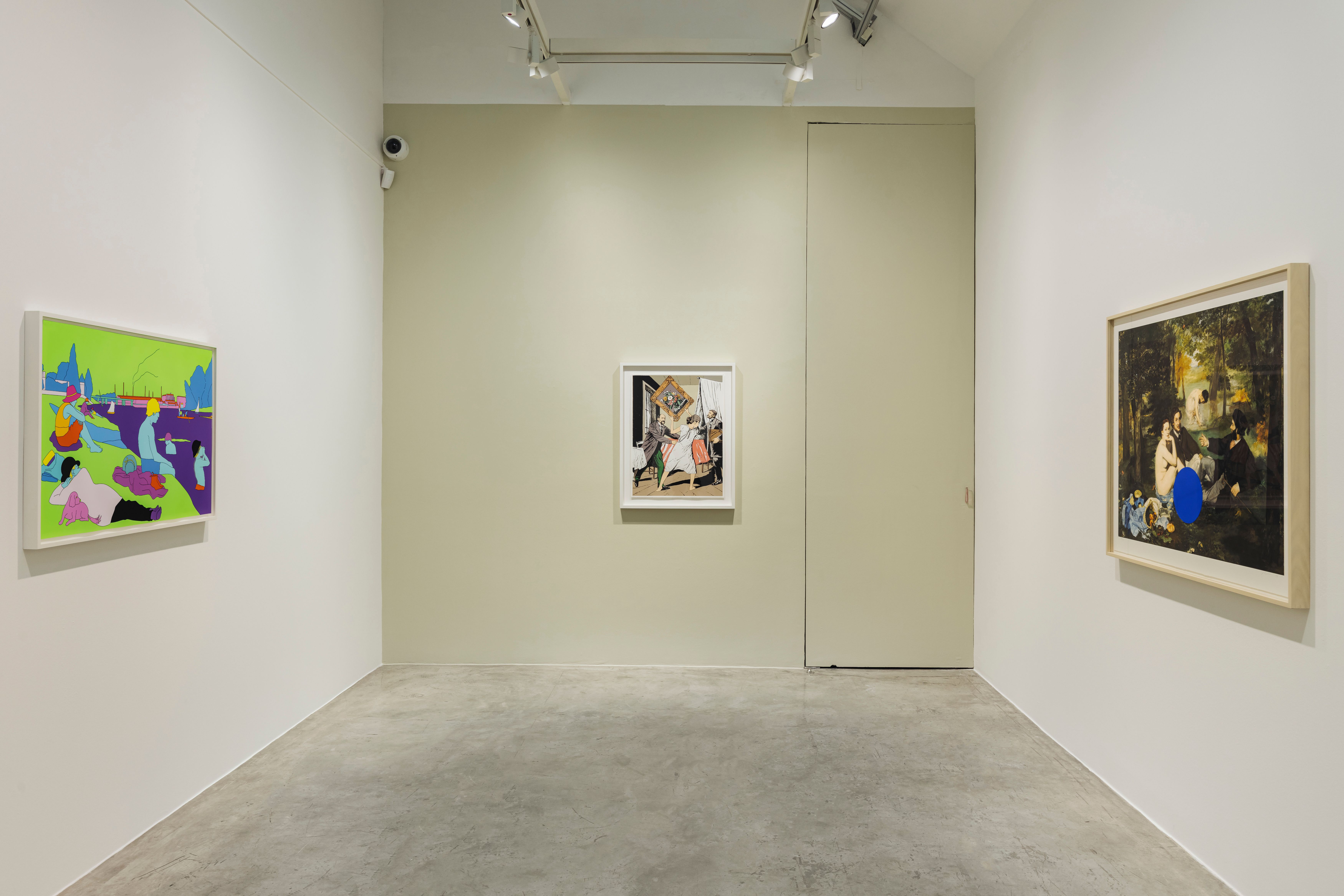
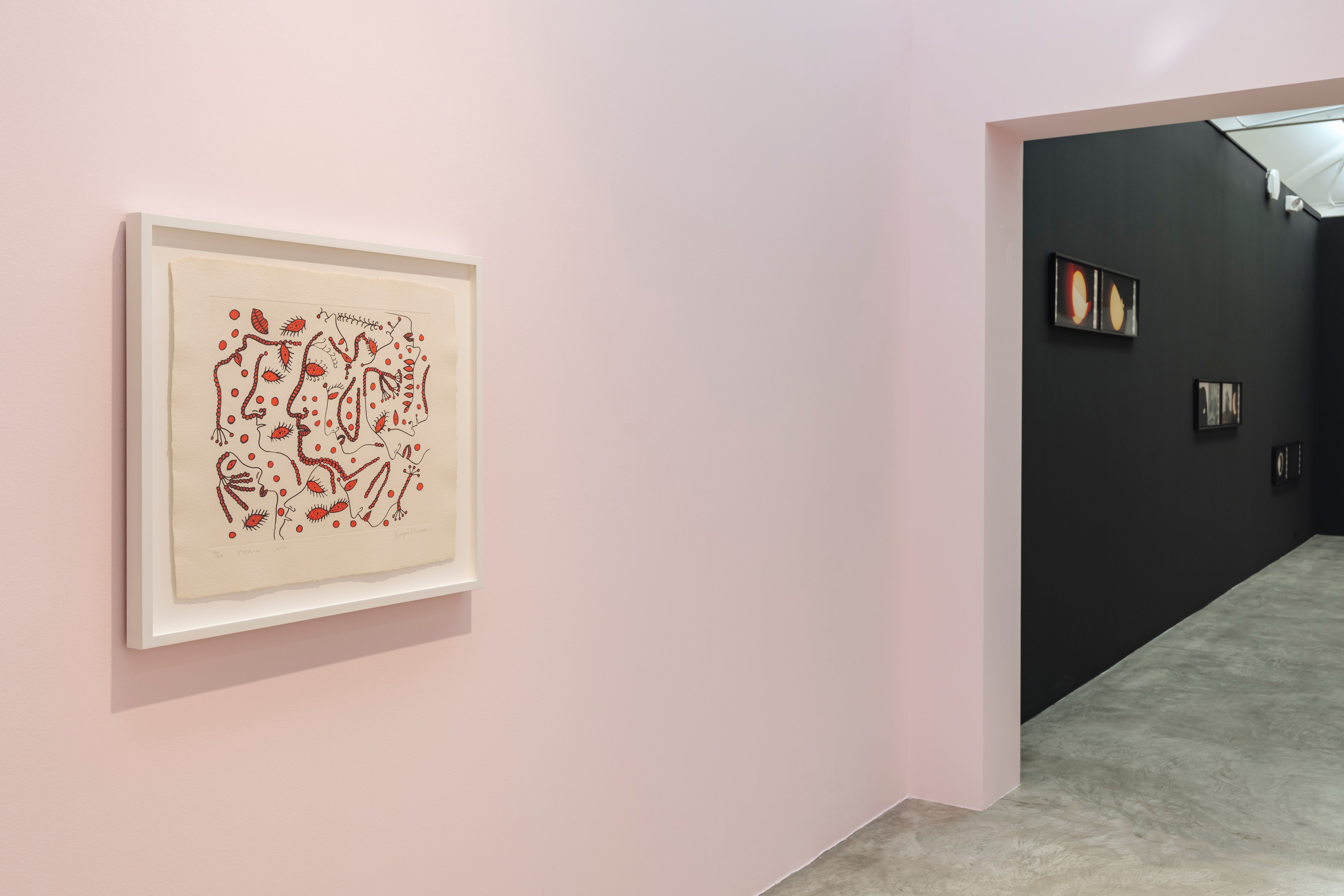
STPI Symposium: The Politics of Print (23–24 January 2026) at 72-13 Mohamed Sultan Road
STPI, an intriguing hybrid of state-backed institution and key commercial gallery—and itself a prime embodiment of Singapore’s pragmatic policy model—launched this year its new annual programme, The Print Show & Symposium: a double bill pairing a group exhibition of top-tier gallery artists with a two-day symposium, The Politics of Print, curated by Stephanie Bailey. The symposium gathers regional institutional representatives to interrogate print, the medium at the heart of STPI’s workshop-based practice. While key figures offer insights, a highlight is Crit Club, anonymous artist Cem A.’s talk-show-inflected intervention. Participants debate impossible, absurd positions, switching sides midway to challenge assumptions and embrace disagreement as critical play—a direct counterpoint to what Cem A. critically characterises as today’s ‘consensus aesthetics’. With Singapore being one of the world’s crypto hubs, Crit Club positions NFTs and political memes as heirs to print’s DNA. – Zian Chen —[O]
Main image: Kent Chan, Weather Casting (2026) (film still). Courtesy the artist.








A respected voice in contemporary art discourse.
Focusing on ambitious storytelling and insightful art-world commentary. Ocula Magazine publishes in-depth interviews, critical essays and timely analysis on the artists, exhibitions and ideas driving the global art world.
Learn more about Ocula Magazine
Showcasing the best of the art world.
Ocula partners with galleries from around the world to highlight their artists, artworks and exhibitions. Gallery membership is by application and invitation, with each member vetted by an independent panel.
Learn more about Ocula Membership
Specialises in the sale of major artworks.
Led by a team with deep ties to the world’s leading auction houses, galleries and collectors. Ocula’s advisory team offers bespoke services to high-net-worth clients from around the world who are looking to acquire the best of contemporary and modern art.
Learn more about our team and services