






Advisory Notes: Joining the Dots Between Cyndi Lauper and Yayoi Kusama
The monthly musings of Ocula Advisory, bringing you the inside perspectives and picks from our unending travels around the global art world. Save to My Ocula

The monthly musings of Ocula Advisory, bringing you the inside perspectives and picks from our unending travels around the global art world.
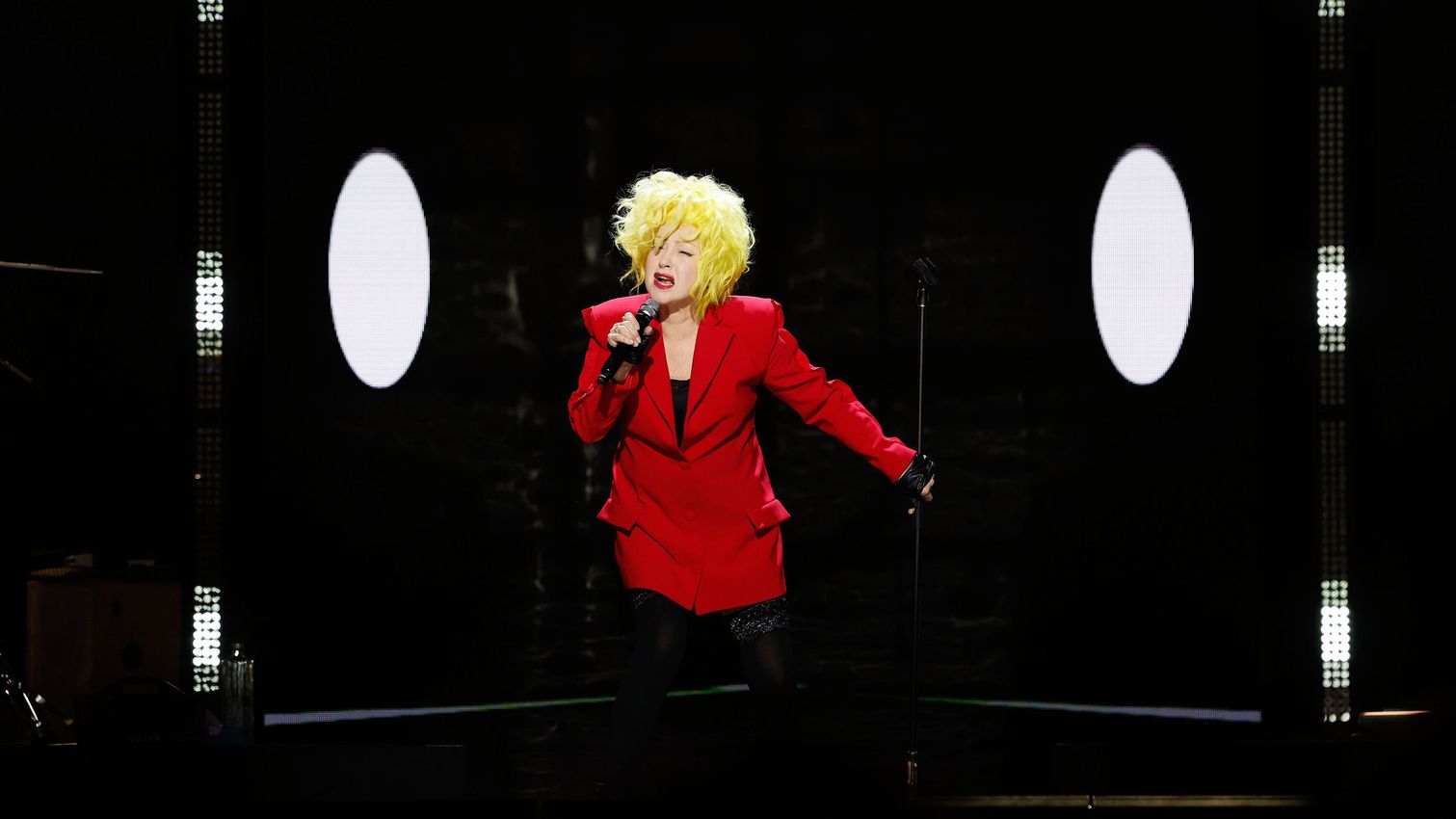
Last week I went to see Cyndi Lauper in concert at London‘s O2 arena. Lauper is currently on the European leg of her ‘Girls Just Wanna have Fun’ farewell tour and I couldn’t miss my last chance to see a living legend. At 71, Lauper’s stage presence is extremely powerful. She radiates kindness and energy, has a rousing voice and disarming vulnerability, not to mention an accent to die for. However, what struck me most about her show was the way it incorporated visual art.
Lauper attended art school in the 1970s and has always been vocal about her love of art. The work of Sonia Delaunay, Daniel Wurtzel, and Refik Anadol are explicit visual references and inspirations for her live show, but the most iconic reference of all is the work of Japanese artist Yayoi Kusama (b. 1929). It’s a full visual takeover: projections of red-on-white polka-dots fill the stage, watched over by a giant portrait of Kusama. Lauper, draped in a long red-and-white polka-dot coat, announces that ‘there is a new girl in town who just wants to have fun: Ms Yayoi Kusama!’
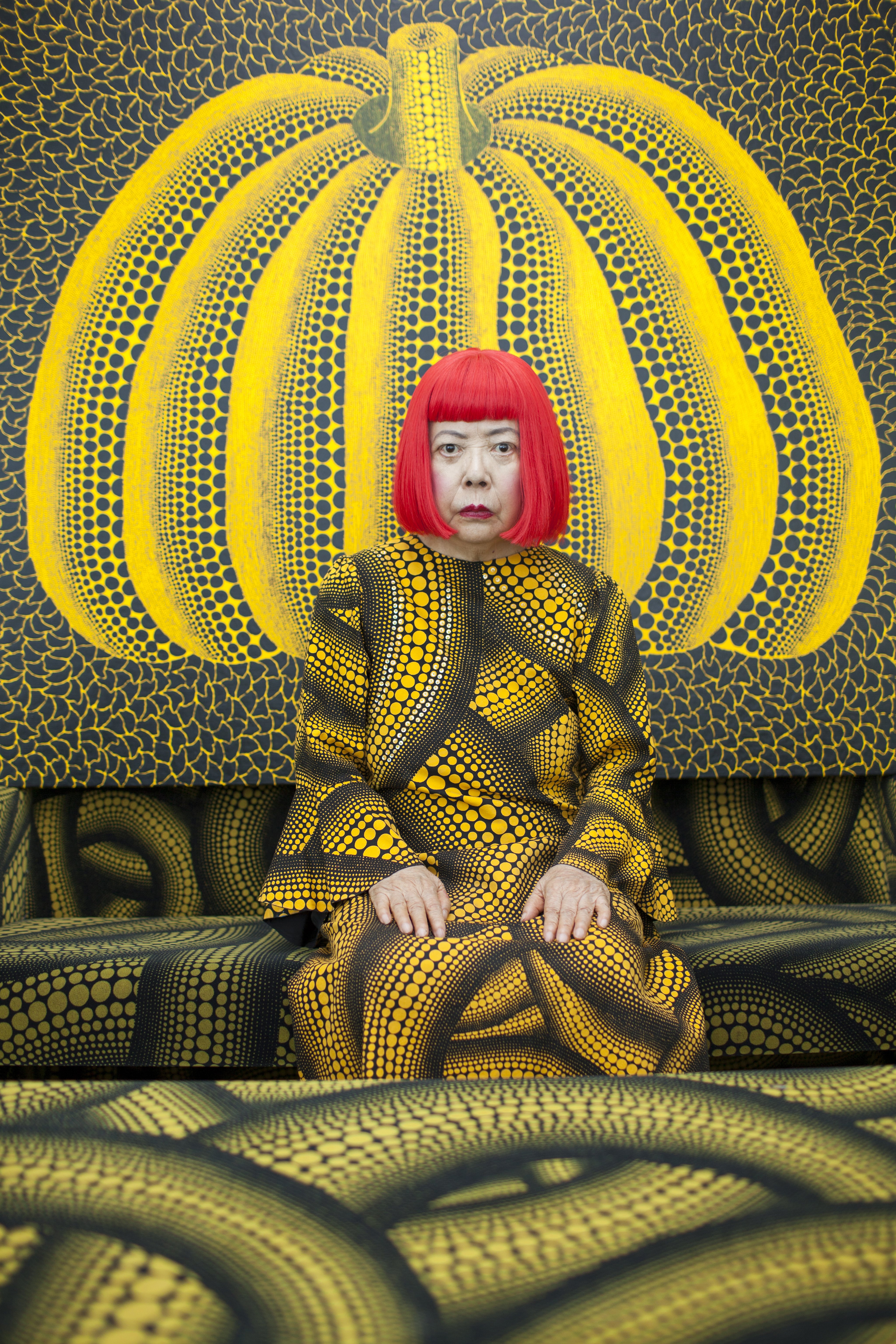
Beyond a love of art and an extravagant taste for fashion, there are other interesting synergies between Lauper and Kusama. Both were outsiders in New York City, determined for their creative voices to be heard. Lauper has always fought the good fight with a punk-pop edge, whether in her LGBTQ advocacy or battling for women’s rights, long before it was fashionable to do so. Today, profits from Kusama-style wigs sold at her concerts go to her charity, ‘Women Just Want To Have FUNdamental Rights’. What Kusama did in the ‘60s in New York City was no less courageous, as a female Asian artist who didn’t speak English but who managed to create a voice and reputation for herself in a world dominated by men. Since the late 1970s, however, Kusama has resided in a mental health facility in Tokyo, visiting her studio daily. She has long been open about her ongoing mental health struggles and how her art practice helps relieve her symptoms.
Nowadays, both women enjoy iconic status and have inspired generations of younger artists. Lauper has immortalised herself with songs like ‘Girls Just Want to Have Fun’; she also wrote the music for the hugely successful Kinky Boots, as well as for Working Girl, a musical due to launch later this year. The celebratory tone of such achievements was tempered during the concert when Lauper conceded that, as a younger woman, she would not have believed that in her 70s she would still have to fight for women’s right to abortion.
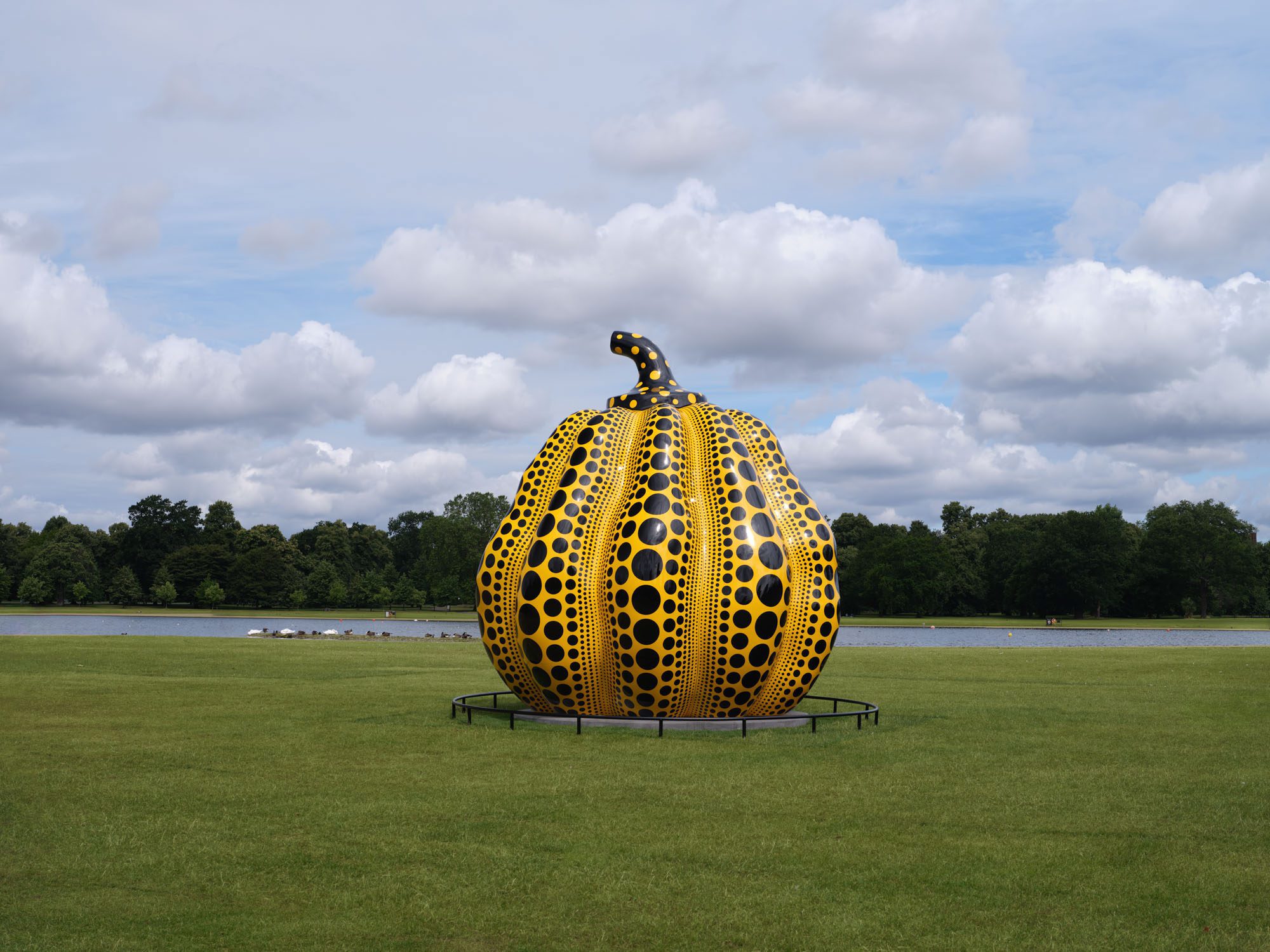
When it comes to Kusama, it’s fair to say that the 95-year-old artist is everywhere these days: in her likeness as a giant doll towering over the Louis Vuitton store in Paris, painting it with dots; exhibiting a six-metre-high bronze pumpkin in London’s Kensington Gardens; and designing a range of bags, keychains, children’s books, and stuffed pumpkins. Even my parents, who live in a rural alpine village in Italy and have absolutely no interest in contemporary art, have heard of her.
While the mass production of Kusama-themed objects and the blurring of lines between art and consumerism might be off-putting for some, I like to remind myself that if any artist can pull it off, Kusama can. Repetition and seriality have always been important elements of her practice, from her pumpkins to her series of ‘Infinity Net’ paintings. Kusama’s ‘Infinity Rooms’ are made from mirrors, in which objects are replicated endlessly. She has long advocated for making art accessible and affordable—in 1966, she sold mirrored spheres outside the Venice Biennale for approximately 2 USD each.

Reflecting on my professional experience, I’ve been fortunate to be exposed to Kusama’s practice for the past decade, beginning with my time working at David Zwirner, one of her primary galleries. Already in 2014 her mystique only served to reinforce her popularity, and she was known to meet with only a handful of people. By that time, it had become almost impossible to buy a primary market white ‘Infinity Net’ painting, though other series were easier to access. As Kusama’s popularity grew, so did interest in all of her series, from her sculptures to her ‘Infinity Soul’ paintings. When I joined Ocula in 2016, this had translated into an explosion in her market and our Asian clients in particular were very active in collecting her work.
From a sales perspective, I’ve always enjoyed placing Kusama’s works. Art is notoriously tricky to price and in order to determine a price we usually look at comparable works sold at auction as a guide, which can be difficult when an artist’s practice is varied or when they have not sold much at auction. Kusama, however, is one of the world’s most traded artists and she works in clear series, making it easy to cross-reference. Furthermore, differentiating a ‘good’ work by Kusama from a ‘less good’ one is straightforward, as long as you trust your eyes. Her most sought-after ‘Infinity Net’ paintings, for example, are the ones with strong impasto and a lot of movement within the canvas.

The first question we are often asked when discussing a work by Kusama is whether it has a registration card. Over the years, Kusama has managed to avoid the issue of forgery by having a highly organised studio that makes sure every single artwork is issued a certificate of authenticity. A Kusama work is always sold with this card. If the card is missing, the value of a work is significantly impacted, even if Kusama’s studio acknowledges that work as authentic.
As I enjoyed Lauper’s concert surrounded by Kusama motifs, admiring her inimitable performance, I recalled her special cultural status in Kusama’s homeland, which runs much deeper than polka dots. On 11 March 2011, the same day the Tōhoku earthquake and tsunami struck eastern Japan with horrific consequences, Lauper landed in Japan to launch her tour of the country. Many fled the disaster, but Lauper stayed and performed. Ever since, she has fought to raise awareness and money for those affected by the disaster. She’s an icon there too. ‘I stayed because music always helped me, so maybe I’m just passing it along,’ she told the press at the time. ‘I’m not running for president, I’m just a rock ‘n roller.’ —[O]
Main image: Cyndi Lauper. Photo: Taylor Hill/Getty Images for Live Nation.


A respected voice in contemporary art discourse.
Focusing on ambitious storytelling and insightful art-world commentary. Ocula Magazine publishes in-depth interviews, critical essays and timely analysis on the artists, exhibitions and ideas driving the global art world.
Learn more about Ocula Magazine
Showcasing the best of the art world.
Ocula partners with galleries from around the world to highlight their artists, artworks and exhibitions. Gallery membership is by application and invitation, with each member vetted by an independent panel.
Learn more about Ocula Membership
Specialises in the sale of major artworks.
Led by a team with deep ties to the world’s leading auction houses, galleries and collectors. Ocula’s advisory team offers bespoke services to high-net-worth clients from around the world who are looking to acquire the best of contemporary and modern art.
Learn more about our team and services