





The Top 8 Exhibitions to See in Miami This Winter
Save to My OculaOur editors select the shows not to miss during Miami Art Week and beyond, from Thomas Houseago’s career survey at the Rubell Museum to Masaomi Yasunaga’s amorphous ceramics at the ICA.
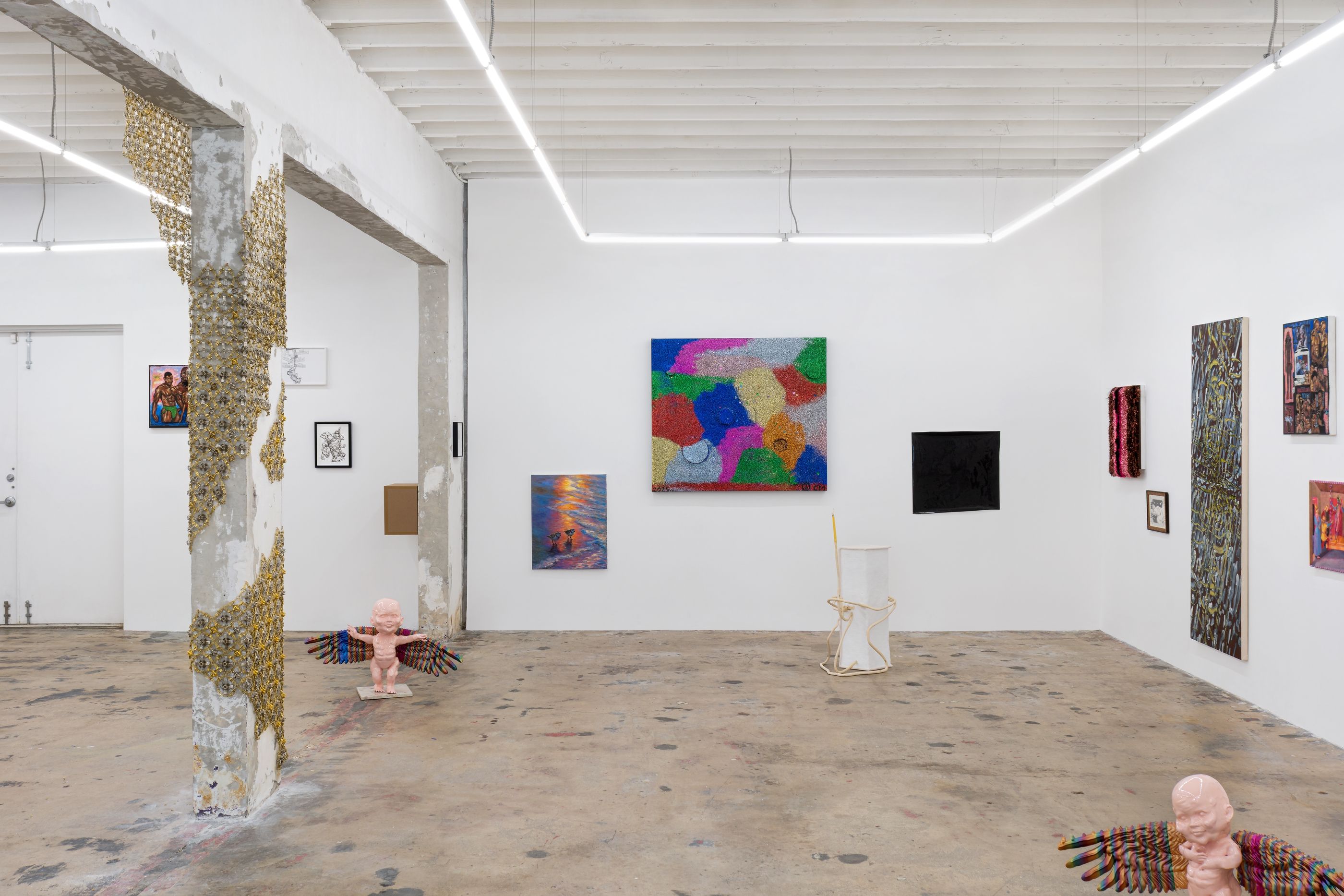
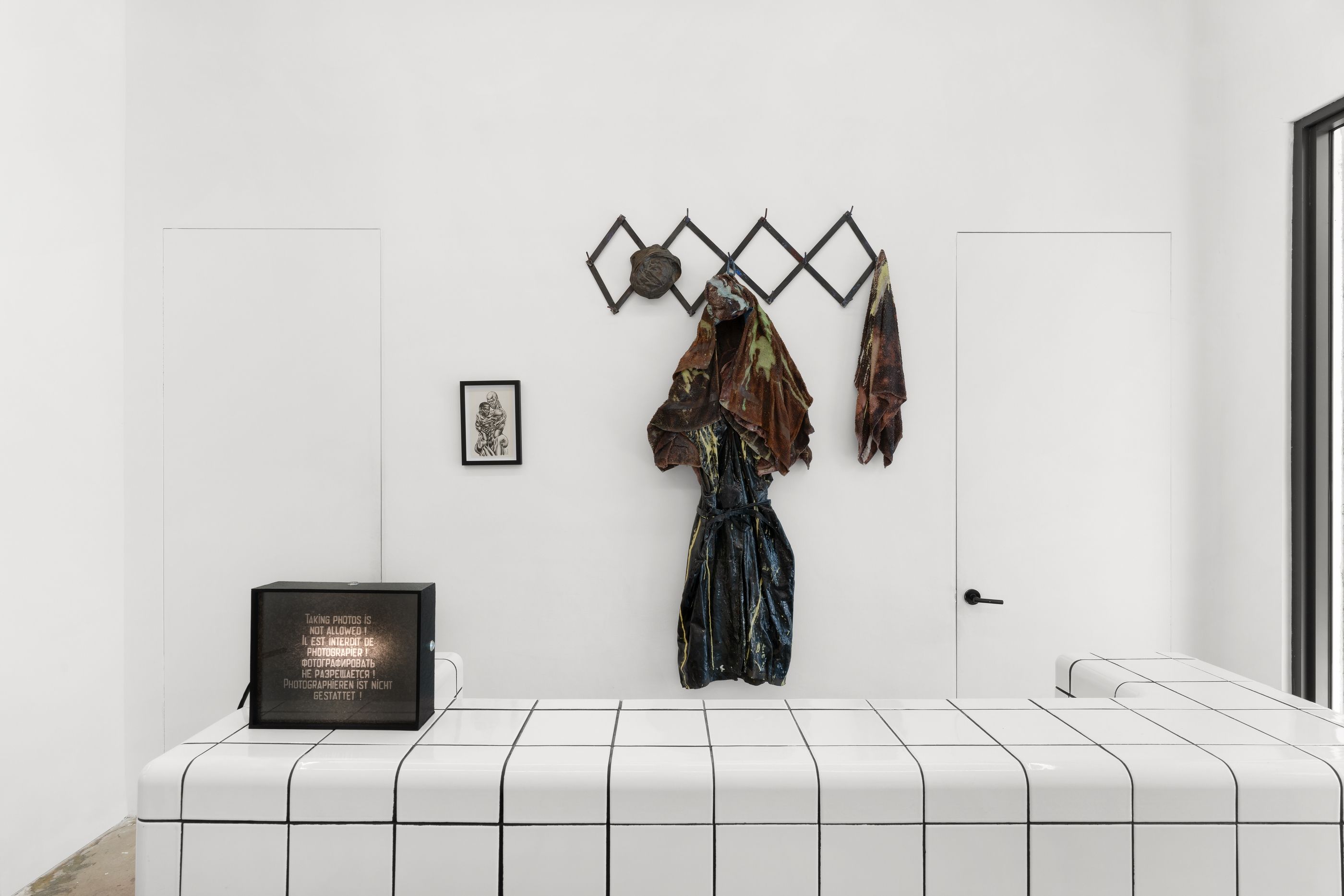
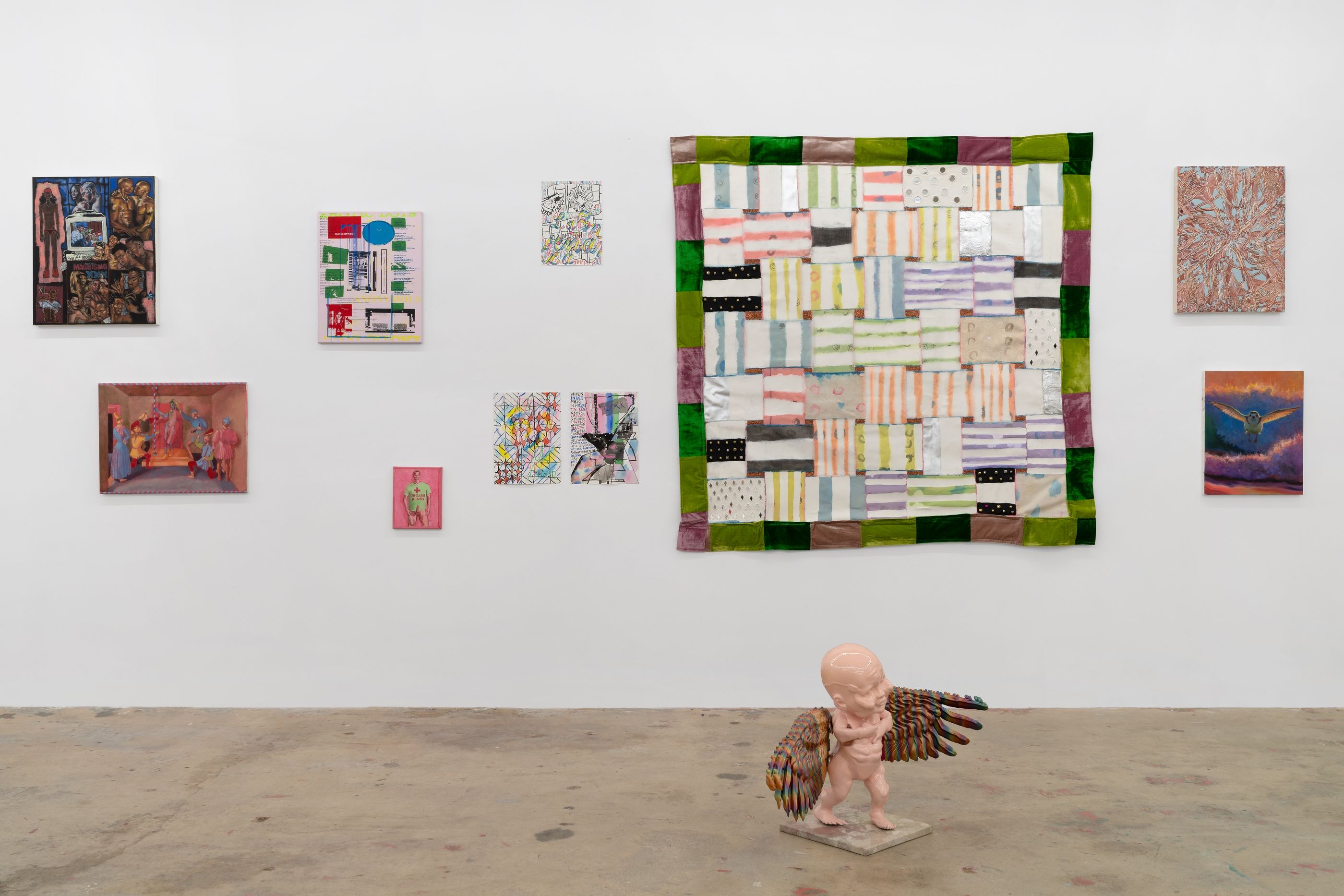
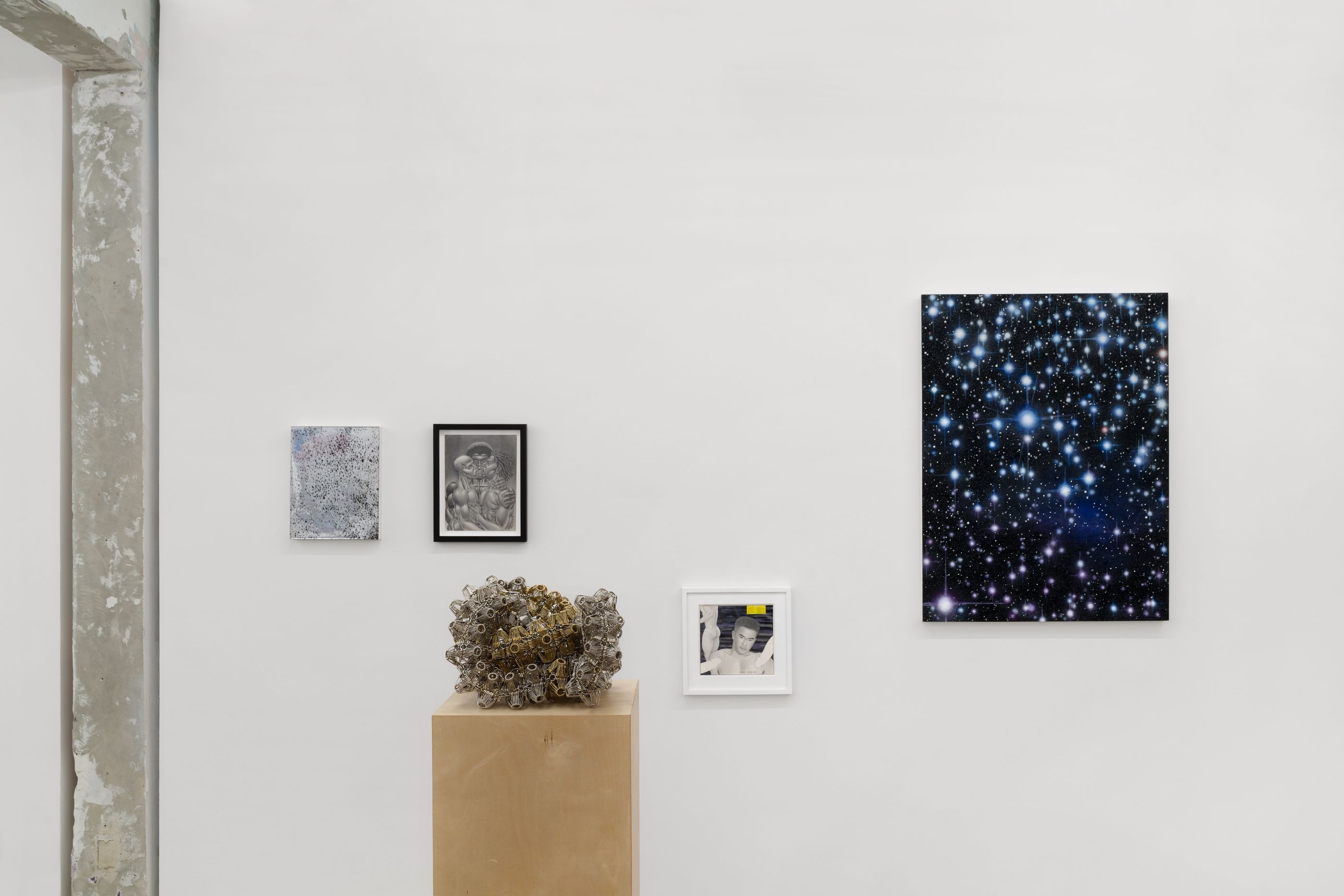
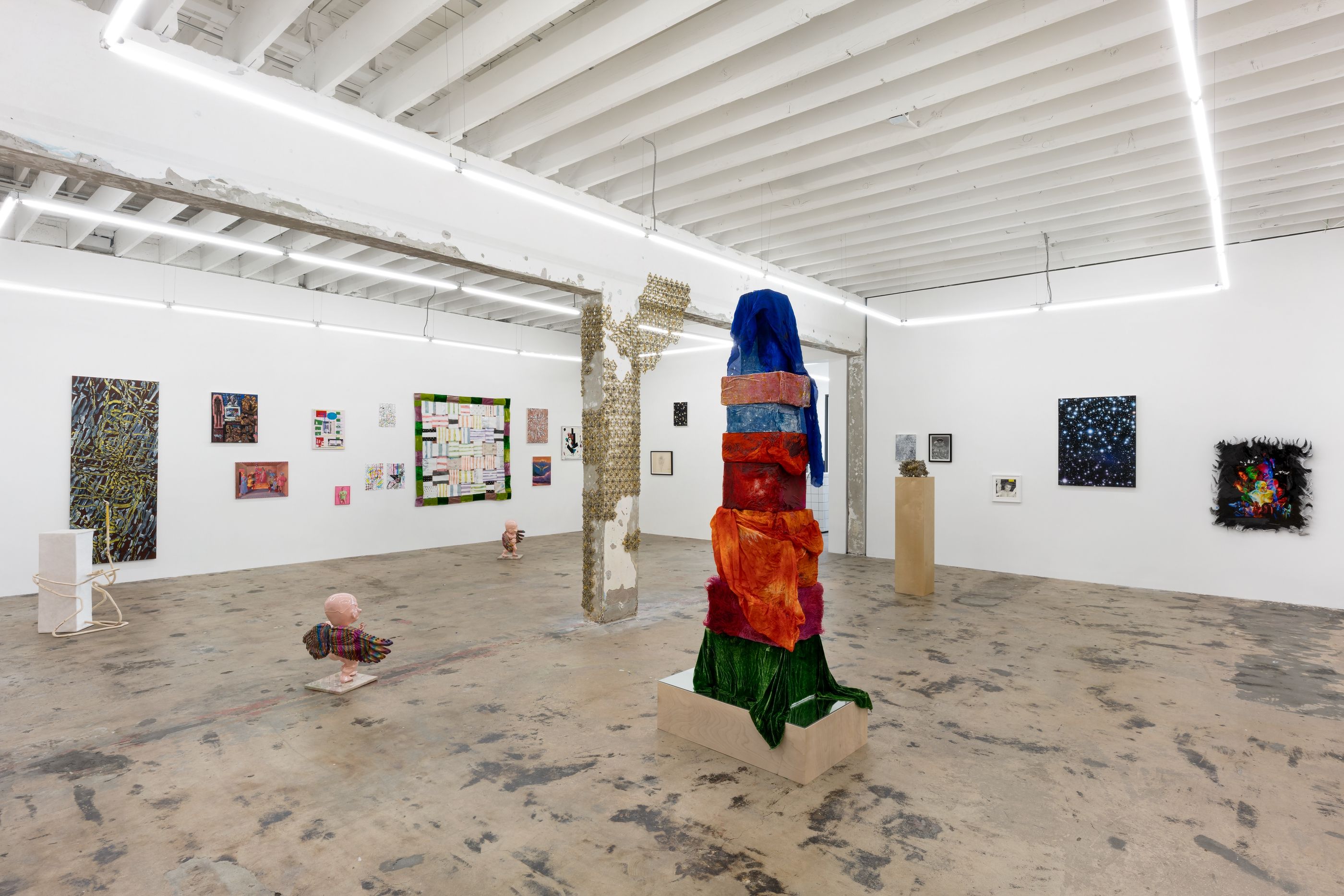

Acid Bath House (1 December 2025–7 February 2026) at Nina Johnson
In a text written for Acid Bath House, Jarrett Earnest describes a moment of heightened consciousness and bodily ecstasy while tripping balls at a dingy Washington D.C. bathhouse. Drawing on the unifying notion that ‘in the things queer people make with and for each other, there is a specific energy that everyone needs if we are to survive on this planet together’, Earnest curates a psychedelic mise-en-scène featuring a gaggle of genre-defying artists including Savannah Knoop, known for performing the public role of literary hoax JT Leroy, the visual artist and DJ Juliana Huxtable, and the late, great Genesis Breyer P-Orridge. Through the work of these one-of-a-kind shapeshifters, Earnest proposes that ‘the possibility of queer life is psychedelic erotica’. On 3 December at 3pm, Jarrett will participate in a conversation on the role of criticism today with Johanna Fateman and Whitney Mallett, taking place at NADA. – Aimee Walleston
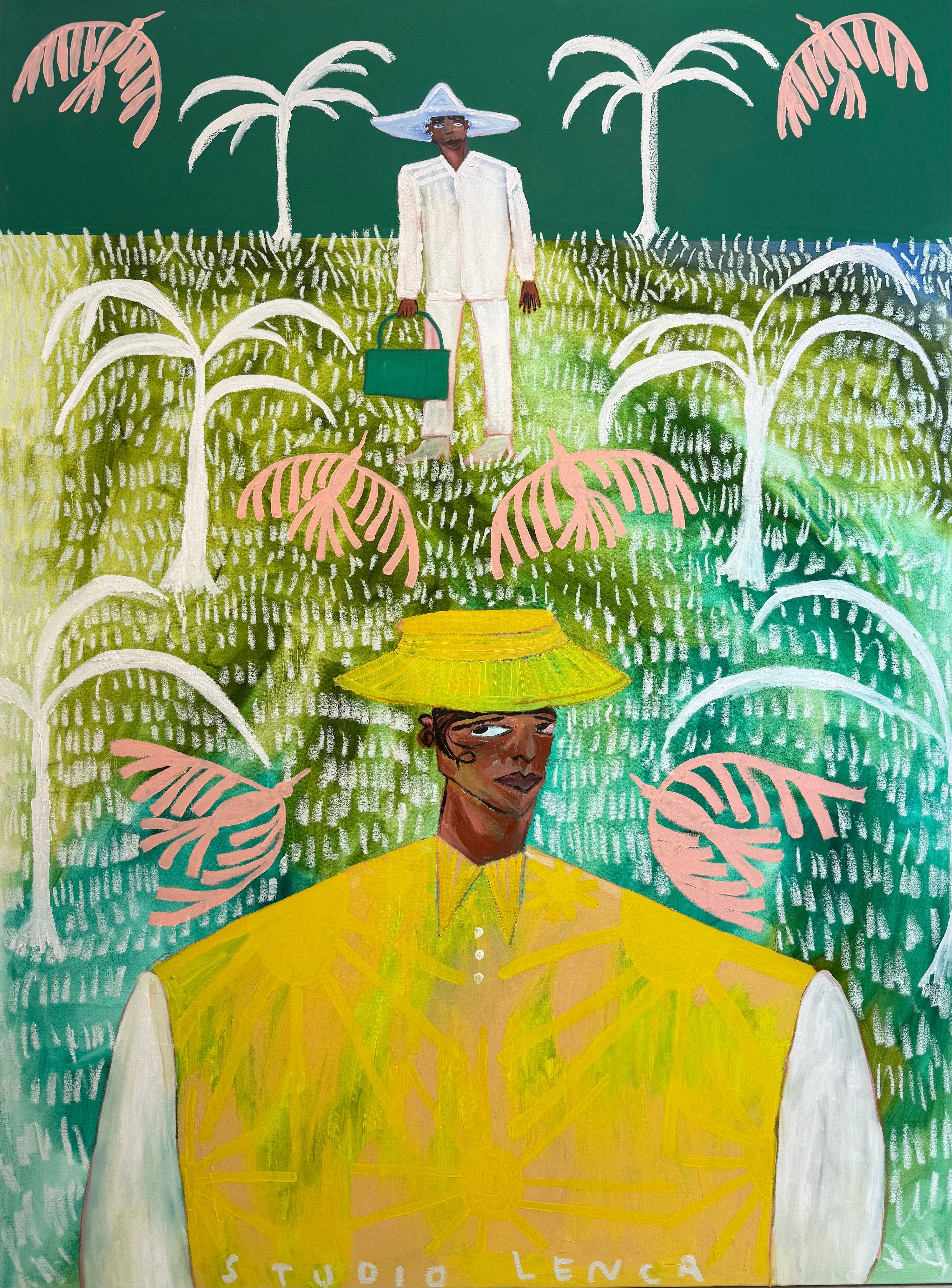
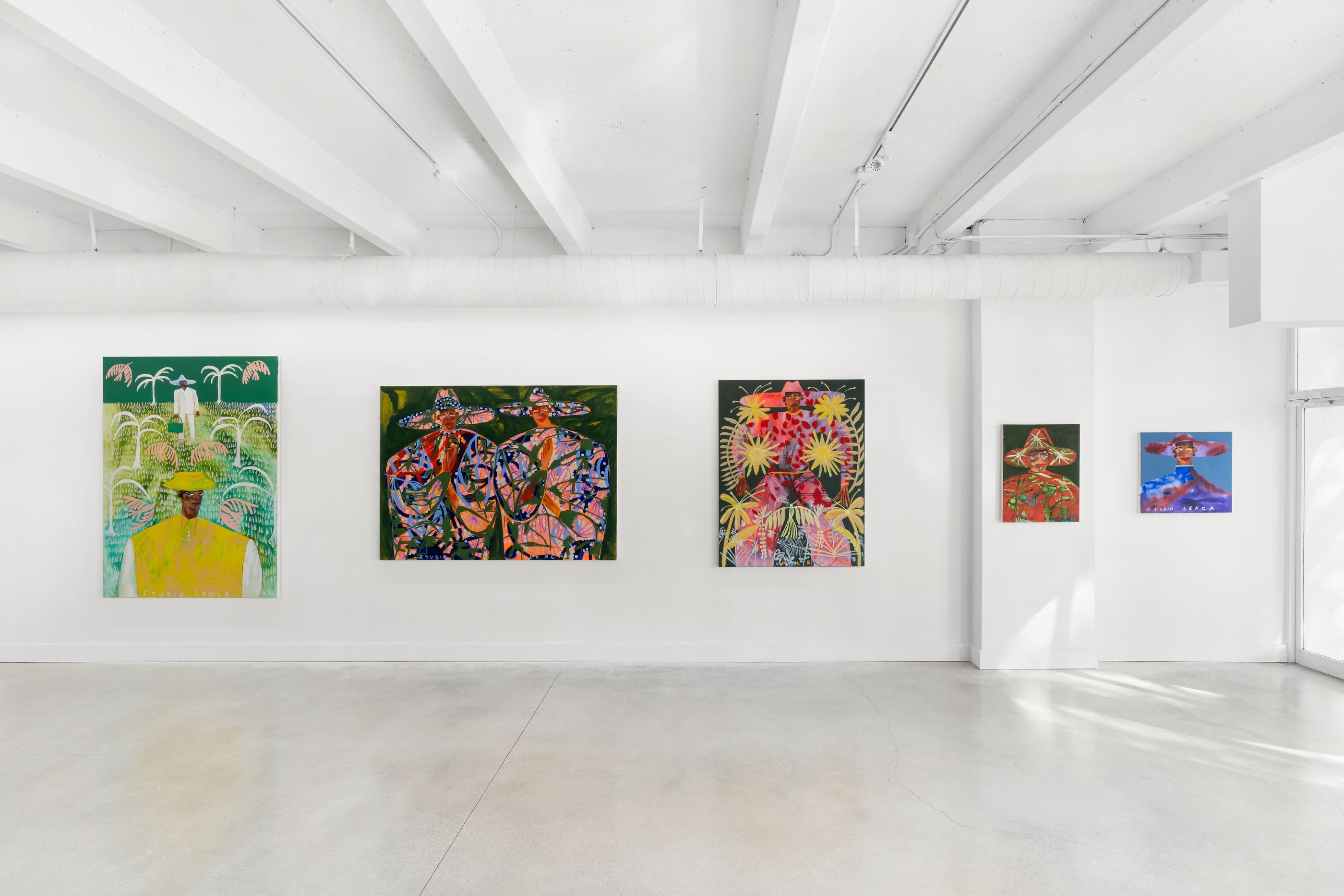
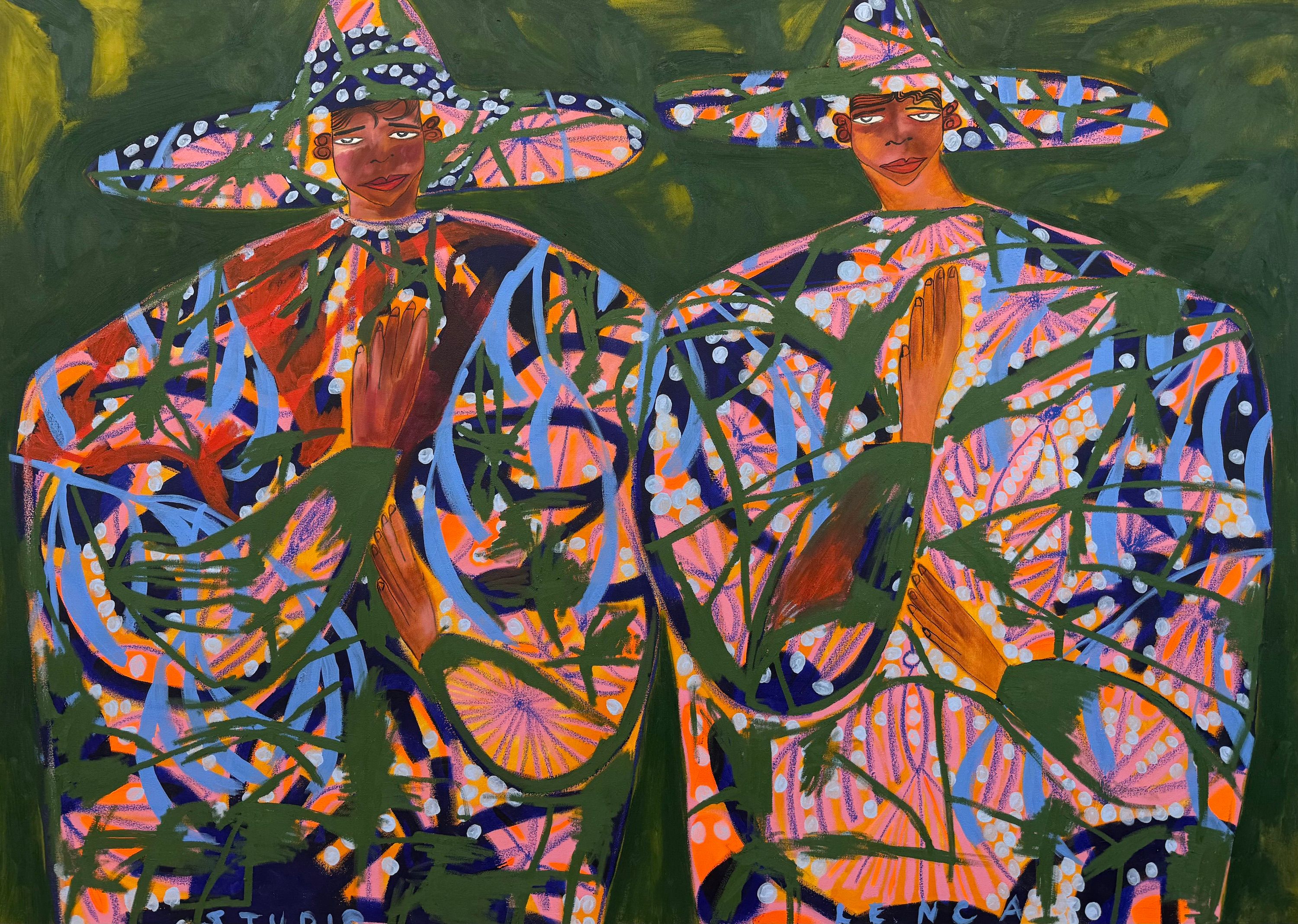
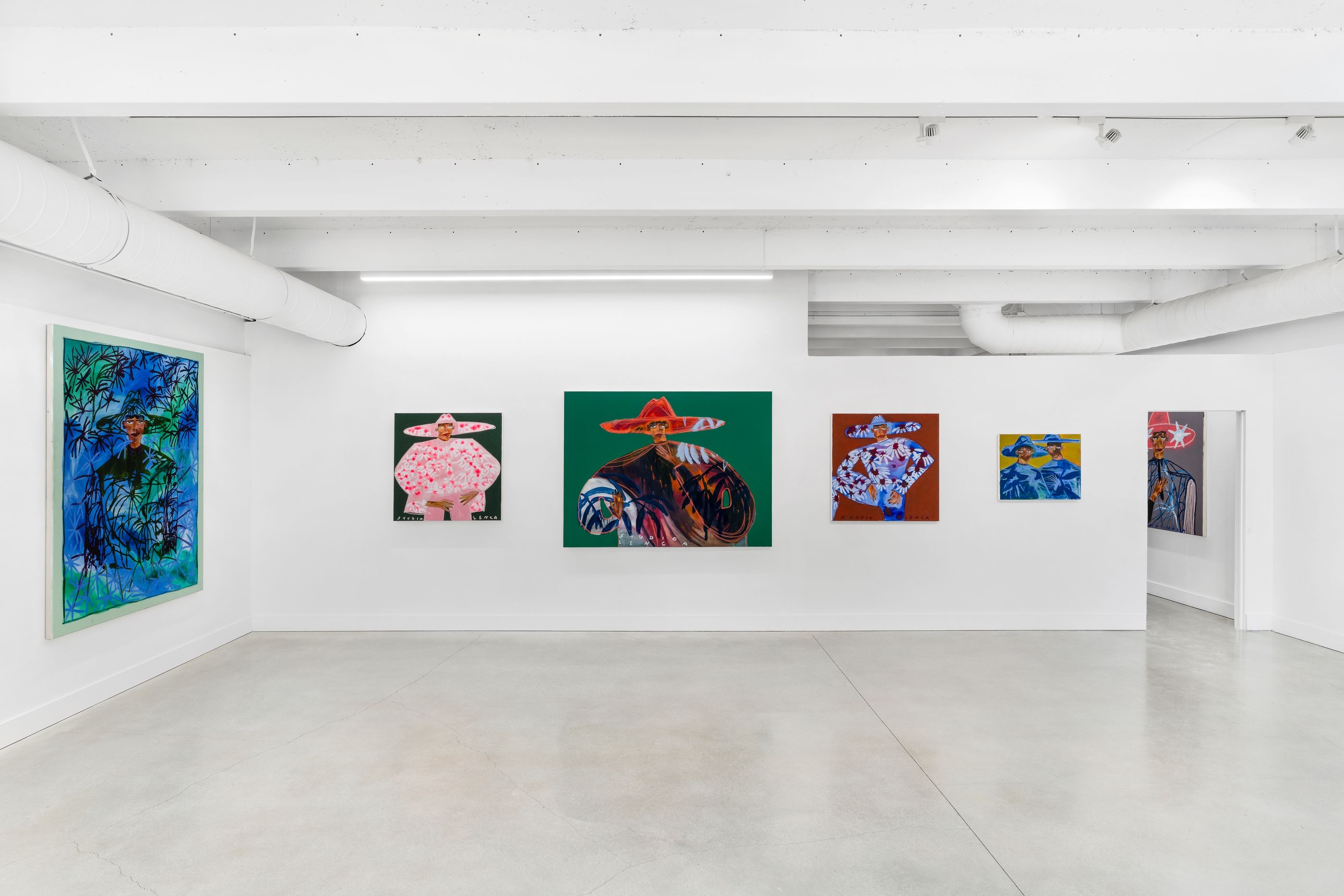
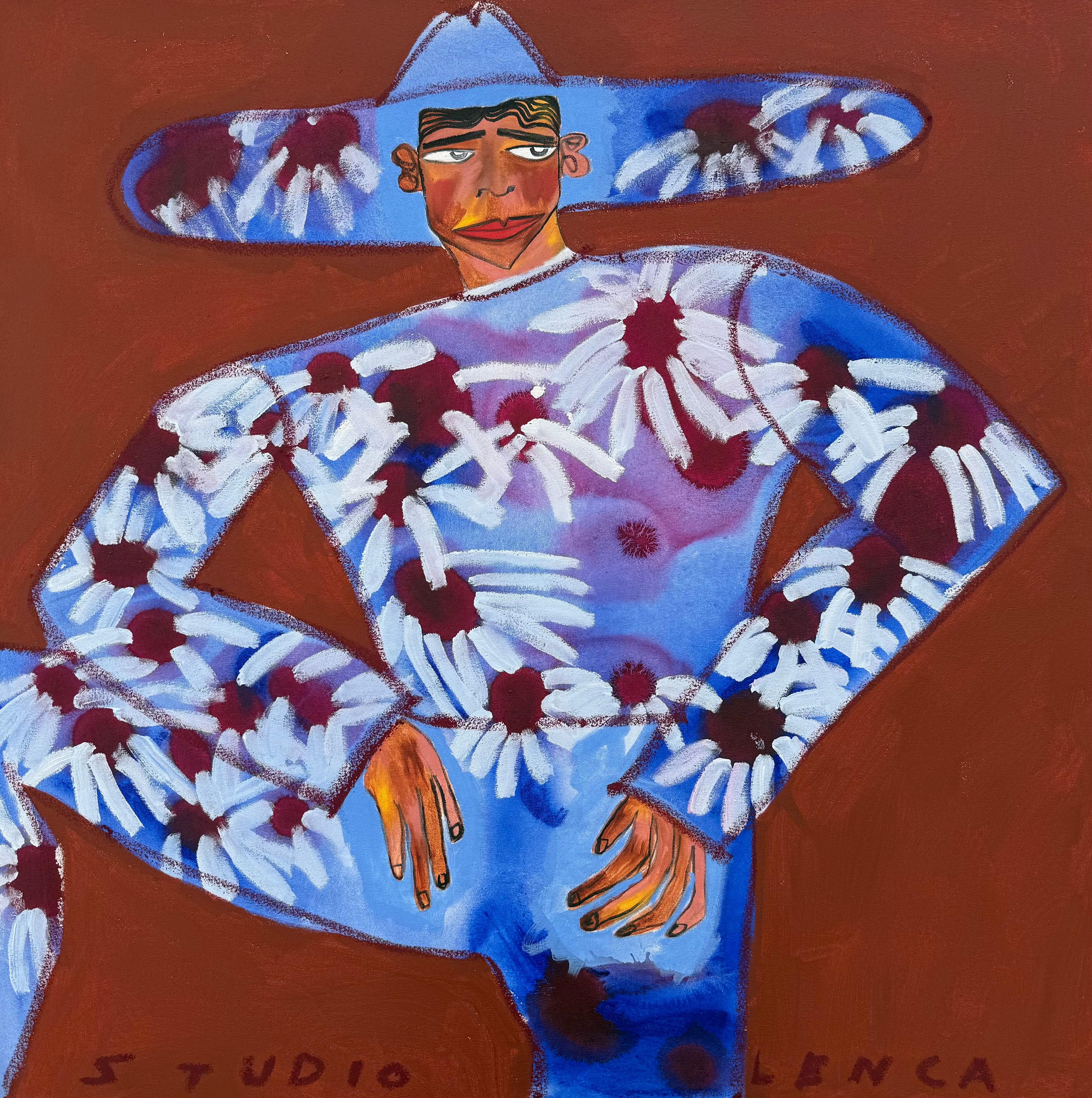
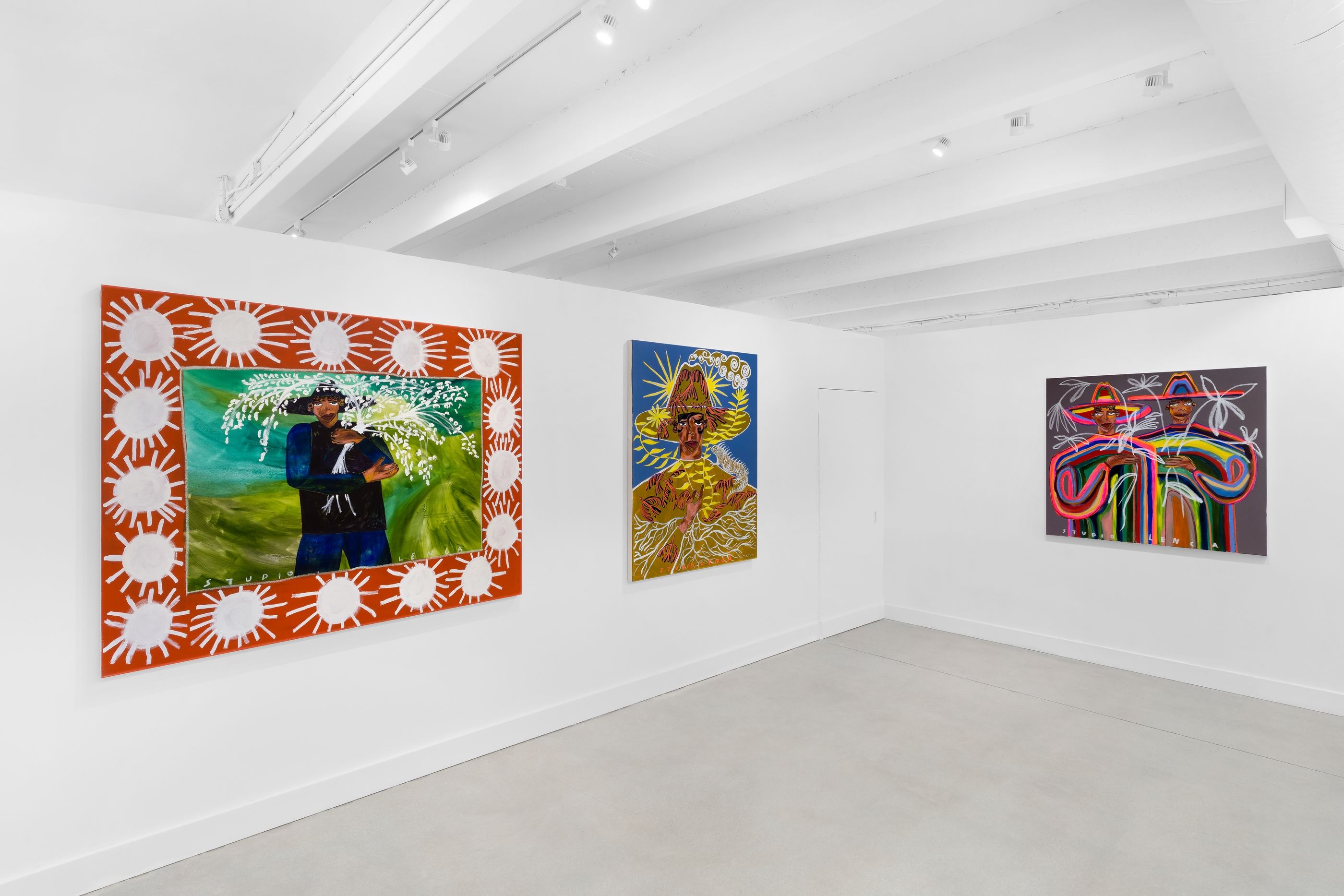

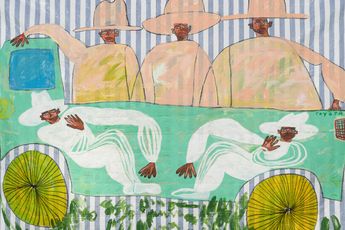
Studio Lenca, Landscapes (1 December 2025–31 January 2026) at David Castillo
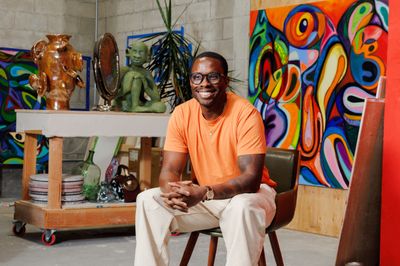
To describe a painting style as ‘naive’ carries a whiff of the patronising, not least as it is a term typically reserved by Western viewers for works that exist outside of their recognised modes of production, often by artists from the Global South. Yet when it comes to the colourful compositions of Studio Lenca (the working name of El Salvador-born artist José Campos), painted in acrylic and oil on canvas from his studio in Margate, it is precisely these uneasy assumptions that the artist grapples with. His recurring depictions of the historiantes—dancers who have for hundreds of years re-enacted the colonial history of El Salvador—directly meet the gaze of the viewer from beneath their wide-brimmed hats as they leap and run through dense landscapes of trees and flowers. Ever on the move, their journey echoes that of the artist himself, who as a child lived undocumented in the U.S. after fleeing El Salvador’s civil war. At once stern and smiling, roughly drawn and richly detailed, his protagonists resist easy categorisation. The story is theirs to tell. – Louise Benson
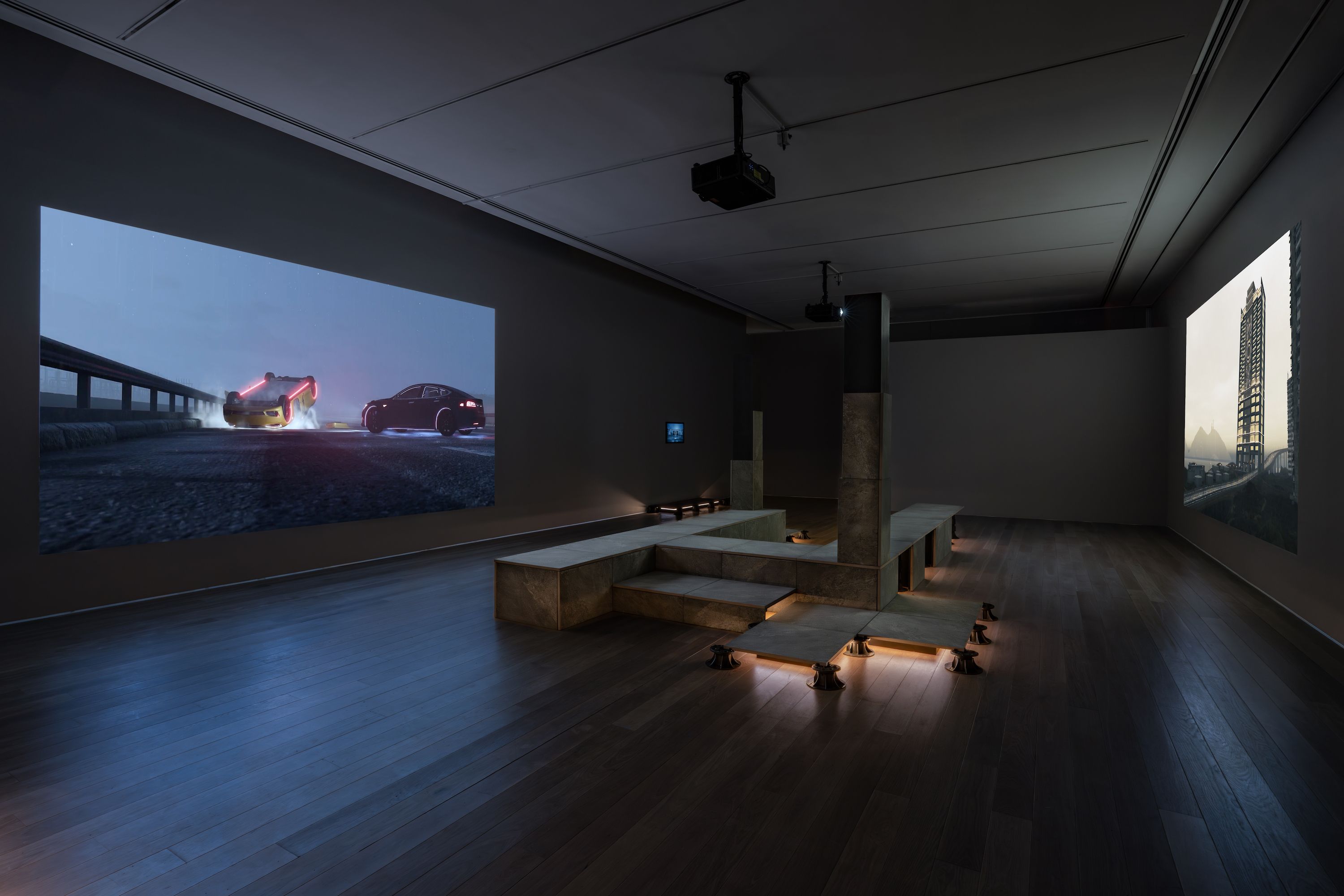
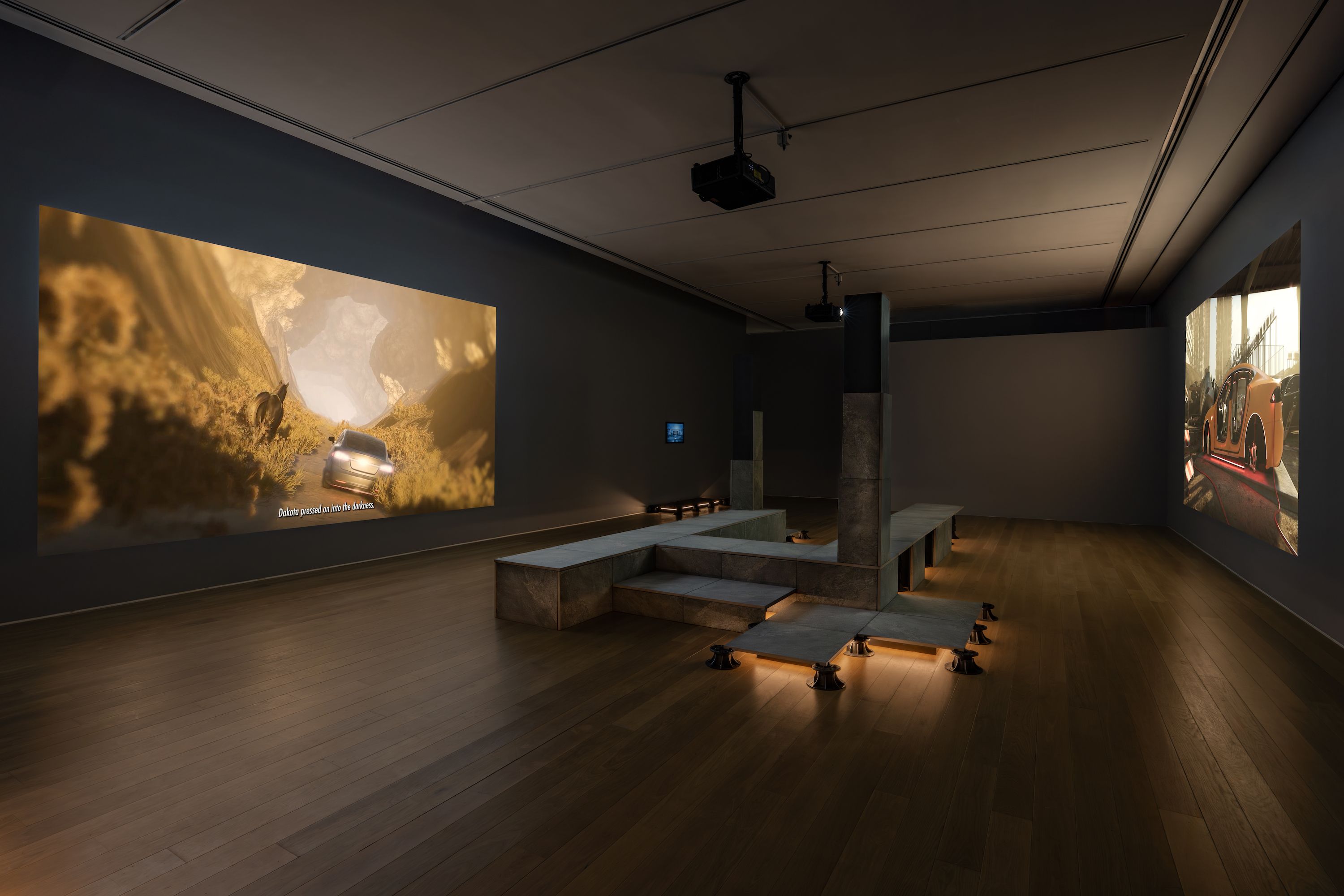
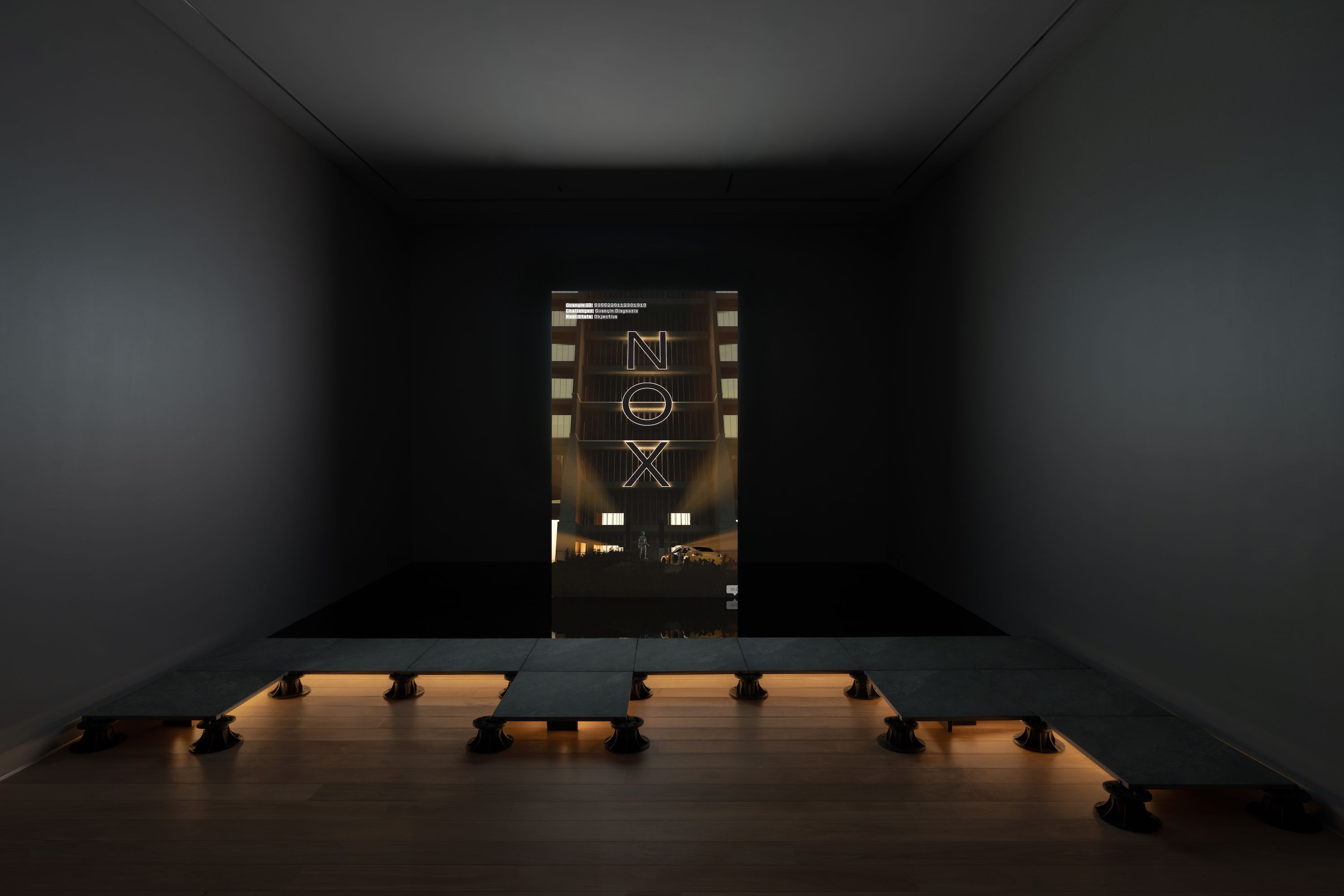

Lawrence Lek, Nox Pavilion (19 November 2025–26 April 2026) at The Bass
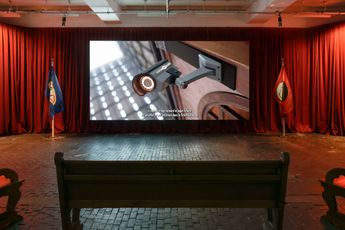
Two years ago, Lawrence Lek began developing a fictional universe centred around NOX (Nonhuman Excellence), a treatment facility for sentient self-driving cars operated by tech giant Farsight Corporation. These car-clients undergo therapy for issues stemming from their sentience and fallibility, and while they are presented as patients at NOX, their treatment prioritises restoring their ability to perform at work over their wellbeing. I first saw Lek’s work in London at his solo show Life Before Automation (on view until 14 December) at Goldsmiths CCA, where the university gallery’s building, a former Victorian bathhouse, serves as an unusual backdrop for navigating (much like in an open-world game) the some dozen digital works and installations integrating computer-generated films, video games, sculpture, and sound—modes used by the artist to probe technologies like AI that are increasingly shaping everyday life. While The Bass is a venue of the more traditional, white-cube variety, Lek’s cast of nonhuman characters here continue to question with uncomfortable precision the mechanics of power that underscore contemporary life, with new and existing works. Concurrently on view at The Bass are exhibitions by Isaac Julien and Jack Pierson. – Misong Kim
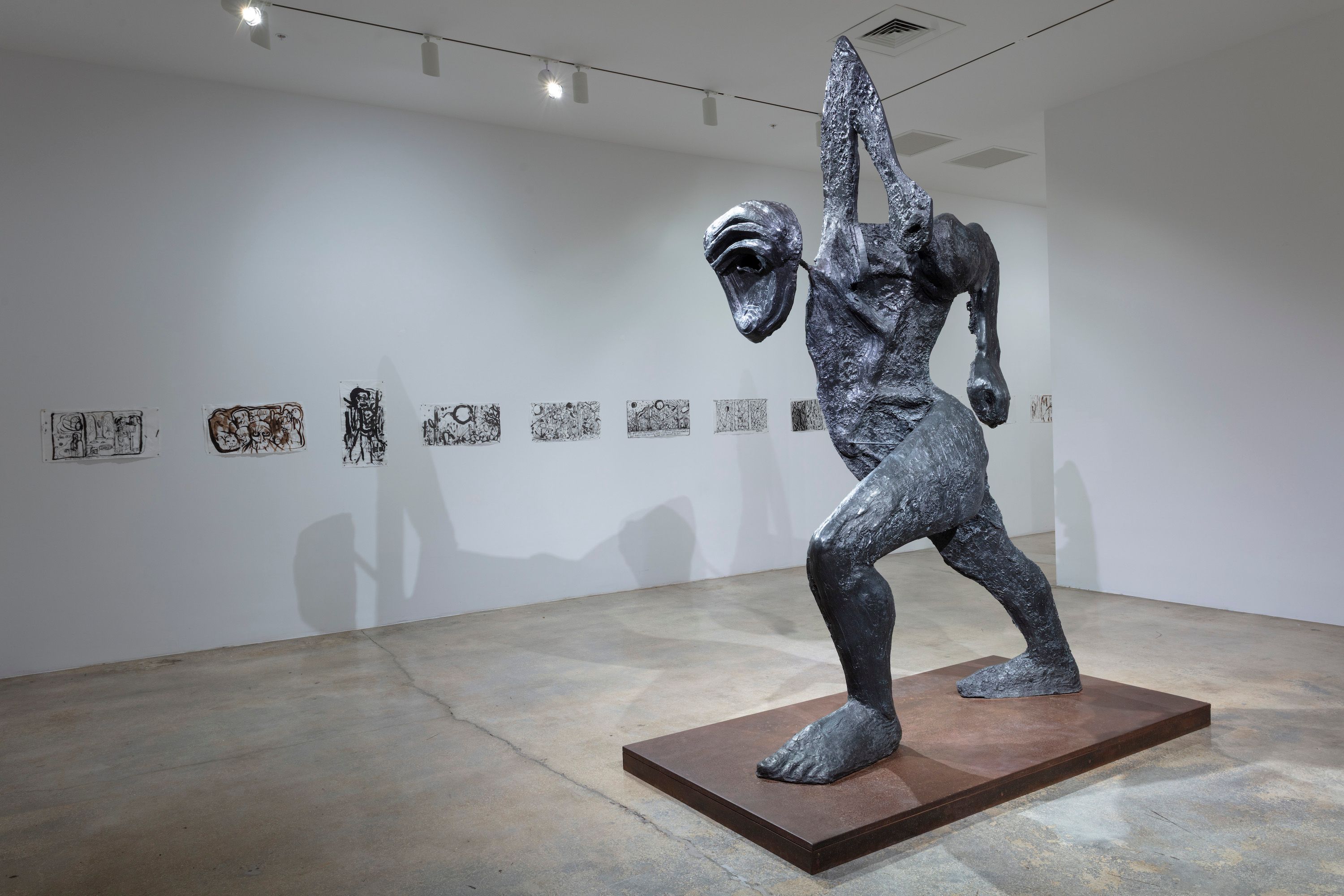


Thomas Houseago, First Light (1 December 2025–27 September 2026) at the Rubell Museum
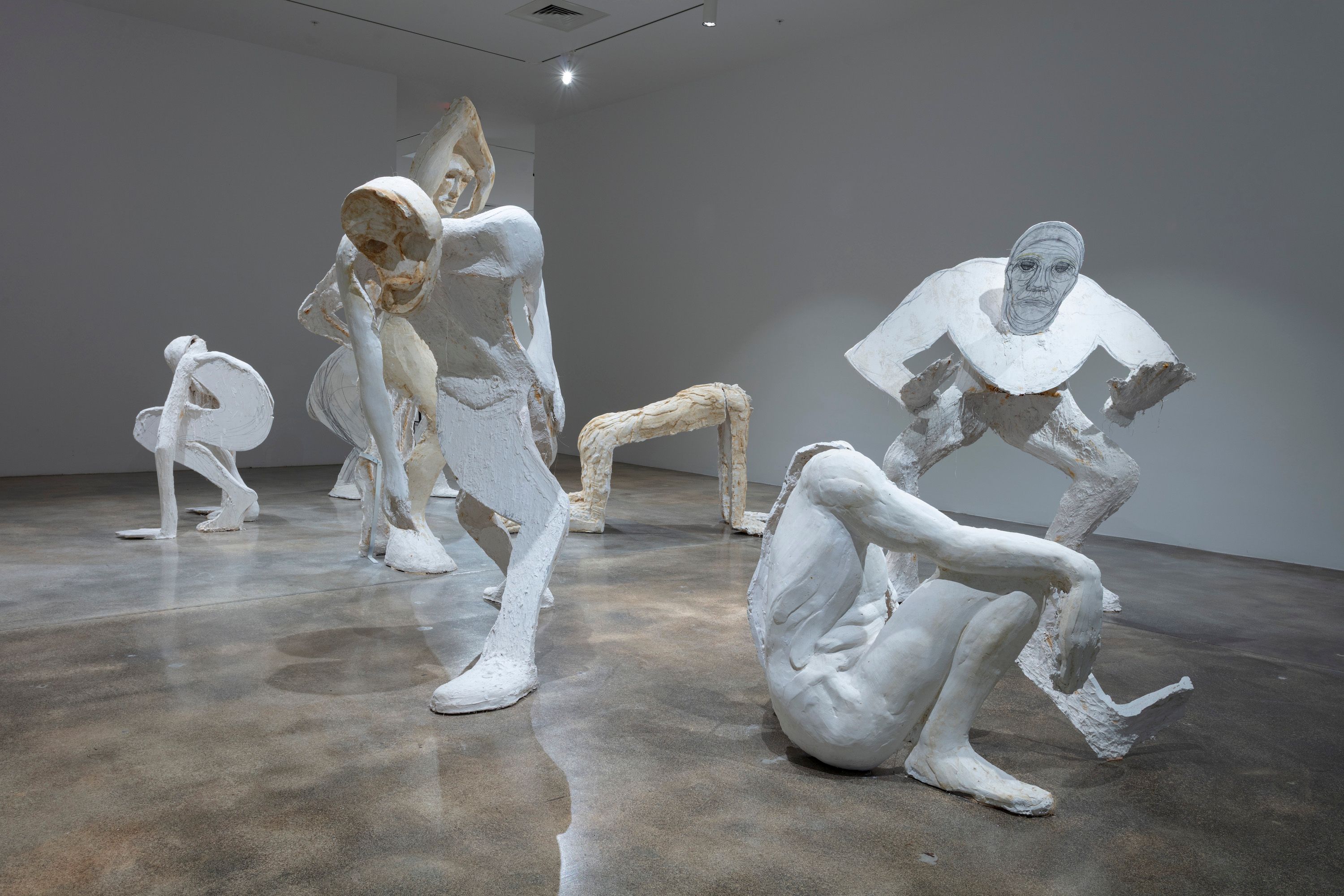
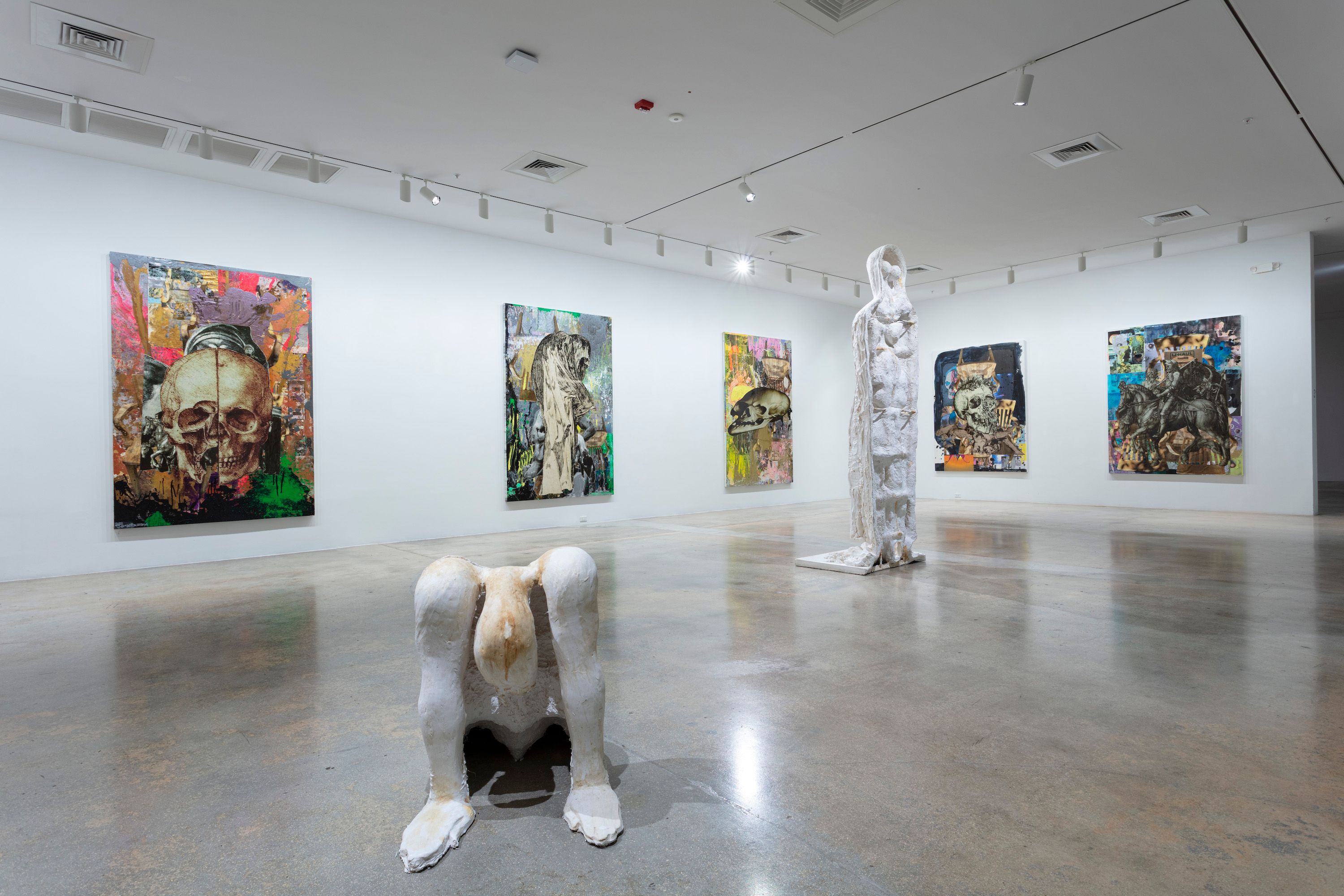
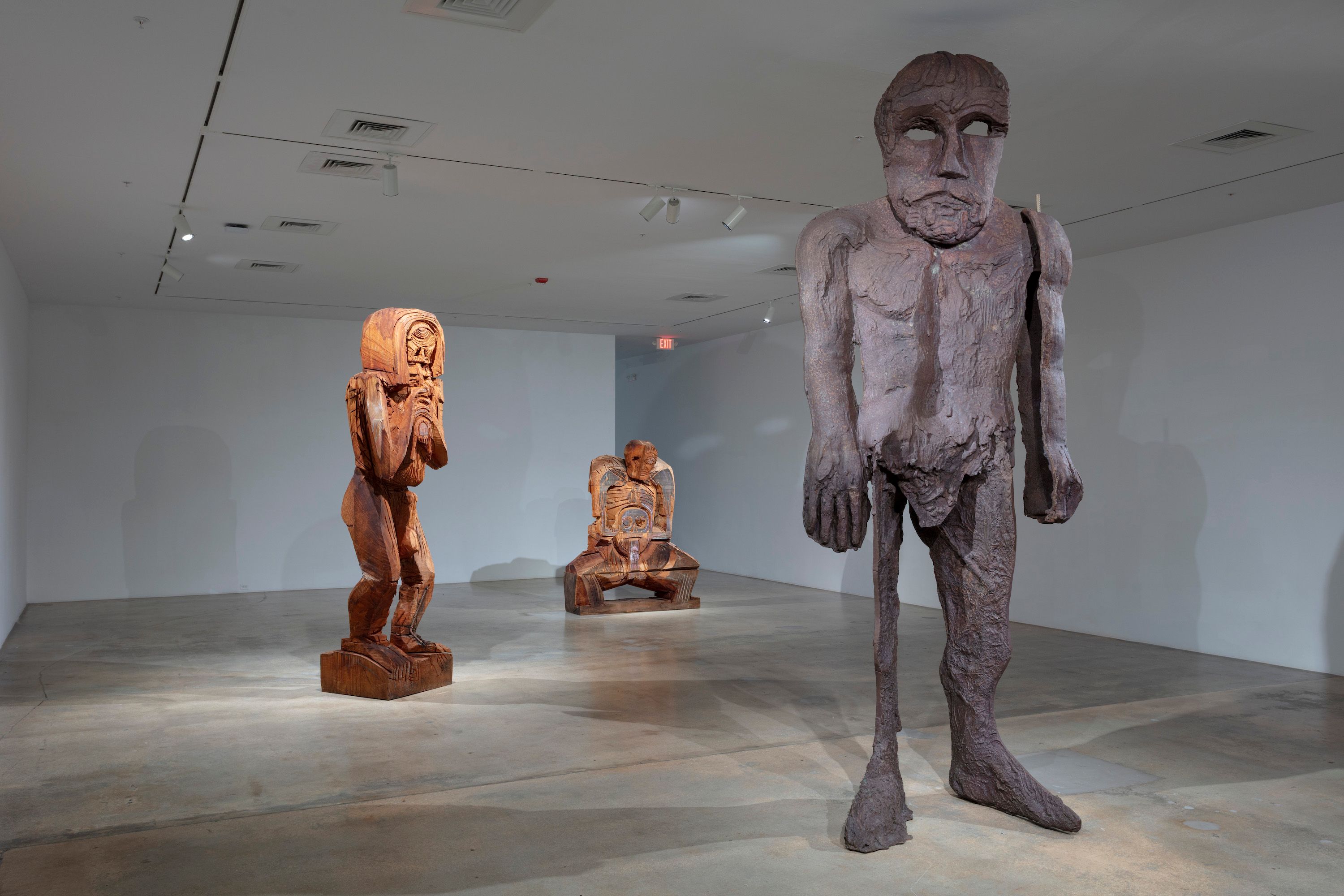
While Thomas Houseago is often referred to as a Los Angeles artist, he was actually born in Leeds and educated at Central Saint Martins. He has described his subsequent move to L.A. in 2003 as an ‘act of desperation’, and credits the Rubell family for giving him his big break, in 2006. ‘We got word that the Rubells wanted to do a studio visit. . . I got a friend to loan me a studio. It had no electricity, so I set up in the dark. The sun came up just in time for their visit.’ The Rubells were nonetheless impressed, and bought eight sculptures. Nineteen years later, those eight sculptures—chalky white figures kneeling and crouching, looking like a child’s drawing of the boogeyman come to life—will sit alongside large-scale, collaged paintings made this year by Houseago, creating a full-circle moment and marking the first-ever single-artist survey exhibition at the museum. Also on view at the museum is Solo Presentations, featuring Lorenzo Amos, Joseph Geagan, Rita Letendre, Yu Nishimura, and Ser Serpas. – Aimee Walleston

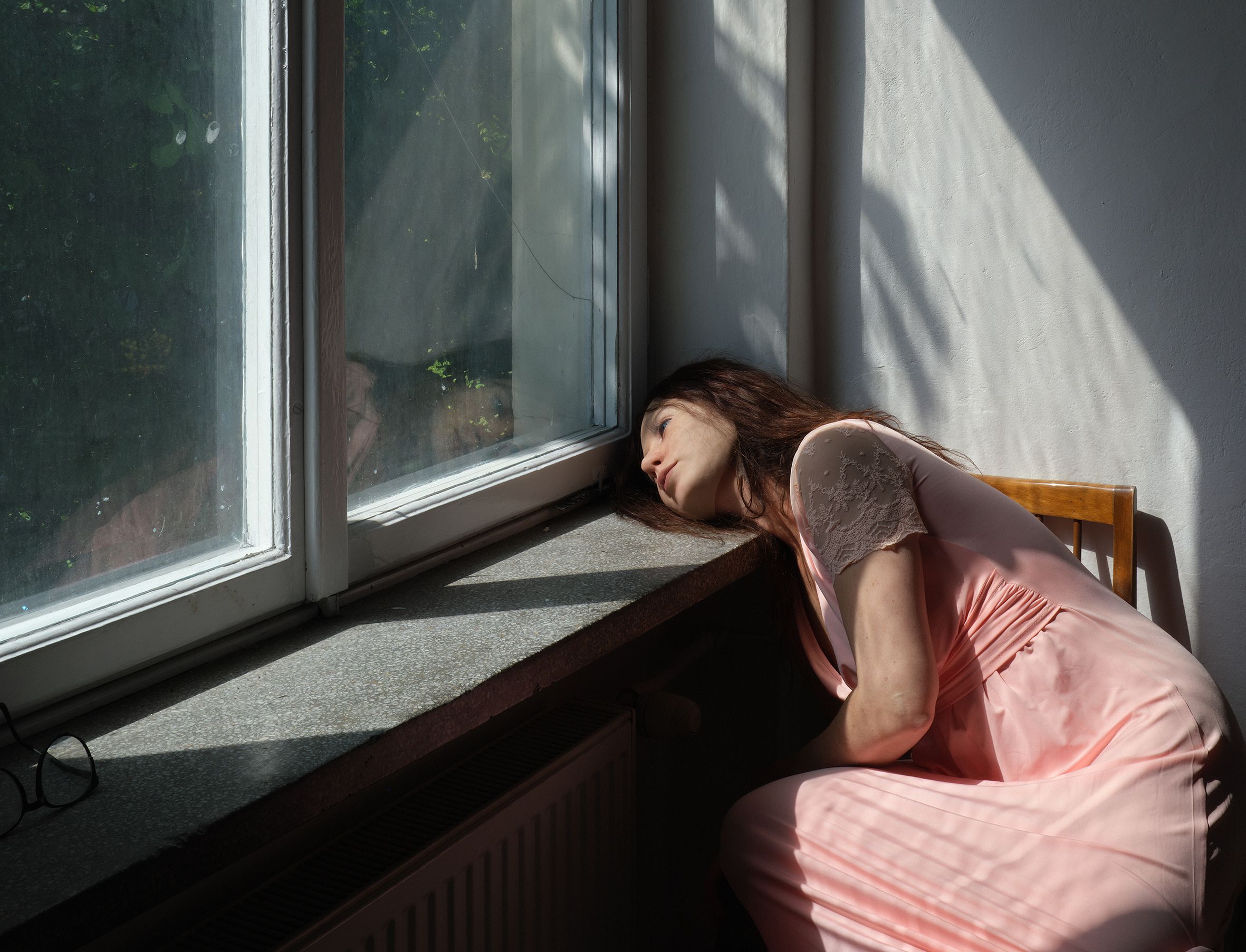
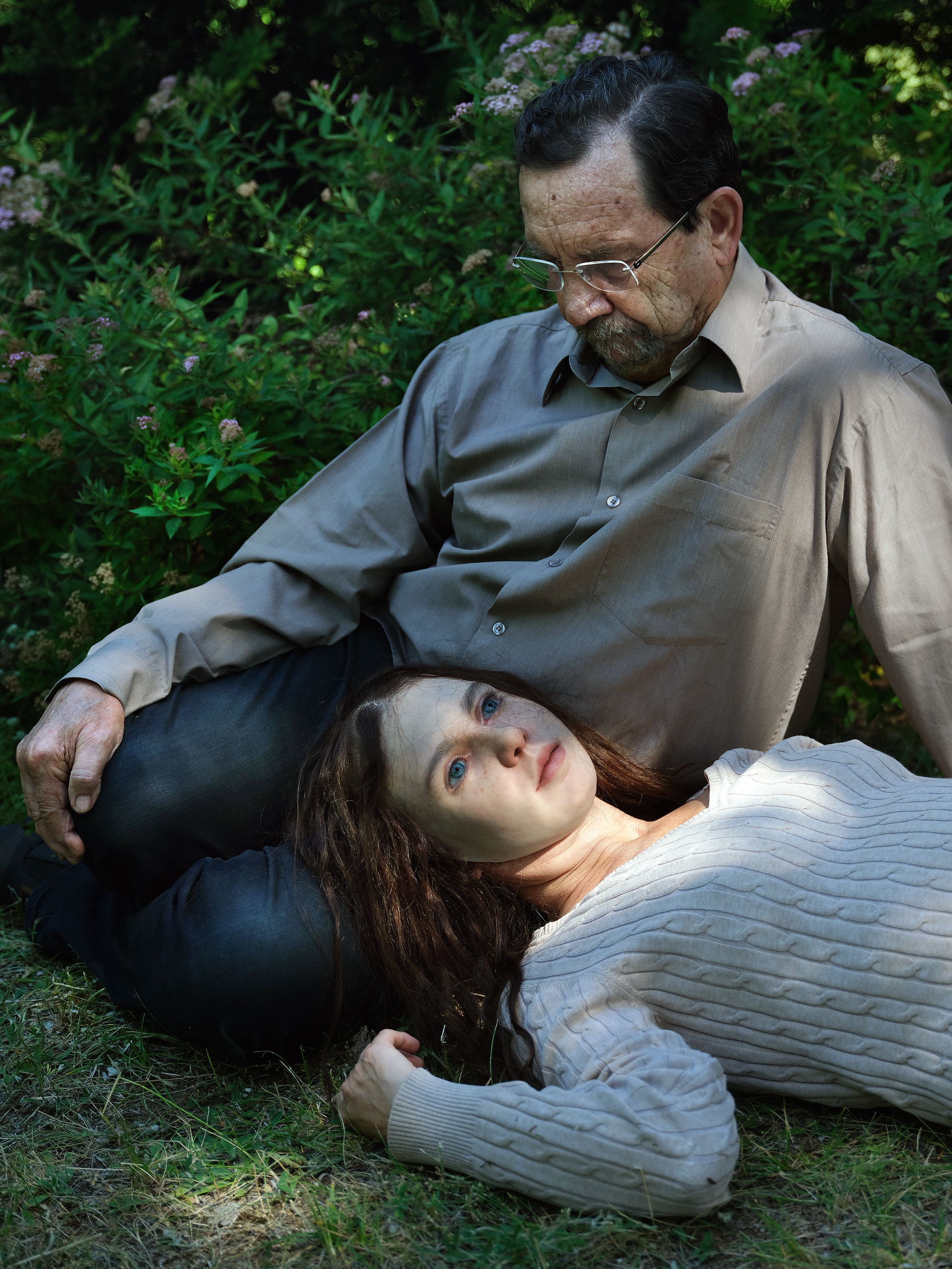
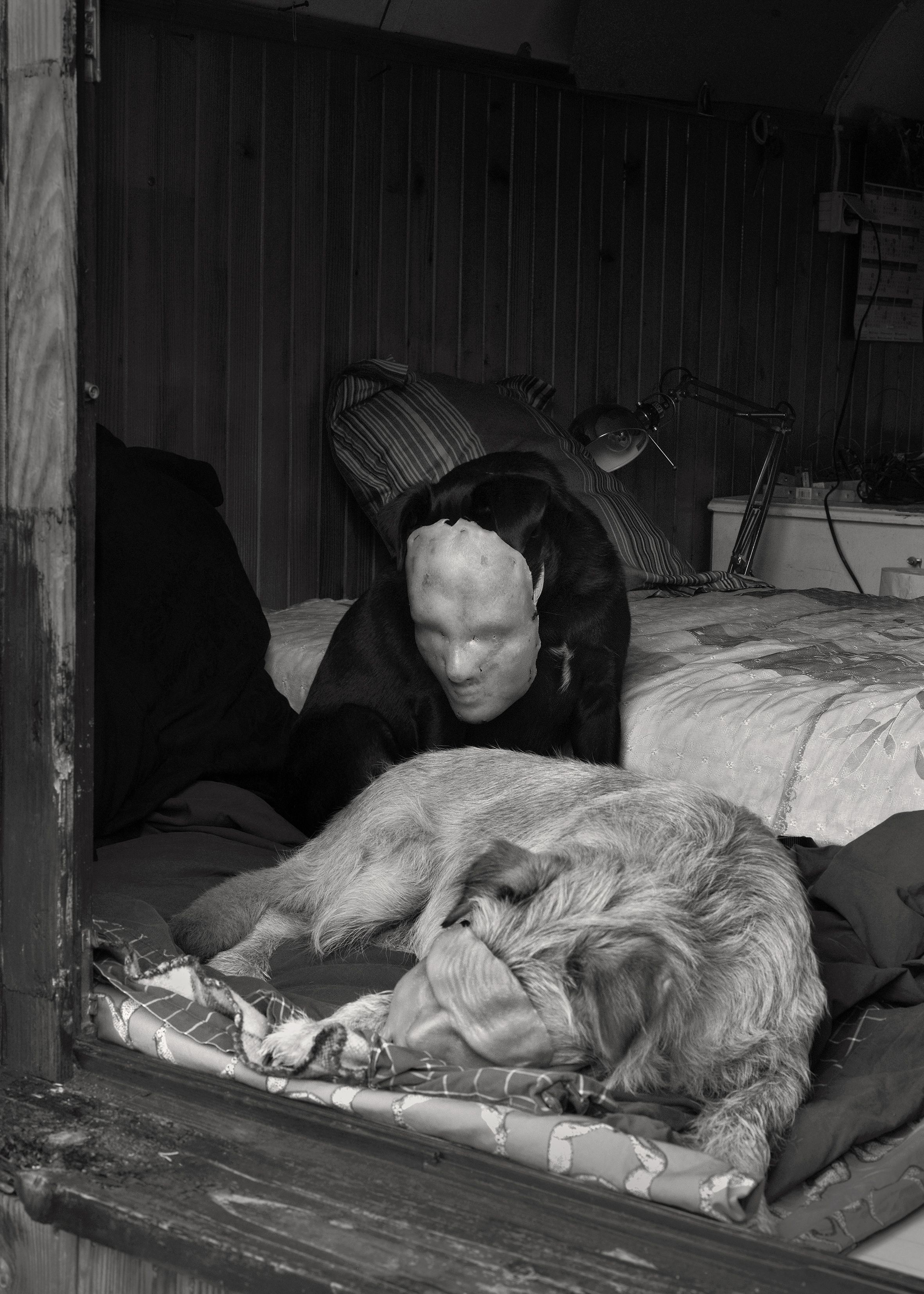

Aneta Grzeszykowska, DISORDER (30 November 2025–10 January 2026) at Voloshyn Gallery
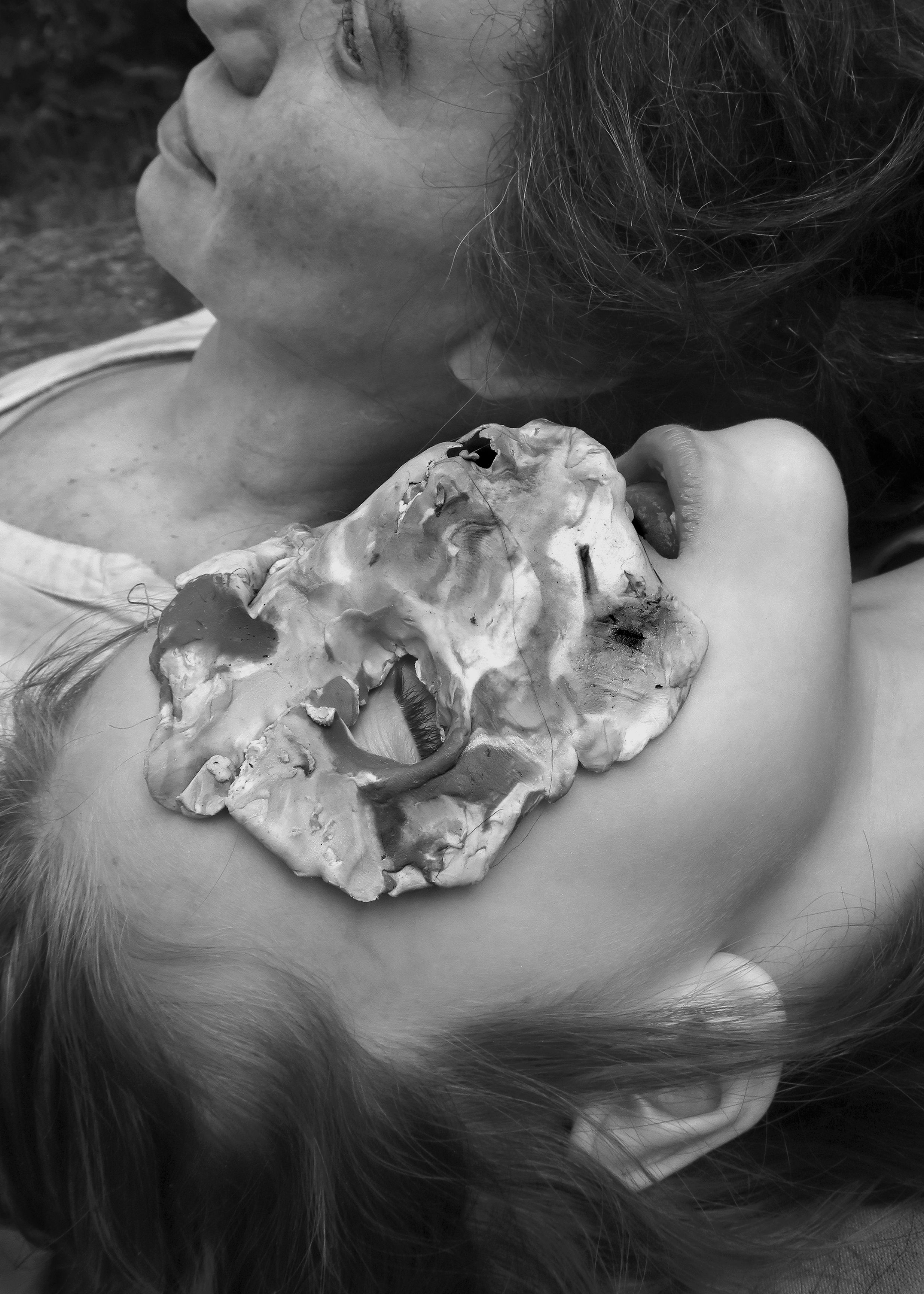
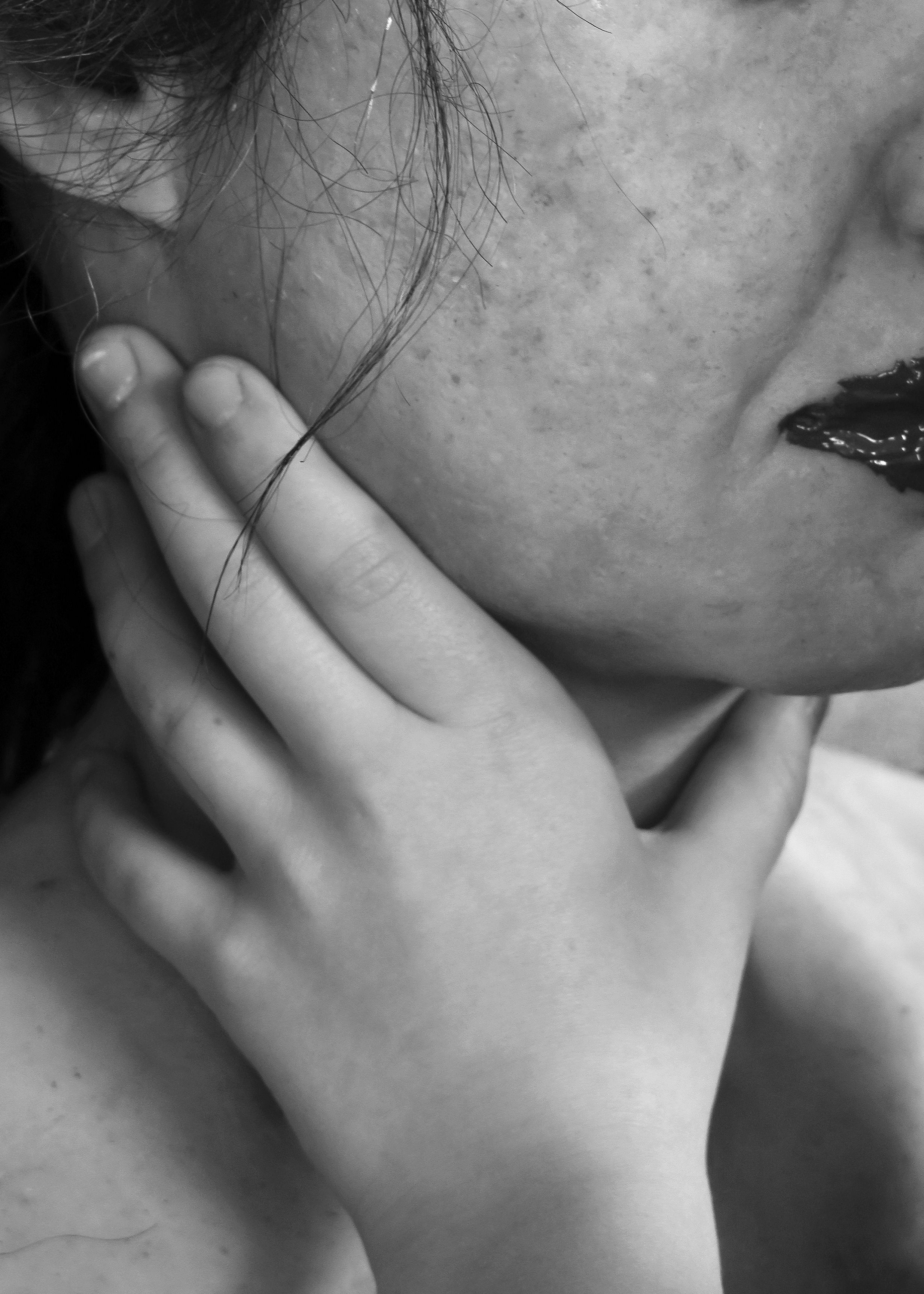
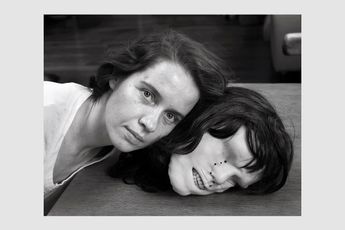
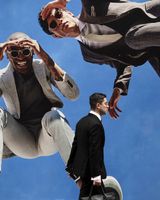
What would you do if you came face to face with your teenage self? This is the surreal circumstance conjured by Aneta Grzeszykowska in DISORDER, the Polish photographer’s latest exhibition at Voloshyn Gallery. In a series of staged domestic scenes, Grzeszykowska introduces a hyperrealistic mask based on her own face at the age of fourteen (reconstructed from family photographs) and situates this eerie summons of a past self alongside her own present-day teenage daughter. In Daughter # 03 (2025), the youthful faces of two adolescent girls gaze casually down at the screen of a phone. Look closer, and one is revealed to be the artist herself wearing the impassive mask, nestled alongside her daughter as if they were peers. The masked figure becomes a strange interlocutor who momentarily transcends a generational divide that is otherwise fixed. Grzeszykowska has long had a fascination with the uncanny nature of prosthetics, as well as their theatrical ability to enable us to step outside of ourselves—even just for the time it takes for the shutter to click. – Louise Benson
Woody De Othello, coming forth by day (13 November 2025–28 June 2026) at Pérez Art Museum Miami
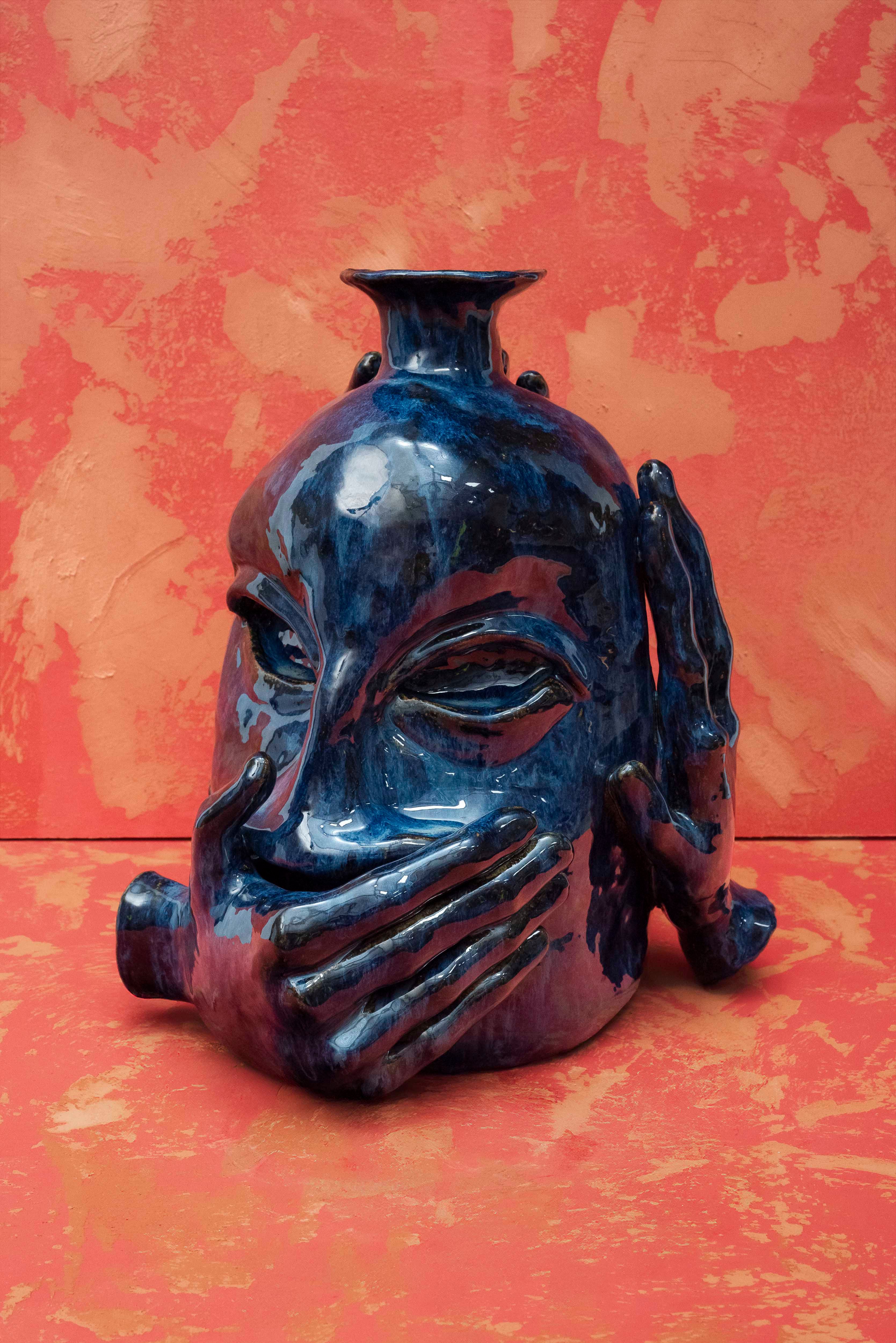
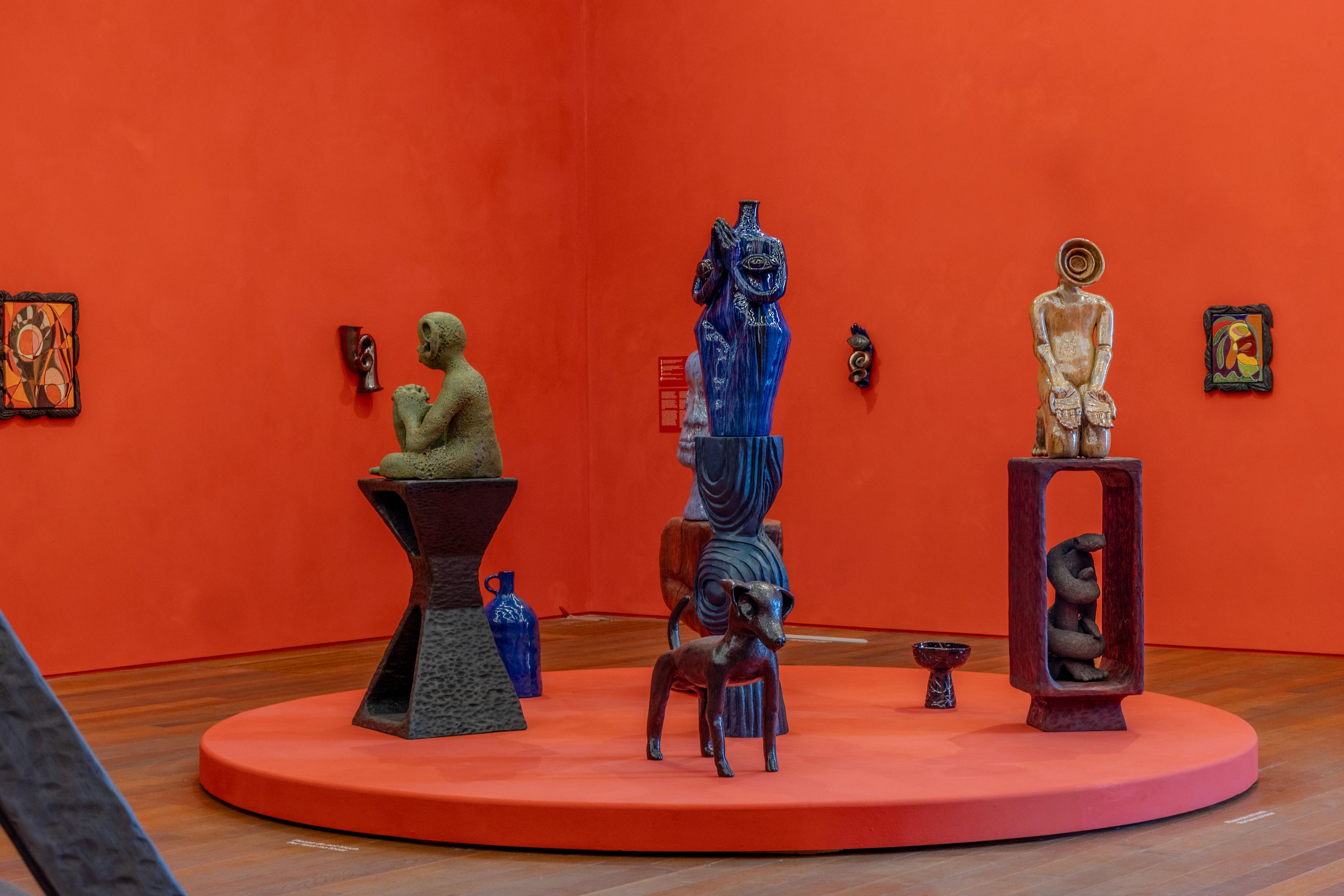
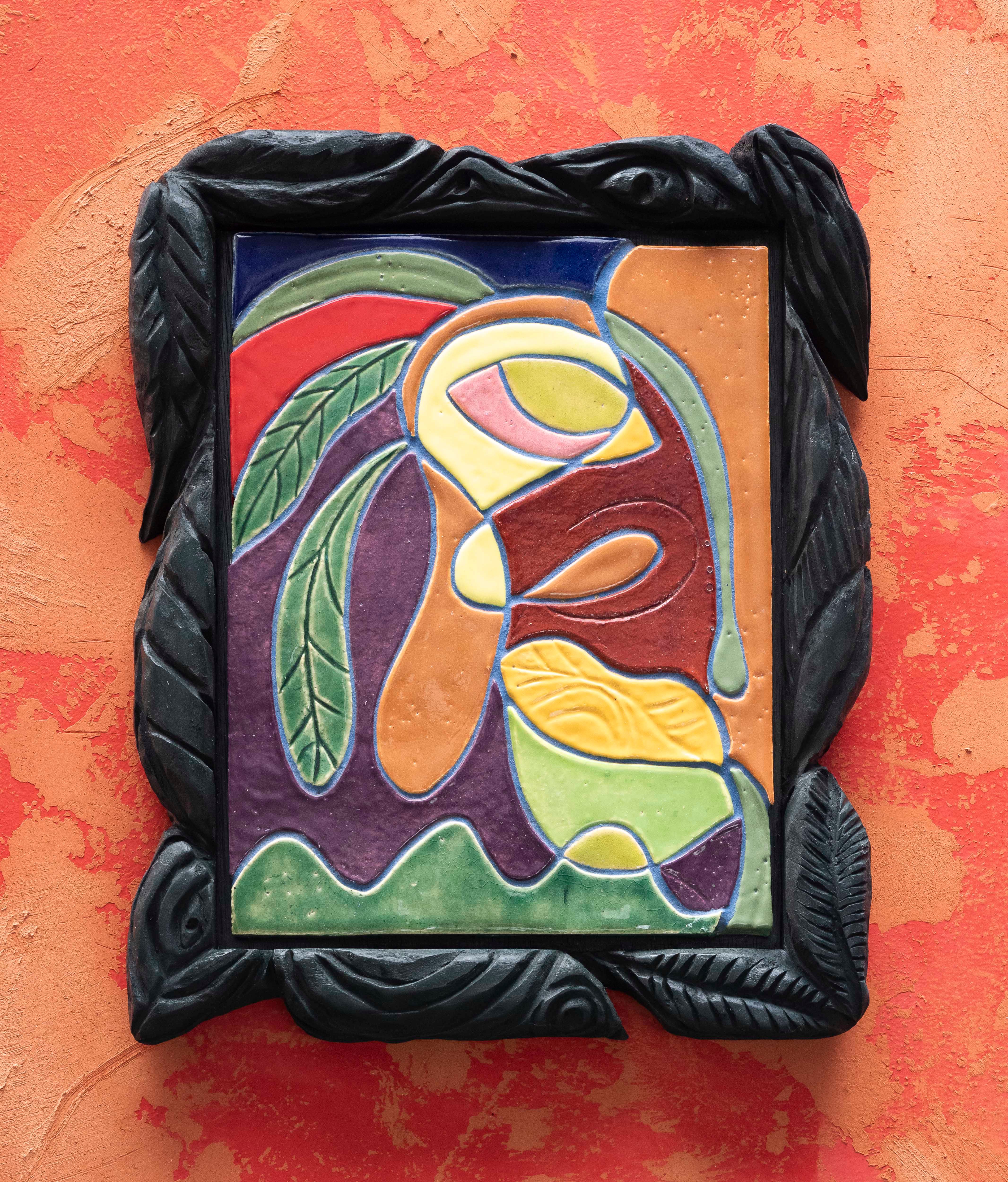
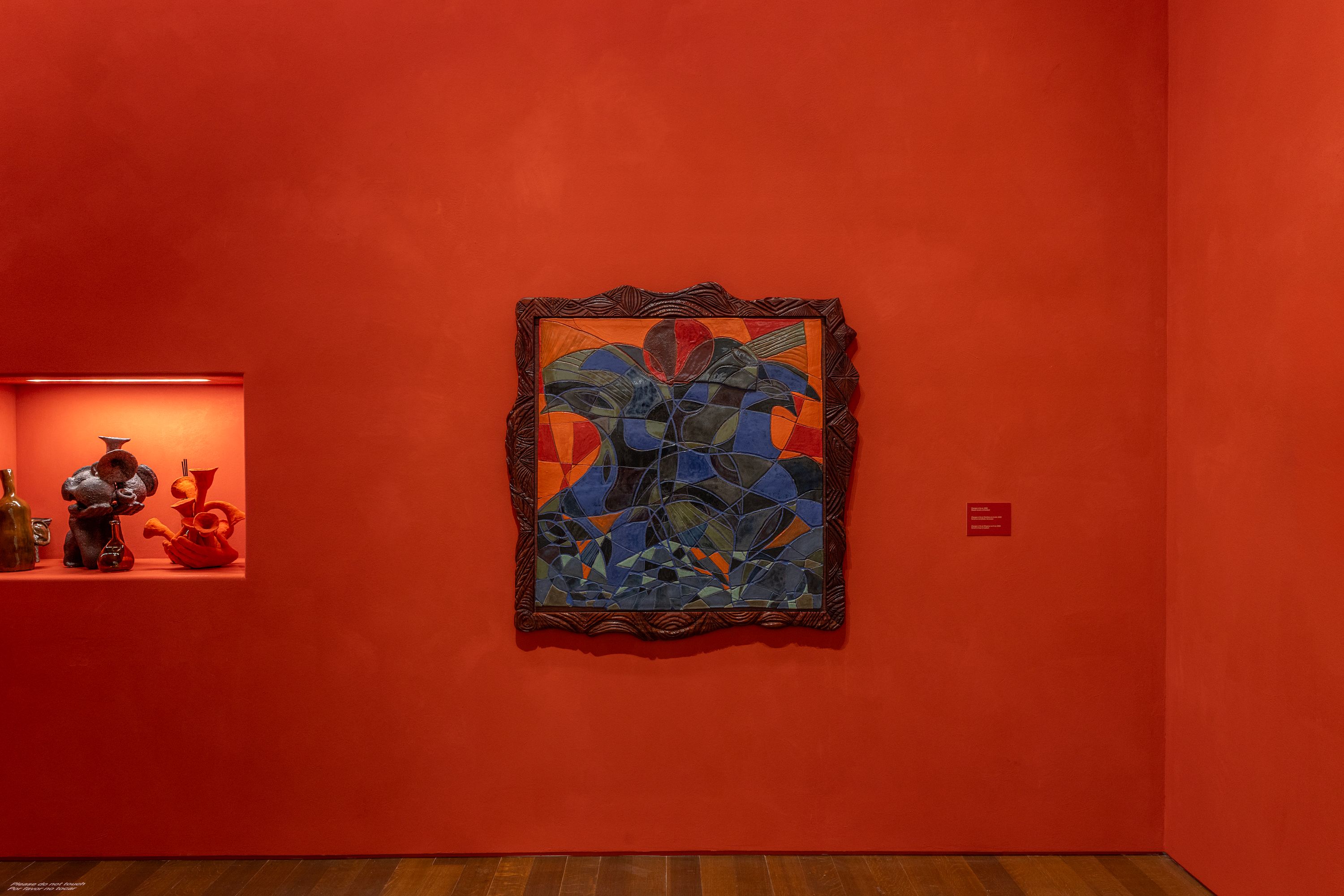
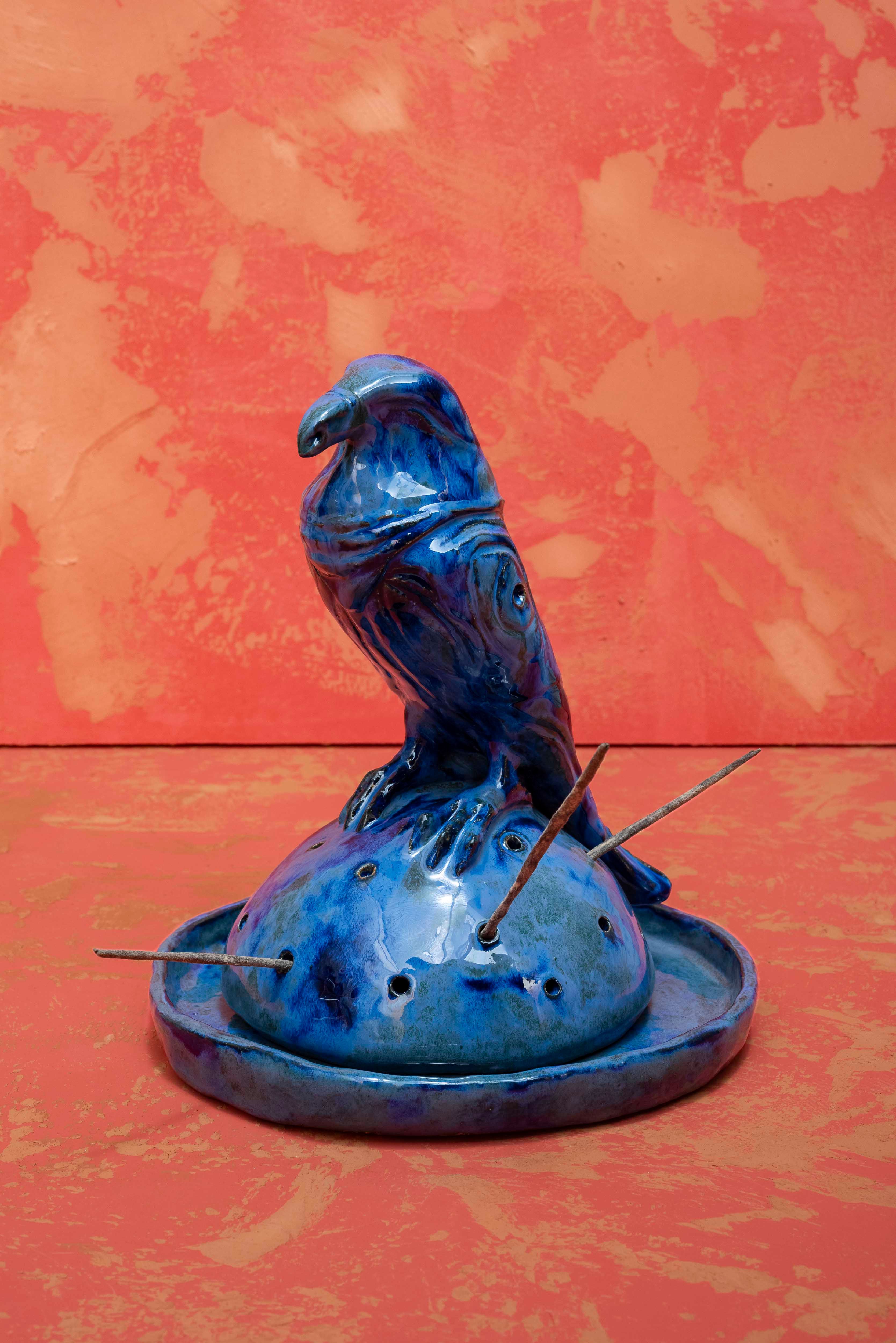
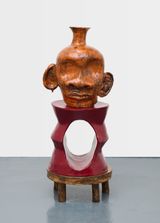
The Miami-born, San Francisco-based artist Woody De Othello returns to his old stomping ground with his first solo museum show in the city, titled after Muata Ashby’s Egyptian Book of the Dead: The Book of Coming Forth by Day (2000), a modern analysis of the titular ancient text. In dramatic, red-walled rooms (not paint, but clay), Othello presents a new series of sculptures in ceramic, wood, and bronze that explore the primordial relationship between the body, earth, life, and spirit. But it’s not limited to the visual: the artist has added olfactory intrigue, collaborating with Miami herbologist Martin A. Tsang on a custom vetiver scent that lingers in the space, while an ambient soundscape by Oakland-based musician Cheflee, developed in response to the palette of Othello’s works, forms a sonic backdrop. That holistic, multisensory experience, for Othello, is ‘about bringing awareness to being inside your own body. . . The objects are about ascension, about cultivating wisdom, and learning how to hold the heaviness of life.’ – Misong Kim
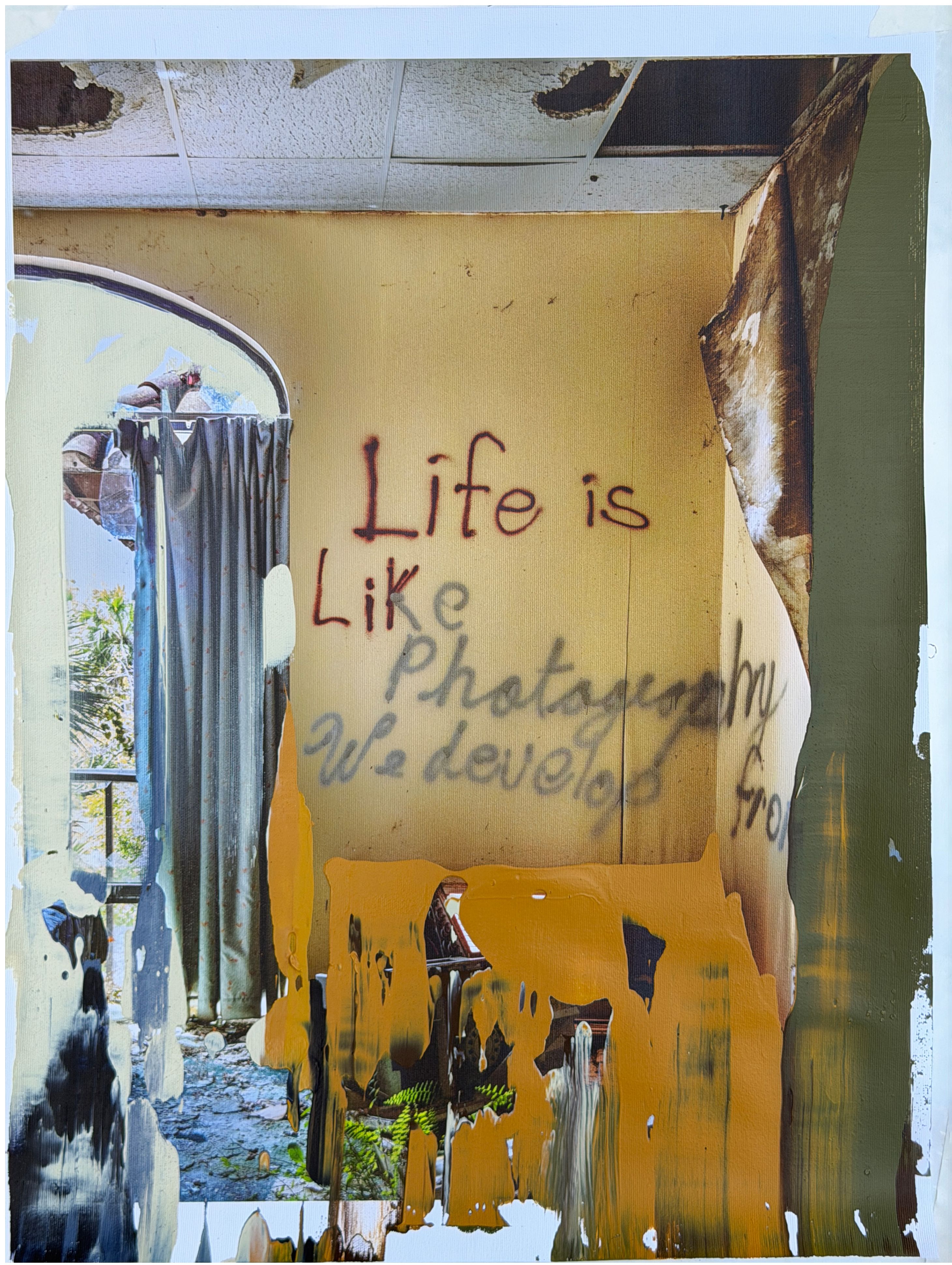
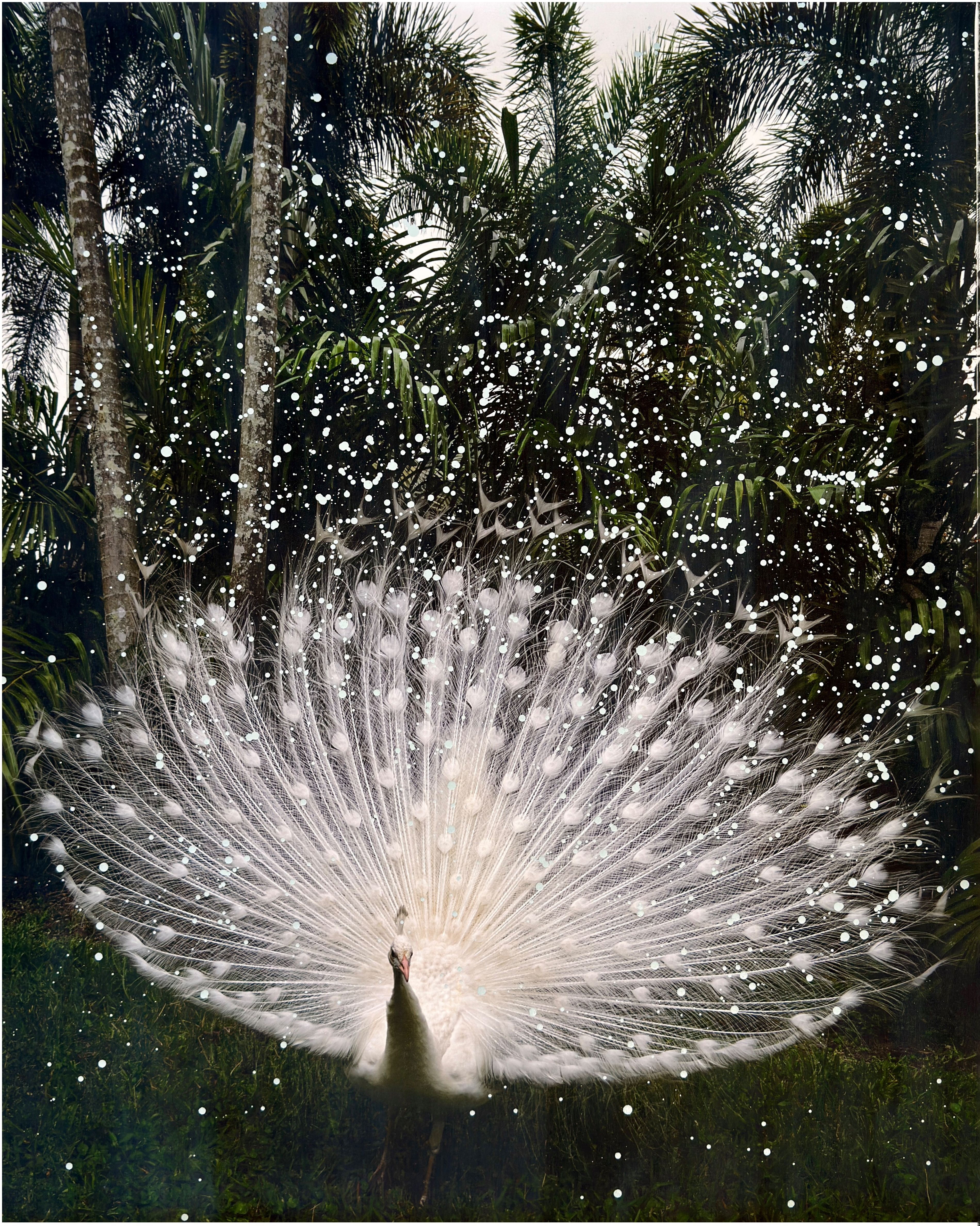
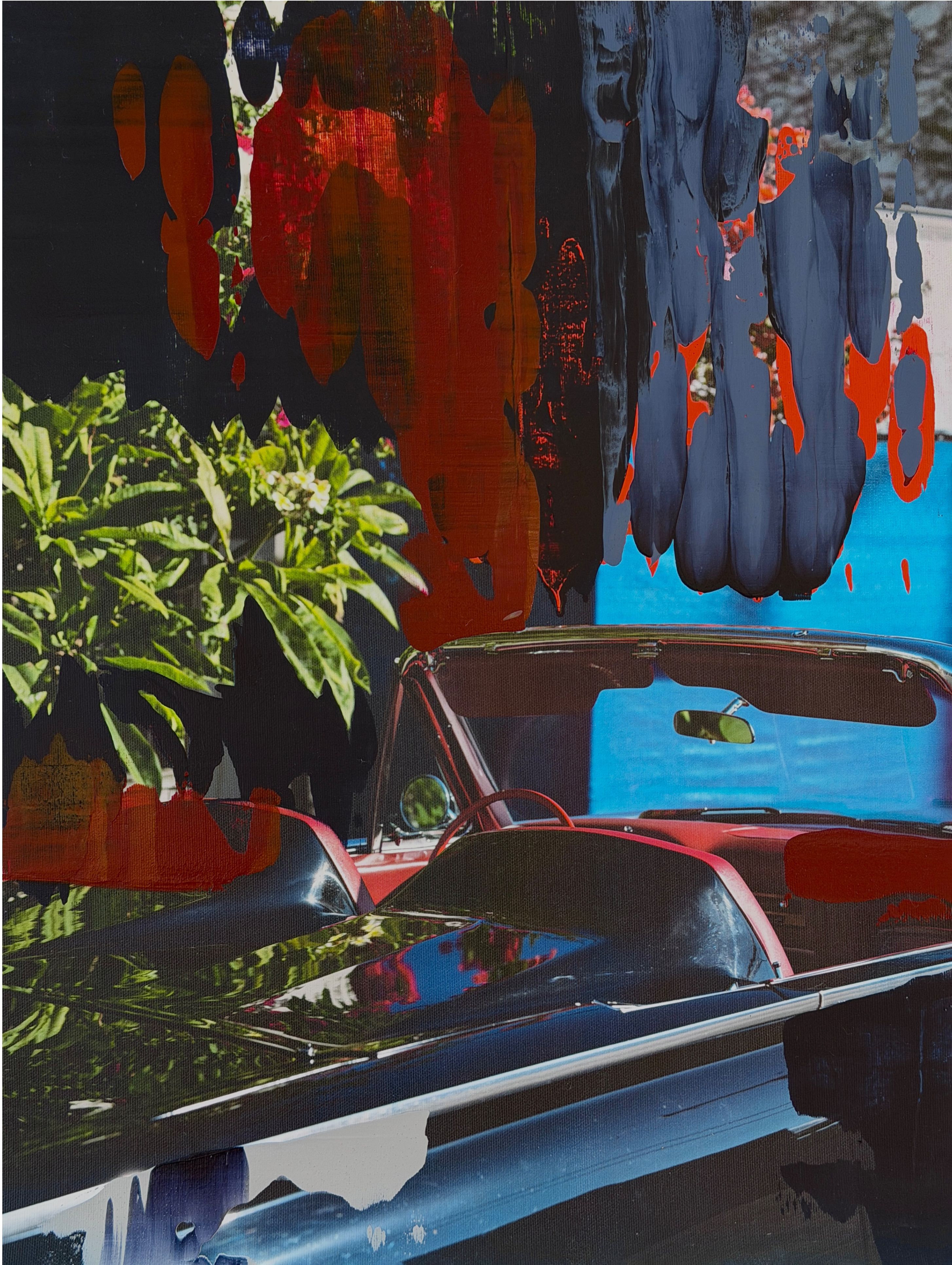
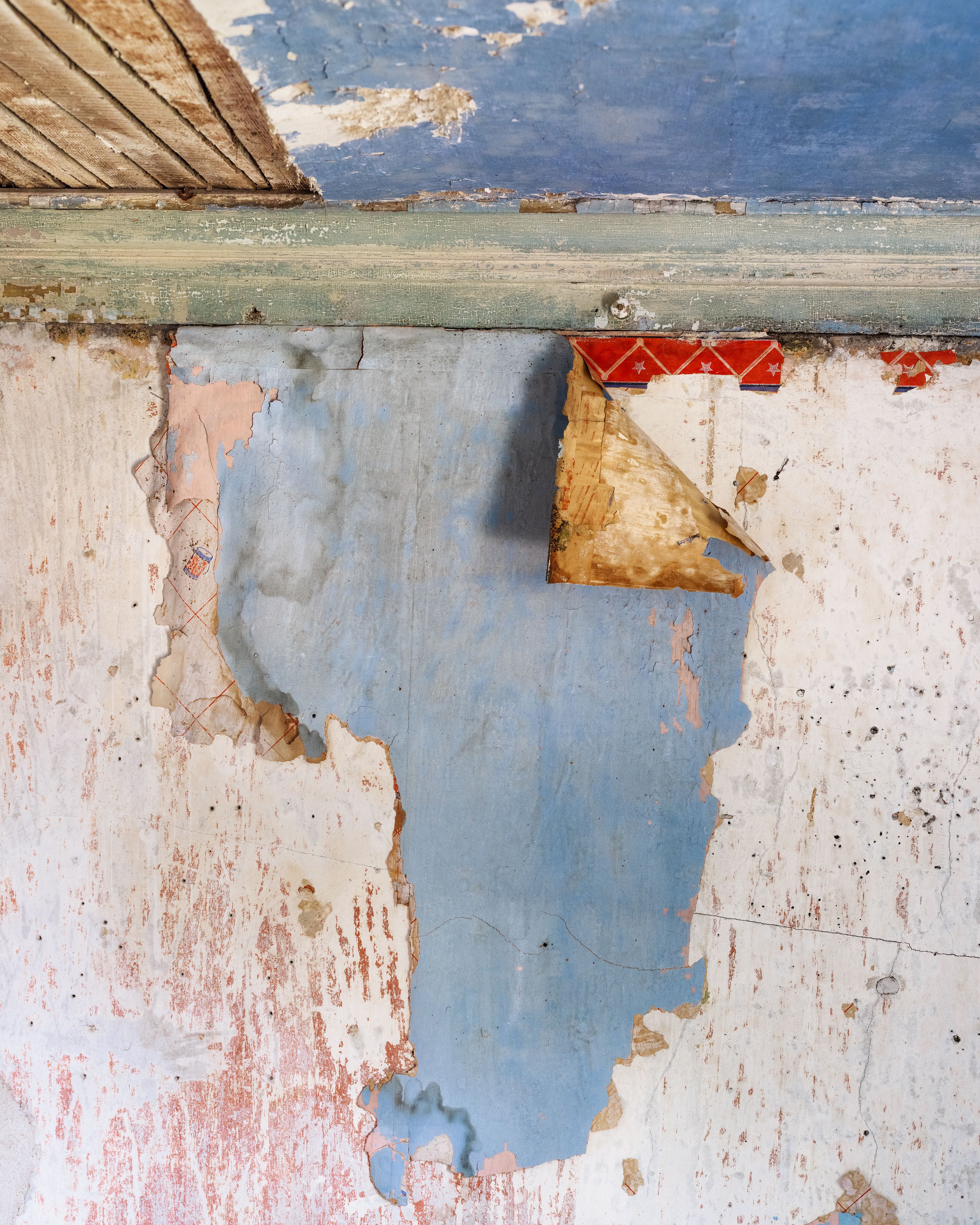
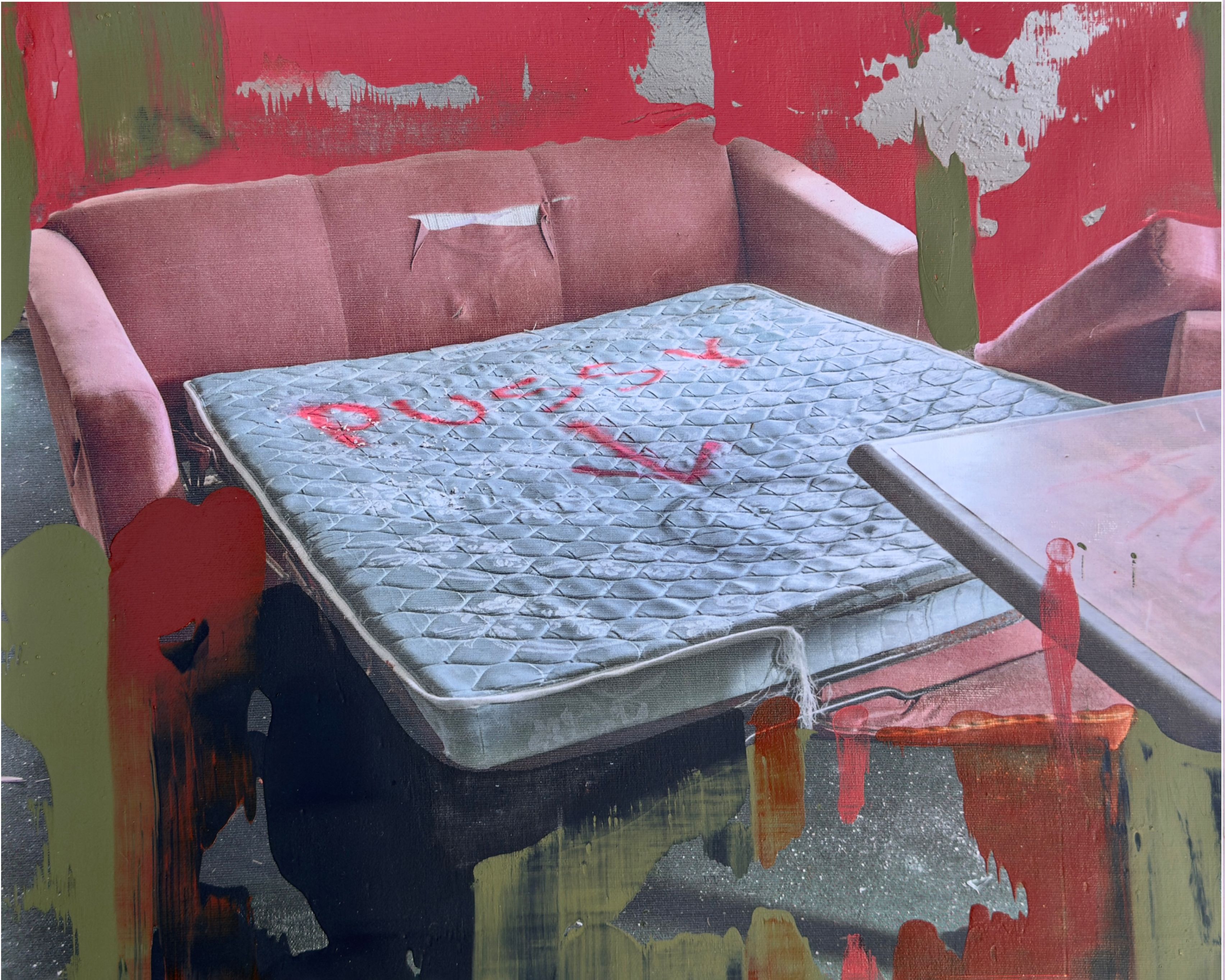


Anastasia Samoylova, Now, Voyager (30 November 2025–1 February 2026) at Dot Fiftyone
Miami native Anastasia Samoylova is on home turf with Now, Voyager, an exhibition of hybrid works in which she expands her photographic practice with painted interventions. The pigment oozes, drips, and splatters across the large-scale prints, which have a distinctly Florida feel. Samoylova is familiar with the many contradictions of the sunshine state, with its promise of American paradise and the reality of its economic deprivation, not to mention the constant threat of ecological collapse. Sunlit greenery is reflected in the shiny exterior of an open-top convertible in Cabriolet (2025), while in Life is Like Photography (2025) peeling wallpaper merges into the sluice of Samoylova’s brushstrokes. The artist’s decision to paint over her lens-based works heightens the sense of artifice present in each of the images, each stroke masking an underbelly that we cannot help but glimpse from behind the curtain. – Louise Benson
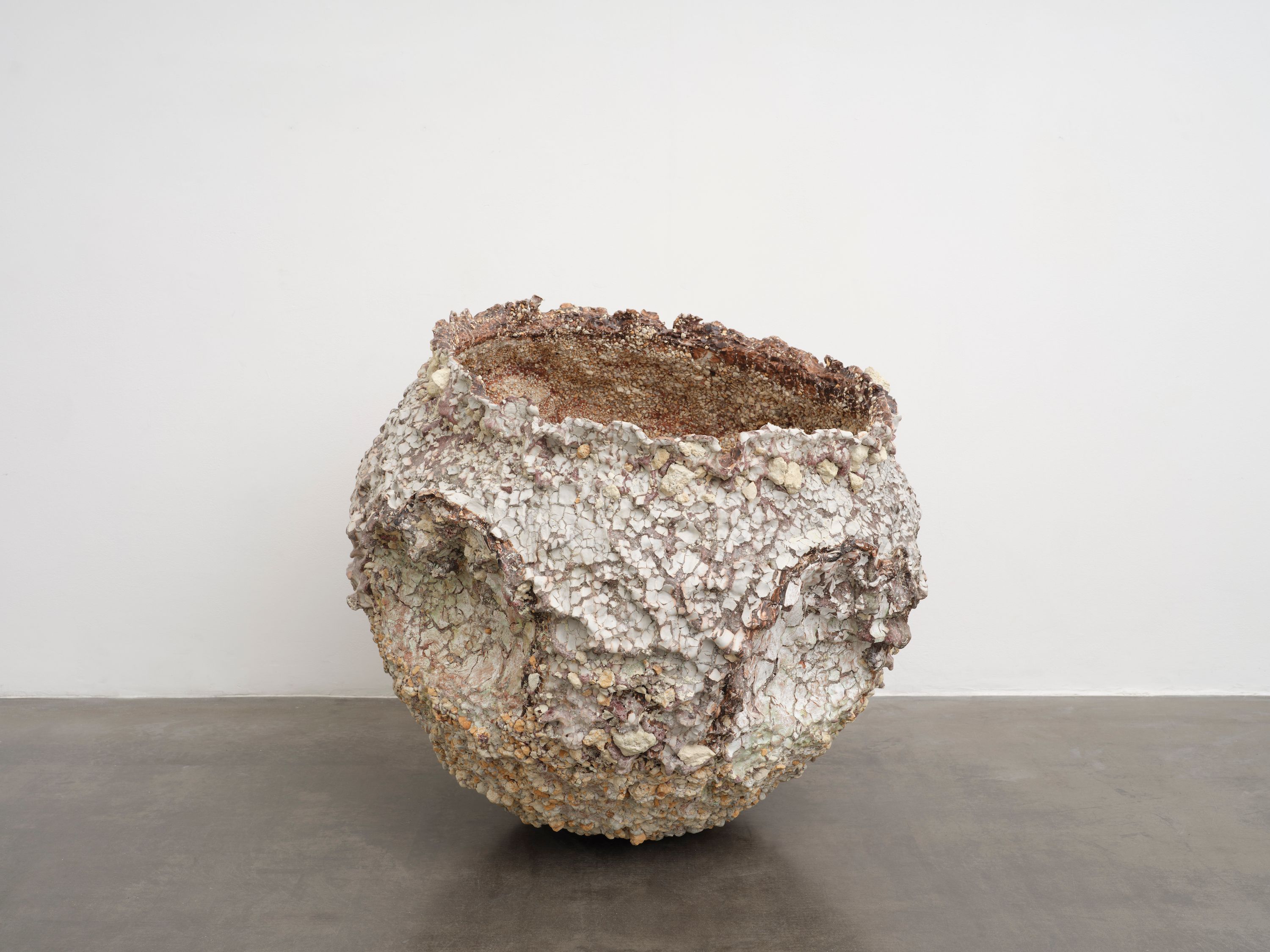
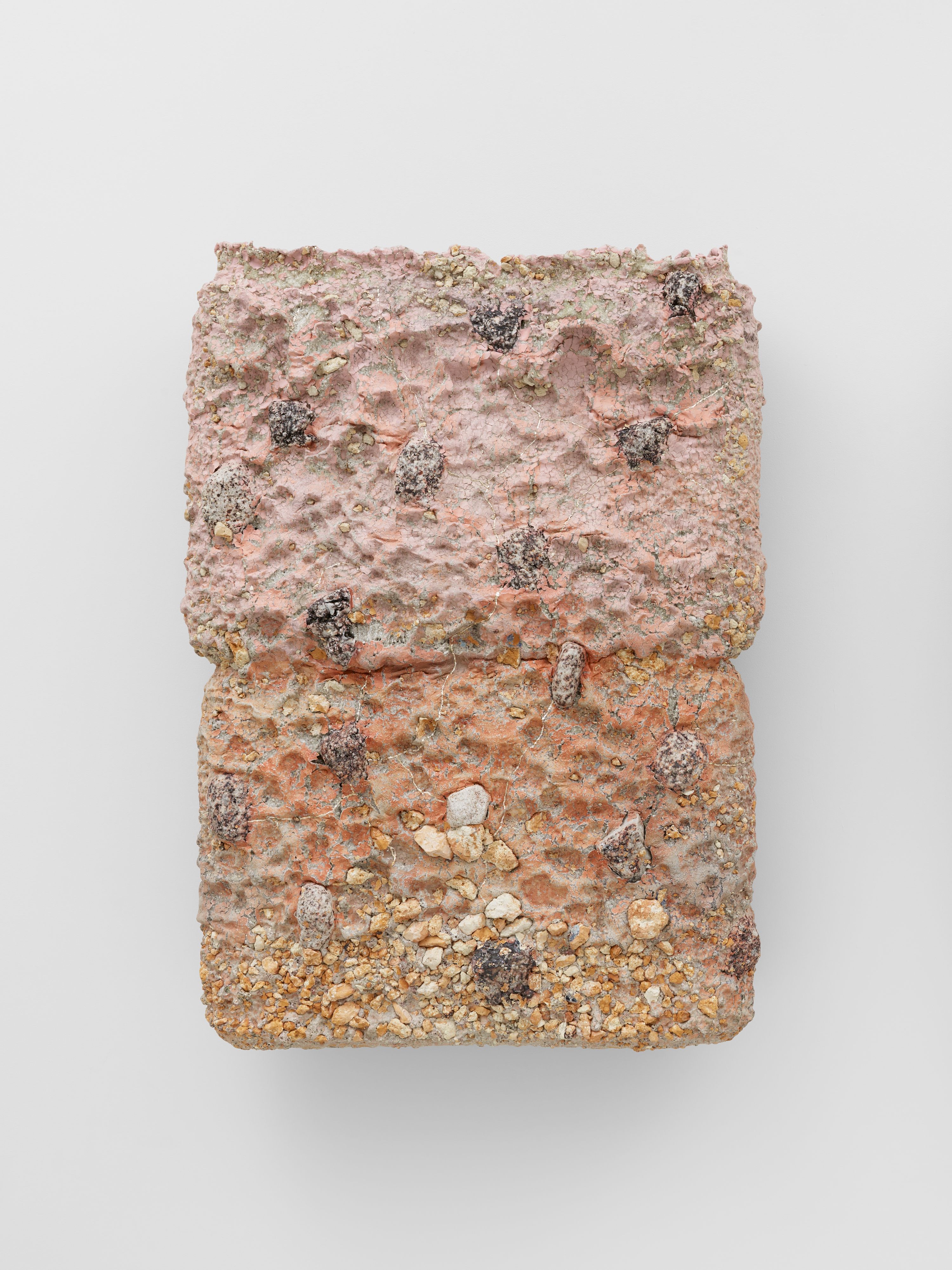
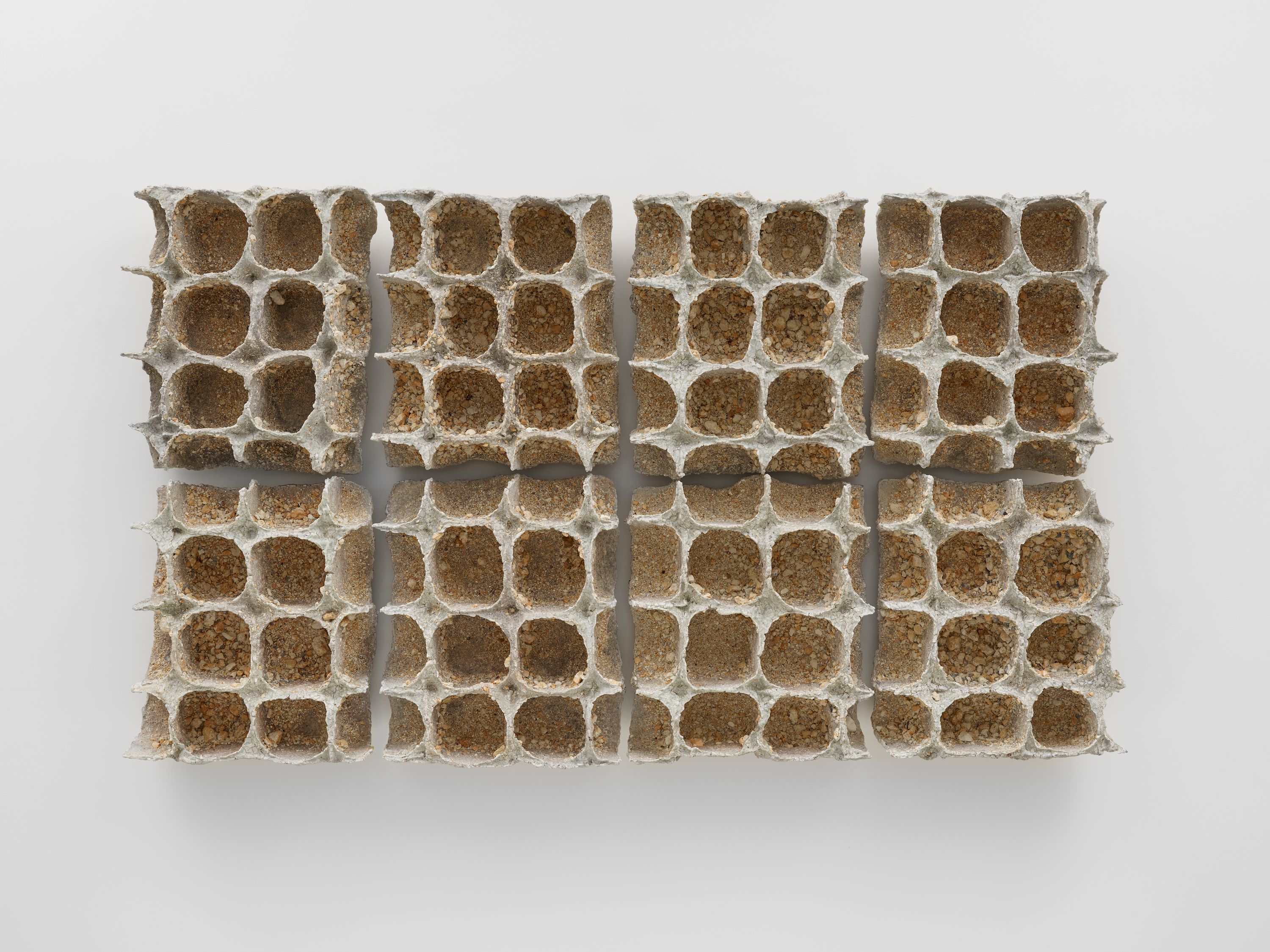
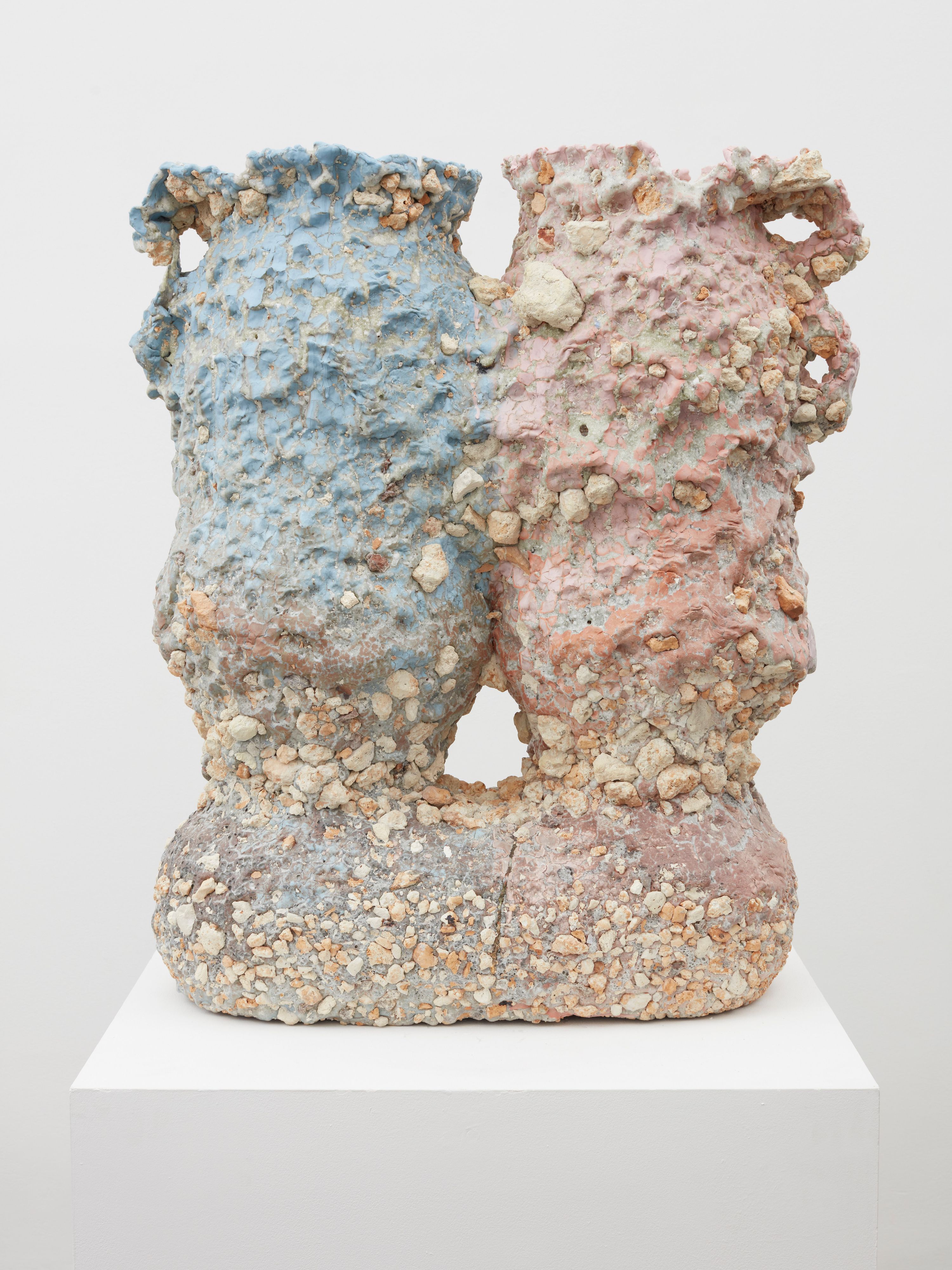
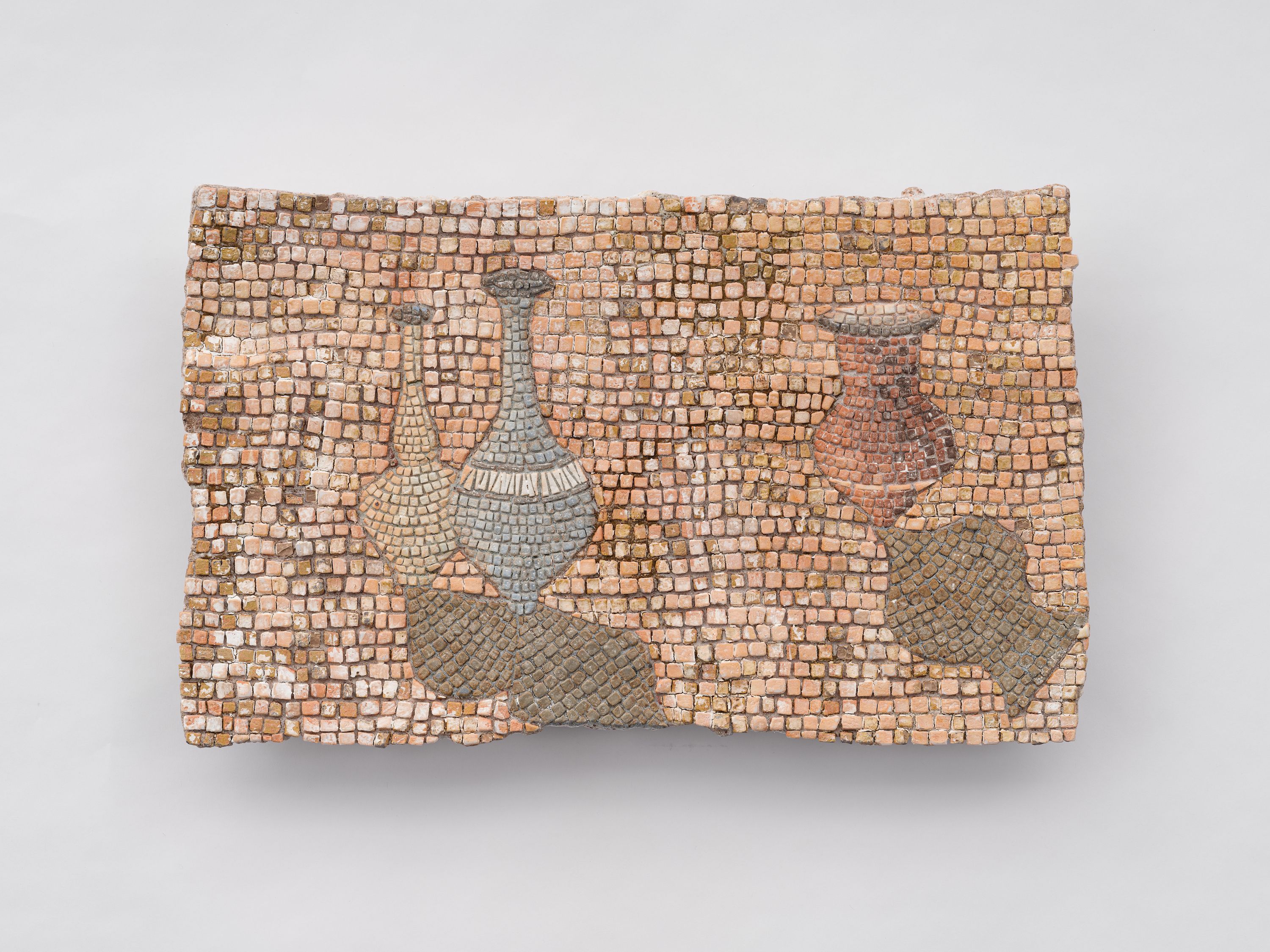
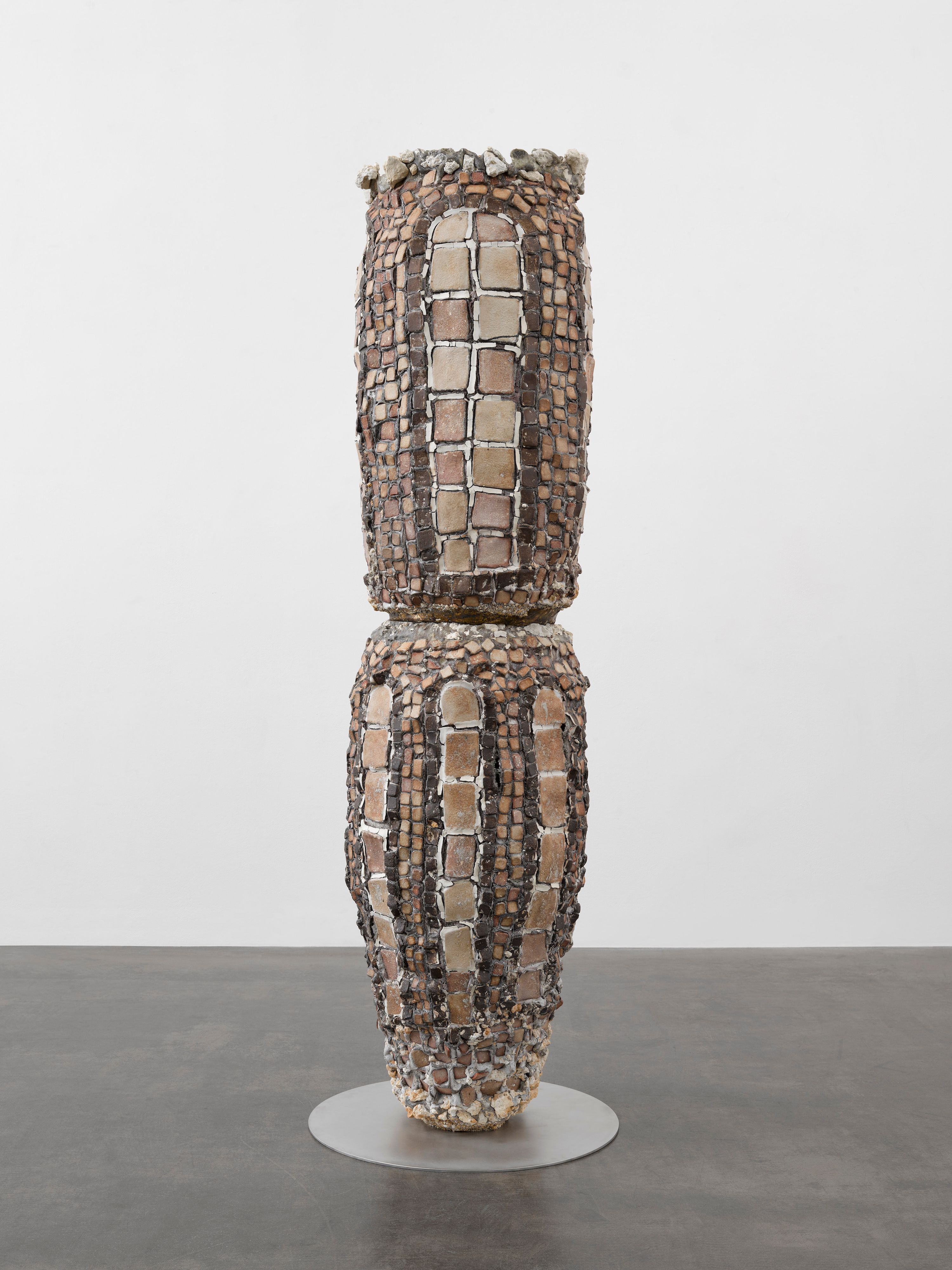

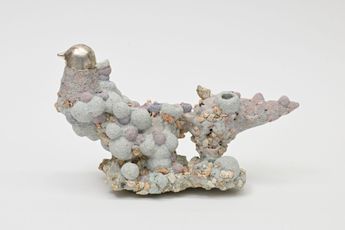
Masaomi Yasunaga, 記憶の足跡 | Traces of Memory (2 December 2025–22 March 2026) at ICA Miami
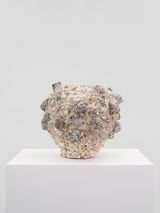
You’d be forgiven for initially thinking the works of Osaka-born ceramicist Masaomi Yasunaga were unearthed from an archaeological dig—irregular mosaic slabs depicting pottery vases, amorphous bowls, tiled totems, and fused vessels with rocky, crater-like surfaces you want to poke your fingers into. These are the product of an experimental approach to ceramics, influenced by Yasunaga’s former teacher Satoru Hoshino, a third-generation practitioner of Sodeisha (translating to ‘crawling through the mud society’), a movement that emerged in Kyoto in the mid-20th century in reaction to the dominance of traditional modes of ceramics and the impetus for functionality. Unusually, Yasunaga uses glazes as his primary material (as opposed to clay), adopting a traditional Tebineri hand-building technique and adding into the mix rocks, minerals, metals, glass, and silver leaf. Also at the ICA, see more luscious textures of a metallic variety in Richard Hunt’s retrospective Pressure, while for fans of the two-dimensional, there are concurrent painting shows by Joyce Pensato and Andreas Schulze. – Misong Kim —[O]
Main image: Studio Lenca, Lago (2025) (detail). Oil and acrylic on canvas. 194 x 140 cm. Courtesy the artist and David Castillo.





A respected voice in contemporary art discourse.
Focusing on ambitious storytelling and insightful art-world commentary. Ocula Magazine publishes in-depth interviews, critical essays and timely analysis on the artists, exhibitions and ideas driving the global art world.
Learn more about Ocula Magazine
Showcasing the best of the art world.
Ocula partners with galleries from around the world to highlight their artists, artworks and exhibitions. Gallery membership is by application and invitation, with each member vetted by an independent panel.
Learn more about Ocula Membership
Specialises in the sale of major artworks.
Led by a team with deep ties to the world’s leading auction houses, galleries and collectors. Ocula’s advisory team offers bespoke services to high-net-worth clients from around the world who are looking to acquire the best of contemporary and modern art.
Learn more about our team and services