The art world in focus
Subscribe to our newsletter for news and insights on artists, galleries and exhibitions.

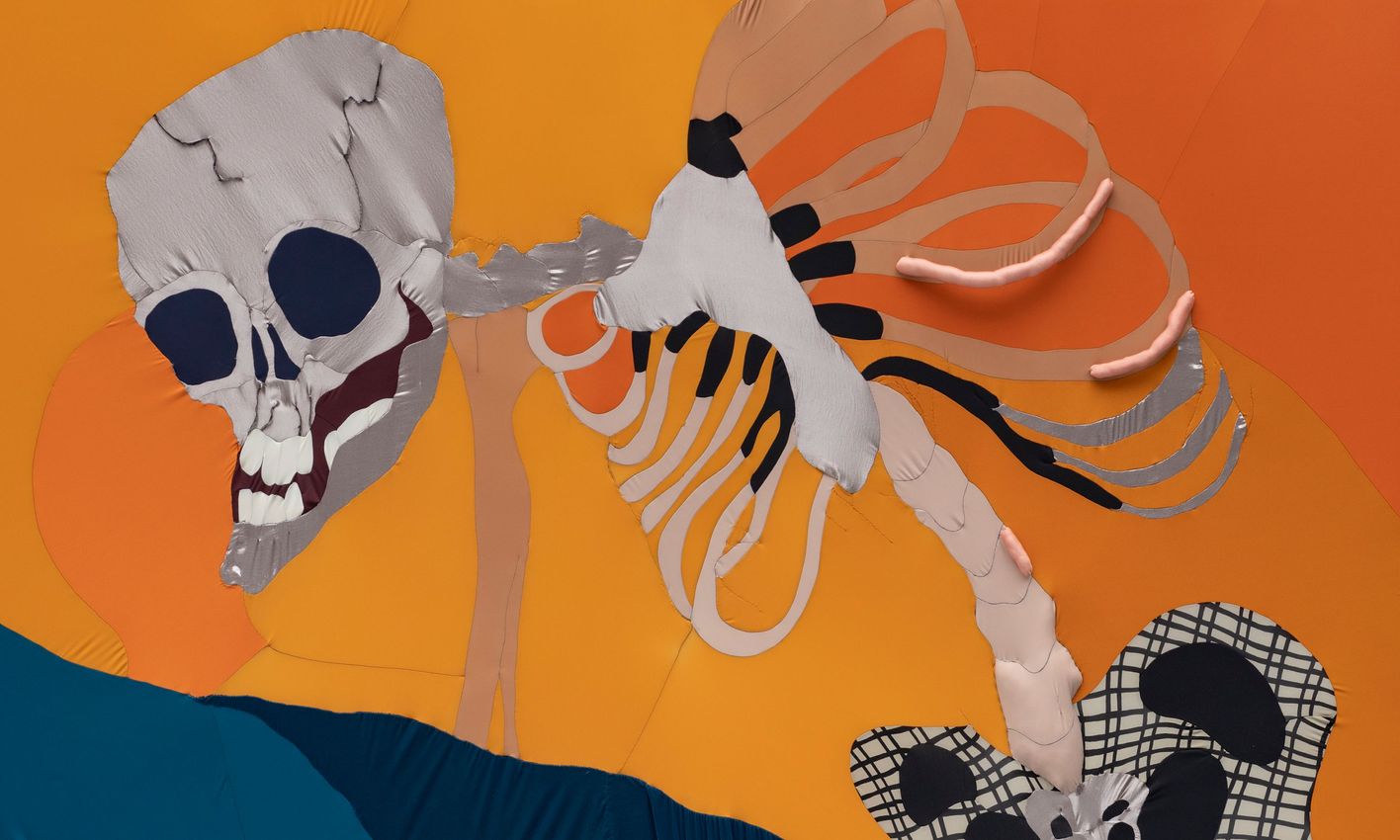
Ahead of her solo exhibition with Fortes D’Aloia & Gabriel, Yuli Yamagata speaks with Ocula Advisor Rory Mitchell about the themes explored in her eye-popping sculptures and paintings.
This show is very important to me because it is the first in my hometown. The bulk of my research and production took place during the pandemic. I used the time spent in quarantine to rewatch all my favourite David Lynch films.
I am particularly interested in how mystery plays out in those films, as something that is intangible. I began making work thinking about mystery and a certain reluctance to let a single meaning be derived from any one work.
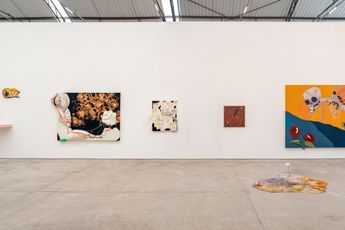
The pieces in Insomnia point towards a sort of transition—a deceleration of image consumption. My wish is for the work to be absorbed at a slower pace, to linger in viewers’ minds.
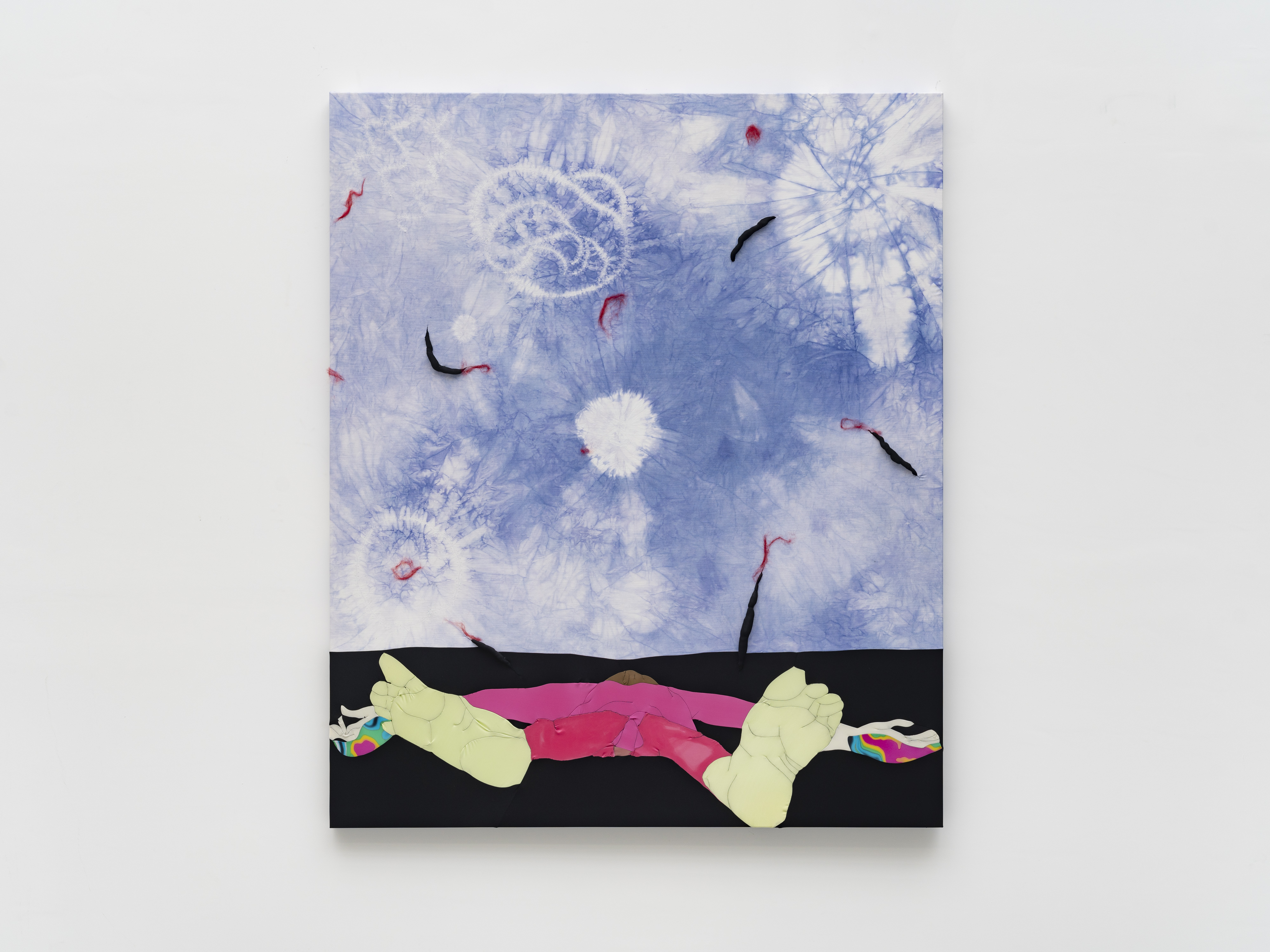
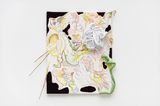
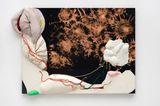
I’m employing fabrics like silk and velvet, which propose new challenges to my practice. The use of lycra—a recurring element in my repertoire—started when I developed an obsession for sports industry products.
This research began from observations on how the shapes and colours of these materials interact with users’ morphology or the environment in which they are inserted. While developing the functionality of a product, such as shoe soles with translucent gel and big heel cushions, these industries end up generating sculptural and pictorial objects that I am drawn to.
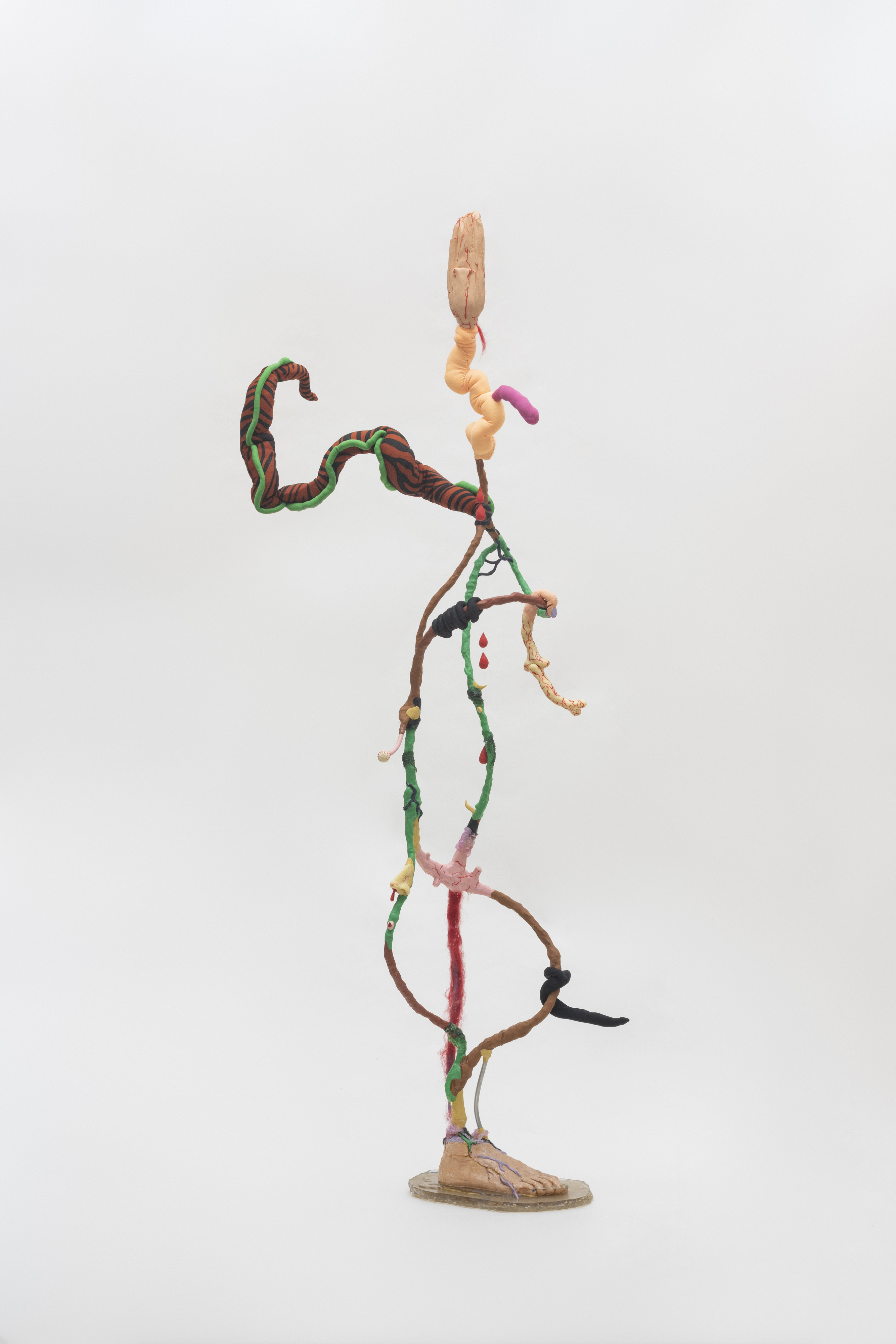
I like to explore different materials, as they give life to the work, presenting challenges and forcing me to come up with novel solutions. Another thing I’m working with at the moment are patterned fabrics.
I started to see that they insert new narratives into the work. I also delved deep into my Japanese roots by reviving the ancient Japanese technique of shibori, popularly known as tie-dye, and brought this into my practice.
Absolutely, yes! I’m Brazilian of Japanese descent on my mother’s side of the family, so I had a lot of Japanese influences growing up.
I think my work is very attached to Japanese culture, not just for having a visual aesthetic connected to the world of comics and animations, but also because I believe my work feels more comfortable when walking through different traits, making it possible for something to be both violent and beautiful at the same time.
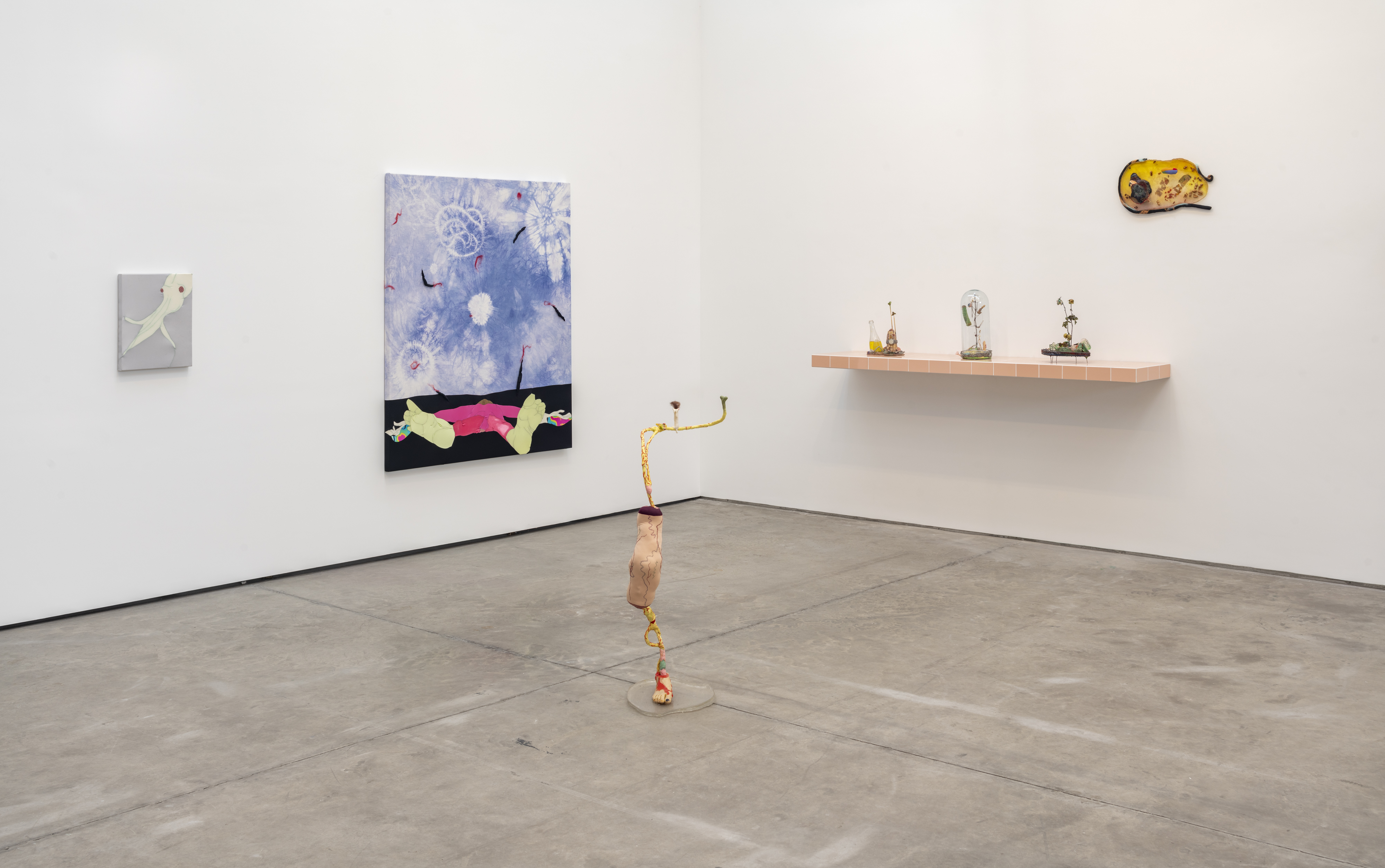

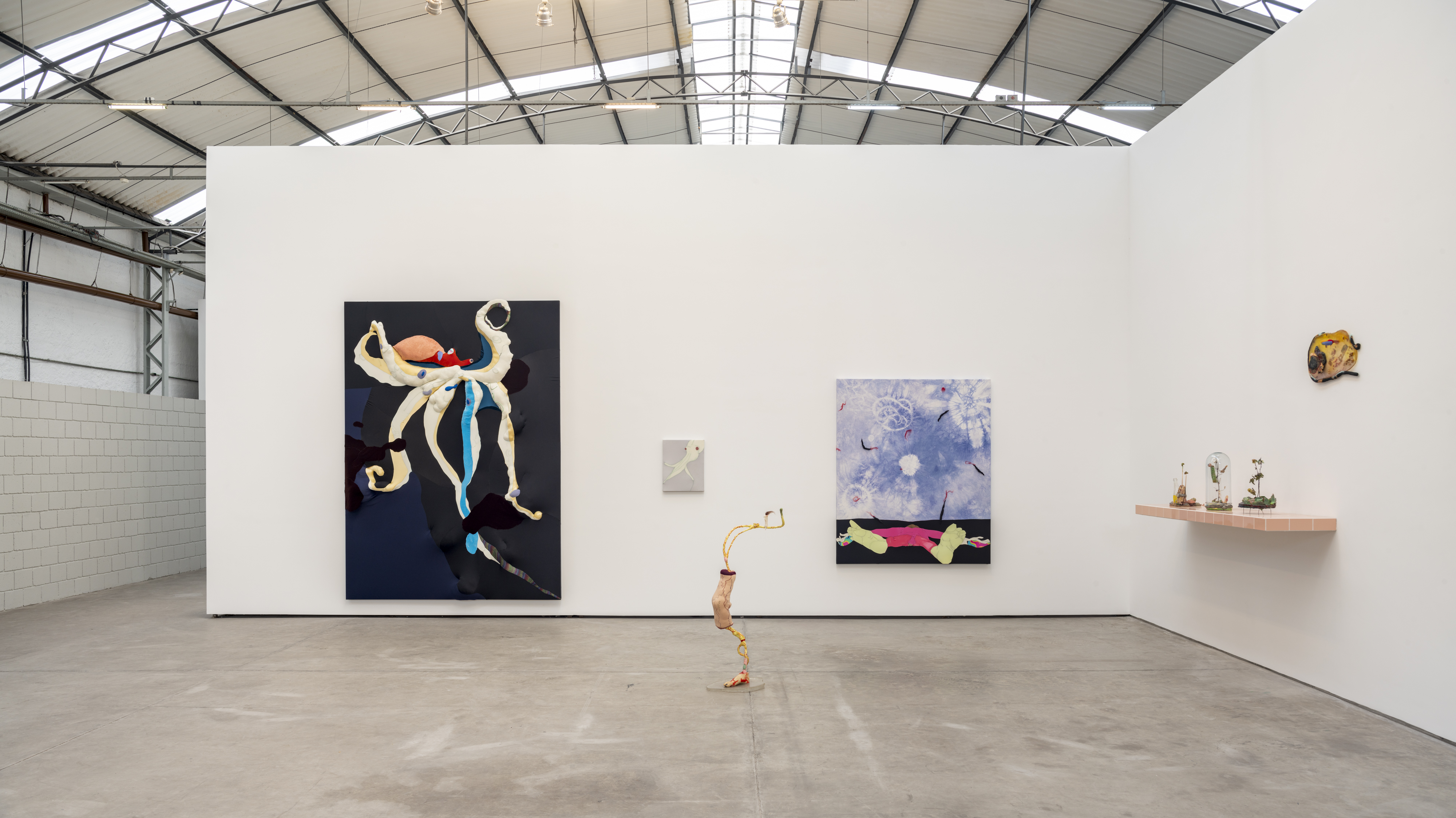
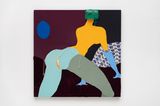
I was also largely influenced by North American sci-fi movies in the nineties. By using green, purple, and pink tones for skin or limbs, I mainly wanted to create works connected to feelings, sensations, and emotions; works that the viewer could relate to regardless of gender, race, sexual orientation, and so on.
I start every sculpture by choosing a kind of ‘challenge’, usually informed by the physicality of the material itself or by a chosen narrative.
It may sound a bit too literal to relate limbs to their functions, but when a human body is perceived in separate parts, each part can develop a personality of its own. This is where my work starts to point to interesting emotional gaps, which help me create these narratives.
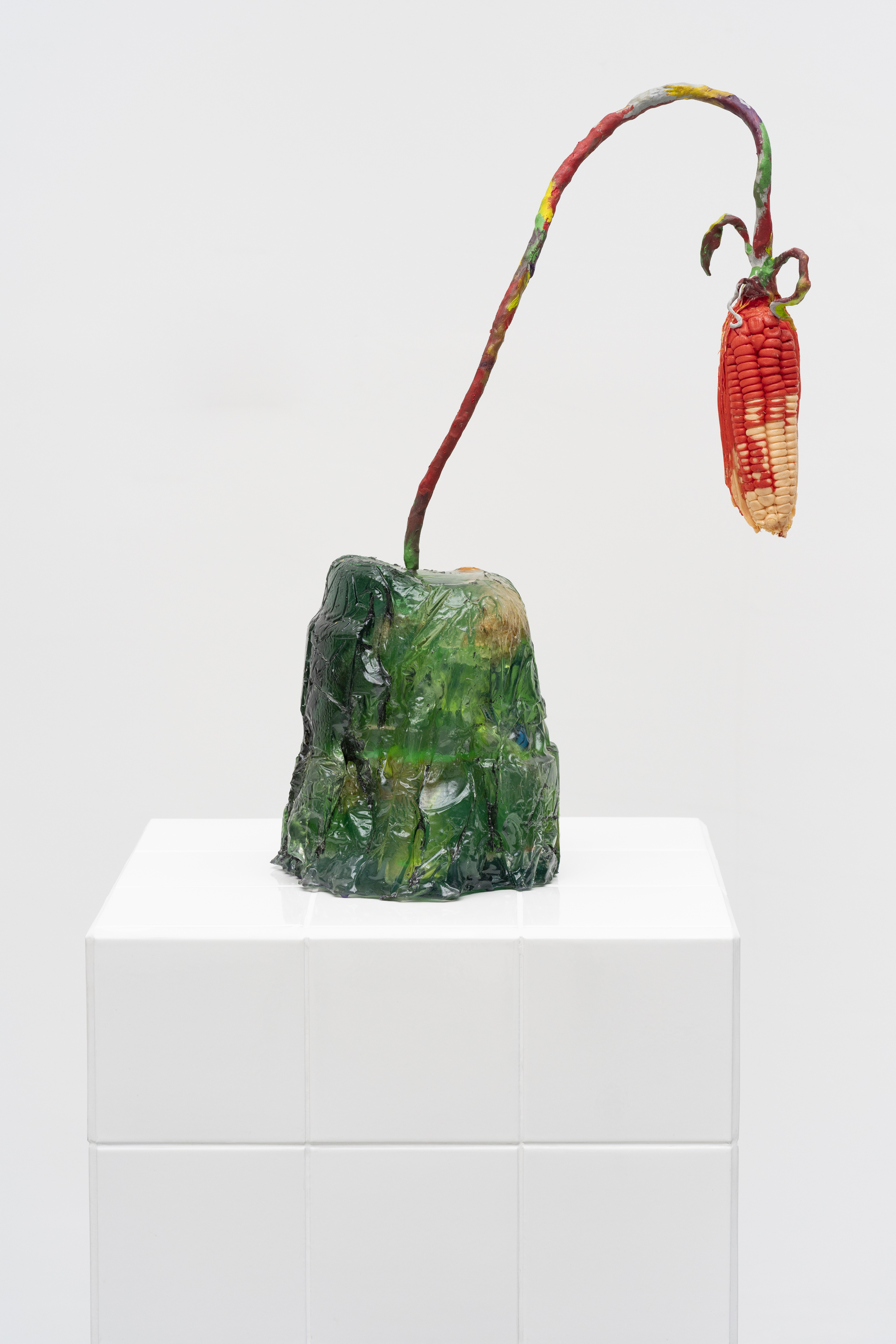
One year before Bolsonaro got elected, the cultural system was already under attack, and now the situation has considerably worsened. We no longer have a Ministry of Culture, several public cultural institutions have had their budgets cut or extinguished, and many independent art centres have had to shut their doors.
This lack of public support creates a need for a network among art professionals, who need to work together to promote and connect different cultural agents in Brazil. This private initiative is a way to start to get out of this dark place, but I believe we have a long way to go...
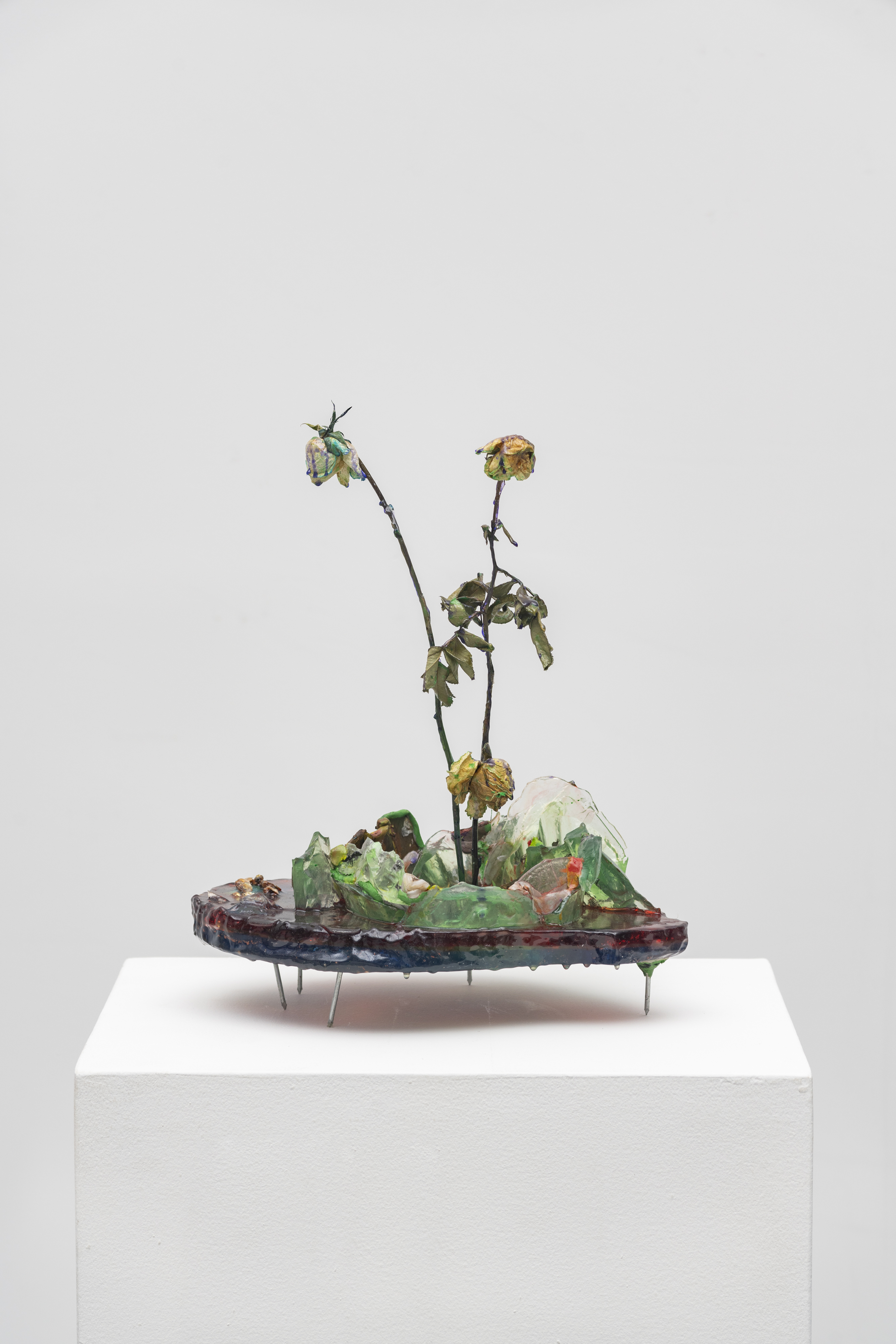
I am very excited with a couple of solo shows this year. On 20 March I opened NERVO at MAC Niterói in Rio de Janeiro, in May, and aside from my exhibition at Fortes D’Aloia & Gabriel, I will also have a solo in New York in September at Anton Kern Gallery. —[O]


A respected voice in contemporary art discourse.
Focusing on ambitious storytelling and insightful art-world commentary. Ocula Magazine publishes in-depth interviews, critical essays and timely analysis on the artists, exhibitions and ideas driving the global art world.
Learn more about Ocula Magazine
Showcasing the best of the art world.
Ocula partners with galleries from around the world to highlight their artists, artworks and exhibitions. Gallery membership is by application and invitation, with each member vetted by an independent panel.
Learn more about Ocula Membership
Specialises in the sale of major artworks.
Led by a team with deep ties to the world’s leading auction houses, galleries and collectors. Ocula’s advisory team offers bespoke services to high-net-worth clients from around the world who are looking to acquire the best of contemporary and modern art.
Learn more about our team and services