





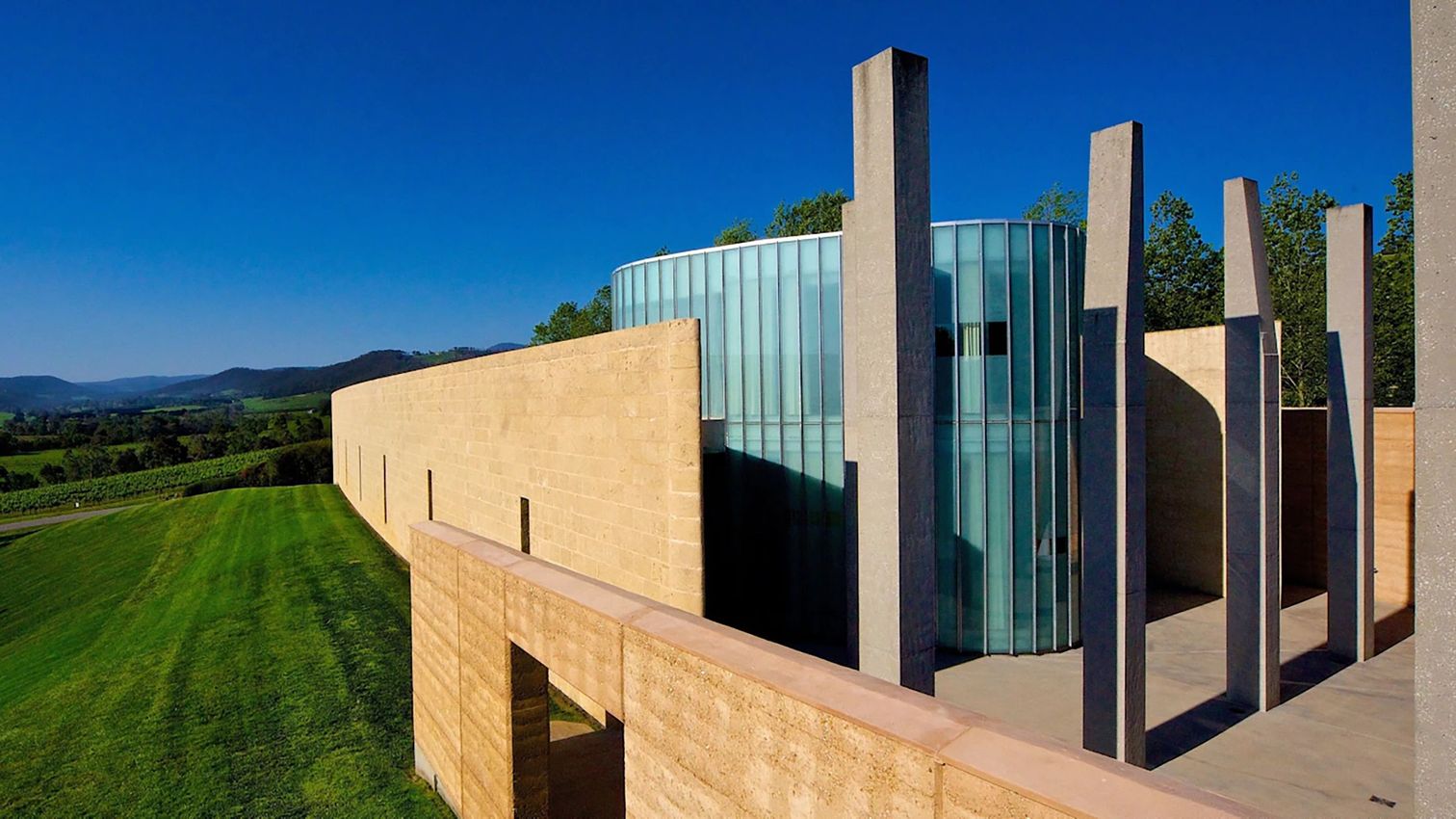
Tarrawarra Museum of Art
Melbourne Learn more about what's on at Tarrawarra Museum of Art and the artists shaping its programme.TarraWarra Museum of Art is a not-for-profit public art museum on Wurundjeri Country in the Yarra Valley, near Healesville, around an hour north-east of Melbourne. Founded by philanthropists Eva Besen AO and Marc Besen AC, who donated an award-winning purpose-built museum by architect Allan Powell along with more than 600 works of Australian art, TarraWarra opened to the public in 2003. The museum is renowned for its intimate scale, striking architecture set amid vineyards and rolling hills, and a focus on modern and contemporary Australian art from the 1930s to the present.
Two key buildings shape the TarraWarra experience: the original crescent-shaped museum designed by Allan Powell, which hosts a program of curated exhibitions, and the Eva and Marc Besen Centre by Kerstin Thompson Architects, which includes visible art storage, learning spaces, and areas for events and performance. Outdoor sculptures and installations extend the museum into the surrounding landscape, including major works such as Callum Morton’s Valhalla. Through inventive exhibitions, research projects, and public programs, TarraWarra maintains a distinctive role within Australia’s cultural ecology, connecting local audiences and visitors with significant developments in Australian art.
Art and exhibitions at TarraWarra Museum of Art
TarraWarra Museum of Art focuses on modern and contemporary Australian art, particularly from the mid-twentieth century to today. Its collection is especially strong in figurative, abstract, and landscape painting from the 1930s onwards, alongside important holdings of sculpture, prints, and drawings. Many artists represented have been central to the development of modern and contemporary art in Australia, and the museum holds key works that trace major movements and debates across this period. Exhibitions at TarraWarra combine collection-based projects with curated thematic shows and major surveys of individual artists. Programs often foreground new commissions and critical perspectives on Australian art, and past exhibitions have formed part of events such as the Biennale of Sydney and the Melbourne International Arts Festival.
The TarraWarra Biennial
A signature element of the program is the TarraWarra Biennial, inaugurated in 2006 as an experimental curatorial platform to identify new developments in contemporary Australian art. Each edition invites a different curator or curatorial team to propose a theme and commission new work, resulting in biennials that range from explorations of masking and concealment to reflections on time, Indigenous cosmologies, and regenerative futures. Ocula has followed these projects closely through in-depth interviews and essays, including conversations between Ocula contributing editor Anna Dickie and curators such as Natalie King and Djon Mundine, providing rich material that can be linked for readers seeking deeper insight into the Biennial’s evolving curatorial thinking.
Tarrawarra Museum of Art FAQs
What is TarraWarra Museum of Art known for?
TarraWarra Museum of Art is known for its focus on Australian modern and contemporary art, its philanthropic origins, and its striking setting in the Yarra Valley wine region. The museum’s award-winning architecture by Allan Powell and the later Eva and Marc Besen Centre by Kerstin Thompson Architects are widely admired. TarraWarra is also recognised for its collection of more than 600 works gifted by Eva and Marc Besen and for its inventive exhibition and public program.
What is the TarraWarra Biennial?
The TarraWarra Biennial is a recurring exhibition platform at TarraWarra Museum of Art, inaugurated in 2006 to identify new developments in contemporary Australian art through an experimental curatorial model. Each edition invites a different curator or curatorial team to commission new work around a distinct theme, making the Biennial a key site for testing ideas, supporting ambitious projects, and foregrounding First Nations and cross-cultural perspectives. Ocula has followed the Biennial through in-depth interviews and essays with curators such as Natalie King, Djon Mundine, and Léuli Eshrāghi, providing additional context for readers interested in the evolving curatorial approaches and discourses shaping the TarraWarra Biennial.
What kind of art can I see at TarraWarra Museum of Art?
TarraWarra Museum of Art primarily presents Australian art from the 1930s to the present, with strengths in figurative, abstract, and landscape painting, as well as sculpture, prints, and drawings. Exhibitions highlight modern and contemporary practices, often through thematic shows, artist surveys, and collection-based projects. Visitors encounter work by artists who have shaped post-war Australian art and continue to influence its current directions.
Who founded TarraWarra Museum of Art?
TarraWarra Museum of Art was founded and principally funded by philanthropists and art collectors Eva Besen AO and Marc Besen AC, who created one of Australia’s first major privately funded public art museums. They gifted the purpose-built museum designed by Allan Powell, four hectares of land on the TarraWarra Estate, and nearly 600 works of modern and contemporary Australian art from their private collection, which form the core of the museum’s holdings. Ongoing support now comes from the Besen Family Foundation, donors, and partners who continue the philanthropic legacy established by the Besens.
Who are Eva Besen AO and Marc Besen AC?
Eva Besen AO and Marc Besen AC were Melbourne-based business leaders, philanthropists, and passionate collectors of Australian art who began building their collection in the 1950s. Marc, a Romanian-born Holocaust survivor, helped expand the Sussan fashion and retail empire with Eva’s family, while both later established the Besen Family Foundation to support the arts, education, health, and social welfare. Their shared commitment to the visual arts led them to found TarraWarra Museum of Art as a public gift, donating the building, land, and a nationally significant collection of Australian art that now underpins the museum.
Where is TarraWarra Museum of Art located?
TarraWarra Museum of Art is located at 313 Healesville–Yarra Glen Road, Healesville, in the Yarra Valley, Victoria, Australia. The museum sits on Wurundjeri Country amid vineyards and rolling hills, approximately one hour’s drive north-east of central Melbourne. Its rural setting is a key part of the visitor experience, combining art, landscape, and regional food and wine.
What are TarraWarra Museum of Art’s opening hours?
TarraWarra Museum of Art is usually open Tuesday to Sunday from 11am to 5pm, and open on most public holidays except Christmas Day, Boxing Day, and New Year’s Day. Monday is generally a closed day, though seasonal variations or special events may occasionally alter this pattern. Visitors should check the museum’s website before travelling for the most up-to-date information on opening hours.
How do I buy tickets for TarraWarra Museum of Art?
TarraWarra Museum of Art charges admission for most exhibitions, with adult, concession, and child pricing that may vary over time and for special shows. Tickets can usually be purchased on arrival at the museum, and online booking is often available or recommended during busy periods or for major exhibitions. Current ticket prices and booking options are listed on the TarraWarra Museum of Art website, which visitors should consult before their visit.
Does TarraWarra Museum of Art offer tours, audio guides, or public programmes?
TarraWarra Museum of Art offers a range of public and education programs, including guided tours, talks, and school visits that explore both the exhibitions and the site. Tours are typically available on selected days and times by appointment, with bookings essential. The museum also presents lectures, workshops, and events connected to its exhibition program, and details of upcoming activities are updated regularly on its website.

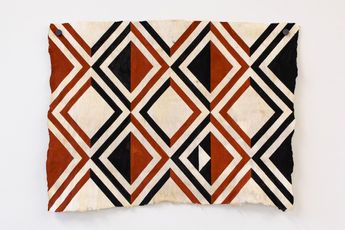




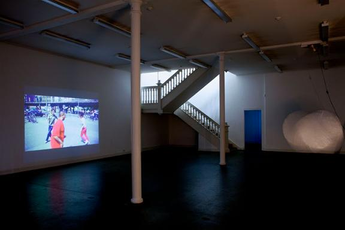
Artworks by Tarrawarra Museum of Art Artists










More Melbourne Museums and Galleries



A respected voice in contemporary art discourse.
Focusing on ambitious storytelling and insightful art-world commentary. Ocula Magazine publishes in-depth interviews, critical essays and timely analysis on the artists, exhibitions and ideas driving the global art world.
Learn more about Ocula Magazine
Showcasing the best of the art world.
Ocula partners with galleries from around the world to highlight their artists, artworks and exhibitions. Gallery membership is by application and invitation, with each member vetted by an independent panel.
Learn more about Ocula Membership
Specialises in the sale of major artworks.
Led by a team with deep ties to the world’s leading auction houses, galleries and collectors. Ocula’s advisory team offers bespoke services to high-net-worth clients from around the world who are looking to acquire the best of contemporary and modern art.
Learn more about our team and services