Press Release

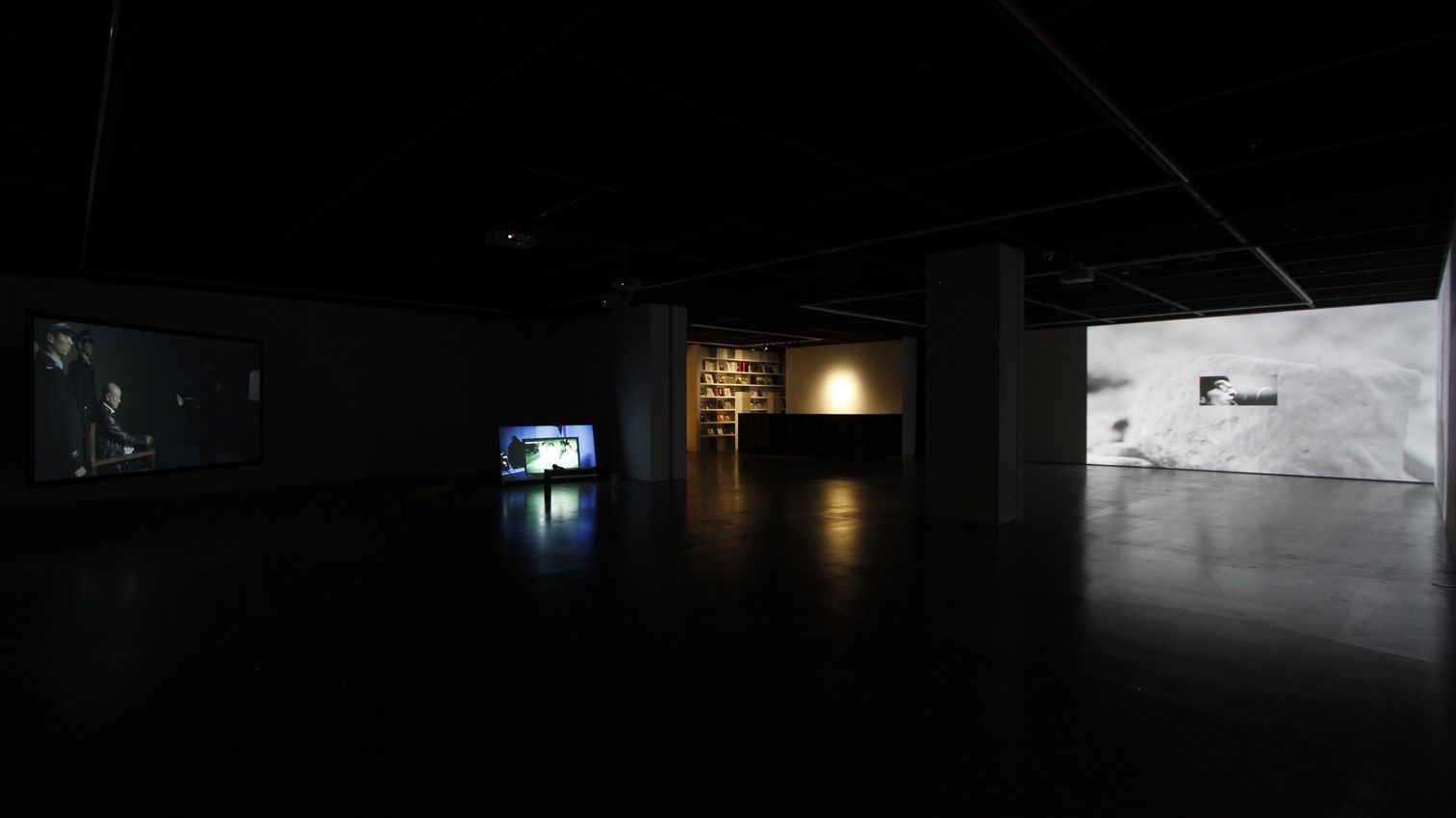
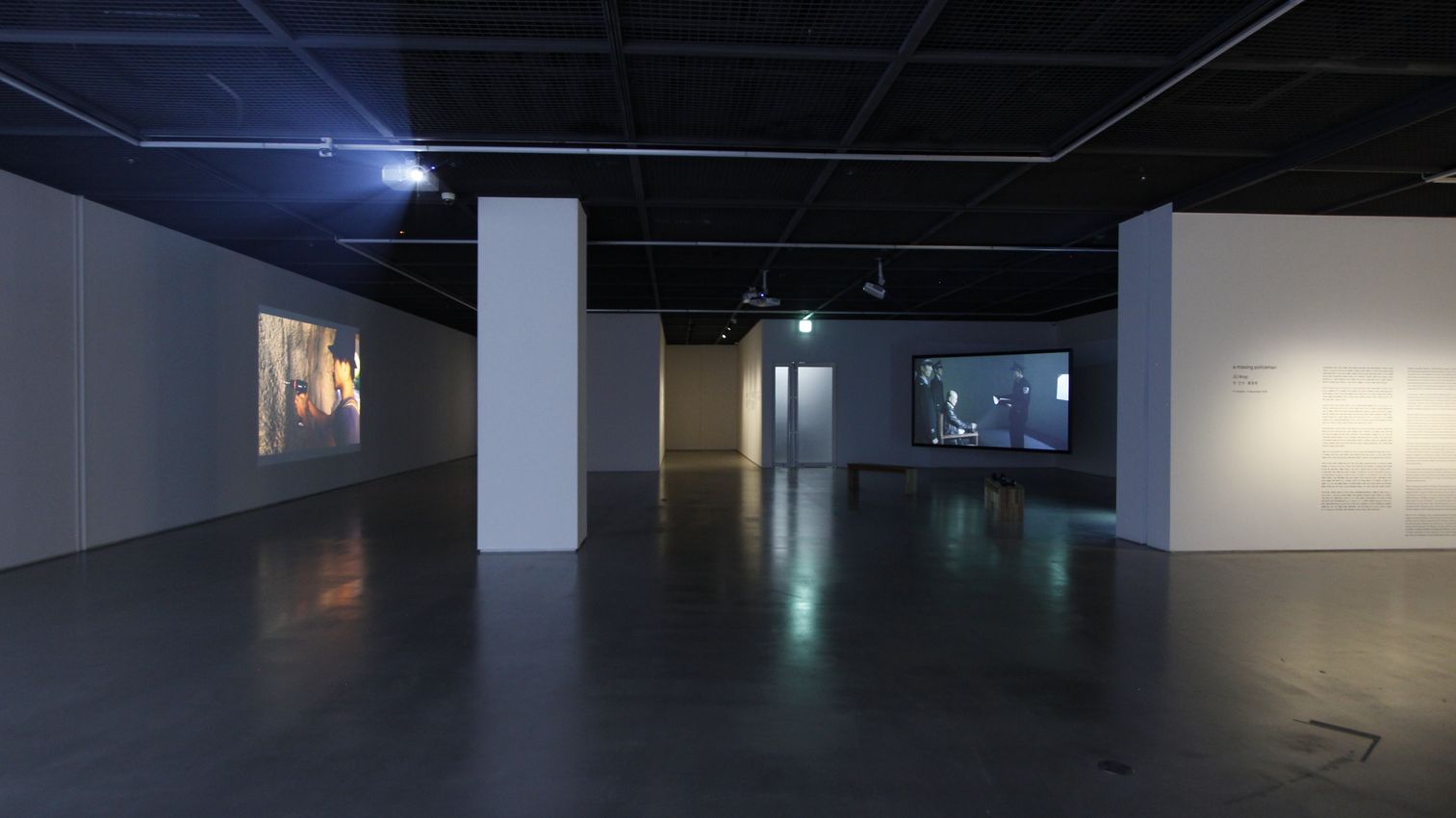
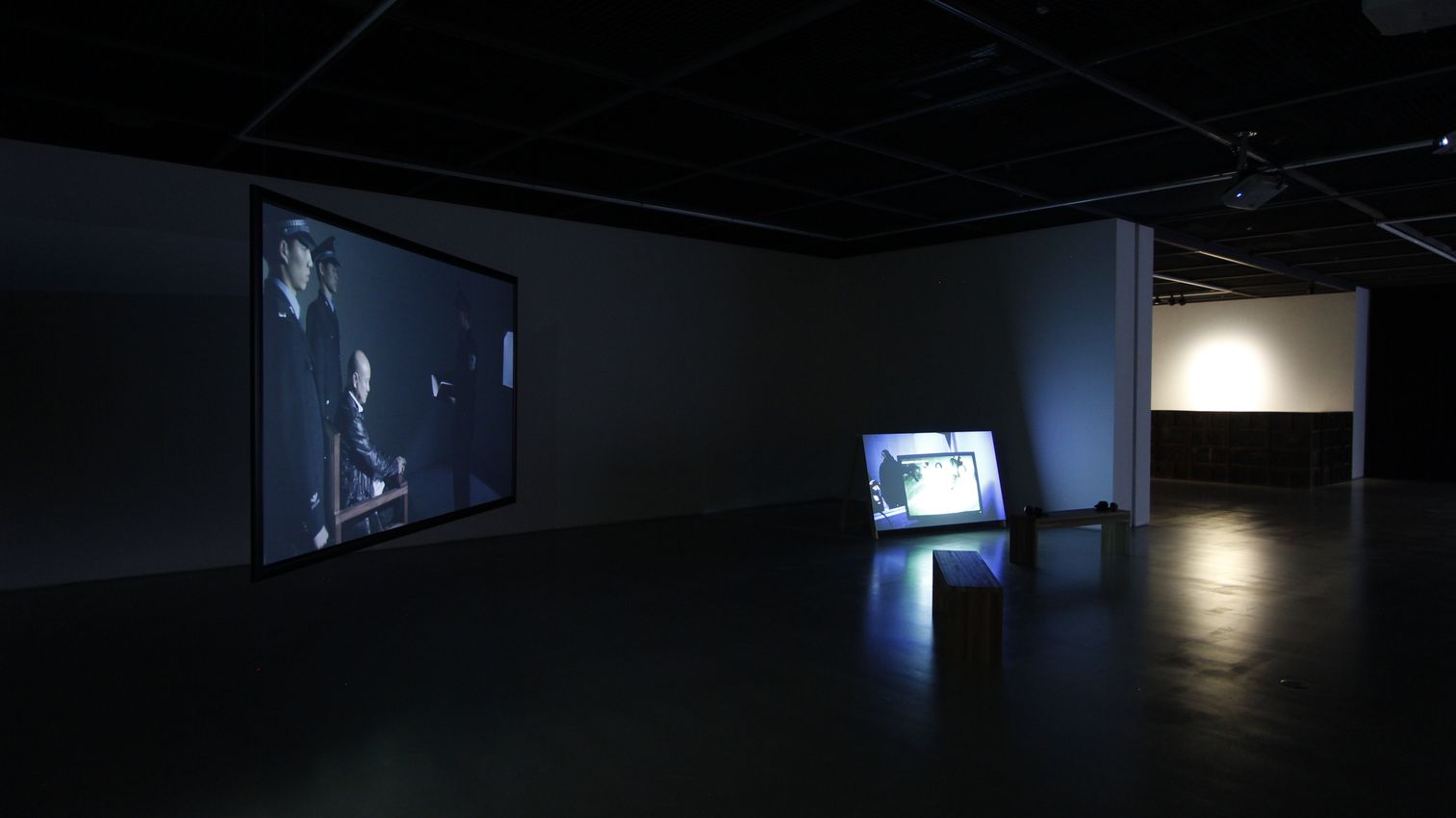
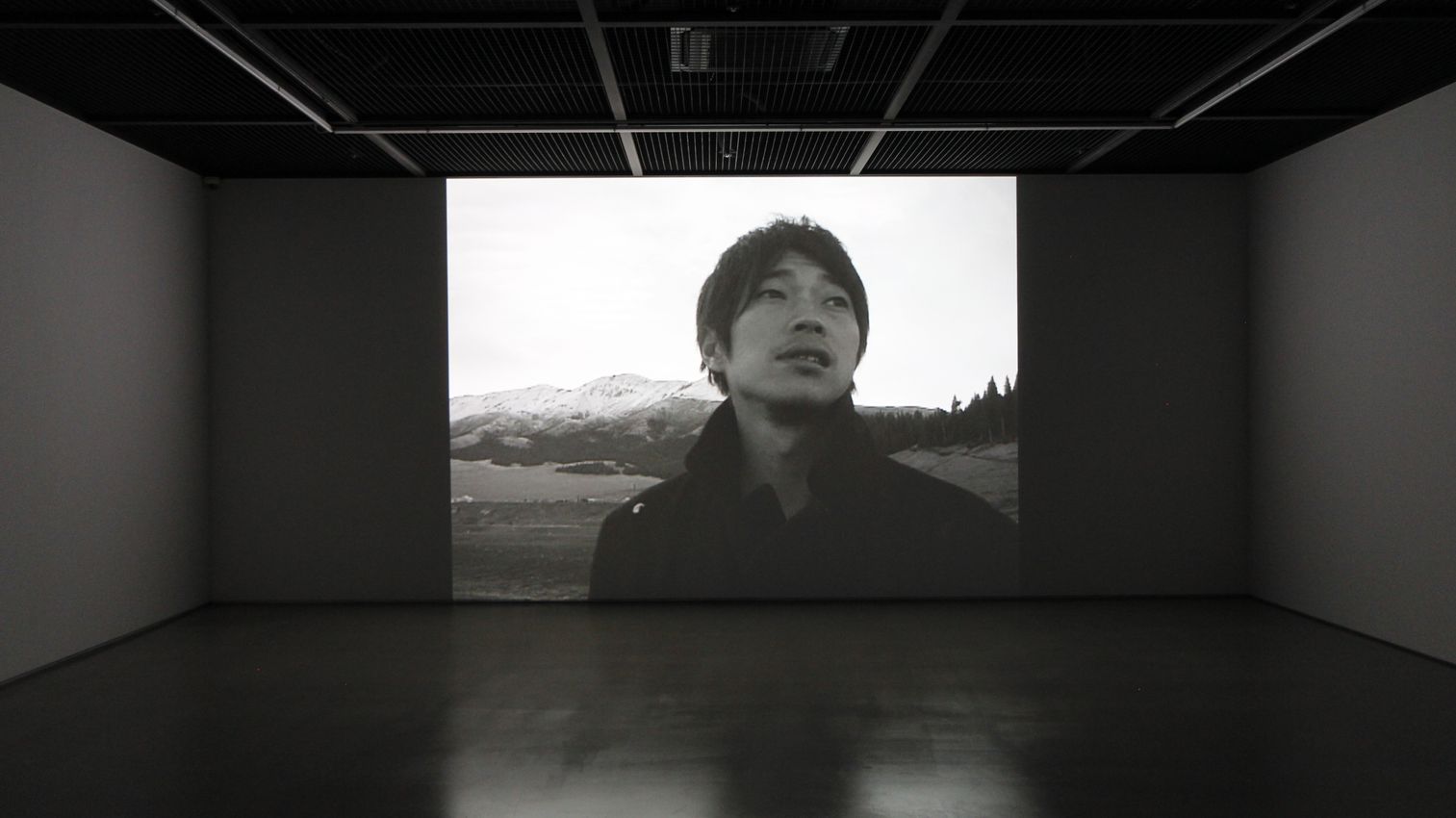
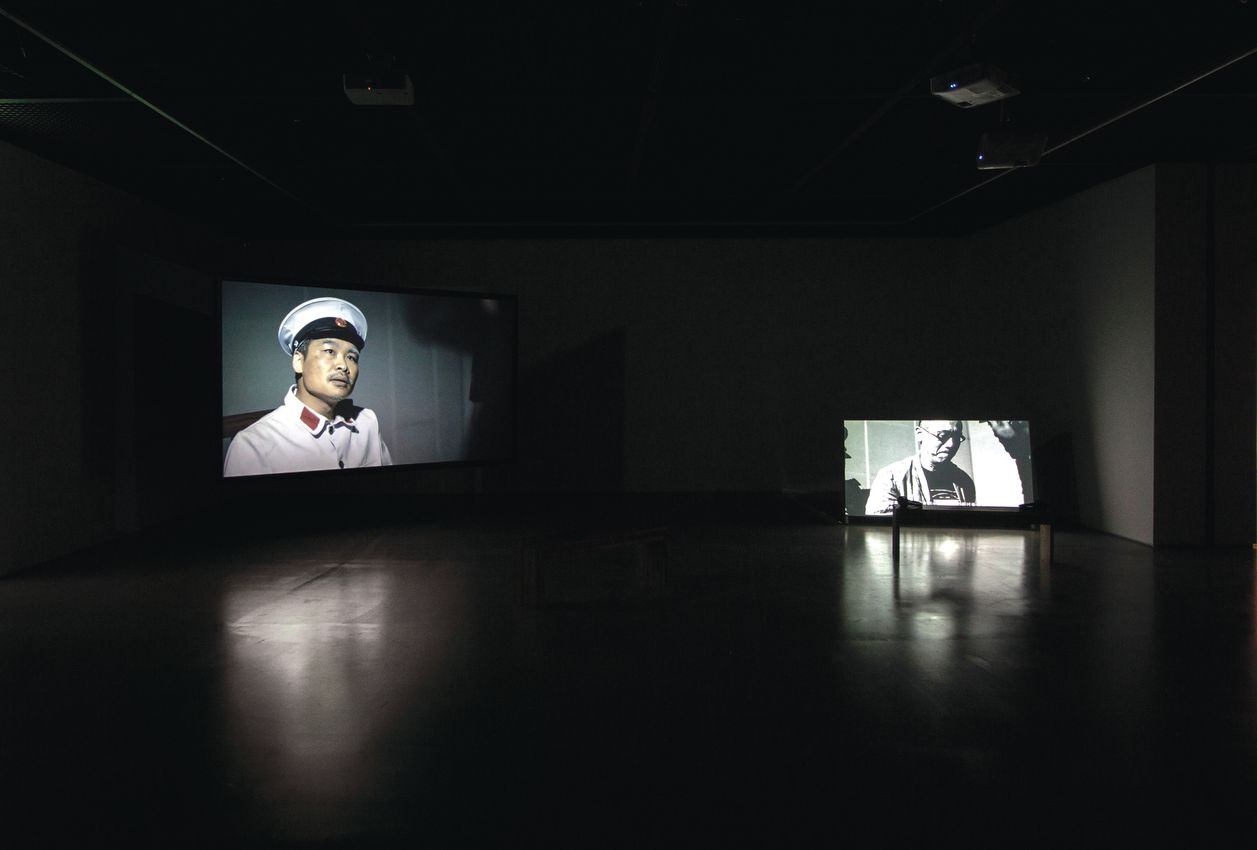
ARARIO GALLERY SEOUL | RYSE HOTEL presents a missing policeman, a solo exhibition of Chinese experimental film director JU Anqi (b. 1975), on view from 17 October to 9 December 2018. The artist’s first solo exhibition in Korea, this exhibition will show 5 representative works that demonstrate his contemplations on modern society through experimental film. The defining formal characteristics of JU Anqi’s works are the improvisational, free way in which they go back and forth between documentary and narrative film, and the unhesitating movement of the camera. They reflect modern society through metaphoric subject matter, and in the rift, speak of the emptiness and irony of modern life, as well as the solitude of the individual in history’s vortex.

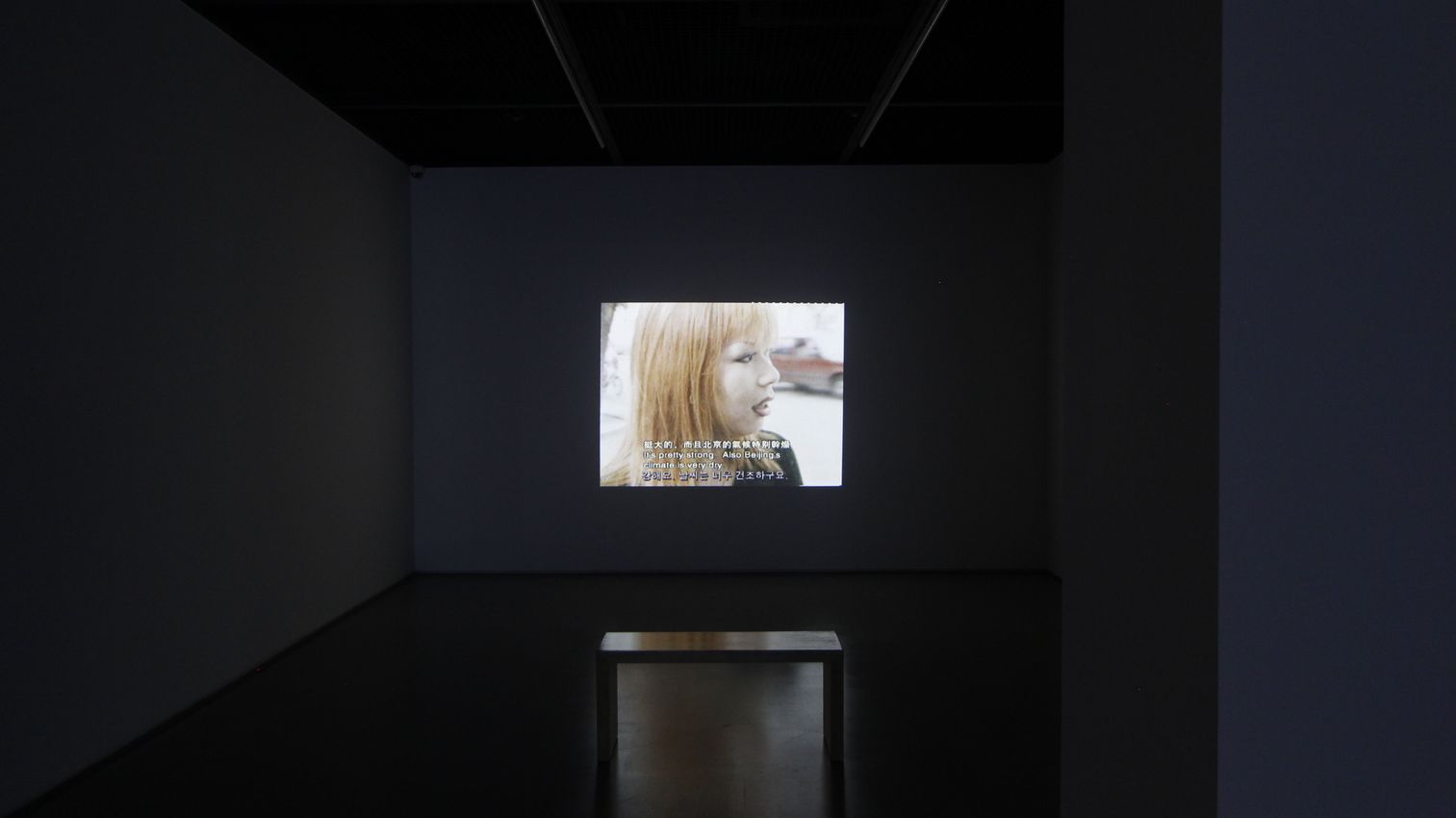
JU’s first work, There’s a Strong Wind in Beijing (2000), is a documentary of the conversations arising from throwing a select few questions at people while wandering the streets of Beijing. It captures daily life in Beijing as it undergoes rapid change with the millennium, yet remains unchanged, a drastic view of China’s reality. Starting with the 50th Berlin International Film Festival in 2000, it received international accolades, and was invited to more than 20 film festivals worldwide, setting the pace for Chinese experimental film.

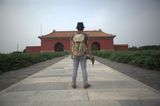
Filmed in 2002 with one actor as they traversed Xinjiang as a duo, Poet on a Business Trip (2014) tells the solitary journey of a poet on a business trip of his own volition. It was shot in 2002, edited 10 years later, and was presented at International Film Festival Rotterdam 2015. The unpredictability and anxiety conveyed through script-less encounters with locals amplify its documentary appeal. Poet on a Business Trip, which sensitively portrays the independence and freedom of modern man and his yearning for communication, won the NETPAC Award for Best Asian Film at the 43rd International Film Festival Rotterdam in 2015. The same year, it received the Grand Prize at the 16th Jeonju International Film Festival; and in 2016, it won Best Film in the International Competition at the 12th ZagrebDox International Documentary Film Festival.

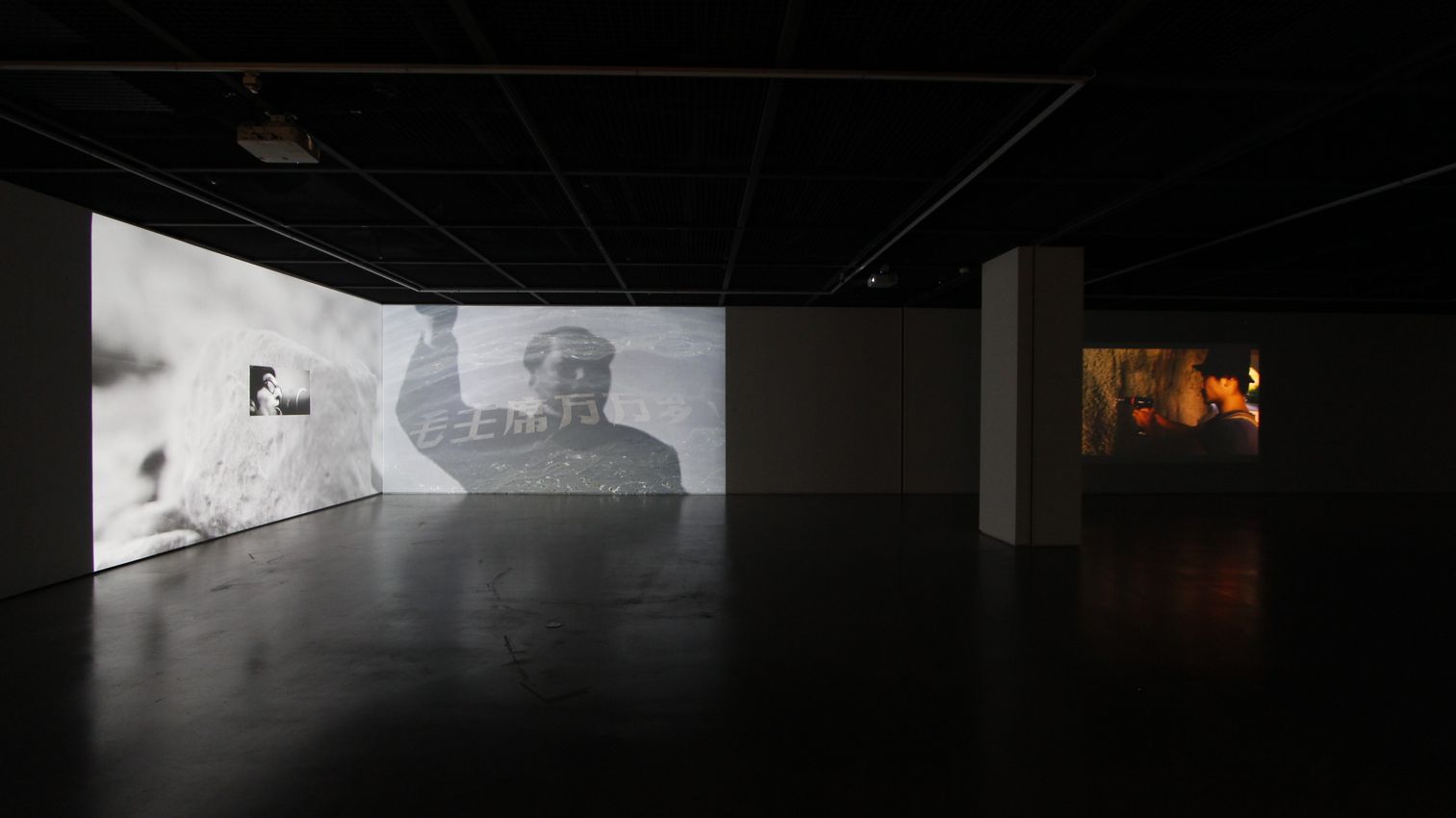
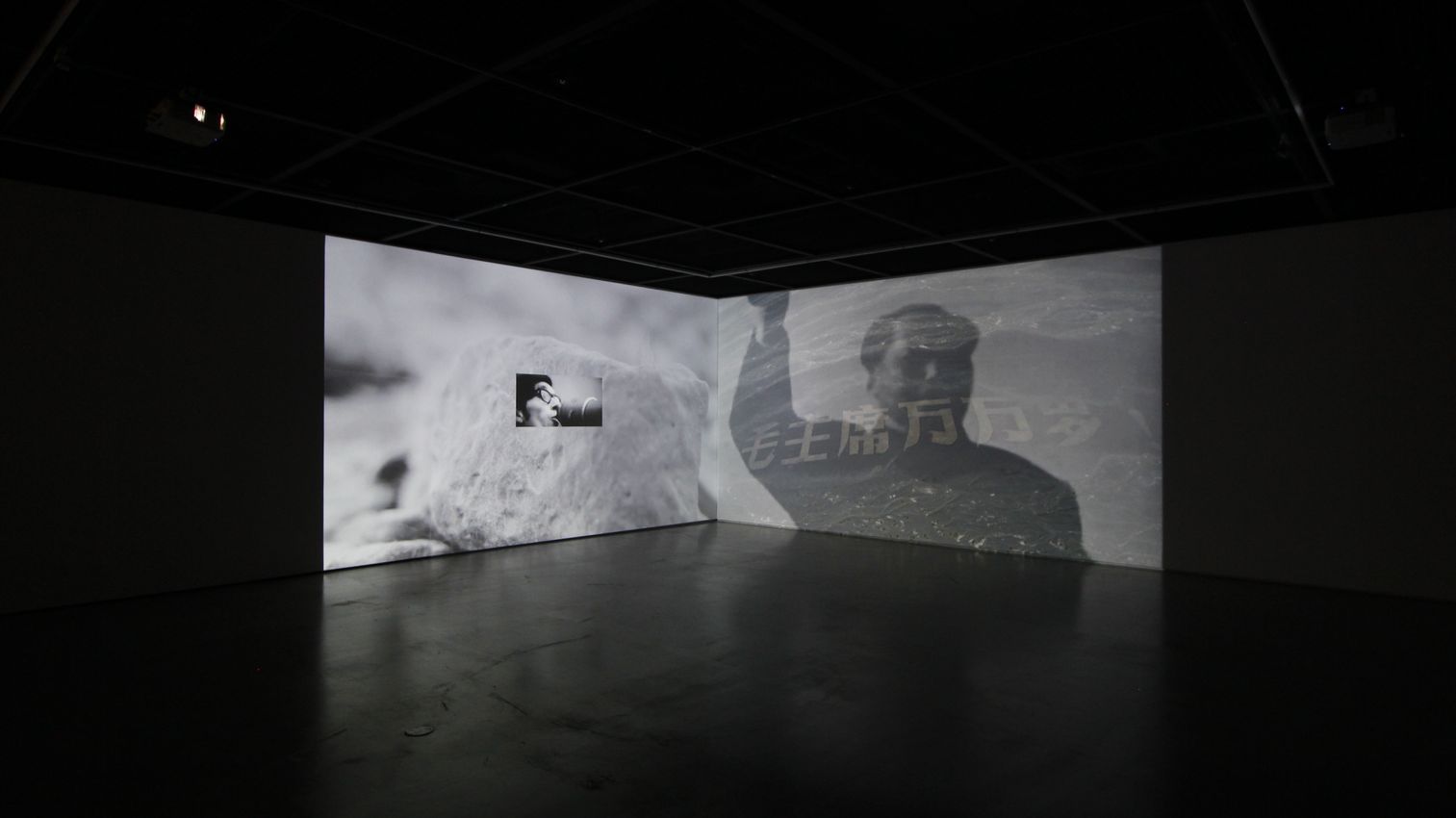
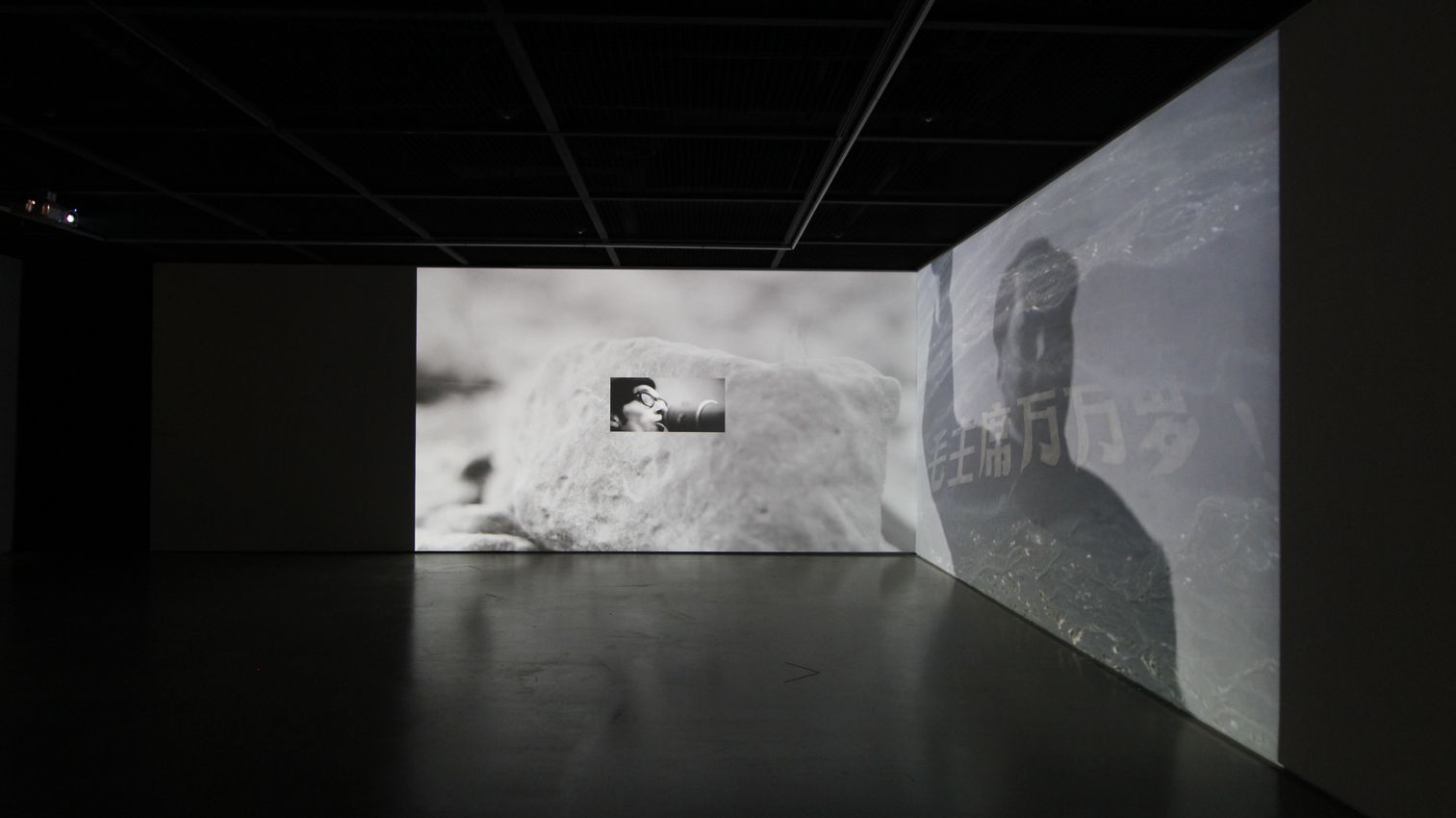
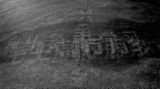
JU Anqi’s critical perspective on social structure stands out in the work Big Characters (2015). The video starts with massive characters made of stacked rocks near an uninhabited area of eastern Xinjiang. Clearly visible on Google Maps, these characters were used as route markers for the secret military airport during the Cultural Revolution of 1968, and form revolutionary slogans. Stacked in a yearning for utopia, to the modern viewer these characters convey eerie bleakness and wounds of the past. By overlaying these characters with footage of the incidents that swept across the world in 1968 in slow erosion, the film criticises fantasies of utopia buried within all societies.

The work Drill Man (2016) tells an unbelievable story of a young man carrying a drill. The film is full of undercurrents of tension and violence, reflecting on the era of technology. Ju Anqi as a director continues with his subversive alternative experimental style, with an outlandish story pattern that gives the audiences a unique spiritual experience as they face a confused and disturbed material world.

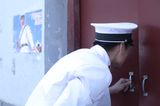
Next, mocking government censorship, JU Anqi presents the story of an imprisoned policeman. A Missing Policeman (2016) shows the events that unfold when, under the threat of arrest for illegal activities in a period of tight restrictions after the 1983 Cultural Revolution, artists subdue a policeman and hold him for 33 years. Renowned Chinese artists and critics ZHOU Chunya, WANG Gwangyi, ZHANG Xiaogang, XU Bing, DING Yi, FANG Lijun, and more, appear as themselves. During confinement, the policeman meets artists and critics and learns about contemporary art from them, later transforming into a sort of master himself to these already-renowned artists. Through a story construct full of JU’s particular humour, it follows the tide of Chinese modern art while condemning modern art’s obstructiveness and dependence on the West.

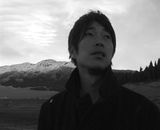
Born in 1975 in Xinjiang, China, JU Anqi graduated from Beijing Film Academy in 1999, and caught the world’s attention the next year for his first work, There’s a Strong Wind in Beijing (2000) at the 50th Berlin International Film Festival. JU Anqi holds the attention of both the film and art worlds, opening solo exhibitions at the Power Station of Art, Shanghai; Ullens Center for Contemporary Art, Beijing, and more, while his work has been shown at museums worldwide, including the MoMA and Guggenheim Museum in New York, and the Centre Pompidou in France. His work is in the collections of the Centre Pompidou, France; Lincoln Center, New York; Zhi Art Museum, China; White Rabbit Gallery, Australia, and more.

Read More

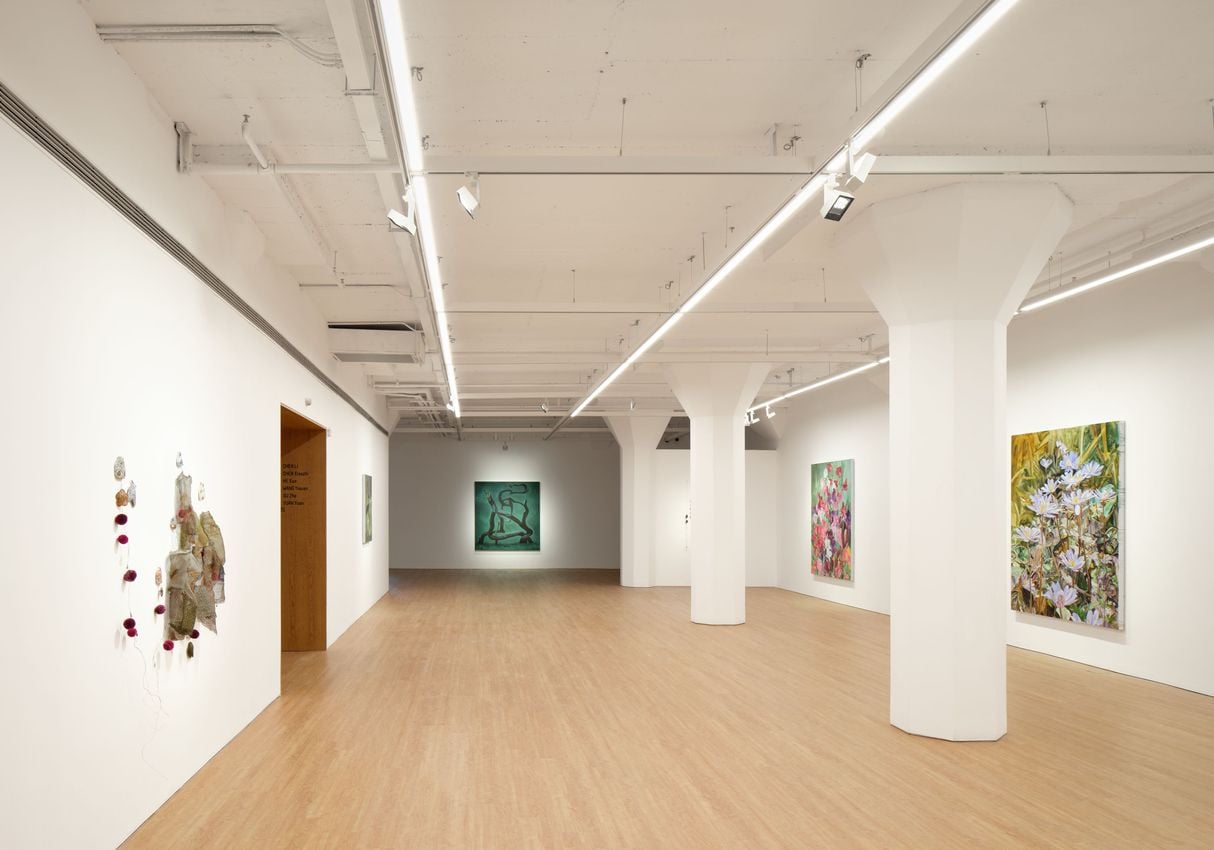
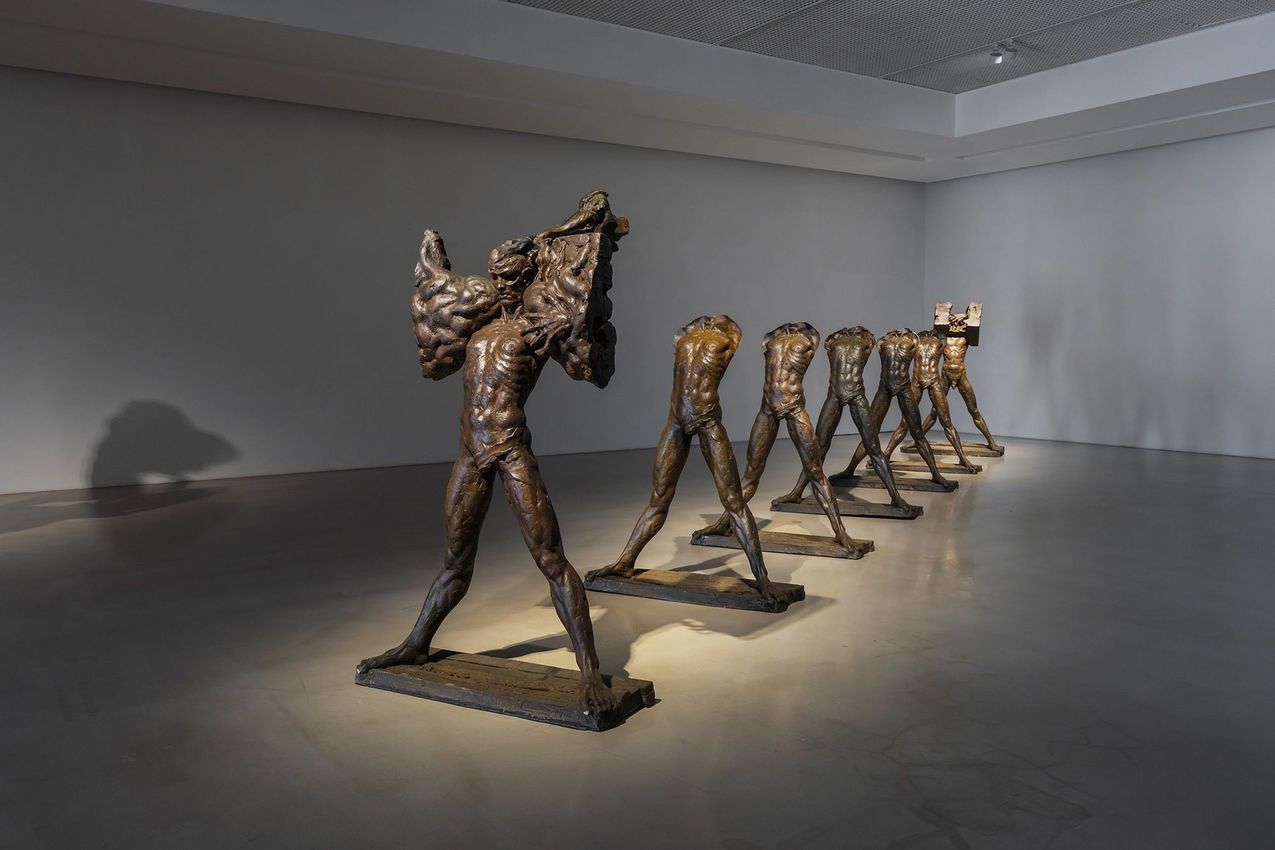
Installation Views

About the Artist

Born in 1975 in Ürümqi, Xinjiang province, Ju Anqi graduated from the Directing Department of the Beijing Film Academy. As one of the most widely recognized directors from China’s “New Generation” of filmmakers and multi-media artists, Ju’s experimental films have been exhibited in the Centre Pompidou (Paris), MoMA (New York) and Lincoln Center (New York). Ju’s debut film was ‘There’s a Strong Wind in Beijing’, which was shot on films 8 years after their expiration date, was selected for the entry of the Berlin International Film Festival in 2000, and became the milestone for Chinese Experimental films. His recently finished film ‘Poet on a Business Trip’ premiered at the 44thedition of the International Film Festival of Rotterdam, which won the Netpac Award Winner, and the Grand Prize at the 16thJeoju International Film Festival as well as three other international awards. In April 2016, Ju Anqi produced a new film ‘A Missing Policeman’ which co-starred over 20 contemporary artists from China. Film critic Tony Rans praised all the co-stars of as the sole engineers of this film. As one of the few Chinese cross-media artists, his independent practice incorporates a multi-faceted body of artworks with film and LED light boxes forming the crux of his output.

View Artist Profile

Also Exhibiting at Arario Gallery

About the Gallery

The ARARIO GALLERY SEOUL | RYSE HOTEL project opened in April 2018 with the inaugural exhibition Remembering, or Forgetting, and closed on 10 November 2019 with the final exhibition Buen Calubayan_Landscape, Museum, Household: A Sweeper’s Guide. The project ran for a total of one year and six months, encompassing six exhibitions attended by fifteen artists.

View Gallery Profile
Address
B1, RYSE HOTEL, 130 Yanghwa-ro
Mapo-gu
Seoul
South Korea
(1)
Seoul B1, RYSE HOTEL, 130 Yanghwa-ro, Mapo-gu
Arario Gallery
B1, RYSE HOTEL, 130 Yanghwa-ro, Mapo-gu, Seoul, South Korea
+82 2 338 6700 6701
http://www.arariogallery.com
The art world in focus