





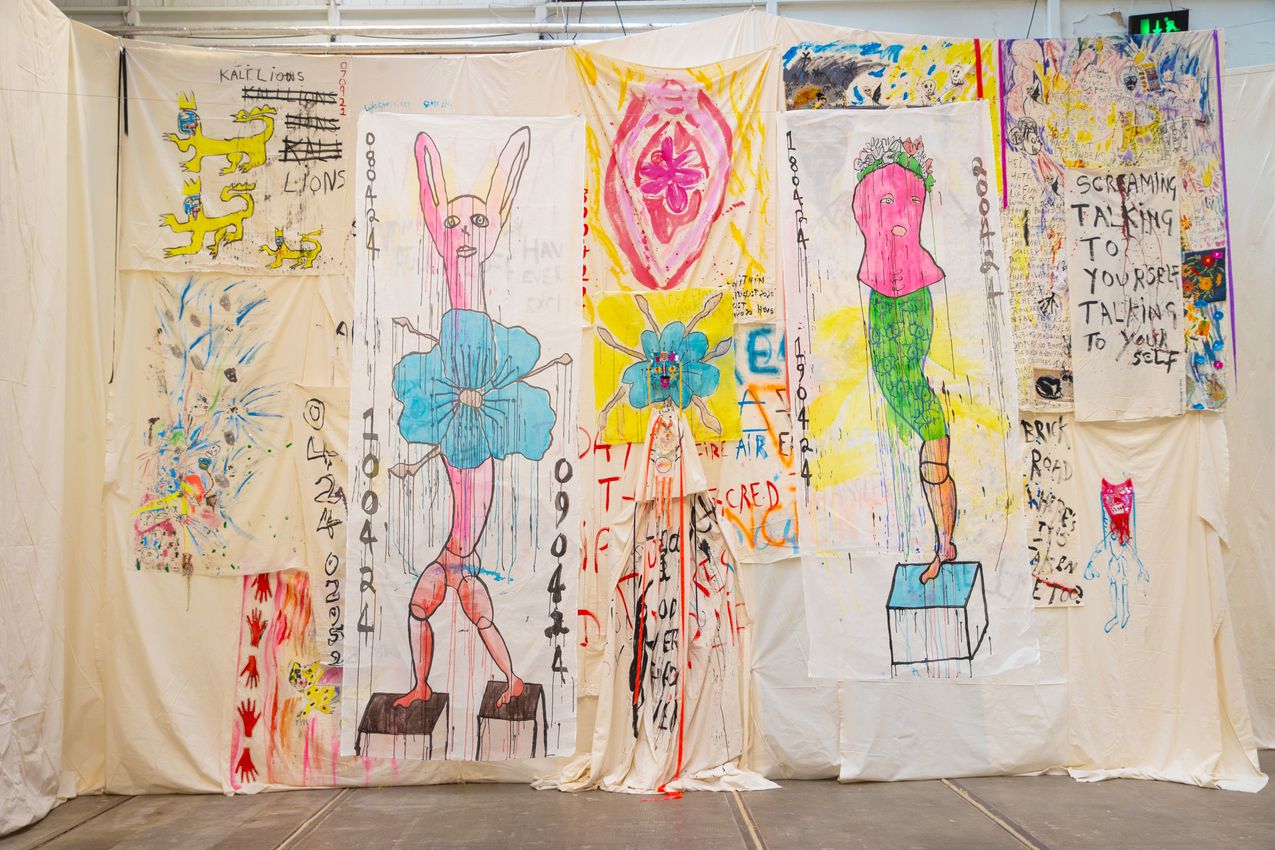
DELAINE LE BAS
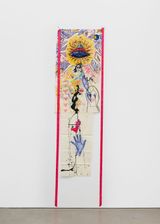
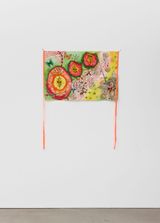
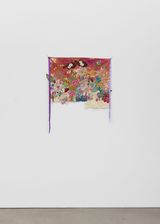
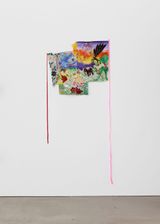
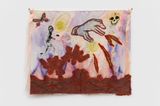
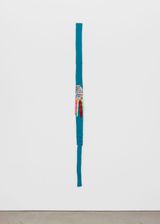
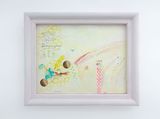
b. 1965, United KingdomDelaine Le Bas works in a transdisciplinary way: she combines visual, performative and literary practices to create an artistic oeuvre that encompasses all areas of life. In her works she deals with many facets, political as well as private and emotional, which involve belonging to the Rom*nja people, their history and rich cultural heritage. On the one hand, she uses ‘classical’ forms and techniques, especially textile techniques such as embroidery and appliqué, which, in conjunction with large-flowered fabrics and fantastic imagery, are immediately associated with clichés and stereotypes. At the same time, Le Bas subverts her own decorative aesthetic by openly exploring her struggles, thus defying stereotypical limitations.
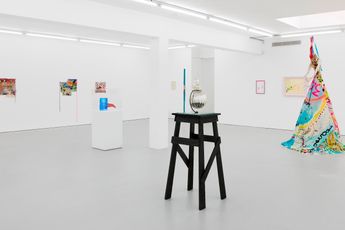
In her exhibitions, she stages spaces and creates moods; works and artifacts merge into an overall image. Her approach to materials could also be described as sustainable: she works with all means, pragmatic and inventive, with found objects, painting, film, drawing, embroidery, sculpture and video. Some exhibitions are marked by very personal and biographical explorations, while still others deal with more structural and political issues, such as the social position, discrimination and exclusion of marginalised groups.
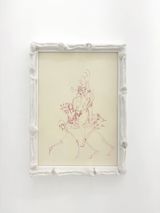
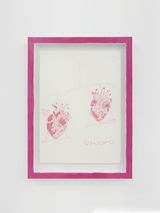
In her feminist practice, the artist Delaine Le Bas has long been preoccupied with extraordinary female figures such as goddesses, visionaries, and witches. She recently installed a giant goddess in the garden of the Maxim-Gorki-Theater in Berlin, transforming the site into a scene of contemplation, encounter, and consciousness-raising, with workshops, conversations, rituals, and ceremonies rehearsing the culture of post-patriarchy. Little wonder, then, that Klimt’s mythological visual language in the Beethoven Frieze, and especially the demonized female figures such as the Gorgons, drew her interest: the sketchbooks the artist produced as she prepared for the exhibition include numerous studies rendering her interpretations of motifs from the frieze.
Text courtesy Secession




















Explore and Follow Artists Shaping Contemporary Art
A respected voice in contemporary art discourse.
Focusing on ambitious storytelling and insightful art-world commentary. Ocula Magazine publishes in-depth interviews, critical essays and timely analysis on the artists, exhibitions and ideas driving the global art world.
Learn more about Ocula Magazine
Showcasing the best of the art world.
Ocula partners with galleries from around the world to highlight their artists, artworks and exhibitions. Gallery membership is by application and invitation, with each member vetted by an independent panel.
Learn more about Ocula Membership
Specialises in the sale of major artworks.
Led by a team with deep ties to the world’s leading auction houses, galleries and collectors. Ocula’s advisory team offers bespoke services to high-net-worth clients from around the world who are looking to acquire the best of contemporary and modern art.
Learn more about our team and services