






KAWS
b. 1974, United StatesKAWS (Brian Donnelly, born 1974) is an American artist and designer known for his cartoon-influenced characters, Pop-inflected paintings, sculptures, and large-scale public installations that blur the boundaries between street art, fine art, and commercial design. His works—featuring recurring figures such as COMPANION and BFF—have appeared on city streets, in blue-chip galleries and museums, and in high-profile collaborations with fashion, music, and lifestyle brands. In his adaption of the rules of contemporary cultural production and consumption, his practice both critiques and participates in consumer culture.
Early years
KAWS was born in Jersey City, New Jersey, in 1974 and began his career in the early 1990s as a graffiti writer, painting walls and freight trains and later ‘subvertising’ billboards and bus-shelter advertisements in New York. After studying illustration at the School of Visual Arts in New York, he worked as a freelance animator, contributing to television series including Daria and Doug, before gradually transitioning into a full-time studio practice in the late 1990s.
By the early 2000s, KAWS had become known for appropriating and reimagining familiar cartoon characters, replacing their eyes with his now-iconic ‘XX’ motif and fusing street culture with Pop art sensibilities. His adoption of the name ‘KAWS’ from stylised letterforms he liked for their visual symmetry helped establish a distinct, easily legible tag that later became a global brand.
Artistic style, Characters, and Themes
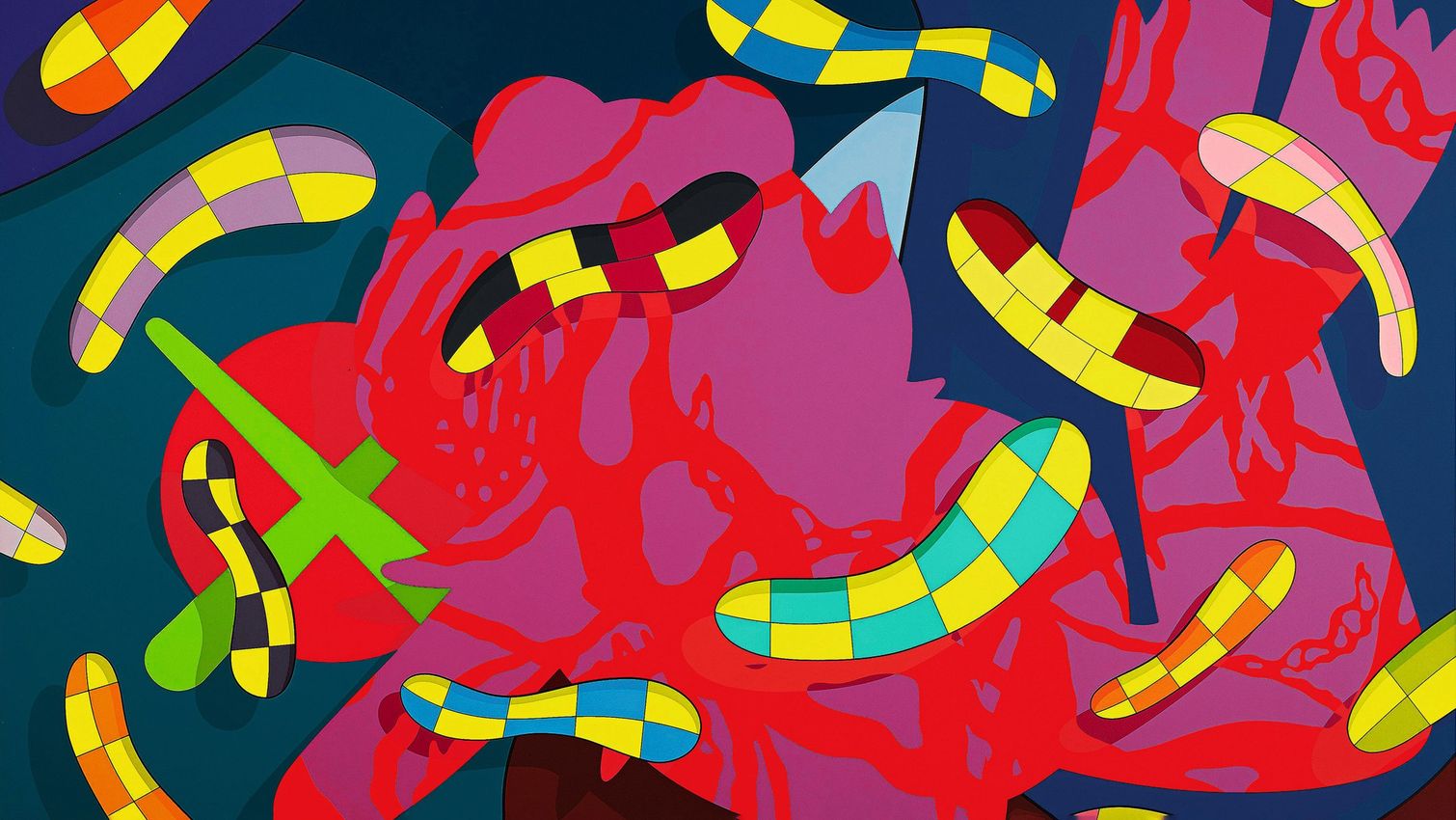
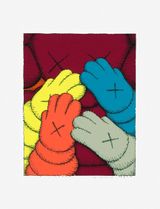
KAWS’s practice is defined by a highly polished visual language that draws on cartoons, advertising, product design, and Minimalist sculpture. Working across painting, sculpture, printmaking, toys, furniture, and monumental inflatables, he often employs flat, saturated colour fields, clean contours, and a graphic clarity reminiscent of animation and commercial illustration.
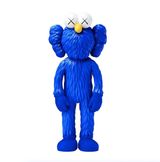
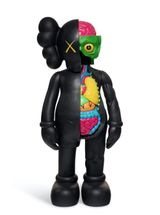
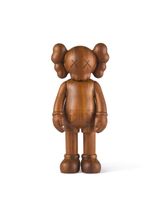
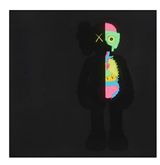
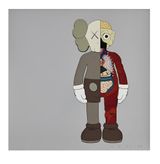
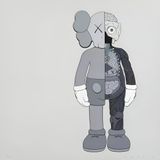
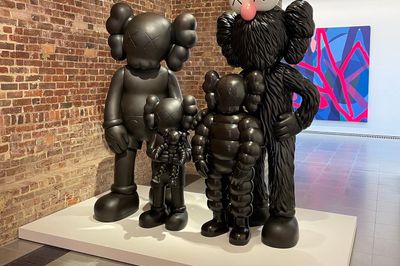
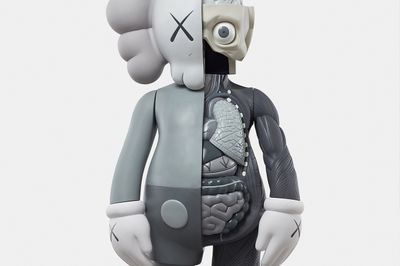
Central to his work is a cast of recurring characters, including COMPANION (first appearing as a vinyl figure in 1999), CHUM, BFF, and ACCOMPLICE, as well as skull-headed reworkings of well-known figures such as Mickey Mouse, the Simpsons, and Snoopy. These figures, with their crossed-out eyes and slumped or embracing poses, convey themes of loneliness, vulnerability, friendship, and the emotional undercurrents of mass culture. While playful and approachable, they also suggest melancholy and alienation beneath the glossy surfaces of consumer society.
From Street to Studio and Global Collaborations
KAWS first gained wider recognition in the mid-1990s by intervening in advertising posters in New York bus shelters and phone booths, carefully opening the cases, modifying the imagery with his characters, and closing them again so that passers-by encountered his work as part of the urban visual field. These ‘ad disruptions’ extended to cities such as Paris and Tokyo, positioning him within the lineage of street artists who repurpose commercial media.
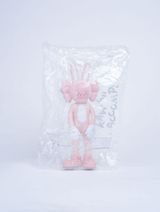
In 1999, he released his first limited-edition COMPANION vinyl figure in collaboration with the Japanese toy company Bounty Hunter, marking a key moment in his move toward collectible objects and design-oriented editions. Through the 2000s and 2010s he developed collaborations with brands including A Bathing Ape, Medicom Toy, Nike, Dior, Uniqlo, and others, as well as album artworks and stage designs for musicians such as Kanye West and Pharrell Williams. These projects helped cement his status as a crossover figure operating simultaneously in art, fashion, and popular culture.
Notable Exhibitions and Public Projects
Since the early 2000s, KAWS has exhibited internationally in museums, galleries, and public spaces. Key exhibitions and projects include:
- OriginalFake store and brand (founded 2006, Tokyo), a long-running design and apparel project that further increased demand for his editions and collaborations.
- KAWS: DOWN TIME (2012), High Museum of Art, Atlanta, one of his first major museum surveys in the United States.
- KAWS: WHERE THE END STARTS (2016–2017), Modern Art Museum of Fort Worth, Fort Worth, and Yuz Museum, Shanghai), a large-scale retrospective charting his trajectory from graffiti to sculpture and painting.
- KAWS: COMPANIONSHIP IN THE AGE OF LONELINESS (2019–2020), National Gallery of Victoria, Melbourne), highlighting his monumental sculptures and paintings in dialogue with fashion and design.
- KAWS:HOLIDAY (2018–ongoing, various locations including Seoul, Hong Kong, and Mount Fuji), a series of travelling large-scale inflatable COMPANION sculptures, often accompanied by limited-edition collectibles and immersive experiences.
In public space, monumental COMPANION and BFF sculptures have appeared in sites such as Harbour City in Hong Kong, Victoria Harbour, Yorkshire Sculpture Park in England, and at fairs and public plazas worldwide, underscoring the artist’s interest in making accessible, immediately recognisable figures that resonate beyond traditional gallery audiences.
Market and Collecting
By the late 2010s, KAWS became a major force in the global contemporary art market, with large paintings and sculptures achieving multi-million-dollar prices at auction and demand for limited-edition toys, prints, and merchandise far exceeding supply. Collectors acquire his work both through primary-market galleries that represent or exhibit him and through the secondary market via auction houses and specialist dealers, where competition for early paintings, monumental sculptures, and rare editions remains intense. Because of widespread counterfeiting in the editioned and merchandise sphere, collectors are generally advised to focus on works with clear provenance, purchase from reputable galleries or auction houses, and pay close attention to edition numbers, documentation, and condition when building a KAWS collection.
KAWS FAQs
What is KAWS known for?
KAWS is known for his cartoon-inspired characters and brightly coloured paintings, sculptures, and collectibles that merge street art, Pop art, and product design. His figures—especially COMPANION with its skull-and-crossbones head and crossed-out eyes—have become globally recognisable icons that appear in museums, public spaces, and fashion collaborations.
Why is KAWS considered important in contemporary art?
KAWS is seen as an important contemporary artist because he bridges graffiti, commercial design, and fine art, demonstrating how imagery rooted in mass culture can function in the contexts of museums and high-end collecting. His ability to move fluidly between limited-edition toys, fashion, public sculpture, and institutional exhibitions has helped redefine how artists can operate across creative industries.
What are KAWS’s most famous artworks and projects?
Some of KAWS’s most recognised works include the COMPANION and BFF characters, realised in paintings, sculptures, and vinyl figures since the late 1990s, as well as his series of monumental inflatable installations KAWS: HOLIDAY (2018–ongoing) staged in locations such as Seoul and Hong Kong. Museum projects like KAWS: Where the End Starts (2016–2017), Fort Worth and Shanghai; and KAWS: Companionship in the Age of Loneliness (2019–2020), Melbourne, have further consolidated his international reputation.
What themes does KAWS explore?
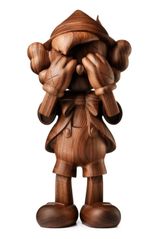
KAWS’s work explores themes of companionship, isolation, nostalgia, and the emotional impact of mass media, often using familiar cartoon forms to address contemporary anxieties. The expressive gestures and postures of his characters—covering their faces, embracing, or lying prone—suggest a tension between public image and private feeling in an age of constant visual consumption.
How can I buy KAWS artworks or collectibles?
KAWS’s original paintings and sculptures are typically available through galleries that exhibit his work and through major auction houses on the secondary market. Limited-edition toys, prints, and collaborations are released periodically via selected retail partners and online drops, which often sell out quickly; collectors are advised to buy from reputable sources and verify authenticity due to the prevalence of copies and unauthorised products.
Ocula | 2026


View KAWS's Artworks





















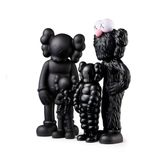





KAWS in Ocula Magazine






Explore and Follow Artists Shaping Contemporary Art
A respected voice in contemporary art discourse.
Focusing on ambitious storytelling and insightful art-world commentary. Ocula Magazine publishes in-depth interviews, critical essays and timely analysis on the artists, exhibitions and ideas driving the global art world.
Learn more about Ocula Magazine
Showcasing the best of the art world.
Ocula partners with galleries from around the world to highlight their artists, artworks and exhibitions. Gallery membership is by application and invitation, with each member vetted by an independent panel.
Learn more about Ocula Membership
Specialises in the sale of major artworks.
Led by a team with deep ties to the world’s leading auction houses, galleries and collectors. Ocula’s advisory team offers bespoke services to high-net-worth clients from around the world who are looking to acquire the best of contemporary and modern art.
Learn more about our team and services