





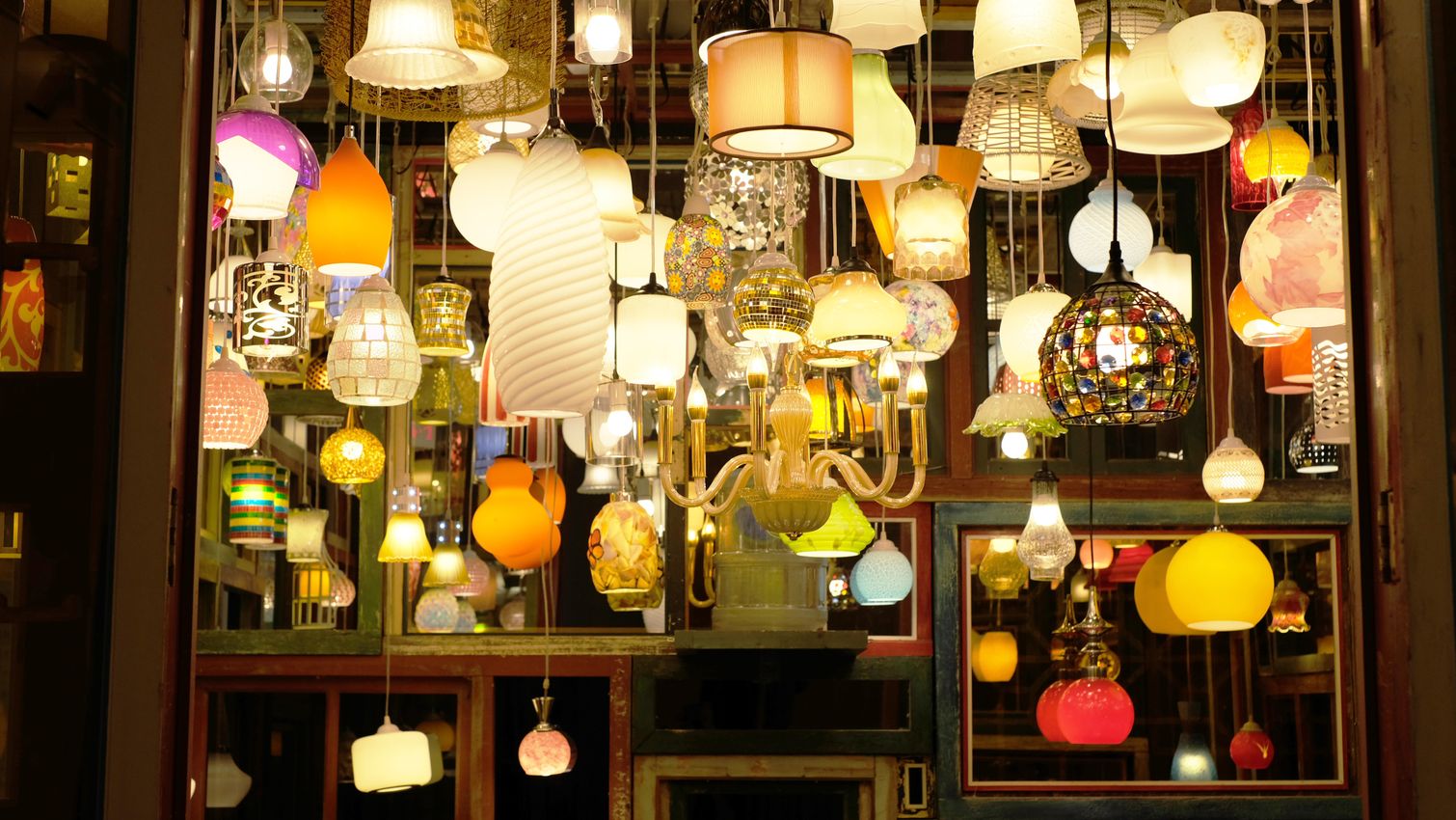
SONG DONG
b. 1966, ChinaSong Dong is a prominent figure in Chinese conceptual art, whose multidisciplinary practice spans installation, performance, video, and photography. His artworks when physically manifested as installations, most often utilise ephemera from everyday life, like food, lamps, or architectural debris—to muse on themes of globalism, impermanence, and the intersection of personal and collective experience and history.
Early Years
Born in Beijing during the Cultural Revolution, Song Dong experienced firsthand the societal upheavals that would later inform his art. His father, Song Shiping, was sent to a re-education camp, leaving Song to be raised primarily by his mother, Zhao Xiangyuan, who instilled in him a deep appreciation for art and frugality. He graduated from the Fine Arts Department of Capital Normal University in 1989, initially focusing on oil painting before transitioning to more experimental forms of expression.
Song Dong Artworks
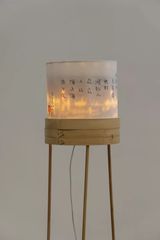
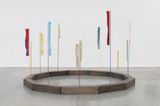
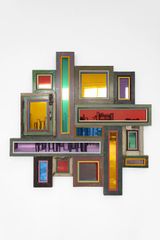
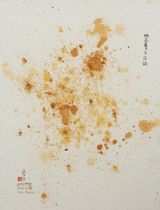
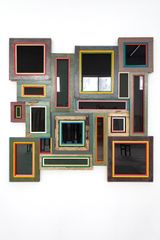
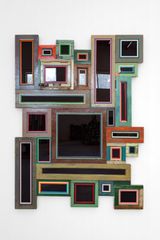
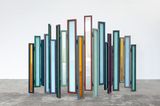
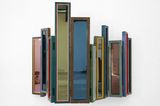
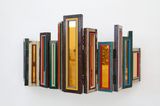
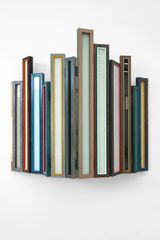
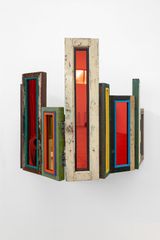
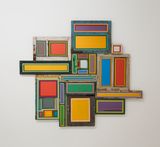
Song Dong utilises everyday materials to explore complex concepts—often expressing the transient nature of human activity and the shifting enviornments of urban China.
Notable Works
Waste Not (2005)
This large-scale installation comprises over 10,000 items, such as bottle caps, shoes, blankets, toothpaste, toys, and pens, all collected by his mother who was loathe to dispose of anything. The work is renowned as an astounding musing on the archive, memory, impermanence, gloabalisation, ephemerality, and a monument to a life lived. It has traveled extensively around the world, to major art galleries like the Museum of Modern Art, the Barbican Centre, and Vancouver Art Gallery.
Writing Diary with Water (1995)
A performance piece where Song used water to write daily diary entries on stone, which dry in time, leaving no residual trace—reflecting on the ephemerality of memory and documentation.
Touching My Father (1997)
A video work projecting an image of Song’s hand over his father’s body, exploring generational gaps and expressions of filial love.
Eating the City (2003—)
This participatory installation work is often a popular attraction as it involves a model city constructed out of thousands of biscuits and sweet treats. A quite literal take on consumption culture, the work also evokes the malleable nature of our urban environments—especially in China, which are often undergoing redevelopment.
Exhibitions
Song Dong has been featured in numerous solo and group exhibitions worldwide.
Selected Solo Exhibitions
- Song Dong, Eating the City, Suzhou Museum of Contemporary Art, Suzhou Olympic Sports Center Commercial Plaza, Suzhou (2024)
- Song Dong, ARoS Aarhus Kunstmuseum, Aarhus (2017)
- Song Dong, I Don’t Know the Mandate of Heaven, Rockbund Art Museum, Shanghai (2017)
- Song Dong, Waste Not, Barbican Art Gallery, London (2012)
- Projects 90: Song Dong, Museum of Modern Art, New York (2009)
Group Exhibitions
- Signals: How Video Transformed the World, The Museum of Modern Art, New York (2023)
- The 7th Guangzhou Triennial: Symphony of All the Changes, Guangdong Museum of Art, Guangzhou (2022—2023)
- Global(e) Resistance, Centre Pompidou, Paris (2020—2021)
- The Allure of Matter: Material Art from China, Los Angeles County Museum of Art (2019—2020); Smart Museum of Art, University of Chicago (2020); Seattle Art Museum (2020); Peabody Essex Museum (2020—2021)
- Minimalism: Space. Light. Object., National Gallery Singapore and ArtScience Museum, Singapore (2018—2019)
Song Dong FAQs
What themes does Song Dong explore in his art?
Song Dong’s work frequently addresses themes of memory, impermanence, and the intersection of personal and collective histories, often using everyday materials to convey these concepts.
Where can I view Song Dong’s artworks?
His works are part of collections at institutions such as the Museum of Modern Art in New York; M+, Hong Kong; Tate, London; White Rabbit Gallery, Sydney; Long Museum, Shanghai; and the Los Angeles County Museum of Art.
What is the significance of ‘Waste Not’?
Waste Not is a deeply personal installation that showcases over 10,000 items collected by Song’s mother, reflecting on themes of frugality, memory, and the impact of China’s socio-political history on individual lives.
How has Song Dong’s background influenced his art?
Growing up during the Cultural Revolution and experiencing personal family hardships have profoundly shaped his artistic exploration of memory, loss, and the transient nature of life.
Ocula | 2025
















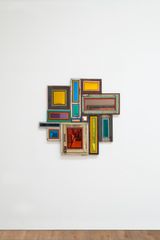

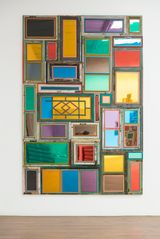

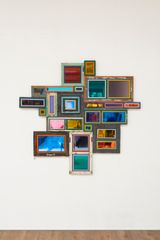
Explore Song Dong's Exhibitions









Explore and Follow Artists Shaping Contemporary Art
A respected voice in contemporary art discourse.
Focusing on ambitious storytelling and insightful art-world commentary. Ocula Magazine publishes in-depth interviews, critical essays and timely analysis on the artists, exhibitions and ideas driving the global art world.
Learn more about Ocula Magazine
Showcasing the best of the art world.
Ocula partners with galleries from around the world to highlight their artists, artworks and exhibitions. Gallery membership is by application and invitation, with each member vetted by an independent panel.
Learn more about Ocula Membership
Specialises in the sale of major artworks.
Led by a team with deep ties to the world’s leading auction houses, galleries and collectors. Ocula’s advisory team offers bespoke services to high-net-worth clients from around the world who are looking to acquire the best of contemporary and modern art.
Learn more about our team and services