





Delfina Foundation Searches for ‘Injections of Hope’ to Preserve Home for Artists
A prestigious London institution which has incubated award‑winning artists is looking abroad to fund its future. Save to My Ocula

A London institution that nurtured Venice Biennale artists and Turner Prize nominees now faces a critical challenge: raising £7 million to preserve its Georgian townhouses just steps from Buckingham Palace as a wealth exodus threatens its future.
For over 35 years, founder Delfina Entrecanales gave over a thousand early career artists a place not only to grow their practice, but a home. When the Spanish-British patron died in 2022, the fate of her namesake foundation was suddenly in doubt.
To repurchase the property from Entrecanales’ grandchildren, the U.K.’s largest artist residency—hosting 40 artists a year—will soon enter a critical phase in its fundraising campaign.
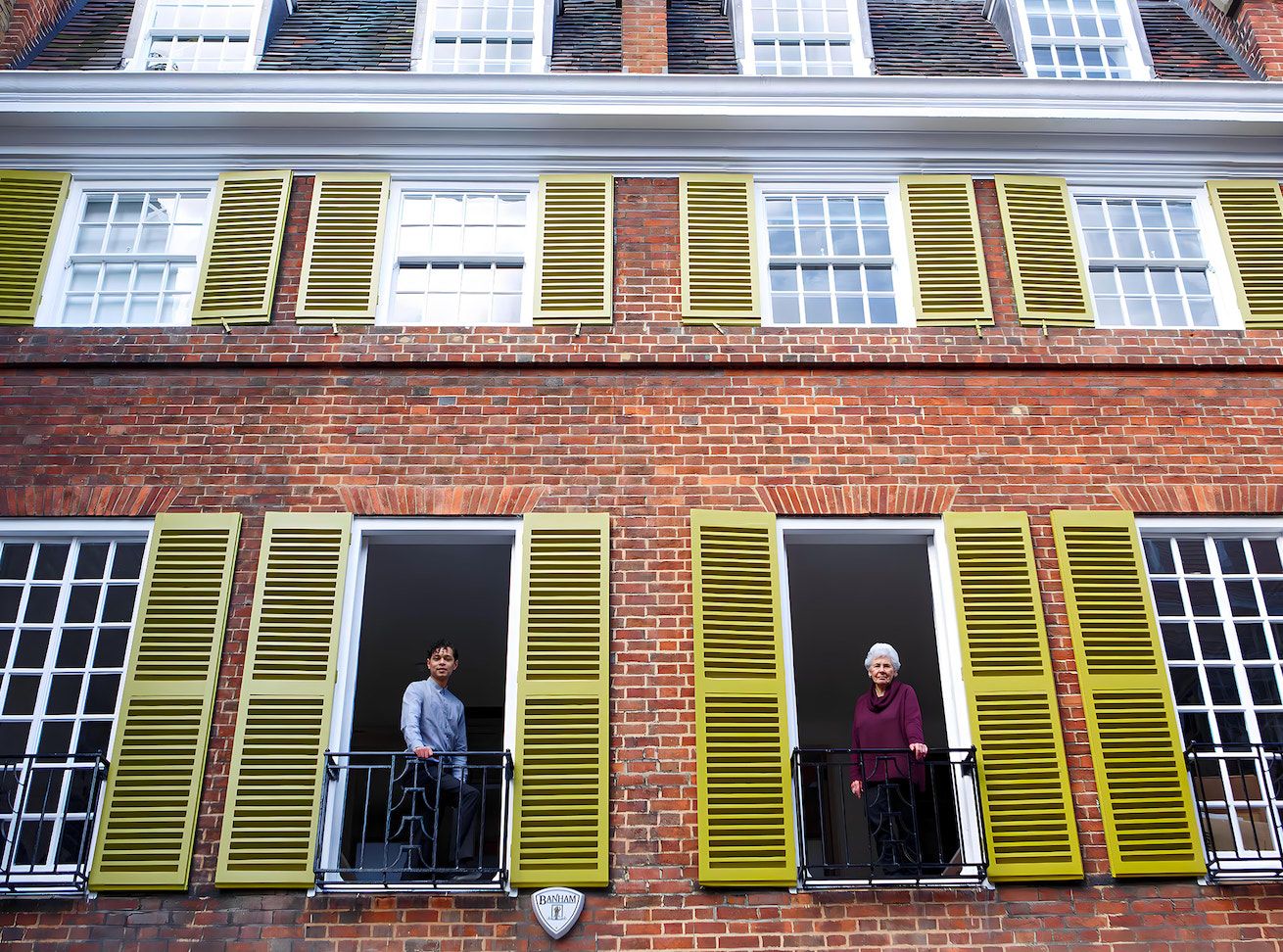
Though securing support has never been easy, founding director Aaron Cezar says these are trying times.
For nearly two decades, he has steered Delfina‘s 120-strong international patron network, including raising the foundation’s annual budget of over £1 million.
‘Some days I’m optimistic, some days paralysed by uncertainty,’ Cezar said.
‘Next year is critical,’ he stressed. ‘We’re joking about naming toilets, but seriously, we need patrons to name spaces.’
Cezar said Labour Party tax reforms back in April requiring non-domiciled residents to pay tax on foreign income have triggered an exodus among high-net-worth donors.
A report by advisory firm Henley & Partners said over 10,000 millionaires left the U.K. last year, while The Sunday Times’ annual wealth ranking reported the sharpest decline in the billionaire population in the 37 years it’s been keeping track.
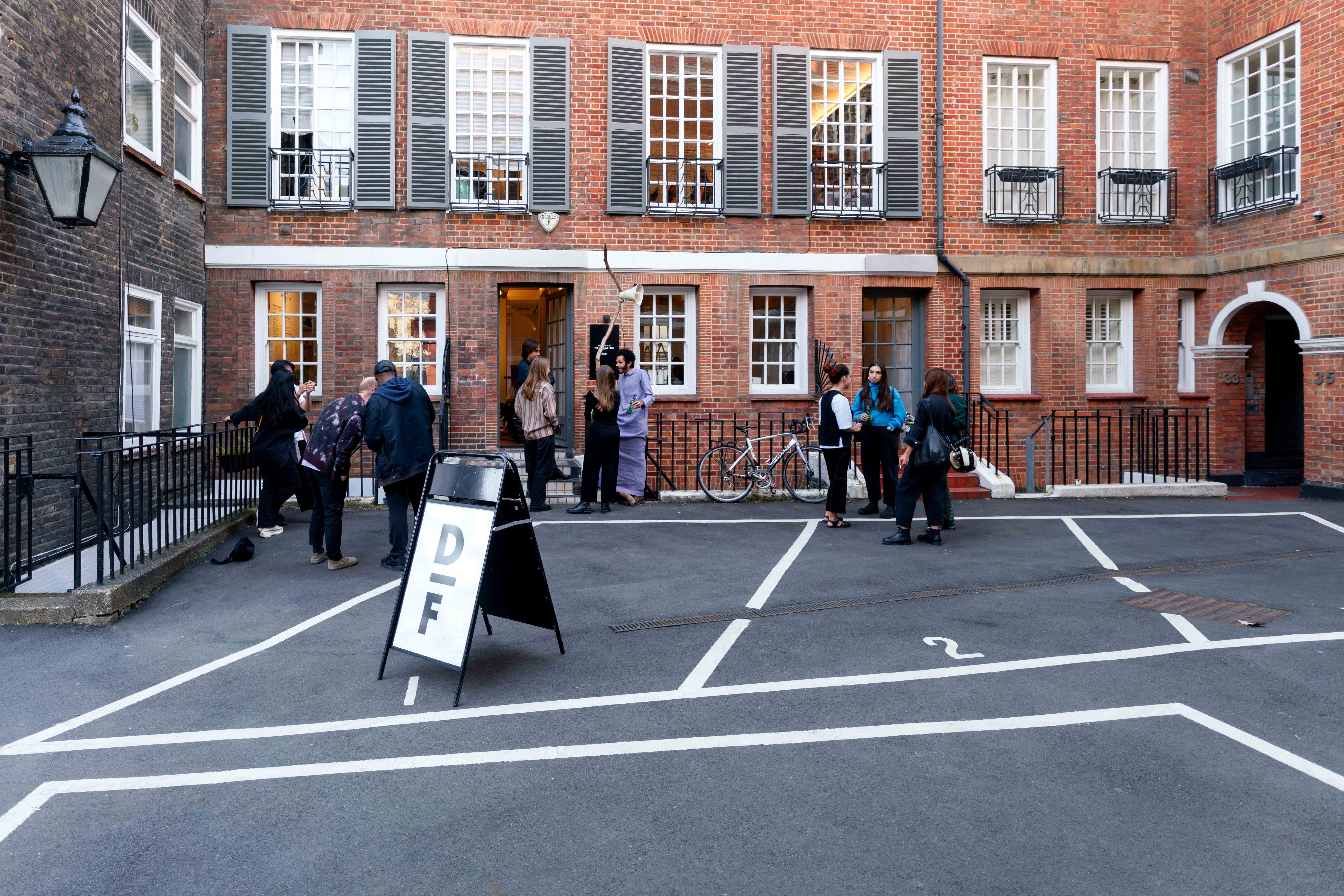
‘Ultra-high-net-worth individuals will support institutions where they move—Milan, Dubai, Monaco,’ Cezar said. ‘New arrivals from Hong Kong or the U.S. won’t replace what’s lost.’
Smaller institutions like Delfina now vie for funding with larger institutions.
‘We have to ensure philanthropists understand our impact—we’re at the beginning of the pipeline where practices are formed, where the real risk is,’ Cezar said.
Delfina’s prestigious residency boasts high-profile alumni like Sonia Boyce, Wael Shawky, and Chantal Joffe—contributing to eight award-winning Venice Biennale exhibitions and more than a dozen Turner Prize nominations—with recent residents like Trevor Yeung and Zadie Xa continuing this legacy.
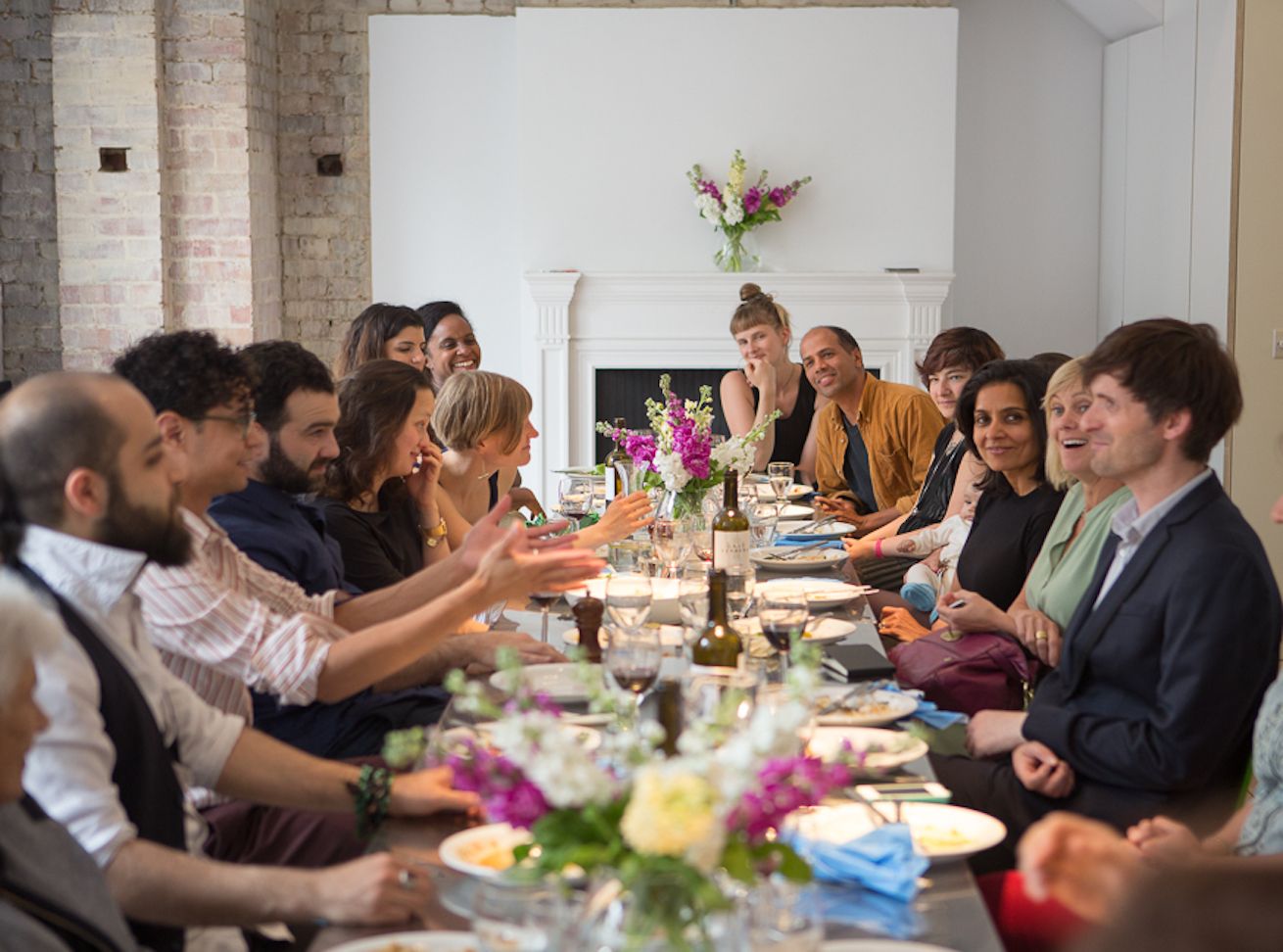
Unlike typical residencies, Delfina resident artists are not required to produce or exhibit work in their three-month stay. Instead, they join a homely space with weekly ‘family lunches’ and opportunities to connect with institutions like Tate and Chisenhale Gallery.
But with tax policies disincentivising donors from remaining in the U.K., Cezar said current patrons plan to give less in London.
Delfina now looks beyond its usual network to North America, where art institutions and non-profits face similar pressures—especially as the current U.S. administration sidelines sectors like culture that lack clear, measurable outcomes.
‘Our international donor base is one of our strengths,’ Cezar said. ‘But these same donors support other institutions and face difficult choices.’
![Performance view: Alex Mirutziu, Joshua Hubbard, Stay[s] against confusion (2016), Delfina Foundation, London. During evening event Transpositions (2016).](https://files.ocula.com/rf/bf/bf31eab3-ec71-4c34-9140-f8b8397573c7/3-alex-mirutziu-joshua-hubbard.jpg)
At New York art fair week last month, Cezar observed that while major institutions like MoMA PS1 fundraised successfully, non-profits worried amid federal funding cuts.
He said while the National Endowment for the Arts is not a primary funder for U.S. art organisations, its support serves as crucial validation—and losing this at uncertain times fuels anxiety. ‘What we need are injections of hope,’ he said.
One such initiative, Delfina’s new residency for North American artists will launch next year, supporting Indigenous artists, self-taught practitioners, and artists living outside major U.S. cities.
‘Many artists want international engagement, especially from underserved areas,’ Cezar said. Selected through an open call, the first cohort will arrive next winter.
The initiative seeks to sustain the foundation’s operations by attracting new patrons and building institutional partnerships—while also extending support to a region previously assumed to have sufficient infrastructure for artistic development.
On the challenges of fundraising, Cezar was optimistic but stressed the importance of letting people know the foundation is in need.
‘We’re fragile but at culture’s forefront,’ he said. ‘We’re investing in generations of practitioners to come.’ —[O]
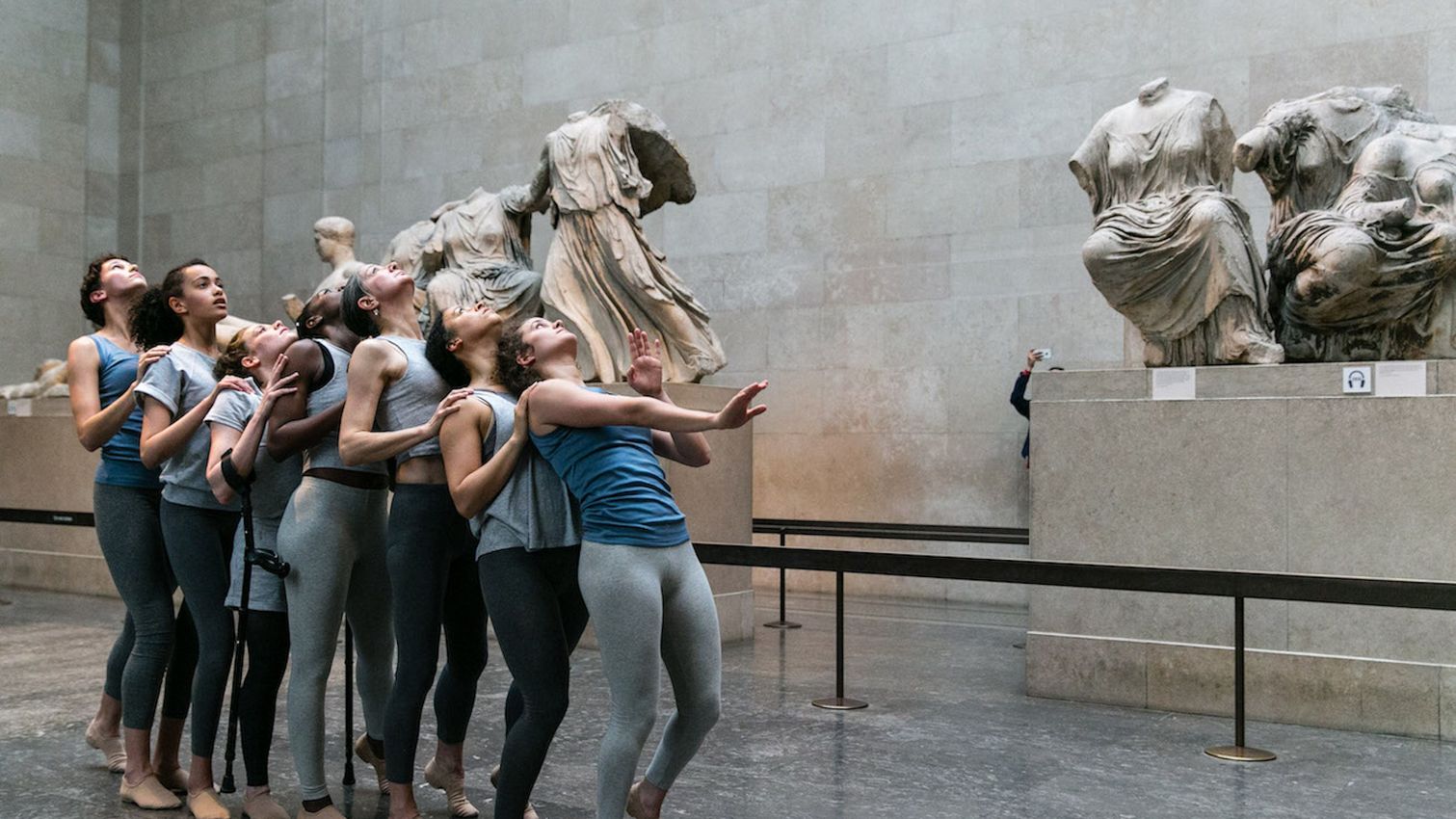
Main image: Performance view: Alexis Blake, Conditions of an Ideal, British Museum (2016). Part of Block Universe. Courtesy Delfina Foundation. Photo: Arron Leppard.






A respected voice in contemporary art discourse.
Focusing on ambitious storytelling and insightful art-world commentary. Ocula Magazine publishes in-depth interviews, critical essays and timely analysis on the artists, exhibitions and ideas driving the global art world.
Learn more about Ocula Magazine
Showcasing the best of the art world.
Ocula partners with galleries from around the world to highlight their artists, artworks and exhibitions. Gallery membership is by application and invitation, with each member vetted by an independent panel.
Learn more about Ocula Membership
Specialises in the sale of major artworks.
Led by a team with deep ties to the world’s leading auction houses, galleries and collectors. Ocula’s advisory team offers bespoke services to high-net-worth clients from around the world who are looking to acquire the best of contemporary and modern art.
Learn more about our team and services