





Serbia’s Artists and Cultural Workers Petition Against Venice Pick
The selection of Predrag Đaković has triggered criticism from the nation’s art scene, with curator Lav Mrenović describing ‘mass dissatisfaction’ in Belgrade. Save to My Ocula
The recent announcement of painter Predrag Đaković as the representative of Serbia at next year’s Venice Biennale has sparked frustration within the nation’s arts scene; a petition voicing opposition to the selection was launched on Saturday and has now gathered more than 600 signatures.
Signatories include artists, cultural workers, and art historians, among others. The petition alleges that the Commission selected Đaković after ‘an unprofessional and non-transparent process’ and ‘abused its authority rather than evaluating the quality of contemporary artistic production in Serbia’. It accuses Đaković of being a political pick in the interest of the Serbian Progressive Party, which has been in power since 2012.
New York-based Serbian artist Ivana Dama tells Ocula that she is ‘heartbroken’ but unsurprised by the decision: ‘The selection went to someone who is not even remotely relevant within the Serbian art scene, let alone on the level of representing a country at the world’s most important biennale.’
Đaković is a Serbian Czech painter born in 1964 in former Yugoslavia. He completed his secondary education in Belgrade and has lived in Prague since his time studying painting at the city’s Academy of Fine Arts. He was awarded the Gold Medal for extraordinary achievement in art by Serbian president Aleksandar Vučić in 2022, and has received awards from other Serbian cultural organisations in recent years.
Đaković’s project, submitted by the Archives of Vojvodina and entitled Through Golgotha to Resurrection, will interrogate European history, identity, and ideology through 320 square metres of paintings and installations, including 14,600 pieces of archival material.
Belgrade-based artist Nemanja Nikolić describes the selection as ‘part of a long-standing pattern’ of opaque procedures by the Commission. He identifies Đaković’s paintings as belonging to a ‘national-kitsch’ aesthetic that reflects the government’s cultural policy.
Writer and curator Lav Mrenović, meanwhile, says that there is ‘mass dissatisfaction’ in Belgrade regarding the artist’s selection and the cultural policies of the populist government. He is calling for reform of the Venice Biennale representation as well as the Museum of Contemporary Art in Belgrade (MoCAB), who organised the open call on behalf of the Ministry of Culture.
Neither Đaković nor MoCAB has responded to a request for comment. —[O]
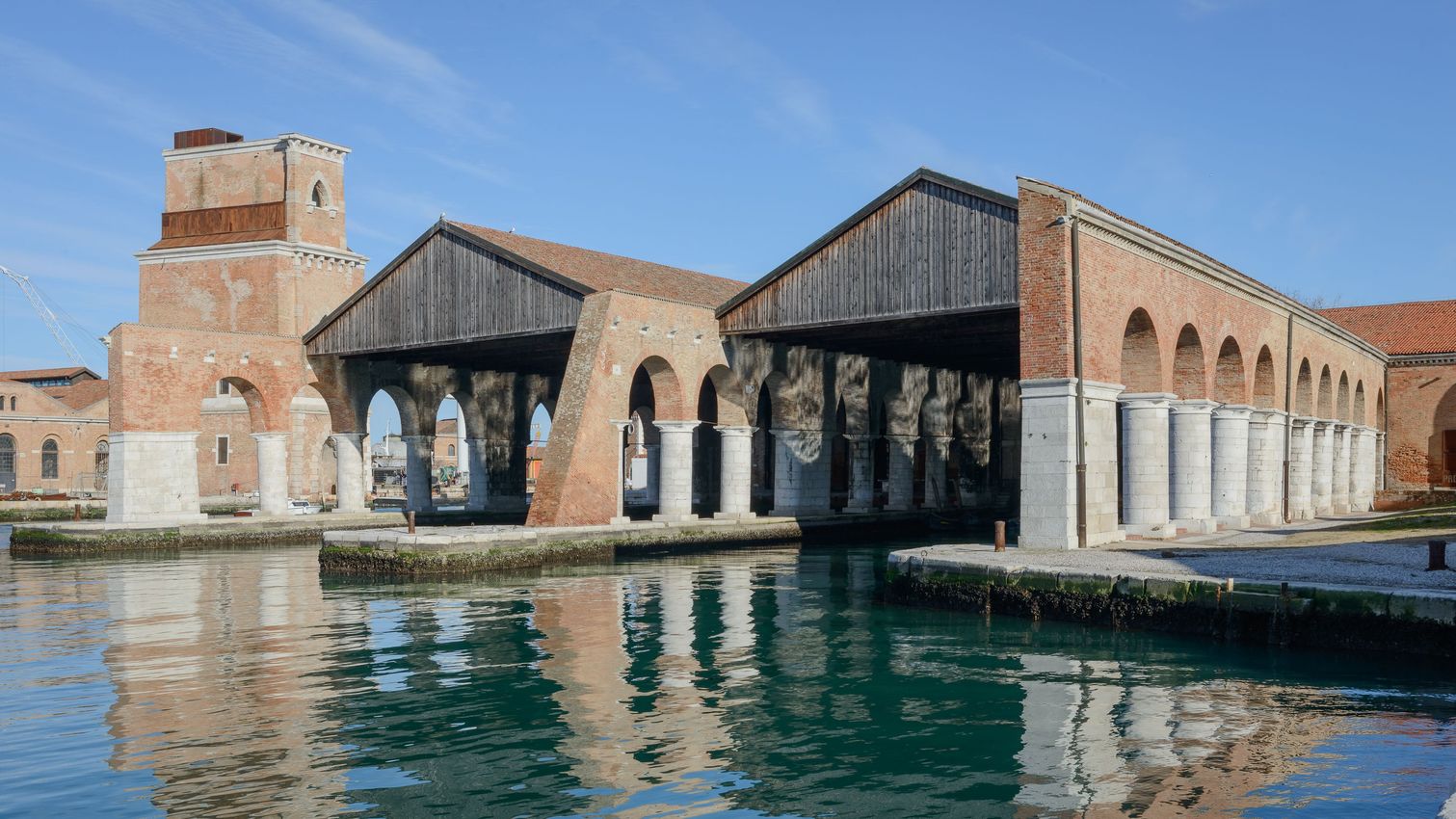
Main image: Gaggiandre, Venice. Courtesy La Biennale di Venezia. Photo: Andrea Avezzù.




A respected voice in contemporary art discourse.
Focusing on ambitious storytelling and insightful art-world commentary. Ocula Magazine publishes in-depth interviews, critical essays and timely analysis on the artists, exhibitions and ideas driving the global art world.
Learn more about Ocula Magazine
Showcasing the best of the art world.
Ocula partners with galleries from around the world to highlight their artists, artworks and exhibitions. Gallery membership is by application and invitation, with each member vetted by an independent panel.
Learn more about Ocula Membership
Specialises in the sale of major artworks.
Led by a team with deep ties to the world’s leading auction houses, galleries and collectors. Ocula’s advisory team offers bespoke services to high-net-worth clients from around the world who are looking to acquire the best of contemporary and modern art.
Learn more about our team and services