The art world in focus
Subscribe to our newsletter for news and insights on artists, galleries and exhibitions.
Milford Graves was a legendary free jazz drummer, but perhaps lesser known as a master of martial arts. When he started out, he wanted to study with martial artists in Chinatown in New York City who practised a fighting style called praying mantis. They refused to teach him because he wasn’t Chinese. So he ordered some live mantises from a gardening magazine and studied their movements, bypassing cultural propriety and, as he put it, “going right to the source”.
In the second act of Matthew Barney’s River of Fundament (2014)—at five-and-a-half hours, the artist’s longest single film—Graves bursts through the wall of a child’s bedroom and demonstrates Yara, the improvisational martial-arts discipline he forged from Kung Fu and West African dance. This blend of influences jives with the film’s themes of mixed identity, if not quite what we might call cultural appropriation. It’s knottier than that, and complicated further by the fact that Graves is playing a reincarnation of the Jewish-American writer Norman Mailer.
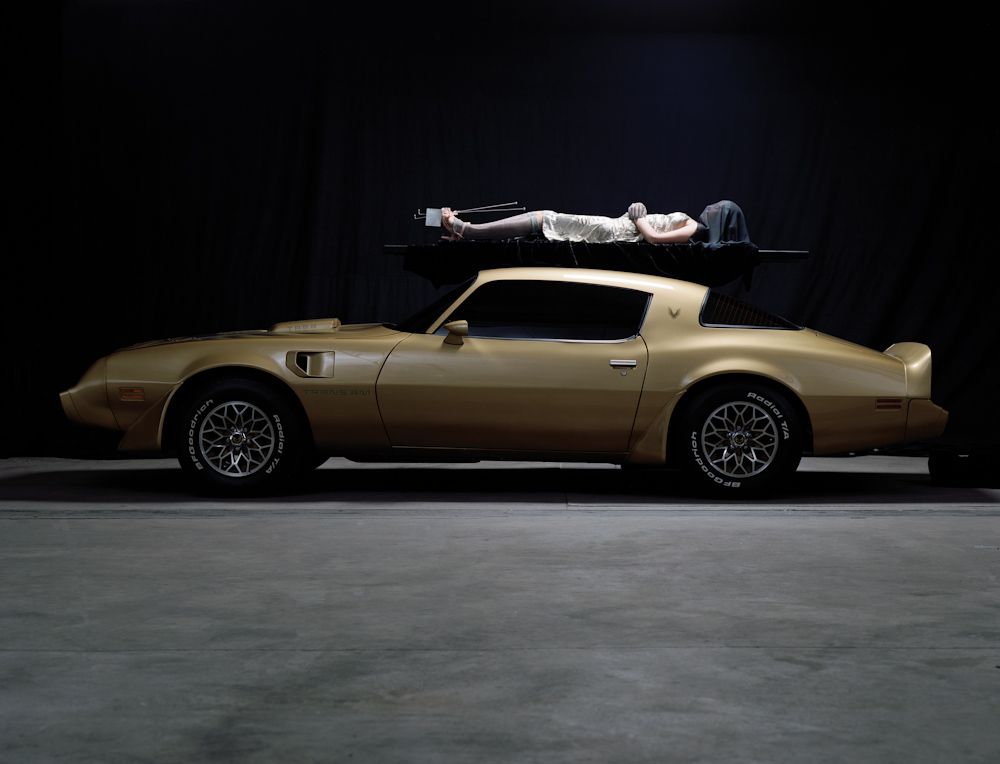

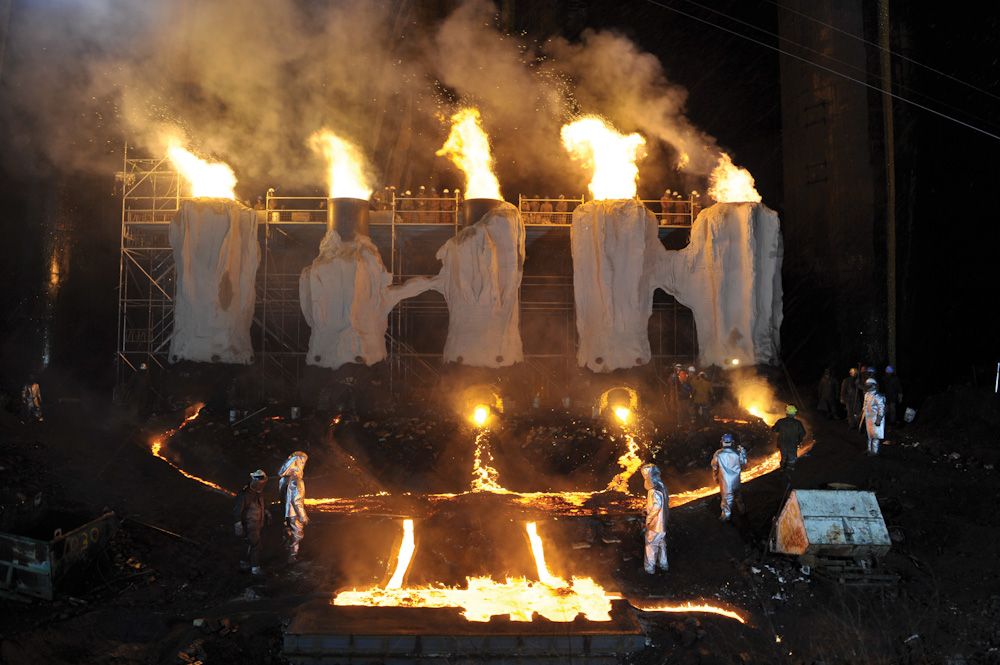
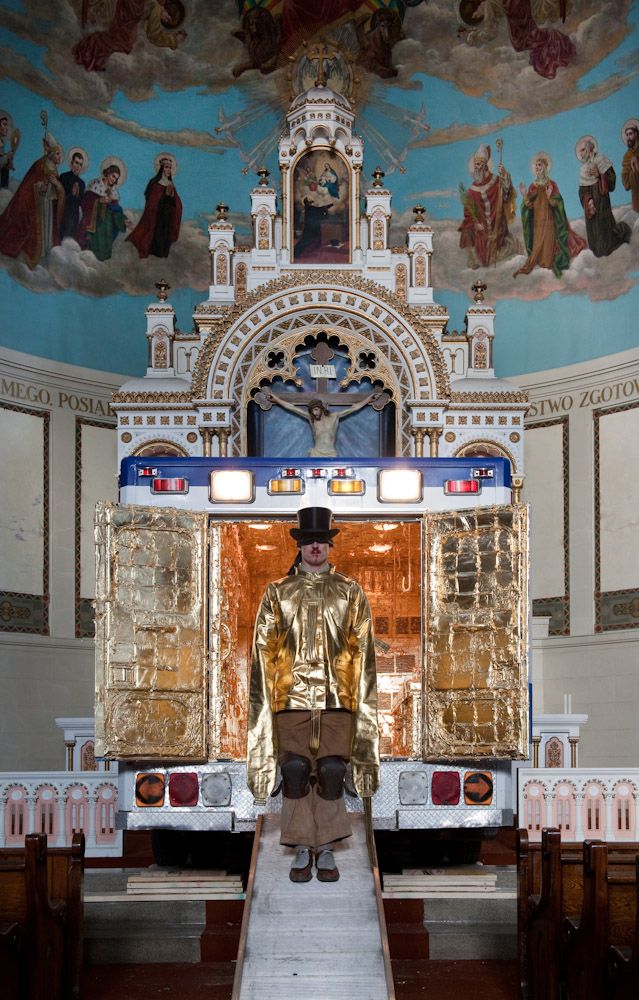
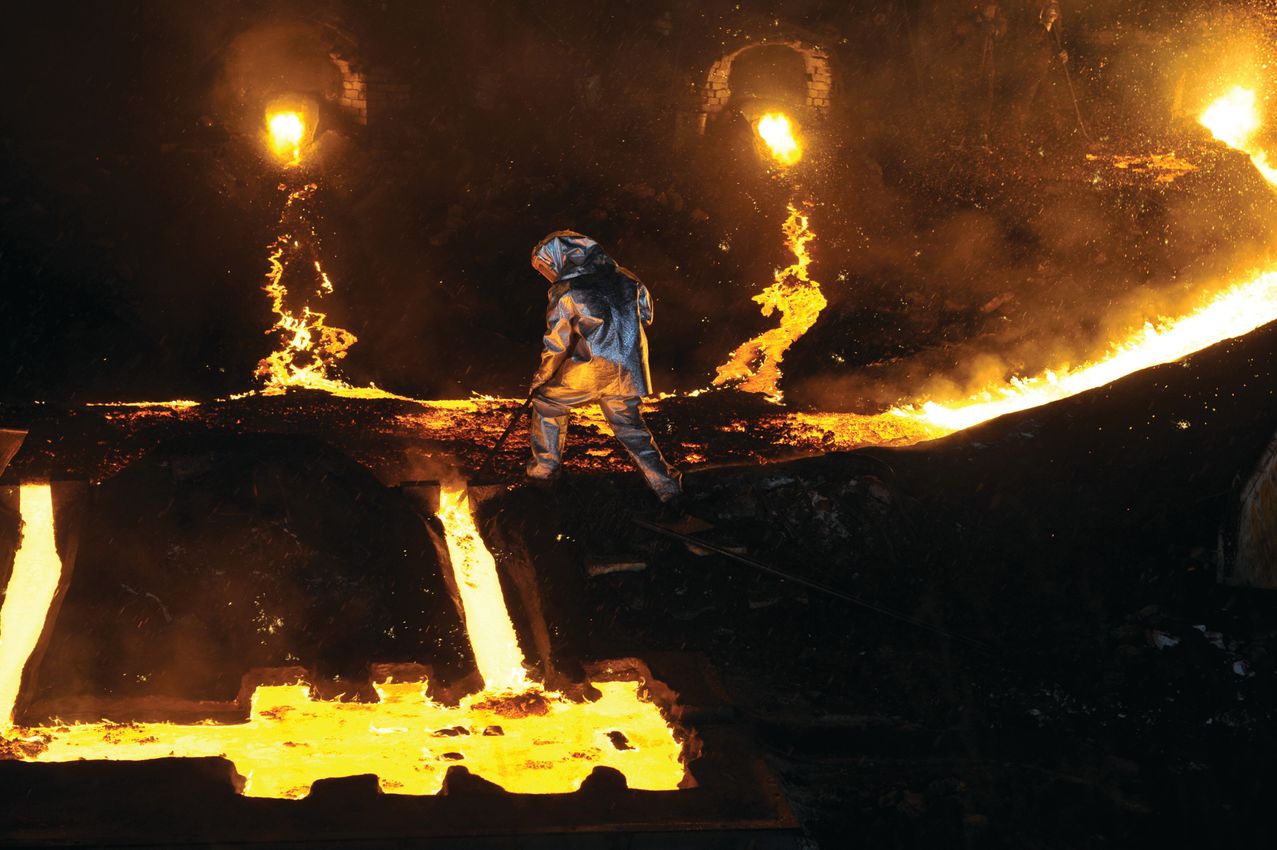
Structured as a three-act opera based on Ancient Evenings, a 1983 Mailer novel populated by Egyptian gods, River of Fundament begins with Mailer’s wake and follows his spirit (played by his son, John Buffalo Mailer) through two reincarnations: first as Black (played by Graves), second as Lakota, a Native American people (played by the late Chief David Beautiful Bald Eagle). Composed during the twilight of the Obama years by the visionary Jonathan Bepler, the score incorporates Black music including stomp, R&B and autotune, as well as Native American and Mayan musical traditions—a paean to the era’s enthusiastic multiculturalism.
“For as long as Black people have lived in the United States, white people have appropriated Blackness”
In 2026, this expansive attitude feels dated. Not least because, a year after Fundament’s release, the culture widely denounced Rachel Dolezal, a woman who self-identified as Black even though her parents were white. For years she had worn box braids and even headed the Spokane NAACP, a Black activist organisation. In her 2017 memoir, Dolezal wrote that race was determined by “the culture you gravitate toward and the worldview you adopt”. Mailer, as Barney knew, articulated something similar in his 1957 essay The White Negro, where he valorised the white, “psychopathic” libertine whose “source of Hip is the Negro” for whom “jazz is orgasm”.
For as long as Black people have lived in the United States, white people have appropriated Blackness. For a white person to become Black themselves remains taboo. Yet this repressed desire continues to run through US culture. On 14 November, as River of Fundament screened at a Masonic lodge in Manhattan, the Metropolitan Opera staged Lincoln in the Bardo (2026), in which President Lincoln, who declared the end of slavery, is inhabited by the spirit of a Black former slave. Barney’s film dramatises the same recurring fantasy to “be other”, in which another identity, if you demonstrate enough empathy for it, might grant you a kind of possession.

Such projections will always be somewhat imperial. Today, the grandiose themes of River of Fundament seem out of touch with political reality. Yet, for Barney, the question isn’t whether racial transposition is legitimate, but what this fantasy makes possible. To imagine being other, in art, might open new ways of being with others. And if an artist could conceive of a racial identity expansive enough, empathetic enough, to exceed our present fatigue with the limits of identity, it would be worth the risk.—[O]
A respected voice in contemporary art discourse.
Focusing on ambitious storytelling and insightful art-world commentary. Ocula Magazine publishes in-depth interviews, critical essays and timely analysis on the artists, exhibitions and ideas driving the global art world.
Learn more about Ocula Magazine
Showcasing the best of the art world.
Ocula partners with galleries from around the world to highlight their artists, artworks and exhibitions. Gallery membership is by application and invitation, with each member vetted by an independent panel.
Learn more about Ocula Membership
Specialises in the sale of major artworks.
Led by a team with deep ties to the world’s leading auction houses, galleries and collectors. Ocula’s advisory team offers bespoke services to high-net-worth clients from around the world who are looking to acquire the best of contemporary and modern art.
Learn more about our team and services