






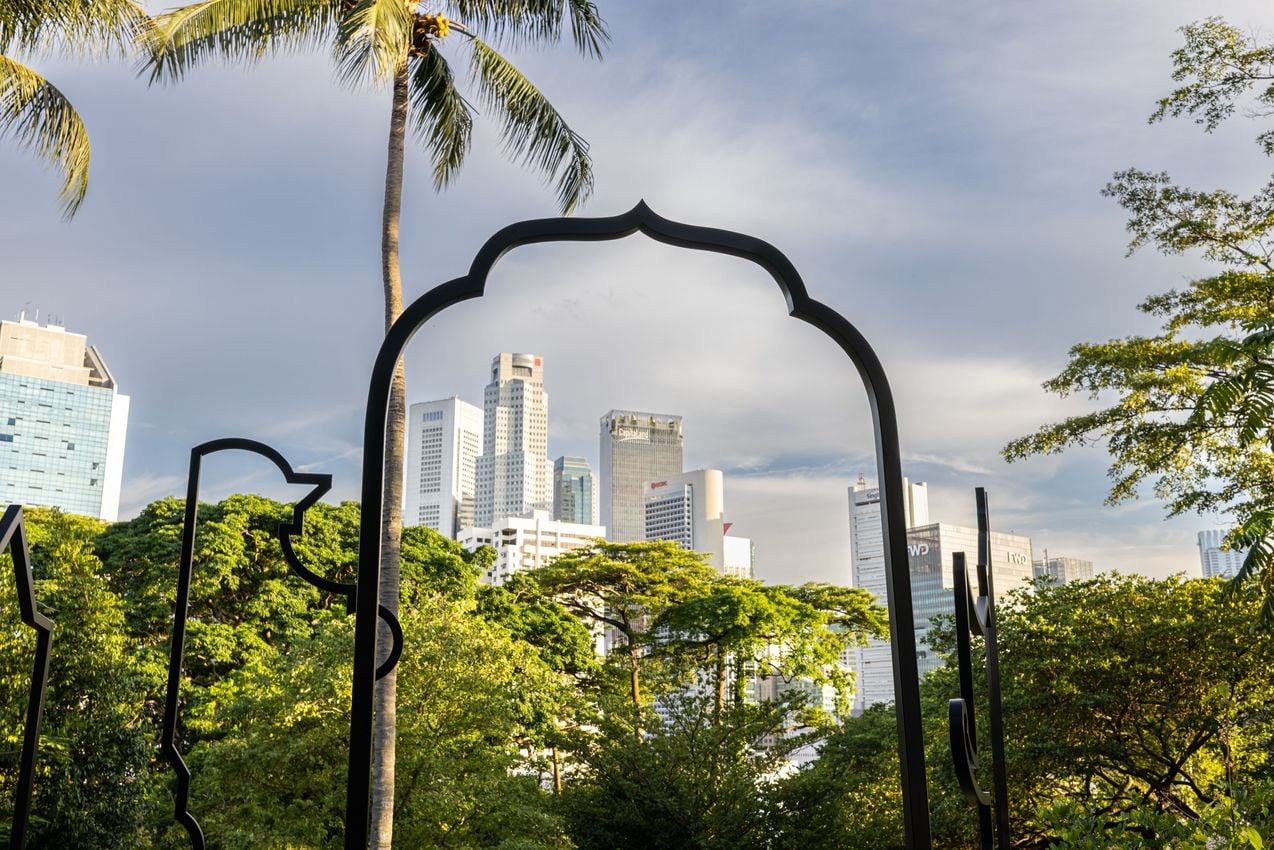
Mixed Messaging
The eighth edition of the Singapore Biennale promotes two distinct ideas: placing art into the everyday and exploring the role of the state in creating cultural infrastructure. Which matters most? Save to My Ocula

“Be happy or I’ll kill you.” So goes the suggested motto of Singapore, as darkly imagined by American science fiction writer William Gibson in Disneyland with the Death Penalty, his inflammatory 1993 essay on the city-state. Two years later, Dutch architect and urban theorist Rem Koolhaas argued in his own treatise, Singapore Songlines, that the city “is managed by a regime that has excluded accident and randomness: even its nature is entirely remade”. Both authors crassly pigeonhole Singapore as a technocratic dystopia with little room for culture. As Koolhaas writes: “It is pure intention: if there is chaos, it is authored chaos; if it is ugly, it is designed ugliness; if it is absurd, it is willed absurdity.”
The eighth Singapore Biennale is titled Pure Intention. Though never cited directly, it is an unmistakable gesture towards Koolhaas’ notorious claim that nothing in the city-state evaded planning and intention—even its rougher corners. The essays of the two Western commentators have not aged well. Today, Singapore is a powerhouse of contemporary art, wielding far-reaching influence over the broader South and East Asian region’s arts ecology. It is hard to imagine that what we now understand as Singapore’s art infrastructure only cohered three decades ago, beginning with the opening of the Singapore Art Museum in 1996, the year after Koolhaas’ essay was published.
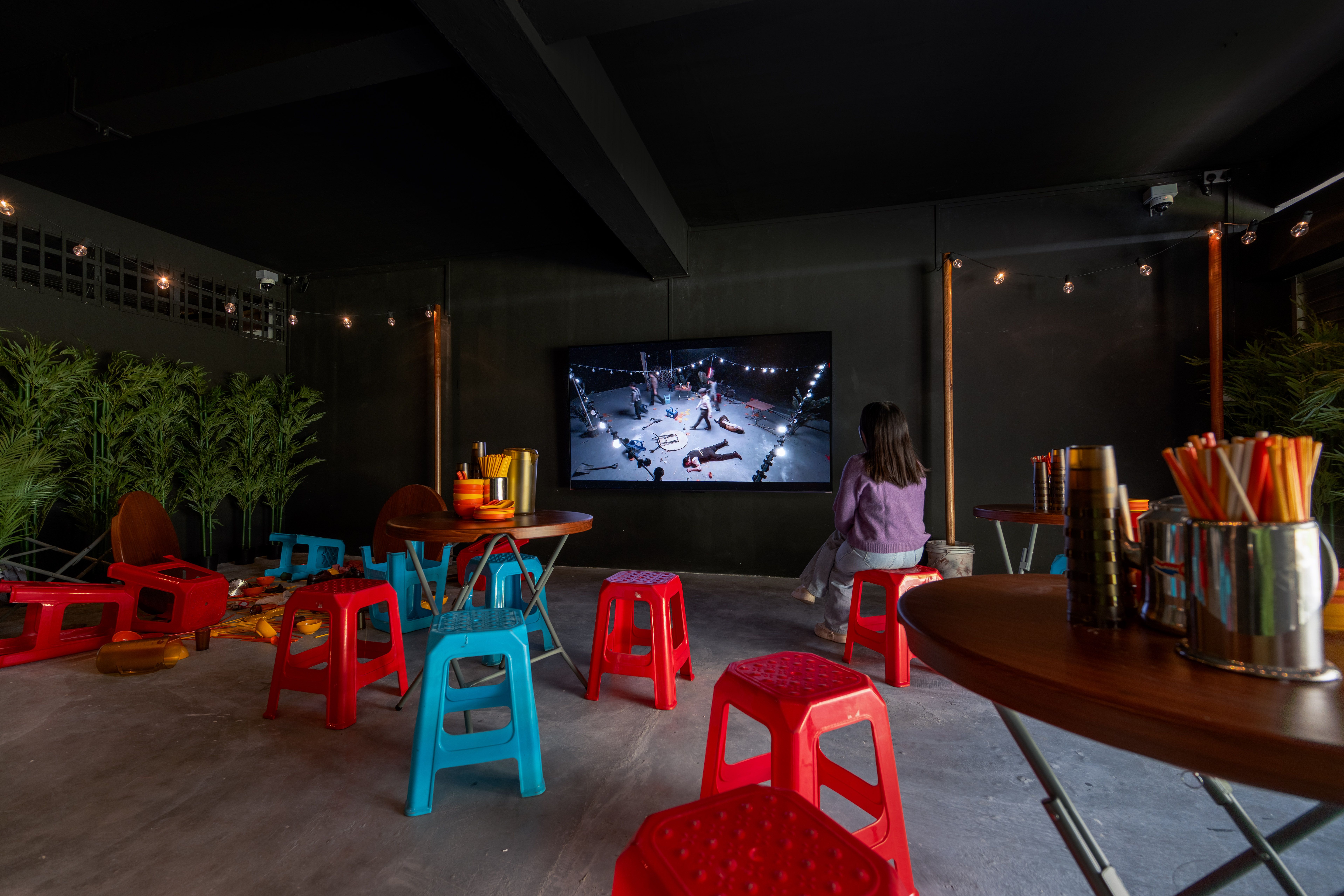
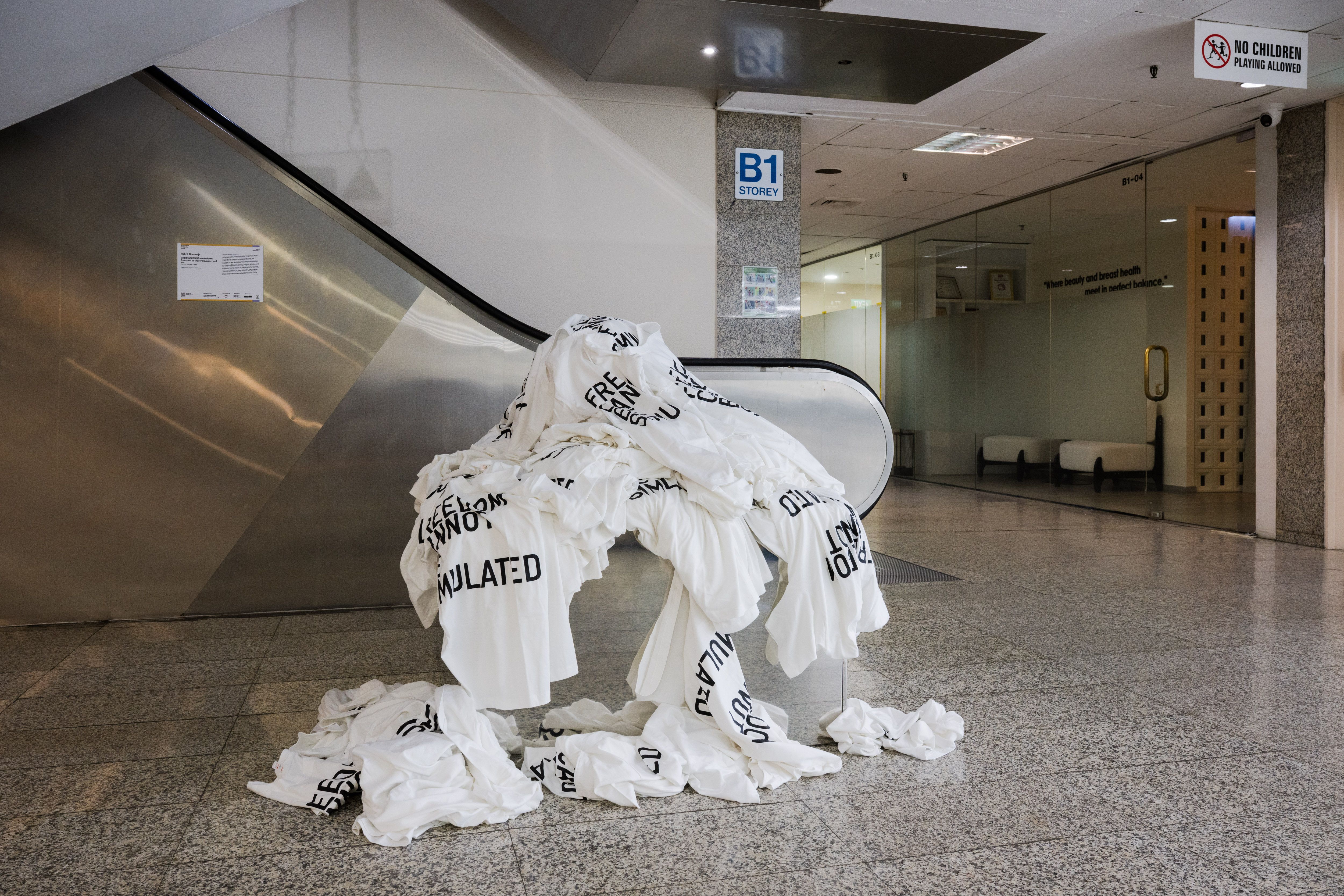
Now in its sixth edition since coming under the organisation of the Singapore Art Museum, the latest Singapore Biennale is curated solely by its in-house team (Duncan Bass, Hsu Fang-Tze, Ong Puay Khim and Selene Yap) and pushes its longstanding tradition of extending beyond the museum’s confines to an unprecedented number of venues. Around 80 artists and collectives (featuring more than 100 works, with roughly one-third newly commissioned) are situated in four venue clusters across 28 sites in the city, creating an episodic urban rhythm that oscillates between the minor indignities of a scorching sun and the relief of air-conditioned reprieves.
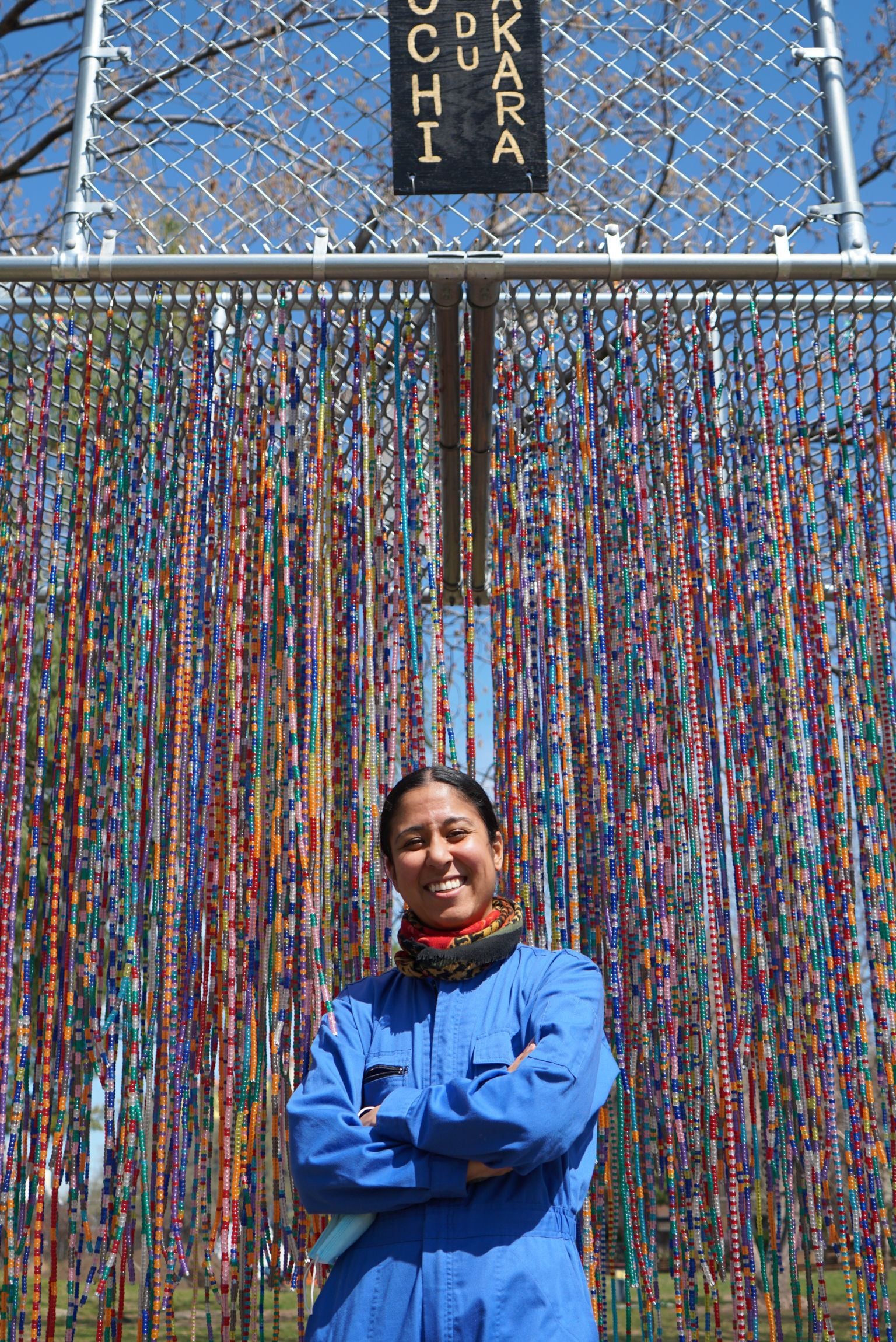
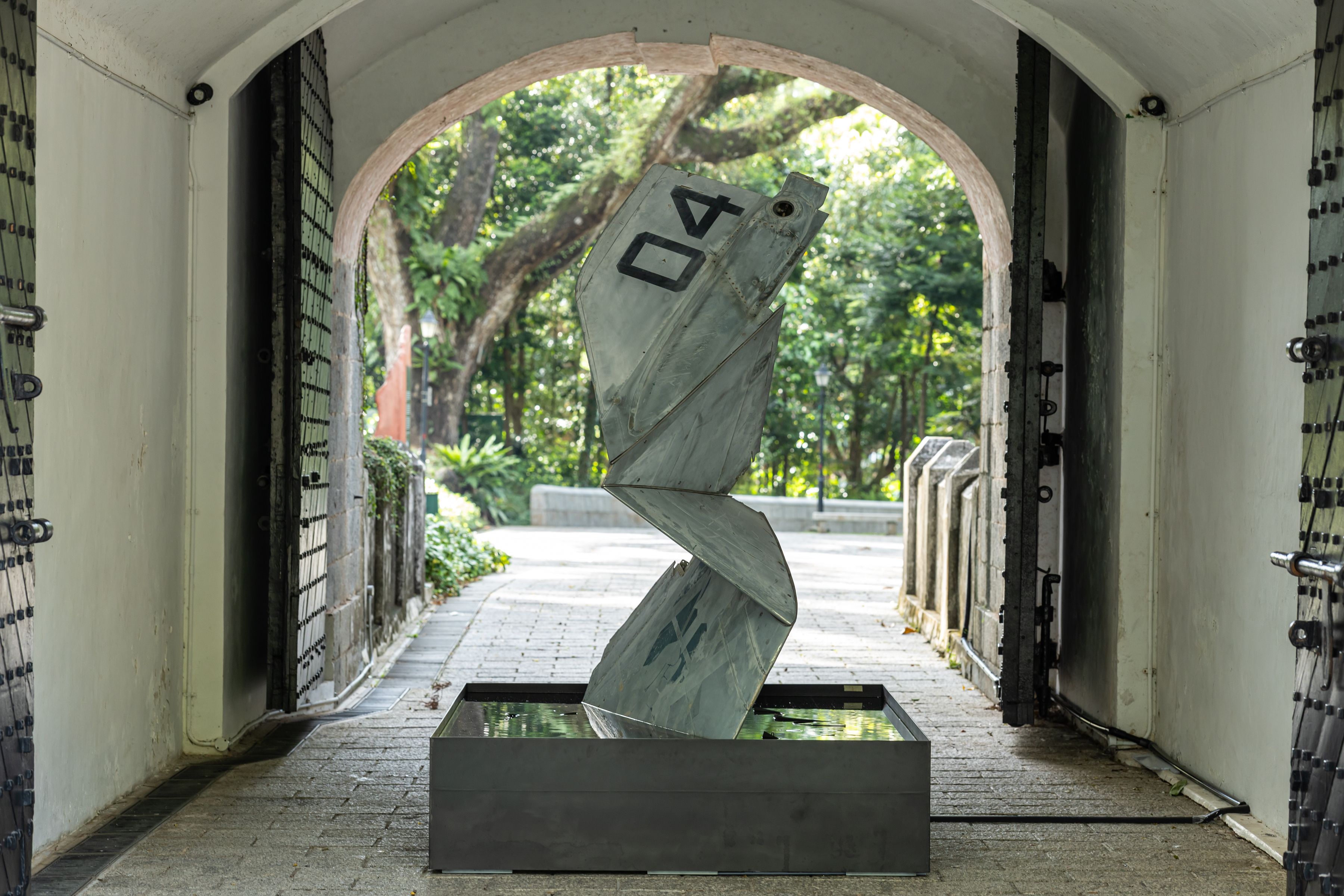
Before savouring, one must first contend with the sweat. Two outdoor loops scatter installations along marathon-like routes: one leads to Okinawa-born artist Aya Rodriguez-Izumi’s delicate beaded chains clinging to a structure that recalls the US military barbed-wire fences that remain a fixture on the Japanese Pacific island; another culminates in Jacqueline Kiyomi Gork’s transformation of Second World War aircraft scrap into a Zen fountain. Encountered across distance, the works momentarily converge, forming just one of the exhibition’s many lightly tethered strands—here, a reflection on Pacific War memory.
“It is hard to imagine that the city-state only kickstarted its art infrastructure three decades ago”
No sweat indoors, yet a new difficulty arises. Works installed indoors across several ageing mall complexes are thinly dispersed among small, secluded units, a curatorial decision that sparked public frustration. At Lucky Plaza, where Filipino domestic workers can often be seen gathering on their days off, Filipino artist Eisa Jocson collaborated with members of the diaspora to transform a single unit into an intimate karaoke room, complete with a custom-made song list, inside a building they already frequent. Elsewhere, in an unassuming office building just opposite the National Gallery Singapore, Cairo-based artist Maha Maamoun’s Kafkaesque essay film The Subduer (2017) unfolds within a timeworn solicitor’s office, drawing on notary practices in Egypt. The film’s bureaucratic absurdities resonate seamlessly with its surroundings.
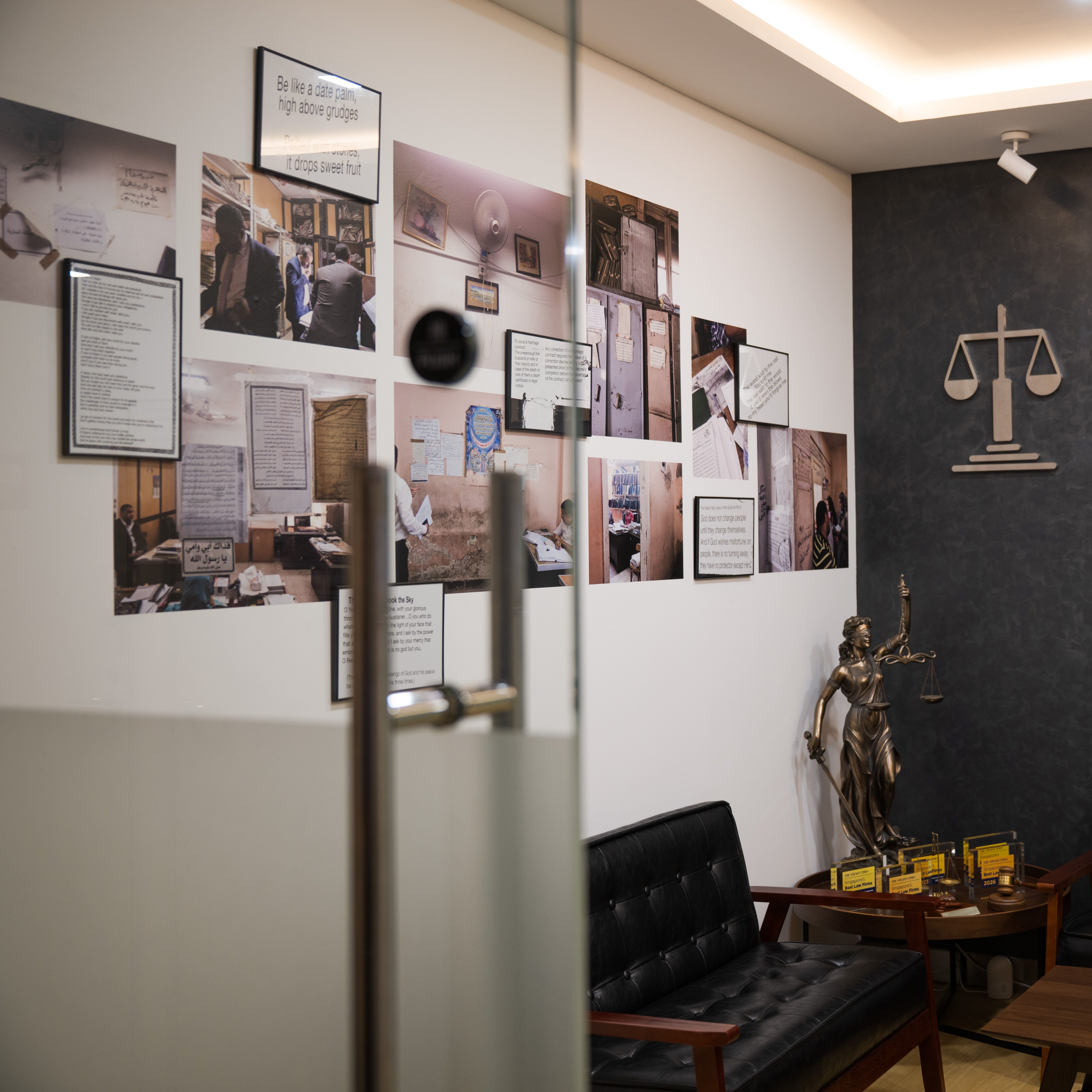
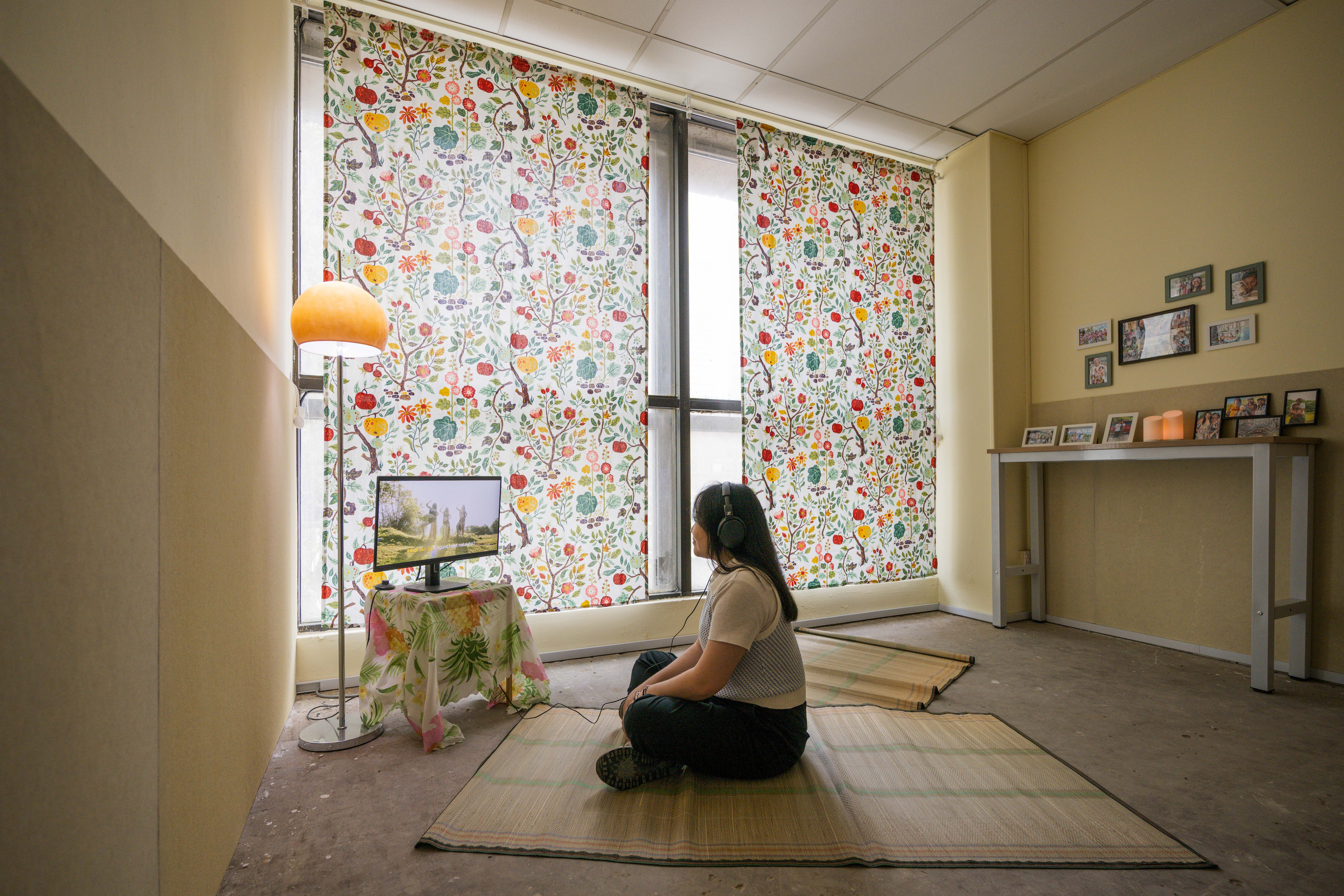
In fact, the show’s primary navigation tool—a map marking planned routes rather than a conventional guidebook with curatorial annotations—leads me to wonder whether the ideal viewer may not be the “purely intentional” art pilgrim, but rather a random office worker drifting between uninspiring coffee breaks, who encounters the works by chance, as part of the ebb and flow of their daily routine.
If the biennial offers a response to—or perhaps a reframing of—Koolhaas’ claim, it emerges via two gestures. For one, the curatorial statement frames the shows as “an exploration of art in everyday environments”, inadvertently recalling critiques once levelled by local observers at outsiders including Gibson and Koolhaas in the 1990s: their sweeping abstractions apprehended only the façade of the developmental state, overlooking in-situ, historical and everyday lived experiences.
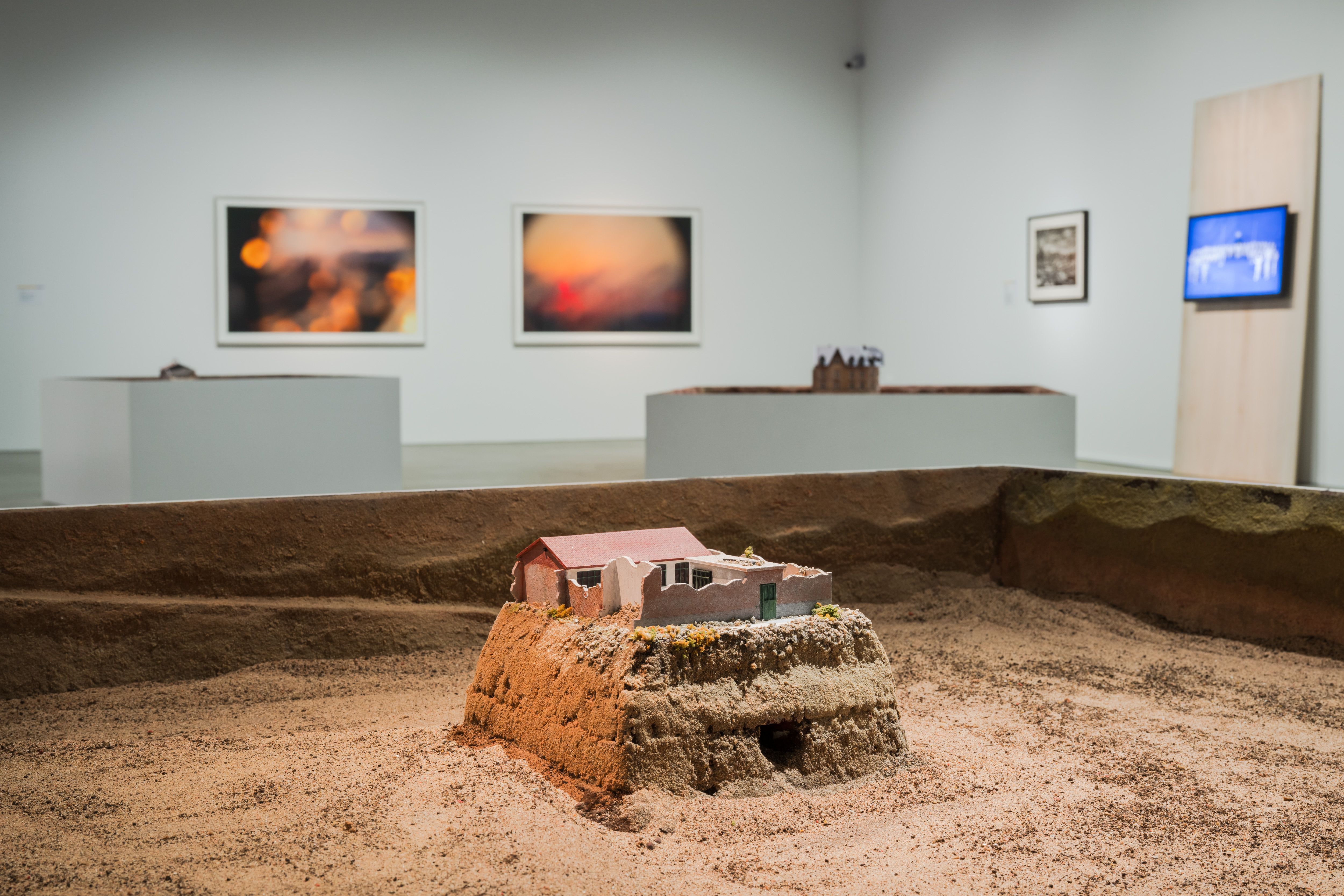
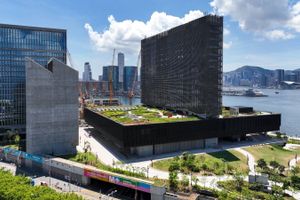
The second gesture takes shape at the Singapore Art Museum, the biennial’s conceptual brain, where Pure Intention is redeployed as the art of state-building, marking the exhibition’s signature moment. Among the many works on view, the Asian grassroots art collective Hyphen— presents a curated enclave focused on conserving Indonesia’s historical dioramas, part of that country’s first president Sukarno’s 1961 National Monument programme, which blended post-independence nation-building with aesthetic invention. Yet rather than restoring a state narrative, the collective collaborated with five participants and an artist estate to reimagine the annexation of West New Guinea, using group discussions to rework figures through the same state-invented format—a small, obediently legible tableau—this time foregrounding overlooked subjects such as women, workers and local residents, and in doing so, reconfiguring the historical narrative.
“Before savouring, one must first contend with the sweat”
This dialogue on the permeation of state intention in art continues in local artist Lim Mu Hue’s painterly depictions of Singapore’s lifeline port in 1966 and 1977, overlooking the very same site now occupied by the museum. In this transnational assemblage of works, the authoritarian state emerges as a “meta-curator” overseeing periods of intense change, in the words of Singaporean curator Kathleen Ditzig. It is a role pervasive across Asia, from postcolonial founding moments (such as China in the 1950s and Indonesia in the 1960s), to present phases in which the Asian Tigers (Singapore, Hong Kong, South Korea, and perhaps Taiwan) consolidated cultural infrastructure through government-led initiatives, often in tension with the sanitised liberal narratives of Western art historiography.
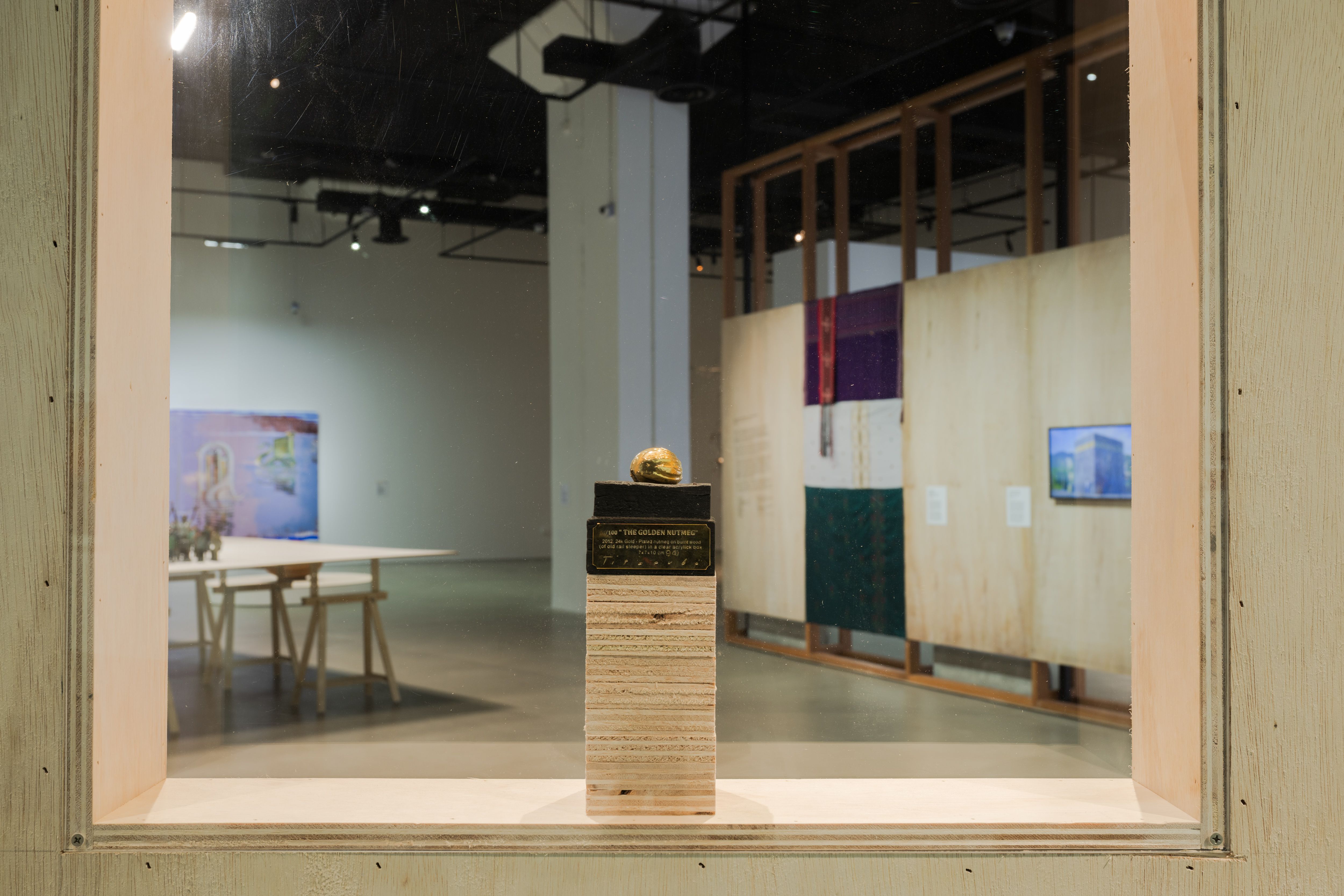
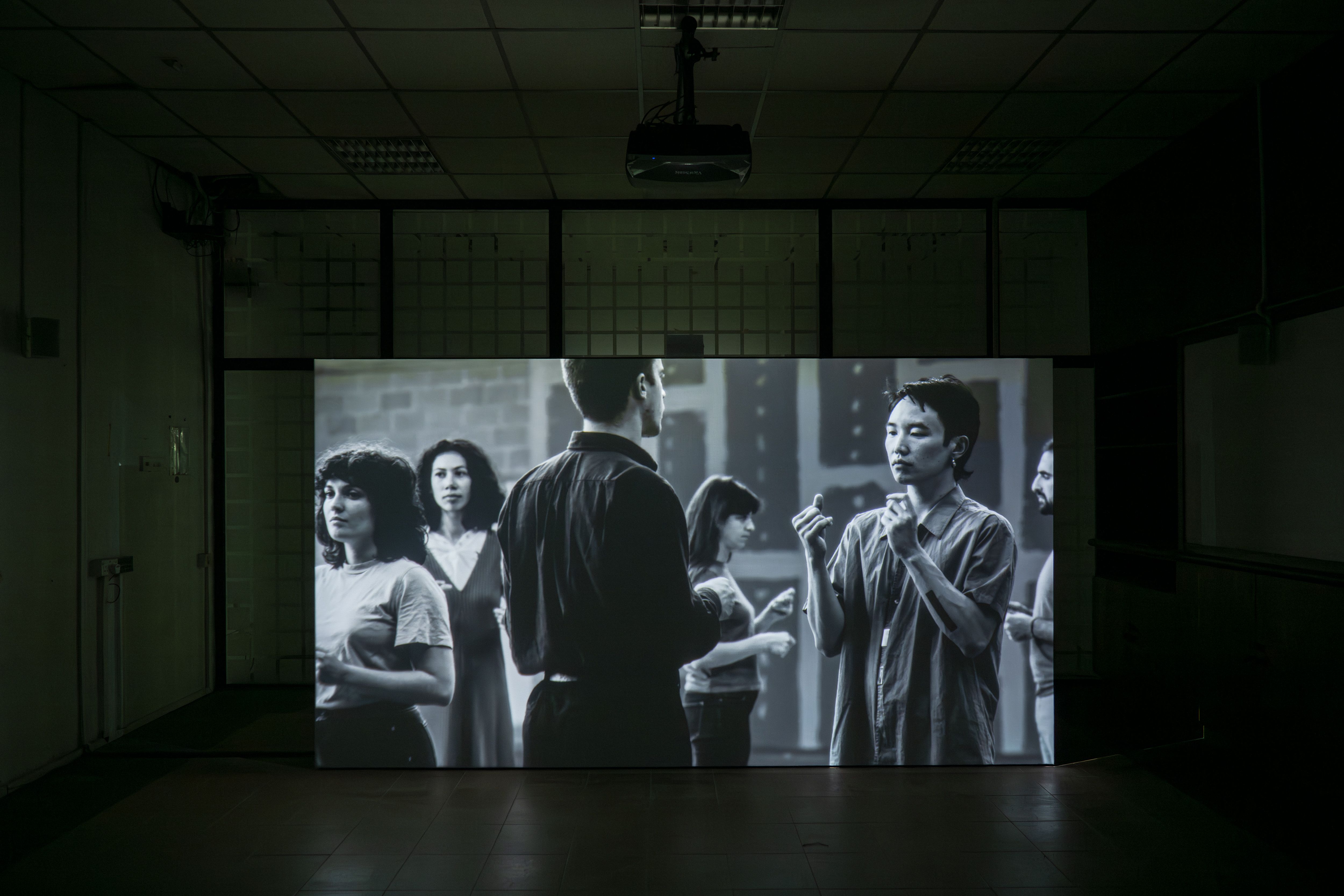
Yet the biennale’s most compelling moments are often countered by opposing forces. The tension is most evident towards the end of the Singapore Art Museum, where the state-building thread hits a perplexing impasse in Pierre Huyghe’s Offspring (2018), whose otherwise mesmerising central light box emits wisps of smoke illuminated by shifting beams of coloured light, yet bears little discernible connection to the earlier lineage of overt state presence.
Admittedly, this year’s biennial attracted its share of grumbles—polarising approaches, a mystifying title, and scattered venues. Yet much of the criticism echoed familiar critiques of the institution’s past, and it is worth noting that, at least, the biennial platform as a whole never chose to succumb to the era’s glossy temptations: no feel‑good vaporwave curating masquerading as criticality through intoxicating visuals.
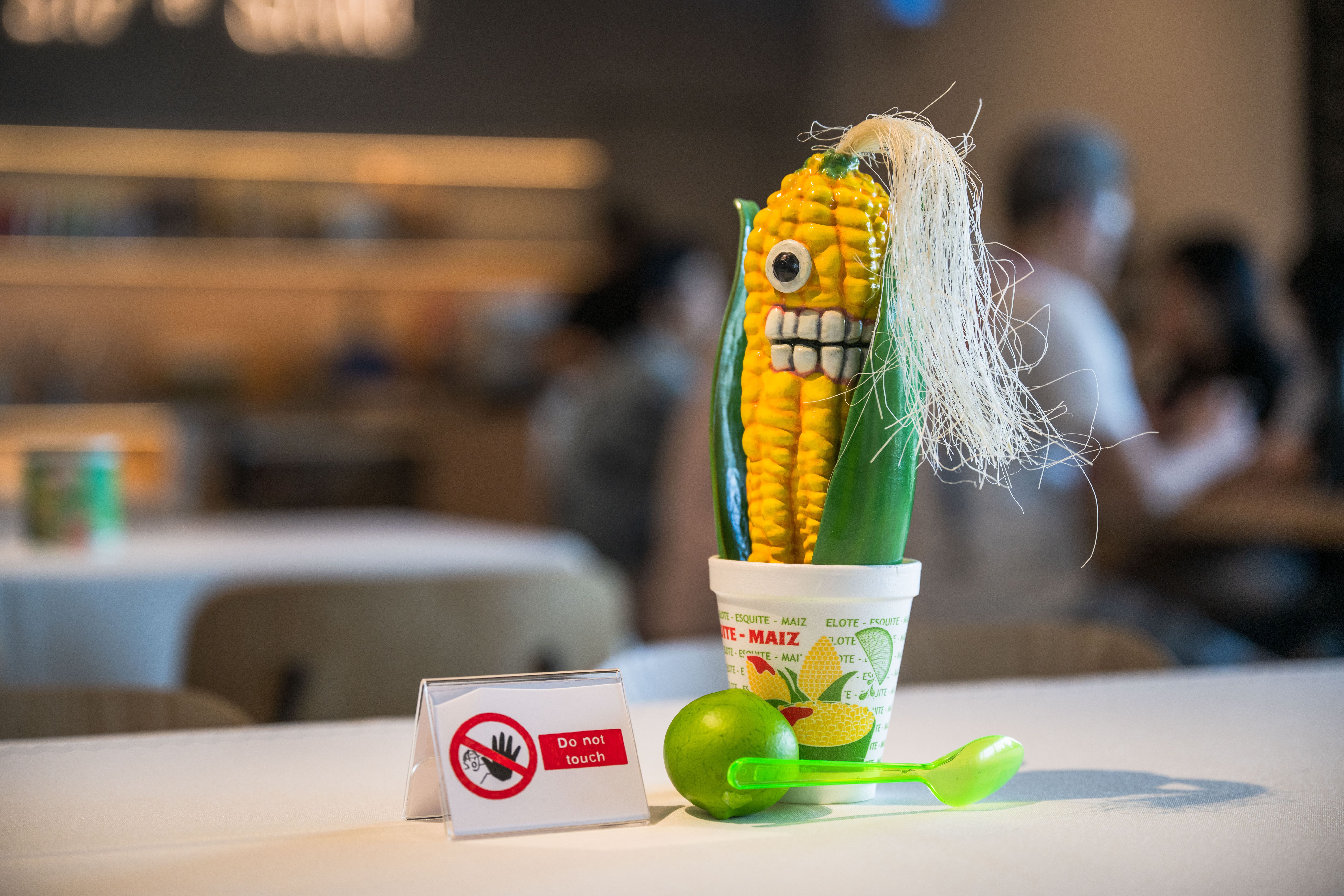
“The biennale’s most compelling moments are often countered by opposing forces”
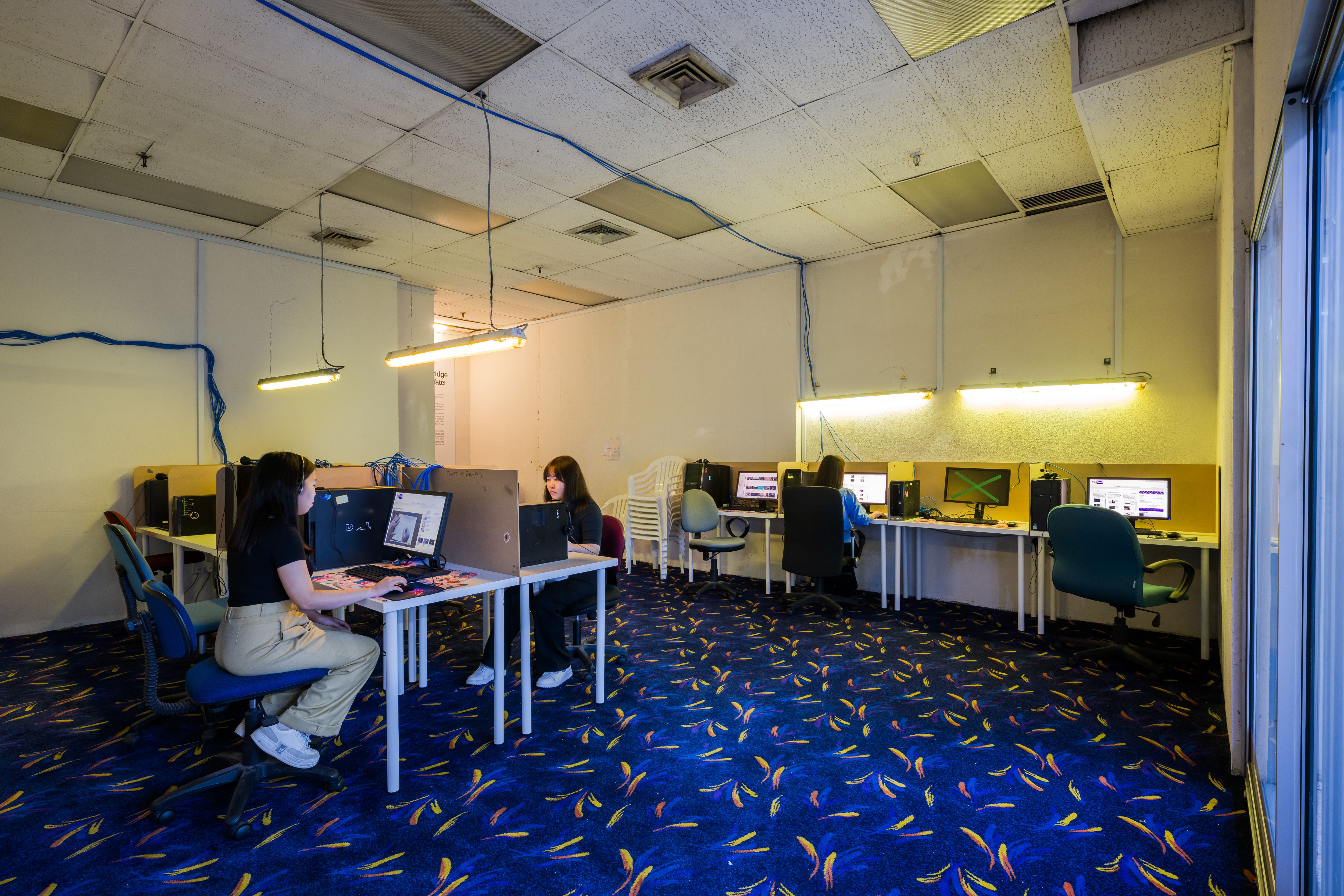
One example is telling: on the ground floor of the decaying, time‑arrested Far East Shopping Centre, tucked inside an unassuming internet café, a modest screening room curated by Sri Lankan collective The Packet presents a cluster of video works by multiple artists (several newly commissioned) from Chu Hao Pei’s screen‑recorded mockery of Singapore’s performative tree‑planting to Alana Hunt’s decolonial dubbing of 12 Western Australian state films from the 1960s–1970s. The entire room feels like early‑2000s experimental projects like e‑flux video‑rental or Pawnshop: artist-driven, provisional, and faintly indifferent to institutional polish—though e‑flux itself has long since matured into hosting museological shows with corporate fluency.
While the biennale’s title gestures toward the city’s image from the fin‑de‑siècle era of globalisation, Singapore today—three decades on—exists in a very different world. Perhaps a more productive approach is to read Pure intention dynamically, as a lens for reconsidering the state’s role in culture in a multipolar world: unlike much of the West, where the state is retreating and culture often drifts in its wake, here a term once critiqued can be reclaimed to illuminate cultural infrastructure, historical memory, and the exercise of artistic agency beyond Singapore’s exceptionalism.
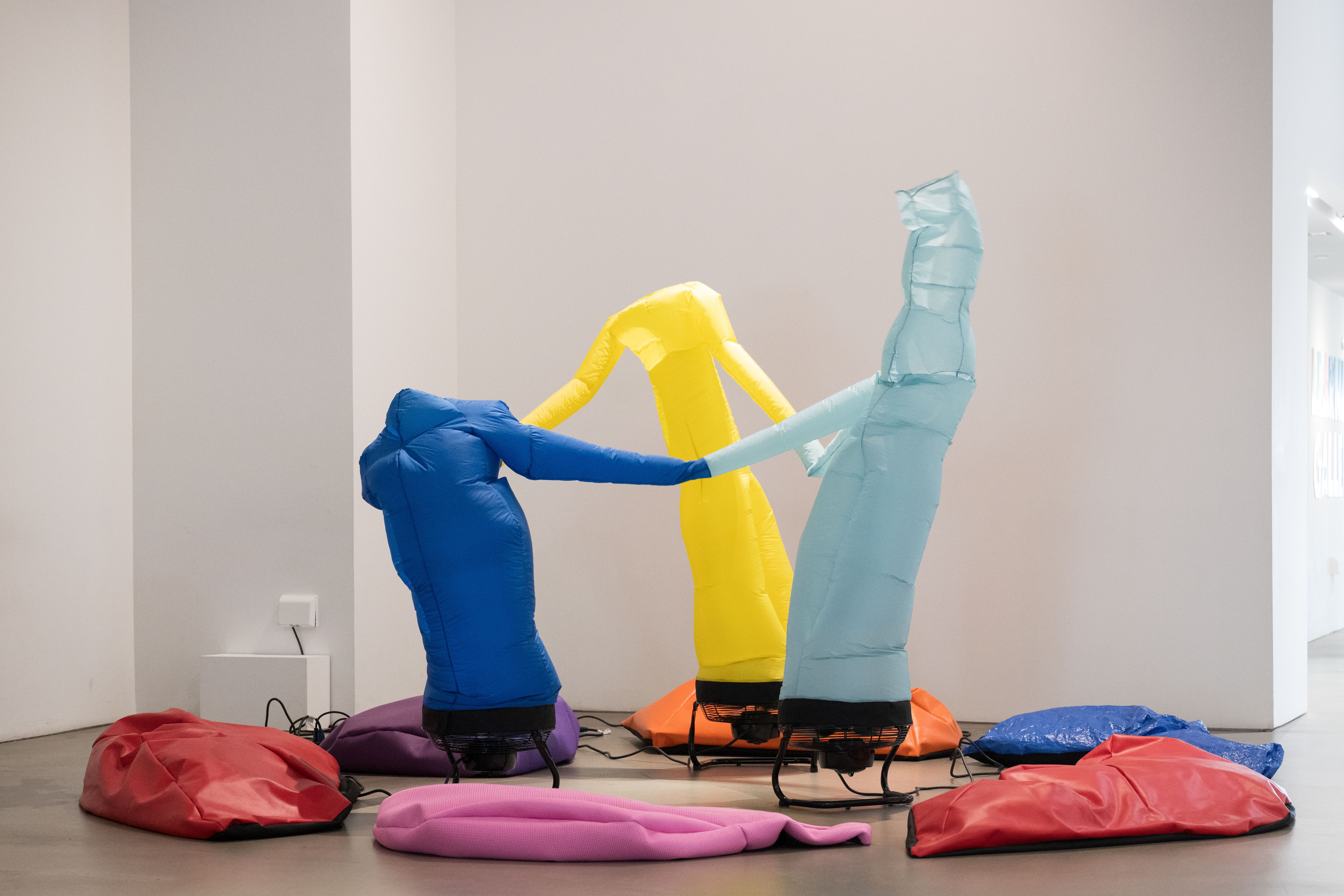
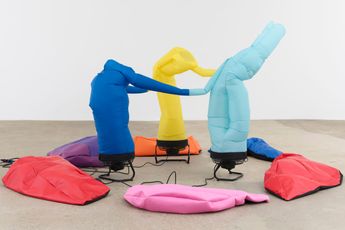
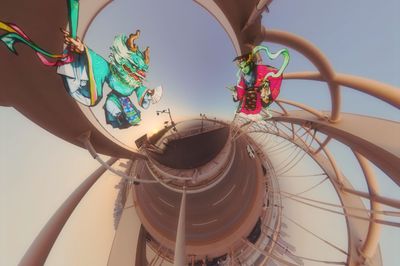
Main image: Ayesha Singh, Continuous Coexistences (Singapore) (2025). Commissioned by Singapore Art Museum for Singapore Biennale 2025: Pure Intention. Courtesy Singapore Art Museum.












A respected voice in contemporary art discourse.
Focusing on ambitious storytelling and insightful art-world commentary. Ocula Magazine publishes in-depth interviews, critical essays and timely analysis on the artists, exhibitions and ideas driving the global art world.
Learn more about Ocula Magazine
Showcasing the best of the art world.
Ocula partners with galleries from around the world to highlight their artists, artworks and exhibitions. Gallery membership is by application and invitation, with each member vetted by an independent panel.
Learn more about Ocula Membership
Specialises in the sale of major artworks.
Led by a team with deep ties to the world’s leading auction houses, galleries and collectors. Ocula’s advisory team offers bespoke services to high-net-worth clients from around the world who are looking to acquire the best of contemporary and modern art.
Learn more about our team and services