The art world in focus
Subscribe to our newsletter for news and insights on artists, galleries and exhibitions.

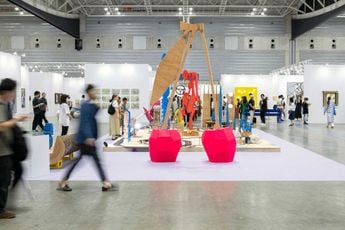
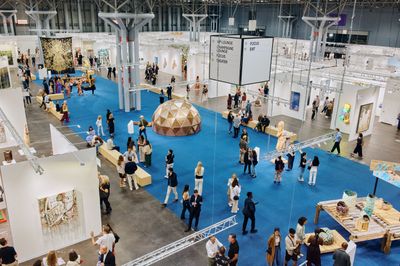
Each September, two pivotal art fairs unfold almost in parallel on opposite shores of the Asia-Pacific: Tokyo Gendai in Yokohama—a port city just south of Japan’s capital—and Sydney Contemporary at Carriageworks, a former railway workshop turned arts centre in the Redfern suburb of Australia’s most populous city.
More than just coincidence, the busy September schedule in the region shows the growing pull of the Pacific Rim to the global art market, with Japan and Australia offering distinct yet increasingly connected vantage points on contemporary art—and a growing collector base to service it.
According to a 2025 report published in The Art Newspaper, Japan’s art market has shown no signs of stopping since the pandemic, with an 11 percent increase between 2019 and 2023, reaching an estimated US $681 million in total sales last year. The rest of the world’s art market showed growth of around one percent across the same period.
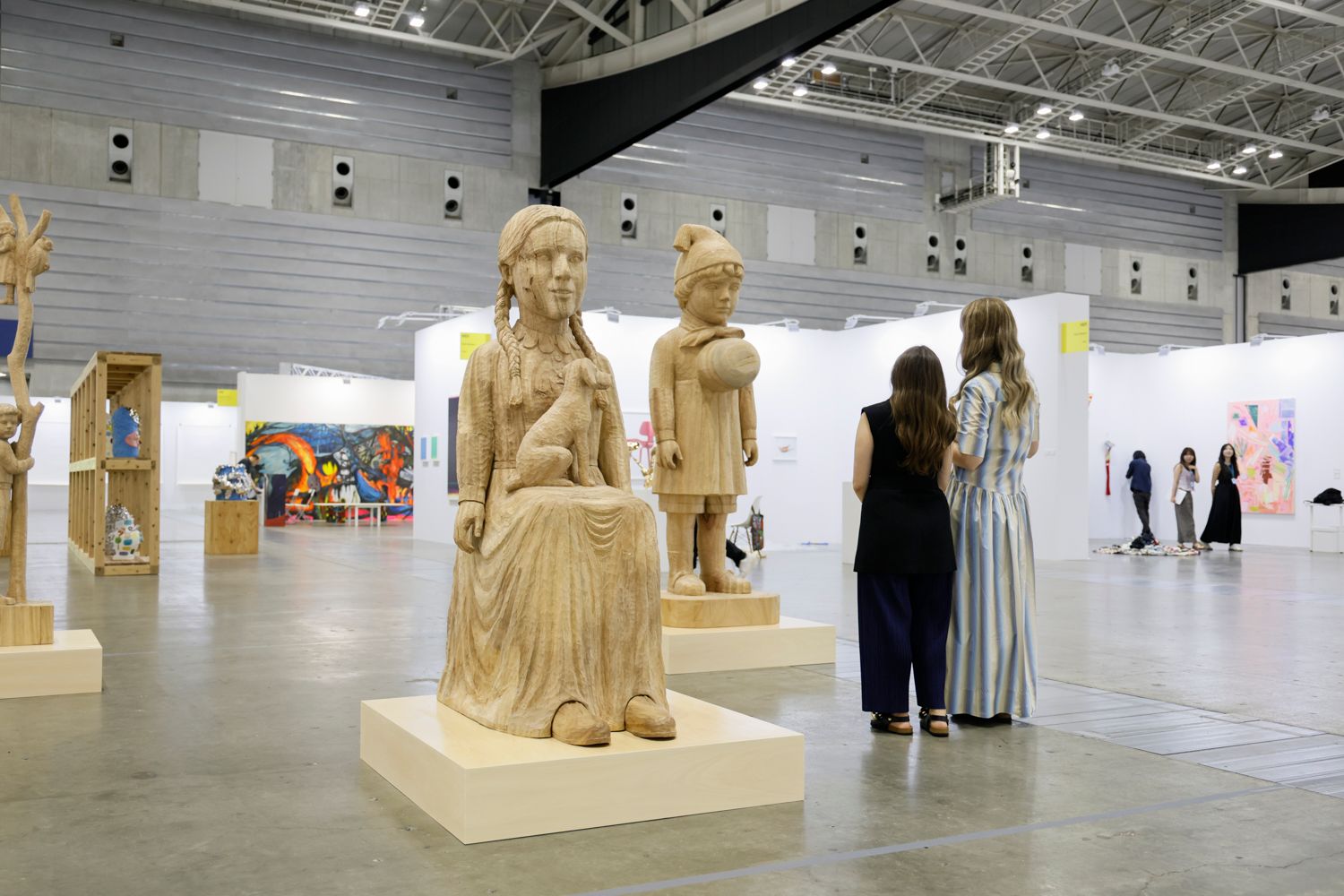
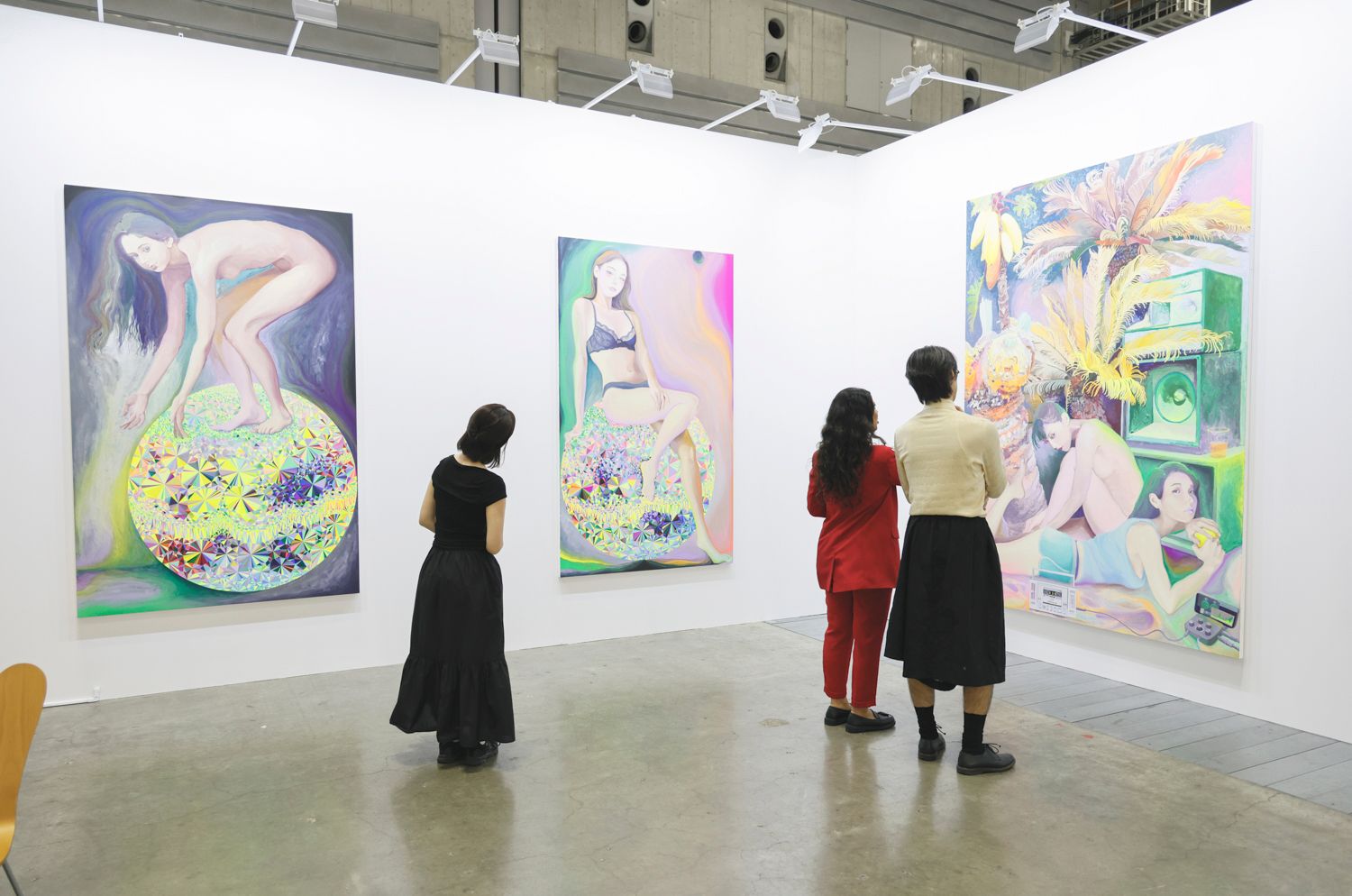

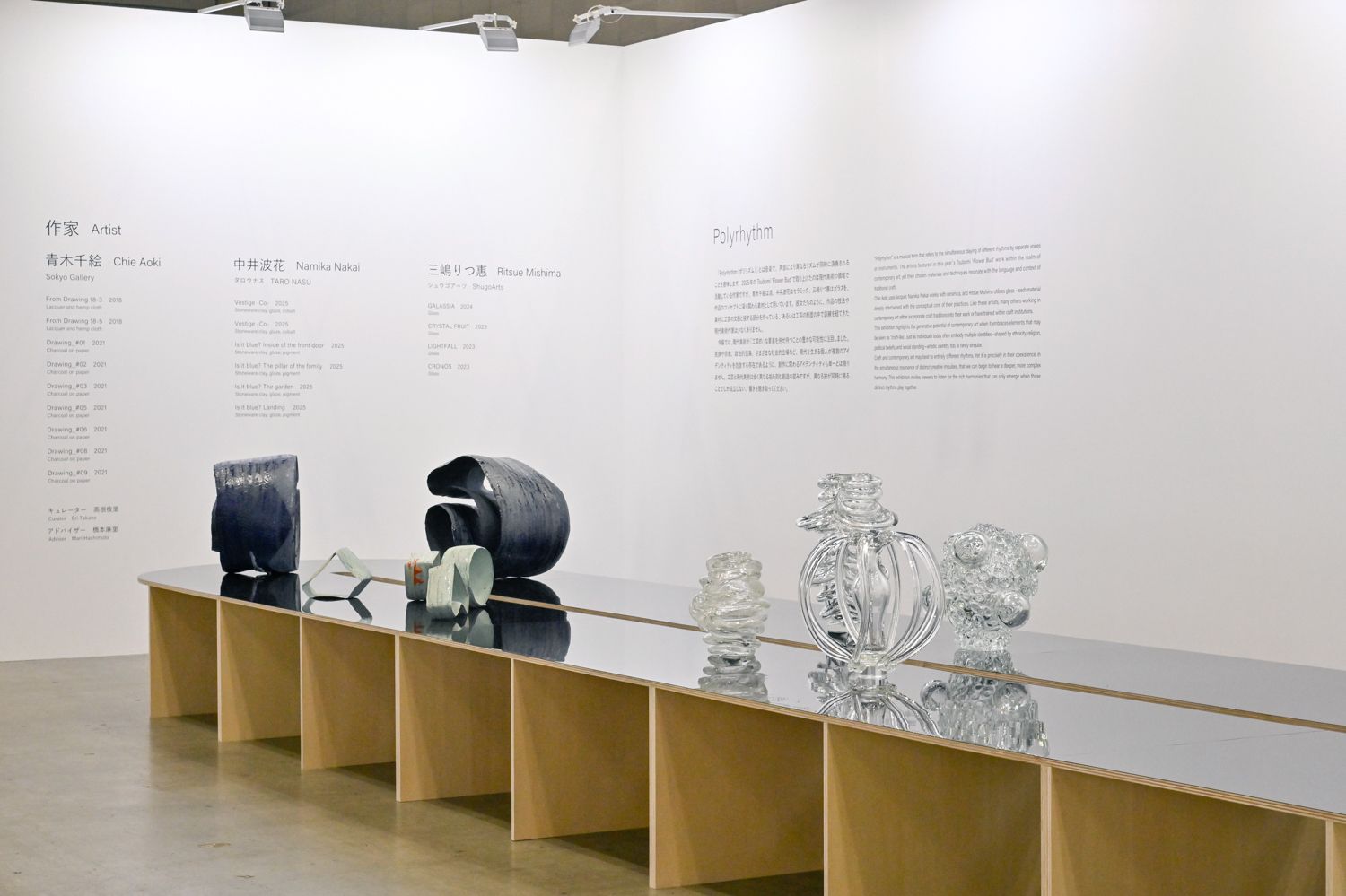
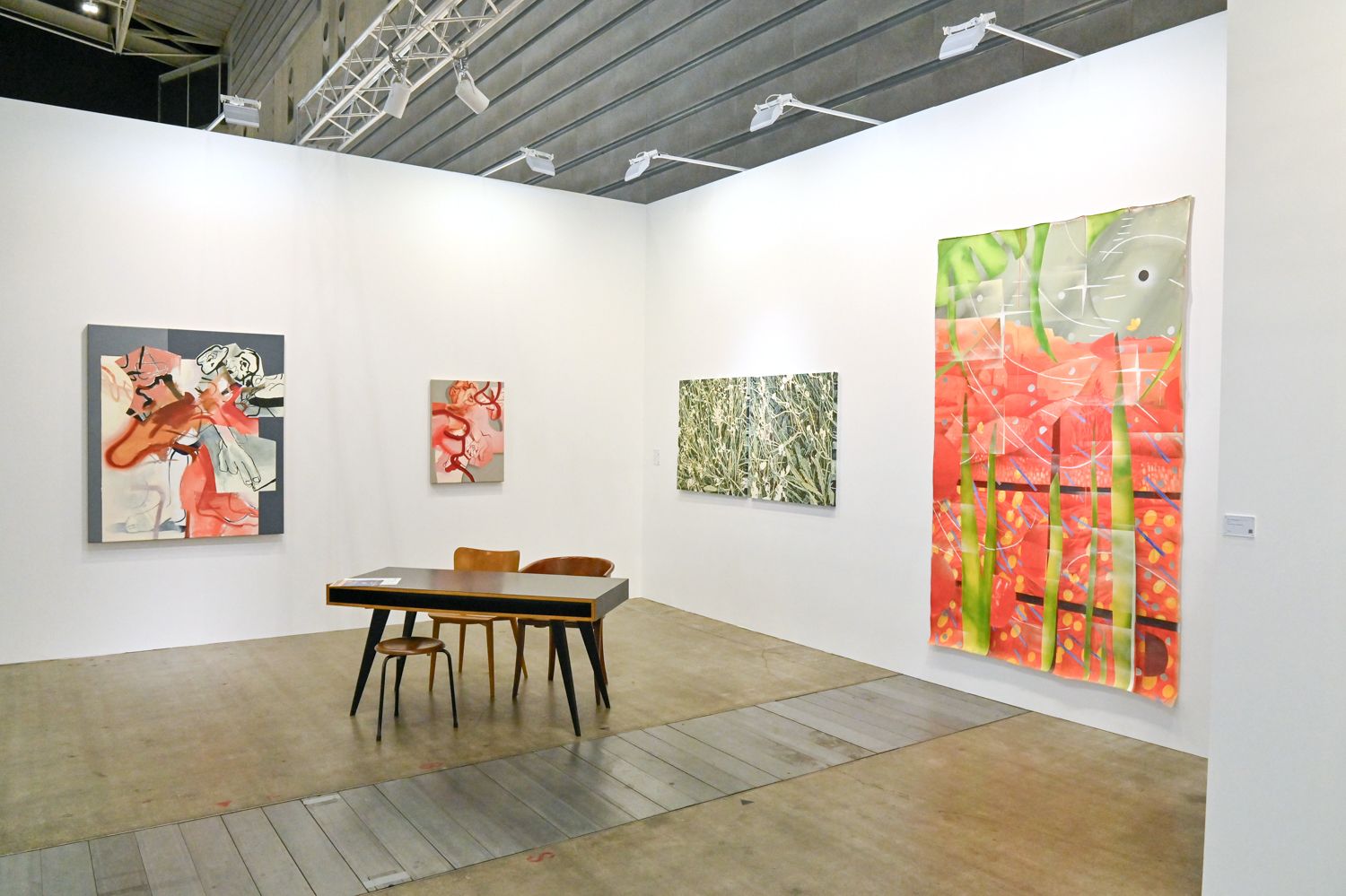
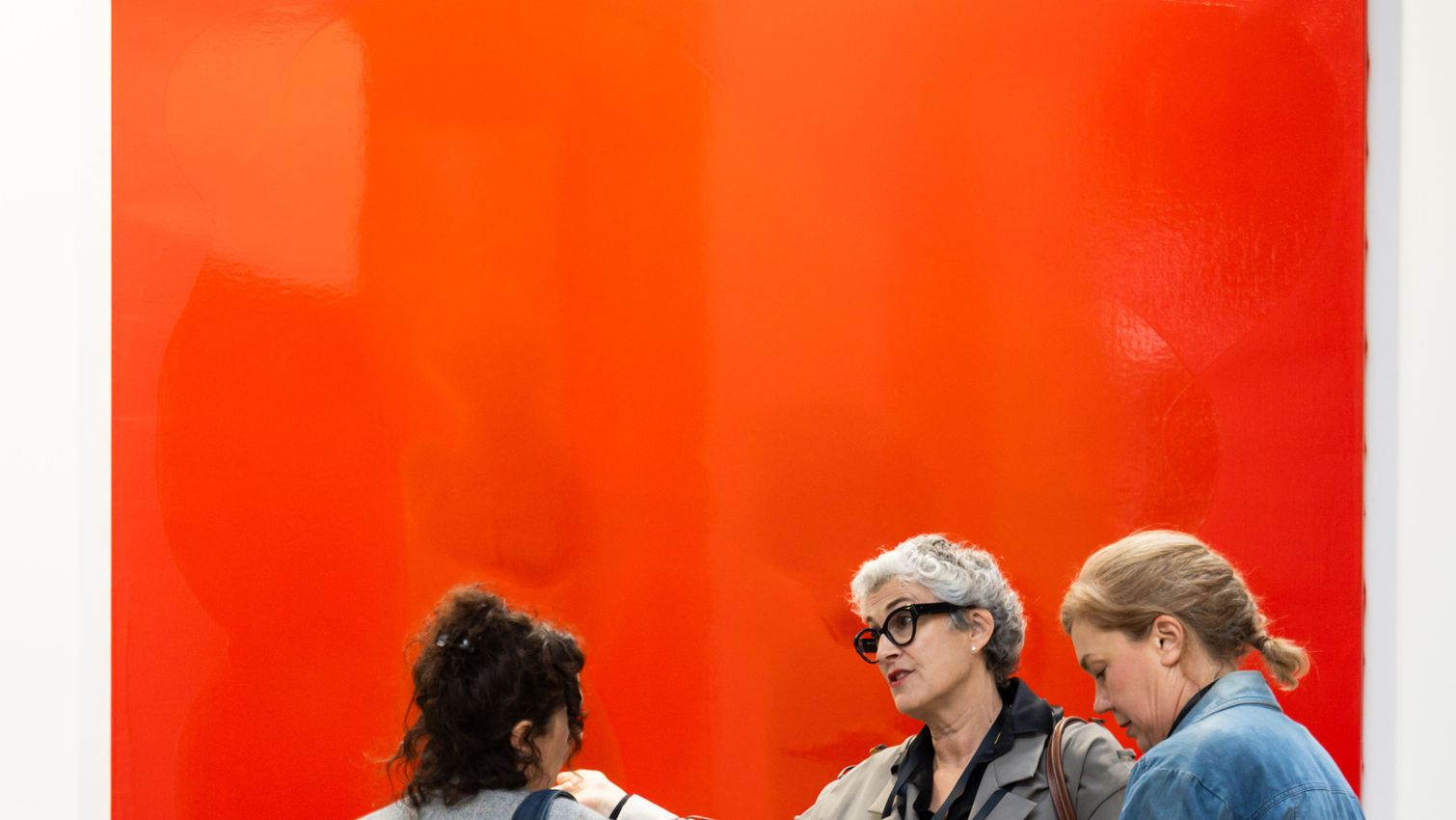
Tokyo Gendai’s director Eri Takane notes how art has become a key lever of economic growth in Japan. ‘Japan is the second-largest art market in Asia, most recently recording significantly higher growth than the global art market average in 2023,’ she says. ‘The government has strongly supported the cultivation of the contemporary art scene in Japan in recent years through new initiatives and schemes to help catalyse its growth.’
Although slightly less ebullient in its upswing, the Australian art market shows signs of momentum. The Melbourne Art Fair in 2024 saw sales reach AUD $14.4 million—a 37 percent increase on the previous edition in 2022. Sydney Contemporary, meanwhile, saw slight contractions in sales in past years, but still pulled in AUD $17.5 million in sales in 2024 and saw some 25,000 people turning out to view the art. This year, the fair is bigger than ever, and organisers will be hoping to turn those results up a notch.
It suggests a region carving out an increasingly influential role in the circulation of art and capital.
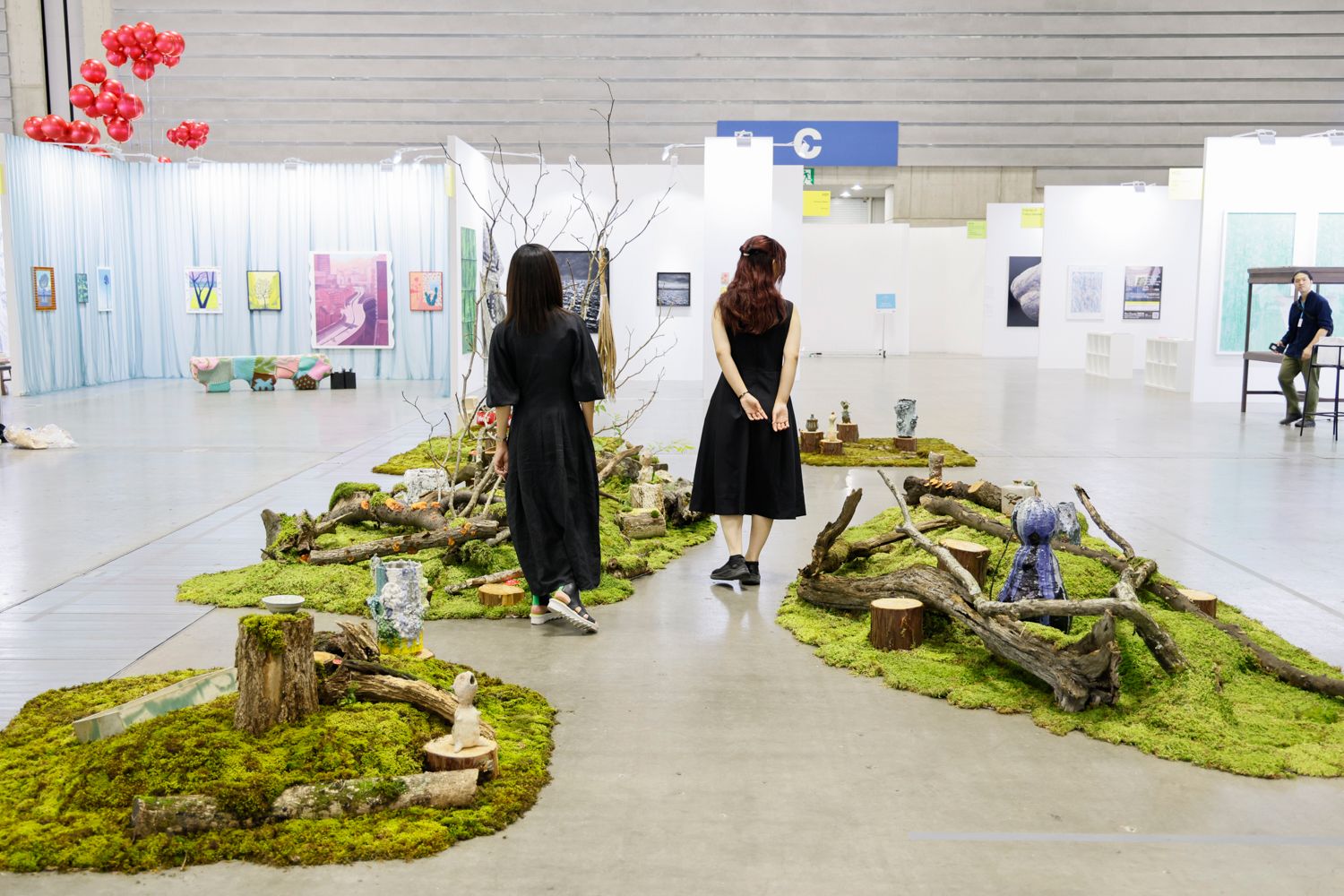
Tokyo Gendai, now in its third edition, is fast becoming Japan’s leading international fair. Staged at Yokohama’s Pacifico exhibition centre, it mixes the best galleries in Japan with blue-chip international exhibitors. The new September dates align with Japan’s traditional cultural season and a moment of frenzied activity for the international art world, with Frieze Seoul in Korea (4–7 September 2025) taking place the week before.
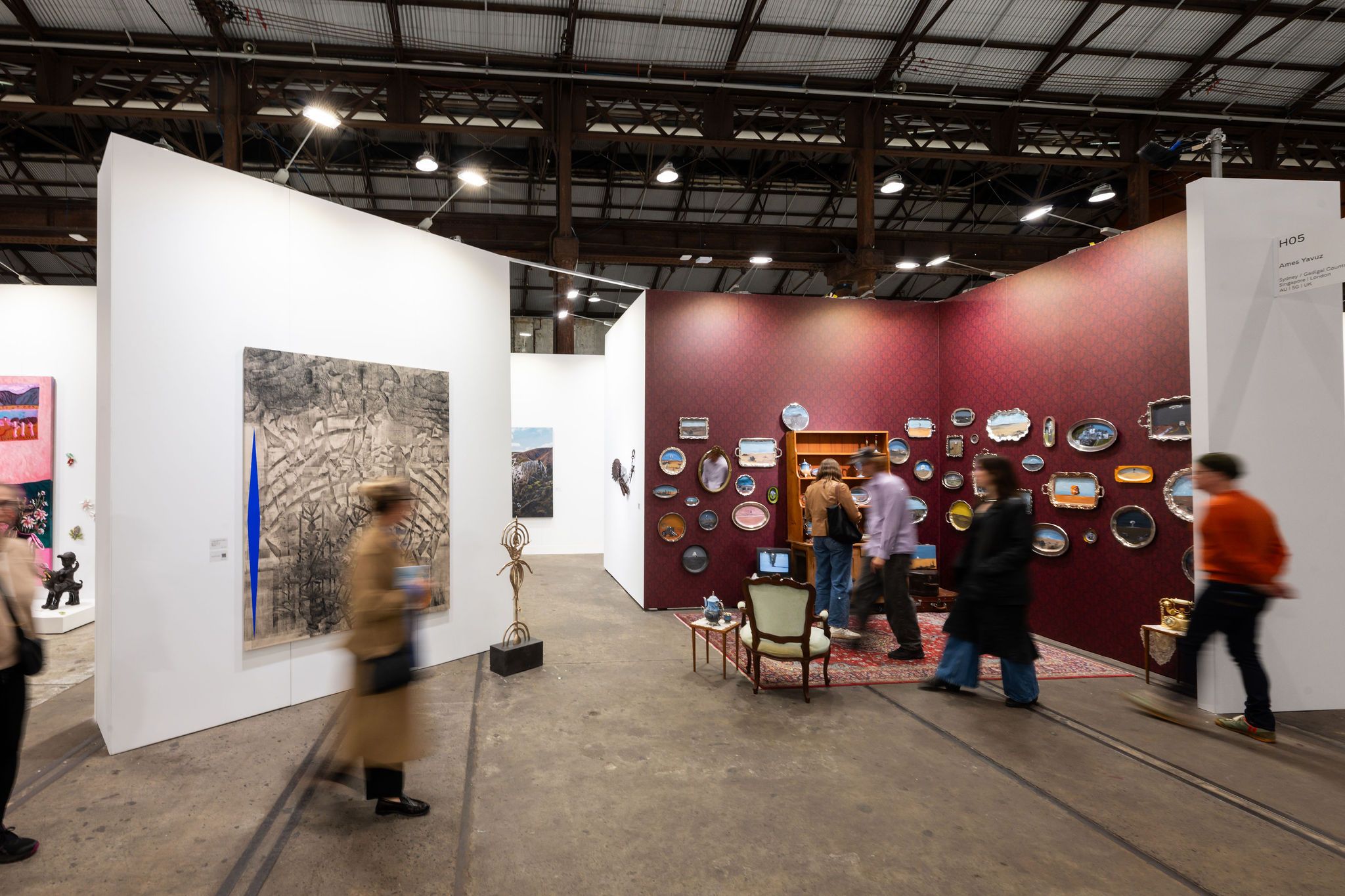
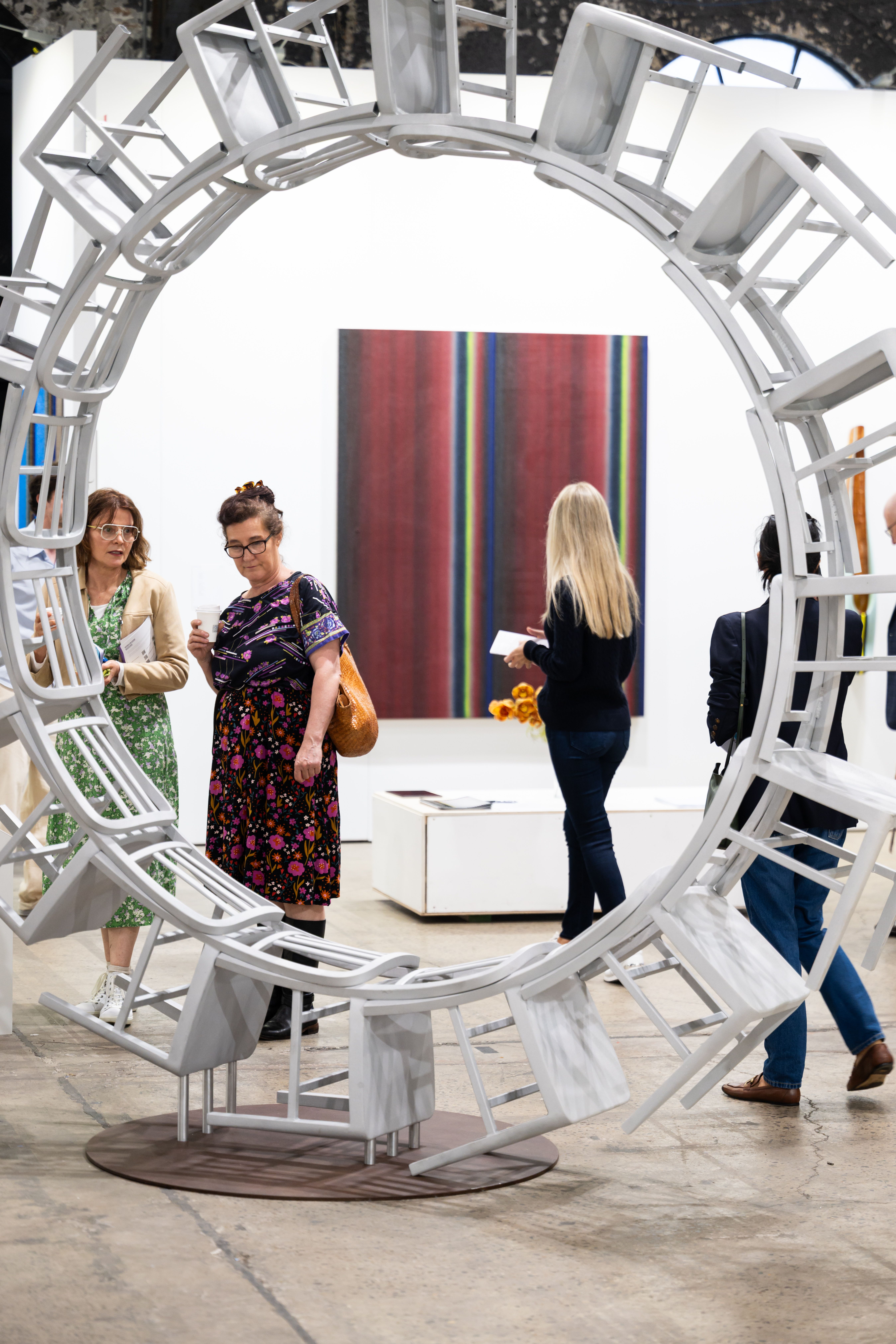
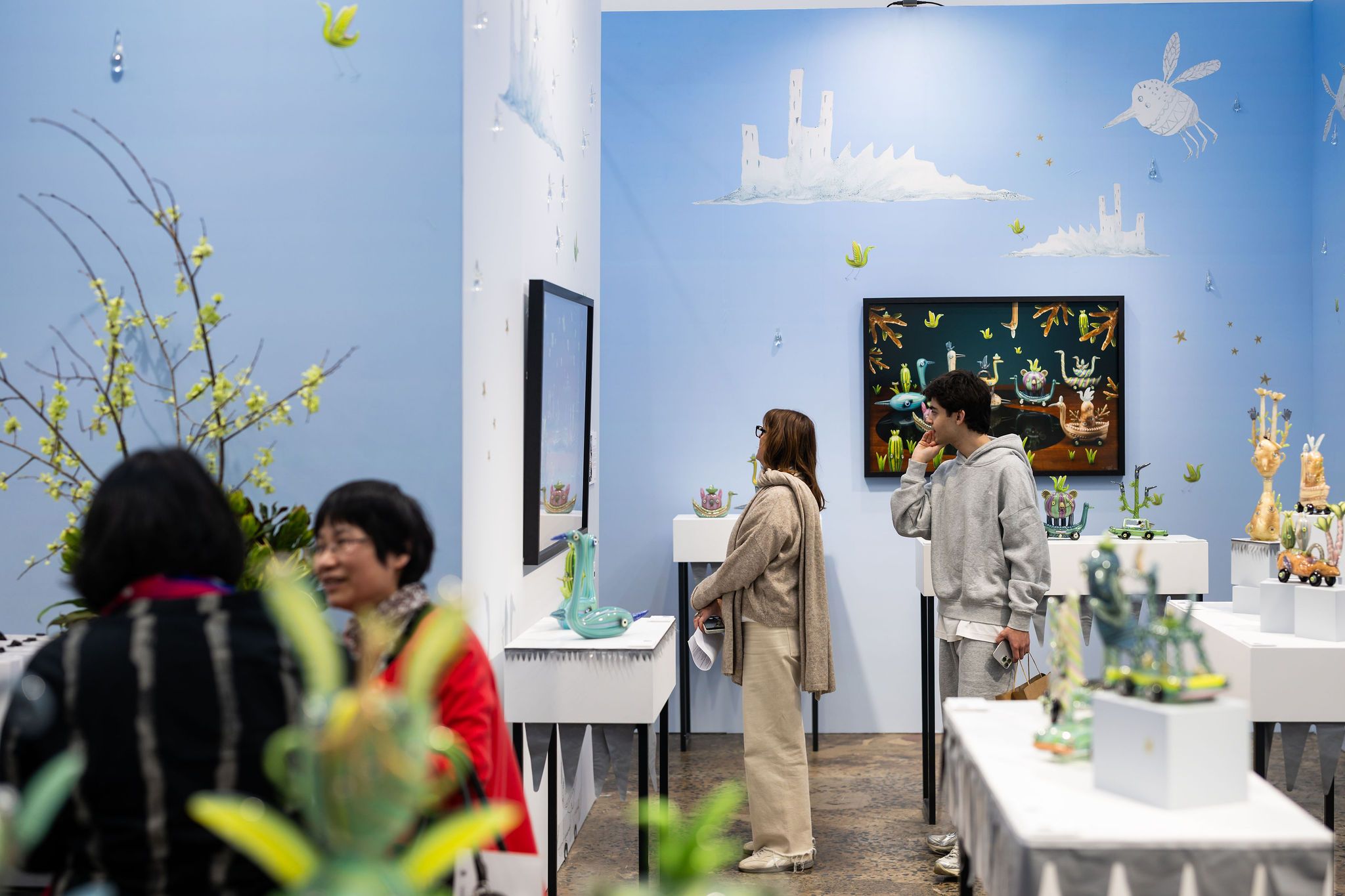
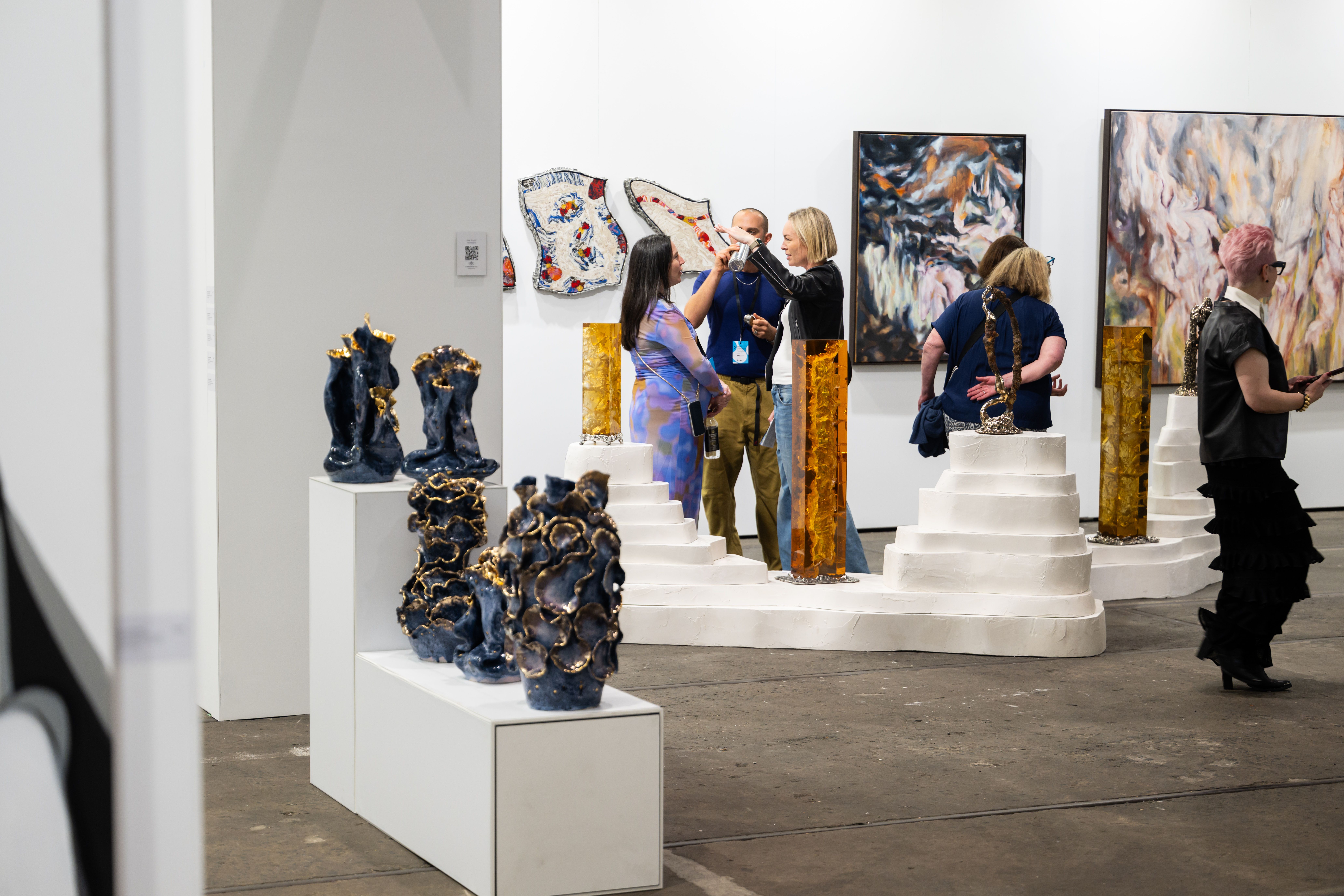
Takane said the new autumn dates have opened a new chapter for the fair. ‘This has been a landmark year for cultural activations in Japan, and there has been a real international engagement with the Japanese art scene. With its new September dates, Tokyo Gendai ushers in Japan’s traditional cultural season. The fair now takes place during a pivotal moment of activations around Japan.’
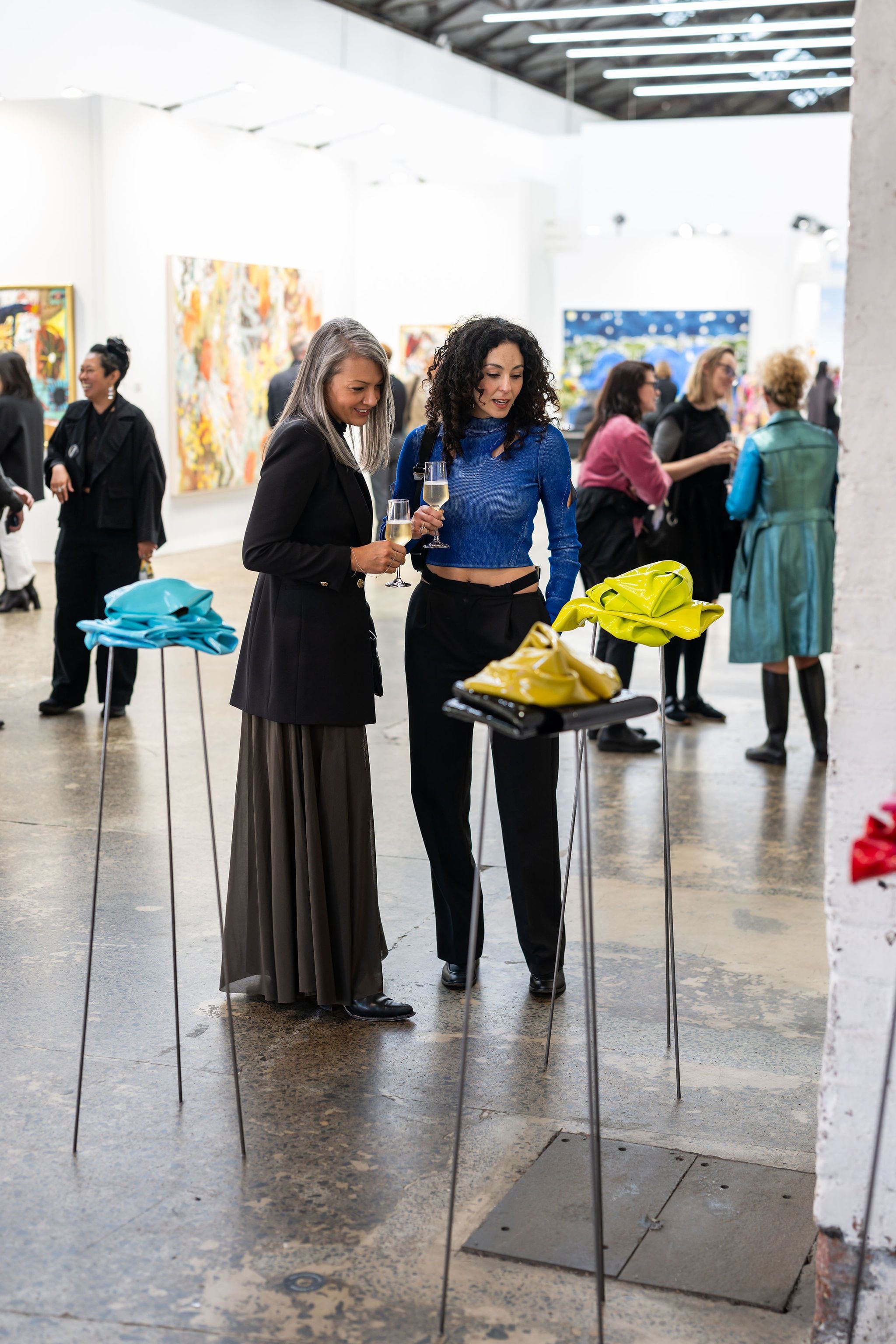
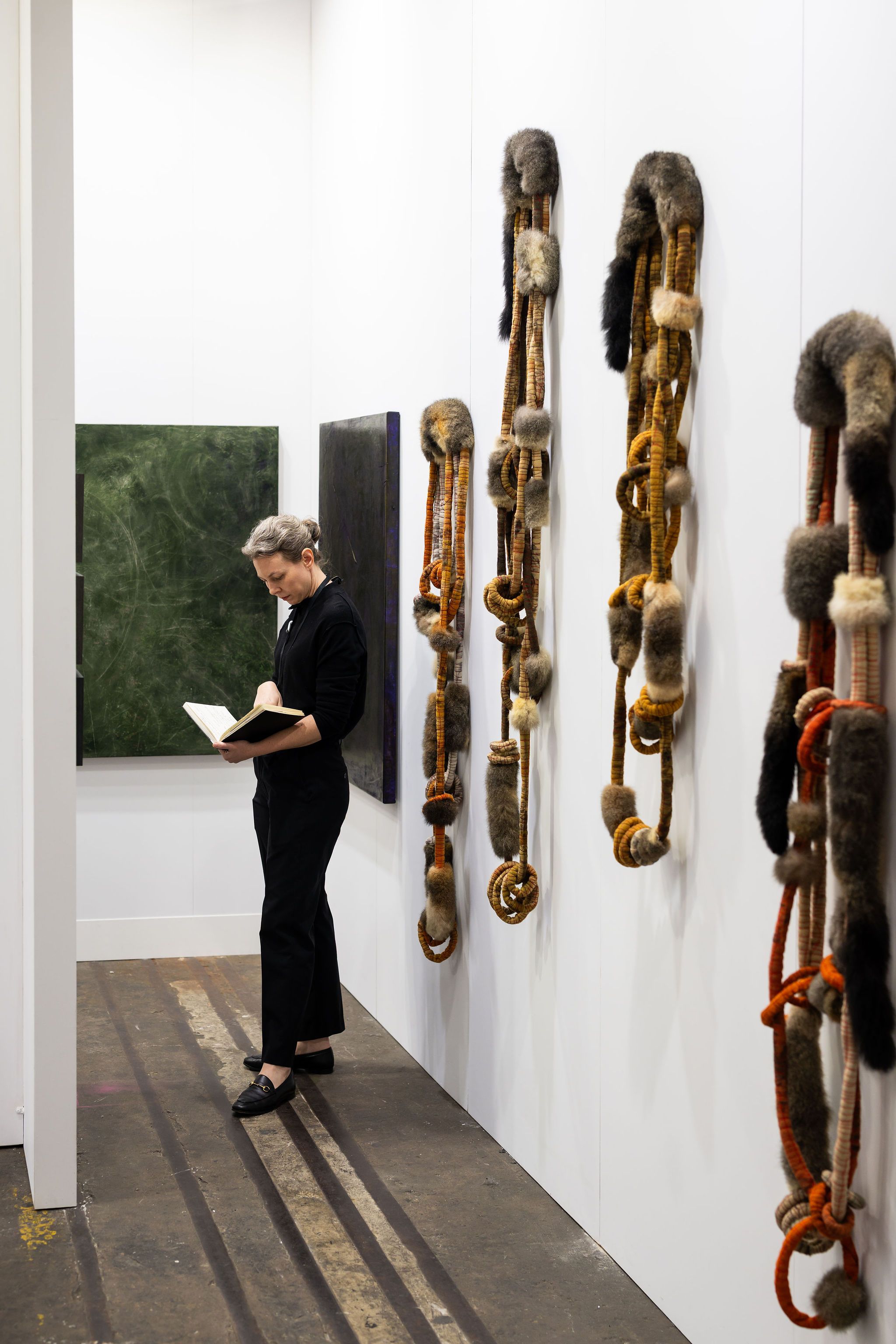
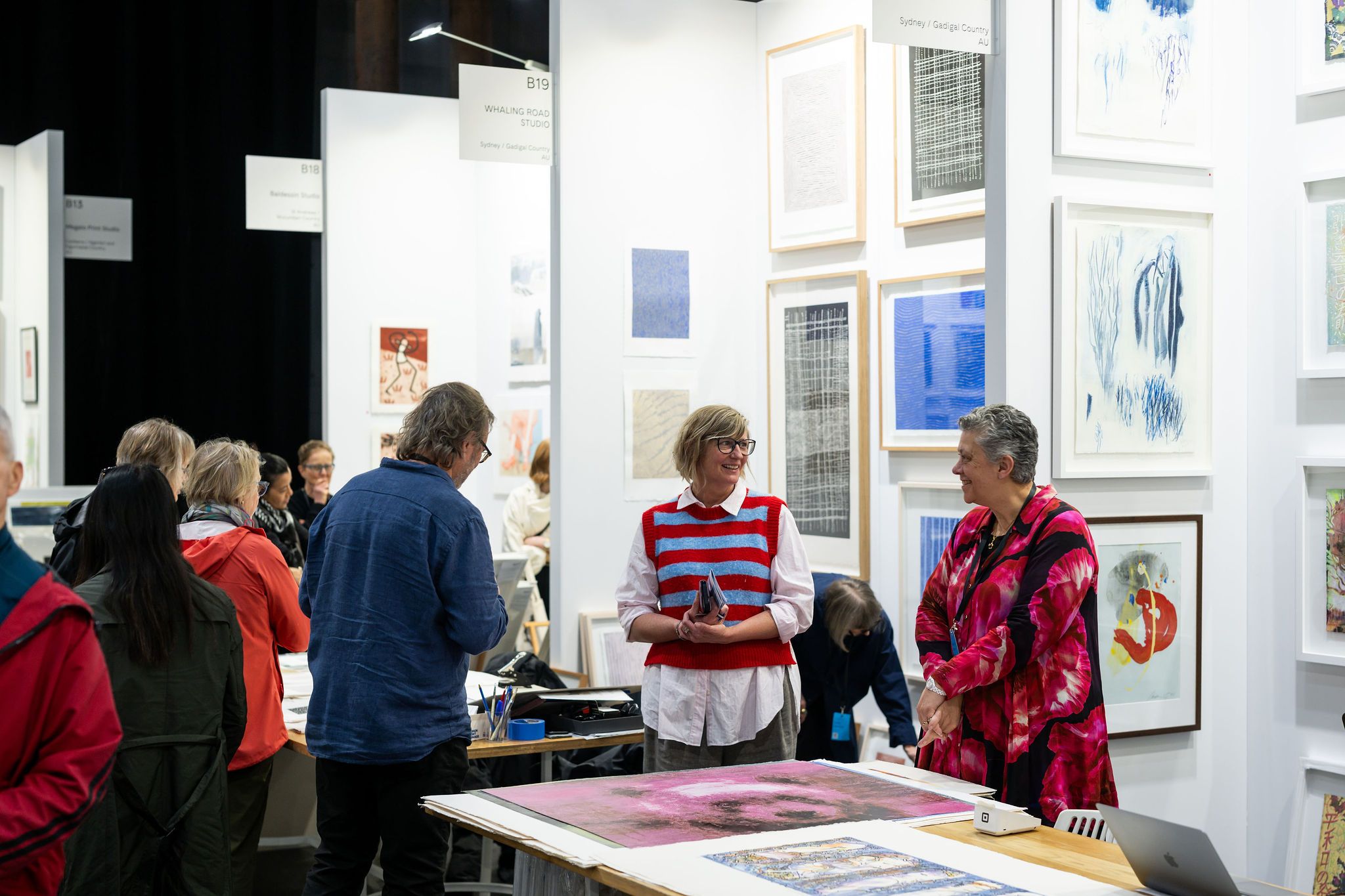
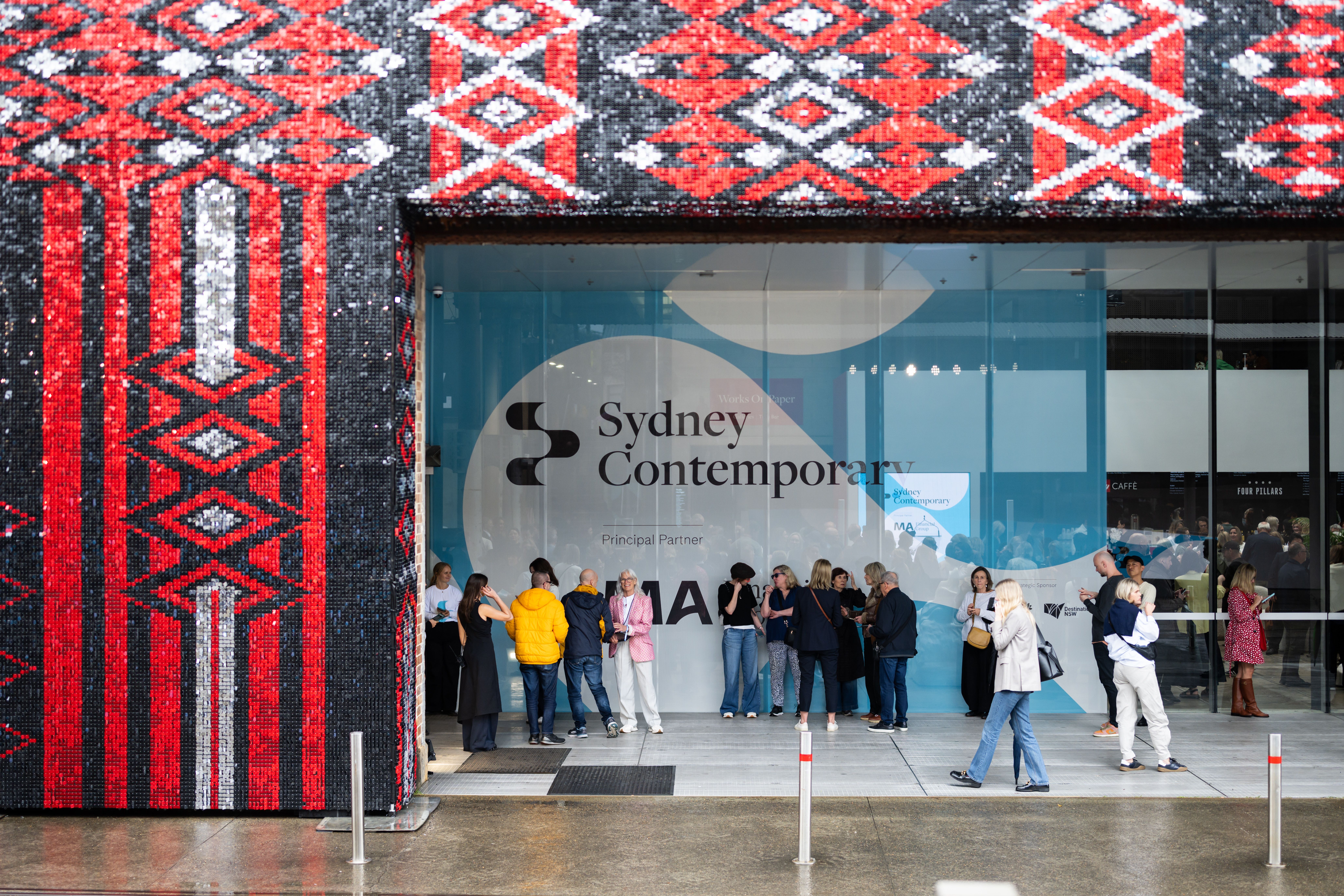
At the same time, Sydney Contemporary is mounting its largest edition to date. Carriageworks is the setting for 114 exhibitors and more than 500 artists. With a deliberately multi-faceted structure, the fair mixes established commercial galleries with young, artist-run initiatives and a new platform, Photo Sydney, dedicated to photography.
Curated sectors like Installation Contemporary and Performance Contemporary will meanwhile push the fair beyond the booth, with large-scale and live works key to its developing identity.
Director Zoe Paulsen said the fair has always been about showing the ‘works of exceptional quality across a breadth of mediums and practices.’ This edition, the fair’s ninth, is ‘our most ambitious fair to date, with more exhibitors and artists than ever before,’ she said, demonstrating that ‘Sydney Contemporary continues to be Australasia’s premier art fair.’
And while Tokyo and Sydney remain distinct in tone—Tokyo’s polished globalism contrasting with Sydney’s festival-like breadth—they reflect cities with an enormous appetite for art.
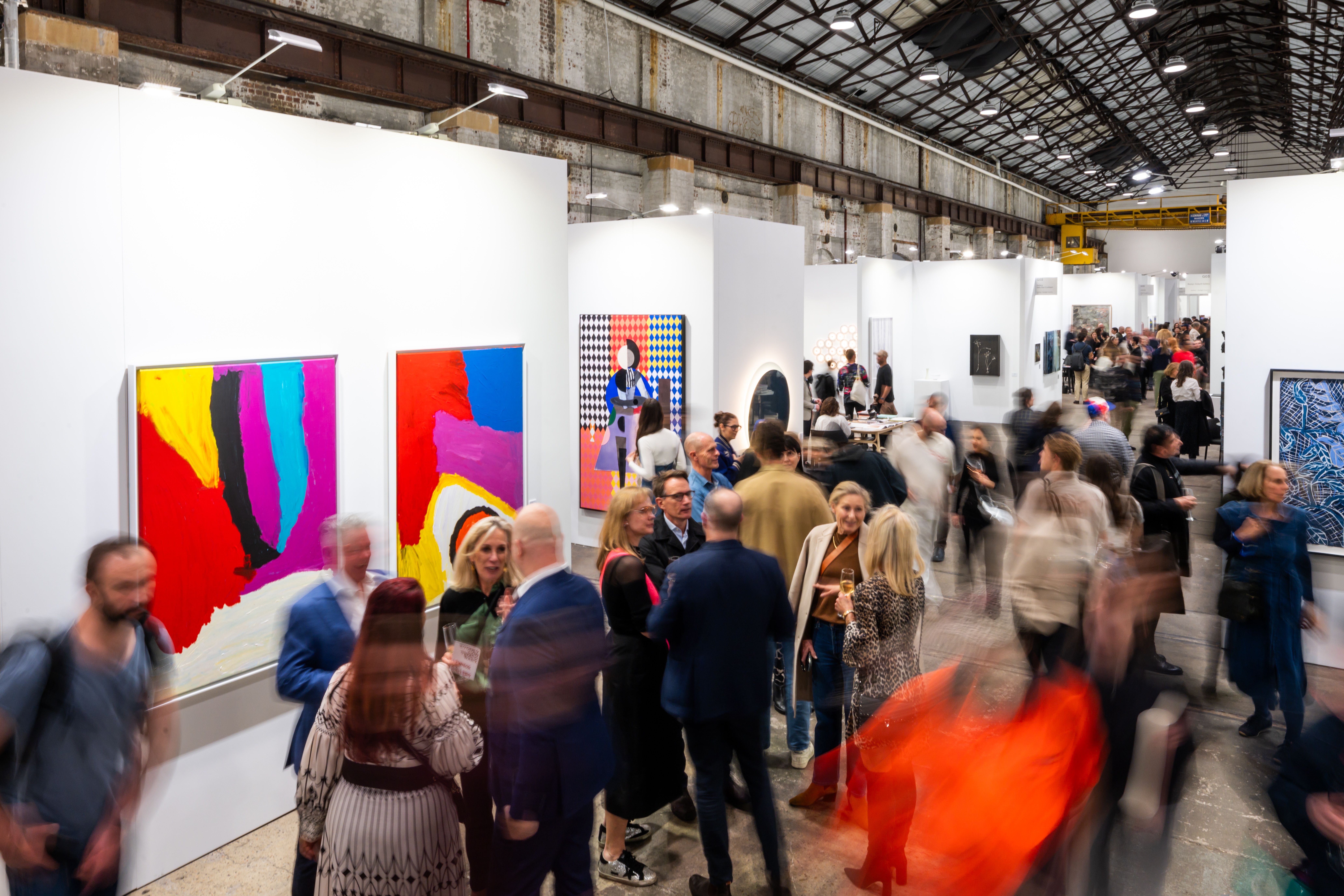
Sydney and Tokyo are cultural capitals of nations defined by the geographical isolation of island life—yet both remain far-reaching in outlook. Tokyo Gendai interlaces Japanese contemporary art with the latest works from Europe and the U.S. and Asia, while Sydney Contemporary balances Australian and New Zealand exhibitors with participants from Hong Kong, London and New York.
Crosscurrents between the two fairs are also beginning to emerge, reflecting wider flows of people between the two nations. In 2023, more than 500,000 Japanese tourists visited Australia, while over 250,000 Australians travelled to Japan. Recent figures show there are approximately 104,000 Japanese nationals residing in Australia, a number that has steadily grown in recent decades.
And despite no formal programming links between the two fairs at the moment, the connective tissue is there with gallery networks like Ames Yavuz, with its operations across London, Sydney and Singapore, its current booth at Sydney Contemporary and its presence at recent editions of Tokyo Gendai and other fairs in Taipei, Manila and Shanghai.
Meanwhile, Sydney’s performance and installation platforms feature figures such as Christian Thompson, whose Bidjara and Chinese-Australian heritage informs work on diasporic identity, and Lisa Reihana, whose kinetic installations engage with Pacific histories— practices which resonate with the currents in the Tokyo Gendai programme. As Takane notes: ‘Japan is a very popular destination with visitors from Australia, and we hope to explore opportunities for collaboration and to deepen the fair’s outreach across the wider region. This summer it was brilliant to see the exhibition Echoes Unveiled: Art by First Nations Women from Australia at Tokyo’s Artizon Museum, and I hope to see more work from Australia in Japan in the future.’
For Tim Etchells, the founder and co-owner of Sydney Contemporary, the alignment of the two events — and other key events in the trans-Pacific art calendar — only strengthens the fair’s visibility. ‘Each year we bring together collectors from across Australia, New Zealand and further afield,’ he says. ‘The fair is more than just a marketplace. It’s a vital meeting point for collectors, artists, galleries and art lovers who play an essential role in shaping and sustaining Australia’s art ecosystem.’
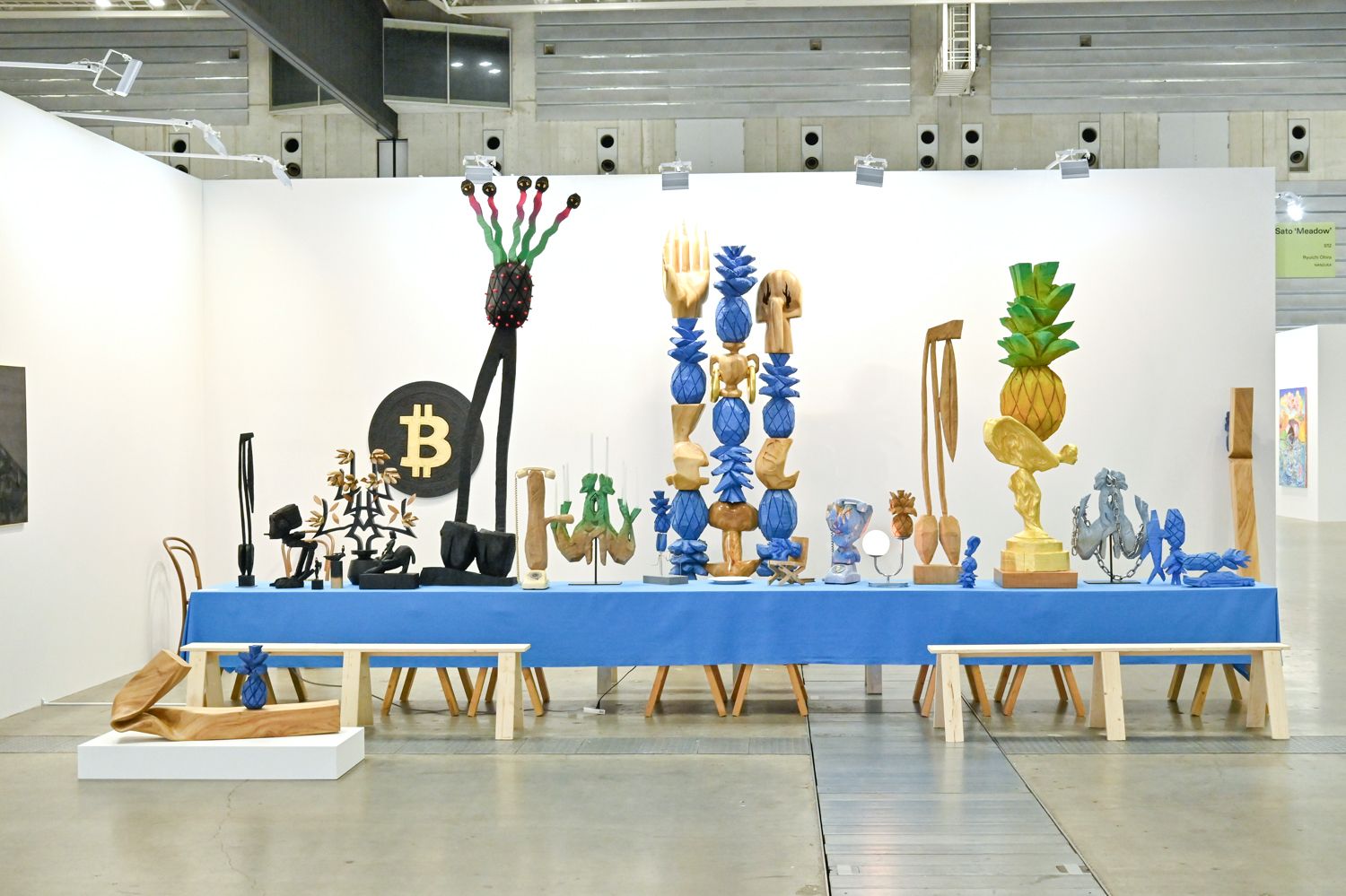
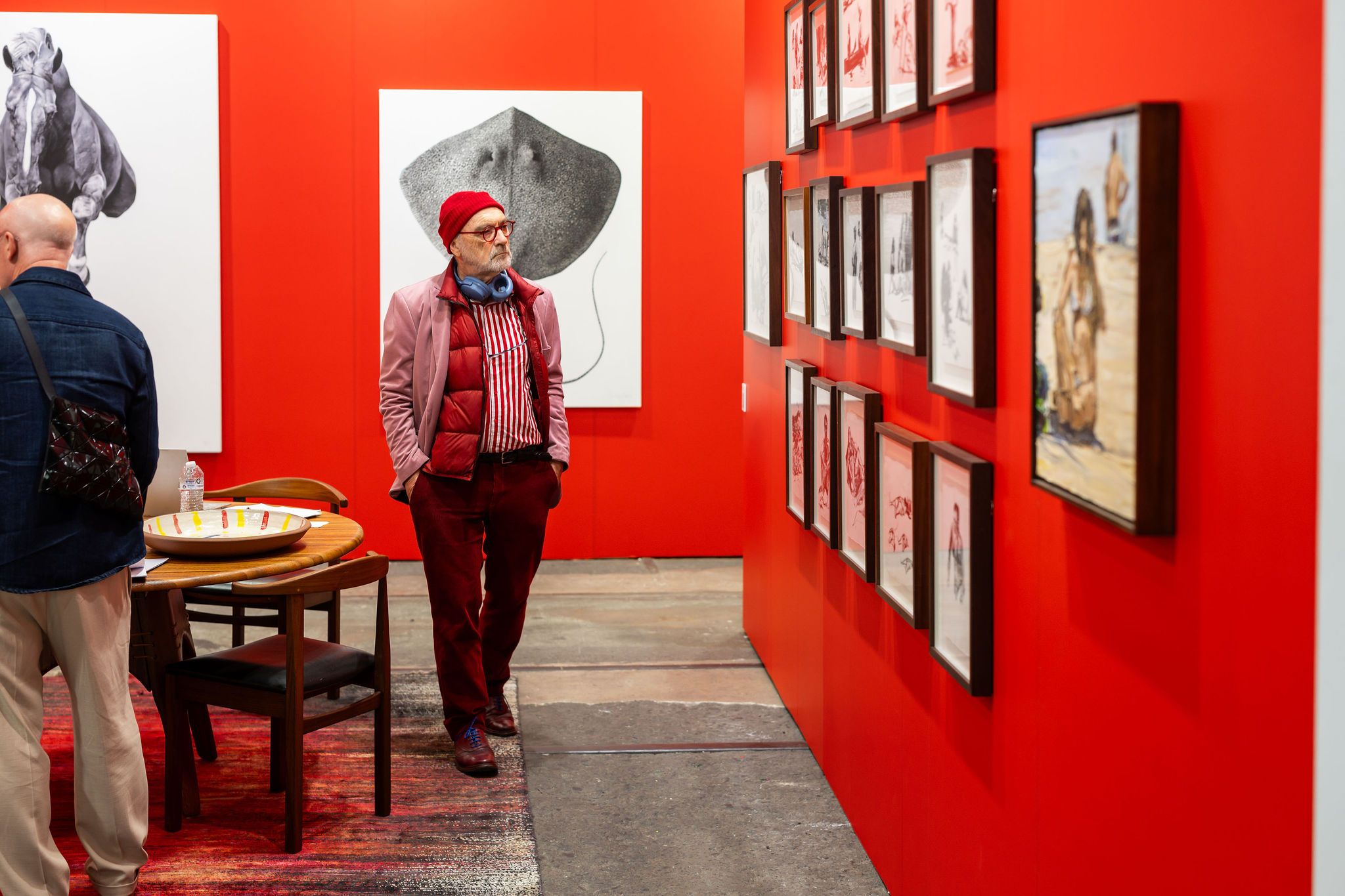
The overlap—Sydney from 11 to 14 September, Tokyo from 12 to 14 September—offers the possibility of an itinerary spanning both hemispheres. While demanding logistically, this coincidence encourages the idea of an Asia-Pacific calendar that could rival comparable fair treks in Europe and North America.
The decision-makers behind Tokyo Gendai seem receptive. ‘Our mission is to open new dialogues across disciplines and provide opportunities for cultural exchange, and we continuously explore opportunities to collaborate and connect with other events, including Sydney, in the region,’ said Takane.
The two visions suggest a future where the fairs might work in tandem rather than in isolation, broadening the region’s cultural ecosystem while maintaining their local distinctiveness. The question is whether Tokyo and Sydney will remain parallel but separate, or whether stronger connections will emerge. The conditions are present: artists navigating hybrid identities, galleries operating across cities and collectors more mobile in the Asia-Pacific and, indeed, globally. ‘In the past five years, we have noticed that a younger generation of collectors, from Japan and around the world, are becoming actively engaged in the art market,’ Takane notes.
What remains is whether curatorial or institutional initiatives begin to deliberately link the two. Such projects could cement a trans-Pacific art circuit, one in which Tokyo and Sydney operate as complementary hubs rather than isolated scenes.
For now, both fairs offer a lens onto the evolving ecology of contemporary art in the region. They foreground the local while engaging the global, they showcase the established while supporting the emerging, and they reflect a shared appetite for participatory, experiential art. As they grow, Tokyo Gendai and Sydney Contemporary may not only define their own cities, but shape the contours of a more integrated Asia-Pacific art world. —[O]
A respected voice in contemporary art discourse.
Focusing on ambitious storytelling and insightful art-world commentary. Ocula Magazine publishes in-depth interviews, critical essays and timely analysis on the artists, exhibitions and ideas driving the global art world.
Learn more about Ocula Magazine
Showcasing the best of the art world.
Ocula partners with galleries from around the world to highlight their artists, artworks and exhibitions. Gallery membership is by application and invitation, with each member vetted by an independent panel.
Learn more about Ocula Membership
Specialises in the sale of major artworks.
Led by a team with deep ties to the world’s leading auction houses, galleries and collectors. Ocula’s advisory team offers bespoke services to high-net-worth clients from around the world who are looking to acquire the best of contemporary and modern art.
Learn more about our team and services